
Bali Visa Guide 2026: VOA, B211A, and KITAS Without an Agent
Most travelers can stay in Bali 30 days on a Visa on Arrival, extendable once to 60. Sixty days isn’t enough? Apply in advance for a B211A and you get up to 180. That’s the short answer to the question I get more than any other from friends asking about a Bali trip. Below is the actual catalogue, the real fees in IDR, and what I do at the imigrasi office to extend without paying an agent.
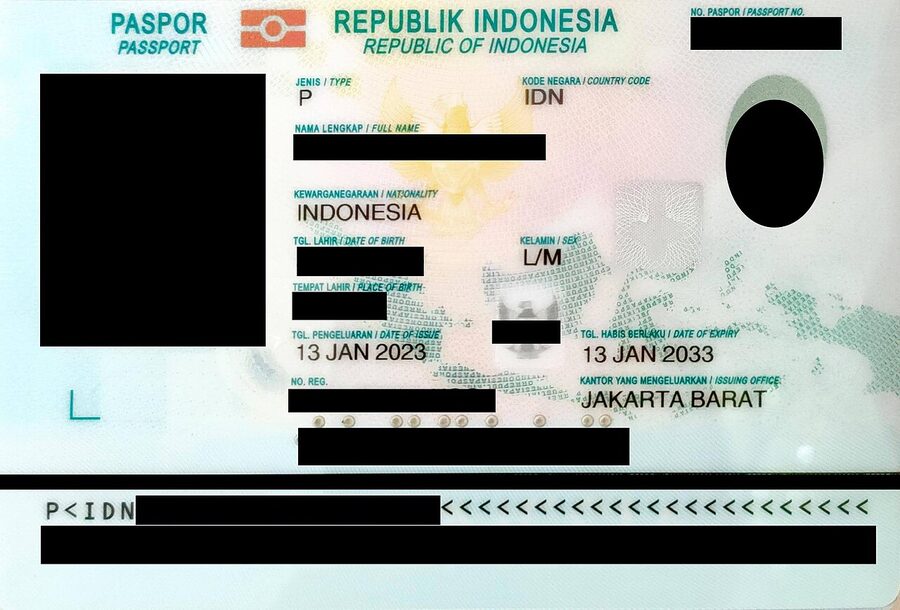
Two important things first. The official portal for Indonesian eVisas is evisa.imigrasi.go.id. Anything else, no matter how official it looks, is either a paid agent or a scam copy. And the rules below are what’s current at the time of writing in early 2026. Indonesian visa policy has changed three times since I started going to Bali, so always cross-check on the official portal before you book a flight you can’t refund.
In This Article
- How long can I stay in Bali on each visa
- Visa exempt: 30 free days for ASEAN and a few more
- The Visa on Arrival, online or at the airport
- Documents you actually need at the counter
- Extending the VOA in Bali
- Doing it yourself at imigrasi (Rp 500,000)
- Using a jasa visa agent (Rp 850,000 to Rp 1,500,000)
- The B211A: 60 days, extendable to 180
- Documents for the B211A
- Multiple-entry D1, for the people doing border runs
- The Second Home Visa, the Golden Visa, and KITAS
- E33E Second Home Visa
- E28 Golden Visa
- E23 KITAS work permit
- The 2024-2025 enforcement push: what changed
- Document checklist for any visa
- The imigrasi offices in Bali: where to go
- Kantor Imigrasi Kelas I TPI Denpasar (Renon)
- Kantor Imigrasi Kelas II Singaraja
- Kantor Imigrasi Kelas II Ngurah Rai (airport)
- Picking a visa agent: what to ask before you hand over your passport
- The actual scams that target visa-paying tourists
- Common questions I get asked over a Bintang
- Can I work remotely on a tourist visa?
- Can I extend my VOA twice?
- What happens if I overstay by one day?
- Do kids need their own visa?
- Can I buy a one-way ticket?
- Does my expiry date count the arrival day or the day after?
- The bottom line
How long can I stay in Bali on each visa
The real answer depends on your passport, why you’re going, and how long you can plan ahead. Here’s the catalogue most travelers actually use, ranked by how many people I know on each one.
- Visa exempt (free, 30 days, no extension) for ASEAN nationals plus a handful of others.
- Visa on Arrival / eVOA (Rp 500,000, 30 days, extendable once for another 30) for around 92 nationalities including Australia, the UK, the US, Canada, the EU, New Zealand, Japan and most of South America.
- B211A Single-Entry Visit Visa (60 days, extendable twice to 180) for anyone who needs longer, or for nationalities that can’t use the VOA.
- D1 Multiple-Entry Visit Visa (1, 2 or 5 years validity, 60-day stays per entry, extendable to 180) if you’ll exit for Lombok or Singapore and re-enter.
- E33E Second Home / Silver Hair Visa (5 years) for retirees and remote workers willing to park USD 50,000 in an Indonesian state bank.
- E33 / E28 Golden Visa (5 or 10 years) for investors and global talent, gov fee from Rp 35,250,000.
- E23 KITAS work permit (1 to 2 years, renewable) for anyone hired by an Indonesian sponsor.
If your trip is two weeks of beach and warungs, you can stop reading after the eVOA section. If you’re doing a yoga teacher training, a digital nomad stretch, or a retirement scout, keep going. There’s a real difference in cost and paperwork between each option, and getting the wrong one means a flight out and back at your expense.
Visa exempt: 30 free days for ASEAN and a few more
If you hold a passport from one of the ASEAN countries (Brunei, Cambodia, Laos, Malaysia, Myanmar, the Philippines, Singapore, Thailand, Vietnam, plus Timor-Leste) you don’t need a visa at all for stays up to 30 days. As of mid-2025 the list also includes Brazil, Colombia, Hong Kong, Peru, Suriname and Turkey. The 30 days is hard. You can’t extend it. If you want longer, you have to leave Indonesia and come back on a paid visa, or apply for a B211A in advance.
One nuance worth knowing: if you’re a Singapore permanent resident on a foreign passport that’s not on the visa-exempt list, you don’t get the free 30 days. The exemption is by passport, not by where you live. Same goes for British passport holders living in Bangkok. Your nationality is what matters at the counter at Ngurah Rai.
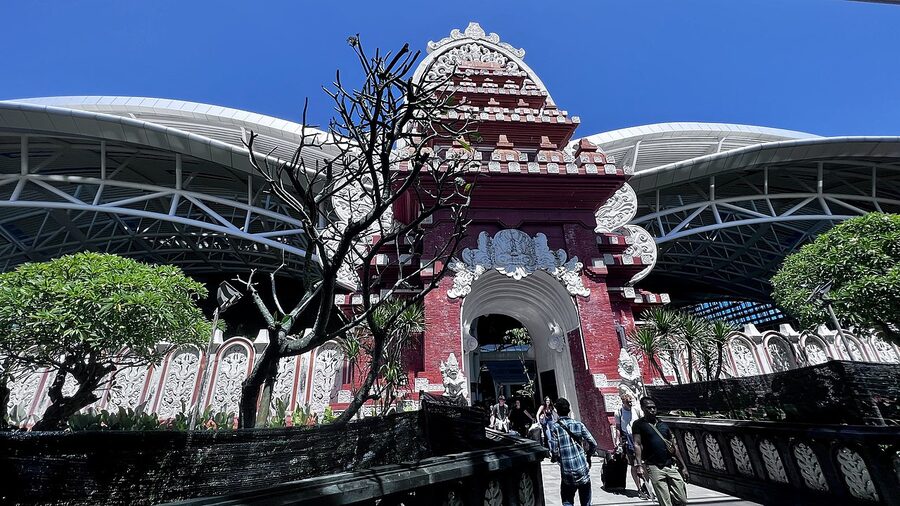
The Visa on Arrival, online or at the airport
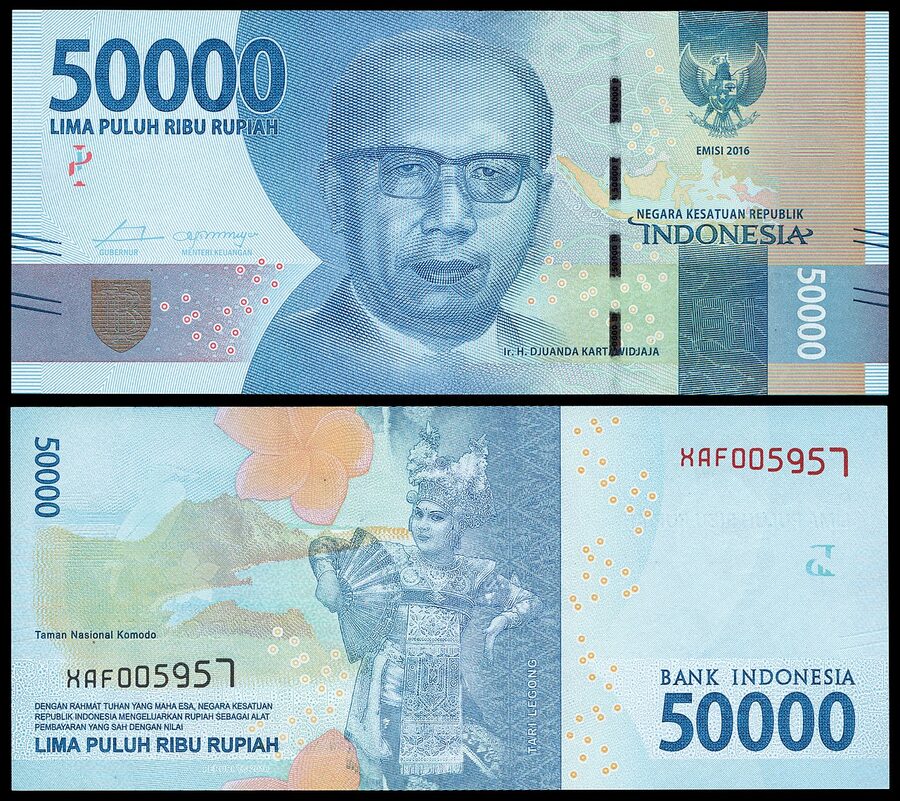
This is what most readers will use. Officially called the B1 Tourist Visa, but everyone still says VOA or eVOA. Rp 500,000 (about $32 USD), single entry, 30 days from the date you stamp in. You can extend it once, in Bali, for another Rp 500,000 and another 30 days. After that, you have to leave the country.
You have two ways to get it.
Online before flying (the eVOA). Go to evisa.imigrasi.go.id, create an account, upload a passport photo and your passport biodata page, pay with Visa, Mastercard or another international card, and within a few hours (sometimes minutes, sometimes overnight) you’ll get a PDF emailed to you. Print it or have it on your phone. At Ngurah Rai you join the regular passport line, not the VOA queue, and the officer scans the QR code. The online version is the one I always recommend. The fee is identical, and you skip a queue that on a busy night during Australian school holidays can run 90 minutes.
At the airport on arrival. Walk past the regular immigration line, find the VOA counter, hand over Rp 500,000 in cash (rupiah preferred, USD accepted at a slightly punitive rate, card sometimes works but the machine is moody), get your visa sticker, then queue again at immigration. Two queues instead of one, but you don’t need to plan ahead.
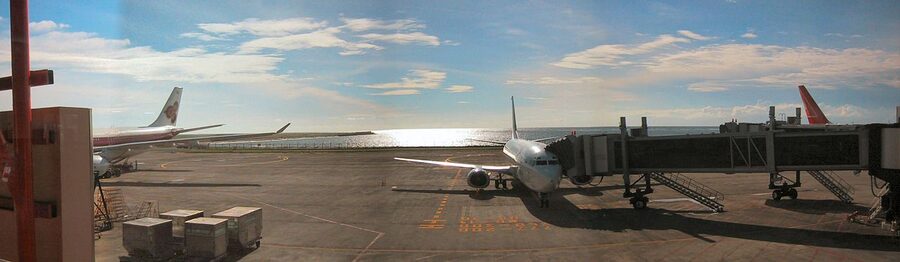
Documents you actually need at the counter
- Passport with at least six months validity from your arrival date and at least one blank page (officers in Bali usually want two).
- A return or onward ticket out of Indonesia within 30 days. Print it. Officers do still ask.
- Proof of accommodation (a hotel booking or homestay address). They don’t always check, but I’ve been asked twice.
- A working credit card or about Rp 500,000 in cash if you’re paying at the airport.
Bring the cash even if you’re paying online. ATM queues at arrivals are long, the airport rate at money changers is bad, and the tourism levy on top of the visa is another Rp 150,000 that you’ll want to pay before getting in a Grab. Speaking of which, the levy and the visa are two separate payments. Both are mandatory. Lots of first-timers think the levy is a scam because it sounds new, but it’s a real Bali provincial fee, introduced in February 2024.
Extending the VOA in Bali
You bought a VOA. Day 25 hits and you realise 30 days isn’t enough. Good news: you can extend, once, for another 30 days. The bad news: it takes a week or so and three trips to the imigrasi office if you do it yourself, or one trip and a packet of cash if you use an agent.
Doing it yourself at imigrasi (Rp 500,000)
The cheapest way is to walk into the immigration office. In south Bali that’s Kantor Imigrasi Kelas I TPI Denpasar on Jl Niti Mandala in Renon. North Bali people use the Singaraja office. The official extension fee is Rp 500,000. That’s it.
Here’s the rough sequence I’ve watched friends go through, and that I’ve done myself once:
- Apply online via the M-Paspor app or the eVisa portal a week or so before your visa expires. You’ll get a slot at the office.
- Visit one: bring your passport, your VOA print-out, your return ticket, a sponsor letter (your homestay or hotel can usually write you a one-pager for free), and a passport photo. They take fingerprints, take a photo, check documents. Pay the Rp 500,000 fee at the bank counter on site.
- Visit two: pickup, usually 5 to 7 working days later. They give you back your passport with the new stamp.
It used to be three visits. The newer M-Paspor flow has cut it to two for most people, but the office can still ask you back if anything’s missing. Plan for a full week. Don’t try this on day 28 of your visa. The office is closed on Indonesian public holidays, of which there are many.
Using a jasa visa agent (Rp 850,000 to Rp 1,500,000)
Every other shop in Sanur, Ubud and Canggu seems to be a jasa visa agency. They’re called runners. You hand them your passport, sign a form, pay between Rp 850,000 and Rp 1,500,000 (the higher end usually means express service in three days, or pickup if you’re staying somewhere out of town), and a few days later they bring your stamped passport back to you. You still have to do one in-person visit yourself for the fingerprints and biometrics, but the queueing, the application, and the paperwork are off your plate.
Worth it? If your time on Bali is worth more than Rp 500,000 to you, yes. If you’re staying north or east and the round trip to the Denpasar office is three hours, yes. If you’re on a tight budget and you’re already in Sanur with nothing planned, the DIY route is fine and you’ll learn how the system works.
The B211A: 60 days, extendable to 180
If 60 days total isn’t enough, or if you already know on day 1 that you want longer, the B211A Single-Entry Visit Visa is the next step up. Officially the C1 (211A) under the new code, but everyone in Bali still calls it the B211A. It gives you 60 days on arrival, extendable twice in Bali for another 60 days each time. Total stay: 180 days, just shy of six months.
You apply in advance, online, before you fly. You can’t switch from a VOA to a B211A inside Indonesia. Costs vary because there’s a real government fee plus an agent fee, and most people use an agent because the process needs an Indonesian sponsor.

- Government visa fee: roughly Rp 1,500,000 paid through the eVisa portal.
- Agent / sponsor fee: typically Rp 2,500,000 to Rp 4,000,000 in Bali for the application service plus the local sponsorship.
- Each extension in Bali: another government Rp 500,000 plus Rp 850,000 to Rp 1,500,000 if you use an agent for the runs.
Total for a six-month B211A trip with two extensions, all done through an agent: somewhere between Rp 6,000,000 and Rp 9,000,000 in fees. Some agents quote a flat package for the whole 180 days, which can be cheaper if you negotiate. Always ask whether the price includes the government fees or just the service charge. The cheap-sounding ones often don’t.
Documents for the B211A
- Passport valid for at least six months, with two blank pages.
- Recent passport photo (digital, white background).
- Proof of funds, usually a recent bank statement showing at least USD 2,000.
- Return or onward ticket.
- Sponsor: an Indonesian individual or company. Visa agents provide this as part of their service.
What’s it good for? Yoga teacher trainings, surf coaching seasons, a season of remote work from a yoga or cooking course in Ubud, longer family stays, a real attempt at writing the book. It is not a working visa. You can’t legally take Indonesian-paid work on it, and you can’t run a business in Indonesia. Foreign-paid remote work is a grey area; most digital nomads do it on this visa knowingly.
Multiple-entry D1, for the people doing border runs
If your Bali stay involves popping out to Lombok, Singapore or Kuala Lumpur and coming back, the D1 Multiple-Entry Visit Visa is purpose-built for that pattern. It’s valid for 1, 2 or 5 years from issue, and each visit can last 60 days, extendable twice to 180. You exit, the clock resets on your next entry, you come back in.
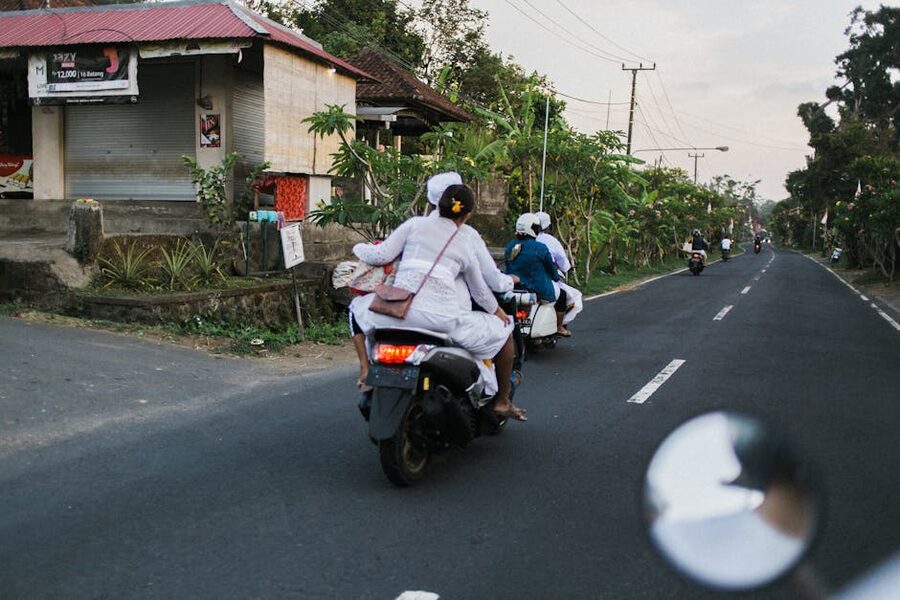
Indicative agent prices in Bali, from the published list of one of the long-running Kuta Utara agencies: Rp 4,550,000 for a 1-year, Rp 7,300,000 for 2 years, Rp 13,800,000 for 5 years. These are agent packages including their service plus the government fee. The 5-year version sounds expensive until you do the maths against repeated single-entry applications.
The catch: you have to apply from outside Indonesia. You can’t be on a tourist visa in Bali and apply for a D1 to take effect when you next come back. You have to be in another country, hand the passport over (digitally, via your agent), then fly in fresh. People often process the D1 while at home or via a planned Singapore stop.
The Second Home Visa, the Golden Visa, and KITAS
These are the long-stay options. Most readers won’t need them. If you do, the rules are stricter and the money is real.
E33E Second Home Visa
This is the one that gets the most “we’re moving to Bali” headlines. The current rules under the post-2024 Golden Visa framework: 5 years residency, renewable, with the option to bring a spouse and dependents. To qualify, you have to deposit at least USD 50,000 (or equivalent) into an Indonesian state-owned bank account in your name, and show proof of monthly income of at least USD 3,000. The deposit stays parked while the visa is active. There’s a separate “Silver Hair” track for retirees over 60 with similar mechanics.
The earlier version of this visa, before the 2024 reform, asked for Rp 2 billion in an Indonesian bank. That number floats around outdated blog posts and is the figure I assumed for a long time. The current threshold is the USD 50,000 deposit. As ever, verify on the official portal at the time you apply, because Indonesian visa rules update frequently.
E28 Golden Visa
The investor track. There are flavours: E28B for an individual establishing a company, E28C for a passive investor, E28D for a director or commissioner. Validity is 5 or 10 years. Government fees published by Bali agencies are around Rp 35,250,000 for the 5-year and Rp 50,250,000 for the 10-year. Investment thresholds vary and were tightened during 2024. If this is the route for you, get an immigration lawyer rather than a corner-shop visa runner.
E23 KITAS work permit
This is what your employer arranges if you’ve been hired by an Indonesian company. KITAS stands for Kartu Izin Tinggal Terbatas (limited stay permit). It comes in 1-year and 2-year flavours and is renewable. You don’t apply for this one as a tourist; the company sponsors it, the company pays most of the fees, and the company tells you what to bring. There’s a remote-worker variant introduced in 2023 (E33G), but the conditions and limits change yearly. If your job offer mentions a KITAS, your HR department or the company’s lawyer should be your guide, not a blog like this.
The 2024-2025 enforcement push: what changed
Two things got noticeably stricter between late 2024 and 2025, and you’ll feel both of them.
Visa-on-arrival pre-payment. Indonesia pushed hard to move travelers onto the eVOA portal so they pay before flying. The on-arrival counter still works, but it’s slower than it used to be (more cross-checks, fewer staff) and the queue at peak hours can be ugly. If a friend tells you to “just sort it on arrival,” they’re behind. Pay online.
Overstay fines. Always there in theory, now actively enforced at exit. The fine is Rp 1,000,000 per day of overstay, payable in cash at the airport before you can board. A two-day overstay is Rp 2 million on the spot, plus a stern conversation. Sixty days or more and you risk being detained, deported, and getting a re-entry ban that can run from six months to several years. People have learned this the hard way; don’t be one of them.
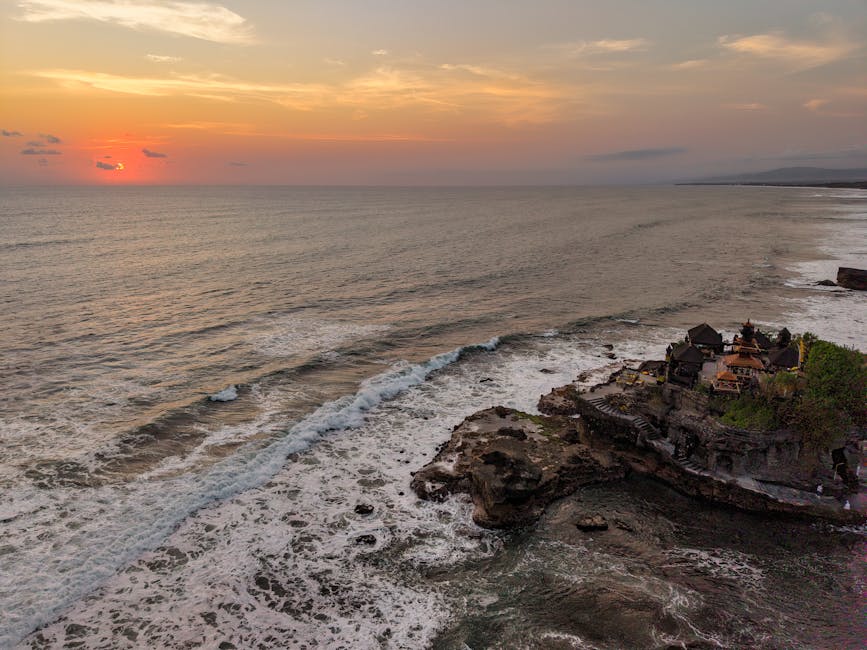
Linked to the same enforcement push: airport checks have spread inland. Police and immigration occasionally do passport checks at major temples like Tanah Lot, Uluwatu and Besakih, often paired with the tourism levy spot-checks. Carry your passport (or at least a high-quality phone copy of the photo page and your visa) when sightseeing.

Document checklist for any visa
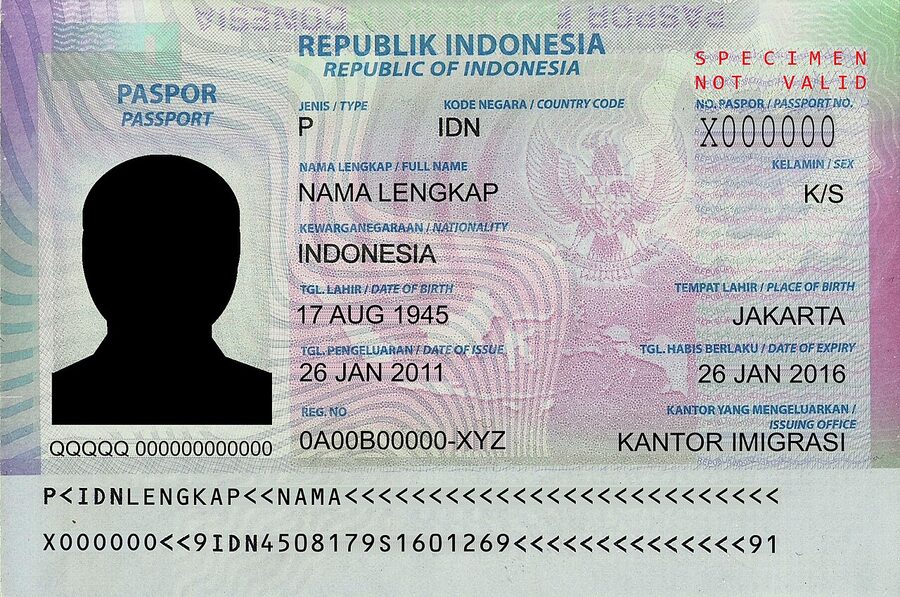
The list that genuinely matters at the airport, regardless of which visa you’re on.
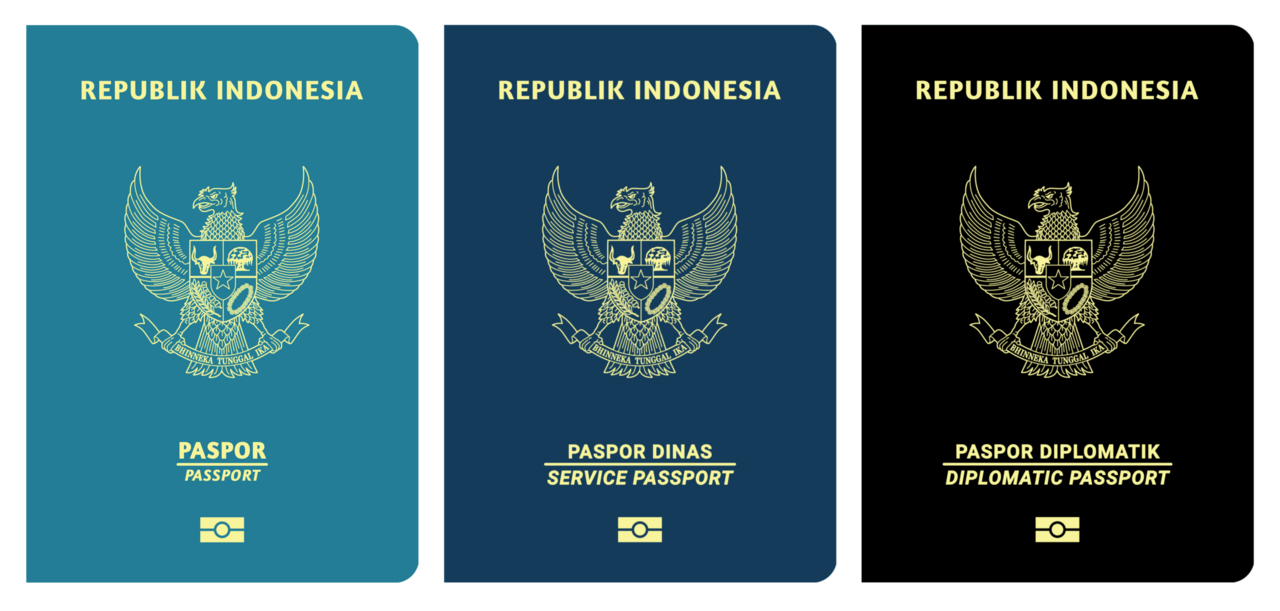
- Passport: minimum 6 months validity past your arrival date, in good physical condition. Indonesian officers reject passports with watermarks, frayed pages, torn covers, or a damaged spine. Get a new one if yours looks rough.
- Two blank visa pages: officially one is required, in practice they want two. Add a third if you’re planning a B211A with two extensions.
- Onward or return ticket within the validity of your visa. Print or screenshot, both work.
- Customs Declaration QR code from the e-CD portal at ecd.beacukai.go.id. Free, fill out within 3 days of arrival.
- SATUSEHAT Health Pass (sehat.satusehat.kemkes.go.id), filled out before you reach the immigration counter.
- Tourism levy QR from lovebali.baliprov.go.id, Rp 150,000 per visit.
- Accommodation address for the officer’s form. A confirmed booking on your phone is enough.
- Some cash in IDR or USD: see the Bali money guide for the airport rate trap. About Rp 500,000 covers the levy and a Grab to your hotel.
That’s the lot. Don’t bring a printed itinerary, the immigration officer doesn’t want one. Don’t bring proof of yellow fever unless you’re transiting from a yellow-fever country, in which case you do need it. The vaccination side is a separate question worth its own read.
The imigrasi offices in Bali: where to go
Three offices handle visa extensions for the various corners of the island. Pick the right one or you’ll be turned away.
Kantor Imigrasi Kelas I TPI Denpasar (Renon)
The main one. Address: Jl Niti Mandala No 8, Renon, Denpasar. Open Monday to Friday, roughly 08:00 to 16:00, closed for the long lunch from 12:00 to 13:00 and on Indonesian public holidays. This office covers Denpasar, Sanur, Kuta, Legian, Seminyak, Canggu, Jimbaran and the Bukit Peninsula including Uluwatu. If you’re staying anywhere in south or central Bali, this is your office.
Travel time from Sanur is 15 minutes by Grab in light traffic, 40 in heavy. From Canggu, an hour each way. From Ubud, an hour and a half. The waiting room is air-conditioned but spartan; bring a book.
Kantor Imigrasi Kelas II Singaraja
For north Bali, including Lovina, Munduk, and the area inland from the Singsing Waterfall. The drive from Lovina is about 15 minutes. From Munduk, around 90 minutes. Saves you the 3-hour trip down to Denpasar if you’re already up north.
Kantor Imigrasi Kelas II Ngurah Rai (airport)
Inside the airport complex. Handles visa-related matters for arrivals (denials, problems, lost-document issues) more than extensions. You generally won’t end up here unless something’s wrong.
Picking a visa agent: what to ask before you hand over your passport
Visa agents in Bali range from immaculate ISO-certified law firms to a bloke with a sticker on his door. Before handing over your passport (which, yes, you do have to physically hand over for some applications), ask the following:
- What’s included in the price? Government fee plus service fee, or just service fee? A quote that doesn’t mention government fees is hiding them.
- Who’s your sponsor? A real Indonesian individual or company name. Avoid agents that say “we’ll figure that out later.”
- Do I need to come in for biometrics? For most extensions and the B211A, yes. The agent should book your slot and tell you when. If they say “no in-person required” for a B211A, they’re either misinformed or about to commit fraud in your name.
- How long does it take? A B211A is typically 5 to 14 working days depending on whether you pay for priority. An extension is 5 to 7 working days.
- Where do I pick up the passport? Their office, your hotel, a delivery service. All fine, just confirm.
The big Sanur, Kerobokan and Ubud agencies have public price lists and reviews on Google and Facebook groups like Canggu Community and Ubud Community. Use those, ask for a recent personal recommendation. Avoid the touts at the airport offering “express visa help.”
The actual scams that target visa-paying tourists
Three keep showing up year after year. Knowing the shape of each is the easiest way to avoid them.
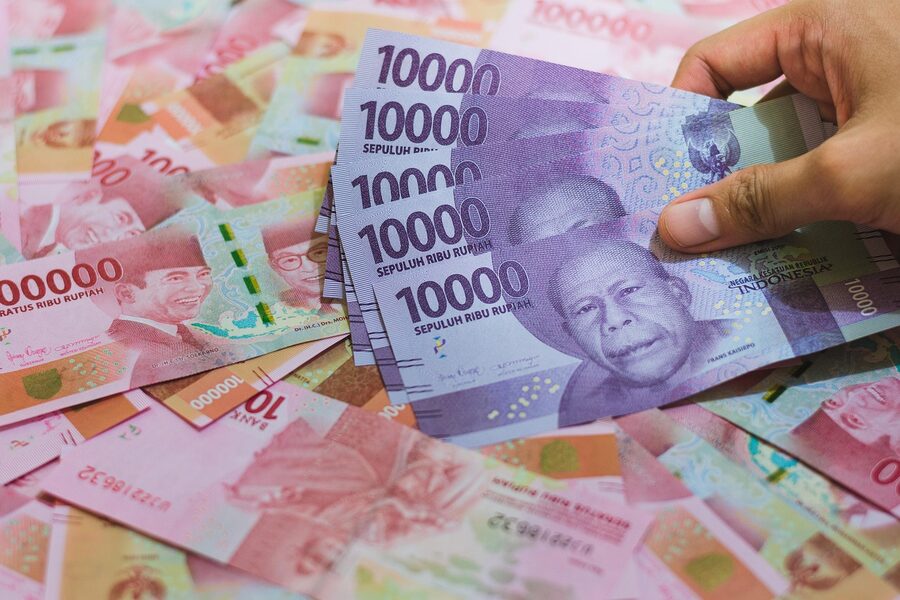
The fake eVisa portal. Search “Bali visa on arrival” in Google and you’ll see ads above the official link. Some go to legitimate agents. Some go to lookalike sites that take Rp 800,000 to Rp 1,500,000 from you and produce a worthless PDF. The official portal is evisa.imigrasi.go.id and only that. The fee for a self-applied eVOA is Rp 500,000. If the site is asking more, it’s an agent (fine if you knew it was) or a scam (not fine).
The same trick targets the tourism levy. Use lovebali.baliprov.go.id, ignore everything else.
The “expedited extension” cold call. A WhatsApp message from someone claiming to be from immigration, telling you that you’ve overstayed and you need to pay them a fee to fix it. Fake. Indonesian immigration doesn’t WhatsApp tourists. If you have a question about your status, walk into the imigrasi office in person.
The airport visa runner. Someone in an airport polo who steers you off the VOA queue, “helps” with your application, and then asks for Rp 1,000,000 in cash for the trouble. The official VOA fee is Rp 500,000. Total. Don’t accept anyone’s help inside the immigration zone unless they’re a uniformed officer.
Common questions I get asked over a Bintang
Can I work remotely on a tourist visa?
Officially no, in the sense that any work is prohibited on a tourist visa. In practice, foreign-paid remote work that doesn’t generate Indonesian income, doesn’t take an Indonesian job, and doesn’t involve serving Indonesian clients is what most digital nomads do on a B211A or D1, and it’s tolerated. The line that gets you in trouble is taking Indonesian-paid work, having an Indonesian client base, or running a business locally. For that you need a KITAS.
Can I extend my VOA twice?
No. Once. After 60 total days you have to leave Indonesia. A border run to Singapore for two nights and back in on a fresh VOA is the workaround that everyone uses, and it’s tolerated, but it’s not a long-term plan. After two or three of those in a year, immigration will start asking questions on entry. If you genuinely want longer than 60 days, get a B211A.
What happens if I overstay by one day?
Rp 1,000,000 fine, paid in cash at the airport before you can board your flight. Have IDR ready. They have a stamping desk and a separate queue. It’s quick if you can pay, painful if you can’t.
Do kids need their own visa?
Yes. Every traveler needs their own visa or VOA, regardless of age. A 6-month-old needs the Rp 500,000 visa. The fee isn’t reduced for children.
Can I buy a one-way ticket?
Technically the rule asks for an onward ticket out of Indonesia. The check is hit-or-miss. Some travelers fly in on a one-way and are never asked. Others get pulled aside at check-in (usually by the airline, not Indonesian immigration) and refused boarding until they buy a refundable ticket. Easier to book a cheap onward flight to KL or Singapore that you can refund or actually use.
Does my expiry date count the arrival day or the day after?
Day of arrival is day 1. So a 30-day VOA arriving on April 1 expires on April 30. The cleaner way to think about it: count 29 days forward from the arrival date and that’s your last legal day in Indonesia. When in doubt, leave a day early.
The bottom line

For most short trips: pay the eVOA online, pay the tourism levy online, print both, walk through. The whole thing takes ten minutes the week before flying and saves you an hour at Ngurah Rai. For longer stays, decide whether you want the hassle and savings of doing the B211A yourself, or the ease and cost of a Sanur or Kerobokan agent. For multi-month or multi-year stays, get a real lawyer; this is not a corner-shop decision.
The single most useful thing you can do is bookmark the official portals and check them before you book your flight. Indonesian visa policy changes more often than the Wikipedia page reflects, and an agent who quoted you a number six months ago might be off by Rp 1 million today. The portals are at evisa.imigrasi.go.id and, for the levy, lovebali.baliprov.go.id. The whole rest of this practical-info section on the site assumes you’ve sorted the visa first. With this one done, the rest of the trip is a lot easier to plan.

_I_Gusti_Ngurah_Rai_International_Airport.jpg)
Planning a Bali trip?
Start with the cornerstones — when to go, where to base, and what's actually worth doing.