35 Things to Do in Bali, Ranked by What’s Actually Worth It
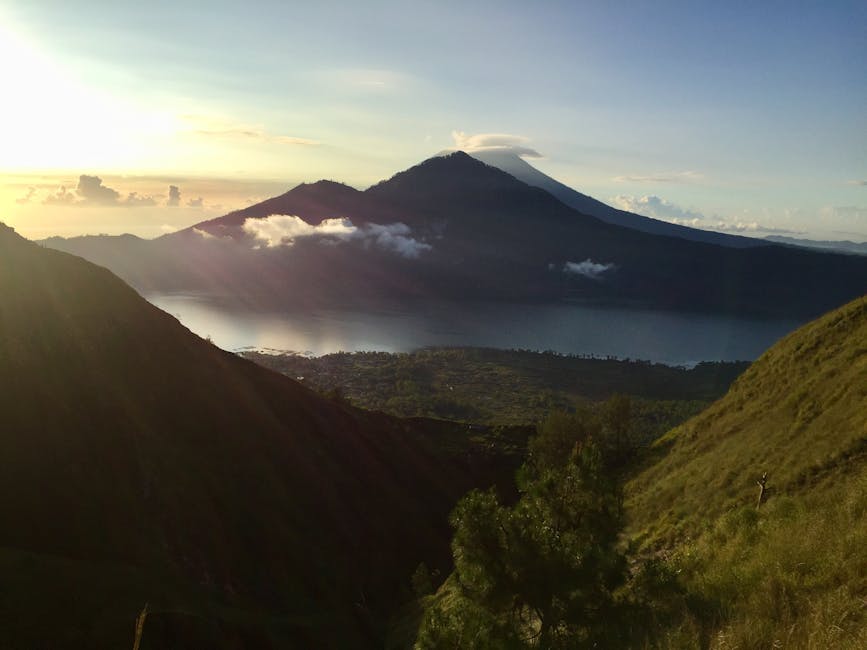
Sunrise from the rim of Mount Batur, Bali

It is 5:40 a.m. on the rim of Mount Batur. The sky is the colour of a bruise above Lake Batur. A guide’s torch swings up the trail behind me. To the east the sun is a pixel above the rim of Mount Agung, and Lombok is stencilled in pink behind that. This is the only moment of the trip that is worth getting out of bed at 2 a.m. for. Most of the rest is too. Here are the 35 best things to do in Bali, ranked by what is actually worth it, and a few that are not.

Sunset on a Bali coast
Sunset over the south coast, somewhere between Canggu and Echo Beach. The pull is real.

What I am not going to do here is give you a flat alphabetical list of every temple, beach club and rice terrace on the island. The internet has plenty of those. What you actually need is a sense of which things are worth your morning, your driver fee, your two-hour transfer in traffic, and which look great in photos but disappoint when you stand there for real. So I have grouped them by what they are, sorted them inside each group by what is worth it, and at the end I have given you the editor’s actual top-7 lists for first-timers, returnees, surfers, families, wellness travellers, culture travellers, and people on a luxury budget.

Quick context. Prices in this article are in Indonesian rupiah (Rp 1,000 / about $0.06 in late 2025) with USD in brackets the first time. Most of the entrance fees changed in 2024 and 2025 after the new Bali tourism levy of Rp 150,000 per person took effect, so do not be shocked if a number you saw on a 2023 blog has doubled. I have used the prices I paid or saw posted on the gates in early 2026. Indonesian and Balinese terms are italicised on first use with a translation, then used freely. And if a thing is overrated I will say so.

Beaches and water

Aerial view of Kelingking Beach on Nusa Penida
Kelingking from the rim. Walking down is brutal; the view from the top is the trip.

Bali is an island, and most travellers underrate the water side of it because Kuta-Legian-Seminyak gives them a flat impression of brown sand and big swells. Once you get to the Bukit, Amed, Lovina and the Nusa islands, the picture is different. These are the water experiences worth the drive.

1. Watch the sunrise from the rim of Mount Batur

Yes I am opening with a mountain in the beach section. The reason is the lake at the bottom and the sea horizon to the east, the same one you stare at from any south Bali beach, and the experience starts and ends with water you can see from the summit. The hike is easy in difficulty terms, brutal in timing terms. Pickup from your hotel around 2 a.m., trailhead at Toya Bungkah by 4, summit ridge before 6. Local-guide enforcement is real now: you cannot legally hike Batur without a registered Mount Batur Trekking Guide Association (HPPGB) guide, and the price is around Rp 600,000 per person ($38) for a small group, more for a private guide. Bring a head torch, a fleece, and water. Skip the breakfast cooked over volcanic steam, it is symbolic, not delicious.

2. Padang Padang and Bingin at low tide on the Bukit

Padang Padang is the famous one because it featured in Eat, Pray, Love. Bingin is the everyday one. Both are tucked into limestone cliff faces on the Bukit, both want you arriving at low tide, and both charge a tiny entry fee at the top of the steps (Rp 15,000 / about $0.95 at Padang Padang, free at Bingin if you walk in via the warung path from Jalan Pantai Bingin). The walk down to Bingin is the harder one, fifteen minutes of steep concrete with no railing in places. Once on the sand, both have warungs serving Bintang and grilled fish. If you only have time for one, do Bingin in the morning and stay through lunch. It is the better beach to actually swim. The south Bali beach roundup covers the rest of the Bukit if you want them all in one drive.

3. Surf at Uluwatu, Padang Padang or Canggu, by ability

Surfer on a Bukit reef at sunset
A clean Bukit set. Padang Padang is the marquee wave; Bingin is the everyday one.

Bali built its tourism on this. The Bukit reefs are advanced level, six-foot left-hand barrels off Uluwatu being the marquee wave, Padang Padang being the second-most marquee wave, both reef breaks that punish a missed take-off. Canggu and Echo are the intermediate spots, mellow shoulder-high reef and beach breaks. Kuta and Legian are the actual beginner zones, sandy bottom, plenty of soft-top boards rented for Rp 50,000 ($3.20) an hour with an hour-long lesson on top for Rp 350,000-450,000 ($22-28). I learned at Kuta and have gone back to Bingin twice. The Poppies Lane Kuta primer has the surf-school list.

4. Suluban Beach and Single Fin at sunset

Same Bukit limestone, different angle. Suluban is reached by walking through a sea cave at low tide. You come out into a tiny bay with reef on three sides and Single Fin bar on the cliff above. Sunset Sundays at Single Fin used to be the night of the week. Wednesdays now arguably better. Single Fin charges around Rp 100,000 ($6.30) for a Bintang at sunset, a 200% mark-up on the warung up the road. You are paying for the seat. Worth it once.

5. Jimbaran fish grill at sunset

Jimbaran beach at sunset with grills
Dusk fishers at Jimbaran. The grills set up just behind the beach line, tables on the sand from 6 p.m.

Three rows of plastic tables on the sand, dozens of grills working seabass, snapper and squid in front of you, candles after dark. The view is over Jimbaran Bay back at the airport landing lights. Pick the table line first (the southern end, near Menega Cafe, has the best ocean view), then the grill. A whole snapper plus rice plus sambal matah plus beer comes to Rp 350,000-450,000 ($22-28) per person, depending on the restaurant. Tourist trap with prices to match, but the setting is genuinely the trip. Worth doing once on the first or last night.

6. Snorkel Jemeluk Bay, Amed

Jukung fishing boats lined up at Amed
Jukung outriggers on Amed pebble at first light. Snorkel kit in the dive shop opens at 8.

Three-hour drive from Seminyak (Rp 800,000-900,000 / $50-57 by private driver one way). Once you are there, the snorkel off Jemeluk Bay starts five metres from the sand. Hard coral on the slope, tropical fish, the occasional turtle, and the famous underwater temple statues a 200m swim out. Mask and fins from any of the dive shops on the road, Rp 50,000 ($3.20) for the day. Best between 7 and 9 a.m. before the wind picks up. Stay two nights, snorkel once, dive once. The Amed area guide has the dive shop shortlist.

7. Tulamben USAT Liberty wreck dive

USAT Liberty wreck at Tulamben
The USAT Liberty pre-dawn. Beach entry, no boat needed.

Twenty kilometres up the coast from Amed, the easiest and most photographed wreck dive in Indonesia. The USAT Liberty was torpedoed in 1942, towed onto the beach, then pushed back into the sea by Mount Agung’s 1963 eruption. The wreck now sits 5 to 30 metres deep, accessible from the beach, no boat needed. Two-tank guided dive runs around Rp 950,000 ($60) including gear, about a third of what a Caribbean wreck dive costs. Open Water cert required for the deep parts; advanced or guided for the inside. Go at first light to beat the day-trippers from Sanur.

8. Lovina dolphin spotting at dawn (caveats)

Lovina Beach black sand at sunrise
Lovina sand at sunrise. The dolphin boats leave at 6. Photo via Wikimedia Commons (CC BY-SA 3.0)

Real talk: the dolphin trip is overrated when twelve fast boats chase the same pod. Some mornings you see twenty dorsal fins; some mornings you spend two hours bouncing on a swell looking at nothing. Boat hire is around Rp 350,000 ($22) for two people for a 6 to 8 a.m. trip. The black-sand north coast vibe is the actual reason to be in Lovina, alongside Singsing Waterfall and the Brahma Vihara monastery. Do dolphins as a bonus, not the trip.

9. Mangrove kayak and snorkel at Nusa Lembongan

Lembongan is the calm Nusa, smaller and more developed than Penida next door. The mangrove forest at the north end is the rare offshore Bali experience that does not need a guide. Hire a clear-bottom kayak from any of the warungs at Mangrove Beach for Rp 100,000 ($6.30) and paddle in for an hour. For snorkel, the boats from Yellow Bridge run a three-stop tour (Manta Point, Crystal Bay, Mangrove Point) for around Rp 350,000 ($22) per person including gear, half-day. Nusa Lembongan is a 35-minute fast boat from Sanur (Rp 250,000 / $16 one way). Stay two nights, not one.

10. Sanur sunrise paddle

Sanur beach in the morning
Sanur beach at 7 a.m., paddleboards out, no surf to fight. Photo via Wikimedia Commons (CC BY-SA 4.0)

Quietest beach experience on the south side of Bali. Sanur faces east, so it is the sunrise coast not the sunset coast. The reef takes the swell at the horizon, so the lagoon inside is flat enough for stand-up paddleboarding. SUP rental is Rp 100,000 ($6.30) for an hour from any of the operators along the boardwalk. Arrive at the beach by 6 a.m. and you have it nearly to yourself for an hour. The boardwalk runs five kilometres from Mertasari in the south to the harbour in the north, and is the best flat morning walk on the island. Sanur stays calmer than Seminyak by a country mile.

Culture and temples

A canang sari offering on a Sanur doorstep
Temple offerings being arranged for an upakara, with the pemangku in white turban. The smaller version, canang sari, lands on doorsteps and dashboards every morning.

The reason Bali feels different to anywhere else in Indonesia is that 83% of the population practises Agama Hindu Dharma, a Bali-specific Hindu tradition that touches every doorstep, dashboard and rice paddy. The morning canang sari (the small woven palm offerings) on every front step is the most visible bit. The temple visits below are how you see the rest. Read our guide to Balinese Hinduism first if you want to know what you are looking at; everything below makes more sense afterwards.

11. Tanah Lot at sunset (and the lesson on crowds)

Pura Tanah Lot at high tide
Tanah Lot at high tide. Stand to the right of the crowd for a clean shot. Photo via Wikimedia Commons (CC BY-SA 4.0)

The most-photographed temple in Bali. A small pura (Balinese temple) on a tidal rock, framed by a sun setting into the Indian Ocean. Entrance fee Rp 75,000 ($4.75) for foreign adults. The lesson is that everyone arrives at 5 p.m., hits the same viewpoint, and you spend forty minutes elbow to elbow with selfie sticks. The fix: arrive at 4 p.m., walk past the main viewpoint to the rocky platform on the north side (you can stand right on the wave-cut shelf at low tide), shoot from there, and leave by 6.15 before the parking jam. A walk-around to Pura Batu Bolong, the sea-arch temple, takes ten minutes and most of the crowd skips it.

12. Kecak fire dance at Pura Uluwatu

Kecak fire dance at Pura Uluwatu
Kecak chanting starts at sunset. Buy the ticket at 5 to get a seat that sees the cliff. Photo via Wikimedia Commons (CC BY-SA 2.0)

This is the cultural experience I push hardest on first-timers. Sixty to one hundred bare-chested men sit in a circle and chant cak-cak-cak in a hypnotic rhythm for an hour, with the Ramayana acted out around a central fire as the sun sets behind them off the Bukit cliff. Tickets Rp 150,000 ($9.50), starts at 6 p.m. (5.30 in shorter days, check on the day). Buy at the gate from 5. The temple itself charges a separate Rp 50,000 ($3.20) and is worth a wander before the dance. Tie up your sarong (provided), keep snacks zipped, and do not wear sunglasses on top of your head, the macaques will steal them. They have done it to me twice.

13. Pura Besakih, the mother temple

Pura Besakih the mother temple
Pura Besakih, the mother temple, with Mount Agung beyond in cloud. Photo via Wikimedia Commons (CC BY-SA 3.0)

The largest and holiest temple complex in Bali, sitting at 1,000m on the slope of Mount Agung. A 22-temple complex, the high meru tiered pagodas climbing the hill, mountain in cloud above them. Recent reform: from 2023 there is a single combined entrance ticket of Rp 150,000 ($9.50) per foreign adult, which now includes the mandatory shuttle from the lower car park to the temple gate (no more touts demanding extra fees). Sarong rental is included. Allow ninety minutes; you can only enter the courtyards if you are praying, but the architecture is the point. Pair with Tirta Empul (next entry) and Goa Gajah for a temple day.

14. Tirta Empul, the purification temple

Locals doing melukat at Tirta Empul
Locals doing melukat at Tirta Empul. Wear the sarong they hand you, follow the queue, do not skip a spout. Photo via Wikimedia Commons (CC BY 4.0)

The water from a sacred spring runs through twelve stone spouts into a bathing pool, and pilgrims (and respectful visitors) work down the line one spout at a time as a melukat, the Balinese water-purification ritual. Entrance Rp 75,000 ($4.75), sarong included. To bathe, hire the orange ceremony sarong from the side stall (Rp 25,000 / $1.60), bring a change of clothes, and follow the local in front of you, do not skip a spout. Wait at the spouts that have offerings on top, those are reserved for funerals or specific cleansings. Best between 8 and 10 a.m., before the tour buses arrive from Ubud. Read more on the ritual side of the visit.

15. Pura Ulun Danu Bratan on Lake Beratan

Pura Ulun Danu Bratan on Lake Beratan
Pura Ulun Danu Bratan on Lake Beratan. The Rp 50,000 banknote view. Photo via Wikimedia Commons (CC BY-SA 3.0)

The view that ended up on the back of the Rp 50,000 banknote. A Hindu-Buddhist temple complex on a small island in Lake Beratan at 1,200m altitude, perpetually misty in the early morning, mountains behind. Entrance Rp 75,000 ($4.75). The temple complex itself is worth twenty minutes; the meru pagodas standing in the lake are the picture. Worth combining with the Munduk waterfall walk further north (it is a thirty-minute drive). Bring a fleece, the highlands are noticeably colder than the south coast. The Munduk area guide has the rest of the highland circuit.

16. Goa Gajah, the Elephant Cave

Goa Gajah Elephant Cave entrance
Goa Gajah, the Elephant Cave, near Bedulu. Half an hour does it. Photo via Wikimedia Commons (CC BY-SA 4.0)

Half an hour east of Ubud, near Bedulu. A 9th-century cave with a demon-mouth entrance carved into the rock face, ritual bathing pools (rediscovered in the 1950s), and a small forest walk down to a Buddhist meditation grotto on the river. Entrance Rp 50,000 ($3.20), sarong included. A 30-to-45 minute visit, easy to pair with Tirta Empul on the same morning. Not the most spectacular temple on the island but the one with the most layered history; the cave itself dates older than the surrounding Hindu shrines, with Buddhist remains alongside.

17. Saraswati Temple lily pond, Ubud

Free, in the middle of central Ubud. A small water temple with a long lily-pond approach, dedicated to Saraswati, the goddess of knowledge and arts. Catch a Legong dance performance in the courtyard at 7.30 p.m. (Rp 100,000 / $6.30), one of the most accessible Balinese dance experiences if Kecak feels like too far a drive. The visit takes ten minutes if you skip the dance, ninety if you stay.

18. Pura Lempuyang, the Gates of Heaven (and the mirror trick)

Pura Lempuyang gates with Mount Agung beyond
Pura Lempuyang gates with Mount Agung beyond. The famous reflection in Instagram shots is a man with a mirror at your feet, not water. Photo via Wikimedia Commons (CC BY-SA 4.0)

The temple itself is a 1,775-step climb to the summit shrine on a holy mountain in east Bali, but 99% of visitors stop at the lower gate, the iconic candi bentar (split gate) that frames Mount Agung in the distance. The viral Instagram shot, the one with the perfect mirror reflection of the gate in shallow water, is not real. There is no pool. A man at the foot of the gate holds a small mirror under your phone lens to fake the reflection, then asks for a tip. The gates themselves are still beautiful and the Agung view on a clear morning is genuine, just go in knowing the trick. Entrance Rp 75,000 ($4.75), three-hour wait at the gate in peak season because everyone is queueing for the photo. Go at 7 a.m. or skip the photo and walk past it to the upper temple.

Nature and adventure

The Munduk mountain village in north Bali
Munduk ridge view at 1,200m. Bring a fleece for the morning.

The middle of the island is mountains, lakes, rice terraces and waterfalls, and most travellers underdose on this part because they stay south. A driver day to the highlands is the single best money you spend in Bali after the Kecak ticket. Here is what you do with it.

19. Mount Agung pre-dawn climb (the harder one)

The taller, harder cousin of Mount Batur, and the holiest mountain in Bali. 3,031m to the summit. Two routes: the Pura Pasar Agung route from the south (six to seven hours up, four down), and the Besakih route (ten hours up). Both start at 11 p.m. or midnight to summit at sunrise. Mandatory licensed guide, Rp 1,500,000-2,000,000 ($95-127) per person. Conditional, the volcano was closed during the 2017-2019 alerts and partial closures still happen, so check with the guide a week out. For most travellers, Batur (entry 1) is the right pick. Agung is for the people who actively want a hard hike.

20. Tegalalang rice terraces (with the influencer-crowd warning)

Tegalalang rice terraces north of Ubud
Tegalalang at 8 a.m. before the swing-rope crowd lands. After 10 it doubles.

Twenty minutes north of Ubud, the most-visited rice terraces in Bali. Entrance to the main viewpoint is Rp 25,000 ($1.60), but the field walk through the terraces themselves involves a couple of small “donations” of Rp 10,000-20,000 at unmarked checkpoints from local landowners, which is fair, the terraces are working farmland that they maintain. The real issue is the swing-rope industry: dozens of operators charge Rp 250,000-500,000 ($16-32) for an Instagram swing over the valley. Touristic and frankly not the photo you think it is. Arrive by 8 a.m. before the swing crowd lands, walk down through the paddies, climb back up the far side. Ninety minutes does it. Then drive on.

21. Jatiluwih, the larger and quieter terraces

Jatiluwih rice terraces in Tabanan
Jatiluwih, two hours west of Ubud. Bigger, quieter, no swing.

Two hours west of Ubud in Tabanan regency, this is the UNESCO-listed working subak system of irrigated terraces, and it is exponentially bigger and quieter than Tegalalang. Entrance Rp 50,000 ($3.20). The terraces here run up the slope of Mount Batukaru rather than into a single valley, so you can walk a 4km loop through the paddies in about ninety minutes. There are warungs at the entrance for a Rp 35,000 ($2.20) lunch with the same view. If you can only do one, do this one.

22. Sekumpul, Tegenungan, Tibumana, Munduk and Tukad Cepung waterfalls

A central Bali jungle waterfall
Tibumana cascade in central Bali. Easy 10-minute walk in; come before 10 to swim alone.

Bali has more waterfalls than you can fit into one trip. The shortlist that earns the drive: Sekumpul in north Bali, a multi-tier 80m cascade that requires a 90-minute steep walk in (mandatory local guide, around Rp 200,000 / $13), the most spectacular one. Tegenungan, the easiest waterfall to reach, twenty minutes south of Ubud, but always crowded; visit on the way to or from the airport not as a destination. Tibumana, my pick, near Bangli, a single elegant veil into a swimmable plunge pool, ten-minute walk in, around Rp 20,000 ($1.30) entrance, never busy. Munduk, three cascades in the highlands, the area-walk version of waterfall hunting (covered in detail in the Munduk guide). Tukad Cepung, the cave waterfall, where light shafts come through the cave roof at midday, photographically spectacular but only that one hour. And Singsing in Lovina for the north-coast pairing.

23. Sidemen rice-terrace drives

Aerial view of Bali rice paddies
Sidemen valley from the road, harvest week. The greens turn gold in March and again in September.

The east-Bali rice valley, an hour from Ubud, two from the south coast, looks like Tegalalang did before Instagram. Quiet, working, no tour buses. The main road from Sidemen up to Iseh is the drive: terraces both sides, Mount Agung framing the head of the valley, half a dozen warungs and one or two eco-villas to stop at. No entrance fee anywhere. Stay one night at a riverside jukung-style bungalow (Rp 400,000-700,000 / $25-44) and you have the entire valley to yourself before 8 a.m.

24. Nusa Penida day trip (Kelingking, Angel Billabong, Diamond Beach)

Angel Billabong on Nusa Penida
Angel Billabong on Nusa Penida. Skip the swim if the tide is up, the rip kills.

The most photographed cliff in Bali sits not on Bali but on the next island over. Nusa Penida is a 35-minute fast boat from Sanur (Rp 250,000 / $16 one way), and on a day trip you cover the west coast (Kelingking, Crystal Bay, Angel Billabong, Broken Beach) or the east coast (Diamond Beach, Atuh, Thousand Islands viewpoint), but not both. The west loop is the more famous one. A Penida driver charges around Rp 700,000-900,000 ($44-57) for the day, including the harbour pickup. Walking down to Kelingking Beach itself is brutal in both directions and dangerous in wet conditions; the view from the rim is the trip. Skip Angel Billabong as a swim if the tide is up, the rip is fatal in season. Stay two nights if you can; a day trip is six hours of driving for four hours of sightseeing.

25. Manta Point dive at Nusa Penida

Five-metre wingspan giant oceanic mantas hold station at a cleaning station off the south-west tip of Penida, year round but most reliable from May to October. Two-tank dive trip from Sanur or Lembongan around Rp 1,500,000-1,800,000 ($95-114) including gear, drift dive, advanced cert preferred but not always required. Cold (down to 18°C in July when the upwelling is strongest), bring a 5mm wetsuit. Pair with Crystal Bay for mola mola in the same trip, July to October only. This is in the top three diving experiences I have done in Asia.

26. Sacred Monkey Forest, Ubud

A statue inside the Sacred Monkey Forest
Inside the Sacred Monkey Forest, Ubud. Take your sunglasses off, hide the snacks.

Free monkeys-in-temple experience in the centre of Ubud, ten hectares of rainforest with three temples and around 1,260 long-tailed macaques. Entrance Rp 80,000 ($5.05) for foreign adults. The macaques are habituated to humans and will steal sunglasses, water bottles, hats, and any food in a transparent bag. Take the sunglasses off before you go in, leave snacks at the hotel. The temple complexes themselves (Pura Dalem Agung at the south end is the photogenic one) are worth as much time as the monkeys. Allow ninety minutes.

Long-tailed macaque inside the Sacred Monkey Forest
A long-tailed macaque inside the Monkey Forest, Ubud. Photo via Wikimedia Commons (CC BY-SA 4.0)

Food and markets

A warung meal of Indonesian rice and sides
A roadside warung in Java, but the rhythm is the same in Bali, low table, cheap plates, the ibu watching pots and people. Mine in Sidemen costs Rp 35,000 for three sides plus rice.

Eat at warungs more than restaurants. A warung is a small family-run eatery, three tables, one steam table of pre-cooked dishes, the ibu (mother) running the show. Rp 25,000-45,000 ($1.60-2.85) for a plate; the same plate at a beach club is six times the price for a fraction of the soul. Read our guide to nasi goreng and where to eat it in Bali for the long version on the dish, and the Bali courses guide for cooking classes.

27. Babi guling at Ibu Oka or Pak Malen

Babi guling is Balinese suckling pig, slow-spit-roasted with a stuffing of turmeric, lemongrass, kaffir lime and chilli. Ibu Oka 3 in Ubud is the famous one (Rp 75,000-90,000 / $4.75-5.70 per plate, lunch only, packed by 12); Pak Malen on Sunset Road in Seminyak is the local pick (open from 9 a.m. until they sell out, around 1 p.m., Rp 80,000 / $5.05). The plate comes with rice, crispy skin, lawar (a herbed long-bean salad), blood sausage and pork stew. Specifically Bali, Hindu Bali, you cannot get this elsewhere in Indonesia.

28. Sate lilit in a Hindu compound

Sate lilit is the Balinese sate variant: minced fish (or pork, or chicken) mixed with grated coconut and the same Balinese spice paste as babi guling, then wrapped around a flattened lemongrass stick or piece of bamboo and grilled. Tastes nothing like the soy-and-peanut sate from Java. Best at a banjar feast if you ever get invited; otherwise Warung Mak Beng in Sanur and Bumbu Bali in Tanjung Benoa do versions that hold up. Around Rp 65,000 ($4.10) for a plate of ten skewers with rice.

29. Ubud Sunday market and Sanur night market

The traditional markets in central Ubud (Pasar Ubud, daily but Sunday is biggest) and Sanur (Sindhu night market on Jalan Danau Tamblingan, every evening from 5) are where the locals shop. Pasar Ubud opens at 4 a.m. for the produce trade, then becomes the tourist craft market by 8. The food stalls upstairs at Pasar Ubud are real warungs, not for tourists, and lunch is Rp 25,000 ($1.60). Sindhu in Sanur is the better dinner market, dozens of food carts, grilled fish straight off the bamboo skewer, the local jukung juice ladies pressing fresh sugarcane in the corner. Stay 90 minutes; you can eat three rounds and not break Rp 100,000 ($6.30).

Wellness and yoga

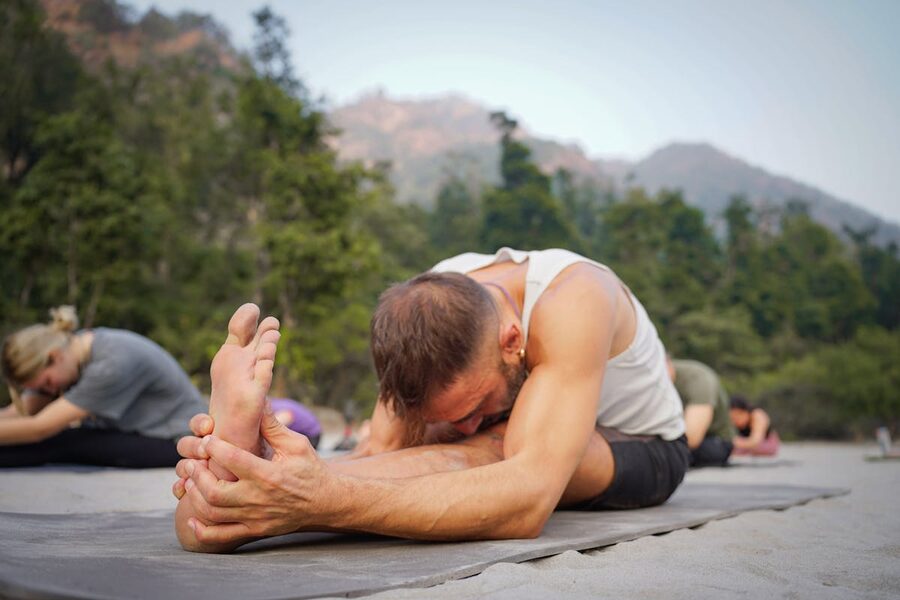
Morning yoga session in Bali
A drop-in yoga class. Yoga Barn in Ubud is the obvious one; The Practice in Canggu has a quieter shala.

Bali is the wellness capital of South-East Asia, and the wellness scene runs from genuinely good to genuinely silly. The shortlist of what is actually worth doing.

30. Drop-in yoga class at Yoga Barn or The Practice

Yoga Barn in Ubud is the obvious one, the original. Six shalas, drop-in classes from 7 a.m. to 6 p.m., around Rp 165,000 ($10.50) for a single class, multi-class passes available. Style range from gentle hatha to ashtanga to sound healing. Crowded at the headline 7 a.m. and 9 a.m. classes; book a day ahead. The Practice in Canggu is the quieter, more focused option, vinyasa-led with a smaller community feel, similar pricing. Skip the Insta-friendly cliffside-yoga classes that charge Rp 700,000+ for a 60-minute flow with the same teachers in a worse studio.

31. Traditional Balinese massage (the real thing, not the spa)

Balinese massage is firm, oil-based, with stretches and acupressure built in, 60-90 minutes long. At a roadside spa in Ubud you pay Rp 150,000-200,000 ($9.50-12.70) for a 60-minute treatment that would be Rp 1,000,000+ at a beach-club spa. Jaens Spa near the football pitch in Ubud and Karsa Spa on the Campuhan ridge are the two I keep going back to. For something less generic, ask your homestay for the local balian (traditional healer) referral, but be respectful, this is not a spa experience, it is medicine.

32. Cooking class at Paon Bali, Ubud

The class everyone recommends, and it earns it. Half-day Balinese cooking class with the Wayan family in Laplapan village, twenty minutes from central Ubud. Starts with the early-morning Pasar Ubud market tour (you pick the ingredients), then drives back to the family compound, then six dishes (sate lilit, base gede spice paste, gado-gado, soto ayam, banana fritter, plus one rotating dish) over a charcoal stove in the open-air kitchen. Around Rp 500,000 ($32) per person including pickup. Read more in the Bali courses guide; cooking classes pair well with a temple morning the same day.

Day trips and nearby islands

The best Bali trips include a day or two off the island. Here are the two I would actually do.

33. Gili Trawangan via fast boat

Two hours by fast boat from Padangbai (around Rp 600,000-800,000 / $38-50 return). Trawangan is the nightlife Gili, Air the snorkel-with-turtles Gili, Meno the honeymoon Gili. No cars on any of them, so it is bicycle, horse cart or your feet. Two nights is the minimum for it to be worth the boat. Snorkel turtles are easier and closer here than in Penida; Gili Air at the southern reef is reliable. Read the Padangbai gateway guide for the boat-day logistics.

34. Lovina + Brahma Vihara + Singsing combo (north Bali in a day)

If you only get one day in north Bali, this is the route. Drive up over Bedugul (stop at Pura Ulun Danu Bratan, entry 15), continue over the pass to Lovina by lunch, eat at one of the warungs along Pantai Binaria, drive ten minutes inland to Brahma Vihara Arama (Bali’s only Buddhist monastery, free entry, sarong required), then ten more minutes to Singsing Waterfall for a swim. Driver costs around Rp 800,000-1,000,000 ($50-63) for the full Seminyak-and-back day. Skip the dolphin trip unless you have a second morning.

35. Free day in Munduk for the highland walks

The Munduk mountain village in north Bali
Munduk ridge view at 1,200m. Bring a fleece for the morning.

If you have a full free day with no agenda and you are tired of the heat, drive (or get driven) to Munduk in the central highlands. 1,200m altitude, 8°C cooler than Seminyak, three waterfalls walkable from the village (Munduk, Melanting, Golden Valley), coffee plantations, twin lakes (Tamblingan and Buyan) framed by the caldera ridge, and the best kopi luwak-free arabica coffee on the island. Stay one night, walk the next morning, drive back for lunch.

Specifically skip these

Real opinion bit. These are the things I would actively avoid, even though they appear in every other Bali listicle.

The Sky Garden / Bounty Kuta nightclub strip

The Kuta nightclub strip down Jalan Legian is what gave Bali its bad reputation in the 2000s. It is loud, sticky, full of free-shot promoters, and has nothing to do with Bali. If you want a night out, the Single Fin sunset (entry 4) and the Old Man’s in Canggu are both better. Save Kuta for the surf beach in the morning.

The “calèche” horse carriage rides at sunset

You will see these in Sanur and along Kuta’s beach road. The horses are typically underweight, overworked, and spend twelve hours on hot tarmac. There is no version of this that is good for the animal. Walk the boardwalk instead. Cycling tours of the same routes (Rp 150,000 / $9.50 for a half-day ride from one of the Sanur outfits) are the better swap.

The “parrot on shoulder” beach photo at Lovina

A guy with a captive cockatoo (occasionally a small monkey) approaches you on Lovina beach, plonks the bird on your shoulder, takes the photo, then asks for Rp 100,000-200,000. The bird is not in good shape. Politely say “tidak, terima kasih” (no, thank you) and walk on.

Tirta Gangga “jump the pond” stepping-stone photo

The east-Bali water palace itself is a lovely 30-minute visit (Rp 50,000 / $3.20 entry). The viral photo of someone leaping between stepping-stones in the koi pond involves an hour-long queue, a fee for the “photo zone” position, and an awkward jump in front of fifty other waiting tourists. Skip the queue, walk the rest of the gardens, take a normal photo. The garden is beautiful without the gimmick.

The editor’s top 7, by traveller type

If you only have time for seven things, here is what I would actually do, sorted for who you are.

First-timer (one week, south + Ubud base)

  1. Kecak fire dance at Pura Uluwatu (entry 12)
  2. Mount Batur sunrise hike (entry 1)
  3. Tegalalang or Jatiluwih rice terraces (entry 21 if you can)
  4. Sacred Monkey Forest, Ubud (entry 26)
  5. Tirta Empul purification (entry 14)
  6. Jimbaran beach grill at sunset (entry 5)
  7. Padang Padang or Bingin morning (entry 2)

Returnee (you have done the standard list)

  1. Nusa Penida overnight, not day trip (entry 24)
  2. Sidemen rice-terrace drive (entry 23)
  3. Tulamben USAT Liberty wreck dive (entry 7)
  4. Munduk highland night (entry 35)
  5. Sekumpul or Tukad Cepung waterfalls (entry 22)
  6. Cooking class at Paon Bali (entry 32)
  7. Brahma Vihara monastery + north Bali day (entry 34)

Surfers (any level)

  1. Uluwatu reef (advanced) or Canggu beach break (intermediate) (entry 3)
  2. Padang Padang at low tide (entry 2)
  3. Single Fin Sunday sunset (entry 4)
  4. Bingin morning session, lunch at the warungs (entry 2)
  5. A surf-photo session with one of the Bukit photographers
  6. Echo Beach or Pererenan when Canggu is too crowded
  7. A board-shaping shop visit on the Bukit (it is a real culture)

Families with kids

  1. Sanur sunrise paddleboard or boardwalk bike (entry 10)
  2. Sacred Monkey Forest, Ubud (entry 26)
  3. Waterbom park in Kuta, the only theme park worth the gate
  4. Tegenungan waterfall (entry 22), the easiest one to walk to
  5. Nusa Lembongan two-night stay (entry 9), beach toys + mangrove kayak
  6. Ubud cooking class with kids over 10 (entry 32)
  7. Jimbaran fish grill (entry 5), the kid-friendly version of dinner-on-the-sand

Wellness travellers

  1. Yoga Barn morning class, Ubud (entry 30)
  2. Tirta Empul melukat (entry 14)
  3. Traditional Balinese massage at Karsa Spa or Jaens (entry 31)
  4. Sound-healing session at Pyramids of Chi or similar (Ubud)
  5. A two-day silent retreat at one of the eco-villas in Sidemen
  6. The Campuhan Ridge walk at dawn (free, central Ubud)
  7. Cooking class with the herb-garden walk first (entry 32)

Culture-first travellers

  1. Pura Besakih, the mother temple (entry 13)
  2. Tirta Empul purification (entry 14)
  3. Kecak fire dance, Pura Uluwatu (entry 12)
  4. Goa Gajah elephant cave (entry 16)
  5. Pura Lempuyang, the actual upper temple (entry 18)
  6. A village ceremony if your homestay invites you, this beats every paid show
  7. Pura Ulun Danu Bratan + Munduk highland day (entry 15 + 35)

Luxury budget ($300+/night)

  1. Bukit clifftop villa with a pool over Bingin or Uluwatu (entry 2 + 4)
  2. Helicopter sunset tour of Tanah Lot
  3. Private dive boat to Manta Point + lunch at Crystal Bay (entry 25)
  4. Six Senses or Mandapa-style ridge stay in Ubud, the ridge being the point
  5. Private chef cooking class in your villa (entry 32 turned up)
  6. A multi-day east-Bali ride or driver itinerary, Sidemen + Amed + Lovina (entry 23 + 6 + 8)
  7. Private after-hours photo access at Pura Lempuyang (entry 18) or Tirta Empul (entry 14), some properties arrange it
Sunset on the Bali coast
Last light from the Bukit. After a week, this is the moment that hangs around in your head.

If you do six of these on a one-week trip you will have seen more of Bali than 80% of visitors. If you do two of them slowly you will probably enjoy yourself more than the people who tried for ten. The list is not a checklist; it is a permission slip to skip the things you do not actually want to do. Pair it with the where-to-stay area guide, the 7-day itinerary, and the best-time-to-visit calendar so you land in the right window. The full Things to Do archive has the deeper guides for each one above. Send me the photos. The good ones. The ones from the rim.

Bali Courses: How to Learn Yoga, Cooking, Surf and Bahasa Indonesia

The graduation circle at Yoga Barn happens at sunset on the last day of the 200-hour. Twenty trainees, mostly women in their thirties, sat on cushions in the upstairs shala while a teacher pressed her thumb into the third eye of each one and said something quiet in a mix of English and Sanskrit. Outside, the dusk insects were warming up their evening racket. One trainee, a Dutch nurse named Annelot who had been quiet most of the month, started crying when her thumb-print landed. Not loudly. Just the kind of crying you do when a thing you decided to do at home is suddenly real, and you’re holding a Yoga Alliance certificate that says you can teach this stuff to other people now. After the ceremony she walked back to her homestay in Penestanan, ordered a Bintang from the warung at the bottom of her path, and texted her boyfriend that she’d booked another month.

Group practicing yoga outdoors in lush Bali setting
Outdoor yoga in Ubud is part of the standard 200hr teacher-training day. Most schools run morning and afternoon sessions, with theory blocks in between.

That’s one way to learn something in Bali. Here’s the catalogue of everything else you can pick up here in a week, two weeks, or a month, with the schools I’d actually send a friend to and the prices I’ve seen in 2025. Yoga teacher training, cooking classes, surf school, Indonesian language, silver jewellery, painting, meditation, permaculture. Most are in Ubud, which has been the learning capital of the island since the 1970s, but Canggu and Sanur and the Bukit have their own scenes too.

Yoga Teacher Training: The 200-Hour Decision

Outdoor yoga session in Amed Bali
An outdoor session in Amed on the east coast. The big-name TT schools cluster in Ubud and Canggu, but smaller intensives run all over the island. Photo by Tjioeke / Wikimedia Commons (CC BY-SA 4.0)

Bali has been the world’s go-to spot for a 200-hour Yoga Alliance teacher training (RYT-200) since the early 2010s. Costs run roughly $1,800 to $3,500 for a 24- or 28-day intensive, with the higher end including private accommodation and three vegetarian meals. A 300-hour or full RYT-500 sits at $4,500 and up, usually split across two months. Cheaper than Rishikesh once you factor in food quality, more expensive than India, much better lifestyle. That’s the trade.

The four schools I’d shortlist:

  • The Yoga Barn (Ubud): the original. Multiple 200hr Hatha and Vinyasa intakes per year, plus 300hr advanced and short specialty trainings. Largest community, biggest noticeboard, best chance of finding teaching work after. Drop-in classes run from Rp 175,000 if you just want to test the studio first.
  • Radiantly Alive (Ubud): RA Vinyasa is their own lineage, taught by founder Daniel Aaron and a strong faculty. Smaller cohort sizes than Yoga Barn, more anatomy-heavy. Around $3,200 for the 200hr.
  • The Practice (Canggu): pranayama-led, slower, more inward. The 200hr here will not turn you into a power-vinyasa teacher; it will turn you into a teacher who can sit with people in silence. For some this is the point. For others, a mismatch.
  • Power of Now Oasis (Sanur): the Sanur option, beach-facing, smaller and quieter than the Ubud scene. Good if you want to study without the Ubud yoga-bro intensity.
Group yoga class inside an open Balinese pavilion
A typical bale-style open shala. Bring a sarong; the floor is cooler than you’d think before sunrise.

Real certification vs the racket

The thing nobody tells you: a “Yoga Alliance certified” course only means the school is registered with Yoga Alliance and follows their hour requirements. Yoga Alliance does not vet quality. There are 200-hour TTs in Bali run by people with two years of practice and a printer. If a course costs less than $1,500 and the school has been going under three years, ask hard questions. Read reviews on YogaTrail and the r/YogaTeachers subreddit, not the school’s own website. Ask which faculty are actually teaching this round (founders sometimes only show up for opening and closing). And know that a Bali RYT-200 won’t impress anyone in New York if you can’t actually teach when you get back, so don’t pick the cheapest one and call it done.

Yoga on a Bali beach with the ocean in view
The morning beach class, mat damp from sea spray. Worth it once or twice; the daily home for serious training is a real shala with a wooden floor.

Cooking Classes: Half Day, Full Day, or the Real Thing

Chef preparing food in an open-air kitchen in Bali
Most Bali cooking classes happen in semi-open kitchens. You’ll be standing for three to five hours, so wear sandals and bring a hair tie.

Bali cooking classes split into two camps. The half-day “make four dishes and eat them” version, around Rp 350,000 to Rp 500,000 (about $22 to $32). And the full-day version that starts at a wet market at 6 a.m., walks you through the spice paste base (bumbu), and finishes with you eating six dishes you cooked, around Rp 600,000 to Rp 950,000 ($38 to $60). The full day is what you actually want. The market visit is the part you’ll remember in five years; the dish-making is the part you’ll repeat at home.

The four worth your time:

  • Paon Bali Cooking Class (Laplapan, Ubud): the one most travellers come back raving about. Family-run since 2010, set in a traditional compound 15 minutes east of central Ubud. Full-day class with market visit, around Rp 700,000. You’ll cook sate lilit (minced satay on lemongrass skewers), sambal matah (raw shallot-and-lemongrass salsa), nasi kuning, and a coconut-milk vegetable curry. Book a week ahead.
  • Casa Luna Cooking School (central Ubud): Janet DeNeefe’s school. She’s been running classes here since the 1990s and wrote one of the better Balinese cookbooks in English. Slightly more polished than Paon, slightly more expensive, includes a one-night stay option if you want the full experience.
  • Bumbu Bali Cooking School (Tanjung Benoa, Nusa Dua): chef Heinz von Holzen runs this. He wrote the textbook on Balinese cuisine that culinary schools actually use. Day starts at the Jimbaran fish market before sunrise, full day, around $95. The most serious of the lot if you’re a real food person.
  • Lobong Culinary Experience (north of Ubud): smaller scale than the others, hosted at a traditional compound, includes a tour of the family rice paddy and a quick blessing at the household temple. Good if you want the cultural framing as much as the cooking.
Indonesian culinary students at work in a cooking class
You’ll spend most of the morning grinding spice paste with a stone mortar. It’s harder than it looks; the chefs do it one-handed in two minutes.

One thing nobody warns you about: the half-day class at 10 a.m. that brings you to a “market” for ten minutes is often a tour stop the school owns, not a real working market. If the brochure says “market visit” but the meeting time is after 8 a.m., the market is probably an exhibition. Real markets close their main trade by 9.

Surf School: The Foam-Board Years

Surfer paddling out at Kuta Beach Bali
Kuta’s main beach break is the world’s most forgiving learning wave. Take the early lesson at 7 a.m. before the wind comes up.

Bali is where most of the world learns to surf. Kuta beach is a long, soft beach break that runs for kilometres, and on a normal day you can have your own peak with no fight for it. A two-hour group lesson (max five students per instructor, foam board, rashie, board hire all included) costs around Rp 450,000 to Rp 650,000 ($28 to $40). Private one-on-one is roughly double that. A five-day intensive package with daily lessons, video review, and accommodation runs $400 to $700 depending on where.

Surfers riding sunset waves on Kuta Beach Bali
The crowded version of Kuta in the late afternoon. If you’re learning, this is the wrong time to be in the water; come back at dawn.

The schools I’d shortlist:

  • Pro Surf School (Kuta): ISA-certified instructors, big operation, decent group ratio. Their multi-day camp packages with accommodation in their own surf hostel are the easiest way to commit to actually learning. Walking distance to Poppies Lane for cheap food after lessons.
  • Rip Curl School of Surf (Legian): the brand-name option, on the beach in Legian, slick operation. Slightly more expensive, slightly more polished. Their guarantee is that you’ll stand up by the end of the first lesson, which they can deliver because the wave is that easy.
  • Surf Goddess Retreats (Seminyak): women-only week-long retreats with daily surf lessons, yoga, spa treatments, and shared villa accommodation. Around $2,200 to $3,000 for a week including everything. The friend who recommended this to me said the surf instruction was the least of why she went; the community was the why.
  • Bali Green Surf School (Canggu): the Canggu pick. Berawa beach is a step up from Kuta in difficulty and a step down in the surf-school count, which means more attention per student. Group lesson around Rp 550,000.
  • Padang Padang Surf Camp (Bukit): the progression school. You don’t start here; you come here once you’re past the foam board and want to learn proper reef-break technique on the Bukit. Week-long camps with accommodation around $700 to $900.
Canggu beach with surfers riding small waves
Berawa in Canggu, softer than Uluwatu, faster than Kuta. The right next step after a few days on the foam board.

One thing to know. If you book a “private lesson” in Kuta and your instructor is on his phone for half of it while you flounder, you’re not getting what you paid for. The walk-up touts on the beach charge less but vary wildly in quality. The branded schools cost more for a reason: the instructor actually watches you. Worth it for the first three days. After that, board rental is about Rp 50,000 an hour and you can practise on your own.

Indonesian: The Language Most Travellers Don’t Bother With

Notebook and Indonesian dictionary on a desk
Indonesian is famously friendly to learners. No verb conjugations, no tones, no genders. You can hold a useful conversation after a week.

Bahasa Indonesia is the easiest major language to start in. No verb conjugations, no tones, no grammatical gender, no plurals (you just say the noun twice if you mean a few, buku-buku, books). Two weeks of daily one-hour lessons and you can negotiate a moped rental, order food from a non-tourist menu, and chat with the warung ibu who suddenly treats you like a regular. Three months and you can have actual conversations.

Three options depending on how serious you are:

  • Cinta Bahasa (Ubud + Sanur + online): the standard for travellers. Group classes from around Rp 1,800,000 for 20 hours; private one-on-one from Rp 250,000 per hour. Real curriculum, certified teachers, good textbooks. Their online program is the same content if you want to start before you arrive.
  • IALF (Indonesia Australia Language Foundation, Denpasar): the academic option, used by diplomats and researchers. Longer programs, more expensive, more rigorous. Overkill if you just want to chat with the warung lady; right if you want to read Indonesian newspapers.
  • italki (online, freelance tutors): for $8 to $15 an hour you can book one-on-one Zoom lessons with a teacher in Yogyakarta or Bandung. Some are excellent, some are not. Try three teachers before committing.

The thing to know about Bali specifically: most Balinese also speak Balinese (basa Bali) at home. Bahasa Indonesia is the national language used in shops, government, and with non-Balinese Indonesians. If you greet a Balinese person with om swastiastu instead of selamat pagi, you’ll get a wider smile. That’s a Balinese phrase, not Indonesian. Both are useful.

Silver Jewellery and Crafts: The Ubud Workshop Day

Silversmith shaping a silver ring at a workshop bench
Most silver-jewellery classes have you cut, shape, file, and solder a ring or pendant in three hours. You walk out wearing it.

Silver jewellery is the most-booked workshop in Bali on TripAdvisor. There’s a reason: the price is right (around Rp 350,000 to Rp 600,000 for three hours including 5g of silver), the result goes home with you, and Bali has a real silversmithing tradition centred on Celuk, a village 30 minutes south of Ubud where almost every household runs a workshop. The tour-bus version is fine. The smaller direct-to-artisan version is better.

  • John Hardy Workshop (Mambal, north of Ubud): the polished tourist version. Bamboo campus, lunch on the property, walk through the workshop where their high-end pieces are actually made. Their workshop tour with a chain-making demonstration is around $30; they do longer hands-on classes too. Worth combining with a visit to their Kapal Bamboo Boutique on the same property.
  • Celuk village (independent silversmiths): walk down Jalan Raya Celuk and you’ll see workshop after workshop with hand-painted signs offering classes. Three-hour group sessions usually around Rp 350,000 including the silver. Negotiate the price first; you’ll often pay more if your stone is bigger or you want a more complex design.
  • Ubud Monkey Forest silver classes: the easiest to book online. Sessions run all day from a workshop in central Ubud, three hours, around Rp 450,000. Good if you want it slotted into a tight schedule.
Jeweller using a blowtorch to solder silver
The soldering bit is intimidating the first time. The artisan does the actual flame work; you do the cutting, filing, and stone-setting.

Beyond silver, Ubud is the headquarters for everything else hand-made. Some highlights:

  • Batik painting: the wax-resist textile dyeing technique. Three- to four-hour classes, around Rp 400,000, you go home with a small canvas. Widiantara Batik in Ubud is a long-running spot.
  • Wood carving: the trade of the Mas village south of Ubud. Three-hour blocks where you turn a piece of softwood into a small mask or figure under a master carver’s hands. Around Rp 500,000.
  • Canang sari making: the daily palm-leaf offering you see on every doorstep at sunrise. Some Ubud guesthouses run free morning classes for guests. The technique is simple, the meaning is layered, and once you know how to weave one you’ll never look at the floor offerings the same way.
  • Pranoto’s Art Studio (Ubud): life drawing sessions on Wednesday and Saturday mornings with a Balinese model in traditional dress. Drop in for around Rp 100,000. The studio’s been running since the 1990s and is the closest thing Ubud has to a working artists’ atelier.
An Indonesian woman crafting batik patterns by hand
Batik uses a small copper tool called a canting to lay down hot wax. Traditional designs each carry meaning; ask your teacher for the story.

Meditation and Silent Retreats

Stone Buddha shrine framed by carved Balinese woodwork
Many of the meditation retreats are run on land that already has its own household temple. The shrines aren’t decoration; they’re working.

Bali has more silent and meditation retreats per square kilometre than anywhere outside Asia. Three I’d actually recommend:

  • Bali Silent Retreat (near Tabanan): the real one. Three-day to ten-day silent stays in a forest property north of Tabanan. No phones in the public spaces, no talking outside designated periods, vegetarian buffet from their own garden. From around $80 a night including meals and yoga. You’ll either love it by day three or count the hours; both reactions are normal.
  • Sukhavati (Ketewel, near Sanur): Ayurvedic detox retreats with a meditation component. Five- to fourteen-day programs that go deep into the panchakarma cleanse. Expensive (from $5,000 a week) and worth it if you want clinical-grade Ayurveda; otherwise overkill.
  • Yoga Barn silent days (Ubud): the entry-level option. Yoga Barn runs occasional one-day silent meditation immersions for around Rp 800,000. Good way to test whether a longer silent retreat is for you before paying for one.

One thing about Bali silent retreats. The “silent” bit usually means the noble silence framework: no eye contact, no small talk, but you can still ask a teacher a question or talk to the kitchen if you have a dietary issue. It’s not Vipassana-grade total silence unless explicitly stated.

Permaculture and Sustainability Courses

Jatiluwih subak rice terraces in Bali with the irrigation system visible
The Jatiluwih subak terraces. The thousand-year-old water-sharing system is what permaculture courses on Bali use as a working case study. Photo by Eka343 / Wikimedia Commons (CC BY-SA 4.0)

This is the niche that Bali quietly does very well. The island’s traditional subak rice-irrigation system is a UNESCO-listed example of community-scale water sharing that’s been running for a thousand years, and the modern permaculture scene around Ubud has used it as a teaching framework since the 1980s.

  • Green School Bali (Sibang Kaja, north of Ubud): the bamboo school you’ve seen in the videos. They run public campus tours twice a week (Tuesday and Thursday mornings, around Rp 250,000) and longer professional development courses for educators. The campus alone is worth the visit.
  • Five Pillar Experiences (Jembrana, west Bali): multi-day immersion programs that combine permaculture, Balinese culture, and conservation work. Smaller, more remote, more serious than the day-tour options.
  • IDEP Foundation Permaculture Design Course: the gold-standard 14-day Permaculture Design Certificate (PDC) course, run by the Indonesian permaculture NGO. Around $1,400 including accommodation and food. Held a few times a year; check their schedule.

The Practical Bit: Visas, Where to Stay, and Real Costs

Ubud street at golden sunset with traditional architecture
Ubud at sunset. Most of Bali’s serious learning scene is here or within 20 minutes by scooter.

Visa logistics

This is where most people trip up. The standard Visa on Arrival (VOA) is good for 30 days, extendable once for another 30. So you have 60 days max on a VOA, which covers a 24-day yoga TT or a few weeks of cooking and surf classes with room to breathe. For longer programs you need a B211A social/cultural visa, which gives you 60 days on entry and is extendable up to 180 days total. The B211A requires a sponsor; most reputable schools (Yoga Barn, IALF, Green School professional dev) can sponsor you, and visa agents in Ubud and Denpasar handle the rest for around $250 to $400. Apply at least three weeks before your trip via Indonesian immigration or through your school’s recommended agent. Don’t try to do back-to-back VOAs by border-running to Singapore; the immigration officers see this pattern and turn you back.

Where to stay near each scene

Where you base yourself matters more than people admit. Twenty minutes by scooter sounds short until you do it twice a day in rain.

  • Yoga Barn / Radiantly Alive students: stay in Penestanan or Sanggingan, the rice-paddy neighbourhoods west and north of central Ubud. Walk or 5-minute scooter to the studios. Homestay rooms from Rp 350,000 a night, full villa from Rp 1,200,000.
  • The Practice (Canggu) students: stay in Berawa or Pererenan, both walkable to the studio. Coliving spaces like Tribal or Outpost are popular with the digital-nomad-yoga-teacher crossover crowd.
  • Power of Now (Sanur) students: the whole of Sanur is walkable; stay anywhere along Jl Danau Tamblingan or in the back lanes east of it. Quieter than Ubud, beach access at sunrise.
  • Pro Surf School / Rip Curl students: stay in Kuta itself or Legian; you want to walk to lessons because you’ll be wet. Budget rooms on or off Poppies Lane from Rp 250,000.
  • Cooking/silver/craft students: central Ubud. Anywhere within 10 minutes walk of the central market puts you in scooter range of Paon, Casa Luna, the silver workshops, and the cafe scene. Try the back gangs off Jl Hanoman for cheap homestays.
Bali rice terrace and subak system from above
The view from a Penestanan homestay window, give or take. Rice terraces are not a luxury here; they’re the default backdrop.

Real total costs

For a one-month stay built around a 200hr yoga TT in Ubud, expect roughly:

  • Yoga TT tuition: $2,500 (mid-range)
  • Accommodation 30 nights at Rp 600,000 = Rp 18,000,000 (about $1,150), sometimes included in TT
  • Food at warungs and TT meals: Rp 4,000,000 ($255)
  • Scooter rental for the month: Rp 1,800,000 ($115)
  • Tourism levy (one-off): Rp 150,000 ($10)
  • Visa (B211A with agent): $300
  • Spa, weekend trips, evenings out: $200 buffer

Total: roughly $4,500 for a serious learning month. Surf school is cheaper because the courses are shorter; cooking class week with a B211A is more expensive per day because the course costs less. Plug your numbers in and you’ll see why Bali keeps drawing people who want to use a sabbatical for something other than lying on a beach.

Surfer at Uluwatu Bali on the Bukit peninsula
Once you’ve outgrown the foam board at Kuta, the next step south is the Bukit. Uluwatu is the trophy wave; Padang Padang is where you actually learn to ride a reef break.

What I Wouldn’t Bother With

A few things to skip:

  • Sound healing “certifications” that take a weekend. If a school will certify you as a sound healer in three days, what they’re really selling is the certificate, not the training. Real sound healing teachers exist in Bali. They don’t run weekend factories.
  • “Shamanic” courses with no lineage you can verify. A traditional Balinese balian trains for years inside a family lineage. Anyone claiming to teach you to be a shaman in a workshop is selling something else.
  • Day-trip “learn Balinese culture” packages that include a temple, a coffee plantation, and a rice terrace photo stop. You’ll see the surface and learn nothing. Better to spend that money on a single deeper experience: a half-day with a real cooking teacher, a quiet morning at a Hindu temple ceremony, or a one-on-one offering-making session with a guesthouse host.
Balinese gamelan ensemble performing
Gamelan classes are the thing nobody books. Most banjars (village neighbourhood associations) will let you sit in on a rehearsal if you ask politely. Bring a small donation for the ensemble. Photo by Candra Firmansyah / Wikimedia Commons (CC BY-SA 4.0)

If you’re flying out for one of the longer courses, check the routing on flights to Bali and time your arrival for the day before your school’s orientation. Show up jet-lagged to a 7 a.m. opening circle and you’ll be playing catch-up for the first week.

Where to Start If You Only Have a Week

Ubud Palace cultural landmark in Bali
The Ubud Royal Palace is on the corner where most arrivals get dropped off by the airport shuttle. The yoga, cooking and silver scenes are all within 15 minutes of here.

If you have seven days, don’t try to do all of it. Pick one main thread and add one cultural side-quest. A week’s example:

  • Day 1: arrive Denpasar, transfer to Ubud, settle into a homestay in Penestanan.
  • Days 2-3: two-day intensive cooking course with Paon Bali (or sub Casa Luna).
  • Day 4: three-hour silver-jewellery class in central Ubud or Celuk.
  • Day 5: drop in to a yoga class at Yoga Barn or Radiantly Alive in the morning, batik workshop in the afternoon.
  • Day 6: day trip down to Canggu for a beginner surf lesson and an afternoon beach.
  • Day 7: Bali Silent Retreat day immersion or a quiet morning at Tirta Empul, fly out evening.

Two weeks lets you commit to one proper short course (cooking with Bumbu Bali or a five-day surf camp). A month lets you do the 200hr yoga TT or the IDEP permaculture PDC. More than that and you’re in B211A visa territory and can structure it however you want, which is the part most people quietly stay for.

Annelot the Dutch nurse from the opening? She extended her visa, did the 300hr at Yoga Barn, met a Spanish surf instructor at Pratama Beach in week six, taught her first paid yoga class to four backpackers on the rooftop of a Penestanan homestay in week eight, and went home in month four with a deeper backbend and a complicated long-distance situation. None of that was on the brochure. None of it ever is. Bali’s good at that.