
The Best Cafes in Ubud, Bali
The first time I drank a flat white in Ubud, it was 8 a.m. on Jalan Suweta, the queue for green juice at Juice Ja Cafe was four deep, and a kebaya-clad ibu across the road was placing a fresh canang sari (a small palm-leaf offering) on the pavement outside her warung. The barista at the cafe two doors down, who I’d later learn used to roast at Seniman, pulled the shot, steamed the milk to that exact silky 60 degrees, and slid it across the counter. Rp 38,000. About $2.40. The same drink, made by a less skilled person, with worse beans, on a worse machine, would cost me the equivalent of $7 in Sydney.

That’s Ubud cafe culture in one swallow. World-class coffee, ridiculously fair prices, served in spaces built around rice paddies and gardens and old Balinese compound walls. This is the catalogue of where I actually go, what I order, and which of these places are worth your time and which I now drive past. I’ve ranked the top five at the end by the only thing that matters: what you came to Ubud to do.
In This Article
- So what about Juice Ja Cafe?
- The price of a coffee in Ubud (so you don’t get fleeced)
- Specialty coffee: where the third-wave crowd actually drinks
- Seniman Coffee Studio
- Anomali Coffee
- Suka Espresso (Ubud)
- F.R.E.A.K. Coffee
- Pison Coffee
- Cafe Vespa and the small-shop scene
- Healthy bowls and plant-based: the Ubud cliche done well
- Sayuri Healing Food
- Watercress Ubud
- Kismet
- Atman Kafe
- Zest Ubud
- Brunch and breakfast: where to eat before noon
- Milk and Madu
- BGS Ubud
- Home Cafe Ubud
- Moon by Sun
- Cafes with a real rice-paddy view (and the ones to skip)
- Huma Cafe by Goldmine
- Keliki Coffee
- Rusters Cafe and Bakery
- The ones to skip
- Working from cafes: the digital-nomad reality
- Mudra
- Chandra Cafe
- Tucky
- Eightea Bali
- The dish anchors: Tukies, Locavore To Go, and the small specialists
- Tukies Coconut Shop
- Locavore To Go
- Hujan Locale
- The Elephant
- Coffee: where it actually comes from
- Ubud cafe culture in context: temples, traffic, and the morning offering
- Where to stay if you actually want the cafe scene
- The editor’s top five (by what you actually want from your day)
So what about Juice Ja Cafe?
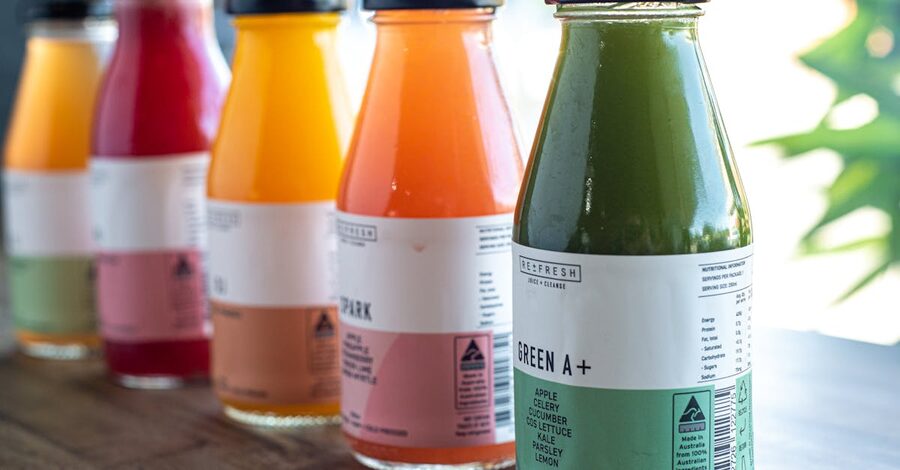
Yes, it’s still open. Address is Jalan Suweta No.49, Ubud 80571, hours 8 a.m. to 11 p.m. daily, and as of my last visit in early 2026 there are 523 reviews on TripAdvisor sitting at 4.5 stars and a Travelers’ Choice badge. Cash only. Free parking off the street, which in Ubud is rarer than you’d think.
What I order: the cold-press green juice (Rp 45,000), the mung bean burger if I’m hungry, and the Leningrad black tea with the chocolate cake if it’s late. The juice is the point. They run their own organic farm just outside Ubud and a five-day juice cleanse is one of the cheaper ones on the island at roughly Rp 1.4 million for the program with daily delivery. If you’ve never done a juice fast before and want to try one without the wellness-resort markup, this is the place.
The food is hit and miss. The juices, the burgers, and the Indonesian dishes (the nasi goreng, fried rice, was once called the best one a visiting reviewer had ever had) are reliable. I’ve had distracted service when there were two other tables in the room, and I’ve had a hot strawberry tart that I still think about. So go for the juice and the cake, treat the rest as a bonus, and read on, because Juice Ja is one entry in a much bigger list.
The price of a coffee in Ubud (so you don’t get fleeced)

Bali is cheap. It’s also been getting steadily less cheap since the 2024 tourism levy and the post-pandemic price reset. Here is what I actually pay across Ubud cafes in 2026, taken from real menus and crossed against what other Bali long-stayers report:
- Espresso: Rp 18,000 to 30,000 (about $1.10 to $1.85)
- Cappuccino or piccolo: Rp 25,000 to 40,000
- Flat white: Rp 30,000 to 50,000 (the Rp 50k mark is the line; over that you’re paying for the view)
- Cold-press juice (single 250ml): Rp 35,000 to 55,000
- Smoothie bowl: Rp 60,000 to 95,000
- Avocado toast or eggs benedict: Rp 60,000 to 110,000
- Pancakes or proper brunch plate: Rp 70,000 to 150,000
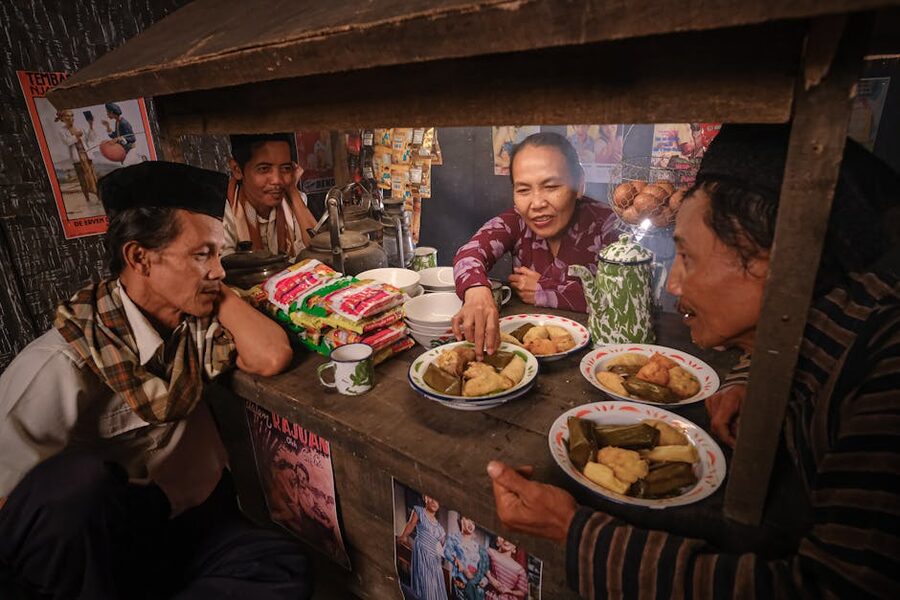
For context, a kopi tubruk (Indonesian black coffee, grounds and all, served in a glass) at the warung next to my homestay was Rp 8,000. The same caffeine, very different ritual. If you’re settling in for the morning with a laptop, fine, pay the third-wave premium. If you just need a hit of caffeine and you’re walking past a warung kopi (small Indonesian coffee shop), drink there. Both belong in your day.
Specialty coffee: where the third-wave crowd actually drinks
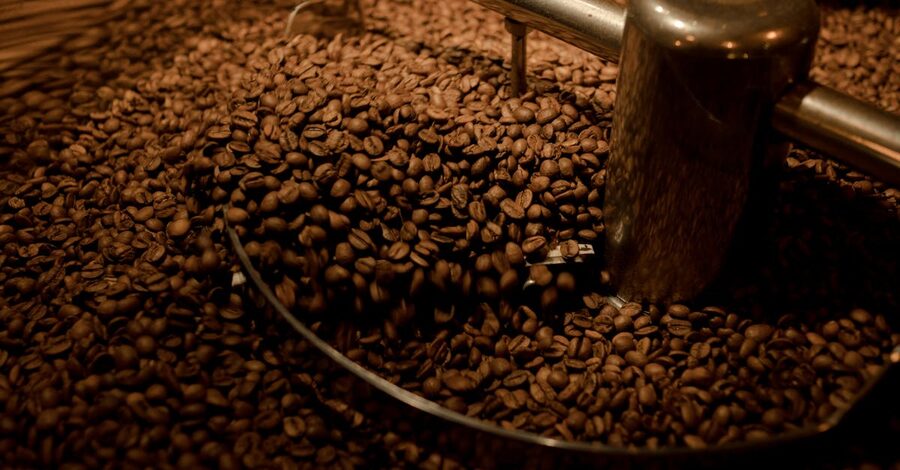
This is the heart of the Ubud cafe scene and the reason I keep coming back. Indonesia produces an absurd amount of coffee, and Bali in particular grows arabica in Kintamani and on the slopes around Mount Batur. The third-wave scene was built by Australian baristas who set up shop here from about 2010 onwards and trained Indonesian staff to a level that you simply do not see in most countries that grow coffee.
Seniman Coffee Studio
If you only have time for one specialty coffee in Ubud, this is it. Seniman Coffee Studio opened in 2012 on Jalan Sri Wedari (No. 5), and “seniman” means “artist” in Indonesian, which is the right word for what they do. They roast their own beans in-house, run a retail store and a roastery across the street, and you can sit on a swinging stool at the counter watching the baristas pull shot after shot.
I order the espresso and piccolo flight (Rp 75,000 last I checked) and a Japanese-style iced filter coffee brewed with their Karana line, which is sourced from Kintamani. The juicy berry notes come through cleanest in the cold brew. They also sell home roasters and gift boxes of three smaller bags if your suitcase is small, which mine usually is. Take the workshop with one of their senior baristas if you’re staying more than a week and care about coffee at all.
Anomali Coffee
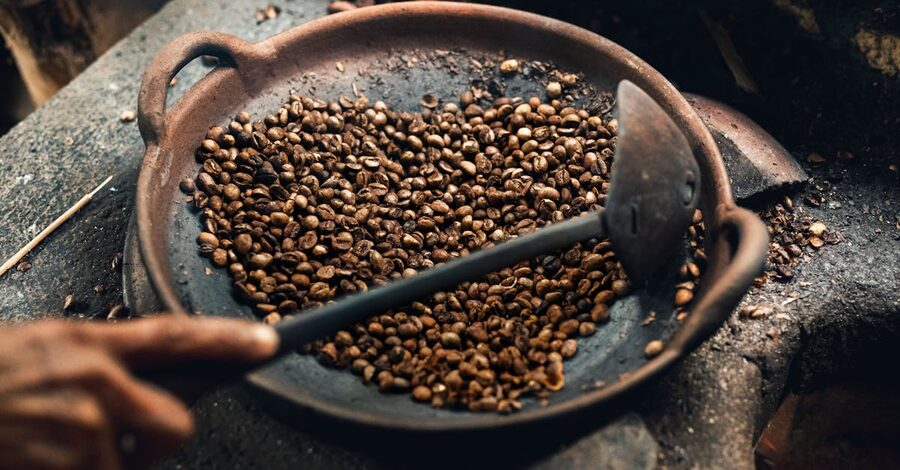
Anomali sits on Jalan Raya Ubud at No. 88 and dates back to 2007, which makes it one of the older specialty roasters in the country. They’ve grown to ten cafes across Indonesia. The Ubud branch has a terrace out front for the heat-acclimatised and an air-conditioned interior for the rest of us. I usually order a piccolo brewed with their Bali Ulian beans and pay around Rp 35,000.
Anomali’s pitch is that everything they serve was grown in Indonesia. The single-origin menu changes with the harvest. If you want to taste the difference between Aceh, Bali, Toraja, and Java in one sitting, they’ll happily set you up with a flight. The latte art is consistent and the staff actually know the beans they’re pouring, which is not always the case at cafes that style themselves as third-wave.
Suka Espresso (Ubud)
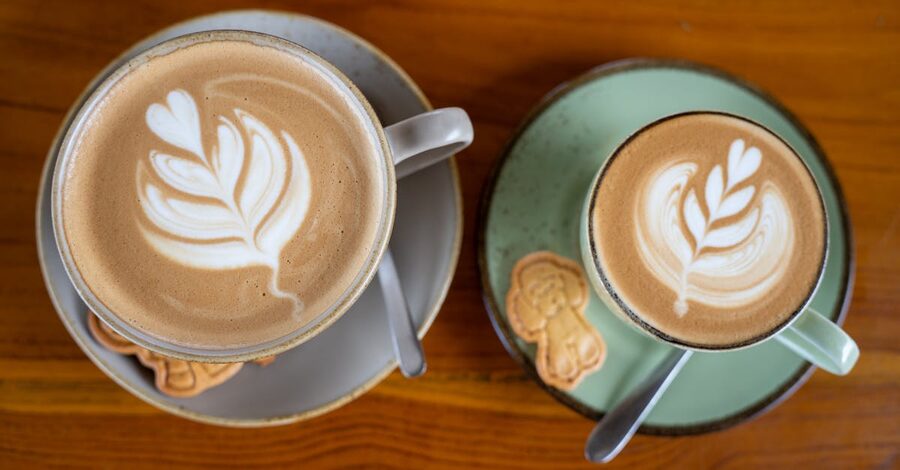
Suka started in Uluwatu, then expanded to Canggu and Berawa and finally landed in Ubud at Jalan Raya Pengosekan No. 108. The Ubud branch is a two-floor cafe in the south end of town, walkable from the Monkey Forest in about 12 minutes. It gets busy at brunch and the brunch envy is real because the food coming out of that kitchen is excellent. I usually only have time for the piccolo (Rp 32,000) and one of the chocolate chip cookies, but the avocado on toast (Rp 75,000) and the breakfast plates are worth a longer stop.
The house blend is Indonesian and pulls with chocolate and caramel notes that hold up in milk drinks. If you don’t like fruity, fermented coffee and just want something that tastes like coffee should, Suka is the safer bet than the lighter-roast houses.
F.R.E.A.K. Coffee
F.R.E.A.K. is a small, cosy spot at Jalan Hanoman No. 19, easy to walk to from anywhere in central Ubud. The name stands for Fresh Roasted Enak Arabica from Kintamani. Enak means “delicious” in Indonesian. Kintamani is Bali’s primary coffee-growing region, on the slopes of Mount Batur about 90 minutes north. The team focuses on a farm-to-cup story and will happily walk you through the supply chain if you ask. The piccolo is reliable. The space is tight, so it’s not a laptop cafe, more a 30-minute pause cafe.
Pison Coffee
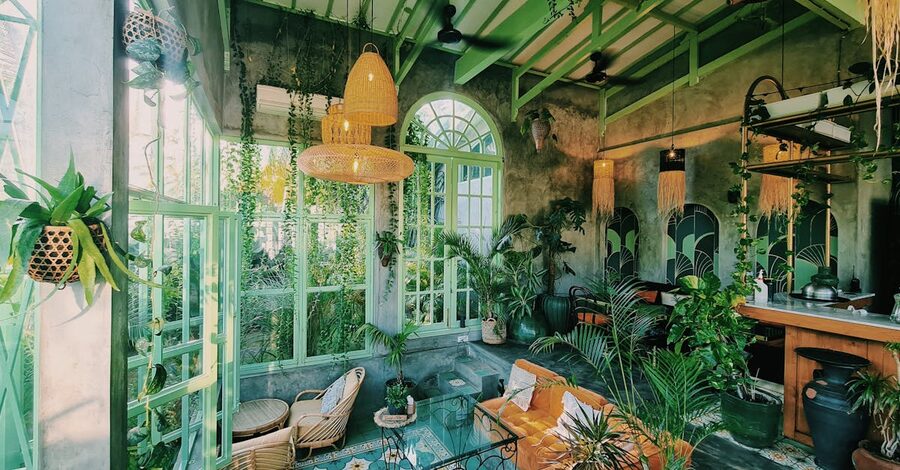
Pison sits on Jalan Hanoman No. 10X, on the south side of central Ubud. The patio looks straight out over a small green rice paddy and the indoor seating mixes traditional Balinese architecture with a sleek espresso bar. The all-day menu is solid. They do a house special with avocado and chocolate syrup, which I have not been brave enough to order. The nitro cold brew has decent fruity notes and is the right thing on a 32-degree day, which is most of them.
Cafe Vespa and the small-shop scene
Cafe Vespa is a tiny place on the south side of central Ubud, scooter-themed in a way that should be naff and somehow isn’t, with a short menu and a single excellent espresso machine. It seats maybe twelve. Use it as a quick stop on a walk. There are dozens of cafes in this category in Ubud, places that don’t make the listicles because they only seat a handful of people, and they’re often the ones with the most consistent coffee. Ubud Coffee Roastery on Jalan Goutama Selatan is another in this category, with six single-origins on pourover at any one time and bags of retail beans to take home.
Healthy bowls and plant-based: the Ubud cliche done well
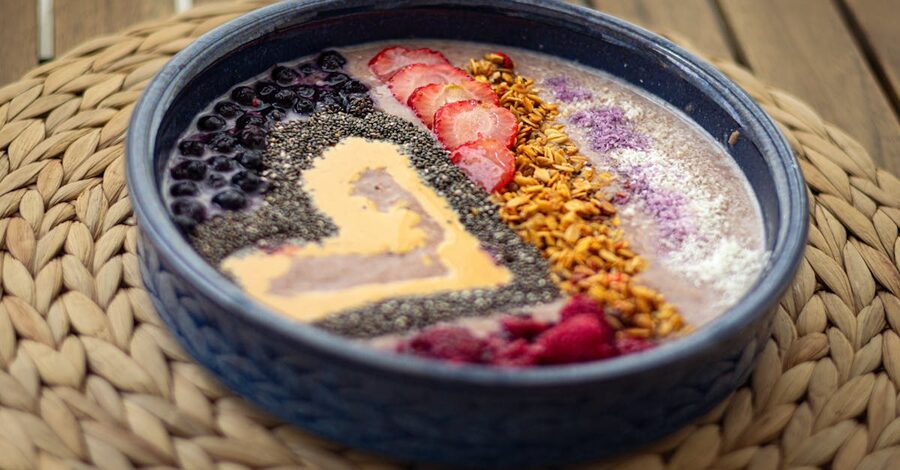
Yes, Ubud is the smoothie-bowl capital of the planet and the vegan scene here is genuinely strong. I’m not a vegan, but I eat at vegan cafes here regularly because the food is good, the produce is local, and the desserts are surprisingly addictive. Here are the ones worth crossing town for.
Sayuri Healing Food
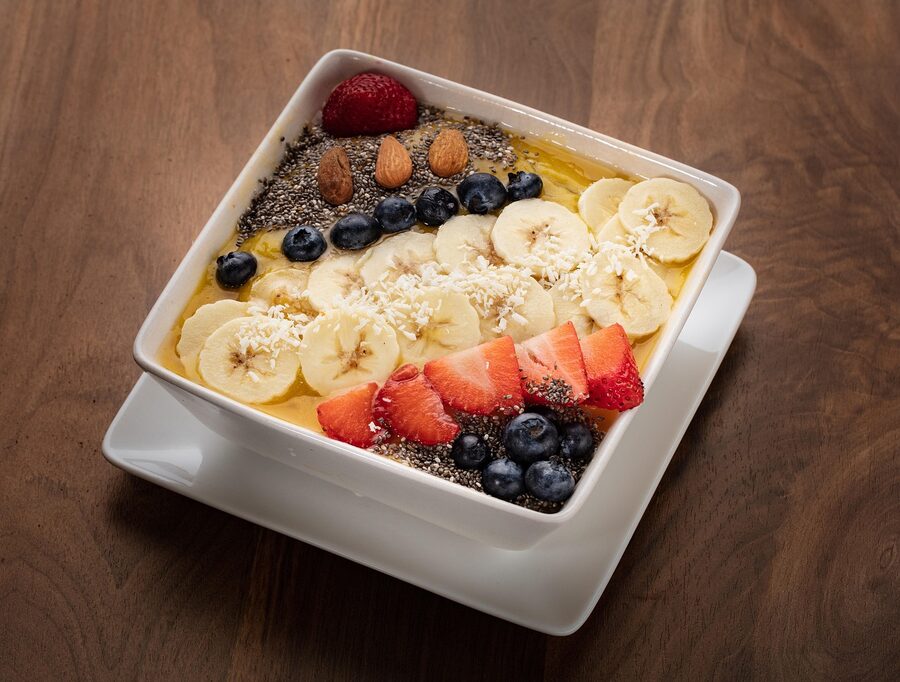
Sayuri is the long-running vegan and raw-food anchor of the scene. Address is Jalan Sukma Kesuma No. 2, walking distance from the Yoga Barn. The cafe has indoor seating in a slightly chaotic layout (benches, cross-legged platform at the back) and a calmer outdoor courtyard. They run cooking classes, raw food teacher training, and a permaculture programme on the side. The menu is enormous. I come for coffee and the dessert counter, and the raw vegan cheesecake genuinely beats any non-vegan one I’ve had in Bali. The mains run Rp 75,000 to 130,000.
Watercress Ubud
Watercress on Jalan Gootama is the brunch end of the spectrum: avocado toast (around Rp 90,000), eggs benedict, smoked salmon plates, smoothie bowls. Not strictly vegan but with a strong plant-based menu. The space is light, the wifi works, and the breakfast crowd actually turns over. Service is fast for Ubud, which is a real compliment.
Kismet
Kismet is a wellness-leaning cafe and yoga shala on Jalan Gootama Selatan, owned by a longtime Ubud resident, with a menu that leans Mediterranean. Hummus plates, mezze, and one of the better falafel wraps in town for around Rp 85,000. The downstairs is cafe, the upstairs hosts yoga and sound healing. If your day involves both lunch and a movement class, this is the most efficient way to combine them.
Atman Kafe
Atman is a quieter, less Instagram-famous spot at Jalan Hanoman near the south end. Long Indian-influenced menu with a thali plate (Rp 95,000) that is the best thali in Ubud and several plates I haven’t seen anywhere else on the island. Cushion seating. Slow service in a good way. A long lunch here is the right choice on a hot day.
Zest Ubud
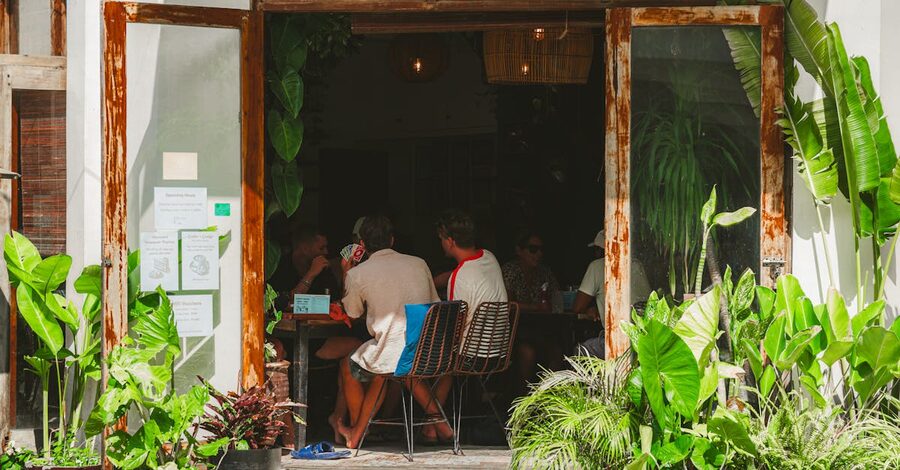
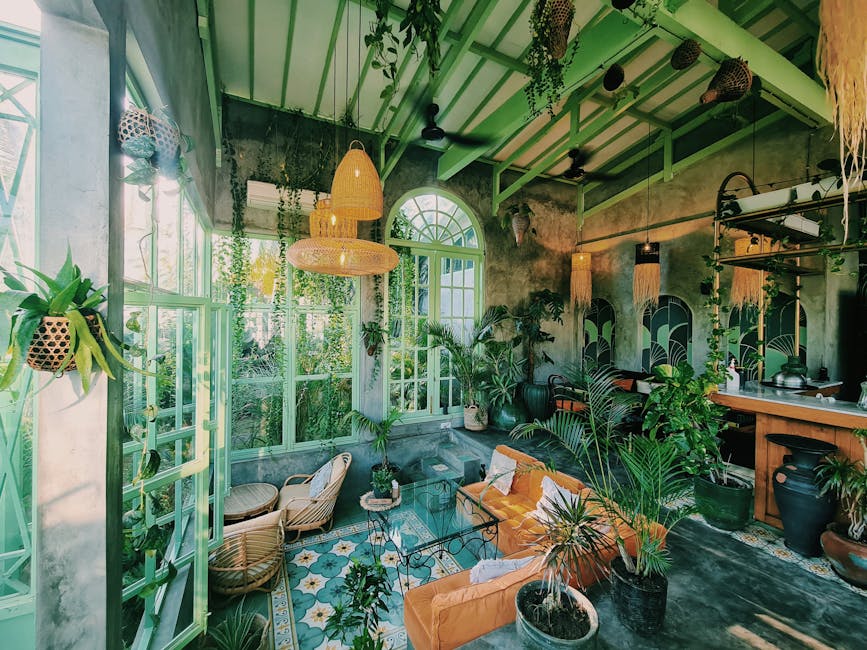
Zest is the most photographed vegan cafe in Ubud and one of the most quietly opinionated. Up the hill in Penestanan with a sweeping view down over the town and rice fields, no shoes inside, a tree growing through the centre of the room, and rattan everywhere. The crowd is the whole Ubud spectrum: yoga teachers, digital nomads, families on holiday, the occasional vegan podcaster doing a recording. The food is genuinely good. The passionfruit cheesecake is the dessert I tell people to order. I’m not vegan and I still sometimes come here for dinner.
Brunch and breakfast: where to eat before noon
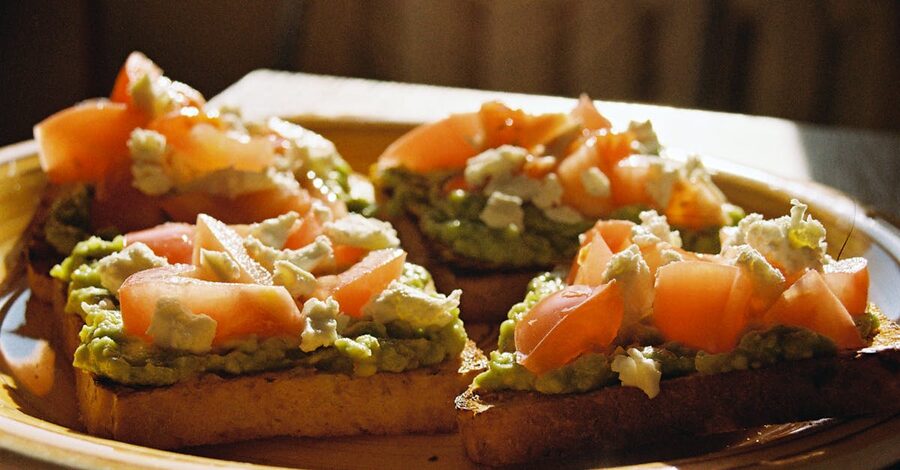
If you want a long, leisurely breakfast and don’t want to do it back at your homestay, this is the cluster I send people to. Ubud is an unusually strong breakfast town because so many residents work on cafe schedules, so the kitchens are properly running by 8 a.m.
Milk and Madu
Milk and Madu started in Canggu and the Ubud branch is at Jalan Suweta No. 3, right in the centre near the Royal Palace. Floor-to-ceiling windows, high ceilings, a kitchen that genuinely turns out one of the better smoothie bowls on the island (Rp 85,000). The annoying part: there is no scooter parking nearby and it gets packed by 9 a.m. Get there at 7:30 if you want a window table. Open 7 a.m. to 10 p.m.
BGS Ubud
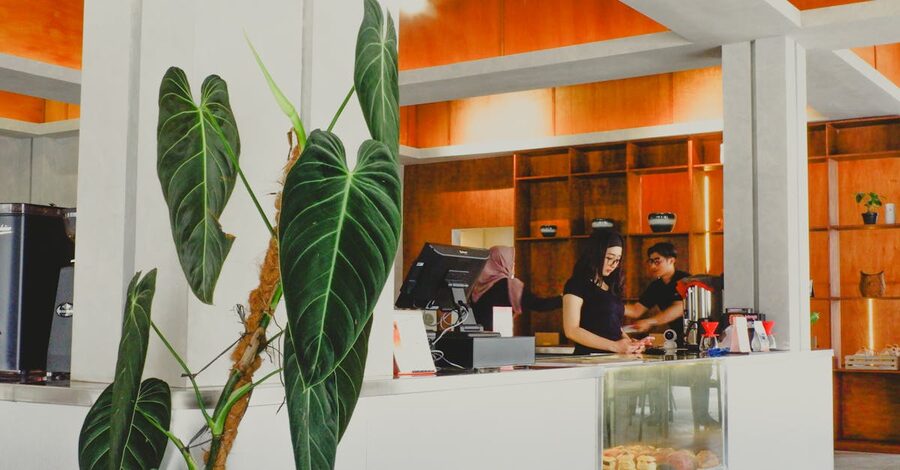
BGS is the Canggu surf-cafe institution that opened a Penestanan branch on the ridge above central Ubud. The Bali coffee scene treats this place like an institution and they earn it: clean Scandinavian-modern space, an outdoor raised seating area, and some of the most reliably pulled coffee I’ve had in Bali. There is no proper food, only basic pastries, so come for the coffee and go elsewhere for breakfast. Open 7:30 a.m. to 8 p.m. daily.
Home Cafe Ubud
Home Cafe is the Russian-themed chain that grew out of Canggu. There are two outlets in Ubud, one in the centre and one slightly out (Jl. Sri Wedari area). Both are spacious and Bali-styled and good for a long brunch with a group. They serve syrniki (Eastern European cottage-cheese pancakes) which is on more Ubud menus than you’d guess because the Russian and Ukrainian community here is large. I find Home’s syrniki slightly underwhelming for the price (Rp 110,000), but the brunch plates are reliable. Open until 11 p.m., which is unusually late for a cafe.
Moon by Sun
Moon by Sun is the western brunch sister of Sun Sun Warung, one of the better dinner spots in central Ubud. Plenty of seating, comfortable sofas with side tables for laptops, and a row of single seats overlooking the street that I always go for. It does both breakfast and dinner properly, and runs taco nights and burger nights in the evening. Get there before noon if you want to actually work.
Cafes with a real rice-paddy view (and the ones to skip)
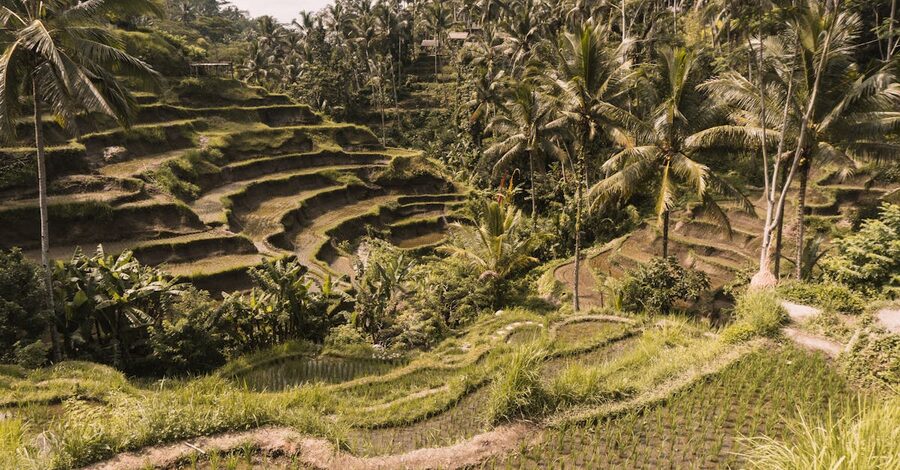
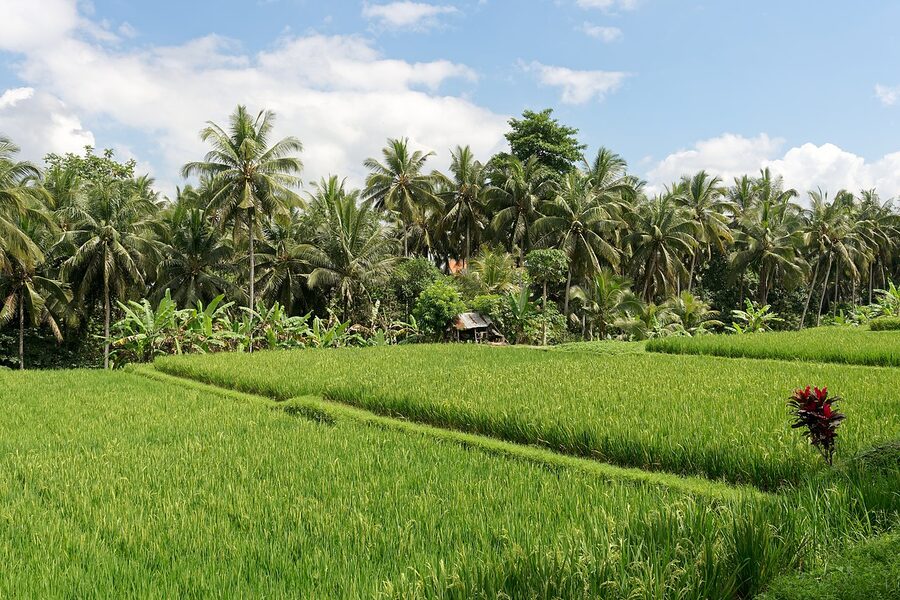
The rice-paddy cafe is the Ubud Instagram cliche and roughly half the time the rice paddy in question is a postage-stamp view between two roads. These are the ones where the view actually delivers.
Huma Cafe by Goldmine
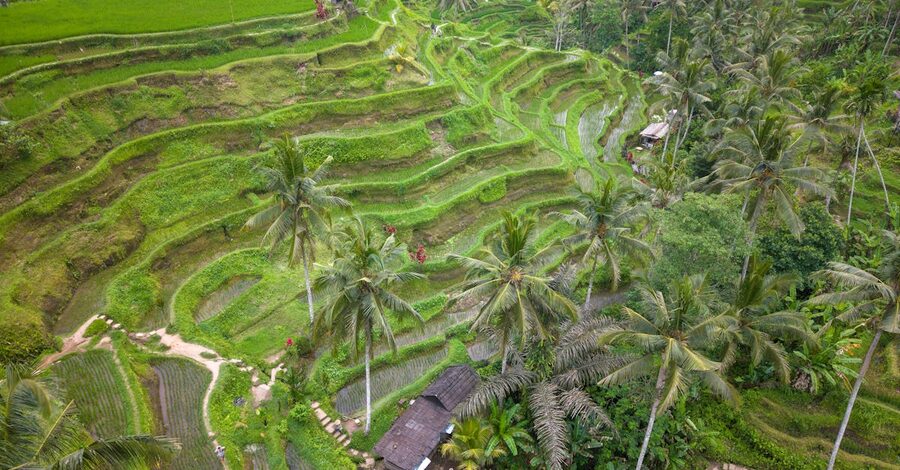
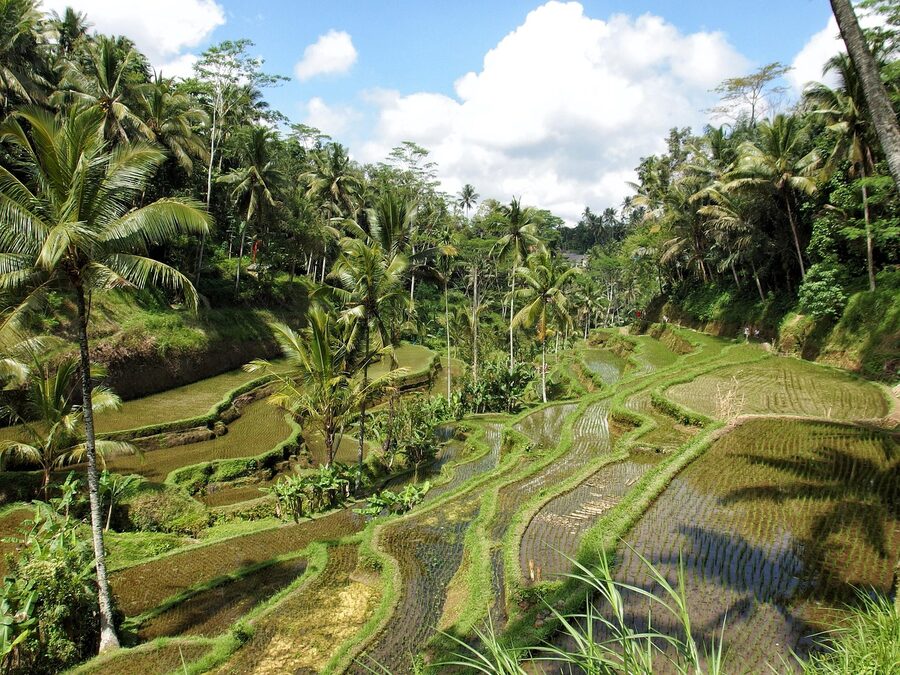
Huma is about 15 minutes north of central Ubud near Tegallalang on Jalan Cinta. It’s the quintessential Bali rice-field cafe done properly: outdoor deck, paddies on three sides, no mass tourism (because Tegalalang’s main viewpoint is doing all the work). Open 8 a.m. to 10 p.m. The 8 a.m. opening is my one complaint, because the morning light over rice paddies hits at 6:30 to 7:30 and Huma misses it. Coffee and brunch prices are mid-range for Ubud (mains around Rp 110,000). Come for late breakfast or early dinner; the deck is best at sunset.
Keliki Coffee
Keliki is on a ridge in Tegallalang on Jalan RSI Markandya II, with a view down into the Bali jungle rather than rice fields. Small space, comfortable bar chairs facing out, and plugs at the counter for laptop work. The morning coffee and juice is what I order. Open 10 a.m. to 7 p.m., which means it’s not a sunrise option, but the late-morning to mid-afternoon window with the jungle below you is one of the better cafe experiences on the island.
Rusters Cafe and Bakery
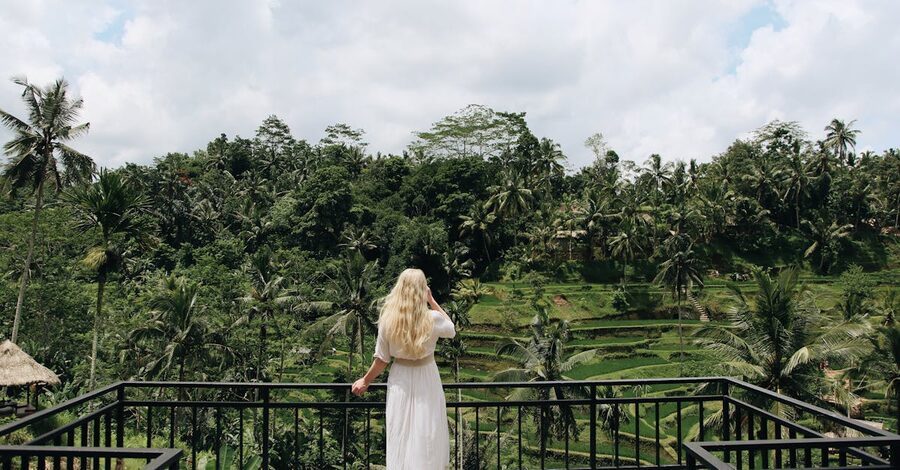
Rusters sits in front of a proper rice paddy off Jalan Penestanan, far enough from central Ubud that you avoid the worst of the daytime traffic. It has both a cafe and a bakery, both with ample seating. The view from the cafe is the rice fields directly. It’s also one of the few Ubud cafes worth coming to at sunset because the outdoor deck faces west, which means you get the palm trees and rice fields silhouetted against the sky. Stay for a coffee and shift to a beer when the sun drops.
The ones to skip
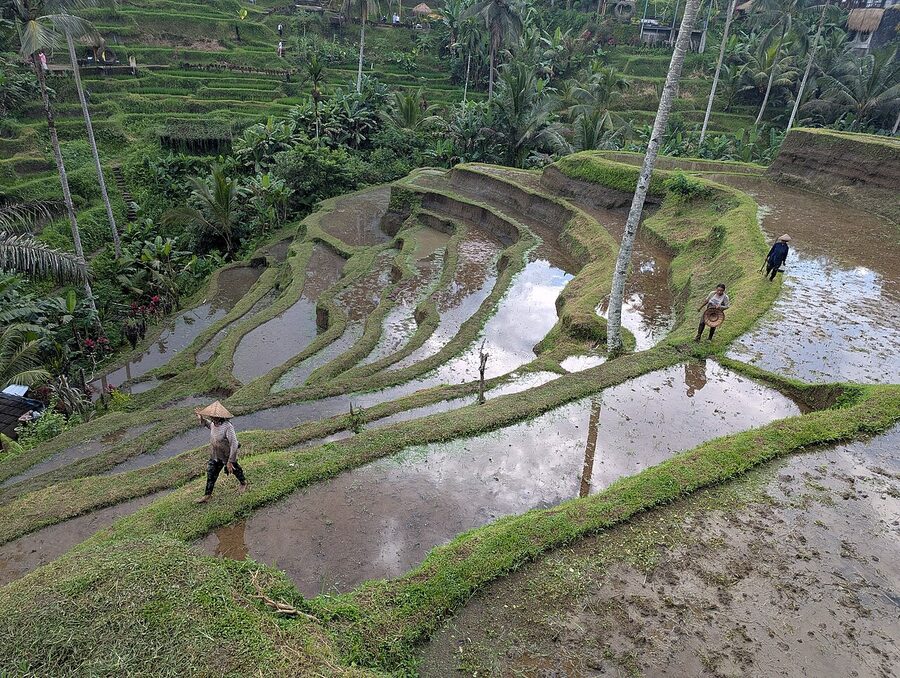
I’m not going to name names, but a fair chunk of the rice-paddy cafes you see on Instagram are essentially a Rp 95,000 smoothie bowl, a Rp 50,000 latte, and a 30 cm strip of green between two service roads with the camera angled carefully. If the cafe is on the main Ubud Tegalalang road and there’s a tour bus parked outside, the view inside is going to be smaller than the photo promised. Drive the extra 15 minutes to Huma or out to Jatiluwih if you want the real thing. Sari Organik in the Subak Sok Wayah area was the original of the genre and is now permanently closed; if you see it in an old guide, it’s gone.
Working from cafes: the digital-nomad reality
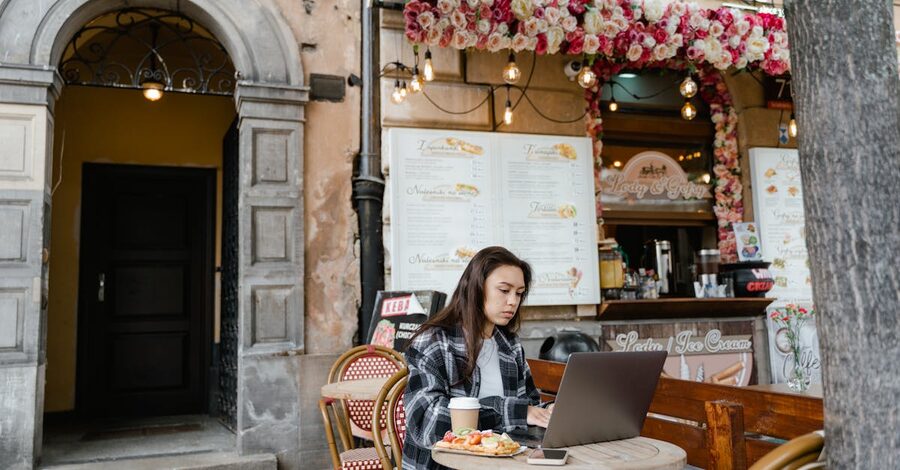
Ubud has a real remote-work population now and the cafe scene has reorganised around it. Some cafes welcome laptops, some don’t, some welcome them but cut the wifi at noon to push lunch turnover. Here is what actually works.
Mudra
Mudra is the most obvious nomad anchor in central Ubud and the only place I’ll consistently sit for four to six hours. They have great wifi, table sharing is openly encouraged, the food and drinks are good (the matcha latte is one of the better ones in Ubud at Rp 55,000), and the social density is unusually high. There is always something happening: handpan lessons, ecstatic dance afterparties, open mic nights. If you need deep focus this is not the place. If you want to write blog posts, get out of your homestay, and meet other nomads, you’ve found the spot.
Chandra Cafe
Chandra is connected to the Radiantly Alive Yoga Studio. Soft music, sofas, plug-equipped tables, an open front that lets natural light flood in. It’s calmer than Mudra and the wifi is reliable. The vegan dessert menu is genuinely tempting; you will end up eating your way through the menu. A good middle option between Mudra’s energy and a hotel desk.
Tucky
Tucky is a small inside, air-conditioned cafe (which in Ubud is its own selling point in March when humidity is at 90 percent). Coffee and breakfast are both solid. Because the space is small, I avoid setting up here at peak hours; mid-morning to lunch is fine. If you have a 2-hour deep-focus block to do, this is the right room.
Eightea Bali
Eightea is on the Sweet Orange Trail just outside Ubud off Jalan Raya Ubud, a 15-minute walk through the rice paddies to reach. It’s not the most convenient cafe in Ubud and the wifi is unreliable, but if you want to read, journal, or do email-only work in actual peace, this is one of the few spots that delivers it. I come here in the morning to read more than I come to work.
The dish anchors: Tukies, Locavore To Go, and the small specialists

Some cafes in Ubud are not cafes you sit at. They’re a counter you walk up to, get one specific thing, and walk out. These are the ones I always tell people to try.
Tukies Coconut Shop
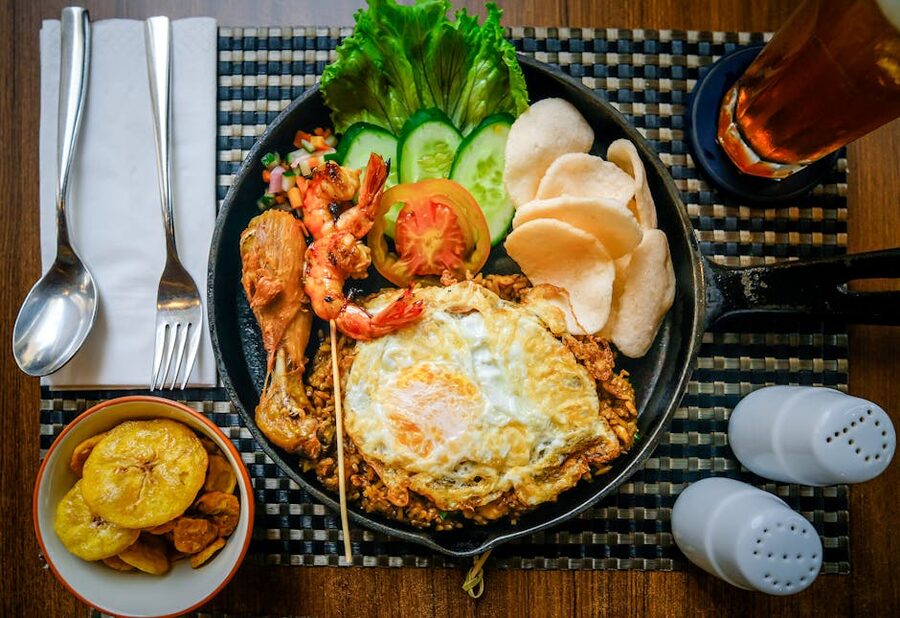
Tukies is a small chain that does one thing: fresh young coconut, drilled, served with a spoon, and (the move) blended into a coconut shake with house-made coconut ice cream for around Rp 40,000. The original is on Jalan Raya Ubud. There are now branches across Bali. On a 33-degree afternoon walking back from the Monkey Forest, this is exactly what you want.
Locavore To Go
Locavore was Ubud’s most acclaimed restaurant for years. Locavore To Go is the more accessible counter-and-deli sister, where they sell their own bread, pastries, sandwiches, and ready-to-eat plates. The kombucha is excellent. The croissants and danishes are the closest thing to a proper European bakery I’ve found in Bali, and the fact that you can put together a takeaway picnic of charcuterie, cheese, bread, and a bottle of wine for under Rp 350,000 is the best deal in Ubud for what you actually get. This is where I go for proper takeaway food.
Hujan Locale
Hujan Locale is technically a restaurant, not a cafe, but the lunch hours are when it earns its place on this list. The cuisine is Indonesian done with proper technique and presentation: Balinese, Javanese, and other regional dishes plated like the kitchen takes them seriously. The lunch set is around Rp 195,000 for two courses and is one of the better-value sit-down meals in Ubud. The front room doubles as a casual cafe before noon. If you want to eat your way through Indonesian regional food in an air-conditioned space, this is where to do it.
The Elephant
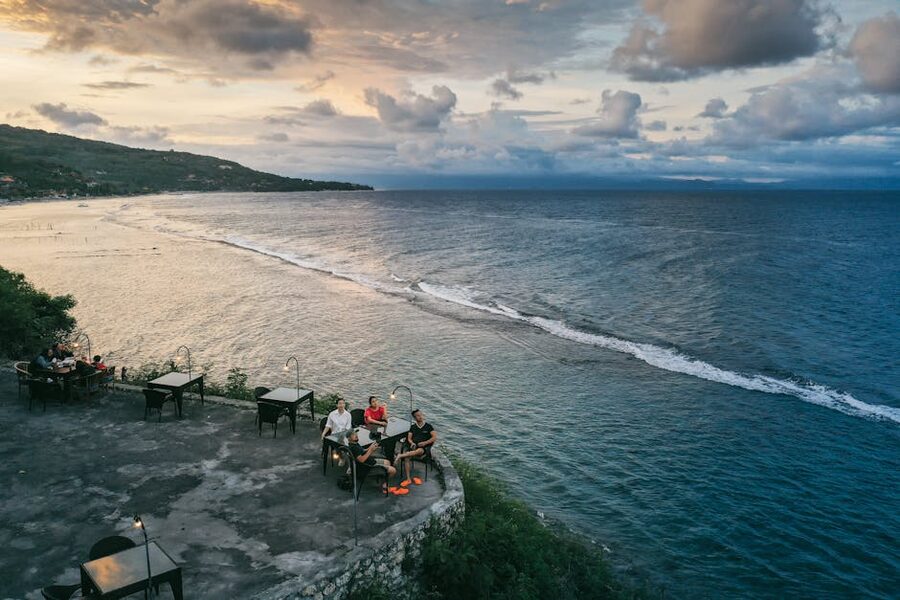
The Elephant is a vegetarian and vegan restaurant just out of central Ubud near the Tjampuhan Hotel, with a deck that overlooks the Wos river valley. The view is the genuine article (proper jungle drop, not a postage stamp). The menu is creative vegan food, not just plates of greens. Mains run Rp 95,000 to 145,000. Best at sunset.
Coffee: where it actually comes from
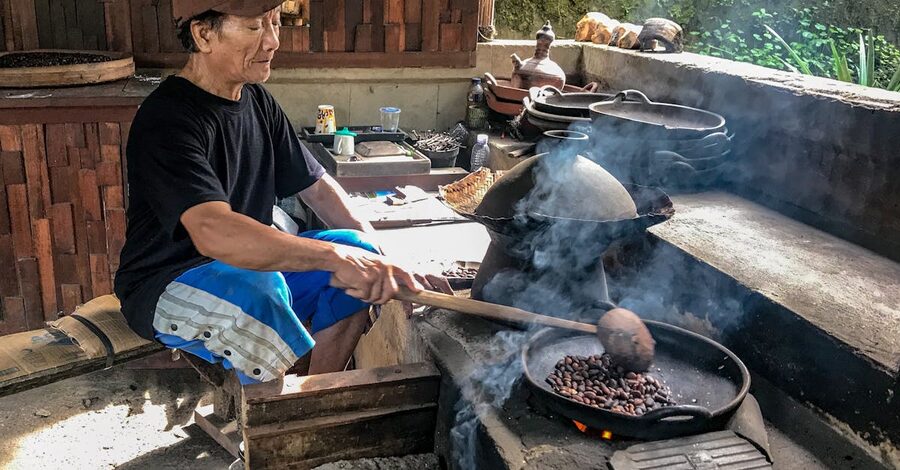
One reason the Ubud cafe scene punches so far above its weight is that the coffee is grown an hour up the road. Bali’s coffee comes mostly from Kintamani, on the slopes of Mount Batur, where the volcanic soil and altitude (around 1,200 to 1,500 metres) produce a clean, slightly fruity arabica. Indonesia as a whole is the fourth-largest coffee producer on the planet, with Sumatra producing the famous Mandheling and Gayo, Sulawesi producing Toraja, and Java producing the namesake bean.
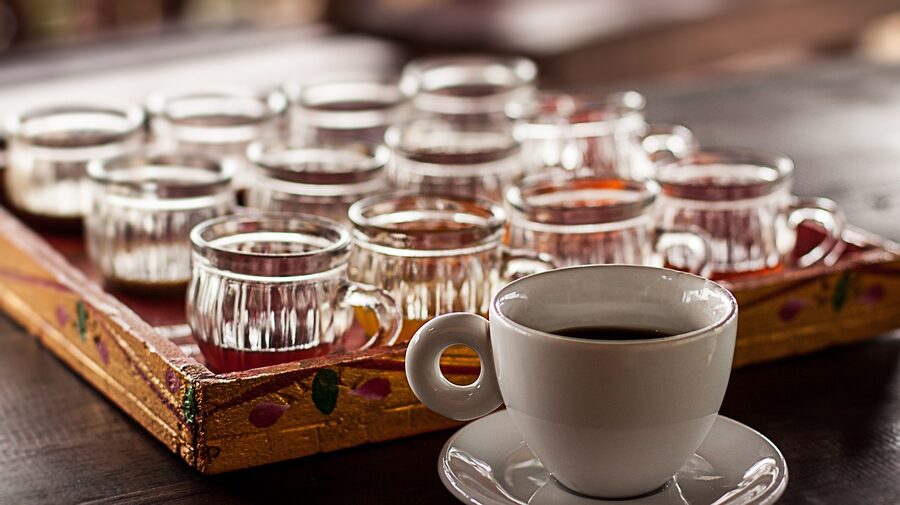
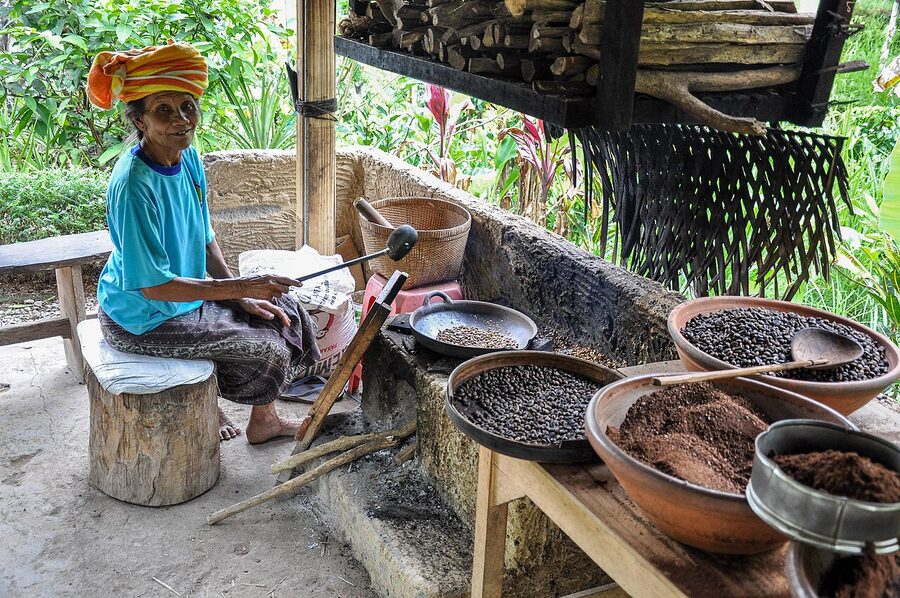
A note on kopi luwak, the famous “civet coffee” sold across Bali. The original concept was wild civets eating coffee cherries and the partially-digested beans being collected from the forest floor. The reality at most Bali coffee plantations advertised to tourists is caged civets being force-fed coffee cherries in tiny cages for a tourism photo and an inflated coffee price. Don’t drink it. The coffee at Seniman or Anomali is better and you’re not paying for animal cruelty.
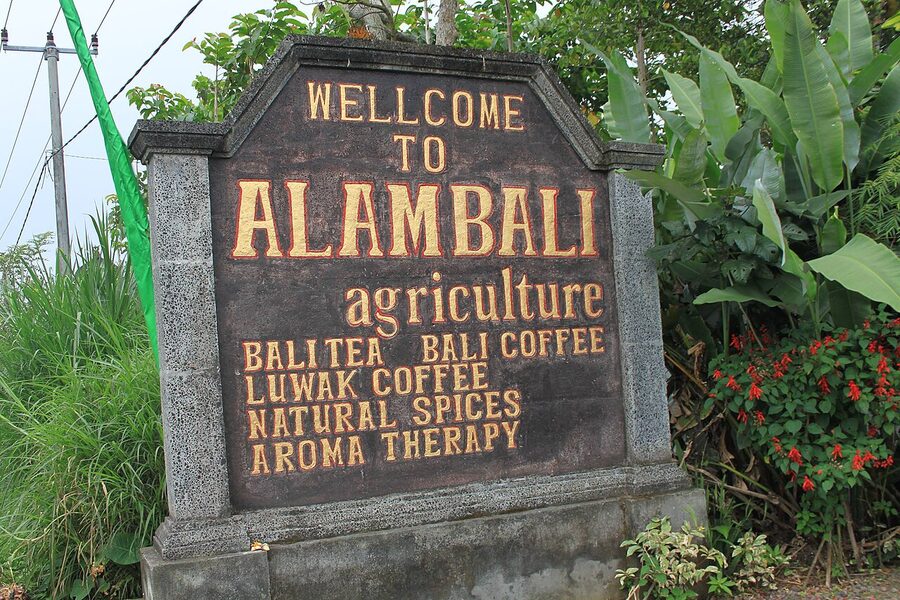
If you want to see real coffee farming, drive to the Munduk area in the north and visit one of the working plantations there. The Munduk highlands have real farms doing real coffee, and the contrast with the Tegalalang tourist circuit is instructive. For more context on regional Balinese food and the warung scene that sits alongside the cafes, you can also read about where to eat the best nasi goreng on the island, which is the dish I default to for any meal under Rp 30,000.
Ubud cafe culture in context: temples, traffic, and the morning offering
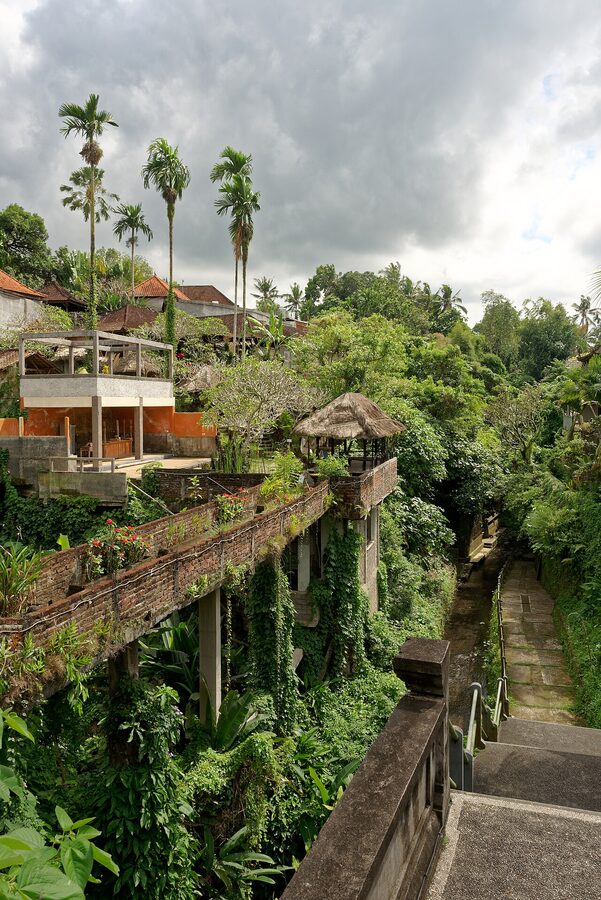
Ubud is a real Balinese town with active Hindu temples and daily ceremonies happening alongside the cafe scene. The morning canang sari offerings sit on cafe doorsteps right next to the chalkboard with the day’s specialty drink. If a procession comes down the road and stops the traffic, the cafes pause too. This is the part of Ubud cafe culture that the listicles miss: the cafe is sitting inside an active Balinese village, not outside it.
Practical bits. Traffic in central Ubud is bad from about 9 a.m. to 7 p.m. The single best way to cafe-hop is on a scooter (Rp 70,000 a day, 5,000 baht/day fine if you don’t have an international permit and get caught at a checkpoint, the law is being enforced harder since 2024). The second best way is to walk; the centre is small. Grab and Gojek work but the centre often has surge and slow pickup. Most cafes accept cards now, but the small ones (and Juice Ja) are still cash only.
If you’re staying outside central Ubud, Penestanan in the west and Pengosekan in the south are the two cafe-dense neighbourhoods with the least traffic. I much prefer staying in either to staying in the centre itself. The relevant comparison from the coast: the Sanur cafe scene is calmer and more beach-resort, Canggu is denser and more surf-and-nomad, and the broader island indie cafe scene stretches well beyond Ubud, with sister branches of Suka, BGS, Watercress, and Milk and Madu in multiple areas. If you’re tracing the cafe culture across Bali I cover that in the island-wide indie cafe guide.
Where to stay if you actually want the cafe scene
You don’t need to stay in central Ubud to enjoy the cafe scene. In fact you’ll have a better time slightly out. Two areas to consider:
- Penestanan, on the ridge to the west. Walking distance to BGS, Sayuri, Zest, and a string of small cafes. Quieter at night. Most of the long-term nomads I know live here.
- Pengosekan, on the south side toward the Monkey Forest. Walking distance to Suka, Watercress, Pison, F.R.E.A.K. The Yoga Barn is here. Less hippie than Penestanan, more brunch crowd.
Central Ubud near Jalan Suweta and the Royal Palace gets you closest to Juice Ja, Milk and Madu, and the dance-performance evenings, but the traffic and noise are real. Find the breakdown of where to stay in different parts of Bali if you’re trying to choose between Ubud and the coast for a longer trip.
The editor’s top five (by what you actually want from your day)
If I had to send someone to one cafe in Ubud for a specific reason, here’s where they’d go:
- For a single best coffee: Seniman Coffee Studio. Order the espresso and piccolo flight, then a Japanese-style iced filter. Buy the beans on the way out.
- For a long laptop day: Mudra in central Ubud. Stay 4 hours, eat lunch, meet people. Or Chandra if you need quieter focus.
- For one cold-press juice and a juice cleanse to take home: Juice Ja Cafe on Jalan Suweta. Five-day cleanse, daily delivery, no wellness-resort markup.
- For the rice-paddy view that delivers: Huma by Goldmine north of central Ubud. Get there for late breakfast and stay until the deck catches the afternoon light. Rusters at sunset.
- For the vegan dessert that converts the non-vegans: Sayuri Healing Food’s raw vegan cheesecake, or Zest’s passionfruit cheesecake if you want the view too.
One more rule of mine after years of doing this: a third cafe in a single day is one too many. Two excellent ones plus a long lunch somewhere with proper food beats three rushed flat whites. The Ubud cafe scene rewards slowness, which is convenient because there’s no other speed Ubud will let you operate at anyway.
Planning a Bali trip?
Start with the cornerstones — when to go, where to base, and what's actually worth doing.