
Where to Drink Coffee in Bali: A Local’s Cafe Guide by Area (2026)
A Rp 35,000 (about $2.20) third-wave flat white at Crate Cafe in Canggu, served by a barista who could win a regional championship and probably has. A Rp 8,000 ($0.50) kopi tubruk (Indonesian-style coffee where the grounds sit at the bottom of the cup) at the warung next to the petrol station in Sidemen, served in a glass that has been washed in the same water for a decade. Both are coffee in Bali. Both deserve a place in your day. The trick is knowing when each one is the right call, which cafes across the island are worth the markup, and which ones are charging Seminyak rates for Seminyak vibes and not much else.
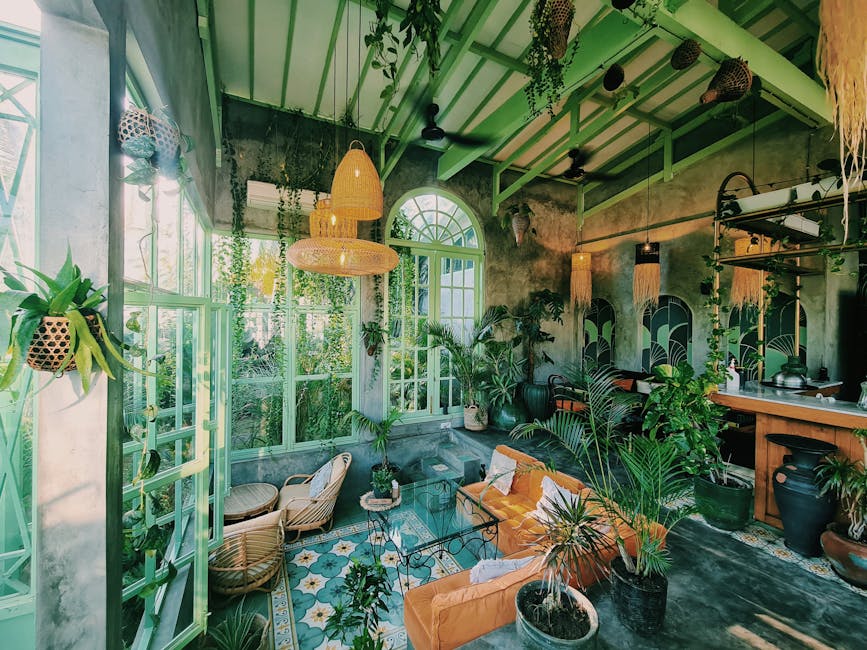
I have been drinking coffee in Bali, on and off, for six years. I have queued at Crate Cafe at 9 a.m. with a hundred laptops in front of me. I have ordered the wrong drink at Seniman in Ubud and been gently corrected by a barista who took it personally. I have paid Rp 5,000 for a glass of kopi panas (hot coffee) on a plastic stool in Amlapura while watching a man fix a moped engine with a hammer. None of these were a mistake. This is the catalogue, by area, with prices that are not made up and opinions that are.
In This Article
- The Quick Answer If You Just Want a Recommendation
- How Bali Got Here: The Specialty-Coffee Story
- What Is Kopi Tubruk and Should You Drink It
- Sanur: The Quiet Cafe Scene
- Genius Cafe (Mertasari Beach)
- Manik Organik
- Soul Garden Cafe
- Bonsai Cafe (Closed)
- Seminyak: The Established Scene
- Revolver Espresso
- Sisterfields
- Watercress Seminyak
- Sea Circus
- Common Grounds
- Canggu: The Densest Cafe Scene on the Island
- Crate Cafe
- Milu by Nook
- Hungry Bird Coffee
- The Loft
- Quince
- Ours
- Givings
- Watercress Canggu
- A Light Touch on Ubud (the Other Cafe Capital)
- The Bukit, Uluwatu, Jimbaran: Surf-Adjacent Coffee
- Kuta and Legian: The Budget Side
- The Warung Coffee Counterpoint
- The Wifi Reality (Read This Before You Plan a Workday)
- How to Find a Cafe That Actually Works
- Prices, Tipping, and How to Pay
- Cafe-Hopping Routes That Actually Work
- What Time of Day to Go
- Should You Visit a Coffee Plantation
- The Verdict, By Trip Type
The Quick Answer If You Just Want a Recommendation
If you are spending one day in Canggu and want to know where to go, the answer is Crate Cafe for the scene, Milu by Nook for the food, and Quince for the rooftop. If you have one morning in Seminyak, go to Revolver Espresso. In Sanur, walk Jalan Danau Tamblingan and pick the one that is least packed. Skip the beach clubs that call themselves cafes and charge Rp 250,000 for a flat white. They are not cafes. They are nightclubs that open at breakfast and have a price problem.
If you want the longer version, with the cafe-by-area breakdown, the wifi reality, and a real read on which places justify the markup over the warung kopi at the gas station, keep reading.
How Bali Got Here: The Specialty-Coffee Story
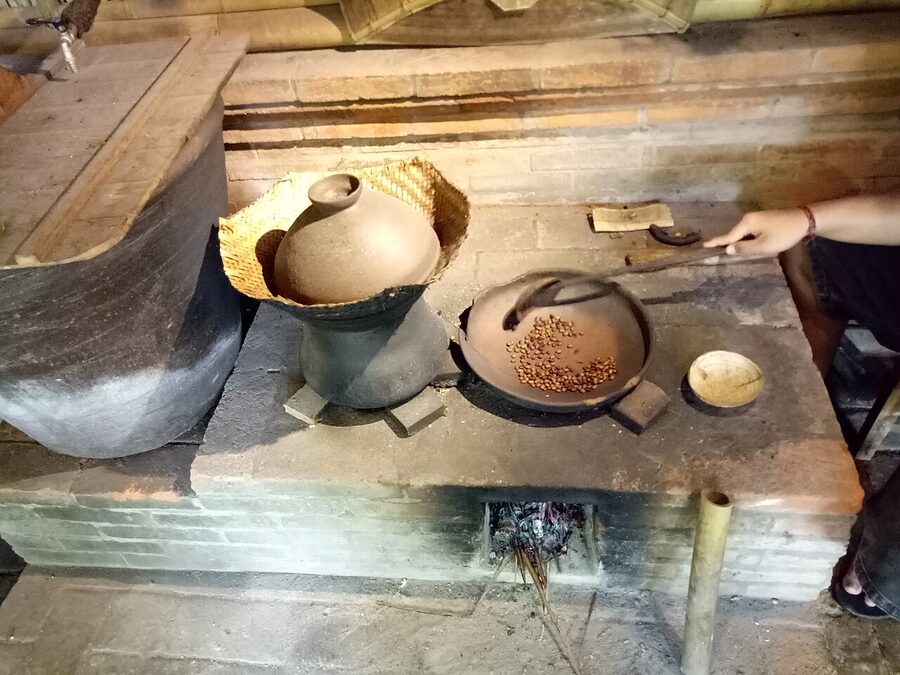
Indonesia has been growing coffee since the Dutch colonial era. The country sits in the top four global producers most years, and the beans you drink in a Canggu cafe today are almost always Indonesian: Kintamani Arabica from up near Mount Batur, Toraja from Sulawesi, Aceh Gayo from Sumatra, Java from East Java. The growing was always there. The cafes are newer.
The Bali specialty-coffee scene as you experience it now started building around 2012. That is when Revolver Espresso opened in Seminyak, when Seniman Coffee Studio launched its Ubud roastery, and when Australian baristas started arriving in serious numbers. By 2014 the picture had shifted. Anomali Coffee, Senchamps, Karana, and the wave of in-house roasters made specialty espresso a normal thing in Bali, not an Australian-import novelty. Hungry Bird in Canggu, founded 2013 by Indonesian Aeropress champion Edo, still roasts on-site and remains one of the most respected names on the island. Expat Roasters opened in 2017 in Petitenget and now sources 95 percent of their beans from within 40 km of the roastery.
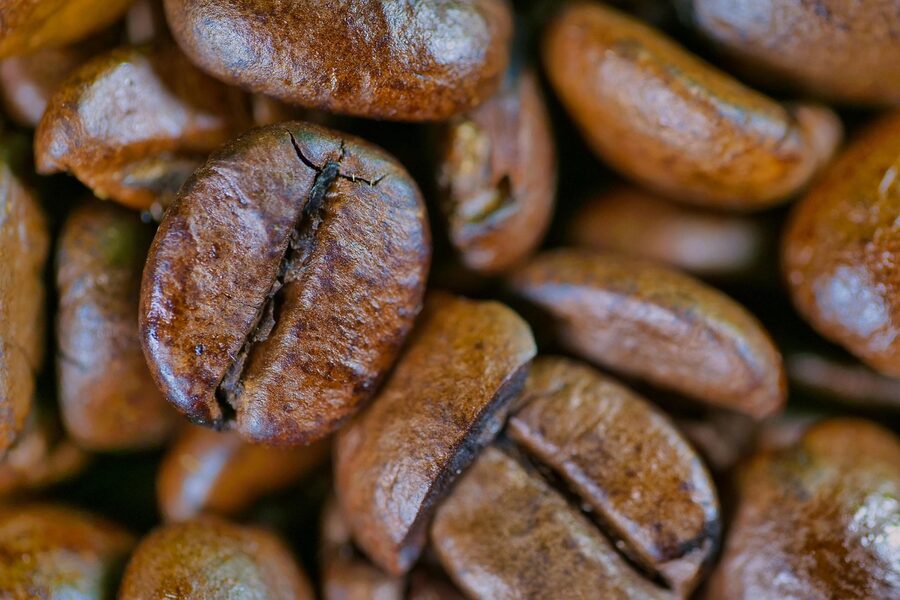
The third wave is real here. So is the price gap. A flat white at a third-wave cafe in Canggu runs Rp 35,000 to Rp 45,000. The same flat white at the international hotel buffet costs Rp 65,000. The same drink in a strict sense, kopi susu (coffee with sweet condensed milk), at the warung next to your homestay costs Rp 8,000 to Rp 15,000. None of these is wrong. They are different products. Coffee at the warung is fuel and conversation. Coffee at Hungry Bird is a craft drink with a single-origin tasting note. You pick which one you want at which moment.
What Is Kopi Tubruk and Should You Drink It
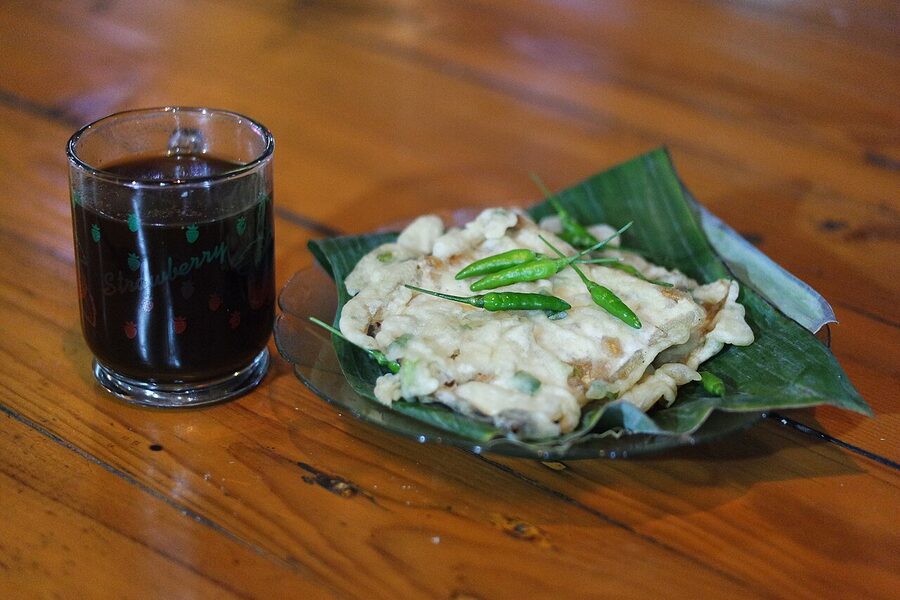
Yes. Drink it. Kopi tubruk is the traditional Indonesian preparation where coarsely ground robusta or arabica is brewed straight in the glass with hot water and a generous spoon of sugar, the grounds settling at the bottom. You wait two minutes, you drink the top two-thirds, you stop before you hit the silt. It tastes like a strong, sweet, slightly muddy filter coffee. It is the standard pour at any warung, any roadside coffee shack, any village ceremony. A glass costs Rp 5,000 to Rp 12,000. You will see Balinese men and women drinking it at 6 a.m. before work, at 10 a.m. with a snack, at 3 p.m. as a break. There is no wrong time.
If you want the full local version, ask for kopi tubruk Bali or kopi panas pakai gula (hot coffee with sugar). If you want it without sugar, say tanpa gula; this will surprise the warung owner, but they will accommodate. Do not expect microfoam. Do not expect a tasting note. Do expect to feel slightly more awake and slightly more part of the place, which is what coffee at the warung is actually for. Pair it with a piece of jaja Bali (sweet rice cake) or a banana fritter and you have spent Rp 15,000 on a small pleasure.
Sanur: The Quiet Cafe Scene
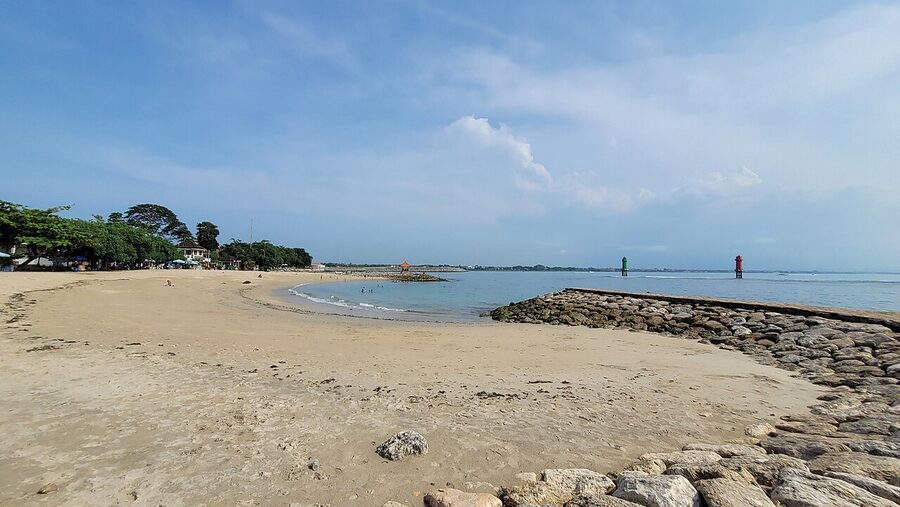
Sanur gets written off as a retiree town with a flat beach, which is true and also misses the point. The cafe scene here is calmer than Canggu, less polished than Seminyak, and skewed toward the wellness-and-yoga crowd that has been coming to Sanur since the 1990s. The strip along Jalan Danau Tamblingan is where you find most of the indie spots. For the area context, my full Sanur guide covers where to stay, the beach access, and why the second-trip crowd ends up here.
Genius Cafe (Mertasari Beach)
This is the digital-nomad anchor for Sanur, sitting right on Mertasari Beach at the southern end of the Sanur strip. Open 7 a.m. to 10 p.m. daily. Two locations now: original Sanur, plus a Gianyar coast outpost (their website has the current menu and event calendar). The Sanur space mixes a covered cafe with garden seating and a few tables actually on the sand. Wifi is genuinely fast (300+ Mbps when I tested last visit). Coffee runs Rp 35,000 to Rp 45,000, breakfast bowls and bao buns Rp 60,000 to Rp 95,000, mains Rp 75,000 to Rp 130,000.
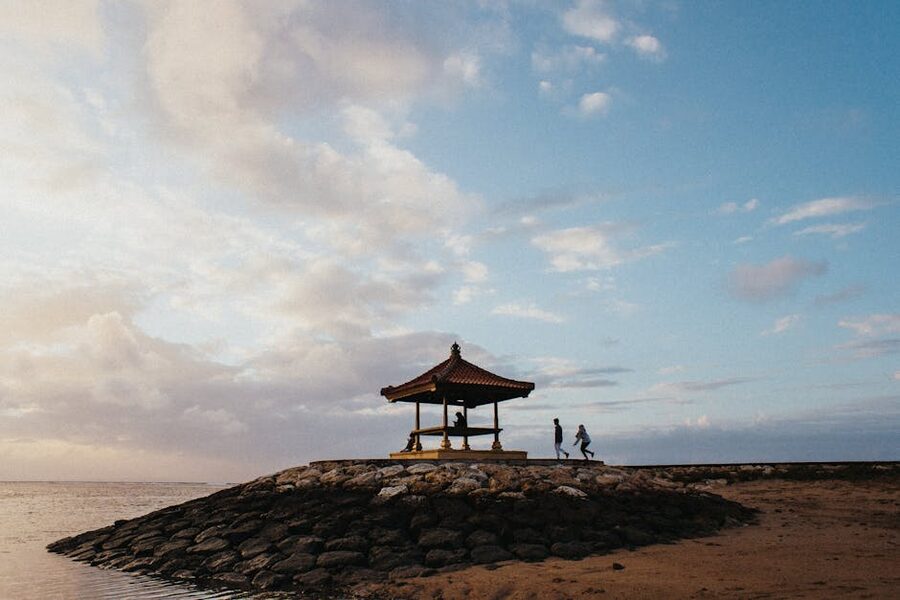
The reason to come here over a Canggu cafe is that you can actually see the ocean while you work, which sounds obvious but is not the case at Crate. Parking is Rp 2,000. Walk about five minutes from the parking area through the beach access. It gets full from 9 a.m. on weekdays and full-full on Sundays when the Bali expat brunch crowd arrives, so come before 8:30 if you want a table near the water.
Manik Organik
Vegetarian since they opened, on Jalan Danau Tamblingan 85 in central Sanur. This is the cooking-class cafe, the yoga-studio cafe, the place where the menu has more turmeric on it than coffee. Drinks Rp 30,000 to Rp 55,000, mains Rp 65,000 to Rp 110,000. The kitchen does an Indonesian thali plate that is good value at Rp 95,000. They also run a 3-hour cooking class for around Rp 600,000 per person if you want to take the warung style home with you. Open from 7 a.m. The crowd skews older, so you will not be queuing behind influencers. Wifi works for emails, not for video calls.
Soul Garden Cafe
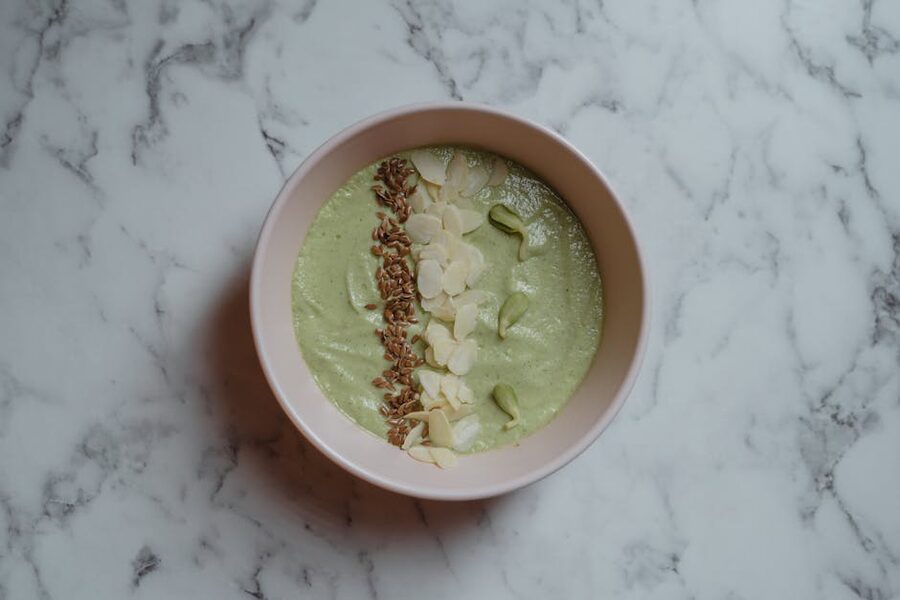
Tucked back from Jalan Danau Tamblingan with garden seating and a quieter vibe than Genius. Plant-based menu, healthy bowls, smoothies, decent flat whites at Rp 35,000. The reason to come here over Genius is the calm. There are no laptops banned, but there are also fewer people staring at them. Open daily 7 a.m. to 9 p.m. Mains Rp 70,000 to Rp 120,000. Solid breakfast option that does not feel like sitting inside an open-plan office.

Bonsai Cafe (Closed)
Mention this one because anyone who came to Sanur before about 2012 remembers it. Bonsai Cafe sat right on Sanur beach near where Hattons Wine and the icon Sands restaurant now sit. The original draw was an extraordinary collection of bonsai trees, more than 1,000 of them, set around the seating area, plus a basic Indonesian-and-international menu. It closed years ago and the space has been redeveloped. If you are looking for it on a map and finding nothing, that is why. The closest current equivalent on the beach is Sands and the new Sands Beach Club, which is more restaurant than cafe and pricier. For a cafe that captures some of the old Bonsai laid-back-on-the-sand feel, walk south to Genius.
Seminyak: The Established Scene
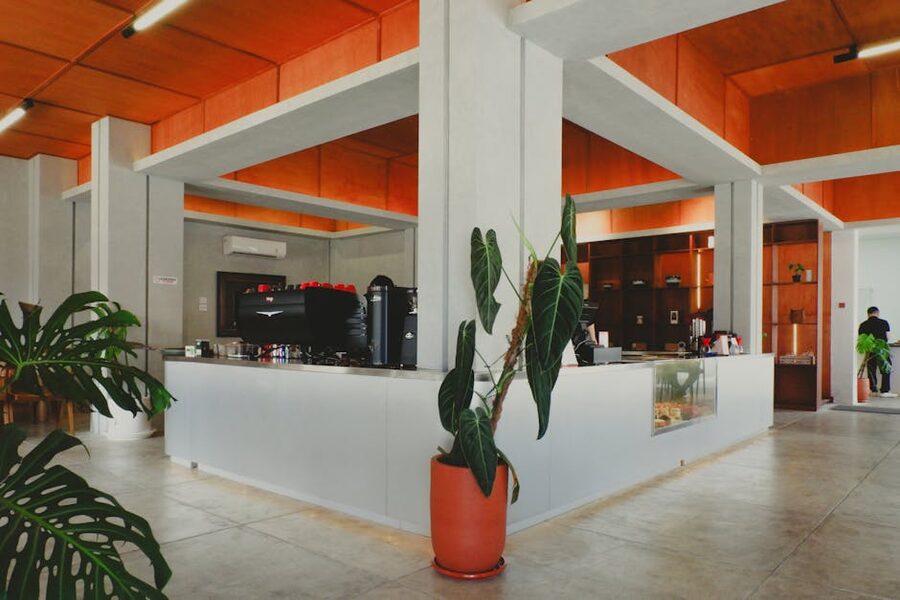
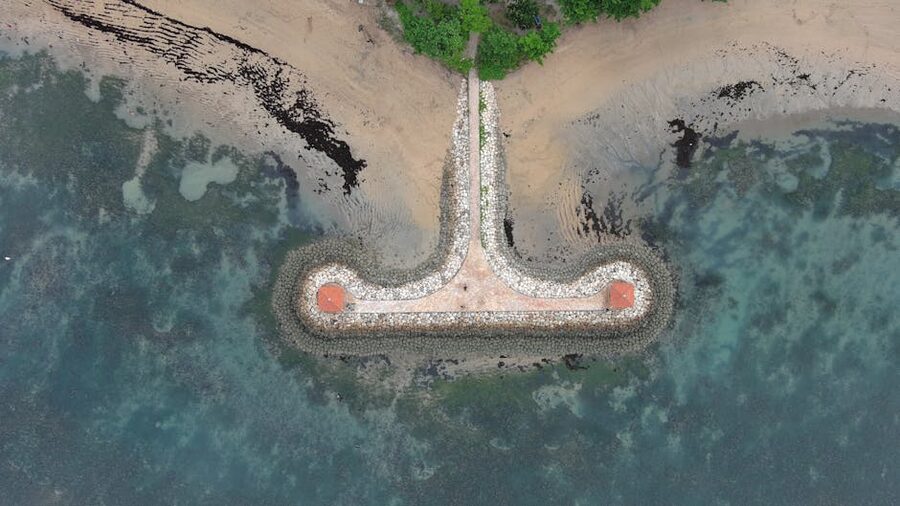
Seminyak was the first area in Bali where the third-wave cafe scene took root, and it still has the highest concentration of legacy spots. Petitenget, the road that runs from Seminyak Square up toward Canggu, is the densest stretch. Prices are 10 to 20 percent above what you pay in Canggu. The scene is more polished, more dressed-up, less laptop-friendly.
Revolver Espresso
This is the icon. Opened in 2012 in a tiny space on Gang Kayu Aya off Jalan Kayu Aya, now expanded to six venues across the south (the full venue list is on the Revolver Bali site). The original Seminyak hatch is still there and still does the best espresso in the area. House-roasted beans, a solid all-day food menu (the breakfast roll is famously good), and a bar that does cocktails after 5 p.m. Coffee Rp 35,000 to Rp 50,000, mains Rp 95,000 to Rp 165,000. Cash and card both work. Wifi exists but is throttled at lunch. Get there before 9 a.m. on weekends or expect to stand outside until a table opens up.
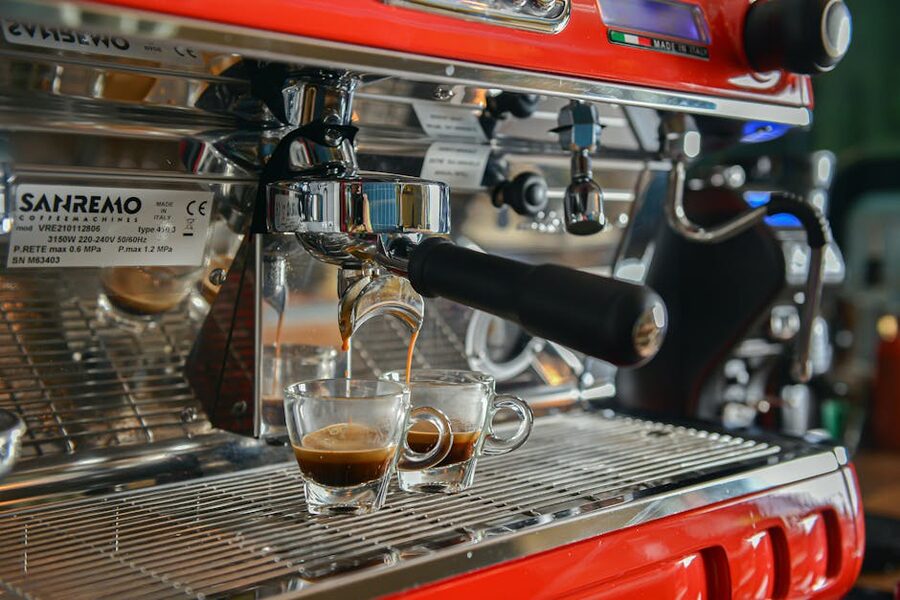
If the original is full, walk to the Revolver HQ in Umalas instead. Larger space, fewer tourists, same coffee.
Sisterfields
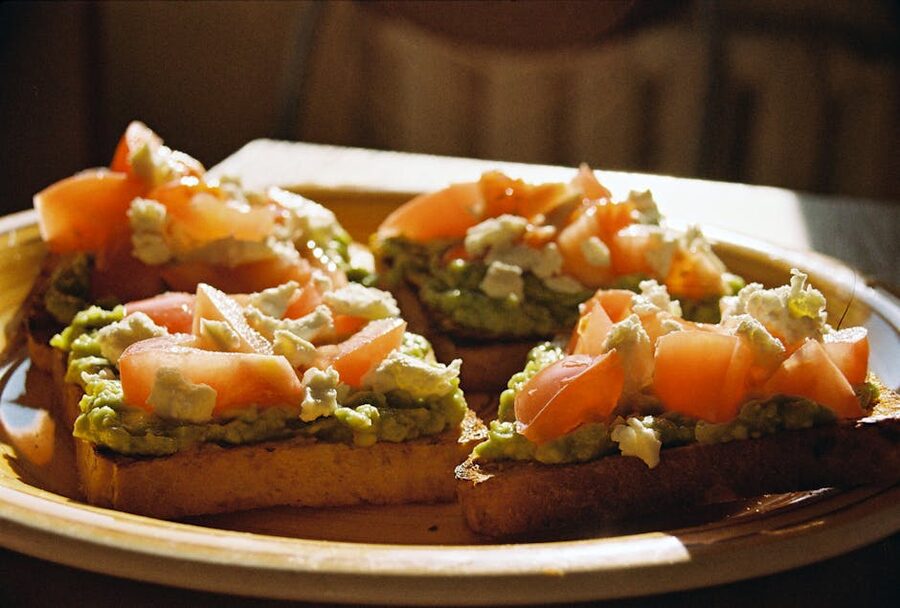
The Australian-cafe imported wholesale to Seminyak. Open 7 a.m. to 9 p.m. daily, on Jalan Kayu Cendana (current hours and menu on sisterfieldsbali.com). The smashed avocado on whole-wheat sourdough is legitimately one of the best plates in Seminyak at Rp 110,000. Coffee is good but not better than Revolver. The reason to come here is the brunch menu and the consistency. They have been running the same kitchen for over a decade and it shows. They take reservations, which matters in Seminyak.
Watercress Seminyak
Smaller, calmer, more local than Sisterfields. On Jalan Batu Belig. Coffee Rp 35,000 to Rp 45,000, brunch Rp 75,000 to Rp 130,000. Smashed pumpkin, banana French toast, the standard Bali brunch list done well. The garden seating is the move. Open 7 a.m. to 10 p.m. They also have a Canggu sister location that I cover below.
Sea Circus
The fun one. Bright graphics on the outside, fish tacos inside, a vibe that leans more bar-restaurant than cafe but the morning coffee is solid. Jalan Kayu Aya. Mains Rp 95,000 to Rp 175,000. Great if you want a meal, less ideal if you just want espresso and a quiet hour with a book.
Common Grounds
The cafe inside The Common Hotel. Open to non-guests. Decent coffee, low-key crowd, useful when the rest of Seminyak is heaving and you need somewhere quieter. Coffee Rp 35,000 to Rp 50,000, breakfast Rp 65,000 to Rp 110,000. Good fallback option, not a destination.
Canggu: The Densest Cafe Scene on the Island
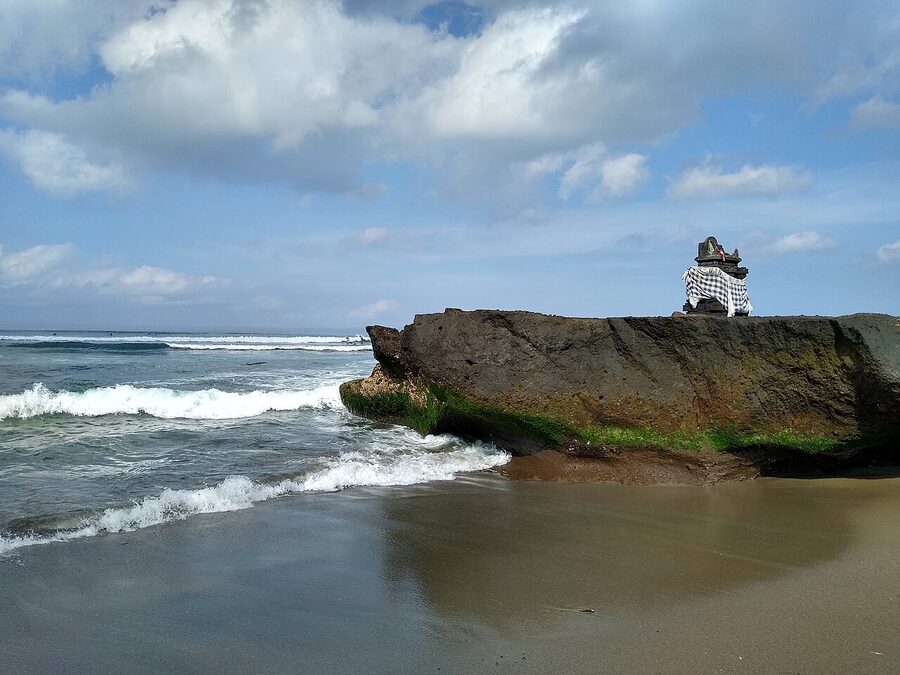
Johnny Africa, who lived in Canggu for five months during the pandemic, claims the area has the highest concentration of cafes per capita of anywhere in the world. Having spent serious time in coffee cities like Melbourne and Lisbon, I think he might be right. The corridor that runs through Berawa, central Canggu, and Pererenan has more cafes than any human can visit in a week. Prices are slightly cheaper than Seminyak, slightly more expensive than Sanur, and the food menus are bigger because everyone here is trying to outdo everyone else.
Crate Cafe
The one with the line. Opened 2014 on Jalan Canggu Padang Linjong (the venue gallery on lifescrate.com shows what the space actually looks like), now famous as the original digital-nomad-with-a-MacBook cafe in Canggu. Open 7 a.m. to 11 p.m. The brekkie menu runs all day. Coffee Rp 30,000 to Rp 45,000, breakfast bowls and avo toast Rp 75,000 to Rp 110,000, mains Rp 95,000 to Rp 140,000. Wifi exists and is fine for emails, but the actual policy is that you cannot stay all day at one table. They turn over.
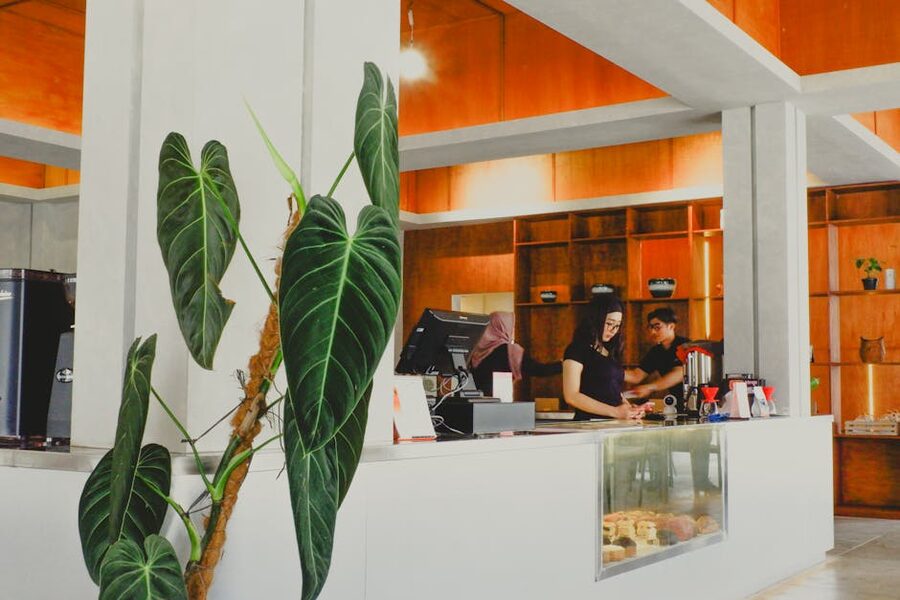
The real read on Crate: the food is good, the coffee is good, the scene is the actual product. You are paying Rp 95,000 for an avocado toast you could get for Rp 55,000 next door because Crate is where the Instagram crowd ends up and you want to see and be seen. If that does not appeal, eat next door at Cinta Cafe and have your coffee at Crate. If it does appeal, go with it. The line is real but moves fast.
Milu by Nook
The food is the reason here, not the coffee. Sister to the well-known Nook in Berawa, this is the larger and more polished of the two, on Jalan Subak Sari with rice paddy views from the back tables. Open 7 a.m. to 10 p.m. The breakfast menu is one of the best in Canggu, the Mediterranean breakfast plate at Rp 110,000 is genuinely worth the money. Coffee runs Rp 35,000 to Rp 50,000. Get there at 8 a.m. or expect to wait. They take reservations for groups of 4+ which is useful.
Hungry Bird Coffee
The barista cafe. Opened in 2013, founded by Edo (Indonesian Aeropress Champion 2013), now roasts on-site and supplies several other Canggu cafes including Miel. On Jalan Raya Semat. The coffee is the best in Canggu, and that is not a controversial opinion among people who actually know coffee. They serve nine Indonesian and three international single origins on rotation, plus the house espresso. A V60 pourover runs Rp 50,000 to Rp 75,000 depending on the bean. Espresso drinks Rp 30,000 to Rp 45,000. Food menu is small but solid; the nasi goreng is excellent (and the warung version, covered in my nasi goreng deep dive, is a different and equally legitimate animal).
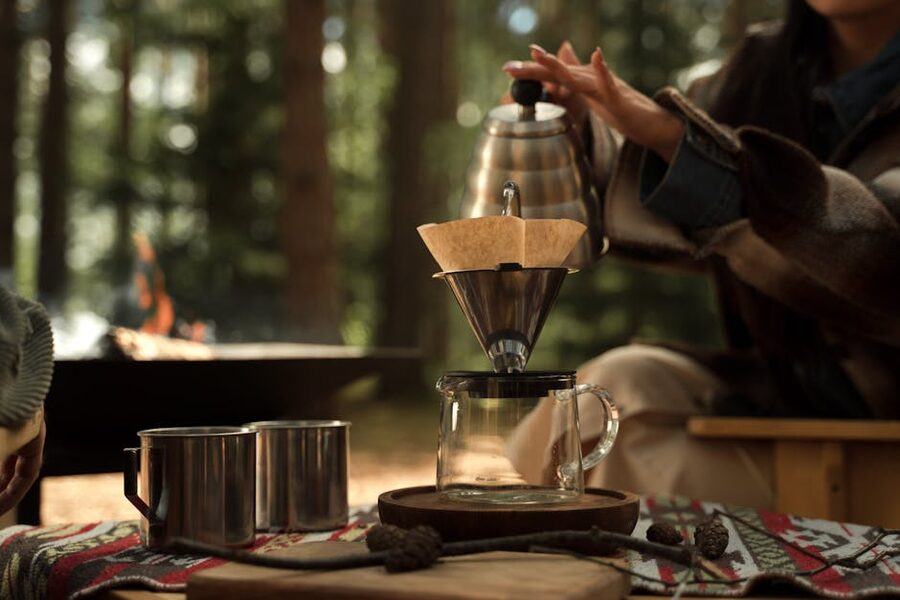
If you have one cafe morning in Canggu and you actually care about coffee as a craft drink, this is the one.
The Loft
The work-from-cafe cafe. Three floors on Jalan Batu Bolong, with the top deck open to the air and a strict-ish no-laptops-after-noon policy on the ground floor (the upper floors are fine all day). Coffee Rp 30,000 to Rp 40,000, food Rp 65,000 to Rp 110,000. The thing that makes The Loft work is reliable wifi and air conditioning that actually works. Both are not a given in Canggu.
Quince
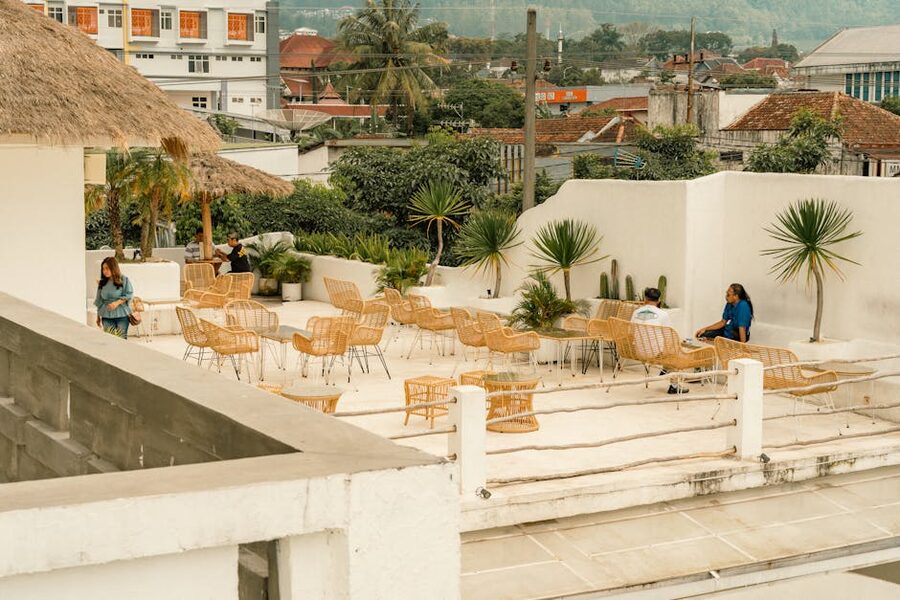
The rooftop. Jalan Pantai Berawa. Open 7 a.m. to 11 p.m. The downstairs is a competent cafe, the upstairs has an open-air rooftop with sunset views. Coffee Rp 35,000 to Rp 50,000, mains Rp 110,000 to Rp 175,000. This is one of the only cafes in Canggu that converts cleanly into a sundowner spot. Order an espresso at 4 p.m. and stay for a Negroni at 6 p.m.
Ours
A newer addition on Jalan Batu Mejan. Plant-based, well-lit, the kind of space where everything is photogenic by accident. Coffee Rp 35,000 to Rp 45,000, bowls Rp 75,000 to Rp 95,000. A more serene alternative to Crate when you want the brunch but not the queue.
Givings
The newest of the Berawa wave. Espresso bar at the front, larger seating and a kitchen at the back. Coffee Rp 30,000 to Rp 45,000, brunch Rp 75,000 to Rp 110,000. Good fallback.
Watercress Canggu
The Canggu sibling of the Seminyak Watercress. Larger, leafier, slightly busier. Same menu, same prices, less of the dressed-up Seminyak crowd. On Jalan Pantai Batu Mejan.
A Light Touch on Ubud (the Other Cafe Capital)
Ubud has its own cafe scene, big enough to deserve its own treatment. Seniman Coffee Studio (the third-wave anchor founded 2012), Anomali Coffee, Suka Espresso, Cafe Vespa, plus the wellness-bowl giants like Sayuri, Watercress Ubud, Kismet, and Atman. I have written that one out properly in the Ubud cafes guide; if you are heading to Ubud, start there.
The shorthand: Seniman for the coffee craft, Suka Espresso for the bigger food menu, Hujan Locale for an evening Indonesian dinner that is really worth it, and Cafe Vespa if you want a calmer space with rice paddy views.
The Bukit, Uluwatu, Jimbaran: Surf-Adjacent Coffee
Down on the Bukit peninsula, the cafe scene is sparser and skews toward the surf crowd. Suka Espresso Uluwatu (sister to the Ubud original) is the best general-purpose cafe in Uluwatu, on Jalan Labuansait. Coffee Rp 35,000 to Rp 50,000, breakfast Rp 75,000 to Rp 130,000. There is also a Bull Coffee branch in Jimbaran for the airport-area crowd, which serves a serviceable piccolo across from the InterContinental. The Bukit is not the place to come for coffee. It is the place to surf, eat fish at Jimbaran beach, and drink a coconut at Single Fin. Coffee is incidental.
Kuta and Legian: The Budget Side
Kuta gets dismissed for traffic and tourist-trap restaurants, but you can drink decent coffee here for less. The Bali Bakery franchise in Legian does Rp 28,000 lattes and Rp 45,000 breakfasts that are entirely fine. Madeleine in Kuta has decent flat whites for Rp 30,000. The Poppies Lane area has several small Aussie-style cafes that are not destination spots but get you a coffee for Rp 25,000 to Rp 35,000 in a setting that is more pleasant than the main Kuta strip. For the full Poppies area context (and why staying there is still legitimate on a budget), my Poppies Lane Kuta guide covers it.
The plain take on Kuta cafes: there are no third-wave anchors here. If you want craft coffee, drive 20 minutes to Seminyak. If you want a serviceable flat white and a banana smoothie, Kuta will not let you down.
The Warung Coffee Counterpoint
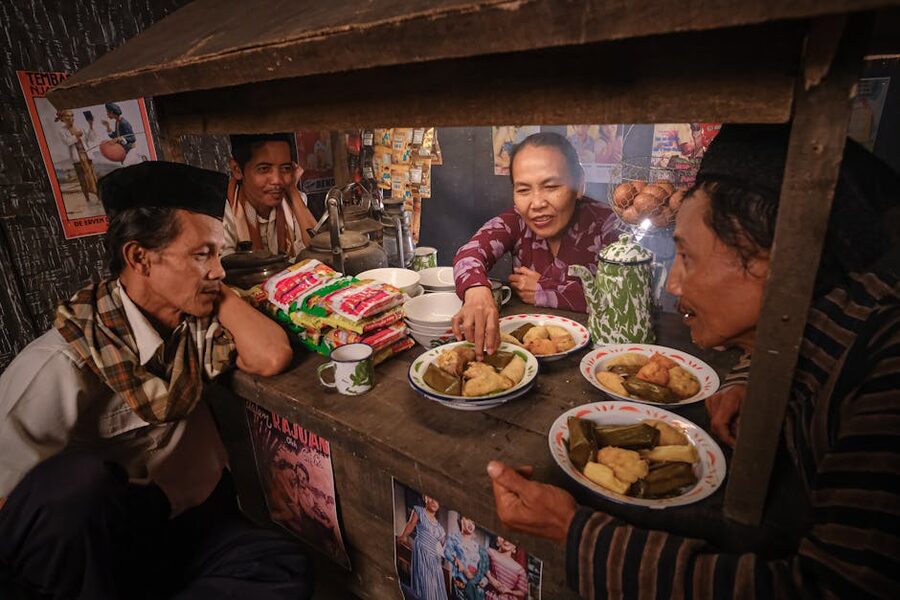
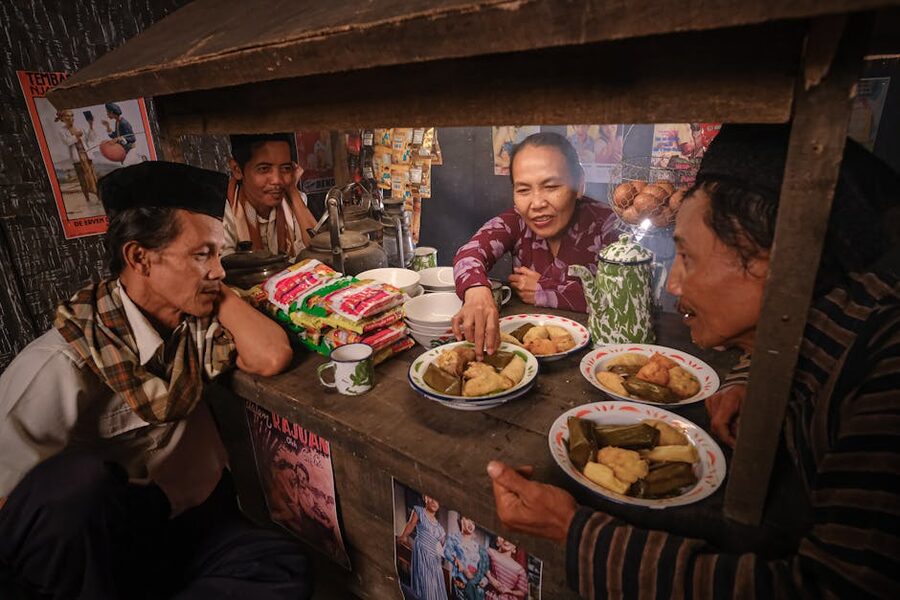
I would be doing you a disservice if I left this article without saying clearly: some of the best coffee experiences I have had in Bali have been at warungs that do not have a wifi password, do not roast in-house, do not have an Instagram account, and charge Rp 8,000 for a glass of kopi tubruk.
The warung in Sidemen run by an old man called Pak Wayan, where you sit on a plastic stool and watch chickens cross the road. The kopi panas at the back of the wet market in Klungkung at 5 a.m. when nobody is awake yet. The kopi susu at the bus terminal in Denpasar where the driver gives you the milk-in-the-coffee version for Rp 12,000 and asks where you are from. None of this involves a third-wave bean. All of it involves the right amount of caffeine and the kind of place that does not exist anywhere else.
You do not have to choose between the two. You can have your Rp 35,000 flat white at Crate and your Rp 8,000 kopi tubruk at the warung and both can be excellent coffee for what they are. The problem is not the price gap. The problem is when the third-wave cafe makes you forget that the warung version exists, and then you spend three weeks in Bali drinking only Australian-roaster espresso and missing what the place actually tastes like.
The Wifi Reality (Read This Before You Plan a Workday)
The single biggest source of digital-nomad frustration in Bali is wifi that looks fast and is not. Here is the actual situation:
Cafes with genuinely fast and reliable wifi: Genius Cafe Sanur, The Loft Canggu (upper floors), Hungry Bird Canggu, Givings, BWork co-working spaces, and most of the dedicated coworks (Outpost, Tropical Nomad, Dojo). These are the places where you can do a video call without your face freezing.
Cafes with wifi that is fine for emails but will let you down on a video call: Crate Cafe, Milu by Nook, Watercress (both locations), Sisterfields, Common Grounds, Sea Circus, Quince, Manik Organik, Soul Garden, most of Ubud.
Cafes with a no-laptops-during-lunch policy: Crate, The Loft (ground floor), Revolver Seminyak (informal but enforced, they will turn the wifi off between noon and 2 p.m. if the cafe is full). The cue is when you see all the laptops disappear at noon. If they stay gone past 2 p.m., that cafe has the policy.
Cafes where the wifi password is on the menu: nearly every cafe in Canggu and Seminyak. Just ask. The barista will give you the password without asking what you are working on.
Hotels that beat any cafe wifi: if you are staying somewhere with serious wifi (most Como, Mandapa, the Oberoi properties, the four-star international chains), the wifi at your hotel will be faster than any cafe. Use the cafe for the food and atmosphere, take the call in your room.
How to Find a Cafe That Actually Works
Five practical rules from years of doing this wrong:
1. Walk in and look for laptops. If the cafe is half-full of people working, the wifi is good and the staff are used to it. If there are no laptops, either the cafe banned them or the wifi is not worth using. Both are useful information.
2. Check the lunch crowd at 1 p.m. If all the laptops are gone, that is the wifi-on-block lunch policy enforced. Come back at 2 p.m. and the laptops will be back.
3. Order food, not just coffee. Cafes in Canggu and Seminyak make their margin on the food. Sitting on a Rp 35,000 flat white for three hours while the lunch rush wants your table will get you the cold-stare treatment. Order an avo toast or a smoothie bowl and you have bought yourself the seat.
4. Avoid the rooftop and the beach club at coffee hours. They are not cafes. They are venues that serve coffee while gearing up for cocktails. The coffee will be fine. The price will be triple what you pay at a real cafe and the staff will not care about it.
5. Use Google Maps photos, not Instagram. Instagram shots of Bali cafes are heavily filtered and shot at the one good corner of the place. Google Maps photos are taken by random visitors and show the actual seating, the actual lighting, and the actual queue. If the queue in the Google photos looks long, it will be long when you go.
Prices, Tipping, and How to Pay
Standard Canggu and Seminyak cafe prices in 2026: espresso Rp 25,000 to Rp 30,000, flat white Rp 35,000 to Rp 45,000, smoothie bowl Rp 70,000 to Rp 95,000, avocado toast Rp 75,000 to Rp 110,000, mains Rp 95,000 to Rp 175,000. Sanur runs about 10 to 15 percent below this. Ubud is similar to Canggu. Kuta is about 25 to 35 percent below.
Service charge of 10 percent and government tax of 11 percent are added at most third-wave cafes (so a Rp 35,000 flat white becomes about Rp 42,400 after tax). At the warung you pay the price on the menu and that is it. Tipping is not expected at warungs and is appreciated at cafes; round up to the nearest Rp 10,000 or leave the change. Card payment works at all the named cafes above. Most accept QRIS (the Indonesian QR-pay system) which is what every Balinese pays with. Cash works everywhere; small notes are useful at warungs, less so at cafes.
Cafe-Hopping Routes That Actually Work
If you want to do a coffee crawl across Bali in a day, here are three routes that work logistically:
The Canggu route (half-day): Start at Hungry Bird at 8 a.m. for the V60 pourover. Walk or scooter 5 minutes to Milu by Nook for breakfast at 9. Espresso at Quince at 11 a.m. Lunch at Watercress Canggu at 1 p.m. Total damage about Rp 350,000 per person and you have hit four of the best cafes in the area.
The Seminyak route (half-day): Revolver original at 8 a.m. for breakfast and the espresso. Walk to Watercress Seminyak at 11 a.m. for a second coffee in the garden. Sisterfields at 1 p.m. for the smashed avocado plate. About Rp 380,000 per person.
The Sanur slow route (full morning): Bali coffee at the warung next to your homestay at 7 a.m. for Rp 8,000. Walk Mertasari beach. Genius Cafe at 9 a.m. for breakfast on the sand. Manik Organik for lunch at 12:30. About Rp 250,000 per person and you have done a slow morning in the calmest part of south Bali. For where to base yourself for this kind of day, check the where-to-stay options across the island.
What Time of Day to Go
The right time at any popular Bali cafe is one hour before it stops being empty. For Crate, that is 8 a.m. For Hungry Bird, 8:30. For Milu by Nook on a weekend, 7:30 a.m. or you wait. For Sisterfields, 8 a.m. or after 2 p.m. For Genius Cafe, before 9 a.m. or after 4 p.m. The peak hours at Bali cafes are 9 a.m. to 1 p.m. and again from 5 p.m. to 8 p.m. Outside those windows the cafe is yours.
Sundays are different. The expat brunch crowd takes over the popular cafes from 9 a.m. onwards and does not leave until 2 p.m. If you want a quiet Sunday morning, go before 8 a.m. or skip Sunday entirely and do your cafe day on a Tuesday.
Should You Visit a Coffee Plantation
The classic Bali tour stop is the Kintamani coffee plantation, where you taste the famous (and notorious) kopi luwak: coffee beans that have passed through a civet’s digestive tract before being roasted. The taste is different and slightly cleaner than standard kopi tubruk. The ethical issue is real: most luwak operations cage the civets in poor conditions, force-feed them coffee cherries, and stress them into producing year-round. Wild luwak coffee is rare and expensive. The tour-bus version is almost always caged.
If you want to see how Indonesian coffee is grown, go up to Munduk in the highlands instead. The plantations there grow Arabica without the luwak gimmick, the views are better, and you can do the visit as part of a longer northern Bali trip. My Munduk guide covers what to do up there. The Munduk Moding plantation runs cafe-and-coffee-tasting tours that are straightforward and do not involve caged animals.
The Verdict, By Trip Type
If you are a digital nomad here for a month: base in Canggu, work from The Loft and Hungry Bird, do brunches at Milu by Nook and Quince, and take a slow weekend in Sanur at Genius Cafe.
If you are a coffee enthusiast here for a week: Hungry Bird in Canggu, Seniman Coffee Studio in Ubud, Revolver in Seminyak, Expat Roasters in Petitenget. Plus Paper Hills in Kintamani if you can spare the day for a Mount Batur trip; the cafe sits right above the volcano and serves Expat Roasters beans.
If you are here for two weeks doing the standard south Bali loop: one cafe per area is plenty. Revolver in Seminyak, Crate or Milu in Canggu, Genius in Sanur, Seniman in Ubud, Suka Espresso in Uluwatu. That covers the bases without spending your trip in cafes.
If you have one day in Bali: drink a Rp 8,000 kopi tubruk at the warung next to your hotel in the morning, do whatever else you came to Bali for during the day, and have one third-wave flat white in the afternoon at the cafe closest to where you are staying. You will not have done a Bali coffee tour. You will have had two coffees that tell you what the island actually drinks.
For a full sense of how the cafe scene fits with the rest of the food I rate on the island, the food and drink section has the warung-and-restaurant counterpart. Sambal matah on the way out the door.
Planning a Bali trip?
Start with the cornerstones — when to go, where to base, and what's actually worth doing.