
A Guide to Poppies Lane Kuta
Poppies Lane is named after Poppies Restaurant, which opened on 12 January 1973. The story is a bit messier than the usual telling. Two former owners of a California restaurant called Poppies took a holiday in Bali in 1972, met two old friends called George and Bob, and the four of them got into business with a Balinese woman named Zenik (everyone calls her Jenik) Sukenny who was already running a small streetside warung off what was then a dirt track behind Kuta Beach. They expanded her kitchen, added a bamboo bar, and one of them, John, dug out a garden with ponds and winding paths. The previous California owners, who had named their place after the state flower, gave their blessing for the name to live on. Within months the three travellers had wandered off, and Zenik kept the place running. The dirt track later became a proper street, named after the restaurant, and is now Jalan Poppies Lane 1.
The restaurant is still there. The narrow gang (alley) it sits on has filled and emptied a hundred times since, has weathered two Bali bombings, the 2008 financial crisis, the COVID-19 shutdown that emptied Kuta for two years, and the post-2024 wave of tourism that has shoved most of the surf-traveler scene up the coast to Canggu. But if you walk the lane at 6 a.m., before the bars on Jalan Legian start unloading the night before and before the warung ibus light their stoves, you can still see why this is where the original Bali surf-traveler scene took root. It is narrow. It is shaded. It smells of frangipani and last night’s kretek (clove cigarettes). The lane bends. You hear roosters. You can imagine, with very little effort, a 1970s overlander stepping off a bus from Java with a damaged surfboard and asking around for a cheap room.
In This Article
- Poppies Lane 1 and Poppies Lane 2: how the geography actually works
- The genuine reasons to stay on Poppies
- The genuine reasons not to
- Where to actually stay (the real budget reality)
- Eating on the lanes
- Kuta Beach access from Poppies
- Surf schools at Poppies
- The crowd reality
- Using Kuta as a base
- Transport from Bemo Corner
- Practical tips for first-timers on Poppies
- The Poppies sunset hour
Poppies Lane 1 and Poppies Lane 2: how the geography actually works
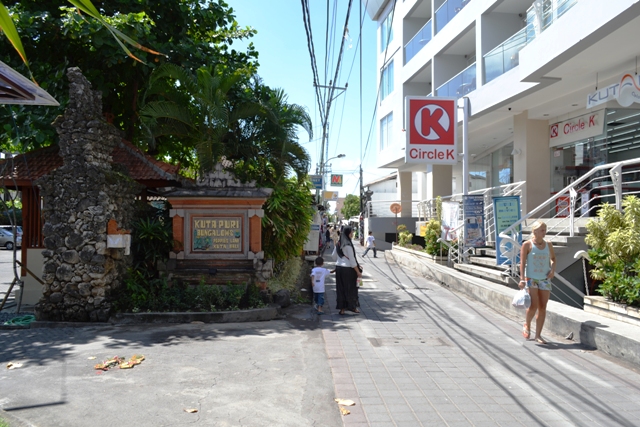
Two lanes, parallel to each other, run from Jalan Legian (the main north-south party drag) west to Jalan Pantai Kuta (the beach road). They are short. Walking either one end-to-end takes about eight minutes if you don’t stop, and you will stop, because the lane is too narrow for two scooters to pass cleanly and you’ll be flattening yourself against a homestay wall every thirty seconds.
Poppies Lane 1 (Jalan Poppies I) is the original, the one named after the restaurant. It runs from the Legian roundabout area down to the beach road, with Poppies Restaurant about two thirds of the way down. This is the busier of the two by day, with most of the surf shops, the long-running cafes, and the souvenir stalls.
Poppies Lane 2 (Jalan Poppies II) sits about 200m north and runs roughly parallel. It is even narrower, more residential at the eastern end, and used to be where the lowest-budget homestays clustered (the first four Poppies cottages were built here in 1974/75, before the bigger Poppies Bali hotel went up across from the restaurant on Lane 1 in 1980/81). Lane 2 is also the noisier of the two at night because the back of Sky Garden Nightclub spills onto the eastern end. The lane that I’d actually pick for sleep is Lane 1, west half, past the restaurant.
Both are dead-ends for cars, by design and by chaos. Scooters and pedestrians only. There is no continuous footpath, just whatever uneven bit of cement is in front of each warung or homestay. If it has rained the night before the lanes will have shallow puddles and you should walk slowly because the local stray dogs (Kuta has a lot of them) sleep in the dry patches.
The genuine reasons to stay on Poppies
The pitch hasn’t really changed in 50 years. You stay on Poppies because:
- It is cheap. Walk-in rooms with breakfast, fan-cooled, in a clean homestay still go for Rp 200,000 to Rp 450,000 (about $13 to $29 USD) a night if you ask in person. Online prices are usually higher. The cheap ones are not on Booking.com.
- The beach is ten minutes on foot. Anywhere on either lane to the sand at Pantai Kuta. No moped needed, no Grab needed.
- Kuta nightlife is five minutes away. Sky Garden, the Bounty, Bounty Discotheque, all on Jalan Legian. You walk there, you walk back, you do not negotiate a midnight ride.
- Bemo Corner (the intersection where Jalan Pantai Kuta meets Jalan Bakung Sari) sits at the south end of the Poppies area. From here you can flag a metered Grab car or moped, walk to Discovery Mall and the southern end of the beach in 12 minutes, or get a bemo (the shared minibus, though most travellers now skip these) up the coast.
- It is walkable in a way that almost nothing else in south Bali is. Seminyak you need a scooter for. Canggu you need a scooter for. Ubud you need a scooter for. Poppies you need feet for.
The genuine reasons not to
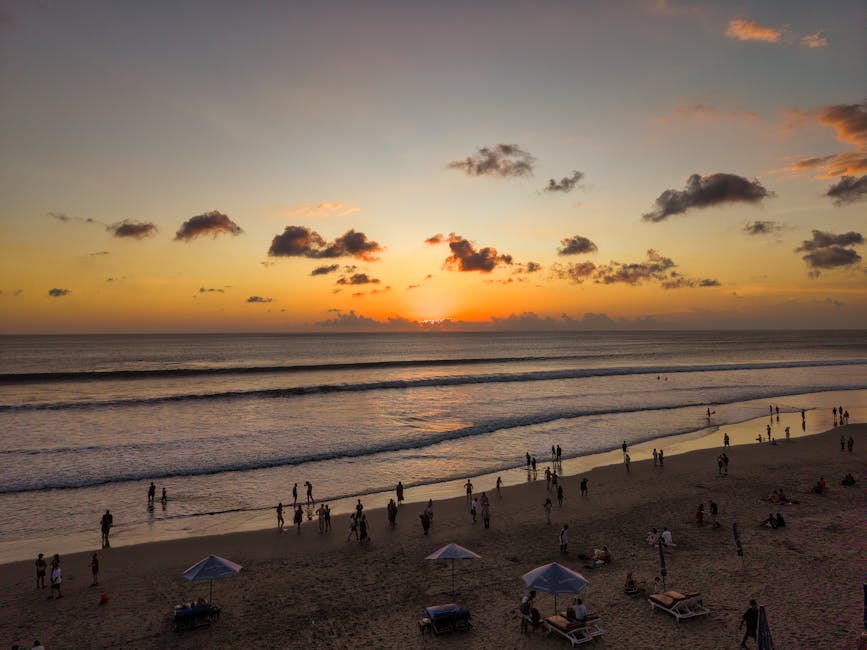
It would be dishonest to skip the downsides. There is a reason a lot of repeat Bali travellers don’t come back to this part of the island.
The noise is real. Sky Garden and the Bounty pump music until 3 a.m. on weekends, and on Lane 2 you will hear a thumping low-end bass even with the windows shut. If you are a light sleeper, ask for a room at the western half of either lane (further from Jalan Legian, closer to the beach), pay an extra Rp 100k for an air-conditioned room, and shut the windows.
Kuta itself has gotten run-down in spots. The footpath on Jalan Legian is in poor shape, sections are flooded after monsoon, and the strip of cheap tattoo parlours, cigarette warungs, and timeshare touts on the main road has not been refreshed in a decade. If you came to Bali for elegant cafes and eucalyptus-scented yoga studios, you came to the wrong neighbourhood. Try Canggu, Berawa, or Pererenan.
The beach itself has a rubbish problem after monsoon (roughly November through March), when the currents wash plastic onto the sand from across the strait. Volunteers from the Bali Sea Turtle Society and a rotating cast of NGO clean-ups do their best, but on a bad morning you’ll see a brown high-tide line of bottle caps and noodle wrappers. Locals have largely stopped pretending this isn’t a thing. Plan to swim in dry season (April to October) or to walk further south past Kuta into Tuban for cleaner water.
Where to actually stay (the real budget reality)
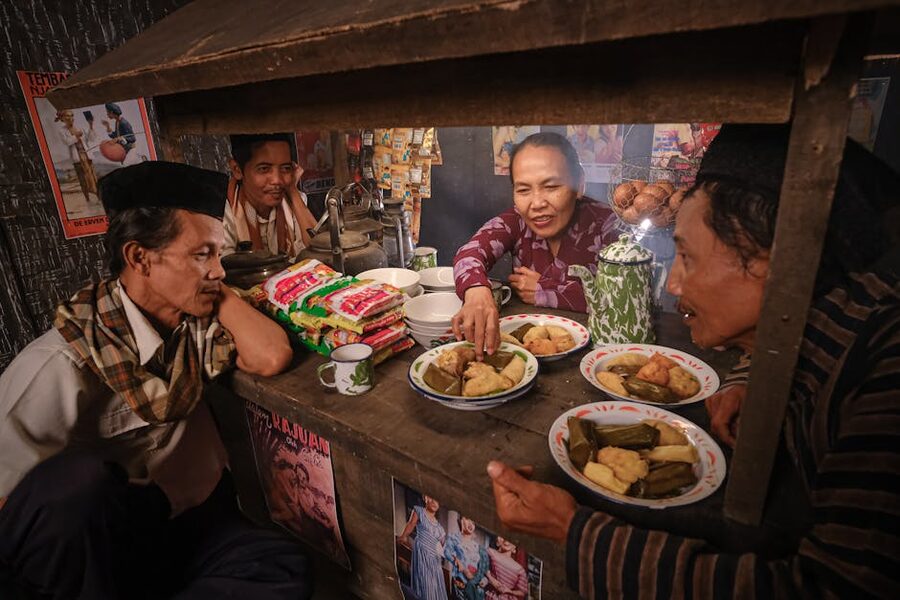
Three tiers, in increasing price.
The walk-in homestays. If you turn up on Lane 1 or Lane 2 with a backpack and ask “ada kamar?” (any rooms?) at three or four signs that say kamar or homestay, you will find a clean fan room with breakfast for Rp 200k to Rp 350k. Air-con bumps it to Rp 350k to Rp 450k. These places do not all have websites. Some have a single Booking.com listing that is more expensive than the door rate. The trick is to book one night online to get off the airport, then walk the lanes the next morning. I’d point you to specific names but the operators turn over fast and the recommendation rots in six months.
Mid-range hostels and small hotels. Bread and Jam Hostel is on a quieter side gang off the Lane 2 area, modern boutique style, with private twin rooms and dorm beds. Borough Capsule Hostel up on Legian has the airport-shuttle convenience that matters if your flight gets in late. The Pavilion (the original wing, not the 2015 extension which is reportedly worse) is a long-running budget boutique with a pool that you can sometimes book through Agoda for under $30. Stay away from any “boutique” room above Rp 600k that doesn’t include the pool, the breakfast, and air-con. At that price you should be in Sanur or Seminyak.
Poppies Cottages I, the old-school original. The four cottages built in 1974/75 on Lane 2 are still operational in their original form. Poppies Bali, the larger hotel built across from the restaurant in 1980/81, has 20 cottages set in a serious garden with a bougainvillea-framed pool that was added in 1987. Rates are Rp 1.5 million to Rp 3 million depending on the season, which is properly mid-range, not budget. If you want the Poppies experience, this is the real version, and it pays for itself in atmosphere. Reservations through their website, not the discount aggregators, get you the best room placement. Worth knowing the cottages were renovated in 1996, 2006, 2017 and most recently 2022. This is not faded grandeur, it is functional grandeur.
If hostels in general aren’t your thing and you want the cheap Bali stay without the noise, the calmer alternative is to skip Kuta entirely and go to Sanur. The room rate is Rp 50k or so higher, you get the sunrise side of the island, and you sleep through the night. But you also lose the ten-minute beach walk and the five-minute nightlife walk, so it depends what you want.
Eating on the lanes
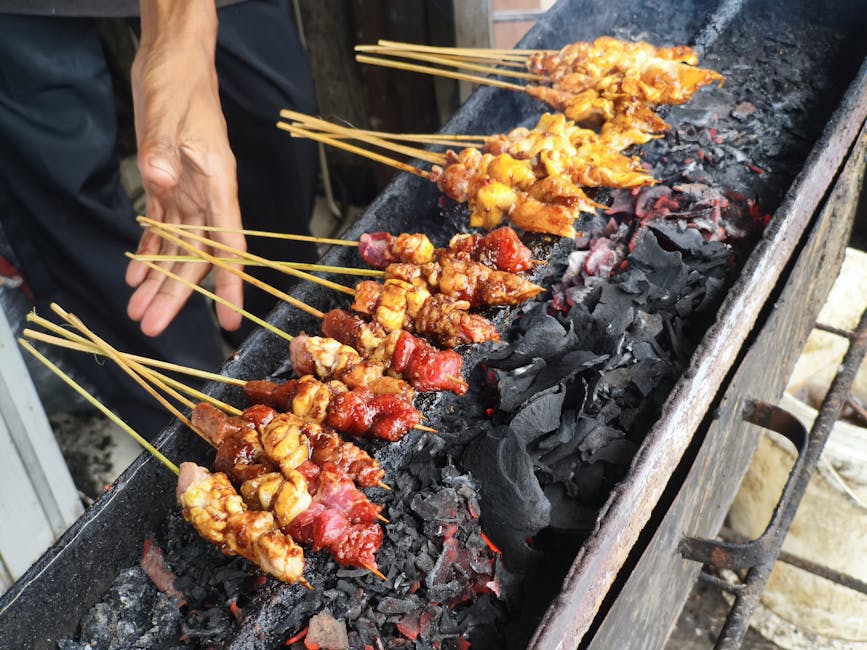
Three categories: the long-running expat-friendly cafes on the lanes themselves, the small warungs that change hands but never disappear, and the food at Bemo Corner.
Made’s Warung, actually two restaurants now (the original near Kuta beach and a second branch in Seminyak), has been on Poppies-area maps since the late 1960s when Made started serving Western breakfasts to surfers from a wooden stall. It is no longer a single warung; it is a proper restaurant, the menu is bigger than it needs to be, and prices are double what you’d pay at a true street warung. But the nasi campur is consistent, the staff still wear the same checked shirts, and at 9 a.m. it is the quietest spot for a quiet breakfast on the strip. If you want to read more about the dish, my history of nasi goreng and where to eat it in Bali walks through the warung scene in more detail.
Aromas Cafe (vegetarian, Lane 1) does big breakfast plates with eggs and avocado, the kind of thing Australian backpackers crave on the third day. Take is a tiny Japanese place at the southern end that has been there forever, does a passable katsu-don for Rp 65k and a salmon teriyaki set for Rp 95k that comes out fast. Ketupat on Lane 1 is the closest thing to a proper Indonesian-fine-dining option in this neighbourhood, set in a garden, mid-range pricing (mains Rp 80-150k), and it gets full at 8 p.m. Book ahead.
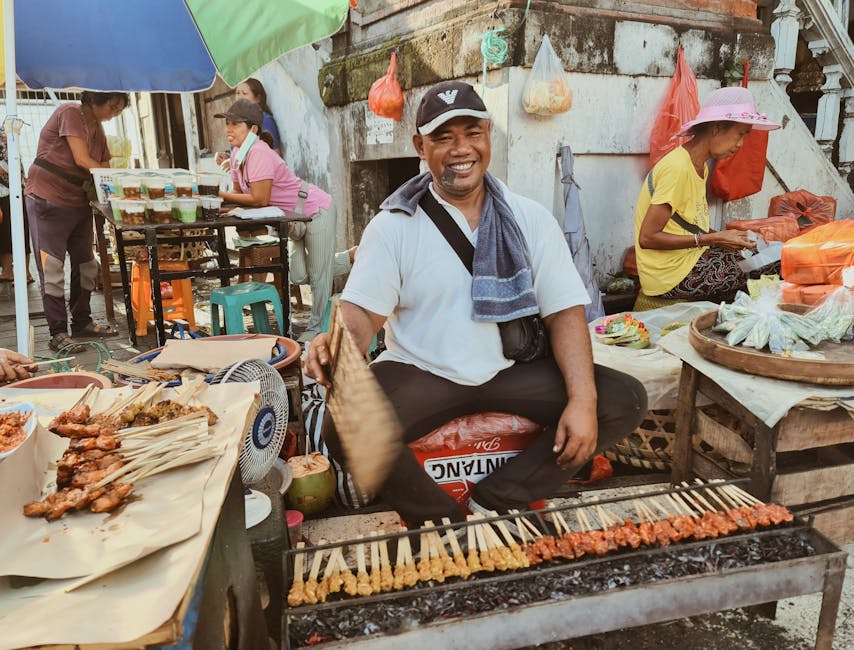
For genuinely cheap food, walk to Bemo Corner. From late afternoon you’ll find sate ayam carts (chicken skewers, peanut sauce, lontong rice cake), nasi goreng warungs, soto ayam (chicken broth) carts, and the whole rotating cast of Indonesian street eats. A plate of nasi goreng with a fried egg is Rp 18-25k. Sate ayam with rice is Rp 25-30k for ten skewers. Es teh manis (sweet iced tea) is Rp 5k. If you want to eat for a week on Rp 200k a day, this is how. The sambal at the cart with the green awning at the southern Bemo Corner is genuinely spicy; ask for “sedikit sambal” (a little) the first time.
One real warning. Avoid ice in places that look brand new and clearly serve mostly tourists, especially on Jalan Legian itself. Ice at proper warungs is usually delivered in standardised cubes from a bag from a freezer, which is fine; the suspicious stuff is the broken-up block of ice in upmarket-looking bars where the staff are using a hammer. The full breakdown of how to avoid Bali belly is in the Bali health guide, but the short version: peeled, cooked, or bottled.
Kuta Beach access from Poppies
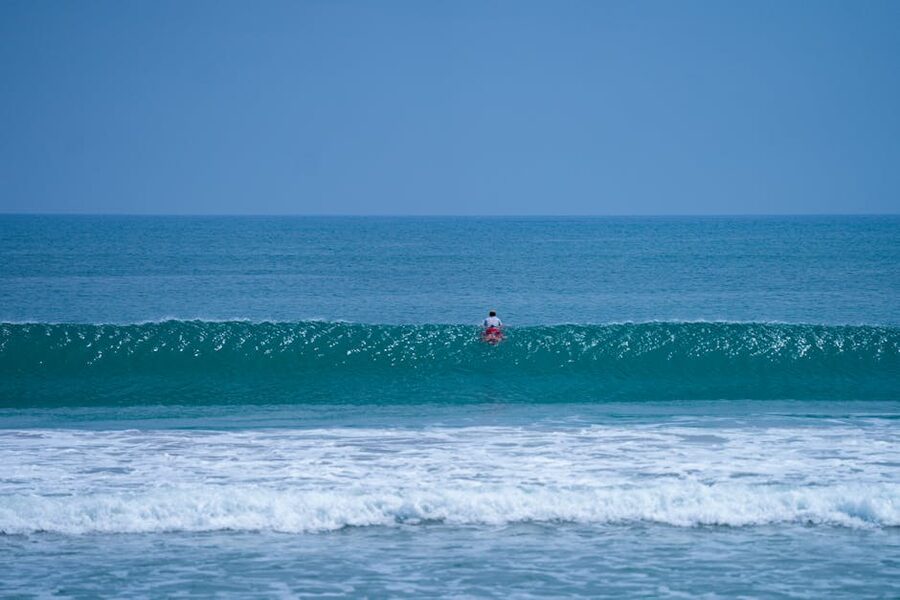
Walk west on either lane to the beach road (Jalan Pantai Kuta). Cross. You’re on the sand. The whole exercise from a Lane 1 homestay is between eight and twelve minutes depending on where you started.
The beach itself is roughly five kilometres long if you count the connected stretches of Tuban (south, near the airport), Kuta (the famous bit, in front of you), Legian (a kilometre north of Poppies), and Seminyak (further north again, where the beach clubs cluster). The Kuta section in front of Poppies is the section everyone Instagrams, with the soft sand bar that produces the long mellow waves the surf schools love.
Board hire from the beach vendors runs Rp 50,000 to Rp 80,000 a day, more if you want a leash and rashguard included. The vendors are generally on the level but the price always opens at “Rp 100k” so haggle politely. They will hold your bag while you surf. Tip them Rp 20k when you give the board back.
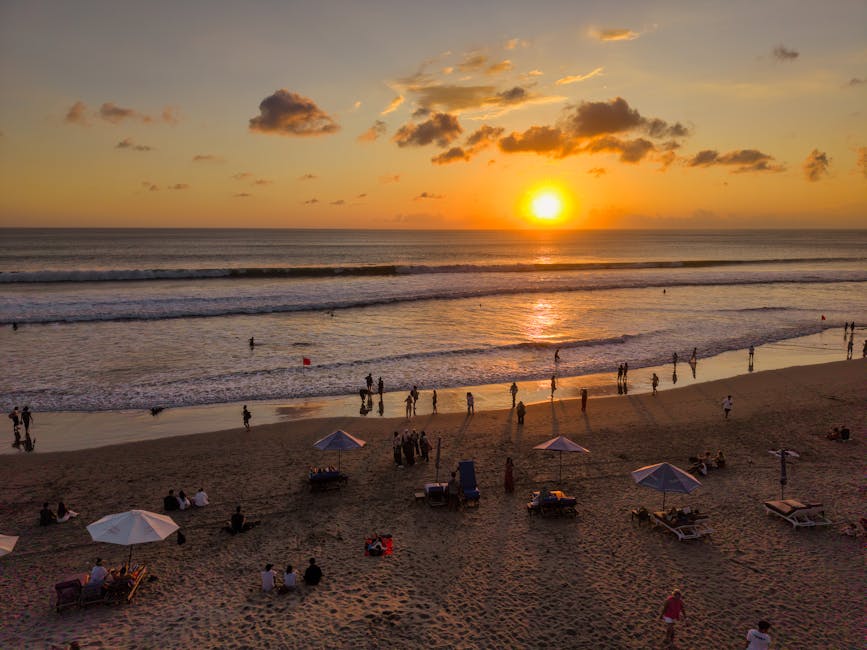
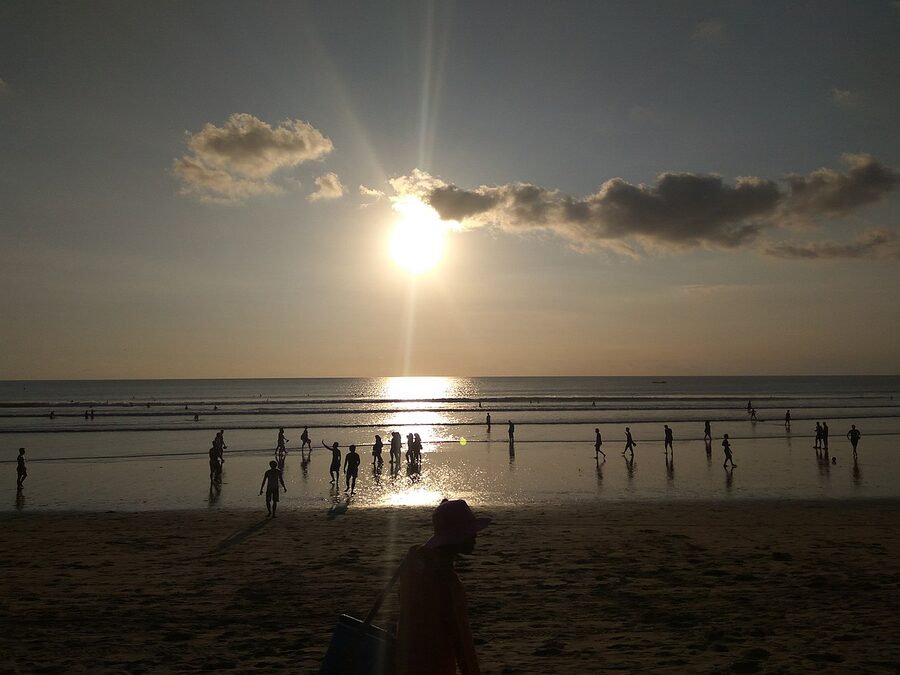
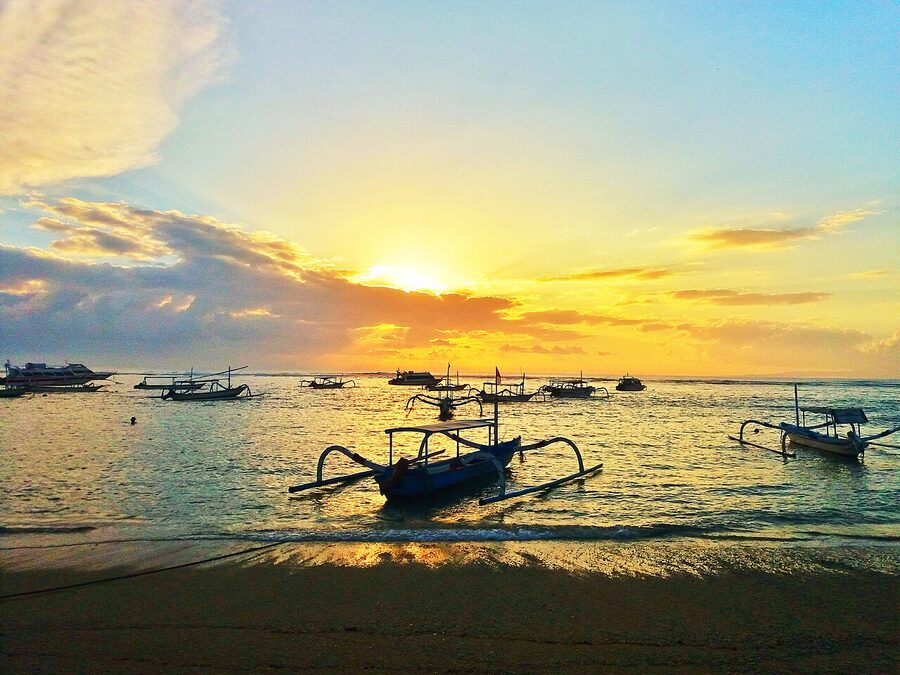
Sunset at Kuta is the local ritual. By 5:30 p.m. the sand fills up. Vendors push beanbags at Rp 50k for two hours including a Bintang. The sun drops behind the horizon at roughly 6:30 p.m. year-round (8 degrees south of the equator means very little seasonal variation), and the whole strip applauds when it touches the water. It is a cliche and it is also pleasant. For sunset photographs the south end of the beach is less crowded.
Surf schools at Poppies
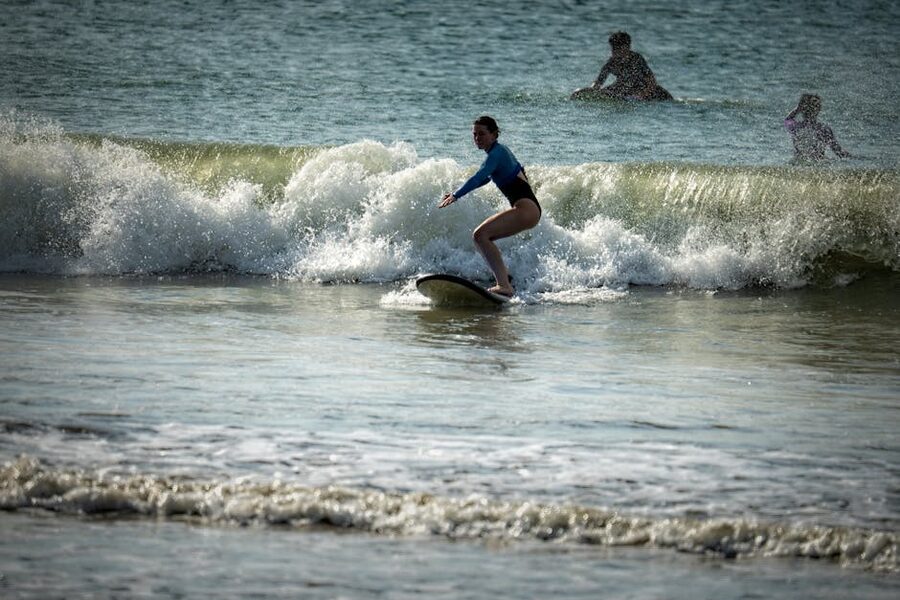
The genuine reason the surf schools cluster here is not nostalgia, it is the wave. Kuta’s break is sand-bottom, slow, and forgiving, and at low to mid tide it produces the kind of soft long waves that beginners need. You will not bash a reef. You will get pushed around by a chop you weren’t expecting. You will make it up onto your knees on lesson 2 and onto your feet on lesson 3 if your instructor is any good.
The big three on the lanes:
- Pro Surf School on Jalan Pantai Kuta, group lessons Rp 600-750k for a half day, includes board, rashguard, instructor in the water with a 1:3 ratio. They have been running since the early 2000s and the head instructors are local Kuta surfers who actually surf when they’re not teaching.
- Rip Curl School of Surf at the Hard Rock Hotel side, more polished, more expensive (Rp 850k-1.1M), and you get the Rip Curl-branded gear and a video review. Worth it if you want a souvenir, less worth it if you want maximum water time.
- Odysseys Surf School, slightly south near Tuban, intermediate-friendly with smaller class sizes. Worth it if you’ve already had a beginner lesson somewhere and want to progress.
Surf school injuries do happen. The most common are reef cuts (not at Kuta itself, but if your school takes a van trip to Padang Padang or Balangan as a “level two” lesson) and ear infections from constant water. The Bali health guide has the practical detail on what to do for surfer’s ear and where to go for stitches.
The crowd reality
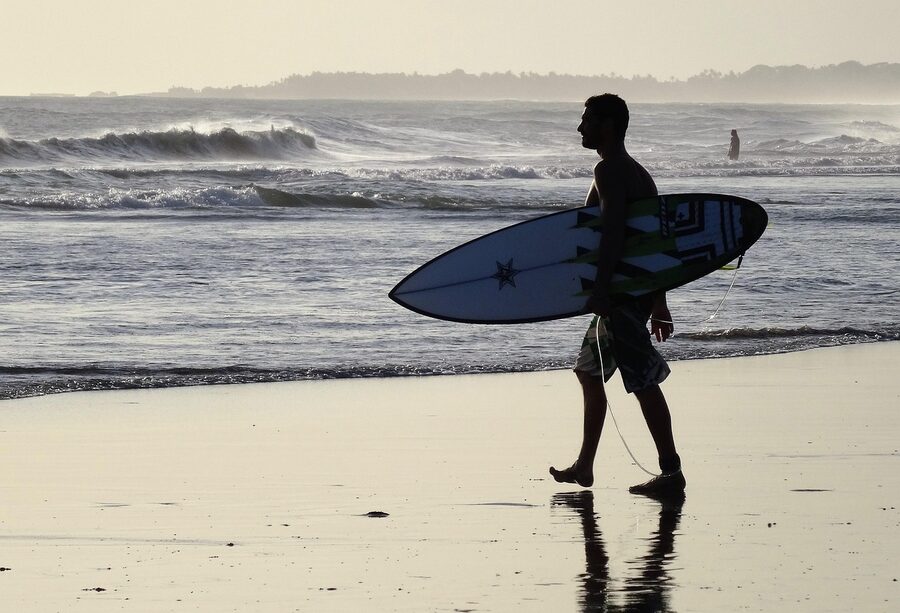
Be straight about who you’ll be sharing this with. Kuta in 2026 is younger, partier, and more Australian-skewed than just about any other part of Bali. The 18-25 year-old gap-year flow comes through here. The 21st-birthday-trip groups come through here. The Western Australian school-leavers (the “schoolies”) arrive in numbers in late November and December. The Indian and Chinese package-holiday tour groups stay here because the airport is close. Surfers who actually live in Bali long-term mostly do not stay here; they’re in Canggu, Pererenan, or up in the Bukit.
That doesn’t mean the lanes themselves feel like a frat party. Plenty of solo-traveller backpackers in their thirties and forties stay on Poppies because the price is right and the location works. The yoga-and-green-juice crowd skips it for Ubud, which is fine. The cliff-villa-and-rooftop-bar crowd skips it for Uluwatu and Seminyak, which is also fine. What’s left on Poppies is people who are passing through, people who are surfing, and people who like a cheap clean room they can walk to from the beach.
Using Kuta as a base
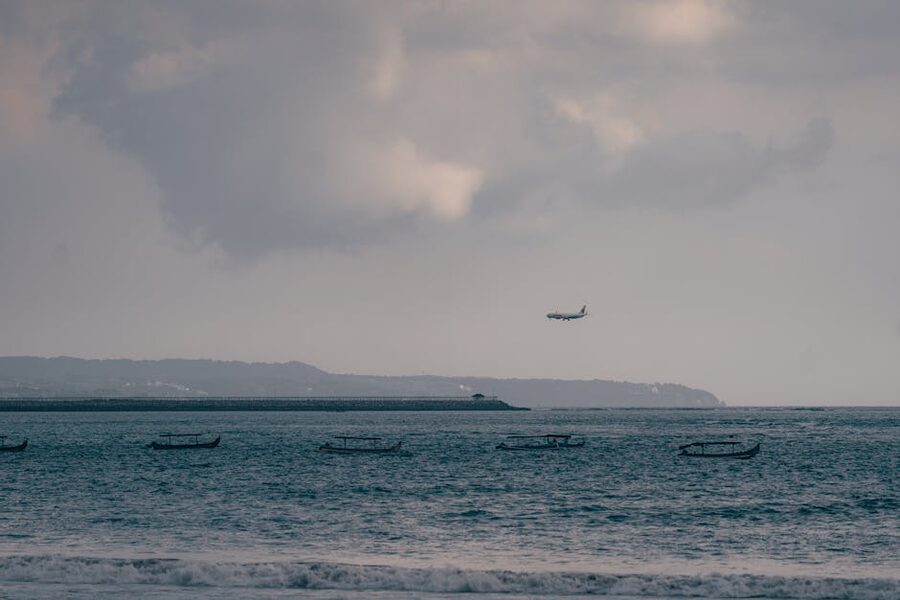
Kuta is the airport-area choice for a first night. Ngurah Rai International is a 15-minute Grab from Bemo Corner if traffic is light, 25 minutes if it isn’t. Coming off a 7-hour flight from Sydney or a 14-hour from Europe, the last thing you want to do is then drive 90 minutes to Ubud. Stay one night in Kuta, sleep, do the longer trip in the morning. The full breakdown of routes and which airlines into Bali are worth the upgrade is in the flights to Bali guide.
From Poppies, the practical day-trip ranges:
- The Bukit beaches (Padang Padang, Bingin, Balangan, Suluwban, Pandawa) are 30-45 minutes south by Grab car or scooter. A full day trip is the right move; rent a moped from your homestay for Rp 60-80k. The full beach catalogue is in the south Bali beaches roundup.
- Ubud is 90 minutes in normal traffic and two hours when it isn’t. Full-day private driver Rp 600-800k for four to six people, which is cheaper than four Grabs.
- Tanah Lot for sunset is 45 minutes northwest, probably better skipped if you’re already on the Kuta sunset.
- Sanur is 25 minutes east by Grab if you want a different beach for a half day. Easier from here, the boats to Nusa Lembongan and Nusa Penida go from Sanur Beach.
- Seminyak and Canggu are 20 and 35 minutes north respectively. Worth a beach-club afternoon, especially if you want the Seminyak sunset bar scene without staying there.
Transport from Bemo Corner
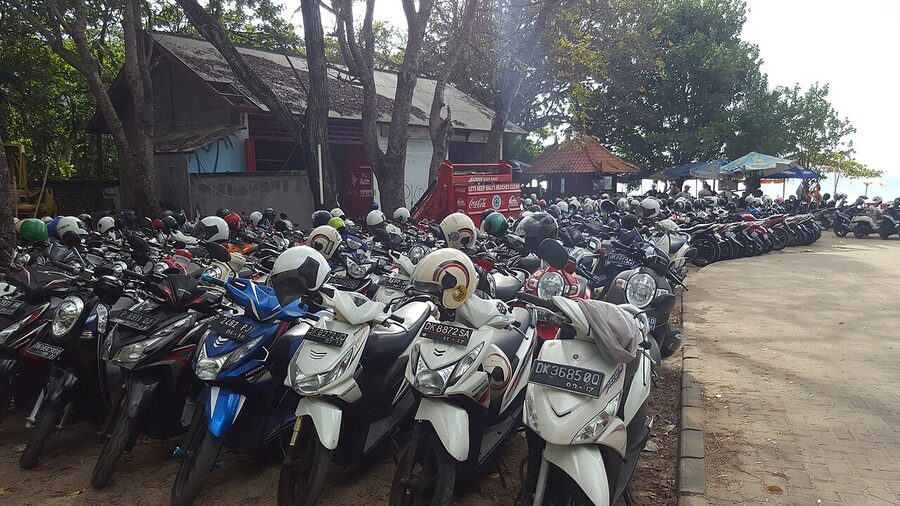
Bemo Corner is the practical transport hub. From here:
- Grab is the default. Use the app, not the unmetered street taxi, ever. Airport pickup is roughly Rp 60-80k. Seminyak is Rp 35-55k. Canggu Rp 70-100k. Ubud Rp 250-350k. Surge pricing kicks in around 10 p.m. on weekends.
- Gojek is the same idea, slightly cheaper for short rides, with the moped-taxi (GoRide) option that beats traffic but you don’t want it with luggage.
- Metered Bluebird taxis are the legit street alternative if your phone is dead. Insist on “argo” (meter). The drivers in front of the malls or on Jalan Legian who quote a fixed price for the airport are double the meter rate.
- Bemos (the original shared minibus, hence the name “Bemo Corner”) barely run any more. Don’t plan on them.
- Scooter rental from your homestay is Rp 60-80k a day. Honda Scoopy or Vario, automatic. Ask for the helmet (most don’t volunteer it). You need to be carrying your home country licence and an international driving permit if Indonesian police stop you. Enforcement of the IDP requirement was ramped up in late 2024 and can mean an Rp 250-500k “fine” on the spot if you don’t have one.
Practical tips for first-timers on Poppies
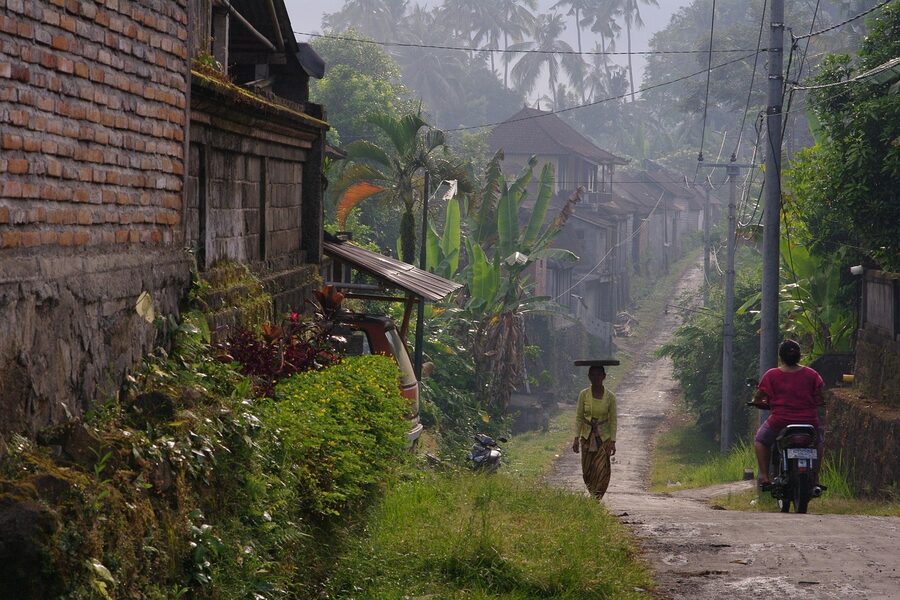
A short list of things that catch first-timers off-guard. None are deal-breakers but knowing them up front saves money and aggravation.
Don’t take an unmetered taxi. If a driver outside Discovery Mall or in front of the Hard Rock quotes you “Rp 200k to Sky Garden”, which is a five-minute walk, smile and walk on. Use Grab or Gojek for everything. Even short rides. The Bluebird metered taxi guys are okay, but only the ones who put the meter on without being asked.
Watch for moped-snatch in the back gangs at night. Two men on a scooter, the back rider grabs your bag from your shoulder as they pass. It is very rare on the main lanes, more common in the unlit cuts between Lane 1 and Lane 2. Carry your bag across your body so the strap can’t slide off, walk on the inside of the lane (not the shoulder), and if you’re staying out late take Grab back to the western end of the lane and walk the last bit toward your homestay.
The legitimate massage parlours have signs in English on the lanes themselves. Plus or minus Rp 100-150k for an hour-long Balinese massage is the going rate. The “spas” with no menu, no price list, and a tout in the doorway who follows you down the street are something else and you can probably guess what. Just say no thanks and keep moving.
Timeshare touts on the main road. A friendly Australian-accented guy will try to engage you on Jalan Legian about a “free champagne breakfast” or a “scratch card you’ve won”. This is a 90-minute timeshare presentation pitch. Polite “no thanks, not interested” works fine. Don’t take the scratch card.
The 2024 Bali tourism levy. All foreign tourists pay Rp 150,000 (about $9.50 USD) on arrival, payable online via the Love Bali portal before you fly or at the airport on arrival. It is a one-time payment per visit. Have the QR code ready or stand in the levy queue at Ngurah Rai. The money is supposed to fund cultural-heritage maintenance and waste management.
Kembali, the bottle return system, isn’t a thing here. Refill stations exist (look for the “Refill Bali” signs at some of the cafes; Aromas has one) where you can refill a bottle for Rp 5-10k instead of buying a new plastic one. On a week-long trip that’s twenty plastic bottles you don’t add to the rubbish problem. Bring a reusable bottle.
The Poppies sunset hour
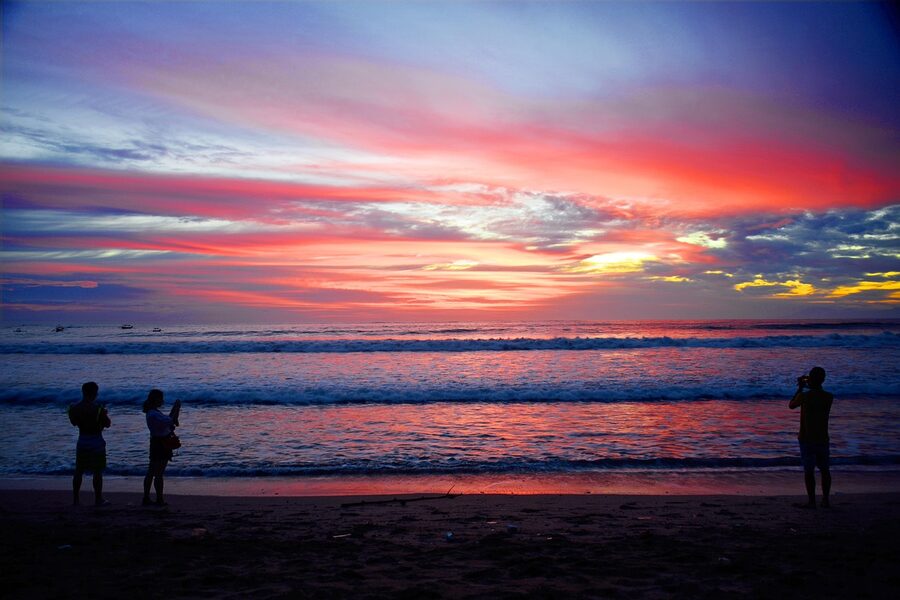
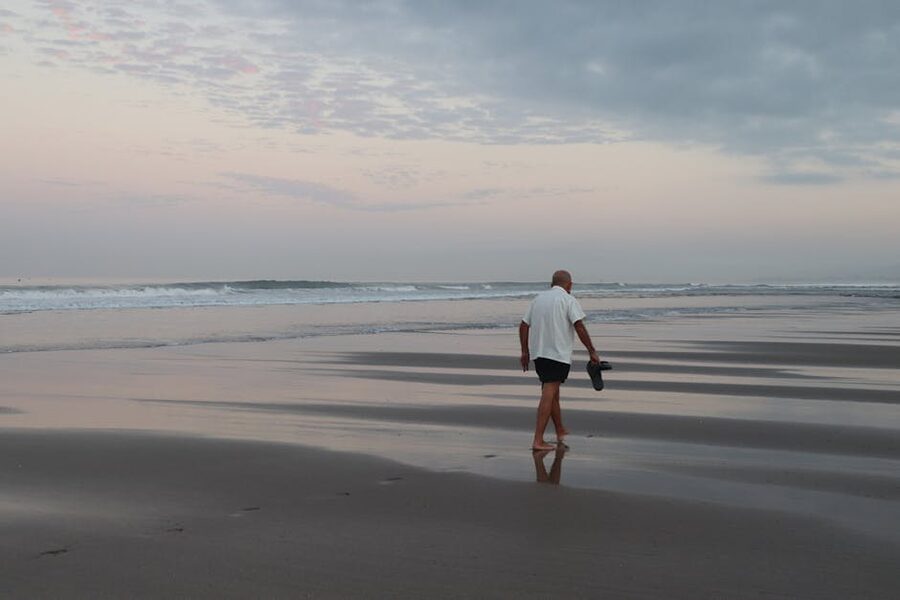
If you do nothing else on a Poppies stay, do this at least once. Walk out of your homestay around 5:45 p.m., follow Lane 1 west to Jalan Pantai Kuta, cross the beach road, and get onto the sand. Don’t rent a beanbag the first time; just walk barefoot south along the high-tide line until the crowd thins out a bit. Sit. Watch.
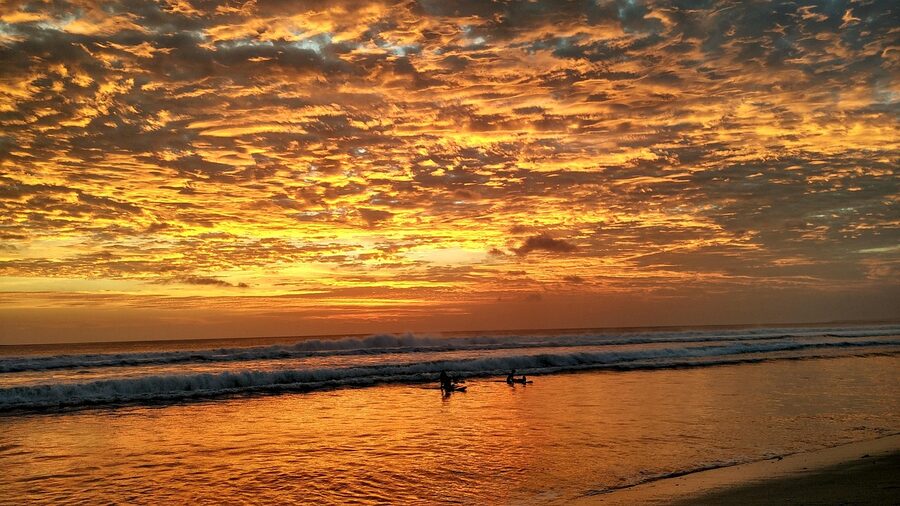
The colour does what it does, the surfers stay in until they can’t see the sets coming, and the kite vendors and the bracelet sellers do a slow patrol up and down the sand. Around 6:50 p.m., once the sun has dropped, the crowd starts walking back to the bars. Walk with them. Stop at the Bemo Corner satay cart on the way for a Rp 25k dinner. Take it back to your homestay, eat it on the steps, and feel the heat of the day finally come off the lane.
That is what Poppies is for. It has not been the cool part of Bali for at least fifteen years. It is, however, still the cheapest way to be a few minutes from a long beach and the loudest sunset bar strip on the island, and the lane itself still smells like 1973 if you wake up early enough. The travellers who built the original Poppies didn’t stick around. Zenik did, and so did the lane, and so, against all the odds, did the restaurant on the corner. It is still there. You can have a Henry Wallbanger at the bar and watch the garden ponds the way Alistair Speirs did in 1979 and a thousand surfers did before him.
For the wider Kuta strip and how it stacks up against Sanur, Seminyak, and Canggu as a base for a week in Bali, see the where to stay in Bali category for the area-by-area comparison.
Planning a Bali trip?
Start with the cornerstones — when to go, where to base, and what's actually worth doing.