
Sanur, Bali: Why the Slow Coast Wins on the Second Trip
Everybody arriving in Bali for the first time books Seminyak. They land at Ngurah Rai, fight the traffic up the west coast, drop their bags somewhere within walking distance of a beach club, and start the trip with a Rp 250,000 (about $16) cocktail at sunset. I have been there. I have done that. I have come back the next morning with a hangover and a sunburn and the dim feeling that I was paying mainland prices for a beach that smelled like cigarettes.
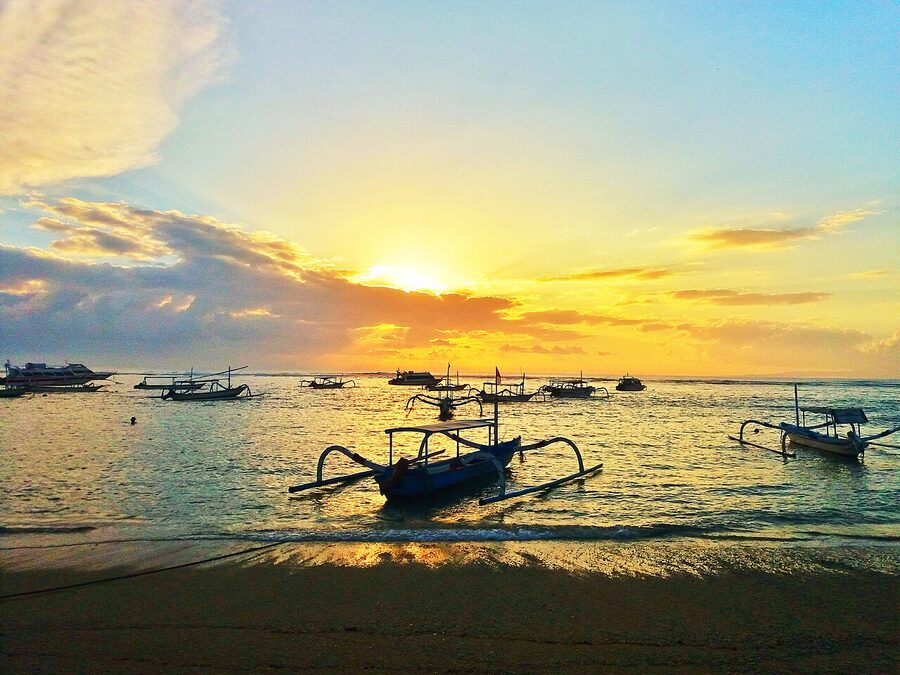
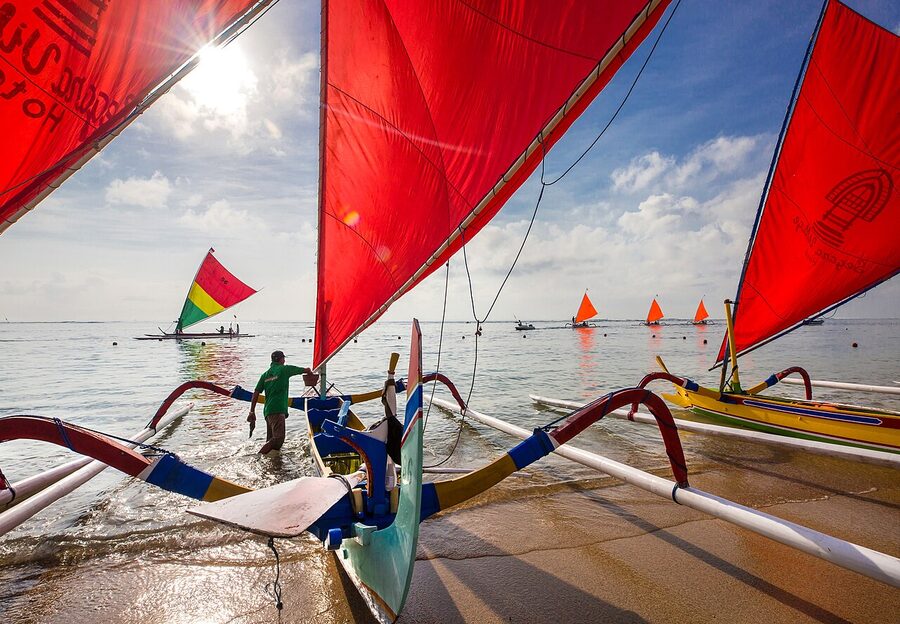
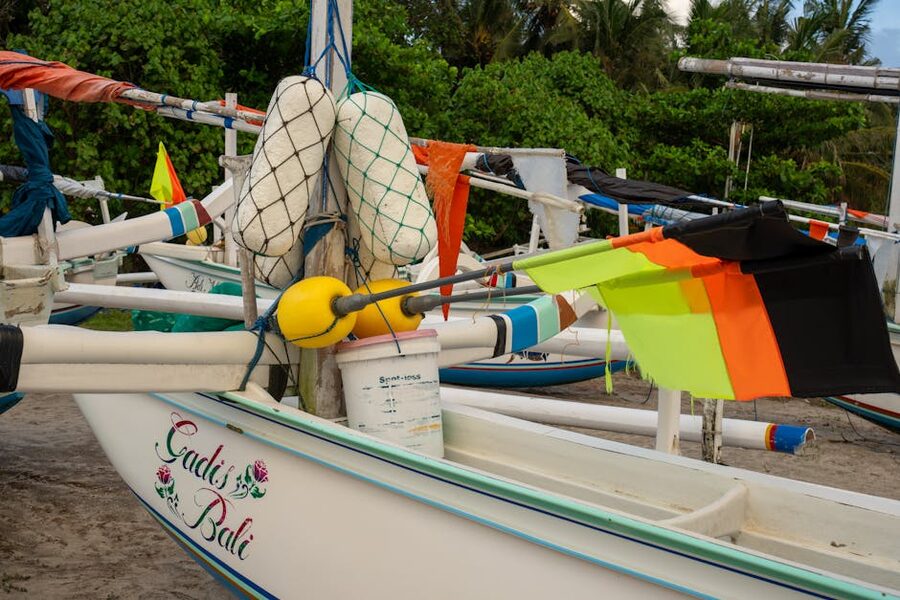
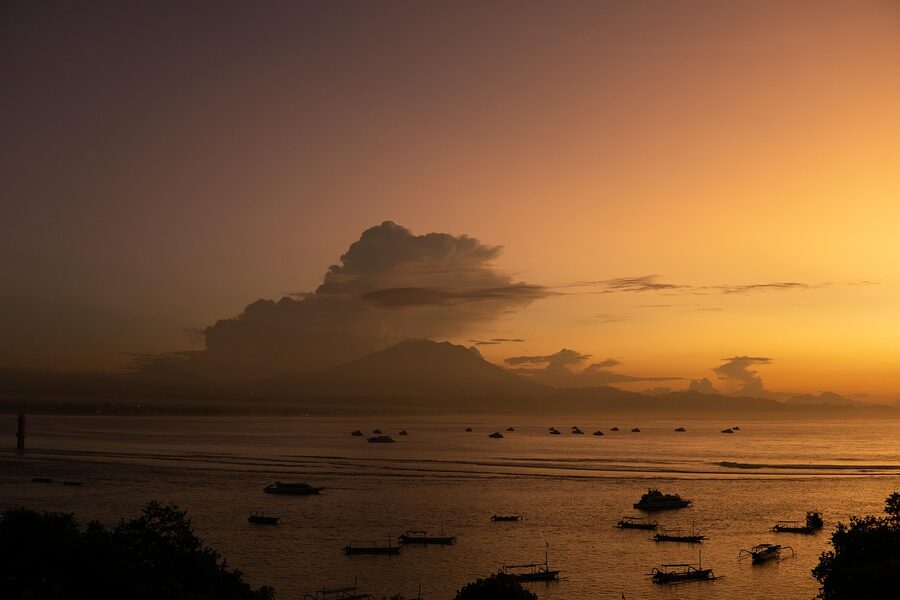
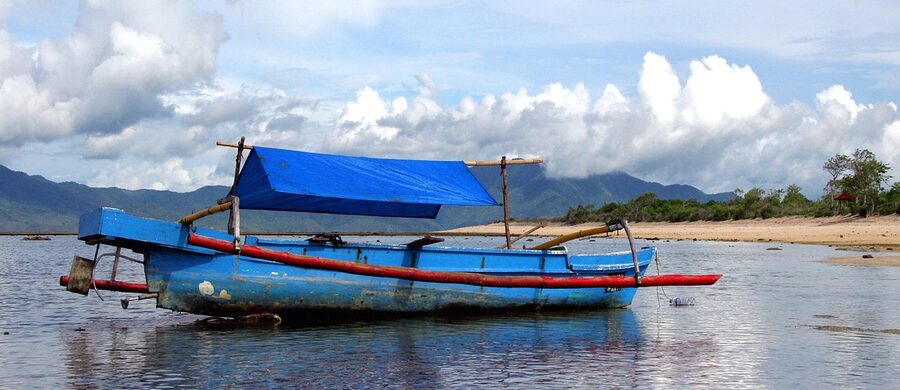
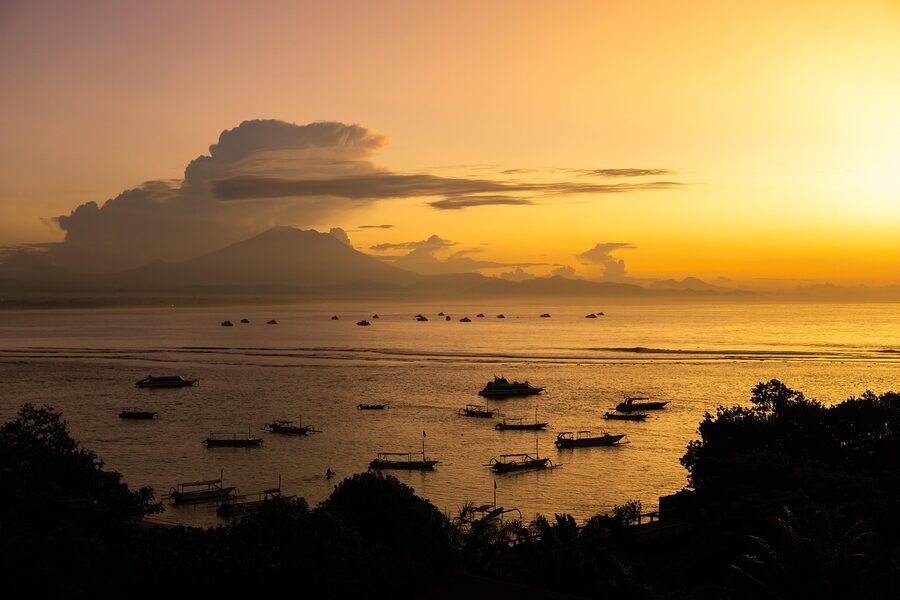
Here is the contrarian case. Your second Bali trip should be Sanur. Your first Bali trip probably should have been too. Sanur sits on the southeast coast, faces the sunrise, has a four-kilometre paved bike path, restaurants that close at ten, and a reef-protected swim that means the water is calm at every hour of every day. The crowd skews older and more local. The prices run twenty to thirty per cent under Seminyak for similar quality. The mopeds do not snarl down narrow lanes at midnight. And the morning light, when it comes up over Nusa Penida and washes the painted jukung outriggers (traditional Balinese fishing canoes) on the sand, is genuinely the best two hours of the day in south Bali.
This is not a sales pitch. Sanur is not for everyone. If you came to Bali for surf, you will be disappointed at Sanur Beach because the reef break sits a kilometre offshore and you need a boat to get to the wave. If you came for nightlife, you will get a cocktail bar and a beachfront beer garden and a night market and that is more or less it by ten. If you came to be photographed in front of cliff temples in flowy white linen, the Instagram crowd genuinely skips Sanur and there are reasons for that. Fine. The article below is for travellers who want a base that lets them do the rest of Bali at half the stress, and a sunrise walk that does not require a 4 a.m. taxi to Mount Batur.
In This Article
- Why Sanur Exists at All
- The Beach Itself, in One Paragraph
- Sunrise Is the Reason
- The Two Temples Worth Walking To
- Where to Eat
- Warungs (Rp 25,000 to 70,000 a plate)
- Mid-Tier Cafes and Restaurants (Rp 90,000 to 250,000)
- The Italian Thing
- Sindhu Night Market
- Where to Stay, by Budget
- Budget (under Rp 600,000 / about $38 a night)
- Mid-Range (Rp 1,500,000 to 3,500,000 / about $95 to $220 a night)
- Top-End (Rp 3,500,000+ / $220+ a night)
- Getting Around Sanur
- Day Trips Out of Sanur
- What to Do Inside Sanur
- The Genuine Reasons to Choose Sanur
- The Genuine Reasons Not to Choose Sanur
- Practical: Money, ATMs, the Tourism Levy
- How Many Days You Need
- One Last Thing
Why Sanur Exists at All
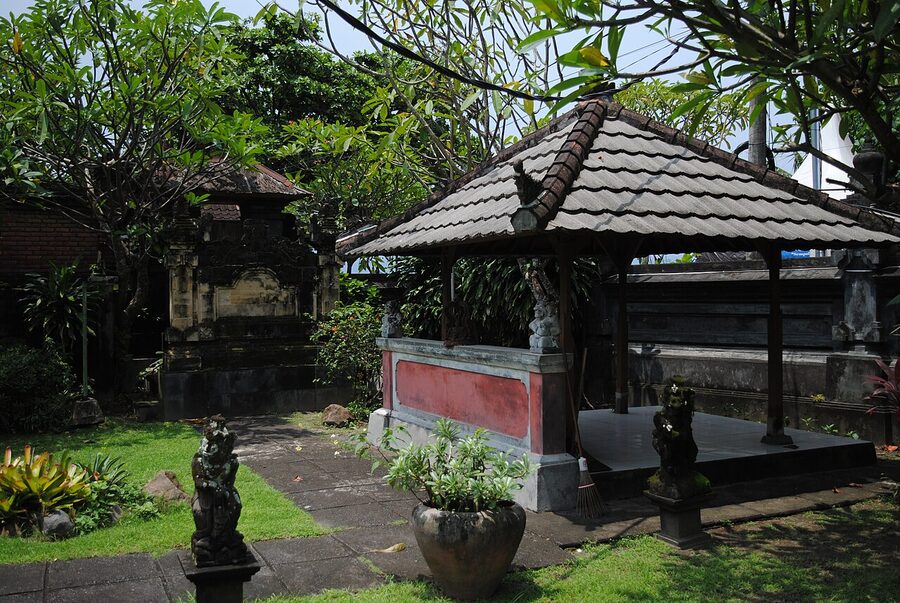
Sanur is older than every other resort area in Bali. Walter Spies, the German painter who shaped what the world thinks Bali looks like, came through here in the 1930s, and the Belgian painter Adrien-Jean Le Mayeur de Merpres built a house on the beach at Sanur in 1932 and lived there until he died in 1958. His widow Ni Pollok donated the house to the Indonesian state and it is now Museum Le Mayeur (open Tuesday to Sunday, 8 a.m. to 3:30 p.m., entry around Rp 50,000 / about $3.20). It sits beside the old Inna Bali Beach hotel, which was the first international-class hotel on the island when it opened in 1966.
The point of that history is not that Sanur is a museum. The point is that Sanur was designed, from the start, around the kind of traveller who wanted Bali without the rave. The grid of streets back from the beach is laid out in a way that Kuta and Canggu were never laid out, with proper pavements, a main road that runs parallel to the sand, and side gangs (narrow alleys) feeding off it. You can walk it. You can cycle it. You can let your kids cycle it. None of that is true in Seminyak.
If you are reading this knowing nothing about Bali at all, the wider context lives in our where to stay in Bali archive, which compares the main areas on price, vibe, and traveller fit. Sanur is one slice of that.
The Beach Itself, in One Paragraph
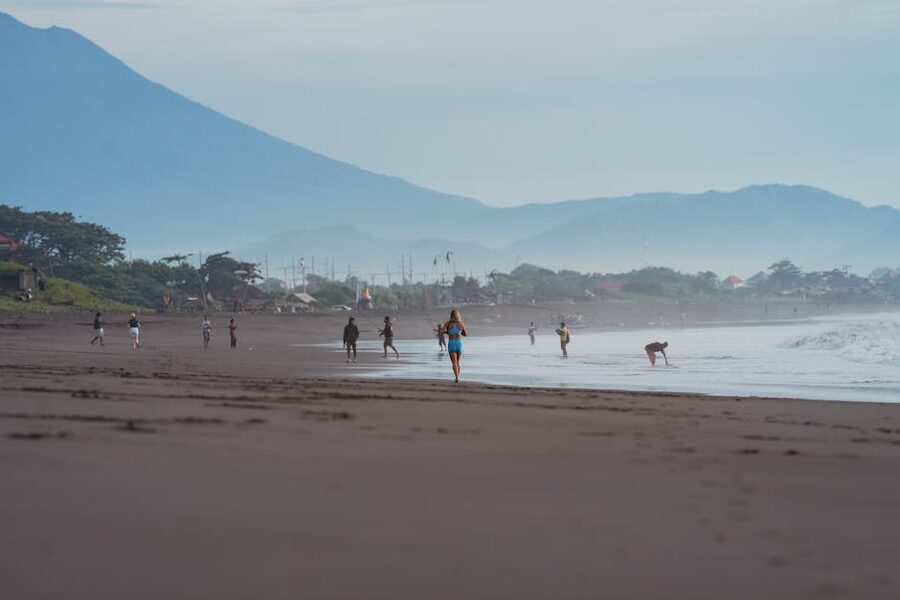
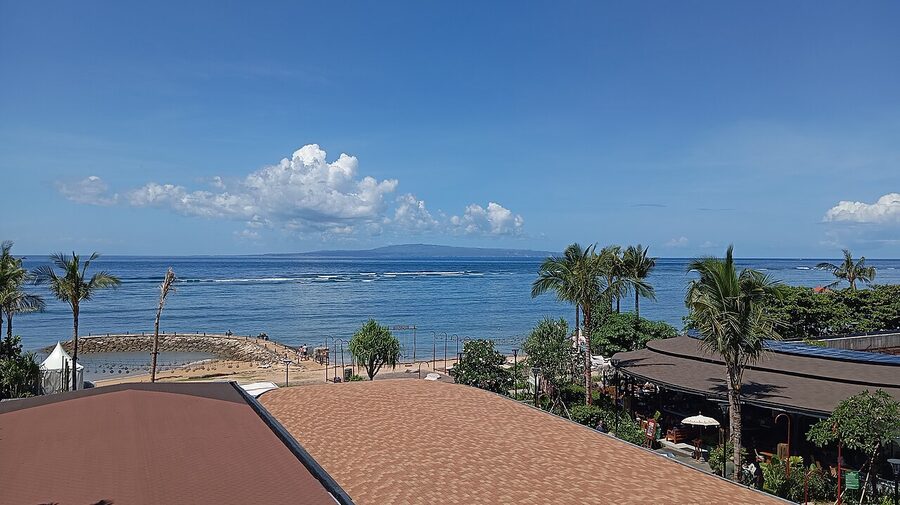
Let me be straight with you. Sanur Beach is not the prettiest beach in Bali. The sand is grey-gold rather than white, there is a fair amount of seaweed at certain tides, and the four-kilometre stretch from Mertasari in the south to Padang Galak in the north is broken up by hotel frontages, beach warungs, and the occasional ugly sea wall. If you ranked Bali beaches purely on swimwear-shoot photogenics, Sanur would not crack the top ten.
What Sanur Beach has, that almost nothing else on the south coast has, is a fringing reef that sits about a kilometre offshore. The reef breaks the swell. The water inside the reef is shallow and calm and warm and you can swim, properly swim, as far as the reef line at low tide without ever feeling out of your depth. For a family with kids, that is the only metric that matters. We rank the south coast on a few different axes in our south Bali beaches guide; Sanur is not the prettiest but it is the easiest.
The other thing Sanur Beach has is the four-kilometre paved promenade that runs the full length. It is wide enough for cyclists and walkers to share without anyone getting hit. The local government renovated it in 2023 to widen the worst sections, and from 2026 they have banned electric bikes from the path entirely. Push bikes and pedestrians only. This means you can rent a regular bike from any of the rental shops along Jalan Danau Tamblingan for around Rp 30,000 to 50,000 a day ($2 to $3.20) and ride from one end to the other in about twenty-five minutes if you stop for nothing.
I will not pretend the seaweed problem isn’t real. After the rainy-season storms (roughly November to March) the seaweed and some plastic does pile up on the tide line and the hotel staff are out raking it most mornings. The Tandjung Sari and Hyatt Regency frontages get cleaned daily. The public stretches in between get cleaned less, and there are days when it is a real eyesore. I am telling you this because I do not want you arriving in February and feeling lied to.
Sunrise Is the Reason
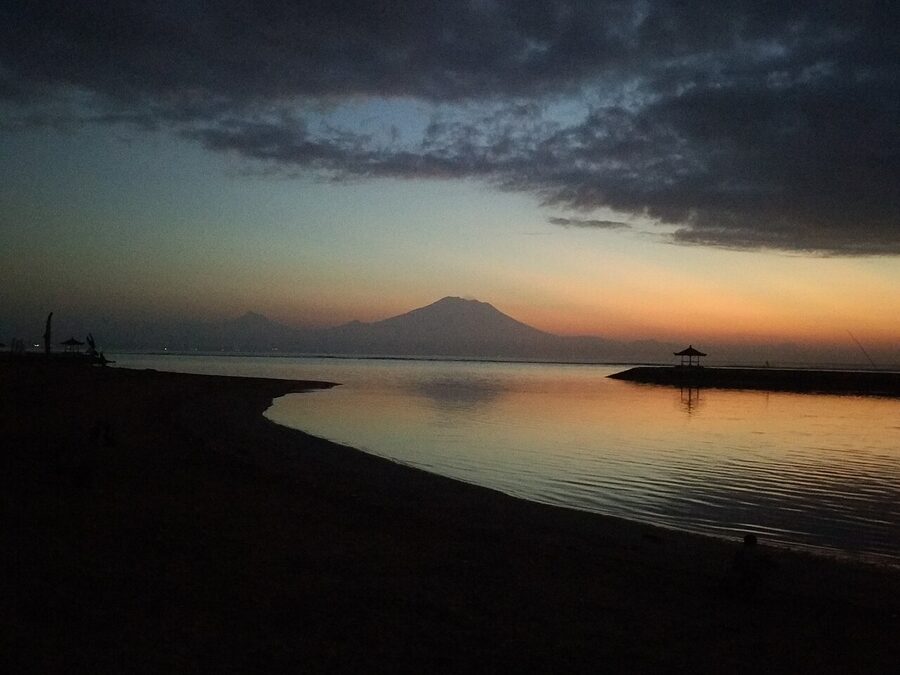
The single best argument for Sanur is the morning light. Bali sits eight degrees south of the equator and the sunrise here happens fast, in maybe twelve minutes from first colour to the sun being properly up. The Sanur shore faces east, the Nusa Penida and Lembongan silhouettes sit on the horizon, and the painted jukung on the sand reflect into wet ribbed sand at low tide. On a clear morning, particularly between May and September when the sky has fewer clouds, Mount Agung shows on the northeast skyline, sometimes with a thin cap of cloud, sometimes bare.
Get out of bed at 5:30. Walk the boardwalk for ten minutes north of wherever you are staying. Do not bring a phone, do not bring breakfast, do not even bring a coffee, the warungs are not open yet. Watch the sky. Then walk back to one of the hotel frontage cafes that opens at 6:30 and order a Bali coffee. This is the single ritual that justifies the whole Sanur trip and you will see fifty other people of all ages doing the same thing.
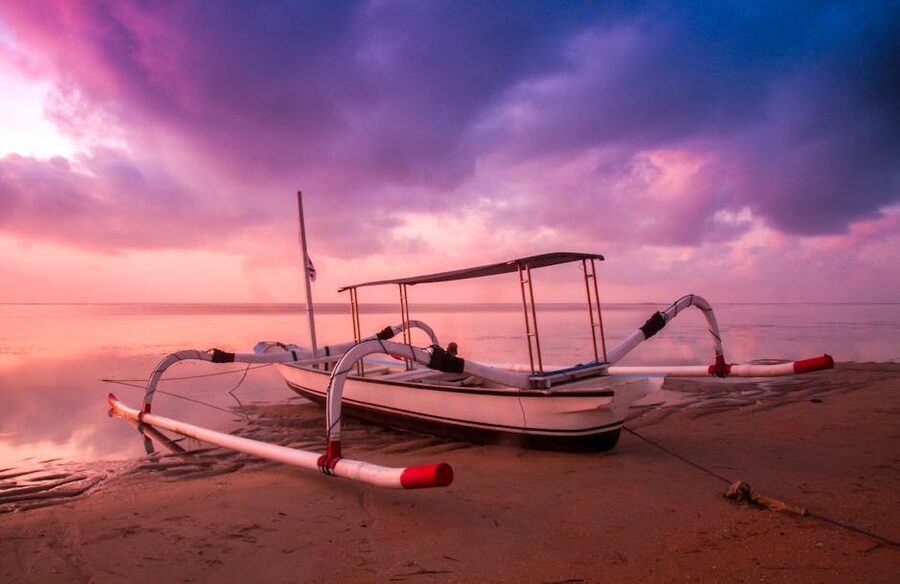
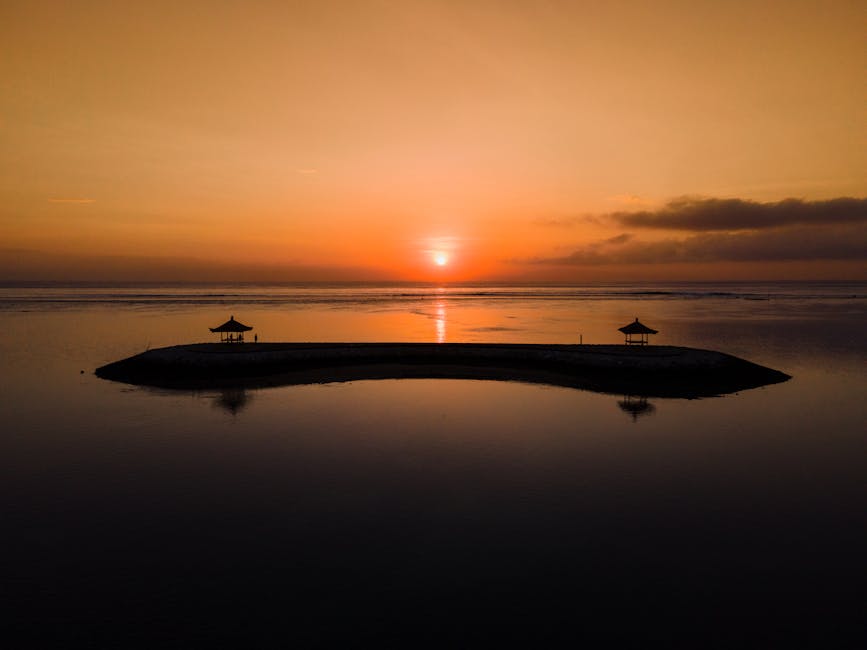
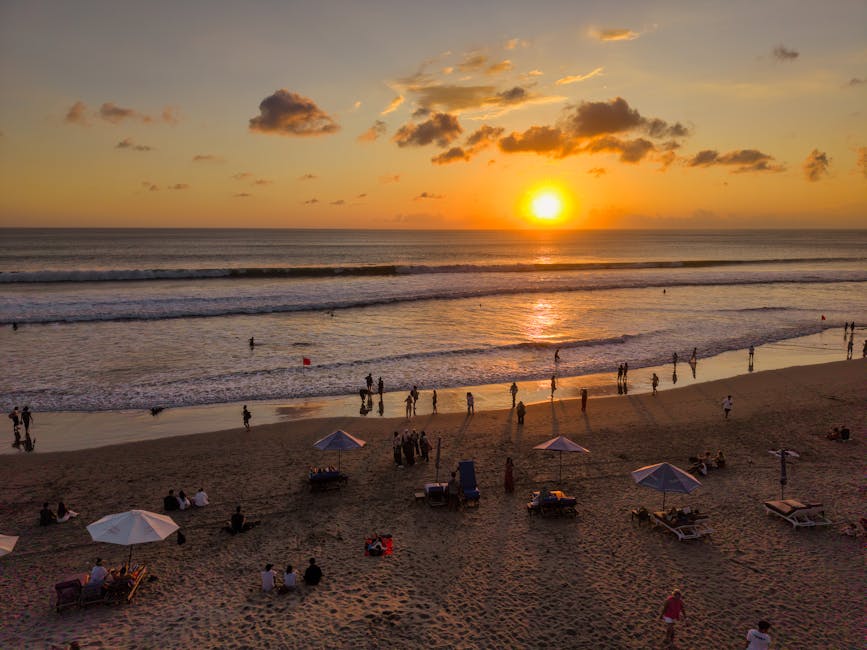
Sunset, by contrast, is a non-event in Sanur. The sun sets behind the island, behind the volcanoes. You can watch the sky go pink for about ten minutes from the boardwalk at the right angle, but if you came to Bali for the iconic west-coast sunset you will be making the drive over to Seminyak or Canggu. The only Sanur exception I have found is the rooftop at Maya Sanur Resort, which sits high enough to catch some of the western sky, but you are paying restaurant prices for the view.
The Two Temples Worth Walking To
Sanur is not a temple-tour town in the way Ubud or the Bukit are. There are dozens of small village temples scattered through the back streets, but the two that earn a deliberate visit are Pura Blanjong and Pura Segara. Both are near the south end of the area, walking distance if you are based on Jalan Danau Tamblingan, otherwise a short Grab from anywhere else in Sanur.
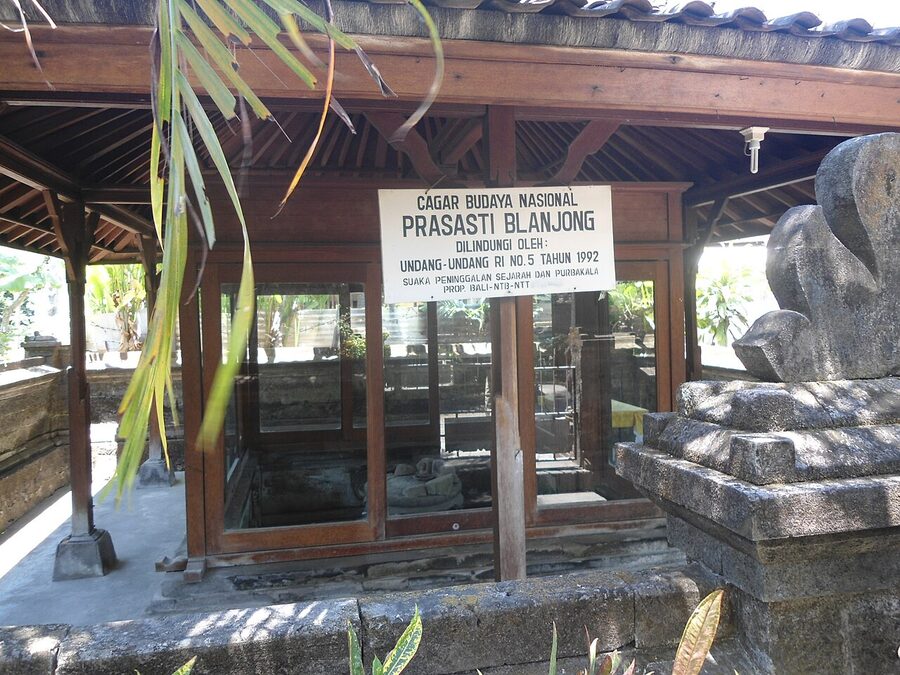
Pura Blanjong sits on Jalan Danau Poso. From the street it looks like any other small village temple, walled, slightly weathered, with a couple of incense sticks burning. What makes it worth the walk is what stands inside the courtyard: the Prasasti Blanjong, a stone pillar carved in the year 914 CE during the reign of the Balinese king Sri Kesari Warmadewa. The inscription on the pillar is in two scripts (early Nagari and Old Balinese) and two languages (Sanskrit and Old Balinese), and it commemorates a military victory. It is the oldest dated artefact on the island and you are looking at the moment Bali enters written history. The temple itself is small, the pillar is housed under a simple shelter, and the whole visit takes about fifteen minutes. There is no entrance fee, but you should be wearing a sarong (you can borrow one at the gate) and a small donation in the box at the entrance is appropriate.
If the broader story of how Balinese Hinduism evolved interests you, our deeper dive sits at a traveler’s guide to Agama Hindu Dharma. The Prasasti Blanjong is one of the earliest pieces of evidence we have for the Hindu kingdoms that became modern Balinese culture.
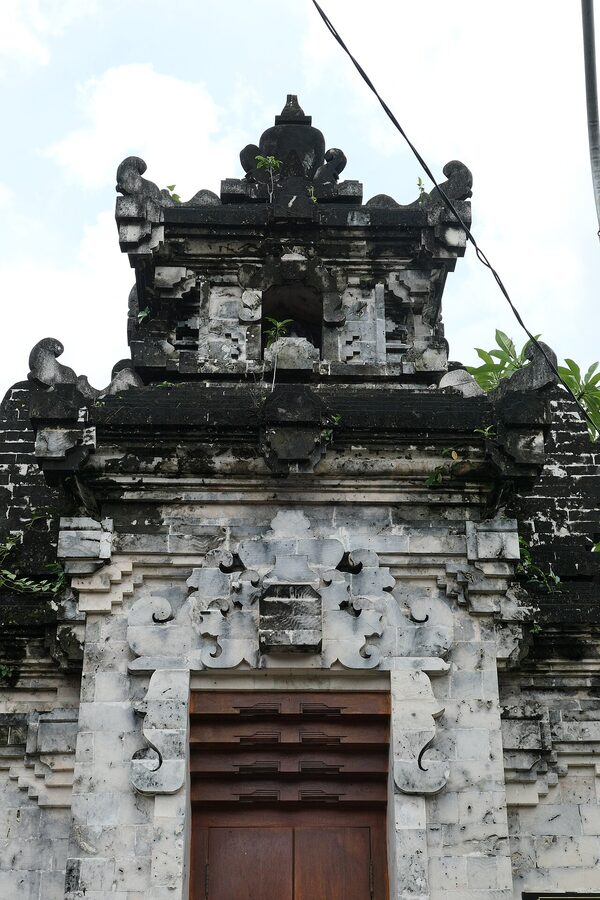
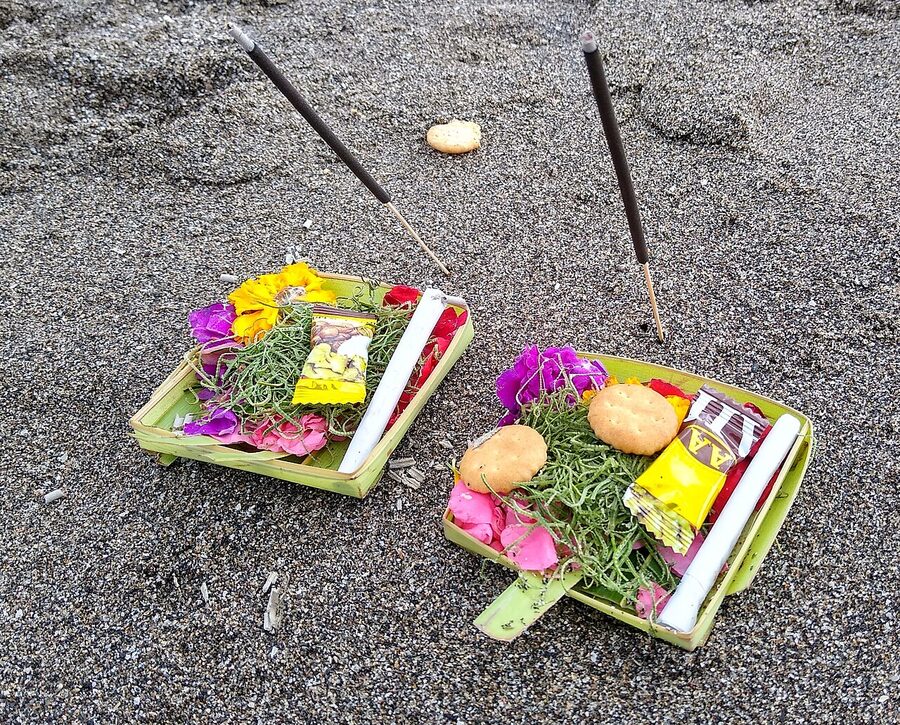
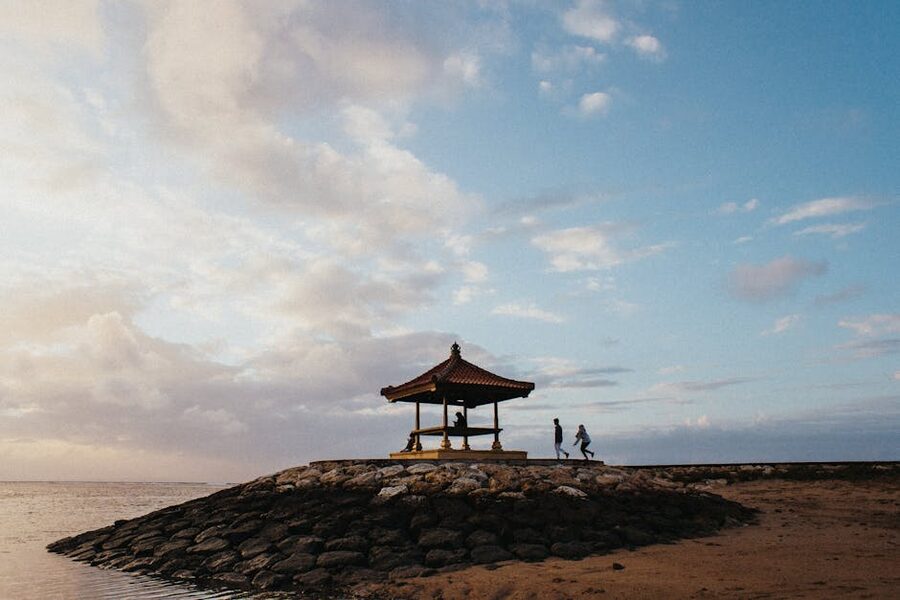
Pura Segara (literally “sea temple”) is the other one. It sits at the back of Mertasari Beach, accessible from the boardwalk. As a building it is more architecturally rewarding than Blanjong: a multi-tier meru shrine, painted guardian statues at the entrance, fresh canang sari offerings at every shrine. Visit late afternoon when the sun is dropping behind the trees, the air cools, and the local women are doing the daily round of offerings. Same etiquette: sarong, donation, do not climb on anything, do not photograph anyone praying without asking. Twenty minutes is enough.
Where to Eat
Sanur eats well. It is not Ubud-level for vegan brunch and it is not Seminyak-level for fine dining, but the spread between Rp 25,000 warung lunches and Rp 600,000 hotel-restaurant dinners is wider here than almost anywhere else on the south coast. Below is what I would actually point a friend at if they asked, sorted by tier rather than ranking, all of these came up in my research scrapes and I have eaten at most of them on previous trips.
Warungs (Rp 25,000 to 70,000 a plate)
Warung Mak Beng, at the north end of Jalan Danau Tamblingan near the Inna Bali Beach, has been doing the same three-item menu (fried fish, fish soup, plate of rice and sambal) for decades. There is a queue at lunch most days. The fish is whatever came in that morning. Skip if you are not eating seafood; otherwise this is the single Sanur food experience I would not skip. Cash only. Rp 65,000 will feed you well.
Warung Wardani, on Jalan Danau Tamblingan, does proper Balinese plate food, the kind of nasi campur (rice plate with several small portions of curry, sate, urap, sambal) you would get at a Balinese family meal. Open lunch only, queue forms by noon, gone by 2:30. Around Rp 45,000 a plate. The history of the dish itself we cover in our piece on nasi goreng and where to eat it; Wardani is doing the older, less travelled cousin.
Warung Krishna, on Jalan Danau Tamblingan opposite Maya Sanur, is fully vegetarian and has been since long before the digital nomads decided plants were a personality. The gado-gado and tempeh dishes are the picks. Rp 35,000 to 50,000 a plate.
Warung Pregina, slightly off the main strip on Jalan Danau Tamblingan north end, does serious Balinese specialities (sate lilit, lawar, babi guling on Wednesdays). Sit-down rather than canteen-style. Rp 80,000 to 130,000 a plate, expect a wait at peak.
Mid-Tier Cafes and Restaurants (Rp 90,000 to 250,000)
Genius Cafe at Mertasari Beach is the all-day brunch and bowls institution. Smoothie bowls, gluten-free everything, vegan nachos, a dedicated kids’ menu. You can dig your toes in the sand at the table. Rp 120,000 will get you a serious breakfast. Live music in the evenings.
Sala Bistro on Jalan Danau Tamblingan is two floors of Australian-style brunch downstairs and a wine bar upstairs. The hash benedict is the order. Open from 7:30 a.m. to 10 p.m. About Rp 130,000 for breakfast.
Soul on the Beach at Mertasari is the relaxed beachfront sister to Genius. Big breakfast plates, smoothies, beachfront tables. Around Rp 150,000 a head.
Char Ming, on Jalan Danau Tamblingan, is the smarter dinner pick. Indonesian-fusion, candlelit, garden-style room, decent wine list. Around Rp 250,000 to 350,000 a head with one drink.
Cafe Smorgas, in north Sanur, does Scandinavian breakfast, open sandwiches, proper coffee. The Swedish expat scene in Sanur is bigger than you would think; this is their canteen. Around Rp 110,000 for the open-sandwich plate.
Shotgun Social, on Jalan Pantai Sindhu, is a brewhouse with sixteen craft beers on tap, a treehouse for kids, a doggy menu, and big NYC-style pizzas. This is where the Sanur expat families end up on a Friday. Around Rp 180,000 with a beer.
The Italian Thing
One quirk of Sanur worth knowing: this is the gelato capital of Bali. There has been a small but persistent Italian community in Sanur since the 1970s, and the result is that you can get genuinely good gelato in five different places, more variety than you will find anywhere else on the island. Massimo, on Jalan Danau Tamblingan, is the one. Two scoops cost about Rp 40,000 ($2.60). The pistachio is the obvious order; the watermelon sorbet in dry season is the sleeper. There is also a sit-down trattoria on the same site if you want a proper bowl of pasta after.
For pizza, Bella Italia on Jalan Danau Tamblingan does wood-fired Neapolitan-style. Around Rp 140,000 for a margherita with a beer. Not life-changing, but better than the touristy pizza places in Seminyak by a meaningful margin.
Sindhu Night Market
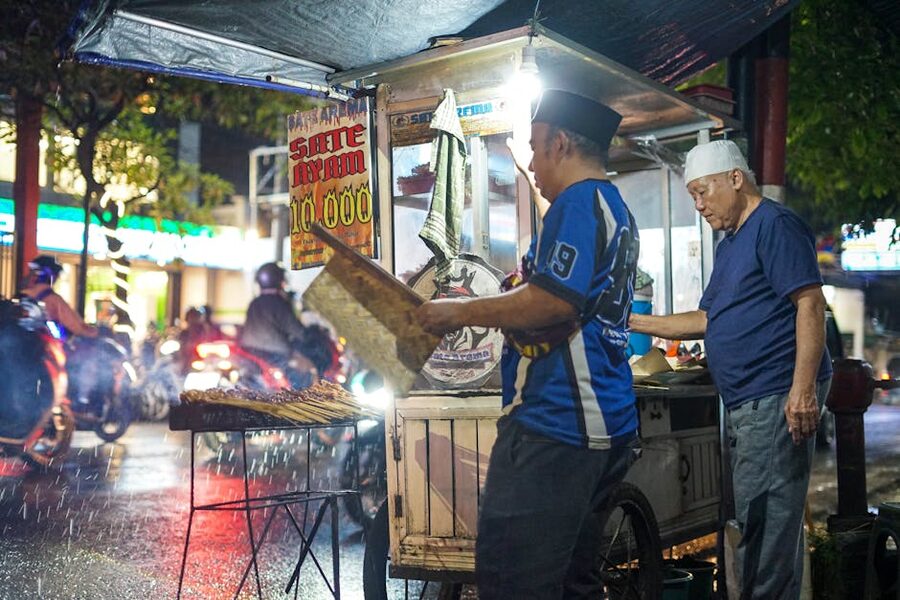
Most evenings around 5 p.m., the empty lot on Jalan Pungutan in north Sanur fills up with food carts and turns into Pasar Malam Sindhu (the Sindhu night market). This is the cheap proper-Indonesian dinner. Plates of sate ayam for Rp 25,000, martabak from the legendary cart-flipping master for Rp 30,000 to 60,000 depending on filling, fresh juice for Rp 15,000. Communal tables. Smoke and chatter. It runs until late, usually past 11. Closed on the major Hindu ceremony days, so check before you go.
Where to Stay, by Budget
Sanur has the deepest budget-to-luxury hotel spread of any south Bali area. The west side of the bypass (away from the beach) is where the homestays and family-run guesthouses cluster. The east side, between the bypass and the beach, is where the resorts sit, with their gardens running right onto the sand. The closer to Jalan Danau Tamblingan you stay, the more you pay and the less you walk to dinner.
Budget (under Rp 600,000 / about $38 a night)
Walk the back gangs off Jalan Danau Poso and Jalan Danau Tamblingan and you will find proper Balinese homestays charging Rp 250,000 to 500,000 for a clean room with breakfast and often a small pool. Many do not list on Booking.com at all. If you are on a long stay or just want zero corporate vibe, knock on a few gates and ask about monthly rates. Ari Putri Hotel in south Sanur is the well-known mid-budget pick: two pools, breakfast included, around Rp 550,000 a night.
Mid-Range (Rp 1,500,000 to 3,500,000 / about $95 to $220 a night)
Tandjung Sari (check rates on Booking.com) is the one I would book if I had to pick one Sanur hotel for a special trip. Eleven thatched bungalows on the original Sanur beachfront, opened in 1962, restored thoughtfully, the sand right there at the gate. Mick Jagger and David Bowie stayed here in the 1970s and the photos are still on the wall. Bungalows from around Rp 2,800,000 a night low season.
ARTOTEL Sanur (check rates on Booking.com) is the design-hotel pick at the budget end of mid-range. Inspired by the Bali Kite Festival, painted murals throughout, rooftop pool, around Rp 1,400,000 a night. Best for couples and solo travellers.
Sudamala Suites (check rates on Booking.com) just off the main street, twelve suites, garden pool, the kind of place where the staff remember your coffee order on day two. Around Rp 2,200,000 a night.
Top-End (Rp 3,500,000+ / $220+ a night)
Hyatt Regency Bali (check rates on Booking.com) sits on nine hectares in the middle of the beachfront, three pools, the best beachfront stretch of any Sanur hotel. Reopened in 2020 after a full rebuild on the original 1973 plot. From around Rp 3,300,000 a night low season.
Andaz Bali (check rates on Booking.com) is the first Andaz in Asia and is laid out as a Balinese village with a central grass square the staff call the Village Square, koi pond at entry, lagoon pools. From around Rp 4,800,000 a night.
Maya Sanur Resort & Spa (check rates on Booking.com) is the more modern luxury pick. Direct beach access, infinity pool, three restaurants. From around Rp 6,100,000 a night for the suites with private pool.
For a wider comparison of Sanur against the louder west-coast strips, see our guide to Poppies Lane Kuta; same island, different planet.
Getting Around Sanur
This is the part Sanur quietly does better than anywhere else on the south coast. The whole area is walkable. The main strip, Jalan Danau Tamblingan, runs roughly north-south for about two and a half kilometres parallel to the beach, and almost everything that matters (warungs, cafes, spas, hotel entrances, gelato shops) sits along it. The boardwalk runs parallel to that, on the beach itself. Everything else feeds off these two lines.
If you are not walking, the order I would put the options in is this. Bicycle is the single best Sanur option for actually getting around within the area. Rent for Rp 30,000 to 50,000 a day from any rental shop, ride the boardwalk, lock it at the cafe or hotel and walk the last bit. The boardwalk is genuinely flat and well-maintained.
Grab and Gojek work everywhere in Sanur and the local taxi mafia does not block them the way it does in Ubud. A car ride within Sanur is Rp 20,000 to 35,000. A scooter (faster, cheaper, slightly riskier) is Rp 10,000 to 20,000 on the same routes.
Bemo (the small green minibus vans you see honking down the main street with one door open) is the local option. About Rp 5,000 to 10,000 a person to anywhere on the main strip. Wave one down, get in, tell the driver where you want off.
Scooter rental for the day is Rp 60,000 to 80,000 from any of the dozens of rental shops. Helmet provided. International driving permit with motorcycle endorsement is genuinely required by police, the 2024 to 2025 enforcement has been real, and our Bali health and safety guide covers what your travel insurance probably will and will not cover for moped accidents.
Bluebird metered taxi still works for longer rides and unlike the random taxis is reliable on the meter. Use the app rather than flagging on the street.
From Ngurah Rai Airport, Sanur is about 25 to 40 minutes by taxi depending on traffic. A Bluebird from the airport rank costs about Rp 200,000 to 250,000. Booking an airport transfer through your hotel runs Rp 250,000 to 350,000 for the same trip in a private car. Grab from the airport is technically allowed but the official taxi pool can be hostile about it; use the airport rank and pay the small premium for an easy life.
Day Trips Out of Sanur
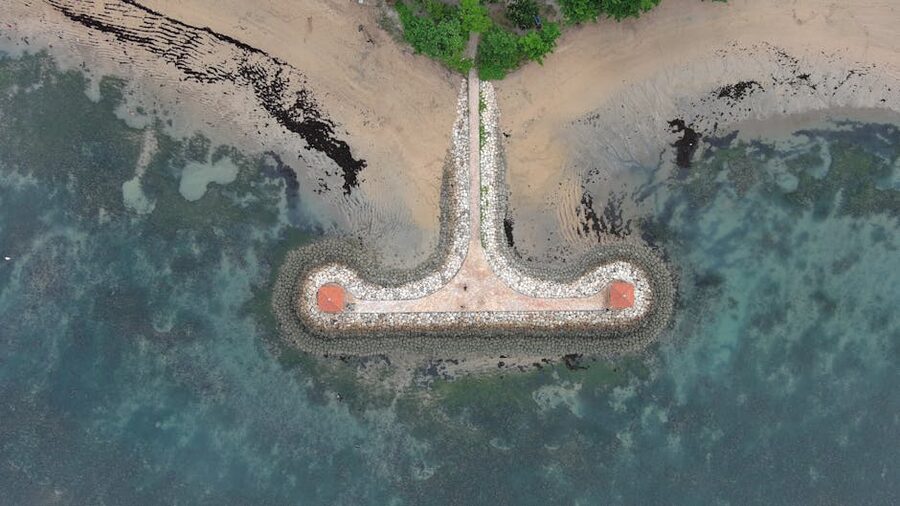
The single best argument for using Sanur as a base, beyond the sunrise and the pace, is the Sanur Harbour. The new pier at the south end of the area, finished in 2022, is the main jump-off point for the Nusa islands. Boats to Nusa Lembongan take about 30 minutes and cost Rp 75,000 to 150,000 each way depending on the operator. Boats to Nusa Penida take about 45 minutes. You can do Penida as a long day trip from Sanur (leave 7 a.m., back by 6 p.m.), but most people who go to Penida end up wishing they had stayed a night.
If you want the day trip done for you, the Nusa Penida day tour from Sanur Harbour on Klook handles the boat, the transport on the island, and Kelingking, Angel’s Billabong, and Broken Beach in one shot. Around $45 per person.
Other day trips that work well from a Sanur base:
- Ubud is 60 to 90 minutes by car each way (longer in afternoon traffic). A full-day private driver costs around Rp 600,000 to 800,000 for up to four people. Worth it for one day if you have not been to Ubud before.
- The east coast (Padangbai, Candidasa, Amed) opens up if you have your own scooter or a driver. Amed in particular is where Sanur travellers go when they want quieter, properly clear water and the diving scene. Two and a half hours each way; consider an overnight.
- Pura Tirta Empul and Pura Besakih (the central temples, both important) are doable as a full day from Sanur with a driver.
- Ngurah Rai Airport for a domestic onward, 25 to 40 minutes. Sanur is the rare south-coast area that is genuinely close to the airport without the traffic that the Kuta-Seminyak strip suffers.
What to Do Inside Sanur
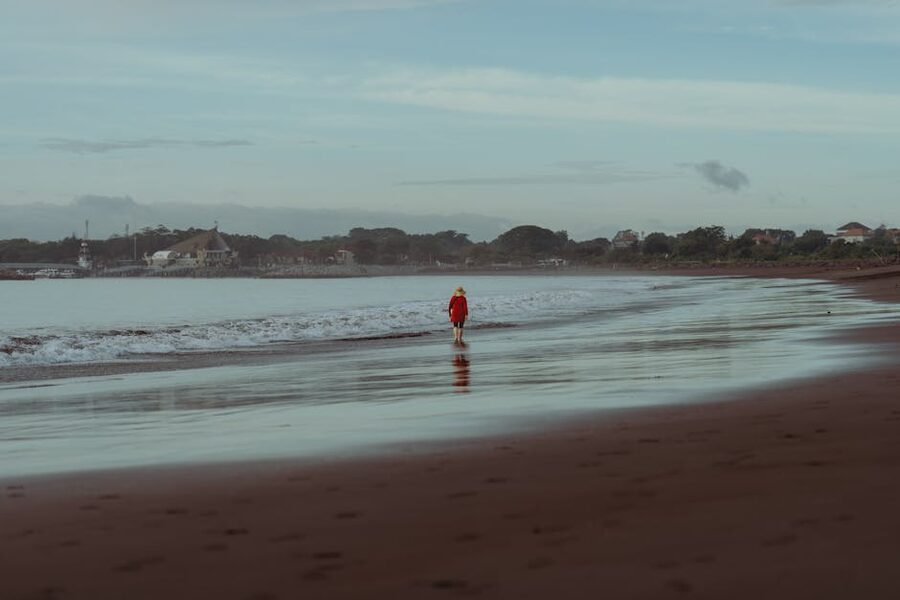
Truthful answer: not a huge amount, and that is part of the appeal. The list below is what I would actually do on a four-day Sanur stay.
- Sunrise on the boardwalk, every single morning. See the section above.
- Cycle or walk the full four kilometres from Mertasari Beach in the south to Pantai Padang Galak in the north. Stop for coffee at one of the hotel beachfront cafes around the Hyatt or Maya halfway through.
- Pura Blanjong and Pura Segara. See the temples section above.
- Museum Le Mayeur, half an hour, painter’s house from 1932 next to the old Inna Bali Beach hotel.
- Massage at The Nest Beachside Spa or Body Karma. Sanur’s spa scene is good without being trendy. A 90-minute massage runs Rp 250,000 to 450,000.
- Yoga. There is a free morning yoga class at Pantai Karang at 7:30 a.m. most days, instructor uses a microphone, anyone can join. Bring a towel or mat.
- Hire a SUP or kayak from any of the beach vendors and paddle out to the reef line at low tide. Around Rp 100,000 an hour.
- Snorkel from the beach. The reef itself is not great (the visibility is mediocre, the coral is patchy), but if you take a boat out to the reef edge you can see decent fish life. Real take: snorkel as a day trip from Sanur to Nusa Penida (manta rays, mola mola if you are lucky), do not snorkel in Sanur itself.
- Sindhu Night Market, at least once. Cash, plates of sate, fresh juice, communal table.
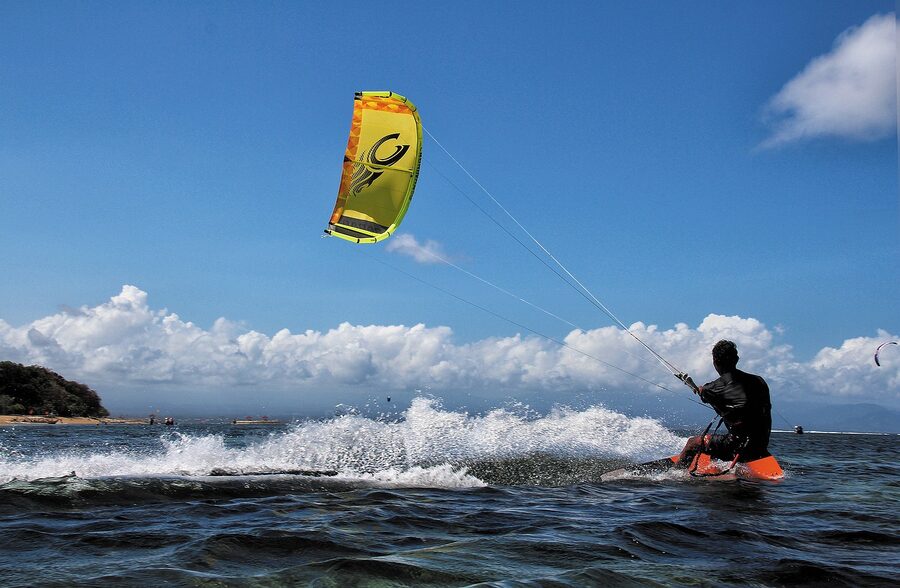
- Bali Kite Festival in July or August if you are around for it. The kites are four metres wide and ten metres long and the local banjar villages compete with them on Sanur Beach. Free.
The Genuine Reasons to Choose Sanur
Stripping out everything above, the case for Sanur over the alternatives comes down to about six things. I will be specific.
- Sunrise side of the island. The morning light is excellent and the beach faces it. If you are a morning person at all, this is worth more than any pool view.
- Calm swim, every day. The reef breaks the swell. Kids can swim. People who do not like big waves can swim. There are no rip currents. This matters more than the photogenic-beach factor for most travellers.
- Family-friendly grid layout. Wide pavements, walkable streets, restaurants with high chairs, hotels with kids’ clubs. None of these are Sanur-exclusive but the combination at the price point is.
- Twenty to thirty per cent cheaper than Seminyak or Canggu for similar-quality hotels and meals. The mid-range bracket in particular is much better value here. The luxury bracket is roughly the same.
- Less moped chaos. The 2024 to 2025 enforcement on moped permits has cleared up the worst of it, but Sanur was always less moped-dense to begin with. The wide main street and the pedestrian boardwalk help. You can let a child walk to the corner shop.
- The Sanur Harbour for Nusa. If you are doing the Nusa islands and especially Nusa Lembongan and Penida, basing in Sanur for two or three nights either side is the sensible play.
The Genuine Reasons Not to Choose Sanur
Equally true, the other side. Sanur is wrong for some travellers and you should know which side you fall on.
- No surf for non-experts. Sanur Beach has no surf. The break sits on the reef offshore and you need a boat. Beginners and intermediates: stay at Kuta or Canggu.
- The nightlife is mild. A few bars, a beer garden, the night market, dinner restaurants. By 11 p.m. most things are closing. If you came to club, this is the wrong area.
- The Instagram crowd skips it. Which is great for you if you are over that, but means there are not the dramatic cliff-temple shots, the rice-terrace selfies, the swing-over-the-jungle setpieces. Sanur is not photogenic in the contemporary social-media sense.
- The beach is not the prettiest in Bali. See above. The reef is a feature; the seaweed is a bug.
- The crowd skews older. Sanur has been the family and retiree pick for thirty years. The bars are quieter. The dinner-time conversations at adjacent tables are about grandchildren more than about Bingin barrels. If you are 22 and travelling solo and want to meet other 22-year-olds, this is not the place.
Practical: Money, ATMs, the Tourism Levy
One small thing because I keep getting asked about it. Bali introduced a Rp 150,000 (about $10) tourism levy in February 2024, payable per visitor on entry. You can pay online before you arrive (the official site is lovebali.baliprov.go.id) or at the airport on landing. It applies once, not per day. Sanur hotels do not collect it; you do.
ATMs are everywhere on Jalan Danau Tamblingan. Use the Bank Mandiri or BCA ones, ideally inside a bank lobby rather than freestanding kiosks; the skimmer scams in tourist areas are real. Withdraw Rp 1,500,000 to 2,500,000 at a time, the per-transaction fee is the same regardless of amount.
Cash is still preferred at warungs, the night market, taxis, and the bemo. Cards work at hotels, mid-range and up restaurants, and Massimo. Most spas take both. Browse the rest of our food and drink coverage for more on where the cash-only places cluster.
How Many Days You Need
Three nights is the minimum for Sanur to make sense. You need two full sunrise mornings and one whole day to wander the beach and have lunch at Mak Beng. Two nights and you will not slow down enough to feel why people pick this place.
Four to five nights is the sweet spot if Sanur is a leg of a wider Bali trip. Day-trip to Nusa Lembongan, day-trip to Ubud, two relaxed Sanur days, and you have the area properly covered.
Seven nights or more is what Sanur was built for, and you will see why the long-stay expat community loves it. The pace of the area gets noticeably better the longer you stay. Mornings stop being about itinerary and start being about routine. Coffee at the same cafe. Same spa lady. Same warung lunch. This is not a thing you can do in three nights.
One Last Thing
The thing nobody tells you about Sanur is how quickly it stops feeling like a holiday and starts feeling like a place. Three days in, you have a regular warung. Five days in, you know which spa lady is the masseuse you want and which is the one who scrolls on her phone. A week in, you are walking to dinner without checking Google Maps. None of the places in Bali that get the Instagram love can do that for you.
That, more than the sunrise or the reef-protected swim or the gelato or the harbour or the price gap to Seminyak, is the actual case for Sanur.
Go for the second trip. Or if you are still planning the first, swap two of your Seminyak nights for two Sanur nights. You can keep the cocktails. You can lose the moped chaos.
Planning a Bali trip?
Start with the cornerstones — when to go, where to base, and what's actually worth doing.