There is a lot to see in Ubud. This day plan strings together nature, temples, and big-photo viewpoints without feeling rushed on paper. You start in the Sacred Monkey Forest Sanctuary, then swing through the rice-terrace area for that famous Instagram moment, continue to Tirta Empul for a look at a Balinese water temple, and finish at Tegenungan Waterfall for scenic views.
I like that the route gives you clear time blocks at each main stop (about 1 hour each at the big sights). I also like the human touch in the reviews: guides such as Esa and Made are praised for calm explanations, laughs, and keeping the day relaxed even when the weather turns. One thing to consider: entrance tickets are not included, and the tour lists an added USD 20 per person for entry fees.
Key takeaways before you go

- Private group feel: Only your group participates, so you can move at a sane pace.
- A classic Ubud mix: Monkeys, rice terraces, a water temple, then a waterfall view.
- Photo-friendly timing: Plenty of time to get set up for the jungle swing stop.
- Comfort built in: Air-conditioned car plus mineral water and a sarong.
- Budget for entry fees: The tour price excludes site entrance tickets.
Ubud in one day: how the route actually flows

This tour is designed like a best-of Ubud day. You’ll get a hotel pickup and drop-off, then head out by air-conditioned car with an English-speaking driver. The big win here is the pacing: each of the four main sights gets around one hour, which is usually enough time to see what you came for, take photos, and regroup without feeling like you’re sprinting between locations.
The other smart part is the order. You start with the Sacred Monkey Forest Sanctuary while you’re fresh. Then you move to the Tegalalang Rice Terrace area, which is where the jungle swing photo stop fits naturally into the day. After that, you shift into temple time at Tirta Empul, and you wrap with the outdoor payoff at Tegenungan Waterfall.
That “outdoor to indoor to outdoor” rhythm matters in Bali weather. You’ll likely deal with sun and maybe some rain at some point. One review specifically noted the guide’s flexibility even in rain, which tells me the day isn’t run like a rigid checklist where you’re stuck if conditions change.
If you’re doing Bali for the first time and want a single, efficient day that still covers different sides of Ubud, this route makes sense. If you prefer slow travel with long wandering time in one neighborhood, you may feel the day is a bit packed—but the structure is still built around giving you a workable visit window at each stop.
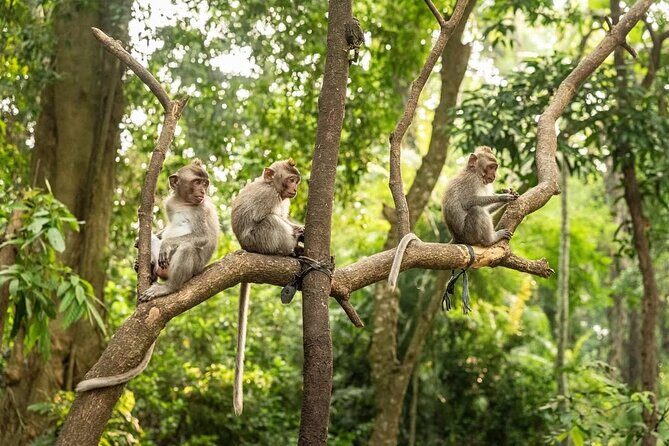
Sacred Monkey Forest Sanctuary: seeing Bali’s long-tailed residents

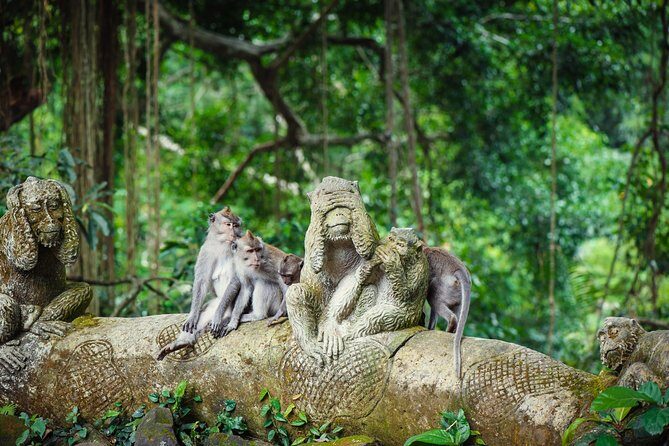
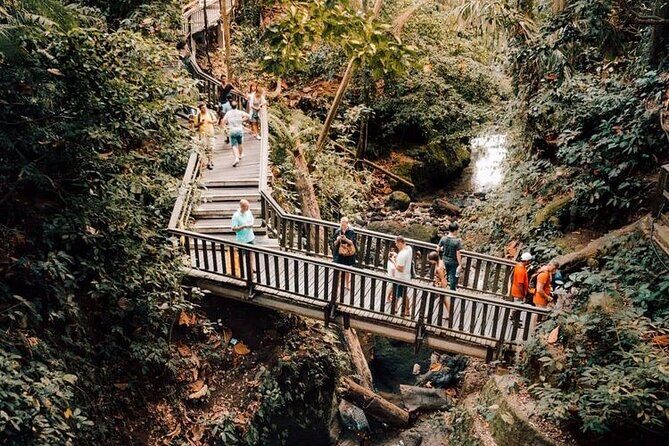
Your first real stop is the Sacred Monkey Forest Sanctuary in Padangtegal, Ubud. This sanctuary is described as the natural habitat for Balinese long-tailed monkeys (scientific name Macaca fascicularis). The tour info also notes that about 749 monkeys live in the area, which gives you a sense of scale right away.
Why this stop is worth your time: it’s not just a “look at monkeys” detour. You’re also stepping into a place that’s tied into the local cultural landscape. Even if you’re mainly there for photos, the sanctuary setting makes the experience feel more grounded than a quick roadside animal encounter.
What to expect in practice: the visit is set for about one hour, so you’ll want to arrive ready to move. That hour is long enough to get oriented and see the core areas without feeling like you have to rush through everything. It’s also a good segment of the day to do early, before you’ve accumulated fatigue from the ride.
A practical note: because this is an active sanctuary with wildlife, plan to keep your belongings secure and be mindful in crowded areas. The tour details don’t spell out behavior rules, so I’ll keep this general: treat it like a real habitat, not a zoo show. The best experience comes when you watch calmly and don’t try to interact more than necessary.
Tegalalang Rice Terrace and the jungle swing: the photo stop that isn’t just Instagram

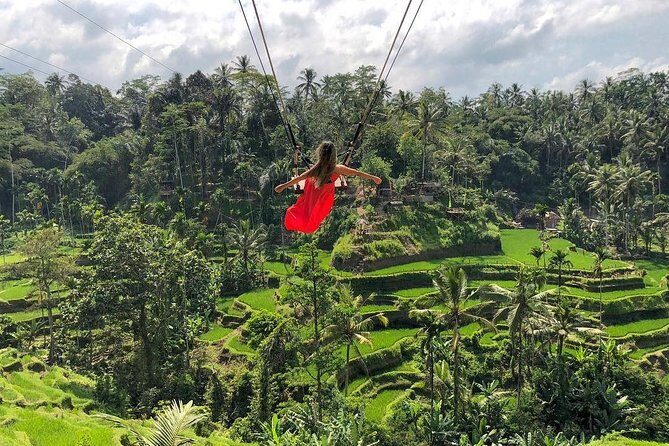
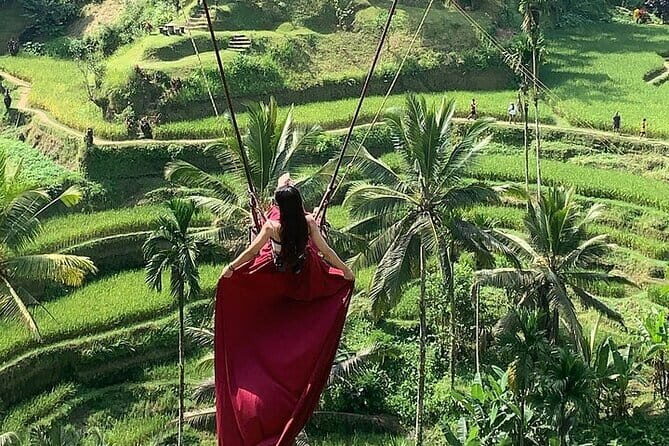
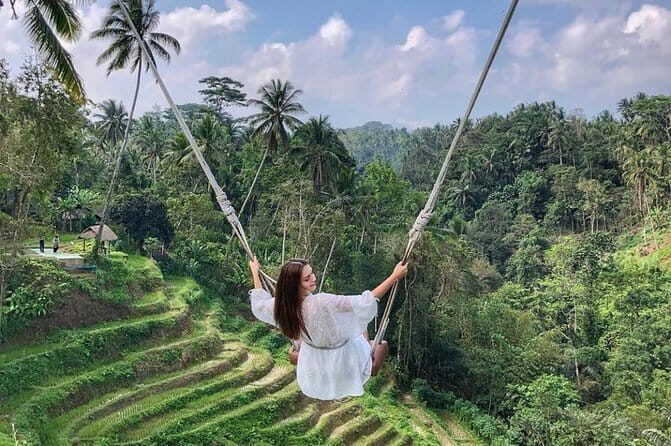
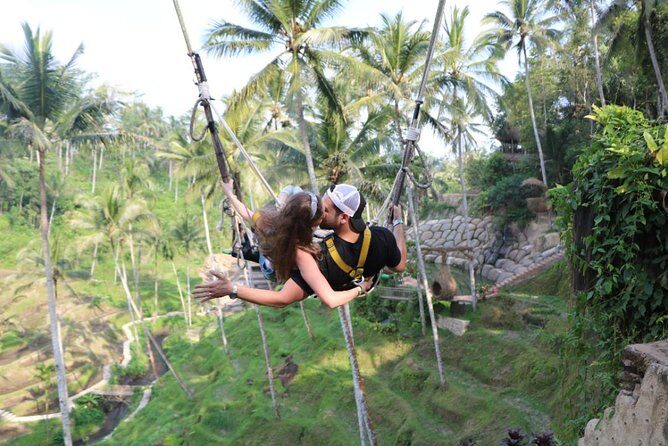
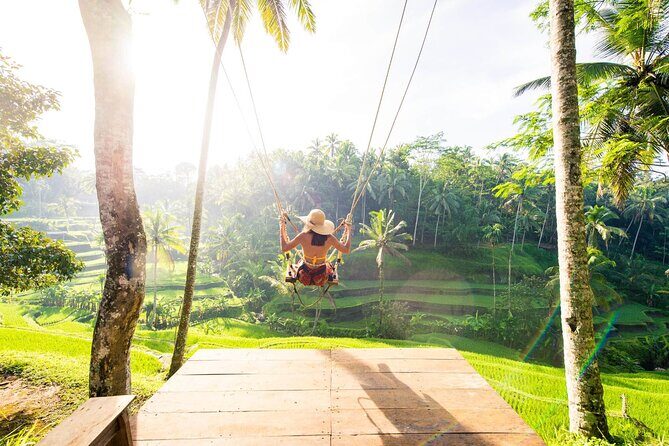
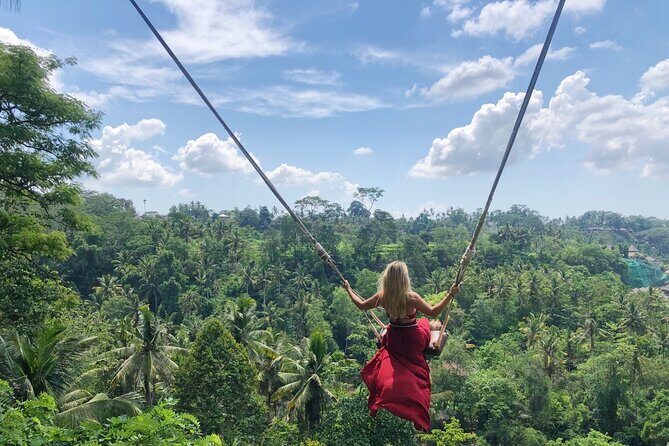
After the sanctuary, you’ll head to the Tegalalang Rice Terrace, about 10 km north of Ubud. This area is famous for its terraced rice fields, and it’s presented as a major tourist attraction in the region for good reason: the views are naturally layered, so even a basic photo angle looks dramatic.
This stop also includes the jungle swing, described as the most Instagram photo spot in the area. That matters because a lot of “swing” experiences in Bali become repetitive or overly rushed. Here, you still have around an hour total for the rice terrace swing portion, which gives you time to:
- find a good viewpoint angle
- take photos without feeling like you have to do it in one frantic minute
- just enjoy the scenery for a bit, not only the staged moment
What I like about building this into the day plan: rice terraces and swings are best appreciated in good light and when you’re not stressed. Midday can be hot, so this part of the tour is where a water-and-sun strategy matters. The tour includes mineral water, and having that available at the right time is more useful than it sounds.
Possible drawback: if you’re not into the swing itself, the terraced views can still be great, but you’ll want to make sure you genuinely enjoy scenic stops. This isn’t a temple or museum style experience where there’s deep structure to follow. It’s a viewpoint and photo zone—and that’s the point.
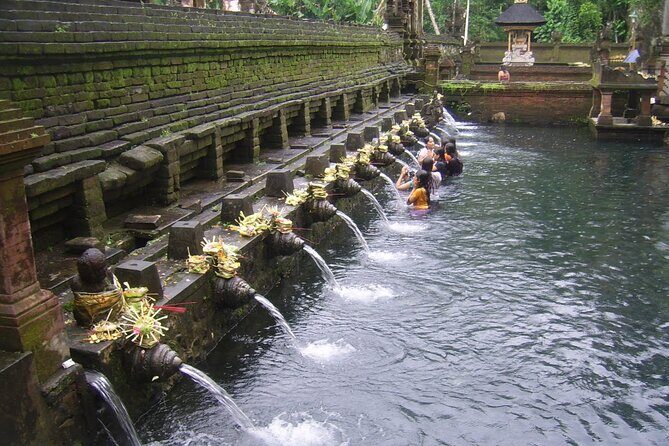
Tirta Empul Temple: a Balinese water temple near Tampaksiring

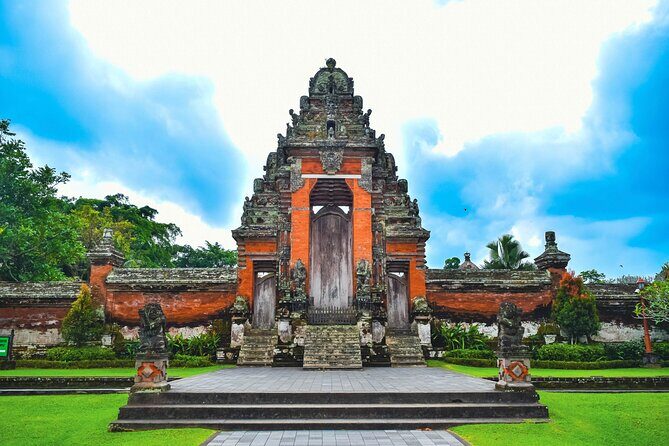
Next comes Tirta Empul Temple, described as the most popular day trip option for people who like to explore local cultural places and nature. The key detail here is what the temple is: a Hindu Balinese water temple near the town of Tampaksiring.
This is the “meaning” stop in the day. While monkey forest and rice terraces are visually powerful, Tirta Empul is about how Bali’s spiritual life connects to place and water. Even if you don’t know temple history, a water temple setting makes it easy to understand why it’s important. You’re watching a living tradition in a defined sacred space, not just looking at an old building.
The tour keeps this stop at around one hour, so you’ll likely have time to see the main areas and understand what’s going on from your guide’s explanations. The inclusion list also says the tour provides a Balinese sarong, which is a big help at temples. If you’ve ever arrived at a temple in the wrong clothing, you know the stress that can create. Having the sarong sorted means you can focus on the visit itself.
What to consider: temple visits often involve rules around clothing and behavior. The tour includes a sarong, but you should still show up with respectful basics in mind, like wearing comfortable clothing you’re okay getting slightly warm in. The experience is better when you treat the temple area as part of Bali’s daily cultural rhythm.
Tegenungan Waterfall: scenic views for the payoff ending

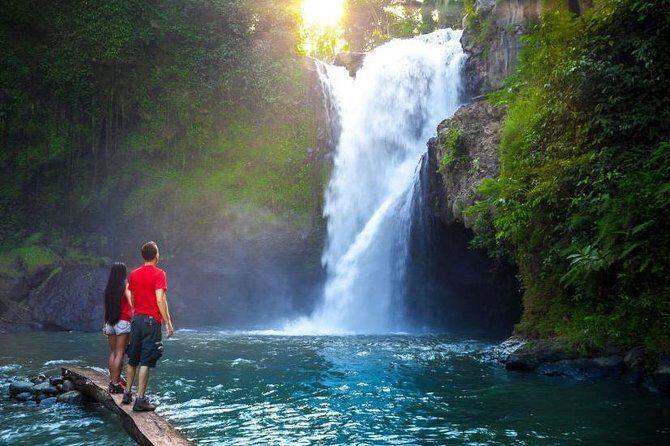
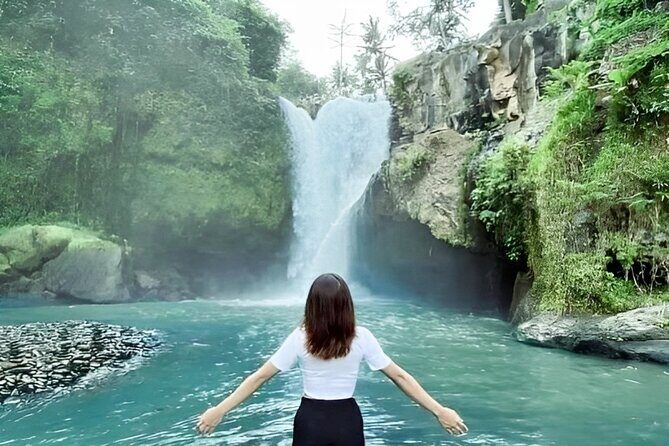
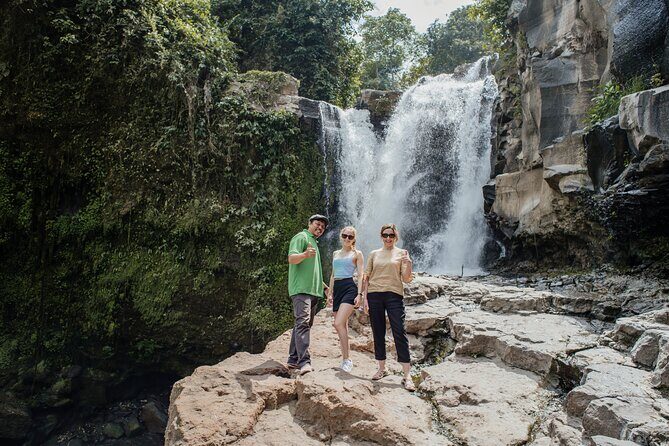
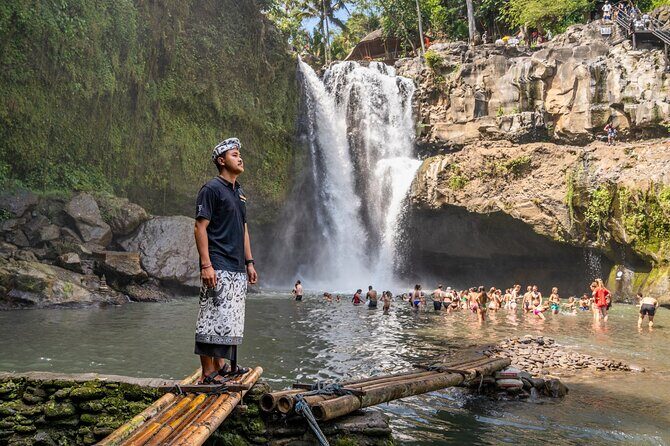
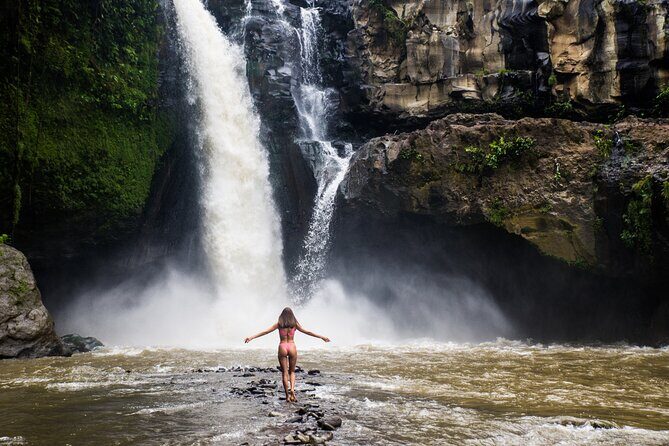
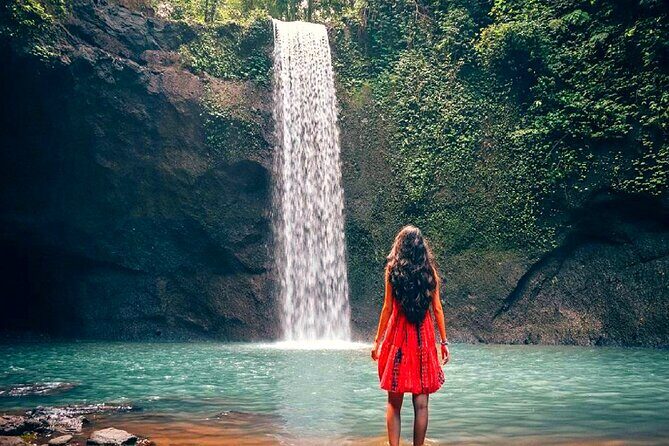
You end with Tegenungan Waterfall, included specifically as the scenic view highlight of the day. This is the outdoor reward after temple and terrace time. If you’ve been taking photos earlier, this stop gives you a different kind of scene—water, motion, and that classic viewpoint energy.
The time at Tegenungan is also around one hour, which is a good match for a waterfall visit. You usually don’t need much longer than that unless you want extended hiking or long lounging time. One hour lets you:
- enjoy the main viewpoint
- take photos in different angles
- move around without your schedule feeling out of control
A smart thing to do on waterfall stops is to plan for damp ground. The tour doesn’t list shoes advice, so I’ll keep it practical: wear footwear that handles slick surfaces, and bring a small change plan for wet conditions (a light towel helps). If you expect rain, a light rain layer can save you from getting cold while waiting for the best views.
Even with a quick visit, the waterfall stop usually feels like the strongest “I’m on vacation” moment of the day. You’ll come away with views that look different from the temples and terraces, which gives the whole tour a fuller feel.
Price, what’s included, and what you’ll spend on entry tickets

The tour price is $45.00 per person, and the listed duration is about 8 to 10 hours. For Ubud, that’s a fair mid-range price for a private day tour that covers multiple major sights with a driver. The value gets clearer when you compare what you’re actually paying for: transportation, guidance, and the built-in items that prevent friction.
Included in the tour:
- English-speaking driver
- Air-conditioned car
- Mineral water
- Balinese sarong
- Mobile ticket
Not included:
- Entrance fee: listed as USD 20 per person
So, realistically, you should budget around $65 total per person if the entrance fee applies as listed. That added cost matters because it can change the overall value depending on what you normally pay when you plan Ubud independently. Still, if you want the simplicity of being picked up, transported, and guided across four major areas in a single day, this setup stays good value.
Also, don’t ignore the private aspect. Because it’s private and only your group participates, you’re not paying mainly for access—you’re paying for the ability to keep the day flexible and comfortable. Reviews back that up with mentions of chill pacing and adapting to the day.
Guides matter here: Esa and Made set the tone

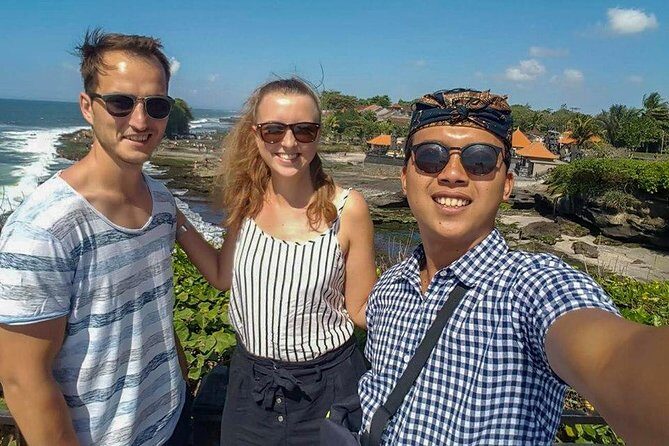
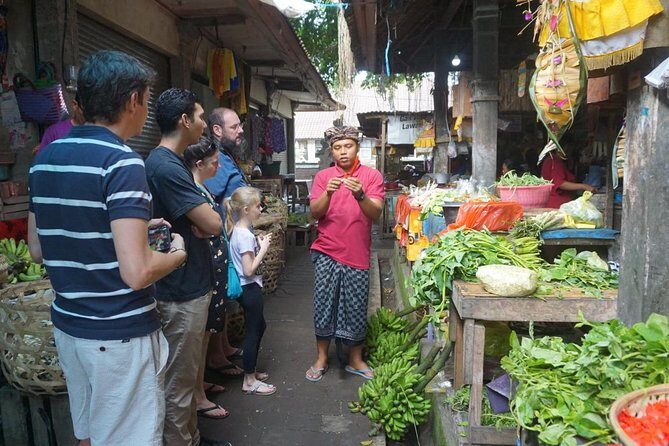
The strongest praise in the reviews is about the people running the day. One review highlights Esa specifically, saying the group could look at everything at their own pace with great explanations and a very chill vibe. Another review credits Made, calling out amazing tips, information, and laughs, plus guidance that helped them see beauty and also enjoy good food and coffee.
Even if you’re not chasing a party atmosphere, jokes and light commentary can make a temple or viewpoint stop feel less like a checklist. When your guide explains what you’re looking at—especially at a water temple or a cultural site—it turns a tour from a photo run into actual understanding.
One more detail from the reviews: flexibility. There’s mention of making the day work even in rain and adjusting the flow. For Ubud, that’s not a small thing. Conditions change. The best tours are the ones where the plan can breathe.
Pickup coverage: getting started without the hassle

You’ll get pickup and drop-off from many areas around Bali, including well-known zones like Sanur, Kuta, Seminyak, Nusa Dua, and more. The info also lists Ubud pickup areas such as Ubud Market. That wide pickup coverage is practical if you’re staying outside the center, because it reduces the need to organize separate transportation.
The day starts when you’re picked up, and that matters for two reasons:
- You don’t waste your morning figuring out routes.
- You can use the early hours efficiently at the first main site.
Because the schedule is long—8 to 10 hours—starting on time helps you actually enjoy each stop instead of feeling behind from the first hour.
Practical tips for a smoother 8–10 hour Ubud day
Here’s how I’d prep based on what this tour is built to do.
First, plan your clothing for temperature and temples. You’ll be in sun at the rice terrace and waterfall areas, and you’ll be in temple attire requirements. The tour includes a sarong, which helps, but still wear something comfortable and respectful.
Second, pack for wet and muddy moments. Waterfalls can mean damp ground and maybe light rain. Even if the day goes smoothly, a little moisture is part of the experience in Bali. Bring a small towel if you have one, and keep your phone in a safe pocket or bag.
Third, treat the “photo stop” like a real stop, not a quick snap. The jungle swing is labeled as the most Instagram spot, and that usually means people arrive wanting one specific shot. You’ll enjoy it more if you slow down for a few angles, not just one.
Finally, use the guide time well. Reviews praise Esa and Made for explanations and tips. Ask questions while you’re walking between areas. Temple and cultural stops are where good guidance pays off most.
Should you book this Ubud Jungle Swing – Monkey Forest – Water Temple – Waterfall tour?
Book it if you want a single private day that covers the big Ubud hits: Monkey Forest, Tegalalang rice terraces with the swing, Tirta Empul water temple, and Tegenungan waterfall—all with an English-speaking driver and comfort items like AC and mineral water.
Think twice if you hate long days or prefer one place at a slower pace. With about one hour per main stop, this tour is efficient, not leisurely. Also, factor the USD 20 per person entrance fee into your budget so the final total doesn’t catch you off guard.
If you’re the kind of traveler who likes structure but still wants a relaxed guide-led day, this one fits.
FAQ
How long is the tour?
It runs for about 8 to 10 hours.
Is hotel pickup and drop-off included?
Yes. The tour includes pickup and drop-off from many areas around Bali, including specific pickup points like Ubud Market and other zones such as Sanur, Kuta, Seminyak, and Nusa Dua.
Is this a private tour?
Yes. It is private and only your group participates.
What’s included in the price?
Included items are an English-speaking driver, mineral water, a Balinese sarong, and an air-conditioned car. You also receive a mobile ticket.
Are entrance fees included?
No. Entrance fees are not included. The tour lists an entrance ticket fee of USD 20 per person.
How much time is spent at each main stop?
Each main stop is listed with about 1 hour: Sacred Monkey Forest Sanctuary, Tegalalang Rice Terrace, Tirta Empul Temple, and Tegenungan Waterfall.
Can I cancel for a refund?
Yes. You can cancel for free up to 24 hours in advance for a full refund.