I love ceremonies that feel practical, not performative. This private Melukat Ceremony and Tirta Empul Temple Tour is built for that: you get a guide, you wear the proper attire, and you follow the cleansing steps at Bali’s famous holy spring site. The goal is simple—ritual purification through sacred spring water—while your guide fills in the meaning so it doesn’t turn into just a photo stop.
Two things I especially like: the private format (it’s only your group) and the way the guide helps you understand what you’re doing as you go. One potential drawback is the water factor. If you choose a later slot, the cold water can be a real wake-up call, so bring your towel and plan for an icy moment.
If you want Bali spirituality without chaos, this is one of the cleaner ways to do it.
Quick hit points you’ll care about

- Private tour for your group means more questions and less waiting.
- Early morning or late afternoon slots help you dodge crowds.
- Attire rental and ceremony materials included so you’re not scrambling at the temple.
- You’ll get wet during the Melukat and you’ll want a change of clothes ready.
- Locker included for a calmer, hands-free visit.
Entering Tirta Empul: why this place matters
.jpg)
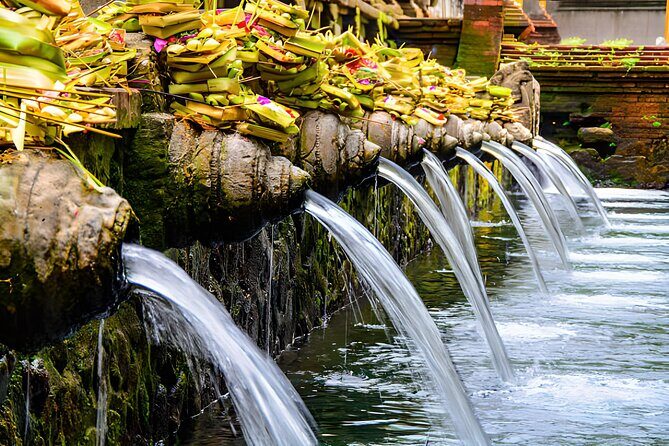
Tirta Empul is one of Bali’s most recognized purification temples, and the draw is the holy spring water. Locals come to cleanse, and the Melukat ceremony is the structured way the ritual is practiced on-site. Instead of watching from the edge, you’re guided through the process while learning what each part represents in Balinese Hindu practice.
What makes this tour work is the balance between rules and guidance. You get a clear path through the temple grounds, and you also get someone to explain the temple’s layout and spiritual importance as you walk. That combo matters at Tirta Empul, because there’s a lot happening in different spots, and it’s easy to feel lost if you’re winging it.
The Melukat ceremony: what you actually do
.jpg)
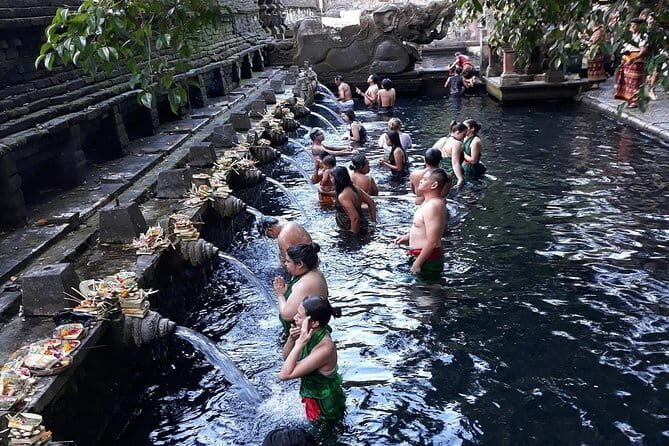
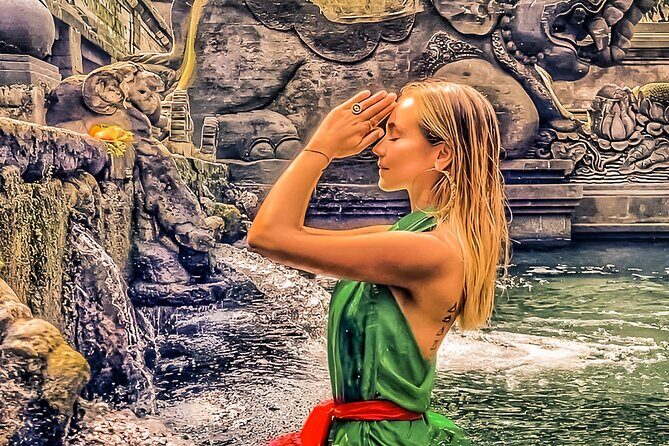
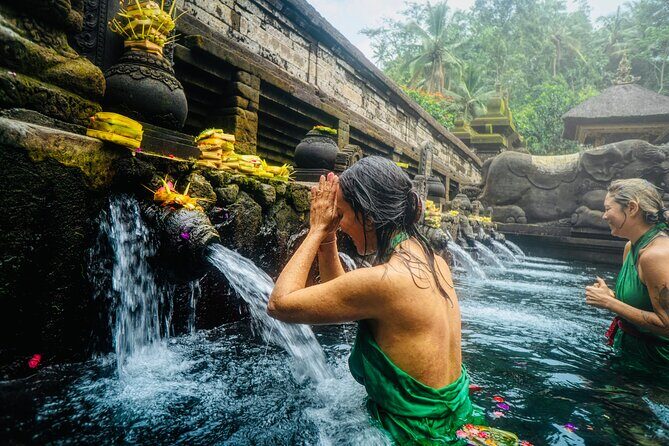
This isn’t a passive “see the water” stop. You’ll be led into the ritual itself—donning the required clothing, preparing for the ceremony, and then performing the cleansing steps with your guide.
In the typical flow, you:
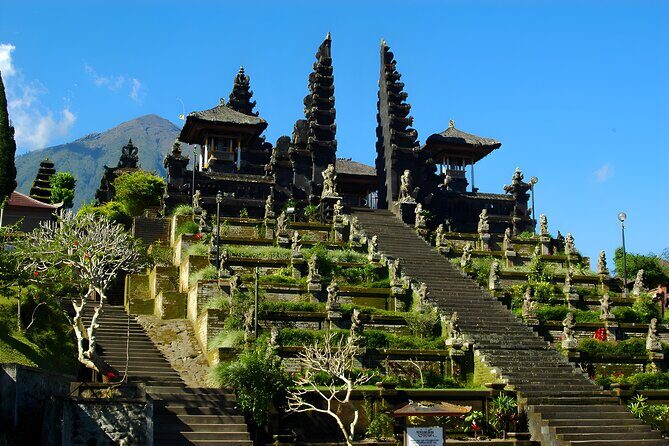
- Explore the temple grounds first, with explanations about the site’s history, architecture, and spiritual significance.
- Put on a sarong and a simple top (you don’t need full traditional dress).
- Take part in an offering and worship sequence, guided step-by-step.
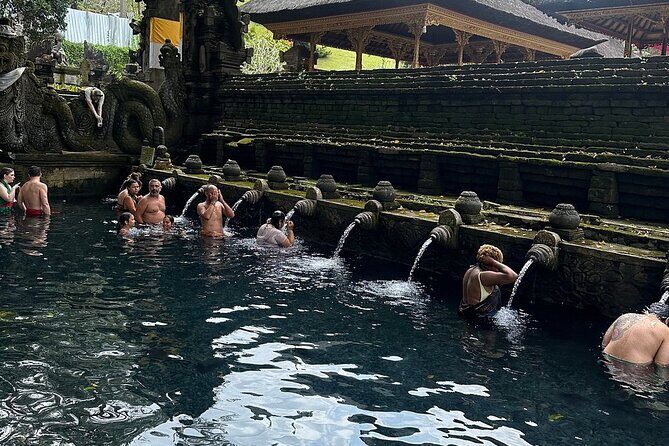
- Perform the ritual cleansing in the sacred spring water as directed.
The best part is how the guide handles the meaning. Names that show up in this tour’s success stories include Botak, Dana, Ketut, Kadek, Dewa, Komang, and Agung—each praised for making the process feel understandable and meaningful. You don’t just get a script; you get context for why certain movements and offerings matter.
Temple tour + ritual timing: morning vs late afternoon
.jpg)
You choose between an early morning slot or a late afternoon slot, and that choice affects your experience more than you might expect. Tirta Empul can get busy, so earlier hours help you move through the ceremony space with less jostling. The tour is designed to help you beat crowds simply by letting you start when the site is calmer.
If you pick a later slot, you’re trading crowd control for a higher chance of feeling the cold water more intensely. That’s not just discomfort—it can make the ceremony feel harder if you’re sensitive to temperature. If you’re flexible, I’d aim for morning. If you’re set on afternoon, treat the towel-and-change-of-clothes part like your main job.
What you wear (and why the rules are strict)
.jpg)
This tour gives you attire rental: a sarong plus a simple dress/top for participation. You still have to follow the temple’s modesty rules, and those rules are clear:
- Your top must cover your shoulders (a T-shirt works).
- Your shorts or skirt should be above the knee.
Plan around the fact that you will be wet. The tour instructions also ask you to bring:
- A change of clothes (including underwear)
- A towel
This is one of those “simple details” that actually decides whether your experience feels relaxed or stressful. If you show up in clothes you don’t mind ruining and you don’t bring a towel, the ceremony becomes a scramble. With the right setup, it becomes calm and respectful.
Bring your change of clothes and handle the cold water
.jpg)
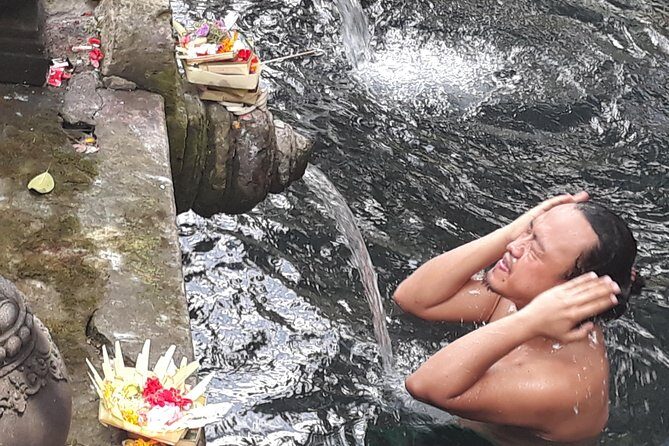
Yes, you’ll get wet. That’s the whole point. One practical note that keeps coming up in the experience: the holy spring water can feel cold, especially if you’re doing it later in the day.
My advice:
- Pack your towel where you can reach it quickly.
- Bring dry underwear and something comfortable to wear immediately after.
- Wear practical footwear that’s easy to manage before and after you’re in the ritual spaces.
Even if you’re excited, the physical part is real. The “negative energy washed away” feeling people talk about often comes right after you finish the last step and your body settles back down. You’ll want a change of clothes so you can feel that shift instead of just feeling chilled.
Your private guide: more than a translator
.jpg)
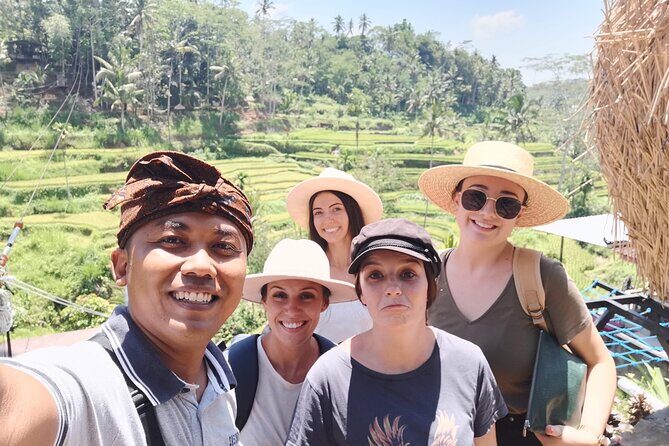
An English-speaking guide is included, and the private format means you’re not stuck with a rushed, one-size-fits-all explanation. You can ask as many questions as you like, and that’s huge for a ritual where details matter.
The guides associated with this experience are repeatedly praised for doing three things well:
- Explaining the ritual setup and how everything is organized on-site
- Clarifying the meaning behind steps and offerings
- Keeping the process smooth so you know what’s next
If you care about understanding the “why,” this tour fits that mindset. If you only want a quick photo, it may feel like slower travel, because the ceremony takes time for correct participation.
Price and value: why $29 makes sense here
.jpg)
At $29 per person, the value is strongest because key items are included. You’re not just buying a ticket—you’re getting:
- Entrance fee
- Attire rental (sarong + simple top/dress)
- Ceremony materials
- English-speaking guide
- Locker access
The big item not included is transport. Shuttle transport is not included, so you’ll need to arrange getting to Pura Tirta Empul (Tampaksiring, Gianyar Regency, Bali). That doesn’t make it overpriced—it just means you should budget transportation separately if you’re staying in Ubud and relying on a driver.
Where the math works out: many temple experiences charge separately for entrance, guide, and clothing. Here, those pieces are bundled, so your cost stays predictable. With a private setup, that predictability matters.
Where the tour starts and how it ends
.jpg)
You’ll meet at Pura Tirta Empul, Tampaksiring, Gianyar Regency, Bali 80552. The tour ends back at the same meeting point, so you’re not dealing with complicated “drop-off” plans.
The duration is about 1 to 2 hours. That’s a sweet spot: long enough for the guided grounds tour and the Melukat steps, not so long that you lose half your day to temple timing.
Who should book this tour (and who should skip it)
I’d steer you toward this experience if you:
- Want a meaningful temple ritual, not a quick sight-seeing stop
- Prefer smaller-group or private pacing
- Care about learning what you’re doing as part of your travel
You might think twice if you:
- Don’t like cold water experiences
- Get stressed by modesty rules and wet clothing logistics
- Need shuttle transport provided (since it’s not included)
Also, note the participation rule: menstruation is strictly not allowed to enter the temple. The instructions say if you menstruate after booking, you can request a refund or reschedule. That’s a real factor for planning your dates.
Should you book the Tirta Empul Melukat tour?
Book it if you want Bali spirituality with structure. The private guide, included attire, and ceremony materials make it easy to do respectfully. The timing option is also practical—morning is the smart choice if you want a calmer experience.
Skip or reconsider if water temperature is a deal-breaker for you, or if you’re hoping for a fully hands-off “transport included” package. Since shuttle transport is not included, also check how you’ll get there without stress.
If your goal is a genuine purification ritual with clear guidance, this is a solid pick for Ubud-area planning.
FAQ
How long is the Tirta Empul Temple and Melukat ceremony tour?
The tour lasts about 1 to 2 hours.
Is shuttle or transportation included?
No. Shuttle transport is not included, so you’ll need to arrange your own way to the meeting point.
What’s included in the ticket price?
Entrance fee, attire rental (sarong and a simple top/dress, not full traditional dress), ceremony materials, an English-speaking guide, and a locker are included.
What should I wear to the ceremony?
You must wear a top that covers your shoulders and short bottoms that are above the knee (like shorts or a short skirt). You’ll also be given a sarong and simple attire for the ritual.
Do I need to bring a towel or extra clothes?
Yes. You should bring a change of clothes (including underwear) and a towel.
Can most people participate in the Melukat ceremony?
Most travelers can participate. However, menstruation is strictly not allowed to enter the temple. If this happens after booking, you can request a refund or reschedule.
Do I need a WhatsApp number to book?
Yes. You must enter your WhatsApp registered phone number during booking so the team can reach you.
What happens if the weather is bad or I need to cancel?
This experience requires good weather. If it’s canceled due to poor weather, you’ll be offered a different date or a full refund. You can cancel for a full refund up to 24 hours before the start time.