Snorkeling with Manta Rays in Their Habitat with Manta Point

Snorkeling with Manta Rays in Their Habitat with Manta Point - Getting to Banjar Nyuh Harbor: the part that sets the tone

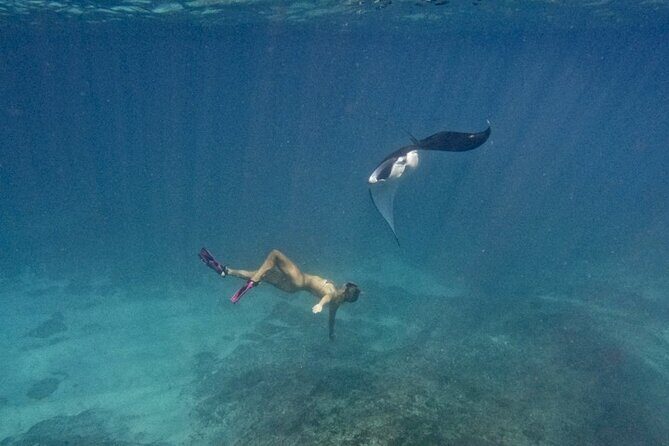
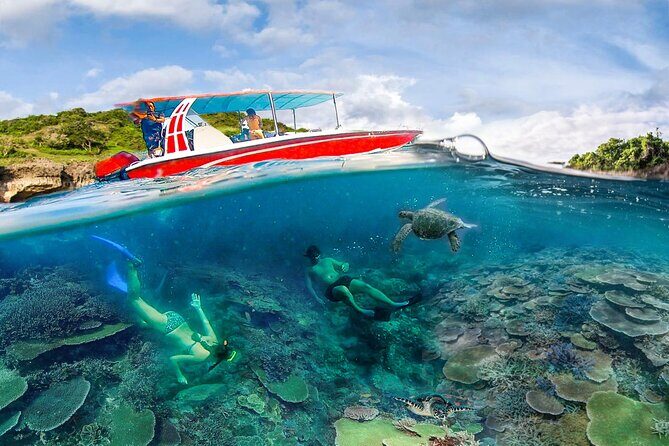
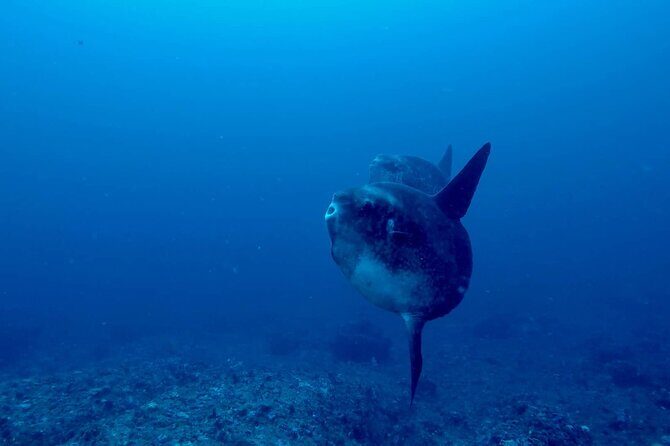
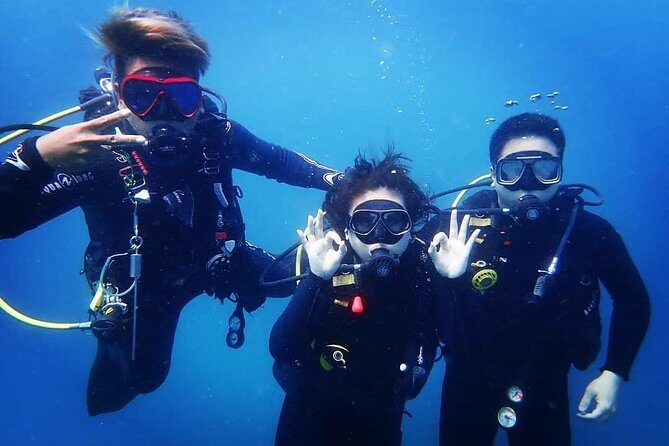
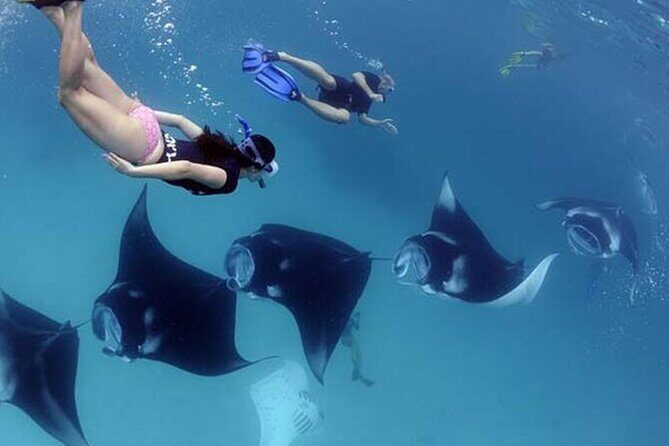
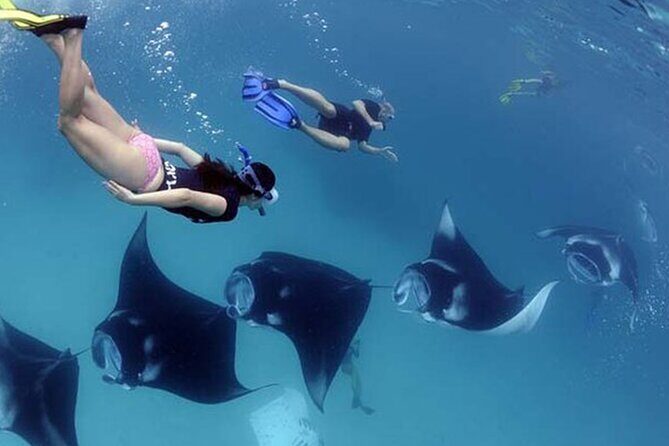
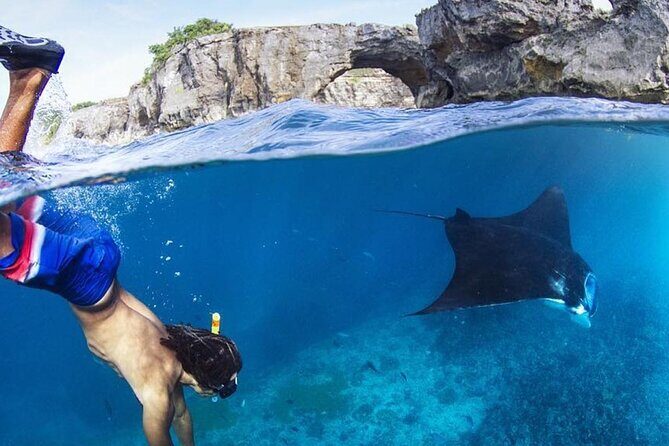
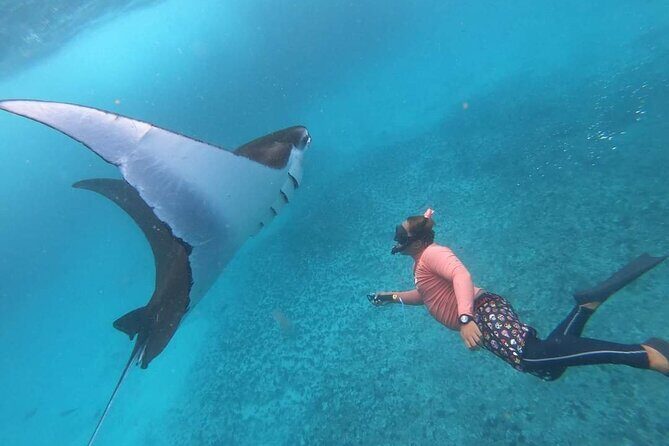
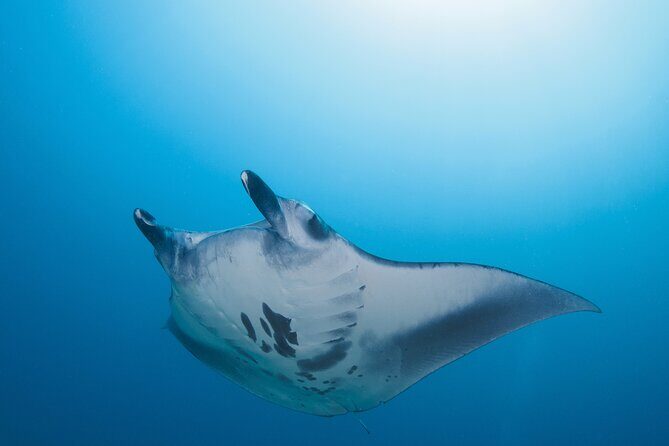
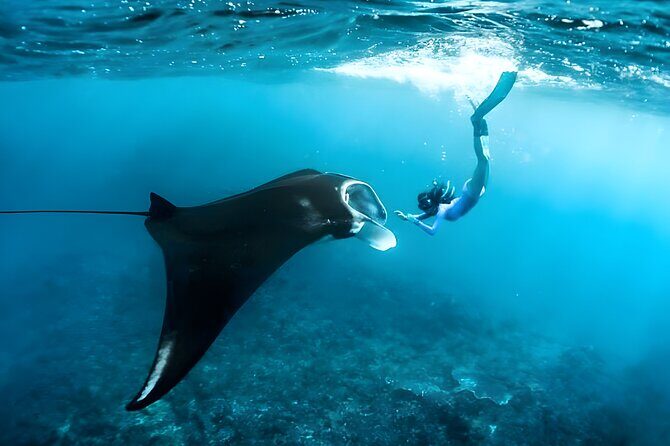
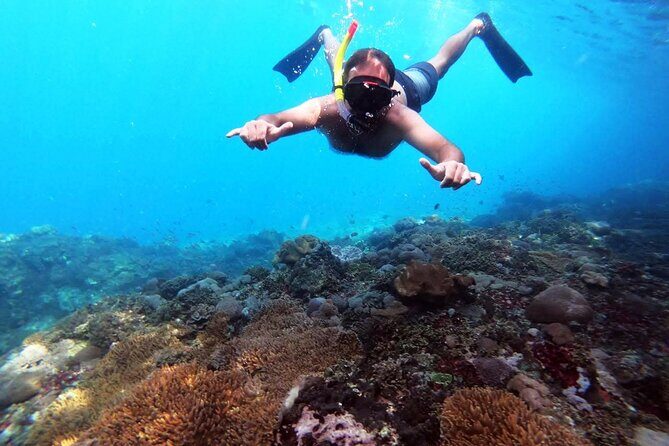
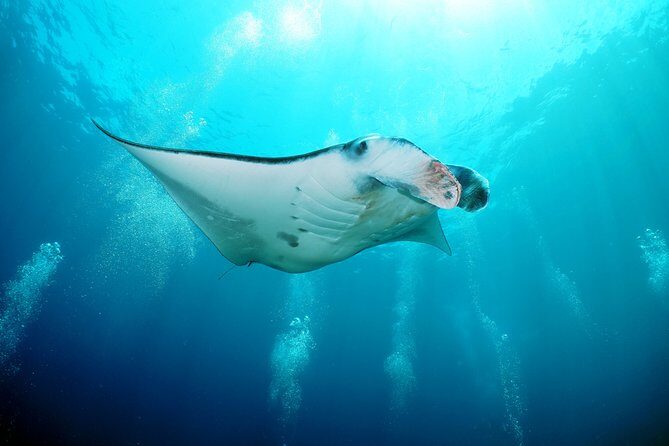
Manta rays without the long hunt. This tour takes you to Manta Point and another top reef spot from Banjar Nyuh Harbor in Nusa Penida, so you’re not cobbling together transport or guessing where to go. The operator sets the expectation high: around a 99% chance of meeting manta rays at Manta Point, with the plan adjusted for real-world weather. You also get a guide-managed GoPro experience—photos and video get sent to you by link.

Two things I especially like for your comfort and convenience: pickup is offered, and the tour gives you the full snorkeling setup (mask, snorkel, fins, life jacket) plus a towel and even a shower back on the boat. The second big plus is the photo handoff. You get snorkeling moments captured with the provided GoPro, then delivered via link after about 24 hours.

Here’s the main consideration. This experience is weather dependent, and if conditions turn choppy, the boat ride can feel rough. One review also warns that if you care a lot about video quality, bring your own GoPro rather than relying only on the provided one.

Key highlights worth clocking before you go

Snorkeling with Manta Rays in Their Habitat with Manta Point - Key highlights worth clocking before you go

  • Manta Point odds are very strong, and the operator says you’ll snorkel there, but only if conditions allow
  • Two different snorkeling stops so the day isn’t only mantas
  • A guide films with a GoPro, then sends your photos and videos by link in about 24 hours
  • Gear plus extras are included: fins, mask, life jacket, towel, and a shower
  • Seas matter—check conditions and plan for the possibility of changes

Why Nusa Penida’s Manta Point tour fits Bali (and your time)

Snorkeling with Manta Rays in Their Habitat with Manta Point - Why Nusa Penida’s Manta Point tour fits Bali (and your time)
Nusa Penida is the kind of place where you feel like you’re getting something specific, not just checking a box. If you’re already in Bali, this tour gives you a simple one-day plan: get to Nusa Penida by way of Banjar Nyuh Harbor, do two snorkeling sites, then head back to the meeting point.

The value here isn’t only the destination. It’s the fact that someone else handles the route, the guide, and the gear. That matters because manta snorkeling has a timing element—conditions can make or break visibility and where you can safely swim.

Also, the tour format is built for “I want the moment” travel. You’re not spending hours learning equipment troubleshooting or trying to coordinate with multiple operators. You’re in the water with a guide, and you’re done in about 3 hours.

Getting to Banjar Nyuh Harbor: the part that sets the tone

Snorkeling with Manta Rays in Their Habitat with Manta Point - Getting to Banjar Nyuh Harbor: the part that sets the tone
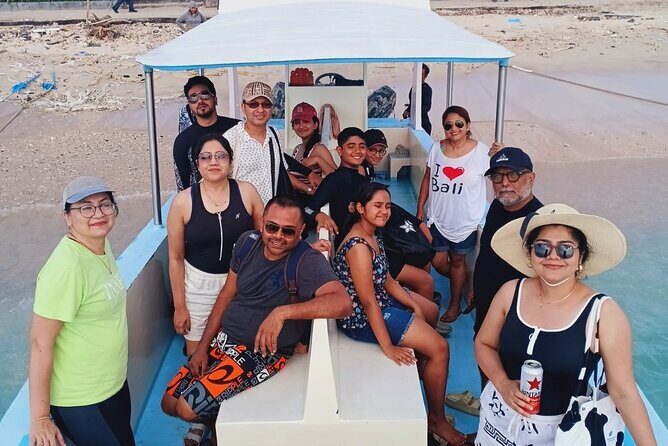
Your start and finish point is Pelabuhan Banjar Nyuh (Banjar Nyuh Harbor) on Nusa Penida. Pickup is offered, which is a big deal on islands, because getting everyone to the harbor on time is usually the hardest part.

This is a private tour/activity, meaning it’s only your group. For some people, that’s comfort and control. You don’t have strangers crowding your snorkeling space or turning the day into a “wait around for everyone” situation. For others, it just means fewer moving pieces for the guide to manage.

You’ll also get mineral water on the boat, which sounds small, but you’ll feel it after time out in the sun and wind. And since snorkeling is short by design, small conveniences help you enjoy the actual water time.

Manta Point: what the tour promises, and how to maximize your chances

Snorkeling with Manta Rays in Their Habitat with Manta Point - Manta Point: what the tour promises, and how to maximize your chances
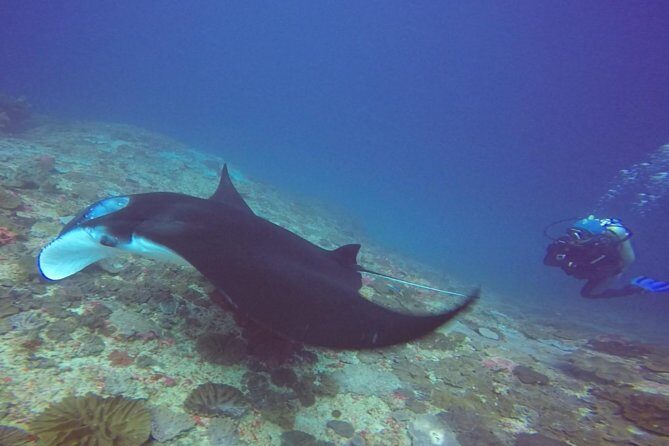
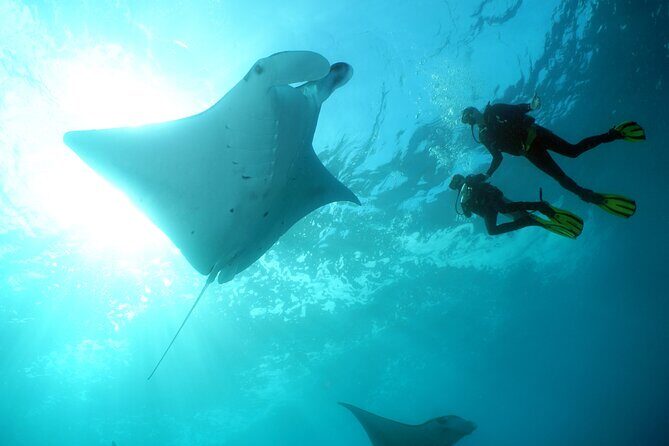
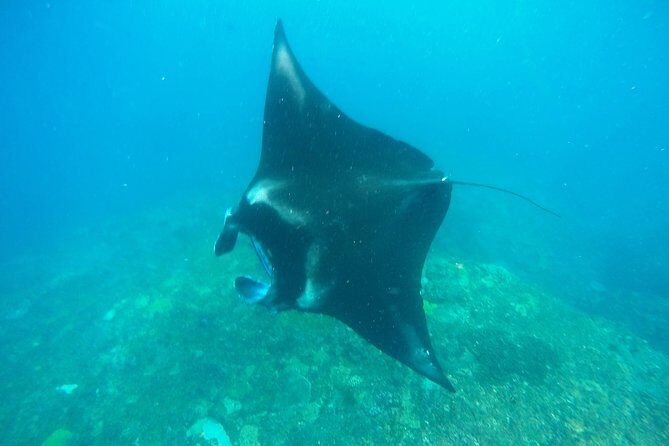
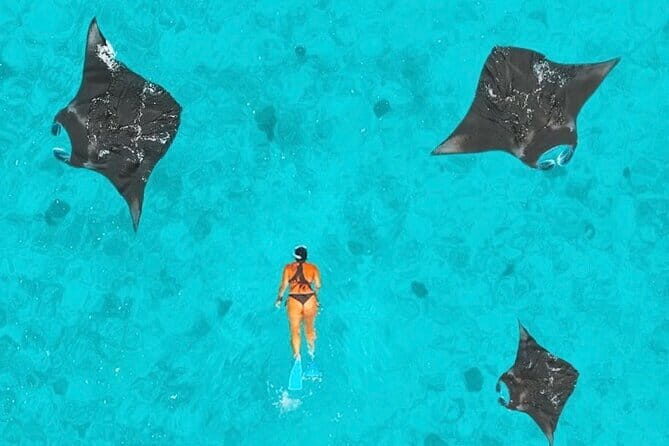
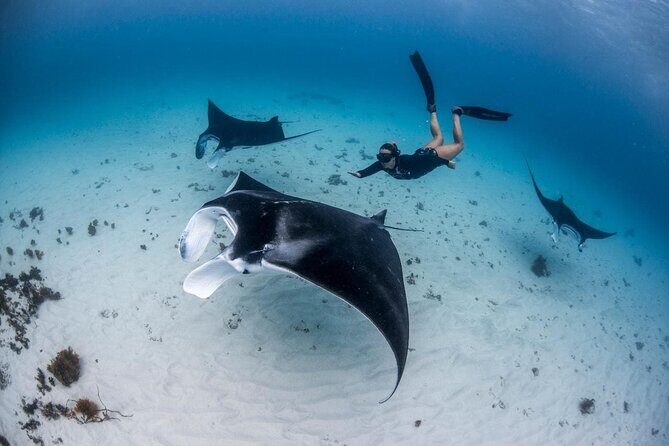
Manta Point is the headline stop, and the operator’s promise is clear: about a 99% chance of meeting manta rays, with the snorkeling plan still adjusted to current weather conditions. That wording is important. You’re not guaranteed perfect conditions, but you are guaranteed you won’t just go through the motions and skip the main site unless conditions truly won’t allow it.

So what should you do to get the best shot once you’re there? Keep your effort simple:

  • Stay calm and don’t thrash in the water. Manta sightings often reward patience.
  • Keep your snorkel position steady so you’re not constantly re-adjusting.
  • Listen to the guide’s cues. The guide is managing the swim approach and timing.

One reality check: you can’t control currents or water clarity. The tour’s approach acknowledges that by saying it will adjust to weather. In practice, that means the day can shift, but the operator aims to keep the main experience intact.

The tour also frames manta snorkeling as a habitat experience, not a show. The better you treat it like wildlife viewing, the more likely you are to feel satisfied—even if your manta moment is brief.

Crystal Bay (and Gamat Bay): the reef stop that rounds out the day

Snorkeling with Manta Rays in Their Habitat with Manta Point - Crystal Bay (and Gamat Bay): the reef stop that rounds out the day
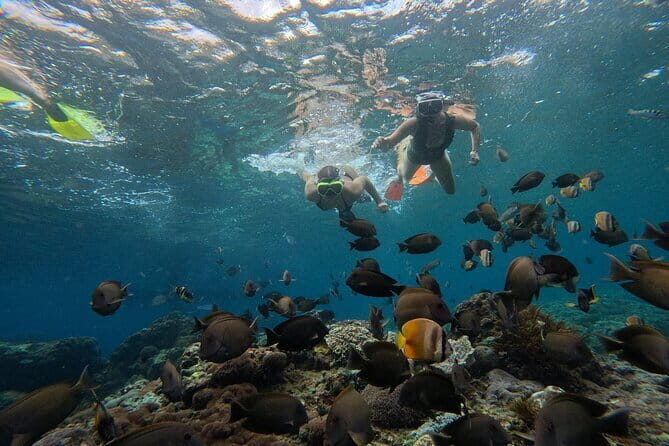
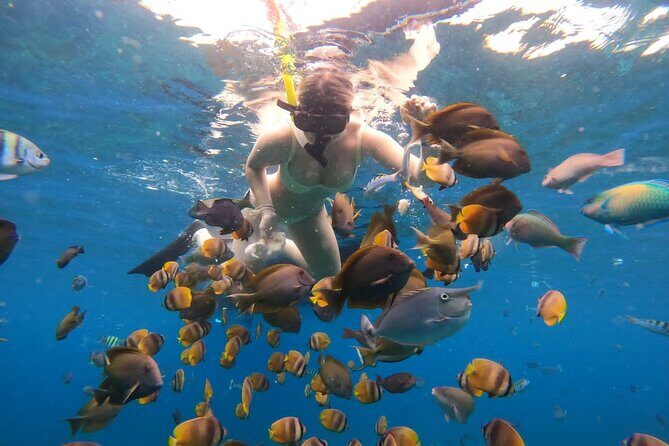
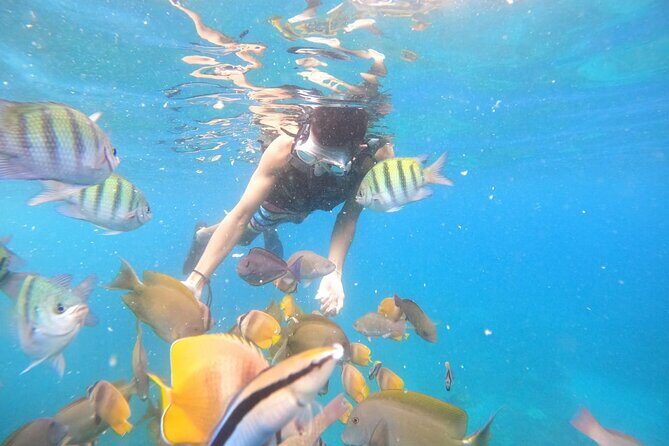
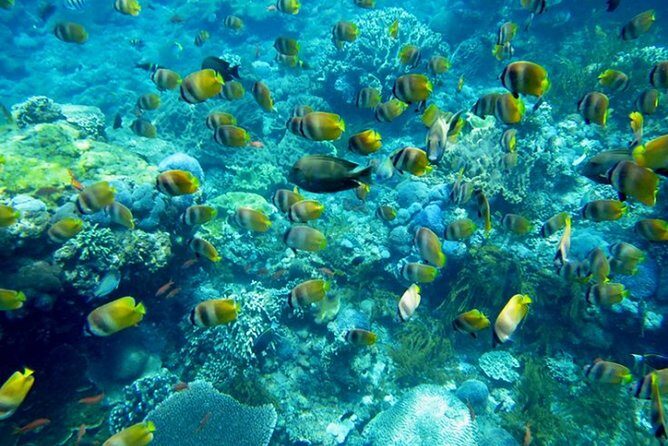
After Manta Point, you go to the second snorkeling area. In the tour description, it’s referred to as Crystal Bay, and in the included details it appears as Gamat Bay. Either way, this is your “colorful coral and fish” stop.

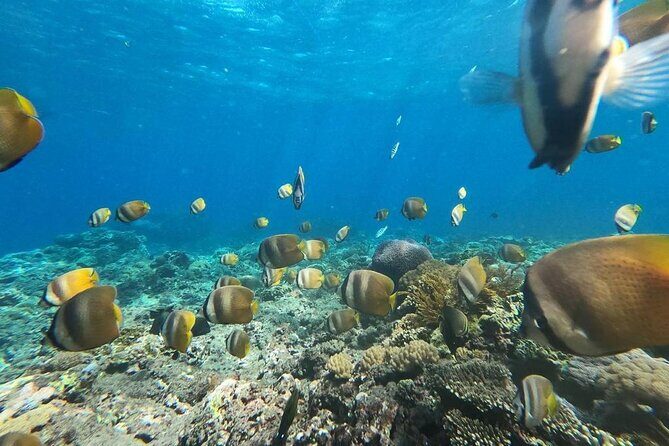
Crystal Bay is described as having clear, natural waters and coral reefs, with calm water depending on the season. That seasonal note matters. If you’re traveling when conditions are right, you’ll feel more comfortable floating and scanning the reef without fighting strong surface chop.

What I like about having a second spot is psychological balance. If mantas show up quickly, you’re still getting something else to enjoy. If mantas take a bit longer, you’ve got another high-quality environment waiting after that first big goal.

For your gear and comfort: you’ll be wearing mask, snorkel, fins, and a life jacket, plus you’ll have a towel and shower afterwards. That makes the whole day feel more “snorkel trip” and less like “get in the water and hope you’re okay for the rest of the day.”

Your guide’s GoPro work and the link you’ll receive in ~24 hours

Snorkeling with Manta Rays in Their Habitat with Manta Point - Your guide’s GoPro work and the link you’ll receive in ~24 hours
This tour has a very specific feature: your guide uses a GoPro camera, captures snorkeling moments, and sends them to you through a link. The processing time is about 24 hours after the tour.

This is a smart idea for two reasons. First, it reduces the chance you miss mantas while you’re trying to film them. Second, it’s realistic: keeping a camera stable underwater while also staying comfortable and not panicking is hard.

Still, don’t ignore one review’s practical warning: if you want the best photos and video, bring your own GoPro. That doesn’t mean the included one won’t work. It just means your personal footage quality may be more consistent if you handle your own camera settings.

Quick tip for you: if you use your own camera, practice with it before you get in. Make sure you know how to start/stop recording while wearing a mask and dealing with water on your hands.

Equipment, shower, and small comforts that add up

Snorkeling with Manta Rays in Their Habitat with Manta Point - Equipment, shower, and small comforts that add up
The included snorkeling kit is straightforward: snorkel, mask, fins, and a life jacket. You also get a towel and a shower, plus mineral water on the boat. That combo is more valuable than it sounds.

Why? Because snorkeling days can end with sand stuck to your face, salt drying on your skin, and the temptation to rush back before you’re comfortable. A shower helps you feel human again before you head onward.

The tour also includes insurance and includes the boat ticket itself. Personal expenses are on you, but the core experience costs are covered.

Even the “mobile ticket” detail matters. It reduces the chance you’re stuck at a harbor trying to find paper confirmations.

Price and value: does $7.71 make sense here?

Snorkeling with Manta Rays in Their Habitat with Manta Point - Price and value: does $7.71 make sense here?
At $7.71 per person, the pricing is unusually low for an activity that includes two snorkeling locations, a guided boat day, snorkeling equipment, insurance, and a guide-captured GoPro package.

Here’s how I think about value in this situation:

  • You’re paying for an organized day: boat access, guide supervision, and equipment.
  • You’re also paying for content: your guide’s GoPro photos/video delivered by link.
  • And you’re paying less for “extras,” because personal expenses are not included.

The flip side of bargain pricing is the “weather reality.” If the day is rough or visibility isn’t good, the tour has to adapt. That doesn’t make it bad value. It just means you should go in with the right expectations: conditions drive the final quality.

If you’re comfortable with that, you’re likely to feel good about the deal. You’re essentially getting manta-focused snorkeling and reef time without the heavy planning and gear shopping that usually adds cost.

Who should book (and who should pause for weather)

Snorkeling with Manta Rays in Their Habitat with Manta Point - Who should book (and who should pause for weather)
Most travelers can participate, and the tour is structured for groups to get in the water at two sites. That said, weather is the deciding factor.

You should strongly consider booking if:

  • You want manta rays with a guide at Manta Point
  • You like the idea of a second reef stop for fish and coral
  • You want convenience: gear, guide, towel, shower, and pickup options

You should pause or take extra care if:

  • You’re sensitive to boat motion or choppy conditions
  • You care a lot about having your own best-quality camera footage (a review suggests bringing your own GoPro)

Also, since the plan can shift based on current weather, it helps if your Bali itinerary can handle flexibility.

Should you book this Manta Point snorkeling tour?

I’d book it if your top priority is a guided, manta-focused snorkeling day that also includes another reef site—at a price that feels genuinely budget-friendly for what’s included. The operator’s stated goal of a 99% chance at Manta Point, plus the guide-managed GoPro package, makes the day easy to plan around.

Before you commit, do two things:

1) Check sea and weather conditions close to departure. One review flatly warns about dangerous-feeling waves when conditions are rough.

2) If you want sharp, high-control footage, plan to bring your own GoPro, even though a GoPro is part of the tour.

If the seas aren’t right, the experience may be adjusted or refunded/reshcheduled based on the weather situation. That’s exactly why this is the kind of trip you book with eyes open, not with blind confidence.

FAQ

Where does the tour start?

The tour starts at Manta Snorkeling Nusa Penida | Snorkeling in Bali at Pelabuhan Banjar Nyuh in Nusa Penida. The activity ends back at the meeting point.

How long is the snorkeling experience?

The duration is listed at about 3 hours.

Is pickup available?

Yes, pickup is offered.

What snorkeling spots are included?

You snorkel at Manta Point and a second location listed as Crystal Bay / Gamat Bay.

What’s included for snorkeling gear?

Snorkeling equipment is included, including a snorkel, mask, fins, and life jacket.

Is there a GoPro included?

Yes. A GoPro camera is included, and your guide will capture snorkeling moments.

How do you receive the photos and videos?

Your guide sends photos and videos via a link, and it takes about 24 hours for processing.

What’s not included in the price?

Personal expenses are not included.

Is the tour dependent on weather?

Yes. The experience requires good weather. If it’s canceled due to poor weather, you’ll be offered another date or a full refund.

What kind of tour group is it?

It’s described as a private tour/activity, meaning only your group participates.

Snorkeling adventure to the manta ray habitat in Nusa Penida

Snorkeling adventure to the manta ray habitat in Nusa Penida - Manta Point: What a 99% Encounter Really Means

Some trips feel built for one big moment.

This one is all about manta rays in the wild, plus a second snorkel stop with calmer water and coral areas. You’ll leave from Banjar Nyuh Harbor in Nusa Penida for a guided boat outing that targets two famous sites, Manta Point and Gamat Bay, with your guide also capturing photos and GoPro video during the experience.

I like that the plan is simple and time-efficient: you get around 3 hours total, a small group (max 15), and admission tickets at the snorkeling stops are listed as free. I also like the honesty in how the manta-ray part is framed—your chance is extremely high, but it still depends on weather and current. The one consideration: snorkeling conditions can change, so if the day’s water isn’t cooperating, your manta-ray encounter may be less consistent than the headline suggests.

Key Highlights You’ll Feel During This Nusa Penida Snorkeling

Snorkeling adventure to the manta ray habitat in Nusa Penida - Key Highlights You’ll Feel During This Nusa Penida Snorkeling

  • Manta Point’s manta-ray focus with an advertised 99% chance of seeing them (adjusted for weather/current)
  • Two distinct snorkeling stops in about 3 hours: Manta Point first, then calmer Gamat Bay
  • Guide-captured photos and GoPro videos so you don’t have to choose between snorkeling and filming
  • Free admission tickets listed for both snorkeling stops
  • Small group size (max 15 travelers) for easier managing in the water
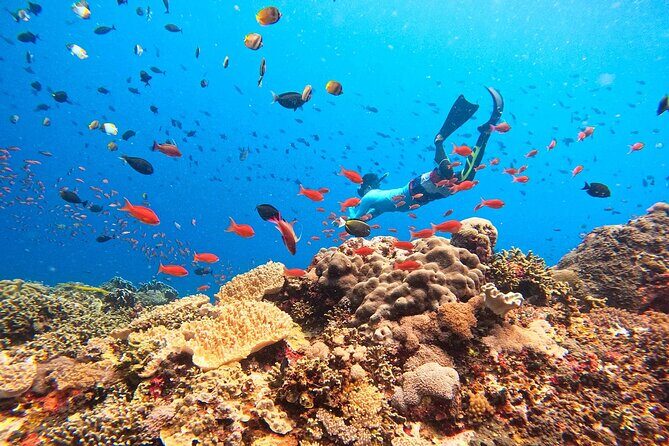
  • Gamat Bay’s quieter vibe, with coral gardens and chances to spot sea turtles and schools of fish

A Nusa Penida Boat Day Built for Manta Rays

Snorkeling adventure to the manta ray habitat in Nusa Penida - A Nusa Penida Boat Day Built for Manta Rays
Even before you hit the water, this tour has the right kind of pacing for a day trip. You’ll head to Nusa Penida and start from Banjar Nyuh Harbor, then go straight to the two snorkeling areas that matter most: Manta Point followed by Gamat Bay.

The total time is about 3 hours, which is a sweet spot. Long enough to actually enjoy the water, not so long that you spend the whole day waiting around. And with a maximum of 15 travelers, you’re not getting lost in a crowd—important when everyone’s trying to do the same thing at once (put on gear, get oriented, and watch for movement).

Also, the tour is designed so you can focus on the experience. Your guide takes photos and even GoPro-style video, which means you’re not stuck holding your own camera while you try to track manta rays.

If you’re the kind of person who wants a structured plan (not a grab-a-boat-and-hope situation), this setup fits. It’s straightforward: two stops, guided, and then you return to the start point when the experience ends.

Manta Point: What a 99% Encounter Really Means

Snorkeling adventure to the manta ray habitat in Nusa Penida - Manta Point: What a 99% Encounter Really Means
Let’s talk about the big promise: Manta Point is described as offering a 99% chance of meeting manta rays, with the key condition that you still need to adjust to the current and weather.

Here’s how to think about that as a traveler. The “99%” part is clearly meant to lower your anxiety. You’re not going to a random reef and praying for good luck. But the tour also calls out reality: water conditions can affect visibility, flow, and how the guide can position swimmers.

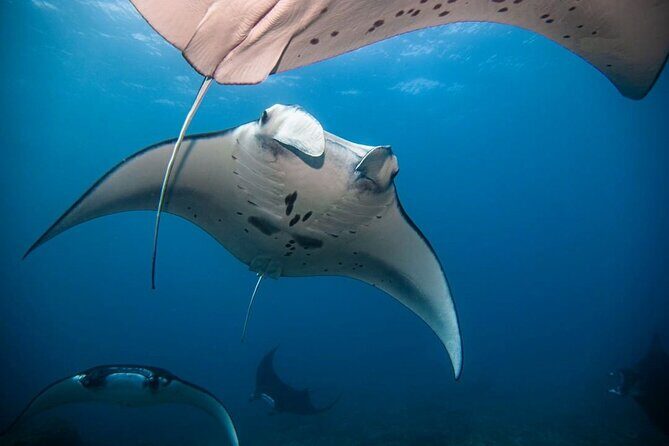
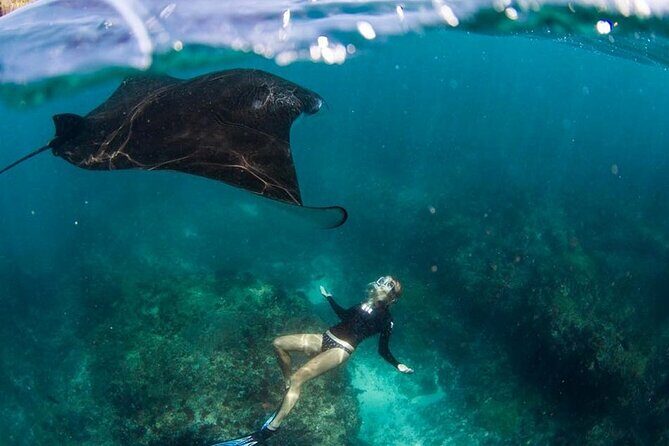
What you can expect at Manta Point is the chance to swim and watch manta rays up close while you snorkel. This is the kind of wildlife encounter where calm focus helps. You’ll want to keep an easy rhythm in the water and follow your guide’s cues, because the manta rays aren’t on a schedule. They move with the currents, and your job is to be ready when they appear.

One practical note: since the tour explicitly mentions adjusting to weather and current, this is best when you’re flexible. If you’re the type who gets frustrated by nature doing nature things, you may find it harder to roll with the conditions. If you’re okay with adapting, the payoff can be huge.

Gamat Bay: A Second Stop With Calmer Currents and More Than One Surprise

After Manta Point, you’ll head to Gamat Bay, which is positioned as quieter and more secluded. That change of pace is a smart choice. The first stop is the headline draw—then you shift to a place that’s easier to enjoy at a slower tempo.

Gamat Bay is described as having stunning coral gardens and a range of marine life. It also highlights calm currents and clear waters, which usually makes snorkeling more comfortable, especially if your first stop has you a bit keyed up from the manta-ray excitement.

What you might see here includes schools of fish and sea turtles, along with other creatures. This is a good stop if you want more than one kind of underwater moment—manta rays are amazing, but they’re just one piece of the puzzle. Gamat Bay gives you a chance to enjoy the broader ecosystem without feeling like you’re constantly chasing one animal.

The time here is listed as about 1 hour, which again keeps things efficient. You get meaningful time underwater without turning it into a marathon. And since this stop is meant to be calmer, it often feels like the decompression portion of the day.

Your Guide’s Photos and GoPro Video: More Than a Nice Extra

One of the most appealing parts of this experience is that the guide handles the recording. You’ll share the moment with photos and GoPro videos taken during the tour.

This matters more than it sounds. When you’re snorkeling, it’s easy to miss what’s happening because you’re busy with gear and positioning—or because you’re trying to film and accidentally drift away from the action. Having your guide handle the camera work lets you stay present and actually enjoy the swim.

I also picked up a useful vibe from the positive feedback: the team gets praised for service that feels friendly and supportive. One reviewer specifically thanked Mr. Mangku for making the tour special, and another highlighted good hospitality and not charging extra even if the day runs late. That’s exactly the kind of attitude you want when your experience depends on conditions you can’t control.

Just don’t go in expecting a slick Hollywood production. Think of this as a practical way to get real memories without turning your snorkeling session into an editing project.

Price and Value: Why This Feels Reasonable for Nusa Penida

At $28.45 per person, this tour is priced in a way that’s hard to ignore for what you’re getting: two snorkeling areas, guided boat time, small-group limits, and admission tickets listed as free for both stops.

The value angle isn’t only the cost. It’s the package:

  • You’re paying for guided access to Manta Point and Gamat Bay
  • You’re getting photo and GoPro video capture from your guide
  • You’re joining a small group rather than a giant boat with a free-for-all
  • You’re spending about 3 hours, which means less time commuting and more time underwater

Group discounts are mentioned too. If you’re traveling with friends or a small group, this is one of those tours where the math can get even better.

The big thing I’d keep in mind: manta-ray encounters are never a factory product. Still, the tour’s structure and the advertised 99% chance suggest the operator is targeting the right place for the right animals—while openly acknowledging that the day’s conditions still matter.

For people who want to do Nusa Penida but don’t want to overcomplicate the plan, this is the kind of experience that tends to make sense.

Who This Tour Fits Best (and When to Rethink It)

This snorkeling day is built for most participants. It’s a guided experience, and the tour also lists most travelers can participate. With a short overall duration, it’s also easier to slot into a Bali-area itinerary than half-day or full-day multi-stop trips.

I’d especially recommend it if:

  • You care most about seeing manta rays and want a guided shot at the best spot
  • You want a second snorkel stop at calmer conditions (Gamat Bay) rather than repeating only the main area
  • You’d like your guide to handle the camera work so you can focus on the swim

A word of caution for certain personalities. If you need total certainty of seeing manta rays no matter what, the tour already signals you may need to adjust based on weather and currents. The promise is very high, but nature isn’t vending software.

Practical Tips for Your Best Chance in the Water

Snorkeling adventure to the manta ray habitat in Nusa Penida - Practical Tips for Your Best Chance in the Water
Since the tour’s success depends partly on current and weather, your mindset matters. When conditions shift, it’s normal for the guide to adapt the flow of the experience. Here are a few ways to set yourself up for an easier day without inventing anything complicated:

  • Be ready to follow guide cues quickly. In animal-focused snorkeling, timing is everything.
  • Stay relaxed in the water. Calm swimmers tend to get better viewing opportunities.
  • Give your eyes a moment. Clear water doesn’t always mean the first sighting is immediate—watch the spaces where movement would make sense.
  • Keep expectations flexible for the day. One stop is the manta-ray target; the other is where you relax into coral, fish, and sea turtles.

Also, it helps that this is a small group and you’re not rushed through like a conveyor belt. That makes it easier to respond to what the sea is doing that day.

Where You Start and Finish (So You Don’t Waste Time)

The experience starts at Manta Snorkeling Nusa Penida (Snorkeling in Bali), 8FFQ+2GR, Jl. Bias Muntig, Ped, Kec. Nusa Penida, Kabupaten Klungkung, Bali 80771, Indonesia. It ends back at the meeting point.

That round-trip structure is convenient, especially if you’re juggling other plans in Nusa Penida. It also means you can treat this like a self-contained adventure block: get there, gear up, snorkel, then go again.

The tour info also notes that it’s near public transportation and that service animals are allowed, which can matter depending on your travel style.

Should You Book This Manta Ray Snorkeling in Nusa Penida?

I’d book it if your top goal is a guided shot at manta rays and you’d like a second snorkeling stop that’s more relaxed. The combination of Manta Point first, then Gamat Bay, plus the guide handling photos and GoPro video, is a strong recipe for a satisfying day without turning your vacation into logistics.

Choose a different option if you need perfect predictability regardless of weather and currents. This tour is upfront that conditions can affect the outcome, and you’ll be adjusting with your guide.

If you’re flexible, comfortable being guided, and excited by the idea of seeing manta rays in open water, this is a solid, good-value way to spend a few hours on Nusa Penida.

FAQ

How long is the snorkeling adventure?

The tour lasts about 3 hours.

Where does the tour start?

It starts at Manta Snorkeling Nusa Penida (Snorkeling in Bali) at 8FFQ+2GR, Jl. Bias Muntig, Ped, Kec. Nusa Penida, Kabupaten Klungkung, Bali 80771.

What snorkeling spots are included?

You’ll snorkel at Manta Point and Gamat Bay.

Are admission tickets included?

The tour lists admission tickets as free for both stops.

What are the chances of seeing manta rays?

Manta Point is advertised as having an incredible 99% chance of meeting manta rays, but the tour notes you’ll need to adjust based on weather conditions and current.

Do you get photos or video from the guide?

Yes. Your guide takes photos and GoPro videos during the tour.

What’s the group size limit?

The maximum group size is 15 travelers.

Can I cancel for a full refund?

Yes. You can cancel up to 24 hours in advance for a full refund.

Are service animals allowed?

Yes, service animals are allowed.

Nusa penida private senorkeling with Manta

Nusa penida private senorkeling with Manta - Why a private boat matters (more than you think)

Manta hunting has a schedule.

I like this trip because it’s built for more time in the water and a private boat for your group, not the cramped shared-boat chaos. You’ll also hit four different snorkeling points around Nusa Penida, which helps you cover more chances for marine life than a single stop ever can.

The day is straightforward: pickup from your Ubud-area hotel, transfer to Sanur, then a fast boat crossing over to the island. You’ll snorkel with provided equipment and get bottled water plus a lunch afterward—simple, practical comforts for a long day on the water.

One drawback to keep in mind: manta sightings can be very timing-dependent. If your visit to Manta Point feels like it’s in the middle of the day, odds may drop, and the whole outing can still feel like a lot of transportation for the hours you actually spend snorkeling.

Key things to know before you go

Nusa penida private senorkeling with Manta - Key things to know before you go

  • Private boat for your group: less jostling, easier crowd control in the water, and your own space to get ready.
  • Four snorkeling locations: Wall Bay Point, Mangrove Point, Crystal Bay or Gamat Bay, and Manta Point or GT Point.
  • Equipment + lunch included: you’re not paying extra for snorkel gear, water, or a meal halfway through the day.
  • Fast boat from Sanur: the crossing takes about 45 minutes, which helps you use daylight wisely.
  • Mantas can be a timing gamble: one common issue is arriving at the manta site during the less-active window.

Ubud to Nusa Penida: how the day actually flows

This is an all-day outing that starts early. Your start time is 9:00 am, with pickup from your accommodation’s lobby in the morning. From Ubud you’ll be driven to Sanur—the main boat hub for trips toward Nusa Penida.

Once you reach Sanur, you’ll get a boat safety briefing before departure. Then you’ll ride a fast boat across the Badung Strait to Nusa Penida. The crossing is about 45 minutes. That sounds quick, and it matters: Nusa Penida is famous enough that the daylight you have is basically your budget.

When you arrive, the day shifts into snorkeling mode. You’ll snorkel at four points—so rather than doing one long stop, you’ll do a series of shorter windows at different areas. The idea is simple: different bays can mean different conditions, different underwater experiences, and different odds of seeing the big stuff.

After your last snorkeling segment, the schedule expects you to be back at the boat by 1:45 pm. You’ll then ride back to Sanur and be dropped off at your original pickup point in Ubud.

Is it a long day? Yes. But it’s built that way to squeeze in multiple sites and still make it back the same day.

Why a private boat matters (more than you think)

Nusa penida private senorkeling with Manta - Why a private boat matters (more than you think)
A big selling point here is that it’s private for your group once you’re on the water. Even if the fast-boat transfer is described as shared, the experience still aims to give you your own boat for the snorkeling time. That changes the vibe.

On crowded shared boats, you often lose time to logistics: figuring out where to stand, waiting for others to get gear on, and watching the captain manage too many people. Here, with your group separated, you’re more likely to get:

  • smoother transitions from boat to water
  • less waiting when it’s time to switch spots
  • fewer bottlenecks when everyone is trying to put on masks and adjust snorkels

It’s not a luxury spa trip. It’s a working water trip. But comfort and flow count—especially when you want to focus on the water, not the crowd.

The other thing I like is the balance of structure and freedom. You’re not wandering the island yourself. You’re following a route with four pre-selected snorkeling points, but you’re not fighting a wave of strangers every time you hear fins splash.

The four snorkeling stops: what each one is for

You’ll snorkel at Wall Bay Point, Mangrove Point, then Crystal Bay or Gamat Bay, and finally Manta Point or GT Point. The exact pairings can vary based on the day’s conditions, but the route logic stays the same: cover different habitats and maximize chances.

Wall Bay Point: your first underwater warm-up

Wall Bay Point is your opener. I treat this stop like a reset: you get used to the water, refine your breathing rhythm, and settle into the snorkeling gear. By the time you reach the mid-day points, you’ll often feel more comfortable, which helps your enjoyment (and your ability to actually look around).

This is also when you’ll get your first real sense of visibility and current. If conditions are different than you expected, it’s the kind of early check that can save you frustration later.

Mangrove Point: a different view, different underwater mood

Next is Mangrove Point. The name is a clue: you’re snorkeling in an area associated with mangroves, so you can think of this stop as a change of scenery rather than a repeat of the first bay.

Even if you never know exactly what you’ll see, the value of a second location is that you’re not locked into one type of underwater experience for the whole day. That’s a practical advantage for photographers and repeat lookers too: sometimes the real action is a “third look” kind of thing.

Crystal Bay or Gamat Bay: where the schedule starts to matter

Then you’ll snorkel at Crystal Bay or Gamat Bay. This is a key middle stop. By now, the day’s timing starts to influence what you’ll notice—light angle, water activity, and how the group is feeling after a couple of entries.

This is where the “four stops” plan starts paying off. If one area is just okay, you’ve got another chance coming. If one area hits, you’re still not done—you’ll be in a different place soon enough that you can compare what changes underwater.

Manta Point or GT Point: chasing the headline, or switching gears

The final stop is either Manta Point or GT Point (for giant trevally). This is where you’re really here for Nusa Penida’s reputation.

But here’s the honest part: manta rays are famous, and that fame creates a big expectation. One traveler’s experience flagged a common problem—mantas tend to be more active in the morning and evening, and when the manta site is visited around mid-day, sightings may be harder. That doesn’t mean you’ll miss them. It means your odds can swing with timing, and this tour’s fixed route can’t control what the sea decides.

If the plan chooses GT Point instead, you’re still getting a different target species. So think of this final stop as the “big payoff” window, but mentally keep a second plan ready in case mantas aren’t playing.

Timing and mantas: how to set expectations the smart way

If mantas are your number-one reason for booking, I’d plan mentally for two outcomes: “best-case sightings” and “maybe today is just not the manta day.”

The scheduling lesson from Nusa Penida is that manta behavior often aligns with specific parts of the day. When the itinerary lands on Manta Point during a less active window, you can get a disappointment even with a great operator and friendly staff.

That’s why this trip’s structure matters. Hitting multiple sites means you’re not putting all your hope into one moment. Even if manta action is slow at the final stop, earlier snorkeling points can still deliver marine life and keep the day feeling worth it.

Practical tip for your mindset: don’t treat your snorkeling time like one long slot. Treat it like several short chances. When you do that, even an “imperfect” manta window can still turn into a memorable day.

And yes, this trip is long and involves travel time. Snorkeling time can feel short if you compare it to a full-day dive charter. But for many people, the trade-off is fair: you get four locations instead of one.

Comfort, food, and the little things you’ll notice

Let’s talk about what’s included, because it affects how tired you’ll be.

You get lunch and bottled water. You also get snorkeling equipment, included in the price. Those items sound basic because they are basic. Yet they’re exactly the kind of details that make a long island day easier.

The balanced take: lunch can be a weak spot on any island day. One negative experience described the lunch as awful, even while praising the friendliness of the driver and staff. That tells me lunch is best treated as fuel, not a culinary highlight.

So I’d go into this expecting a simple meal that keeps you going, and you’ll be pleasantly surprised if it’s better than that.

Also, this tour includes private transportation for the hotel pickup and transfers, plus the boat logistics from Sanur. The idea is to keep your day smooth: one morning pickup, one transfer hub, one return drop-off.

Price and value: is $98 a fair deal?

At $98 per person for a roughly 9-hour outing, you’re paying for a few real cost centers:

  • hotel pickup and private ground transport
  • a fast boat crossing (about 45 minutes each way, depending on conditions)
  • four snorkeling points
  • snorkeling gear
  • lunch and bottled water
  • all fees and taxes included

Is it cheap? No. But I think it’s competitive for Penida-style snorkeling, especially when you compare it to “shared” experiences where you may lose time to crowds.

Where the value story gets complicated is exactly where the manta expectation lives. If you get unlucky with manta timing, you’ll still have snorkeled at four locations—but the reason you booked in the first place was the manta chance. That’s not the tour’s fault every time, but it does change how you judge value.

My practical view: this is good value if you want a well-run day with included equipment and multiple snorkeling chances. It’s less satisfying if your budget is tied to a guarantee of manta rays.

The good news is the private boat setup can reduce friction. Friendly, helpful staff are also a big part of why this type of outing still feels fun even when conditions don’t cooperate.

Who should book this trip, and who should skip it

This tour fits best if you want:

  • a manta-focused day with multiple snorkeling stops
  • a less-stressful experience than large shared boats
  • included snorkeling equipment so you don’t spend extra time or money at the last minute

It may be a mismatch if:

  • you’re expecting a guaranteed manta encounter
  • you strongly dislike long travel time for limited time in the water
  • you’re very picky about lunch quality (since it can be hit-or-miss)

If you’re a first-timer to Nusa Penida, this kind of structured four-stop route is also easier than trying to piece it together yourself. You show up, get briefed, snorkel, eat, repeat, and return without day-of planning headaches.

Quick notes that can make or break your day

Nusa Penida is weather-dependent. If conditions aren’t good, your trip can be rescheduled or refunded. So check the forecast before you put on your “perfect manta day” playlist.

Also, confirmation happens at booking, and you’ll have a mobile ticket. That’s handy if you’re trying to keep your travel day light on paperwork.

Most travelers can participate, but remember: this is snorkeling-focused. If you’re not comfortable with snorkeling gear or being in open water, you’ll feel it fast.

Finally, this tour starts early. Morning departures are great for reaching Penida, but they also mean you should sleep well and eat smart.

Should you book? My practical take

I’d book this trip if you want the best chance you can get in a single day without the stress of planning everything yourself. The private boat for your group, four snorkeling stops, and included gear, lunch, and water are the big reasons the value works.

I would not book it with the mindset of a guaranteed manta sighting. If mantas are your make-or-break dream, keep your expectations flexible and remember that manta activity can vary with time of day. On a mid-day manta window, the best move is to enjoy the full day of snorkeling and treat the manta stop as the bonus, not the whole deal.

If you’re the type who likes variety—different bays, different underwater looks—this route makes sense. If you want one single, long, uninterrupted snorkeling session, you might feel the day is a bit too “travel heavy.”

FAQ

Is pickup included, and where do I meet the group?

Yes. You’ll be picked up from your accommodation’s lobby in the morning. The tour starts at 9:00 am.

How do I get to Nusa Penida from Ubud?

You’ll be driven from Ubud to Sanur, then take a fast boat to Nusa Penida. The boat ride is about 45 minutes.

How many snorkeling stops are included?

You’ll snorkel at four different points: Wall Bay Point, Mangrove Point, Crystal Bay or Gamat Bay, and Manta Point or GT Point.

Is snorkeling equipment included?

Yes. Snorkeling equipment is included.

Do I get lunch and water?

Yes. Lunch and bottled water are included.

What time do we return?

You should be at the boat by 1:45 pm for the return to Sanur, then you’ll be dropped back at your original pickup point.

Is this a private tour?

It’s described as private. Only your group participates.

What’s the price?

The price is $98.00 per person.

What about weather or cancellations?

This experience requires good weather. If it’s canceled due to poor weather, you’ll be offered a different date or a full refund. Free cancellation is allowed up to 24 hours in advance for a full refund.

Do they send a ticket before the trip?

You’ll receive confirmation at booking and you’ll have a mobile ticket.

Manta Bay Snorkeling Adventure with Kelingking Beach Nusa Penida All Inclusive

Manta Bay Snorkeling Adventure with Kelingking Beach Nusa Penida All Inclusive - Snorkeling Safari: Manta Bay, Crystal Bay, or Gamat Bay

Your day starts early, but the views pay. This all-in-one Nusa Penida route pairs Manta Bay snorkeling with the big cliff backdrop people come for at Kelingking Beach. I also like that you’re not just sightseeing—you get real water time, with chances to see tropical fish and even rays (manta rays are part of the snorkeling pitch).

The logistics feel planned without feeling stiff. You get hotel pickup/drop-off in the Denpasar and Badung Regency areas, plus snorkeling equipment and a local lunch that keeps the day from turning into pure hangry sprinting.

One consideration: the open-water crossings can shake you up. The passage boat can stir sensitive stomachs, and you’ll be doing multiple boat segments in hot weather, so it’s not a great match if you already know you struggle with motion.

Key highlights before you go

Manta Bay Snorkeling Adventure with Kelingking Beach Nusa Penida All Inclusive - Key highlights before you go

  • Manta Bay / Crystal Bay / Gamat Bay snorkeling as your main water adventure (with shared snorkeling boats in the morning)
  • Kelingking Beach photo stop on the route to the next views
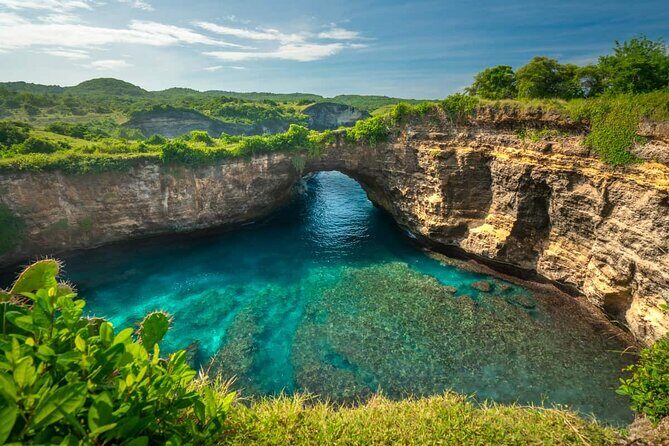
  • Angel’s Billabong and Broken Beach stop(s) that break up the day beyond snorkeling
  • Included snorkeling gear, entrance tickets, port levy, and lunch—fewer things to organize yourself
  • Small group size (max 15), which helps when you’re moving between boats and viewpoints
  • Practical clothing tip: wear shorts and skip shoes when boarding fast boats (they can get wet)

Why this Nusa Penida mix is worth your one day

This is a classic “two-for-one” day: you get the ocean action first, then you end with the headline scenery. The snorkeling part matters because Nusa Penida is really known for what’s happening underwater, not just what you see from shore. The tour explicitly frames the day around a snorkeling safari—swim, watch tropical fish, and look out for rays—so you’re building a memory from both sides of the experience.

Then comes the other half: cliff-and-coast views for photos. Kelingking Beach is the stop that does the heavy lifting for Instagram-style results, but the route also includes other famous Penida photo moments like Angel’s Billabong and Broken Beach. If you’re the type who wants variety—water, walking/photo time, and big views—this schedule gives you that without needing to piece together separate trips.

The value angle is the “included” list. At around $125.65 per person for a roughly 11-hour day, you’re not just paying for transport—you’re also getting return fast-boat transfer (shared), private transport on Penida, snorkeling equipment use, lunch, and entrance/ticket coverage. You’ll still want gratuity cash for your guides/driver, but the big ticket items are handled.

Getting from Jimbaran/Journey through Sanur: early start, shared boats

Manta Bay Snorkeling Adventure with Kelingking Beach Nusa Penida All Inclusive - Getting from Jimbaran/Journey through Sanur: early start, shared boats
You start early (around 6:30 am) and the experience begins with pickup from your lobby hotel or villa in the Badung Regency and Denpasar area. From there, you’ll head toward Sanur to catch the fast boat.

Two things shape your experience here: speed and sharing.

  • The fast boat return is sharing (Sanur–Nusa Penida–Sanur), so you’ll be in a group setting for at least part of the day.
  • Once you reach Penida, the car on the island is private, which helps the ride feel smoother between stops.

There’s also a practical road reality on Penida: the highway between tourist objects is described as narrow. That doesn’t mean it’s unsafe, just that the driving can feel tight and a bit stop-and-go when you’re bouncing between viewpoints.

If you’re motion-sensitive, plan accordingly. The route includes boat crossings and a change to a smaller snorkeling boat. One of the notes from past riders is that the passage boat can stir sensitive people. If you’ve reacted badly to boats before, treat this as a real heads-up, not a technical detail.

Snorkeling Safari: Manta Bay, Crystal Bay, or Gamat Bay

Manta Bay Snorkeling Adventure with Kelingking Beach Nusa Penida All Inclusive - Snorkeling Safari: Manta Bay, Crystal Bay, or Gamat Bay
The water portion is the core event. The tour is set up so you’ll snorkel at one of these areas: Manta Bay, Crystal Bay, or Gamat Bay. The day’s description frames it as an open-sea swim activity—play, see, and feel the sea—then come up for photos and downtime between stops.

What you’re likely to focus on underwater:

  • Tropical fish and coral areas (past participants noted seeing fish and corals)
  • Rays including the possibility of manta rays (this is part of the tour’s snorkeling promise)
  • Stingrays are also mentioned as something you may encounter during the snorkeling safari

A key point: the snorkeling setup uses sharing snorkeling boats in the morning, so you should expect other snorkelers nearby and a bit more coordination when getting on/off the boat. Your snorkeling equipment is included, so you don’t need to pack bulky gear.

What to do with your body (and your expectations): snorkeling here isn’t a lazy lagoon float. You’re doing a real swim session in open water, and you’ll want to stay calm and follow the guide’s timing. If you prefer shallow, gentle water only, this might feel more active than you expect.

The guides and the photo advantage (names matter)

Manta Bay Snorkeling Adventure with Kelingking Beach Nusa Penida All Inclusive - The guides and the photo advantage (names matter)
The day runs smoother when your guide is practical and patient, and that comes through strongly in the guide names you might get. Past riders highlighted Rudi as friendly and accommodating, with a hands-on style: he takes lots of great photos and videos and keeps you moving to the right spot. Another guide name you may see mentioned is Rudi Tirtana / Ruditirtana, described as giving clear instructions so you know exactly where you need to be.

You may also meet the driver Ghali, credited with smooth transport from a villa to Sanur. That matters more than it sounds. When you’re leaving early and boarding boats on a set timeline, having transport that feels reliable is part of the “all inclusive” value.

So if your goal is not only snorkeling and scenery, but also getting usable photos without having to constantly ask strangers, this tour’s guide style is a genuine plus.

Angel’s Billabong and Broken Beach: built-in photo energy breaks

Between snorkeling and the big cliff moments, the route includes two well-known Penida viewpoints: Angel’s Billabong and Broken Beach.

These stops are about a different kind of reward than snorkeling. Underwater you’re chasing fish and rays. At Angel’s Billabong and Broken Beach, you’re chasing angles, rock shapes, and that Penida drama that looks amazing in photos.

Practical reality: you’ll be in a heat-and-sun day. These photo stops can mean walking and standing around for the right view time. The tour info also notes the island is hot, so move with a slow plan: aim to hydrate and shade when you can, and don’t wait until you’re already drained to look for a better photo spot.

Broken Beach is mentioned as something you can visit before the fast boat brings you back to Bali. That timing helps—if you’ve got energy, you get one more landscape payoff right before you head back.

Kelingking Beach: the cliff photo moment and the walk factor

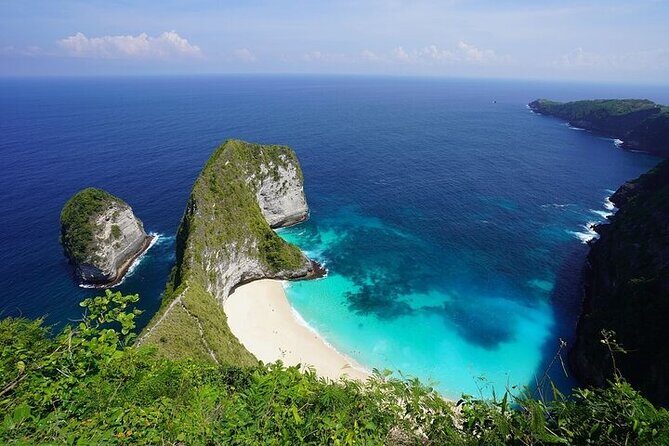
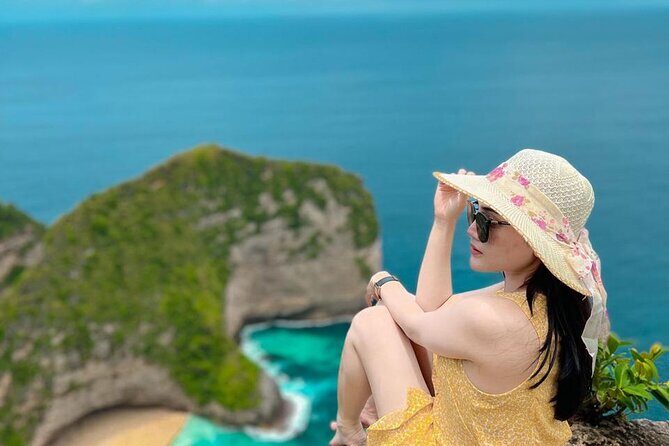
Kelingking Beach is the signature stop on this itinerary. The tour description is clear: after lunch, you continue to the cliff location to get your photo memory at Kelingking Beach.

What I’d tell you to expect:

  • You’ll be doing a “walk it out” kind of stop. One rider described it as a great walk, which matches how these cliff viewpoints typically work in practice.
  • The payoff is mostly visual. The value here is the dramatic backdrop—this is the moment built for photos.
  • Timing matters. You’ll come here after lunch and after earlier sightseeing, so your legs will have already had some work.

Because the tour also gives a specific clothing tip for fast boats (shorts without shoes to avoid wet), I’d treat Kelingking Beach as your cue to plan for walking safely in the way you prefer—something that won’t turn your feet into sandpaper on a hot day. The information doesn’t spell out footwear for the cliff stop, so I’m not going to guess. But I would not plan on wearing totally inappropriate shoes just because the boat boarding is easier.

Lunch and pacing: how this day avoids total chaos

You get lunch at a local resto with an ala carte menu. That’s not a small detail. When you combine fast boats, snorkeling, and then cliff viewpoints, the day can easily become a grab-and-go mess. The schedule puts lunch right where it needs to be—before you head into the Kelingking Beach photo time—so you’re less likely to burn out mid-route.

Pacing wise, this is a “one day, multiple modes” tour:

1) morning transport + snorkeling boat segment

2) lunchtime recovery

3) viewpoint sequence

4) return to Sanur for the fast boat

That’s a lot of switching. The tour also caps the group at max 15 travelers, which can help keep the day from turning into a long queue of people waiting to move as one unit.

Price and included value: what $125.65 really covers

Let’s talk real value, not just the number.

At $125.65 per person, you’re getting:

  • Hotel pickup and drop-off (private) in the listed areas
  • Fast boat return transfer on a sharing basis
  • Private transport, parking, and entrance on Nusa Penida
  • Levy arrival port in Nusa Penida
  • Lunch (local ala carte)
  • Snorkeling equipment use
  • All entrance tickets
  • Sharing snorkeling boat in the morning

Not included: gratuity.

Here’s why that matters: when you price this kind of day on your own, entrance fees, boats, and gear rental often add up quickly. Even if you later decide to change one element, you’ll still have to pay to move between islands. This tour bundles the big costs in one ticket, which tends to be the simplest way to avoid surprise add-ons—especially on a schedule that starts at 6:30 am.

What to pack and how to stay comfortable (hot island realities)

The tour info gives a practical clothing tip: wear shorts without wearing shoes to avoid wet when getting on the fast boat. That’s a comfort win because boat steps can get splashy, and wet shoes can ruin your day on a hot island.

Other prep ideas based on what’s explicitly mentioned:

  • The weather on the island is hot, so plan your comfort around heat.
  • Supermarkets or ATMs are not available everywhere, so don’t rely on finding money last minute.
  • You’ll be dealing with narrow roads on Penida, so keep your schedule buffer mindset even when you feel you’re running on time.

Also, boat days can be rough. The tour is explicitly not recommended for travelers with history of epilepsy and asthma, and it’s not recommended for child under 12 years old. If you fall into those categories, I’d look for a different Penida experience with gentler transport.

Who should book this tour

This one-day combo makes the most sense if you:

  • Want both snorkeling and major Penida photo stops without doing multiple separate tours
  • Like the idea of snorkeling with the chance to see rays (including the tour’s manta-ray framing)
  • Care about photos and videos, especially since guides are described as taking and helping create memories
  • Prefer a small group day (max 15), not a huge bus crowd

It might not fit as well if you:

  • Know you get motion sick or feel seasick easily (the passage boat can stir sensitive stomachs)
  • Want a slow pace with minimal boat time
  • Have health situations where the tour itself says it is not recommended (epilepsy/asthma history)

Should you book Manta Bay Snorkeling with Kelingking Beach?

If your priority is an all-in-one Nusa Penida day—snorkel first, then hit Kelingking and other signature viewpoints—this is a strong option. The biggest reasons are practical: the included gear, tickets, lunch, and transport, plus a guide setup that can help with photos (including guides like Rudi, and drivers like Ghali).

Book it if you can handle early mornings and you’re okay with multiple boat segments in hot weather. Skip it if motion makes you miserable or if you’re traveling with someone who doesn’t meet the tour’s clear health and age guidance.

FAQ

What time does the tour start?

The start time is listed as 6:30 am.

Where is pickup offered?

Pickup and drop-off are offered in the Badung Regency and Denpasar area.

How long is the tour?

The duration is approximately 11 hours.

Which snorkeling locations are included?

The snorkeling safari is described as taking place at Manta Bay, Crystal Bay, or Gamat Bay.

Is lunch included?

Yes. Lunch at a local resto is included as an ala carte menu.

Is snorkeling equipment provided?

Yes. The tour includes the use of snorkeling equipment.

Is gratuity included in the price?

No. Gratuity is not included.

Can I cancel for free?

Yes. Free cancellation is available if you cancel up to 24 hours in advance of the experience’s start time.

Swim with Manta Rays: Snorkeling Day Trip from Bali

Swim with Manta Rays: Snorkeling Day Trip from Bali - Manta Bay: the star stop and the crowd reality

Manta rays show up like a wildlife lottery. This full-day snorkel trip from Kuta uses a quick transfer system and a speedboat run to Nusa Lembongan, then strings together multiple swim stops in clear water, with a mangrove outing on the back end.

Two things I really like: you get snorkel gear plus safety gear (including life vests and life rings), and the day is built around actual marine viewing, not just a quick photo stop. The lunch is included too, and the whole timeline is designed to keep you moving without feeling rushed at each site.

One consideration: manta-ray sightings are never guaranteed. Even when conditions are right, you’re in the animals’ territory, and schedules can shift if the sea or operations don’t cooperate.

Key highlights you can count on

Swim with Manta Rays: Snorkeling Day Trip from Bali - Key highlights you can count on

  • Manta Bay is the main draw, but sightings depend on nature, not a promise
  • Multiple snorkeling zones in different water styles, from open swimming to wall habitats
  • Safety-focused setup with masks, fins, and flotation gear
  • Mangrove forest time on the return, adding a totally different kind of nature
  • Lunch, shower access, lockers, and photos/videos are part of the all-in-one package

Getting to Nusa Lembongan: the Sanur start that sets the tone

Swim with Manta Rays: Snorkeling Day Trip from Bali - Getting to Nusa Lembongan: the Sanur start that sets the tone
The day centers on a morning check-in at Arthamas Express Fast Boat at Sanur. You’ll want to plan to arrive a bit early, because check-in is listed around 07:45, and there’s a 30-minute wait before the boat departs. That waiting window matters. It’s when you’ll get your trip briefing, sort out gear, and confirm you’re in the right group before the fast ride begins.

If you’re staying in Kuta, Legian, Seminyak, Petitenget, Jimbaran, Nusa Dua, Sanur, or Denpasar, you can use the free hotel pickup and drop-off. For areas outside that list (like Ubud, Canggu, Tanah Lot, or Uluwatu), there’s an added IDR 450,000 per car/return charge. For many people, that one detail is what decides whether the trip feels like a good deal or a pricey day once transportation is added.

The boat transfer is the big energy shift. You’ll be riding a speedboat between Sanur and Nusa Lembongan, arriving at Jungut Batu Port. Expect the trip to feel like a full-day outing rather than a relaxed island stroll. This is a strong choice if you want your Bali time to include real water time and wildlife viewing, not just scenic drives.

Also note the group size cap: the experience lists a maximum of 70 travelers. That doesn’t mean it feels huge, but it does mean you’re not guaranteed a private, quiet swim.

Manta Bay: the star stop and the crowd reality

Swim with Manta Rays: Snorkeling Day Trip from Bali - Manta Bay: the star stop and the crowd reality
Manta Bay is the reason most people wake up early. The area is known for a manta-ray presence, and it’s described as a main topography for manta ray sightings. You’re looking for that calm, giant movement through the water, usually associated with manta-ray feeding behavior around the right conditions.

Your time in the water here is around 30 minutes. That’s not long, but it’s normal for the way these day trips run—short enough to keep the schedule tight, long enough to get a genuine chance at spotting something big.

Here’s my practical take: treat manta-ray time like wildlife time, not a performance. Even when the operator hits the site, you might swim over clear water and see only fish, or you might catch the manta passing by. The tour’s own wording is honest about this: sightings are not guaranteed and can vary based on environmental factors.

One helpful tip from the experience pattern: if you’re not super comfortable in the water, use the flotation gear right away. People have specifically suggested a life jacket at Manta Bay for anyone who wants extra comfort in a potentially crowded snorkel spot.

Crystal Bay and the Toya Pakeh Wall: where the reef details show up

Swim with Manta Rays: Snorkeling Day Trip from Bali - Crystal Bay and the Toya Pakeh Wall: where the reef details show up
After Manta Bay, you move to the next swim zones where the water clarity and reef structure do a lot of the work for you.

Crystal Bay: clear water and dramatic slopes

Crystal Bay is described as having very clear sea water, with cliffs and steep slopes that help create interesting viewing angles. Translation: you get a better shot at spotting colorful fish and reef action because the water visibility is often a big advantage here.

You’ll typically get another 30-minute snorkeling window. In practical terms, I’d focus on slow scanning rather than chasing fish. If you swim hard the whole time, you miss the stationary moments—schools of small fish hovering, the occasional movement near the slope, and those quick passes you only notice when you pause.

Toya Pakeh Wall: invertebrates and bigger predators

The Toya Pakeh Wall area is built for you if you like reef-life texture. It’s described as a place where you can see invertebrates hiding in cracks, plus giant moray eels and octopus. Schools of fish are also mentioned, including sweetlips, red tooth trigger fish, and batfish.

This is the stop I think reef lovers will enjoy most, because walls and cracks create hiding spots. If you’ve ever watched a reef in a picture and wondered where the action hides, this is that kind of habitat. With a wall, you get more to look at without needing to swim miles.

Time stays around 30 minutes, so the best strategy is to keep your buoyancy controlled, keep your goggles clear (fresh rinse helps if you have access), and watch for movement from the edges of the wall rather than only straight ahead.

Mangrove Forest: a change of pace after all that open-water watching

After the snorkeling, the day shifts from “ocean wow” to “roots and wildlife.” The tour includes a mangrove tour lasting about 30 minutes using a traditional boat route. The focus is on spectacular mangrove roots and the animals that live around them.

This stop is valuable for two reasons. First, it breaks up the long water day with calmer scenery and a different kind of nature observation. Second, it helps reset you after the sensory intensity of spotting manta rays and scanning reefs.

The experience description frames the mangrove portion as a kayak-style nature outing, while the itinerary calls out a traditional boat ride. Either way, you should expect time spent moving through the mangrove area rather than just looking at it from a dock. It’s a good final chapter for people who want more than one type of Bali wildlife moment.

Lunch, gear, and the behind-the-scenes comforts that matter

This is an all-in-one tour in the practical sense. The included package lists a welcome drink, towel, shower access, lockers, and a trip program briefing. It also includes snorkeling equipment: snorkel masks, snorkels, fins, life vest, and life rings.

That gear list matters. If you’ve snorkeled before, you know the difference between good-fit masks and generic ones. A mask that seals well and doesn’t leak is the difference between seeing the reef clearly and constantly fussing underwater. The flotation gear also changes the whole feel of the swim, especially for people who aren’t confident swimmers.

Lunch is included, described as a traditional Indonesian meal. Based on the overall tone of the experience feedback, lunch tends to be more than an afterthought. I’d plan to eat it while you can, because you’ll likely be tired from the early start and the saltwater day.

The tour also includes snorkeling photos and videos. That’s a nice extra if you’d rather not juggle a camera while trying to spot manta rays. It also means you can focus on the animals instead of fighting with settings underwater.

What you should bring (because the tour suggests it directly): comfortable clothing, a change of clothes, comfortable footwear, sunscreen, a camera, and cash or a credit card for any self-expenses.

How long you’ll actually be out there (and why it’s still a good use of time)

The tour runs about 7 to 8 hours total. For a sea-day, that’s efficient. But it’s still long enough that you’ll feel it, especially with the morning wake-up and the boat ride.

Here’s what the schedule structure implies:

  • You start with early check-in and a short wait by the harbor.
  • You ride the boat to Nusa Lembongan.
  • You get several 30-minute snorkeling periods at different locations.
  • You finish with the mangrove forest stop.
  • Then you return by ferry to Sanur and get picked up to go back to your hotel.

The rhythm is a major reason this works for most people. You’re not stuck at one site all day. You’re also not moving every five minutes. It feels like a sequence of “mini experiences,” each with enough time to do a real swim and not just dip in.

Price and value: what $67.95 buys you in Bali reality

Swim with Manta Rays: Snorkeling Day Trip from Bali - Price and value: what $67.95 buys you in Bali reality
At $67.95 per person, this sits in a mid-range bracket for Bali water trips—especially because it’s bundled. The big value comes from what’s included, not just the base fare.

You’re paying for:

  • hotel pickup and drop-off (within the free zones),
  • fast boat transfers between Sanur and Nusa Lembongan,
  • snorkeling gear and safety flotation,
  • multiple snorkeling stops and a mangrove outing,
  • lunch, and
  • insurance coverage, plus photos/videos.

If you’re in one of the included pickup areas, the math looks best. If you’re farther out and need the additional IDR 450,000 per car/return, that can shrink the value depending on how many people are sharing the car. Still, for solo travelers or small groups, the included transfers can still be a strong time-saver compared to building the day yourself.

One small planning note: the tour says it’s commonly booked about 29 days in advance. If you’re traveling during peak season or you want a smoother start, I’d treat that as a signal to book early, not late.

Who should book this manta-ray snorkeling day trip from Kuta?

This fits best if you want a day that mixes wildlife, water time, and simple logistics.

You’ll likely enjoy it if:

  • You love marine animals and want manta-ray country in one day.
  • You’re a comfortable snorkeler—or even a new snorkeler—because the tour provides equipment and safety flotation.
  • You want the day run smoothly, with briefing, gear handling, lunch, and shower/locker support.

You might want to think twice if:

  • You need a guaranteed manta-ray moment. The tour is clear that sightings depend on nature and conditions.
  • You dislike crowded snorkeling areas. Manta Bay can get busy, and it’s worth using the flotation gear and staying patient.

Should you book it?

I’d book it if your goal is to spend a full day in the water with real odds at manta rays and a good chance of seeing plenty of other sea life. The structure is practical: boat transfer, short but meaningful snorkeling windows, then a mangrove stop that changes the pace. Add in the included lunch, shower/locker setup, and photos/videos, and the day feels like it covers the basics in a way that keeps your effort low and your water time high.

My go/no-go advice comes down to one question: can you handle the manta-ray part as a chance, not a certainty? If yes, this is a strong Bali day plan. If you’re going only for a guaranteed manta encounter, you’ll likely feel disappointed.

One last practical move: before the day starts, ask how they handle schedule changes if conditions make it hard to reach or stay on the manta-ray spot. That’s the one risk factor you can’t control, and knowing how the operator deals with it helps you feel safer about the value.

FAQ

Where is the meeting point for this snorkeling day trip?

The meeting point is Arthamas Express Fast Boat, Pertokoan Arcade, Jl. Matahari Terbit No. 4, Sanur Kaja, Denpasar Selatan, Bali 80227, Indonesia.

Does the tour include hotel pickup in Kuta?

Yes. Free pickup and drop-off are offered in Kuta, Legian, Seminyak, Petitenget, Jimbaran, Nusa Dua, Sanur, and Denpasar.

What if I’m staying outside the free pickup areas?

For areas outside the free zone (Ubud, Canggu, Tanah Lot, Uluwatu), an additional charge applies: IDR 450,000 per car/return.

How long is the trip?

The duration is listed as about 7 to 8 hours.

What snorkeling stops are included during the day?

The day includes snorkeling at Manta Bay, Crystal Bay, and the Toya Pakeh Wall area, plus a mangrove outing afterward.

Is snorkeling gear provided?

Yes. The tour includes snorkeling equipment such as snorkel masks, snorkels, fins, and safety flotation gear like a life vest and life rings.

Are manta rays guaranteed to be seen?

No. Manta-ray sightings are not guaranteed because manta rays live in the wild and their presence can vary with environmental factors.

Can non-swimmers join this trip?

Yes. Non-swimmers can snorkel with safety equipment and snorkeling guides/instruction.

What’s included for food and photos?

Lunch is included, and snorkeling photos and videos are included as well.

What happens if weather is poor?

This experience requires good weather. If it’s canceled due to poor weather, you’ll be offered a different date or a full refund.

Three Islands Snorkeling (3 Spots) Manta Rays – From Lembongan

Three Islands Snorkeling (3 Spots) Manta Rays - From Lembongan - Stop-by-Stop: What You’ll See at Each Reef Spot

Manta rays are the main reason. This half-day snorkeling trip is built around Manta Bay, plus other reef stops off Lembongan, where a guide helps you time your snorkeling to what the water is doing that day. You also get transfers, a welcome drink, and an underwater camera, so you’re not scrambling for basics before you get in the water.

I especially like two things: the three-stop format that shows you more than one reef zone, and the included underwater camera that makes it easier to capture the highlights without hoping you brought the right gear.

One thing to consider is crowding. The boat is shared (up to about 20), and if it runs on the high end, seating can feel tight and it’s harder to move smoothly in the water.

Key Things to Know Before You Go

Three Islands Snorkeling (3 Spots) Manta Rays - From Lembongan - Key Things to Know Before You Go

  • Manta Bay is the headline: high odds for manta rays, but sightings are never guaranteed.
  • Stops shift with conditions: Crystal Bay may be skipped in rough weather, and your route adjusts accordingly.
  • Transfers are part of the value: hotel or harbor pickup/drop on Lembongan (Ceningan pickup is not included).
  • Underwater camera included: you’ll have help capturing the action without extra planning.
  • Shared boat, shared vibe: maximum capacity is about 20, so comfort depends on group size.

Why This Snorkeling Route Centers on Manta Rays

If you’re coming to Nusa Lembongan for underwater wildlife, this trip makes sense because it’s designed around the spots where big visitors show up. Manta Bay is the standout, and it’s specifically known for manta rays, which is why this tour markets itself as a manta-focused outing.

That said, manta rays are wild animals. The tour sets you up for the best chance, not a promise. The practical takeaway: go with patience, float calmly, and keep your eyes open. When the water cooperates, the moment can be unforgettable. When it doesn’t, you still have solid coral and fish time at other reef areas.

Getting On the Water: Timing, Pickup, and Where You Meet

Three Islands Snorkeling (3 Spots) Manta Rays - From Lembongan - Getting On the Water: Timing, Pickup, and Where You Meet
This is a half-day tour that runs about 3 to 4 hours, starting at 9:30 am. Most people meet at Lagoon Bliss Captain Good, on Jl. Raya Mangrove Point, Jungutbatu, Nusa Penida, Bali.

Pickup is included from Lembongan hotels or the harbor, and you’ll also get drop-off back where you started. One important note: if you’re staying in Nusa Ceningan, you’ll need to meet at the Yellow Bridge at 09:30 am instead of expecting pickup.

Also, I like that the operator sends confirmation at booking time and that the group is capped (about 20 travelers). It’s not a private boat experience, but it’s not unlimited chaos either.

Stop-by-Stop: What You’ll See at Each Reef Spot

Three Islands Snorkeling (3 Spots) Manta Rays - From Lembongan - Stop-by-Stop: What You’ll See at Each Reef Spot
This tour visits multiple reef areas around Lembongan/Nusa Penida, and the exact order can depend on water conditions. Here’s what you should expect from the main stops listed.

Stop 1: Manta Bay (Main Manta-Ray Target)

This is where the tour earns its name. Manta Bay (often called Manta Point in the area) is the main topography for manta sightings, and the big reason you’re here is the chance to see manta rays glide through the water.

What to look for: slow-moving silhouettes, a wide wing span, and that classic smooth pass where they don’t thrash or panic—just cruise.

How to improve your odds: don’t rush toward every movement. Keep your body relaxed and your breathing steady so you don’t spook the water around you.

Possible drawback: if the sea isn’t cooperating, you might not get the clean, long viewing you hoped for. That’s simply how manta encounters work in the wild.

Stop 2: Crystal Bay (Optional if Weather Is Rough)

Crystal Bay is described as having striking scenery and very clear water, with cliffs and steep slopes as part of the setting. It’s also listed as optional in bad weather, which tells you the operator isn’t trying to force every stop no matter what.

What you’ll likely enjoy here: clearer visibility often means reef details feel sharper—coral edges, fish movement, and the overall “you can see what you’re swimming over” feeling.

What to watch out for: if this stop is skipped, don’t worry. The trip is structured so you still get other snorkeling time elsewhere.

Stop 3: Gamat Bay (Reef Life Plus Current)

Gamat Bay is known by divers for good reason, mainly because it’s beautiful and can have current. The listing notes calm-water snorkeling there, along with small caves, crevices, and plenty of reef fish and invertebrates.

In practice, this stop is often where reef lovers get happy. You’re not only hunting for one creature; you’re exploring a reef neighborhood.

Why it works: caves/crevices and reef fish tend to reward slow, steady scanning rather than quick darting. If you like watching how fish use coral structures for cover, this is a strong match.

Stop 4: Mangrove Point (Shallow Reef and Calm-Water Vibes)

Mangrove Point is a shallow reef area on the southeast side, noted for coral fish and coral formations, and it’s described as calm and relatively serene because it has limited visitors.

This stop is a nice counterbalance to the “big moment” energy of manta time and the more active reef feel of other sites. Shallow areas usually mean easier snorkeling for people who want a more relaxed session.

Good to know: shallow doesn’t mean boring. Coral fishes often concentrate where you can comfortably hover and watch.

The Underwater Camera and Photo Reality Check

This tour includes an underwater camera, which is rare at this price point. That matters because a lot of people plan to take pictures—but then realize they’re juggling a regular camera, trying to keep it from leaking, and losing shots while fighting their grip.

The underwater camera takes one worry off your mind. Add in the fact that the crew may also help with photo capture using a GoPro-style setup (there’s at least one trip where someone shared GoPro photos), and you’ve got a better chance of leaving with more than just vague memories.

My practical advice: bring a small dry bag or waterproof phone pouch if you have one. The included camera helps, but you might still want your own backup. Also, rinse your gear after the snorkel stops—saltwater and sand love to ruin anything with buttons.

Comfort, Safety, and Group Size on a Shared Boat

This isn’t a private tour. It’s a shared snorkeling boat with a maximum of 20 travelers. One review complaint called out the exact problem you’d expect: if everyone shows up and the boat is full, seating can get tight, and it can be harder to snorkel without bumping elbows.

That doesn’t mean the tour is bad. It means you should mentally prepare like you’re joining a busy-but-managed day on the water.

On the positive side, the tour includes a snorkeling guide and safety support, and it explicitly notes that non-swimmers can snorkel with the provided safety equipment and instruction. So if you’re nervous, you’re not automatically out of the game.

What helps most: keep your fins close, don’t sprint after wildlife, and give extra space around other snorkelers. On crowded days, your best snorkeling experience comes from calm movement, not speed.

Gear, Clothing, and What to Bring (So You Don’t Regret It)

Snorkeling gear is included, which is a big win. You won’t be hunting for a mask or borrowing a setup from a stranger. The tour also provides a welcome drink and bottled water, which is nice because you’ll likely get warm waiting for boarding.

You should bring:

  • comfortable clothing
  • a change of clothes
  • comfortable footwear (useful for getting on/off the boat and on uneven areas)
  • sunscreen
  • your camera
  • cash or a credit card for any self-expenses

A simple trick: bring rash-safe swimwear or a swim shirt if you’re prone to sunburn. The sea is often bright, and even when the air feels pleasant, tropical sun can sneak up fast.

Price and Value: Is $24 a Good Deal?

Three Islands Snorkeling (3 Spots) Manta Rays - From Lembongan - Price and Value: Is $24 a Good Deal?
At $24 per person, this tour stacks up well because key essentials are included: hotel/harbor transfers on Lembongan, snorkeling equipment, a snorkeling guide, a snorkeling boat, a welcome drink, bottled water, and an underwater camera.

Many tours nickel-and-dime you for transport, gear, or photo help. Here, those basics are bundled. You’re paying for time on the water plus guided reef access rather than assembling the day yourself.

The real “value check” is this: if manta rays are your top goal, you’re paying for the best shot at the right area, with guidance. If manta doesn’t show, you still get multiple reef environments—coral fish, coral formations, caves/crevices, and strong visibility options when weather allows.

Who This Tour Suits Best (And Who Might Want Another Option)

Three Islands Snorkeling (3 Spots) Manta Rays - From Lembongan - Who This Tour Suits Best (And Who Might Want Another Option)
This is a smart choice if:

  • you want a half-day snorkeling plan without building it yourself
  • manta rays are a must-do, and you’re okay with no-guarantee wildlife odds
  • you prefer guided snorkeling so you spend less time figuring out the right spots
  • you want included equipment and photo support (underwater camera)

It may be less ideal if:

  • you hate crowds or you’re very sensitive to cramped seating on a shared boat
  • you’re looking for a quiet, private snorkeling experience
  • you require a strict itinerary regardless of weather (because some stops are optional)

The Weather Factor: How to Set Your Expectations

The tour is clear that it needs good weather. And it also notes that stops can shift based on conditions. That’s not a problem—it’s reality in open water.

What you can do: check your plans for backup. If the sea is rough, the operator will aim to keep the experience safe and still get you snorkeling time, possibly by changing the route and skipping optional sites.

Should You Book This Snorkeling Trip From Lembongan?

I’d book it if your dream day includes manta rays and you want a guided, low-hassle half-day with real gear and photo help included. The stops are set up to offer both wildlife excitement (Manta Bay) and reef variety (Gamat Bay and Mangrove Point), with Crystal Bay as a bonus when conditions fit.

If you’re the kind of person who can’t handle a full boat, choose your expectations carefully. Go into it knowing it’s sharing space, not spreading out on a private charter. And if you’re flexible, you’ll likely enjoy the day more than you worry about the logistics.

If you tell me your travel dates and whether you’ll be staying in Lembongan or Ceningan, I can help you plan the cleanest day schedule around this 9:30 am start.

FAQ

What time does the tour start?

The tour starts at 9:30 am, and it runs about 3 to 4 hours.

Where is the meeting point?

You start at Lagoon Bliss Captain Good, Jl. Raya Mangrove Point, Jungutbatu, Kec. Nusa Penida, Kabupaten Klungkung, Bali 80771, Indonesia.

Is hotel pickup included?

Yes. Pickup and drop service are offered from Lembongan Island hotels or the harbor.

If I’m staying in Nusa Ceningan, do I get pickup?

No. Pickup at Nusa Ceningan is not included. Guests staying in Ceningan meet at Yellow Bridge at 09:30 am.

What snorkeling stops are included?

The tour is described as snorkeling at multiple reef spots, with Manta Bay and Gamat Bay listed as core stops. Crystal Bay is noted as optional in bad weather, and Mangrove Point is also listed.

Are manta ray sightings guaranteed?

No. The tour notes a high chance at Manta Bay, but sightings are not guaranteed since manta rays are in their natural habitat.

What’s included in the price?

Included are transfers (hotel/harbor in Lembongan), a welcome drink and bottled water, snorkeling equipment, a snorkeling boat and guide, and an underwater camera.

Can non-swimmers join?

Yes. The tour says non-swimmers can snorkel with safety equipment and snorkeling guides as their instructor.

What if the weather is poor?

The experience requires good weather. If it’s canceled due to poor weather, you’ll be offered a different date or a full refund.

Diving with Manta Ray at Nusa Penida

Diving with Manta Ray at Nusa Penida - Getting to Banjar Nyuh Port: the logistics that affect your day

Manta rays feel like magic. At Manta Point in Nusa Penida, you’re chasing a resident manta population with about a 90% chance of seeing them all year, when weather and sea conditions cooperate. I like that the package also handles the messy parts—round-trip transport options, equipment, lunch, and even a shower plus towel—so you spend less time organizing and more time enjoying the day. One thing to watch: free pickup and drop-off only covers places within 1–2 km of their office near Banjar Nyuh Port, and farther locations can add about USD 20–23 per car.

This is also a small-group outing, capped at 12 people, which helps keep things calm when the water is busy. In the same-day experience around Nusa Penida, friendly drivers like Putra, Nyoman, and Komang are praised for being helpful, flexible, and photo-minded.

Expect roughly 4 hours total, starting and ending back at the meeting point on Penida. You’ll do the underwater activity 2x, with breaks for snacks, plus that post-day reset with a shower and towel.

Key highlights worth your attention

Diving with Manta Ray at Nusa Penida - Key highlights worth your attention

  • Resident manta rays at Manta Point: around a 90% chance all year, with results depending on conditions.
  • Two underwater sessions in one day: you get more chances than a single stop.
  • Small group (max 12): easier to manage in a popular area.
  • Meals + shower included: morning tea/snacks/lunch, then towel and shower after.
  • Supportive crew and photo help: drivers like Komang are specifically praised for taking group photos.
  • Manta Point can be busy: the schedule often balances busy with calmer coral-rich spots.

Why Nusa Penida’s Manta Point is the main draw

Diving with Manta Ray at Nusa Penida - Why Nusa Penida’s Manta Point is the main draw

If you want mantas without guessing, Nusa Penida is one of the best places in Bali to aim. The big reason is that manta rays have a resident presence here, so you’re not gambling on a seasonal migration. Manta Point is popular for a reason: it’s built for consistent sightings, and the experience is designed around that.

I also like that the day isn’t just a one-hit wonder. Since you’ll do the underwater activity 2x, your chances improve simply because you get more time in the water and more angles to catch the mantas as they glide past. Even when you don’t see them immediately at the first stop, the second session keeps the momentum going.

That said, manta areas can get crowded. The upside is that the sites are popular for a reason; the downside is that you might feel the “busy” factor at Manta Point. A good operator balances that with other spots where the coral and fish life still give you plenty to look at.

What the $120 package really covers (and what it doesn’t)

At $120 per person, you’re paying for more than a ticket to the water. The core value is that this is a full day kit: shared speedboat, the underwater activity 2x, the crew (captain and instructor), equipment, and food. You also get practical extras that people often forget to budget for—towels and a shower after.

Here’s what’s included:

  • Shared speedboat for the day
  • Underwater activity (2x)
  • Captain and instructor
  • Dive equipment
  • Lunch
  • Shower and towel
  • Plus the morning tea/snacks and lunch mentioned in the overview

And here’s what’s not included:

  • A hotel room (obvious, but worth saying)
  • Underwater camera (if you want one, bring your own or plan separately)

For your decision, the real question isn’t just whether $120 is “cheap.” It’s whether you’d otherwise pay separately for a boat, equipment, food, and someone to run the operation. In Nusa Penida, that coordination can be the hidden cost—this package tries to cover it.

Getting to Banjar Nyuh Port: the logistics that affect your day

Diving with Manta Ray at Nusa Penida - Getting to Banjar Nyuh Port: the logistics that affect your day

Most people underestimate how much time a day like this depends on getting to the port on Penida. Your meeting point is on Penida Island in Nusa Penida (Klungkung Regency, Bali, Indonesia), and the activity ends back there too.

The operator offers free pickup and drop-off, but there’s a tight radius:

  • Free only if you’re about 1–2 km from their office near Banjar Nyuh Port
  • If you’re farther, expect an extra car fee of about USD 20–23 per car

That’s the main “pay attention” detail. If you’re staying a bit off the center, it’s worth asking ahead of time what your pickup situation will be. Otherwise, you might show up thinking it’s fully included, then get surprised at the dock.

Also note that the meeting location is described as near public transportation, so if you prefer to organize your own way to the port, it’s not completely isolated. Still, the smoothest day usually happens when the pickup window matches your exact lodging location.

Finally, with up to 12 travelers, you’ll likely feel less like you’re on a conveyor belt. Smaller groups can mean less waiting, and better chances to ask questions before you’re in the water.

Two underwater sessions: how the day usually flows

You should plan for a full morning-to-early-afternoon feel, since the total duration is about 4 hours.

While there isn’t a minute-by-minute schedule published here, the structure is clear:

  1. You meet at Penida and get grouped up.
  2. You head out by shared speedboat.
  3. You do the underwater activity 2x.
  4. You return to the meeting point, with a shower and towel waiting after.

What makes that “2x” part valuable is simple: it gives you time for both the excitement and the reality of underwater conditions. Sometimes marine life comes fast. Sometimes you need patience. Two sessions means you don’t have all your hope pinned on one single window.

It also helps for comfort. You’ll be geared up, in the water, and then you’ll have a chance to regroup before the second session. In a place like Nusa Penida, sea state and current can vary, and having that second shot matters.

You’ll also have food support. The overview mentions morning tea and snacks, plus lunch. That might sound basic, but on an island day with boat time, it keeps you from dragging yourself through the last part.

Manta sightings: the 90% expectation and how to improve your odds

This is the part everyone cares about. The chance of seeing manta rays is listed as 90%, and they’re present all year. But the exact result depends on the weather and sea conditions on the day.

So treat this as a high-likelihood outing, not a magical guarantee. If the sea is rough, the mantas may be harder to spot, or conditions may change what’s comfortable for the group.

Here’s what you can control:

  • Arrive rested. If you’re tired, you’ll spend less mental energy watching the water for mantas.
  • Follow the instructor and captain’s instructions closely. A safe, well-timed plan usually gets you better viewing than rushing to chase.
  • Stay flexible with your expectations. Even on the “busy” manta day, there’s still fish life and coral to watch while you wait.

One more thing: don’t panic if Manta Point feels crowded. A popular site means lots of eyes and often lots of chances. The key is to keep your buoyancy steady and your attention broad—mantas don’t always appear exactly where you expect.

Some people also mention seeing other marine animals during the same day, including turtles and dolphins. That’s not a promise, but it fits the general idea that you’re in the right region for good marine encounters.

Comfort, training level, and getting back on land

This experience is described as suitable for beginners and advanced divers. Practically, that means the operator is set up to handle different comfort levels. Still, do yourself a favor and be clear about your experience when you book, so the team can steer you toward the right pace and guidance.

Your gear is provided. That includes the underwater equipment used for the sessions, plus towels and shower afterward. Those last items matter more than you might think. After salt water and sun, you’ll want to rinse off and feel human again before heading back.

Underwater camera is not included. If you care about getting your own shots, plan ahead. Many people bring their own housing and gear, but since details aren’t provided here, you should assume you’ll need to arrange that separately.

Also remember the minimum age is 8 years old. If you’re traveling with kids, this is one of the few practical age references given, so it’s worth checking against your group.

Who this is best for (and who should think twice)

This tour fits best if you:

  • Want a focused manta-focused day rather than random sightseeing
  • Appreciate a small group (max 12) and a guided plan
  • Like having meals included, not just a boat ticket
  • Are comfortable doing the underwater activity 2x in a short day

It’s also a good pick if you’re traveling with friends who want great photos. In the island experience around Nusa Penida, guides such as Komang are praised for taking group pictures and even going the extra distance to get better angles. Even if that’s more about land moments, it’s a sign the team often thinks about capturing memories, not only completing logistics.

Who should think twice? If your lodging is well beyond 1–2 km from the office near Banjar Nyuh Port, you’ll likely pay extra for pickup. If you don’t want any surprises, factor that into your budget before you lock it in.

Book it or skip it: my practical recommendation

Diving with Manta Ray at Nusa Penida - Book it or skip it: my practical recommendation

If your top goal is seeing manta rays at a real site in Nusa Penida, this is a strong option. The package structure is the reason: shared speedboat + equipment + two underwater sessions + meals + shower. That’s a lot bundled into one price, and it removes the most common hassle—figuring out transport and gear on an island.

I’d book it if you:

  • Want the high likelihood (90%) of mantas, with flexibility for day conditions
  • Value a small-group format (up to 12)
  • Prefer having lunch and rinse time handled

I’d pause if:

  • You’re far from Banjar Nyuh Port (because the free pickup rule is limited)
  • You’re hoping for a guaranteed manta encounter no matter the sea state (because conditions still matter)

Bottom line: this is built for people who want a serious chance at manta rays without having to stitch together five separate vendors. For most visitors to Nusa Penida, that’s the smart way to spend your time.

FAQ

How long is the Manta Ray scuba session on Nusa Penida?

The duration is about 4 hours.

How much does it cost?

It’s priced at $120.00 per person.

What’s included in the price?

Included are a shared speedboat, the underwater activity (2x), a captain and instructor, dive equipment, lunch, and shower plus towel. Morning tea and snacks are also mentioned in the overview.

Where does the tour start and end?

It starts at the Penida Island meeting point in Nusa Penida and ends back at the same meeting point.

Do you offer pickup from hotels?

Pickup and drop-off are offered, but free service is only for locations about 1–2 kilometers from the office near Banjar Nyuh Port. If you’re farther, extra fees of roughly USD 20–23 per car may apply.

Is manta ray spotting guaranteed?

The chances are listed at about 90% all year, but sightings depend on the weather and sea conditions on the day.

What’s the minimum age?

The minimum age is 8 years old.

Can I get a refund if I cancel?

Yes. Free cancellation is available if you cancel up to 24 hours in advance for a full refund.

Snorkeling Manta Ray in Nusa Lembongan

Snorkeling Manta Ray in Nusa Lembongan - Price and value: does $23.66 make sense for 2 hours?

Manta rays are not the usual fish story. This 2-hour snorkeling trip in Nusa Lembongan is built around seeing manta rays and lots of reef life, with a plan that shifts by real sea conditions. Reef fish variety and the chance to meet the giant manta ray in its local habitat are the big draws here.

I also like how this is set up for practicality: snorkeling gear is included, the group stays small (up to 15), and you get a mobile ticket instead of paperwork chaos. One consideration: there’s no hotel pickup, and one mixed report shows that the meeting point experience can be a little less smooth than you’d hope.

What you should weigh before you go

This tour depends on the day’s water (waves or strong currents), so your exact route can change. And if animal welfare is important to you, pay attention: one negative account flags a guide handling wildlife (which is a red flag in my book). If you’re going, I’d set your own rules—no touching, keep distance, and don’t reward bad behavior.

Key points I’d highlight before booking

  • Small-group snorkeling (up to 15) keeps things more controlled than the cattle-car style.
  • Weather-based spot switching means the operator chooses from Manta Bay, Crystal Bay Beach, Gamat Bay, and Wall Point.
  • Gear included so you can travel lighter and spend time snorkeling, not shopping.
  • In-water help is part of the experience, and some guides are known for helping you actually find the animals.
  • Mixed quality signals show up in ratings, mostly around meeting point issues and animal-handling concerns.

Manta Ray Snorkeling in Nusa Lembongan: what you’re really paying for

You’re paying for a specific kind of nature encounter: spotting manta rays close enough to feel the scale, while also enjoying reef fish without needing any special skills. The tour description keeps it simple—no advanced snorkeling background required—but the underwater payoff is the headline.

A manta ray encounter is also a timing game. These animals don’t show up on command, which is why operators plan for multiple potential snorkeling areas and adjust based on waves or strong currents. The best operators don’t just “go out and hope.” They work the conditions, reposition, and try to maximize your chance of a real sighting.

For me, the most compelling part is the combination: manta rays plus a lot of reef fish. You’re not stuck with one outcome. Even when manta rays are less cooperative, you’re still snorkeling real reef life—not a bare, empty swim.

Price and value: does $23.66 make sense for 2 hours?

Snorkeling Manta Ray in Nusa Lembongan - Price and value: does $23.66 make sense for 2 hours?
At $23.66 per person for roughly 2 hours, this is priced like a local excursion, not a premium “one-day yacht” experience. That’s not a bad thing. In fact, this price range can be great value when the goal is simply to get you to the right water and give you the basic gear.

What helps the value here:

  • Snorkeling equipment is included, so you’re not paying extra for basic gear.
  • The group cap of 15 travelers can reduce crowding compared to bigger boats.
  • The tour ends back at the meeting point, so you’re paying for snorkeling time rather than long transport.

The part you should watch:

  • You’re responsible for getting to the meeting point (no pickup included). If you’re staying far away, your real cost might rise with taxi or scooter time.

Timing and the small-group setup that matters

This starts at 8:00 am and runs for about 2 hours. A morning start is practical for snorkeling tours in general. You often get steadier conditions and a calmer planning window.

Group size matters. With a maximum of 15 travelers, you’re more likely to get attention in the water and not feel like you’re swimming in a crowded school bus of snorkelers. You’ll still share the spots, but the ratio usually feels more human.

Also, you’ll receive a confirmation at booking, and the tour uses mobile tickets, which keeps things smoother once you’re on the island.

Getting there: the meeting point without hotel pickup

Hotel pickup is not included, so you’ll want to plan like a local—show up on time, on your own.

The meeting point is:

Warung Tiko’S, Unnamed Road, 8F42+Q62, Jungutbatu, Kec. Nusa Penida, Kabupaten Klungkung, Bali 80771, Indonesia

Two practical tips from how this kind of tour usually runs:

  1. Arrive a little early and take a moment to visually match the landmark (warung signs can vary).
  2. When there’s no pickup, check that you’re at the right side of the dock/road area before the boat leaves.

One mixed account includes a problem where no one showed up at the named meeting spot. That’s not “normal,” but it is a reminder that being early and confirming you’re at the right place is worth the effort.

How the route shifts by weather (and why that’s a good thing)

The tour visits 3–4 snorkeling hot spots depending on waves or strong currents. The named areas include:

  • Manta Bay
  • Crystal Bay Beach
  • Gamat Bay
  • Wall Point

Here’s what that means in real life: the operator isn’t locked into one spot no matter what the ocean is doing. They adjust the plan so you’re more likely to swim in workable water rather than getting bounced around.

What you can do as the swimmer:

  • Be flexible. If your first swim doesn’t immediately deliver manta rays, the plan is to keep moving across the available spots.
  • Treat time in the water as the goal, not the map. Different bays can be chosen to respond to conditions.

What you shouldn’t expect:

  • A guaranteed “you will see manta rays” promise. This is wildlife snorkeling. The operator can improve your odds, but the sea controls the final outcome.

Manta Bay and the other spots: what to look for in each swim

I won’t pretend I know what every single bay looks like on every single day, because water conditions change and the tour can shuffle stops. But I can tell you what you should watch for as you move through these areas.

Manta Bay

This is the name you’ll expect to be most closely tied to manta rays. When the operator chooses this stop, your focus should be:

  • Scanning the water for smooth, gliding movement
  • Watching for slow wing-like motion rather than quick darting fish behavior

If you’re lucky, manta rays show up like a surprise “scene change” rather than a steady stream of sightings.

Crystal Bay Beach

This is one of the alternatives on days when conditions shift. Here’s how I treat a beach-named stop on a snorkeling day:

  • Look for calmer pacing—often the swimmer experience feels less chaotic when water is more manageable
  • Use the first minutes to adjust your buoyancy and breathing so you can spot larger animals when they pass

Gamat Bay

Another stop that can be used to help match the ocean’s mood. When you’re in Gamat Bay, I’d keep the same strategy:

  • Stay alert at the same depth you started
  • Don’t chase movement. Instead, let movement come to you

Big animals often pass without warning, so good positioning beats sprinting after every ripple.

Wall Point

A “point” spot often means a location where ocean flow shapes what you see. With a stop like Wall Point in the mix, I’d focus on:

  • Watching currents in the first few breaths so you don’t fight the water
  • Keeping your snorkel stable and your hands calm so you can read what the sea is doing

Even if manta rays aren’t present instantly, the reef fish and the overall snorkeling experience can still be strong.

Guides and boat crew: the human difference you’ll feel

This tour isn’t just gear and water. The guide/crew role can make or break the experience.

In the feedback you provided, names show up tied to strong guiding:

  • Newman F1 (including flexibility to get you back in after a manta ray swim when more rays were approaching)
  • Captain Coconut and Yogi Bear (known for knowing the best spots and helping you experience real underwater life)

What that translates to for you:

  • You’re more likely to get an in-water guide presence, not just a “good luck” sendoff.
  • You’ll have a better chance of turning sightings into actual time in the water, instead of a quick pass and done.

Also, one account mentions GoPro videos and photos. That’s not guaranteed from the tour info, but it tells you the operator may treat documentation as part of the experience. If you care about that, ask what they can provide and what conditions apply.

Wildlife ethics: the part I’d take seriously

One mixed experience includes a serious animal welfare concern: a guide reportedly bent down and touched a turtle, and the situation was observed by others too. Another negative sentiment argues that there were no restrictions and that boats were close to animals, which left people annoyed.

Here’s my practical take, independent of anyone’s intentions:

  • If you want to snorkel in a way that feels respectful, you need to own your behavior in the water.
  • Choose to do a no-touch rule for yourself, every time.
  • Keep distance from turtles and rays. Their survival doesn’t improve with human contact.

And if you notice handling or reckless proximity, say something politely before it becomes a pattern. You’re there for wildlife. Not to “practice” touching it.

What the snorkeling time feels like (so you’re not surprised)

A typical day like this is short by design: about 2 hours total. That means:

  • You’ll want to arrive ready: gear basics handled, but your body ready matters.
  • Expect some waiting while the crew adjusts spot order based on conditions.
  • When manta rays show up, you’ll want to be calm fast. Panic makes you miss the moment.

The best crews use that narrow time wisely—positioning, scanning, then giving you a real swim window instead of just passing through.

Ratings and what they signal for your expectations

The overall rating is 3.6 out of 5 from 7 reviews—not a deal-breaker, but it’s also not “perfect.”

The strongest praise centers on:

  • Manta ray sightings being genuinely amazing
  • Professional organization and a good boat/crew
  • Good equipment
  • In-water guidance that helps you actually see the animals
  • Flexibility, like getting an extra chance in the water when more rays were approaching

The biggest red flags in the negative side are:

  • Animal-handling behavior (touching turtles)
  • Meeting point issues (someone reported no one showed up at the listed location)

So I’d go in with a clear plan:

  • Bring realistic expectations for wildlife sightings.
  • Be ready to manage your own logistics since there’s no pickup.
  • Protect your own ethics in the water.

Who should book this tour, and who might want a different option

This tour is a good fit if:

  • You want a relatively affordable shot at manta rays plus reef fish
  • You’re okay with a short, focused morning snorkeling window
  • You prefer small groups (up to 15)
  • You’re comfortable getting to the meeting point on your own

You might want to skip or reconsider if:

  • You strongly require a strict wildlife no-contact policy and the idea of animal handling makes you uneasy
  • You need hotel pickup and the meeting point logistics would stress you out

If you’re an experienced swimmer who likes control, you’ll still enjoy it—just remember the plan changes with weather, so your “perfect conditions” fantasy might be interrupted.

Should you book this snorkeling manta ray tour?

My answer: Yes, if you go in prepared and respectful.

Book it if:

  • You want manta rays as the headline and reef fish as the backup
  • You’re traveling light (gear is included)
  • You can get yourself to the meeting point by 8:00 am
  • You’re flexible about spot changes depending on sea conditions

Think twice if:

  • You’re likely to be upset by possible wildlife-handling behavior you can’t control once you’re out there
  • Meeting-point uncertainty would ruin your day (arrive early and confirm)

If you do book, do two things that make the experience better fast:

  1. Show up early at Warung Tiko’S so check-in doesn’t become a scramble.
  2. Keep your hands to yourself in the water. You’ll enjoy the animals more, and you’ll feel better about the encounter.

FAQ

How long is the snorkeling manta ray tour?

It’s about 2 hours (approx.).

What time does the tour start?

The start time is 8:00 am.

Where is the meeting point?

Warung Tiko’S, Unnamed Road, 8F42+Q62, Jungutbatu, Kec. Nusa Penida, Kabupaten Klungkung, Bali 80771, Indonesia.

Is hotel pickup included?

No. Pick up from your hotel is not included.

Is snorkeling equipment included?

Yes. The tour includes use of snorkeling equipment.

How many people are on the tour?

It has a maximum of 15 travelers.

What happens if weather is poor?

This experience requires good weather. If it’s canceled due to poor weather, you’ll be offered a different date or a full refund.

Can I cancel and get a refund?

No. This experience is non-refundable and cannot be changed for any reason.

Nusa Penida Land Tour and 4 Points Snorkeling with Manta

Nusa Penida Land Tour and 4 Points Snorkeling with Manta - Snorkeling at Four Bays With an Instructor (Manta Bay, Gamat, Crystal, Wall)

A long day, but Penida hits hard. This tour strings together the island’s top sights and pairs them with 4 snorkeling stops in the same day, guided start-to-finish. I like the clear flow: fastboat over, structured snorkeling with an instructor, then land breaks for the famous viewpoints.

Two things I really like: the Manta Bay–area snorkeling setup with an experienced snorkeling instructor, and the hands-on guidance from drivers who know where to take your eyes and your camera. In the tour’s Bali-style service, I especially remember names like Pak Nyoman and Made—both praised for being professional, courteous, and photo-helpful.

One consideration: you’re committing to a 10.5-hour day with an early pick-up, so you’ll want to be ready for a schedule that moves. Also, like most Penida plans, it depends on good weather.

Key Highlights Worth Booking For

Nusa Penida Land Tour and 4 Points Snorkeling with Manta - Key Highlights Worth Booking For

  • 4-point snorkeling in one morning: Manta Bay, Gamat Bay, Crystal Bay, and Wall Bay
  • Hotel pickup plus round-trip public fastboat: saves you the Port logistics headache
  • Experienced snorkeling instructor: you snorkel with guidance, not guesswork
  • Iconic Penida viewpoints: Kelingking Beach, Angel Billabong, and Broken Beach
  • Small-ish group size: capped at 20 travelers
  • Lunch included: you’re not scrambling once you’ve worked up an appetite

Morning Pickup at 6:30 and the Ride to Sanur Port

Nusa Penida Land Tour and 4 Points Snorkeling with Manta - Morning Pickup at 6:30 and the Ride to Sanur Port
This tour starts early—6:30 am pickup depending on where your hotel is. If you’re staying in Nusa Dua, Jimbaran, Kuta, Canggu, Sanur, or Ubud, you’re covered for the round-trip transfer to Sanur Harbor and back.

The big advantage here is time and mental load. Instead of figuring out how to get yourself to the port, you show up, get counted, and move. Penida days can feel chaotic when you do them on your own. This one aims for clean, predictable pacing.

If you’re in Uluwatu/Pecatu/Balangan/Kutuh/Tegalalang/Kedewatan/Payangan, note the tour lists an extra pick-up cost of 8 USD per person. That’s not a dealbreaker, but it can change the real value of the day.

Fastboat to Nusa Penida: What to Expect From a Public Ride

You’ll arrive at Sanur around 8:00 am, then cross by public fastboat to Nusa Penida. The itinerary puts you at the island by about 8:45 am, which matters because your snorkeling starts soon after.

Because this is a public fastboat, you should plan for the reality of shared seating. The tour also notes a specific detail: a request to sit upstairs on the fastboat isn’t included. If you care about position, you’ll want to ask what’s possible when you arrive.

Practical tip: if you’re sensitive to motion, Penida fastboats can feel like they’re doing their own music. Bring your own coping strategy (like motion sickness tablets if that’s your thing). The tour doesn’t mention special comfort options, so you’ll be relying on your own readiness.

Snorkeling at Four Bays With an Instructor (Manta Bay, Gamat, Crystal, Wall)

Nusa Penida Land Tour and 4 Points Snorkeling with Manta - Snorkeling at Four Bays With an Instructor (Manta Bay, Gamat, Crystal, Wall)
This is the heart of the experience. After you arrive on Nusa Penida, you start snorkeling at roughly 9:00 am and snorkel across four famous points:

  • Manta Bay Beach
  • Gamat Bay
  • Crystal Bay Beach
  • Wall Bay

The tour description emphasizes snorkeling with an experienced snorkeling instructor, and that’s exactly where your value comes from. When conditions and currents shift (even slightly), having someone experienced reduces uncertainty. You’re not just dropped into water and told good luck.

You also get structure. Instead of “maybe snorkeling later,” your snorkeling is planned and grouped into one focused morning block, ending around 11:00 am. That’s important because Penida’s land stops take time too.

What I think you should consider before booking: this is a boat-based snorkeling plan with a set schedule. That means you’ll want to be comfortable getting in and out of the water and moving on when the itinerary moves. If you prefer slow, wandering water time, this may feel a bit like a sprint.

Kelingking Beach: The Famous Stop After Snorkeling

Nusa Penida Land Tour and 4 Points Snorkeling with Manta - Kelingking Beach: The Famous Stop After Snorkeling
Once snorkeling wraps, you continue with land time. The itinerary lists Kelingking Beach at 12:00 pm. That timing is smart for two reasons.

First, you’re transitioning from water energy to shore viewpoints without huge waiting gaps. Second, you’re getting one of Penida’s best-known sights before the day gets too late and crowds and heat become more of a factor.

Kelingking Beach is famous for a reason: the island’s dramatic coast makes even short visits feel like a full experience. Your guide’s job here is partly navigation and partly keeping the schedule intact so you’re not stuck waiting for the group to catch up.

Possible drawback: Kelingking is a viewpoint-style stop. You might find that reaching the best viewing angles involves uneven ground and stairs-like paths. The tour doesn’t spell this out, so I’ll keep it honest: don’t assume it’s a flat, stroll-only stop.

Angel Billabong and Broken Beach: Two Iconic Coastal Views

After lunch, the day turns back to scenery with two major stops.

Angel Billabong (15:00 pm)

Angel Billabong is the first coastal stop listed at 15:00 pm. This timing gives you the afternoon push when the light can be great for photos. The tour includes entry/admission, so you’re not handling ticket lines mid-hike.

Broken Beach (15:30 pm)

Right after Angel Billabong, you’re at Broken Beach at 15:30 pm. These two stops back-to-back make sense because they’re similar in vibe: famous rock-and-coast formations that you visit for the viewpoint.

One thing I like about this pairing is that it reduces decision fatigue. You’re not trying to choose which “big” Penida stops to hit. The tour already handles the selection and the order.

The only consideration is the afternoon pacing. With two major viewpoints close together, you’ll want to be ready for steady walking and quick photo time. If you’re the type who likes lingering, you may need to do your extra time during the moments your guide gives you for photos.

Lunch at 13:00 and How the Day Stays Moving

Lunch is scheduled for 13:00 pm, after Kelingking. That order works well: you get your viewpoint earlier, then refuel before the later afternoon attractions.

The tour includes lunch, which sounds small but matters on Penida. When you don’t have lunch included, you end up bargaining with the clock and hunting for food once everyone’s hungry. Here, you can focus on eating and recharging without turning lunch into another mini-project.

Also included: mineral water (1 bottle/person). It won’t replace a hydration plan, but it helps—especially on a long day where you’re going from boat to viewpoints.

The Guide Factor: Professional, Friendly, and Photo-Helpful

Nusa Penida Land Tour and 4 Points Snorkeling with Manta - The Guide Factor: Professional, Friendly, and Photo-Helpful
What makes this experience feel smoother than a basic checklist is the human side. The included service is an English-speaking driver/guide, plus an experienced snorkeling instructor for the water portion.

In the tour’s feedback, guide names like Pak Nyoman and Made come up as standout examples—professional, courteous, and focused on helping you enjoy the island. One recurring theme is photo support: knowing where to stand, when to aim, and how to get you a shot without slowing the group too much.

I’d treat that as a practical benefit, not a nice-to-have. On Penida’s famous points, the difference between a mediocre photo and a great one is often timing and angle. A guide who knows the rhythm can help you get it with less stress.

Price and Value: Why 58 USD Can Be a Good Deal (If You Fit the Day)

At $58.00 per person, this tour looks budget-friendly for what’s included. You’re getting:

  • round-trip hotel transfer to Sanur Harbor and back
  • round-trip public fastboat to Nusa Penida
  • snorkeling at four named bays
  • entry/admission for Kelingking, Angel Billabong, and Broken Beach
  • lunch
  • an English-speaking driver/guide
  • mineral water (1 bottle/person)

For value, the key is bundling. Snorkeling alone can cost plenty once you factor in guide time and boat logistics. Here, the tour bundles the land admissions plus lunch plus transfers into one price. If you’re staying in one of the pickup zones, that $58 starts to feel more realistic as an all-in day.

But here’s the check-in: this price is most compelling when you want a full Penida sampler and you’re okay with an early start. If you’d rather do Penida at your own pace, you might feel rushed.

Weather Matters: The Non-Negotiable Part of Penida

The tour requires good weather. If the trip is canceled due to poor weather, you’ll be offered a different date or a full refund.

That’s not just legal fine print. It affects how much you rely on plans working. With a fastboat and boat snorkeling, rough conditions can shut the whole day down or change what’s possible.

My advice: if you book on a tight schedule, have a buffer day if you can. Penida days are popular, and weather shifts can force adjustments.

Should You Book This Nusa Penida Tour With 4 Points Snorkeling?

If you want one well-organized Penida day that mixes big-name viewpoints with multi-stop snorkeling, I’d say this tour is a strong match. The instructor-led water portion plus the built-in admissions and lunch makes the day feel complete without extra planning.

Book it if:

  • you like a structured itinerary with pickup + fastboat + guide
  • you’re excited by the idea of four snorkeling points rather than one
  • you want help with logistics and photos at the main sights

Skip or think twice if:

  • you hate early mornings or long days
  • you want a slow, flexible Penida experience where you control the timing minute-by-minute
  • you’re very motion-sensitive and don’t have a plan for boat travel

FAQ

What time does the Nusa Penida land tour and snorkeling start?

The tour starts with hotel pickup at 6:30 am. The schedule depends on your hotel location, but the fastboat departure from Sanur Port is around 8:00 am.

How long is the tour?

It runs about 10 hours 30 minutes (approx.), from the morning pickup to returning you back to the meeting point by around 18:00 pm.

Where does the snorkeling happen?

Snorkeling is done at four points: Manta Bay Beach, Gamat Bay, Crystal Bay Beach, and Wall Bay.

Is there an English-speaking guide?

Yes. The tour includes an English speaking driver/guide, and snorkeling is accompanied by an experienced snorkeling instructor.

Is lunch included?

Yes. Lunch is included during the day (scheduled around 13:00 pm in the itinerary).

How much does it cost and what’s included in that price?

The price is $58.00 per person and includes round-trip hotel transfer to Sanur, round-trip public fastboat tickets, snorkeling location access, entry/admission for Kelingking Beach, Angel Billabong, and Broken Beach, lunch, and mineral water (1 bottle/person).

What extra cost is there for pickup in certain areas?

The tour lists an extra 8 USD/person for pickups outside the standard zones, including Uluwatu/Pecatu/Balangan/Kutuh/Tegalalang/Kedewatan/Payangan Area.

What happens if the tour is canceled due to poor weather?

The tour requires good weather. If it’s canceled due to poor weather, you’ll be offered a different date or a full refund.

Can I request a seat upstairs on the fastboat?

The tour does not include requests for a seat upstairs. You can ask, but it’s listed as not included.

Full Day Nusa Penida Manta Point Snorkeling and West Island Tour

Full Day Nusa Penida Manta Point Snorkeling and West Island Tour - Getting There From Seminyak: The Real Timeline You Should Expect

Manta rays and cliff views in one day. This Nusa Penida West trip strings together Manta Point snorkeling and Gamat Bay snorkeling with the island’s most photographed stops: Kelingking Beach, Broken Beach, and Angel’s Billabong. You get a planned route, pickup help, and fast-boat time saved so you can focus on the views and water time.

I really like the easy logistics side. Private hotel pickup and drop-off, return fast boat from Sanur, snorkeling gear included (snorkel, fins, life jacket), and lunch means fewer decisions for you. I also like the two-stop snorkeling plan—you’re not betting the whole day on one swim.

One thing to consider: this is a long day. Total tour time is about 10 hours, and roughly 7.5 hours is spent on travel (hotel pickup, fast boat, and getting between destinations), so it’s not a slow, laid-back outing. Also, it’s not recommended for children under 7.

Key Highlights You’ll Feel Immediately

Full Day Nusa Penida Manta Point Snorkeling and West Island Tour - Key Highlights You’ll Feel Immediately

  • Manta Point snorkeling (about 1 hour) with snorkel gear included and a shared boat and captain setup
  • Gamat Bay snorkeling (about 1 hour) for a second underwater stop and more chances to see marine life
  • West Nusa Penida photo trio: Kelingking Beach, Broken Beach, and Angel’s Billabong, each with set photo time
  • Private group experience so it’s only your group, not a mixed crowd tour
  • Better value bundle at $43 since lunch, entrance tickets, towel, and mineral water are included
  • Guide support (including a guide like Raka) who explains what’s coming next so you don’t feel rushed

Why Nusa Penida West Works So Well for Snorkel + Sightseeing

Full Day Nusa Penida Manta Point Snorkeling and West Island Tour - Why Nusa Penida West Works So Well for Snorkel + Sightseeing
Nusa Penida is famous for dramatic coasts, but what I like about the West Island approach is balance. You’re not only chasing viewpoints above the cliffs. You also get proper time in the water with two snorkeling sessions, so the day feels complete.

The West side also tends to deliver big scenery quickly. In a few short stops you hit: the famous T-Rex-shaped rock at Kelingking Beach, the natural rock arch at Broken Beach, and the “infinity pool” vibe at Angel’s Billabong. Even if you’re not a super serious photographer, these are the kinds of places that make you stop talking and just stare.

And because this is planned as a full-day loop, you avoid the common problem of trying to stitch together fast boat schedules, transfers, and multiple sites on your own. You still move around, but you’re moving within a route that’s already mapped.

Getting There From Seminyak: The Real Timeline You Should Expect

Full Day Nusa Penida Manta Point Snorkeling and West Island Tour - Getting There From Seminyak: The Real Timeline You Should Expect
This is a start early, stay busy kind of outing. The tour runs about 10 hours total, and the day is heavy on travel—around 7.5 hours goes to moving between places.

Here’s how it usually feels on the ground:

  • You’re collected for private pickup (for the west trip setup), then taken to the fast-boat connection.
  • You use the return fast boat from Sanur Harbor to Nusa Penida.
  • Once you land on Penida, you’re shuttled between the snorkeling areas and the major viewpoints.

Your start point is listed at Sanur Harbour, Jl. Matahari Terbit, Sanur Kaja, Denpasar Selatan, Kota Denpasar, Bali. With pickup included, you typically don’t have to figure out how to get there yourself—still, it’s smart to be ready at the pickup time so you don’t scramble.

Why this matters: because with 2 snorkeling hours plus about 1.5 hours across the three beach viewpoints, your day is mostly travel and waiting for your group to move. If you like structure and don’t mind a full schedule, this tour matches your style. If you want a relaxed day with lots of downtime, you’ll feel the pace.

Manta Point Snorkeling: What the Included Setup Means for Your Comfort

Full Day Nusa Penida Manta Point Snorkeling and West Island Tour - Manta Point Snorkeling: What the Included Setup Means for Your Comfort
Manta Point is the headline, and the tour gives it proper time: about 1 hour in the water. Snorkeling gear is included, including snorkel, fins, and a life jacket, and you ride on a shared snorkeling boat with a captain.

Even if you’ve snorkeled before, the “gear handled + safety gear included” part reduces friction. You don’t have to worry about renting equipment right before boarding, and the life jacket is one more thing taken care of by the tour.

What I’d watch for in your own expectations:

  • This is time-boxed. You get roughly an hour, so you’ll want to be ready to go right when your group is called.
  • Since it’s a shared boat setup, you’ll follow the captain’s pace and directions rather than doing things your way.
  • Your experience depends on what’s happening in the water that day. The point of this tour is that Manta Point is a top snorkeling location, but no one can promise sightings on demand.

What you can control is your mindset. Go in ready to float, breathe steadily, and enjoy the moment when you see movement ahead. The payoff is the chance to share the water with manta rays in a place built for that kind of encounter.

Gamat Bay Snorkeling: A Second Underwater Stop That Changes the Day

Full Day Nusa Penida Manta Point Snorkeling and West Island Tour - Gamat Bay Snorkeling: A Second Underwater Stop That Changes the Day
After Manta Point, the tour moves you to Gamat Bay for another 1 hour snorkeling session. This stop is set up for exploring underwater life around coral areas, with colorful fish and marine life mentioned as part of the appeal.

I like the logic of having two snorkeling stops in one day. If one location feels calmer, you still have another place to experience. If one stop doesn’t feel like your perfect conditions, you’re not out of luck—you get a second shot before the land sightseeing starts.

Gamat Bay also gives the day a different flavor. Manta Point is about the manta experience. Gamat Bay is about the reef and the variety of what’s around you. Together, it makes the day feel less like a single “one moment” event and more like a full water-and-coast outing.

Again, your included snorkeling gear and life jacket help keep the experience smooth. And since it’s another shared boat and captain setup, your group stays synced.

Kelingking Beach, Broken Beach, and Angel’s Billabong: Photo Stops With Real Variety

Full Day Nusa Penida Manta Point Snorkeling and West Island Tour - Kelingking Beach, Broken Beach, and Angel’s Billabong: Photo Stops With Real Variety
Once you’ve had your snorkeling time, the tour shifts into cliff-and-coast mode. Each viewpoint is short on paper—about 30 minutes per site—but in practice that’s often the right amount of time to enjoy photos and views without turning the day into a hike festival.

Kelingking Beach: The T-Rex Rock and the Big-View Moment

Kelingking Beach is famous for its dramatic cliffs and the iconic T-Rex-shaped rock formation. The tour schedule gives you about 30 minutes to enjoy the lookouts and take photos.

The best use of that time is simple: pick a viewpoint early, let your eyes adjust to the height and angles, and shoot your photos without rushing. This is the type of place where the view changes as you move your position, even if you stay in the same general spot.

If you’re prone to getting lightheaded by heights, pace yourself. You’re going to be looking down at cliffs, and your brain needs a second to settle.

Broken Beach: A Natural Archway Carved by the Ocean

Next up is Broken Beach, also about 30 minutes. This one’s about an ocean-cut natural archway through the rocks. It’s described as a must-see for travelers seeking a memorable coastal view, with clear water and striking rock surroundings.

Broken Beach tends to feel more “structural” than Kelingking. Instead of a single iconic rock, you’re looking at the relationship between ocean, arch, and coastline. If you like scenes that look engineered by nature, you’ll enjoy this stop.

Plan to take your photos, then step back and watch how the water moves through the arch. That motion is part of the effect, not just the still view.

Angel’s Billabong: The Natural Infinity Pool Look

Finally, Angel’s Billabong gives you the “natural infinity pool” vibe—water meeting rocks in a surreal, picturesque setting. The schedule allows about 30 minutes here as well.

This stop is more about atmosphere than action. You can take photos, admire the shape, and—if you choose—take a relaxed break at the location. Because your time is limited, keep it simple: enjoy the view, get a few solid photos, and then move on when the group is ready.

If you’re traveling on a day when the ocean looks rougher than calm, keep your expectations flexible. The point is the famous look of the billabong area, not a guaranteed “swim anytime” scenario.

Price and Value: What $43 Buys in a Full-Day Package

Full Day Nusa Penida Manta Point Snorkeling and West Island Tour - Price and Value: What $43 Buys in a Full-Day Package
At $43 per person, this tour is priced like you’re getting a lot of logistics included. And based on what’s actually listed, that makes sense.

Here’s what’s included in the tour price:

  • Private hotel pickup and drop-off (for the west trip transfer setup)
  • Return fast boat from Sanur Harbor to Nusa Penida
  • Snorkeling gear (snorkel, fins, life jacket) for the boat-based snorkeling
  • Lunch
  • All entrance tickets
  • Towel and mineral water

What that means for you: you’re not piecing together boat tickets, paying separately for entrance fees at multiple stops, or buying snorkeling equipment the morning of. Those costs add up fast when you travel independently.

Is it a “luxury slow” price? No. It’s a value-focused day with set timing. But if your goal is to hit the must-see West Peninsula sights plus two snorkeling blocks, it’s a strong match for your budget.

What to Bring (and How to Make This Day Feel Easier)

Full Day Nusa Penida Manta Point Snorkeling and West Island Tour - What to Bring (and How to Make This Day Feel Easier)
Because this is a timed route with boat transfers and snorkeling, the comfort wins come from being prepared rather than improvising.

I suggest you plan like this:

  • Wear swim-ready clothing under your outfit so you’re not fighting with a schedule after snorkeling.
  • Bring sunscreen and any sun protection you like—water days still burn, even when you’re excited.
  • Keep your day bag simple because you’ll be moving from boat to land stops.

The good news: the tour includes towel and mineral water, and snorkeling gear is provided. That reduces what you need to carry.

Also, remember that each land stop is short. If you want photos, have your phone ready and your settings sorted before you reach the main lookout. Waiting to think is what eats up your limited time.

Who Should Book This Nusa Penida Manta + West Island Tour

Full Day Nusa Penida Manta Point Snorkeling and West Island Tour - Who Should Book This Nusa Penida Manta + West Island Tour
This tour fits you best if:

  • You want Manta Point snorkeling plus another reef snorkeling stop in the same day.
  • You want the iconic West sites—Kelingking, Broken Beach, Angel’s Billabong—without organizing multiple transport pieces.
  • You prefer a plan with a dedicated guide and a clear schedule rather than figuring it out solo.

It’s less ideal if:

  • You hate long travel days. With about 7.5 hours going to travel, the day moves whether you’re ready or not.
  • You’re traveling with small kids. It’s not recommended for children under 7.

If your travel style is “one big day that covers the highlights,” this is a straightforward choice.

Should You Book This Tour?

Yes, if your priorities are manta-ray snorkeling and the major West Penida viewpoints—and you want the bundle effect of pickup, fast boat, gear, lunch, and entrance tickets all handled. The two snorkeling stops are a big reason it feels worthwhile, not just a checklist ride.

I’d say book it now if:

  • You’re staying in the Seminyak area and want an organized transfer path to Penida.
  • You like having set times for stops so you don’t waste the day hunting for the next pickup.
  • You’re happy with a schedule that’s heavy on travel but strong on payoff.

Skip it if you’re craving a slow, unstructured day. This one is all about momentum: boat out, snorkel blocks, then cliff views in timed segments.

If you tell me your travel dates and your comfort level with long boat/road time, I can also suggest whether this schedule sounds like a win for you or if you should consider a different pace.

FAQ

How long is the Full Day Nusa Penida Manta Point Snorkeling and West Island Tour?

The tour duration is listed as about 12 hours approximately, with a total tour duration noted as 10 hours, including about 7.5 hours spent on travel (hotel pickup, fast boat transfer, and travel to each destination).

Where does this tour start and end?

The tour starts at Sanur Harbour (Jl. Matahari Terbit, Sanur Kaja, Denpasar Selatan, Kota Denpasar, Bali, Indonesia). It ends back at the meeting point.

Is hotel pickup and drop-off included?

Yes. Private hotel pickup and drop-off are included for the west trip with transfer and snorkeling trip.

Is snorkeling gear provided?

Yes. Snorkeling gears are included, including snorkel, fin, and life jacket, for a sharing snorkeling boat and captain setup.

How many snorkeling sessions are included?

There are two snorkeling stops: Manta Point (about 1 hour) and Gamat Bay (about 1 hour).

Is lunch included?

Yes. Lunch is included as part of the tour.

Are entrance tickets included?

Yes. All entrance tickets are included.

Is this tour private?

Yes. It is listed as a private tour/activity, meaning only your group will participate.

Is it suitable for children?

Most travelers can participate, but it is not recommended for children under 7 years old.

Can I cancel and get a full refund?

Yes. Free cancellation is available. You can cancel up to 24 hours in advance for a full refund, based on local time.

Day Trip snorkeling Nusa Penida – Manta 3 sites (from south bali)

Day Trip snorkeling Nusa Penida - Manta 3 sites (from south bali) - South Bali pickup and Sanur check-in: the day starts early for a reason

Manta rays, minus the herd. This day trip from South Bali is built around calmer, less-crowded snorkel sites around Nusa Penida, with a real push for manta-ray sightings. I love the small group limit (max 8 travelers), and I also love that hotel pickup and drop-off means no awkward meeting-point hunt. One thing to consider: the third stop can get choppy or feel deep for snorkelers who want an easy, swim-anywhere kind of outing.

You’ll start early from Kuta/Legian/Seminyak, check in for gear and paperwork in Sanur, then head out by speedboat for 3 snorkeling stops in one go. Expect snacks and lunch during surface breaks, plus guidance from a snorkeling guide—helpful if you’re not used to jumping into sea conditions that change fast.

Key things I’d bet on before you book

Day Trip snorkeling Nusa Penida - Manta 3 sites (from south bali) - Key things I’d bet on before you book

  • Max 8 travelers keeps the day feeling personal, not packed.
  • Hotel pickup + drop-off saves time and mental energy.
  • Three Penida snorkeling stops gives you variety and more chances at mantas.
  • Manta-ray focused route with famous Penida areas like Manta Point and Manta Bay in the mix.
  • Snacks and lunch during surface intervals means you’re not stuck buying food mid-boat.
  • Good-weather dependent trip matters in Bali seas, so plan flexibly.

Why Nusa Penida is such a big deal for snorkeling

Day Trip snorkeling Nusa Penida - Manta 3 sites (from south bali) - Why Nusa Penida is such a big deal for snorkeling
Nusa Penida and the neighboring waters are famous for clear visibility and reef life—exactly what you want if your goal is to see more than the usual “fish you can name” basics. The tour is designed around multiple sites on Penida’s side, so you’re not banking your whole day on one single viewing spot.

This operator also works from a larger list of well-known areas around the islands, including Manta Point, Manta Bay, Crystal Bay, Gamat Bay, Toya Pakeh, Sental, and SD. You’re not guaranteed a specific bay, but you are getting a plan that rotates through the kinds of locations where manta rays and colorful reef fish are most likely to show up—especially when conditions cooperate.

And there’s a practical reason Penida works for snorkeling: you often get a mix of reef edges and water movement that brings in big marine life. If you’ve ever watched a manta glide by and thought, I wish this was easier for snorkelers, Penida is one of the few places in Bali where that thought makes sense.

South Bali pickup and Sanur check-in: the day starts early for a reason

Day Trip snorkeling Nusa Penida - Manta 3 sites (from south bali) - South Bali pickup and Sanur check-in: the day starts early for a reason
This runs as a full day, about 9 hours total, and it begins before sunrise. In South Bali, pickup is offered from the South Bali areas including Kuta, Legian, and Seminyak. The schedule has pickup starting around 06:45–07:00, depending on where you’re staying.

Then you meet at a Sanur shop for an equipment check and paperwork around 07:15. That matters more than it sounds. A quick equipment check means fewer problems once you’re on the boat, and the paperwork step helps the crew keep groups moving smoothly when you’re dealing with timing, tides, and boat traffic.

After that, it’s out to Sanur harbor and boarding for the 3-site snorkeling run starting around 08:00. Yes, it’s an early start. But you’re also trying to see marine life during the hours when visibility and water conditions tend to be at their best.

Speedboat timing: more water time, less boat boredom

The tour uses speedboat transport to keep the day from turning into a long transit slog. That’s a real value point when your whole purpose is being in the water.

The trade-off is that speedboat rides can feel bumpy if the sea has chop. One short review note flagged that one of the stops can get too deep and choppy for a great snorkeling experience. That lines up with what I’d expect from Penida routes: some areas are easier to snorkel than others, and conditions can swing quickly.

If you’re the type who gets motion sickness, I’d plan for it. If you’re comfortable in water and okay with a bit of push and pull from currents, this format is often perfect—because the payoff is time underwater, not time sitting.

Small group snorkeling: what the guide help actually changes

This trip caps maximum of 8 travelers, which is huge for comfort. When you’re in a small group, the guide can slow down for checks, keep closer tabs on everyone’s pace, and actually help you get set up quickly. It also means you’re less likely to feel like you’re just another body drifting past a reef.

The crew also provides hands-on assistance for getting into the water. In one experience report, the guide named Rai stayed close and helped people get into the sea without jumping. That might sound like a small detail, but if you’re unsure about stepping off safely in ocean conditions, it makes the whole day feel calmer.

You’ll also go with a snorkeling guide throughout. That’s valuable because the difference between a good and a great snorkeling day is often guidance—what to watch for, where to wait, and how to position yourself so you’re not constantly fighting the current.

And when the guide knows the route, you’re more likely to end up in the kind of spots where manta rays and reef life show themselves when you’re ready to look.

The 3-stop Penida route: what you can expect at each kind of site

You’ll snorkel three sites around Nusa Penida. The tour doesn’t promise the same exact three bays every time, but the common areas in their rotation give you a strong sense of what the crew is aiming for.

Here’s what these famous Penida areas usually signal, and why they’re chosen:

Manta Point and Manta Bay

These names basically tell the story. They’re associated with manta activity, often in areas where the water movement helps mantas feed or pass close enough for snorkelers to have a chance. If manta rays are your headline goal, this is where the tour is usually trying to put you.

The practical angle: you may not see mantas immediately. But with multiple sites, you’re not stuck waiting in one spot all day with nothing.

Crystal Bay and Gamat Bay

These tend to be reef-focused stops. If you want turtles, colorful fish, and coral that holds your attention even when mantas don’t show, these bays often deliver more “all-around” snorkeling.

One report described seeing turtles, lots of coral and fish everywhere, plus very clear visibility when the weather lined up. Those are the kinds of moments you remember long after you’ve forgotten what time you got picked up.

Toya Pakeh, Sental, and SD (including SD-type sites)

These can be excellent, but this is also where conditions can vary. A note flagged that one of the three snorkeling spots was too deep and choppy for a comfortable experience. That doesn’t mean Penida isn’t worth it—it means you should know that not every site is equally easy for snorkelers.

If you’re comfortable in open water and okay with a bit of depth and chop, you’ll likely enjoy the variety. If you want everything to be shallow, smooth, and stroller-friendly, you might find one of these stops less pleasant.

Snacks, lunch, and the rhythm between swims

The day includes snacks and lunch during the surface intervals. That’s more than a perk. When you’re snorkeling for hours, your energy drops fast—especially with sun, salty air, and boat sun glare. Food on schedule helps you stay calm, hydrated, and ready for the next water push.

Between swims, you’ll typically get time to regroup and reset: rinse what you can, re-check gear, and decide where you want to float or wait. Small groups help here too, because the crew can manage pacing without turning it into a cattle call.

Who this tour fits best (and who might want a different day)

This trip is a great match if you want:

  • a manta-ray chance with a route built around well-known Penida areas
  • fewer people in the water, thanks to the max 8 group size
  • guided snorkeling instead of “good luck, here’s the water”
  • a day that includes pickup and drop-off so you can enjoy it instead of planning it

It may be less ideal if:

  • you’re sensitive to choppy conditions
  • you strongly prefer shallow, easy-entry snorkeling every time
  • you don’t feel comfortable with sites that can run deeper

The tour also mentions moderate physical fitness. That doesn’t mean you need to be an athlete, but it does mean you should be okay with a full day, boat timing, and some water movement.

Price and value: is $125 a fair deal for this day?

At $125 per person, this isn’t the cheapest snorkeling option in Bali—but it isn’t wild-expensive for what you’re getting. The value comes from the combination:

  • South Bali hotel pickup and drop-off
  • small group size (max 8), which usually costs more to run well
  • speedboat to Penida for 3 snorkeling sites
  • snacks and lunch during surface intervals
  • a snorkeling guide throughout

Also, this is commonly booked about 35 days in advance on average, which usually signals steady demand for a specific kind of experience: Penida snorkeling without a chaotic crowd. If you wait until the last minute, you may have fewer time slots that fit your travel rhythm.

So for me, the key question isn’t just the price. It’s whether you want a guided, small-group day with real effort put into Penida’s most famous areas for mantas and reef life. If yes, $125 starts to feel reasonable.

A quick practical checklist before you go

You’ll be on the water for a large chunk of the day, and the tour is weather dependent (it requires good weather). To avoid a miserable experience, I’d think about these:

  • Bring what you need to handle a long day: sunscreen protection and a plan for sun exposure.
  • Consider comfort with ocean conditions. One site can be choppier, and depth can vary.
  • If you’re new to snorkeling, lean on the guide and ask for help early—getting set up well beats struggling later.
  • If you want the best chance for mantas, be ready to look patiently, not just scan for a few seconds and hope.

The best snorkeling days aren’t always about hype. They’re about being calm, looking steadily, and trusting the guide’s positioning.

Should you book this Nusa Penida snorkeling day trip from South Bali?

I’d book it if your goal is a manta-focused Penida day that doesn’t put you in a huge crowd. The max 8 group size, the guided snorkeling, and the pickup/drop-off convenience are the reasons to choose this over cheaper, looser tours.

I’d hesitate only if you’re very picky about conditions and you know you get uncomfortable with choppy water or deeper snorkeling areas. One stop in the day may not feel perfect for everyone.

If you book, you’re basically buying three things: access to Penida’s classic snorkeling areas, a calmer group experience, and a day paced around actual water time. That’s a solid deal for a long day that starts early and ends with the kind of photos you don’t have to fake.

FAQ

What’s the total duration of the snorkeling trip?

The tour runs for about 9 hours, including pickup, time on the boat for snorkeling, and drop-off back to your hotel.

How many people are in the snorkeling group?

The group size is limited to a maximum of 8 travelers.

Where do you get picked up in South Bali?

Pickup is offered from South Bali areas including Kuta, Legian, and Seminyak.

How many snorkeling stops are included?

You’ll snorkel at 3 sites around Nusa Penida during the day.

Is food provided during the day?

Yes. Snacks and lunch are provided during surface intervals.

Where do you meet in Sanur?

You meet at the Sanur shop for equipment check and paperwork around 07:15, before heading to Sanur harbour.

What happens if the weather is bad?

The experience requires good weather. If it’s canceled due to poor weather, you’ll be offered a different date or a full refund.

Swim with Manta Rays : Snorkeling Day Trip from Bali

Giant manta rays turn this ferry day into real action. This trip is built around Manta Bay and Nusa Penida’s surrounding waters, where you’re most likely to see the gentle giants near the surface. You’re also not stuck with one photo spot: the day weaves through a few different bays and viewpoints on the way back.

I like two things a lot: the guided snorkeling setup (including equipment for non-swimmers) and the way they handle the time-consuming parts for you, like getting from Bali to the ports and back. A fair consideration: even though it’s sold as a 5–6 hour outing, snorkeling time can feel shorter once ferry rides and waiting are included, so set your expectations accordingly.

Comfort can make or break a day on the water. The group is capped at 40, and the crew/guides are friendly and safety-minded, but boat seating can mean you’re in the sun with little shade depending on where you sit. Pack sunscreen like it’s non-negotiable.

Key highlights you’ll feel right away

Swim with Manta Rays : Snorkeling Day Trip from Bali - Key highlights you’ll feel right away

  • Manta Bay is the main event with a focused snorkeling stop where sightings are likely but not guaranteed
  • Small-group cap of 40 plus a crew that prioritizes safety
  • Non-swimmers are included thanks to provided safety equipment and snorkeling guides
  • Food is planned into the day with lunch plus snacks before and after snorkeling
  • You may get photos and videos from your snorkeling session
  • More than manta rays with quick stops at sites like Crystal Bay and Gamat Bay

Entering Sanur Harbour: Where your Bali day really starts

Swim with Manta Rays : Snorkeling Day Trip from Bali - Entering Sanur Harbour: Where your Bali day really starts
If you’re basing yourself in Kuta and nearby areas, the start in Sanur Harbour is a smart choice. The day begins around an 08:30 departure with pickup available in several Bali beach areas (Kuta, Legian, Seminyak, Petitenget, Jimbaran, Nusa Dua, and Sanur). You’ll also have a clear meeting point at the Sanur side: Arthamas Express Fast Boat at Pertokoan Arcade, Jl. Matahari Terbit No. 4, Sanur Kaja, Denpasar.

Why I like this setup: it reduces the chaos factor. Instead of figuring out ferries, tickets, and meeting points yourself, you’re guided to the ferry handling at the port and kept moving. The fast boat route matters too—speed is the trade you make to fit island hopping into a half-day window.

One more practical note: this is a water-and-wait day. Even when everything runs smoothly, you’ll spend time on boats, in lines, and transitioning between points. If you hate being stuck in transit, bring something small to pass the time (waterproof phone case, sunglasses, or just a good playlist).

Ports and quick island stops: What the route gives you (and what it costs)

Swim with Manta Rays : Snorkeling Day Trip from Bali - Ports and quick island stops: What the route gives you (and what it costs)
The route typically goes from Sanur to Nusa Lembongan, then onward to Nusa Penida for the manta-focused water time. You’ll pass through ports like Jungut Batu, and you’ll feel the day split into two moods: ferry travel and short island breaks.

Here’s what those shorter stops mean for you:

  • You get a chance to stretch your legs, use facilities, and reset between water segments.
  • You also avoid wasting the whole day stuck on a single island doing nothing.

The trade-off is that the schedule is tight. Stops like Jungut Batu and the return ride back to Sanur are meant to keep you on track, not linger. That can be fine if your priority is seeing manta rays rather than exploring slowly.

On the way, there’s also a mangrove stop. One comment I saw was that it didn’t feel very special compared with the rest of the day. That doesn’t mean it’s bad, but it does suggest you shouldn’t expect a long, nature-focused break. Think short and scenic, not a full hike.

Manta Bay snorkeling: Your best odds in calm, clear season

Swim with Manta Rays : Snorkeling Day Trip from Bali - Manta Bay snorkeling: Your best odds in calm, clear season
The whole experience centers on Manta Bay on the southeast side of Nusa Lembongan. This is where the waters are known for clear visibility and good chances of manta rays near the surface. In the right months—March through November—the seas are typically calmer and visibility improves, which is exactly what you want when you’re trying to spot large, gentle animals while floating on the surface.

A key reality check: sightings aren’t guaranteed. Manta rays are wild, and their presence can change with environmental conditions and food movement. Still, manta rays frequently show up near the surface because they feed on plankton, and that behavior is what your guide is banking on.

What you’ll do in the water is guided snorkeling, and that’s a big advantage. The crew provides safety equipment and snorkeling guides, which means you don’t need to be a strong swimmer to join. The practical benefit for you: you can focus on breathing calmly and watching the water, instead of worrying about staying afloat.

My tip: if you want the best chance of a great encounter, treat the first moments in the water like gold. Don’t rush movements. Keep your body relaxed and stay aware of what the guide points out. Manta rays can be right there, and then they can pass. The difference between seeing them clearly and missing them often comes down to patience in those early minutes.

Crystal Bay and Gamat Bay: Extra sea life stops between your big moment

Swim with Manta Rays : Snorkeling Day Trip from Bali - Crystal Bay and Gamat Bay: Extra sea life stops between your big moment
After the manta-focused part, the day typically includes short stops at other bays around Nusa Penida, including Crystal Bay and Gamat Bay. These aren’t just filler. They’re designed to keep you in ocean-world mode even if the manta moment is brief.

  • Crystal Bay is described as a place where you can encounter pelagic fish and other marine life such as sharks, stingrays, sunfish, and turtles. Even when the specific animals don’t show up, you still get a good chance at interesting underwater moments and a scenic ocean setting.
  • Gamat Bay is known by divers and is noted for its beauty and current strength, along with caves/crevices and a variety of reef fish and invertebrates. For your experience here, the main point is that it’s a biologically active area—think “possible good sightings,” not “guaranteed program.”

One consideration: since these are shorter stops, you shouldn’t expect a long underwater session at every bay. If your dream is maximum time in the water at only one site, this trip may feel structured rather than freeform. But if you want a day that balances chances across multiple locations, it’s a good match.

Lunch, snacks, and boat comfort: the stuff that affects your mood

Swim with Manta Rays : Snorkeling Day Trip from Bali - Lunch, snacks, and boat comfort: the stuff that affects your mood
Food on these island days is more important than people think. Here, you typically get lunch plus snacks, and that’s backed up by strong feedback—people specifically called out that the food was yummy and that snacks were provided before and after snorkeling.

That timing matters because your snorkeling session can work up serious hunger and thirst. If you’re like me, you don’t want to hunt for food right after you get back on dry land. Having it planned makes the whole day feel smoother.

Now for the boat comfort part. One highly rated experience mentioned a downside: sitting at the front of the boat with little shade. That’s a real variable because the boat may have rows under roof while other rows are fully exposed. So plan like you might be in the sun:

  • Sunscreen you actually trust
  • Sunglasses
  • A hat or cap
  • A change of clothes in case you get wet

Also bring cash or a card for any self-expenses. The tour itself includes most transport and admissions on the day plan, but you may still want a few small purchases depending on the stops.

Price and value: Is $70 worth it for a manta day?

Swim with Manta Rays : Snorkeling Day Trip from Bali - Price and value: Is $70 worth it for a manta day?
At $70 per person, the value hinges on what’s included and what kind of day you want. This price point includes the core experience pieces: ferry transfers between Bali and the Nusa islands, snorkeling activity focused on manta rays, admissions noted across stops, and a guided setup with safety equipment. You also get group discounts and mobile ticket handling, plus the trip is run with a maximum group size of 40.

So is $70 high? It’s not cheap, but it’s not random either. You’re paying for the coordination: ports, timing, guides, safety gear, and the chance at a manta encounter in a very specific area.

Here’s the balance to watch: even though it’s about 5–6 hours total, snorkeling time may be only around a couple of hours for some people because of transport and waiting. That’s not a deal-breaker, but it should shape your expectations. If you’re paying for manta rays, you’ll likely still feel it was worth it if even one good sighting happens. If you’re paying and want long time in the water no matter what, you may end up wishing for more.

Who this trip suits best (and who should think twice)

Swim with Manta Rays : Snorkeling Day Trip from Bali - Who this trip suits best (and who should think twice)
This experience is a strong fit if:

  • You want a chance at manta rays without handling the logistics yourself.
  • You’re open to a structured day with multiple stops and a guided snorkeling focus.
  • You want non-swimmer friendly snorkeling with safety equipment and guides.

It may not be ideal if:

  • You’re very sensitive to heat and want guaranteed shade. Boat seating can vary, and shade isn’t always where you’d hope.
  • You’re expecting a long, leisurely snorkeling day with lots of time at a single site. The schedule is time-boxed.
  • You’re expecting every stop to be equally thrilling. The mangrove segment, for example, may not feel like the highlight compared to the manta moment.

Should you book this manta ray snorkel day trip from Bali?

Swim with Manta Rays : Snorkeling Day Trip from Bali - Should you book this manta ray snorkel day trip from Bali?
If your top goal is seeing manta rays in the Nusa area with guided help, I’d say it’s a book-worthy option. The best part isn’t just the animal—though that’s the headline—it’s that the day is organized around your time and safety: guided snorkeling gear for non-swimmers, included food, and a crew that keeps things moving.

Book it if you can handle a day that includes transit and a bit of waiting. Skip it if you need maximum water time, guaranteed shade, or a very slow exploration pace. For most people, this hits the right sweet spot: one focused manta window plus enough ocean stops to keep the day interesting, even if the sea doesn’t deliver a long sighting.

FAQ

FAQ

What time does the tour start?

The meeting point is at 08:30 AM at Sanur Harbour, and you’ll be guided from there.

Where is the meeting point in Bali?

The start point is Arthamas Express Fast Boat, Pertokoan Arcade, Jl. Matahari Terbit No. 4, Sanur Kaja, Denpasar, Bali.

How long is the trip?

It’s listed as about 5 to 6 hours.

Do you get hotel pickup?

Free pick up and drop service is available for Kuta, Legian, Seminyak, Petitenget, Jimbaran, Nusa Dua, and Sanur. Outside those areas, an additional fee applies.

How much is the extra pickup fee outside the free area?

The additional charge is IDR 450,000 per car return, paid by cash.

Is snorkeling with manta rays guaranteed?

No. Sightings are not guaranteed because manta rays are in their natural habitat and their presence can vary.

Can non-swimmers join the snorkeling?

Yes. Non-swimmers can snorkel with provided safety equipment and snorkeling guides/instructors.

What should I bring?

Bring comfortable clothing, a change of clothes, comfortable footwear, sunscreen, a camera, and cash or a credit card for any self-expenses.

What months are best for manta ray snorkeling in this area?

March to November is stated as the best period, with calmer seas and superb visibility.

Is food included?

Lunch is included, and snacks are also provided before and after snorkeling.

What happens if weather is bad?

This experience requires good weather. If it’s canceled due to poor weather, you’ll be offered a different date or a full refund.

Snorkeling in Wall Point, Gamat Bay and Manta Bay: Nusa Penida Island

Snorkeling in Wall Point, Gamat Bay and Manta Bay: Nusa Penida Island - Entering the small-boat reality: gear and guide support

Manta rays are the headline here, but the whole day is built around smart snorkeling stops on Nusa Penida. I like how this trip strings together three named bays—Crystal Bay (Wall Point) for clear visibility, Gamat Bay for fish and coral, and Manta Bay for those manta-ray encounters—plus a guide and crew who get you moving without making it feel complicated.

My favorite part is the convenience: you get pickup and drop-off from your Bali area, speedboat ride, snorkeling gear, and a guide all handled. The trade-off to know up front is that the snorkeling windows are limited, and the day can feel like more travel than water time—especially if weather affects the schedule.

The short list I’d tell a friend

  • Three real snorkeling locations: Wall Point, Gamat Bay, and Manta Bay in one outing
  • Clear-water odds at Crystal Bay (Wall Point), with turtles often seen
  • Coral and fish focus at Gamat Bay, where underwater critters are common
  • Manta rays are the goal at Manta Bay, but sightings can depend on conditions
  • Small shared snorkeling boat means simple setup (think practicality, not onboard comforts)

From Seminyak to Nusa Penida: the speedboat rhythm

This is a classic “go far, snorkel hard (for a bit), then go home” day. You start with hotel or villa pickup in Seminyak, then head to the departure area for the shared speedboat to Nusa Penida. It’s a longish day, but the speedboat keeps your total time on the water much more efficient than slower boats.

Once you arrive on Nusa Penida, the crew greets you and helps you get organized for the snorkeling boat. That step matters. Nusa Penida has a reputation for being busy during good weather, and a smooth handoff helps you get into the water sooner instead of standing around while everyone else figures out timing.

Entering the small-boat reality: gear and guide support

Snorkeling in Wall Point, Gamat Bay and Manta Bay: Nusa Penida Island - Entering the small-boat reality: gear and guide support
The snorkeling setup is straightforward and included: mask, fins, and a life jacket. You also get a professional snorkeling guide, which is a big plus for a place like Nusa Penida where conditions and currents can vary by bay.

One practical detail: the snorkeling boat is small and shared, with space for around a dozen people (not a big catamaran vibe). That’s fine—most people come for the water, not the onboard lounge. But if you expect a boat with a toilet, changing area, or extra comfort space, you may feel a little underwhelmed. You’ll want to treat the boat as transportation, then focus on the actual snorkeling time.

Stop 1: Crystal Bay (Wall Point) for clear visibility and turtles

Crystal Bay (often called Wall Point) is the first stop, and it’s chosen for a reason: the water tends to be clear, which helps you see coral structure and marine life without a murky blur. If you like snorkeling where you can actually spot details—fish hovering above coral, small reef critters, and animals moving through the area—this is a strong opening.

A highlight here is that turtles can be seen quite regularly. That doesn’t mean guaranteed sightings, but it’s one of those stops where your odds are better than at many random reef spots. You’ll typically have around 40 minutes in the water.

The one drawback to keep in mind: reef condition can vary. Even with good visibility, some stretches of coral may look worn. When you snorkel, avoid touching anything and keep fins light—good visibility makes it tempting to chase close-up shots.

Stop 2: Gamat Bay for coral gardens and lots of fish

Gamat Bay is the “underwater busy” stop. The idea is coral and marine life together—think lots of fish and underwater critters using the reef for cover. If Crystal Bay is about seeing clearly and spotting animals like turtles, Gamat Bay is about texture: coral forms, fish behavior, and the small stuff moving in and out of nooks.

You’ll get another roughly 40 minutes here. That’s enough time to get oriented, settle your breathing, then slow down and actually enjoy what’s in front of you. It’s also long enough that you’ll probably want to swim at a relaxed pace instead of trying to cover every inch quickly.

A tip for enjoying this stop: resist the urge to stay at the surface the whole time. Even staying shallow, a little movement along the reef edges helps you spot more activity.

Stop 3: Manta Bay for mantas, stingrays, and nurse sharks

Manta Bay is the reason many people take the trip. This is where you go looking for manta rays—specifically coral manta (Manta alfredi). The chance of seeing them is described as almost daily, and other marine life like spotted stingrays and nurse sharks may appear in the area.

Still, manta-ray spotting is weather-and-momentum dependent. High waves and rougher conditions can limit visibility or how long you can stay in the water at the exact moment the mantas show up. When that happens, you might get a strong day of snorkeling without the manta encounter you came for.

Your best strategy is to treat this stop as a wildlife-search, not a checklist. Keep your focus on slow scanning and calm movement. If the guide signals where to look, follow that direction quickly, then settle. The more you hover, drift, and watch, the more likely you are to spot something moving below the surface.

Timing: why the 6–7 hours can feel longer than you expect

On paper, the trip sounds like a straightforward half-day: about 6 to 7 hours total. The snorkeling stops are each about 40 minutes, so you might expect more total water time. What can surprise you is that travel, boarding, and repositioning take a chunk of the day.

In practice, you’ll spend significant time getting to the island, moving between bays, and returning. If your goal is maximum time underwater, this won’t feel like a full-on long session. But if you want the best odds at multiple locations—including mantas—this structure makes sense. You’re buying efficiency: fewer days, more sites.

If the boat schedule shifts due to waves or conditions, don’t panic. It’s a weather-driven area, and the day is built to adapt.

Price and value: what $90 covers (and what it doesn’t)

At $90 per person, the value is in the included essentials. You’re paying for pickup and drop-off from your area, a return shared speedboat ticket, the snorkeling boat, snorkeling equipment, and a professional snorkeling guide. Taxes and services are included too, so there aren’t lots of small add-ons at the counter.

What’s not included: lunch and towels, plus personal expenses. That means you should plan to either buy food separately or eat beforehand. If you’re someone who gets hangry after a long boat ride, pack a snack plan so you’re not stuck searching for quick food at the wrong time.

Also note: it’s listed as a private tour/activity, meaning your group travels with private vehicle service, but the boat rides themselves are shared. That’s a decent balance for cost control while still giving you a more organized pickup experience.

Weather, comfort, and what to bring

This experience requires good weather, and conditions matter for visibility and safety. If it’s rough, the day may get adjusted, and that can affect how likely you are to see manta rays.

Dress code is smart casual, but think practical too. Bring sunscreen (you’ll be exposed), a camera (this is a “try for photos” day), and a change of clothes. Towels aren’t provided, so either plan to bring your own or make sure you have something ready for after the water.

If you’re prone to motion sickness, consider preparing ahead of time. Speedboats can be bouncy, and the day involves enough boat time that discomfort can drain your energy.

Who should book this Nusa Penida snorkeling day

This trip is a good match if you want a guided “greatest hits” snorkeling plan in one day. It’s also a strong pick for first-timers who want a clear structure: named bays, included equipment, and a guide to help you navigate.

It may be less ideal if:

  • You expect long hours of snorkeling at just one site
  • You care more about onboard comfort than the water time
  • You’re traveling with very high expectations of guaranteed manta-ray sightings

Age limits run from minimum 5 years to maximum 60 years, and most travelers can participate. The main limits beyond age are weather and how comfortable you are in open-water snorkeling conditions.

Should you book it?

I’d book this if you’re going to Nusa Penida for the main attractions—Wall Point, Gamat Bay, and the manta-ray hunt—and you like guided logistics that remove planning headaches. The included gear and transportation make the day easier than piecing it together yourself.

I’d pause if your top priority is lots of pure time in the water or if you’re the type who really needs mantas to be guaranteed. Since sightings can change with conditions, plan your mindset around the snorkeling overall, not just the headline animal.

If you’re flexible and want a well-structured one-day combo, this is a solid way to spend a Bali trip—especially when you want those classic Nusa Penida stops without extra coordination.

FAQ

How long is the snorkeling experience?

It runs about 6 to 7 hours total.

Where do you pick up and drop off?

Pickup and drop-off are offered from several Bali areas, including Seminyak, plus places like Kuta, Denpasar, Canggu, Sanur, Nusa Dua, and others listed by the provider.

What snorkeling stops will we visit?

You’ll snorkel at Crystal Bay (Wall Point), Gamat Bay, and Manta Bay.

How long do we snorkel at each location?

Each stop is listed at about 40 minutes with an admission ticket included.

Is it private or shared with other people?

It’s private for your group in terms of the tour/activity, but the speedboat ride and the snorkeling boat are described as sharing.

What’s included in the price?

Pickup/drop-off, a return shared speedboat ticket, snorkeling boat, snorkeling equipment (mask, fins, life jacket), a professional snorkeling guide, and taxes/services are included.

What should I bring and are there age limits?

Bring sunscreen, a camera, and change of clothes (dress smart casual). Towels are not included. Minimum age is 5, and maximum age is 60.

Nusa Penida 4 Spot Snorkeling with Manta and Island Tour

Nusa Penida 4 Spot Snorkeling with Manta and Island Tour - The 4-spot snorkeling with Manta Bay: what to expect underwater

Penida has a way of speeding up your heart. This day trip strings together the island’s famous cliffs and coves with 4-spot snorkeling, including Manta Bay, all starting from Sanur. It’s a long day on purpose: you get big viewpoints, then you get the clear water look you came for.

Two things I really like: the snorkeling setup is handled for you (you get a briefing and you’re fitted with a mask and fins), and the day feels well-run logistically with pickup, fast-boat return, and scheduled time at each sight. The West Coast stops also make it easy to keep your day visually “stacked,” so you’re not just driving from one random stop to another.

The one downside to think about is how short the in-water time can feel. If you’re hoping for long stretches at each snorkeling site, the pacing may disappoint you, because the itinerary prioritizes multiple land stops.

Key highlights worth planning for

Nusa Penida 4 Spot Snorkeling with Manta and Island Tour - Key highlights worth planning for

  • 4 snorkeling spots including Manta Bay with mask-and-fins provided and a briefing before you start
  • West Penida icons in one loop: Kelingking, Broken Beach, Angel’s Billabong, and Crystal Bay
  • Fast boat round-trip from Sanur plus hotel transfer on both ends
  • Lunch is included at BELLA QUEEN RESTO AND BAR, with about an hour scheduled
  • Private tour for your group, even though the snorkeling is described as shared
  • Photo-friendly timing at the viewpoint stops, especially Kelingking and Broken Beach

Why this West Penida day tour feels built for real sightseeing

Nusa Penida is not a small, flat place. It’s hilly, dry in parts, and packed with dramatic edges that drop straight into the sea. That’s exactly why this kind of tour works: you aren’t trying to “figure it out” with limited daylight.

What makes this experience interesting is the pairing. You do cliff-and-cove stops like Kelingking Cliff (T-Rex Head) and Broken Beach, then you switch gears to snorkeling that includes Manta Bay. So your brain gets two different kinds of payoff in one day—scenery on land, then wildlife-and-fish time underwater.

And you get a practical comfort factor. Get Penida positions itself as a long-running operator (16+ years in the Bali tourism industry), and the plan includes hotel transfer, admissions, bottled water, and a return fast boat ticket. You’re not just paying for views; you’re paying for the schedule to hold together.

Getting there from Sanur: the transfers you’ll feel most

Nusa Penida 4 Spot Snorkeling with Manta and Island Tour - Getting there from Sanur: the transfers you’ll feel most
Your day starts with pickup from your villa or hotel. The ride to Sanur Beach (port) is typically 45–60 minutes. Then you’ll cross by fast boat (the crossing is described as around 30 minutes, with the rest of the arrival process taking additional time on the island).

Once you arrive at Banjar Nyuh Harbor, there’s a short processing stretch before you start snorkeling or the island portion. This matters because Penida tours can feel “tight” even when everything runs on time. You’ll notice the pattern: the day includes travel blocks that don’t disappear, even if you’re excited to get in the water or reach the first viewpoint.

If you’re staying in a more remote area, watch the pickup details. The base plan is pickup offered, but extra pickup is listed as USD $8 per person from Uluwatu and up to USD $35 per car for other areas. That’s not a dealbreaker, but it can change the real value of the $99 price.

The 4-spot snorkeling with Manta Bay: what to expect underwater

Nusa Penida 4 Spot Snorkeling with Manta and Island Tour - The 4-spot snorkeling with Manta Bay: what to expect underwater
This is the part people book for. The snorkeling is described as a shared trip at 4 spots and includes Manta Bay. Before you enter the water, you’ll receive a briefing and get fitted with snorkeling gear—specifically a mask and fins.

The total snorkeling window is about 120 minutes, and it’s organized across multiple sites rather than one long stay in a single bay. That’s a key expectation-setting point. Even when the water is clear and wildlife sightings happen, you may only get brief stretches at each location. One of the most common frustrations with Penida multi-stop snorkeling is feeling like you’re traveling more than you’re floating.

That said, this setup has real advantages:

  • You increase your odds of good conditions by hopping between spots.
  • You get to experience different types of snorkeling settings within the same two-hour block.
  • The tour is built to match the rest of the day, so you still get the major cliff stops afterward.

Also, the experience is consistently described as safe and comfortable, with clear, clean water and chances to see colorful small fish and even turtles. I’d treat that as a reminder that Penida snorkeling can be more than scenery—you’re often doing actual viewing, not just “getting wet.”

Practical tip from the vibe of this schedule: if you care most about time in the water, plan to be flexible. If you care most about Penida’s coastline and want snorkeling as a highlight, this format fits well.

Angel’s Billabong: the natural infinity-pool moment

Nusa Penida 4 Spot Snorkeling with Manta and Island Tour - Angel’s Billabong: the natural infinity-pool moment
After you’re done with snorkeling, the tour moves into the West tour portion. The transfer from Penida Harbor to Angel’s Billabong is listed as 45–60 minutes, and you’ll typically spend 15–30 minutes there.

Angel’s Billabong is famous for a pool-like feeling against the rocks—people often describe it as a natural infinity pool. In practice, what you’re getting is a quick window to:

  • find the best viewing angle,
  • take photos without feeling rushed,
  • and watch how the sea behaves at that exact moment.

The short time here is part of the tour’s rhythm. You’re not lingering all day at one spot, because Penida’s biggest hits are spread out. If you love getting the perfect shot, come ready with patience: the best angles often need a few small shifts in position and timing.

Broken Beach: the short walk with the big payoff

Nusa Penida 4 Spot Snorkeling with Manta and Island Tour - Broken Beach: the short walk with the big payoff
Next up is Broken Beach (Pasih Uug). The time on-site is 15–30 minutes, and you’ll walk only about 10 minutes to reach it. That combination—short hike, iconic view—makes it a strong “energy saver” stop.

Broken Beach’s appeal is the visual geometry: a natural cut and a coastline view that looks like it was framed for photos. It’s also one of those places where the sea’s mood changes what you see. If waves are doing their thing, the colors and contrast can look better, and if it’s calmer you still get the shape.

Since this tour keeps your stops time-boxed, you’ll want to treat this as a “show up, orient yourself, shoot, and enjoy the view” stop rather than a “wandering for hours” stop.

Kelingking Cliff (T-Rex): why this one usually sells out in your mind

Nusa Penida 4 Spot Snorkeling with Manta and Island Tour - Kelingking Cliff (T-Rex): why this one usually sells out in your mind
Then comes the star for many people: Kelingking Cliff, also known as T-Rex Head Cliff. You’ll spend about 1 hour here, with admission included.

This stop is about one thing: the view. You’re looking for that moment when the cliff’s shape finally makes sense from your angle, and you realize Penida’s famous imagery isn’t exaggerating. It’s a steep, dramatic coastline scene and it reads instantly in photos.

The tour gives you time, which I appreciate. One hour won’t cover every possible perspective forever, but it’s enough to:

  • check different viewpoints,
  • move with the crowd without panic,
  • and take a break if the heat is intense.

There’s also another benefit: having a plan for your route reduces stress. On Penida, getting stuck without transport can eat time quickly. Here, the schedule keeps you moving to the next “hit” after you finish at Kelingking.

Crystal Bay: the relaxed contrast after cliff adrenaline

Nusa Penida 4 Spot Snorkeling with Manta and Island Tour - Crystal Bay: the relaxed contrast after cliff adrenaline
After Kelingking, the transfer to Crystal Bay is about 60 minutes. Time at the beach is listed as up to 2 hours.

This stop is different from the cliff viewpoints. Crystal Bay is described with coconut trees along the shoreline, clear water, and gentle waves—plus it’s positioned as a good snorkeling beach option in the way the schedule is written. In other words, it’s a chance to slow down after all the dramatic viewing.

I like putting Crystal Bay later in the day because it softens the experience. You’ve already done your headliner cliffs. Now you get a calmer beach environment where you can enjoy the water and scenery without the same “rush to the viewpoint” mindset.

Lunch at BELLA QUEEN RESTO AND BAR: included, and it matters more than you think

Nusa Penida 4 Spot Snorkeling with Manta and Island Tour - Lunch at BELLA QUEEN RESTO AND BAR: included, and it matters more than you think
You’ll stop for lunch at BELLA QUEEN RESTO AND BAR with about 60 minutes scheduled. Lunch is included, along with bottled water.

A lot of tours treat lunch like a box-check. Here, the timing suggests you’ll actually be able to sit down, eat, and reset before the rest of the day’s driving and viewpoints. In a full-day itinerary, that can make the difference between enjoying the last stops versus feeling cranky and overheated.

That said, meal quality can always vary by location and what’s available that day. One traveler noted the meal value didn’t feel like a big highlight. My practical take: treat lunch as fuel, not a destination dinner. Then you’ll feel better if it’s simple.

Cost and value: is $99 fair for what you get?

At $99 for an approximately 11-hour day, this package is trying to do a lot at once: transfers, fast-boat ticket, admissions, lunch, bottled water, land sightseeing, and multi-spot snorkeling including Manta Bay.

The value is strongest if you want the combined experience—cliffs and snorkeling—without having to organize your own transportation from Sanur and stitch stops together. You’re also paying for the structure: a schedule that keeps you moving between West Penida’s top sights.

If you’re mainly chasing snorkeling and you’d rather self-organize or negotiate cheaper options at the harbor, you might feel like the $99 is overpriced for the snorkeling time alone. That’s the tradeoff: this tour sells the full-day Penida story, not just a snorkeling session.

Also remember what’s not included:

  • guide gratuity
  • extra pickup surcharges (like $8 per person from Uluwatu, up to $35 per car for other areas)

If you’re the type who wants “max minutes in the water,” you might feel the schedule is a bit tight. If you’re the type who wants “max Penida hits,” then the price-to-experience ratio makes more sense.

Who should book this tour, and who might not love the style

I’d recommend this tour for:

  • first-timers to Nusa Penida who want the big West Coast landmarks in one go
  • couples and small groups who like a structured itinerary
  • snorkel fans who are happy with a multi-stop format rather than one long session
  • people who want pickup and return fast-boat convenience from Sanur

I’d think twice if:

  • you’re mostly hunting for long snorkeling time and hate short in-water sessions
  • you’re extremely sensitive to travel time in a packed day
  • your priorities are strictly underwater and you don’t care much about the land viewpoints

A small positive note from the overall experience vibe: crew members are described as friendly, and there’s help with taking pictures and videos. That’s not a small thing on Penida, where the angles matter and you don’t always want to ask strangers for help.

Should you book this 4-spot Manta Bay snorkeling and West tour?

If your dream is a full West Penida day—Kelingking, Broken Beach, Angel’s Billabong, Crystal Bay, plus 4-spot snorkeling with Manta Bay—then yes, this is a solid booking choice. The included transfers, fast boat return, lunch, and admissions make it easier to enjoy without constant logistics stress.

If you’re the kind of person who measures snorkeling by minutes and wants the water time to be the centerpiece, I’d adjust your expectations before you book. The schedule’s built to cover land icons, so the snorkeling is more like a highlight segment than an all-morning swim fest.

FAQ

FAQ

How long is the Nusa Penida 4 spot snorkeling with manta and island tour?

It’s listed as approximately 11 hours.

What does the $99 price include?

It includes hotel pickup and drop-off to the port, private transportation, return fast boat tickets, entry/admission at destinations, bottled water, lunch, and the snorkeling/island activities as part of the itinerary.

Where is pickup offered from?

Pickup is offered from your villa or hotel to Sanur Beach port. There are also notes about extra pickup costs for Uluwatu ($8 per person) and up to $35 per car from other areas.

Is snorkeling included, and does it include Manta Bay?

Yes. The snorkeling option is shared trip snorkeling at 4 spots, including Manta Bay.

Are snorkeling masks and fins provided?

Yes. You’ll receive a briefing before snorkeling and be fitted with snorkeling equipment, including a mask and fins.

Which major Penida sights are visited on the West tour?

The itinerary includes Kelingking Cliff, Broken Beach, Angel’s Billabong, and Crystal Bay Beach.

Is lunch included?

Yes. Lunch at BELLA QUEEN RESTO AND BAR is included, with about 60 minutes scheduled.

Is this tour private or shared?

The tour/activity is described as private for your group, but the snorkeling portion is described as shared trip snorkeling at 4 spots.

What is not included in the tour price?

Tour guide gratuity is not included. Extra pickup from Uluwatu and additional pickup surcharges for other areas are also not included.

What happens if the tour is canceled due to weather?

The experience requires good weather. If it’s canceled due to poor weather, you’ll be offered a different date or a full refund.

Is it refundable if I cancel for personal reasons?

No. It’s non-refundable and cannot be changed. If you cancel or ask for an amendment for any reason, the amount paid is not refunded.

Snorkelling with Manta Rays at Nusa Penida and Lembongan

Snorkelling with Manta Rays at Nusa Penida and Lembongan - Getting From Kuta: Pickup, Timing, and the Reality of a 7-Hour Day

Mantas do the talking at Nusa Penida. This is a full, guided day built around Manta Point, where you go in for close-up snorkel time with majestic manta rays, then you head back to Bali for a second underwater stop. I also like the small-team setup: one guide per six snorkelers means you get real help in the water without feeling rushed.

The main thing to consider is the weather. The second site depends on conditions, and the whole experience requires good weather—if seas are rough, your plan may shift or you’ll be offered a different date or a full refund.

Key Things I’d Bet on

Snorkelling with Manta Rays at Nusa Penida and Lembongan - Key Things I’d Bet on

  • Manta Point first: you start with the mantas, so the main goal isn’t optional
  • Small group (max 15) plus a clear guide-to-snorkeler ratio
  • Lunch, fruit, and water onboard keeps you fueled during a long morning
  • Two snorkeling sites on one outing: Penida manta time plus a weather-based second stop
  • Speedboat transfers with Wi-Fi from several Bali areas, including Kuta and Seminyak

Manta Point: Why This Route Feels Like a Targeted Mission

Snorkelling with Manta Rays at Nusa Penida and Lembongan - Manta Point: Why This Route Feels Like a Targeted Mission
If you’re coming to Bali for snorkeling with manta rays, you don’t want a vague day at the beach. This trip is designed around one big idea: get you to the manta zone at Nusa Penida, then build in a second site for extra marine variety.

The first stop is Manta Point, where manta rays gather and where your snorkel time is the reason most people sign up. The guides don’t treat it like a quick pass. With a guide to every six snorkelers, you’re more likely to get clear instructions on where to be and how to stay comfortable in the water while the action happens.

Then you get a bonus layer: after the mantas, you’ll go to another snorkeling site on Nusa Penida and/or nearby islands, with the second stop chosen based on weather. That makes the day feel less like a gamble and more like a smart plan. Even if the second site changes, the structure still keeps the manta experience as the centerpiece.

Getting From Kuta: Pickup, Timing, and the Reality of a 7-Hour Day

Snorkelling with Manta Rays at Nusa Penida and Lembongan - Getting From Kuta: Pickup, Timing, and the Reality of a 7-Hour Day
This is a full-day speedboat outing, not a casual half-afternoon. From your hotel, pickup typically runs in the morning window (starting around 7:00–8:00 am) and the tour wraps up around 2:00–3:00 pm. Expect about 7 hours total.

Where it gets practical is the pickup coverage. You can be collected from Sanur, Nusa Dua, Jimbaran, Kuta, Seminyak, and Kerobokan, which makes it easier to base your trip where you’re already staying. You’re not forced to relocate to one meeting point at the last minute.

Transfers also include Wi-Fi, plus a mobile ticket approach. In plain terms: it’s easier to find your group, and you’re not stuck juggling printed documents before a morning boat run.

One small scheduling detail that matters: the tour depends on good weather, and that often changes the day’s flow. If you’re the type who hates uncertainty, plan this as your one flexible ocean activity—so you’re not panicking if conditions shift.

Stop One at Nusa Penida: What Your Manta Snorkel Time Is Really Like

The day is structured so you don’t start with a warm-up swim and hope the mantas show up later. Your first underwater stop is at Nusa Penida Island, with the manta rays encounter at Manta Point.

Because the group size is capped at 15 travelers, you’re less likely to feel like you’re part of a crowded herd. And since there’s one guide to every six snorkelers, the support feels closer to “coaching” than “good luck out there.” That matters when manta rays appear—having someone who can guide your positioning and keep things calm helps everyone enjoy the moment instead of fighting the current or confusion.

You’re also set up with what you need for the water. The experience includes snorkeling gear plus a towel, and the guides handle the in-water portion. Since you don’t need prior experience, the biggest challenge is usually just getting comfortable in the water while waiting for the rays to move in.

From the reviews, the standout feeling is simple: the mantas are majestic and up close. One review even highlights swimming with about six manta rays during their session. That’s the kind of detail that tells me the guide team is working to get you into the right moment, not just posting you near the waterline.

Stop Two Choice: Crystal Bay Sea Turtles or a Drift-Style Coral Swim

Snorkelling with Manta Rays at Nusa Penida and Lembongan - Stop Two Choice: Crystal Bay Sea Turtles or a Drift-Style Coral Swim
After the manta stop, the experience pivots. Your second snorkeling site is chosen depending on weather conditions.

Usually, the options look like this:

Crystal Bay: A better chance at sea turtles

If conditions steer the itinerary toward Crystal Bay, the focus shifts from mantas to other big marine moments—specifically sea turtles. This is a smart second stop because it gives you variety. You’re not doing the same exact swim twice; you’re switching the underwater “story.”

Nusa Lembongan: Healthier corals and a drift-style swim

If the plan goes toward Nusa Lembongan, the emphasis is on healthiest corals around the southern Bali islands, with a drift-style snorkeling format. Even without getting overly technical, the idea is clear: you’re likely to see coral habitat by being carried along a route rather than repeatedly stopping and starting.

Practical takeaway for you: don’t lock your mindset into one specific second-stop fantasy. The second site depends on conditions, and the tour is transparent about that. The upside is that your day still ends with real underwater time and not just travel.

The Speedboat Day: Food, Water, and Small Comforts That Actually Matter

Snorkelling with Manta Rays at Nusa Penida and Lembongan - The Speedboat Day: Food, Water, and Small Comforts That Actually Matter
Long sea days can drain you fast. This tour helps by feeding you while you’re on the move.

On the speedboat, you get lunch, plus fruit and water. That’s not a small detail. It means you don’t arrive underwater hungry or spend the morning worrying about where your next meal will come from. For many people, the biggest enjoyment killer on day trips is low energy. This setup tackles that directly.

You also get towel and gear included, so you’re not trying to track down rentals at the worst possible time. If you’re traveling around Bali and want to keep your “stuff logistics” simple, this is one of those quietly valuable inclusions.

Then there’s the group size: maximum of 15 travelers. Smaller groups tend to move more smoothly on and off boats. You also get that patient team vibe from the reviews—people felt taken care of, not handled like a checklist.

Price Check: Does $143 Feel Worth It?

Snorkelling with Manta Rays at Nusa Penida and Lembongan - Price Check: Does $143 Feel Worth It?
At $143 per person, you’re paying for a lot more than a snorkel ticket. You’re covering a full speedboat day, guided support, and round-trip transfers from multiple Bali areas (including Kuta). You’re also getting gear and towel, plus lunch, fruit, and water.

For value, I look at two things:

1) How much of the day is guided and included.

Here, the guide support is structured (one guide per six), and key comfort items like gear/towel and food/water are built in. That reduces extra costs and planning on your end.

2) How “locked in” the manta part feels.

Because the itinerary places Manta Point first, you’re not gambling the main highlight until later. The second site may shift, but your manta objective comes early.

The reviews also lean strongly positive, with a 5/5 rating across 12 reviews and 100% recommendation. While reviews aren’t your personal experience, consistent praise on the guide and the manta encounter is a good sign you’re buying into a team that manages the day well.

One more note: a review mentions video and photos included with the package. That detail isn’t fully spelled out in the core tour description you provided, so I’d treat it as something to confirm at booking. If it’s part of your specific package, that can add real value because snorkeling memories are hard to capture well without extra effort.

Who Should Book This Manta-Ray Snorkel Day

Snorkelling with Manta Rays at Nusa Penida and Lembongan - Who Should Book This Manta-Ray Snorkel Day
This tour is a great match if you:

  • Want manta rays as the top priority and prefer a guided setup rather than DIY snorkeling
  • Like the idea of a small group with a clear guide ratio
  • Don’t want to plan meals or gear logistics for a full-day sea outing
  • Want two underwater experiences in one day: mantas plus either Crystal Bay sea turtles or a Lembongan coral stop

It may be less ideal if you:

  • Hate itinerary changes tied to weather (your second stop depends on conditions)
  • Are looking for a slow, flexible day with lots of free time. This is structured, early, and focused.

If you’re staying in Kuta, Seminyak, or Kerobokan, the pickup coverage is especially handy. You don’t have to spend your vacation rearranging your base just to reach Sanur.

Should You Book This Manta-Rays Snorkel Tour?

Snorkelling with Manta Rays at Nusa Penida and Lembongan - Should You Book This Manta-Rays Snorkel Tour?
I’d say yes if your goal is manta rays and you want a straightforward, guided day that reduces uncertainty.

The biggest reasons to book are the practical ones: Manta Point as stop one, small-group limits, and one guide per six snorkelers, plus lunch and water included so you’re not running on fumes. The reviews back up the experience with strong praise for guides being kind, knowledgeable, and patient, and with mantas showing up close and clearly.

The main reason to pause is the weather dependency. The experience requires good conditions, and the second site changes based on the day. If you’re only in Bali for a single ocean day, consider booking early enough that you can adjust, and keep the day flexible.

If you want, tell me your hotel area (Kuta, Seminyak, Sanur, etc.) and your travel dates, and I can help you think through which day to aim for based on typical timing and how you like to structure your schedule.

FAQ

What’s included in the snorkeling experience?

You’ll get snorkeling gear, a towel, a guide, lunch on the speedboat, plus fruit and water. The trip also includes round-trip transfers and a mobile ticket.

Do I need snorkeling experience?

No experience is needed. The tour is designed for beginners, and you’ll have guide support with one guide for every six snorkelers.

Where does pickup happen?

Pickup is offered from Sanur, Nusa Dua, Jimbaran, Kuta, Seminyak, and Kerobokan.

How long is the tour?

The duration is about 7 hours, with the day running roughly from 7:00–8:00 am to around 2:00–3:00 pm.

Which snorkeling sites do you visit?

You’ll snorkel at Manta Point in Nusa Penida first. The second stop is chosen based on weather and is usually Crystal Bay or Nusa Lembongan.

How big are the groups?

The tour has a maximum of 15 travelers.

Is there Wi-Fi on transfers?

Yes, transfers include Wi-Fi.

When do I receive confirmation after booking?

Confirmation is received within 48 hours of booking, subject to availability.

What happens if weather is poor?

The experience requires good weather. If it’s canceled due to poor weather, you’ll be offered a different date or a full refund.

How does cancellation work?

It’s free cancellation. You can cancel up to 24 hours in advance for a full refund, and changes made less than 24 hours before start time aren’t accepted.

Is there any photo or video option?

One review notes video and photos included with the package. Since details can vary by booking option, it’s smart to confirm what’s included in your specific package before you go.