Best of Ubud: Rice Terrace, Temple and Waterfall Private Tour

Best of Ubud: Rice Terrace, Temple and Waterfall Private Tour - Tegalalang Rice Terrace: photos are good, timing is better

A full day of Ubud classics, minus the hassle. This BaliHit private tour strings together big-name stops like Tegenungan Waterfall and Tegalalang Rice Terrace with pickup and entrance tickets taken care of, so you can spend your energy on sightseeing instead of logistics.

I love the way you get time where it counts, especially around Tegalalang and the Sacred Monkey Forest Sanctuary. I also like the people side of it: in the best moments, guides and drivers such as Ketut and Wayan keep things punctual and flexible, including waiting while you take photos or enjoy the views.

One thing to consider: the day can run long if you try to hit everything on the big list. Choose what matters most, build in breaks, and remember lunch is not included.

Key things that make this tour worth your attention

Best of Ubud: Rice Terrace, Temple and Waterfall Private Tour - Key things that make this tour worth your attention

  • Entrance tickets are included for the listed stops, which saves time and hassle in line-ups
  • Private transport with hotel pickup means less stress when sites are spread out
  • Your schedule is adjustable so you can slow down at Tegalalang or the monkey forest
  • You’ll see both nature and culture in one run, not just temples or just selfies
  • You can go beyond Ubud to beaches and other famous spots if you have the energy

How a private “best of Ubud” day saves you real time

Best of Ubud: Rice Terrace, Temple and Waterfall Private Tour - How a private “best of Ubud” day saves you real time
Ubud is great, but the sites are far apart, and Bali traffic can be unpredictable. This is why I like this format: it’s a private tour with hotel pickup and drop-off in an air-conditioned vehicle, and it wraps a bunch of highlights into one day.

Another smart detail is that entrance tickets are included. That matters because it cuts down on the classic Bali time-sink of figuring out what’s paid, what’s not, and where to go next. It also helps you stay calmer when you’re moving between waterfalls, temple compounds, craft villages, and viewpoints.

Finally, this tour is flexible. You can skip some stops to spend more time where you want it—exactly how a good private day should work. Just keep in mind the “best of” list is long, so you’ll want to decide what you’d actually want to repeat if the day gets hot or crowded.

Tegenungan Waterfall: choose your level of adventure

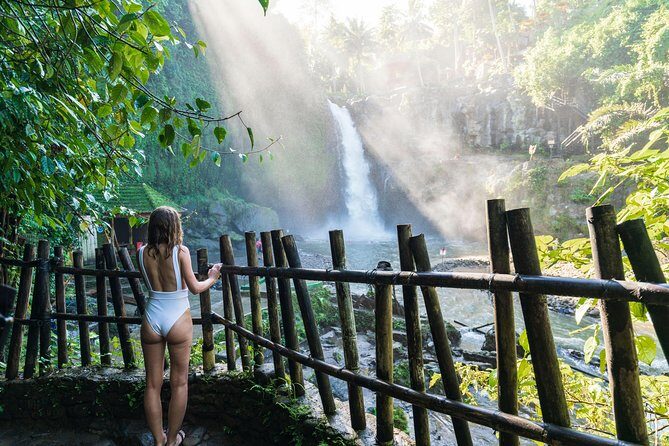
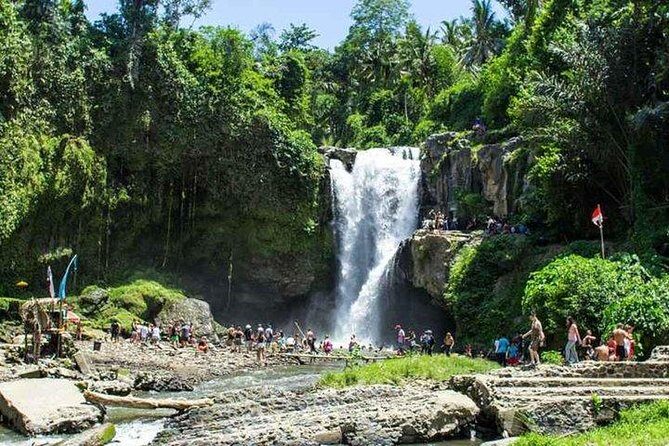
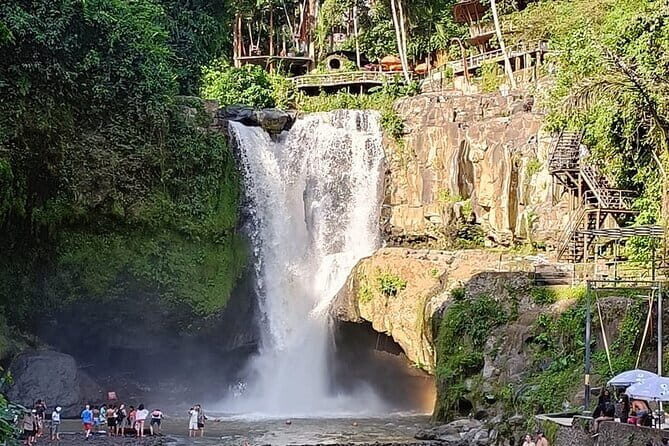
Tegenungan Waterfall is surrounded by tropical jungle, and the key choice here is simple: you can head down toward the water or stay up at the viewing platform for the big panoramic look. Either way, it feels like you left the main road behind.

If you’re the type who likes being close to the action, the path down is where the fun photos come from. If you’d rather avoid wet shoes and extra steps, the viewing area still gives you the main payoff: lush greenery and a waterfall that looks powerful without needing any special gear.

What to watch for: waterfalls mean humidity and slick surfaces. Bring shoes that handle damp ground, and go slowly if you choose to get down to the water.

Tegalalang Rice Terrace: photos are good, timing is better

Best of Ubud: Rice Terrace, Temple and Waterfall Private Tour - Tegalalang Rice Terrace: photos are good, timing is better
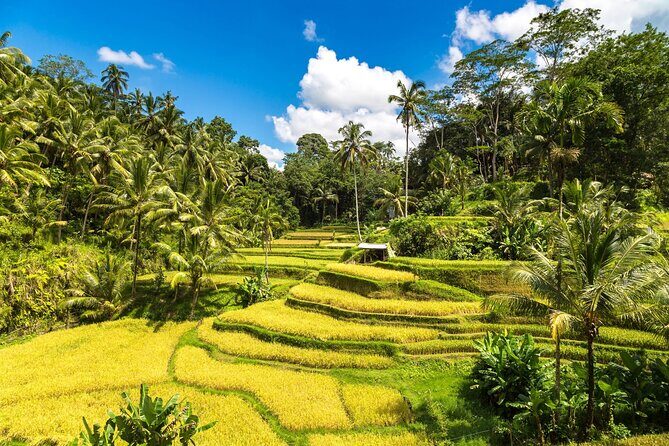
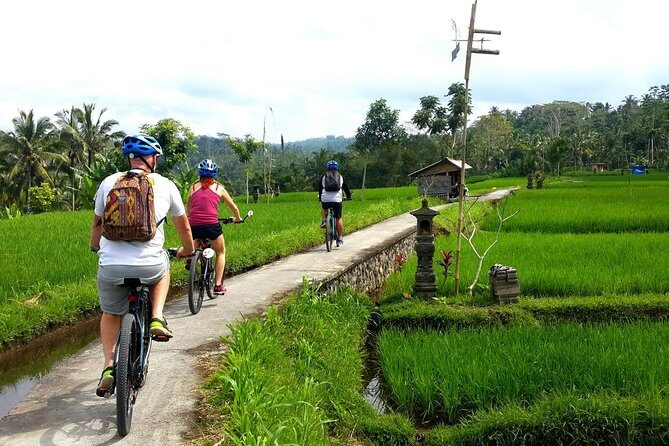
Tegalalang Rice Terrace is one of Bali’s most famous rice field scenes, and for good reason. Expect green paddies, farmers’ daily life, and lots of photogenic angles as you stroll through the area.

This stop is also the one where flexibility helps most. With a private driver who can wait, you’re not forced into a “look from the bus window” approach. If you’re aiming for clearer photos, you’ll want to arrive with a plan: where you’ll walk first, which viewpoints you’ll try, and where you’ll stop for a slower pace.

Practical tip: plan your photos, then spend real time walking. The rice terraces are the kind of place where the details—irrigation, textures, and daily work—make it more than a postcard.

Sacred Monkey Forest Sanctuary: temples, shade, and the monkey factor

Best of Ubud: Rice Terrace, Temple and Waterfall Private Tour - Sacred Monkey Forest Sanctuary: temples, shade, and the monkey factor
The Sacred Monkey Forest Sanctuary is a tropical rain-forest setting with tall trees, shady paths, and a resident group of monkeys. There are also multiple temples inside the forest, which turns it from a quick zoo-style stop into a more interesting cultural walk.

I like this stop because it mixes nature and temple architecture in the same shaded circuit. You get tall canopy and gentle walking, plus the chance to see small religious spaces tucked into the greenery.

Important reality check: this is a monkey area. Keep bags secure, don’t tease the animals, and expect them to act like monkeys—curious, quick, and sometimes bold. If you go in with calm patience, it’s a fun and memorable stop. If you go in stressed, it can feel chaotic.

The Ubud mix: swing views, palace time, and market wander

A “best of Ubud” day usually lives on variety, and this one does exactly that. You can fit in an aerial jungle swing experience over a dense jungle area and the Ayung River. The value here is the photo opportunity plus the adrenaline bump—especially if you want a Bali moment that isn’t just looking.

Then you’ll move into classic Ubud culture stops like the Ubud Palace complex (Puri Saren Agung). Even if you’re not a palace super-fan, it helps to see how the royal past shaped the town’s layout and style. The palace area also makes a natural starting point for the next stop: Pasar Ubud, a market packed with textiles and craft items like silk scarves, lightweight shirts, woven bags, and paintings.

My advice: don’t treat the palace and market as separate errands. Pair them as a “slow culture block.” Spend time looking first, then decide if you want to buy. That way you avoid the rushed buyer’s regret that happens in markets when you feel pushed by time.

There’s also a canyon-side stop described as having a river waterfall view. It’s the kind of place that’s best for a breather: step out, scan the view, and use it as a reset before the next major temple or craft stop.

Tirta Empul, Mas wood carving, and Celuk jewelry: hands-on Balinese crafts

Best of Ubud: Rice Terrace, Temple and Waterfall Private Tour - Tirta Empul, Mas wood carving, and Celuk jewelry: hands-on Balinese crafts
If you want your day to feel grounded in how people actually make and use things, the craft and ritual stops are excellent.

Mas Village is known as a center for Bali wood carving. That’s the kind of place where you’ll understand why Bali decor looks the way it does: the carvings aren’t random. They connect to local style, religious influences, and traditional skill.

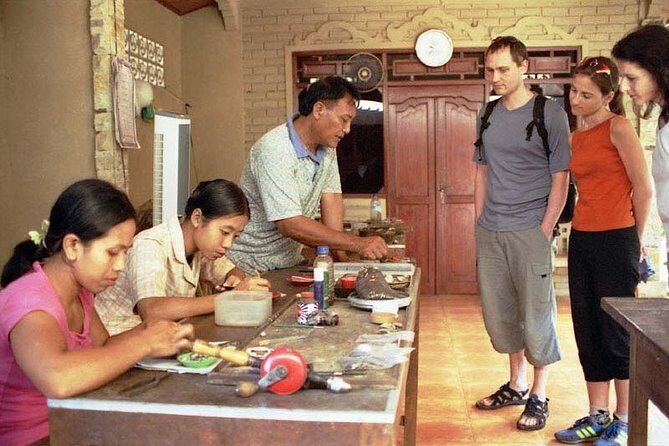
Next up is Celuk Village, famous for high-grade gold and silver handicrafts, especially jewelry. Even if you don’t plan to buy, it’s worth watching the craft focus. Jewelry here isn’t only about sparkle—it’s about workmanship, detail, and the long road from raw material to finished piece.

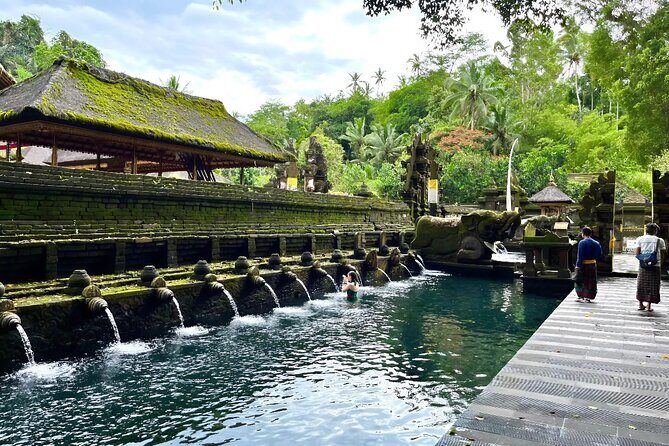
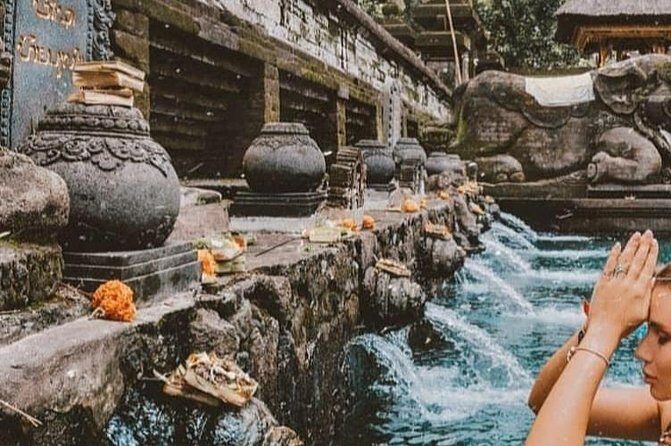
Then comes Tirta Empul, a temple compound known for its holy spring water and ritual purification. The place is associated with a petirtaan bathing structure and a spring flowing with fresh water that Balinese Hindus visit for purification rituals. This is one of the most meaningful stops on the day because it’s not just scenic. It’s spiritual in a lived way.

Practical note: Tirta Empul is a temple setting. Wear clothing you’re comfortable moving in, and use the sarong provided for entering temples.

Batuan Temple and Gunung Kawi: older sites with serious carvings

Best of Ubud: Rice Terrace, Temple and Waterfall Private Tour - Batuan Temple and Gunung Kawi: older sites with serious carvings
Batuan Temple is described as dating back to 1020 AD, founded in 944 Saka. That’s early enough that you can feel the scale of time here. It’s known for its ornate, elaborate carvings and decorative ornaments and shrines.

If you’re the type who enjoys looking closely, this is a great contrast to more tourist-frequented stops. There’s a lot to take in visually, and the carvings make it feel like you’re walking through a snapshot of religious art from centuries ago.

Later, Gunung Kawi appears as an 11th-century temple and funerary complex across either side of the Pakerisan River. It’s spread across the river, and the description mentions rock-cut candi (rock-cut shrines). These older complexes tend to reward slow pacing. Don’t rush the details if you want the place to feel real.

GWK Cultural Park and the big “Bali icon” moments

The itinerary also includes Garuda Wisnu Kencana (GWK) Cultural Park. This is a 240-hectare cultural park complex built around a massive 150-meter statue of Vishnu with the mythical bird.

This kind of stop works for different travelers:

  • If you like iconic “I’m really here” landmarks, you’ll enjoy it.
  • If you prefer quiet temple circuits, you might treat it as a quick photo and viewpoint stop.

Either way, it’s a good way to break up a day of temples and gardens with something dramatic and modern-looking. Just make sure you don’t try to cram it in at the expense of the earlier nature and temple stops that you personally cared about most.

When the route stretches beyond Ubud: pick your beach and keep it sane

The name of the tour points to Ubud, but the plan can extend to beaches and other famous Bali areas—depending on what you choose. This is where your “skip options” matter a lot.

Some of the beach stops listed include:

  • Kuta Beach, with famous sand and blue water
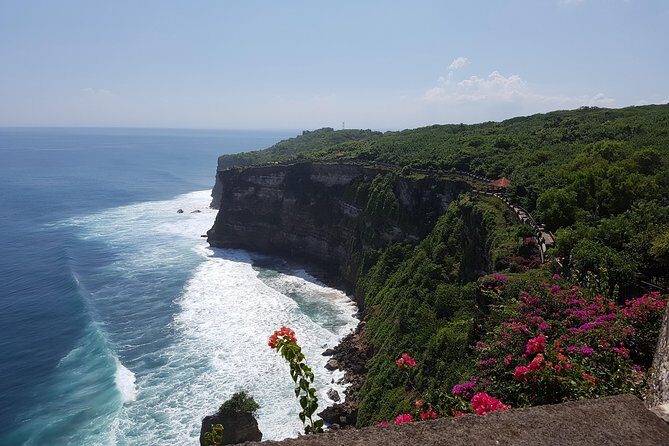
  • Padang Padang Beach, known for its bay setting and views from a cliff
  • Pandawa Beach, with white sand and clear water
  • Geger Beach (Nusa Dua), with golden-white sand and a family-friendly vibe noted by the description
  • Additional smaller beach stops like Padang Padang-style bays and others around the coastline

There’s also mention of Pura Blanjong, a temple built from coral by the coast, with inscriptions dating to the 10th century. That’s the kind of detail that makes a beach stop more than just swimming time.

My honest take: beach hopping is fun, but it can turn into “too many transitions” if you squeeze it all in. If you’re short on energy, keep one beach stop and spend more time there. If you’re doing the Ubud highlights plus beaches, prioritize shade breaks and water, because that’s what keeps the day enjoyable instead of stressful.

Transportation, timing, and comfort: what’s included and why it matters

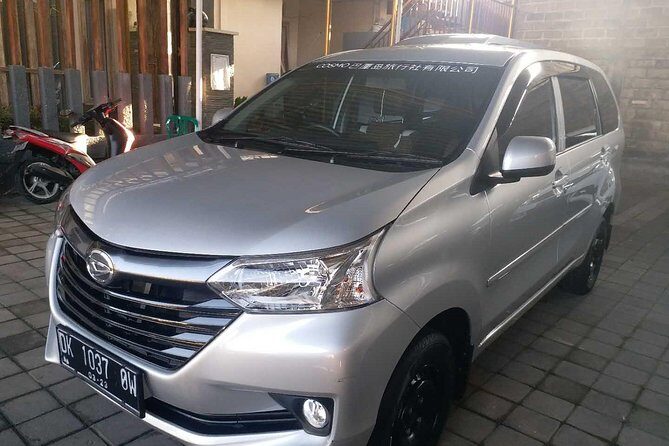
This tour includes hotel pickup and drop-off, plus a/c vehicle and private transportation. It also includes fuel surcharge and parking fees, which helps keep the day running smoothly without surprise add-ons.

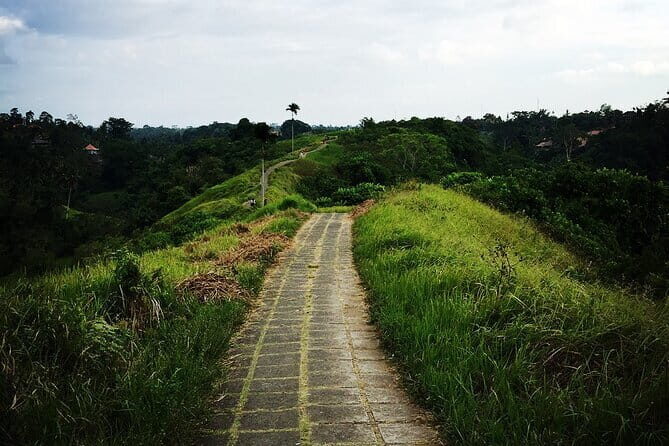
The route is built for an all-day experience, with an overall duration around 8–10 hours. Some parts are explicitly timed around 1 hour, such as Tegenungan Waterfall, Tegalalang Rice Terrace, and the Sacred Monkey Forest Sanctuary. Campuhan Ridge Walk is also listed as a 1-hour free admission walk.

Because it’s private, your driver can also wait. In the review examples, punctuality and waiting at attractions were called out as a key reason the day felt flexible. That’s important: if you’re paying for a private day, you want to feel like you’re steering the pace, not just being shuffled between stops.

Also, you’ll get a sarong for entering Balinese temples. That’s not just convenient. It’s one less thing to pack or scramble for at the last minute.

Price check: $67.41 per person and what you’re actually paying for

At $67.41 per person, this isn’t a “cheap and cheerful” tour, but it also isn’t priced like a luxury multi-day package. The value comes from what’s bundled.

You’re getting:

  • Hotel pickup and drop-off
  • A/c private vehicle and parking/fuel coverage
  • Sarong for temples
  • Entrance tickets
  • Entrance tickets for the listed stops

When entrance fees and transport are handled, the effective cost per site can look much better than piecing it together yourself, especially when places are scattered. And the private format matters: you avoid the waiting and slow pacing that often come with shared shuttles.

One note: lunch is not included. If you plan to eat on the go, build that into your budget and energy planning. Your best day is the one where you’re not hungry and rushed.

Who should book this private day, and who should choose shorter

This tour fits best if you:

  • Want a one-day hits-and-highlights overview with time to adjust your pace
  • Like mixing nature (waterfall, rice terrace) with temple and craft culture
  • Prefer private transport so you spend more time looking and less time traveling between random points

You might want to skip or shorten it if you:

  • Want a calm, slow Ubud only day with minimal driving
  • Don’t want to deal with monkey forest realities
  • Would rather not stack beaches and big attractions onto the same timeline

Should you book this tour?

I’d book it if your goal is to cover Ubud’s top experiences with minimal headache, especially because entrance tickets and temple sarongs are handled, and the private vehicle makes timing more comfortable. It’s also a smart choice if you know you’ll appreciate flexibility—slowing down at Tegalalang or the monkey forest can make the difference between rushing and actually enjoying the place.

I’d hesitate only if you’re the type who hates long days. The list is wide, and the best results happen when you choose what you truly want instead of trying to do everything.

If you want, tell me where you’re staying (Kuta, Seminyak, Ubud, etc.) and what you most want—waterfall, rice terraces, temples, swings, or beaches—and I’ll suggest a simple way to trim the stops into a smooth 8–10 hour plan.

FAQ

What’s included in this tour price?

Entrance tickets for the listed stops, hotel pickup and drop-off, a sarong for temple visits, an air-conditioned vehicle, fuel surcharge, parking fees, and private transportation are included.

Is this a private tour?

Yes. It’s a private tour/activity, so only your group participates.

How long is the tour?

The total duration is about 8 to 10 hours.

Can I skip stops or adjust the route?

Yes. The tour description says you may skip some sites if you want to spend more time on specific objects.

Is lunch included?

No. Lunch is not included.

Does the tour offer hotel pickup in my area?

Free pickup is listed for several areas, including Kuta, Seminyak, Ubud, Nusa Dua, Sanur, Jimbaran, Canggu, Legian, Denpasar, and Benoa Harbor. You’ll provide your hotel/villa name and a WhatsApp number for coordination.

Bali Mangrove Canoeing Tour

Bali Mangrove Canoeing Tour - The Canoe Paddling Part: Smooth Water and an Easy Rhythm

Paddle where roots guard the coast. This Bali mangrove canoeing tour takes you through calm, sheltered waterways while you learn how mangroves protect coastlines and support life. You also leave knowing your time helps local mangrove conservation work with community partners and fishermen.

I love the setup: easy hotel pickup and drop-off make it simple to fit into a short Bali day. I also like that the guides bring the ecosystem to life, including friendly English commentary from guides like Simon, who clearly enjoys explaining what you’re seeing. One thing to keep in mind is that timing can shift due to tides and weather, since they may change or cancel routes for safety.

Key highlights before you go

Bali Mangrove Canoeing Tour - Key highlights before you go

  • Hotel pickup + drop-off from central Bali areas keeps the day low-stress
  • 1–1.5 hours of paddling through mangroves, not just a quick photo stop
  • Small wildlife chances: birds and fish you may spot along the route
  • Guide-led explanations that turn mangrove roots into real-world lessons
  • Conservation donation included as part of the experience

What You’re Really Doing in Bali’s Mangroves

Bali Mangrove Canoeing Tour - What You’re Really Doing in Bali’s Mangroves
This is a canoe-and-education outing, but the conservation angle is not just marketing. The point of going into the mangroves is to understand why they matter: mangrove roots help protect the coast and support lots of small life that keeps the ecosystem working.

You paddle through quiet water and get guided context as you go. If you’ve seen Bali before, this adds a different side of the island—less about temples and more about water, wildlife, and how nature protects shorelines.

You’re also doing something practical with that experience. The tour includes a donation, and it’s framed as support for sustainable tourism efforts with local community partners and fishermen of Wana Segara Kertih. That’s the kind of impact that feels connected to where you’re actually standing.

The 2-Hour Flow: Pickup, Briefing, and When You’re on the Water

Your day starts with hotel pickup and a ride to a PT JTB Indonesia office for a quick start-up. Expect a short briefing, a toilet break, and time to change attire. That change step matters because paddling tours can get damp, and you’ll want to feel comfortable in the right gear.

Then you head to the mangrove area where the guide handles the important prep: a safety briefing before you get into your canoe or kayak setup. This is where you learn how to manage basic canoe control and what to do if conditions feel different than expected.

After that, you spend about 1 to 1.5 hours paddling through the mangrove waterways. When the tour wraps, you’re returned to your hotel.

A small note that affects your day: the tour is tide- and weather-sensitive. If conditions aren’t right, the schedule can change or the activity can be canceled for safety. That’s normal for water-based tours, but it’s smart to plan with a little flexibility.

The Canoe Paddling Part: Smooth Water and an Easy Rhythm

Bali Mangrove Canoeing Tour - The Canoe Paddling Part: Smooth Water and an Easy Rhythm
This tour is designed for moderate comfort on the water. You don’t need to be an athlete, but you should be able to paddle and hold a steady posture for the time on the water.

From what you can expect, the water is typically calm enough for an easy rhythm. One standout detail from feedback is how the paddling can feel smooth and relaxing, which is exactly what you want in mangroves where the goal is quiet observation, not athletic scrambling.

You’ll be given rental canoe/kayaking equipment and safety gear, and there’s first aid on hand. That combination makes it feel more like a guided outing than a DIY adventure where you’re guessing what to do.

One practical tip: wear sport shoes. Mangrove areas can be uneven around launch points, and wet gear plus flip-flops is a risky combo.

Wildlife Chances: Birds, Fish, and What to Look For

Mangroves don’t just look cool—they’re busy places. As you paddle, your guide points out the trees and animals you might see, and that helps you notice details you’d miss from the shore.

The tour experience includes opportunities to spot wildlife like birds and fish. You won’t control what shows up, but the mangrove setting gives you a good shot at seeing movement and life in the water.

The best way to increase your odds is simple: slow down mentally. Keep your eyes on root systems and the water near the mangrove edges. If your guide gives you a pointer, follow it even if you don’t immediately see the animal—often it appears after you shift your angle or realize where it’s hiding.

Also, remember you’ll likely be paddling at a gentle pace. That steadiness is what makes it possible to actually look, not just travel from point A to B.

The Conservation Angle With Wana Segara Kertih

Here’s the part I think makes this tour worth your time. Mangroves are often treated like scenery, but they’re active coastal defenders and living nurseries for marine life. When you learn that while you’re literally surrounded by the system, it sticks.

The tour includes a donation, tied to sustainable tourism initiatives with local partners and fishermen in Wana Segara Kertih. That’s the difference between a one-off nature photo and an experience that supports the place you’re visiting.

I like that the education isn’t separate from the activity. You’re not just watching a slideshow; you’re on the water, hearing how mangrove roots function and why the ecosystem is worth protecting.

If you care about travel that has a visible link to local efforts, this one fits that mindset. Just keep expectations realistic: you’re supporting conservation through the tour, not building the entire program yourself in two hours.

Price and What You Get for $61.54

At $61.54 per person, the value comes from what’s bundled, not the headline price alone. You get hotel pickup and drop-off, bottled water, safety equipment, first aid support, and rental canoe/kayaking. You also get travel coverage through insurance for ages 5–65.

On top of that, the tour includes the donation component, which is part of why this isn’t just a transport-and-activity bundle. You’re paying for a guided route, time on the water, and a conservation-linked contribution.

If you’ve ever done Bali tours where the price later doubles once you add transport and equipment, this one is refreshingly straightforward. You’ll still need to plan for items not listed as included, like beverages and lunch, plus personal expenses.

For cruise passengers, there may be additional charges, so confirm that when you book.

Getting Ready: What to Bring and What to Wear

I’d pack for “paddling + getting a little damp,” even if the water feels calm. The tour suggests comfortable and changing clothes, plus sunscreen. That’s good advice because mangrove tours still put you in open sun at times.

Bring or wear:

  • Sport shoes (stable and okay if they get wet)
  • A spare set of clothes you’re comfortable changing into
  • Sunscreen
  • Any small personal items you need for a short outdoor trip

Also note: the tour offers mobile ticket delivery. That’s convenient, but still keep an eye on whether you need to show anything offline.

Who This Tour Suits Best (and Who Should Reconsider)

Bali Mangrove Canoeing Tour - Who This Tour Suits Best (and Who Should Reconsider)
This fits best if you want a nature-focused Bali experience that’s not too time-consuming. The duration is about 2 hours, with 1–1.5 hours actually on the water. That makes it an easy add-on day, especially if you’re staying near the more central pick-up zones.

You’ll also enjoy it if you like learning while you travel. Guide-led explanations about mangroves and the wildlife give the paddling a purpose beyond scenery.

It’s suitable for people with moderate physical fitness. You don’t need to be a strong paddler, but you should be comfortable staying seated and paddling for the allotted time.

For families, there’s a child policy with a minimum age of 5 and a maximum age of 11. Insurance coverage is listed for 5 to 65 years old, so double-check that alignment if you’re outside that range.

One more practical fit check: the tour shares the experience with other guests and has a maximum of 99 travelers. That’s not tiny, but it also means you’re not in a private boat bubble.

Price Value vs. Weather Reality

One part of mangrove touring you can’t fully dodge is water conditions. The tour can be canceled or re-timed due to tides and weather for safety. That’s not a reason to fear going—it’s just a reason to avoid scheduling something tight right after.

Also, itineraries may change, so treat the plan as flexible. If you’re the type who likes to keep a strict timeline every hour, this style of tour needs a bit of mental buffer.

Should You Book Bali Mangrove Canoeing Tour?

I’d book it if you want a short Bali activity that feels genuinely connected to place. The cabin-free simplicity—hotel pickup, briefings, easy paddling time, and a guide who explains what you see—makes it a good choice for people who don’t want logistics stress.

I’d skip or reconsider if you’re very schedule-sensitive or you hate the idea of potential weather/tide changes. Because it’s water-based, conditions can affect the route and timing.

Final decision shortcut: if your goal is calm paddling + mangrove education + conservation donation in a two-hour window, this tour matches that perfectly.

FAQ

How long is the Bali Mangrove Canoeing Tour?

The total duration is about 2 hours, including roughly 1 to 1.5 hours of time paddling in the mangrove forest.

Do they pick you up from your hotel?

Yes. Hotel pickup and drop-off are included. Pickup is available from centrally located hotels in Kuta, Legian, Tuban, Sanur, Jimbaran, Tanjung Benoa, and Nusa Dua areas.

Where does the tour start?

The activity starts at the Bali Mangrove Forest Tour meeting point in Kedonganan, Kuta, Badung Regency, Bali 80361, Indonesia.

What’s included in the price?

Included: hotel pickup and drop-off, bottled water, safety equipment, first aid, insurance for ages 5–65, rental canoe/kayaking, and a donation. Not included: beverage, lunch, and personal expenses.

What should I wear or bring?

Wear sport shoes and comfortable clothes you can change. Sunscreen is recommended, and you’ll want changing clothes since the experience takes place on the water.

What fitness level do I need?

The tour is listed for travelers with moderate physical fitness.

Can kids join the tour?

Yes. The child policy lists a minimum age of 5 and a maximum age of 11.

Is there a limit on group size?

Yes. The tour has a maximum of 99 travelers and is based on sharing with other guests.

What happens if the tour is canceled due to weather or tides?

If it’s canceled for safety reasons due to weather or tides, you’ll be offered a different date or a full refund.

Bali Culture Tour

Bali Culture Tour - Tegalalang Rice Terraces: UNESCO Views With Real Agricultural Meaning

Bali is great at pulling you in fast, and this tour is built for that. You start in Ubud and spend the day moving through iconic Balinese culture, from terraced farming to a sacred water ritual.

I especially like two things: first, the route hits big-name places without you getting stuck on logistics. Second, Nyoman’s included guidance makes it easier to actually enjoy what you’re seeing, including help with photos and a stress-free plan for the day.

One thing to consider: it’s a long outdoor-heavy day, so plan for rain and heat. If you don’t love being on the move for 8–9 hours, this may feel tiring.

Key highlights at a glance

Bali Culture Tour - Key highlights at a glance

  • Private group, your pace: Only your group joins, so you’re not trapped in a large crowd rhythm.
  • Entrance fees included: Standard admissions are covered, so you avoid the constant ticket hunt.
  • Nyoman handles the day: Pickup, planning, and a clean schedule let you relax.
  • UNESCO Tegalalang rice terraces: Famous subak-linked farming views you can take in slowly.
  • Tirta Empul cleansing ritual: A meaningful temple experience centered on purification.
  • Coffee, waterfall, and Barong fire dance: You get nature, craft, and performance in one loop.

Ubud Pickup and a Day That Feels Organized

Bali Culture Tour - Ubud Pickup and a Day That Feels Organized
This is the kind of tour that works when you want Bali vibes without the headache. You start in central Ubud at Ubud Central Parking (Jl. Suweta No. 18), and you can be picked up. The activity runs about 8 to 9 hours, with timing flexible enough to handle the real world, including weather.

What I like from a practical standpoint is that the tour is built around problem-solving. The description makes it clear that you don’t need to chase tickets, figure out entrance fees, or worry about where to eat. Nyoman keeps the flow moving and, when it’s time for lunch, you go to a local spot where you can order from a good menu while your belongings are looked after in the car.

Because it’s a private tour, you also avoid that awkward feeling of being rushed or left behind. You’re moving as a group, and Nyoman can adjust along the way. That flexibility showed up in the way past guests described the experience, especially when rain or timing caused a scramble on other plans.

The only real drawback is stamina. You’ll be out and about for most of the day, with stops that involve walking on uneven ground and paths that can get slippery in wet weather. If you prefer a slower pace, or you hate carrying water and sun protection, you’ll want to plan accordingly.

Tegalalang Rice Terraces: UNESCO Views With Real Agricultural Meaning

Bali Culture Tour - Tegalalang Rice Terraces: UNESCO Views With Real Agricultural Meaning
The day begins at Tegalalang Rice Terrace, a UNESCO-listed site known for its layered green fields. This stop is famous for a reason: the terraces create those stepped views that look great in photos, but the more interesting part is that you’re seeing a working farming system rather than just a pretty backdrop.

Nyoman’s approach matters here. You’re not just dropped into a viewpoint. You get time to take in what makes the terraced fields special, including the idea of the subak irrigation system that supports farming in Bali. That’s one of those concepts that can make the visuals feel deeper, because the terraces aren’t random. They’re shaped by how water is managed and shared.

In terms of what to watch for, look for the way the terraces follow the terrain and how the irrigation relates to the fields. It’s one of those places where you can pause, look, and feel like you’re getting a snapshot of island life instead of checking a box. For most people, it’s a relatively straightforward stop—just expect some walking and standing to get the best angles.

The possible downside: if you’re visiting when it’s very hot or after rain, the area can feel slick or tiring. Bring comfortable shoes with grip, and keep your expectations realistic: it’s an iconic site, so you may see plenty of other visitors.

Tirta Empul Temple: A Cleansing Ritual You Watch With Care

Next up is Tirta Empul Temple, where Balinese Hindus visit for a sacred cleansing ceremony believed to purify both body and soul. The focus here is spiritual and cultural, not just sightseeing. You’ll spend about 2 hours at this stop, which is a good amount of time to watch calmly and understand what’s happening instead of rushing through.

This is also the kind of place where your attitude matters. If you come in with a casual, camera-first mindset, it can feel uncomfortable. If you come in ready to observe respectfully, it becomes a memorable cultural moment. The cleansing ceremony is the centerpiece, and that gives the visit meaning beyond architecture.

What I like about having Nyoman with you is that you’re not stuck trying to interpret the ritual on your own. He’s described as deeply knowledgeable, and that kind of context can help you avoid missing the point. Even if you don’t speak the local language, understanding the purpose of the ceremony changes what you notice—people’s movements, the structure of the ritual, and the overall sense of devotion.

Practical tip: temples often have areas that are wet or slippery. Even without getting specific about rules, you’ll want footwear that handles water and gives you stable footing. Bring a small towel or plan to dry off after.

Segara Windhu Coffee Plantation: Learn the Steps Without the Sales Pressure

Bali Culture Tour - Segara Windhu Coffee Plantation: Learn the Steps Without the Sales Pressure
After the temple, you head to Segara Windhu Coffee Plantations for about 1 hour. This stop is all about coffee-growing and sustainable farming practices, and it focuses on how coffee moves from cultivation to roasting.

If you’ve done other coffee tours in Bali, you know the common pattern: lots of tasting, lots of hype. Here, the emphasis is on the process and the island’s coffee heritage. That makes it easier to enjoy the stop for what it is: a look at how beans are grown and handled, and how roasting turns those beans into coffee you recognize.

Nyoman can also help you slow down and ask better questions. Instead of speeding through a set script, you can focus on the parts that interest you—what sustainable practices mean in this context, how the coffee is processed, and what to look for when roasting happens.

One consideration: if you’re not interested in coffee at all, this might be the least exciting stop for you. But even then, the coffee plantation stop gives a break from the heaviness of temples and the outdoor intensity of waterfalls. It’s a nice pacing reset in the middle of the day.

Tegenungan Waterfall: The Nature Stop That’s Worth Getting Ready For

Bali Culture Tour - Tegenungan Waterfall: The Nature Stop That’s Worth Getting Ready For
Then comes Tegenungan Waterfall (about 1 hour). This is the nature break in the itinerary, surrounded by lush jungle and peaceful scenery. The waters also carry spiritual significance for Balinese people, who view them as purifying and healing.

What makes this stop work in real terms is timing and atmosphere. You’re not just chasing a single photo. The visit includes time to stand in the area, take in the sound and scale of the falls, and appreciate the way nature becomes part of local belief and routine.

That said, waterfalls are where comfort gets tested. Even if the weather is decent, you’ll likely be near mist and wet ground. If it rains, the area can get slick quickly. Wear shoes with grip, and keep your phone secured. This is where that earlier “no stress” setup helps, because you’re not trying to manage your day while also figuring out how to keep gear safe.

If you want the most relaxed experience, treat this stop like a reset. Don’t cram it with extra activities. The tour includes standard site entry, but if you decide you want additional experiences such as giant swings, the description makes it clear you should arrange those ahead of time.

Sahadewa Barong Dance & Fire Dance: Storytelling With Costume Power

Bali Culture Tour - Sahadewa Barong Dance & Fire Dance: Storytelling With Costume Power
The final major stop is Sahadewa Barong Dance & Fire Dance (about 1 hour 30 minutes). This is where Bali becomes performance and symbolism. The Barong represents a magical spirit that protects a village from evil forces, and the dance depicts the eternal battle between good and evil through intricate costumes, lively music, dynamic movements, and story-driven action.

This stop is valuable because it’s not just art for entertainment. It’s a cultural expression tied to belief and community identity. Even if you don’t understand every detail, you can feel the meaning through the costumes, the rhythm, and the way the performers create tension and release like a live story.

From a viewer’s standpoint, the key is to arrive ready to watch. This isn’t a quick selfie stop. It’s a show with pacing, and you’ll get more out of it if you give it your attention.

If you’re traveling with kids or you like energy in the evening, this is often the “wow” moment. For people who like calmer, contemplative stops, it’s still a worthwhile finale because it contrasts the earlier temple and waterfall moments.

Lunch, Photo Help, and the Small Decisions That Save Your Day

Bali Culture Tour - Lunch, Photo Help, and the Small Decisions That Save Your Day
The tour includes lunch time in the plan, with Nyoman taking you to a local favorite where you can order from the menu. Importantly, the description notes that Nyoman protects your belongings in the car while you eat, which is one of those details that sounds minor until you’ve tried to manage snacks, phone charging, and wallets while also figuring out where your luggage is safe.

You’ll also get help with Instagram-worthy shots. This is one of the most underrated parts of a cultural tour. A good photo isn’t just about having a camera. It’s about timing, angles, and knowing when to step back so you don’t block someone’s view. If you enjoy photos, this kind of guidance can turn a good trip into a folder of keepers.

And because the tour is private, you’re not forced into someone else’s routine. If you need a quick stop for things like an ATM, grocery, or pharmacy, the description says it’s okay and there’s no extra charge for those add-ons. That matters in Bali, where you might run into cash-only spots or forget essentials.

The overall vibe is: you show up, you enjoy, and you don’t spend the day negotiating. Past guests specifically praised the lack of stress, especially when they were tired of taxis, waiting in rain, or worrying their phones would run out of battery power.

Price and Value: What $56.86 Really Buys You

Bali Culture Tour - Price and Value: What $56.86 Really Buys You
At $56.86 per person, this tour is priced in a way that can feel like a bargain if you compare it to piecing the day together yourself.

Here’s what your money covers based on the provided details:

  • Pickup offered
  • Mobile ticket
  • Standard entrance fees to the listed locations
  • Private group (only your group participates)
  • A day plan that includes coffee, a waterfall, and a dance performance
  • Extra convenience stops like ATM/grocery/pharmacy with no extra charge
  • Drop-off back at your accommodation or wherever you prefer

What might cost extra:

  • Lunch is included as a stop to order from a menu, but the price information only explicitly mentions entrance fees.
  • Extra experiences at certain locations (for example, giant swings) need to be organized ahead if you want them.

So the value equation looks good if you’re the type who wants to see a lot, keep moving, and avoid the mental load. If you’re the type who loves planning, you might still save money by going on your own—but you’ll pay in time, uncertainty, and energy.

For many visitors, the best part of the price is the way it removes decision fatigue. You don’t need to ask, Where do we go next? Do we have tickets? How do we get there on time? That freedom is real.

Also, you book in advance and get confirmation at the time of booking. The tour runs through a long window of opening hours (6:00 AM to 10:00 PM), which helps if you’re trying to fit this into a busy Bali schedule.

Who Should Book This Ubud Culture Tour

This tour is a great match if you want a balanced mix of culture, nature, and performance without spending the whole day figuring out transportation and tickets. It’s also ideal for a first trip to Bali when you’d rather spend your energy learning from a guide than guessing your way around.

You’ll likely love it if:

  • You want a private day with your own group and a flexible guide
  • You prefer having entrance fees handled
  • You enjoy photo stops and want help finding good angles
  • You’re okay with a full day (8 to 9 hours)

You might want to skip or adjust your expectations if:

  • You’re sensitive to long outdoor stretches
  • You dislike being in a structured schedule all day
  • You plan to add lots of extra paid activities at each stop, because those aren’t included and may require advance planning

The fact that it’s described as suitable for most travelers is reassuring, but still use common sense about comfort and footwear, especially for the waterfall and temple areas.

Should You Book Bali Culture Tour with Nyoman?

If you want a smooth, culturally focused Ubud day where logistics don’t eat your time, I’d book this. The biggest strength is that you get entrance fees included, pickup options, and a knowledgeable guide named Nyoman who seems to bring both flexibility and calm to the day. That combination is what turns a list of famous places into an actual trip experience.

Book it if you want to see Tegalalang, Tirta Empul, a coffee plantation, Tegenungan Waterfall, and a Barong and fire dance performance in one go—without stress. Just come prepared for a long day outdoors, and keep extra activities like giant swings in mind so you can plan them properly in advance.

FAQ

FAQ

How long is the Bali Culture Tour in Ubud?

The tour lasts about 8 to 9 hours.

Is pickup included, and where does the tour start?

Pickup is offered. The meeting point is Ubud Central Parking on Jl. Suweta No. 18, Ubud.

Are entrance fees included in the price?

Yes. The price includes standard entrance fees to the listed locations.

What do I receive on my booking for tickets?

You’ll receive a mobile ticket.

Is this a private tour?

Yes. It’s a private tour, and only your group will participate.

Is lunch included?

The tour includes a lunch stop where you can order from the menu. The price details provided specifically mention entrance fees, so you should budget for your meal.

Can the guide make extra stops during the day?

Yes. Additional stops for things like an ATM, grocery, or pharmacy are allowed with no extra charge.

Is free cancellation available?

Yes. You can cancel up to 24 hours in advance for a full refund. If you cancel less than 24 hours before the start time, the amount paid is not refunded.

Ubud Arts & Crafts Tour

Ubud Arts & Crafts Tour - Price and timing: does $50 buy real value?

If you want Bali beyond temples, this route does it. You’ll move from Celuk’s jewelry workshops to Mas woodcarvers, then land in Ubud’s art scene for a focused look at Balinese making and selling.

I especially like the hands-on feel of seeing craftsmen work, not just shopping after the fact. I also like that the tour is tight and timed well—about 4 hours—so you get context without losing the whole morning.

One possible drawback: you’ll likely spend time at higher-end galleries in Ubud, so if you’re price-focused, plan to compare before you buy.

Key points to know before you go

Ubud Arts & Crafts Tour - Key points to know before you go

  • Celuk Village jewelry workshops: watch silversmiths and goldsmiths work through the creation process
  • Mas woodcarving by hand: see naturalistic forms and myth characters, including masks for ritual dance
  • Ubud art market stop: traditional and contemporary paintings with guided context
  • Small group size: a max of 15 travelers keeps the tour from feeling like cattle-herding
  • Pickup and drop-off included: easier for mornings if you’re staying in Kuta, Seminyak, Sanur, Jimbaran, or Nusa Dua
  • Admission tickets included: each stop comes with its own ticket, so you’re not hunting for add-ons

Why Celuk and Mas make the Ubud day worth it

Ubud Arts & Crafts Tour - Why Celuk and Mas make the Ubud day worth it
This tour works because it follows how craft changes by place. Celuk is about metal—design to metalwork—while Mas is about wood and carving style. Then Ubud is where the product becomes a bigger story: art, design tastes, and how buyers connect with makers.

If you’re used to Bali as a beach-and-temple trip, this is the refreshing left turn. It shows why these crafts look the way they do: the tools, the methods, and the cultural reasons behind motifs.

It also helps if you want something visual for your travel photos, but not the usual tourist snapshots. You’ll be looking at real work happening in real shops—rings, brooches, carved masks, and painting styles—so your photos feel earned.

Price and timing: does $50 buy real value?

Ubud Arts & Crafts Tour - Price and timing: does $50 buy real value?
At $50 per person for about 4 hours, this is priced like a “guided concentration” tour. You’re paying for transportation, a coach ride between villages, and a guide to interpret what you’re seeing—especially helpful when you don’t know the difference between styles at first glance.

The timing matters. Starting around 8:30am means you’re catching the morning workflow in craft centers, not just the showroom version of craft. It also keeps you from losing your whole day to shopping stops.

You’ll also want to know what’s not included. Meals and drinks are not included, even though you may find time to eat during the tour. If lunch is part of your plan, budget for it separately.

Celuk Village silver and gold: where jewelry is more than a souvenir

Celuk Village is famous for silver and gold workshops, and the best part here is watching the process take shape. With your guide, you’ll see artisans create detailed pieces—think rings, brooches, and other wearable art—right in the workshops and galleries.

What you should look for is how much is hand-driven. Even when pieces end up sold as finished products, the steps reflect family workshop life: design decisions, shaping, and refinement done piece by piece. That context changes how you shop later, because you start recognizing craftsmanship instead of just evaluating shine.

This is also one of the places where you’ll hear how jewelry fits Balinese life. Your guide will point out why certain designs are chosen and how families of jewelers pass skills down. If you’re the type who wants to understand what you’re buying before you buy it, this stop is the heart of the tour.

Practical caution: Celuk is a craft center, but it’s also a shopping ecosystem. Bring patience and expect some pitch. If you’re serious about a piece, ask questions about what makes it different in style or workmanship—not just what it costs.

Mas Carving Center: hand-chiseled wood and ritual masks

Mas Village is where the woodcarving culture becomes obvious. You’ll spend time with expert carvers and see the distinctive Mas style—often recognized for naturalistic forms and also for characters drawn from Hindu mythology.

The detail I’d focus on here is the masks. These aren’t only decor; masks connect to traditional dance performances and ritual ceremonies. When you understand the role, the carving choices make more sense: expressions, proportions, and the way faces are stylized.

Another smart angle: watch for the contrast between myth-based subjects and more natural shapes. Mas carvers are known for a recognizable aesthetic, but the variety within that style is what keeps the stop from feeling repetitive.

There’s also a “craft skill” lesson baked in. You’ll learn about the history of woodcarving on the island and why Mas became a recognizable name. Even if you don’t become an instant woodcarving expert, you’ll leave with enough context to spot style cues when you’re shopping later in Ubud.

Ubud art market stop: how paintings tell the next part of the story

After metal and wood, Ubud brings you to the art-world layer. This stop centers on a strong Ubud shop/gallery experience with guided interpretation, and you’ll see both traditional and contemporary paintings.

This is useful because Balinese crafts aren’t isolated from modern art markets. In Ubud, you’ll likely notice how local makers and international painters coexist, and how that influences what gets produced and how it’s displayed.

If you’re trying to understand Bali as a whole, Ubud is the “why” part. Your guide will explain what makes Balinese art distinctive and how the scene developed around artists and buyers.

What to expect in practical terms: time to browse with context, plus a chance to compare what you saw earlier. Jewelry and woodcarving can pull you in with craftsmanship. Paintings and galleries can pull you in with design tastes and storytelling.

And here’s the shopping reality check: you might feel pressure to buy at higher-end stores first. If you’re shopping for a painting, don’t rush. If you’re price hunting, it can pay to compare later in other parts of Bali.

How to shop smarter when the tour includes top-end galleries

This is where a little strategy saves money. The tour may guide you toward higher-quality shops, which can be great if you want a curated experience. But it can also mean you’re seeing the pricier end of the market earlier than you’d like.

My advice: treat the tour stops as research, not just purchase stops—especially for silver. Walk in with a plan: what kind of metalwork or what painting style you’re looking for.

Then:

  • Ask how the craft is made, not only what the piece is called.
  • Compare similar items while you still have time with the guide.
  • If you find a piece you like, get a clear breakdown of what you’re paying for (design, finish, and workmanship).

One helpful note from real-world experience with this kind of tour flow: you can sometimes find the same or similar items for less in areas with more competition. You don’t need to boycott the tour shops—just don’t let the first price be the final price.

Group size, pickup, and the day’s pace

Ubud Arts & Crafts Tour - Group size, pickup, and the day’s pace
With a maximum of 15 travelers, this tour usually feels manageable. You’ll have enough room to ask questions, and your guide can keep you on track without feeling like you’re constantly waiting for the next person.

Pickup is a big plus. You can get hotel pickup and drop-off from major areas like Kuta, Seminyak, Sanur, Jimbaran, and the Nusa Dua side. That matters on Bali, where traffic can turn “short” distances into long days.

The coach ride also shapes your experience. You’re not zigzagging randomly; you’re moving as a group along a craft-focused route. That keeps the tour coherent, and it leaves you with a finished picture rather than scattered browsing.

The tour starts around 8:30am. If you’re sensitive to early starts, plan to sleep well the night before and grab water before pickup if you can.

What you’ll learn (even if you don’t buy anything)

Ubud Arts & Crafts Tour - What you’ll learn (even if you don’t buy anything)
This tour is built around explanation. The value isn’t only in the objects—it’s in understanding how Balinese craft becomes recognizable.

In Celuk, you learn about jewelry as a process that takes time, not just a product that appears magically. In Mas, you learn about how carving style connects to subjects like mythology and masks for ceremonial dance. In Ubud, you learn how paintings reflect both tradition and contemporary influence, and how art centers turn local craft into a broader cultural language.

If you’re the kind of traveler who likes to “get it” quickly, you’ll appreciate the guided structure. And if you’re shopping, you’ll feel more confident because you’re not staring at items with zero context.

Even if you go home empty-handed, you’ll leave with a sharper eye. That means your next museum or shop stop won’t be confusing or purely decorative.

Who this tour suits best—and who might skip it

This tour is a strong fit if you want:

  • A guided, time-efficient craft day in Ubud
  • A look at both metalwork and woodcarving, plus art galleries
  • Enough structure to understand what you’re seeing while still getting to browse

It’s also ideal if you’re not trying to do a full island circuit on your first Bali days. You get a lot of craft culture in a half-day, which helps you decide where you might want to spend more time afterward.

Who might consider another option: if you hate shopping at galleries or you prefer to roam independently without a set route, this may feel too structured. You’ll still browse, but the stops are the stops.

Also, if you want the cheapest prices possible for big-ticket items, you’ll likely need extra comparison outside the guided stops.

Should you book the Ubud Arts & Crafts Tour?

I’d book this if you want a focused, craft-centered morning that actually explains Bali’s making process. The Celuk and Mas combination is the real win: you’re seeing how craftsmanship looks when it’s active, not only when it’s packaged for visitors. The Ubud art stop then ties it together with painting styles and a sense of why the scene developed where it did.

If you’re a shopper, go in with a comparison mindset. You can still buy great pieces, but don’t let the first store set your final decision. Plan to ask questions, check workmanship, and pace your purchases.

If you’re deciding where to base yourself in Bali, it’s worth noting that Ubud itself can make a bigger impression than expected. After seeing how the art scene plays out, you may wish you had stayed closer for more evenings and browsing time.

FAQ

What’s the duration of the Ubud Arts & Crafts Tour?

The tour runs for about 4 hours.

What stops are included on the tour?

You’ll visit Celuk Village, Mas Carving Center, and an art stop in Ubud.

Is hotel pickup and drop-off included?

Yes. Pickup and drop-off are included from major hotels in areas like Kuta, Seminyak, Sanur, Jimbaran, and Nusa Dua.

Is food included in the price?

No. Food and drinks are not included.

Are admission tickets included for the stops?

Yes. Admission tickets are included for each of the listed stops.

How soon can I cancel for a full refund?

You can cancel for a full refund if you cancel at least 24 hours before the experience’s start time.

Ubud Tegalalang Rice Teracce & Tanah Lot Tour

Ubud Tegalalang Rice Teracce & Tanah Lot Tour - Price and What You Actually Get for $60

Bali can feel like a hit-and-run trip. This full-day tour strings together Ubud culture and Tanah Lot sunset in one smooth day, with a private car to help you actually enjoy the stops instead of chasing them. I love how the day mixes art (batik and carving) with nature (Tegenungan and the rice terraces), so you get more than just photos. I also like that your guide’s live commentary helps you make sense of what you’re seeing, including during the Ubud Palace and market time.

The tour is run as a private experience, so you can usually shape the pace a bit. In fact, one review highlighted how the driver/guide (Dewa) was friendly and accommodating, and that staying longer or skipping a stop felt possible for the group. One thing to consider: the schedule is full, and the waterfall area involves moderate walking and some steps, so you’ll want comfortable shoes and an even mindset about timing.

Key Highlights You’ll Feel Right Away

Ubud Tegalalang Rice Teracce & Tanah Lot Tour - Key Highlights You’ll Feel Right Away

  • Private transport from Seminyak so you’re not stuck waiting on multiple stops and schedules
  • Live guide commentary that turns “pretty places” into “okay, I get it” moments
  • Ubud art market + batik + woodcarving for hands-on Bali culture instead of only viewpoints
  • Tegalalang rice terraces with classic irrigation visuals that make great photos
  • Tanah Lot at sunset for that ocean-temple moment without the stress of planning

A Full-Day Bali Mix: Ubud Craft, Waterfalls, and Tanah Lot Sunset

Ubud Tegalalang Rice Teracce & Tanah Lot Tour - A Full-Day Bali Mix: Ubud Craft, Waterfalls, and Tanah Lot Sunset
This is the kind of day tour that makes sense if you’re staying in Seminyak and want the “big hitters” without building an itinerary from scratch. You’ll start in the Ubud area, work your way through culture and craft, take in nature stops, and finish with Tanah Lot Temple for the sunset scene.

What makes this tour especially practical is the balance. You’re not only doing sightseeing. You’re also getting time for shopping-style browsing (batsik and the art market), watching traditional work (woodcarving), and seeing how Bali’s landscapes are managed (rice terrace irrigation patterns).

Price and What You Actually Get for $60

Ubud Tegalalang Rice Teracce & Tanah Lot Tour - Price and What You Actually Get for $60
At $60 per person (9–10 hours), this tour is priced like a value option for a private day. The big deal isn’t only the destinations—it’s what’s included that normally costs you extra on your own: hotel pickup/drop-off and private transportation, plus bottled water.

Also, the itinerary marks admission tickets at each stop as included. That matters because places like waterfalls, temples, and specific attraction sites can add up fast when you’re buying tickets one by one. The one clear non-inclusion is food: lunch/dinner aren’t included, so plan on budgeting for meals yourself.

The other value point is the flexibility. Because it’s private, you’re not stuck with a rigid “one-size-fits-all” pace. One review described the ability to stay longer or skip a stop, which can be huge if your group is more into views than shopping—or the opposite.

Pickup, Timing, and How to Pace the Day

Ubud Tegalalang Rice Teracce & Tanah Lot Tour - Pickup, Timing, and How to Pace the Day
The listed start time is 9:00 am, and the itinerary description references pickup starting around 8:00 am. That’s a common Bali scheduling range, but it’s smart to confirm the exact pickup window with the operator when you book.

Either way, expect a full day in the car. The good news is that the tour includes a private vehicle, and bottled water is provided. The better news is that the stops are spaced in a way that keeps the day moving: you get shorter visits at most culture sites and timed blocks for the bigger photo moments like Tegalalang and the waterfall.

Bring a little patience for transitions. Bali traffic can be unpredictable, and you’ll want your guide to handle timing—especially with the sunset at Tanah Lot as the final anchor. If sunset viewing is a priority, being ready to leave on time really helps.

Stop 1: Legong Fine Art of Batik (Start With Something You Can Take Home)

Ubud Tegalalang Rice Teracce & Tanah Lot Tour - Stop 1: Legong Fine Art of Batik (Start With Something You Can Take Home)
You’ll begin at Legong Fine Art of Batik, with admission included. For many visitors, batik is the easiest Bali “souvenir with meaning” because it’s tied to craft traditions rather than generic shopping.

This stop also works well as a warm-up. Instead of jumping straight into crowds and long walks, you get a slower start where you can browse and learn what you’re looking at. If your group likes arts and handmade items, this is a strong early stop because it sets the tone for the rest of the day’s craft themes.

A practical note: art and batik shops sometimes encourage purchasing. You don’t have to buy, but having cash on hand (or checking what payment methods are accepted) can help if you decide something is worth it.

Stop 2: Tegenungan Waterfall (Green Views, Steps, Bring Shoes)

Tegenungan Waterfall is next, and it’s one of the popular Ubud-area waterfall stops. Expect about 45 minutes here, and the tour notes moderate walking plus some steps.

What you’re chasing is the wide green panorama view—classic Bali nature photo territory. The time on-site is long enough to move toward a better viewpoint, take photos, and cool down a bit, but short enough that you won’t feel trapped all day in one spot.

If you’re going with kids or you’re not great on stairs, treat this as the one stop where you need to be honest with your own mobility. Comfortable shoes matter here more than anywhere else. Also, keep an eye on how slippery areas can get, especially if you’re photographing at angles near the water.

Stop 3: Mas Carving Center (Woodcarving Process and Real-World Craft)

Ubud Tegalalang Rice Teracce & Tanah Lot Tour - Stop 3: Mas Carving Center (Woodcarving Process and Real-World Craft)
From the waterfall you’ll head to Mas (Kemenuh area) for woodcarving. This stop is about 30 minutes, and admission is included.

The value here is watching the process. You get a chance to see how carving work happens and then browse a collection of finished statues and items. It’s also a nice change of pace from the waterfall’s energy—more hands-on, more focused, and less about weather conditions.

If you like craft, this stop pairs really well with the earlier batik time. Batik is textile, carving is sculptural—both are tied to Balinese design traditions, and seeing them in one day helps it click.

Stop 4: Tegalalang Rice Terrace (Irrigation Beauty You’ll Recognize in Photos)

Now for the headline: Tegalalang Rice Terraces. This stop is about 30 minutes, with admission included.

Here’s what makes Tegalalang so camera-friendly: the terraces show a layered view of rice paddies and their water irrigation flowing from higher levels down to lower fields. When you’re standing there, you can usually spot how the water management supports the whole system—so your photos end up looking more “alive” than generic farmland shots.

This is also a stop where timing and movement matter. Even in a 30-minute window, you’ll want to arrive with your phone/camera ready and decide where your group will gather after taking photos. Because terraces are stepped and uneven, you’ll want to keep things simple and safe.

If you’re traveling with someone who gets tired easily, this is still manageable because the time block is short. Just make sure you’re not spending all of it walking to the hardest viewpoint.

Stop 5: Ubud Traditional Art Market (Browse Handicrafts Near the Palace Area)

Next is Ubud Traditional Art Market, combined with palace-area context. You’ll get about 1 hour, with admission included.

This is your chance to explore the vibe of central Ubud and browse handicrafts in a range of styles. It’s not just a “grab a souvenir” stop. The market time gives you the feeling of being in the center of Ubud life, with the kind of browsing that helps you slow down from pure sightseeing mode.

A useful way to approach this stop: don’t try to shop like it’s a checklist. Instead, focus on one category—textiles, wood items, small gifts—then compare. One hour is enough for a real look, but you still have to consider that you’re working toward sunset at Tanah Lot later.

If your group tends to over-shop, agree on a meeting point ahead of time. It keeps the day from unraveling.

Stop 6: Lumbung Sari House of Coffee (Coffee Plantation + Luwak Mention)

Then you’ll visit Lumbung Sari House of Coffee, in a Bali coffee plantation setting. This stop is about 30 minutes, with admission included.

What’s explicitly on the schedule: you can see coffee plants and also other plantation crops such as coco and vanilla. The tour description also mentions the popular luwak coffee.

Even if you’re not a coffee super-fan, this stop can still be worth it because it adds an agricultural layer to the day. You go from terraces and carving to how food crops grow in Bali’s farming areas. That makes the whole itinerary feel more connected.

One thing to watch: coffee stops sometimes come with tasting or sales. The tour data doesn’t specify tasting in detail, so treat this as a place where you’ll likely learn and browse, and decide what fits your interests and your budget.

Stop 7: Tanah Lot Temple (Ocean-Side Sunset Is the Finish Line)

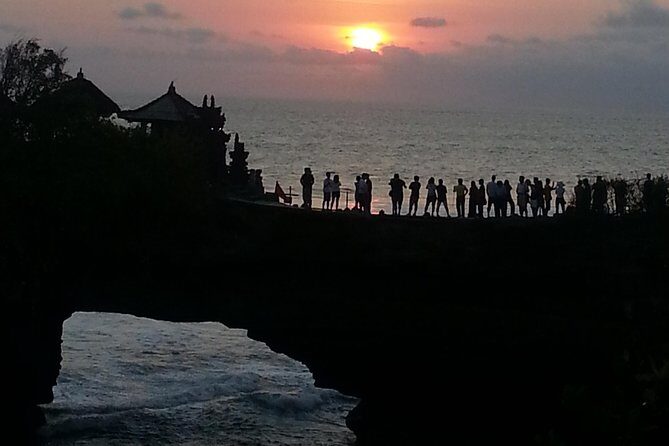
You’ll end at Tanah Lot Temple, one of Bali’s well-known Hindu temples. The tour notes it’s on the beach side and is a top spot to see the sunset, with about 1 hour planned here.

This is the moment that makes the whole day feel worth it. You get that classic temple-against-the-ocean scene, and the sunset timing is the main reason the earlier stops matter. If anything runs long, the biggest risk is losing some of the best light here—so having a guide managing the schedule is a real advantage.

Also remember: a beach-side temple can mean wind. Bring a light layer if you run cold easily. And if you want photos, decide early whether you’ll focus on the temple views or the ocean horizon first. That one decision saves time.

What the Driver/Guide Adds (And Why Reviews Care)

This tour’s best reputation isn’t only about the itinerary. It’s about how smoothly it runs with a guide.

One review praised Dewa as friendly and accommodating, and that mattered because it wasn’t just “following the script.” The private setup meant the guide could match the day to the group, including staying longer or skipping a stop if it didn’t land for everyone.

You also see a consistent theme of good English communication and an ability to share cultural context. That’s what helps you understand what you’re looking at in places like the art market and the carving center, instead of treating them like photo backdrops only.

In practical terms, a good guide also helps you avoid wasted time. In a full day itinerary, that can be the difference between feeling rushed and feeling like you actually absorbed the places.

Who This Tour Suits Best (And Who Should Rethink It)

This tour is a strong match if you want a tight “greatest hits” day that still includes enough culture and craft to feel real.

You’ll likely enjoy it if:

  • You like art and handmade items, not just scenic stops
  • You want one private car to handle everything from Seminyak
  • You care about a sunset finish and don’t want to plan it yourself
  • Your group values clear commentary to connect the dots

You might rethink it if:

  • Your group wants lots of free time at fewer stops (this day is full)
  • Waterfall steps could be an issue for you
  • You’re trying to do very early mornings without any flexibility (pickup can start in the morning)

Should You Book This Ubud to Tanah Lot Tour?

If you’re looking for a well-structured private day that gives you Ubud art, Tegenungan Waterfall, Tegalalang Rice Terraces, and Tanah Lot at sunset, this is an easy yes—especially given the included admissions and hotel pickup/drop-off. The $60 price works as value when you factor in transport and tickets, and the private setup makes the pacing more comfortable.

My recommendation: book it if sunset and the rice terrace are on your must-see list, and you’re okay with a full schedule. Bring comfy shoes for the waterfall steps, and plan for meals on your own. If your group includes both nature-lovers and craft-shoppers, this itinerary is built for you.

FAQ

What’s included in the tour price?

The tour includes all taxes and fees, bottled water, hotel pickup and drop-off, transport by private vehicle, and admission tickets for the listed stops.

Is this tour private or shared?

It’s described as a private tour/activity, meaning only your group participates.

How long is the tour?

It runs about 9 to 10 hours.

What time does the tour start?

The start time is listed as 9:00 am, and the itinerary description also references pickup beginning around 8:00 am—so it’s best to confirm your exact pickup window.

Are meals included?

No. Lunch or dinner isn’t included, so you’ll need to plan for your own meals.

Can I cancel for a full refund?

Yes. Free cancellation is available if you cancel up to 24 hours in advance of the experience start time for a full refund.

Discover the Enchanting Beauty of West Nusa Penida Private Tour

Discover the Enchanting Beauty of West Nusa Penida Private Tour - Boat crossing plan: Sanur or Kusamba, about 45 minutes each way

Few places on Bali feel this wild.

This West Nusa Penida private tour pairs fast, efficient transport with the island’s most dramatic coastal stops, from the natural infinity pool at Angel’s Billabong to the iconic T-Rex cliff of Kelingking Beach. I like that you get a full day structure (not just a list of photo spots), and I also like the human touch: in past trips, a guide named Gusti has been praised for being friendly, honest, punctual, and attentive. The main thing to consider is physical comfort—this day includes moderate walking and viewpoints where footing matters, so bring shoes you trust.

Fast boats plus island driving means the schedule moves, and good weather is important for the experience. If conditions are bad, the tour can be adjusted or refunded, so don’t plan this day as your only shot if you’re on a tight timetable.

Key highlights to know before you go

Discover the Enchanting Beauty of West Nusa Penida Private Tour - Key highlights to know before you go

  • Private tour from Seminyak: your group only, with air-conditioned vehicle service
  • Admission tickets included at the major Nusa Penida stops
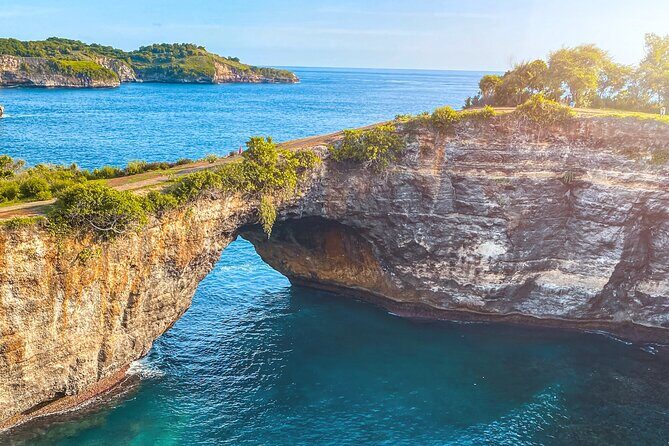
  • Angel’s Billabong: a natural infinity-pool look near the Broken Beach area
  • Kelingking Beach: the famous cliff formation with the T-Rex shape
  • Crystal Bay: white sand and clear water with marine life in view
  • Lunch included: so you’re not hunting for food mid-journey

From Seminyak to Nusa Penida: the easy day-trip formula

Discover the Enchanting Beauty of West Nusa Penida Private Tour - From Seminyak to Nusa Penida: the easy day-trip formula
This is the kind of day trip that works because it’s built around timing. You’re starting from Seminyak, then getting pulled into a smooth rhythm: pick-up, air-conditioned driving to the harbor, a fast boat crossing, island stops, and then the return back to Bali. That’s the big advantage of a private format—less waiting around with strangers, and you’re more likely to stay on schedule without stress.

Another practical win: you get all-fees-and-taxes covered and admission tickets included for the key sites. For a day like Nusa Penida, that matters. Some places are cheaper until you add entry fees, transport hops, and boat tickets. Here, you’re paying one price and spending most of your energy on the views.

One more detail I appreciate: you use a mobile ticket. That’s simple on travel days, especially if you’re trying to keep your phone organized for photos, maps, and ride updates.

Boat crossing plan: Sanur or Kusamba, about 45 minutes each way

Discover the Enchanting Beauty of West Nusa Penida Private Tour - Boat crossing plan: Sanur or Kusamba, about 45 minutes each way
Nusa Penida is reachable fast, but it’s still a full-day commitment. You cross by fast boat twice—over to the island and then back—each leg taking about 45 minutes.

What you should care about is the departure point: the crossing can be from either Sanur harbour or Kusamba harbour. That choice affects your morning route from Seminyak. If you’re the type who hates arriving last minute, plan a buffer. Early traffic around popular departure zones can shift your timing.

Also, remember this is open-water travel. If you’re prone to motion sickness, bring something you already know works. The itinerary doesn’t mention medication, but your body will thank you if you’re prepared.

Stop 1: Angkal Bali Perkasa crossing and the first taste of ocean air

The early crossing is your warm-up. Once you’re aboard, you’ll get that immediate shift in vibe—Bali’s busier feel fades, and the ocean becomes the main character. Even before you land on Nusa Penida, you’ll start noticing why this island is so photo-famous: steep coastlines, pale cliffs, and the sense that the water is never far away.

The ticket being included for this crossing is a small but meaningful thing. It reduces one layer of questions, like where to find tickets at the harbor or what’s needed when you check in.

Angel’s Billabong: the ocean’s natural infinity-pool look

Discover the Enchanting Beauty of West Nusa Penida Private Tour - Angel’s Billabong: the ocean’s natural infinity-pool look
This is one of the first stops because it sets the tone. Angel’s Billabong is famous for a natural infinity-pool effect—water lines that make it feel like the ocean is meeting a built structure, except it’s pure nature’s work.

Expect it to feel surreal in the best way. You’re looking at coastal rock formations shaped by tide and wave action, creating that “pool edge” illusion. The viewpoint helps: you’re not just staring at a beach; you’re seeing the ocean interact with the land. It’s an “aha” stop if you like seeing how geography creates art-like scenes.

Practical note: natural pools can vary with water conditions. The tour info emphasizes the destination as a natural marvel, but it doesn’t promise a specific depth or look every day. Go in expecting something gorgeous, not something staged.

Pasih Uug Beach and the Broken Beach area: dramatic rock, wild power

Discover the Enchanting Beauty of West Nusa Penida Private Tour - Pasih Uug Beach and the Broken Beach area: dramatic rock, wild power
Next comes Pasih Uug Beach, tied to the famous Broken Beach area on Nusa Penida. This is where you really feel the island’s attitude. Instead of calm shoreline vibes, you’re seeing jagged coastal rock and water power.

The appeal here is the contrast. You’ll likely move from the smoother “pool” look at Angel’s Billabong into a more rugged scene where the ocean hits hard and the formations feel dramatic. It’s a different kind of beauty—less Instagram-clean, more real-world geology.

How long you spend matters. You’re at this stop for about 1 hour 30 minutes, which is enough to slow down, walk to view angles, and still keep the day moving.

Tip: wear shoes with grip and keep an eye on uneven steps and slick patches. The scenery is the reward, but your footing is the price of admission.

Kelingking Beach: the T-Rex cliff and the viewpoint game

Discover the Enchanting Beauty of West Nusa Penida Private Tour - Kelingking Beach: the T-Rex cliff and the viewpoint game
Then you hit the big headline: Kelingking Beach. This is the place people recognize instantly because of the cliff shape—often described as a T-Rex silhouette. Even if you’ve only seen pictures, in person the scale hits different. The cliff doesn’t just look weird; it looks like nature built a landmark.

The itinerary gives you around 2 hours for this stop, which is useful because Kelingking is all about angles. You’ll likely want time to find the best view, then time to enjoy it without rushing.

Here’s the consideration that comes with this stop: viewpoints can be steep and the paths can be uneven. The tour info calls for moderate physical fitness. You don’t need to be an athlete, but you do need to be comfortable moving carefully, and you should plan for that slightly more physical side of sightseeing.

If you’re traveling with someone less steady on their feet, the private format can help because you can adjust your pace—your driver and guide can often guide you to safe ways to view without turning the day into a struggle.

Crystal Bay: white sand, clear water, and marine life in view

Discover the Enchanting Beauty of West Nusa Penida Private Tour - Crystal Bay: white sand, clear water, and marine life in view
After the cliff drama, Crystal Bay feels calmer. It’s known for white sandy beaches and crystal-clear waters, plus the chance to see marine life.

I like this stop because it balances the day. Earlier you’re dealing with cliffs, rock formations, and big ocean scenes. Here, your eyes can rest on water color and shoreline texture. If you enjoy swimming or simply want to cool down, this is the kind of place where the water clarity makes it tempting to spend time just watching.

The tour info frames it as an enjoyable beach experience with marine life visibility. That’s enough to set expectations: it’s not just a photo spot; it’s a place where the water lets you observe what’s around.

You’re there for about 3 hours, giving you room to go at your own rhythm. That time buffer is also helpful if you get a late start to your stop because of photos or short waits for viewpoints.

Lunch, timing, and what a 9-hour day really feels like

Discover the Enchanting Beauty of West Nusa Penida Private Tour - Lunch, timing, and what a 9-hour day really feels like
The tour includes lunch, and that matters more than it sounds. When you’re doing multiple stops on Nusa Penida, forgetting food turns the whole day into a grumpy slog. With lunch included, you’re better protected against that common travel-day spiral.

Timing-wise, the day stacks in a pretty logical way:

  • You cross over by fast boat in the morning
  • You hit the major coastal highlights across the island
  • You return by fast boat to Bali in the afternoon

The total duration is listed as around 9 hours, which is about right for this kind of itinerary with transfers and multiple stops.

What to pack (based on what you’ll actually be doing):

  • Comfortable, grippy shoes (cliffs and coastal paths are not smooth floors)
  • Sun protection (you’ll be outside for long stretches)
  • Water (even with lunch included, you’ll want to hydrate)
  • Light layers (boat rides and sea breeze can cool you down)

Also, plan your photo strategy. With stops like Angel’s Billabong and Kelingking, you’ll want at least a few photos at your favorite angle, not just a quick snap and sprint. This tour gives enough time to do that, especially with private pacing.

Value check: is $99 a good deal?

Let’s talk value, not just price. At $99 for about 9 hours, you’re paying for a day that includes:

  • Private transportation with air-conditioned vehicle
  • Fast boat crossings (and related admission being included)
  • Admission tickets included at each main stop
  • Lunch included
  • All fees and taxes included

The “not included” items are mainly personal spending: tips, dinner, and alcoholic beverages. That’s pretty standard for a private day trip.

So where does the value really land? It lands in convenience and reduced add-ons. Nusa Penida days can get expensive once you start paying separately for entry fees and transport hops. Here, you’re bundling the key costs into one number, which makes it easier to plan your Bali budget.

When you should consider this tour:

  • You want a private day with your group only
  • You prefer having entry tickets handled
  • You like nature scenes but don’t want to drive around and figure everything out
  • You’re okay with a moderate fitness level and careful walking at viewpoints

Where it might not fit:

  • If you hate boat rides or are very sensitive to motion
  • If you want a slow, no-rush island day without structured stops

The guide factor: why Gusti-style service matters

The most praised element in prior experiences is the guide. A guide named Gusti has been highlighted as friendly, honest, punctual, attentive, and the sort of person who makes the day easier instead of more complicated.

That kind of guiding improves your day in practical ways:

  • You’re more likely to get the day’s timing right, especially around boat departures
  • You’ll understand what you’re seeing at each stop
  • You’re less likely to feel lost at viewpoints and transitions

Even if you don’t get the same guide name, the takeaway is clear: you’re buying more than transport. You’re buying guidance that keeps your day calm.

Should you book this West Nusa Penida Private Tour?

I think it’s a strong choice if you want maximum Nusa Penida drama without turning your vacation into a logistics project. The combination of private transport, fast boat crossings, admissions included, and lunch makes the price feel fair for a full day.

Book it if:

  • You’re starting from Seminyak and want a clean, organized day
  • You want to hit Angel’s Billabong, Pasih Uug/Broken Beach area, Kelingking Beach, and Crystal Bay
  • You like the idea of a guide who is punctual and attentive

Skip it (or think twice) if:

  • You’re not comfortable with moderate physical fitness and uneven coastal paths
  • Weather is uncertain for your travel dates, and you’re strict about not adjusting plans

If you can flex a little and you’re okay with careful walking and sea travel, this is exactly the kind of private day trip that pays off fast.

FAQ

How long is the West Nusa Penida private tour?

It lasts about 9 hours.

How much does the tour cost?

The price is $99.

Do you get pickup from Seminyak?

Pickup is offered.

Is this a private tour?

Yes. It’s private, and only your group participates.

Are fast boats included?

Yes. You take fast boats for the Bali to Nusa Penida crossing and for the return.

What are the departure harbors for the fast boat?

The crossings can depart from Sanur harbour or Kusamba harbour.

Are admission tickets included?

Yes. Admission tickets are included for the listed stops.

Is lunch included?

Yes, lunch is included.

What is not included in the price?

Tips, dinner, and alcoholic beverages are not included.

What if the weather is bad?

This experience requires good weather. If it’s canceled due to poor weather, you’ll be offered a different date or a full refund.

Bali Private Tour – Car with Driver

Bali Private Tour - Car with Driver - Build Your Own Route With an English-Speaking Driver

A Bali day can go one of two ways: rushed or relaxed. This one is designed for flexible touring—you choose where you want to go, and your driver helps you make it work smoothly in about 10 hours. I like that it is private for your group, so you’re not stuck with someone else’s schedule.

Two things I really like: an English-speaking driver who can guide you in real time, and included basics like petrol and parking fees so you’re not doing constant side calculations. One consideration: because the itinerary is yours to define, you’ll get the best day if you come with at least a rough plan (otherwise you can end up driving around and losing time).

What’s especially good value is the pricing: $80 per group (up to 5), with pickup available and a comfortable, fully air-conditioned car. Plan ahead if you can—this style of private day is commonly booked about a month in advance.

Key Takeaways Before You Go

Bali Private Tour - Car with Driver - Key Takeaways Before You Go

  • Make your own plan: You set the stops; the driver steers you toward what fits.
  • Private car for up to 5: No sharing with strangers, and no “group pace” stress.
  • English-speaking driver: Helps you communicate and keep timing realistic.
  • 10 hours is the core block: Extra time is optional, priced clearly at $5/hour.
  • Fuel and parking included: You’re paying for transport, not nickel-and-diming.
  • Full AC comfort: You’re in a cooler car between stops, which matters in Bali.

Nusa Dua Pickup to 10-Hour Rhythm: How the Day Flows

This is a simple, practical format: you get picked up, then you spend around 10 hours cruising and hopping between the places you want to see. The driver isn’t just a chauffeur who says nothing. You’re partnering with them to build a day that feels like your Bali, not a pre-set checklist.

The “10 hours” matters because it forces good pacing. In Bali, distances can surprise you, and traffic can change minute-to-minute. With a timed day like this, the driver’s job becomes smart routing—helping you avoid too many long transfers back-to-back. If you want a mix of viewpoints, cultural stops, and a little downtime, this time block is a realistic container.

You also decide the pickup time. That’s underrated. If you’re someone who likes a calmer start (or a later start to avoid the busiest parts of the day), you have that flexibility. It also means you can coordinate pickup around your hotel location in Nusa Dua without scrambling.

Price and Value for Up to 5: When $80 Feels Fair

Bali Private Tour - Car with Driver - Price and Value for Up to 5: When $80 Feels Fair
Let’s talk money in plain terms. The rate is $80 per group, up to 5 people, for about 10 hours. That puts the cost per person in the “worth it” zone if you’re traveling with family or friends and you’d otherwise be doing multiple rides.

Private transport often sounds expensive until you break it down. Here, you get a private car plus the driver, and the basics that usually add up—petrol and parking fees—are included. So you’re not hit with the usual stream of small charges while you’re trying to enjoy the day.

If you’re traveling solo or as a couple, it can still make sense if you prefer convenience over bargaining and waiting. You’re paying for door-to-door comfort, AC, and a driver who can adapt as your day changes. If your priority is control—your stops, your timing—this format usually delivers better value than piecing together separate rides.

One more practical note: this kind of private day tends to get booked in advance (on average, about 28 days ahead). If you have fixed plans in Nusa Dua, it’s smart to lock it in earlier rather than testing your luck close to your travel dates.

Build Your Own Route With an English-Speaking Driver

Bali Private Tour - Car with Driver - Build Your Own Route With an English-Speaking Driver
This is where the experience earns its keep. You define your own program, and your driver helps guide you in the right direction. Translation: you can pick the places you’re actually interested in, while your driver helps you avoid the common traps—like stacking stops that don’t match the time you realistically have.

You can also ask for options. Even with a private day, it helps to have a second brain on the ground. A good driver can suggest a different angle, a better timing window, or a practical alternative when something takes longer than expected.

In a perfect world, you’d arrive with a short list like:

  • One or two “must-see” stops
  • One “I’d like to see it if time allows” stop
  • A buffer slot for a break or a scenic pause

Then your driver can shape the order and timing so you don’t feel like you’re racing the clock. The upside of this setup is control without chaos.

Also, it’s private. Only your group participates. That matters because you can move at a pace that fits your energy level—whether that means lingering longer at a viewpoint or keeping it brisk.

Comfort Details That Actually Affect Your Day

Bali can be hot, and Nusa Dua’s coastal vibe means you’ll feel sun and humidity quickly. That’s why I pay attention to the car part. This experience includes a comfortable car with full AC, so you’re not baking between stops.

The “included petrol and parking fee” detail is also more important than it sounds. Petrol and parking are often where private transport bills start creeping up in real life. Here, those costs are covered, and that keeps your day feeling predictable.

An English-speaking driver adds a practical layer too. It’s not just about conversation. Clear communication helps you confirm directions, timing, and what’s realistic in traffic. You waste less time doing mental math and more time actually out enjoying Bali.

How to Plan the Best Stops for a 10-Hour Day

Bali Private Tour - Car with Driver - How to Plan the Best Stops for a 10-Hour Day
Since you define the itinerary, the real question becomes: what makes a smart 10-hour route? I like planning with two principles: fewer transfers, and more satisfying “time on site.”

Here’s how to structure your day so it doesn’t turn into drive-sit-repeat:

1) Pick a theme per block.

For example, one block for scenic views and one block for cultural or shopping-style stops. Even without naming exact locations, that pattern keeps your day feeling coherent.

2) Use your driver for pacing.

Ask for an order that reduces backtracking. In Bali, going “the direct way” isn’t always the fastest way once traffic and road turns enter the picture.

3) Add one buffer.

Traffic, lines, or a quick detour can happen. If you build in a little breathing room, your day stays fun even when Bali does Bali.

4) Know when to say no.

The driver’s input can help you drop a stop if it would force a long hop. That’s not failure. That’s smart travel.

Because extra hours are available (more on that next), you don’t need to cram everything into the first 10 hours. Instead, aim for a plan that feels smooth. If you want more time, you can extend.

Extra Hours and Timing: Avoid the Surprise End-of-Day

The base experience is about 10 hours. If you want more time, additional extra hours cost USD 5/hour, paid cash directly to the driver. That’s refreshingly straightforward.

This pricing setup is good because you can make an on-the-spot decision. Maybe you’re having a great time and want one more stop. Or maybe you planned too much and you’d rather wrap early. Either way, you’re not trapped.

My practical advice: decide your “extension threshold” early. For example, you might plan to reassess around hour 8. If you’re already satisfied, you keep it relaxed. If you’re not, you extend with intention.

What’s Included vs. What You Pay for Yourself

Bali Private Tour - Car with Driver - What’s Included vs. What You Pay for Yourself
Included in the service:

  • Private car
  • English-speaking driver
  • Petrol
  • Parking fee

Not included:

  • All personal expenses

That “personal expenses” line is broad on purpose. In real terms, that usually covers your own spending during the day—things like food, drinks, entry fees, and anything you buy on location. Since the listing doesn’t specify which venues or activities are part of your chosen route, it’s best to assume your itinerary’s on-the-ground costs are yours to manage.

So if you’re planning a day that includes paid attractions or meals, budget for that ahead of time. The transport part is handled well; the spending part depends on what you pick.

Who This Private Car Day Fits Best

This works especially well if:

  • You’re in a group of up to 5 and want door-to-door comfort
  • You prefer setting the itinerary yourself rather than following a fixed route
  • You want an English-speaking driver who can help keep timing sensible
  • You value AC comfort between stops in Nusa Dua’s heat

It also suits travelers who don’t want the stress of public transport or negotiating rides while they’re figuring out where to go next. If you’re the type who gets irritated waiting, this private format usually feels calmer right away.

On the other hand, if you don’t like planning at all, you might find the flexibility a little demanding. You can still go—just come with at least a few anchor ideas so the day clicks into place fast.

Should You Book This Bali Private Tour?

I’d book it if you want a private day in Nusa Dua where you control the stops, and you want transport that’s predictable: AC comfort, a driver who helps guide, and fuel/parking covered. The biggest reason it’s a good call is simple—this setup is built for real flexibility without turning your day into logistics homework.

I would hesitate only if you’re expecting a fixed, fully scripted itinerary. This is more like renting a trusted route partner than signing up for a predetermined tour. If you arrive with a rough plan and a good attitude about pacing, you’ll likely get a day that feels personal and efficient.

FAQ

How much does the Bali Private Tour – Car with Driver cost?

It costs $80.00 per group, up to 5 people.

How long is the tour?

The duration is approximately 10 hours.

Is pickup offered?

Yes. Pickup is offered, and the driver picks you up at the time you decide.

What’s included in the price?

A private car, an English-speaking driver, petrol, and parking fees are included.

What is not included?

All personal expenses are not included.

What if we want extra time?

Additional extra hours are charged at USD 5 per hour, paid in cash to the driver.

Can I cancel for a full refund?

Yes. Free cancellation is available. You can cancel up to 24 hours in advance for a full refund.

If you’d like, tell me your dates and who’s in your group (how many people, and your rough must-see list). I can help you shape a realistic 10-hour plan that uses the driver’s flexibility well.

Bali Private Tour and Driver

Bali traffic is real, so this helps. A Bali private tour and driver lets you shape a full day around what you actually want to see, from temples to markets to nature stops, with a driver who can also help you with timing. I really like the flexibility of designing your own route instead of being locked into one fixed script.

I also like the practical side: pickup and drop-off from areas like Kuta, Seminyak, Sanur, Ubud, and Nusa Dua, plus a private air-conditioned vehicle with an English-speaking driver. One watch-out is that entrance fees and meals are not included, so you’ll want to budget a bit before your first temple gate.

Key Highlights Worth Planning For

Bali Private Tour and Driver - Key Highlights Worth Planning For

  • Private car with an English-speaking driver to help you handle timing and route choices
  • Hotel pickup and drop-off in Kuta, Seminyak, Sanur, Ubud, and Nusa Dua areas
  • Customizable stops from Monkey Forest to Tirta Empul and rice terraces in Ubud
  • A/C comfort for a long day with a vehicle that fits up to six guests
  • Parking and tolls included, so you avoid surprise fees during the day

A Private Bali Day in Plain Terms

Bali Private Tour and Driver - A Private Bali Day in Plain Terms
This is the kind of tour that makes sense when you want Bali at your pace. You get a private car and driver for about 10 hours, and you can choose from a menu of places—mostly cultural stops and classic Ubud nature sights.

The real win is control. You can build your day around temples, walking, photo stops, or viewpoint time without spending energy negotiating taxis and routes. If you’re trying to pack a lot into one day, the driver’s help with travel time between areas can save you from bad timing.

There’s also value in the basics being covered. You’re not just buying a ride—you get pickup and drop-off, an A/C vehicle, and tolls and parking handled along the way. Your money goes to the day itself, not to scrambling for logistics.

Your Driver and Vehicle: Convenience You Feel Immediately

Bali Private Tour and Driver - Your Driver and Vehicle: Convenience You Feel Immediately
A private day like this works because the driver is also your on-the-ground planner. You get recommendations about where to go, what’s worth your time, and what can realistically fit with Bali’s driving conditions.

The vehicle matters too. It’s air-conditioned and designed for up to six guests, so it’s comfortable if your group is family-style or you’re traveling with friends. Even if you’re solo, this setup is often less stressful than piecing together separate transport plans.

English-speaking driver support is included, which helps when you’re trying to understand what you’re looking at—temples, purification rituals, or why certain areas feel more sacred or more scenic. It also makes it easier to confirm timing and meet-up points without awkward guesswork.

In one case, a driver named Dawa handled the day with extra care for a disabled traveler and managed Bali traffic expertly while still fitting in multiple stops. That detail matters because a smooth day in Bali is often less about famous sites and more about calm, reliable driving.

Customize Your Day: Picking Stops That Match Your Mood

Bali Private Tour and Driver - Customize Your Day: Picking Stops That Match Your Mood
The itinerary is flexible. Instead of one unchangeable route, you choose from available stops, and the operator handles the “how do we stitch this together” part with your driver.

That flexibility is especially useful because some of the stops are more time-sensitive than others. For example, temple locations tend to have a more spiritual rhythm, while viewpoints like Tegalalang Rice Terrace or a waterfall stop reward you when you time it right.

You’ll also want to think about energy level. Some stops are easy photo-and-walk style, like Campuhan Ridge Walk. Others include uneven ground or more physical movement, like Elephant Cave and the option to swim at Tegenungan Waterfall.

One more timing note: Kintamani Highland is specifically called out as being covered if you choose the 10-hour plan. If you choose a shorter duration, you might have to trade that mountain-view chunk for another stop.

Price and Value: What $29.49 Per Person Really Buys

Bali Private Tour and Driver - Price and Value: What $29.49 Per Person Really Buys
At around $29.49 per person for a 10-hour private day, this can be strong value in Bali—especially when you compare it to the cost of individual taxis plus the headaches of booking and repositioning.

What’s included is what usually adds up:

  • hotel pickup and drop-off
  • an air-conditioned vehicle
  • an English-speaking driver
  • toll fees

What’s not included:

  • meals
  • entrance fees
  • personal expenses

So yes, you’ll pay extra at gates and for food. But that’s common for Bali tours. The better question is how efficiently your day is packaged. With parking and tolls taken care of, you avoid small add-ons that can quietly swell a day’s cost.

Also, this price is stated as applicable to departures from main southern areas: Seminyak, Kuta, Legian, Kerobokan, Canggu, Jimbaran, Nusa Dua, Sanur, and Ubud. If you’re staying outside those areas, you might find the pricing less straightforward, so it’s smart to confirm pickup coverage.

Morning Pickup, Timing, and Beating Traffic Stress

Bali Private Tour and Driver - Morning Pickup, Timing, and Beating Traffic Stress
Pickup is offered from places like Nusa Dua, Kuta, Seminyak, Sanur, or Ubud, and the tour uses your preferred pickup time—though the operator may adjust it with the driver.

Plan for the reality of Bali driving. Even if a site is close on a map, the road experience can be slow. Having one driver for the full day means you don’t lose time switching transport and figuring out where you are supposed to go next.

If you’re aiming for a smooth route, ask the driver what order makes the most sense. Smart ordering helps you avoid backtracking. It also helps you time walking stops like Campuhan Ridge Walk and view stops like Kintamani.

One practical tip: wear shoes that can handle a mix of pavement and uneven ground. A couple of the options involve walking through temples or along natural areas, and you’ll feel better if your feet are ready.

Stop-by-Stop: Monkey Forest and Campuhan Ridge Walk

Bali Private Tour and Driver - Stop-by-Stop: Monkey Forest and Campuhan Ridge Walk

Sacred Monkey Forest Sanctuary (about 30 minutes)

This is one of Bali’s most famous forest temple stops. You’ll see gray macaques roaming among Hindu temples in the forest. It’s a mix of nature and spirituality, and the setting is great for photos.

The main trade-off is time. At about 30 minutes, you’ll want to move with intention. Focus on the key temple areas and don’t let one monkey interaction eat your whole visit.

Entrance fees are not included, so budget for it. Also, treat it like a wildlife place: keep bags secured and avoid sudden moves.

Campuhan Ridge Walk (about 30 minutes, free)

This one is a relief if you want something less crowded than temple hubs. You get a walking stretch through lush greenery along a ridge. It’s a simple, scenic way to reset your brain after driving.

Because it’s listed as free, it’s a good value stop, especially if you’re trying to keep entrance costs under control. Still, plan your timing for shade and comfort. Bring water, even on shorter walks.

Ubud Rice Terraces, Art Market, and Temple Spaces

Bali Private Tour and Driver - Ubud Rice Terraces, Art Market, and Temple Spaces
Ubud is where your day often starts to feel more “Bali” in a cultural way. The choices here are classic: rice fields, markets, and a few spiritual stops that show how ceremonies tie into everyday life.

Tegalalang Rice Terrace (about 45 minutes)

The rice terraces are one of those places you understand the minute you see them. The viewpoint is photogenic, and the area feels alive with small paths and photo angles.

The drawback is that popular viewpoints can get busy. With only about 45 minutes, you’ll want to pick your photo spots quickly and then do a calm walk through the viewing area without rushing.

Entrance fees are not included, so treat it like a paid “time window” for the views.

Ubud Traditional Art Market (about 30 minutes, admission not included)

If you want souvenirs that feel more local than generic shops, this is a place to browse. It’s also useful for learning what kinds of crafts and small items are common in the area.

Because it’s only about 30 minutes, you won’t have time to comparison shop across multiple neighborhoods. Use your energy to find a couple of items you truly want, not to hunt endlessly.

Puseh Batuan Temple (about 45 minutes)

This is a more specific temple option that’s designed to show how the formation of a Balinese temple works. It’s listed as about 45 minutes, so it’s enough time to slow down and observe rather than just pass through.

Entrance fees aren’t included. Expect a calm, respectful environment—bring patience and keep your voice down.

Tirta Empul: The Sacred Spring Purification Stop

Bali Private Tour and Driver - Tirta Empul: The Sacred Spring Purification Stop

Tirta Empul Temple (about 30 minutes)

This is one of the most meaningful stops on the list. You’ll see worshipers purifying themselves at the spring considered sacred by Balinese Hindus.

The experience is built around ritual, not just sightseeing. So your best approach is respectful observation. If you want to participate, you’ll likely need to follow local guidance on conduct and any rules at the site (those details aren’t specified here, so listen to your driver and what’s posted there).

It’s only about 30 minutes, which can feel short if you’re very interested in ceremony. Still, it’s a strong stop for understanding why temples matter in everyday Balinese life.

Entrance fees are not included, so plan accordingly.

Elephant Cave and Picheaven Bali Swing: Photos and Motion

Elephant Cave (about 45 minutes, admission not included)

Elephant Cave is described as a rock-wall carving area and a temple with bathing pools. With about 45 minutes, you get time to see the carvings and then explore the bathing pool area at a slower pace.

The big consideration is comfort. Temple areas and pool-adjacent spaces can involve slippery or uneven spots. Wear footwear you can trust, and don’t assume every surface is dry.

Entrance fees aren’t included, so budget.

Picheaven Bali Swing (about 30 minutes, admission not included)

If your group wants a photo-focused activity, this is where it fits. It’s described as the first and biggest Bali swing spot, with lots of selfie-style photo opportunities.

The trade-off is that it’s essentially an add-on activity, not a cultural site. If you’re chasing temples and markets only, you might feel it’s too “touristy.” If your group loves photos and a fun break, it can be a nice energy reset.

Still, because you only have about 30 minutes here, plan to treat it as a quick photo session, not a full half-day activity.

Tegenungan Waterfall and the Swim Option

Tegenungan Waterfall (about 30 minutes, admission not included)

This is the classic Ubud-area waterfall stop. It’s described as having green views, and you can swim into it.

That “swim option” is exciting, but it’s also the sort of thing that depends on conditions. Water access might vary, and you’ll want to be cautious for safety reasons. Your driver can help you interpret what’s workable on the day.

At about 30 minutes, your time for soaking and photo angles is short. Go with the mindset: quick swim if it’s feasible, then get your photos and head back.

Entrance fees aren’t included.

Kintamani Highland and Mt. Batur Views (Only on the 10-Hour Plan)

Kintamani Highland (about 45 minutes, admission not included)

This stop is built around a big view: Mt. Batur volcano and Batur lake from the highlands. The schedule note matters: it will be covered if you choose the 10-hour option.

That’s a key planning detail because it changes the kind of day you end up with. A 10-hour day can include both Ubud temple and market-style stops plus the mountain viewpoint. A shorter day might need to trim the mountain segment.

Like many highland viewpoints, weather matters. Cloud cover can mute the view. Still, even if visibility isn’t perfect, the volcanic setting is a reason people make the trip.

Entrance fees aren’t included.

Who This Bali Private Tour Fits Best

This tour makes the most sense if you want Bali with structure but not with rigidity. You’ll probably love it if:

  • you’re short on time and want a one-day hit of key areas
  • you prefer to pick the exact mix of temples, nature stops, and markets
  • you’re traveling with friends or family who want comfort and easy coordination
  • you’d rather pay for one clean plan than juggle taxis all day

It’s less ideal if you only want one neighborhood and don’t like moving around. It’s also not the best fit if you hate paying entrance fees on top of the tour price.

The group-size note is interesting too. The tour is private by vehicle (A/C seats for up to six guests), but the overall activity caps at 14 travelers. In practice, you should feel like you have your own driver and car, but if you’re sensitive to crowding, confirm how pickups and stop timing work on your exact date.

Should You Book This Bali Private Tour and Driver?

Book it if you want a customized, driver-led day that balances major sights with flexibility. The combination of pickup and drop-off, A/C comfort, English-speaking driver support, and included tolls/parking is what makes it feel like a real value—not just a random sightseeing ride.

Don’t book it if your priority is a single tight route with free stops only. Entrance fees and meals aren’t included, and the list includes a range of optional paid sites, plus some time-sensitive nature activities.

If you do book, I’d plan your day around your top two must-dos and treat the rest as supporting cast. That helps you enjoy the ride and not rush from place to place.

FAQ

How long is the Bali private tour and driver?

The tour duration is about 10 hours.

What’s included in the price?

It includes hotel pickup and drop-off, an air-conditioned vehicle, an English-speaking driver, and toll fees.

Are entrance fees included?

No. All entrance fees are not included.

Where do pickups happen?

Pickup is offered from Nusa Dua, Kuta, Seminyak, Sanur, or Ubud.

Can I customize the itinerary?

Yes. You can design a day trip with flexibility, choosing stops like temples, rice terraces, markets, and more.

How many people can the vehicle accommodate?

The private air-conditioned vehicle seats up to six guests.

Which stops are available on the tour?

The listed options include Sacred Monkey Forest Sanctuary, Campuhan Ridge Walk, Tegenungan Waterfall, Tegalalang Rice Terrace, Elephant Cave, Puseh Batuan Temple, Ubud Traditional Art Market, Kintamani Highland, Picheaven Bali Swing, and Tirta Empul Temple.

What is the cancellation policy?

Free cancellation is available. You can cancel up to 24 hours in advance for a full refund.

Blue Lagoon Paradise Snorkeling Tour

Blue Lagoon Paradise Snorkeling Tour - Key Things to Know Before You Go

That first mask-on moment is the best part. This Blue Lagoon Paradise Snorkeling Tour is built for an easy, low-stress snorkel day on Bali’s east coast, with calm water and time right from the shore. You’ll get snorkeling gear, air-conditioned pickup, and lunch as part of the package, so you’re not scrambling for equipment or snacks.

I especially like the setup for beginners and families: the lagoon is sheltered, and snorkeling happens from the beach, not from a rocky open-ocean swim. Another big plus is the overall organization—people call out friendly, on-time drivers such as Dewa Gunawan and Made Suwira, plus a snorkeling team that keeps things smooth. A possible drawback to keep in mind: the water can be extremely calm in normal conditions, but weather can affect how “easy” it feels on the day you go.

Key Things to Know Before You Go

Blue Lagoon Paradise Snorkeling Tour - Key Things to Know Before You Go

  • Shore snorkeling at Blue Lagoon means less worry and a simpler entry for first-timers
  • All snorkeling gear is included, so you only need to bring yourself
  • Air-conditioned pickup and drop-off helps you avoid the hassle of arranging transport
  • Lunch and bottled water keep the day comfortable, not snack-based
  • A private format means only your group participates
  • Coral and tropical fish are the whole point, with even a chance for hands-on moments like fish feeding

Why Blue Lagoon Padangbai Is Such a Friendly Snorkel Spot

Blue Lagoon (Padangbai area) is a smart choice if you want to see underwater life without turning the day into a swim challenge. The lagoon is sheltered, and the water is described as extremely calm in normal weather. That matters because calm water lets you focus on what you came for: watching fish move through the coral.

This tour is also pitched for people who want a chilled-out pace. Instead of rushing from one stop to another, the day centers on one main snorkeling stretch, plus time for getting there, getting ready, and eating afterward. If you’re snorkeling for the first time, that calmer rhythm can make a bigger difference than you’d think.

What You Get for $67: Gear, Transport, Lunch, and Admission

At $67 per person, the value mostly comes from what you’re not paying separately. You get snorkeling gear (so you don’t need to rent masks or fins), and you also get air-conditioned transfers from your pickup area in Kuta. On top of that, the tour includes lunch and bottled water, plus the admission ticket for the snorkeling stop.

That bundle is the practical heart of the experience. Many Bali activities advertise a low price, then add up costs for gear, entrance, or food. Here, your day is more like an all-in plan, which usually means fewer surprises and less time wasted.

If you’re traveling as a group, there’s also a nod to group discounts in the offering. Even if the tour is private for your group, discounts can still matter when you’re calculating the total for multiple people.

8:30 Start to Shore Snorkel: How the Day Typically Flows

The tour starts at 8:30 am, with meeting arrangements set for that morning. Expect the schedule to feel full but not frantic, because the total time is listed as about 7 hours. Most of that time is simply the travel component, gear prep, and the meal break around your snorkeling slot.

You’ll head to the lagoon area in an air-conditioned vehicle, which is a real comfort win in Bali heat. After that, the snorkeling block focuses on Blue Lagoon Beach, where you’ll spend about 2 hours in the water.

Then comes the straightforward part: you eat lunch and drink bottled water before heading back. With a single main snorkeling stop, you avoid the “constant car time” feeling that some multi-stop days can create.

Blue Lagoon Beach: Coral, Tropical Fish, and a Simple Entrance

This is the main event: Blue Lagoon Beach. The tour’s pitch is pretty clear—this is the kind of snorkeling place that works especially well for families and beginners because the water is extremely calm when weather is normal. Because snorkeling is done right from the beach, you’re not relying on ocean conditions the same way you would for a boat-based reef day.

Once you’re in, the payoff is the underwater neighborhood. The experience is centered on seeing tropical fish and coral, up close and in a sheltered setting. If you’re the type who likes to watch movement—little swirls of color, quick flashes, fish that move between coral patches—you’ll probably feel like you’re in the right place.

One detail from the feedback that’s worth noting: some people highlight a hands-on moment like hand feeding the fish. I wouldn’t treat that as guaranteed every time, but it does suggest the team may encourage interaction in a controlled, guided way. If that’s your thing, this tour seems to have delivered that kind of moment for at least some groups.

The realistic trade-off

When a site is calm and sheltered, it can be easier than open water—but you should still plan to be flexible. If conditions aren’t ideal, visibility and overall water feel can change. The good news is the shore-based setup typically keeps the day manageable even when the sea is less cooperative.

Private Tour Comfort: Only Your Group, Guided Without the Chaos

This is a private tour/activity, which means only your group participates. That’s a meaningful difference on a busy island. You’re not trying to line up behind strangers, and you don’t have to match your pace to someone else’s comfort level.

The snorkeling team guidance matters here. Feedback calls the snorkeling team great and lovely with lunch afterward. While you should always expect basic instructions from operators at the water, the vibe you want is clear: helpful people, not a stressful assembly line.

Also, having a private setup tends to suit families better. You can keep eyes on kids more easily, and first-time snorkelers can take things step-by-step without feeling rushed.

The Driver Factor in Bali: Friendly, Prompt, and Useful

A big part of a good Bali day is the ride, because traffic and heat can drain energy fast. In the feedback, the drivers get real credit. Names that came up include Dewa Gunawan and Made Suwira, with notes that they were friendly, professional, and on time for pickup and drop-off.

More than politeness, a good driver can help you avoid wasted time. One account highlights that the driver suggested other activities in Bali, and helped the group get to the lagoon quickly. Even if you already have your schedule planned, having a driver who thinks ahead can make the whole day run better.

Lunch After Snorkeling: Simple, Local, and Timed Well

After you’ve been in the water, you’ll want food that feels easy and satisfying. Lunch and bottled water are included, and feedback describes the meal as typically local and tasty.

The best part is timing. Since the snorkeling block is about 2 hours, lunch hits when you’re hungry rather than when you’re still swimming around in a salty fog. You can keep your energy for the ride back without needing to hunt for a restaurant mid-day.

Who Should Book This Tour (And Who Might Want Something Else)

This tour is a great fit if you want calm-water snorkeling with a simple flow. It’s especially good for:

  • Beginner snorkelers who want a shore-based setup
  • Families looking for a relaxed outing
  • People who prefer a private day over a crowded group vibe
  • Anyone who doesn’t want to manage rentals, entry fees, or lunch planning

If you’re an advanced snorkeler hunting for big-ticket reef walls or long open-water swims, this might feel too calm and straightforward. The tour is clearly designed around ease and comfort, not extreme challenge.

Also, if you love lots of different stops and variety, you may prefer a day with multiple snorkeling sites. Here, the day centers on one main snorkeling beach, which is great when you want focus and less rushing.

Practical Tips So You Enjoy the Full 7 Hours

A few common-sense things will help you get the most out of the day:

  • Bring a swimsuit you’re comfortable re-wearing on the return ride, since you’ll likely get wet.
  • Use sunscreen early. You’ll be in the water, and you still need sun protection before you step in.
  • Pack a small dry bag. Even if the tour provides a smooth setup, you’ll still want a safe place for your phone and valuables.
  • If you’re a first-timer, go slow in the water. Calm water is forgiving, but good breathing habits matter more than speed.

Since the tour includes gear, you won’t spend time negotiating masks or fins. That’s one less stress step in your day.

Should You Book the Blue Lagoon Paradise Snorkeling Tour?

If you want an easy, well-paced snorkeling day on Bali’s east coast, I’d say yes. The tour’s value is in the bundle: gear, transport, admission, lunch, and bottled water, all wrapped into one price. It also matches what a lot of people are really looking for: calm water, close-up fish and coral, and friendly people helping the day run smoothly.

Book it if you’re new to snorkeling, traveling with family, or you simply don’t want friction. Skip it (or consider an alternative) if you’re chasing an intense, open-ocean adventure or you want multiple snorkeling locations in one day.

FAQ

How long is the Blue Lagoon Paradise Snorkeling Tour?

It runs for about 7 hours (approx.), with around 2 hours spent at Blue Lagoon Beach for snorkeling.

Where does the tour start and what time?

The start time is 8:30 am.

Is pickup included?

Yes. Transfers in an air-conditioned vehicle are included.

Do I need to bring my own snorkeling gear?

No. All snorkeling gear is provided.

Is lunch included?

Yes. Lunch and bottled water are provided.

Is this tour private?

Yes. It’s a private tour/activity, and only your group participates.

What is the cancellation policy?

You can cancel for a full refund up to 24 hours before the experience starts, and cancellation is free up to that point.

Kintamani Volcano View Tour

Kintamani Volcano View Tour - Stop 1: Tegenungan Waterfall and the easy way to enjoy it

Sacred water and big views make this day fly by. This private Kintamani Volcano View Tour strings together Bali classics—temples, a waterfall, and active-volcano scenery—with enough flexibility to move at your own pace. You start in Ubud, roll through scenic countryside, and end with a convenient drop-off back in town.

I especially like two parts of the plan: you get hotel pickup and drop-off in a private vehicle, which saves you from the usual taxi shuffling, and you spend real time at Tirta Empul where people come for the ancient cleansing ritual. The coffee-and-view stop near Mount Batur also gives you a calm break without needing extra planning.

One thing to consider: several stops have steps and uneven ground, and the day runs about 8 to 9 hours, so bring a moderate fitness level and smart casual shoes you can walk in for long stretches.

Quick hits before you go

Kintamani Volcano View Tour - Quick hits before you go

  • Private guide attention: you’re not waiting behind other groups for explanations.
  • Ancient cleansing ritual at Tirta Empul: a meaningful stop, not just a photo stop.
  • Kintamani day views: time at Mount Batur to pair volcano scenery with a coffee break.
  • Tegenungan Waterfall + Tirta Empul timing: a good mix of nature and culture.
  • Ubud last-hour flexibility: you can choose between the art market or a ridge walk before you’re dropped.

A Ubud day that balances temples, water, and volcano views

This tour makes a strong case for doing a full day in one smooth route. Starting at 8:00 am, you’re set up for a long but well-paced day: waterfall, temple sites, agriculture and local produce, then Mount Batur’s volcanic viewpoints before finishing with time back in Ubud.

What makes it work is the mix. Bali can be two different trips in one day—spiritual and scenic—and this itinerary tries to give you both. You’re not bouncing around randomly, and because it’s private, you can usually adapt how much time you want for photos, walking, or resting.

Also, your guide isn’t just a driver. You’ll get a driver/guide on a private vehicle, with bottled water included. That matters on a day like this because it keeps the focus on the places you came for.

Private pickup and a route built for comfort

Kintamani Volcano View Tour - Private pickup and a route built for comfort
Hotel pickup and drop-off are included, which is a big deal in Bali. It reduces friction and saves time you would otherwise spend coordinating rides or trying to find the right meeting spot.

Because it’s private, you’re not stuck moving on a strict group schedule. You can go at your own pace, and that flexibility helps at stops like:

  • the waterfall, where you might want to dip or just watch from the edges
  • the rice terrace, where you may want to slow down for viewpoints
  • Ubud at the end, where you can choose between the art market or a walk

You’ll also be on a private vehicle, which is usually the difference between a stressful day and a relaxed one. The tour includes a fuel surcharge and bottled water, so you’re not constantly managing little extras just to keep moving.

Dress code is smart casual, and the tour operates in all weather conditions. In practice, that means you should treat the day like it could involve hot sun, humidity, and maybe sudden rain—dress accordingly.

Stop 1: Tegenungan Waterfall and the easy way to enjoy it

Kintamani Volcano View Tour - Stop 1: Tegenungan Waterfall and the easy way to enjoy it
Tegenungan Waterfall is the first major nature stop, with about 2 hours on the schedule. You can splash yourself for photos, listen to the sound of the falls, and enjoy the clear spring water area. If you’re the kind of traveler who likes nature but doesn’t want a hike-first philosophy, this is a straightforward start.

A practical tip: plan for damp surfaces and a quick switch in mindset. Waterfalls can be slippery, and the ground near viewing spots can be uneven. Bring footwear you trust.

The admission ticket isn’t included, so if you’re budgeting, add that cost. Even with that, it’s a good opener because it sets an energetic tone before you move into temples and cultural stops.

Stop 2: Gunung Kawi Temple, also called Valley of the Balinese Kings

Kintamani Volcano View Tour - Stop 2: Gunung Kawi Temple, also called Valley of the Balinese Kings
Next comes Mount Kawi (often associated with the Valley of the Balinese Kings). You’ll spend about 1 hour here, and it’s described as an 11th-century temple and funerary complex in Tampaksiring.

This stop is valuable because it’s not trying to be flashy. It’s about scale, age, and the feeling of walking into a place that was designed for reverence. If you’re interested in how Bali’s royal and religious history connects, this is the kind of stop that makes the day feel grounded.

Admission isn’t included here either, so include that in your math. Also, because it’s a temple site, dress and behavior matter: keep things respectful and expect areas that are not meant for loud posing or inappropriate footwear.

Stop 3: Tirta Empul Temple and the cleansing ritual

Kintamani Volcano View Tour - Stop 3: Tirta Empul Temple and the cleansing ritual
Tirta Empul is the spiritual centerpiece. You’ll have about 1 hour and it’s specifically known for the cleansing and purifying ceremony that draws visitors from all over the world as well as Balinese locals.

The tour description also notes that you may even get to see the cleansing ritual at Empul Temple. That can be one of the most memorable moments of the whole day—not because it’s a performance, but because it gives you a window into how people practice devotion.

How to get the most out of this stop:

  • be ready to observe quietly rather than treat it like a show
  • give people space during the ritual areas
  • plan for time where you’re looking, not just walking

Admission isn’t included, so again, budget for entry fees. If you want to understand what you’re seeing, this is where a good guide matters. In particular, one guide associated with this tour—Pak Gede Arta—is praised for being friendly and attentive, and for explaining the history and significance of each location. That kind of framing is what turns a temple visit from scenery into understanding.

Stop 4: Susut agriculture area and local stalls

Kintamani Volcano View Tour - Stop 4: Susut agriculture area and local stalls
After temples, the itinerary shifts into everyday Bali life. Susut is known for agriculture and fresh produce—vegetables, fruits, and bamboo. You’ll have about 1 hour here, with a chance to stop by local stalls to buy items like fresh fruit, flowers, spices, and other goods.

This is a great break from standing still. It’s also one of the easiest places to grab small gifts or ingredients to remind you of the day. Even if you don’t buy much, the stall stop adds texture that you don’t get from only scenic and sacred sites.

Admission is listed as free for this segment, which helps keep the day’s costs predictable. Just remember you’ll likely want cash or an easy payment method for small purchases.

Stop 5: Mount Batur viewpoints and coffee with a view

Kintamani Volcano View Tour - Stop 5: Mount Batur viewpoints and coffee with a view
Mount Batur is an active volcano, and this stop is designed around viewpoints plus a relaxed meal option. You’ll have about 2 hours, and the schedule mentions the chance to enjoy some of the nicest coffee shops and restaurants with volcano views while you dine.

This is where Kintamani starts to feel like the reason you booked. The view is the payoff, but the bigger value is time to actually enjoy it without rushing. Two hours is enough to:

  • take photos from your chosen spot
  • order coffee or a light meal
  • sit for a bit even if clouds change the sky

Admission isn’t included here, which is helpful for planning. The day’s rhythm also makes sense: you’ve done waterfall, then spiritual sites, then farm country. Now you get scenery and a calmer pace.

One caution: volcano-area viewpoints can feel hot and exposed. If it’s sunny, bring sunscreen and plan for breaks, even if you feel like “just one more photo.”

Stop 6: Tegalalang Rice Terrace for classic Bali photos (and walking)

Kintamani Volcano View Tour - Stop 6: Tegalalang Rice Terrace for classic Bali photos (and walking)
Tegalalang Rice Terrace is one of Bali’s most visited rice terraces, and you’ll have about 1 hour here. That time limit is smart because it lets you see the terraces without turning the day into a long endurance march.

What to expect: viewpoints, layered views, and plenty of places to stop and photograph. Since it’s well known, it can get busy, but the layout still makes it a good stop if you’re interested in traditional agriculture and the way terraces shape the hills.

Admission isn’t included, so add entry fees to your budget. Also, treat the walking paths like they’re uneven. Wear shoes with grip and plan your steps, especially after any rain.

Stop 7: Ubud time at the end—art market or Campuhan Ridge Walk

You finish with about 1 hour in Ubud, with the chauffeur happy to drop you where you want to go. The options mentioned are:

  • Ubud Traditional Art Market
  • Campuhan Ridge Walk

This is a nice way to avoid feeling trapped in a vehicle all day with no time back in town. The art market option works if you want souvenirs or small crafts. Campuhan Ridge Walk works if you want a short scenic walk and a chance to cool down with an easy stroll.

Because this last hour is flexible, you can choose based on energy level. If your legs feel done after rice terraces, you might prefer the market. If you want fresh air, Campuhan is a solid choice.

Admission is listed as free for this segment, and your drop-off is included as part of the hotel transport service.

Price and value: $80 per group for a full private day

The price is $80 per group (up to 5) for an 8 to 9 hour private tour. That can be strong value in Bali, especially if you’re traveling as a small group rather than just one person.

Here’s why it feels worthwhile:

  • Private hotel pickup and drop-off saves time and hassle
  • Private transport means you’re not waiting around for shared ride schedules
  • A driver/guide is included, and the tour emphasizes explanations of culture and significance at stops
  • Bottled water is included

Where you need to plan ahead is cost-of-entry. Admission fees and food/drinks aren’t included. So the total you pay can rise depending on what you order and which entry fees apply on the day.

Still, even with admissions added, the tour can pencil out well if:

  • you want a full day with multiple major stops
  • you prefer privacy and pace control
  • you’re okay handling your own meals and entrance tickets

Who this Kintamani Volcano View Tour suits best

This tour is a good fit if you want one day that mixes nature and culture without stressful logistics. You’ll likely enjoy it most if:

  • you like temples and history, not just photos
  • you want a volcano-view day with time to sit and eat or drink
  • you prefer private comfort over group tours
  • you’re traveling with a small group (up to 5)

The tour notes moderate physical fitness. That usually means you should be comfortable with walking at multiple stops, including temple areas and viewpoints. If you’re very mobility-limited, you may want to consider a shorter or more accessible itinerary.

Should you book the Kintamani Volcano View Tour from Ubud?

If you want a full, practical day that hits Bali’s big themes—waterfall moments, Tirta Empul’s cleansing ceremony, Mount Batur views, and a rice terrace stop—this is a solid booking choice. The private vehicle and hotel pickup make it feel efficient, and the inclusion of bottled water and gratuities helps simplify the day.

I’d book it if your priority is seeing several signature places in one shot while keeping control of your pace. I’d think twice if you’re trying to minimize walking, or if you’re hoping for admissions and meals to be fully covered in the price.

FAQ

What time does the tour start from Ubud?

The start time is 8:00 am.

How long is the Kintamani Volcano View Tour?

It runs about 8 to 9 hours.

Is this tour private?

Yes. It’s a private tour, so only your group participates.

What’s included in the price?

Hotel pickup and drop-off, private transportation, a driver/guide, bottled water, fuel surcharge, and gratuities are included. You also get a mobile ticket.

Are admission fees included?

No. Admission fees are not included.

What should I wear for the day?

The dress code is smart casual. Since it runs in all weather conditions, dress appropriately for rain and sun.

Can I cancel for free?

Yes. You can cancel up to 24 hours in advance for a full refund.

Half Day: Uluwatu Temple,KECAK FIRE DANCE Evening Tour & Jimbaran SEAFOOD Dinner

Half Day: Uluwatu Temple,KECAK FIRE DANCE Evening Tour & Jimbaran SEAFOOD Dinner - Uluwatu Temple at Sunset: 70-Meter Cliffs and Monkey Spotting

Sunset cliffs in Bali feel different here. This private south Bali tour strings together Padang Padang Beach time, cliff-top Uluwatu Temple at sunset, the Kecak and Fire Dance, and a Jimbaran seafood dinner in one smooth, driver-run day. You’ll ride in an air-conditioned minivan with hotel pickup and drop-off, then enjoy the big sights without the usual scramble.

Two things I really liked: the timing built around sunset at Uluwatu (that 70-meter cliff setting makes the view feel more dramatic), and the Kecak/fire performance staged right near the temple area. One thing to consider: the whole route runs about 6–7 hours, so each stop is short and you’ll want to be ready to move when it’s time.

Key Highlights You’ll Care About

Half Day: Uluwatu Temple,KECAK FIRE DANCE Evening Tour & Jimbaran SEAFOOD Dinner - Key Highlights You’ll Care About

  • Uluwatu Temple’s sunset view from a 70-meter cliff
  • Padang Padang Beach white sand break with time to relax and take a dip
  • Kecak and Fire Dance (Ramayana story) with included admission
  • Jimbaran Beach seafood dinner at ITO CAFE JIMBARAN SEAFOOD
  • Private transfers from your south Bali hotel in an air-conditioned minivan
  • Mobile ticket + admission tickets included for the main stops

How the Private Route Fits Into Your Day (Pickup to Drop-Off)

This tour is built for people who want the highlights without turning the day into a logistics puzzle. From your south Bali hotel, you’ll get pickup, then transfer by air-conditioned minivan. The tour is private per booking, meaning it’s only your group, not a mixed crowd shuffling between vehicles.

That private setup matters more than it sounds. When you’re heading to Uluwatu for sunset, timing is everything. You don’t want to burn time meeting up, transferring, and waiting. This format keeps the rhythm simple: drive, arrive, see the key things, then dinner, then back to your hotel.

Also worth noting: bottled water is included. On a warm Bali day, that small detail helps you keep moving comfortably between stops.

Padang Padang Beach: The White-Sand Reset Before the Cliffs

Half Day: Uluwatu Temple,KECAK FIRE DANCE Evening Tour & Jimbaran SEAFOOD Dinner - Padang Padang Beach: The White-Sand Reset Before the Cliffs
Padang Padang Beach is the “breather” stop, and you get about 30 minutes here. The big draw is the white sand and that laid-back beach feeling before you switch gears to temple time. There’s even a moment for a dip, since the tour specifically includes downtime to relax at the shoreline.

Here’s how to think about this stop: it’s not a long beach day. It’s a reset. You’re using it to wash the road dust off, grab some photos, and mentally prepare for Uluwatu’s crowds and climbing paths. If you’re the type who likes to start temple visits feeling human, this first beach stop does a nice job.

Practical tip: bring a light cover-up and plan for sand. You’ll be walking outdoors, and you’ll want to keep your stuff manageable before you reach the temple area with monkeys.

Uluwatu Temple at Sunset: 70-Meter Cliffs and Monkey Spotting

Half Day: Uluwatu Temple,KECAK FIRE DANCE Evening Tour & Jimbaran SEAFOOD Dinner - Uluwatu Temple at Sunset: 70-Meter Cliffs and Monkey Spotting
Uluwatu Temple is the star, and the tour schedules your main temple time to catch the sunset at the main site. You’ll spend about 25 minutes at the temple stop, with admission included.

The setting is the magic. Uluwatu sits on a 70-meter protruding cliff, which means the ocean view isn’t a background—it’s part of the show. As the sun drops, the whole area feels more dramatic than temple photos suggest online.

You’ll also see monkeys around the area. That’s a normal part of Uluwatu life, so I recommend treating it like a “be aware” situation rather than a “panic” situation. Keep belongings close, avoid dangling items, and don’t act like a food vending machine. Simple habits keep the moment fun instead of stressful.

One more honest note: with only 25 minutes, you’ll have to choose your priorities. If you want the exact sunset spot, head there early within your window so you’re not rushing at the last minute. The goal is a calm view, not a sprint.

Kecak and Fire Dance: Ramayana Storytelling You Can Feel

After Uluwatu, the tour moves you to the Kecak and Fire Dance performance near the temple area. This stop lasts about 1 hour and includes admission.

The Kecak is based on the Ramayana story, told through Balinese performance style. What you’ll notice right away is how the show uses rhythm and voices to build energy. Then the fire element adds heat—literally and visually—so you’re getting an evening performance that matches the sunset mood outside.

From my perspective, this is the best “why it’s worth going” part for many people. A temple view is beautiful, but a performance gives you something you can’t recreate at a random viewpoint. Plus, the show timing keeps the evening flow coherent: temple first for the sunset, then performance to carry the atmosphere forward.

If you’re sensitive to loud sounds, plan your expectations. Kecak performances rely on group vocal chanting, and it can feel intense. On the other hand, if you like theater that’s bold and immediate, this is a great match for that taste.

Jimbaran Beach Seafood Dinner: ITO CAFE by the Water

Half Day: Uluwatu Temple,KECAK FIRE DANCE Evening Tour & Jimbaran SEAFOOD Dinner - Jimbaran Beach Seafood Dinner: ITO CAFE by the Water
The final act is dinner on Jimbaran Beach at ITO CAFE JIMBARAN SEAFOOD. You get about 1 hour here, and dinner is included.

Jimbaran is well known for its seafood setup, and this tour keeps it local and simple: you finish the day eating fresh seafood on the beach. That works especially well after a late afternoon of temple viewpoints and a performance. You’re not just “done touring”—you’re ending with a meal that fits Bali evenings.

What makes this stop valuable for your trip is the pacing. The day moves from sightseeing to cultural performance to an easy beach dinner. You don’t need to hunt down a restaurant at the end of a long day. You show up, eat, then ride back.

One practical consideration: beach dinners can mean changing light and some breezes. If you’re picky about comfort, dress in layers so you can handle the shift from hot daytime to cooler evening air.

Price and Value: Is $60 Worth It?

At $60 per person, the value depends on what you’d otherwise pay for on your own. Here’s what’s included that you’d normally need to arrange separately:

  • Hotel pickup and drop-off by air-conditioned minivan
  • Bottled water
  • Admissions included for Padang Padang, Uluwatu Temple, and the Kecak and Fire Dance
  • Dinner included at ITO CAFE JIMBARAN SEAFOOD
  • A private tour per booking, so it’s not a shared scramble between multiple groups

So you’re not just buying viewpoints. You’re buying transportation, scheduled access, and a finished meal at the end. For many people, that turns out to be the real savings: fewer decisions, less waiting, and no need to piece together separate tickets and timing around sunset.

That said, you are paying for convenience. If you love planning every minute yourself and you’re confident navigating Uluwatu logistics, you might be able to build a cheaper DIY version. But if you want a smooth sunset sequence with admissions handled, this price is fairly in line with what you’re getting.

Who This Tour Suits Best (and Who Might Want Another Plan)

This tour fits best if you want a classic south Bali evening combo:

  • First-timers who want Uluwatu + Kecak + Jimbaran in one run
  • Couples or small groups who prefer private transfers
  • People who like their itinerary tight and their sunset views timed right
  • Anyone who wants a cultural performance rather than only temple sightseeing

It may not fit you as well if:

  • You’re hoping for lots of free time at each stop. The schedule is tight, and time at Padang Padang and Uluwatu is not long.
  • You dislike moving quickly between locations. This is an “evening highlight circuit,” not a slow travel day.
  • You want a beach day with hours of lounging. You get time to relax, but it’s still a stop, not a full beach day.

If you fall into the middle—wanting highlights but not wanting chaos—this private format is the sweet spot.

Should You Book This Uluwatu + Kecak + Jimbaran Package?

Half Day: Uluwatu Temple,KECAK FIRE DANCE Evening Tour & Jimbaran SEAFOOD Dinner - Should You Book This Uluwatu + Kecak + Jimbaran Package?
I’d book it if you want sunset at Uluwatu without dealing with ticket timing, transport juggling, and end-of-day restaurant hunting. The combination of cliff-top temple views, a performance that tells the Ramayana, and a seafood dinner on Jimbaran Beach is a strong match for a “see the big things, end on a good note” Bali visit.

You should pass (or at least consider alternatives) if you’re looking for long beach time or slow wandering. This itinerary is built around a timetable, and you’ll feel that in the short stop durations.

Overall, for $60, you’re paying for a simple, guided sequence that prioritizes sunset and an evening show—then finishes with dinner right on the beach.

FAQ

How long is the tour?

The total duration is about 6 to 7 hours.

Is hotel pickup and drop-off included?

Yes. Pickup and drop-off are included from your south Bali hotel by air-conditioned minivan.

Is this tour private?

Yes. It’s private per booking, so only your group participates.

What are the main stops?

You’ll visit Padang Padang Beach, Uluwatu Temple, watch the Kecak and Fire Dance near the temple, and end with dinner on Jimbaran Beach at ITO CAFE JIMBARAN SEAFOOD.

Are admission tickets included?

Yes. Admission tickets are included for Padang Padang Beach, Uluwatu Temple, and the Kecak and Fire Dance performance.

Is dinner included?

Yes. A fresh seafood dinner on Jimbaran Beach is included.

Is bottled water included?

Yes. Bottled water is included.

Do I need to bring a ticket?

You’ll have a mobile ticket.

Can I cancel for free?

Yes. Free cancellation is available up to 24 hours in advance for a full refund.

Private UBUD Tour

Private UBUD Tour - Barong dance: the cultural performance stop that sets the tone

Ubud can feel like a puzzle, but this day tour fixes that. You get a full, well-paced route through the sights people chase in Bali, with a local guide guiding cultural norms and customs along the way. Highlights include the Barong dance, the Tirta Empul holy-water purification, plus rice terrace views at Tegalalang.

I especially like that it’s set up as a private experience with hotel pickup and an air-conditioned car, so you spend less time figuring things out and more time enjoying what’s on the schedule. I also like the mix of culture and food stops, including a coffee plantation stop with tasting, which helps break up the day.

One thing to consider: it’s a long day (about 10 hours) and lunch plus entrance fees are not included. If you’re the type who hates tight timetables, you’ll want to plan your expectations before you go.

Key things that make this Ubud day tour work

Private UBUD Tour - Key things that make this Ubud day tour work

  • A real private format: only your group rides together, so you can keep things flexible with your driver
  • Early start for fewer headaches: pickup starts around 7:00 am to 8:00 am from your hotel area
  • A strong cultural arc: Barong dance, a classic monkey-forest stop, and spiritual purification at Tirta Empul
  • Rice-terrace storytelling: you learn how cooperative irrigation systems work across the island
  • Coffee plantation with tasting: you get a coffee stop, including tasting (often free during the visit)

Why this private Ubud route is such a smart use of one day

Private UBUD Tour - Why this private Ubud route is such a smart use of one day
Ubud is the heart of Bali for culture, art, and spirituality. The catch is that it’s also easy to waste time when you’re moving around solo: you’re stuck negotiating rides, guessing opening times, and trying to understand local rules on the fly.

This private tour fixes the problem with a simple idea: you get picked up, driven between key places, and supported by an English-speaking driver. That means you can focus on what matters—seeing the places and respecting local customs—without turning your day into a logistics project.

I also like the itinerary logic. You don’t jump randomly. The day flows from performance and nature stops toward rice terraces and then into a temple experience centered on purification. That order helps the day feel coherent rather than like a checklist.

Timing and pickup: what the 7:00 am start changes for you

The tour starts early. Pickup begins around 7:00 am to 8:00 am, depending on your hotel area and request. It’s designed for a full-day run, which is why the overall duration is about 10 hours.

For most people, that early start is the difference between a calm visit and a crowded one. You’ll arrive at places sooner rather than later, and you’ll have more time to enjoy the experience instead of watching the clock.

Your pickup areas include Kuta, Seminyak, Legian, Sanur, and Ubud. If you’re staying elsewhere, there’s an extra charge of IDR 50,000 per person for pickup. That’s worth noting if you’re not in the main resort zones.

Practical note: because this is a full-day schedule, you’ll want breakfast sorted before pickup. Also plan for a bit of heat and sunlight once you’re outside.

Barong dance: the cultural performance stop that sets the tone

Private UBUD Tour - Barong dance: the cultural performance stop that sets the tone
The day’s first big cultural moment is the Barong Dance. This is the kind of stop that gives you context for what you’ll see later around temples and daily life. Even if you’re not deep into dance traditions, the performance is a visual introduction to Bali’s spiritual storytelling.

What makes it valuable on a guided day is the framing. A driver/guide helps you understand when you should be respectful, where to stand or sit, and how to behave around the performance space. You’re not just watching something—you’re learning how the culture thinks about meaning and ritual.

Possible drawback: performances can be weather- and schedule-dependent. Since this tour requires good weather, keep in mind that your day could shift if conditions are poor.

Sacred Monkey Forest: a great nature break with some smart rules

Next up is Monkey Forest. It’s a change of pace from the performance energy, and it’s one of those places that feels instantly Bali: greenery, paths, and lots of wildlife activity.

The main practical thing here is behavior. If you go in assuming monkeys are just part of the scenery, you’ll miss the easy way to stay comfortable. Secure small items, keep hands and bags controlled, and follow your driver’s guidance. The point isn’t fear—it’s basic street-smart behavior in an animal-populated space.

The other reason this stop works in the itinerary: it breaks the day in half. By the time you reach Monkey Forest, you’re ready for walking and stretching your legs before heading into the more structured stops like coffee and rice terraces.

Coffee plantation stop: tasting is included, so treat it as a break

Then you’ll head to a Coffee Plantation stop. This is a classic Bali add-on, but the difference on a guided day is you can actually enjoy it instead of just browsing. You’ll have time to learn about coffee-making in the region and taste what you’re offered.

One detail worth calling out: a review highlighted coffee plantation and tasting for free as part of the experience. So if you’re a coffee person, this stop isn’t just a photo break—it’s a chance to experience something you can actually sample.

What I recommend: treat it as your planned rest. Hydrate, use the time to regroup, and don’t rush through the tasting portion. If you’re tired later, it’s usually because you didn’t take these tiny pauses seriously.

Note: the coffee plantation visit doesn’t mention lunch, and lunch isn’t included in the tour price. So if you’re the type who gets hungry fast, you’ll want to plan a meal strategy around the day.

Tegalalang rice terrace: learning how irrigation shapes the island

After coffee comes one of Bali’s most photographed areas: Rice Terrace Tegalalang. But this isn’t just about scenery. The tour is set up so you learn about the traditional cooperative irrigation systems used across the island.

That “why” matters. When you understand how irrigation works, the terraces start to make sense beyond Instagram angles. You can look out at the greenery and connect it to the system that keeps rice farming going. It turns the view into a story of teamwork and water management.

What to watch for here is how you pace yourself. Terrace areas can mean uneven paths and lots of steps or walking depending on where you stop. Wear comfortable footwear and keep your phone use in check so you don’t trip while trying to chase the perfect viewpoint.

Also remember: rice terrace stops can be weather-sensitive. Since the tour requires good weather, you might get a more pleasant experience outdoors on days with clear conditions.

Tirta Empul (holy water): the spiritual purification moment

The final major highlight is Holy Water (Tirta Empul Temple). This is the spiritual anchor of the day, and it’s specifically described as happening at an 11th-century Hindu temple.

Purification rituals like this are not just for watching. Even if you’re not participating, the value is in understanding what’s happening and how a guided visit helps you keep respectful boundaries. This is exactly where local guidance adds value—temple etiquette in Bali is not complicated, but it is important, and your guide helps you get it right.

Why this stop is worth the time: it gives your day a deeper ending than more sightseeing. After dance, forest, coffee, and rice terraces, you land in a place centered on spiritual cleansing and reflection. The day feels complete.

Practical consideration: this is also a wet, sacred environment. If you’re sensitive to getting splashed, plan your clothing accordingly.

Price and value: what $37.34 buys you (and what it doesn’t)

At $37.34 per person, this tour is positioned as a budget-friendly way to cover a lot of ground—especially because it’s private. You’re not just paying for driving. You’re paying for:

  • Hotel pickup and private transportation (air-conditioned)
  • An English-speaking driver
  • Bottled mineral water during the tour
  • A structured route that saves you time

That said, it’s not a “everything included” deal. Entrance fees and lunch are excluded. That means your real spend can be a bit higher depending on ticket costs at each stop and where you choose to eat.

So how do you judge value? Think like this:

  • If you’d rather avoid renting a scooter, map-reading, and negotiating each stop, the private transport alone is often worth it.
  • If you already know exactly what you want to see and you’re comfortable navigating Bali on your own, you might compare against cheaper group tours.
  • If you want someone to help you act correctly in cultural spaces, the guide support makes this feel more like a service than a simple transfer.

Booking demand is also a clue. The tour is commonly booked about 26 days in advance, which suggests it’s popular and can fill up during peak periods.

The driver factor: how Wayan Sugiartha-style service changes your day

One review called out the driver by name: Wayan Sugiartha, praised for giving a strong itinerary with best spots and for being flexible with requests. That matters because even with a fixed order, the day lives or dies based on pacing, timing, and how well you connect with the guide.

Another review emphasized the driver being open to requests and overall price being a good deal. And a third review summed it up as everything feeling perfect and magical, with the guide described as the best.

I’d translate that into practical advice for you: send your priorities ahead of time (dance, temple, coffee, photos, slower pace, whatever matters). On a private tour, the value is in tailoring the ride so the day matches your style.

What you should bring and how to make this day feel easy

This tour includes water and private transport, so you can travel lighter. Still, for a 10-hour day in Bali, I’d plan for comfort:

  • Wear comfortable shoes for walking at forest and terrace areas
  • Bring sunscreen and a hat since you’ll be outdoors for multiple stops
  • Pack a small towel if you don’t like getting damp, especially around the temple area
  • Keep your phone handy but avoid distractions when walking on uneven ground
  • Bring some cash for snacks or lunch since lunch isn’t included and you may want choices during the day

And one more thing: Bali culture works best when you slow down and follow cues. Your guide helps with norms and customs, so let them steer.

Who this tour suits best (and who might want a different plan)

This private Ubud tour is ideal if you want:

  • A single-day structure that hits Ubud-area highlights
  • A private car with pickup, rather than juggling rides yourself
  • Cultural support so you navigate temple and performance etiquette with more confidence
  • A balanced mix of performance, nature, food tasting, rice terraces, and a spiritual stop

It’s also a good match for couples, friends, or anyone who wants a smoother day without crowds forcing your schedule.

Who might not love it: if you need lots of downtime, or if you hate early starts and packed itineraries. The day is designed to cover major sites in one shot.

Should you book this Private Ubud Tour?

I’d book it if you want a high-coverage, culturally guided Ubud day without the stress of planning each leg. The combination of private transport, an English-speaking driver, and stops that go beyond just looking helps make the price feel reasonable—especially when you’re saving time and reducing confusion.

I’d think twice if you’re trying to minimize extra spending, since entrance fees and lunch aren’t included. Also, if weather is unpredictable during your dates, you might need flexibility because the tour requires good weather.

If you like your day structured and meaningful, this is a strong choice.

FAQ

What time does pickup start?

Pickup is scheduled to start around 7:00 am, and timing can range to about 8:00 am depending on your hotel or your request.

How long is the Ubud private tour?

The tour duration is approximately 10 hours.

What places are included in the itinerary?

The main stops listed are Barong Dance, Monkey Forest, a Coffee Plantation, Rice Terrace Tegalalang, and Holy Water at Tirta Empul Temple.

Is entrance fees or lunch included in the price?

No. Entrance fees and lunch are excluded from the tour price.

Where can the driver pick you up from?

Pickup is available from Kuta, Seminyak, Legian, Sanur, and Ubud. Pickup from other areas costs an extra IDR 50,000 per person.

What happens if weather is bad?

The experience requires good weather. If it’s canceled due to poor weather, you’ll be offered a different date or a full refund.

Best Ubud & Tanah Lot Excursion

Best Ubud & Tanah Lot Excursion - Sacred Monkey Forest Sanctuary: Fascinating Macaques, Know the Rules

Bali can feel like a blur. This tour slows it down with a private plan that ties Ubud culture to a sunset at Tanah Lot. You’ll see the working side of Balinese life, then swap to the big nature views of Ubud, and finish with that classic seaside temple moment.

What I like most is that your day is built around clear highlights with real time in each place: Monkey Forest for the animals and Tegalalang rice terraces for the views. The other win: lunch and bottled water are included, so you can keep spending under control while the main costs (transport and listed admission) are already handled.

One thing to consider: some stops list entrance as not included in the fine print, even though the overall description says admission is included. Before you go, confirm what’s covered for Monkey Forest, the terraces, and Tanah Lot so there are no surprises.

Key points worth knowing before you go

Best Ubud & Tanah Lot Excursion - Key points worth knowing before you go

  • Private vehicle pickup from Seminyak keeps the day moving without extra waiting around
  • Balinese woodworking at a local art stop gives context, not just photo stops
  • Sacred Monkey Forest Sanctuary is a full hour, so you can watch macaques without rushing
  • Tegalalang rice terraces get a dedicated visit for the iconic viewpoint
  • Luwak coffee sampling happens at Uma Pakel Agro Tourism, with tasting included in the plan
  • Tanah Lot at sunset is the payoff, timed for the seaside temple views

Pickup From Seminyak: Less Waiting, More Bali

Best Ubud & Tanah Lot Excursion - Pickup From Seminyak: Less Waiting, More Bali
This is a one-day excursion based in Seminyak, and it starts with pickup offered in a private vehicle. For a long day, that matters. You’re not playing taxi roulette, and you’re not juggling directions between scattered sights across the island.

The tour runs about 10 hours, which is a sensible length for Ubud plus Tanah Lot in one go. You’ll spend real time at the main attractions instead of treating them like a quick drive-by. It’s also set up as a private experience for just your group, so your guide can adjust pacing to your interests, within reason.

One practical note: the price is $69 per person. That’s not a “budget everything” deal, but it is good value when you factor in private transportation, parking, bottled water, and lunch. If you’re traveling in a smaller group, you’ll still likely feel the cost difference compared with shared buses, but the time saved is real.

Balinese Woodworking and Local Craft: Start in Ubud’s Art Center

Your first stop is at a wood-carving area, with the tour note referencing a move to Yana Art Gallery. This is a smart opening. You go from the idea of Bali to the reality: hands working, designs repeating, and daily craft traditions that don’t depend on tourists.

At this kind of art stop, you’re usually not just looking at souvenirs. You’re meant to watch skilled artisans at work in handcraft workshops. The value here is context. When you later see temples and rice terraces, the culture feels less like scenery and more like a way of life.

What you’ll likely enjoy most is the rhythm of the place. Carving and woodworking don’t translate instantly into a single “wow” photo. But if you take 20–30 minutes to look closely, you start noticing details: tools, patterns, and how artisans talk about their materials.

Potential downside: art workshops can feel like a slow start if you’re hungry for wildlife or views first. If that’s you, treat this stop as a warm-up and aim for curiosity over shopping.

Sacred Monkey Forest Sanctuary: Fascinating Macaques, Know the Rules

Best Ubud & Tanah Lot Excursion - Sacred Monkey Forest Sanctuary: Fascinating Macaques, Know the Rules
Next you head to the Sacred Monkey Forest Sanctuary for about one hour. This is the classic Ubud animal stop, and it’s popular for a reason. You’ll see long-tailed macaques in a natural setting, not just in cages.

The practical part: plan to follow the sanctuary’s rules closely. Monkey areas can be safe when you respect boundaries, but you still need common sense—keep bags secure, avoid sudden movements, and don’t encourage contact. With only an hour, you’ll want to spend your time watching behavior instead of getting pulled into a constant shuffle.

I also like that this stop gives you a real chance to observe the monkeys while you’re not rushing between multiple tiny stops. One hour is enough to spot typical macaque routines—climbing, grooming, and moving along paths—without burning the whole day.

Possible drawback: some people find monkeys stressful or simply don’t enjoy being surrounded by wild animals. If that’s your situation, you might still like seeing the forest itself, but expect behavior to be unpredictable.

Tegalalang Rice Terraces: The View You Actually Want

Best Ubud & Tanah Lot Excursion - Tegalalang Rice Terraces: The View You Actually Want
After Monkey Forest, you’ll go to the Tegalalang Rice Terrace area for another hour. This is where Bali’s postcard rice terraces become real. The terraces are famous because they’re engineered over generations, and the viewpoints are built for you to understand the scale.

What I like about giving Tegalalang a full hour is that you can do more than one thing. You can grab a viewpoint photo, then slow down and walk along an angle that shows terrace levels receding into the hills. Even if you’ve seen pictures before, it’s the depth that hits you once you’re standing there.

When you’re there, pay attention to weather. Cloud cover can soften the scene, and bright sun can make it more contrasty. In either case, plan your photo time around lighting rather than speed-walking the whole site.

Drawback to consider: this is a high-traffic area. Even with a private tour, the terraces themselves attract visitors. If you like quiet, you’ll need patience and a willingness to walk a few minutes beyond the busiest viewpoints.

Uma Pakel Agro Tourism: Coffee Sampling Without the Stress

Then you shift to Uma Pakel Agro Tourism, roughly 30 minutes in the plan. This is a coffee plantation stop, and it’s where you’ll experience local coffee highlights, including Luwak Coffee.

Luwak coffee has earned a reputation as one of the world’s most expensive coffees. The tour description ties it to beans that come from an animal’s digestion process. Even if you don’t care about the myth, this is still useful because you’ll learn how coffee culture works here—how the product is made, how it’s talked about, and why tasting matters.

Practical value: a short plantation stop is a good use of time. You’re not sacrificing the day for a long lecture. You’ll have a focused visit where you can try coffee and move on.

Possible drawback: coffee tasting is not everyone’s favorite activity, especially if you dislike strong flavors. Also, the tour lists soda/pop and alcoholic beverages as not included, so if you want additional drinks beyond what’s offered, you’ll pay. Bring your own water habits, even though bottled water is included.

Tanah Lot Temple at Sunset: Coastal Views Done Right

The last major stop is Tanah Lot Temple, about a one-hour drive from the Ubud area. You’ll visit for around one hour, and the goal is clear: watch the sunset at this seaside temple.

Tanah Lot works because it’s not a generic temple stop. The temple sits in a dramatic coastal setting, and the sea and rocks do a lot of the visual heavy lifting. When the sun starts dropping, the whole place feels built for that one moment: silhouettes, reflections, and the way the location changes the mood.

What you should plan for: wind and uneven ground. You’ll want stable shoes, not flip-flops that slide. Also, if sunset is the priority, manage your pace early. Save your wandering for when the light is best, and keep your timing for the final viewing area.

One consideration: the tour lists Tanah Lot admission as not included in the stop details, even while other parts of the program say entrance fees are included. That’s exactly why I recommend confirming coverage before you arrive. If you end up paying on-site, it usually still works out, but it’s better not to guess.

Price and Logistics: Is $69 Good Value?

At $69 per person, this tour sits in the middle. It’s not cheap in the way that a shared bus is cheap, but it’s also not inflated for what you get.

Here’s where the value comes from:

  • Private transportation and parking fees are covered
  • Lunch is included, plus bottled water
  • The day groups multiple big-ticket sights: Ubud culture, Monkey Forest, Tegalalang terraces, coffee tasting, and Tanah Lot sunset
  • It’s set up as a private tour/activity for your group, not a crowded schedule

If you hate wasting time, this kind of routing is worth it. A DIY day often turns into bargaining over rides, figuring out entrance payments, and losing hours to logistics. With a planned route, you spend more time at the sights and less time negotiating with your itinerary.

The only value “gotcha” to watch is entrance fees. The overall description indicates admission is included, but some individual stop notes list tickets as not included. Before you book, message to confirm what you’ll pay (if anything) on arrival.

Who This Tour Suits Best (And Who Might Skip It)

Best Ubud & Tanah Lot Excursion - Who This Tour Suits Best (And Who Might Skip It)
This excursion fits best if you want a classic Bali day without the stress of planning every hop. You’ll enjoy it most if you:

  • like pairing culture (wood carving and Balinese art) with nature views
  • want Ubud and Tanah Lot in one go
  • appreciate guided pacing and a private vehicle
  • don’t want to figure out lunch and transportation separately

It may not be your best fit if:

  • you strongly dislike wildlife encounters, even from a respectful distance
  • you prefer slow travel and hate “one-hour stops”
  • you want a fully all-in package with zero on-site payments (because entrance-fee details may vary by stop)

One plus from the experience details: the guide is key. In the feedback I saw, people highlighted a guide named Abdi as friendly and flexible. You can’t guarantee the same person, but it’s a good sign that customer experience is taken seriously.

What to Pack for a 10-Hour Ubud and Tanah Lot Day

You’ll be outside for most of the day, including walking around Monkey Forest and standing at terrace and temple viewpoints. Pack with that in mind.

Practical checklist:

  • Comfortable, grippy shoes for uneven paths and coastal areas
  • Sun protection (hat and sunscreen), especially at Tegalalang and outdoors temple viewing
  • Light rain layer in case weather shifts
  • A small day bag you can keep secure around monkeys
  • Cash or card backup just in case any entrance fees are paid at the site

Also plan your food timing. Lunch is included, but the day still moves between stops. Having a snack habit for the gaps can prevent energy crashes, even if the main meal is covered.

Should You Book Best Ubud & Tanah Lot Excursion?

I’d book this tour if you want a well-paced, high-coverage day that hits the big Ubud highlights and ends with the sunset payoff at Tanah Lot. The combination of private transportation, lunch, and a tight route makes it a strong value choice for a one-time visit.

Don’t book blindly if you’re sensitive to entrance-fee uncertainty. Before you go, confirm whether Monkey Forest, Tegalalang, and Tanah Lot are fully covered by your ticket. If you hate coffee tastings, also check whether the sampling is your style, since Uma Pakel Agro Tourism is part of the plan.

If you want an easy day that still feels authentic, this is a solid pick.

FAQ

How long is the Best Ubud & Tanah Lot excursion?

It’s about 10 hours.

Do you get hotel pickup?

Yes, pickup is offered, using private transportation.

Is this tour private?

Yes. It’s listed as a private tour/activity, and only your group participates.

What’s included in the price?

Included items are bottled water, private transportation, parking fees, entrance fees (listed as included), and lunch.

Is Monkey Forest included?

Monkey Forest has an admission ticket note in the stop details marked as not included, so you should confirm what’s covered before you go.

Is lunch included?

Yes, lunch is included.

What’s the minimum number of people to book?

A minimum of 2 people is required per booking.

Bali Shore Excursion: Nusa Dua Beach Half Day Tour

Bali Shore Excursion: Nusa Dua Beach Half Day Tour - Water sports at Nusa Dua: optional fun, separate cost

Nusa Dua in a half day is a sweet cruise-day fix. You get door-to-port convenience with a private Toyota or Suzuki minivan and an English-speaking driver, then spend about 2 hours lounging at a white-sand beach. I like that the trip includes a dedicated beach chair/long chair plus admission, so you’re not hunting for beach rentals. One thing to weigh: there’s a short, timed schedule, and one past booking report mentioned a driver no-show.

What makes this tour work is the simple flow: pick up from Benoa, go straight to the beach, and then return to Benoa in time for ship logistics. I also like that the water sports are optional (so you can keep it calm or go adrenaline), rather than forcing activities into the itinerary. My only caution is communication: if your cruise arrival is late, the schedule shifts, and missed timing can’t always be rescued on a cruise day.

Key things to know before you go

  • Private pickup at Benoa Port timed to your cruise arrival, with an English-speaking driver
  • Nusa Dua Beach chair included (long chair), plus admission for your beach time
  • About 2 hours at the beach for relaxing and photos without turning it into an all-day slog
  • Water sports are available but extra, including banana boat, parasailing, sea walker, and jet skis
  • Benoa Harbour stop included for about 1 hour, built into the half-day rhythm
  • Mobile ticket with confirmation at booking, and a private setup for just your group

From Benoa Port: how the pickup timing really matters

This is a cruise-oriented setup. You’re picked up at Benoa Port starting around 8:00am, but the exact moment depends on when your ship disembarks. That matters because your whole day runs on that first handoff—if your ship is delayed, your tour start likely follows.

You’ll meet a professional English-speaking driver, then head out by private vehicle. The ride is meant to be straightforward: no shared shuttles, no waiting around for other parties. Transportation is by a Toyota or Suzuki minivan with fuel included, which is a nice peace-of-mind detail when you’re on a schedule.

The tour is also described as a private experience, meaning it’s only your group. That’s a real benefit when you’re traveling with family, or when you want the driver to match the pace of your day instead of herding people along.

Nusa Dua Beach on a half day: chairs, shade, and easy sand time

Bali Shore Excursion: Nusa Dua Beach Half Day Tour - Nusa Dua Beach on a half day: chairs, shade, and easy sand time
The main event is Nusa Dua Beach, reached in about 20 minutes from Benoa Port. Once you arrive, you’re set up for an uncomplicated beach plan: relax, lounge, and enjoy the white sand without turning it into a checklist trip.

You’ll have dedicated beach seating—a long chair is included. You can lounge there all day, or you can lie under the trees if you prefer shade. That shade option is a practical touch, because sun time on Bali can feel intense even when the day looks calm.

The itinerary gives you about 2 hours on the beach. Two hours sounds short, but it’s actually a smart duration for cruise passengers. It’s long enough to swim, take photos, and eat something if you buy it on-site—without eating up your entire shore day.

If time allows, you might also have a chance to stop by nearby beach bars and restaurants. That’s not guaranteed as a full meal stop, but it gives you flexibility if the driver feels it fits the timing.

What to bring for beach time

Because food and drinks aren’t included, I’d plan around buying your own water and snacks. Bring swimwear you can change into quickly, plus sun protection. If you’re the type who hates sandy flip-flops, plan shoes you can walk in without suffering.

Water sports at Nusa Dua: optional fun, separate cost

Bali Shore Excursion: Nusa Dua Beach Half Day Tour - Water sports at Nusa Dua: optional fun, separate cost
This is one of those tours where the beach is the focus, and water sports are add-ons. You’ll find activities available on-site for your own expense, including banana boat, parasailing, sea walker, and jet skis.

The key value here is choice. You can keep it relaxed with just swimming and beach time, or you can spend extra to do one activity and still be back with time to spare. Because the half day is tight, picking one paid activity (instead of trying to do everything) usually feels best.

Another practical note: since the water sports cost extra, your final budget depends on how bold you go. If you’re traveling with kids or you’re not confident on the water, you might enjoy the beach far more than the paid add-ons.

Benoa Harbour stop: a simple included hour near the end

After beach time, the schedule includes Benoa Harbour for about 1 hour, with admission included. On a shore excursion, that kind of stop often functions like a timing buffer: time to settle back after the drive, take a breath, and handle last-minute logistics before returning to the ship.

What you’ll do at the harbour isn’t spelled out in detail, so I wouldn’t expect a guided sightseeing tour with a fixed script. Instead, treat this hour as flexible time that may work for photos, a walk around the area, or simply waiting comfortably.

On a cruise day, that’s useful. You’re less likely to feel rushed when you have an included chunk of time built in.

Private transport comfort: why it feels easier than DIY

If you’ve ever tried to coordinate Bali transport on a cruise day, you know the stress. This tour strips out some of that by giving you private transportation and a driver who speaks English.

The inclusion list matters here:

  • Fuel is included (so you’re not paying surprise add-ons mid-drive)
  • Port pickup and drop-off are included
  • You ride in a private vehicle rather than a shared group shuttle

That combo is basically what you’re paying for at this price: time saved, fewer moving parts, and a driver who can handle the route while you focus on enjoying the shore day.

Also, since it’s a private tour, you don’t get stuck waiting on other guests. Your group moves together, which helps when your ship’s schedule is unforgiving.

Price and value: what $30.77 per person really covers

At about $30.77 per person, this tour is priced like a practical half-day “beach + transport” option. You’re not just buying a ride. You’re also getting:

  • admission included for your beach time
  • admission included for the harbour stop
  • long chair / beach chair included
  • a private vehicle and an English-speaking driver

That makes it easier to compare to DIY. If you were to arrange transport on your own, you might save money, but you’d likely lose some combination of convenience, timing, and included beach seating. On cruise days, convenience often becomes the real cost you’re avoiding.

What’s not included is also clear: food and drinks are extra. Souvenir photos can be purchased if you want them, but they’re not part of the price. Water sports are also not included in the base cost.

So here’s how I’d think about value: if your plan is a relaxed beach morning/afternoon with comfortable seating, this price looks fair. If your plan is to spend heavily on multiple paid water sports, the base price is only part of your total.

The biggest watch-outs before you commit

I don’t love sugarcoating travel risk, especially with cruise itineraries. The overall rating for this experience is 3.3 across 3 reviews, and at least one review reported a driver no-show with no response and no explanation. That’s the one red flag you should take seriously.

You can’t control every operational hiccup in Bali. But you can control how prepared you are:

  • Have your meeting point details ready, not saved deep in an email
  • Double-check your pickup time window relative to your ship disembark
  • Keep a way to contact the operator handy, so you’re not stuck with only hope

Also remember the schedule is built for a half day. If your cruise runs late, your time on the beach may shrink. And if you miss the scheduled pickup, refunds aren’t issued for that kind of miss due to late or non-arrival of the cruise ship.

This doesn’t mean the tour is doomed. It means you should treat it like cruise travel: be ready, be early, and don’t assume everything will run exactly on script.

Who should book this Nusa Dua beach half-day

This tour is a good fit if you want:

  • a beach reset without a full day commitment
  • private pickup and drop-off from Benoa
  • an English-speaking driver who handles driving so you can relax
  • time for a little beach lounging, plus optional paid activities

It’s also a smart choice if your cruise shore day is short and you’d rather spend your time in sand and shade than on a multi-stop sightseeing grind.

Where it might not fit: if you’re dreaming of a deep, culture-heavy day, this isn’t that kind of itinerary. It’s about beach time. Keep your expectations aligned with a relaxed half-day beach break.

And if you’re the kind of traveler who needs absolute certainty with zero risk of delays, you should recognize cruise days always carry timing tension. In that case, I’d still consider it—but go in with a “be ready for anything” mindset.

Should you book it?

If you want an easy, beach-centered shore day with private transport, an English-speaking driver, and a beach chair included, this tour makes sense—especially at around $30.77 per person. The included seating and admissions help you avoid a lot of small on-the-ground decisions.

But given that the experience has at least one serious no-show report and a modest overall rating, I’d book only if you’re comfortable with cruise-day realities. For me, the deciding factor would be your ability to stay flexible with timing and to follow up quickly if anything seems off at pickup.

If you do book: confirm your pickup details as soon as you can, keep your phone charged, and aim to be at the meeting point early. Then you’ll spend your time on the part that matters—Nusa Dua beach lounging with minimal fuss.

FAQ

What time does the Nusa Dua beach half-day tour start?

The start time is listed as 8:00am, timed around your cruise ship’s arrival and disembark.

Where are you picked up and dropped off?

You’re picked up and dropped off at Benoa Port (port pickup and drop-off are included).

How long is the tour?

The duration is about 5 hours (approx.).

Is this a private tour?

Yes. It’s described as a private tour with only your group participating.

Are beach chairs included?

Yes. A long chair is included.

Are food and drinks included?

No. Food and drinks are not included.

Are water sports included in the price?

No. Water sports like banana boat, parasailing, sea walker, and jet skis are available but at your own expense.

Batur Volcano Sunrise Trekking, Rice Teracce & Bali Coffee Plantation Tour

Batur Volcano Sunrise Trekking, Rice Teracce & Bali Coffee Plantation Tour - The Night Before: What Your Body Should Expect

Batur sunrise is the early-morning payoff. This full-day outing blends an active volcano trek for sunrise views with classic Bali countryside stops in Tegalalang and a coffee plantation tasting. I especially like the way the day is timed for cold, quiet light on Batur, and I love the simple breakfast setup (bali coffee and pancakes) that’s described as being served around a hot fire. The main drawback is the very early start plus a steady climb that’s only for people with at least moderate fitness.

You’ll get picked up in the middle of the night, driven up to the Kintamani highlands, and met by a local climbing guide who helps set expectations for the walk. The itinerary is tight but not rushed: hike up, watch sunrise, then walk back down, with two calmer stops afterward for photos and tastings. One more consideration: you should plan for cool mountain air and bring a jacket, even if you’re sweating later in Seminyak.

By the time you reach the rice terraces and coffee farm, you’re not just checking boxes—you’re seeing how different parts of Bali connect: volcano highlands in the morning, then Ubud-area green slopes, then the agricultural side of the island. Done well, this is a high-impact day that still feels organized, thanks to private transport and an expert guide on the mountain trek.

Key Highlights You’ll Actually Feel

Batur Volcano Sunrise Trekking, Rice Teracce & Bali Coffee Plantation Tour - Key Highlights You’ll Actually Feel

  • Cold-start Batur sunrise trek with a guided climb and time built around the morning light
  • Hot fire breakfast vibe (bali coffee and pancakes) before you hit the trail
  • Tegalalang in the photo zone with a short, efficient stop and strong panoramic viewpoints
  • Coffee plantation tasting with complimentary bali coffee and tea, plus farm crops like vanilla and cocoa
  • Private vehicle comfort for long drives without you navigating on your own
  • Tight 9–10 hour schedule that pairs mountain views with Ubud-side agriculture

Why Batur Sunrise + Rice Terraces + Coffee Works

Batur Volcano Sunrise Trekking, Rice Teracce & Bali Coffee Plantation Tour - Why Batur Sunrise + Rice Terraces + Coffee Works
This is the kind of tour that makes sense when you only have a few days in Bali. The volcano portion gives you the big, dramatic moment—sun breaking over the highlands and you feeling the mountain breeze right after a climb. Then the day shifts to slower, human-scale sights: terraced rice fields and an agro-tourism stop where coffee and other crops are part of daily life.

I like that it’s not just scenery. The coffee plantation stop adds context for what you’re seeing—how Bali grows its products and how farms can be both educational and enjoyable. And the inclusion of a local climbing guide makes the hardest part of the day feel more controlled instead of guesswork.

The value angle here is the mix. For one price, you’re getting sunrise timing, admission tickets for key stops, breakfast, and private transport. If you tried to DIY this, you’d likely pay for drivers, separate tickets, and guide costs anyway—plus you’d still have to solve the tough early-morning logistics.

The Night Before: What Your Body Should Expect

Batur Volcano Sunrise Trekking, Rice Teracce & Bali Coffee Plantation Tour - The Night Before: What Your Body Should Expect
The tour runs on a very early schedule: pickup starts around 01:00 in the Kuta area and around 02:00 in the Ubud area. That means you’ll want to treat this like a pre-dawn expedition, not a casual morning outing. Plan to be ready the night before so you’re not scrambling for shoes, a jacket, or water in the dark.

You’ll drive up toward the Kintamani highlands and meeting points along the way, then start trekking shortly after breakfast. This is also where you’ll feel the difference between beach Bali and mountain Bali: even if the later day is warm, sunrise time can be chilly.

Your best move is to come with realistic energy. The walk to the top takes about 2 hours, and you also have descent time. Even if you’re a confident hiker, you’ll still want moderate fitness for the sustained uphill pace.

Entering the Batur Trail: Sunrise, Breeze, and a Real Guide

The hike is built around getting you to the top with enough time to see sunrise and take photos. After meeting the local climbing guide, you’ll start walking and climb for about 2 hours (timing can vary). The guide is the key here—this kind of terrain looks simple on postcards, but a good guide helps you pace it, stay oriented, and avoid turning a sunrise trek into a survival event.

Once you reach the viewpoint, the payoff is immediate: sunrise from the top of an active volcano, with wide panorama views. You’ll also notice the mountain breeze and cooler air, which makes the effort feel worth it. Then you’ll walk back down toward the starting point to finish the climbing portion.

One practical note: the tour says you’ll hike about 2 hours of walking involved, with some variation, and the overall climbing stop is about 5 hours. So don’t schedule anything tight immediately after the tour ends. You’ll be tired in a good way, but you’ll also likely want a long shower and an easy meal.

The Breakfast Moment: Bali Coffee and Hot-Fire Pancakes

I like that the tour includes breakfast before the climb, because it solves the most common problem with early tours: arriving too hungry to think clearly. You’ll get a light breakfast at the meeting point with bali coffee and pancakes, and one review specifically highlights sitting around the hot fire.

That detail matters. Before sunrise, you’re cold, and warming up while you sip coffee and eat something sweet gives you momentum. It also helps you chat with others in your group before the hike. If you’re traveling solo or just want company without making it a big deal, this is a nice social bridge.

If you don’t normally eat early, keep it simple. Have a small plate, drink a bit of coffee or tea (as provided), and save your big appetite for later. You’ll thank yourself when the trail starts.

Tegalalang Rice Terraces: Fast Stop, Big Views

Batur Volcano Sunrise Trekking, Rice Teracce & Bali Coffee Plantation Tour - Tegalalang Rice Terraces: Fast Stop, Big Views
After the volcano, the pace shifts to Tegalalang rice terraces, one of Bali’s most photographed scenes. The stop is about 30 minutes, and the admission ticket is listed as free. That short window is actually useful—this is a place where you can walk to viewpoints, take photos, and still move on without burning your whole afternoon.

Tegalalang is described as being strategically positioned between the Kintamani highlands and Ubud area, which gives you that classic “Bali green hills” feeling even after the volcanic morning. You’ll also get panoramic backgrounds that make photos easier than you’d expect in a short time.

The main consideration is that the stop is short. If you want a slow wander with long photo sessions and extra exploring, you may feel slightly rushed. But if you’re happy with smart timing—snap good pictures, enjoy the view, and then head to the next stop—this fits the tour format well.

Lumbung Sari Coffee Plantation Tour: Taste and Learn

Next comes the agro-tourism stop at Lumbung Sari House of Coffee. This is where the day turns from views to flavors. You’ll get to see crops like bali coffee, vanilla, cocoa, and more, and you’ll have a short time on-site (about 30 minutes) to take it in.

What I find especially practical is the complimentary tasting: bali coffee and tea product are included. You’re not just walking through plants—you’re getting a reason to pay attention to what’s being grown and how it’s used. Even if you’re not a coffee expert, this kind of tasting helps you understand what people actually mean when they say Bali coffee tastes a certain way.

There’s also admission included for this stop. That matters for value, because plantations and tours often charge separately if you try to do them on your own. Here, it’s folded into the price, with transport included to keep the timing smooth.

Price and Value: Is $75 a Good Deal?

At $75 per person, this tour is aimed at travelers who want a lot of highlights in one day without managing a complicated schedule. You’re paying for private transport, breakfast, a local climbing guide, and admission tickets for the volcano trek and coffee plantation. Tegalalang is free for admission, which helps keep the cost efficient.

Where the value really shows is in the time-saving logistics. A sunrise trek requires correct timing, and coordinating transport plus a guide plus tickets adds up quickly if you’re piecing it together. Here, the tour pulls it all together, and you’re not left negotiating at the last moment in the dark.

The trade-off is that it’s one structured day. If you love lingering, you might prefer splitting the trip into separate days—one for sunrise and one for Ubud agriculture. But if your goal is to see Batur, Tegalalang, and coffee plantation in a single visit, this price feels reasonable for what’s included.

What to Pack for Batur Sunrise (So You Don’t Regret It)

Bring a jacket. The tour specifically suggests smart casual and a jacket, and it also nudges you to wear hiking or sport shoes. This is non-negotiable for comfort. Mountain air can feel sharp at sunrise, and you’ll want footwear that grips well for uneven ground on the trek.

Also think about practical carry items. Even though the tour includes breakfast, you’ll still be outside for hours. Wear layers so you can adjust as your body warms up during the climb. After the volcano, you’ll be in daylight and likely hotter at the rice terraces, so a layered setup is ideal.

Finally, don’t underestimate how long 9–10 hours feels when you start at 1:00 or 2:00 a.m. Plan to keep your day afterward light. You’ll come back tired, but you’ll also have that sunrise memory that makes the early wake-up sting feel smaller.

Who This Tour Fits Best—and Who Might Prefer Something Else

This works best if you want a single, organized day that combines a major natural viewpoint with classic Bali countryside stops. I’d recommend it to couples, small groups, and solo travelers who like meeting other people at the breakfast or meeting point before the hike.

It also suits people who enjoy simple farm experiences, especially if you’re curious about coffee, cocoa, and vanilla. The complimentary tasting makes the plantation stop feel interactive, not just observational.

You should reconsider if you dislike early mornings or struggle with moderate uphill walking. The tour’s guidance says travelers should have moderate physical fitness, minimum age is 10, and maximum age is 60. If you’re outside that range—or you know your knees get angry on descents—then you’ll want a more gentle alternative.

Should You Book This Batur Sunrise + Tegalalang + Coffee Tour?

If you’re trying to maximize your Bali time, I think booking is a smart move. The tour gives you three high-recognition experiences—Batur sunrise, Tegalalang terraces, and a coffee plantation tasting—without forcing you to plan drivers and tickets from scratch. The biggest reason to choose it is the volcano sunrise segment paired with a guide and a breakfast plan that helps you start strong.

Book it if you:

  • want a structured early-morning adventure with private transport
  • like the idea of coffee tasting plus farm crop sights
  • can handle about 2 hours of walking on the volcano trek

Skip it (or choose a different format) if you:

  • hate getting up before sunrise
  • want lots of time to wander slowly at Tegalalang
  • have low tolerance for cool mountain temperatures

Overall, this is a day that rewards effort with standout scenery and then balances it with calmer, learn-and-taste stops. For many visitors, that’s the best kind of “one-day plan” in Bali.

FAQ

What time does pickup happen?

Pickup starts around 01:00 in the Kuta area and around 02:00 in the Ubud area.

How long is the tour?

The duration is approximately 9 to 10 hours.

Is breakfast included?

Yes. You’ll have a light breakfast (bali coffee and pancakes) at the meeting point.

Are there admission tickets included?

Admission tickets are included for the Batur volcano hike and for the Lumbung Sari House of Coffee stop. Tegalalang rice terraces admission is listed as free.

Is lunch included?

No. Lunch is not included.

What level of fitness do I need?

The tour notes travelers should have a moderate physical fitness level, with about 2 hours (more or less) of walking involved.

Can I cancel for free?

Yes. You can cancel up to 24 hours in advance for a full refund.