
A Real 7-Day Bali Itinerary (Without the Filler)
A real 7-day Bali trip at the mid-range tier costs about $1,400 per person all-in, excluding the long-haul flight from your home country. Roughly $720 on lodging, $250 on food, $230 on transport, and $200 on activities. That’s a number you can plan against rather than guess at, and it’s the budget I keep coming back to after a stack of trips ranging from $40 homestays in Padangbai to a borrowed-friends’-villa week in Berawa. Below is how I’d actually spend it, day by day, with the time-wasters skipped and the things that earn their place named.
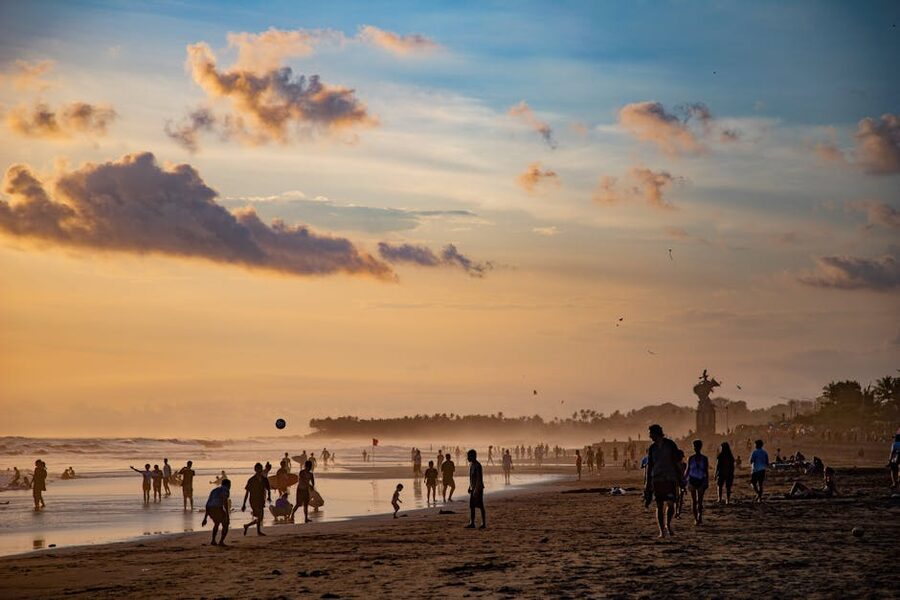
Three things to know before the day-by-day starts. First, this is a route built around private drivers, which is the standard mid-range way to move around Bali. A car with English-speaking driver runs about Rp 700,000 to Rp 900,000 per day (about $45 to $60), and unless you’re confident on a scooter through Kuta traffic the maths usually wins compared to multiple Grab rides plus the time you lose. Second, prices below are checked April 2026 and skew towards what I actually paid rather than what brochures claim. Third, the tourism levy introduced in February 2024 is Rp 150,000 (about $9.50) per person, payable online before arrival or at a counter on landing, and it’s enforced now, so add it to the budget.
In This Article
- The three budget tiers, side by side
- Budget: about $700 per person, 7 nights
- Mid-range: about $1,400 per person, 7 nights
- Luxury: about $4,500 per person, 7 nights
- Before you book: the route’s logic
- Day 1: Arrive Canggu or Seminyak. Don’t try anything.
- Day 2: South Bali beaches and the Uluwatu kecak
- Day 3: Transfer to Ubud, then a cooking class
- Day 4: Ubud cultural day on foot and scooter
- Day 5: Jatiluwih, waterfall, drive back
- Day 6: Transfer east to Sidemen or Amed
- Day 7: East-coast temples and DPS for the evening flight
- The mid-range route at a glance
- Restaurants by area, sized for a week
- Driver hire: what to expect
- Three alternative routes
- The North Bali version
- The surf-focused version
- The family version
- What to skip on a one-week trip
- Money, levy, and the small administrative bits
- What I’d do with two extra days
- Final note
The three budget tiers, side by side
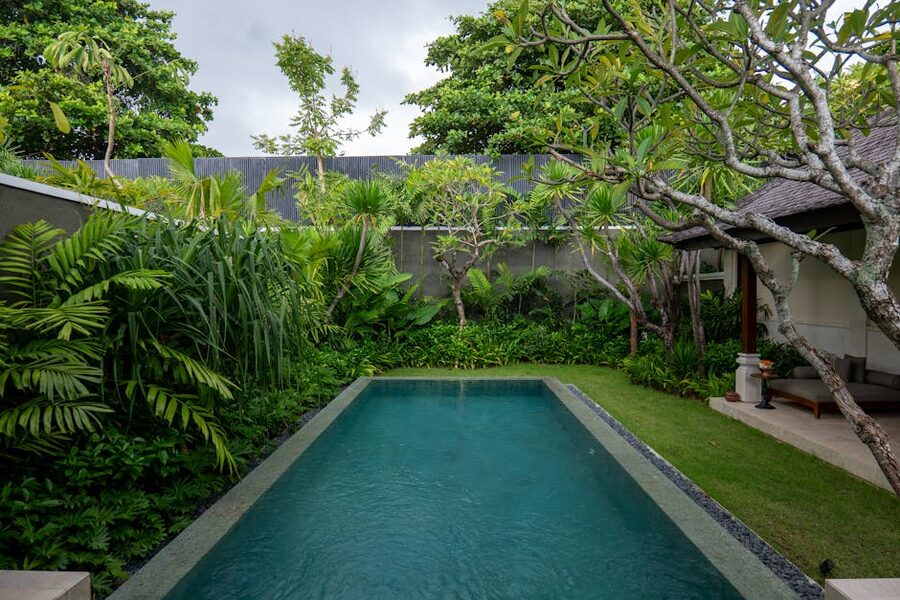
Bali stretches across more income bands than almost any destination I’ve planned for. Here’s how the same 7-night route prices out at three tiers. Flights from your home country are excluded because that variable is yours. All numbers are per person assuming two people sharing a room.
Budget: about $700 per person, 7 nights
This is the homestay-and-warung Bali I first did in my twenties and still respect. You sleep in family-run guesthouses for Rp 250,000 to Rp 450,000 a night ($16 to $29), eat almost every meal at a warung for Rp 25,000 to Rp 50,000 ($1.60 to $3.20), and move by scooter you’ve rented for Rp 70,000 a day (about $4.50). A scooter rental for the week, fuel included, runs roughly $40. Activity-wise you stick to free or low-cost things: temple entry fees at Rp 30,000 to Rp 75,000, a sunrise hike up Mount Batur with a shared group for around Rp 500,000 ($32), one Nusa Penida day trip via a public boat plus shared minibus tour at Rp 850,000 ($55).
- Lodging: $200
- Food: $130
- Transport: $100 (scooter, fuel, two driver days, one Nusa boat)
- Activities: $130
- Tourism levy + visa on arrival: $45
- Buffer for SIM card, drinks, the occasional decent dinner: $95
Total around $700. You’ll have a real Bali trip at this tier. You won’t have a beach club tier, and that’s the point.
Mid-range: about $1,400 per person, 7 nights
The default in this article. Pool villa or boutique hotel at $80 to $130 a night ($560 to $910 for the week), mix of warung lunches and nicer dinners (think Locavore To-Go or Hujan Locale in Ubud, La Brisa or Mason in Canggu), private driver for four out of seven days, plus a Nusa Penida day tour booked through a quality operator. This is the trip that returns the most experience per dollar, and it’s where I always land for friends asking what to budget.
- Lodging: $720
- Food: $250 (mostly warungs and mid-tier restaurants, two splurge dinners)
- Transport: $230 (four driver days at Rp 800k, three days of scooter or Grab)
- Activities: $200 (cooking class, Nusa Penida tour, kecak, a few temple fees, one massage)
- Tourism levy + visa: $45
Adds up to about $1,445. Round to $1,400 and adjust upward by $50 to $100 if you drink wine.
Luxury: about $4,500 per person, 7 nights
Five-star villa or resort at $400 to $700 a night, named-chef restaurants (Cuca, Sundara, Mama San), private driver every day with a guide on at least three of them, a chartered speedboat to Nusa Penida instead of a public-tour seat, a half-day at a serious spa. The classic anchors at this tier are The Oberoi in Seminyak for the beach-club week or Como Shambhala in the Ubud hills for the wellness week. Above $4,500 the curve still climbs (you can spend $40,000 on a week at Bulgari Uluwatu without trying), but $4,500 is where the difference between $200 and $400 a night really shows up in the room.
- Lodging: $3,300 (villa or resort, $470/night average)
- Food: $600
- Transport: $400 (driver every day, private speedboat, airport pickup in a vehicle worth photographing)
- Activities: $200
- Tourism levy + visa: $45
Before you book: the route’s logic
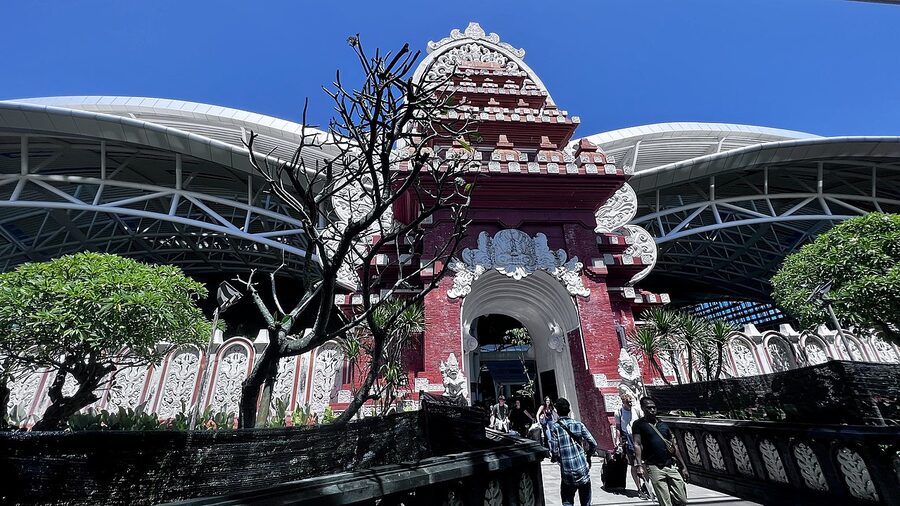
Most one-week Bali itineraries make the same two mistakes. They scatter you across too many areas (three nights here, two nights there, one night somewhere else, you spend half the week in a car with your bags). Or they cluster you in one place and you never see beyond it. The route below moves you across three bases over seven nights. South coast, then Ubud, then a final easterly swing back. You get a beach week and a culture week stitched together, not a brochure tour.
The geography is fixed. Ngurah Rai airport (DPS) is in the south of the island, so south Bali is the natural Day 1. Ubud sits in the foothills 60 to 90 minutes north of the airport. The east coast (Sidemen, Tirta Gangga, Pura Lempuyang, Padangbai) is another 90 minutes east of Ubud. Returning to DPS from the east takes two-and-a-half to three hours depending on traffic. Build the route in that arc and you never backtrack. Build it any other way and you do.
For context on Bali’s areas before you commit, the where to stay in Bali guide breaks down each region in detail. And before you fly, the flights to Bali guide covers DPS routes from the major hubs.
Day 1: Arrive Canggu or Seminyak. Don’t try anything.
Morning, on the plane: Most flights from Europe, the Middle East, or North America land in the morning or early afternoon. Time zone permitting, sleep on the plane. You will need it.
Afternoon, arrival: Clear immigration (have your tourism levy QR code ready), grab a SIM at the Telkomsel kiosk in arrivals (Rp 200,000 for 25 GB, far cheaper than buying online), then a Grab to Canggu or Seminyak. The fare to Canggu runs Rp 200,000 to Rp 300,000 (about $13 to $19) depending on traffic. Don’t take the unmetered taxis at the kerb; they’ll quote four times that. The official airport taxi counter is fine if Grab is being slow.
Where to base for Day 1: Canggu if you want surf-and-cafe culture, Seminyak if you want beach-club polish. Either works. I land in Berawa side of Canggu when I have the choice; the traffic on Jalan Pantai Berawa is brutal but everything you want is within scooter distance once you’re past it. Seminyak’s redeeming feature is that it’s 20 minutes closer to the airport.
Evening: Walk to the beach. Order a Bintang. Eat nasi goreng at the warung nearest your accommodation. If you’re in Canggu and have any energy left, La Brisa or Old Man’s at Batu Bolong are the easy entry points; you’ll meet other travellers and you don’t need to dress up. The history of how nasi goreng got from a 9th-century rice dish to every menu in Asia is genuinely worth knowing, and there’s a piece on nasi goreng’s roots and where to eat it well in Bali if you want the long read on the plane home.
Skip: Anything ambitious. Don’t try to fit a temple sunset into Day 1. You will be a wreck and you’ll fall asleep at the kecak. Save it.
Day 2: South Bali beaches and the Uluwatu kecak
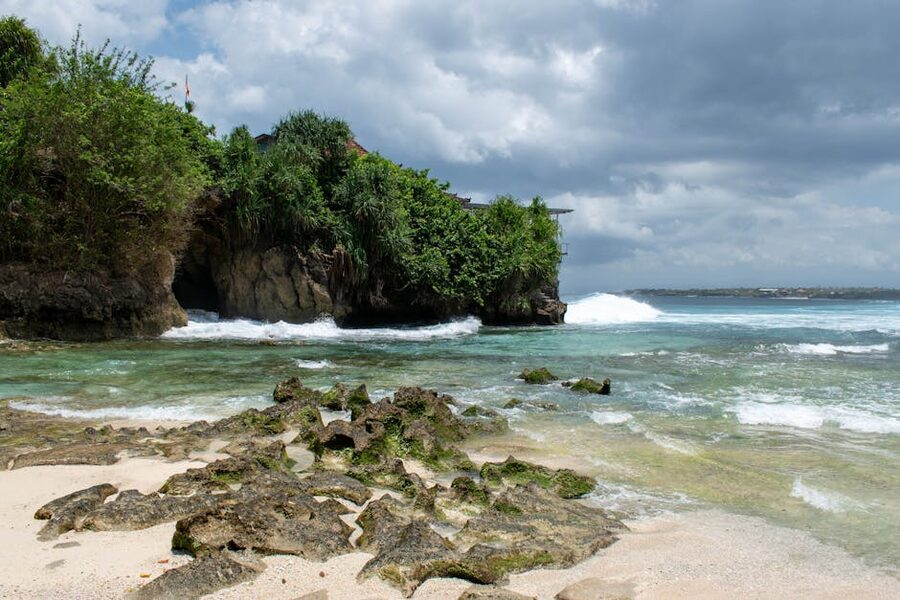
Today you do the Bukit Peninsula (the southern tip) on a private driver day. This is the single most efficient day in any Bali week and it ends with the best free show on the island.
Morning, 8:00 a.m.: Driver pickup. Head south to Padang Padang Beach (the famous one from Eat, Pray, Love). Entry is Rp 15,000. Be here before 10 a.m. or you’re paying for the postcard moment with a queue. Spend an hour in the water, then walk the cliff steps to the next bay over.
Late morning: Bingin Beach, ten minutes north by car, then a long staircase down. World-class right-hand reef break offshore that’s one of the best places to sit on a warung deck and watch surfers. Drink fresh coconut for Rp 25,000 ($1.60).
Lunch: Go to Single Fin at Suluban (Uluwatu) for the cliff view, or skip the wait and eat at the warung at the bottom of the Bingin steps. Single Fin’s lunch menu is fine, the view is the point. Mains run Rp 110,000 to Rp 180,000.
Afternoon: Either nap at the villa or hit Sundays Beach Club at Karma Kandara if you want the wallet-melting beach-club experience. Sundays charges a Rp 750,000 minimum spend per person but the cliff cable car ride down to a private cove is genuinely the kind of thing you’ll remember. If beach clubs aren’t your thing, head to Suluban Beach at low tide and walk through the cave to where the surfers paddle out.
5:30 p.m.: Driver to Pura Uluwatu. Sarong rental and entry is Rp 75,000. Hold onto your sunglasses; the long-tailed macaques here are organised crime. They will swap your phone for a banana and you will be the one negotiating.
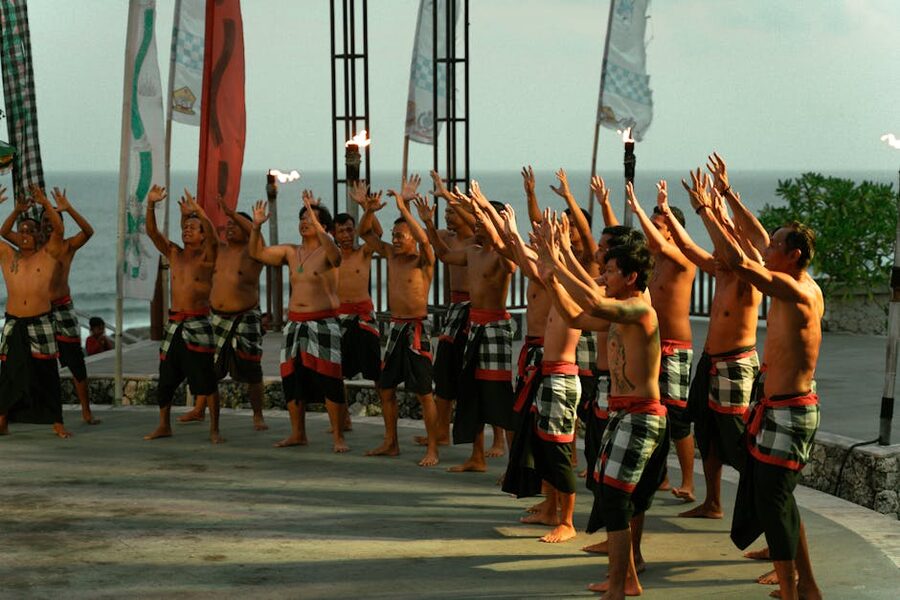
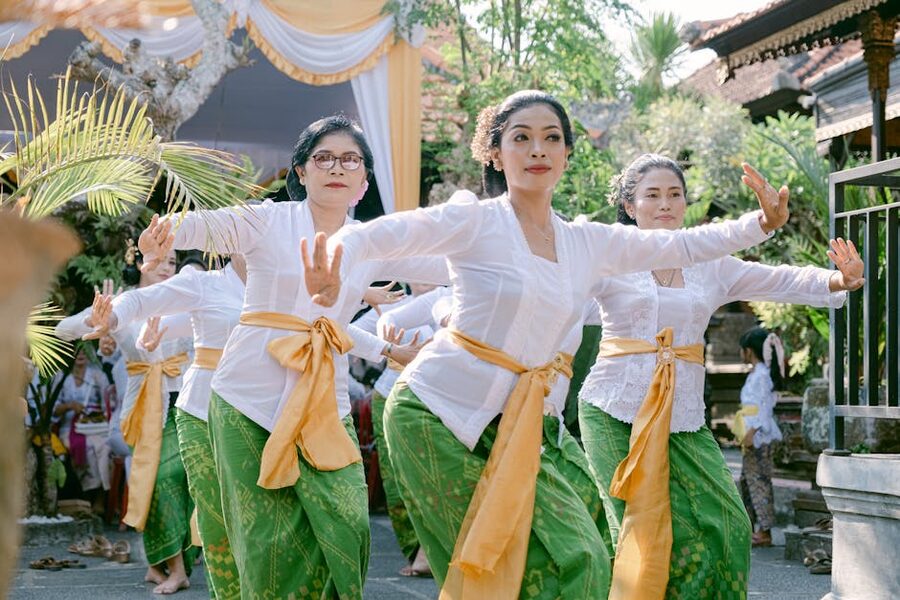
6:00 p.m.: The kecak fire dance starts. Tickets are Rp 150,000 ($9.50) per adult and you buy them on arrival. Get there by 5:30 to grab a decent seat. The chant is performed by 70 men forming a chorus around a fire, the dancers tell a section of the Ramayana, and Hanuman jumps through actual flames at the end. It runs 60 minutes. This is the one cultural performance in south Bali I’d never tell anyone to skip.
Dinner, 7:30 p.m.: Jimbaran Bay seafood grill. Half a dozen warungs line the sand at Jimbaran (Menega Cafe is the most-named, Lia Cafe gets fewer tour buses). Order the grilled snapper, mahi-mahi, or tiger prawns by weight. Two people eat well for Rp 600,000 to Rp 800,000 ($38 to $51) including a beer each. The candles in the sand are corny and exactly right.
Driver cost for the day: About Rp 800,000 ($51), tips not included. For more on the south, the south Bali beaches guide covers the rest of the Bukit and the Kuta strip.
Day 3: Transfer to Ubud, then a cooking class
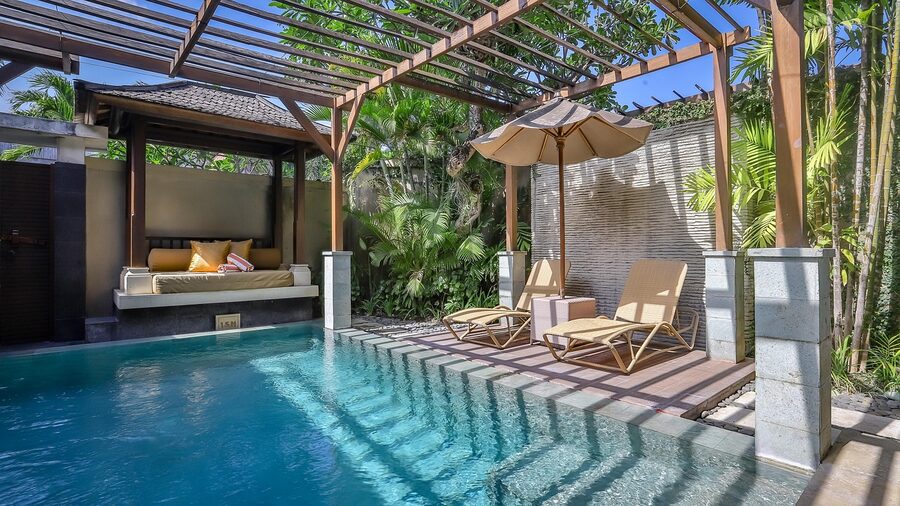
10:00 a.m. checkout: Private driver from Seminyak/Canggu to Ubud. Rp 600,000 fixed ($38) is the going rate, 90 minutes if traffic plays nice, two-and-a-half hours if not. Worth asking the driver to stop at the Tegenungan Waterfall en route (entry Rp 20,000, parking Rp 10,000). It’s a 15-minute walk down to the falls and 15 back up. The falls themselves are pretty rather than mind-blowing; the value is breaking the drive.
Afternoon: Check into your Ubud accommodation. The jalan-jalan walk through central Ubud is the right way to start: Ubud Royal Palace (free), the Ubud Art Market across the road (bargain hard, Indonesians expect it), then south on Jalan Monkey Forest to Pura Taman Saraswati. The lily pond at the front is the famous photograph. A 4 p.m. visit catches it before the late-afternoon crowd thickens.
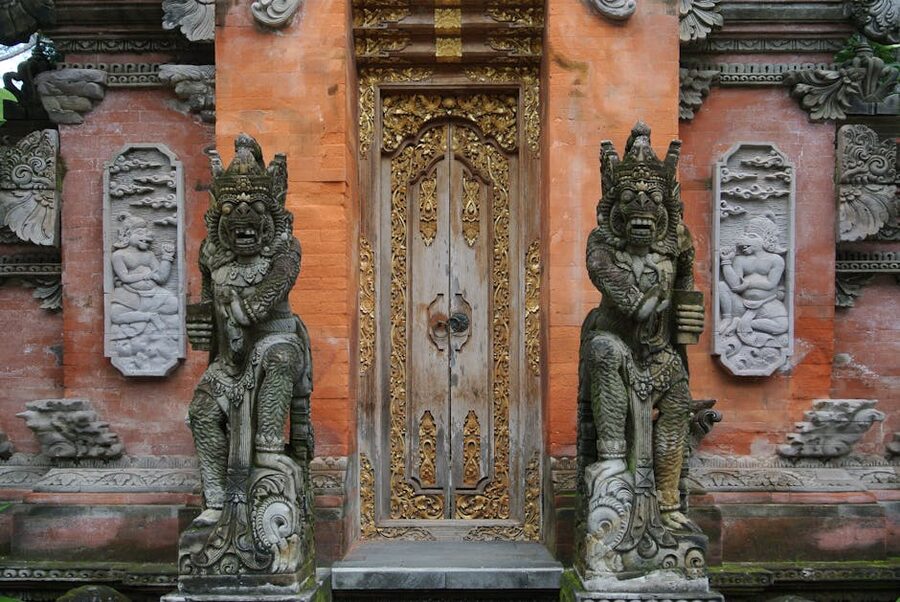
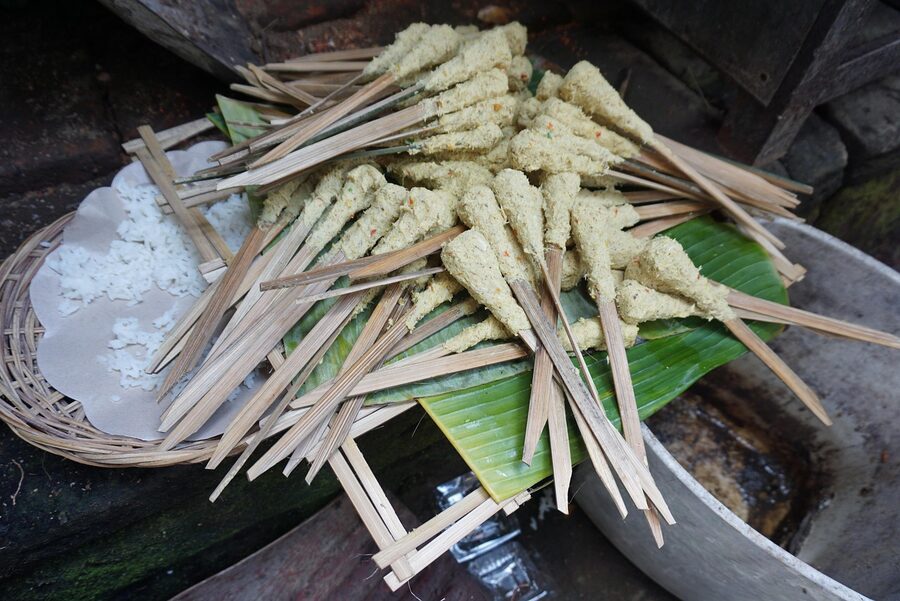
5:30 p.m. cooking class option: Paon Bali in Laplapan village (15 min north of Ubud) runs morning and evening classes for Rp 525,000 ($33). The evening class includes a market visit, then you cook seven dishes including sate lilit, lawar, gado-gado, and base genep curry paste. They pick you up from your hotel. If you’d rather lock in the cooking class for Day 4 morning instead, do that and use Day 3 evening for dinner at Hujan Locale on Jalan Sriwedari (modern Indonesian, mains Rp 95,000 to Rp 165,000) or Locavore To-Go for a takeaway tasting box.
The wider Bali courses scene (yoga teacher trainings, surf schools, batik workshops) is covered in the Bali courses guide if you want to extend any one of them into a longer commitment.
Evening: If you skipped the cooking class, the 7:30 p.m. Legong dance at Pura Taman Saraswati is the best of Ubud’s nightly performances. Ticket is Rp 100,000. The fire-lit gates are the entire reason you came.
Day 4: Ubud cultural day on foot and scooter
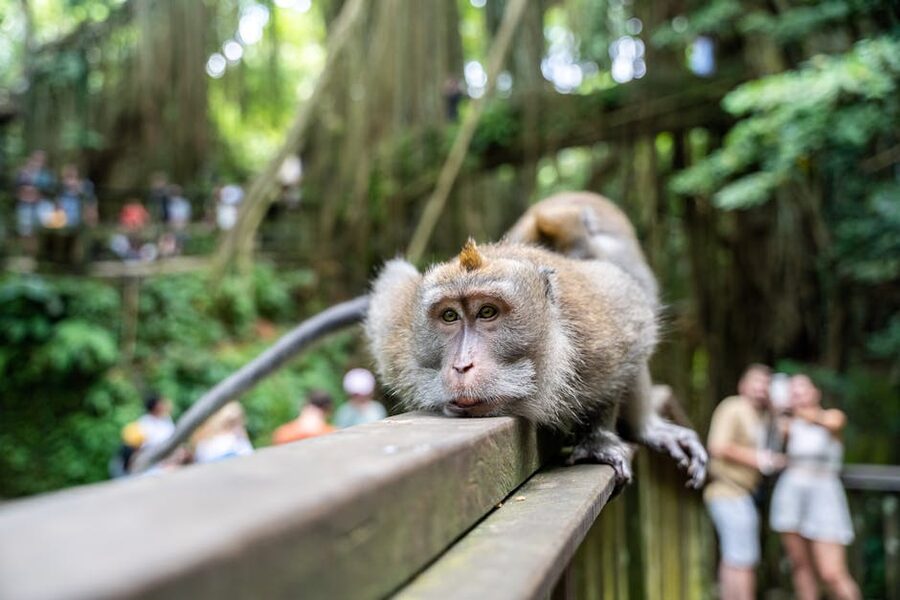
Ubud is a town that rewards walking and rewards a scooter. Today is the day for both. No driver. No big distances.
7:00 a.m.: The Campuhan Ridge Walk at sunrise. Free, two-kilometre paved ridge path through grass-covered hillsides. Park at the IBAH Hotel or walk down from Jalan Raya Campuhan. Be back in town by 9 to dodge the heat.
Breakfast: Anomali Coffee on Jalan Raya Ubud for actually decent coffee, or Suka Espresso a few doors down. Eggs and toast around Rp 60,000 to Rp 90,000.
10:00 a.m.: Ubud Sacred Monkey Forest Sanctuary. Entry Rp 80,000. Spend an hour. The temple complexes (there are three, all centuries-old) are more interesting than the monkeys, who are the same monkeys you saw at Uluwatu but with better PR. Don’t bring food. Don’t carry water in your hand. Don’t make eye contact. They will steal what you let them steal.
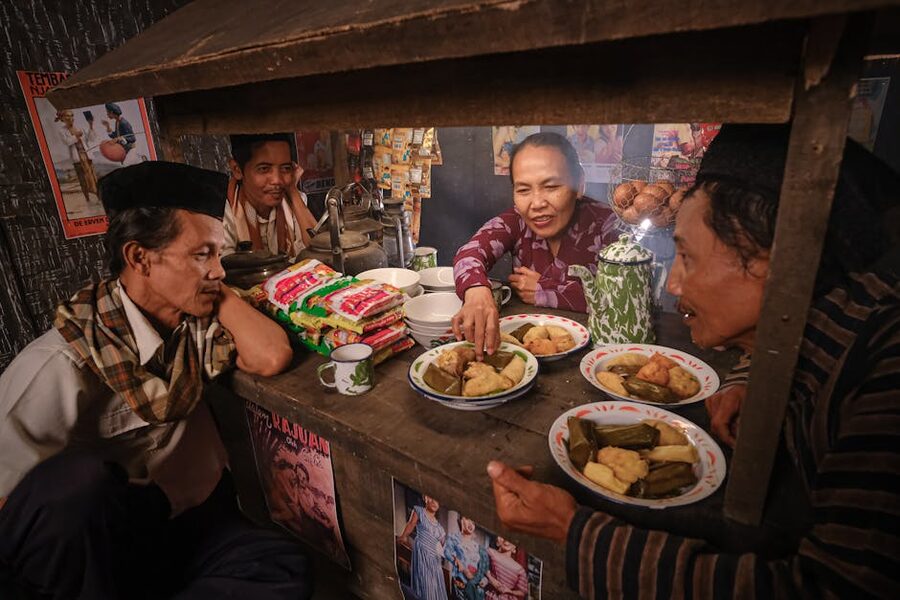
Lunch: Warung Bu Mi for nasi campur (rice with five or six small dishes you point at), or Melting Wok Warung for the best beef rendang in town. Both Rp 50,000 to Rp 80,000 a plate.
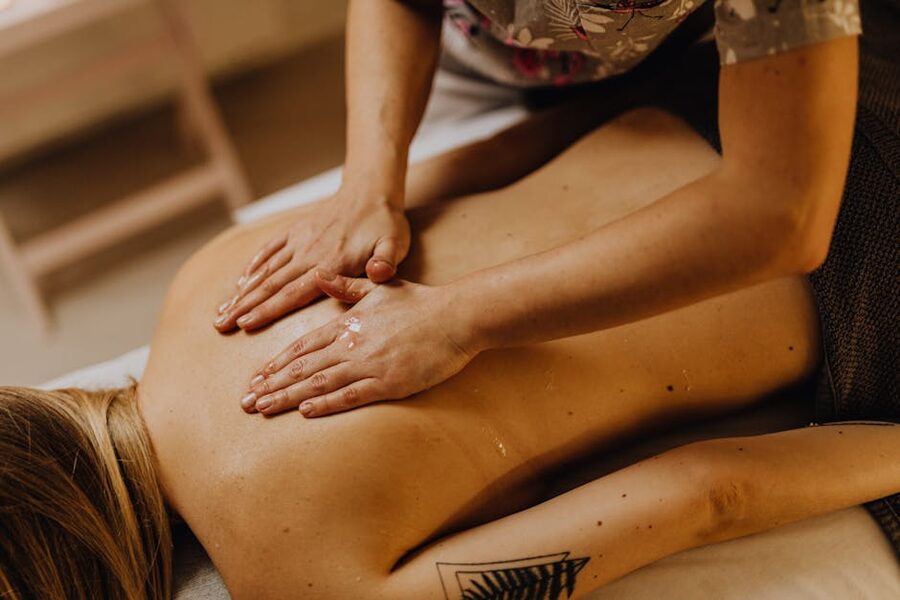
Afternoon, 2:00 p.m.: Either an art museum (ARMA on Jalan Pengosekan, Rp 100,000, the Balinese painting collection is the real thing) or a 90-minute traditional Balinese massage at Karsa Spa or Taksu Spa. A proper Balinese massage runs Rp 150,000 to Rp 350,000 ($10 to $22). I would do both on different trips and lean massage on a hot day.
Late afternoon: Scooter or walk to Tegallalang Rice Terraces. Twenty minutes by scooter on the Jalan Raya Tegallalang. Park, pay the Rp 25,000 entry, walk down into the valley. The famous Bali Swing rigs are here too; they’re Rp 500,000 a pop and you can stand at the rim and watch other people pay them. The terrace itself is genuinely beautiful but it’s also the most crowded view in Bali; come for an hour and leave.
One thing to say about Tegallalang: the Instagram crowd is real. The terrace was used in films, the Bali Swing exists because of social media, and there are now multiple “swing” operators along the same valley charging $35 each. The terrace is still worth seeing once. The swings are not.
Evening: Locavore To-Go for a takeaway dinner if you’re tired (Rp 250,000 to Rp 400,000 a head), Mozaic if you want to splurge ($90 a head with wine pairing, the chef’s-table experience). Or back to Hujan Locale. The gentle introduction to Balinese Hinduism that earlier walk past Saraswati hinted at is unpacked in the Bali religion guide, which makes a lot of what you’ve seen today click.
Day 5: Jatiluwih, waterfall, drive back
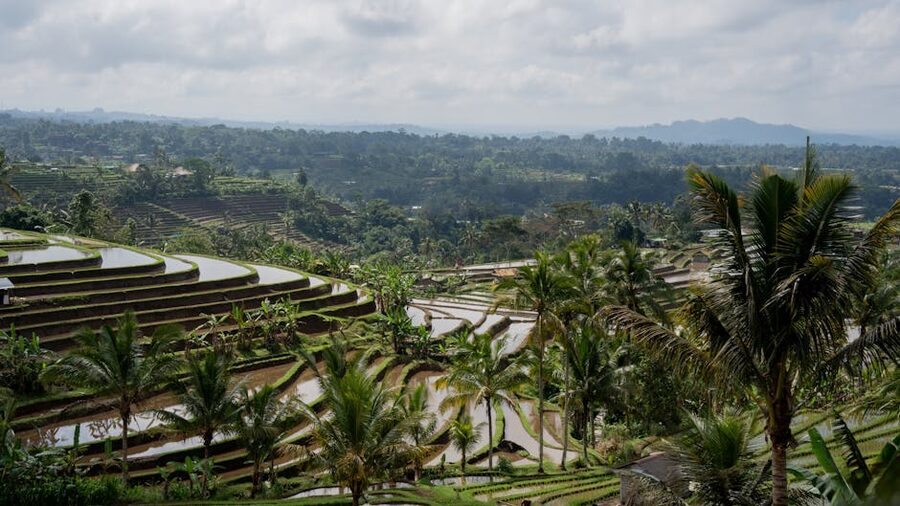
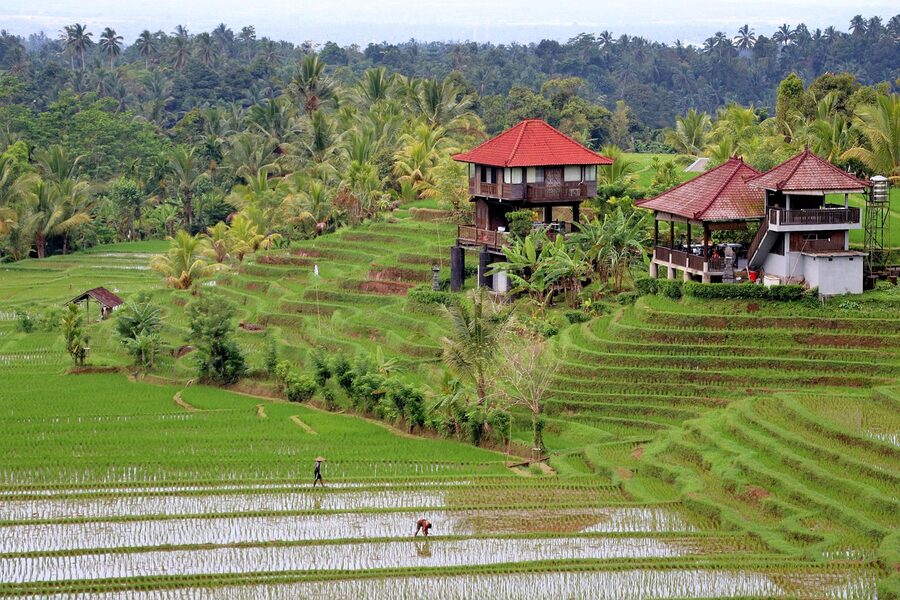
This is a long day in the car (full-day driver Rp 800,000 to Rp 900,000). It’s worth it because Jatiluwih is the rice terrace experience Tegallalang can’t be: 600 hectares of farmed terraces in the foothills of Mount Batukaru, three loop walks ranging from 1.5 km to 5.5 km, and you can spend two hours there and only see a handful of other people. UNESCO listed it for the subak irrigation system that’s been running collectively since the 11th century.
8:00 a.m.: Driver pickup, two-hour drive west and north. Stop for coffee at Wanagiri Hidden Hills if it’s open (the hilltop tree-house photo spot, Rp 50,000 entry, photo-only stop, fifteen minutes). Skip if it’s not.
10:30 a.m.: Arrive Jatiluwih. Entry Rp 75,000. Walk the medium loop (about 90 minutes, rolling and easy underfoot). Picnic at one of the warungs along the path; nasi merah (red rice grown here, served with a chicken curry) is the local speciality.
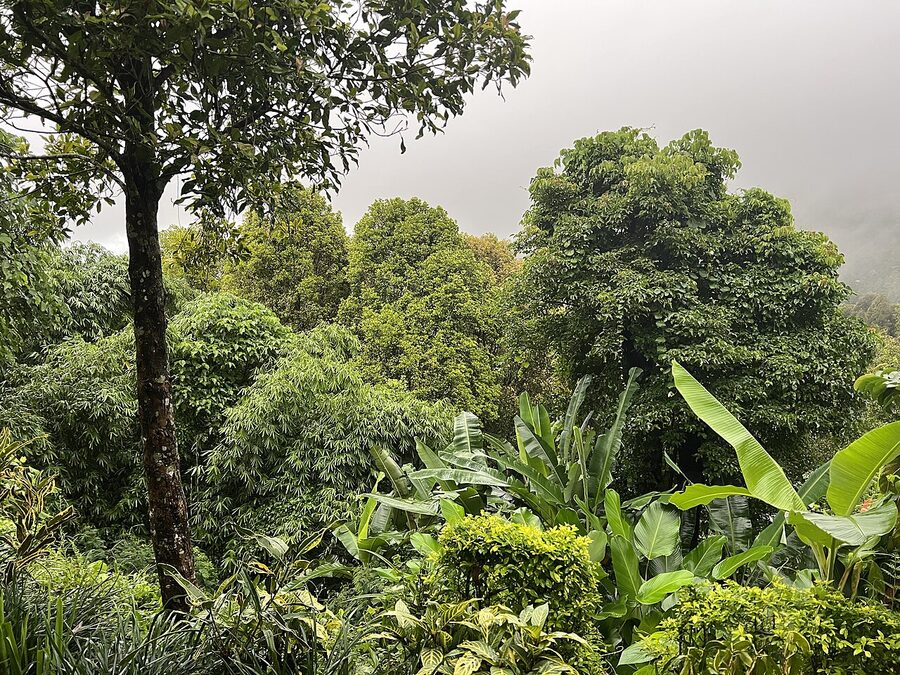
Afternoon, 1:30 p.m.: Drive 45 minutes north to Munduk. The mountain village is cooler (about 18°C in the morning), the rainforest waterfalls are clustered here, and a single Munduk waterfall hike (Munduk Waterfall + Melanting Waterfall in a 90-minute loop, Rp 30,000 entry) is a clean hit before the drive back. If you have a slow day’s appetite, base in Munduk for the night and skip Day 6’s east-coast detail; the Munduk area guide covers what to do.
4:00 p.m.: Detour past Pura Ulun Danu Beratan, the lake temple on the Rp 50,000 banknote. Entry Rp 75,000. It’s pretty, it’s photogenic, it’s twenty minutes if you don’t get stuck behind a tour group. Then drive back to Ubud (about two-and-a-half hours). If your legs are dead, skip Ulun Danu and aim to be back in Ubud by 5.
Alternative: Replace Jatiluwih with Sekumpul Waterfall in the north. Sekumpul is the most beautiful single waterfall in Bali, full stop, but the walk down (and back up) is 90 minutes round trip in heat with steps that punish you. If you’re under 35 and reasonably fit, do Sekumpul. If you’re not, do Jatiluwih.
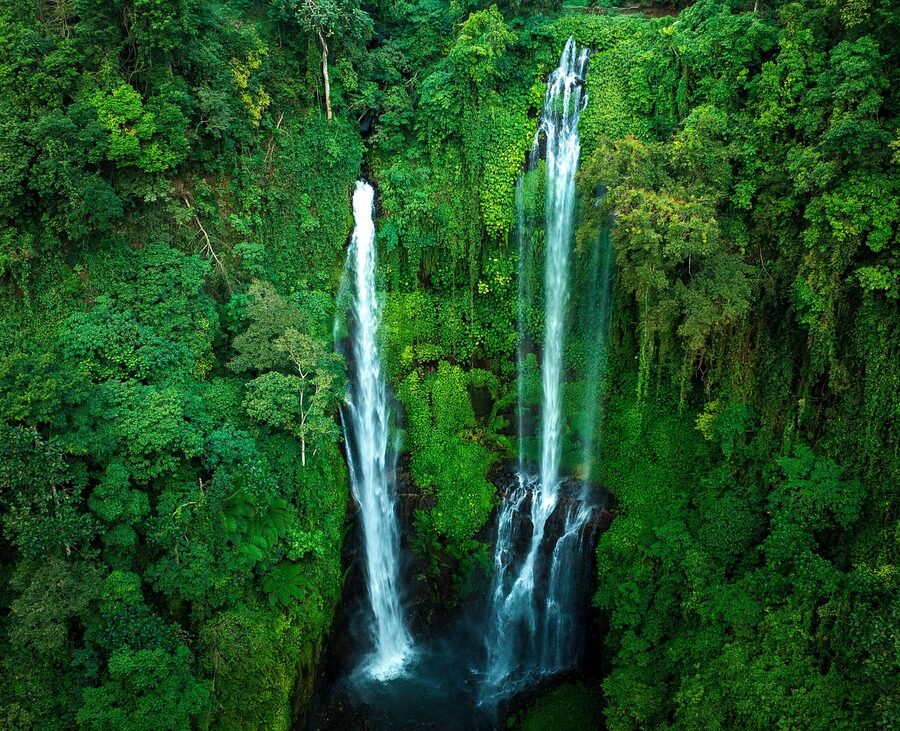
For a deep dive on the north’s most accessible cascade (the one Lovina day-trippers can hit easily), see the Singsing Waterfall, Lovina guide.
Day 6: Transfer east to Sidemen or Amed
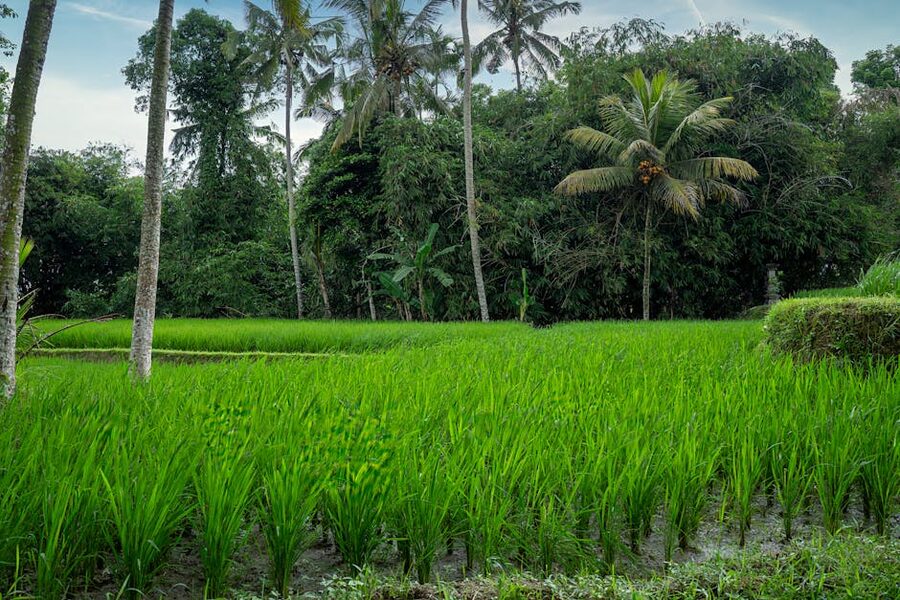
Today you go east. The choice is between Sidemen (mountain valley, rice terraces, slow rural Bali, 70 minutes from Ubud) and Amed (east coast fishing villages, snorkel-and-dive base, 2.5 hours from Ubud). I default to Sidemen for first-timers and Amed for divers.
Sidemen choice:
10:00 a.m. checkout: Private driver Rp 600,000 to Sidemen. Stop at Pura Goa Lawah (the Bat Cave temple) on the way if you have a thing for caves and bats; it’s Rp 30,000 and worth twenty minutes.
Lunch in Sidemen: Joglo D’Uma warung overlooking the rice terraces, mains Rp 60,000 to Rp 90,000. The drive into the valley feels like a different country from south Bali.
Afternoon: Walk a section of the subak rice paths from your accommodation. Most Sidemen guesthouses have a printed walking map. Wapa di Ume Sidemen and Samanvaya are the two reliable mid-range bases (think $90 to $140 a night with a pool view of Mount Agung if cloud cover plays along).
Evening: Dinner at your accommodation; Sidemen doesn’t have a restaurant strip. Read a book. Listen to frogs. There is no nightlife and that’s the point.
Amed alternative:
9:00 a.m. checkout: Driver Rp 800,000 to Amed (the longer drive). Lunch at Warung Enak in Amed Beach, then snorkel Jemeluk Bay or do an afternoon dive on the USAT Liberty wreck at Tulamben (a complete World War II wreck in 30 m of water, dive cost about $65 with a local operator). The drift snorkel from Jemeluk Bay south costs nothing and the coral is in better shape than it has any right to be. Stay at Coral View or Aiona Garden of Health.

The full breakdown of east-coast diving and quiet villages is in the Amed Bali guide.
Day 7: East-coast temples and DPS for the evening flight
Departure day. Most international flights leave DPS in the evening between 7 p.m. and midnight, which gives you a working day before the airport. Today the driver becomes the day’s plan. Total driver cost Rp 900,000 to Rp 1,000,000 ($57 to $63) for the full east-coast loop with airport drop.
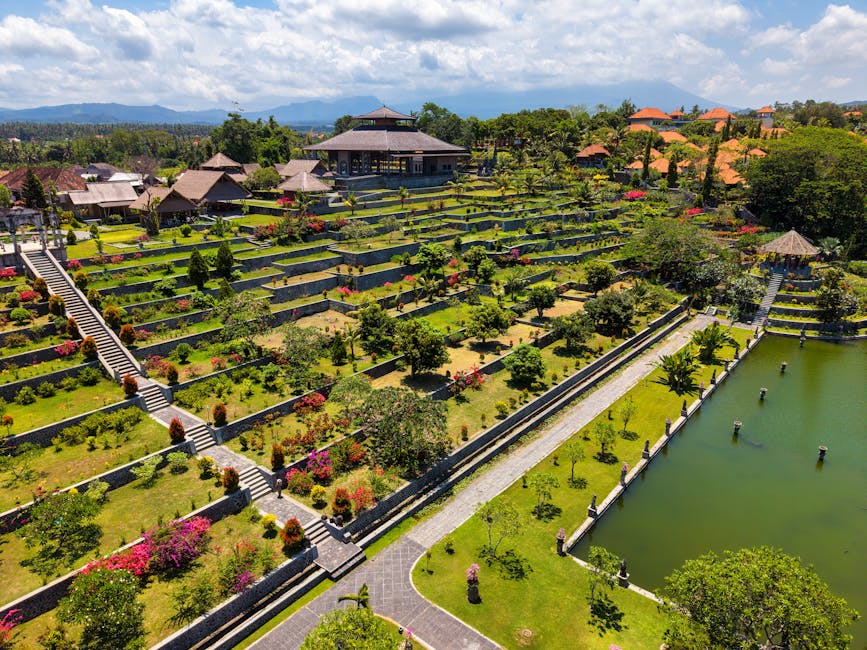
7:00 a.m.: Driver pickup. Head north to Tirta Gangga. The royal water palace is at its best in the morning before the heat. Entry Rp 50,000. Walk the stepping stones across the koi pond, stay 45 minutes.
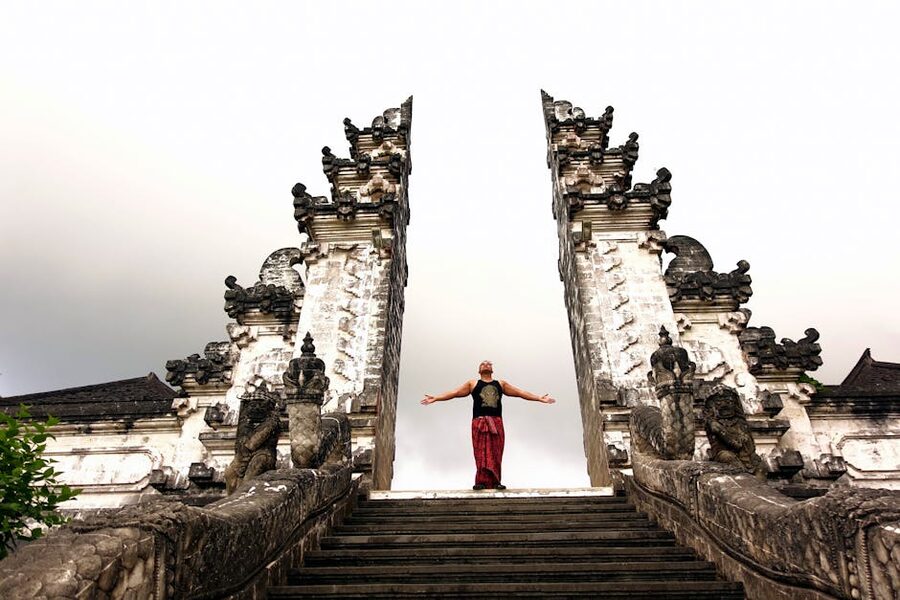
9:00 a.m.: Drive 30 minutes to Pura Lempuyang, the Gates of Heaven temple. Know this going in: the famous photograph is staged with a mirror held under your phone by a temple photographer. The “reflection” of the gates is fake. The view of Mount Agung framed by the split portal is real and free if you don’t queue for the photo. Entry Rp 100,000 includes a shuttle from the lower car park to the gates (the path is steep). If you want the photo, the queue is 60 to 120 minutes and you tip the photographer Rp 50,000.
If you want a temple instead of a portal: Skip Lempuyang and visit Pura Besakih, Bali’s mother temple complex on the slopes of Mount Agung. Entry Rp 150,000 includes the new visitor centre and the shuttle up. Ten times the cultural depth, a tenth of the Instagram crowd, and the highest temple complex on the island.
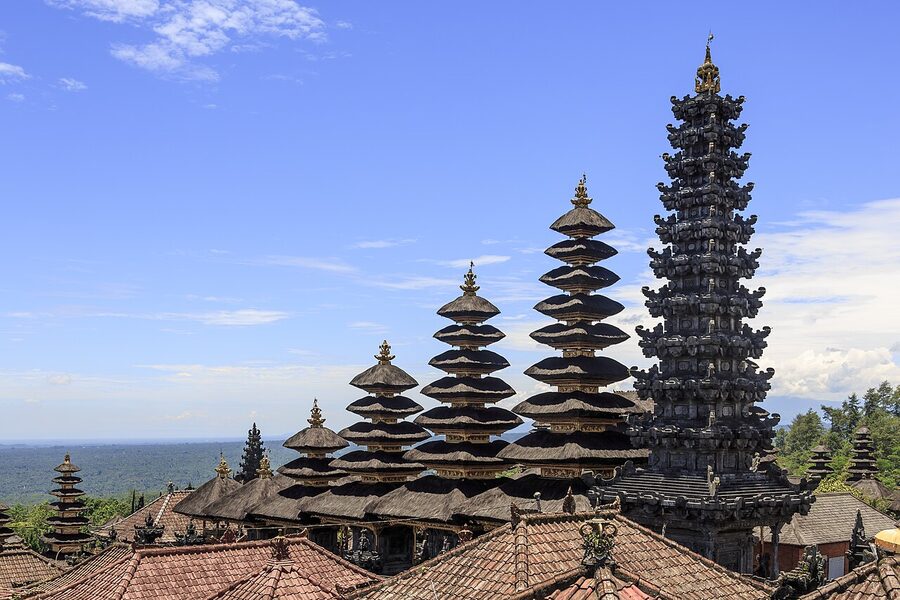
1:00 p.m. lunch: Detour through Padangbai. Lunch at Topi Inn, the warung-and-guesthouse on the harbour, then a walk to Blue Lagoon Beach (a 15-minute walk over the headland; small, calm, snorkel-friendly). Padangbai is the ferry port for the Gilis and Lembongan, and it’s the kind of one-night stay that surprises you on a future trip.
Afternoon, 3:30 p.m.: Drive back to DPS via the bypass. About 2.5 to 3 hours allowing for traffic. Aim to be at the airport four hours before international departure, three hours before regional. Eat at Made’s Warung on the airport bypass road if you have time and want one last nasi campur.
Skip on Day 7: Trying to also do Tirta Empul is greedy unless your flight is past 10 p.m. Leave it for next time.
The mid-range route at a glance
- Days 1 to 2: Canggu or Seminyak (2 nights). Beach, kecak at Uluwatu, Jimbaran dinner.
- Days 3 to 5: Ubud (3 nights). Culture, cooking class, Tegallalang, Jatiluwih + Munduk day trip.
- Days 6 to 7: Sidemen or Amed (1 night) plus the east-coast loop back to DPS.
The total driver cost across the seven days, if you use a private car for Days 2, 3, 5, 6 and 7 (mid-range default), runs Rp 3,700,000 to Rp 4,200,000 ($235 to $267) per car. Split between two travellers that’s $120 to $135 each, which is the line item in the budget table above.
Restaurants by area, sized for a week
One week is enough for three or four restaurants you’ll remember. Here’s where I’d actually book.
Canggu / Seminyak: La Brisa (beach club, sunset), Mason on Jalan Pantai Berawa (modern Indonesian, mains Rp 130,000 to Rp 240,000), Mama San in Seminyak (upscale Asian, dinner Rp 350,000 a head with wine), Warung Eny for a true warung lunch (Rp 35,000 a plate).
Uluwatu / Bukit: Single Fin for the cliff view, Jiwa Bakery for breakfast, Bukit Cafe for an actual coffee, Drifter at Padang Padang corner.
Ubud: Locavore To-Go (Rp 250,000 to Rp 400,000 takeaway tasting), Hujan Locale on Jalan Sriwedari, Warung Bu Mi for nasi campur, Melting Wok for rendang, Anomali Coffee for breakfast, Mozaic if you want a $90 chef’s-table dinner that’s worth it.
Sidemen / Amed: Eat at your accommodation in Sidemen. In Amed, Warung Enak on the main road, or Bali Asli in Gelumpang (40 minutes from Amed) for a chef-driven take on Karangasem cooking, lunch Rp 280,000 a head.
Jimbaran (Day 2 dinner): Lia Cafe on the southern end of Muaya beach. Less tour-bus-y than Menega.
Driver hire: what to expect
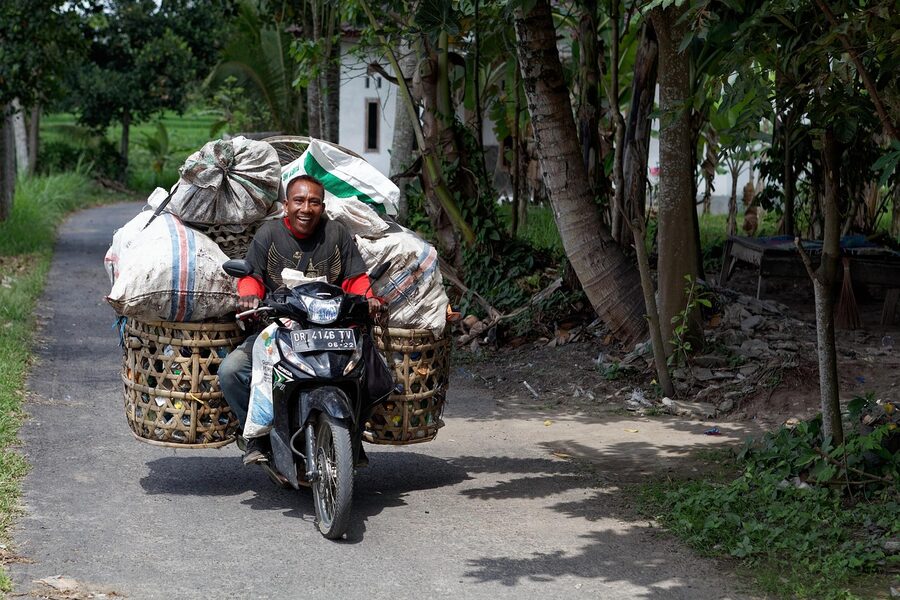
A private car with English-speaking driver runs Rp 700,000 to Rp 900,000 for an 8 to 10-hour day. That includes fuel, parking, and the driver waiting at every stop. Doesn’t include their tip (round up Rp 100,000 to Rp 200,000 for a great day) or your entry tickets and lunch. Book through your hotel, or directly through the standard apps. Suwardana, Jun, and Wayan are names you’ll see recommended on every other Bali blog because the driver-recommendation network in this niche is small. Any guesthouse can put you in touch with a reliable local.
Scooter rental: Rp 70,000 to Rp 100,000 a day for a Honda Scoopy or Vario. Helmet included by law. International driving permit with motorcycle endorsement is now being checked at police checkpoints in 2024-2025; if you don’t have one and you get pulled over, you’ll pay a Rp 250,000 to Rp 500,000 “fine” to keep moving. The Bali road safety statistics are not encouraging. If you’ve never ridden a scooter, your one-week holiday is not the time to learn.
Grab and Gojek: Both work in south Bali, Ubud, and Sanur. They’re cheap (Canggu to Seminyak is about Rp 75,000), but a lot of villages have banjar (traditional community council) rules forbidding ride-share pickups, so you’ll sometimes be told to walk a few hundred metres before the driver will collect you. It’s not personal; the local taxis bought the right.
Airport transfer: Pre-book through Klook or your hotel for Rp 250,000 to Rp 350,000 to Canggu (about $16 to $22). On-arrival kerb taxi quotes are inflated.
Three alternative routes
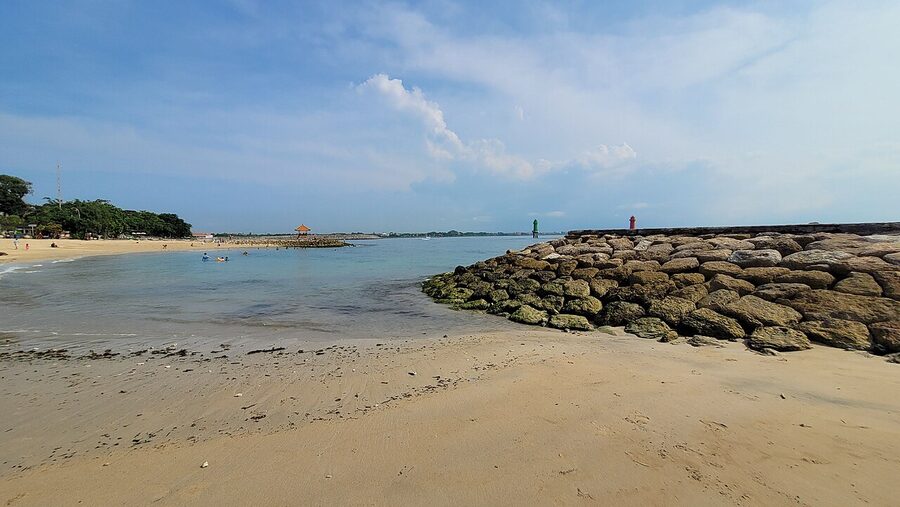
The default route works for most first-timers. These three are the variants I write up most often when friends ask.
The North Bali version
Skip Seminyak entirely. Land DPS, drive 3.5 hours straight north to Lovina. Three nights Lovina (dolphin spotting at dawn, the Brahma Vihara Arama Buddhist monastery, Banjar hot springs, Singsing Waterfall), three nights Munduk (waterfalls, hiking, twin-lake hike), one final night near DPS. Total cost about 15% lower than the default route because beachfront homestays in Lovina run Rp 350,000 a night. Less polished, much quieter, the side of Bali that hasn’t yet learned to optimise itself for Instagram. The Munduk guide covers what to do once you’re there.
The surf-focused version
Base 7 nights on the Bukit Peninsula (Bingin, Padang Padang, Uluwatu). Stay at Bingin Garden or any of the 30 cliff-edge villas in the area, $80 to $200 a night. Surf Padang Padang on bigger swells, Bingin on lighter ones, Impossibles for intermediate, Suluban for advanced, Balangan for beginners on the right swell. Single Fin for the post-surf beer. Day-trip to Nusa Lembongan for one day to surf Shipwrecks or Lacerations. The Poppies Lane and Kuta primer covers the cheaper end of the south coast if your budget is tighter and you want to surf Kuta beach instead.
The family version
Base 7 nights in Sanur, day-trip out. Sanur has the calmest swimming on the south coast (the reef breaks the surf about 200 m offshore), the long beachfront promenade is buggy-friendly, and there’s enough variety in restaurants and cafes that you can do a full week without leaving. Day trips: Ubud (one day, scooter or driver), Nusa Lembongan (one day by fast boat from Sanur harbour), Tegenungan Waterfall (half-day), Bali Safari and Marine Park (full day, kids love it, the rest of us tolerate it). The Sanur area guide is the deeper version.
What to skip on a one-week trip
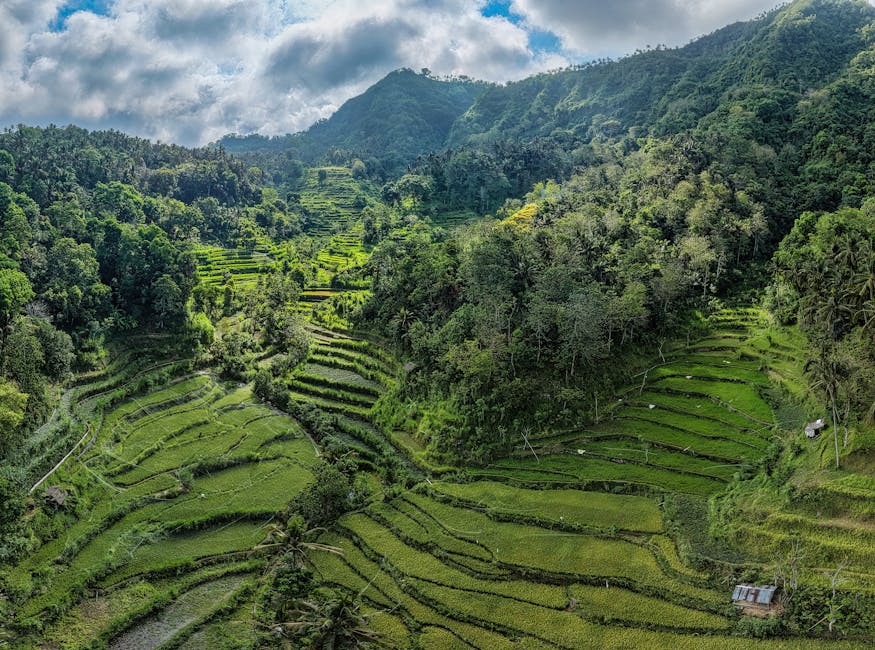
One week isn’t enough for everything, so the editing is the work. Things I’d skip on a 7-day trip:
The Bali Swing: Rp 500,000 ($32) for a 30-second swing photo at any of the dozen “swing” operators in the Tegallalang valley. The photo looks the same as everyone else’s. Skip.
Mount Batur sunrise hike: Famous, popular, and a 2 a.m. wake-up for a 1,717 m volcano walk in the dark. The view from the rim is genuinely beautiful. The local-guide enforcement (Rp 500,000 to Rp 700,000 for a guide you may or may not need) and the crowd at the top (200+ people on a busy morning) are factors. On a 7-day trip, the cost-benefit doesn’t pay; on a 10-day trip it does. If you must, Day 5 morning is the only sensible slot, and you cancel Jatiluwih.
Sky Garden / Bounty Kuta nightclub strip: The Kuta party scene is exactly what you’d expect a Kuta party scene to be. If you want loud cocktails and EDM, you can do that at home. Skip.
Coffee luwak tasting: The civet coffee plantations along the Tegallalang road are usually animal-welfare horror shows where civets are caged 24/7. Don’t.
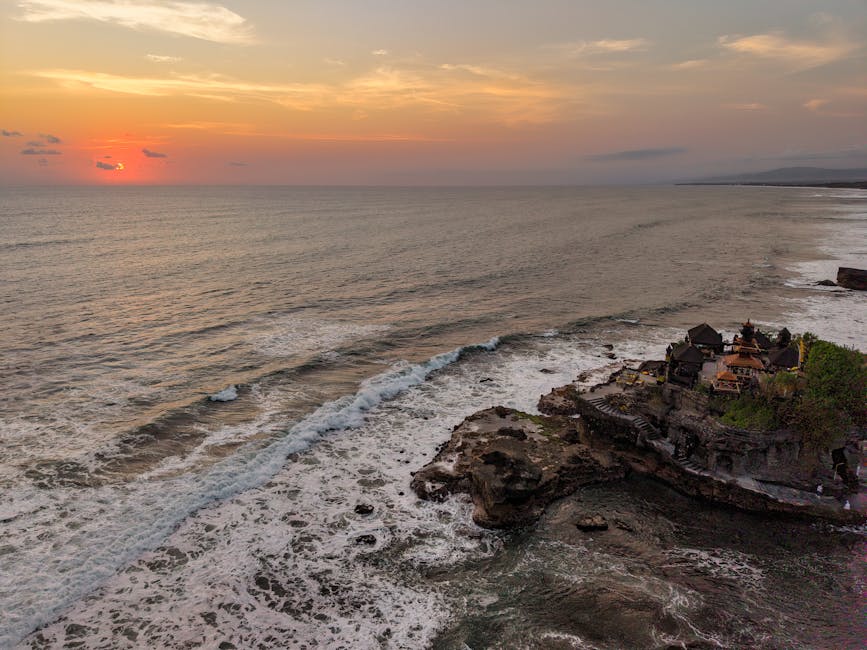
Tanah Lot at the standard tour-bus sunset slot: If you’ve already seen Pura Uluwatu’s sunset and the kecak, Tanah Lot is the lesser of the two and you’ll fight 5,000 other people for parking. Visit at 9 a.m. instead, before the tide comes in, or skip entirely.
Three-island day from Sanur in low season: Boat operators will sell you “Lembongan + Ceningan + Penida” in one day. The boat will rush each, the seas can be rough, and you’ll see less than you would on a single-island trip. If you have time, do Penida properly with an overnight.
Money, levy, and the small administrative bits
Visa: Visa on Arrival is $35 paid at DPS. Stay 30 days, extendable once for another 30 inside Bali for about $40 more. Pay in USD, EUR, AUD or rupiah at the e-VOA counter, or buy online via the official molina.imigrasi.go.id site before you fly to skip the line.
Tourism levy: Rp 150,000 ($9.50) per person, introduced February 2024, payable online at love-bali.baliprov.go.id before arrival or at a counter on landing. Have the QR code on your phone.
Cash: Indonesian rupiah (IDR). 1 USD is roughly 16,000 IDR in 2026. ATMs are everywhere; use bank ATMs (BCA, BRI, Mandiri) inside branches rather than the streetside boxes which have higher skimmer rates. Withdraw Rp 2,500,000 at a time (about $160) to minimise the per-withdrawal fee. Money changers: only use ones with PT Authorised Money Changer signage; the back-alley ones with the best rate are stripping notes.
Tipping: 5% to 10% at restaurants if service charge isn’t included (always check the bill). Round-up at warungs. Drivers: Rp 100,000 to Rp 200,000 for a great full-day. Spa staff: 10%.
SIM: Telkomsel at the airport, Rp 200,000 for 25 GB, 30 days. Or buy an Airalo eSIM before you fly.
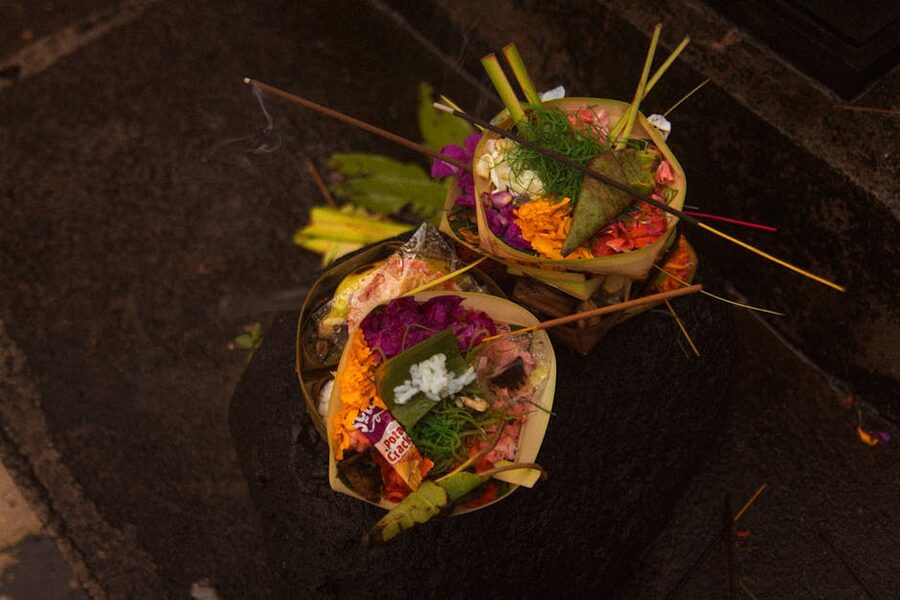
The deeper version of the ceremony etiquette and the meaning of the offerings you’ll see everywhere is in the Bali religion guide, which is worth twenty minutes on the plane in. The full breakdown of routes into DPS is in the flights to Bali guide, and seasonal timing for when to fly is in the best time to visit Bali guide.
What I’d do with two extra days
Most travellers who do this 7-day route end up wishing for nine. Here’s how I’d add the two days.
Day 4.5: Nusa Penida day trip. Fast boat from Sanur Beach harbour at 8 a.m. (Rp 250,000 to Rp 400,000 round trip), full island tour with rented driver (Rp 800,000 for the day), lunch at Penida Colada, return on the 4 p.m. boat. Hits Kelingking Beach (the dinosaur-head viewpoint), Angel’s Billabong, Broken Beach, Crystal Bay. It’s a long day, the roads on Penida are punishment, and the views are worth it. Coverage of all the major Bali things to do goes into more detail on Nusa.
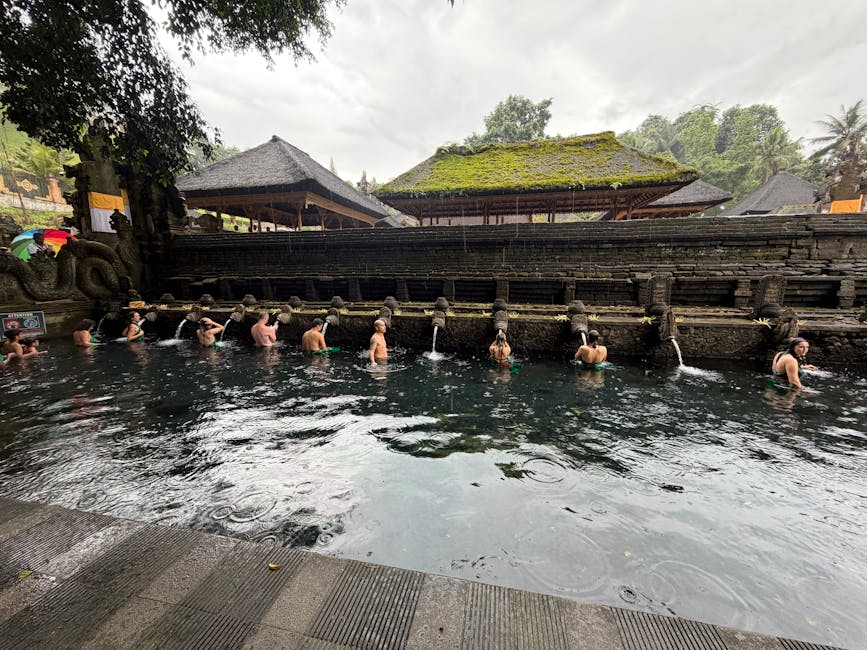
Day 5.5: Tirta Empul melukat. Drive 30 minutes north of Ubud at 7 a.m. The melukat purification ritual at this Hindu water temple is one of the few Bali experiences that earns “spiritual” without sounding like marketing copy. Entry Rp 75,000, sarong and sash rental included, the spring runs continuously from 12 spouts in fixed order. A Pemangku (Hindu priest) will explain the order if you ask before stepping in.
One of those days, base in Sidemen for two nights instead of one and slow the trip down. Bali’s main mistake on a one-week trip is rushing every day. Two nights in Sidemen with a single morning of doing absolutely nothing recovers the trip.
Final note
One week in Bali is a real trip if you build it around bases instead of stops. Three bases (south, Ubud, east) will give you a beach week, a culture week, and a quiet week stitched into seven nights. The default mid-range cost lands at $1,400 per person all-in, the budget version at $700, the luxury version at $4,500. The bigger lever than tier is staying still long enough in any one place to actually be there. Pick three bases, not seven. Eat at warungs more than restaurants. Use the driver for the long hops, the scooter only if you genuinely know how. And block off one morning where you don’t go anywhere. That’s the morning that fixes the trip.
If you want the area-by-area logic of where to base before you start booking, the where to stay in Bali guide is the companion piece. And anything practical I missed lives in the Travel Tips category.
Planning a Bali trip?
Start with the cornerstones — when to go, where to base, and what's actually worth doing.