Bali can feel like a swirl of scooters and traffic. This full-day private tour turns that chaos into a clean, door-to-door circuit, hitting three water-and-volcano temples plus the UNESCO rice terraces at Jatiluwih. I like the built-in flow (you’re not guessing routes or timing), and you get a driver who also acts like a guide for the story behind each place. The only real drawback: it’s a long day, and you’ll spend a lot of time in the car.
My favorite part is the mix. You’ll move from Lake Beratan’s lakeside “floating” temple to stepped rice terraces shaped by Bali’s farming culture, then finish with Tanah Lot’s ocean drama at sunset. If you want a fast way to see Bali’s best visuals without self-driving stress, this one makes sense. Just know that entry fees and even lunch depend on the option you choose.
Key Reasons This Tour Works So Well

- Door-to-door private transport saves you from navigating Bali traffic for a full circuit of sights
- UNESCO Jatiluwih rice terraces connect the scenery to the living “subak” irrigation system
- Three very different temples: lake temple, volcano-slope temple, and sea temple
- Sunset at Tanah Lot is built into the schedule, with access tied to low tide
- Tour pace that protects your time: each stop gets about an hour to look, pray, and photograph
- Guide help can be standout: many drivers also handle explanations and photo-friendly moments
A Ubud-to-West-and-North Day That Feels Like a Best-Of

From Ubud, the big challenge on Bali day trips is simple: distances add up fast. Roads are busy, turns are frequent, and “I’ll just rent a scooter” can turn into an anxiety spiral. This tour solves that with round-trip pickup and drop-off plus an air-conditioned minivan, so you can focus on scenery and temple etiquette instead of route math.
What makes it feel good is how the day is shaped. You’re not just checking boxes—you’re moving through a theme: water worship, living agricultural heritage, volcanic terrain, and then sea-based sunset. That arc helps the stops connect, instead of feeling like four random stops in one day.
Price and Value: Why $39 Can Still Make Sense

At $39 per person, this is the kind of tour that earns its keep by doing two things cheaply: transportation and organization. You’re paying for someone else to handle the driving, timing, and site order. In Bali, those two tasks are often the most expensive part of a “DIY” day, because your time gets eaten by traffic and parking.
Still, the value depends on what you include:
- Bottled water is included.
- Lunch is included only if you select the lunch option.
- Entry fees are included only if you choose the All Inclusive option.
So before you book, decide whether you want to minimize surprises. If you’d rather not track admissions, go All Inclusive. If you prefer flexibility, pick the option that keeps your budget simple and pay at sites.
The Long-Day Reality: How to Stay Comfortable on a 10-Hour Circuit

This is listed as about 10 hours. That means you’ll likely start early and spend significant time on the road between Ubud’s central highlands and the western coast.
Here’s how I’d plan for it:
- Dress in layers. Lake areas and temple zones can feel cooler than Ubud, especially when weather shifts.
- Bring a small rain layer if you travel in rainy season. One common thread from good guide service is quick help with umbrellas when weather turns.
- Wear grippy shoes. Temple paths can be slick, and you’ll be walking more than you expect between photo angles.
Also, keep your expectations realistic: this is a “see and learn” day, not a slow wandering retreat. If you’re the type who loves to linger for hours in one place, you’ll still enjoy it—you just have to let the pace work for you.
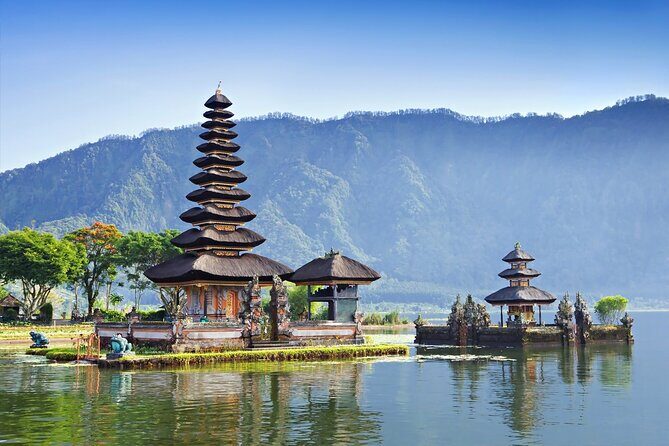
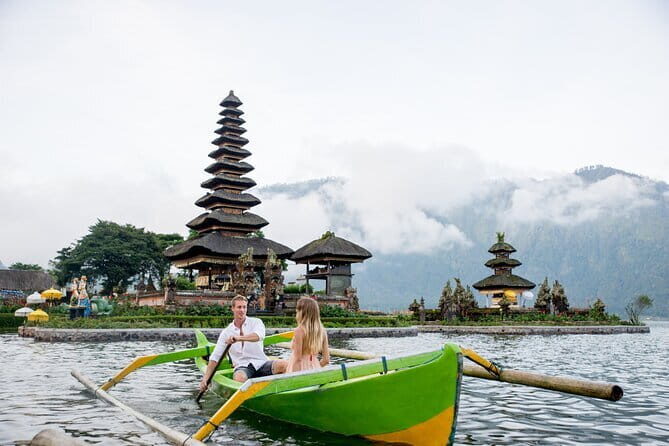
Stop 1: Ulun Danu Bratan Temple and the Lake-Beratan Effect

Ulun Danu Bratan is the first temple on the route, reached after roughly a 2-hour drive from the main tourist area. The setting is the headline: the temple complex is built on the edge of Lake Beratan, and from certain angles it really can feel like it’s sitting on the water.
What you’ll like here:
- The scenery reads instantly. Water, temple roofs, misty lake vibes—no waiting for the payoff.
- It’s a calmer “spiritual opener” compared with the busier coastal feel later in the day.
What to watch:
- Admission isn’t automatically included unless you choose the right option.
- The best views often come with a bit of walking and standing, so give your legs a break between photos.
This is also a smart first stop because you’re fresh before the bigger drives. A strong driver-guide can explain what you’re seeing as you arrive, so you understand the role of water in the temple setting instead of just photographing it.
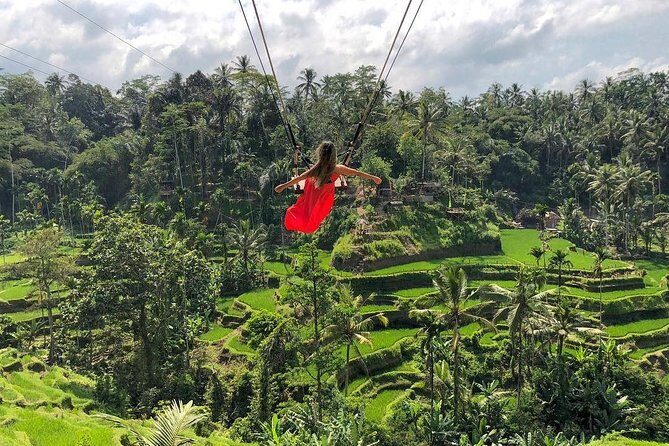
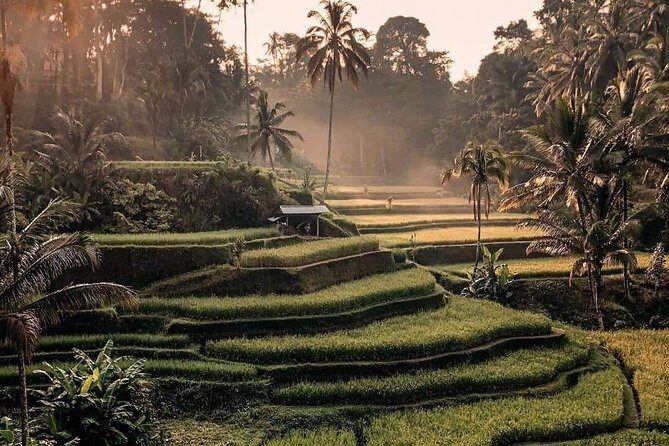
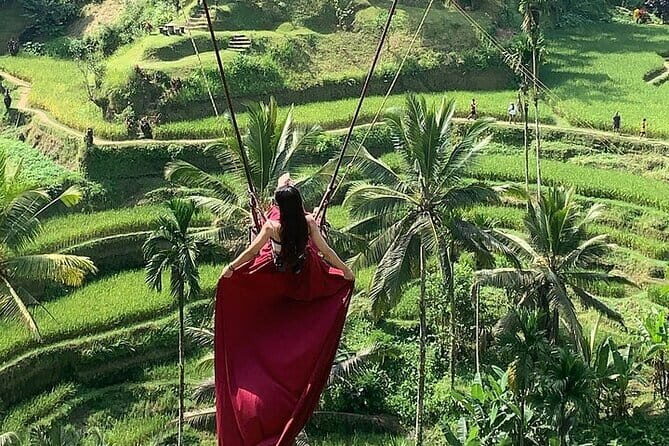
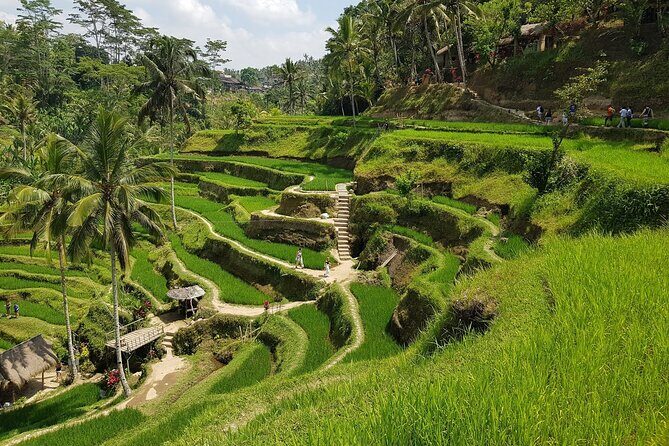
Stop 2: Jatiluwih UNESCO Rice Terraces and Bali’s Subak System

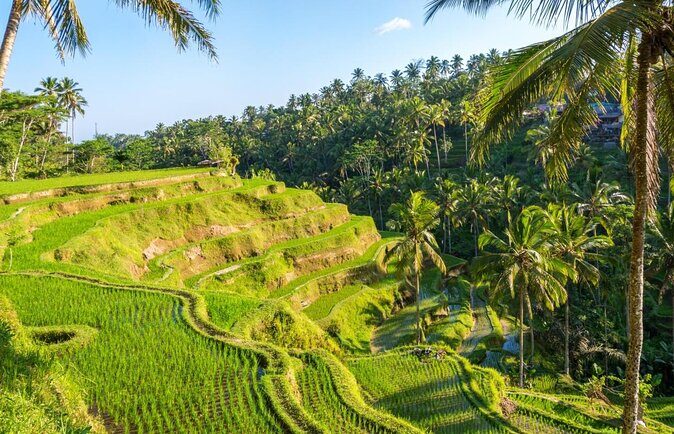
Then comes Jatiluwih Green Land, about 40 to 60 minutes from the first stop. This is where the day shifts from temple architecture to living agriculture.
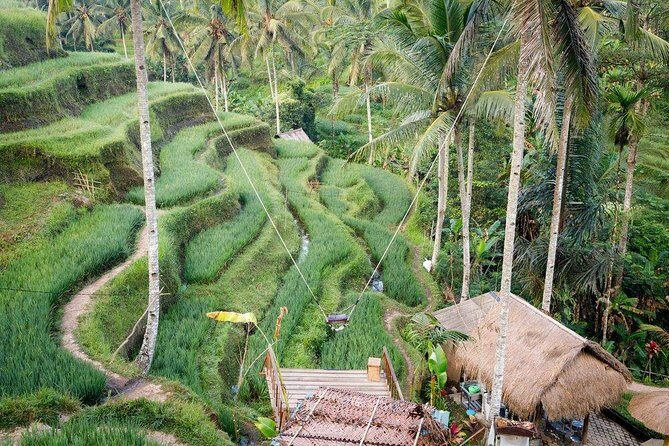
Jatiluwih is recognized by UNESCO for how the rice terraces preserve culture and land stewardship. But the more interesting part is the link to the subak irrigation system—the local water-management culture that helps farmers coordinate and maintain terrace rice production.
Why it’s worth your time:
- The terraces don’t feel like a staged theme park. They’re a working agricultural landscape, with rice still growing where conditions allow.
- The view can keep changing as you move. From one viewpoint you see layered hills; from another you notice the way paths and water lines shape the terraces.
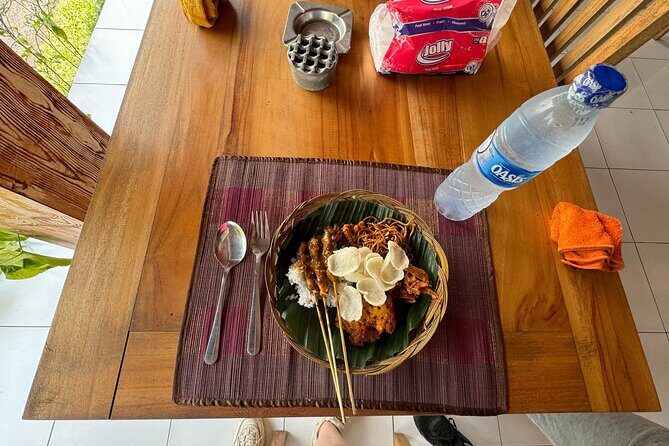
Food tip: if you choose lunch, it’s described as an expansive buffet with views over the rice fields. That’s a big deal in Bali, because many meals are just meals. Here, the view is part of the meal.
Potential drawback:
- This stop runs about an hour. It’s enough to absorb the terraces, but if you’re a serious photographer, you may want slightly more time than the schedule allows.
Stop 3: Luhur Batukaru on Volcano Slopes (and When Plans Adjust)

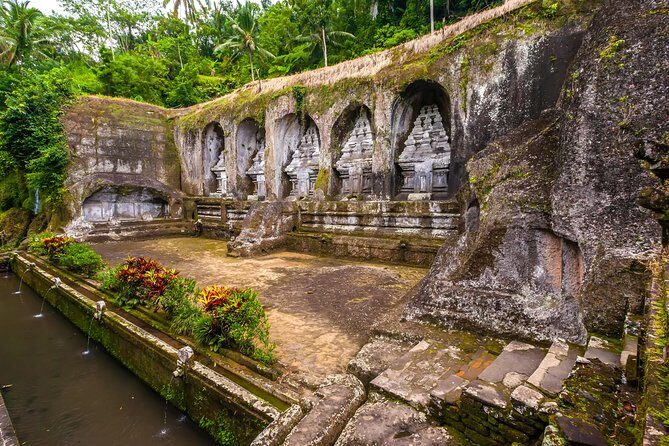
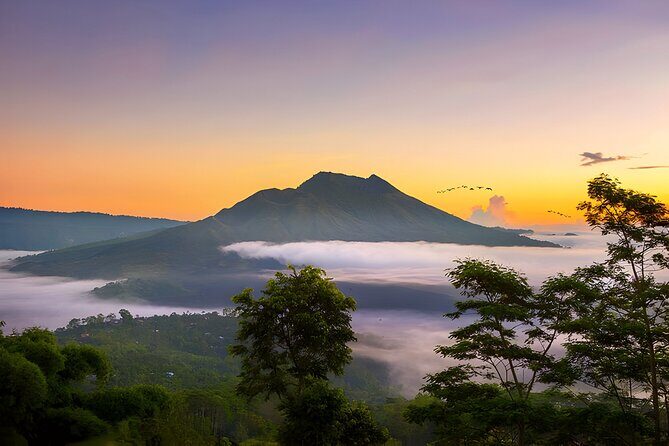
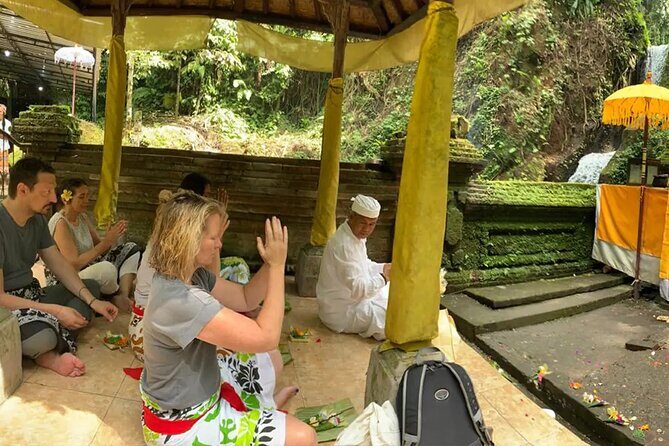
Luhur Batukaru Temple is next, reached after roughly 40 to 50 minutes. It sits on the slopes near Mount Batukaru, Bali’s second-highest volcano. The temple dates back to the 11th century, which gives the architecture a heavier historical feel than the “quick selfie stop.”
This stop is often less crowded than the biggest tourist temples, which can make it feel more contemplative. You’ll likely appreciate the contrast: Jatiluwih is about farming and water management; Batukaru connects that idea to volcanic terrain and temple practice on higher ground.
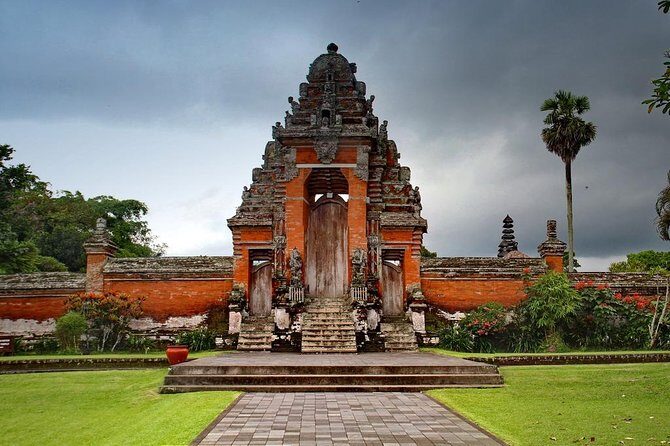
One smart consideration: ceremonies can affect access. In at least one real-world scenario shared by guests, Luhur Batukaru was closed due to a ceremony, and the guide adjusted the plan to still show a third temple—Taman Ayun Temple was used as a substitute.
So if you care about temple access, ask your driver-guide to keep the plan flexible. A good guide doesn’t panic; they adjust so your day stays meaningful.
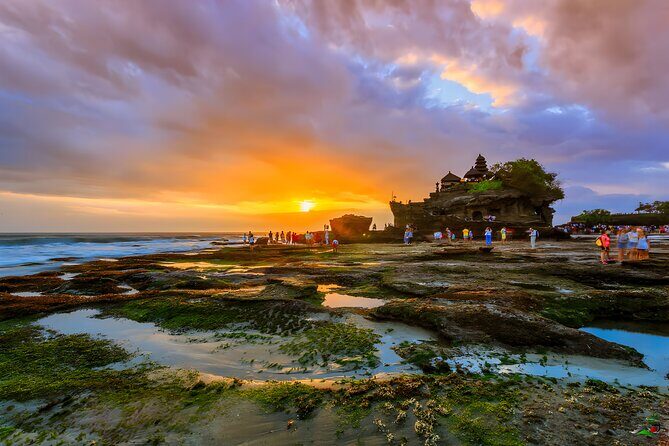
Stop 4: Tanah Lot at Sunset, Plus the Low-Tide Catch

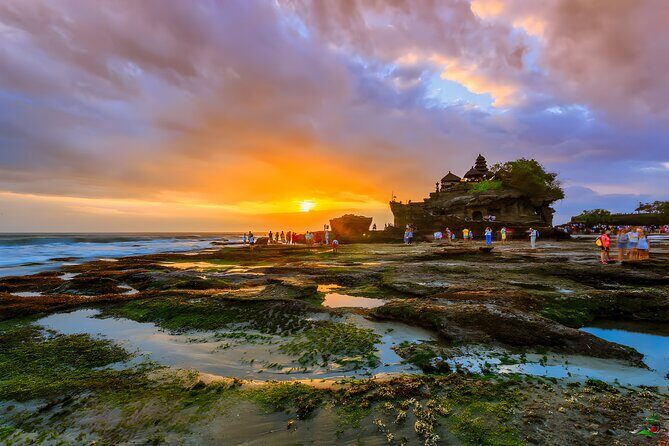
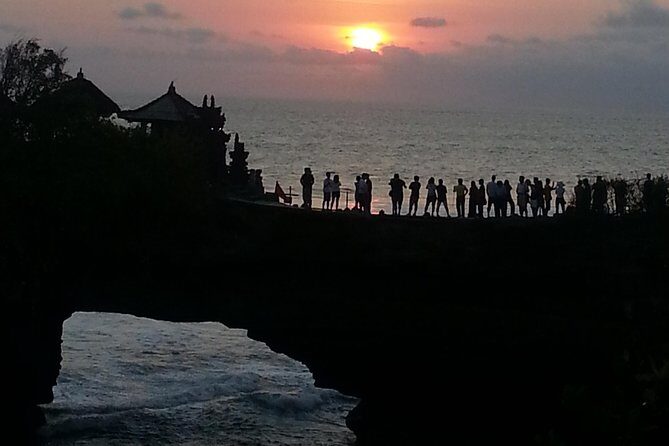
The day ends at Tanah Lot Temple, about 1 hour from the volcano-slope stop. Tanah Lot is famous for its sea setting: the temple is on lava rock in the ocean, and access depends on low tide.
This matters because sunset time is the highlight. If the tide isn’t right, you may see less of the dramatic walkway effect and have to work with what’s available.
What you’ll want to do:
- Arrive with time to watch the light shift. The ocean-side setting changes fast.
- Bring a dry layer for late-day weather. Sea air can be cool.
Why Tanah Lot is a great finish:
- The day has been inland and highland-heavy. Tanah Lot brings you back to the water story—this time as ocean worship and sunset spectacle.
- After hours of temples and terraces, the setting feels like a reward, not just another checkmark.
Lunch by the Terraces: When Food Becomes Part of the Sight

If you select lunch, you’ll eat at a restaurant with rice-terrace views. The style is described as a buffet, and it’s set so you can enjoy the scenery while you eat.
A practical warning: included lunches can vary by operator and by season. Based on guest experiences with this kind of day, some restaurants can be great for views but inconsistent with seasoning. If you have strong preferences (spice level, dietary restrictions), consider bringing a small snack backup just in case.
Still, the view is a real plus. You’re not rushing from one photo angle to the next—you get a sit-down moment with the rice terraces still in front of you.
Guides and Driving: The Difference Between a Tour and a Good Day
On Bali roads, the driver matters. You’re passing through traffic-heavy areas, and you’ll want someone calm and practiced behind the wheel. Many people praised specific driver-guide styles, including people like Berata, Sakha, Wayan, Agus, Ardana, Dudy, Ma-de, Oka, Komang, Tia, Kris, Udi, Leo, and Putu.
I’d use that as a shopping lens when booking:
- Choose a tour that makes the driver part of the experience, not just a taxi.
- Bring questions. The better guides can explain what makes each temple special and how it connects to daily Balinese life.
- If photography matters, ask for help. Several guests noted their guides took photos or assisted with practical needs like umbrellas in rain.
One more smart tip: tell your guide what kind of day you want. If you’re temple-focused, say so. If you’re photo-focused, mention it. Flexibility is one of the most valuable parts of a private format, especially on longer days.
What’s Included (and What You’ll Need to Budget for)
Here’s the clean picture based on what’s listed:
- Included: bottled water, private driver/guide, hotel pickup and drop-off, private tour, air-conditioned minivan, and all taxes/fees/handling charges
- Lunch: included only if you choose the lunch option
- Entry fees: included only if you choose All Inclusive
- Not included: alcoholic drinks
So your day-to-day spending is mostly about admissions (depending on your option) and personal items like drinks or snacks if you want them.
Who This Tour Is Best For
This tour is ideal if you:
- Want a best-of Bali cultural day without self-driving
- Like variety: temples plus terraced rice agriculture in one loop
- Want a private format that can adjust to small changes (like ceremony closures)
- Prefer a guided explanation so you understand what you’re seeing, not just where to stand for photos
It’s also a good fit for mixed-age groups, since the private door-to-door setup reduces stress. If you’re traveling with mobility limits, you can still go, but ask your guide how much walking each stop involves and plan your pace.
Should You Book This Bali Water Temples and UNESCO Rice Terraces Tour?
I’d book it if you want one organized, meaningful day in Bali—especially if you’re staying around Ubud and you don’t want to spend your holiday wrestling with traffic and navigation.
Go with caution if:
- You’re very sensitive to long drives and early starts
- You need guaranteed access to every single temple regardless of ceremonies (no tour can promise that in Bali)
- You prefer a slow, unhurried schedule at one site rather than a full circuit
Final thought: if your goal is to leave Bali knowing the “why” behind its water temples and rice terraces, this is a solid value. The structure is tight, the sights are real, and the private format makes the day feel smoother than most DIY attempts.