Bali Ayung Rafting and ATV Ride Adventure (Best and Fun)

Bali Ayung Rafting and ATV Ride Adventure (Best and Fun) - Getting There Without Bali Traffic Stress (Private Pickup and Drop-Off)

Two rides, one great Bali day.

This combo is a smart way to get nature time fast: you’ll bounce the Ayung River with a professional guide, then switch to an ATV route through rice fields and villages. The rafting is beginner-friendly and includes a rare bonus moment—stopping at a small waterfall where you’re allowed to swim in the river.

I also like the no-stress logistics. With private 2-way hotel transfers, you’re not wasting daylight on extra pickups, and the air-conditioned car keeps the day from feeling like a slog. The one drawback to plan for: the ATV ride is designed as a sightseeing track, not a speed-fest, and you do need moderate physical fitness for getting on, off, and moving through the activities.

Key Points You’ll Actually Care About

Bali Ayung Rafting and ATV Ride Adventure (Best and Fun) - Key Points You’ll Actually Care About

  • Ayung River rafting (2.5 hours) with a waterfall stop and a chance to swim
  • ATV ride (2.5 hours) focused on views, rice fields, and photo pauses, not racing
  • Private round-trip transfers across most south Bali and Ubud
  • Pro guides plus insurance coverage, so safety isn’t an afterthought
  • Buffet lunch + bottled water included, so you’re not hunting food mid-adventure
  • No photo/video service included, so bring your own camera or phone if that matters

A One-Day Combo That Works: Rafting the Ayung + ATV in One Stretch

Bali Ayung Rafting and ATV Ride Adventure (Best and Fun) - A One-Day Combo That Works: Rafting the Ayung + ATV in One Stretch
The big idea here is efficiency. Instead of choosing between white-water rafting and an ATV adventure, you get both, plus lunch, inside about a 10-hour day. For $90 per person, that combo can feel like good value because you’re paying for the activities and the moving parts that come with them—transport, guides, and time management.

The day is also paced so you don’t feel wiped out immediately. You start on the river (where you can focus on the ride), then switch to the ATV (where you can reset with scenery and slower decision-making). If you like a “two-for-one” style day—active, but not insane—you’ll probably enjoy the flow.

Getting There Without Bali Traffic Stress (Private Pickup and Drop-Off)

Bali Ayung Rafting and ATV Ride Adventure (Best and Fun) - Getting There Without Bali Traffic Stress (Private Pickup and Drop-Off)
This is where the experience gets practical. You get private round-trip hotel transfers from a long list of areas: Seminyak, Legian, Kuta, Nusa Dua, Jimbaran, Pecatu, Sanur, Ubud, Denpasar, Benoa, and Canggu. That matters because south Bali traffic can be… creative with time.

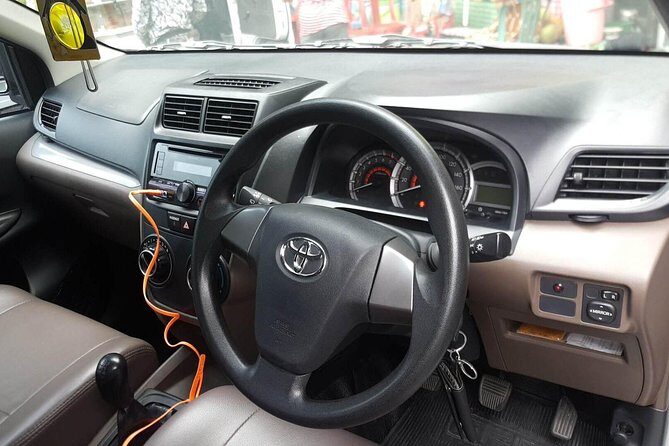
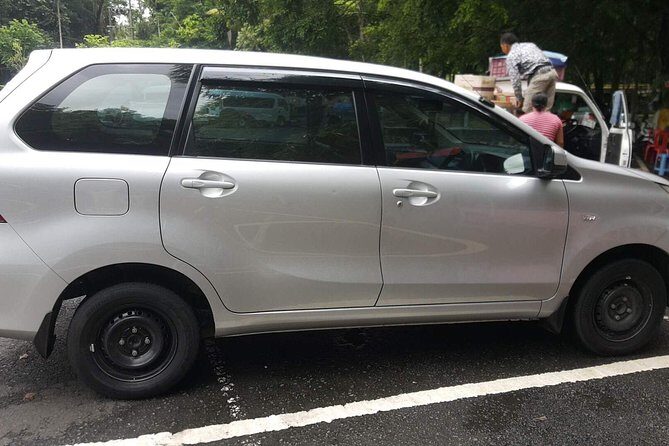
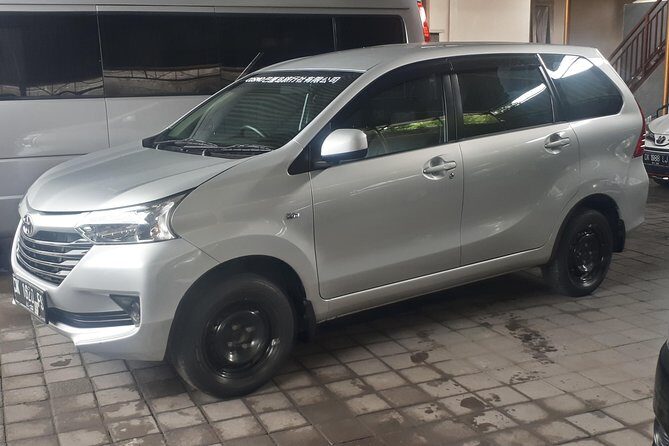
You also avoid the classic group-tour headache: no extra stops just to pick up other people. The tour is described as private—only your group joins in—so you’re not waiting around while someone else finishes breakfast negotiation. You’ll usually be in an air-conditioned vehicle, which helps a lot once the day turns hot.

One more small detail that’s easy to miss: you get a mobile ticket and confirmation at booking. That makes the check-in side of the day simpler, especially if your schedule is already tight.

Stop 1: Ayung River Rafting With a Waterfall Swim Moment

Bali Ayung Rafting and ATV Ride Adventure (Best and Fun) - Stop 1: Ayung River Rafting With a Waterfall Swim Moment
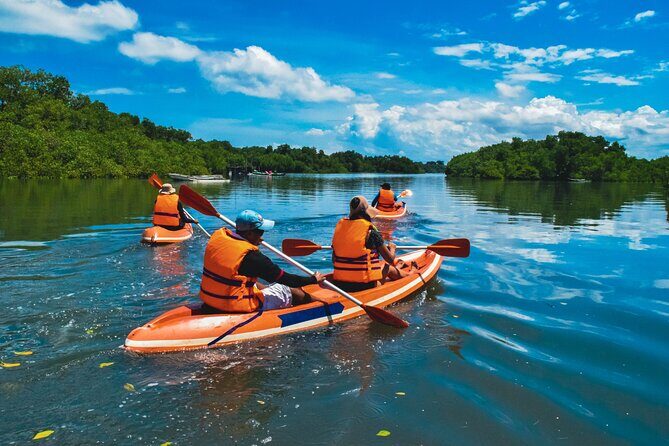
Your rafting block is about 2 hours 30 minutes. The Ayung River run is set up for people who want a real adventure without needing advanced experience. The river is described as suitable for beginners, which is a relief if you’ve watched rafting videos and thought, I could never do that.

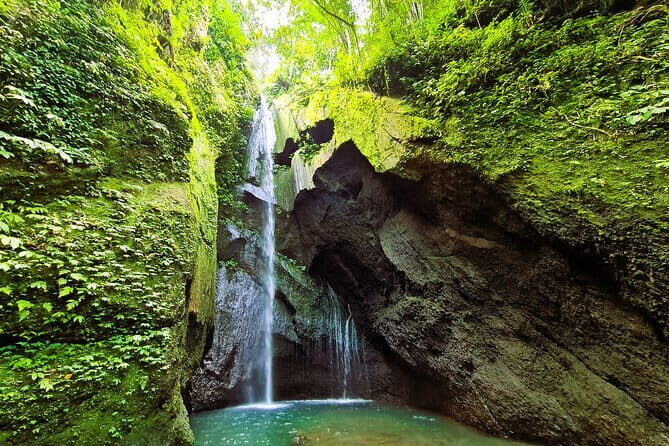
What you do get is a mix of river fun and nature time. During the rafting, there’s a planned stop at a small waterfall, and you’re allowed to swim in the river there. That’s not typical for every rafting day, so it’s one of the reasons this combo feels special: you’re not just sitting in a raft seat the whole time.

A note on intensity: the rapids can feel gentler depending on conditions. One guide experience is described as slower during the dry season, but still enjoyable. So if you’re hoping for maximum adrenaline every minute, you might find the rafting more “guided adventure” than “full-on thrill coaster.” If you want something active, scenic, and friendly for first-timers, this fits.

What helps you enjoy rafting more: wear clothing and footwear that can get wet, and keep your phone/camera protected. Also, listen closely to the rafting guide. A lot of the success comes from doing what the guide says fast and confidently, not from overthinking it.

Stop 2: Bali Pertiwi ATV Ride Through Rice Fields and Village Life

Bali Ayung Rafting and ATV Ride Adventure (Best and Fun) - Stop 2: Bali Pertiwi ATV Ride Through Rice Fields and Village Life
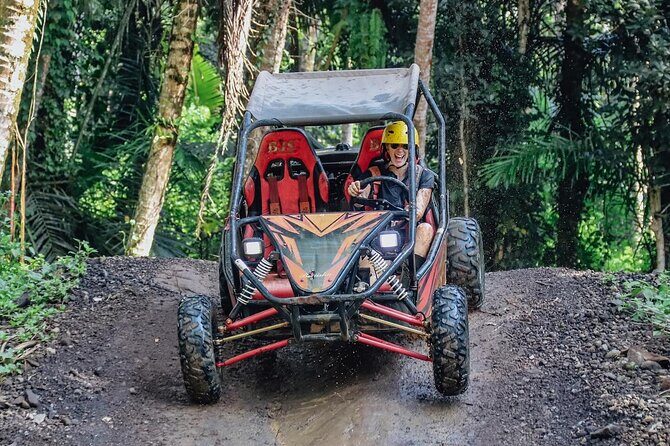
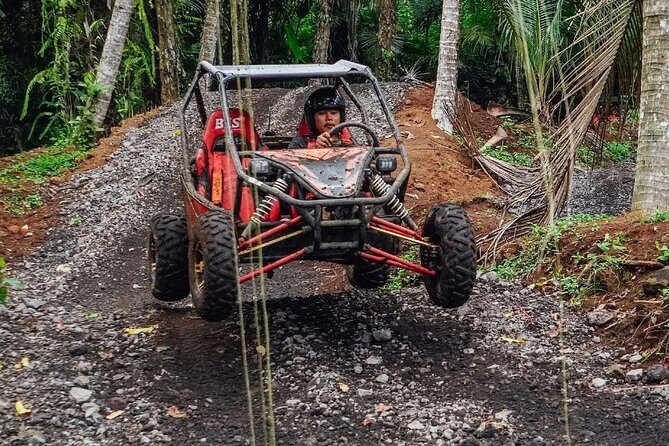
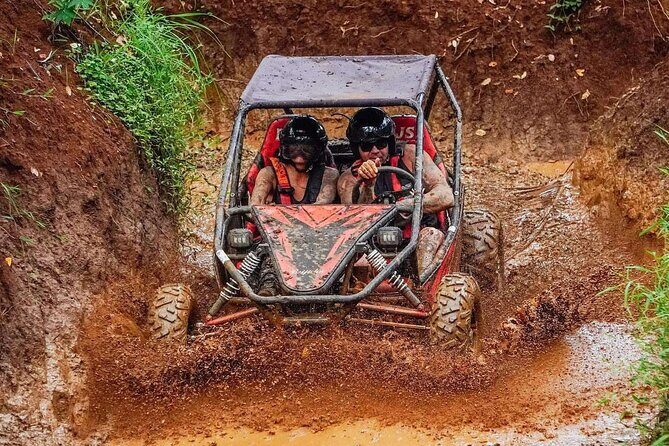
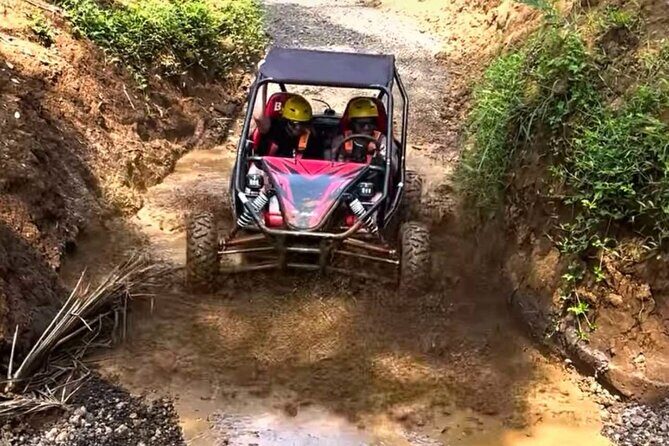
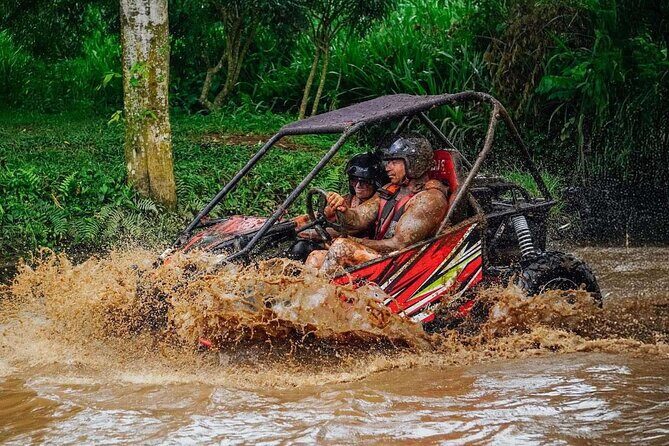
After the river, you head into the 2 hours 30 minutes ATV portion at Bali Pertiwi Adventure. This is a sightseeing-style ride. The route is described as not a speeding tour—more about views, tracks, and stopping for photos than chasing speed.

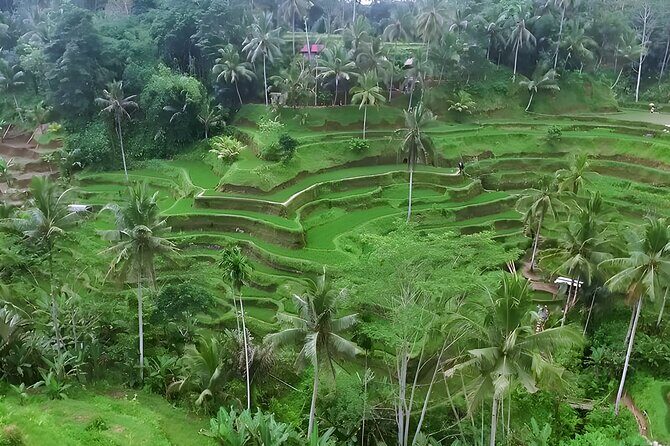
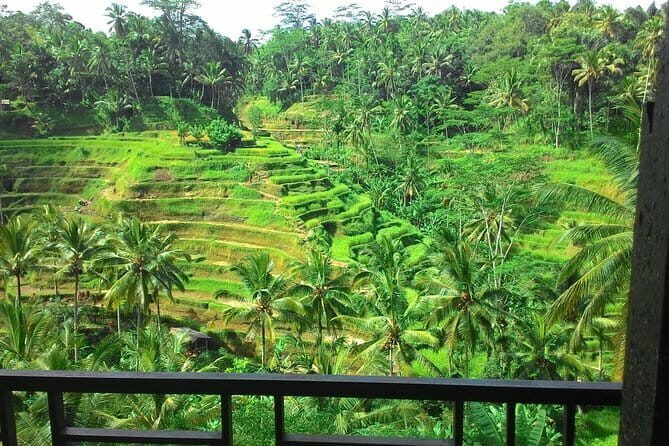
The ATV route takes you through rice fields, where you get chances to stop and take pictures as much as you want. That’s the part most people remember: Bali’s green textures and the way the terrain opens up as you ride. You also pass local villages and see everyday social activities, which helps the ride feel more connected to real life and less like a theme-park loop.

One practical upside: the ATV segment often feels like a mental reset after the river. You’re still active, but you’re not dealing with rapid changes in water conditions. Just stay steady on the vehicle, go where the guide directs, and take the photo stops seriously—you’ll thank yourself later when you’re sorting pictures.

The Buffet Lunch That Actually Closes the Energy Gap

Lunch is a buffet of Indonesian food, and it includes bottled water. When a tour includes a real meal, it changes the whole day. You’re not tempted to grab random snacks on the roadside between two physical activities.

The best part is timing and simplicity. You’re fed and recharged so you can keep your energy for the final leg without feeling hungry or cranky. Since you’re doing both rafting and ATV, that matters more than it does on lighter day tours.

If you have a sensitive stomach, stick to the basics and drink your water slowly. That’s generic advice, but in Bali heat it can make the difference between feeling great and feeling off.

Guides and Safety: The Real Difference You Feel in the Moment

Bali Ayung Rafting and ATV Ride Adventure (Best and Fun) - Guides and Safety: The Real Difference You Feel in the Moment
The tour is built around professional guidance. For rafting, you’ll have a professional rafting guide. For the ATV portion, you ride with assistance from a professional ATV guide. There’s also insurance coverage included, which is a comforting line item when you’re doing activities with real motion and real risk.

What stood out in the guide stories is service attitude. People specifically mention patience and helpfulness from several guides/drivers, including Putra, Heri, Sulandra, Agus, Darma, Big Budi, and Bobby. That lines up with what you want on a day like this: calm directions, quick problem-solving, and an emphasis on doing the steps right.

You also get an extra “peace of mind” factor because the tour is private to your group. When the day’s rhythm is clear, it’s easier for guides to keep everyone on track without rushing.

Price and Value Math: What $90 Covers

Let’s talk value, not just price. At $90 per person, you’re paying for:

  • Ayung River rafting (about 2.5 hours) with guide support
  • ATV ride (about 2.5 hours) through rice fields
  • Lunch buffet with Indonesian food
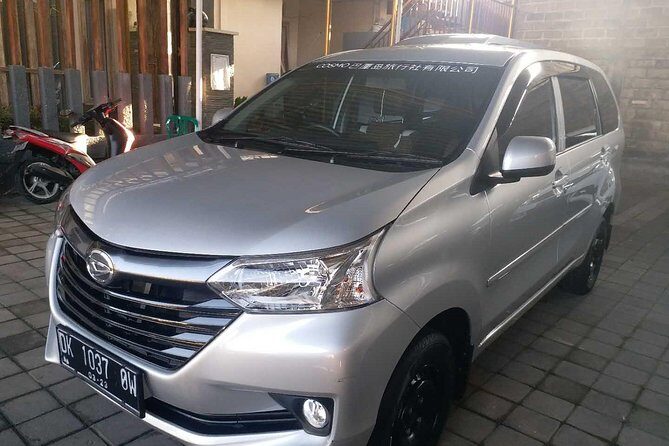
  • Private air-conditioned transportation and 2-way hotel transfers
  • Insurance coverage
  • Bottled water

If you tried to assemble these separately on your own, you’d likely pay extra in coordination time, transport, and ticketing friction. The combo also reduces decision fatigue: one plan, one schedule, one set of people handling the flow.

There’s also mention of group discounts, so the price can be even better when you have a small group going together. One catch is what’s not included: there’s no video or photo service. If you want action shots, you’ll either need to bring your own camera/phone or be ready to enjoy the moment without expecting a professional package afterward.

What You Should Bring (And What to Skip)

You’re doing wet + dusty + active. Pack like the day is a mini adventure with changing conditions:

  • Swim-ready or quick-dry clothes for the rafting waterfall swim possibility
  • Water-safe storage for your phone (a small dry bag or sealed pouch can be a lifesaver)
  • Comfortable footwear that won’t hate getting wet, with an eye toward grip
  • A change of clothes for after, because wet fabric in Bali heat isn’t fun for the ride home
  • Sunscreen and hat for the ATV and travel time

Skip heavy valuables you don’t need. If you bring something expensive, keep it protected, not just “on you.”

Who This Tour Suits Best (And Who Might Want Another Option)

This tour is a strong match if you:

  • Want a beginner-friendly rafting intro
  • Like mixing water time with countryside exploring
  • Prefer private transport and not waiting around
  • Appreciate professional help and safety focus
  • Are okay with an ATV ride that’s about views and tracks, not speed

It may feel less ideal if you’re looking for extreme thrills every second. The rafting can be gentler at times, and the ATV is explicitly described as a sightseeing route rather than a fast ride. If that’s not your thing, you might search for a more adrenaline-forward ATV setup or a rafting operator that’s more extreme by design.

The tour also asks for moderate physical fitness. That usually means you should be comfortable climbing on/off, moving around, and handling basic physical activity without pain or hesitation.

Should You Book This Bali Ayung Rafting + ATV Day?

Book it if you want an efficient Bali day that mixes real adventure with good organization. The standout strengths are the professional guides, the private transfers that protect your time, and the fact you get both the Ayung River experience (with that waterfall swim moment) and an ATV ride through rice fields in the same day.

I’d skip or reconsider if you only want high-speed ATV thrills, or if you’re not comfortable with moderate physical effort. Also, decide upfront whether you care about action photos. Since video/photo services aren’t included, it’s worth planning your own shots.

Overall, this reads like a solid “do it once” Bali combo for active people who still want a smooth schedule and a guided, confidence-building day.

FAQ

How long does the Bali Ayung rafting and ATV tour take?

The full day is about 10 hours. Rafting takes around 2 hours 30 minutes, and the ATV ride is also about 2 hours 30 minutes, with lunch included in between.

What activities are included in this tour?

You get white-water rafting on the Ayung River and an ATV ride through the countryside/rice fields. A buffet lunch with Indonesian food, bottled water, and insurance coverage are also included.

Do I get hotel pickup and drop-off?

Yes. Pickup and drop-off are offered at your hotel/resort/cottage/homestay. The tour notes coverage for areas including Seminyak, Legian, Kuta, Nusa Dua, Jimbaran, Pecatu, Sanur, Ubud, Denpasar, Benoa, and Canggu.

Is this tour private?

Yes. It’s listed as a private tour/activity, meaning only your group participates.

Is the rafting beginner-friendly, and is there swimming involved?

The rafting is described as suitable for beginner rafting experiences. During the rafting, there is a stop at a small waterfall where you’re allowed to swim in the river.

Is lunch included, and what kind of food is served?

Yes. You’ll have a buffet lunch of Indonesian food. Bottled water is also included.

What’s the cancellation policy?

There is free cancellation. You can cancel up to 24 hours in advance for a full refund, and cancellations made less than 24 hours before the start time are not refunded.

PRIVATE Ubud Market Tour & Balinese Cooking Class with Putu

PRIVATE Ubud Market Tour & Balinese Cooking Class with Putu - Back at the family compound: lunch with three generations

Spice shopping starts your Ubud morning. This private tour pairs a Pejeng Market ingredient hunt with a hands-on cooking lesson in host Putu’s family home—so you see how Balinese food starts in the daily market and ends on your plate.

I especially like the three-generation family lunch in a compound home, where you can chat while you eat, and the practical way the lesson is built: you shop, learn, then cook. One thing to consider: you’re up early (7am pickup) and the day is food-focused, so it’s less for classic sightseeing wandering.

Key highlights

PRIVATE Ubud Market Tour & Balinese Cooking Class with Putu - Key highlights

  • Pejeng Market shopping with Putu, focused on seasonal fruit, vegetables, and spices
  • Homecooked lunch shared in a family compound with three generations
  • Hands-on cooking for 2–3 Balinese dishes (menu varies by season)
  • Simple, real kitchen learning, including chopping, grinding, and grilling on a two-burner setup
  • Door-to-door private transfers from your Ubud hotel for a low-stress start and finish

Pejeng Market with Putu: where the flavors start

PRIVATE Ubud Market Tour & Balinese Cooking Class with Putu - Pejeng Market with Putu: where the flavors start
The best part of a Balinese cooking class is the source. This one starts at Pejeng Market, where Putu shops like she’s doing it for her own family day after day. You’ll spend about 30 minutes in the market, enough time to get oriented, learn what matters, and pick up ingredients that will show up again in your cooking.

This is also the part you should lean into. Markets move fast and everything is sensory—colors, smells, and the sheer variety of seasonal produce. Putu introduces the goodies on offer, so instead of just walking past stalls, you learn what you’re looking at. It’s not just a photo stop; it’s the groundwork for what you cook later.

Photo lovers will have a field day here. The market setting offers great chances to capture daily life and colorful ingredients. Just keep in mind that you’ll be shopping and talking more than browsing, so plan to move at a lively pace.

A 7am hotel pickup and a smooth ride in Bali time

You start with a private, door-to-door round-trip transfer from Ubud. Pickup is at 7:00am, and the tour is designed so you aren’t trying to find your own way across town while also doing market shopping and cooking.

That early start is the tradeoff. If you’re the kind of traveler who hates mornings and long drives, this might feel like a stretch. But if you like beating the day’s heat and crowd pressure, 7am can be perfect. It also means you’re cooking and eating earlier rather than waiting until late afternoon.

One more practical note: the price includes transport from Ubud only. If you’re staying outside Ubud, there’s an extra transportation charge.

Back at the family compound: lunch with three generations

PRIVATE Ubud Market Tour & Balinese Cooking Class with Putu - Back at the family compound: lunch with three generations
After the market, you head to Putu’s home for the heart of the experience: lunch in a local family compound home. This is where the tour becomes more than a class. You’re not just watching food being made—you’re part of the meal moment, with time to chat and connect.

What I think makes this special is the three-generation setup. You’re in a space where daily life happens, and that changes the vibe. Instead of a staged demonstration, it feels like stepping into a real home routine. Conversation is part of the package, and you’ll likely pick up details about ingredients and cooking culture in an everyday way.

You’ll also find that the lunch is tied to what you shopped. The ingredients you choose at the market become part of the story, and the meal reflects that. And yes, there’s mention of a little local alcohol with lunch—keep that in mind if you prefer to keep it alcohol-free, and let Putu know.

Hands-on Balinese cooking: chopping, grinding, and cooking 2–3 dishes

PRIVATE Ubud Market Tour & Balinese Cooking Class with Putu - Hands-on Balinese cooking: chopping, grinding, and cooking 2–3 dishes
The cooking lesson runs about 1–2 hours, and it’s hands-on. You’ll work together with Putu to prepare 2–3 authentic Balinese dishes. The exact menu can change with the season, but banana leaf parcels and Balinese curry are specifically called out as examples of what you might make.

The way the lesson is taught matters. Putu shows you the spices she uses in her family recipes, including why certain ingredients are valued. The info goes beyond flavor—there’s also a focus on the medicinal qualities of Balinese ingredients. That’s a big reason people enjoy this kind of class. You’re not just learning how to cook; you’re learning how the culture thinks about food.

The kitchen setup is simple. You’ll be cooking on a basic setup with a two-burner cooktop, which is exactly why this lesson feels practical. It isn’t about fancy equipment. It’s about technique and timing—how to chop efficiently, grind spices, and cook in a way that gets results with what’s available.

If you learn best by doing, this is your format. Expect chopping, grinding, and grilling-type steps as part of the process, not just watching and taking notes.

What the pacing really feels like (and how to prepare)

PRIVATE Ubud Market Tour & Balinese Cooking Class with Putu - What the pacing really feels like (and how to prepare)
This is a 5-hour experience from start to finish, and it moves with intention: early pickup, a focused market stop, then cooking and lunch. There’s no wasted time, which is great—until you realize you’ll be fully “on” for a chunk of the morning.

Here’s how to prepare so you get the most value out of those hours:

  • Bring a camera, and be ready for market photo moments.
  • Wear comfortable clothes you don’t mind getting a little dusty (markets can be like that).
  • Plan to eat well. Lunch is homecooked and part of the experience, and it’s not a light snack.
  • If you have dietary needs, speak up at booking. Vegetarian and vegan options are available, and you should share any allergies or restrictions in advance so Putu can plan accordingly.

Also, expect a conversational teaching style. Putu’s role isn’t only instructor; it’s host. You’ll likely spend more time talking than you would in a high-volume cooking school.

Price and value: is $95 worth it?

PRIVATE Ubud Market Tour & Balinese Cooking Class with Putu - Price and value: is $95 worth it?
At $95 per person for a private experience, the value comes from three places: the market time, the family-home meal, and the private teaching.

Many cooking experiences in Bali are either group-focused or very “restaurant-demo” style. Here, you get private round-trip transport from Ubud, a personalized market tour with Putu, and cooking instruction tied directly to ingredients you pick up. That reduces the usual “tourist gap” where people cook with ingredients they never chose.

Then there’s the lunch context. A homecooked lunch with a local family in a compound setting isn’t the same as eating at a cooking school venue. Even if you’re just there for the food, the setting shapes the whole experience.

One more value point: the price includes taxes, fees, handling charges, and gratuities. That’s one less surprise later.

If you’re traveling solo, $95 can still feel like a fair “skill + meal + private host” bundle. If you’re a couple, it can be a strong choice because private time with Putu makes the class feel personal—exactly the kind of experience people tend to remember long after the meal is gone.

This also makes sense for travelers who want a cultural food experience more than a checklist of sights.

Should you book the Putu Ubud market tour and cooking class?

PRIVATE Ubud Market Tour & Balinese Cooking Class with Putu - Should you book the Putu Ubud market tour and cooking class?
Book it if you want a food day that starts in the real market and ends in a real home, with hands-on Balinese cooking and a lunch shared with Putu and her family. It’s especially good for couples, food lovers, and anyone who likes their travel to feel personal and practical—not just performative.

Skip it if you mainly want sightseeing and low-structure time. The day is built around food and cooking, and it starts early. Also, if you’re strongly uncomfortable with early mornings, markets, or hands-on kitchen work, you might prefer a later-start activity.

If your ideal Bali moment is learning spices, tasting lunch in a family setting, and coming away with cooking confidence for real dishes, this is an excellent fit.

Ubud ATV Ride through River Jungle Rice Fields Puddles

Ubud ATV Ride through River Jungle Rice Fields Puddles - Getting your chance to be brave: mud puddles, river crossings, and puddle physics

Mud, jungle, and a cave tunnel. This Ubud adventure strings together ATV riding and an Ayung River raft trip, so you spend the day in motion instead of watching time pass. You’ll drive through jungle trails and open rice fields, splash through puddles and shallow streams, and then hit the famous Gorilla Cave tunnel that’s carved deep in the forest.

I love the all-terrain variety because it keeps you alert without being scary on the first try. I also love the included post-ride setup: boots, helmet, locker, towels, and shower facilities, plus a lunch buffet with veg or no-veg and a gluten-free option.

One thing to plan for: you’ll get wet and muddy. If you hate grime, bring a change of clothes for later and keep your expectations set that the fun comes with splashes.

Key things that make this ride worth your time

Ubud ATV Ride through River Jungle Rice Fields Puddles - Key things that make this ride worth your time

  • ATV access to Gorilla Cave: a forest-carved tunnel you drive through as part of the route.
  • Real off-road mix: jungle tracks, rice fields, river crossings, muddy puddles, and shallow stream sections.
  • Ayung rafting is built in: about a 2-hour paddle with fun rapids and mini waterfalls.
  • Full-use facilities: locker space plus towels and showers so you can reset after getting dirty.
  • Lunch is included: Indonesian buffet with veg, no-veg, and gluten-free options.
  • Small group size: capped at 30 people, so you’re not lost in a giant crowd.

Starting at Dadi Bali Adventures: pickup, welcome drink, then straight to gear

The experience starts at Dadi Bali Adventures in Payangan (Jl. Begawan Giri, Melinggih Kelod, Kec. Payangan, Kabupaten Gianyar, Bali). If you book hotel transfers from select areas, you get private pickup and then return to the same place after the activity.

On arrival, you’re typically welcomed with a drink and guided into the pre-ride setup. This is where the “make it easy” part matters. They provide a professional quad bike instructor, plus the core safety and comfort items: boots, a helmet, and locker use. Even if you’ve never ridden before, the structure here helps you get your bearings quickly—because you’re not just handed a machine and told to go.

One practical detail: the tour is listed as having confirmation at booking time and a mobile ticket, so you’re not scrambling for paper tickets on a busy day.

The first big thrill: ATV time through jungle trails and rice fields

Ubud ATV Ride through River Jungle Rice Fields Puddles - The first big thrill: ATV time through jungle trails and rice fields
Your ATV route is basically an obstacle course made by nature. You’ll move from jungle trails to stretches of bright green rice fields, then back into dirtier sections as the route works its way around the river area.

What I like about this kind of route is that it feels like Bali, not just a track loop. Rice fields give you openness and views, while the jungle sections feel more enclosed and fast-moving. Then the terrain starts talking back: you’ll hit muddy puddles, shallow streams, and river-crossing-style sections where you’ll feel the tires grip and splash.

This is also the part of the day where the guide and instructor style really matters. People mention drivers and ATV staff by name, including Putu, Wayan, Santika, Adi, and Dwi, with comments that they’re friendly, patient, and attentive. In plain terms: when you’re focused on not biffing the bike, it helps a lot to have someone close by who’s calm and watching your line.

Getting your chance to be brave: mud puddles, river crossings, and puddle physics

Ubud ATV Ride through River Jungle Rice Fields Puddles - Getting your chance to be brave: mud puddles, river crossings, and puddle physics
Yes, you should expect mud. The route is specifically described as including muddy tracks and puddles, plus shallow streams and river crossings. That means your shoes and pants will take a hit. The good news is that the tour includes boots and showers afterward, so you’re not stuck living with muddy clothes for the rest of the day.

If you want to keep the day comfortable:

  • Wear something you can get dirty without drama.
  • Bring something to cover your phone or camera. (Even with helmets on, you’re still going to be splattered.)
  • Plan to use the showers and towels right after. It’s part of the value here, not an extra.

The balance: it’s fun mess. If you’re expecting a polished, clean adventure, you’ll feel disappointed. If you want a real off-road experience, you’ll probably feel right at home.

Gorilla Cave tunnel: the signature forest pass you don’t get anywhere else

Ubud ATV Ride through River Jungle Rice Fields Puddles - Gorilla Cave tunnel: the signature forest pass you don’t get anywhere else
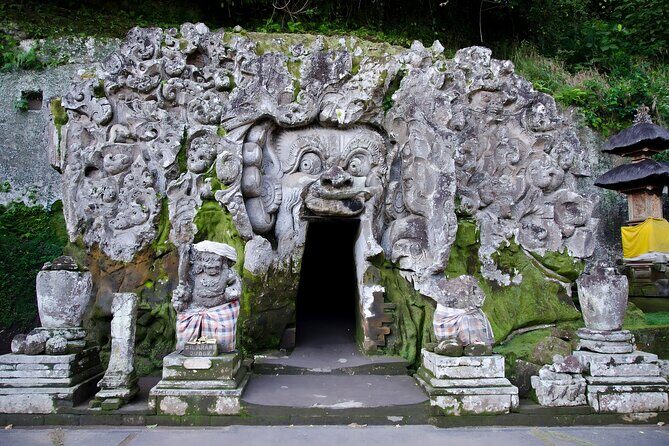
The route includes a stop at Gorilla Cave, described as an exclusive tunnel carved deep in the forest and accessible by ATV. That makes this more than a scenic detour. It’s a genuine “only on this kind of ride” moment, because the route is designed around what ATVs can reach and how they can pass through.

What you should watch for is your comfort level in enclosed or shaded sections. With a helmet on, you’re focused on staying steady, following the guide, and letting the machine do its work. You’ll want to keep both hands controlled and your eyes forward, because in places like this, the terrain and visibility can change quickly.

Also, this is one of the places where a guide who helps with photo moments can be a big deal. Some guides are noted for capturing adventurous highlights on the ride, and that matters because ATV days fly by and you don’t want to miss the key shots.

The reset break: lunch buffet plus showers, towels, changing rooms, lockers

Ubud ATV Ride through River Jungle Rice Fields Puddles - The reset break: lunch buffet plus showers, towels, changing rooms, lockers
After the ATV portion, you’re set up with facilities that make the whole experience feel smoother. The tour includes access to shower facilities, changing rooms, and locker use, plus towels and boots and helmets from earlier.

Then comes the lunch buffet with an Indonesian menu. You can select veg or no-veg, and there’s a gluten-free option listed. Lunch isn’t just fuel here. It’s your chance to dry off, loosen up, and stop feeling like you’re constantly wet.

If you’re doing this as a couple or family day, lunch time is also where the pacing evens out. One person can be ready to eat while another is still catching their breath from the ride, and nobody has to pretend they’re not tired.

Ayung River rafting: 2 hours of rapids, mini waterfalls, and rainforest paddling

Ubud ATV Ride through River Jungle Rice Fields Puddles - Ayung River rafting: 2 hours of rapids, mini waterfalls, and rainforest paddling
The adventure continues with rafting on the Ayung River. The trip is described as about 2 hours, guided by certified guides, using rafting equipment and safety gear that’s included in the tour.

This part of the day shifts gears. You move from engine noise and bike handling to teamwork on a raft. The attraction here is the mix of action and scenery: you’ll paddle through fun rapids, pass mini waterfalls, and ride through surrounding rainforest.

What to expect practically:

  • You will get wet. Rafting always brings splashback.
  • Your comfort depends on how you handle water on your body and gear. They provide the safety gear, which is the most important part.
  • The rainforesty sections help break up the adrenaline with calmer stretches, so you don’t feel like you’re fighting the whole way.

If you’re nervous about rafting, aim to treat the guides as your map and your rhythm. Your job is to paddle when they ask and stay balanced.

Price and value: how $28.73 makes sense when you count the included extras

Ubud ATV Ride through River Jungle Rice Fields Puddles - Price and value: how $28.73 makes sense when you count the included extras
The listed price is $28.73 per person. That number is low enough that you should look closely at what’s included, because the deal only works if the essentials are covered.

Here’s what the booking description includes:

  • ATV instructor and quad bike instruction
  • Boots, helmet, and locker
  • Towels plus access to shower and changing rooms
  • Lunch buffet with dietary options
  • Insurance coverage
  • Rafting equipment and certified guides (for the combined ATV + rafting offering)
  • Welcome drink on arrival
  • Optional private hotel transfers from select areas

When you add it up, the value is in the “stuff you don’t want to shop for.” You’re not paying separately for basic riding gear, showers, and a meal. Insurance coverage also removes a big source of stress for an active day.

One caution: the time estimates can vary depending on whether you’re considering the ATV portion alone or the combined outing. The summary lists about 2 hours, while the detailed description mentions 1.5 hours of ATV riding plus 2 hours of rafting. So if you’re timing your day, don’t schedule tight connections afterward.

Who this adventure fits best in Ubud

Ubud ATV Ride through River Jungle Rice Fields Puddles - Who this adventure fits best in Ubud
This experience is listed as suitable for ages 7 to 65, and it’s described as fitting both beginners and more experienced riders. That wide range makes sense because the ride is designed with instruction, safety gear, and guide support.

It’s a great fit if you:

  • Want a hands-on day with mud, paddles, and real movement
  • Like the idea of doing both ATV and rafting without piecing together two separate activities
  • Travel with teens or family members who want action, not just sightseeing

It may be less ideal if you:

  • Hate getting dirty or don’t have a place to change and shower afterward
  • Want a calm, minimal-splash day

The nice part is that the facilities are included—so you’re not stuck with a full-day mess.

Should you book this Ubud ATV and Ayung rafting combo?

I’d book it if your idea of a good Bali day includes active nature time: driving through jungle and rice fields, passing through the Gorilla Cave tunnel by ATV, then cooling off (a little) on the Ayung River with rapids and mini waterfalls.

I’d skip it if you want a clean, low-mess tour or if you’re allergic to the idea of getting splashed, because the route is built around puddles and shallow water. The value only really lands when you’re okay with that tradeoff.

If you’re on the fence, choose it when you can pair it with a relaxed evening afterward. You’ll want time to shower, eat, and actually recover from a day that’s more physical than a typical temple tour.

FAQ

How long is the ATV ride?

The ATV portion is described as about 1.5 hours in the route description, and the overall activity duration is listed as approximately 2 hours.

Do you offer hotel pickup in Ubud?

Yes. The tour includes private hotel transfers if you book with hotel transfers, from select areas.

What safety and equipment is included for ATV riding and rafting?

You get boots, a helmet, and locker use for the ATV part. The rafting part includes rafting equipment and certified guides, plus safety gear.

Is lunch included, and are there dietary options?

Yes. Lunch is included as an Indonesian buffet, with veg or no-veg options and a gluten-free option listed.

Are towels and showers available after the ride?

Yes. The tour includes towels and access to shower facilities, changing rooms, and lockers.

What does the route include before Gorilla Cave?

The ATV route includes jungle trails, rice fields, river crossings, muddy tracks, and puddles, before reaching Gorilla Cave.

Can I cancel and get a full refund?

Free cancellation is available up to 24 hours in advance for a full refund. If you cancel less than 24 hours before the start time, you do not get a refund.

Private Tour: Ubud and Tanah Lot Day Tour

Private Tour: Ubud and Tanah Lot Day Tour - Pickup, transport, and the traffic reality check

Bali’s top sights, done without the scramble. This private day ties together Ubud culture and nature plus a Tanah Lot sunset plan that hinges on low tide, so your timing actually matters. I like that you’re not stuck with a fixed group pace, but you should expect some time in the car since Bali traffic can slow everything down.

My favorite part is the mix: wildlife at Sacred Monkey Forest and classic countryside views at Tegalalang Rice Terrace, then temples to balance it all. I also like that the tour includes hotel pickup and drop-off plus air-conditioned transport, so you start and end the day in comfort. One possible drawback: if the tide is off on the day you go, Tanah Lot access can change, and you may end up seeing less than you hoped.

You’ll also get optional upgrades if you want a fuller day—like restaurant lunch and a jungle swing for photos—while the base tour keeps lunch as an extra. That means you can control your budget, but you should plan on paying for lunch if you want it.

Key things to know before you go

Private Tour: Ubud and Tanah Lot Day Tour - Key things to know before you go

  • Private door-to-door transfers: pickup and drop-off from Ubud and south Bali hot spots means less logistics.
  • Admission tickets included for the main sights: Monkey Forest, Tegalalang, Taman Ayun, and Tanah Lot.
  • Tanah Lot depends on low tide: access and the best sunset viewing window are tied to sea conditions.
  • Flexible pacing with your guide: many drivers like Panca, Komang, Wayan, Gede, and Nyoman adjust the day to match your interests.
  • Optional lunch and swing: upgrade choices can turn a good day into a more photo-ready one.

Ubud + Tanah Lot in one day: why this route works

Private Tour: Ubud and Tanah Lot Day Tour - Ubud + Tanah Lot in one day: why this route works
This is a classic Bali pairing for a reason. Ubud gives you the “island brain” of Bali—temples, rice terraces, and jungle life—while Tanah Lot delivers that iconic coastal moment most people picture when they plan a trip.

The time order is smart. You tackle Ubud’s sights earlier in the day (Monkey Forest and Tegalalang), then shift toward calmer temple time before you reach Tanah Lot as the day cools off. If you’re trying to see multiple regions without adding a second long day, this layout is the practical move.

The tour runs about 10 hours, so it’s not a quick hit. It’s a full day that works best if you’re comfortable doing a few short walks, standing for photos, and moving through multiple sites without long breaks.

Pickup, transport, and the traffic reality check

Private Tour: Ubud and Tanah Lot Day Tour - Pickup, transport, and the traffic reality check
You get private transfers in an air-conditioned minivan, plus hotel pickup and drop-off. That matters because Bali driving time can stretch fast once you’re on busy roads, and public transport doesn’t really fit this kind of tight sight sequence.

This is also where having a good guide shows up. A strong driver-guide helps with timing, chooses good photo angles, and keeps you from feeling rushed between stops. In reviews, names like Wayan, Komang, Gede, and Desna stand out for being punctual and upbeat, with a lot of patience.

One practical tip: plan for minor schedule drift. Even with careful planning, traffic can run slower than expected, so keep your expectations flexible—especially for sunset timing.

Sacred Monkey Forest Sanctuary: go in ready for real wildlife

Private Tour: Ubud and Tanah Lot Day Tour - Sacred Monkey Forest Sanctuary: go in ready for real wildlife
Sacred Monkey Forest Sanctuary is the kind of stop that can be either a highlight or a stress test, depending on your comfort level with wild monkeys. You walk through dense greenery where you’ll see long-tailed macaques alongside temple-like jungle paths.

The upside is the atmosphere. It’s not just a zoo-style viewing area—you’re moving along shaded paths with birds, lizards, butterflies, and monkeys in the same scene. It’s memorable because it feels like you’re inside their world rather than watching from a distance.

The downside is the attitude of the monkeys. They can be bold, and you’ll want to keep small items secure (phones, sunglasses, bags). Also, plan for crowds if you’re going during peak times, since this is one of Ubud’s most famous sights.

Give yourself the full hour here rather than rushing. That’s the best way to balance photos, walking, and just taking in how lively the place feels.

Tegalalang Rice Terrace: how to enjoy the walk without feeling herded

Private Tour: Ubud and Tanah Lot Day Tour - Tegalalang Rice Terrace: how to enjoy the walk without feeling herded
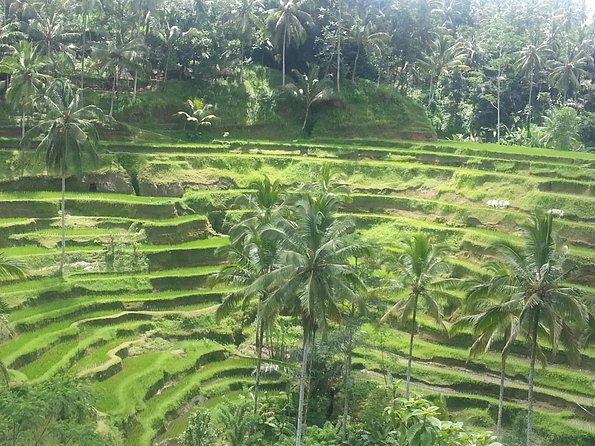
Tegalalang Rice Terrace is one of Bali’s most recognizable rice landscapes. It’s also one of the most photogenic, with farmers’ working fields and classic green steps that look great in almost every lighting condition.

You get about 45 minutes with time for a short walk among the fields. That time window is enough to grab a few viewpoints without turning the stop into a long hike. Still, wear comfy shoes because the ground can be uneven and slick depending on weather.

What makes this stop valuable is contrast. After Monkey Forest’s jungle energy, Tegalalang shifts you into “human landscape”—even if you just walk a small section, you see how active farming fits into daily life.

If you’re picky about photo spots, tell your guide what you like—high viewpoints, wide scenic shots, or quieter edges away from the busiest sections. Many guides are happy to help you shape the visit.

D Alas Warung stop: a break in the middle of the day

Private Tour: Ubud and Tanah Lot Day Tour - D Alas Warung stop: a break in the middle of the day
Your itinerary includes a stop at D Alas Warung Restaurant for about 1 hour. The tour data lists admission as free at this stage, but it also states that lunch isn’t included.

So think of this as a chance to take a breather mid-day rather than an automatic meal. If you like the setting and prices, you can order food there. If not, you’ll still have that scheduled pause to rest, use the restroom, and reset your energy.

This stop also helps with flow. Once you’re done with rice terraces, you still have temples and then Tanah Lot, so having a built-in reset is smart.

Taman Ayun Temple: royal-era calm between busy sights

Private Tour: Ubud and Tanah Lot Day Tour - Taman Ayun Temple: royal-era calm between busy sights
Taman Ayun Temple is one of those places that feels different from the other stops. It’s described as a family temple tied to the Mengwi Empire, built in the 1600s, with a layout that includes a large fish pond setting.

You get about 45 minutes here, which is a good amount of time. Long enough to walk around, notice details, and get photos without feeling like you’re being whisked along.

The main benefit is pacing. After Monkey Forest and rice terraces, Taman Ayun gives you a quieter, more reflective temple rhythm. It also breaks up the day so you’re not just bouncing from one “hot spot” to another.

If you care about photography, this is often a better time to slow down. The area feels calmer than the Ubud crowd zones, so you can work at your own pace.

Tanah Lot at sunset: the low-tide make-or-break moment

Private Tour: Ubud and Tanah Lot Day Tour - Tanah Lot at sunset: the low-tide make-or-break moment
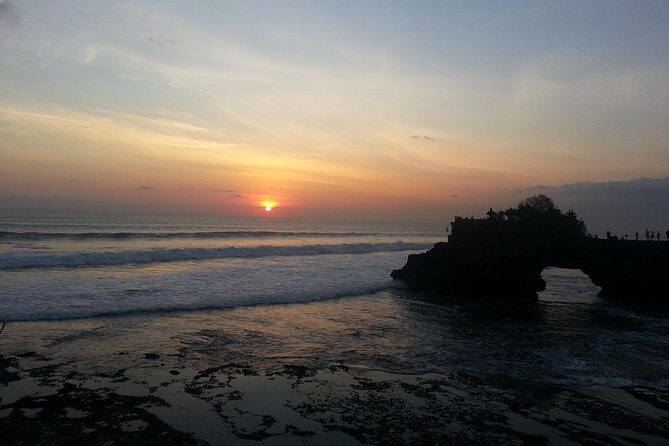
Tanah Lot is the reason many people book. This temple sits on the ocean edge, and access to the temple area can only happen during low tide.

You get about 1 hour at Tanah Lot, with the goal of a sunset experience. In plain terms: the day’s sea conditions can make a big difference in what you’re able to reach and how dramatic the shoreline looks.

That’s also why a flexible, experienced guide matters. In reviews, some guides were praised for timing you for the right moment, while one experience noted they arrived at high tide and couldn’t access the temple the way they expected. Translation: ask your guide about tide timing on arrival and be ready to adjust your expectations.

For sunset, bring patience. Even if you’re not waiting in line for anything, you’ll likely be waiting for light, and it can get hot before sunset if you arrive too early.

Value check: what $57 buys you (and what costs extra)

Private Tour: Ubud and Tanah Lot Day Tour - Value check: what $57 buys you (and what costs extra)
At $57 per person, the value here comes from bundling the hard parts. You get private transport by air-conditioned minivan, hotel pickup and drop-off, bottled water, and admission tickets for the key sights (Monkey Forest, Tegalalang, Taman Ayun, Tanah Lot).

That’s a strong package because each temple or attraction can cost time and tickets on its own. You also avoid the “who books what” headache if you’re trying to line up multiple stops day-of.

What’s not included is lunch. The itinerary includes a mid-day restaurant stop, and the tour also offers an upgrade for a restaurant lunch. If you hate decision-making while traveling, the upgrade option can simplify your day.

There’s also an upgrade for a jungle swing photo stop and additional photo time. If you’re traveling with someone who loves fun, this can be worth it. If you’re not into swings and paid add-ons, you can stick with the base plan.

Finally, keep in mind that private tours can feel pricey if you compare only the attractions. The real comparison is the full-day logistics: transport, timing, driver time, and bundled admissions.

Guides: why their style can change the whole day

This tour lives and dies by your guide’s approach. When the driver knows the rhythm of the day, you get a smooth flow and a sense of local context. When English is limited or the guide is more of a driver than a guide, you may feel like you’re touring with less explanation.

In the best experiences, guides like Panca, Wayan, Komang, Gede, Nyoman, Desna, and Trisna were described as punctual, friendly, and flexible. They also helped with practical stuff: suggesting photo angles, taking photos, and even offering help with bargaining at stalls near Tanah Lot in at least one experience.

One thing I strongly recommend: tell your guide what you want to avoid. For example, if you don’t want monkeys in your face, you can adjust the day. More than one guide was noted for tailoring the schedule so the day matches your comfort level.

If English matters a lot to you, it’s worth asking before you go how they communicate best. Based on the range of experiences shared, English skills can vary by guide.

Who should book this private Ubud and Tanah Lot tour

This tour is a great fit if you want a lot of variety in one day: jungle wildlife, rice terraces, and multiple temples plus the sunset payoff at Tanah Lot.

It also suits travelers who hate waiting around. Because it’s private, you can move at your pace and spend more time where you’re actually interested. That flexibility shows up in reviews that mention adjusting the day and not feeling rushed.

You should think twice if you’re heat-sensitive or want a slower itinerary. It’s long, and you’ll be outdoors. Also, if Tanah Lot access is your absolute top goal, remember it depends on low tide, and the sea doesn’t care about your travel schedule.

Should you book it?

I’d book this tour if you’re trying to make Ubud and Tanah Lot happen in one efficient day with private transport and included admissions. The price is reasonable for what you’re getting, and the best versions of this day come down to guide quality and tide timing.

If you’re picky about timing and you care deeply about reaching Tanah Lot at the perfect moment, treat sunset as a plan with one big variable: low tide. Also, consider the lunch upgrade if you want fewer mid-day decisions, and the jungle swing upgrade if photos are your thing.

In short: if you want a well-paced highlight loop with someone behind the wheel who can adjust to you, this is a solid way to spend your day in Bali.

FAQ

Is this tour private?

Yes. It’s a private tour, so only your group participates.

How long is the tour?

The duration is listed as about 10 hours.

What’s the price per person?

The price is listed as $57.00 per person.

Does the tour include hotel pickup and drop-off?

Yes. Hotel pickup and drop-off are included, with pickup from Ubud and south Bali hot spots.

Are tickets to the attractions included?

Yes. Admission tickets are included for Sacred Monkey Forest Sanctuary, Tegalalang Rice Terrace, Taman Ayun Temple, and Tanah Lot Temple.

Is lunch included?

Lunch is not included in the base tour. There is an option to upgrade for a restaurant lunch.

Do I need to bring bottled water?

Bottled water is included.

How does Tanah Lot work for sunset?

Tanah Lot Temple is accessible only when it’s low tide, and the tour is planned to include a sunset visit.

What is the cancellation policy?

You can cancel for a full refund if you cancel up to 24 hours in advance of the experience start time. If you cancel less than 24 hours before, the amount paid is not refunded.

Half Day Tanah Lot Temple Private Guided Tour

Half Day Tanah Lot Temple Private Guided Tour - Stop 1: Taman Ayun Temple and the calm royal water-garden feel

Three temples, one well-paced half day.

This private tour is built around Bali’s most photogenic temple moments, with a driver/guide who can also act like your group photographer at the main stops. I like that you’re not just dropped at gates. You get door-to-door transport plus an English-speaking guide who helps you make sense of what you’re seeing, including the calmer Taman Ayun water garden, the rock-bridge views at Batu Bolong, and the ocean-side drama of Tanah Lot.

Two things I really like: first, the private, air-conditioned car and pickup/drop-off. It cuts out the stress of figuring out rides in traffic-heavy Bali roads. Second, the guide support for photos and timing. Names like Adi and Putu come up often for being punctual, friendly, and good at capturing the group in the right spots.

One drawback to consider: Bali traffic can be ugly, and your day can stretch beyond the 5-hour expectation depending on where you’re picked up. Also, sunset at Tanah Lot depends on weather. Cloudy skies can turn the golden hour into more of a gray-hour photo session.

Key highlights you can plan around

Half Day Tanah Lot Temple Private Guided Tour - Key highlights you can plan around

  • Private pickup and drop-off to avoid public transport hassle in south Bali and Ubud areas
  • Photo help at three iconic stops, so your whole group actually ends up in the same frame
  • Taman Ayun’s peaceful royal water garden vibe, including a fish pond area
  • Batu Bolong’s rock bridge viewpoint near the coast for classic sea-and-stone scenery
  • Tanah Lot sunset potential plus a holy spring water area for a short blessing moment
  • Practical refreshments with water and tea/coffee time (some departures also mention coconut water/snacks)

Why this temple trio works better than a rushed day trip

If you’ve ever tried to do temples in Bali on your own, you already know the problem: it’s not the temples that are hard. It’s the logistics—getting from place to place while traffic and short daylight mess with your timing.

This route is smart because it strings together three very different temple experiences in one compact run:

  • Taman Ayun feels like a calm pause first.
  • Batu Bolong adds a dramatic “rock and sea” transition.
  • Tanah Lot finishes with the most famous coast setting and sunset energy.

That sequencing matters. You’ll start in a greener, quieter space before the day turns into cliffs, ocean views, and a lot more people trying to shoot the same sunset photo.

Pickup, Bali traffic, and the real timing of a 5-hour promise

Half Day Tanah Lot Temple Private Guided Tour - Pickup, Bali traffic, and the real timing of a 5-hour promise
The tour is listed at about 5 hours, and it includes pickup and drop-off. It’s also framed as a private activity, so you’re not waiting on other groups or doing the awkward shuffle at each stop.

But here’s the honest part: Bali roads can be slow. Some guides are praised for taking shortcuts and staying on top of timing, including drivers such as Putu, Nyoman, Made, and Adi. Still, if you’re picked up farther away or you hit peak congestion, you may spend more time driving than you expected.

My practical tip: if sunset matters a lot to you, ask for an early start time when booking, and plan to be flexible about the exact minutes at Tanah Lot. The difference between an on-time arrival and a late one can be the difference between a crisp sunset and just standing around during a crowd surge.

Also pack for heat and walking. Even with a private car, you’ll be on foot at each temple area. One review called out that it’s a must-see zone but can get hot depending on the time of day.

Stop 1: Taman Ayun Temple and the calm royal water-garden feel

Half Day Tanah Lot Temple Private Guided Tour - Stop 1: Taman Ayun Temple and the calm royal water-garden feel
Your first major stop is Taman Ayun Temple, typically around 1 hour. This is the “slow down” temple on the route.

What makes Taman Ayun special is the setting. It’s often described as a royal water garden temple, and you can feel that in the way the area opens up around water. The fish pond area is a standout moment—worth lingering for a few photos and a breather before the next coastal leg.

Why this stop is a good opener:

  • It’s usually a more peaceful start before the day gets busier.
  • The gardens and water create photos that look less like the typical “temple front gate” shot.
  • It sets a calmer tone for understanding Balinese temple culture before you move into the dramatic coastline scenes.

Possible drawback: because it’s a garden-style site, it can involve some walking over uneven paths and around viewing areas. Wear grippy shoes and keep an eye on where you step, especially if it’s humid or after light rain.

Stop 2: Pura Batu Bolong and the rock-bridge photo moment

Half Day Tanah Lot Temple Private Guided Tour - Stop 2: Pura Batu Bolong and the rock-bridge photo moment
Next comes Pura Batu Bolong, about 30 minutes. This is a shorter stop, but it’s built around one signature experience: the rock bridge and panoramic seaside surroundings.

This temple is near the coast rock zone associated with the wider Tanah Lot area, so it gives you that “sea air + stone temple” vibe right away. Even in a short time, you can usually get:

  • Wide shots that show the temple structure in relation to the coastline
  • Sea-view compositions framed by rock formations
  • Quick cultural context from your guide if you ask questions while walking

Because the stop is brief, your best move is simple: arrive ready to move. If your guide offers photo positioning, take advantage of it. The rock-bridge angles are the kind of spots that look best when you’re standing in the right place rather than randomly walking past.

One thing to watch: the amount of active guiding can vary. Some people felt the guide did more “drive-and-entry help” than full accompaniment at Batu Bolong, while still getting the job done. So go in expecting a guide who helps you navigate and keeps the day running, but you may also spend parts of this segment exploring at your own pace.

Stop 3: Tanah Lot coast temple, sunset timing, and the holy spring water

Half Day Tanah Lot Temple Private Guided Tour - Stop 3: Tanah Lot coast temple, sunset timing, and the holy spring water
Finally, you reach Tanah Lot Temple, about 1 hour. This is the stop that people talk about for a reason: the temple sits out by the sea, and the setting makes every photo look more dramatic than it would anywhere inland.

Sunset reality check

Tanah Lot is a great place to catch sunset light, and the tour is set up with that in mind. Still, weather plays a huge role. If it’s cloudy, the sun might not show cleanly, and your “sunset moment” can become more about atmosphere than bright rays.

The holy spring water moment

The tour also mentions a holy spring water area and a blessing concept tied to removing negative energy. You won’t need to overthink it—just plan to follow local signs and keep your time respectful. Expect this to be a short, contained ritual-style visit rather than a long event.

Photography tip that actually helps

If you care about getting photos without constantly jostling for position, use your guide’s help. Many guests highlight guides who take group shots at each location. The most useful times to ask are:
  • Before the crowds thicken
  • When your group is still together and you haven’t split for walking around

Some guests also managed to stay later for a fire dance at Tanah Lot when timing allowed, but that’s not a guarantee. If you’re hoping to catch an evening performance, build in buffer time and don’t assume you’ll have extra hours unless your schedule is working in your favor.

Guide style and photo support: what the best guides do differently

Half Day Tanah Lot Temple Private Guided Tour - Guide style and photo support: what the best guides do differently
A private guide here is more than a translator. The best ones treat the day like a photo session with context.

In the reviews data, guides like Adi, Putu, Nyoman, Made, Bagus, and Neoman show up repeatedly for a few practical behaviors:

  • Clear English explanations so you’re not just walking through without context
  • Comfort-first driving, with attention to when you need breaks or water
  • Good group management, including positioning for shots
  • A sense of humor and calm confidence while steering through traffic

Here’s what you’ll feel as a traveler: the day moves with less friction. Instead of you figuring out where to stand and what to look at, the guide helps you get the right vantage points faster.
Also, when you can, ask simple questions. Why is this temple shaped this way? What’s the meaning of the spring water blessing? What should I notice first when I’m standing here? Your guide’s job gets easier when you ask, and your experience improves quickly.

What’s included (and the entrance-ticket question you should clarify)

Half Day Tanah Lot Temple Private Guided Tour - What’s included (and the entrance-ticket question you should clarify)
This tour includes:

  • Air-conditioned private transportation
  • A professional English-speaking guide
  • Pick-up and drop-off
  • Tea and coffee time
  • Insurance

About entrance tickets: the tour offers an upgrade. Some versions include entrance tickets as an all-inclusive option, while others exclude them and ask you to pay on arrival.

The price note also points to entrance tickets if you visit all attractions, around $6 per person in the non-all-inclusive setup. The key for you is to check which option you booked:

  • If you chose the all-inclusive premium option, entrance tickets should be covered.
  • If you chose the special private guided option, plan to pay at the sites.

I recommend you confirm this before you leave so you don’t end up doing quick math mid-day.

Refreshments: the pitch mentions water, including fresh coconut water, plus a snack. But the practical, confirmed part is that water is provided in the car and tea/coffee time is included. If you’re counting on coconut water or snacks, double-check your voucher details.

Value check: is $32.10 per person a good deal for this route?

Half Day Tanah Lot Temple Private Guided Tour - Value check: is $32.10 per person a good deal for this route?
At $32.10 per person, this is priced like a value-focused private temple tour. The big question is what you’re getting for that money.

You’re not paying for:

  • A long, multi-stop day with a full day’s museum time
  • An all-day walking slog with constant transfers
  • A chaotic shared shuttle experience

You are paying for:

  • Private transportation with AC
  • A guide who can explain temples and help with photo timing
  • Door-to-door convenience from your hotel area (south Bali and Ubud are mentioned as pickup zones)

Where value can slip:

  • If traffic delays eat into site time, you’ll feel like you spent more time in the car.
  • If you end up in the ticket-excluded option, you’ll pay extra entrance fees on top.

My take: if you’re staying in Seminyak or nearby and you want the “big three temples” without doing a DIY routing headache, this price can be fair. If you’re extremely budget-focused and already good at managing Bali transport, you might find cheaper self-guided options—but the convenience here is the point.

Who should book this private half-day temple tour

This one fits best if you want:

  • Private comfort with less waiting around
  • Temple sights plus a guide who helps you understand what you’re seeing
  • Photo support, especially if you’re traveling as a couple or small family and want clean group shots

You’ll probably like it less if:

  • You dislike any walking at temples and want zero steps
  • You hate unpredictable timing due to traffic and you cannot flex your schedule
  • You’re chasing a very specific sunset moment and have no weather tolerance

Solo travelers also do fine here. One solo traveler mentioned feeling at ease from the start thanks to a very gentlemanly, supportive guide style, which is exactly what you want for a private tour when you’re the only adult in the group.

Quick do’s and don’ts before you go

Do:

  • Wear shoes you can walk in comfortably.
  • Bring light layers if you get cold in AC.
  • Use your guide for photo positioning at the most iconic angles.

Don’t:

  • Assume you’ll have total control over traffic timing.
  • Plan a perfectly strict sunset itinerary unless the weather looks good.
  • Forget to check whether entrance tickets are included in your booking option.
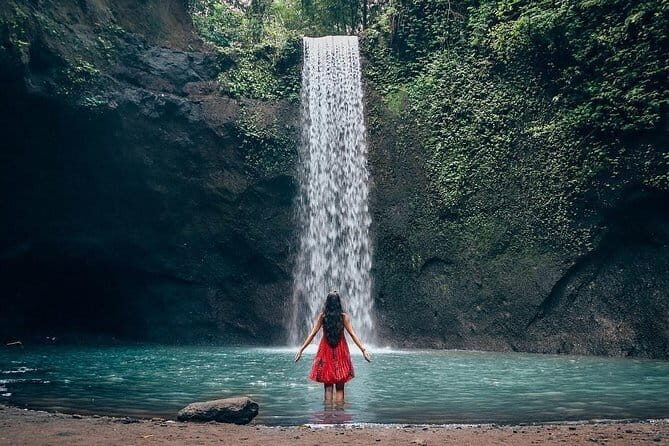
Should you book this tour?

If your goal is to see Taman Ayun, Batu Bolong, and Tanah Lot in one efficient half-day, and you want it done with private transport plus an English-speaking guide, I think this is a strong choice. The best part is the combination of convenience and photo help—exactly what makes temple sightseeing feel smooth instead of stressful.

Book it if:

  • You want a low-effort way to hit the highlights near the coast.
  • You care about getting good group photos without scrambling.
  • You’d rather pay for comfort and guidance than negotiate Bali transport.

Consider another option if:

  • You’re very sensitive to time delays and traffic uncertainty.
  • You’re booking only for sunset and can’t handle cloudy weather.
  • You want deep temple walkthroughs at every stop rather than a “see, learn, photograph, move on” pace.

FAQ

How long is the Half Day Tanah Lot Temple Private Guided Tour?

The tour is about 5 hours total.

What temples are included in the tour?

You’ll visit Taman Ayun Temple, Pura Batu Bolong, and Tanah Lot Temple.

Is pickup and drop-off included?

Yes. Pick-up and drop-off are included as part of the private service.

Where is pickup offered from?

Pickup is offered from Ubud and south Bali hotels (based on the tour’s described transfer area).

Do I need to pay entrance tickets?

Entrance tickets depend on the option you book. There is an all-inclusive premium option that includes entrance tickets, and there is also an option where you pay entrance tickets on the day (about $6 per person is mentioned for paying if you visit all attractions).

How much time do I get at each temple?

Stop times listed are about 1 hour at Taman Ayun, 30 minutes at Batu Bolong, and 1 hour at Tanah Lot.

What guide language and support should I expect?

The tour includes a professional English-speaking guide. The guide also helps with the day flow and can help with group photos.

Is water or refreshments provided?

The tour includes tea and coffee time, and water is provided in the car. Coconut water and snacks are mentioned in the tour description, so it’s smart to check your voucher wording for your specific booking.

What if the weather is bad?

The experience requires good weather. If it’s canceled due to poor weather, you’ll be offered a different date or a full refund.

What is the cancellation rule?

You can cancel up to 24 hours in advance for a full refund. If you cancel less than 24 hours before the start time, the amount paid is not refunded.

Nusa Penida Day Trip for 3 dives

Nusa Penida Day Trip for 3 dives - Price and value: what your $190 actually covers

Three tanks, one unforgettable day.

This Nusa Penida day trip is built for fast, current-friendly drift underwater sessions off the island, with a strong chance of manta rays plus reef sharks, turtles, and plenty of macro life. I love that it includes two free tanks of Nitrox 32% for certified Nitrox divers. One heads-up: conditions can mean strong currents and colder water than you’re expecting, so you’ll want to feel comfortable in that.

I also like the safety-and-attention setup: a maximum of four divers per PADI professional. In the feedback I saw, guides such as Mr Farish, Gede, and Yannick get called out for staying calm and organized when things get rough on the surface. You also get lunch, water, and hot drinks during the day, so you’re not stuck paying for extras while you’re trying to enjoy the water.

Key highlights I’d plan around

Nusa Penida Day Trip for 3 dives - Key highlights I’d plan around

  • Two free Nitrox tanks (32%) for certified Nitrox divers, with an optional extra tank at your cost
  • Small groups (max four divers per professional) for better control and support in moving conditions
  • 3-tank schedule with lunch and surface intervals handled on the boat
  • Short speedboat hop from Sanur (about 45 minutes), with hotel transfers to match
  • Big pelagics plus macro life: mantas, reef sharks, turtles, sea snakes, and colorful reef animals
  • Photo and video extras may be shared with your group at no added charge (based on experiences shared)

Nusa Penida in one day: why the 3-tank format works

Nusa Penida Day Trip for 3 dives - Nusa Penida in one day: why the 3-tank format works
If you’ve only got one day in Bali and you want the Nusa Penida experience without turning it into a whole vacation logistics problem, this setup is built for efficiency. You’re picked up early from select areas in South Bali (including Kuta, Sanur, Seminyak, Legian, Nusa Dua/Benoa), then you’re transported to the Sanur area for the speedboat run to the island.

The payoff is that you’re not spending your day just getting there. The schedule is designed around three underwater sessions with surface intervals and lunch on board—so you get breaks without losing the whole day to travel time.

That matters at Nusa Penida because the water conditions can be changeable. When you’re already doing the hard part (getting out there and back), the best use of your time is turning the day into a set of well-run tank blocks with structured support.

Price and value: what your $190 actually covers

Nusa Penida Day Trip for 3 dives - Price and value: what your $190 actually covers
At $190, the value is strongest for certified divers—especially Nitrox certified—because key costs are folded in. Your day includes:

  • Hotel pickup and drop-off (within the stated South Bali zones)
  • Tanks and weights, plus the 2-way transfer time that can otherwise be a headache
  • Lunch, bottled water, and coffee/tea
  • Snacks during the day
  • A maximum-group safety plan with a small ratio of divers per professional

The big value lever for Nitrox divers is that you get two free tanks of 32% Nitrox if you’re certified. If you’re not Nitrox certified, this is still a solid day plan, but the “extra included tanks” advantage won’t apply to you.

One thing to watch: equipment rental is not included. If you need scuba gear, you’ll want to budget for that separately so you’re not surprised at the shop.

Also, there’s an “experience level” requirement: you must be certified with at least 25 logged dives and some recent diving within the last six months. If you don’t meet that, the tour data says you may need a private guide (mandatory in those cases). That’s not a small detail—it’s the difference between joining a small group plan and paying for individualized support.

Getting to the water: 7am pickup, 45-minute boat run

This day starts early—hotel pickup around 7:00am. After that, you’re looking at a ~45-minute speedboat ride from Sanur harbour to Nusa Penida.

Why this part matters: Nusa Penida is not a slow, easy shoreline. Boats are part of the deal, and surface conditions can feel rough. The benefit of using an organized operator is that you’re not improvising your gear fitting, timing, and departures.

In the experiences shared, people noted a well-run start at the operator’s base in Sanur for fitting and checking equipment before getting on the boat. You’re also dealing with a small group (maximum 16 participants), which tends to make the day feel controlled rather than chaotic.

On the boat, you’ll have surface intervals and lunch. That’s practical because you’re not trying to find food on the island or rushing back after each underwater session. Instead, you get consistent downtime, water, and hot drinks between blocks.
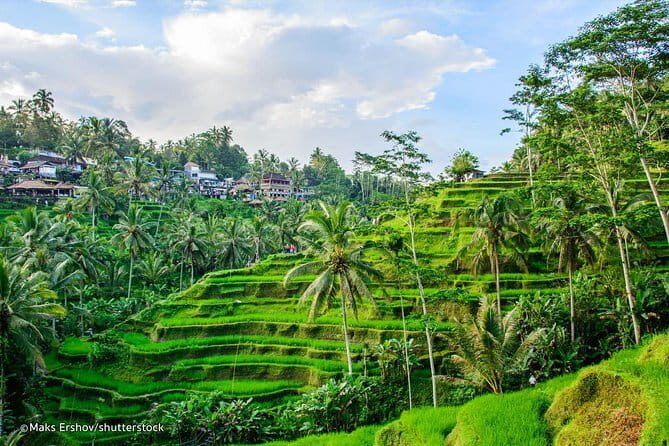
Safety first: small ratios and drift-friendly planning

Nusa Penida Day Trip for 3 dives - Safety first: small ratios and drift-friendly planning
This operator’s standout safety detail is the ratio: no more than four divers per PADI professional. On Nusa Penida, that ratio helps because moving water and changing visibility can require quicker adjustments. A smaller ratio means the guide can pay real attention to buoyancy, spacing, and breathing comfort—not just “keeping everyone together.”

The other real-world factor is currents and temperature. The tour information flags strong currents and colder water. That means you should pack and plan for comfort:

  • Bring whatever thermal protection you normally use for colder water dives
  • Keep your buoyancy skills sharp
  • Avoid rushing your breathing or kicking hard when conditions get more demanding

From the feedback shared, guides such as Farish, Gede, and Yannick were specifically praised for being efficient and safety-minded, especially when the surface can feel rough.

What you’ll see off Nusa Penida: mantas, mola-mola, and reef detail

This is not just a “big animal” outing. Yes, the day is built for big pelagics—and mantas are a realistic target—but the reefs can be just as impressive when conditions favor it. The tour description also points to macro life and a wide range of reef creatures.

Here’s what you can reasonably expect to have on your radar:

Big animals and the headline chances

  • Manta rays: highly likely in season and often a focus of the day’s underwater sessions
  • Mola-mola (ocean sunfish): possible in season (and mentioned as an exciting encounter in experiences shared)

Reefs and animals up close

The reef ecosystem is described as a mix of bigger predators and detailed critter sightings. You might spot:

  • Turtles
  • Sea snakes
  • Reef sharks and wobbegong sharks
  • Lionfish
  • Sting rays
  • Several scorpionfish species
  • Colorful nudibranchs
  • Butterfly fish, angelfish, snappers, puffers, fusiliers
  • Crabs and shrimp

If you enjoy spotting small things—the kind of animals you’d normally miss from the surface—Nusa Penida is a place where your eyes will stay busy. That’s also why having a calm guide and a small group matters: when you’re drifting over the reef, it’s easier to notice wildlife if your setup is stable.

Nitrox 32%: who should care and what it changes

Nusa Penida Day Trip for 3 dives - Nitrox 32%: who should care and what it changes
If you’re Nitrox certified, this package gives you a strong reason to use it: two free Nitrox 32% tanks are included. Nitrox can be useful depending on your dive plan and certification standards, and it’s especially valuable because it’s already paid for in the core price.

If you’re Nitrox certified but want more than the included amount, the information says a third tank of Nitrox isn’t included (it’s an extra cost).

Practical tip: only plan on Nitrox if you’re genuinely comfortable with it. The tour data also sets minimum dive counts and recency requirements, which is basically the operator saying, “We want you ready for moving conditions.” If you’re new or returning after a long gap, the tour may require a private guide.

Equipment and comfort: what’s included vs what you may pay for

Nusa Penida Day Trip for 3 dives - Equipment and comfort: what’s included vs what you may pay for
Included:

  • Tanks and weights
  • PADI professional support in the water
  • Lunch, water, hot drinks, and snacks

Not included:

  • Scuba equipment rental

So the realistic question is: will you bring your own full gear, or will you rely on rental? If you need rental, confirm ahead of time what’s available and what size/fit options you’ll have.

Also consider comfort on the boat. People mentioned the boat has shade and that gear setup is handled efficiently at the shop before leaving. That’s good because early mornings plus equipment fuss is a fast way to drain your energy before the water part.

Who this is best for (and who should rethink it)

Nusa Penida Day Trip for 3 dives - Who this is best for (and who should rethink it)
This is best for:

  • Certified divers with at least 25 logged dives
  • Nitrox certified divers who will use the included 32% Nitrox tanks
  • People who like structure—pickup, planned intervals, and a predictable day rhythm
  • Anyone who wants a mix of big-animal chances and reef-and-macro critters in one go

You may want to consider a different plan if:

  • You don’t meet the 25 logged dives requirement or you haven’t dived within the last six months
  • You’re not comfortable with strong currents and cooler water
  • You need lots of hand-holding beyond what a group of up to 16 can provide (the tour data says a private guide is mandatory for certain experience gaps, which can change the economics)

If you’re an experienced diver, you’ll likely appreciate how the day stays focused. If you’re newer, the extra private guidance requirement can make this day feel less like a deal and more like a necessary safety adjustment.

A realistic day flow: from pickup to return

Here’s how the day tends to feel, step by step, in a practical sense:

  • 7:00am pickup from participating South Bali areas
  • Sanur meeting and gear fitting/check before getting out on the water
  • Speedboat to Nusa Penida (about 45 minutes)
  • 3 underwater sessions spread through the day
  • Surface intervals and lunch onboard, keeping you fueled for the next tank
  • Return around 4–5pm, with drop-off back to your pickup zone

One small “value” detail: because lunch and drinks are handled onboard, you spend less time thinking about logistics and more time paying attention to what’s around you when you’re in the water.

Should you book this Nusa Penida 3-tank day?

I’d book it if you’re a certified diver who meets the minimum experience rules and you want a tightly run Nusa Penida day without cutting the trip into a complicated schedule. The included Nitrox 32% tanks for certified divers, plus the small-group safety ratio, make the price feel justified—especially when you add up transfers, tanks, weights, and food.

I wouldn’t rush to book it if strong currents and cooler conditions make you uneasy. Also, if you’ll need scuba equipment rental, check the total cost up front so the final number matches what you expected.

If your goal is manta ray chances, ocean sunfish odds in season, and serious reef life all in one day, this plan is built for exactly that.

FAQ

What time does pickup start and when do we return?

Hotel pickup is around 7:00am, and you’ll be back around 4–5pm.

How long is the boat ride to Nusa Penida?

It’s about 45 minutes by speedboat from Sanur harbour.

Do you include Nitrox?

Yes. Two free tanks of Nitrox 32% are included if you’re certified. A third Nitrox tank is not included.

How many divers are on the trip and what is the safety ratio?

The tour limits group size to a maximum of 16 travelers, with no more than four divers per professional.

What certifications and experience do I need?

You must be certified with at least 25 logged dives and some diving within the last six months. If you don’t meet that, a private guide is mandatory.

Is scuba equipment included?

No. Use of scuba equipment is not included.

Is there free cancellation?

Yes, free cancellation is available if you cancel up to 24 hours in advance for a full refund.

Nia Bali Seminyak Cooking Class

Nia Bali Seminyak Cooking Class - Stop 1 in Seminyak Square: your first taste of ingredients

Cooking in Bali usually means one thing: eating well. This class adds the missing part, learning the how at a real morning market and in the kitchen.
I love that you can make as many as 12 Balinese dishes, not just a couple of show plates. I also like the take-home bonus: you get a cookbook plus a completion certificate, so you can cook it again later.
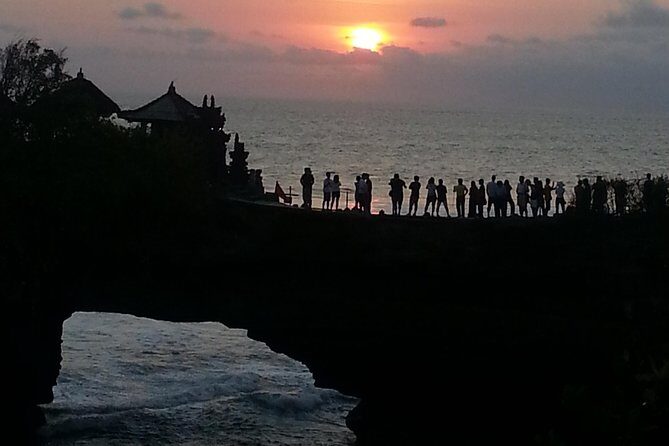
One consideration: pickup is provided, but drop-off isn’t included, and the class runs an early start around 8:00 AM, so plan your day around that.

What I found most useful (and why it matters)

  • You cook a full menu, not a snack tour: the class time is built around sauces, pastes, sides, and mains.
  • The morning market is part of the lesson: you select ingredients and learn what makes Balinese flavor work.
  • You leave with recipes you can actually use: cookbook plus a completion certificate are included.
  • Lunch is handled for you: you eat what you cook, so there’s no awkward “wait your turn” moment.
  • The menu includes both seafood and pork options: if you avoid certain foods, flag it ahead of time.

Nia Bali Seminyak Cooking Class: a market-to-kitchen morning (with lunch)

Nia Bali Seminyak Cooking Class - Nia Bali Seminyak Cooking Class: a market-to-kitchen morning (with lunch)
If you want Balinese cooking with real context, this is the kind of class that makes sense. You start with ingredients in hand, then move into the kitchen to turn them into dishes you’ll recognize from Bali.

At $71.50 per person for about 4 hours 30 minutes, it’s not a “grab a spatula and hope” experience. You get a market visit, a 12-menu cooking class, lunch, and you also take home a cookbook and a certificate. When you break it down, the value comes from the fact that lunch and recipes are built into the price, not added later.

This is based in Seminyak, with a meeting start at Warung Nia Balinese Food & Pork Ribs on Jl. Kayu Aya No.19-21. The tour is run by Wandernesia.

The 8:00 AM pickup plan and where you’ll end up

Nia Bali Seminyak Cooking Class - The 8:00 AM pickup plan and where you’ll end up
This experience starts at 8:00 AM and includes free pickup only (specifically for the Seminyak area). Drop-off isn’t included, and the activity ends back at the meeting point.

So here’s the practical move: book something after the class that doesn’t require you to be somewhere specific at the exact end time. Or arrange your own ride back to your hotel once you’re done.

Also note the voucher is date-specific, so don’t treat it like a flexible pass. If you’re the type who likes slow mornings, set an alarm anyway. This one starts early by design.

Stop 1 in Seminyak Square: your first taste of ingredients

Nia Bali Seminyak Cooking Class - Stop 1 in Seminyak Square: your first taste of ingredients
Your morning begins at the start area and then moves into the market routine. Even before you touch a pot, you’re learning what you’re likely to cook later.

The ingredient focus is a big part of why this works. You’ll look at choices like meats, fish, exotic spices, poultry, and tropical fruits, then select fresh items that match the menu you’ll cook.

Why this matters: when you cook at home, the hardest part isn’t the recipe. It’s finding the right base ingredients. This market step helps you understand what those ingredients do, so you’re not just copying steps.

The kitchen part at Nia Cooking Class: 12 dishes and hands-on cooking

Nia Bali Seminyak Cooking Class - The kitchen part at Nia Cooking Class: 12 dishes and hands-on cooking
This class is built around cooking up to 12 Balinese dishes during the class time with 12 menu. Instead of only doing a few items, the lesson stretches across sauces/pastes, side dishes, and mains. That’s a major difference from many cooking classes that “sample” a cuisine.

You’ll also get coffee and/or tea as part of the included experience. Expect the day to feel busy but organized, with opportunities to participate rather than watch someone else cook the whole meal.

The cooking menu (what you’ll actually make)

Here’s the menu you can expect to learn, with names you’ll see on the class materials:

  • Spice paste for seafood – Base Be pasih (orange in appearance)
  • Spice paste for chicken – Base be siap (yellow in appearance)
  • Roasted chicken in banana leaf – Ayam betutu Bali
  • Pork in sweet soy sauce – Be celeng base manis
  • Chicken satay – Sate Ayam
  • Peanut sauce – Base sate
  • Minced seafood satay – Sate lilit ikan
  • Minced chicken in banana leaf – Tum Ayam
  • Green papaya salad with chicken
  • Vegetable salad in peanut sauce – Pecelan
  • Sweet corn coconut snack – Urab Jagung
  • Fried rice with chicken – Nasi goreng ayam

If you like savory-sweet, this menu hits a lot of Bali favorites: satays, peanut sauce, banana leaf cooking, salads, and a rice dish to close it out.

What you learn beyond recipes

The biggest skill you pick up is working with bases—those spice pastes that become the starting point for flavor. You’re not only learning what to cook, but also how Balinese cooking often builds taste from ground spices and sauces, then applies it across different proteins and dishes.

And the structure helps. Reviews highlight that the kitchen team keeps things moving and that everyone gets involved in different parts of prep and cooking. That’s not guaranteed at every class, especially when there are lots of people. Here, it’s part of the experience design.

Lunch included: eating your own work

Nia Bali Seminyak Cooking Class - Lunch included: eating your own work
Lunch is included, and you get to eat the food you make. That sounds simple, but it’s actually the best way to learn. You taste while the lesson is fresh, so you connect the flavors to the steps.

You’ll also see how dishes balance: salads provide brightness, peanut sauces add depth, satays bring smoky-salty notes, and rice rounds everything out.

If you’re wondering whether the lunch will be a small “tasting,” you can relax. The menu list is long, and the class is built to produce a meal, not a few bites.

Dietary needs and allergies: how to handle it

Nia Bali Seminyak Cooking Class - Dietary needs and allergies: how to handle it
This tour asks you to mention food allergies in advance. Do that. It’s the only responsible option, especially when you’re dealing with spices and mixed ingredients.

You should also plan to speak up about diet needs. One review specifically called out that a pescatarian found the menu tailored for them, which suggests the team is willing to adjust for dietary requirements when possible.

If you avoid pork, remember the menu includes a pork dish (Be celeng base manis). Since substitutions aren’t spelled out here, I’d message the operator before you book and ask how they handle pork-avoidance.

What you take home: cookbook and certificate

Nia Bali Seminyak Cooking Class - What you take home: cookbook and certificate
After the cooking and lunch, you don’t just leave with full stomach. You take home:

  • A cookbook (given to all guests)
  • A completion certificate

This matters more than it sounds. Recipes are easier to repeat when you have the ingredient list and technique notes in a form you can access later. The class being structured around a 12-menu also means the cookbook has enough content to keep you cooking after your trip.

Price and value: is $71.50 worth it?

Nia Bali Seminyak Cooking Class - Price and value: is $71.50 worth it?
Let’s talk real value. You’re paying $71.50 per person for:

  • Pickup (Seminyak area)
  • Morning market ingredient selection
  • Cooking class time built around 12 dishes
  • Lunch
  • Cookbook + certificate

For most cooking classes, the price is mostly for instruction. Here, lunch and the recipe materials are part of the package.

The most persuasive value signal is the number of dishes and the market component. Most classes do fewer items, and they don’t always teach you what’s in the ingredients beyond taste. You leave with a better sense of what to buy and what to look for when you try to recreate Balinese flavors at home.

The only time the value might feel weaker is if you hate early starts or you want a slow-paced, quiet class. This one is active, and it’s designed to keep you cooking.

Group vibe: lively, social, and organized

Nia Bali Seminyak Cooking Class - Group vibe: lively, social, and organized
Even though the setup is described as private for your group, the cooking experience itself still tends to run with a full, active workflow. Reviews mention big-group days handled smoothly, with people participating and cooking in sections.

That translates to a good travel reality: you’re likely to meet other people at the shared meal table, and the class format encourages conversation. If you’re traveling solo, that’s a plus. If you’re traveling with family, it’s also a solid way to get everyone involved, not just one person watching.

Where this fits best: who should book

You’ll probably love this class if:

  • You want a hands-on Balinese cooking experience in Seminyak
  • You enjoy learning through shopping for ingredients
  • You like getting practical recipes you can use later
  • You want a morning activity that ends with a full lunch

You might want to skip or ask extra questions first if:

  • You strongly avoid pork, and you want reassurance about substitutions
  • You need a late start or you don’t want morning logistics
  • You have an allergy that requires ingredient-by-ingredient confirmation (still mention it, but don’t assume adjustments are automatic)

Practical tips for your cooking class day

Bring a practical mindset. You’ll be moving between market and kitchen, and you’ll be working with ingredients and spice pastes.

A few tips that help:

  • Tell the team about allergies clearly during booking (the tour asks you to do this).
  • Wear comfortable clothes you don’t mind getting food-splashed. Even careful cooking gets messy.
  • Arrive ready for a full menu day. Come hungry and drink water before pickup.
  • If you’re picky about food categories, ask in advance how dietary needs are handled.

And one more: if you plan to buy spice products later in Bali, this class will help you understand what you’re actually buying. You’ll know which ingredients are acting as the base for flavor.

Should you book Nia Bali Seminyak Cooking Class?

Yes, I’d book it if your goal is to learn Balinese cooking in a way that’s practical after your trip. You’re getting the key ingredients lesson, a 12-dish cooking program, lunch included, and take-home recipes plus a certificate. That combination is rare at this price point.

I’d think twice only if early mornings and active group cooking don’t work for you, or if you have dietary restrictions that need clear confirmation—especially given that the menu includes pork. If that’s your situation, message first, then book with confidence.

If you want an authentic-feeling cooking day that ends with a real feast, this one is a strong pick in Seminyak.

FAQ

How long is the Nia Bali Seminyak Cooking Class?

The class runs for about 4 hours 30 minutes.

Is lunch included in the tour price?

Yes. Lunch is included in the tour price.

Do they offer pickup from my hotel?

Yes, there is free pickup service starting at 8:00 AM for the Seminyak area.

Is drop-off included after the class?

No. Pickup is included, but drop-off service is not included.

What do I get to take home?

You receive a cookbook and a completion certificate.

What if I have a food allergy?

The tour asks you to mention/inform your allergy to certain food. Do this when you book so the team can plan accordingly.

All Inclusive Kecak Dance and Uluwatu Temple Admission Ticket

All Inclusive Kecak Dance and Uluwatu Temple Admission Ticket - The Temple Walk Before the Show: Clifftop Views and Reality Checks

Uluwatu at sunset is hard to beat.

This all-inclusive Kecak Dance and Uluwatu Temple experience puts you at Bali’s famous clifftop venue for Balinese chanting, trance-style movements, and the late-day ocean light. I like that you get admission taken care of and you’re met by an English-speaking guide who helps with the flow so you spend less time herding yourself through crowds. The best part is the sunset timing paired with the performance slot, usually the 6pm or 7pm session. One drawback to factor in: Uluwatu gets packed, and the monkey situation is real—loose items can turn into a theft drama fast.

What makes this one feel different is the human layer. Guides like Bagus, Arya, Kadek, Jana, and Wayan show up ready to guide you through the temple walk, warn you about monkeys, and help with photos so you’re not stuck just staring at your phone. Still, if you’re expecting Uluwatu to look like temples outside Bali, you might feel a little underwhelmed during the walking/grounds time—this site is about setting and ritual, not matching your postcard idea of a temple.

5 Key Points You’ll Actually Care About

All Inclusive Kecak Dance and Uluwatu Temple Admission Ticket - 5 Key Points You’ll Actually Care About

  • Small group size (max 14) means less chaos and easier ticket/seating support.
  • Two show sessions keep your schedule flexible: 6:00–7:00 or 7:00–8:00.
  • Admission is included, so you’re not hunting tickets when the venue lines are at full speed.
  • Guides focus on photos and crowd navigation, with monkey-warning coaching built in.
  • Temple clifftop walking adds something beyond watching the show, especially for sunset timing.

Uluwatu Temple Sunset With Kecak and Fire: The Main Event

All Inclusive Kecak Dance and Uluwatu Temple Admission Ticket - Uluwatu Temple Sunset With Kecak and Fire: The Main Event
Uluwatu Temple has a built-in stage advantage. You’re not just watching a dance—you’re watching it with the Indian Ocean nearby and the dramatic cliff setting doing half the work for the atmosphere. The Kecak and Fire dance performance follows Bali’s storytelling rhythm: lots of group chanting, hypnotic movement, and then the fire element that adds heat in more ways than one.

The schedule is simple and you should pick based on your priorities:

  • Early session: 18:00–19:00
  • Late session: 19:00–20:00

If you’re chasing the classic sunset feeling, you’ll likely prefer the later slot. If you’d rather avoid being stuck waiting while the sun is hottest, the earlier session can feel easier on your body, especially when you’re standing around for entry and seating.

One more thing: the amphitheater can be completely full. That’s not a tour-specific issue—it’s how Uluwatu runs. The practical win with this tour is that your guide helps you move with purpose, so you spend more time waiting in the right place and less time guessing where to go next.

The Temple Walk Before the Show: Clifftop Views and Reality Checks

All Inclusive Kecak Dance and Uluwatu Temple Admission Ticket - The Temple Walk Before the Show: Clifftop Views and Reality Checks
A big chunk of the experience happens before the Kecak performance begins. You arrive for Uluwatu Temple and get time to explore the area around the venue. This is where you notice the clifftop layout and the views that make Uluwatu famous.

I also like this part because it helps the dance feel connected. If you only show up five minutes before the performance, the setting stays abstract. With the temple walk included, you get a sense of how the space frames Balinese ritual, and you’re better prepared to appreciate what you’re seeing.

That said, calibrate your expectations. Some people expect a collection of dramatic statues or a temple complex that looks like their idea of a “major temple.” Uluwatu is different. The experience is more about the cliffside setting, the ritual setting, and the performance venue than about being a museum of recognizable features. If you’re a detail-collector, ask your guide questions while you’re walking—good guides will point out what you’re looking at.

Pickup From Seminyak and the Value of a Driver Who Gets You There

This is a 5-hour experience (about). That matters because the drive time from the Seminyak area can vary a lot with traffic. In the real world, Bali road time is not “exact.” One review mentioned about two hours with traffic, so plan to relax and accept that roads can slow you down.

Pickup is offered, and many people are collected from their hotel area. You’ll also get an English-speaking guide who can guide and coordinate—not just drop you and disappear. In the better experiences, the driver helps you get oriented quickly and keeps you on schedule so you don’t end up sprinting for the wrong seating window.

Also, small group size helps here. With a maximum of 14 travelers, the pickup and entry flow tend to feel more controlled than the mega-bus style tours. When you’re dealing with a popular venue like Uluwatu, “less group” often means fewer misunderstandings.

Guides Like Bagus, Arya, Kadek, Jana, and Wayan Make It Easier

All Inclusive Kecak Dance and Uluwatu Temple Admission Ticket - Guides Like Bagus, Arya, Kadek, Jana, and Wayan Make It Easier
The best part of this tour is not the dance alone—it’s how smoothly you get handled by your guide.

I’ve seen strong signals that the guides do three key things well:

  1. Handle tickets and entry so you avoid the worst line confusion.
  2. Give you monkey-smart instructions early, not at the last second.
  3. Help with photos by telling you where to stand and when to shoot.

Specific guide names pop up again and again in positive accounts. Bagus is repeatedly praised for helping people avoid trouble with monkeys and for keeping things organized. Arya is noted for being friendly, getting tickets, and supporting great photo moments. Kadek also gets credit for guiding people straight in and being attentive after the performance. Jana earns praise for explaining the process, being respectful, and sticking with the group so entry and exit feel manageable. Wayan is highlighted for prompt pickup, Hinduism explanations, and clear monkey warnings.

If your guide supports you like this, you’ll feel the difference immediately. You’ll spend less energy figuring out logistics and more energy enjoying the actual show.

Monkeys, Phones, and the One Rule You Should Follow

All Inclusive Kecak Dance and Uluwatu Temple Admission Ticket - Monkeys, Phones, and the One Rule You Should Follow
Let’s talk about the elephant—or rather the macaque—in the room. Uluwatu monkeys are aggressive in the way that makes you want to leave your stuff at home.

Your safest approach:

  • Don’t bring hats and sunglasses you can’t protect.
  • Keep your purse secured (and ideally across your body).
  • Put your phone away immediately after you take pictures.

That last point is crucial. If your phone stays in your hand, you’re basically inviting a grab. Reviews repeatedly mention that people lose items when they pause mid-walk or keep a phone dangling while looking around.

The best guides warn you early and actively remind you throughout the temple time. If your guide is on top of it, you’ll still get photos—but you’ll do it with a plan, not a scramble.

Also, pack for the reality of waiting. The seating area can be hot while you wait for performance time. A simple umbrella for shade can help you stay comfortable while you line up and wait.

Crowd Flow and Audience Energy: What Can Go Wrong

All Inclusive Kecak Dance and Uluwatu Temple Admission Ticket - Crowd Flow and Audience Energy: What Can Go Wrong
Uluwatu is popular, and that means the crowd can be part good, part annoying. Some people love the big-energy atmosphere. Others don’t like the noise around them while they’re trying to watch a ceremonial performance.

Here’s what you can control:

  • Choose your show session based on your tolerance for waiting.
  • Arrive with minimal loose items so you can move freely.
  • Focus on your seat zone and timing instead of watching people cut lines.

One common complaint is that the amphitheater waits and queueing can be long. That’s not unique to this tour—it’s the venue. But your guide’s job is to reduce your confusion. When things run smoothly, you’ll be guided into the process and handed a clear path to seating and exit.

There’s also the reality that the amphitheater fills up with many groups, sometimes including kids. If you’re sensitive to background noise, the best strategy is a calm, flexible mindset and a good seat location. Your guide can often help you get into position efficiently.

Price and Value: What $38.33 Buys You (and What It Doesn’t)

All Inclusive Kecak Dance and Uluwatu Temple Admission Ticket - Price and Value: What $38.33 Buys You (and What It Doesn’t)
At $38.33 per person, you’re paying for more than a show ticket. You’re paying for an all-inclusive setup that includes admission and coordination from the Seminyak area with a small-group plan.

Here’s how to think about the value:

  • If you buy only a ticket yourself, you might save a little money depending on current pricing.
  • If you’re booking this, you’re buying convenience: you’re less likely to get stuck in ticket lines when the venue is at peak crowd levels.
  • You’re also paying for someone to manage the “when do we go where” part, plus help with photos and monkey warnings.

That convenience is worth real money if you don’t want your evening ruined by logistics. And it’s especially useful if you’re traveling solo or with family and you want a human plan rather than a solo scavenger hunt.

What it doesn’t guarantee is that you’ll love every minute of waiting or that you’ll control how noisy the crowd is. Some experiences can feel more packed than others. But if you go in prepared—phone put away, shade in mind, and expectations tuned to a clifftop ritual site—the value usually feels solid.

How Long Is This, and Who Should Pick It?

All Inclusive Kecak Dance and Uluwatu Temple Admission Ticket - How Long Is This, and Who Should Pick It?
It’s about 5 hours. That’s a good length for a one-day South Bali add-on that doesn’t swallow your whole afternoon and evening.

This fits best if you:

  • Want a sunset performance slot without doing the stressful parts yourself.
  • Prefer a small group and help with entry and seating.
  • Like cultural shows but also want practical guidance (especially monkeys and timing).

You might want to rethink it if you:

  • Hate crowds and noise intensely.
  • Expect temple grounds to look like a specific type of landmark you’ve seen elsewhere.
  • Want a totally “free roaming” experience with no coordination at all.

FAQ

FAQ

What time does the Kecak and Fire dance start?

You’ll attend one of two performance sessions: 18:00–19:00 or 19:00–20:00.

Is admission to Uluwatu Temple included?

Yes. The included admission ticket is part of the experience.

Do I need to buy tickets separately for the show?

No, the admission ticket is included in this all-inclusive experience, so you’re not meant to arrange it yourself on the ground.

Is pickup offered from Seminyak or nearby areas?

Pickup is offered. Some guests have been picked up from hotel areas in the region.

How long is the tour?

The duration is about 5 hours.

How big is the group?

This experience has a maximum of 14 travelers.

What should I do about monkeys at the temple?

Bring minimal loose items. Avoid loose sunglasses or hats, watch your purse, and put your phone away after taking photos because monkeys may grab items.

Does the schedule depend on weather?

Yes. The experience requires good weather. If it’s canceled due to poor weather, you’ll be offered a different date or a full refund.

Should You Book This Uluwatu Kecak and Sunset Experience?

If your goal is a well-organized Uluwatu Temple sunset with the Kecak and Fire dance, I think it’s a smart booking—especially for your first time in the area. You’re not just getting a performance. You’re getting a guided plan for the temple time, help with photos, and monkey-safety coaching that can genuinely save your evening.

Choose this confidently if you want less hassle and you’re happy to deal with crowds like they come at Uluwatu. Pick a later session if you’re chasing sunset. Bring shade basics for waiting, keep your phone secured, and trust the guide to keep you moving.

Mount Agung Sunrise Trekking Private Tours

Mount Agung Sunrise Trekking Private Tours - Guides, communication, and safety in fog and wind

Sunrise here starts in the dark. Mt. Agung is Bali’s highest and most sacred volcano, so the whole day feels like a real ritual: you climb through the night and watch the sky open over Bali and Lombok. I love the private guide attention on steep, rocky ground, and I love that you’re aiming for crater-rim sunrise views. One big consideration: it gets cold and windy up high, and the tour provides rain protection but not warm layers.

This is also a value-packed day: you’re not just hiking. You’re getting transfers from multiple areas, trekking poles, flashlights, and a simple climb fuel plan (tea/coffee plus bread, hardboiled egg, fruit, biscuits, and water). The downside is that the hike is genuinely hard, and the long day can feel even longer if you’re not used to steep ascents.

If you like a challenge, this is the kind of Bali adventure you’ll remember for its effort and its view.

Key takeaways before you go

Mount Agung Sunrise Trekking Private Tours - Key takeaways before you go

  • A private guide for a steep, dark climb through the night, with safety and pacing in mind
  • Crater-rim sunrise over Bali and beyond, with views toward Lombok and Mt. Rinjani
  • Trek gear included: hiking poles, flashlight, and raincoat (but not warm clothes)
  • Food is built for the climb: bread, hardboiled egg, fruit, tea/coffee, biscuits, and water
  • Besakih temple area fits into the route if you take the Besakih approach

Mt. Agung Sunrise Trek: Why This Volcano Feels Like a Big Deal

Mount Agung sits at 9,944 feet (3,031 meters), and it’s described as Bali’s highest and most sacred peak. That matters because this isn’t a casual morning stroll. The “through-the-night” format, the early start, and the sunrise goal all add up to a climb with real weight.

The views are part of the point. You’re reaching the crater rim area for sunrise, and the tour is set up so you can see the island spread out below—and look toward Lombok’s Mt. Rinjani as the light comes up. It’s the kind of payoff you earn slowly.

Price and What You’re Really Paying For ($55 Value Check)

Mount Agung Sunrise Trekking Private Tours - Price and What You’re Really Paying For ($55 Value Check)
At $55 per person, this trek is priced like a budget-friendly adventure considering what’s included. You get a private driver and guide, trekking poles, flashlight, raincoat, and the climb fuel (breakfast items plus tea/coffee and water during the hike). You also get transfers from a wide range of bases: south Bali, Ubud, Amed, Lovina, and Candidasa.

The value catch is what’s not included. You’ll need to bring warm layers and proper footwear yourself—warm jacket and shoes are listed as not included. If you show up in thin clothes or slip-on shoes, you’ll feel it fast, especially on the windy summit area and on the slippery descent.

Getting Picked Up: Transfers Cover a Lot of Bali

Mount Agung Sunrise Trekking Private Tours - Getting Picked Up: Transfers Cover a Lot of Bali
This tour is built around convenience. Pickup and drop-off are offered from south Bali, Ubud, Amed, Lovina, and Candidasa. That’s helpful because it means you don’t have to figure out transport late at night, and you can focus on your gear and your legs.

There’s also a clear meeting point: Pura Pengubengan Besakih (Rendang, Karangasem Regency). The activity ends back at the meeting point, which makes sense for a route that starts in the Besakih area and returns there after the sunrise and descent.

The Night Climb Plan: Flashlights, Darkness, and Steep Work

Expect a start in the dark. The hike begins at night with flashlights provided, and the trekking path is illuminated by your lights rather than anything ambient. One useful detail: the first part can feel easier, then the route turns steeper and more demanding as you go.

The climb is challenging in a very specific way. It’s not just “uphill.” It’s the kind of trail where footing gets tricky—rocky sections, narrow paths, and a constant effort to keep moving safely in the dark. That’s also why the included trekking poles matter; they reduce stress on your knees on long, steep sections.

Fire stops and warmth breaks

As you climb, you’ll likely have breaks along the way. Some guides build a fire stop using sticks from the forest area so you can warm up before continuing. If you get an earlier arrival near sunrise time, you may also spend more time waiting at the summit area, so pack your patience along with your layers.

Where Besakih Fits In: The Mother Temple Route and Temple Views

This route can include time around Besakih. You may pass the mother of temple area if you take the trek path via Besakih Temple, and Besakih is specifically called out as the biggest Hindu temple in Bali (Pura Besakih).

Besakih is also described as having a beautiful viewpoint from the top of the temple area. From there, you can see a wide panorama that reaches toward the ocean. In practical terms, this is a nice contrast to the physical grind of the mountain: you get a cultural sight moment on a day that otherwise lives in the cold, dark, and rocky climb.

What’s Included for the Climb (So You Can Pack Smarter)

Mount Agung Sunrise Trekking Private Tours - What’s Included for the Climb (So You Can Pack Smarter)
Here’s the stuff the tour provides, which changes what you can leave at home:

  • Breakfast and climb snacks: bread, hardboiled egg, seasonal fruits, some biscuits
  • Tea or coffee, plus water during the hike
  • Flashlight, hiking poles, and a raincoat

This is a workable set-up for a long day, but it’s still basic food, not a full meal plan. You’ll get enough to keep going, but you should still consider your own extras if you’re the type who snacks constantly on tough ascents.

Summit Timing: Sunrise Views and the Reality of Waiting

Mount Agung Sunrise Trekking Private Tours - Summit Timing: Sunrise Views and the Reality of Waiting
The goal is to reach the summit rim area in time for sunrise, then enjoy the first light. The tour is scheduled as a 12 to 16 hour day, so it’s normal that the day feels long even when everything runs smoothly.

One thing to be ready for: timing can create waiting. If you arrive early, you may sit in the cold at the top until sunrise. If you arrive right on time, you may spend less time waiting, but you still need to be mentally prepared for wind and low temperatures while you watch the sky change color.

When the sun finally comes up, the reward is the panoramic view—Bali below, and views toward Lombok and the three peaks associated with Mt. Rinjani.

The Descent: The Part That Can Feel Tougher

Mount Agung Sunrise Trekking Private Tours - The Descent: The Part That Can Feel Tougher
The return hike is often where people get surprised. Going down can be harder on your body even if you’re less out of breath. The descent is described as slippery in wet conditions, with loose rocks and mud in forest sections. Some people even note that the trail looks much more narrow and sketchy in daylight compared to what you imagine in the dark.

Practical takeaway: you need shoes with real grip. The tour doesn’t provide footwear, and it’s smart to treat that as a safety item, not a comfort item. A few people mention wearing runners and regretting it on the way down, especially on slippery rock and fine sand.

What to Pack: Warmth, Shoes, and Water (Non-Negotiables)

The tour includes a raincoat, but it does not include warm layers or warm jacket. That’s crucial. Higher elevations can be freezing and windy, and even if the climb starts humid, temperature can drop as you get closer to the crater rim.

Use these packing tips because they’re repeated for a reason:

  • Bring layers: warm top, hat, gloves if you run cold
  • Bring hiking shoes with grip; avoid sandals and anything that slips
  • Plan for lots of water. People recommend bringing at least 3 liters per person
  • A headlamp can be a smart backup since the hike starts in darkness

Also consider personal pace. If you’re someone who stops for photos, breath work, or extra warming breaks, build in time so you don’t feel rushed when the cold hits.

Fitness Level: Who Should Go, and Who Should Rethink It

The tour states a moderate physical fitness level, but Mt. Agung is still a steep volcano trek with nighttime climbing. “Moderate” here means you don’t need to be a mountaineer, but you do need to be comfortable with long uphill effort and a careful descent.

It also says it’s not recommended for menstruation period travelers. If you’re deciding based on that guidance, respect it—this is a long day with cold exposure and constant movement.

This is a great match for you if:

  • you hike regularly
  • you handle steep, rocky trails
  • you’re okay with being cold early in the morning for sunrise payoff

This is a mismatch if:

  • you want an easy sunrise activity
  • you struggle with steep footing or slipping risk
  • you can’t walk for hours on rough trails

Guide and Driver Quality: What Good Feels Like on This Trek

A private guide can make or break this kind of hike. In the best cases, your guide keeps you safe, manages the pace, and handles warm-up breaks thoughtfully. People specifically praise guides who are calm, attentive, and experienced with the mountain’s conditions.

You might also be assigned guides and drivers whose names come up often, like Darta (mentioned for calm confidence and safety-focused support), plus drivers such as Ketut Bude and Rodih (mentioned for timely pickup and careful driving). You can’t count on a particular name, but you can count on the fact that experienced guides often know how to keep the climb manageable and safe.

When the climb turns scary near the top, a good guide helps you breathe, reassures you, and adjusts plans if needed—sometimes even offering a sit-break to wait for the sunrise from a safer spot rather than forcing the full summit push.

Should You Book This Mt. Agung Sunrise Private Trek?

Book it if you want a real challenge, you’re ready for cold and steep footing, and you care about earning sunrise views from a sacred volcano at Bali’s highest point. At $55, the included gear and transfers make it a strong deal—as long as you bring the missing essentials (warm layers and proper shoes).

Skip it (or consider a different style of sunrise trip) if you want something comfortable, you don’t hike much, or you’re not prepared for slippery descent conditions. Also take the guide instruction about menstruation period travelers seriously, since this tour involves long hours and cold exposure.

If you do go, plan for a long day: start prepared, drink water, move slowly on the descent, and treat sunrise as the payoff you train for all night.

FAQ

How long is the Mount Agung sunrise trekking day?

The experience runs about 12 to 16 hours, depending on timing and conditions.

Where do they pick me up for this tour?

Pickup and drop-off are offered in south Bali, Ubud, Amed, Lovina, and Candidasa.

Where is the meeting point?

The meeting point is Pura Pengubengan Besakih in Rendang, Karangasem Regency, Bali.

Is this a private tour?

Yes. It’s listed as private, so only your group participates.

What gear is included for the hike?

You get trekking poles, a flashlight, and a raincoat.

What food and drinks are included?

The tour includes water during the hike, plus breakfast items like bread, hardboiled egg, seasonal fruits, some biscuits, and tea or coffee.

What should I bring since some items are not included?

Warm jacket and shoes are not included, along with other personal needs. You should also plan for cold conditions since the hike is at night and sunrise timing can involve waiting.

What is the typical start time?

The hike begins in the dark, around midnight, using the flashlights provided.

Bali Parasailing Adventure,Banana Boat,Jet Ski and Donut Boat with Transfers

Bali Parasailing Adventure,Banana Boat,Jet Ski and Donut Boat with Transfers - Pickup at 09:00 and the “stay-dry until needed” strategy

Four big ocean rides in one morning.

This Bali watersports combo stacks jet ski, donut boat, banana boat, and parasailing into a single trip to Tanjung Benoa, with the bonus of changing rooms and showers so you’re not stuck figuring out wet-gear life. You also get private round-trip pickup from the listed Bali areas around Nusa Dua.

I like the setup for comfort: lockers, towels-changing space, and shower access make a huge difference after you’ve been splashed. I also like that the day is run by trained crews, with instruction and insurance coverage built in, and you’ll see the names UNI, Jun, and Dani pop up in feedback.

One thing to consider: the timing can feel shorter than advertised. It’s listed as 4 hours approx, but some people report being finished in around 2 hours from hotel pickup to return.

Key reasons this Bali watersports day works

Bali Parasailing Adventure,Banana Boat,Jet Ski and Donut Boat with Transfers - Key reasons this Bali watersports day works

  • Private hotel pickup and drop-off from the Tanjung Benoa/Nusa Dua zone (listed areas)
  • Lockers, showers, and changing rooms so you don’t need to bring a whole plan for wet clothes
  • All four rides: parasail up high, then back down for jet ski, donut boat, and banana boat chaos
  • Insurance cover included, plus life insurance handled by the operator
  • No experience needed, with professional guidance and safety procedures
  • Optional cooking class upgrade with a market tour in a morning session

Nusa Dua to Tanjung Benoa: why this part of Bali is built for action

If your Bali trip has limited time and you want payoff fast, this is a smart geographic choice. Nusa Dua is set up for organized beach activities, and Tanjung Benoa is one of the best-known areas for watersports. The big win here is that you’re not spending your day bouncing between distant beaches or hunting for the right operator.

This matters because water-sports timing is tight. You want to arrive, change quickly, get a safety briefing, and then start. The package is built around that flow: pickup in the morning, travel to the water-sports hub, then back to your hotel afterward.

The real “value” question: what $69 gets you (and what it doesn’t)

Bali Parasailing Adventure,Banana Boat,Jet Ski and Donut Boat with Transfers - The real “value” question: what $69 gets you (and what it doesn’t)
At $69 per person, the headline is obvious: four different ocean rides plus a supported day. But the value is really in the extras you don’t have to manage yourself.

Included items that make the price feel more reasonable:

  • Private transfers from a long list of Bali areas (so you’re not stuck coordinating a taxi after you’re soaked)
  • Lockers, showers, and changing rooms (this is comfort, not just convenience)
  • Professional instructor/guide and insurance cover
  • A bottle of mineral water and local taxes

What you should plan for:

  • Food and drinks aren’t included unless specified
  • Souvenir photos aren’t included (and they can add a lot to your bill if you say yes)

One more practical point: the day is sold as about 4 hours, but several reviews suggest the round trip can be closer to 2 hours depending on how quickly your group cycles through each ride. You’ll still do all activities, but don’t expect a slow, leisurely half-day.

Pickup at 09:00 and the “stay-dry until needed” strategy

Bali Parasailing Adventure,Banana Boat,Jet Ski and Donut Boat with Transfers - Pickup at 09:00 and the “stay-dry until needed” strategy
The day starts with a driver meeting you at your hotel lobby at 9:00am and taking you toward Tanjung Benoa. For many people, the calm part is the first transfer. You arrive without dragging wet-gear baggage, and you avoid the stress of finding the right place once you’re already excited and a little nervous.

Once you get to the water-sports base, you’ll have access to towels, lockers, and shower/changing facilities. This is the kind of detail that saves you energy. Instead of counting minutes until you can change, you can just focus on the rides.

Also pay attention to who this day suits:

  • Minimum age is 12
  • Kids must be with an adult
  • No experience is required, and instruction is provided
  • The operator requires at least 2 people per booking
  • It’s private to your group, not a random mixed group parade

Stop at Bintang Beach Club Dive & Water Sport: what your base actually feels like

Bali Parasailing Adventure,Banana Boat,Jet Ski and Donut Boat with Transfers - Stop at Bintang Beach Club Dive & Water Sport: what your base actually feels like
Your main activity stop is Bintang Beach Club Dive & Water Sport at the Tanjung Benoa area. The package description frames safety as the operator’s top priority, and that aligns with what you want on day like this: proper staff training, equipment that meets safety standards, and insurance covering you.

What to expect when you arrive:

  • You’ll check in and get set up for the first ride
  • There’s a safe sequence to how you get on and off each activity
  • Staff guide you through what to do, including how to handle the equipment and where to ride

One practical insight from real-world feedback: time can vary when groups are larger, because everyone gets a turn. If you’re sensitive to waiting, go in with the mindset that the staff will move you along, but you might spend a few minutes standing in the sun between rides.

How the four rides flow: banana boat, donut boat, jet ski, parasailing

The exact order can vary by day and operator rhythm, but the structure is consistent: you’ll do banana boat and donut boat for group splash time, then switch to jet ski for controlled speed, and parasailing for the big aerial payoff.

Here’s how each one typically plays for your body and your photos.

Banana boat: loud laughs, teamwork, and a quick dunk

The banana boat is the entry-level chaos. You’re riding as a group on a buoyant inflatable, getting tossed by waves and by the boat that pulls you. It’s a good warm-up ride because it gets everyone moving without the nerves of doing something solo.

One thing to know: if you’re buying photo/video packages, the angle and lineup matter. Some people reported issues with being hard to see in photos because the crew member was positioned in front at times. So if you care about action shots, ask the staff to point the camera line early, and don’t assume every shot will include your whole face and torso.

Donut boat: more splash, more spins, usually more fun-per-minute

The donut boat is often the “this is ridiculous in the best way” ride. It’s designed to flip and bounce more than a straight pull, so you get more movement, more spray, and that quick adrenaline spike.

In feedback, people called out donut boat as a highlight, and the general vibe is that it’s fast-moving with clear staff guidance. If you’re the type who likes instant payoff, this ride tends to deliver.

Jet ski: the speed ride that feels the most personal

Jet ski is where you’ll feel the most independence, but don’t expect total DIY. You’ll have professional guidance, and instructors typically direct you on how to move away from crowded areas near the beach.

What this means in real life: you get speed, but it’s managed speed. Your main job is to follow directions and enjoy the ride without doing anything that makes the instructor have to think too hard.

Also, ask about photo/video logistics if you’re paying for the package. Some people felt the instructor wasn’t captured in certain jet ski moments, and that’s something you can help by asking where they’ll position the camera.

Parasailing: the calm “wow” moment between all the splash

Parasailing is the psychological switch. You go from water chaos to hanging above it, and you’ll get a different view of the shoreline and the ocean. It’s often the ride people remember most because it feels like a mini experience on top of a standard beach day.

Time in the air can feel short. Some reviews reported parasailing was quick, with only a few minutes overhead. That can be disappointing if you’re expecting a long scenic flight. Still, for most people it’s worth it because you’re paying for the full set of rides, and parasailing gives the sky-level contrast.

Jet lag-proof safety and staff behavior: what to look for on arrival

Bali Parasailing Adventure,Banana Boat,Jet Ski and Donut Boat with Transfers - Jet lag-proof safety and staff behavior: what to look for on arrival
Safety here isn’t just a “be careful” speech. The tour description emphasizes trained staff, emergency procedures, equipment safety standards, and insurance support. You also get professional instruction, which matters when you’re moving from ride to ride.

What you can watch for when you’re at the station:

  • Staff explain what to do before you get on the water
  • Instructors keep the group organized
  • You’re asked to follow directions about ride area and safety positioning
  • You’re given clear instructions on how to use the gear

Feedback also highlights how guides like Jun and UNI, and handlers like Dani/De Jun, helped people feel comfortable and guided. That’s a good sign because nerves drop when you trust the crew.

Timing reality check: why your “4 hours” might feel like 2

This is the biggest mismatch to plan around. The package is listed as about 4 hours, and the operator runs a tight sequence. But multiple reviews report the whole experience from pickup to return can be closer to 2 hours.

What’s going on?

  • Some activities can cycle faster than expected
  • Turn-taking for groups can reduce or expand the in-water time
  • Heat and coordination can speed up handoffs (or cause brief waits)

My advice: treat “4 hours approx” as a rough window. If your schedule is tight (airport transfer, dinner reservation), give yourself buffer time.

Photo and video packages: worth it, but ask the right questions

Photography is part of the experience, but it’s not included. Some people were very happy with photo/video packages, saying there were hundreds of photos and good action capture. Others were unhappy, calling out issues like staff positioning that made it hard to be visible, and complaints about the way the add-on was handled.

Here’s how to make this safer for your budget and your expectations:

  • Decide your photo budget before you sign up
  • Ask when and how photos/videos will be taken for each ride
  • Request a quick positioning check so you’re not blocked by an instructor or crew member
  • If you’re going on jet ski, ask whether the instructor will be included in key shots

If you hate surprise add-ons, you’ll feel better knowing you can say no.

Packing tips that actually matter in Tanjung Benoa

This tour gives you lockers and showers, but you’ll still want to show up ready.

Bring:

  • Sunscreen (reviews repeatedly call this out)
  • A swimsuit you can tolerate getting repeatedly splashed
  • Something quick-drying for after
  • Reef-safe behavior is always a good mindset, but nothing in the data specifies gear rules

Skip or plan:

  • Don’t wear clothes you can’t ruin. Even with lockers, you’ll handle wet gear and towels.
  • If you’re worried about phone safety, use a waterproof pouch. The tour includes showers and changing spaces, but it doesn’t say phones are provided protection.

Who should book this Bali combo (and who might regret it)

Book this if you want:

  • A big adrenaline mix in one morning
  • A no-stress day plan with pickup and drop-off
  • Rides that work for teenagers and adults (several families mentioned kids/teens having a great time)

You might reconsider if:

  • Your main goal is long-duration parasailing. Expect it to be a quick overhead moment, not a long sightseeing cruise.
  • You’re extremely sensitive to waiting around. In bigger groups, there can be gaps between turns.
  • You strongly dislike optional add-ons. Photo/video packages can be a swing factor in your final cost.

Optional upgrade: adding a cooking class with a market tour

There’s an upgrade option to add a cooking class, and the upgraded version includes a morning market tour. That’s a nice choice if you want Bali flavor beyond the water without moving around the island all day.

If you choose the upgrade, think about pacing: you’ll be trading adrenaline time for a food and culture morning. It can work great if you plan your rest time afterward.

Should you book it? My practical take

If you want a fast Bali action day with organized transfers and real basic comfort (lockers, showers, changing rooms), this package is easy to recommend. The price-to-activity ratio is strong, especially because insurance coverage and instruction are part of the deal—not add-ons you have to hunt down.

Just go in with two expectations set correctly:

  • The total time may be shorter than the 4-hour listing window
  • Photo/video add-ons can be hit-or-miss depending on how crews capture you during each ride

If that timing and photo reality fits your style, book it. If you’re the type who needs long parasail time and hates add-ons, choose rides selectively or ask lots of questions before you commit.

FAQ

What water sports are included?

The experience includes parasailing, jet ski, donut boat, and banana boat.

Where does the tour take place?

It operates around the Tanjung Benoa area, with the main stop at Bintang Beach Club Dive & Water Sport in Nusa Dua.

Is hotel pickup and drop-off included?

Yes. Private hotel pickup and drop-off is included for areas including Seminyak, Legian, Kuta, Tuban, Jimbaran, Sanur, Tanjung Benoa, and Nusa Dua.

Do I get lockers and showers?

Yes. You have access to shower facilities, changing rooms, and lockers.

Do I need experience to ride the jet ski or do the parasailing?

No experience is necessary. You’ll get full instruction and a professional instructor/guide.

What is the minimum age?

The minimum age is 12 years, and children must be accompanied by an adult.

Is insurance included?

Yes. The experience includes insurance cover, and the operator states that life insurance is included in the rates.

What about food and drinks?

Food and drinks are not included unless specified.

Are photos included?

No. Souvenir photos are not included and are available to purchase.

How long is the experience?

It’s listed as 4 hours (approx.). Some feedback indicates the full pickup-to-return time can be shorter, so plan a bit of buffer.

FAQ

Can I cancel for a full refund?

Yes. You can cancel up to 24 hours in advance for a full refund.

What if I need to change plans last minute?

Changes made less than 24 hours before the start time aren’t accepted, and refunds won’t apply if you cancel within that window.

Private Mount Batur Sunrise Trekking

Private Mount Batur Sunrise Trekking - Private Guide + Less-Crowded Hiking Route (No Rush, Just Clarity)

Mt. Batur wakes up before breakfast. This private sunrise trekking tour takes you up Mt. Batur on a quieter route, then settles you at the right vantage point for the first light across Bali. It’s not about racing. It’s about moving at your pace with a guide who can help with route choices and photos.

Two things I really like here are the hotel pickup (no hunting for a meeting point while it’s still dark) and the geothermal-steamed eggs served while you wait for sunrise. One consideration: you’ll need a moderate fitness level for the climb, especially in the early hours when you’re starting cold and dim.

Key Takeaways Before You Go

Private Mount Batur Sunrise Trekking - Key Takeaways Before You Go

  • Private pacing, no group-stress: You and your party set the speed, with undivided guide attention.
  • Hotel pickup anywhere in Bali: Less hassle getting to the trailhead at an early start.
  • Geothermal egg breakfast: An easy, local-tied breakfast while you wait for sunrise.
  • Start on a less-crowded route: You’re hiking away from the thickest crowds.
  • Cold summit temps: Expect around 15–16°C up top, and plan accordingly.
  • You bring footwear and warmth: Shoes and jackets are not provided.

Mt. Batur Sunrise: Why This Trek Starts So Early

Private Mount Batur Sunrise Trekking - Mt. Batur Sunrise: Why This Trek Starts So Early
The best part of Mt. Batur sunrise is also the reason it feels special: the mountain is changing while the rest of Bali is still asleep. You’re starting before the sky is fully awake, and that early start shapes the whole experience.

With an 8-hour schedule and pickup included, you’re basically buying yourself time. You get collected, you get guided, and you don’t have to figure out logistics while your alarm is still a bad idea. The “private” format matters here. It’s not you trying to keep up with a stranger group in the dark.

One more thing: sunrise on a volcanic peak isn’t just a pretty view. It’s a different light across lava textures and distant ridgelines. Even if you’ve seen Bali viewpoints before, this one tends to feel more dramatic because you’re above the island’s usual level of haze.

Private Guide + Less-Crowded Hiking Route (No Rush, Just Clarity)

Private Mount Batur Sunrise Trekking - Private Guide + Less-Crowded Hiking Route (No Rush, Just Clarity)
This tour is built around a simple promise: reach the summit at your own pace. That’s great for you if your group includes different fitness levels. It’s also great if you just don’t want a “follow the leader” experience where you’re constantly stopping to catch up.

Your guide helps you in two practical ways:

  • staying on track so you don’t waste energy
  • finding spots to stop for pictures without feeling like you’re slowing everyone down

The route itself is described as starting from a less crowded area, which is a big deal at Mt. Batur. Sunrise hikes can turn into a bottleneck when lots of groups funnel onto the same narrow paths. By working from a quieter starting area, you’re more likely to keep breathing room as you climb.

In the guide department, names like Oman, Agit, and Jata show up in past visitor feedback for being friendly and helping with photos and video moments. You may not get the same guide, of course, but the guiding style seems consistent: people come back praising how helpful and photo-focused the experience feels.

The Geothermal Breakfast Moment You Actually Remember

Most sunrise treks end up being mostly effort and empty stomachs. This one gives you a tangible “why we’re up this early” reward: breakfast cooked using geothermal steam.

That means the eggs aren’t just food. They’re part of the story of the mountain. You’re standing in an active volcanic landscape, and the heat from underground is literally feeding you while you wait for the horizon to brighten.

Because breakfast is included, you don’t have to make a last-minute decision in a sleepy pickup haze like Should I grab something quick first? The tour already handles that part.

Also, waiting for sunrise is easier when you’re not just shivering and thinking about how cold you are. A warm-ish breakfast (served while you wait) helps you settle into the moment instead of fighting your own nerves and hunger.

From Trail to Summit: What the Climb Feels Like

Private Mount Batur Sunrise Trekking - From Trail to Summit: What the Climb Feels Like
The itinerary has one main stop: Mount Batur. But the mountain experience is a sequence, not a single highlight.

Here’s what you should expect in the real flow of the trek:

  • you start hiking from a quieter area
  • you climb steadily with your guide helping your group
  • you reach the summit and choose the best spot for sunrise viewing
  • you take photos as the light changes
  • then you continue the trek as the session winds down across the full 8-hour experience

The key is that your guide is there to help you choose a practical pace. Sunrise trekking can be deceiving: it looks like a hike, but it’s a climb with early-morning conditions and constant attention needed for footing.

That’s why “private” matters again. When you have your own guide attention, you’re more likely to get:

  • comfort stops timed to your group
  • help finding a good viewpoint spot
  • fewer awkward waits while strangers regroup

If your group enjoys photography, this is also the kind of trek where the guide can matter. Past visitors specifically mention guides helping take lots of nice photos and video. The practical value is that they’ll know where people tend to get the best angles without you constantly swapping between phones and squinting.

There are also volcanic textures around Mt. Batur that people often notice on the way up, including dark lava areas. If you see it on your trek, take a minute to look closely. Sunrise makes those textures pop more than midday light usually does.

Weather, Gear, and Fitness: The Stuff That Makes or Breaks It

Private Mount Batur Sunrise Trekking - Weather, Gear, and Fitness: The Stuff That Makes or Breaks It
Let’s talk about the part nobody wants to think about at booking time: cold. The tour notes that on top the weather can be about 15–16 degrees. That’s not “panic cold,” but it’s cold enough that you’ll feel it once you stop moving or when the sky is still dark.

The other key detail: the tour does not provide shoes and jackets. So if you show up in fashion sneakers and a thin hoodie, you’ll likely regret it fast.

Here’s a simple packing approach that fits what you’re told:

  • Bring proper walking shoes with grip for uneven paths
  • Bring a jacket or warm layer for summit viewing and waiting
  • Wear layers so you can adjust as you warm up during the climb

Fitness-wise, the tour is described as requiring a moderate level of fitness. That means you don’t need to be a mountaineer, but you should be comfortable with a sustained uphill effort and early-morning conditions.

If you’ve been inactive for a while, the trek may feel tougher than you expect. The good news is that the pace is flexible with a private group setup, so you’re less likely to get forced into an all-or-nothing rhythm.

One more practical note: the tour offers pickup and says it’s near public transportation. That’s useful if you’re staying somewhere with easy access, but with pickup included, you probably won’t need to rely on transit at all.

Price and Value: Is $35 Really a Good Deal?

Private Mount Batur Sunrise Trekking - Price and Value: Is $35 Really a Good Deal?
At $35 per person, this isn’t a “splurge” sunrise trip. It’s more like a smart-value way to get the Mt. Batur sunrise without dealing with the mess of public tours.

What makes the value feel legit is what’s included:

  • hotel pickup (reduces stress and saves you time)
  • a private trekking setup (only your group participates)
  • a guide to help you reach the top and choose photo spots
  • breakfast, including geothermal-steamed eggs

What’s not included is also clear:

  • no shoes
  • no jackets

So your extra costs are basically the gear you bring yourself, plus any personal items like water you prefer for the trek. But the core sunrise experience is delivered without surprise add-ons in the basic description.

Another value point: booking timing. This is commonly booked about 6 days in advance on average, so if you want a specific date, you’ll want to plan ahead. Sunrise tours have limited flexibility when weather shifts.

Who This Tour Fits Best (And Who Might Skip It)

Private Mount Batur Sunrise Trekking - Who This Tour Fits Best (And Who Might Skip It)
This tour is a strong match if you:

  • want a private guide and a calmer, paced climb
  • care about sunrise views and photo stops, not just checking a box
  • like the idea of a geothermal-linked breakfast instead of a random snack

It’s also a good fit for groups where people have different comfort levels hiking. Private means the guide can adapt to your pace rather than forcing everyone into the same rhythm.

You might rethink it if:

  • your fitness level is low and you’re worried about a moderate climb
  • you’re not willing to bring proper shoes and warm layers for temps around 15–16°C

Booking Reality Check: Weather and Timing Without Headaches

Private Mount Batur Sunrise Trekking - Booking Reality Check: Weather and Timing Without Headaches
This experience requires good weather. If it’s canceled due to poor weather, you’ll be offered a different date or a full refund.

And if you like flexibility, the cancellation terms are straightforward: you can cancel for a full refund up to 24 hours in advance (local time rules apply). If weather is unstable, this matters.

You also get mobile ticket delivery and confirmation at the time of booking, which keeps things easy on the day you’re likely half-asleep.

Should You Book Private Mount Batur Sunrise Trekking?

If your goal is a sunrise trek that feels organized, personal, and grounded in the volcanic setting, I think you should strongly consider booking.

Here’s the simplest decision rule I’d use: book it if you’re ready for a moderate climb and you’ll bring proper warm layers and trekking shoes. In return, you get hotel pickup, a private guide, sunrise vantage help, and a genuinely memorable geothermal breakfast.

Skip it if you want a totally effortless experience or you’re not prepared for early, cool conditions at the top.

FAQ

What time does the tour start?

The tour starts very early for sunrise viewing. One example departure time shared is around 2:30am.

How long is the Private Mount Batur Sunrise Trekking tour?

The duration is approximately 8 hours.

Is hotel pickup included?

Yes. Hotel pickup is offered, and the tour also states it will pick you from locations in Bali.

Is this tour private?

Yes. It is private, and only your group participates.

Is breakfast included?

Yes. Breakfast is included, and the guide offers geothermal steam–cooked eggs while you wait for sunrise.

Does the tour provide shoes and jackets?

No. The tour states it does not provide shoes or jackets, so you should bring them.

How cold is it at the summit?

The tour notes that temperatures on top can be around 15–16 degrees.

Is the trek suitable for most people?

The tour says most travelers can participate, but it also specifies a moderate fitness level is required.

What happens if the weather is bad?

The experience requires good weather. If it’s canceled due to poor weather, you’ll be offered a different date or a full refund.

Can I cancel for a refund?

Yes. Free cancellation is available up to 24 hours in advance for a full refund. If you cancel less than 24 hours before, the amount paid is not refunded.

Solo or Group Tour – 10 Hours, 5 Persons Max

Solo or Group Tour - 10 Hours, 5 Persons Max - What you’ll actually see: top Bali attractions plus quieter stops

A Bali day starts fast, with a plan. This private Kuta tour (10 hours) is built around a small group and smart guiding—airport pickup, a mobile ticket, and routing designed to see the well-known highlights without spending your day in crowds. You’ll also get a mix of major sights plus not-so-touristy stops, depending on what you want to focus on.

I especially like two things. First, Henni Feronica gets you thinking about your preferences with a questionnaire ahead of time, so the day feels organized around your interests rather than a fixed checklist. Second, the pacing is clearly set up for a full day—starting at 8:00 am and planned to fit a lot in without feeling chaotic.

One consideration: the tour price doesn’t include entrance fees, so budget for tickets at the sites you choose to enter. Also, the experience is dependent on good weather, so plan for possible date changes if conditions are rough.

The best parts of this Kuta private day tour

Solo or Group Tour - 10 Hours, 5 Persons Max - The best parts of this Kuta private day tour

  • Henni Feronica’s planning: you share your interests up front, and she shapes the route around you
  • Crowd-smart sightseeing: you’re guided to top attractions while avoiding the worst congestion
  • Easy pickup: airport, hotel, or other accommodations pick-up helps you start stress-free
  • Small-group feel: it’s a private experience capped for a very limited group size
  • Mobile ticket convenience: you don’t have to fuss with paper tickets

Pickup and a sharp 8:00 am start in Kuta

Solo or Group Tour - 10 Hours, 5 Persons Max - Pickup and a sharp 8:00 am start in Kuta

The day begins early. The start time is 8:00 am, and you’ll be picked up from I Gusti Ngurah Rai International Airport (plus other accommodations if that’s where you’re staying). If you’ve ever arrived in Bali and immediately felt behind schedule, this kind of structured morning helps you get your bearings fast—without wasting the best light of the day.

There’s also a practical win here: you’re not figuring out transport and timing on your own. A private pickup means fewer moving parts, especially if you’re arriving from the airport, changing areas, or trying to match your day to flights. For a 10-hour format, starting on time matters. It’s the difference between “we saw a few things” and “we actually covered a lot.”

The tour’s design also suggests you’ll have an efficient flow between stops. There’s one hour marked for the airport collection, then the day moves into sightseeing. In plain terms: you get set up, then you roll.

Why Henni Feronica’s private guiding is the real value

This tour isn’t just someone driving you around. You’re paying for a guide, and the guide name you’ll see is Henni Feronica. The big reason this stands out is how she handles personalization.

One of the strongest themes from the experience description and feedback is that Henni sends a questionnaire before your tour. That’s a smart step. It gives her a sense of your pace and interests before you’re sitting in a car trying to negotiate where you want to go. If you’re the type who likes history, scenery, culture, shopping, or a slower rhythm, this kind of pre-planning can prevent the “everyone has different ideas” problem.

Another quality mentioned is organization. You’ll feel it in the way the day moves—planned stops, a logical route, and a guide who keeps things from turning into a long, directionless drive. In a place like Bali, where traffic can be unpredictable, that organization helps you use your hours well.

Finally, there’s the crowd angle. The tour description specifically notes she knows how to avoid crowds and include not-so-touristy sites. That means you’re not only chasing the famous photos—you’re also getting a chance to see how places feel when you’re not competing with tour buses.

What you’ll actually see: top Bali attractions plus quieter stops

Solo or Group Tour - 10 Hours, 5 Persons Max - What you’ll actually see: top Bali attractions plus quieter stops

The experience is designed as an all-day private tour showing you Bali’s top landmarks and attractions, with an added twist: she includes places that are less tour-driven. What that means for you is balance.

If it’s your first time in Bali, you’ll want the main highlights. This tour is built for that. But it’s also positioned for returning visitors, which is a clue that you’re not only going to be taken through the same “greatest hits” again. Instead, you can expect a mix of the obvious and the slightly unexpected—sites that feel more local than the standard photo stop.

Because the specific sites aren’t listed in the info you shared, I wouldn’t assume you’ll visit a particular temple or beach in exactly the same order as someone else’s itinerary. What I’d count on is the approach: major sights plus additional stops, with routing aimed at reducing time lost to crowds.

Practical takeaway: when you fill out the questionnaire, be specific about what you want to prioritize. If you love iconic scenes, tell her. If you care more about quieter viewpoints or local-feeling areas, tell her. That’s how you steer the day toward the parts you’ll remember.

How the 10-hour schedule usually feels (and how to make it work)

Solo or Group Tour - 10 Hours, 5 Persons Max - How the 10-hour schedule usually feels (and how to make it work)

A 10-hour day is long enough to see a lot, but short enough that you’ll want to stay realistic about travel time, breaks, and how many places you truly want to enter. The tour is designed for one continuous day, so it’s not about leisurely wandering for hours in the same spot.

One part that’s clearly set: airport pickup and collection is 1 hour, and the start is 8:00 am. After that, you’ll follow your guide’s planned sequence of attractions and stops. In a small private setup, your guide can adjust timing based on the pace your group wants.

To get the most out of a day like this, I recommend you do two things:

  • Start the morning hydrated and fueled, because you’ll likely want energy for travel and viewing.
  • Decide in advance if you want mostly sightseeing outside, or if you’re planning to enter places. Entrance fees aren’t included, so the number of entry sites impacts your total spend.

Also remember: the experience requires good weather. If conditions change, you may need to adjust expectations for outdoor sightseeing. The tour notes you’ll be offered another date or a full refund if it’s canceled due to poor weather, which is reassuring for planning.

Price and value: why $65 can make sense in Bali

Let’s talk money in a way that helps you decide.

At $65, this is positioned as an affordable private day tour in Kuta—especially because it includes pickup and a mobile ticket. Private guiding is often where you pay the premium, but here you’re getting a guide-led day with logistics handled, rather than paying for multiple day-trip pieces (transport + guide + coordination).

Now the catch: entrance fees are not included in the tour price. So the total cost isn’t just the $65. Depending on what you enter, you might spend extra on site tickets. That doesn’t make it bad value—it just means you should budget honestly.

Here’s the smart way to think about it: the $65 is the framework—guide time, routing, pickup, and the organized experience. Entrance fees are the add-ons you control. If you’re selective about which stops you enter, you can keep costs closer to the base price. If you want to do every entry point, your final total will climb.

One more thing that’s worth noticing: the itinerary info marks an “admission ticket included” for the first stop segment. At the same time, the tour description clearly says entrance fees aren’t included in the tour price. That can happen when a specific ticket is treated differently than general site entrance fees. Either way, you’ll want to confirm what’s covered versus what you should expect to pay on the day.

Bottom line: the value is strongest if you want a guided, time-efficient day with minimal hassles and you’re okay paying additional entrance costs based on your interests.

Weather dependence and what to pack for a smoother day

Solo or Group Tour - 10 Hours, 5 Persons Max - Weather dependence and what to pack for a smoother day

The tour experience requires good weather. That’s not a small note—Bali’s outdoor sightseeing can get messy when rain moves in. The good news: if it’s canceled due to poor weather, you’re offered a different date or a full refund.

So how should you prepare?

Pack like this is an outdoors-heavy day: something to keep the sun off, and a simple plan for rain. If you’re wearing shoes you care about, think again—walking comfort matters. Also, bring a layer. Bali mornings can feel cooler than the midday heat, and you don’t want to be stuck uncomfortable when the day is moving.

Most importantly: be flexible. With a crowd-smart route and an outdoor-heavy schedule, weather changes can affect which areas are pleasant to visit. A guide who’s used to adapting (and the description hints at that planning mindset) makes these changes far easier.

Who should book this private tour in Kuta?

Solo or Group Tour - 10 Hours, 5 Persons Max - Who should book this private tour in Kuta?

This tour is a good match if you want:

  • First-time visitors who want top landmarks without having to plan every move
  • Returning visitors who still want highlights but also want room for less obvious stops
  • Solo travelers who want personalized attention and an easy pickup
  • Small groups that want the flexibility of a private guide rather than a big bus day

It’s also described as suitable for most travelers, and it’s private, meaning only your group participates. That matters if you want control over pacing and interests. In a private setup, the guide can adjust to the vibe of your day—fast and photo-focused, or more relaxed and exploratory.

If you’re traveling with people who want totally different things, a questionnaire-driven guide can help. It reduces the chance you’ll spend the day negotiating in the car. You’ll still have to communicate, but the structure is already there.

Should you book this Kuta private day with Henni?

Solo or Group Tour - 10 Hours, 5 Persons Max - Should you book this Kuta private day with Henni?

I’d book it if you value organization, a guide who plans ahead, and a route designed to reduce crowd frustration. Henni Feronica stands out because the experience is explicitly shaped around your interests, and the tour approach includes both major attractions and quieter stops. For $65 with pickup included, it’s also a solid deal for a private day in Bali—assuming you budget for entrance fees.

I’d hesitate if you’re trying to keep your total costs strictly at the base price, because entrance fees aren’t included. And if you only travel on one fixed day with no flexibility, weather dependence matters—though the refund/rebook option if it’s canceled for poor weather is a helpful safety net.

If your goal is a well-run Bali day that feels personal, this private tour is built for that. Fill out the questionnaire carefully, decide what you want to prioritize, and you’ll get a much better day than picking stops randomly once you’re already there.

FAQ

How long is the Kuta private tour?

The tour is approximately 10 hours.

What is the meeting point and pickup area?

Pickup is offered from I Gusti Ngurah Rai International Airport and also from hotels or other accommodations.

Is this tour private?

Yes. It’s a private tour/activity, so only your group participates.

How many people are in the group?

The tour is described as having a maximum of 5 persons, and it’s also designed for groups of up to 3 travelers.

Is there a mobile ticket?

Yes, a mobile ticket is provided.

Are entrance fees included in the $65 price?

No. Entrance fees are not included in the tour price.

What time does the tour start?

The start time is 8:00 am.

What happens if the weather is bad?

The experience requires good weather. If it’s canceled due to poor weather, you’ll be offered a different date or a full refund.

What if I need to cancel?

You can cancel for free up to 24 hours in advance for a full refund.

Ondox Silver Class and jewelry UBUD

Ondox Silver Class and jewelry UBUD - What you’ll make: rings, pendants, earrings, bracelets

A studio. A short class. A ring you’ll actually wear.

Ondox Silver Class and Jewelry in Ubud is built around one simple idea: learn traditional Balinese silversmithing while you design your own piece and take it home. I like the small family-group setup (max 5 people) and the chance to work with 100% pure silver right in the Ceking area north of Ubud, steps from the rice terraces. One thing to plan for: you can create and finish your design, but the casting process isn’t included—the team handles that part.

What also makes this class feel worth your time is the way it’s scheduled. There are multiple daily start times, so you’re less likely to fight your calendar. And it’s not just a “watch and leave” workshop: you get real hands-on help, plus snacks and bottled water while you work.

Finally, I appreciate the community-minded angle. The operators describe setting aside profits to support village community management, so your souvenir purchase connects to something local, not just a showroom product.

Key things to know before you go

Ondox Silver Class and jewelry UBUD - Key things to know before you go

  • Ceking rice-terrace location: you can walk out to the terraces after class
  • Small group (max 5): more one-on-one guidance while you’re shaping the metal
  • Design your own jewelry: ring, earrings, pendant, bracelet, and more
  • Pure silver allowance included: the booking info lists included grams of silver, with extra available
  • No shuttle included: you’ll need your own ride (Grab or Gojek type taxis work)
  • Casting not included: you’ll work the steps you can control, while they manage casting

Ceking rice terraces and the Ondox studio setup

Ondox Silver Class and jewelry UBUD - Ceking rice terraces and the Ondox studio setup
The class meets at Ondox silver class and jewelry Ubud, on Jl. Raya Tegallalang, Tegallalang, Kec. Tegallalang, Kabupaten Gianyar, Bali 80561. This matters because Ceking is not deep in the middle of central Ubud traffic, and that makes your day easier. You’re also near big sights, so the location is handy even if you stack plans.

The workshop itself is described as family-run and designed for small-group teaching. In practice, that usually means you’re not stuck in a noisy room with ten other people all doing the exact same thing. You’re given space to choose a design, ask questions, and get corrections while you work.

Your biggest “logistics” decision is transport. The class doesn’t include a shuttle, but the area is easy to reach using on-demand taxis like Gojek or Grab. That’s a comfort if you don’t want to coordinate with a driver for a short workshop, especially since the activity ends back at the meeting point.

One more practical note: if you’ve got design ideas, bring them. Several people talk about using reference pictures. Even if your concept is simple—like a basic ring shape with a small twist—having a visual helps the team steer you toward something doable within the time.

What you’ll make: rings, pendants, earrings, bracelets

Ondox Silver Class and jewelry UBUD - What you’ll make: rings, pendants, earrings, bracelets
This class is built around you creating your own Balinese-inspired silver jewelry. The options listed include rings, earrings, pendants, bracelets, and other pieces. The key is that you’re not just stamping a generic pattern. You’re designing a piece that fits your style.

The allowance of silver is central to planning. The provided info says you get pure silver (with a specific gram amount listed) and extra silver can be purchased. One part of the description highlights a silver amount, while another part of the pricing details lists the included quantity as 5 grams. Because that looks inconsistent, I’d treat it as “confirm what you’re receiving when you book.” The simplest approach is to ask the team ahead of time: how many grams is included for your selected session.

Why this matters: your design size depends on the silver you start with. A more complex ring or heavier bracelet will either require more silver or more simplification of the details. If you want something that looks delicate, you’ll usually be happier with a design that uses your starting metal allowance efficiently.

Also, you’re welcome to add gemstones, but only for an additional cost. That’s a good thing to know up front, because gemstone choices can quickly turn a “small workshop souvenir” into a bigger spend. If you’re budget-conscious, plan your ring first, then decide on stones later once you see the final shape.

Inside the 90-minute to 2-hour process (and the casting gap)

The class runs about 1.5 to 2 hours (the summary says about 2 hours). The pricing details mention that if the class goes longer than that, there’s an additional fee. So treat this as a compact, hands-on workshop, not a half-day experience.

Here’s how the experience is framed: you’ll be guided through making silver jewelry using manual steps. The information specifically calls out manual carving and a Balinese style, with instruction and support throughout your design build.

What you should know about the workflow is the casting process. The class description states you can create your own design except casting. That means:

  • you will do the parts you can do hands-on during the session
  • the team will handle casting-related steps that require their equipment and expertise

This is important for your expectations. Some classes promise you’ll do every step from start to finish. This one is more honest and, honestly, more practical. You’ll spend your time doing the parts that make your piece feel personal: shaping, carving, and finishing what you choose.

If you want a clean outcome, this is also where their teaching style shows up. Many people talk about getting step-by-step help so the ring comes out well, not scratched or warped. In a small class, that attention is exactly what you want. You’ll have time to adjust as you go, which is the difference between a “souvenir” and something that looks like jewelry.

Small-group teaching with Kedak and Komang

Ondox Silver Class and jewelry UBUD - Small-group teaching with Kedak and Komang
One of the strongest signals from the class experience is that it’s run by a husband-and-wife team with long experience in silver craftsmanship. Reviews name the instructors as Kedak and Komang, and the vibe comes across as patient and hands-on.

In small classes, you don’t just need someone to talk about tools. You need someone to watch your hands and catch little mistakes early—like uneven pressure, design alignment, or small details that affect how the piece holds its shape.

That’s why the class limits the group size. The data lists a maximum group size of 5 people, and the teaching focus is described as small-group attention. In the real world, that usually means fewer interruptions and more time correcting your technique.

People also mention the warm welcome: snacks and bottled water, and a friendly atmosphere. It sounds simple, but in a workshop, that hospitality keeps you comfortable while you concentrate. Jewelry-making can be surprisingly focus-heavy, especially when you’re trying to translate a design idea into metal.

There’s also a community feel. The business is described as family-run, and they talk about supporting local village economy and donating part of profits toward community management. If you like your souvenirs to have a human story—not just a product barcode—this is one of the better setups in Ubud.

Silver grams, extra costs, and gemstone add-ons

Ondox Silver Class and jewelry UBUD - Silver grams, extra costs, and gemstone add-ons
Let’s talk money in a clear way. The listed price is $30.56 per person, which includes instruction and a set amount of pure silver, plus snacks, bottled water, and free Wi‑Fi. There’s also a mobile ticket, which is useful if you don’t want printed paperwork.

Value-wise, the question isn’t only “Is it cheap?” It’s “Do I get enough material and guidance to make this worth the effort?” Most classes in this category offer the experience plus a small metal allowance. Here, the included silver is explicit, and extra silver is priced per gram.

Extra silver is listed at IDR 80,000 per gram. That means if you want a bolder design or larger ring, you can scale up, but you’ll see the cost add quickly. I’d treat extra silver like dessert: nice if you want it, not something you automatically need.

Gemstones are sold for an additional fee. The info doesn’t list gemstone pricing, so your best move is to browse in person during the session and decide only after you see how your metal piece looks first. If the ring shape isn’t right, stones can’t fix it. But if the design is solid, stones can turn the final piece into something that looks distinctly yours.

Finally, there’s a note on class length. If your session runs beyond the stated window, there’s an additional fee of 75,000. That’s not unusual for workshops, but it reinforces that you should aim to keep within the normal session time unless you and the team agree to extend.

How to fit it into a Ubud day without stress

Ondox Silver Class and jewelry UBUD - How to fit it into a Ubud day without stress
Ondox is in Tegallalang / Ceking north of Ubud, and that’s the practical advantage: you can pair it with other nearby sights. Because you’re close to major attractions, this can slot into a travel day without pulling you into complicated routing.

Since the workshop doesn’t include shuttle, you’ll want to plan transport around your start time. Grab or Gojek-style taxis are the easiest option based on what’s described. You’ll also like that you return to the meeting point at the end, so you’re not scrambling for a “what now?” moment right after the class.

Timing matters for two reasons:

1) Jewelry classes run short, so you want to arrive on time and not rush your design decisions.

2) The most fun part happens right after: people say the studio is across from the rice terraces, so you can walk there after class and take photos while your ring is still fresh in your mind.

One easy strategy: schedule this at a moment in your trip when you can slow down for an hour or two. Don’t stack it between long rides and a major nighttime plan. You want time to enjoy the process and let your piece dry/finish properly as guided.

Price and value: what you’re really paying for

Ondox Silver Class and jewelry UBUD - Price and value: what you’re really paying for
At $30.56, the ticket price feels low for what you get—especially because you’re not just observing. You get:

  • instruction throughout
  • access to tools and a guided workflow
  • a guaranteed silver allowance (with extra available)
  • snacks and bottled water
  • free Wi‑Fi

The practical value is the “ownership” of the souvenir. A lot of Ubud craft experiences can feel like you’re buying something handmade somewhere else. Here, the point is that you shape the design with your own choices and work through the making steps during the session.

Also, the small group size changes the value. If there were ten people, instruction would be faster and less tailored. With a max of 5, you’re more likely to get corrections that improve the final look.

One consideration for your expectations: because casting isn’t included, you’re not doing every technical step yourself. But from a value standpoint, that can be better. It reduces the risk that your piece ends up incomplete or rushed due to equipment complexity.

If you’re deciding between a silver workshop and a generic shopping stop, this tends to win when you care about taking home something you can wear. A well-made ring or pendant becomes a “travel memory” you actually see every day.

Who should book Ondox (and who should skip)

Ondox Silver Class and jewelry UBUD - Who should book Ondox (and who should skip)
You should book this class if:

  • you want a hands-on souvenir and like learning by doing
  • you prefer small-group attention over a big workshop factory
  • you’re in the Ceking/Tegallalang area and want an activity that pairs with rice terrace sightseeing
  • you want a genuine silver piece, not just a photo op

You might skip or choose a different option if:

  • you’re expecting to do casting yourself as part of the class
  • you want a very complicated design without considering the silver allowance and time limits
  • you dislike planning around transport, since shuttle isn’t included

Should you book this Ubud silver class?

If your goal is a meaningful, wearable souvenir made in a relaxed setting, I think Ondox is an easy yes. The setup checks the boxes that matter: small group size, real teaching, and enough time to shape a personal ring or pendant. Add in the easy Ceking location and the chance to walk the rice terraces right after, and it’s hard to beat as an hour-and-a-half to two-hour activity.

My only caution is expectation-setting around the casting step and the silver amount. If you go in with a clear design idea (even a simple one), and you’re ready to top up silver or add gemstones only if the piece is already looking good, you’ll get the most value.

For most people, this is the kind of Ubud experience you’ll remember the next time you put on your ring.

FAQ

How long is the Ondox silver jewelry class?

The class is listed at about 2 hours, with the class duration described as roughly 1.5 to 2 hours. If the session runs longer, there is an additional fee.

What does the price include?

The class includes a set amount of pure silver (listed as 5 grams in the included details), instruction/guide time, local snacks, bottled water, and free Wi‑Fi. It also uses a mobile ticket.

Can I design my own ring or pendant?

Yes. You can create your own design and make pieces like rings, earrings, pendants, and bracelets with Balinese style guidance.

What part of jewelry-making is not included?

The casting process is not included in the class. The description says you can create your design except casting.

Are gemstones available?

Yes. The team sells local gemstones, and gemstones are available for an additional fee.

Can I buy more silver during the class?

Yes. Extra silver can be purchased at IDR 80,000 per gram.

Where is the meeting point?

Meet at Ondox silver class and jewelry Ubud, Jl. Raya Tegallalang, Tegallalang, Kec. Tegallalang, Kabupaten Gianyar, Bali 80561, Indonesia.

Do I need a shuttle to get there?

No shuttle is included. The location is described as easy to reach by online taxi services like Grab or Gojek.

How many people are in a class?

The class has a maximum group size of 5 people.

What if I need to cancel?

Cancellation is free up to 24 hours in advance for a full refund. If you cancel less than 24 hours before the start time, the amount paid is not refunded.

KUBER ATV UBUD – Tunnel Waterfall Rice field Jungle w Private Car

KUBER ATV UBUD - Tunnel Waterfall Rice field Jungle w Private Car - The pre-ride setup: welcome drink, insurance, and your first ATV try

If you’re the type who likes your sightseeing with a little adrenaline, this Ubud ATV outing fits the bill. You’re picked up, kitted out, and guided through countryside tracks that go past a 500m tunnel (built on a former Dutch war route), plus waterfalls, rice fields, river bits, and jungle sections.

I especially love how much is included for the price: hotel transfer, a proper lunch, and the chance to rinse off afterward with towels and showers. I also like that the crew gives you a quick ATV intro before you roll onto the main route, so you’re not learning the controls while the track is getting exciting.

One thing to consider: a couple of riders flagged bike condition and uneven, tricky terrain in certain spots, and there are also questions about how well medical help is handled. So if you’re safety-minded (or your confidence on dirt is still building), do a careful gear and bike check and ride within your comfort level.

Key things to know before you go

KUBER ATV UBUD - Tunnel Waterfall Rice field Jungle w Private Car - Key things to know before you go

  • 500m tunnel section: a dramatic change of pace right in the middle of the ride.
  • 1.5 hours of riding inside a ~3.5-hour overall tour window.
  • Helmet + rubber boots + shower included, which makes the “wet” parts easier to handle.
  • Groups matched by experience helps if you’re a beginner—or if you want a faster pace.
  • Extra charges can apply for solo riders and for pickups in the Nusa Dua/Uluwatu area.
  • Good weather matters since the tour needs decent conditions to run smoothly.

Ubud ATV: What the experience is really like

This is not a slow countryside cruise. It’s an ATV ride with a guide who handles the flow and keeps the group together while you focus on the track. The best part is the variety: you’re not stuck with only rice paddies or only jungle—you bounce between textures and sights.

Expect a mix of dry and damp sections, with some water action along the way. The tour promises “wet fun” stops, and that’s exactly why the rubber boots and shower setup matter. You’ll get muddy. That’s part of the deal.

The vibe is part adventure park, part real rural Bali scenery. You’ll pass rice fields and forest-area sections that feel like you’re cutting through the island rather than just driving past it.

Getting there: private car pickup and the Payangan area base

KUBER ATV UBUD - Tunnel Waterfall Rice field Jungle w Private Car - Getting there: private car pickup and the Payangan area base
Your day starts with pickup from your hotel, using a private car transfer. The meeting point is at Kuber Bali Adventure in the Payangan area (Br Bayad, Melinggih Kelod, Payangan, Gianyar). The drive time depends on where you’re staying—if you’re coming from the Kuta area, it’s around 1 hour to get to the activity area.

This transfer matters more than you might think. ATV tours can start feeling stressful fast if you’re wrangling transport on your own in Bali traffic. Here, you show up on the schedule, and the crew does the rest.

One caution: pickups in the Nusa Dua and Uluwatu areas can have an additional USD 10 per car charge on the day. If you’re staying far south, factor that into your budget.

The pre-ride setup: welcome drink, insurance, and your first ATV try

KUBER ATV UBUD - Tunnel Waterfall Rice field Jungle w Private Car - The pre-ride setup: welcome drink, insurance, and your first ATV try
Once you arrive, the tour usually begins with a welcome drink. Then you’ll sign insurance paperwork, and you get the core safety kit: a helmet and rubber boots. After that, there’s an intro from the guide or instructor and time to test the ATV in a controlled area.

That “try it first” step is a big deal for two reasons. First, it helps you learn how the ATV behaves before you hit uneven ground. Second, it reduces the chance that your first moment on the main route is spent figuring out brakes, balance, and steering.

From there, you move into the main ride. The actual ATV time is about 1.5 hours, so you get enough riding to feel like you did something real—without it turning into a full-day slog.

The route: tunnel, waterfall, rice fields, and the jungle ride

KUBER ATV UBUD - Tunnel Waterfall Rice field Jungle w Private Car - The route: tunnel, waterfall, rice fields, and the jungle ride
Here’s where the tour earns its reputation. The track is built around a set of eye-catching natural stops, and the ride stitches them together like you’re moving through different Bali “rooms.”

The tunnel moment

The tour route includes a 500m tunnel, described as a former Dutch war tunnel. Even if you’ve seen plenty of Bali photos, a tunnel changes everything: the light drops, the air feels different, and your sense of speed gets sharper. It’s also a fun stress-test for your comfort with riding while the environment shifts.

Waterfall and river sections

After the tunnel, the route continues to waterfall and river areas. This is where the tour lives up to the “wet fun attraction” wording. You should expect water splashes and muddy sections, even if the day starts dry.

Your rubber boots help with grip and comfort, but you’ll still want to be ready for getting dirty. The shower afterward is included for a reason.

Rice fields and forest-area tracks

Then you get into the classic Ubud-feeling scenery: terraced rice fields and forest-area sections. These parts slow your brain down a bit. Instead of just watching the ground for traction, you can look around.

One more reason this route works: it mixes “scenic” stretches with adrenaline stretches, so the ride doesn’t feel one-note.

Showers and lunch: why the timing feels smart

KUBER ATV UBUD - Tunnel Waterfall Rice field Jungle w Private Car - Showers and lunch: why the timing feels smart
After the ATV ride finishes, you’ll be able to take a shower and freshen up before lunch. There are towel and shower facilities provided, which is honestly the difference between enjoying the day and spending the rest of it smelling like mud.

Lunch is included at the restaurant on the route. While the exact menu isn’t specified, the key point is logistics: you’re not left hunting for food after you’ve worked up a sweat and grime. You also don’t have to wait around for hours before heading back.

Then you drive back to your hotel, ending again at the activity base (the tour ends back at the meeting point).

Pace, group size, and what to say to your guide

KUBER ATV UBUD - Tunnel Waterfall Rice field Jungle w Private Car - Pace, group size, and what to say to your guide
This experience has a maximum of 35 travelers, and it’s designed to run as guided group rides. A good guide/instructor helps you ride as a unit without feeling like you’re just trapped in a line.

A standout detail from past riders: people get grouped based on experience level. That matters. If you’re newer, you want a pace and spacing that doesn’t turn the ride into a stress test. If you’re more confident, grouping can keep the ride from feeling awkwardly slow.

Practical tip: if you want a faster run or a calmer one, tell the instructor clearly at the start. The ride quality improves when your expectations and comfort level are matched early.

Also, if you’re going with someone and you want better video and photos, consider a tandem setup where one person can focus on capturing the moment while the other rides. One piece of advice that keeps popping up is using the backseat rider as a kind of videographer.

Price and value: what your USD 50 really buys

KUBER ATV UBUD - Tunnel Waterfall Rice field Jungle w Private Car - Price and value: what your USD 50 really buys
The base price is USD 50 per person for an experience that includes a lot of the big expenses: private hotel transfer, ATV safety equipment (helmet and rubber boots), a guide, insurance, lunch, and showers.

That’s why this can be good value compared with ATV options that charge extra for things like transport or gear. Here, you arrive, ride, rinse, eat, and go home—without surprise add-ons for the essentials.

Two add-ons to plan for:

  • Solo traveler: an extra USD 25 may apply, payable on the day by cash or credit card.
  • Nusa Dua and Uluwatu: an additional USD 10 per car may apply, paid on the day by cash.

Also note: CD photos/videos aren’t included, so if you want media, budget extra. (And if you want your own video, bring what you need—this route has tunnel and waterfall moments that look great on camera.)

Who this ATV tour suits best (and who should be cautious)

KUBER ATV UBUD - Tunnel Waterfall Rice field Jungle w Private Car - Who this ATV tour suits best (and who should be cautious)
This ride is ideal if you want a mix of nature and action, and you like moving through places rather than standing still. It’s a great fit for couples, small groups of friends, and anyone who’s already comfortable riding enough to enjoy uneven ground.

It’s also a strong choice if you’re short on time. The overall tour runs around 3 hours 30 minutes, with about 1.5 hours actually on the ATV. You still get multiple scenery elements instead of just one highlight.

Be cautious if:

  • You’re extremely sensitive to rough terrain or you’re not confident on dirt roads.
  • You worry about bike maintenance or mechanical reliability. A couple of riders noted that machines can feel outdated or need maintenance, and they also flagged danger in some terrain points.
  • You’re counting on medical support being top-notch. One report raised concerns about medical help. That doesn’t mean you’ll have an issue, but it’s a reason to ride carefully, wear your helmet properly, and avoid reckless behavior.

Practical tips that make the ride easier

If you want the day to feel fun instead of annoying, do a little prep before you arrive.

  • Bring extra clothes and socks. The tour includes shower facilities, but you still want dry clothes ready for the ride back.
  • Wear clothes you don’t mind getting dirty. Even with boots, expect mud and splashes.
  • Go early if you want a smoother, more personal experience. Riders have suggested early starts can feel more private, and a fast schedule can help you avoid waiting around.
  • Ask about how your group is being matched. If you’re a beginner, speak up before the main ride starts.
  • Do a quick bike check before you roll. Squeeze the brakes, check steering feel, and make sure you’re comfortable before the real track begins.

And one last thing: bring extra money as needed. Some extras are payable on the day.

Should you book KUBER ATV UBUD?

I’d book this if you want a guided ATV route in Ubud that’s built around real scenery: rice fields, forest sections, and the big highlight of a long tunnel paired with waterfall and water features. The included transfer, lunch, insurance, and shower make it feel like a complete package rather than a half-day hassle.

I’d think twice or ride extra carefully if you’re worried about mechanical condition or if rough terrain makes you nervous. The experience can be fantastic and fun, but it’s still an off-road ride, and not a showroom ATV cruise.

If you like adventure and you’re willing to get a little muddy, this is the kind of Bali day that’s actually memorable after the photos fade.

FAQ

FAQ

How long is the ATV riding time?

The tour is about 3 hours 30 minutes total, with around 1.5 hours spent riding the ATV.

Is hotel pickup included?

Yes. Private hotel transfer is included, and pickup timing depends on the available schedule.

What safety gear and facilities are included?

You get safety equipment including a helmet and rubber boots. Towel and shower facilities are included after the ride.

What does the route include besides ATV driving?

The track passes through a tunnel (about 500m), waterfall areas, river sections, rice fields, and forest-area sections, plus a wet fun attraction.

Are there any extra fees I should expect?

CD photos/videos are not included. Solo travelers may pay an additional USD 25 on the day. For Nusa Dua and Uluwatu area pickups, there may be an extra USD 10 per car on the day.

Can children join?

Children under 6 can join, but they are not covered by the insurance. The information suggests booking them as a single ride.

Overnight Mount Ijen Blue Fire Trek Tour From Bali (Private-All Inclusive)

Overnight Mount Ijen Blue Fire Trek Tour From Bali (Private-All Inclusive) - Day 1 around north Bali: temple views, lakes, Lovina, then over to Java

The blue fire hike starts before sunrise. This private, all-inclusive trek links Bali’s lakeside temples and north coast stops to East Java’s Ijen Crater, so you don’t just do one famous moment—you get the journey too. I especially like the door-to-door pickup from multiple Bali areas and the included respirator gas safety mask for the sulfur zone.

I also love that the experience handles the hardest part well: you get a room to rest and refresh before your early start, plus dinner and breakfast to keep you fueled for the climb. The one consideration is the trek is timed for early morning and runs on conditions—good weather matters, and you’ll want moderate fitness to handle the hike pace.

If you’re the type who hates scrambling for details, this tour will feel friendly. If you’re sensitive to early wake-ups and cold night air near volcanic terrain, plan for that in advance and dress like you mean it.

Key points at a glance

Overnight Mount Ijen Blue Fire Trek Tour From Bali (Private-All Inclusive) - Key points at a glance

  • Blue flame viewing from Ijen Crater at night, with a local guide leading the route
  • East Java + north Bali stops like Ulun Danu Beratan Temple, Tamblingan Lake, and a ferry crossing point
  • Included meals: dinner, breakfast, and time to rest in Java before the climb
  • Safety gear included: a respirator gas safety mask for the sulfur area
  • Private, door-to-door transport in an air-conditioned vehicle from select Bali regions

Blue Fire at 2:00 a.m.: What you’re really signing up for

Overnight Mount Ijen Blue Fire Trek Tour From Bali (Private-All Inclusive) - Blue Fire at 2:00 a.m.: What you’re really signing up for
The headline here is the Ijen Crater blue flame—the eerie glow that flickers above the sulfur lake as night clings to the volcano. It’s not a long, leisurely walk and it’s not a quick photo stop either. You’re committing to a night hike where timing and breathing comfort matter.

The tour’s schedule is built around that reality. You start hiking at 2:00 a.m., led by a local trekking guide who gets you into position for the view and helps you move through the sulfur area safely. What I like about this setup is that it doesn’t pretend the crater is the only challenge. It also plans for the human side: fuel, rest, and getting you there without you doing the tricky logistics on your own.

You should also think about how the blue flame moment works in real life. The blue fire is dramatic, but it’s also dependent on conditions around the crater. That’s why the operator notes that good weather is required—and why you should be prepared for possible date changes if weather shuts things down.

Day 1 around north Bali: temple views, lakes, Lovina, then over to Java

Overnight Mount Ijen Blue Fire Trek Tour From Bali (Private-All Inclusive) - Day 1 around north Bali: temple views, lakes, Lovina, then over to Java
This tour does something smart for your brain: it eases you from classic Bali scenery into the less-touristy mood of East Java. Day 1 starts with a lakeside temple stop that most people remember for the setting as much as the architecture.

Ulun Danu Beratan Temple (Tabanan)

Ulun Danu Bratan Temple sits on the lake, and it’s described as the most magnificent temple on the water. If you like your temples with atmosphere, this is one of those stops where the views are part of the point. Since this is included with admission, you can focus on taking in the place instead of handling extra ticket steps.

Tamblingan Lake and Buyan Lake area

Next comes the twin-lake area around Tamblingan and Buyan. You’ll spend a shorter window here, with time to take in the hillside viewpoints and the lake feel. The value of this stop isn’t a long detour—it’s a palate cleanser between driving and the ferry crossing.

Lovina Beach (north Bali)

Then you head to Lovina Beach on north Bali. The name gets explained as a mix of love and Ina, meaning mother—an example of how local language stories can make a place feel more grounded. This stop is shorter, so treat it as a breathing break rather than a full beach day.

Gilimanuk ferry port for the crossing to East Java

Finally, you reach Gilimanuk, the ferry port where the boat to East Java begins. This is a practical but important step: it’s the transition between island “mood” and the Java portion of the adventure. The crossing time is built into the day so you’re not rushing.

Dinner, breakfast, and a place to rest in Java before the climb

Overnight Mount Ijen Blue Fire Trek Tour From Bali (Private-All Inclusive) - Dinner, breakfast, and a place to rest in Java before the climb
One of the easiest ways to ruin an early-morning trek is to get there exhausted. This experience avoids that trap by including dinner and breakfast and by providing accommodation in Java, plus time to rest and refresh before the climb.

That matters because a 2:00 a.m. start means you’ll likely feel time distortions: you’re eating when your body thinks it should be sleeping, and you’ll be moving when the cold tends to bite. Having a room to reset is a small detail that turns into a big comfort factor.

It also helps that the morning before the hike includes coffee or hot tea, which you can treat like your ritual moment. Not everyone loves early mornings, but something warm and consistent can make the difference between groaning and getting into it.

Day 2 Ijen Crater: timing, safety gear, and the sulfur lake vibe

Overnight Mount Ijen Blue Fire Trek Tour From Bali (Private-All Inclusive) - Day 2 Ijen Crater: timing, safety gear, and the sulfur lake vibe
The main event is scheduled for Day 2 with a crater visit that lasts about 5 hours total for the Ijen portion. That’s a useful window because Ijen is not one-and-done. You have time to hike in the dark, reach viewpoint areas, and watch the crater activity.

The role of your local guide

A big theme from the best-rated experiences is how much the guide affects the energy. One guide name that comes up is Fatah, praised for staying upbeat, keeping people motivated, and even helping with photos. Even if your guide isn’t the same person, the takeaway is what you want: a guide who keeps the group moving, answers questions, and helps you focus instead of panic-watching your steps.

Respirator gas safety mask included

The sulfur zone isn’t “cute nature” territory. That’s why the tour includes a respirator gas safety mask. You’ll still want to use it correctly and take breaks when you need them, but having the mask included takes a major guess out of the planning.

Sulfur miners and the blue flame

You’ll also see sulfur miners around the area. This turns Ijen into something more than a scenic viewpoint. You’re watching work happen in a place that’s harsh by normal standards—so the mood is intense, not just pretty.

The blue flame flicker is the star, but I think you’ll remember the contrast: glowing fire over a sulfur lake, and human activity below it. It’s a strange scene, and that’s exactly why it’s famous.

After the crater: shower time and the move back toward Bali

Overnight Mount Ijen Blue Fire Trek Tour From Bali (Private-All Inclusive) - After the crater: shower time and the move back toward Bali
Once you finish the Ijen experience, you’re not left floating in discomfort. The plan includes returning to a homestay to take a shower before heading back toward Bali accommodations. It’s an underrated part of the experience. After cold night air and volcanic dust, being able to clean up helps you enjoy your travel day instead of feeling grim for the rest of it.

This also helps you with pacing. You’re getting a full night hike, but you’re not forced into an all-day, no-reset grind.

Door-to-door transfers from Bali: less stress, fewer navigation headaches

Overnight Mount Ijen Blue Fire Trek Tour From Bali (Private-All Inclusive) - Door-to-door transfers from Bali: less stress, fewer navigation headaches
The tour leans heavily into transportation convenience. You get hotel pickup and drop-off, and the transfers are described as door-to-door from south Bali, Ubud, and northwest Bali. You travel in an air-conditioned vehicle, which is a big practical win in a country where road time can be long.

Private means only your group goes on the route, which matters because you’re often dealing with early departures. Shared tours can mean waiting, but private usually means you get moving on the schedule the trek needs.

This is also a safety factor. A good driver keeps your body calmer, and when you’re headed to an overnight hike, calmer usually means better focus later. One driver name that pops up in positive feedback is Anggik, noted for driving safely during the long transfer rhythm.

Price and value: is $155 really fair for Ijen + Bali?

Overnight Mount Ijen Blue Fire Trek Tour From Bali (Private-All Inclusive) - Price and value: is $155 really fair for Ijen + Bali?
At $155 per person for a 2-day, private, all-inclusive experience, the value depends on what you would otherwise pay to piece things together.

Here’s what’s clearly included:

  • Local trekking guide
  • Respirator gas safety mask
  • Dinner and breakfast
  • Air-conditioned vehicle
  • Hotel pickup and drop-off
  • Accommodation in Java
  • Mobile ticket

What’s not included:

  • Alcoholic drinks (available to purchase)

That package is doing real work. A reputable Ijen trek isn’t only about the crater. You’re paying for transport across islands, timing support, guide leadership, meals, and the comfort piece of having somewhere to rest.

You should still compare to what you’d plan yourself. If you were figuring out ferry timing, separate drivers, and an early-morning guide, the “cheap” option can quickly become expensive with stress and last-minute surprises. Here, you’re buying a smoother flow.

If you’re price-sensitive, the best way to judge value is to ask yourself: are you okay managing early logistics, or do you want the operator to handle it? For most people going to Ijen, door-to-door convenience is worth a lot.

Who this private Ijen Blue Fire trek is best for

Overnight Mount Ijen Blue Fire Trek Tour From Bali (Private-All Inclusive) - Who this private Ijen Blue Fire trek is best for
This is a good fit if you:

  • Want private transport and guide support
  • Have at least moderate physical fitness
  • Are comfortable with a very early start (2:00 a.m. hike)
  • Prefer an experience that includes meals and rest instead of just handing you a meeting point

It’s also set for groups with a minimum age of 15 years, so it’s not designed for younger kids. And because it’s private, it’s ideal if you want a more controlled pace and fewer waiting moments with strangers.

If you hate night hikes, feel uneasy around sulfur air even with a mask, or can’t handle sudden cold weather swings, you’ll likely struggle with the crater portion. In that case, you might prefer a different style of trip in the region.

Practical tips to make your night hike and photos easier

Even with a well-run tour, you’ll enjoy Ijen more if you show up prepared.

  • Dress for cold early hours. Night volcanic areas can feel much colder than you expect.
  • Use the respirator gas safety mask as instructed and take breaks when you need them.
  • Bring something warm for before the climb. The tour offers coffee or hot tea, but it’s still nighttime outdoors.
  • If you care about photos, pay attention to what your guide is doing. A guide like Fatah is praised for helping with photos, and having someone guide your timing makes a real difference in results.
  • Pace yourself. You’re there for the flame, but you also need to get your breathing and footing right.

Should you book this Ijen Blue Fire tour from Bali?

I’d book it if you want a smooth, private, all-inclusive route that covers both the Bali-to-Java journey and the Ijen crater experience with minimal stress. The combo of door-to-door transfers, included meals, Java accommodation, and safety gear is exactly what you want when your day starts at 2:00 a.m.

I’d think twice if you’re sensitive to early wake-ups, cold night hikes, or if you’re hoping for a stress-free stroll at the crater. This trek is built for real viewing time and real crater conditions.

One more reason to consider booking: it’s highly recommended with strong ratings, and that consistency often points to good guiding. If you get a guide with the kind of energy highlighted by Fatah—positive, helpful, and photo-aware—you’ll feel it in the whole experience.

FAQ

How long is the Ijen Blue Fire trek tour?

The experience runs for about 2 days.

What does the tour include for meals?

You get dinner and breakfast as part of the package.

Do I get transportation from Bali, and is it door-to-door?

Yes. The tour includes hotel pickup and drop-off with door-to-door transfers from south Bali, Ubud, and northwest Bali, using an air-conditioned vehicle.

Is the tour private?

Yes. It’s a private tour/activity, meaning only your group participates.

What safety gear is provided for the sulfur area?

The tour includes a respirator gas safety mask.

What time do we start hiking at Ijen?

You start the hike at about 2:00 a.m.

Are admission tickets included?

Admission is included for the temple stop and the Ijen crater stop as listed, while some other stops note free admission.

Is accommodation included, and where is it?

You have accommodation in Java included. The plan also includes a place to rest and refresh before the climb, and a return to shower afterward.

What’s the minimum age and fitness level?

The minimum age is 15 years, and you should have a moderate physical fitness level.

What happens if weather is bad?

The experience requires good weather. If it’s canceled due to poor weather, you’ll be offered a different date or a full refund.