Bali Culture Tour
Bali is great at pulling you in fast, and this tour is built for that. You start in Ubud and spend the day moving through iconic Balinese culture, from terraced farming to a sacred water ritual.
I especially like two things: first, the route hits big-name places without you getting stuck on logistics. Second, Nyoman’s included guidance makes it easier to actually enjoy what you’re seeing, including help with photos and a stress-free plan for the day.
One thing to consider: it’s a long outdoor-heavy day, so plan for rain and heat. If you don’t love being on the move for 8–9 hours, this may feel tiring.
In This Review
- Key highlights at a glance
- Ubud Pickup and a Day That Feels Organized
- Tegalalang Rice Terraces: UNESCO Views With Real Agricultural Meaning
- Tirta Empul Temple: A Cleansing Ritual You Watch With Care
- Segara Windhu Coffee Plantation: Learn the Steps Without the Sales Pressure
- Tegenungan Waterfall: The Nature Stop That’s Worth Getting Ready For
- Sahadewa Barong Dance & Fire Dance: Storytelling With Costume Power
- Lunch, Photo Help, and the Small Decisions That Save Your Day
- Price and Value: What $56.86 Really Buys You
- Who Should Book This Ubud Culture Tour
- Should You Book Bali Culture Tour with Nyoman?
- FAQ
- FAQ
- How long is the Bali Culture Tour in Ubud?
- Is pickup included, and where does the tour start?
- Are entrance fees included in the price?
- What do I receive on my booking for tickets?
- Is this a private tour?
- Is lunch included?
- Can the guide make extra stops during the day?
- Is free cancellation available?
Key highlights at a glance
- Private group, your pace: Only your group joins, so you’re not trapped in a large crowd rhythm.
- Entrance fees included: Standard admissions are covered, so you avoid the constant ticket hunt.
- Nyoman handles the day: Pickup, planning, and a clean schedule let you relax.
- UNESCO Tegalalang rice terraces: Famous subak-linked farming views you can take in slowly.
- Tirta Empul cleansing ritual: A meaningful temple experience centered on purification.
- Coffee, waterfall, and Barong fire dance: You get nature, craft, and performance in one loop.
Ubud Pickup and a Day That Feels Organized

This is the kind of tour that works when you want Bali vibes without the headache. You start in central Ubud at Ubud Central Parking (Jl. Suweta No. 18), and you can be picked up. The activity runs about 8 to 9 hours, with timing flexible enough to handle the real world, including weather.
What I like from a practical standpoint is that the tour is built around problem-solving. The description makes it clear that you don’t need to chase tickets, figure out entrance fees, or worry about where to eat. Nyoman keeps the flow moving and, when it’s time for lunch, you go to a local spot where you can order from a good menu while your belongings are looked after in the car.
Because it’s a private tour, you also avoid that awkward feeling of being rushed or left behind. You’re moving as a group, and Nyoman can adjust along the way. That flexibility showed up in the way past guests described the experience, especially when rain or timing caused a scramble on other plans.
The only real drawback is stamina. You’ll be out and about for most of the day, with stops that involve walking on uneven ground and paths that can get slippery in wet weather. If you prefer a slower pace, or you hate carrying water and sun protection, you’ll want to plan accordingly.
Tegalalang Rice Terraces: UNESCO Views With Real Agricultural Meaning
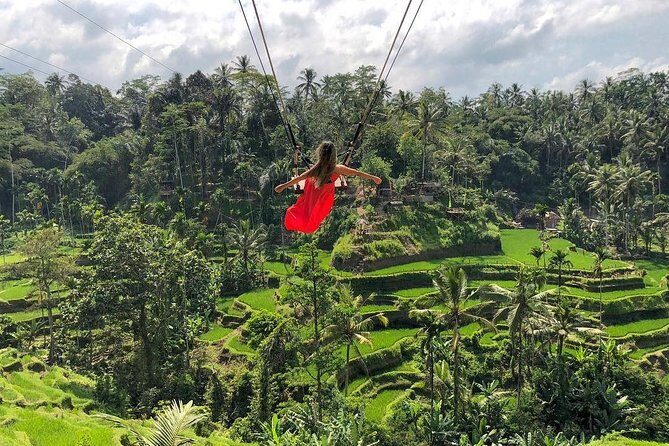
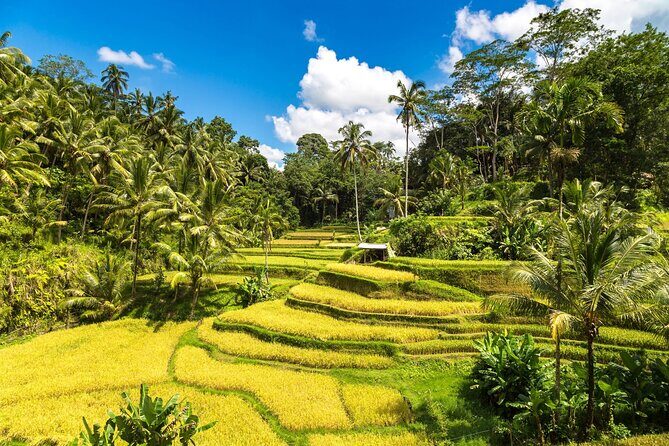
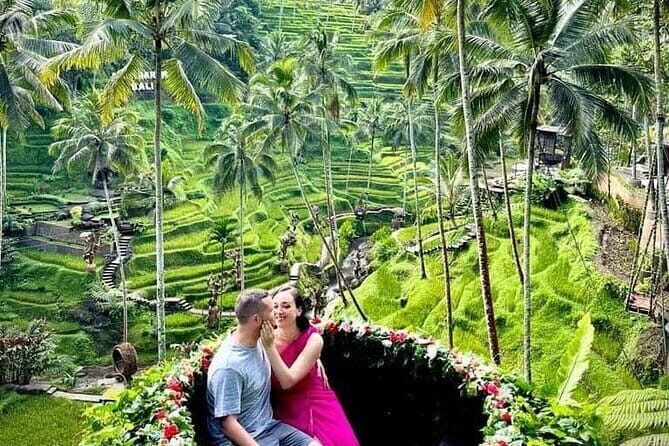
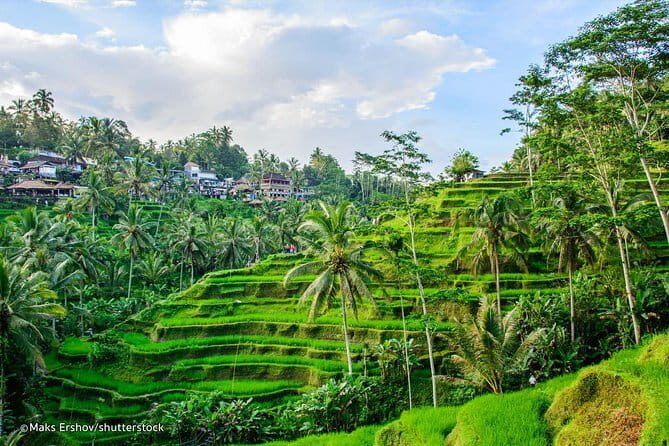
The day begins at Tegalalang Rice Terrace, a UNESCO-listed site known for its layered green fields. This stop is famous for a reason: the terraces create those stepped views that look great in photos, but the more interesting part is that you’re seeing a working farming system rather than just a pretty backdrop.
Nyoman’s approach matters here. You’re not just dropped into a viewpoint. You get time to take in what makes the terraced fields special, including the idea of the subak irrigation system that supports farming in Bali. That’s one of those concepts that can make the visuals feel deeper, because the terraces aren’t random. They’re shaped by how water is managed and shared.
In terms of what to watch for, look for the way the terraces follow the terrain and how the irrigation relates to the fields. It’s one of those places where you can pause, look, and feel like you’re getting a snapshot of island life instead of checking a box. For most people, it’s a relatively straightforward stop—just expect some walking and standing to get the best angles.
The possible downside: if you’re visiting when it’s very hot or after rain, the area can feel slick or tiring. Bring comfortable shoes with grip, and keep your expectations realistic: it’s an iconic site, so you may see plenty of other visitors.
Tirta Empul Temple: A Cleansing Ritual You Watch With Care
Next up is Tirta Empul Temple, where Balinese Hindus visit for a sacred cleansing ceremony believed to purify both body and soul. The focus here is spiritual and cultural, not just sightseeing. You’ll spend about 2 hours at this stop, which is a good amount of time to watch calmly and understand what’s happening instead of rushing through.
This is also the kind of place where your attitude matters. If you come in with a casual, camera-first mindset, it can feel uncomfortable. If you come in ready to observe respectfully, it becomes a memorable cultural moment. The cleansing ceremony is the centerpiece, and that gives the visit meaning beyond architecture.
What I like about having Nyoman with you is that you’re not stuck trying to interpret the ritual on your own. He’s described as deeply knowledgeable, and that kind of context can help you avoid missing the point. Even if you don’t speak the local language, understanding the purpose of the ceremony changes what you notice—people’s movements, the structure of the ritual, and the overall sense of devotion.
Practical tip: temples often have areas that are wet or slippery. Even without getting specific about rules, you’ll want footwear that handles water and gives you stable footing. Bring a small towel or plan to dry off after.
Segara Windhu Coffee Plantation: Learn the Steps Without the Sales Pressure
After the temple, you head to Segara Windhu Coffee Plantations for about 1 hour. This stop is all about coffee-growing and sustainable farming practices, and it focuses on how coffee moves from cultivation to roasting.
If you’ve done other coffee tours in Bali, you know the common pattern: lots of tasting, lots of hype. Here, the emphasis is on the process and the island’s coffee heritage. That makes it easier to enjoy the stop for what it is: a look at how beans are grown and handled, and how roasting turns those beans into coffee you recognize.
Nyoman can also help you slow down and ask better questions. Instead of speeding through a set script, you can focus on the parts that interest you—what sustainable practices mean in this context, how the coffee is processed, and what to look for when roasting happens.
One consideration: if you’re not interested in coffee at all, this might be the least exciting stop for you. But even then, the coffee plantation stop gives a break from the heaviness of temples and the outdoor intensity of waterfalls. It’s a nice pacing reset in the middle of the day.
Tegenungan Waterfall: The Nature Stop That’s Worth Getting Ready For
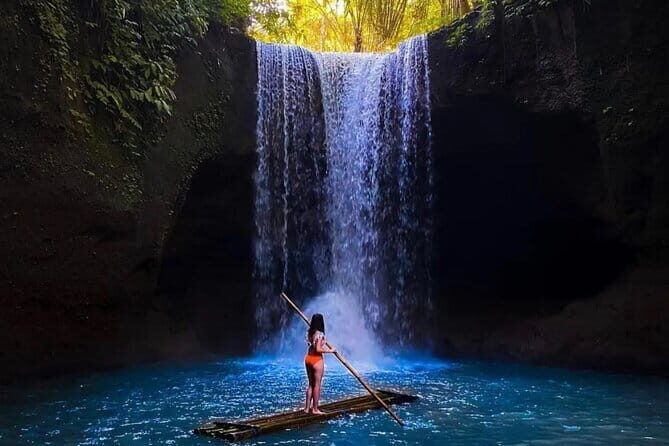
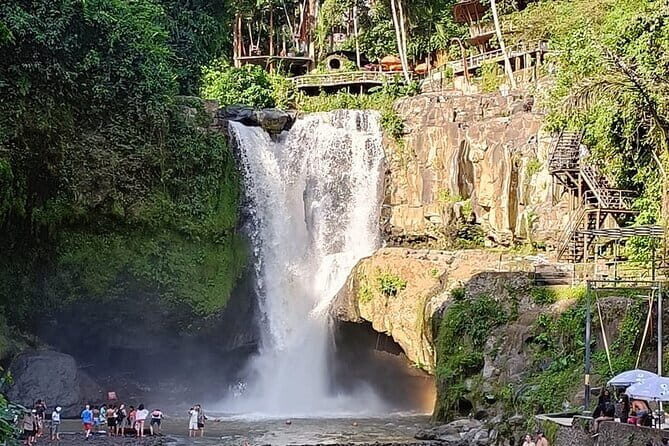
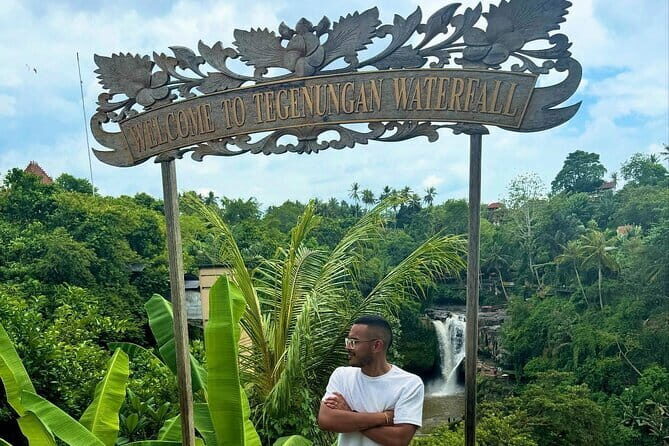
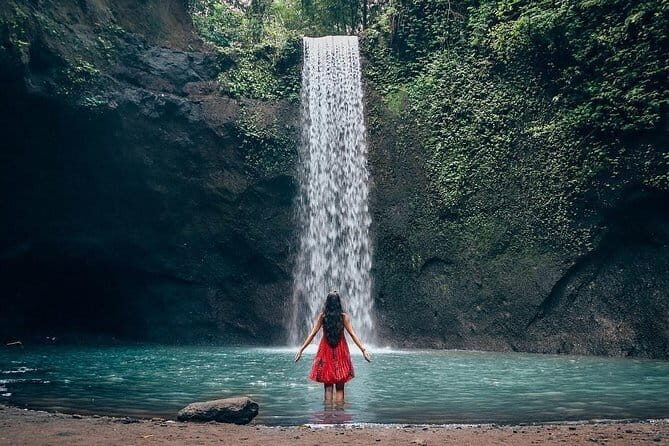
Then comes Tegenungan Waterfall (about 1 hour). This is the nature break in the itinerary, surrounded by lush jungle and peaceful scenery. The waters also carry spiritual significance for Balinese people, who view them as purifying and healing.
What makes this stop work in real terms is timing and atmosphere. You’re not just chasing a single photo. The visit includes time to stand in the area, take in the sound and scale of the falls, and appreciate the way nature becomes part of local belief and routine.
That said, waterfalls are where comfort gets tested. Even if the weather is decent, you’ll likely be near mist and wet ground. If it rains, the area can get slick quickly. Wear shoes with grip, and keep your phone secured. This is where that earlier “no stress” setup helps, because you’re not trying to manage your day while also figuring out how to keep gear safe.
If you want the most relaxed experience, treat this stop like a reset. Don’t cram it with extra activities. The tour includes standard site entry, but if you decide you want additional experiences such as giant swings, the description makes it clear you should arrange those ahead of time.
Sahadewa Barong Dance & Fire Dance: Storytelling With Costume Power
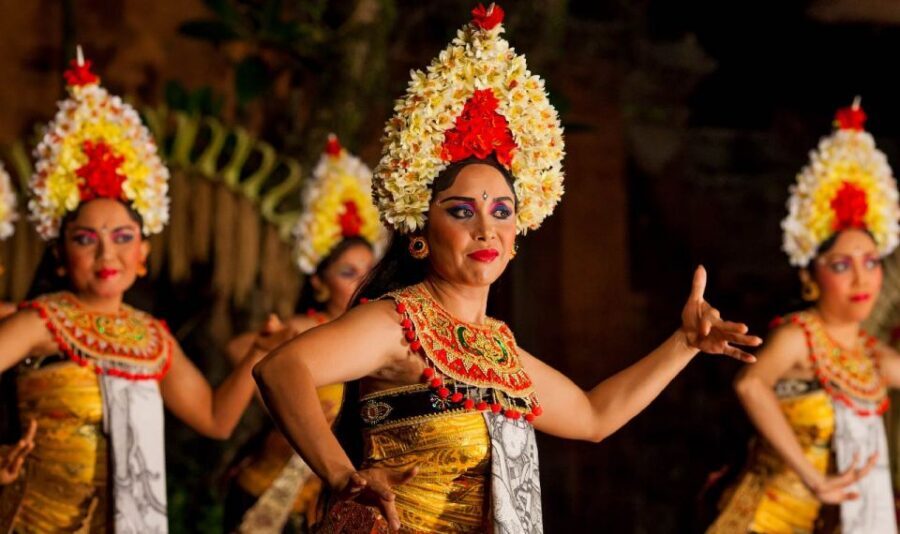
The final major stop is Sahadewa Barong Dance & Fire Dance (about 1 hour 30 minutes). This is where Bali becomes performance and symbolism. The Barong represents a magical spirit that protects a village from evil forces, and the dance depicts the eternal battle between good and evil through intricate costumes, lively music, dynamic movements, and story-driven action.
This stop is valuable because it’s not just art for entertainment. It’s a cultural expression tied to belief and community identity. Even if you don’t understand every detail, you can feel the meaning through the costumes, the rhythm, and the way the performers create tension and release like a live story.
From a viewer’s standpoint, the key is to arrive ready to watch. This isn’t a quick selfie stop. It’s a show with pacing, and you’ll get more out of it if you give it your attention.
If you’re traveling with kids or you like energy in the evening, this is often the “wow” moment. For people who like calmer, contemplative stops, it’s still a worthwhile finale because it contrasts the earlier temple and waterfall moments.
Lunch, Photo Help, and the Small Decisions That Save Your Day
The tour includes lunch time in the plan, with Nyoman taking you to a local favorite where you can order from the menu. Importantly, the description notes that Nyoman protects your belongings in the car while you eat, which is one of those details that sounds minor until you’ve tried to manage snacks, phone charging, and wallets while also figuring out where your luggage is safe.
You’ll also get help with Instagram-worthy shots. This is one of the most underrated parts of a cultural tour. A good photo isn’t just about having a camera. It’s about timing, angles, and knowing when to step back so you don’t block someone’s view. If you enjoy photos, this kind of guidance can turn a good trip into a folder of keepers.
And because the tour is private, you’re not forced into someone else’s routine. If you need a quick stop for things like an ATM, grocery, or pharmacy, the description says it’s okay and there’s no extra charge for those add-ons. That matters in Bali, where you might run into cash-only spots or forget essentials.
The overall vibe is: you show up, you enjoy, and you don’t spend the day negotiating. Past guests specifically praised the lack of stress, especially when they were tired of taxis, waiting in rain, or worrying their phones would run out of battery power.
Price and Value: What $56.86 Really Buys You
At $56.86 per person, this tour is priced in a way that can feel like a bargain if you compare it to piecing the day together yourself.
Here’s what your money covers based on the provided details:
- Pickup offered
- Mobile ticket
- Standard entrance fees to the listed locations
- Private group (only your group participates)
- A day plan that includes coffee, a waterfall, and a dance performance
- Extra convenience stops like ATM/grocery/pharmacy with no extra charge
- Drop-off back at your accommodation or wherever you prefer
What might cost extra:
- Lunch is included as a stop to order from a menu, but the price information only explicitly mentions entrance fees.
- Extra experiences at certain locations (for example, giant swings) need to be organized ahead if you want them.
So the value equation looks good if you’re the type who wants to see a lot, keep moving, and avoid the mental load. If you’re the type who loves planning, you might still save money by going on your own—but you’ll pay in time, uncertainty, and energy.
For many visitors, the best part of the price is the way it removes decision fatigue. You don’t need to ask, Where do we go next? Do we have tickets? How do we get there on time? That freedom is real.
Also, you book in advance and get confirmation at the time of booking. The tour runs through a long window of opening hours (6:00 AM to 10:00 PM), which helps if you’re trying to fit this into a busy Bali schedule.
Who Should Book This Ubud Culture Tour
This tour is a great match if you want a balanced mix of culture, nature, and performance without spending the whole day figuring out transportation and tickets. It’s also ideal for a first trip to Bali when you’d rather spend your energy learning from a guide than guessing your way around.
You’ll likely love it if:
- You want a private day with your own group and a flexible guide
- You prefer having entrance fees handled
- You enjoy photo stops and want help finding good angles
- You’re okay with a full day (8 to 9 hours)
You might want to skip or adjust your expectations if:
- You’re sensitive to long outdoor stretches
- You dislike being in a structured schedule all day
- You plan to add lots of extra paid activities at each stop, because those aren’t included and may require advance planning
The fact that it’s described as suitable for most travelers is reassuring, but still use common sense about comfort and footwear, especially for the waterfall and temple areas.
Should You Book Bali Culture Tour with Nyoman?
If you want a smooth, culturally focused Ubud day where logistics don’t eat your time, I’d book this. The biggest strength is that you get entrance fees included, pickup options, and a knowledgeable guide named Nyoman who seems to bring both flexibility and calm to the day. That combination is what turns a list of famous places into an actual trip experience.
Book it if you want to see Tegalalang, Tirta Empul, a coffee plantation, Tegenungan Waterfall, and a Barong and fire dance performance in one go—without stress. Just come prepared for a long day outdoors, and keep extra activities like giant swings in mind so you can plan them properly in advance.
FAQ
FAQ
How long is the Bali Culture Tour in Ubud?
The tour lasts about 8 to 9 hours.
Is pickup included, and where does the tour start?
Pickup is offered. The meeting point is Ubud Central Parking on Jl. Suweta No. 18, Ubud.
Are entrance fees included in the price?
Yes. The price includes standard entrance fees to the listed locations.
What do I receive on my booking for tickets?
You’ll receive a mobile ticket.
Is this a private tour?
Yes. It’s a private tour, and only your group will participate.
Is lunch included?
The tour includes a lunch stop where you can order from the menu. The price details provided specifically mention entrance fees, so you should budget for your meal.
Can the guide make extra stops during the day?
Yes. Additional stops for things like an ATM, grocery, or pharmacy are allowed with no extra charge.
Is free cancellation available?
Yes. You can cancel up to 24 hours in advance for a full refund. If you cancel less than 24 hours before the start time, the amount paid is not refunded.