Ubud : Kintamani Downhill Cycling Tour with Lunch

Ubud : Kintamani Downhill Cycling Tour with Lunch - Pura Desa Malet Gusti: Temples, School, and Real Village Rhythm

This is a Bali ride without the traffic.

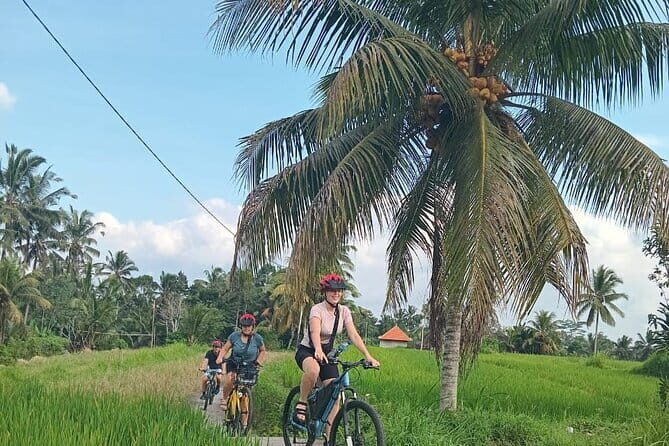
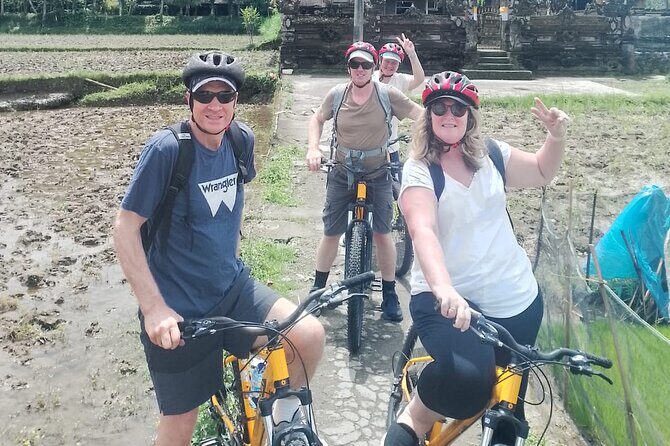
This Ubud–Kintamani downhill cycling tour takes you off roads cars can’t really reach, then strings together temple and village-school moments at a relaxed pace. I especially like how the route feels beginner-friendly because most of the cycling is downhill, so you can focus on views and conversation instead of your speed.

Two things I really like: first, the day includes round-trip transfers in an air-conditioned vehicle, so you’re not stuck arranging transport to the starting village. Second, you get a real Balinese lunch at the end at The amertha Restaurant, not just a snack stop. One drawback to consider: you’ll want your own sun protection, since sunscreen isn’t included.

Small-group cycling with culture stops, plus lunch, for a very solid price.

The tour caps at 15 travelers, and the schedule is paced so you’re not sprinting between sights—still, it is a cycling day. If you dislike bikes or you hate being outdoors for hours, this may feel like more effort than you want.

Key Points to Know Before You Ride

Ubud : Kintamani Downhill Cycling Tour with Lunch - Key Points to Know Before You Ride

  • Mostly downhill route makes this feel easy compared to typical Bali cycling days
  • Small group (max 15) keeps the pace calm and the stops more personal
  • Village culture stops include Bayung Gede and Pura Desa Malet Gusti, plus time at Tampaksiring’s area
  • Balinese lunch is included at The amertha Restaurant, with bottled water on board
  • Round-trip pickup from Ubud or south Bali removes a big logistics headache
  • Tickets/fees included at stops (where applicable), so you’re not constantly paying at each entrance

Why the Ubud to Kintamani Downhill Route Feels So Much Easier

Ubud : Kintamani Downhill Cycling Tour with Lunch - Why the Ubud to Kintamani Downhill Route Feels So Much Easier
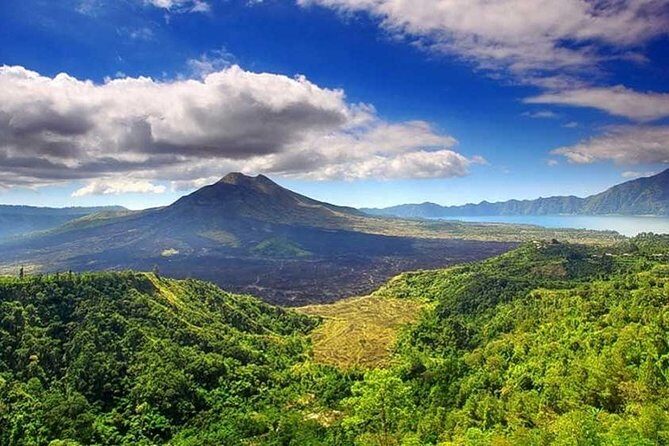
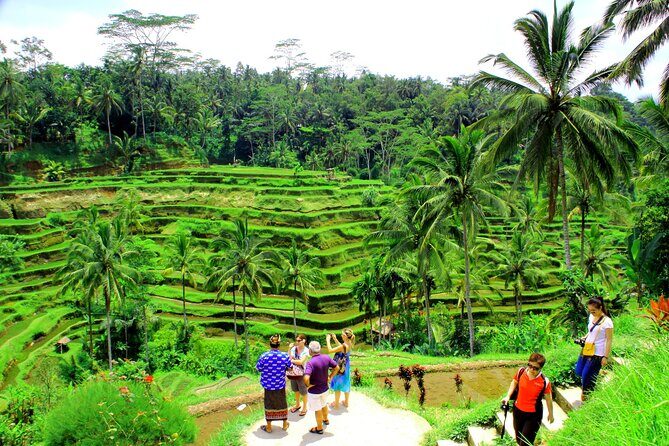
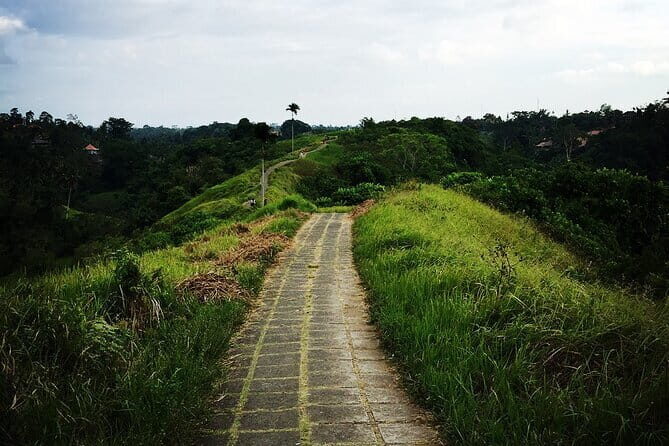
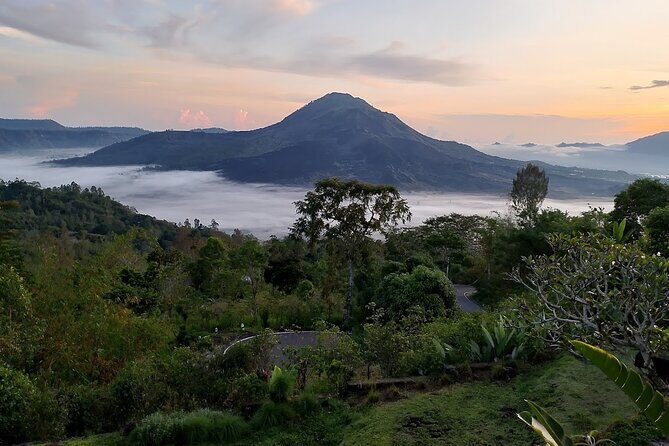
The best part of this tour is that it’s built around one simple idea: ride the route, don’t wrestle it. You’ll be cycling mainly downhill through the countryside, which changes the whole vibe. Instead of thinking about climbing hills and burning energy, you’re gliding along village roads and focusing on what’s around you—rice fields, homes, and everyday life you usually only spot from the roadside.

The countryside here is the star, but you’re not just looking at it from a bus window. You’ll also stop to see places with local meaning, including a village school and a village temple area during the day’s cultural breaks. That mix is what makes the ride feel like more than an activity.

Small note for planning: “mostly downhill” still means you’ll pedal sometimes and you’ll need basic bike balance. If you can handle an easy neighborhood ride, you’ll be in good shape.

Getting Started at Bayung Gede: Calm Setup Before You Zoom Down

The day begins in Bayung Gede, near Kintamani. You’ll get a guide briefing there, and it’s not the kind of speech that makes you regret time zones. It’s aimed at helping you understand how the ride works and what you’ll see as you go.

Expect this first stop to be short—about 30 minutes—and the entrance/ticket for this stop is listed as free. That quick start matters because it gets you on the bikes while the day still feels fresh, not like you’re waiting around.

Practical tip: wear closed-toe shoes. The tour provides the bicycle, but you’re still responsible for foot safety on uneven rural surfaces.

Pura Desa Malet Gusti: Temples, School, and Real Village Rhythm

Ubud : Kintamani Downhill Cycling Tour with Lunch - Pura Desa Malet Gusti: Temples, School, and Real Village Rhythm
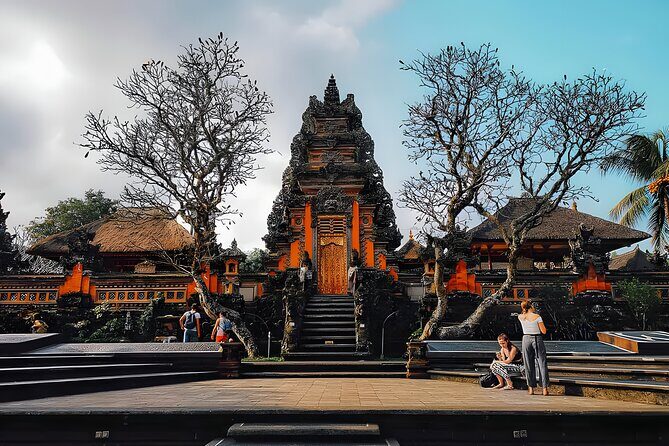
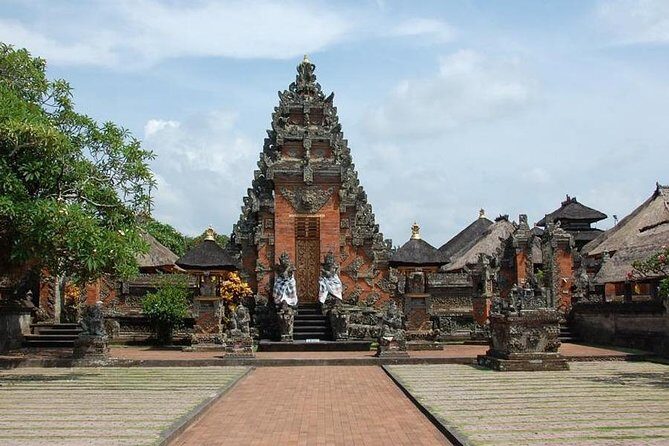
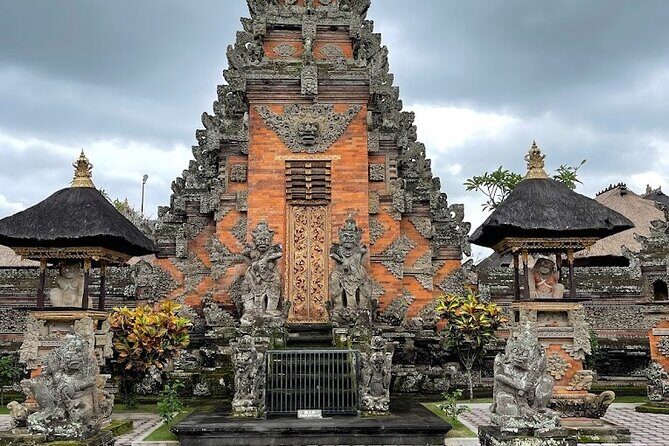
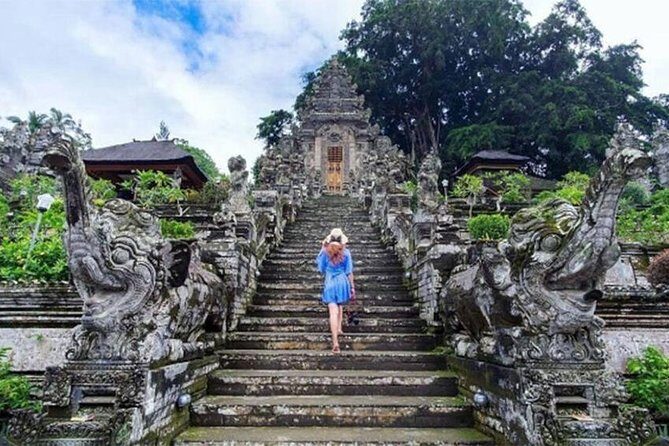
After Bayung Gede, you’ll move into the cultural stops that give the day its texture. One of the main breaks is at Pura Desa Malet Gusti, which is scheduled for around 2 hours, and the admission ticket there is listed as free.

This is where the tour balances education with observation. The day includes time related to:

  • a local village school
  • a village temple visit
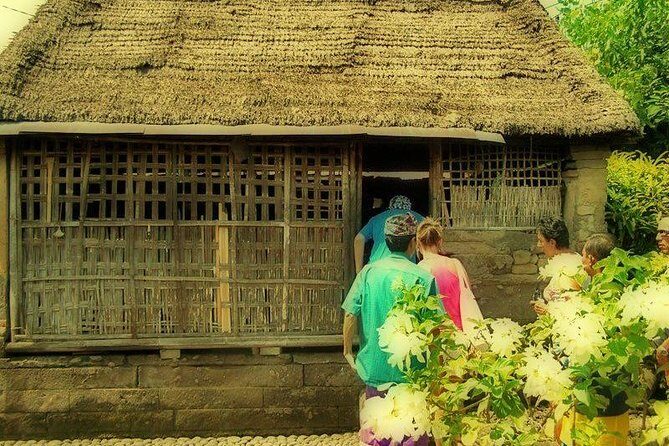
  • a traditional family compound stop

What you’re really getting is a sense of how Balinese life keeps moving through daily routines—where education, worship, and family life sit close together. You’ll also get photo opportunities along the way, and the stops help turn “pretty scenery” into something you can name and explain later.

Potential downside: temple and school stops usually mean you’ll spend time standing and walking a bit on site. It’s not extreme, but it’s not just “sit back and enjoy the view,” either.

Riding Through Quiet Roads: When Views and Photo Stops Actually Fit the Pace

Ubud : Kintamani Downhill Cycling Tour with Lunch - Riding Through Quiet Roads: When Views and Photo Stops Actually Fit the Pace
Between the scheduled stops, the ride is designed to feel relaxed. The route is described as mostly downhill, and the overall day time is about 6 hours. That’s long enough to enjoy the changing scenery, but not so long that you feel cooked by hour four.

From what’s consistently praised, the journey includes rural pockets people don’t always reach when they’re just doing the obvious Ubud circuit. You’ll pass through areas that feel peaceful and low-key—more small roads than major roads—so you’re not constantly dodging crowds.

A realistic expectation: photo pauses happen, but they don’t fully replace the ride. You’ll still cover distance, and the flow stays easy, which is a big reason beginners tend to enjoy it.

Safety note: your guide is present and the tour is run as a group experience (max 15). Still, you’re cycling in a lived-in area. Ride with attention and keep your hands ready if you’re on a faster downhill stretch.

Lunch at The amertha Restaurant: The Included Balinese Meal You’ll Be Thinking About Later

Ubud : Kintamani Downhill Cycling Tour with Lunch - Lunch at The amertha Restaurant: The Included Balinese Meal You’ll Be Thinking About Later
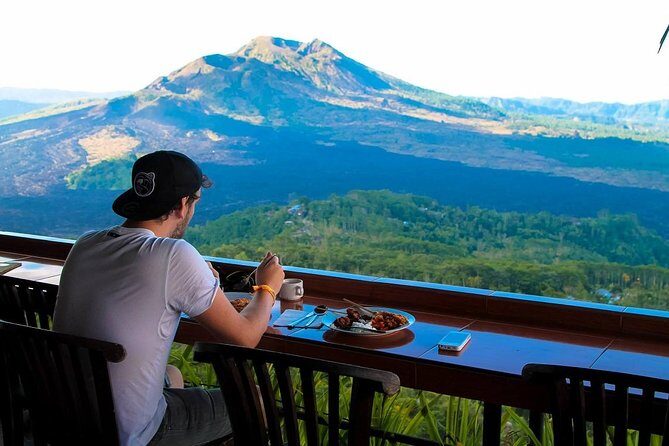
The final major stop ties into Istana Tampak Siring and ends around Tampaksiring. Lunch is at The amertha Restaurant, and this stop runs about 45 minutes with admission ticket included.

Lunch is part of the package: you’ll get a Balinese local dish, plus bottled water is included as part of the tour setup. The meal is also specifically mentioned as tasty—simple, but satisfying after a bike ride.

How to make lunch work for you: eat at a comfortable pace. After the ride, take a breather before you start thinking about what you’ll do next in Ubud or the surrounding area. If you’re sensitive to heat, use the time to cool down a bit too.

What’s Included (and Why It Matters for Real-World Value)

Ubud : Kintamani Downhill Cycling Tour with Lunch - What’s Included (and Why It Matters for Real-World Value)
At $29.90 per person, this is one of those tours where the value isn’t only the cheap price tag—it’s what you don’t have to organize.

What’s included:

  • Bicycle use
  • Lunch (Balinese local dish)
  • Bottled water
  • Air-conditioned vehicle for hotel pick up and drop off
  • Professional English-speaking guide
  • All fees and taxes (listed as included)
  • A mobile ticket
  • Group runs with up to 15 travelers

What you don’t get:

  • Sunscreen / sun block lotion
  • Souvenirs and personal expenses

Why the inclusions are a big deal: round-trip transport plus a guide means your day doesn’t collapse if you can’t find a driver willing to take you to the starting village and bring you back later. You also get bikes handled for you, which removes a common headache in Bali active days.

If you’re comparing options, focus on whether a tour includes real transfers and guide time—not just a bike and a route on paper.

Group Size, Transfers, and Timing: How the Day Stays Comfortable

Ubud : Kintamani Downhill Cycling Tour with Lunch - Group Size, Transfers, and Timing: How the Day Stays Comfortable
This is a small-group tour with a maximum of 15 travelers, which is part of why people describe it as relaxed and well organized. In practice, that size usually means:

  • the guide can actually see the whole group
  • stops don’t turn into long waits
  • the ride feels more like a shared experience than a production line

Transfers are offered from Ubud or south Bali, using an air-conditioned vehicle for pick up and drop off. That’s ideal if you’re staying in central Ubud and don’t want to add another day’s worth of local transport planning.

Tour duration is about 6 hours. Plan your day around it—this isn’t the kind of activity you toss into a half day slot without consequences. You’ll want an easy plan afterward.

Price and Booking: When $29.90 Makes Sense

Ubud : Kintamani Downhill Cycling Tour with Lunch - Price and Booking: When $29.90 Makes Sense
Yes, the price is budget-friendly. But it’s worth looking at why it works.

You’re paying for:

  • guide service over several stops
  • bike use
  • transportation by air-conditioned vehicle
  • lunch and water
  • included fees/taxes (at least as described for the tour package)

Also, it’s commonly booked about 21 days in advance, which usually signals demand. That doesn’t mean you must book far ahead every time, but it does suggest popular slots can go away.

If your travel dates are fixed, booking ahead is a smart move. If your schedule is flexible, you can shop around, but this one often fits well for a first-time cycling day in Bali.

What to Bring for a Smooth Day on a Mostly Downhill Bike

You don’t need much beyond common sense—but it helps to be ready.

Bring:

  • Sunscreen (sun block lotion isn’t included)
  • Comfortable clothes for heat and outdoor time
  • Closed-toe shoes
  • A light layer if you get cold easily in vehicles

You can also consider:

  • A small bag for personal items you want kept secure during the ride
  • Your phone for photos, but keep it away from careless handling while you’re cycling

The tour covers bottled water, the bike, the guide, and lunch. That’s a good chunk of the “what do I do today?” stress.

Who This Tour Fits Best (and Who Might Want to Skip It)

This is a great choice if you want:

  • easy-to-moderate cycling with a mostly downhill route
  • countryside views without a lot of traffic pressure
  • a cultural day that includes temple and school-type stops
  • an included Balinese lunch at the end

It may not fit as well if:

  • you hate cycling entirely, even when it’s mostly downhill
  • you can’t handle a full 6-hour outdoor day
  • you expect big-ticket, high-speed cycling thrills rather than relaxed countryside riding

For families or mixed groups, the small size and easy route design can help everyone feel included, as long as they’re comfortable on a bike.

Should You Book the Ubud–Kintamani Downhill Cycling Tour with Lunch?

Book it if you want a full Ubud-area day that feels both active and culturally grounded, without turning into a tough fitness challenge. The combo of mostly downhill riding, small group size, included transfers, and a real Balinese lunch makes it good value for a first cycling experience in Bali.

Skip it if you’re looking for a purely sightseeing day with no bike element at all. Also, make peace with the fact that you’ll be in the sun and outdoors—bring sunscreen and wear shoes you trust.

FAQ

How long is the Ubud to Kintamani cycling tour?

The tour lasts about 6 hours (approx.).

What is included in the price?

The price includes a bicycle, bottled water, lunch with a Balinese local dish, an air-conditioned vehicle for hotel pick up and drop off, a professional English-speaking guide, and all fees and taxes. You also receive admission ticket coverage for the listed stops.

Do I get round-trip pickup from Ubud or south Bali?

Yes. The tour includes round-trip transportation by air-conditioned vehicle from Ubud or south Bali.

Is the cycling route difficult?

The ride is mainly downhill, and it’s designed to be comfortable for most travelers, including beginners.

How many people are in the group?

The maximum group size is 15 travelers.

Where does the tour start and where does it end?

It starts at Bayung Gede (near Kintamani, Bangli Regency) and ends at Tampaksiring (Gianyar Regency). Lunch is at The amertha Restaurant in the Tampaksiring area.

What should I bring since sunscreen is not included?

Bring sun block lotion (sunscreen) and plan for personal expenses like souvenirs if you want them.

Full Day Kintamani Volcano View and Ubud Village Tour

Full Day Kintamani Volcano View and Ubud Village Tour - Monkey Forest Sanctuary: temple nature with a timed visit

One day, three Bali icons. This full-day route strings together Ubud’s most memorable stops plus Kintamani’s highland views, and it fixes Bali’s no-public-transport reality with a private driver and A/C. The centerpiece is lunch in the Kintamani area, where you eat an included buffet while looking toward Mt. Batur.

What I like most is the cultural one-two punch: the Barong and Keris Dance performance and the sacred springs at Tirta Empul. The Barong and Keris Dance is a story of good fighting evil, and Tirta Empul Temple is where people come for holy spring-water purification.

The main trade-off is time. It’s about 10 hours with seven core stops, so you’ll get brief visits at each place and not much time to slow down—plus it’s still a long day of car time.

Key highlights worth your attention

Full Day Kintamani Volcano View and Ubud Village Tour - Key highlights worth your attention

  • A packed-but-guided order: Ubud sights first, then Kintamani, then temples and crafts.
  • Barong and Keris trance dance: a traditional story performance that’s more than a photo stop.
  • Tirta Empul holy springs: a meaningful temple stop built around purification rituals.
  • Mt. Batur lunch with a view: included buffet lunch at The Amora Bali.
  • Celuk gold and silver shopping: craft village browsing with free admission at the stop.

Entering Ubud With a Barong and Keris Dance Story

Full Day Kintamani Volcano View and Ubud Village Tour - Entering Ubud With a Barong and Keris Dance Story
The day starts with the Barong and Keris Dance at Sila Culture, and that’s a smart opener. Instead of jumping straight into temples or nature, you begin with a traditional performance that explains Balinese ideas in plain story form.

Barong is a character from Balinese mythology, described here as the king of sorts in the good-versus-evil world of the tale. The Keris is tied into the dance’s dramatic fight theme, and the whole performance is presented as a trance-style story. Even if you don’t speak the language, this kind of performance is easy to follow because the action carries the meaning.

Practical angle: it’s about one hour, and it happens early enough that you’re not rushing later in the day. If you’re the type who likes to understand what you’re seeing before you see it, this start helps.

Monkey Forest Sanctuary: temple nature with a timed visit

Full Day Kintamani Volcano View and Ubud Village Tour - Monkey Forest Sanctuary: temple nature with a timed visit
Next up is the Ubud Monkey Forest Sanctuary, officially listed as the Padangtegal Mandala Wisata Wanara Wana Sacred Monkey Forest Sanctuary. That name matters because it signals you’re not just walking in a zoo-like park—you’re visiting a nature reserve temple complex.

It’s scheduled for about one hour, which is long enough to take it in without feeling stuck all afternoon. You’ll get a temple-and-trails style experience, paired with the typical Ubud feel of layered nature and culture.

One thing to consider: it’s a popular stop, so expect it to be busy in the general sense. With only about an hour, you’ll want to keep your pace steady and focus on what you came for—temple views, the forest setting, and the chance to see why this sanctuary is such a fixture on Ubud itineraries.

Tegalalang Rice Terrace and the Kintamani Highlands Break

Full Day Kintamani Volcano View and Ubud Village Tour - Tegalalang Rice Terrace and the Kintamani Highlands Break
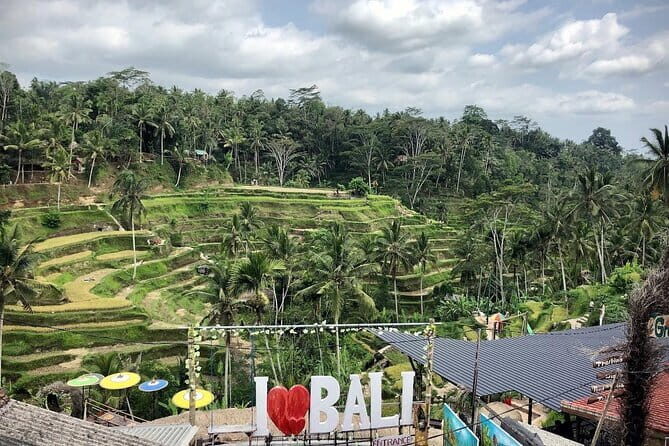
Then you move to Tegalalang Rice Terrace, one of Bali’s best-known highland rice areas. It’s listed as about one hour, and the goal is straightforward: see the terraced rice fields and the big, open farming views across the hillside.

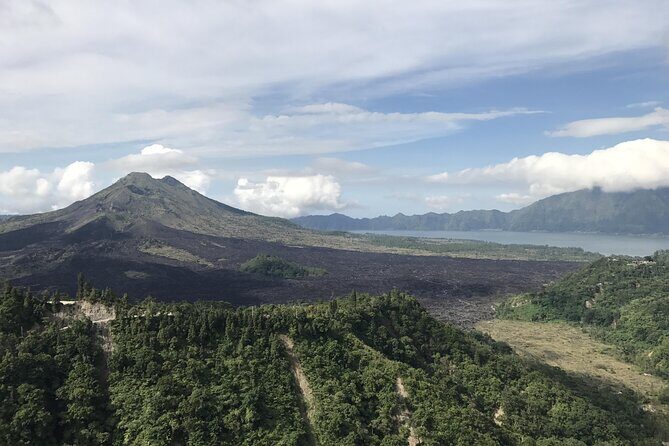
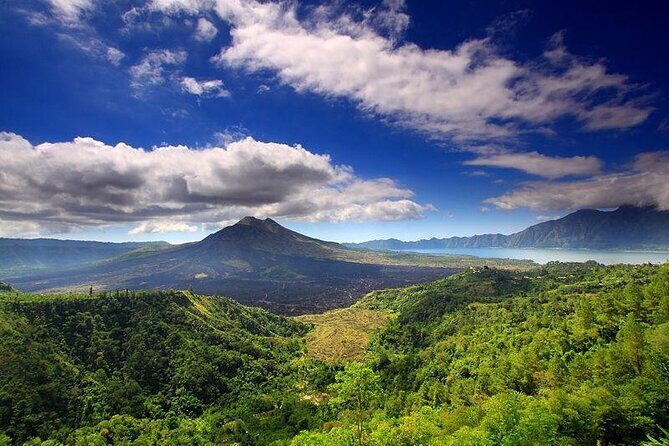
After that, the itinerary moves into the Kintamani highlands. You’ll stop in the Kintamani area for about 30 minutes, with the description emphasizing the altitude—cool air during the day and colder conditions at night. You won’t be standing here long, but that short stop gives your day a change of tempo: fewer structured cultural stops, more atmosphere and wide-sky views.

Here’s the practical value of this pairing. If you’ve only ever seen Bali as beach or city, the rice terraces and Kintamani highlands remind you that Bali’s interior has its own rhythm. It’s not just pretty pictures; it’s a different way of living and farming.

The Amora Bali buffet lunch and the Mt. Batur view

Full Day Kintamani Volcano View and Ubud Village Tour - The Amora Bali buffet lunch and the Mt. Batur view
Lunch is at The Amora Bali in the Kintamani area, and it’s scheduled for about one hour. This is the one part of the day that’s built for sitting down and refueling, not sprinting from one place to another.

You get a buffet lunch of Indonesian specialties, and the menu notes that vegetarian food is available on request. You’ll also get mineral water—listed as one bottle per person—so you aren’t scrambling to find drinks during the highland leg.

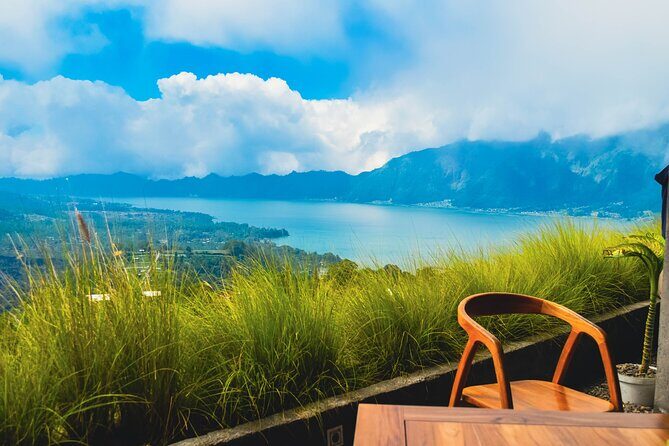
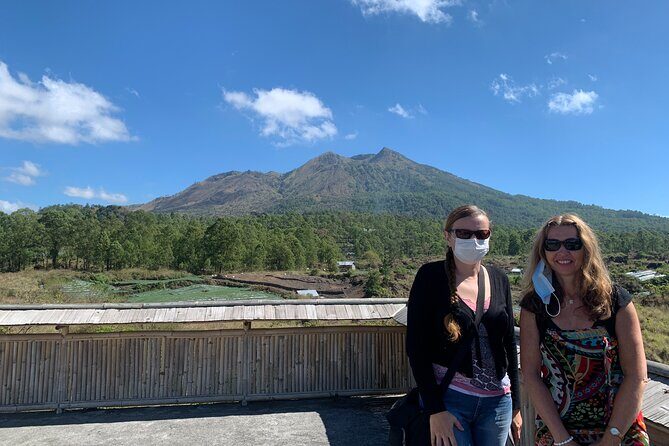
The best reason this lunch stop matters: you’re eating while looking toward Mt. Batur and the valleys below, at least as the tour description frames the setting. This is the moment when the day’s driving work pays off. You’re not just moving through places; you’re pausing to take in what you came for.

Tip for planning your appetite: buffet lunches can tempt you into over-ordering if you’re hungry. With a full schedule after lunch, keep one eye on the next temple stop so you don’t end up feeling heavy later.

Tirta Empul Holy Springs: the temple where purification is the point

Full Day Kintamani Volcano View and Ubud Village Tour - Tirta Empul Holy Springs: the temple where purification is the point
After lunch, you head to Tirta Empul Temple, also described as the Holy Spring Temple in Tampak Siring. This stop is about one hour.

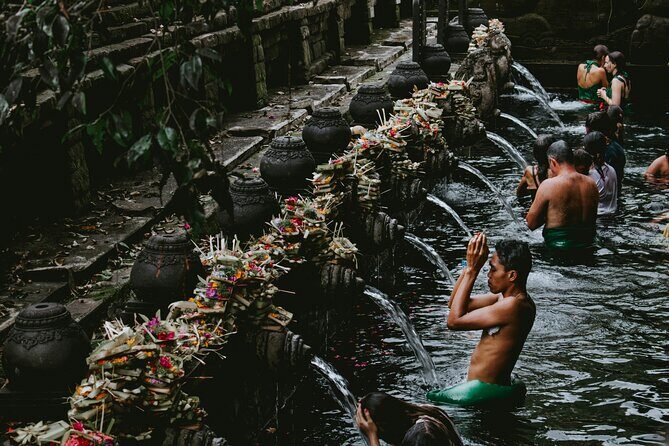
Unlike a generic temple visit, the focus here is explicit: Balinese worshippers have been coming for thousands of years for holy water to purify the body. In other words, you’re going to a place where the ritual purpose is the core of the experience.

This is also a great contrast to the earlier stops. Dance, forest, and rice terraces are all about nature and culture you can observe from the outside. Tirta Empul gives you a chance to see culture from the inside of its meaning—what the locals believe the water does, and why the springs have long drawn visitors.

The main consideration is timing and energy. You’re near the middle-to-late part of the day when you arrive, so wear comfortable shoes and plan for an hour that’s more about looking and understanding than wandering endlessly.

Celuk Gold and Silver Craft Village: browsing with free entry

Full Day Kintamani Volcano View and Ubud Village Tour - Celuk Gold and Silver Craft Village: browsing with free entry
Next is Celuk Village, known for gold and silver handicrafts. The stop is about one hour, and the information here is clear: you can shop for jewelry and craft items, and the admission for this stop is listed as free.

If you’re a careful spender, Celuk is useful because it’s a dedicated craft area. You’re not forced into shopping at a random roadside stop—you’re going to a craft village where the point of the visit is the workmanship. The tour description also frames prices as low, though prices can vary, so treat any purchase as a normal bargaining-and-comparison situation.

I like this stop because it’s flexible. If you want to buy, you can. If you don’t, you can still learn by watching how the craft is presented and by seeing how the pieces are made and displayed.

Why the $65 price can feel like good value

Full Day Kintamani Volcano View and Ubud Village Tour - Why the $65 price can feel like good value
At $65 per person for a 10-hour private tour, the value comes from what’s bundled. You’re not just paying for a driver—you’re paying for a day’s worth of access and timing control.

Included items in this experience cover the heavy costs that add up fast on your own:

  • Private car with A/C and petrol
  • English-speaking driver
  • Entrance fees for the listed stops
  • Lunch buffet Indonesian food plus a bottle of mineral water
  • Tax and services

And it’s not a tiny, barebones day. You’re stacking major Ubud hits (Monkey Forest and Tegalalang), a major cultural performance (Barong and Keris), a signature highland region (Kintamani), a spiritually focused temple (Tirta Empul), and a craft village (Celuk). This is the kind of day where private transport can genuinely save you money versus piecing it together with separate tickets, rides, and delays.

Also, quality seems to matter here. The rating is 5, with 99% recommended. Guides with strong mentions include Teddy, Arsa, Dirga, Naya, Ayu, Putu Lencong, Koming, Heri, and Oka. The common theme across these names is helpful, professional driving and a conversational approach to the places you’re visiting.

How the private driver fixes Bali’s tricky timing and roads

Full Day Kintamani Volcano View and Ubud Village Tour - How the private driver fixes Bali’s tricky timing and roads
The tour description makes one thing clear: the highlands around Ubud offer dazzling scenery, but getting there on your own can be difficult. There’s a lack of public transport and plenty of narrow, winding roads. A private driver isn’t a luxury add-on here—it’s what makes the day work.

Even better, pickup and drop-off are offered at most south Bali and Ubud hotels. That means you don’t lose time coordinating meeting spots. Start time is listed as 8:00 am, and the private car is part of the included package, which helps you keep the day on schedule.

One more small but real detail: this is set up as a private activity, so it’s only your group in the vehicle. If you’ve ever had a tour where you feel stuck waiting for strangers, you’ll probably appreciate the simpler flow.

Choosing your comfort level: what this itinerary is best at

This tour is excellent if you want a lot of variety in one day, without dealing with multiple transport decisions. It hits nature (rice terrace), culture (dance and temple), sacred ritual (Tirta Empul), and crafts (Celuk), then ties it together with an included lunch in the Kintamani area.

It’s less ideal if you hate fast pacing. With seven core stops and fixed time blocks (many around one hour, plus the one 30-minute highlands stop), it’s structured. You’ll see a lot, but you won’t linger.

It also depends on your shopping tolerance. Celuk is a craft village with shopping as a big part of the purpose. If you know you’ll feel pressured by marketplaces, you might want to treat it as a window-shopping stop and set a spending limit before you go in.

Should you book this Kintamani and Ubud day tour?

I’d book this tour if you want a smooth, well-organized day that blends Ubud culture with Kintamani’s highland views—and you want it done with a private A/C car and door-to-door pickup. It’s also a strong pick if you care about guide quality, since names like Teddy, Arsa, Dirga, and Ayu come up as highlights.

I’d skip or reconsider if you’re the type who wants long hangs in each place or who gets tired from a full day schedule. This one is built for variety and efficiency, not slow travel.

If your goal is a single-day hit list that still feels meaningful—dance, sacred water, rice terraces, and Mt. Batur lunch—this tour makes a lot of sense.

FAQ

What time does the tour start?

The start time is listed as 8:00 am.

How long is the tour?

It’s approximately 10 hours.

Is hotel pickup included?

Pickup and drop-off are offered for most south Bali and Ubud hotels.

Is this a group tour or private?

It’s private. Only your group participates.

What’s included in the price?

The tour includes private A/C car, an English-speaking driver, petrol, entrance fees, a buffet Indonesian lunch, mineral water (one bottle per person), and tax and services.

Do I get tickets on my phone?

Yes. The tour notes a mobile ticket.

Can I request vegetarian food for lunch?

Vegetarian food is available on request.

Does the tour include any shopping stops?

Yes. You’ll visit Celuk Village, known for gold and silver handicrafts.

What is the cancellation policy?

Free cancellation is available if you cancel up to 24 hours in advance of the experience start time for a full refund. If you cancel less than 24 hours before, it won’t be refunded.

Kintamani Cultural and Nature Cycling Tour ( Manual Bike )
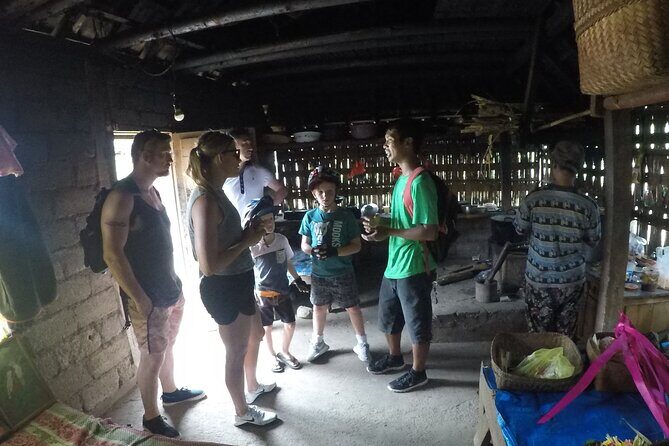
Kintamani Cultural and Nature Cycling Tour ( Manual Bike ) - Manual bike reality check: easy pace, but not a smooth highway

Want a Bali bike ride without the crowds? This Kintamani cultural cycling tour trades big attractions for real countryside—rice terraces, village lanes, and temple stops—with a guide explaining daily life as you move. It’s built for an easy-going day that still feels like an adventure.

I love the route’s pace: the ride is mostly downhill, so you can enjoy the scenery without turning the trip into a leg workout. I also like that the tour includes real breaks—coffee and a sit-down lunch—so you’re not just snacking and pedaling all day. One thing to consider: the roads can be narrow and bumpy, and you should be ready to ride carefully on a manual bike, and to do a quick gear check before you roll.

Key things to know before you ride

Kintamani Cultural and Nature Cycling Tour ( Manual Bike ) - Key things to know before you ride

  • Mostly downhill route: expect a gentle downhill feel instead of constant climbing
  • Two-guide setup: a lead and a sweep help with directions and safety
  • Food included: coffee break plus lunch at the end, with snacks along the way
  • Rice terraces and villages: you’ll pause for photos at Tegalalang and ride through local lanes
  • Temple and home-industry stops: you get stories tied to daily Balinese life

Downhill Cycling From Ubud to Kintamani’s Rice-Terrace Country

Kintamani Cultural and Nature Cycling Tour ( Manual Bike ) - Downhill Cycling From Ubud to Kintamani’s Rice-Terrace Country
This tour starts with a simple idea that makes it fun: get you out of the thick tourist traffic and into the parts of Bali where life looks lived-in. You’ll head from Ubud toward Kintamani, then ride downhill through a patchwork of forest edges, fields, and small village roads.

The countryside scenery is the obvious win. The less-obvious win is how the ride is paced. You’re not rushed from one photo stop to the next—you’re given enough time to see where people farm, where they pray, and how they organize daily life.

Price and logistics: what $33 buys you (and where it’s fair)

At $33 per person for a 7 to 9 hour day, the big value is not the bike. It’s what comes wrapped around the ride: round-trip transport, a guide, and included food breaks.

You’ll also see how the stops are structured. Some stops are shorter photo breaks, while others include a longer look at village life, irrigation, and temples. That mix matters, because it prevents the day from feeling like a long ride with only one or two meaningful moments.

The tour is capped at a maximum of 50 people, which is large enough to run smoothly but small enough that you should still feel guided rather than herded. Guides often ride as a team—one at the front and one at the back—so nobody gets stranded or left behind.

Manual bike reality check: easy pace, but not a smooth highway

Kintamani Cultural and Nature Cycling Tour ( Manual Bike ) - Manual bike reality check: easy pace, but not a smooth highway
The ride is described as very manageable, and guides do emphasize easy directions and hazard spotting. One featured highlight I saw repeated in real-world feedback: the ride is about 95% downhill, with guides helping you take the bends and avoid trouble spots.

Still, don’t treat this as a casual “cruise.” You’ll be on narrow lanes and you might hit potholes or uneven sections. That’s especially important if you’re not used to riding a manual bike or you don’t ride confidently on imperfect surfaces.

Quick practical move: before you start, do a simple gear check and a test pedal run while you’re still close to the pickup area. There’s at least one account of slipping or jamming gears, and even if that’s not the norm, it’s smart to catch it early. Also, bring sunscreen and consider bug spray—the ride runs long and you’ll be outside the whole time.

Stop-by-stop: coffee, rice terraces, villages, and temples

Kintamani Cultural and Nature Cycling Tour ( Manual Bike ) - Stop-by-stop: coffee, rice terraces, villages, and temples
Here’s how the day flows, and why each stop is more than a line on a schedule.

Stop 1: Greenbike Adventure for coffee and snacks

The morning begins with hotel pickup in Ubud, then a drive up to the plantation area for a coffee break. You can expect coffee plus a pancake or a smoothie bowl, and the tour can accommodate gluten-free requests for that meal.

This first stop is a good setup moment. It gets you fueled before the downhill riding starts, and it also helps you learn the day’s rhythm with your guide talking you through what to watch for on the route.

Stop 2: Tegalalang rice terrace photo break

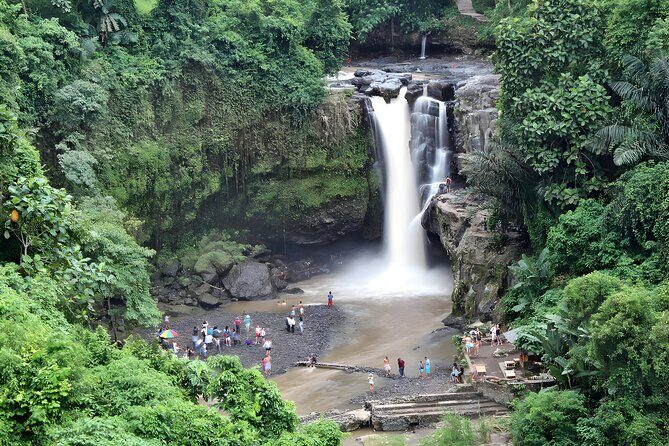
You’ll get a short pause at Tegalalang for pictures of the rice terraces. The key here isn’t lingering—it’s timing. You’re capturing the iconic look, then getting back on the bike so the day stays moving.

If you love photography, this is the stop where you’ll want to take a few extra minutes for angles. If you prefer less time standing around, this short stop is a plus.

Stop 3 and 4: Abuan Kintamani village start and local home visit

Your ride begins near Abuan Kintamani village. Shortly after, you visit a local home in Abuan, where you’ll see how people live up close—how daily routines connect to their environment and how community life shapes everything.

These stops are valuable because they connect the scenery to people, not just scenery. You’ll get the kind of context that makes the fields feel personal instead of generic.

Stop 5: Taro village coffee break and Gunung Raung temple

Next comes Taro village, where you’ll have another coffee break and also see the Gunung Raung temple, described as one of the more unique temples in Bali.

This is one of those parts where you benefit from a guide. Temples can look similar if you only see them from the road, but with explanation you start noticing what matters and how the setting connects to belief and daily life.

Stop 6: Bresela rice fields and irrigation system

In Bresela, you stop in the rice fields to see the irrigation system—how water management supports farming across the terraces.

This stop turns the view into a working system. If you’ve ever wondered how rice terraces stay green and productive, this is the moment that answers it in plain, everyday terms.

Stop 7: Payangan finish point at Hyang Api Temple

Your ride finishes near Hyang Api Temple in Payangan. It’s a satisfying end point because you’re not just dropping off—there’s a spiritual landmark that fits the rural theme of the day.

It also helps with transition. After pedaling, you get a place that feels “real,” not just a parking lot moment.

Stop 8: Greenkubu café for lunch, plus the swing area

Finally, you head to Greenkubu Restaurant and Swing for lunch, included in the tour. There’s also a swing area noted at the stop, so if you want a quick, light photo moment here, it’s part of the final package.

Lunch is where the tour pays you back for hours outside. You’ll be ready to eat properly instead of just grabbing something small between stops.

Guides matter: Gede, Wayan, Ben, Amin, Yoga, Madi, and Gudday

A lot of the tour’s personality comes from the guide team. The pattern is consistent: a friendly, attentive guide who’s good at explaining what you’re seeing and keeping the ride safe.

I saw multiple names tied to great guidance, like Gede, Wayan, Ben, Amin, Gudday, and the guide pair Yoga and Madi. What’s common in the positive feedback isn’t just friendliness—it’s practical care. Guides point out hazards, help with route decisions, and keep the bike line from scattering.

That setup is especially helpful if you’re riding with kids or if you’re new to cycling on uneven roads. One account even noted that guides took extra care when small children were in the group, which tells me the teams are used to adjusting to mixed comfort levels.

Who should book this tour (and who should skip it)

Kintamani Cultural and Nature Cycling Tour ( Manual Bike ) - Who should book this tour (and who should skip it)
This is a strong fit if you want:

  • A mostly downhill Bali bike experience without spending your day grinding uphill
  • Real countryside time: villages, rice paddies, irrigation, and temple stops
  • A long day that includes coffee and lunch, so you’re not hunting food mid-ride

Consider a different activity if:

  • You’re very nervous about biking on narrow lanes or rough patches
  • You want a fully flat ride where nothing ever bumps or jolts
  • Your schedule is extremely rigid, because the day runs 7 to 9 hours and rides depend on road conditions

In terms of group feel, the tour includes at least two guides for safety and pacing, and the max size stays capped. That’s usually a win if you like structure but still want to see local life up close.

What to pack and how to make the day smooth

Based on the tour guidance plus real-world practical tips, here’s what will help you enjoy the ride instead of just survive it.

  • Walking or sport shoes (you’ll want grip and stability)
  • Sunscreen (long outdoor time)
  • A small backpack for camera and video
  • Consider bug spray (especially if you’re sensitive to bites)

One more smart move: if you’re using your phone or camera, keep it reachable. Several stops are built for quick photo moments, and you’ll want to capture them without stopping too long.

Should you book the Kintamani Cultural and Nature Cycling Tour?

If you want a Bali bike day that’s more than scenery—where you ride through rice terraces, villages, irrigation systems, and temples—this tour is a solid bet. For the price, the combination of transport + guide + food breaks makes it feel fair, and the mostly downhill nature keeps it fun for more people.

I’d book it if you’re comfortable riding a manual bike and you accept that the roads aren’t perfectly smooth. I wouldn’t book it if you need a fully level, risk-free ride.

If you match the vibe—curious, active enough for a long outdoor day, and okay with rural road conditions—this is the kind of tour that gives you Bali you can actually picture later.

FAQ

How long is the cycling tour from Ubud?

The tour runs about 7 to 9 hours.

Does the tour include hotel pickup from Ubud?

Yes. Pickup is offered, and round-trip transport from Ubud is included.

Is coffee and lunch included?

Yes. The tour includes a coffee break early in the day and lunch at the end, plus snacks during the ride. Coffee options can include pancake or a smoothie bowl, with gluten-free requests supported.

Is the ride difficult?

It’s designed to be manageable, with a strong downhill feel (described as about 95% downhill). You should still be prepared for narrow lanes and uneven patches.

What should I wear or bring?

Wear walking or sport shoes. Bring sunscreen, and consider bug spray. A small backpack is recommended for your camera or video.

What type of bike do you ride?

This is a manual bike tour.

What are the age categories for the tour?

Adults are age 12 and up. Children are age 6 to 12.

How many people are in a group?

The tour has a maximum of 50 people.

How do payment and cancellation work?

You can pay by cash or bank transfer with no charge, or by Visa/Mastercard with a 3% bank fee. You can cancel for a full refund up to 24 hours before the experience starts.