A full day of Ubud classics, minus the hassle. This BaliHit private tour strings together big-name stops like Tegenungan Waterfall and Tegalalang Rice Terrace with pickup and entrance tickets taken care of, so you can spend your energy on sightseeing instead of logistics.
I love the way you get time where it counts, especially around Tegalalang and the Sacred Monkey Forest Sanctuary. I also like the people side of it: in the best moments, guides and drivers such as Ketut and Wayan keep things punctual and flexible, including waiting while you take photos or enjoy the views.
One thing to consider: the day can run long if you try to hit everything on the big list. Choose what matters most, build in breaks, and remember lunch is not included.
Key things that make this tour worth your attention
- Entrance tickets are included for the listed stops, which saves time and hassle in line-ups
- Private transport with hotel pickup means less stress when sites are spread out
- Your schedule is adjustable so you can slow down at Tegalalang or the monkey forest
- You’ll see both nature and culture in one run, not just temples or just selfies
- You can go beyond Ubud to beaches and other famous spots if you have the energy
How a private “best of Ubud” day saves you real time

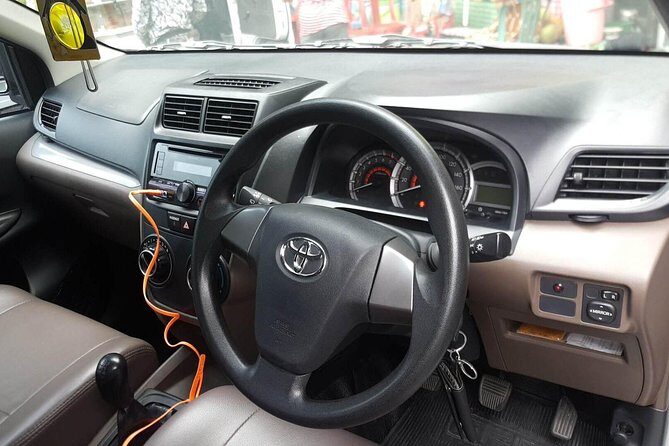
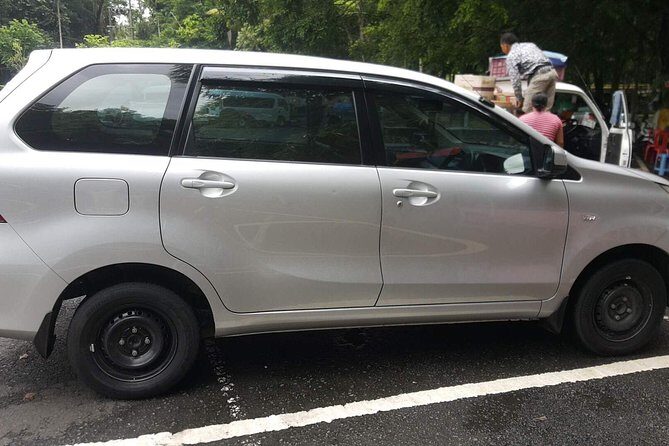
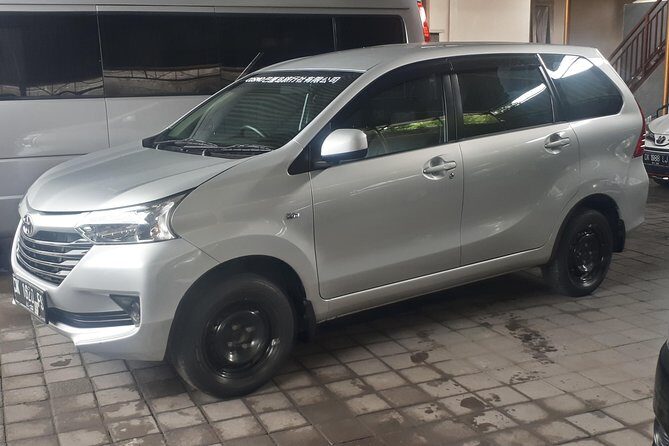
Ubud is great, but the sites are far apart, and Bali traffic can be unpredictable. This is why I like this format: it’s a private tour with hotel pickup and drop-off in an air-conditioned vehicle, and it wraps a bunch of highlights into one day.
Another smart detail is that entrance tickets are included. That matters because it cuts down on the classic Bali time-sink of figuring out what’s paid, what’s not, and where to go next. It also helps you stay calmer when you’re moving between waterfalls, temple compounds, craft villages, and viewpoints.
Finally, this tour is flexible. You can skip some stops to spend more time where you want it—exactly how a good private day should work. Just keep in mind the “best of” list is long, so you’ll want to decide what you’d actually want to repeat if the day gets hot or crowded.
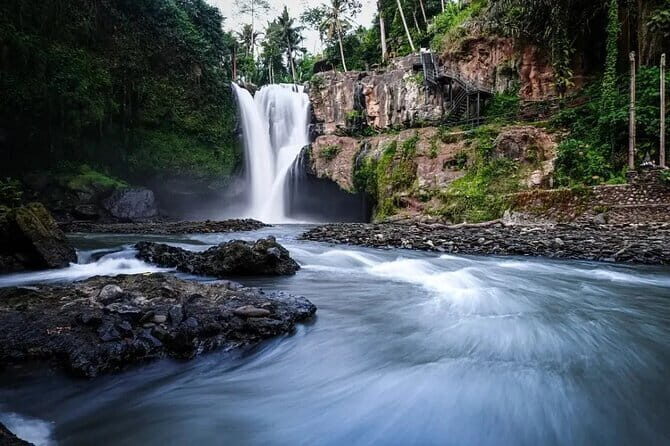
Tegenungan Waterfall: choose your level of adventure
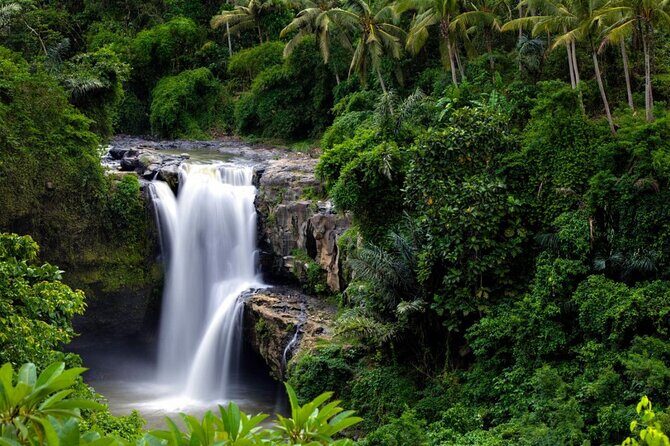
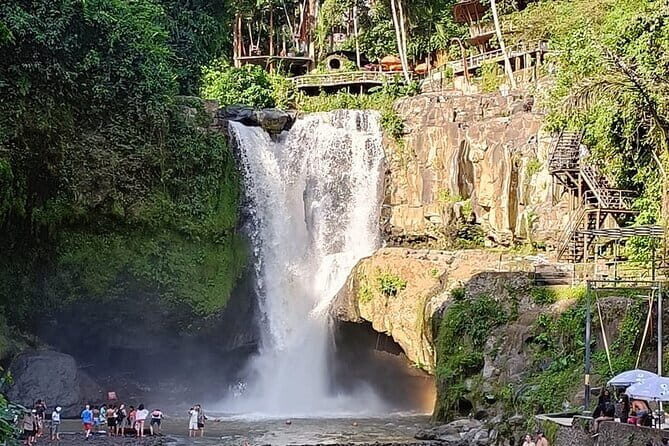
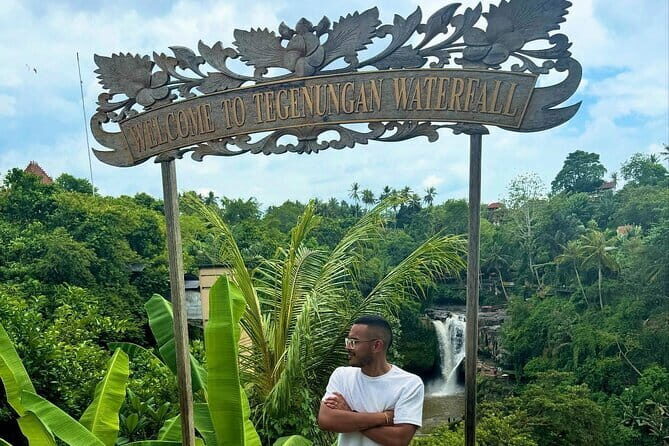
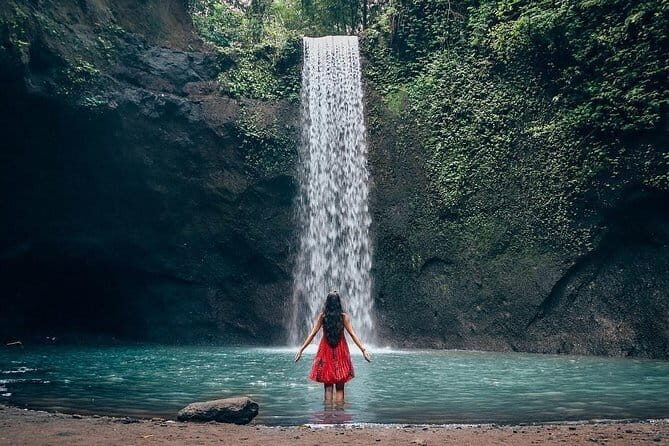
Tegenungan Waterfall is surrounded by tropical jungle, and the key choice here is simple: you can head down toward the water or stay up at the viewing platform for the big panoramic look. Either way, it feels like you left the main road behind.
If you’re the type who likes being close to the action, the path down is where the fun photos come from. If you’d rather avoid wet shoes and extra steps, the viewing area still gives you the main payoff: lush greenery and a waterfall that looks powerful without needing any special gear.
What to watch for: waterfalls mean humidity and slick surfaces. Bring shoes that handle damp ground, and go slowly if you choose to get down to the water.
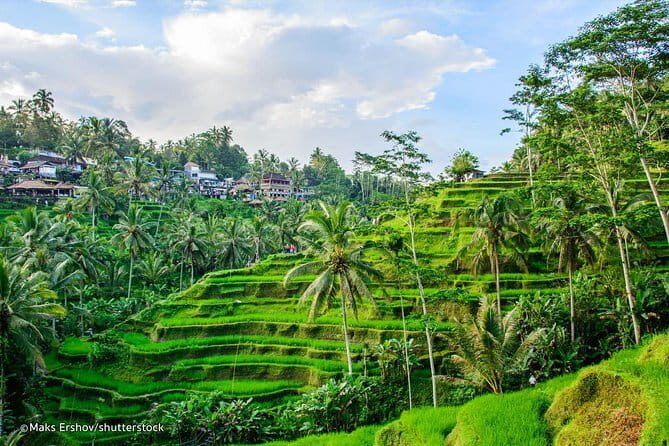
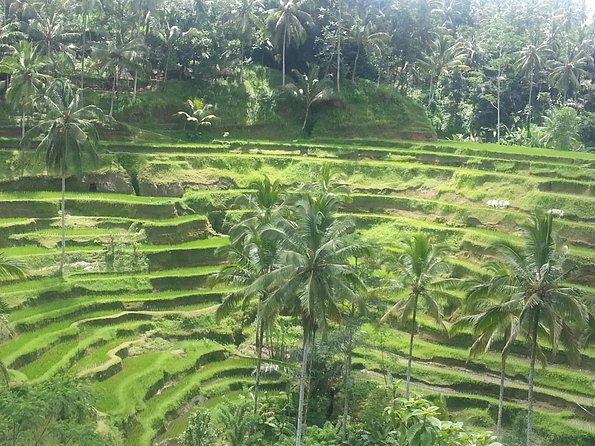
Tegalalang Rice Terrace: photos are good, timing is better
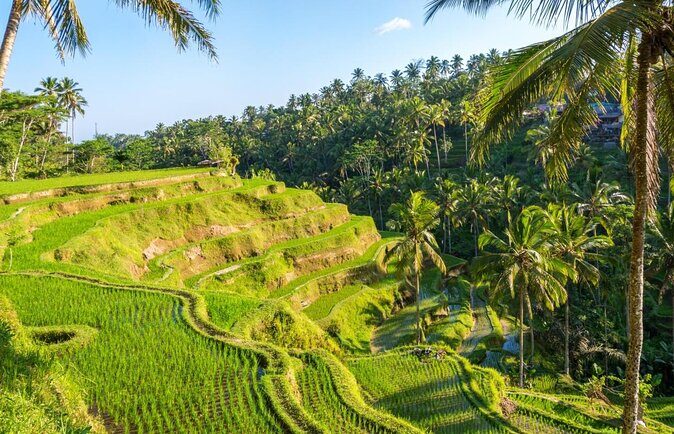
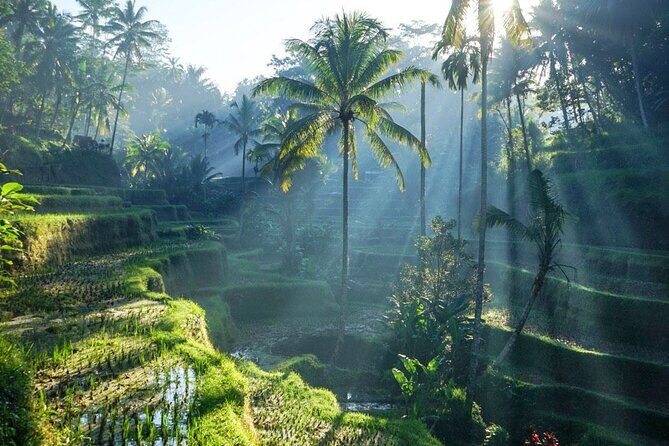
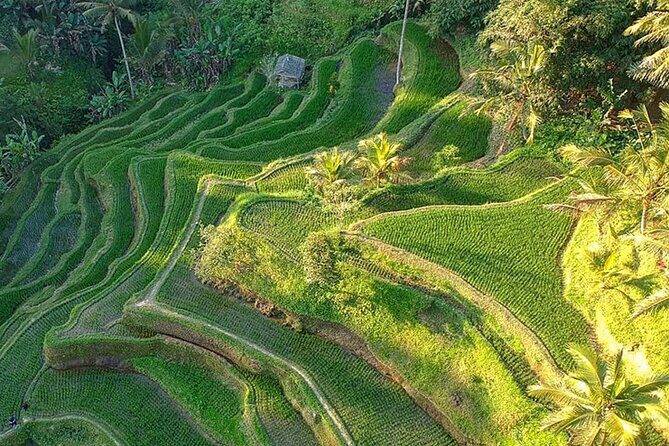
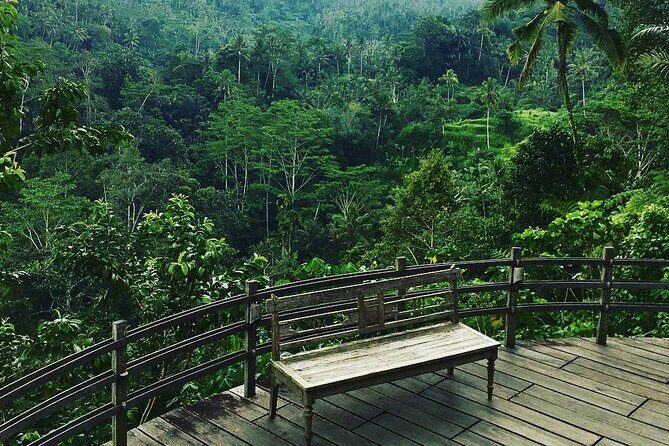
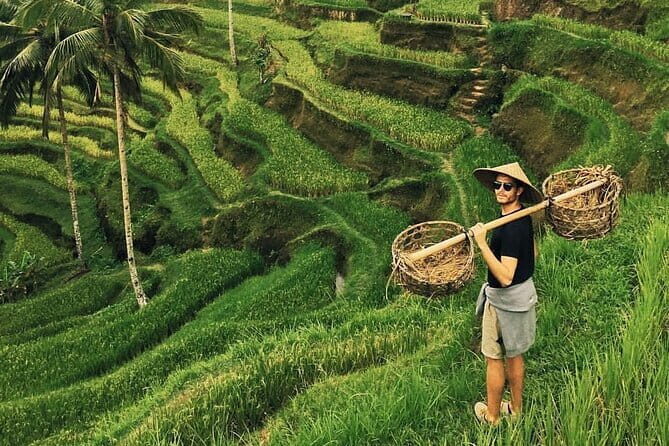
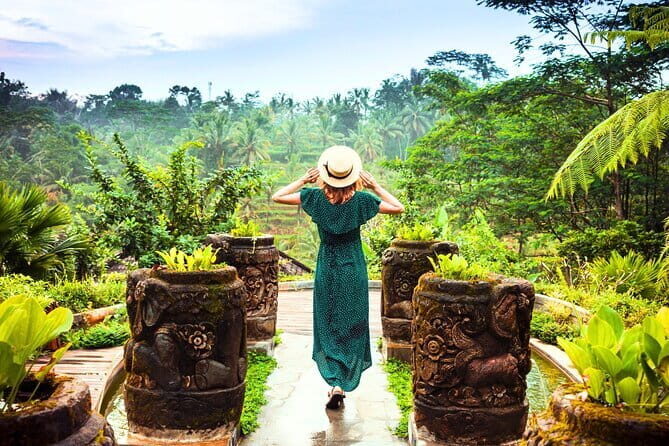
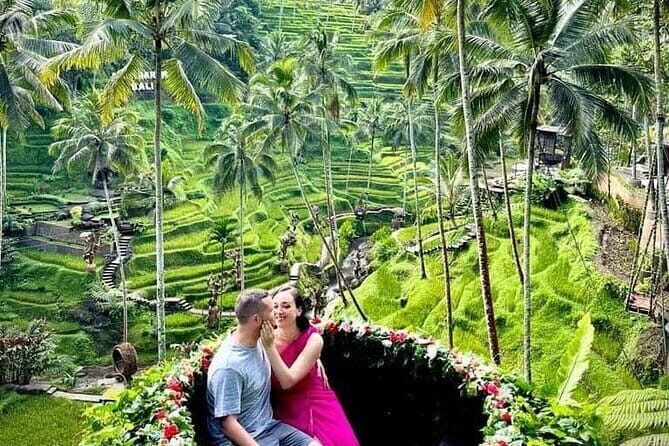
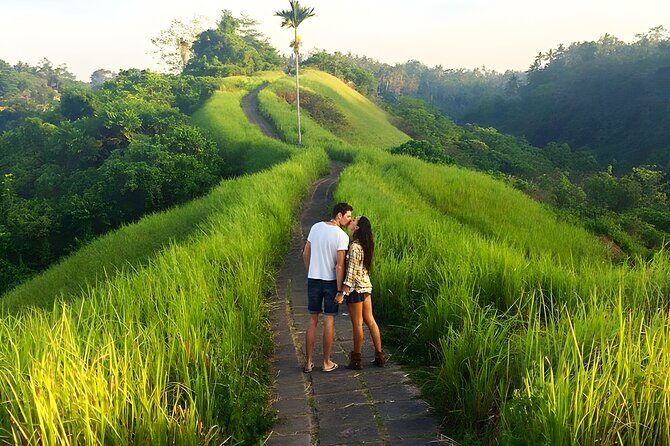
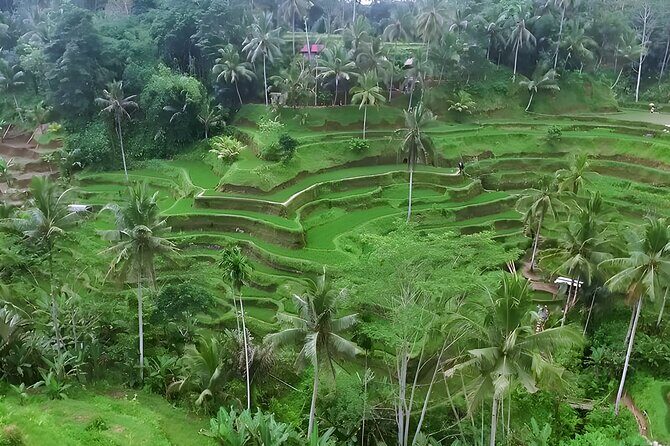
Tegalalang Rice Terrace is one of Bali’s most famous rice field scenes, and for good reason. Expect green paddies, farmers’ daily life, and lots of photogenic angles as you stroll through the area.
This stop is also the one where flexibility helps most. With a private driver who can wait, you’re not forced into a “look from the bus window” approach. If you’re aiming for clearer photos, you’ll want to arrive with a plan: where you’ll walk first, which viewpoints you’ll try, and where you’ll stop for a slower pace.
Practical tip: plan your photos, then spend real time walking. The rice terraces are the kind of place where the details—irrigation, textures, and daily work—make it more than a postcard.
Sacred Monkey Forest Sanctuary: temples, shade, and the monkey factor
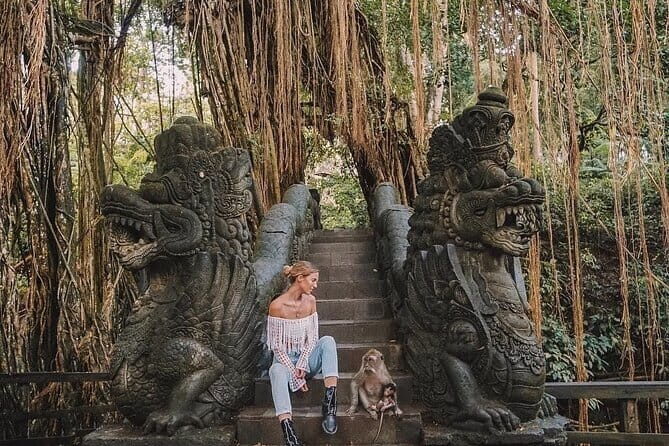
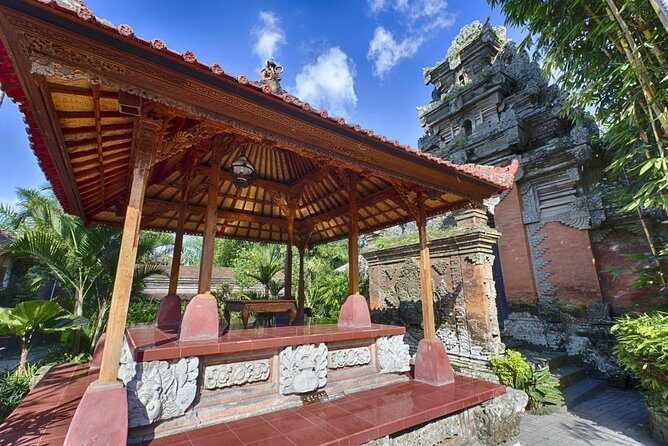
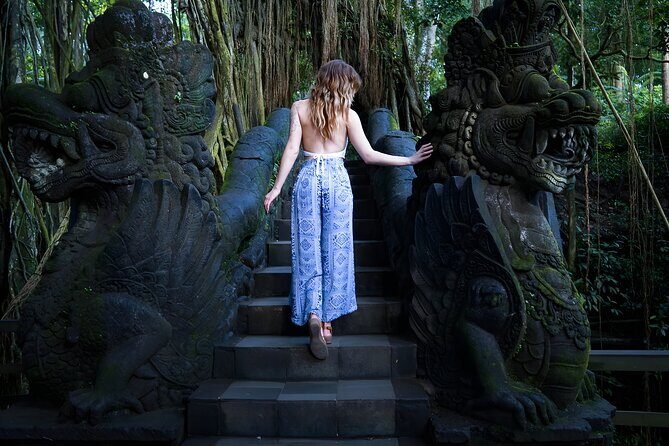
The Sacred Monkey Forest Sanctuary is a tropical rain-forest setting with tall trees, shady paths, and a resident group of monkeys. There are also multiple temples inside the forest, which turns it from a quick zoo-style stop into a more interesting cultural walk.
I like this stop because it mixes nature and temple architecture in the same shaded circuit. You get tall canopy and gentle walking, plus the chance to see small religious spaces tucked into the greenery.
Important reality check: this is a monkey area. Keep bags secure, don’t tease the animals, and expect them to act like monkeys—curious, quick, and sometimes bold. If you go in with calm patience, it’s a fun and memorable stop. If you go in stressed, it can feel chaotic.
The Ubud mix: swing views, palace time, and market wander
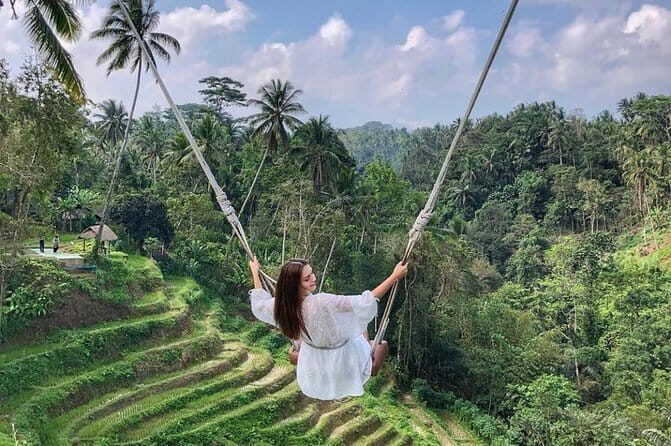
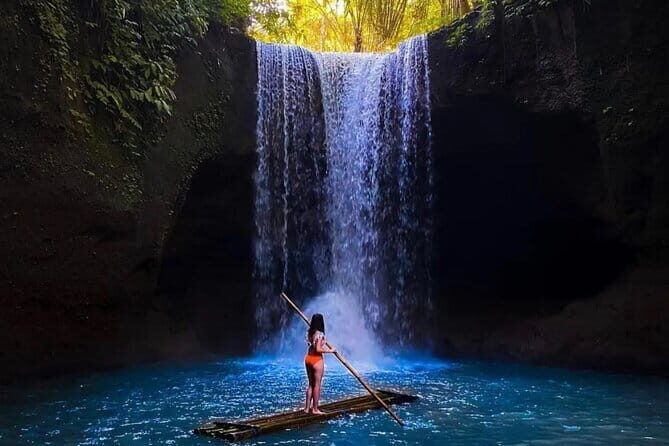
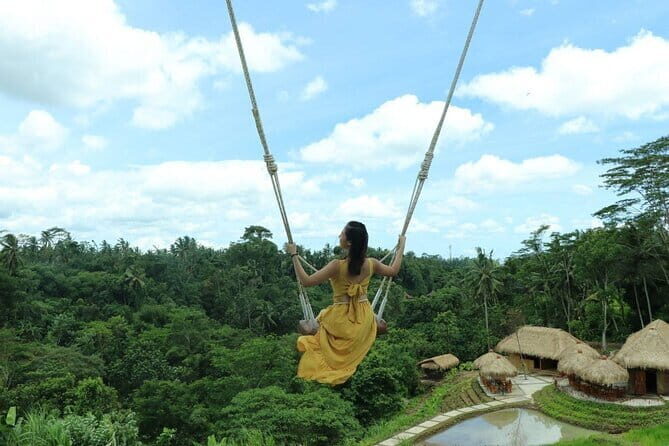
A “best of Ubud” day usually lives on variety, and this one does exactly that. You can fit in an aerial jungle swing experience over a dense jungle area and the Ayung River. The value here is the photo opportunity plus the adrenaline bump—especially if you want a Bali moment that isn’t just looking.
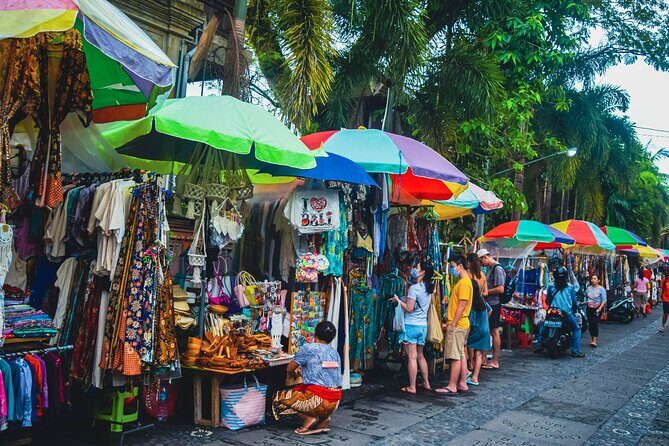
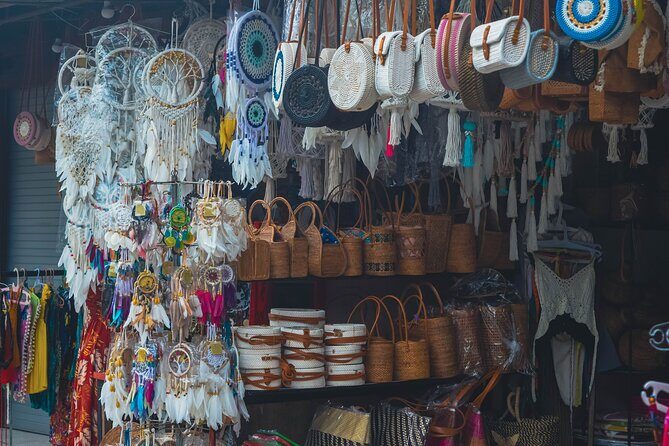
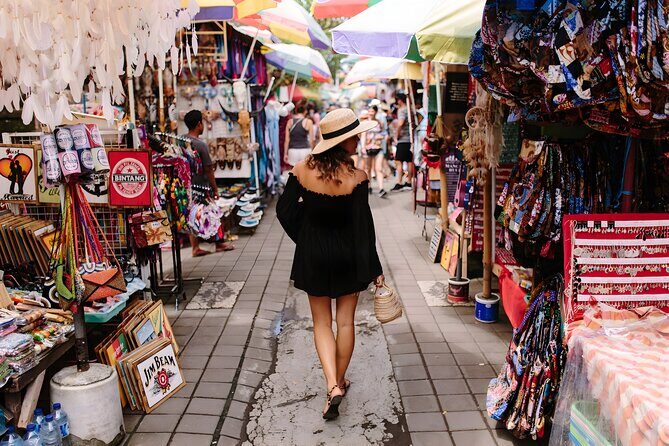
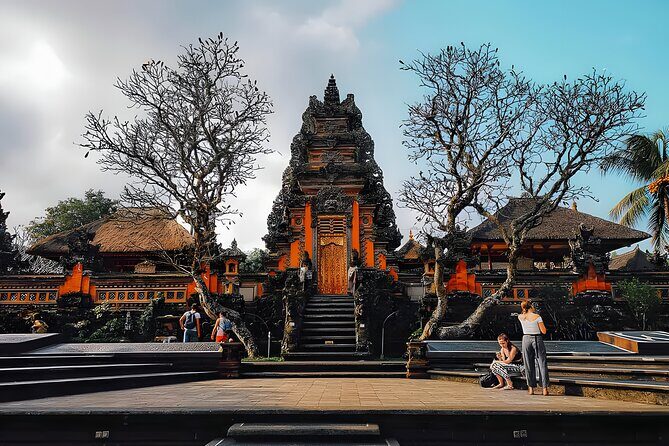
Then you’ll move into classic Ubud culture stops like the Ubud Palace complex (Puri Saren Agung). Even if you’re not a palace super-fan, it helps to see how the royal past shaped the town’s layout and style. The palace area also makes a natural starting point for the next stop: Pasar Ubud, a market packed with textiles and craft items like silk scarves, lightweight shirts, woven bags, and paintings.
My advice: don’t treat the palace and market as separate errands. Pair them as a “slow culture block.” Spend time looking first, then decide if you want to buy. That way you avoid the rushed buyer’s regret that happens in markets when you feel pushed by time.
There’s also a canyon-side stop described as having a river waterfall view. It’s the kind of place that’s best for a breather: step out, scan the view, and use it as a reset before the next major temple or craft stop.
Tirta Empul, Mas wood carving, and Celuk jewelry: hands-on Balinese crafts
If you want your day to feel grounded in how people actually make and use things, the craft and ritual stops are excellent.
Mas Village is known as a center for Bali wood carving. That’s the kind of place where you’ll understand why Bali decor looks the way it does: the carvings aren’t random. They connect to local style, religious influences, and traditional skill.
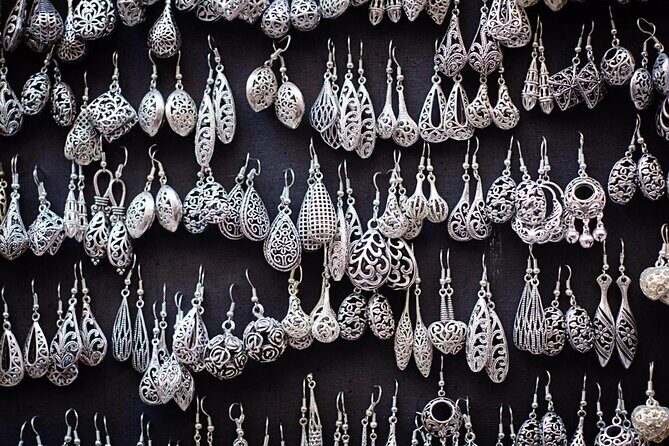
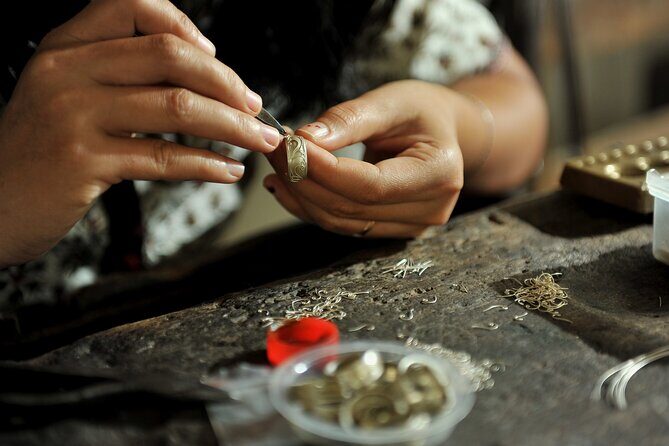
Next up is Celuk Village, famous for high-grade gold and silver handicrafts, especially jewelry. Even if you don’t plan to buy, it’s worth watching the craft focus. Jewelry here isn’t only about sparkle—it’s about workmanship, detail, and the long road from raw material to finished piece.
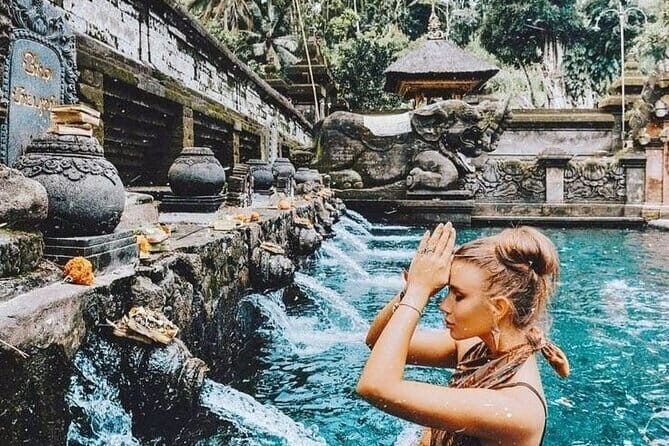
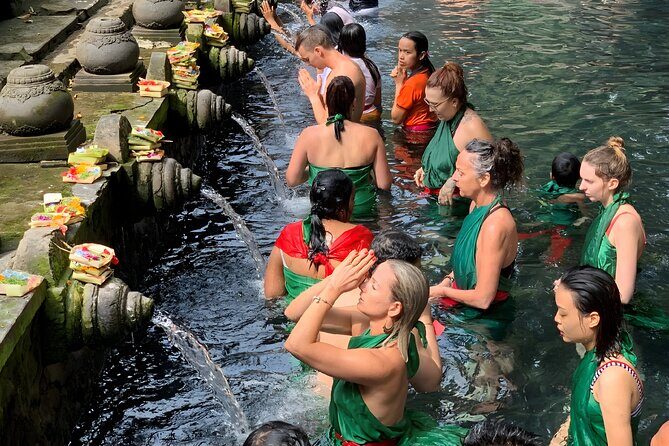
Then comes Tirta Empul, a temple compound known for its holy spring water and ritual purification. The place is associated with a petirtaan bathing structure and a spring flowing with fresh water that Balinese Hindus visit for purification rituals. This is one of the most meaningful stops on the day because it’s not just scenic. It’s spiritual in a lived way.
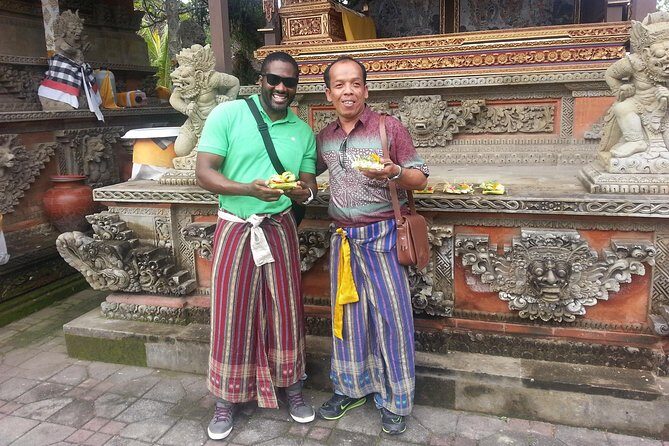
Practical note: Tirta Empul is a temple setting. Wear clothing you’re comfortable moving in, and use the sarong provided for entering temples.
Batuan Temple and Gunung Kawi: older sites with serious carvings
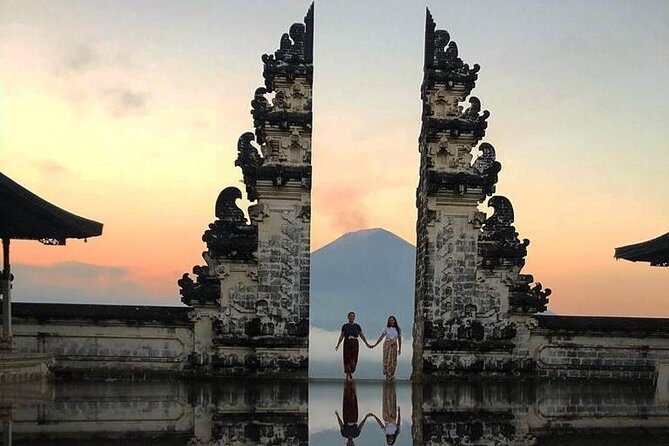
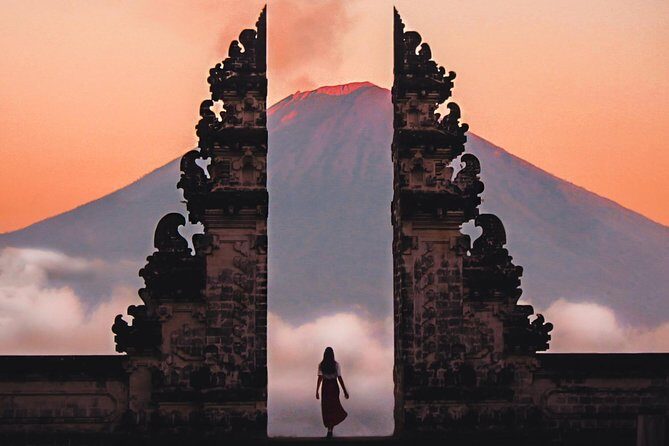
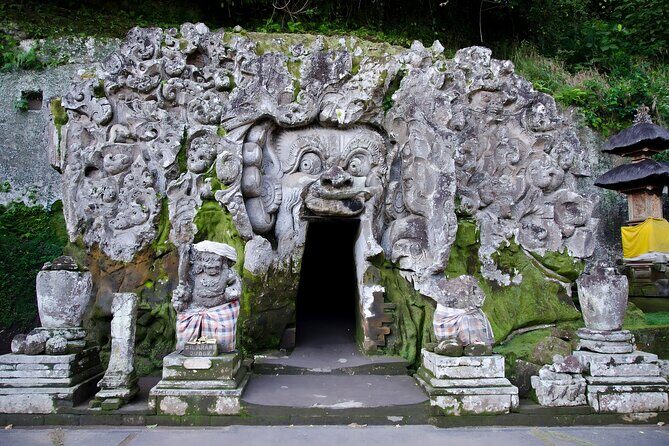
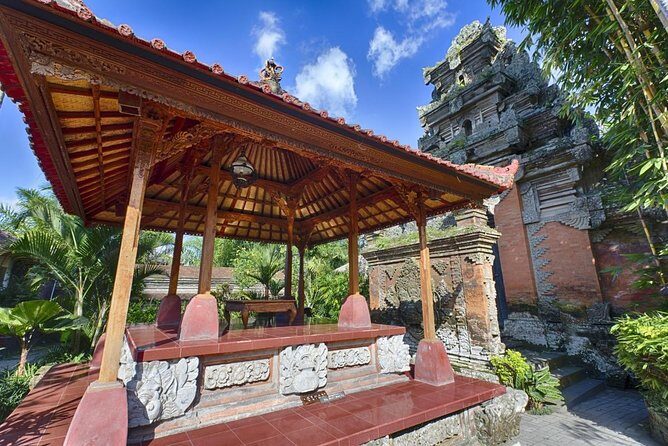
Batuan Temple is described as dating back to 1020 AD, founded in 944 Saka. That’s early enough that you can feel the scale of time here. It’s known for its ornate, elaborate carvings and decorative ornaments and shrines.
If you’re the type who enjoys looking closely, this is a great contrast to more tourist-frequented stops. There’s a lot to take in visually, and the carvings make it feel like you’re walking through a snapshot of religious art from centuries ago.
Later, Gunung Kawi appears as an 11th-century temple and funerary complex across either side of the Pakerisan River. It’s spread across the river, and the description mentions rock-cut candi (rock-cut shrines). These older complexes tend to reward slow pacing. Don’t rush the details if you want the place to feel real.
GWK Cultural Park and the big “Bali icon” moments
The itinerary also includes Garuda Wisnu Kencana (GWK) Cultural Park. This is a 240-hectare cultural park complex built around a massive 150-meter statue of Vishnu with the mythical bird.
This kind of stop works for different travelers:
- If you like iconic “I’m really here” landmarks, you’ll enjoy it.
- If you prefer quiet temple circuits, you might treat it as a quick photo and viewpoint stop.
Either way, it’s a good way to break up a day of temples and gardens with something dramatic and modern-looking. Just make sure you don’t try to cram it in at the expense of the earlier nature and temple stops that you personally cared about most.
When the route stretches beyond Ubud: pick your beach and keep it sane
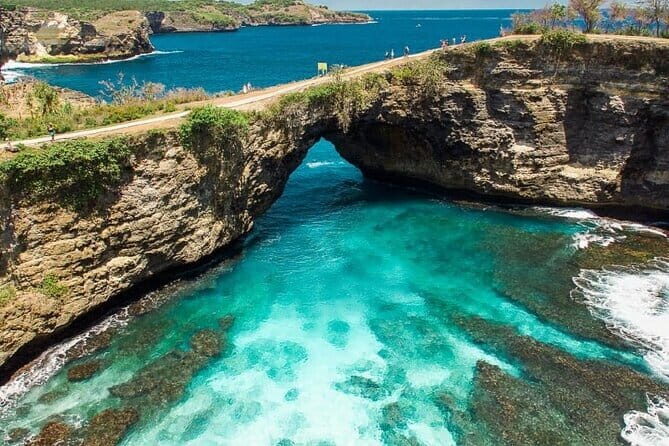
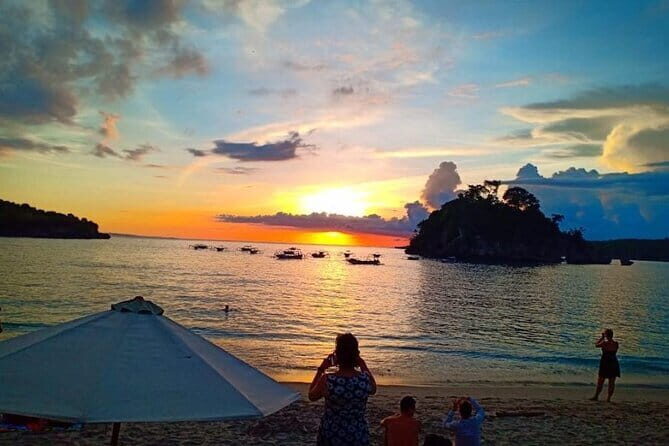
The name of the tour points to Ubud, but the plan can extend to beaches and other famous Bali areas—depending on what you choose. This is where your “skip options” matter a lot.
Some of the beach stops listed include:
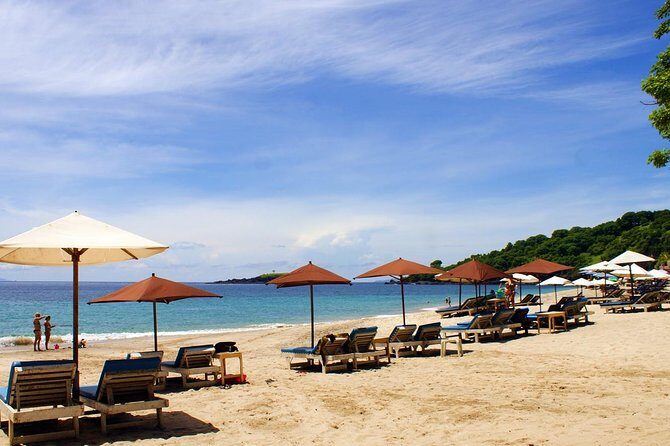
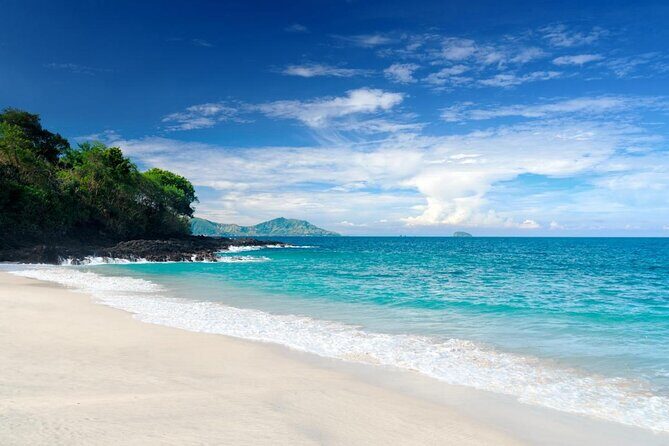
- Kuta Beach, with famous sand and blue water
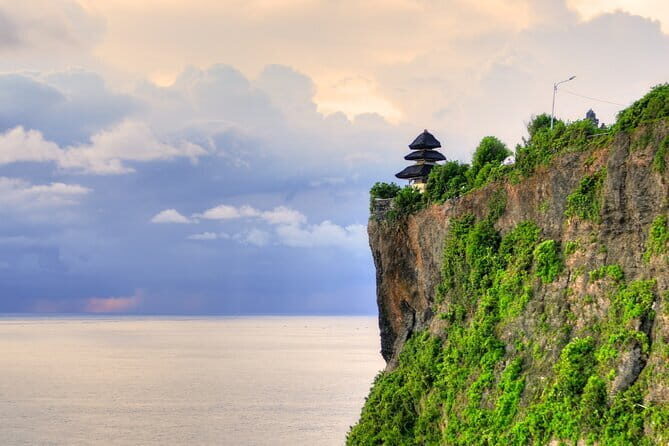
- Padang Padang Beach, known for its bay setting and views from a cliff
- Pandawa Beach, with white sand and clear water
- Geger Beach (Nusa Dua), with golden-white sand and a family-friendly vibe noted by the description
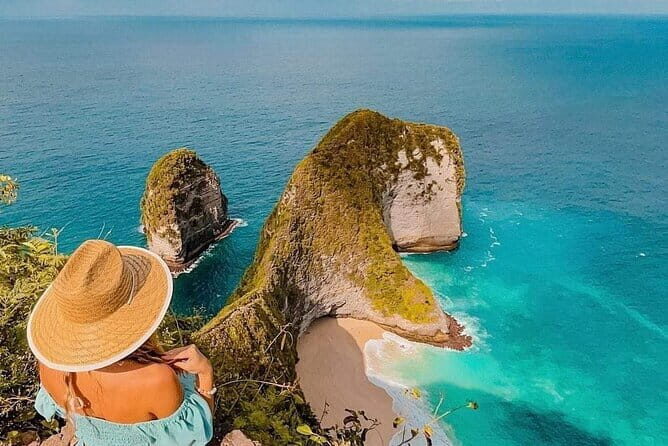
- Additional smaller beach stops like Padang Padang-style bays and others around the coastline
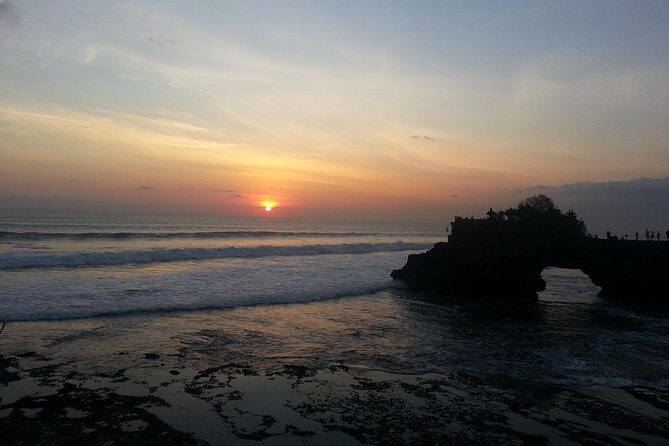
There’s also mention of Pura Blanjong, a temple built from coral by the coast, with inscriptions dating to the 10th century. That’s the kind of detail that makes a beach stop more than just swimming time.
My honest take: beach hopping is fun, but it can turn into “too many transitions” if you squeeze it all in. If you’re short on energy, keep one beach stop and spend more time there. If you’re doing the Ubud highlights plus beaches, prioritize shade breaks and water, because that’s what keeps the day enjoyable instead of stressful.
Transportation, timing, and comfort: what’s included and why it matters
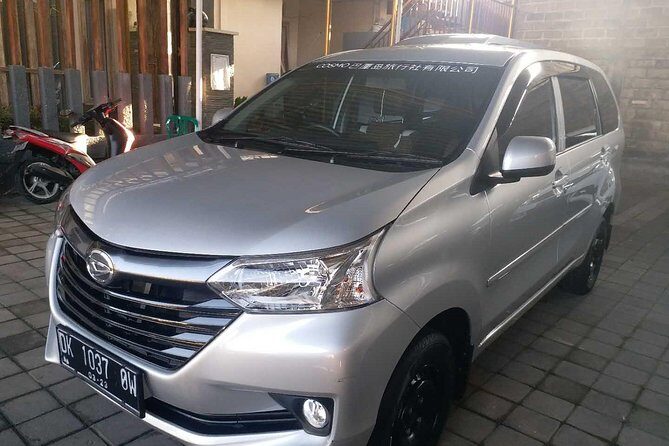
This tour includes hotel pickup and drop-off, plus a/c vehicle and private transportation. It also includes fuel surcharge and parking fees, which helps keep the day running smoothly without surprise add-ons.
The route is built for an all-day experience, with an overall duration around 8–10 hours. Some parts are explicitly timed around 1 hour, such as Tegenungan Waterfall, Tegalalang Rice Terrace, and the Sacred Monkey Forest Sanctuary. Campuhan Ridge Walk is also listed as a 1-hour free admission walk.
Because it’s private, your driver can also wait. In the review examples, punctuality and waiting at attractions were called out as a key reason the day felt flexible. That’s important: if you’re paying for a private day, you want to feel like you’re steering the pace, not just being shuffled between stops.
Also, you’ll get a sarong for entering Balinese temples. That’s not just convenient. It’s one less thing to pack or scramble for at the last minute.
Price check: $67.41 per person and what you’re actually paying for
At $67.41 per person, this isn’t a “cheap and cheerful” tour, but it also isn’t priced like a luxury multi-day package. The value comes from what’s bundled.
You’re getting:
- Hotel pickup and drop-off
- A/c private vehicle and parking/fuel coverage
- Sarong for temples
- Entrance tickets
- Entrance tickets for the listed stops
When entrance fees and transport are handled, the effective cost per site can look much better than piecing it together yourself, especially when places are scattered. And the private format matters: you avoid the waiting and slow pacing that often come with shared shuttles.
One note: lunch is not included. If you plan to eat on the go, build that into your budget and energy planning. Your best day is the one where you’re not hungry and rushed.
Who should book this private day, and who should choose shorter
This tour fits best if you:
- Want a one-day hits-and-highlights overview with time to adjust your pace
- Like mixing nature (waterfall, rice terrace) with temple and craft culture
- Prefer private transport so you spend more time looking and less time traveling between random points
You might want to skip or shorten it if you:
- Want a calm, slow Ubud only day with minimal driving
- Don’t want to deal with monkey forest realities
- Would rather not stack beaches and big attractions onto the same timeline
Should you book this tour?
I’d book it if your goal is to cover Ubud’s top experiences with minimal headache, especially because entrance tickets and temple sarongs are handled, and the private vehicle makes timing more comfortable. It’s also a smart choice if you know you’ll appreciate flexibility—slowing down at Tegalalang or the monkey forest can make the difference between rushing and actually enjoying the place.
I’d hesitate only if you’re the type who hates long days. The list is wide, and the best results happen when you choose what you truly want instead of trying to do everything.
If you want, tell me where you’re staying (Kuta, Seminyak, Ubud, etc.) and what you most want—waterfall, rice terraces, temples, swings, or beaches—and I’ll suggest a simple way to trim the stops into a smooth 8–10 hour plan.
FAQ
What’s included in this tour price?
Entrance tickets for the listed stops, hotel pickup and drop-off, a sarong for temple visits, an air-conditioned vehicle, fuel surcharge, parking fees, and private transportation are included.
Is this a private tour?
Yes. It’s a private tour/activity, so only your group participates.
How long is the tour?
The total duration is about 8 to 10 hours.
Can I skip stops or adjust the route?
Yes. The tour description says you may skip some sites if you want to spend more time on specific objects.
Is lunch included?
No. Lunch is not included.
Does the tour offer hotel pickup in my area?
Free pickup is listed for several areas, including Kuta, Seminyak, Ubud, Nusa Dua, Sanur, Jimbaran, Canggu, Legian, Denpasar, and Benoa Harbor. You’ll provide your hotel/villa name and a WhatsApp number for coordination.














.jpg)
.jpg)
.jpg)
.jpg)
.jpg)
.jpg)
.jpg)
.jpg)

.jpg)
.jpg)
.jpg)
.jpg)
.jpg)
.jpg)
.jpg)
.jpg)