A quiet river-temple moment in Bali. This tour mixes a hands-on purification ceremony with real village rhythm in Balikaru, near Mount Batukaru, plus a calm jungle walk through spice and herb gardens. You’ll learn the meaning behind each ritual from the priest (a Mangku) and take part in blessings meant to refresh body and mind.
Two things I really like: the day stays personal because the group is capped at 6 travelers, and you get guided cultural context, not just photos. The main drawback to consider is that the purification/blessing has restrictions: it’s not permitted during female menstruation and for pregnant women.
6 key moments that make this tour special

- Small-group format (max 6) for a calmer, more personal ceremony
- Rindik lesson before you step into the temple rituals
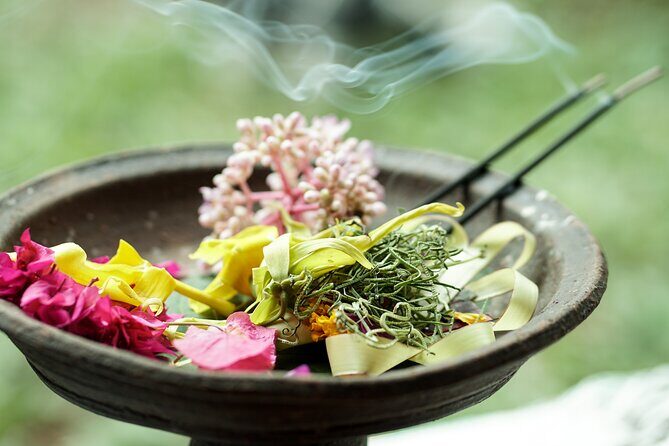
- Mangku-led blessing at a sacred temple beside a secluded river
- Temple clothes + offerings provided so you can participate respectfully
- Warung Balikaru homemade lunch (nasi campur tumpeng)
- Belulang Hot Springs stop to unwind in natural sulfur water
A Jungle Temple Blessing That Feels Personal
.jpg)
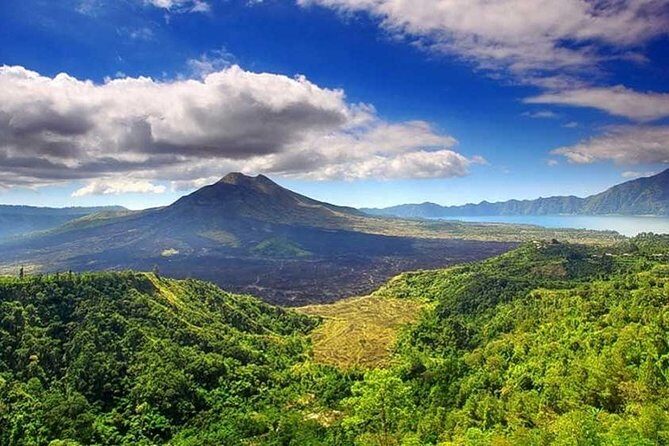
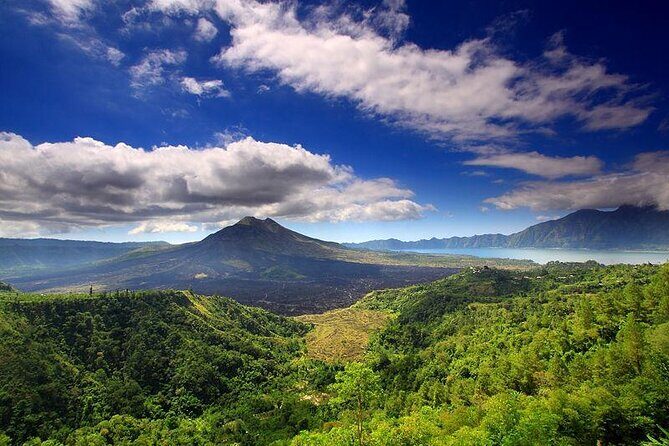
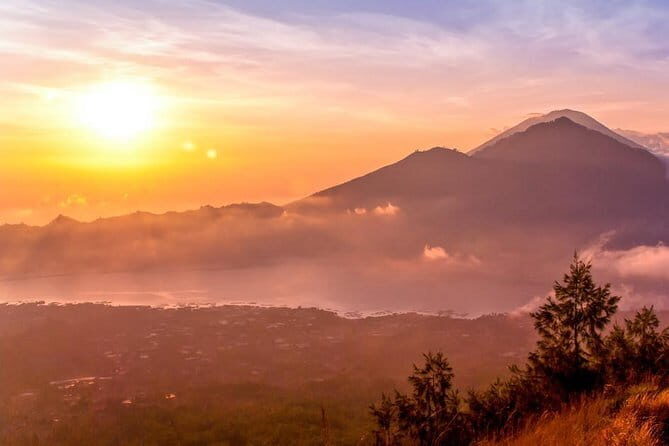
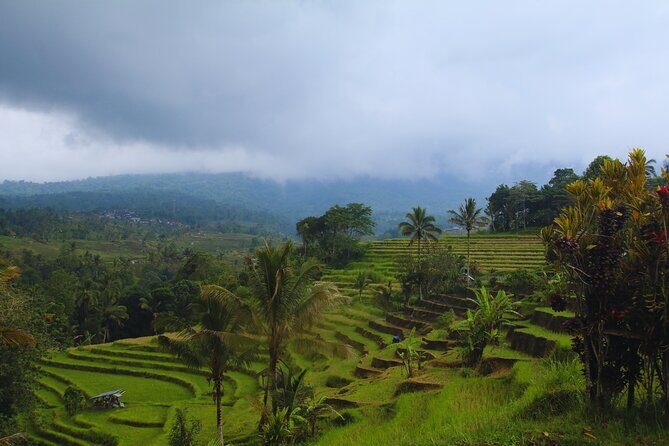
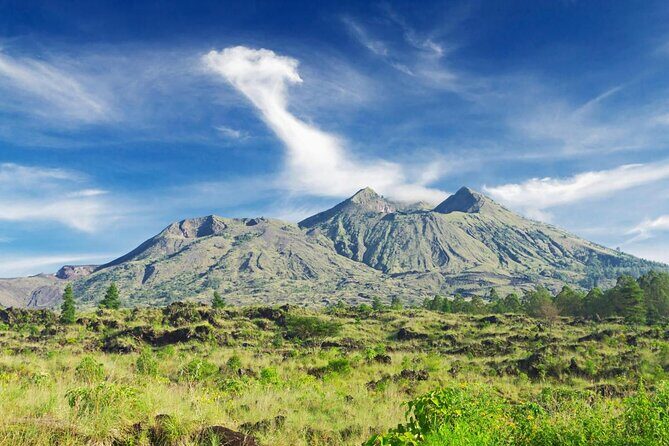
This is one of those Bali experiences that doesn’t try to be loud or theatrical. It’s spiritual, yes, but it’s also practical: you get dressed, you follow the flow, and you understand what you’re doing while the setting does its job. You start in the mountains at the foot of Mount Batukaru and spend the morning and early afternoon with Balinese traditions that are part of everyday village life.
The value is in how the day is structured. First, you warm up your senses with nature: a walk through a spice and herb garden, then music training with Rindik (a traditional bamboo instrument). After that, the experience shifts into the temple space where the Mangku guides the blessing and purification. That transition matters because it sets the mood without rushing you.
I also like that the focus is on feeling and meaning, not performance. You’re given the chance to step into a local spiritual day—while the tour team emphasizes minimal impact on nature and village life. In other words, this isn’t about taking over the place. It’s about participating in a way that respects the community.
One last note: this is a group tour, but it’s small. You’re not stuck in a big crowd, so questions feel easier and the pace stays human.
Where It Happens: Balikaru at the Foot of Mount Batukaru
.jpg)
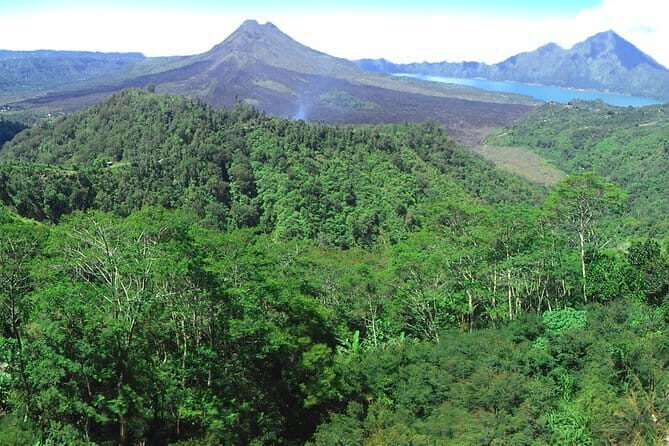
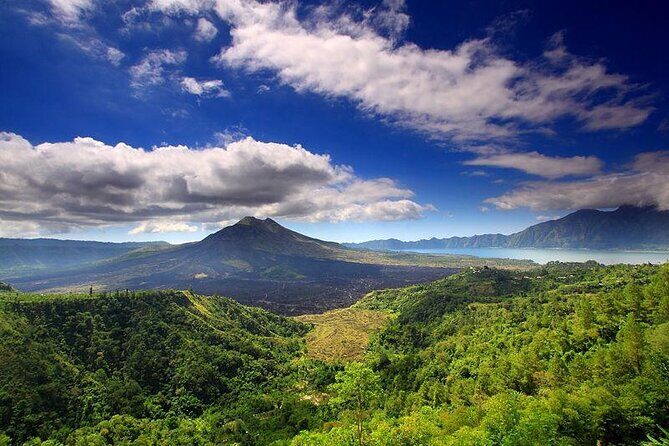
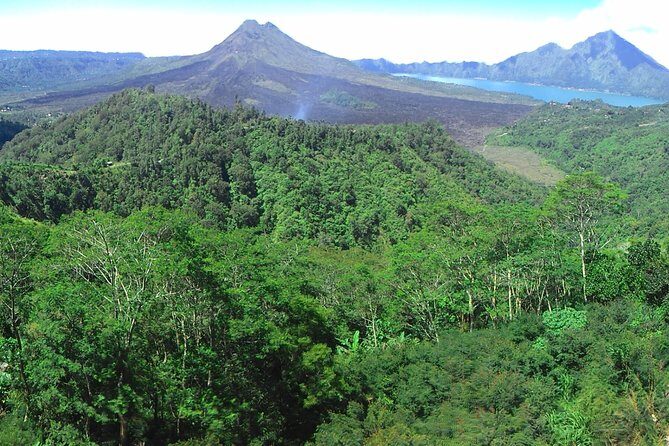
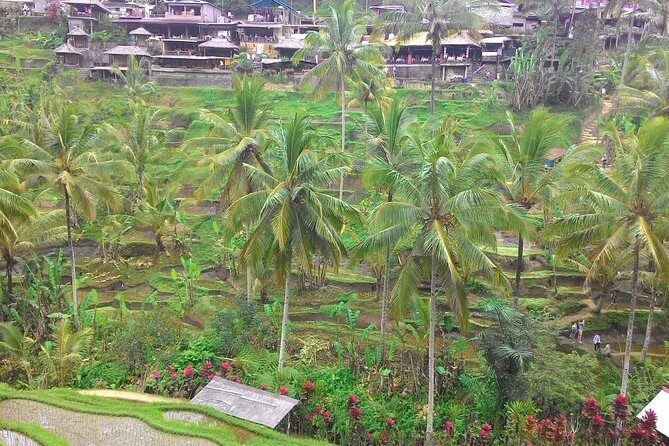
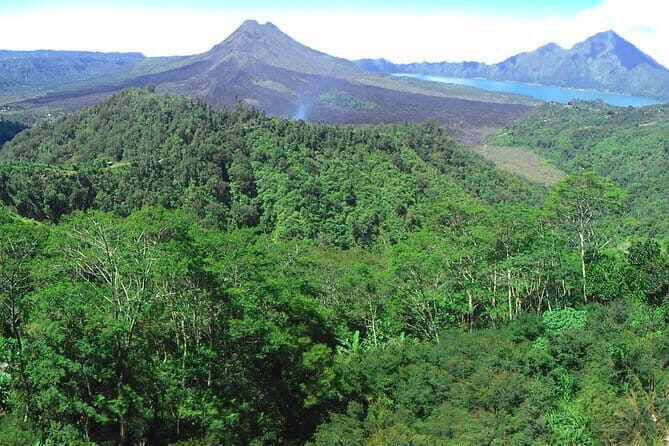
Your day is centered around Balikaru Village in the Mengesta area (near Penebel) in Tabanan. The setting is mountain-country Bali. That matters because the tour isn’t marketed like a beach-day sightseeing circuit. You’re moving through cooler, greener scenery tied to farming and local belief.
You begin at Warung Balikaru (9:00 am start). From there, you’re guided through the day’s stops: spice and herb garden, the temple ceremony at a sacred site near a secluded river, a homemade lunch back at the village warung, then a rice-field and farm visit, and finally Belulang Hot Springs.
If you’re hoping for a fast checklist of temples, this might feel slower than you expect. But if you want a grounded cultural experience—where religion, agriculture, and daily routine connect—this area fits that goal. The day’s design keeps pulling you back to the same theme: spirituality is woven into ordinary life here.
Morning Setup: Spice and Herb Gardens, Then Rindik Music
.jpg)
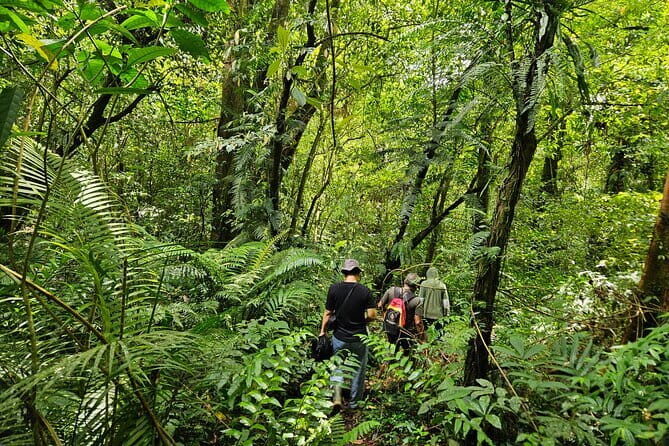
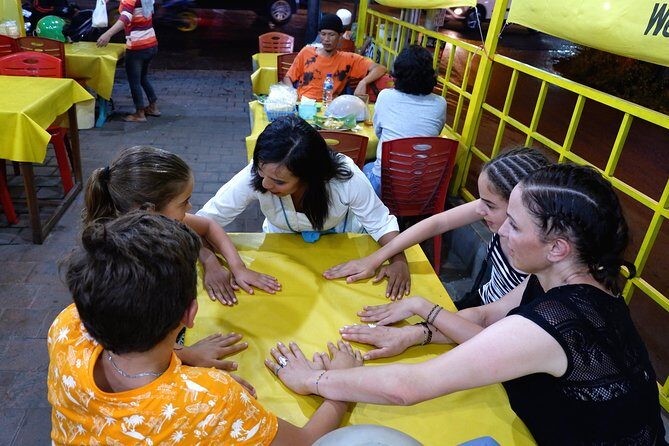
Before the purification ceremony, you get a gentle on-ramp. You start with a guided walk through a spice and herb garden. This isn’t just pretty plants for photos. You’ll explore tropical plants, spices, and herbs, and the pacing helps you settle into the surroundings.
From there, you learn Rindik. This is a traditional Balinese bamboo instrument, and you’re not just watching it being played—you’ll be helped to learn. That’s a smart move because it does two things at once: it gives you a hands-on cultural moment, and it keeps your energy steady for what comes next.
I like that the tour team times this part well. Music comes right before the temple ritual. It helps you shift from “tour mode” into “participant mode.” It also gives you something memorable that’s not just about the temple itself. When you later hear the sound of sacred bells, it lands differently because your ears and body have already been guided through the day’s rhythm.
Practical thought: plan for humidity and walking on uneven ground. The garden stop and village paths are part of the experience, so comfortable footwear helps.
Meeting the Mangku at the Sacred River Temple
.jpg)
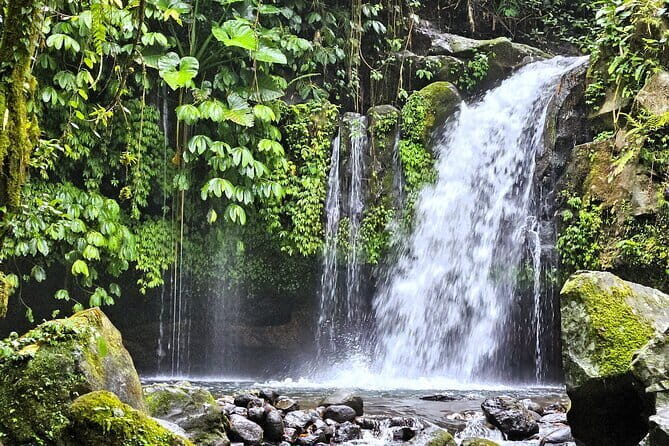
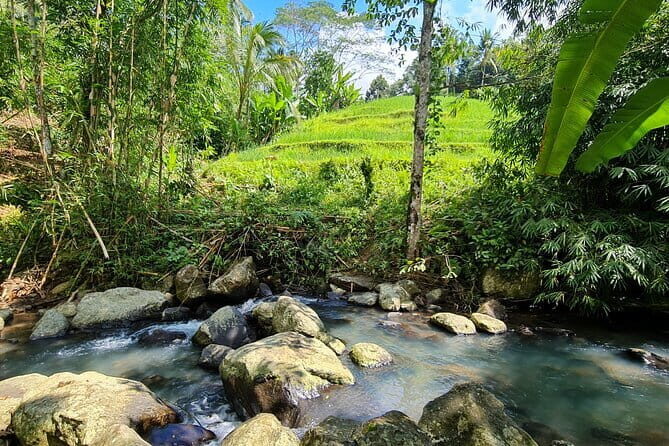
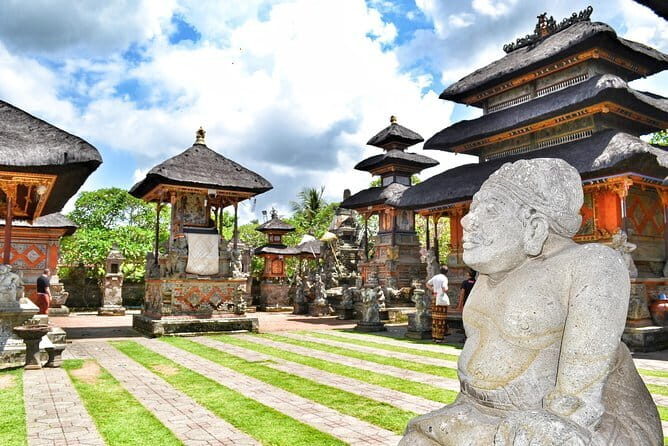
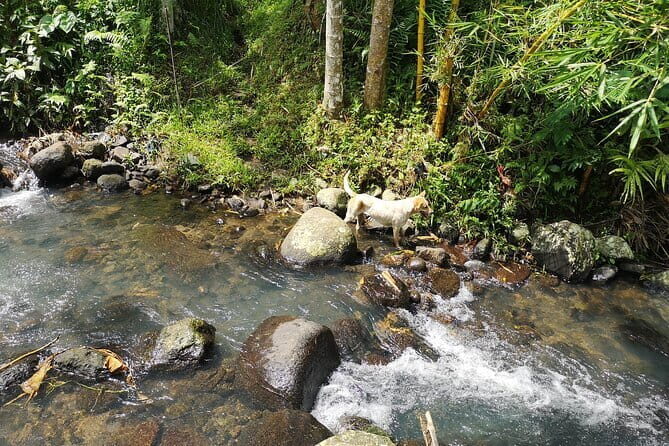
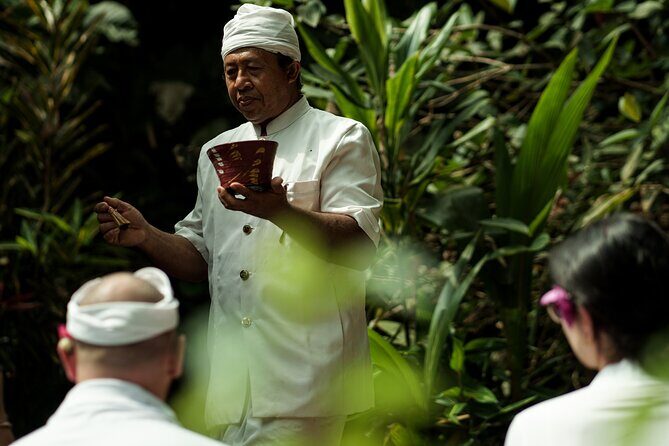
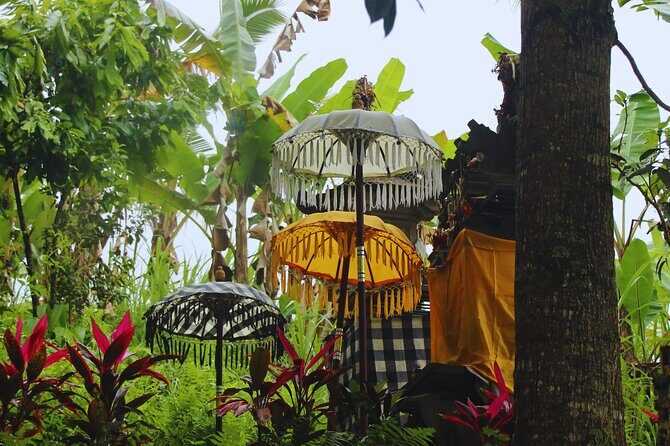
The centerpiece is the Balinese purification and blessing ceremony, led by the Mangku, the local temple priest. You’ll be taken to a sacred temple located at a magical spot next to a secluded river.
This is where the day becomes deeply “Bali,” but in a real, day-to-day way rather than a museum version. The guide shares the meaning behind each ritual, so you’re not left guessing what’s happening. You’ll listen to the sound of sacred bells during the ceremony, and you’ll experience the blessing and purification as more than a spectacle.
You’ll also dress for the temple. The tour includes offerings and temple clothes rental, and the team helps you get dressed. That’s an important detail because it removes friction. Instead of scrambling for the right clothing or trying to guess etiquette, you follow the flow with support.
What you take away depends on your mindset. If you’re open, you’ll likely feel the day slow down. If you’re rushing or treating it like an activity badge, the impact won’t be the same. The ceremony is meant to make space—body and mind—so you can reorient and feel ready for new experiences afterward.
Also worth noting: this tour emphasizes respectful, minimal impact on nature and local life. That’s a better fit for travelers who want their spirituality to come with care.
How the Purification Works (and Who Should Skip It)
.jpg)
At its core, this is a guided blessing and purification ceremony. You participate with the Mangku at the temple, using included offerings and rented temple clothes. The guide explains the meaning behind the rituals, and you’re surrounded by the sounds and atmosphere that typically accompany ceremonies like this.
The biggest consideration is eligibility. The purification/blessing is not permitted during female menstruation and for pregnant women. If either applies to you, it’s better to skip this particular ceremony to avoid causing issues on the day. If you’re unsure, check with the provider when booking.
There’s also the practical side of being in a temple setting: you’ll be asked to follow ritual instructions. You don’t need to be religious to participate, but you do need to be respectful and ready to listen.
You should also understand that the experience is designed for reflection. It’s not timed like a performance where you get to move to the next station. It’s a ritual with meaning, so build in patience.
If you want a spiritual day that doesn’t feel fake, this is one of the stronger options in Bali. You get guidance, you get context, and you’re not just dropped at a temple entrance.
Lunch at Warung Balikaru: Nasi Campur Tumpeng in the Village
.jpg)
After the ceremony, you eat. And in Bali, that matters because lunch can either be a tourist trap or a genuine part of the day.
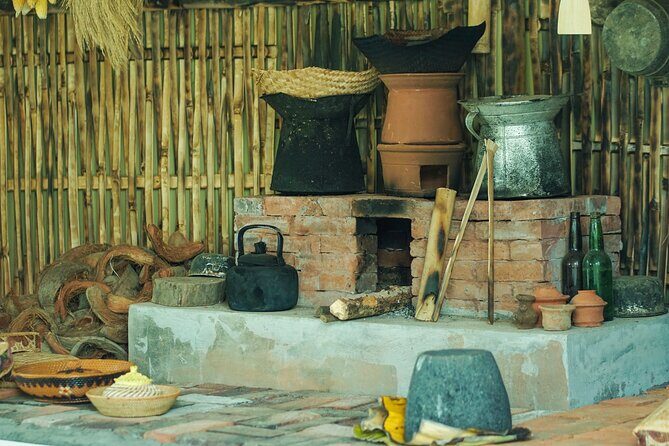
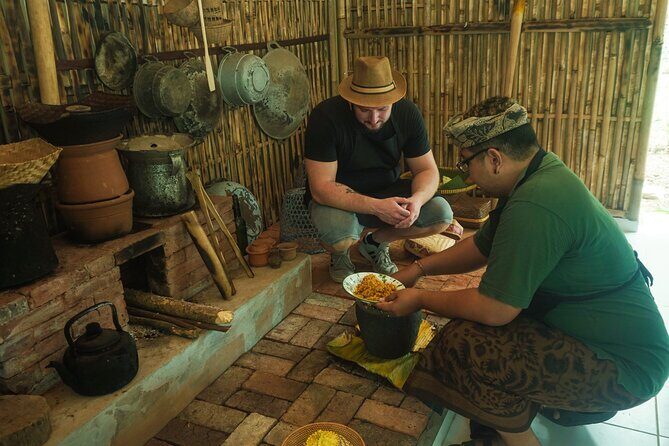
Here, you get a homemade Balinese lunch at an authentic village warung. The meal included is nasi campur tumpeng. This is the kind of food that helps you feel the local rhythm again after the quieter temple time.
I also like that the tour makes space for dietary needs. Vegetarian options are accommodated if you indicate it in special requirements when booking. So you’re not forced into eating something random just to keep the schedule moving.
This lunch stop is more than calories. It’s part of how you connect with the village setting: you eat where you spend time, not somewhere designed to look like it’s “in the jungle.” It adds warmth and normalcy after a sacred morning.
Rice Fields, Balikaru Farm, and Stingless Trigona Bees
.jpg)
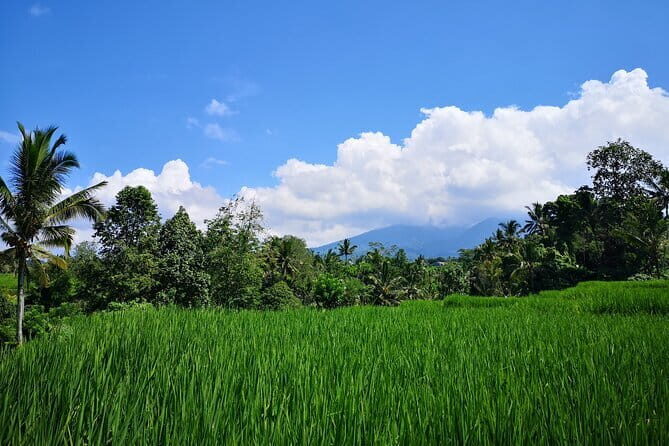
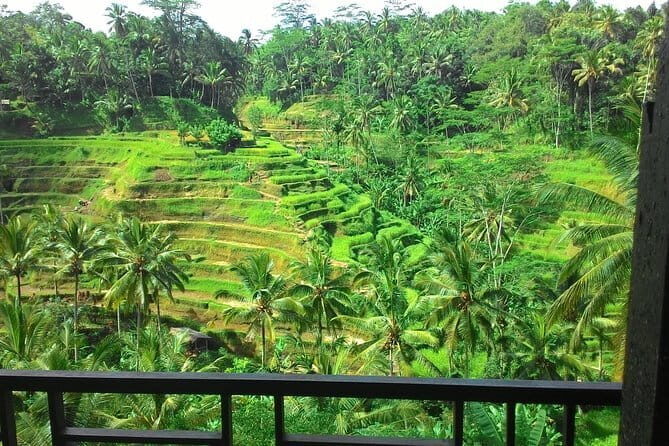
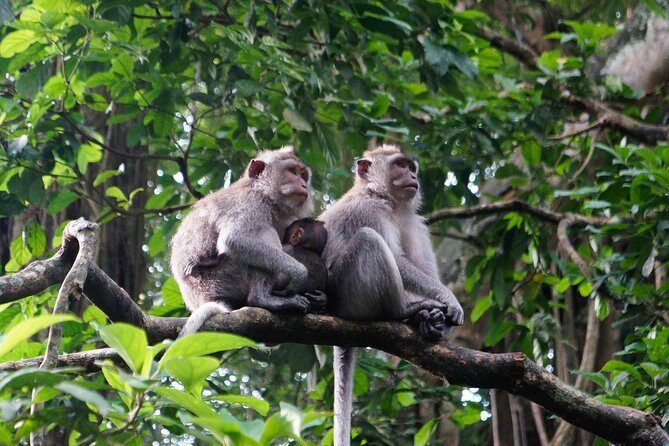
The afternoon continues with village life in action. You join a farmer in the rice fields, meet animals at Balikaru farm, and even chat with villagers. The day also includes stingless Trigona bees, which is a fun detail because it adds a living-nature angle to a spiritual schedule.
The rice field portion is valuable because it connects the dots. In Balinese village life, farming and ceremonies are not separate worlds. Seeing agriculture up close helps you understand why spirituality is interwoven with daily work here.
Animal encounters and the bee stop add a lighter tone after the temple seriousness. It’s still the same place and people, but the experience shifts from ritual to everyday stewardship.
A good strategy: ask your guide questions. Since the experience includes an English-speaking guide, you can usually get clear explanations. And with a small group, those conversations are more likely to happen naturally.
Belulang Hot Springs: Natural Sulfur Water to Reset
.jpg)
You end the day at Belulang Hot Springs. Locals bathe in natural sulfur water, and it’s meant to be the perfect wind-down after the ceremony and village tour.
Even if you’re not a hot-spring person, this stop can help you complete the “body and mind refreshed” theme of the purification ceremony. Sulfur water often feels like a reset button—warm, soothing, and simple.
Just treat it as what it is: a natural bathing area. Plan to spend time there, not just pass through. And bring practical thinking like being ready for wet conditions and changing temperatures, since you’ve spent time walking in the morning and in outdoor areas earlier.
The tour’s schedule returns you to the meeting point at the end, so you’re not stuck trying to figure out transportation afterward.
Price and Logistics: Is $89 Worth This Half-Day?
At $89 per person, this tour isn’t the cheapest thing you can book in Bali—but it also isn’t priced like a mass-market attraction. The value comes from the package being built around a ritual and a village experience rather than just sightseeing.
Here’s what you’re paying for:
- A Mangku-led purification and blessing ceremony with translation and ritual explanation
- Temple clothes rental and offerings included
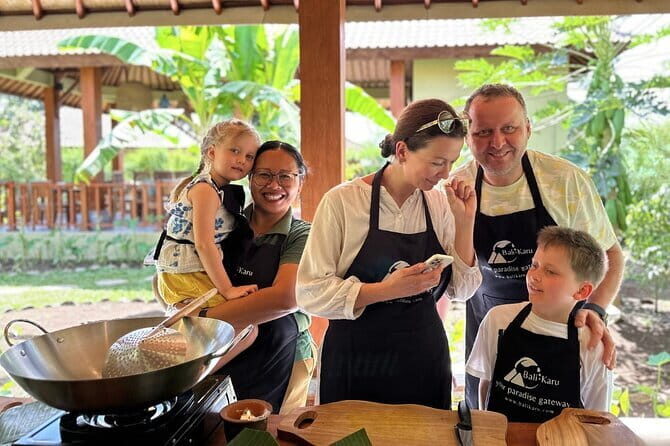
- A guided spice and herb garden walk
- Rindik instruction
- Lunch at a village warung (nasi campur tumpeng)
- A farm/rice-field segment with animals and Trigona bees
- A farewell gift and a personal photo sent by email
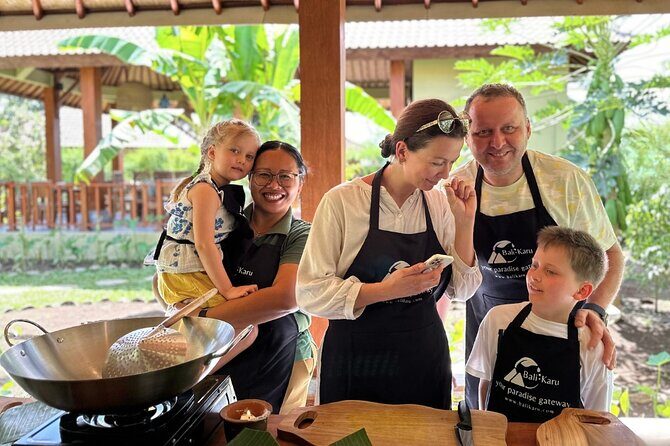
The group size max is 6 travelers, which usually means more attention from the guide and a calmer pace. That tends to matter most on ceremonies, where etiquette and timing are important.
The duration is listed at about 3 hours 30 minutes. That’s the only part where you might feel surprised given the number of stops. In practice, it usually means the day is efficient: you see a lot, but you don’t linger long at each point.
If you like experiences with meaning, this price can feel fair because you’re not just paying for entry tickets. You’re paying for access, guidance, and a structured cultural day.
Tips to Get More From the Ceremony and Village Day
You’ll get the best experience if you treat this as a respectful cultural appointment, not a casual walk-through.
- Be ready to follow instructions closely at the temple. The day includes dressing in temple clothes and participating in the ritual flow.
- Ask questions during the garden, farm, and lunch segments. The guide is English-speaking, so you can usually get direct explanations of what you’re seeing.
- Wear footwear that can handle uneven outdoor ground. You’ll be walking in gardens and rice-field areas.
- Plan for heat and humidity. The experience is outdoors much of the day, and the schedule starts at 9:00 am.
- If you need dietary adjustments, state them at booking. Vegetarian needs are accommodated if you indicate requirements in advance.
- Consider eligibility restrictions before you commit. Purification/blessing isn’t permitted during female menstruation and for pregnant women, so confirm your fit early.
Also, check your expectations. This is not a party day. The value is in calm attention and understanding what you’re doing.
Should You Book This Purification Ceremony Tour?
Book it if you want a Bali spiritual experience that’s structured, guided, and connected to real village life at the foot of Mount Batukaru. You’ll likely enjoy it most if you appreciate rituals with explanation, hands-on cultural moments like learning Rindik, and a schedule that includes lunch, farming, and natural hot springs for a full-body reset.
Skip it (or at least reconsider) if the purification ceremony restrictions apply to you, or if you only want big-famous attractions with minimal rules and minimal waiting. This day asks you to be present.
If you’re the type who likes meaningful travel—where nature, community, and faith aren’t separated—this is a strong choice for a half-day in Bali.
FAQ
What is the duration of the purification ceremony experience?
The tour lasts about 3 hours 30 minutes.
Where is the meeting point?
You meet at Warung.Balikaru, J47M+5CG Belulang Village, Mengesta, Kec. Penebel, Kabupaten Tabanan, Bali, Indonesia.
What time does the tour start?
The start time is 9:00 am.
What’s included in the experience?
It includes an English-speaking guide, a welcome drink, learning to play Rindik, the purification and blessing ceremony with a Balinese temple priest (Mangku), offerings and temple clothes rental, a homemade lunch (nasi campur tumpeng) at Warung Balikaru, a guided spice and herb garden tour, a farm visit (including animals and stingless Trigona bees), a farewell gift, and a personal photo by email.
Are vegetarian or other dietary needs possible?
Yes. Vegetarian is available, and dietary needs can be accommodated if you indicate your requirements at the time of booking.
Who cannot participate in the purification/blessing ceremony?
Purification/blessing is not permitted during the female menstruation period and for pregnant women.
What happens if the weather is bad?
The experience requires good weather. If it’s canceled due to poor weather, you’ll be offered a different date or a full refund.