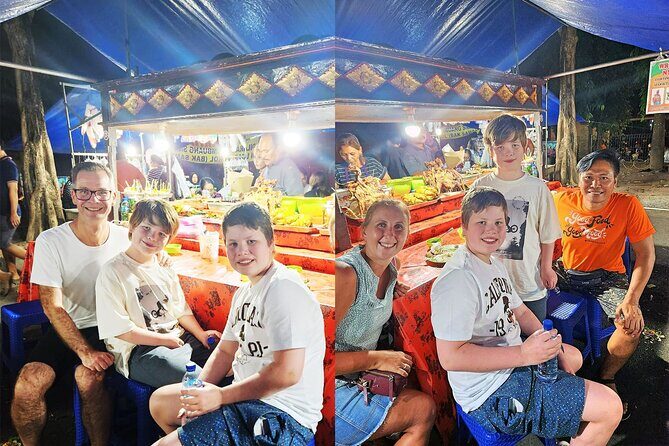
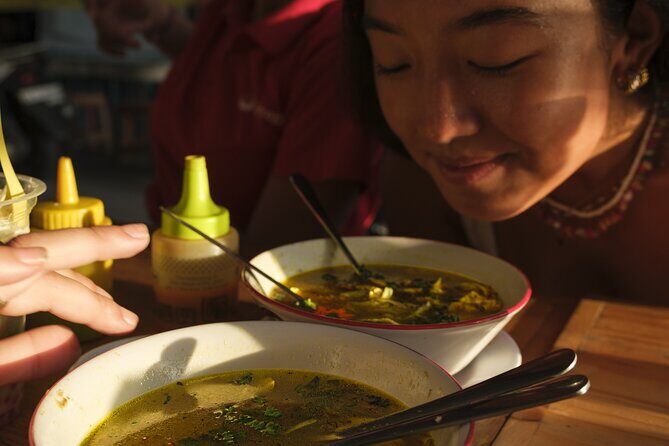
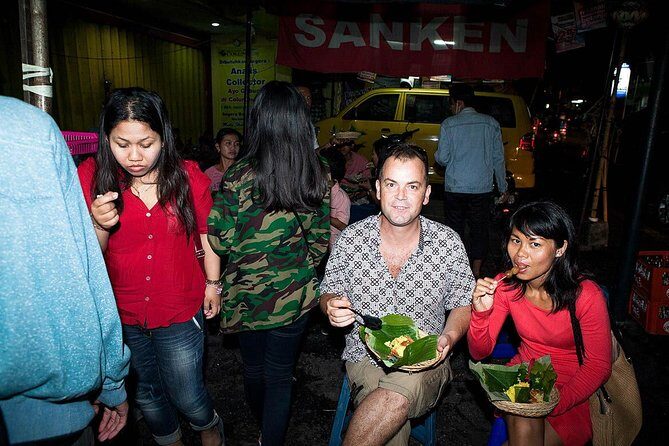
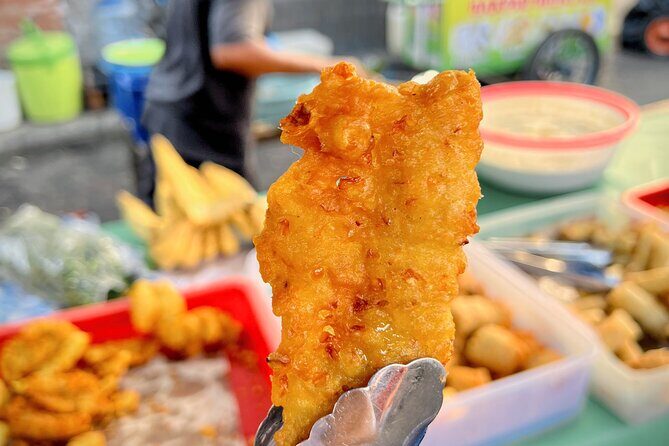
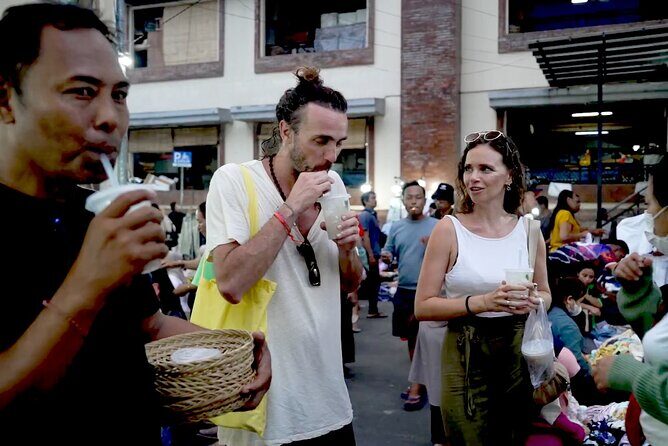
Food in Denpasar makes sense on foot.
This private street-food walk turns Badung Market into your launchpad for Bali’s everyday flavors, then sprinkles in quick cultural stops like the Catur Muka statue so your meal has context. What I like most: you get 10 purposeful tastings that add up to far more than a few bites, and your host can steer options for dietary needs so you do not feel stuck with side dishes. One drawback to plan for: the experience quality can depend a lot on the specific guide and pacing, and you may not always get the full level of explanation you hope for.
You start near a local temple area on Jl. Gajah Mada, meet your host, and then spend about three hours moving at a human pace. Expect moderate walking, stop-and-eat rhythm, and a very “locals only” feel once you leave the tourist lanes.
Key highlights you’ll feel fast

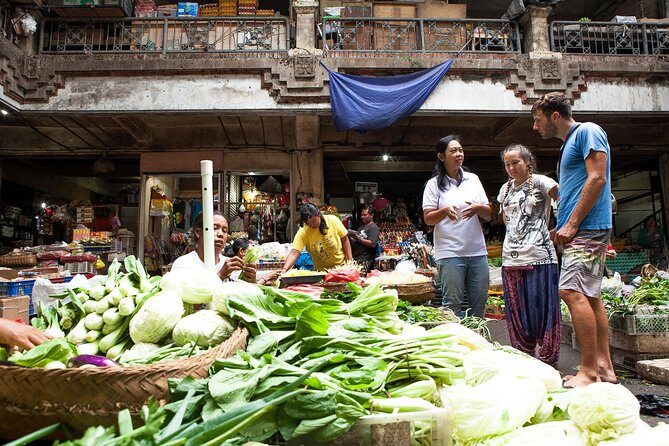
- Badung Market first: fruit, spices, and produce give you the ingredients behind the dishes
- 10 tastings, not 10 samples: this is designed to function like a meal
- Cultural micro-stops: Catur Muka and palace grounds add meaning between bites
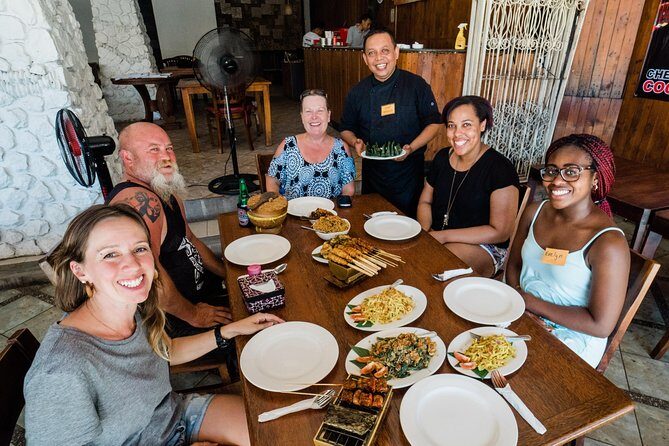
- Private pace: only you and your local guide, so you can ask questions and adjust
- Diet-friendly options: alternatives are offered if you need them
Why Denpasar street food hits harder with a local guide
Denpasar can feel like a “transfer city” for people heading to the south. This tour flips that idea. You trade the usual tourist loop for the real food supply chain: markets, small lanes, and simple stalls where people buy lunch like clockwork.
The biggest value here is that your guide is not just translating menu words. They’re helping you understand what you are eating and why it belongs in Balinese daily life. Hosts such as Reza and Budi show up again and again in feedback for guiding people through less obvious places, with enough context to make you pay attention instead of just eating.
You also get a private format. That matters because street food is a little chaotic by design. When it’s only you and your guide, you can slow down, ask “what’s this made of,” and keep moving without trying to match a group’s pace.
Badung Market: the one-hour food grounding you’ll use all trip

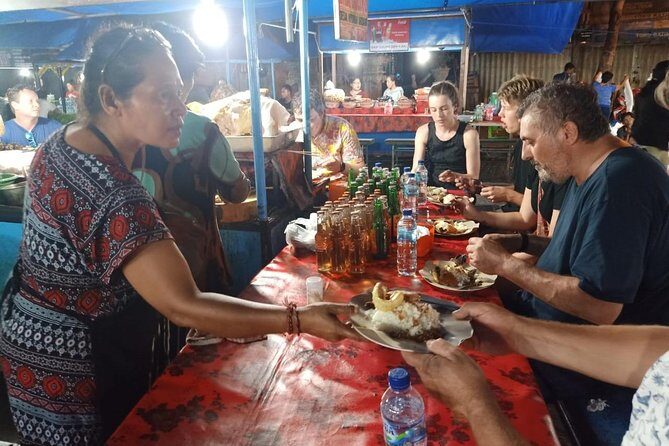
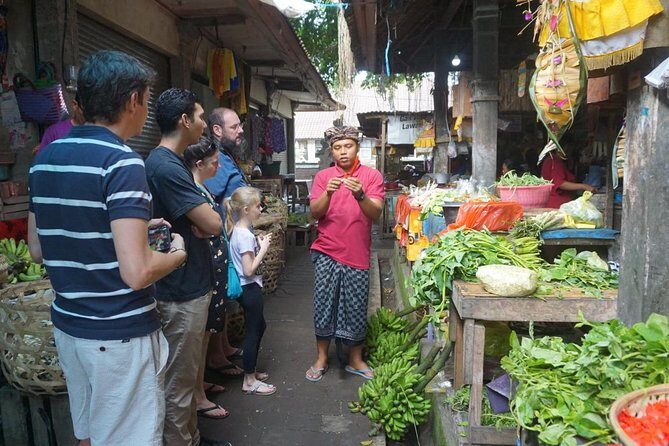
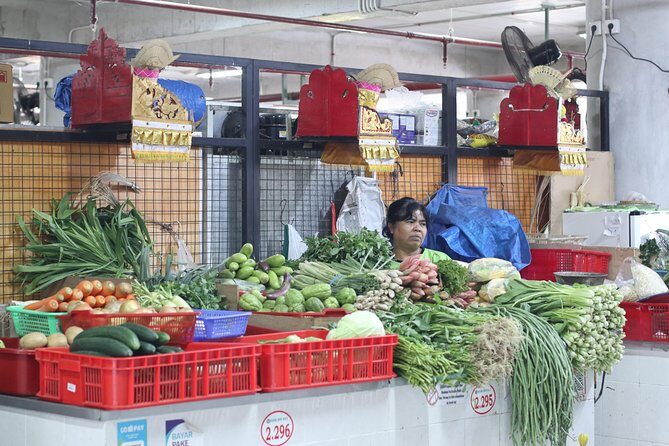
The tour starts where food starts: a major market area in Denpasar, the place local vendors and families rely on for daily produce and ingredients. This is the moment where the rest of the tastings click. You can see fruit stacks, raw ingredients, and the sheer volume of people shopping for food, not souvenirs.
You should expect it to be sensory and busy (in the normal market way). One practical tip: go hungry, but also bring patience. Market starts can feel overwhelming—four levels of activity, lots of smells, and vendors calling out what they’re selling—especially if you are new to Southeast Asian markets.
What I like about this start is that it teaches you how to “read” later dishes. For example, once you’ve seen how fruit and veg move through the market, you are better at noticing those same flavors again in snacks and drinks later in your trip.
Catur Muka statue stop: quick culture, easy photos, no pressure

After the market, the tour makes a short cultural pause at the Catur Muka statue. It is known for the four-faced design, oriented toward North, South, East, and West.
This is not a heavy history lecture stop. It’s more like a reset button between tastings. You get a clear landmark, a little visual wayfinding, and a chance to stretch without breaking the rhythm of eating. If you like travel that blends food with place—without turning your day into a museum crawl—this type of stop is exactly the right length.
Also, because it’s short, it gives you control. If your stomach wants the next bite sooner, you’re not stuck waiting around for long transitions.
Kuta Puri Bungalows Spa and palace grounds: see the ceremonial side

Next comes a stop at Kuta Puri Bungalows Spa, tied to the idea of a Royal Palace built long ago and used for traditional ceremonies in modern times. You’ll visit from the outside and hear local stories.
This is a good reminder that Bali food is not separate from culture. Many Balinese meals connect to offerings, family routines, and community life. Even when you are only looking from outside, the setting helps you understand why these places matter.
One caution: the tour notes that admission for this stop is not included. So if you were hoping this entire walk is fully “all-in” for every viewpoint, keep in mind that this particular stop may have separate access costs depending on what you’re allowed to see at the time.
The classic Bali bites: babi guling and sate plecing arjuna
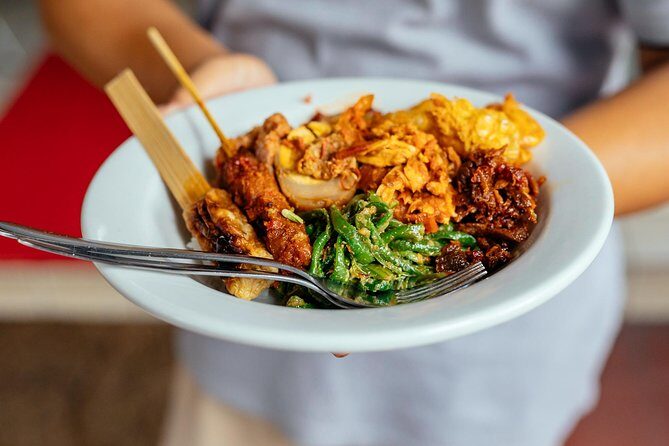
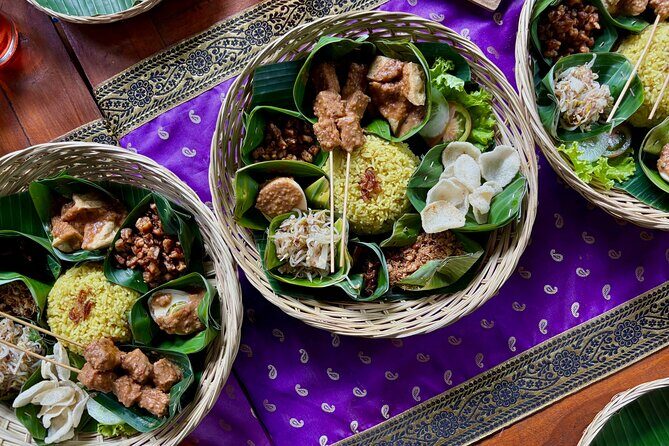
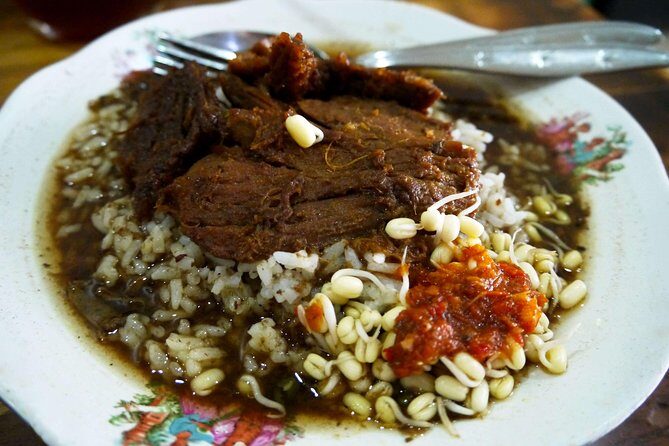
The tour’s food focus lands on core Balinese staples. In the final tasting portion, you’ll get bites tied to babi guling (spit roast pig) and sate plecing arjuna among other common street favorites like satay and other local dishes.
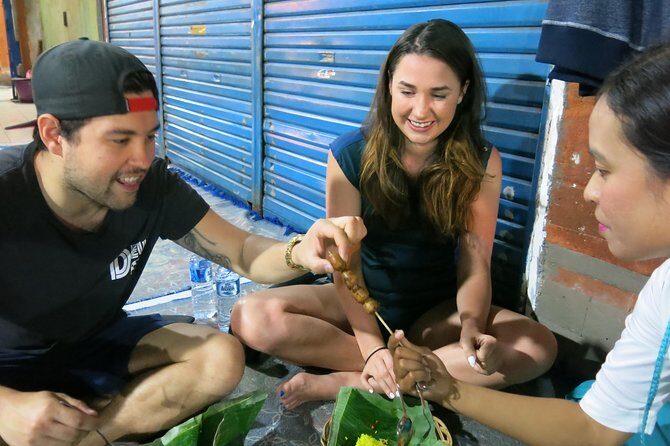
This is the part you will remember when you tell friends what Bali tastes like. Spit-roast flavors are not subtle, and satay-style grilling has that signature smoke-and-salt hit. If you’ve never tried babi guling, this is one of the most straightforward ways to do it through a guided route instead of hunting down a place alone.
Also pay attention to how your guide sequences flavors. Good street-food tours do not just stack dishes; they balance textures and spice levels so you don’t feel wiped out halfway through. Many guides also help you choose the best sauces and sides, which can make the same dish feel completely different.
If you have dietary restrictions, the tour offers alternatives. That said, what “alternative” means varies by what you need. Plan to communicate clearly at the start so your guide can set expectations early.
The 10 tastings: how to get full value without feeling sick
Ten tastings sounds like a lot until you realize how much you can eat when each stop includes a drink or a small plate. The tour is designed so the quantity is enough for a meal, not just a snack break.
Here’s how I’d pace it in real life:
- Start curious, not greedy. Taste, then ask what you should notice next.
- Take sips between hot or fried items.
- If something is very rich, save it for the middle stretch, not the first stop.
A few notes from the variety of guides you might get. Some hosts (like Reza and Putu Merta, for example) are often praised for guiding people through lots of different categories—market fruit, savory grills, and more. Others may focus more heavily on specific classics. That is not good or bad; it’s just why your best strategy is to go in with hunger and a willingness to try what’s in front of you.
One more reality check: you might not get every single food category you hope for in every tour instance. One negative experience shared that there were fewer sweet treats and fewer fruit options than expected, and that the variety felt limited. You can lower the odds of disappointment by mentioning your preferences and asking your guide to prioritize fruit or sweets if that matters to you.
Diet needs and private pace: the difference between “possible” and “comfortable”

The tour is private—only you and your guide. That’s not a small detail. It affects how willing your guide is to slow down, swap ingredients, and explain options.
The information you’re given says dietary alternatives are available. In practice, guides like June and Budi are repeatedly highlighted for accommodating specific needs and adjusting the menu instead of forcing people to skip everything. If you are vegetarian, need low spice, avoid pork, or have other requirements, you’ll want to tell your guide clearly at the start so they can map your 10 tastings accordingly.
Because you are not sharing the pace with a larger group, you can also do the practical travel thing: take a breath when you need it. Street food tours can move fast in between stops, but private format usually makes it easier to handle crowds, lines, or sudden changes.
Price and timing: is $56.78 really a fair deal?

At $56.78 per person for about 3 hours, this sits in the mid-range for private food walks in Bali. The best way to judge value is not by hourly cost—it’s by what you actually receive.
You’re paying for:
- a local host who can guide you through markets and small eateries you might never find alone
- 10 tastings that add up to a meal
- short cultural stops in between so the day feels like more than food errands
- private pacing and dietary adjustments
If you tried to replicate this yourself, you’d likely spend time figuring out what to eat and where to eat it, then pay for everything retail-style. A guided route compresses that search time and reduces the risk of ending up at a place that is tourist-friendly but not locally satisfying.
Timing matters too. Most people should expect around three hours. But one experience reported the tour feeling shorter, closer to 90 minutes, with less explanation than hoped. That’s a rare mismatch, but it’s still worth noting. Your best move: build in buffer time around the tour, and treat it as a structured food experience rather than a strict schedule you can rely on to the minute.
What you’ll walk through, in plain terms
This tour is part market, part street, part simple eateries. Expect:
- crowded market aisles at the start
- short transit or quick shifts between stops
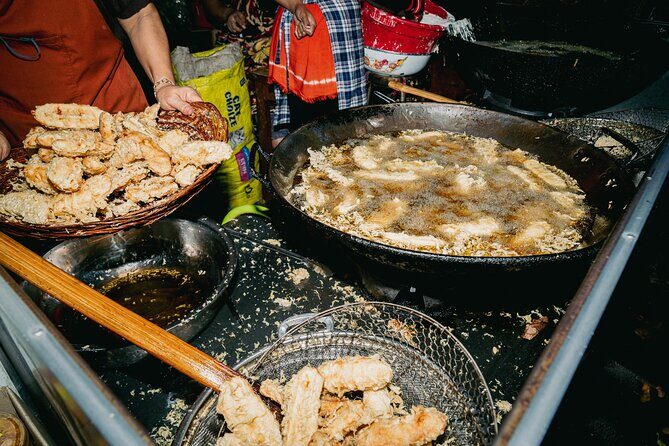
- small food counters where vendors prep food in front of you
- brief sightseeing moments that do not steal the day from the food
The route is designed to be close enough to keep things efficient. You’re also told it’s near public transportation, which can help if you are planning the rest of your day with backup plans.
Moderate physical fitness is mentioned, which basically means you should be comfortable walking and standing for a bit. Bring comfy shoes. Your feet will do more work than your brain.
Who should book this Denpasar private food walk
This tour is a strong fit if:
- you want Bali food without feeling like you are gambling in unfamiliar places
- you like your travel days built around markets and local routines
- you want a private guide so you can ask questions and adjust
- you’re hungry enough for 10 tastings to count as a meal
It’s also a good “first Bali food move” if Denpasar is your entry point. Several people book this early because it helps you get your bearings fast through food. The market start alone gives you a mental map of how ingredients travel.
If you are a strict history buff, you may find the cultural stops brief. If you want a deep museum-style day, this is not that. It’s food-forward with small cultural context.
Things to watch out for before you commit
Street-food tours are real life, not a movie. A few considerations will help your day go smoother.
First: come hungry and expect a lot of food movement. Even with plenty of eating, you are still walking.
Second: variety and explanation can vary by guide. Many hosts are praised for English skills, patience, and story-telling. Still, one disappointing account described minimal explanation and a more limited range of foods than advertised. You can’t control the guide you get, but you can control how you communicate. Ask questions early. If you want fruit, sweets, or noodles specifically, say so before you start eating.
Third: religious and ceremonial places can have changing rules. The palace-related stop is from the outside, which helps, but access rules can shift depending on what’s happening that day.
Should you book this tour?
I think you should book this tour if you want a practical way to taste Bali in Denpasar without turning your day into guesswork. The combination of Badung Market plus a private host plus 10 tastings is the sweet spot for value. It’s also ideal when you want to see local life, not just post at cafes.
Skip it or at least temper expectations if you want guaranteed long sightseeing, lots of sweet treats, or a perfectly timed minute-by-minute schedule every time. In that case, you’d be better off mixing this with your own casual strolling, so you can add dessert or fruit later where you feel like it.
FAQ
FAQ
How long is the Bali Private Food Walking Tour With Locals: The 10 Tastings?
The tour is about 3 hours.
How many tastings are included?
The tour includes 10 food and drink tastings.
Is this tour private or group-based?
It is a private tour. Only you and your local guide participate.
Where does the tour start?
The meeting point is Pura Desa lan Puseh Desa Pekraman Denpasar, on Jl. Gajah Mada in Denpasar, Bali.
Can you accommodate dietary restrictions?
Yes. Alternatives are offered for travelers with dietary requirements.
What are some of the dishes you might try?
The tour highlights include babi guling and sate plecing arjuna, plus items like satay.
Are any admissions included for the stops?
Some stops list free admission for viewing. One stop notes admission is not included.
Is the tour near public transportation?
Yes, it is near public transportation.
What is the cancellation policy?
Free cancellation is available up to 24 hours in advance for a full refund. If you cancel less than 24 hours before the start, there is no refund.
Do I get a ticket on my phone?
Yes, mobile ticketing is included.