
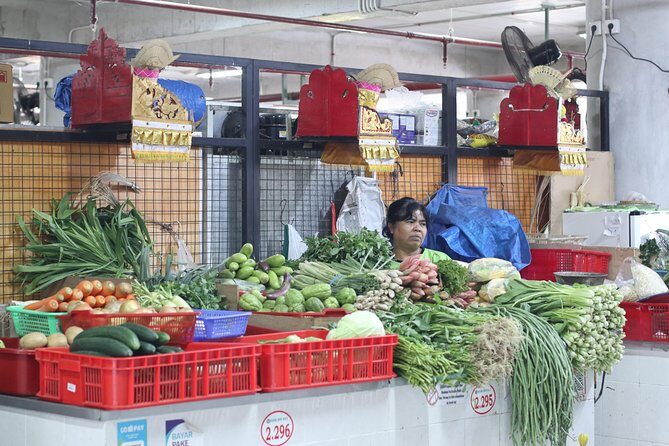
Denpasar City Food Tour (Day Tour)
Denpasar can taste like real Bali. This 3-hour Denpasar City Food Tour trades the usual beachfront route for local neighborhoods, classic eateries, and heritage sites tied to how people actually live and eat in the city. I love that it’s built around 10 Indonesian and Balinese dishes (not tourist-style duplicates), with stories behind what you’re trying.
Two things I especially like are the focus on traditional places with history (not franchise meals) and how the route includes both food and city context like Puputan Badung Park and Pura Jagatnatha. One consideration: you’ll be walking in a non-touristy area, and if you’re picky about being near crowds or landmarks designed for visitors, this route might feel less polished than the popular Bali circuits.
In This Review
- Key things that make this food tour work
- Denpasar City Food Tour: why the city feels different
- The real shape of the 3-hour walk (and how to prepare)
- Meeting at Bhineka Djaja (Kopi Bali): the coffee start that sets the tone
- Pasar Badung: market energy plus curry and East Bali salad
- Puputan Square and Puputan Badung Park: snacks with context
- Pura Jagatnatha: a spiritual pause between plates
- Satay and soup: the fork in the road for halal options
- Oldest Toko Kue and the Indonesian sweets stop
- The finale: nasi campur (halal) or babi guling-style ending
- Price and value: does $100 make sense for this route?
- Who this tour suits best (and who should think twice)
- Practical tips to get the most out of your day
- Should you book the Denpasar City Food Tour?
- FAQ
- What’s included in the Denpasar City Food Tour?
- How many food items do I try?
- Is there a halal option?
- What time does the tour start and how long is it?
- Where do I meet the guide?
- Is this tour a small group?
Key things that make this food tour work
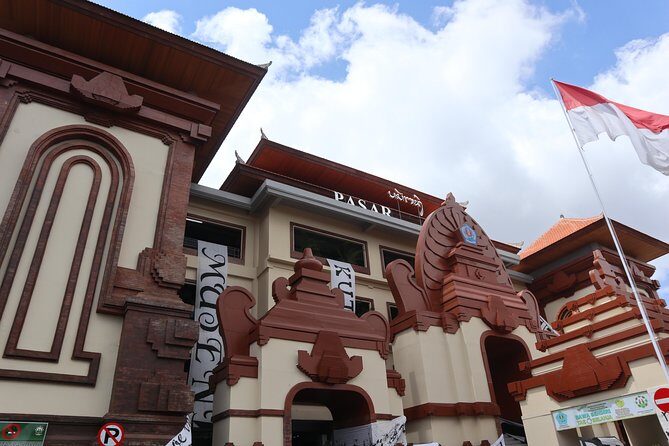
- Denpasar-first focus: you spend time in the city people actually use for food, not a choreographed tourist strip
- 10 tastings: from market curry and snacks to a final nasi campur or babi guling-style meal option
- Halal-aware swaps: pork can be replaced with goat satay and goat curry, and there’s a halal nasi campur option
- Heritage stops, not just meals: Puputan Square and Pura Jagatnatha add context between bites
- Small group size: capped at 10 travelers, which keeps the pacing friendlier
- Coffee at Bhineka Djaja (Kopi Bali): a strong start with Balinese coffee culture built into the tour
Denpasar City Food Tour: why the city feels different
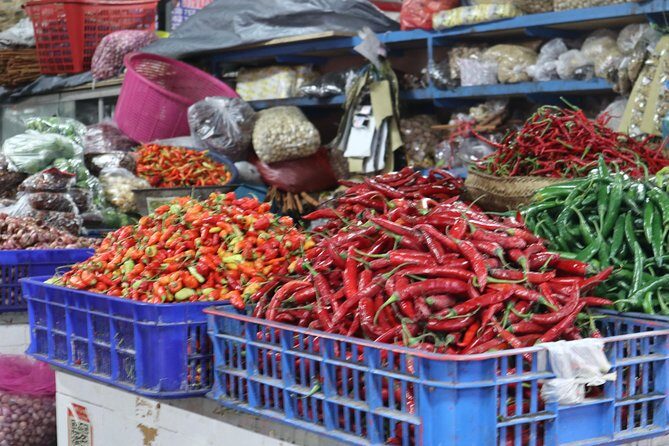
Most people land in Bali and assume they are already in Denpasar. They’re not. Denpasar is the capital, about 10 km from the airport, and the city doesn’t try to look like a postcard the way other parts of Bali do.
That matters because Denpasar has long-established local food choices. You’re not just eating, you’re sampling how Balinese and Indonesian food fits into everyday life, from markets to long-running shops.
I also like that the tour leans into the relaxed-versus-hustle rhythm of the city. It’s not a rushed sprint through Instagram spots. It’s more like a guided stroll where your next plate is always connected to a place and a reason.
The real shape of the 3-hour walk (and how to prepare)
This is a walking food tour, and it’s designed around feeding you enough that you don’t need a separate lunch plan afterward. The tour starts at 10:00 am and runs about 3 hours back to the meeting point.
Here’s the biggest prep tip: don’t eat breakfast. The tour includes a full sequence of tastings and drinks, plus water, so arriving hungry is what makes the stops feel satisfying instead of stuffed and rushed.
Comfort matters too. You’ll be moving between central Denpasar food stops and heritage areas, so wear shoes you can walk in for a solid stretch. If you get heat easily, plan to slow your pace when the group pauses for ordering and tasting.
Meeting at Bhineka Djaja (Kopi Bali): the coffee start that sets the tone
The meeting point is Bhineka Djaja (Kopi Bali) on Jl. Gajah Mada No. 80 in Denpasar North. You start right here at 10:00 am, so you can ease in before you start the food sprint.
This stop isn’t just a caffeine refill. The tour calls it the first coffee shop in Bali, which gives the coffee tasting a bit of cultural grounding. You’re learning the why, not only the taste.
If you’re a coffee person, you’ll probably appreciate how they fit coffee into the route rather than treating it as an add-on. It’s also a good moment to get your bearings, especially if you’re new to Denpasar neighborhoods.
Pasar Badung: market energy plus curry and East Bali salad
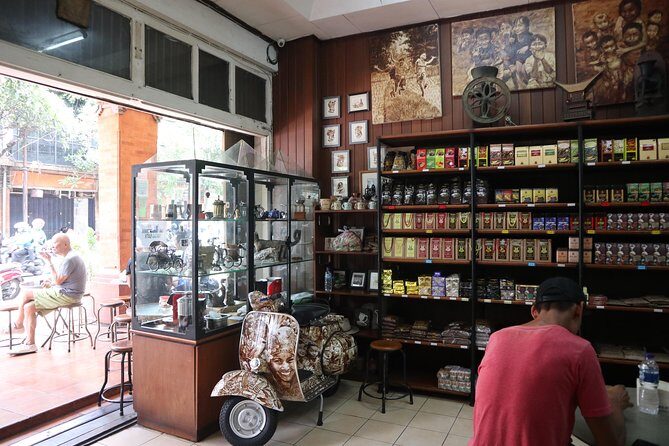
Your first major food stop is Pasar Badung, Denpasar’s traditional market area. This is where the tour really earns its local-city identity because markets are where you see cooking habits that predate today’s tourist food trends.
Expect familiar and less-familiar flavors. The tour highlights trying famous curry at the market and also east Bali salad. You also get Balinese traditional snack and drink options here, which tends to be the part of the tour where people realize they can enjoy food without it being “street snack chaos.”
A practical note: market stops can be busy and visually intense. The upside is that you taste what people actually buy and eat. The only drawback is that the setting can feel noisy, so keep your order open-minded.
Puputan Square and Puputan Badung Park: snacks with context
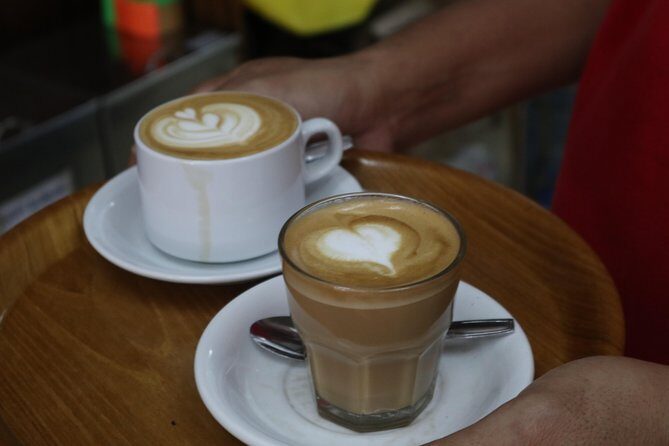
After the market, you walk toward Puputan Square and the Puputan Badung Park area. The tour is clear that you’re not just passing by landmarks—you get a little history context while you’re there.
This stop is paired with two famous snacks local people like when they visit the park. That pairing is smart. You’re not sitting through a lecture with no payoff. You get story, then you get food.
If you like understanding the setting before you eat, this is one of the best sections of the tour. It also helps break up the day so you don’t feel like it’s non-stop eating with no pauses to reset.
Pura Jagatnatha: a spiritual pause between plates
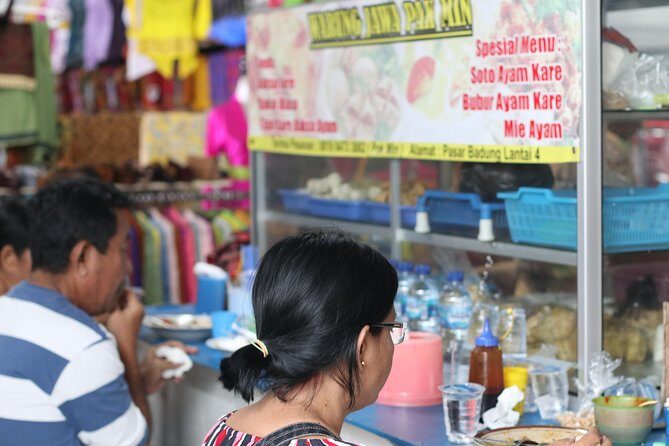
The tour also includes Pura Jagatnatha. This is a meaningful cultural stop that gives your Denpasar experience a broader sense of place.
I like adding a religious or heritage stop when the tour already includes multiple food tastings, because it keeps the day from feeling like a food crawl only. It also helps you notice how daily life and food culture exist alongside Balinese worship and community spaces.
You should also be ready for the rules and expectations that come with temple visits. The tour data doesn’t spell out dress requirements, so I’d treat this as a standard Bali temple stop: cover appropriately, keep your movement respectful, and follow whatever guidance your guide gives you.
Satay and soup: the fork in the road for halal options
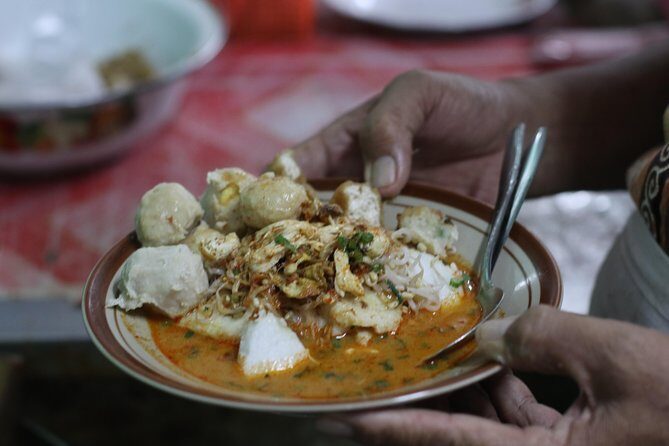
One of the most satisfying segments is the satay-and-soup moment, where the tour offers two possible paths.
If you eat pork, you’ll try famous pork satay and then beef soup. If you’re halal, the tour offers a substitute path with goat satay and goat curry.
I appreciate this setup because it makes the tour feel designed for real dietary needs, not “we’ll just figure it out.” Still, it’s smart to confirm your preference at booking so you don’t end up waiting on substitutions mid-walk.
This is also where your appetite really shows. Satay and soup-style dishes can be filling, so by now you’ll want to pace your tastings instead of rushing everything at maximum speed.
Oldest Toko Kue and the Indonesian sweets stop
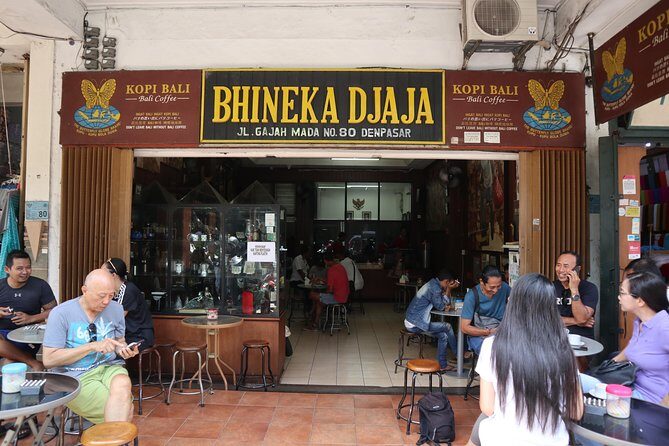
Later in the walk, you visit the oldest Traditional Toko Kue (Cake Shop). This is where the tour brings Indonesian dessert and snack culture into the mix, not just savory plates.
The stop includes Indonesian delicacies, and for many people this becomes a highlight because it shifts the flavor profile after all the savory market and satay dishes. It’s also an easy time to slow down and taste thoughtfully.
If you have a sweet tooth, plan to enjoy this rather than trying to beat the clock. With small-group pacing, you’ll usually have enough time to try what’s offered and ask about the differences in textures and flavors.
The finale: nasi campur (halal) or babi guling-style ending
The last stop is the big finish: nasi campur as the halal option, or babi guling / suckling pig as the non-halal ending. This matters because it’s the kind of “known famous” Balinese meal that many visitors want, but the tour delivers it through a local food context rather than a tourist show.
I like the way they frame it as a final tasting rather than a generic restaurant stop. By the end of the walk, you’re not just eating a meal—you’re comparing flavors and food styles you’ve been encountering all day.
If you’re eating halal, nasi campur can still feel like a satisfying closing plate because you’ll be able to compare how the tour handled substitutions across the route. And if you’re not halal, this final dish is likely to land as the most memorable single “this is Bali” moment.
Price and value: does $100 make sense for this route?
The price is $100 for an about 3-hour small-group tour (up to 10 travelers). For that cost, you get lunch all the foods and non-alcohol drinks, coffee/tea, snacks, and bottled water.
That value is strongest if you’re the type of traveler who wants local food guidance rather than wandering and guessing. Denpasar isn’t designed mainly for food tourism, so having someone connect you to places with history and story can save you time and prevent the usual beginner mistakes.
One more practical value point: alcohol isn’t included, but it’s available for purchase where served. Since your drink inclusions are non-alcohol, you can still do the tour without budgeting for beer or cocktails.
The only value caution: at least one past customer report raised a concern about guide attendance and ticket confusion. I can’t predict how your experience will go, but it’s a smart move to message the day before, confirm the meeting point, and keep your mobile ticket details ready.
Who this tour suits best (and who should think twice)
This tour fits you well if you want authentic local eating in Denpasar and you like tours that explain the “why” behind food choices. The mix of market, heritage areas, and classic dishes makes it work for food lovers and curious cultural travelers.
You might think twice if you:
- Need a heavily tourist-oriented environment with lots of English signage and easy navigation
- Can’t do much walking or standing around busy market areas
- Want a fully hands-off experience where everything feels strictly controlled like a resort excursion
It’s also best for people who can commit to the preparation rule: skip breakfast and save your appetite for the tastings.
Practical tips to get the most out of your day
Start with timing. The tour begins at 10:00 am, so get to Bhineka Djaja (Kopi Bali) a few minutes early. The meeting point is specific, and starting on time is how a tight 3-hour route stays enjoyable instead of stressful.
Choose your dietary path early. The tour offers halal swaps (goat satay/goat curry and halal nasi campur), but you should clearly communicate what you eat before you’re standing at the food counter.
Bring an open mind about portions and pacing. The tour includes 10 different food types, so your best strategy is steady bites and water between stops rather than going all-in on every dish at once.
Finally, keep your expectations aligned. This isn’t a polished resort meal experience. It’s local Denpasar, and the reward is that the food doesn’t feel like it was made for tourists.
Should you book the Denpasar City Food Tour?
I’d book it if you want an excellent shot at understanding Denpasar through food—especially if you’re traveling outside the typical Bali tourist circuits. The strongest reasons are the 10 tastings, the mix of market + heritage stops, and the halal options that don’t feel like an afterthought.
I’d be cautious if you’re the type who needs flawless logistics every time, because there has been at least one report about ticket/guide communication issues. If you book, I’d confirm your meeting details and keep your mobile ticket ready so you can protect your start time.
If you like guided local eating that goes beyond “order and leave,” this is the kind of tour that turns a simple lunch into a real Denpasar memory.
FAQ
What’s included in the Denpasar City Food Tour?
The tour includes lunch with all foods and non-alcohol drinks, plus coffee and/or tea, snacks, and bottled water. Alcoholic beverages are not included but may be available for purchase at some stops.
How many food items do I try?
You’ll try a total of 10 types of Indonesian and Balinese local food and drinks during the tour.
Is there a halal option?
Yes. For halal choices, the tour can include goat satay and goat curry instead of pork options, and it offers halal nasi campur instead of babi guling/suckling pig.
What time does the tour start and how long is it?
It starts at 10:00 am and lasts about 3 hours. The tour ends back at the meeting point.
Where do I meet the guide?
The meeting point is Bhineka Djaja (Kopi Bali), Jl. Gajah Mada No. 80, Dauh Puri Kaja, Kec. Denpasar Utara, Kota Denpasar, Bali 80111, Indonesia.
Is this tour a small group?
Yes. The maximum group size is 10 travelers.
More Tours






More Tour Reviews


More Seminyak Tours
Seminyak Tours: how the alternatives stack up
 ★ 5.0
★ 5.0Bali Full-Day Traditional Village Sightseeing Trip All Inclusive
 ★ 5.0
★ 5.0Experts Bali Driver : Best Bali Private Driver for Tour in Bali



The lists this tour appears in