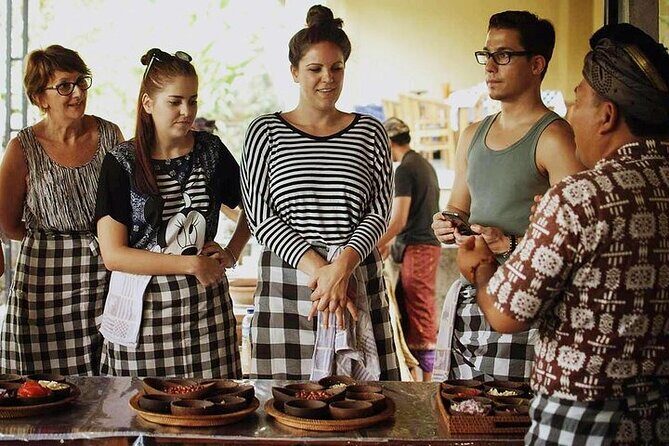
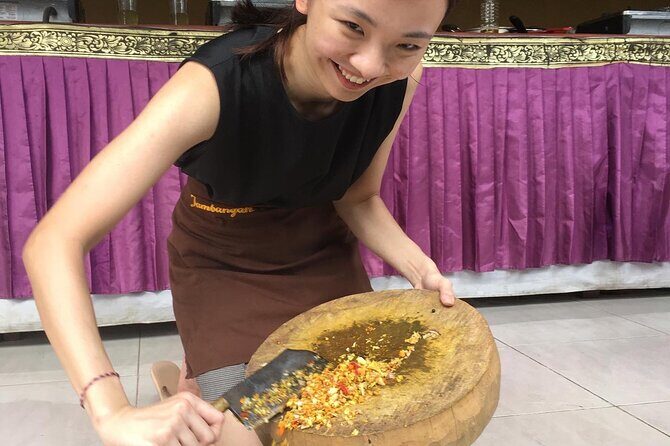
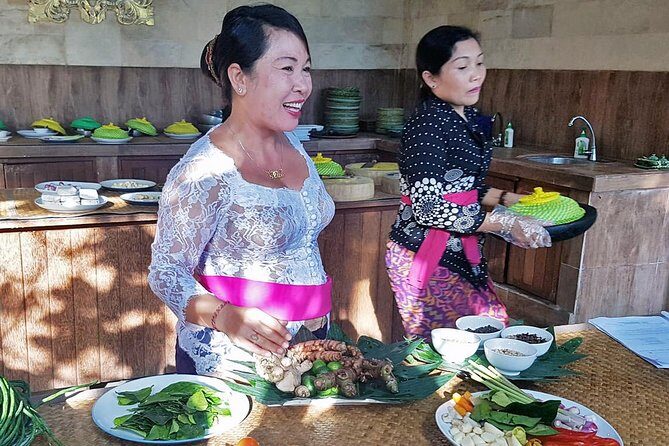
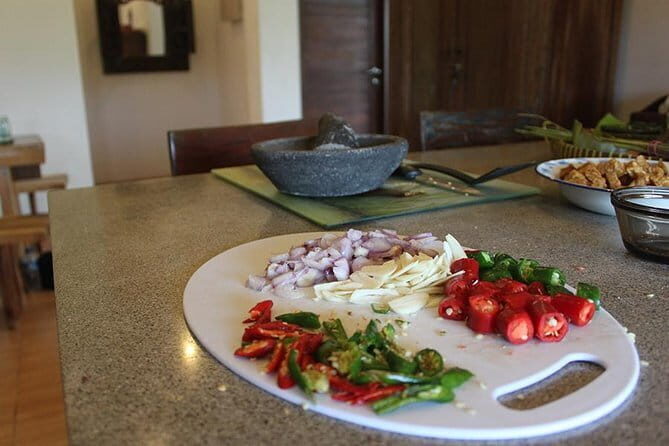
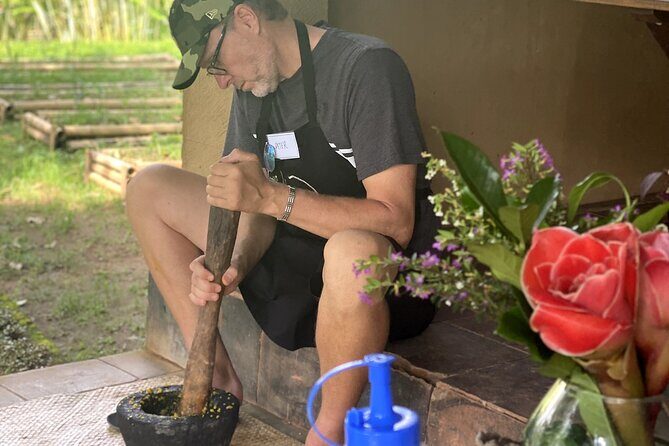
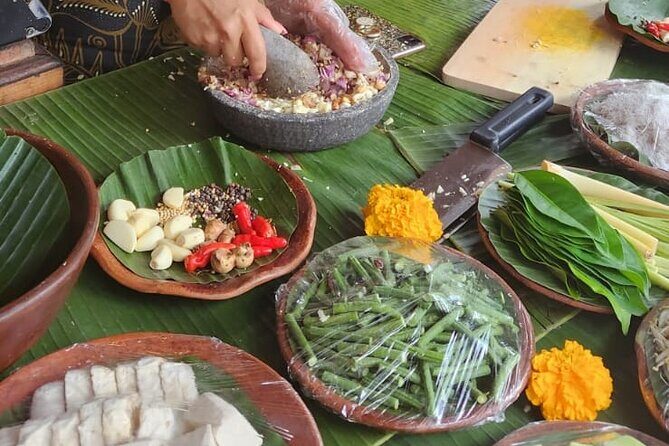
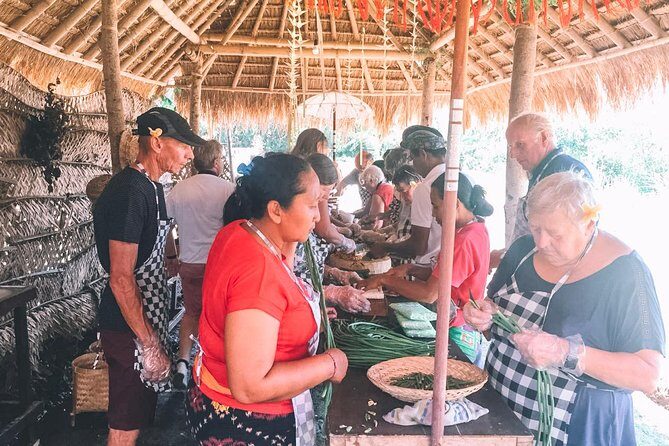
Dinner starts with mortar work.
This Ubud experience strings together Balinese culture and real food skills, from a quick look at how a local house and garden are laid out to cooking dinner with spices you help pick at a farm. You’ll learn hands-on techniques with the Lesung (traditional mortar and pestle), then finish with a candlelit meal that feels made for two.
Two things I really like: first, the pickup and drop-off in the Ubud area with a private car keeps the evening stress-free. Second, the teaching style stands out—Ron (who’s also the owner) brings humor and a relaxed, welcoming vibe, so you’re learning without feeling like you’re stuck in a classroom. One consideration: the activity requires good weather, so if conditions are poor you may need to move dates or get a refund.
Key highlights to look for

- West-side Ubud countryside setting before you cook, not just another restaurant kitchen
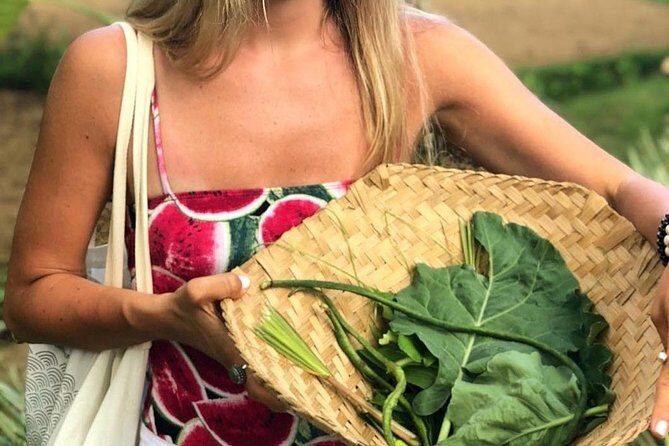
- Farm spice harvesting tied to the menu you’ll actually cook
- Hands-on Lesung pounding and chopping techniques for Balinese-style flavor building
- Small-group size (up to 15 people) for more attention during cooking
- Romantic candlelit dinner that follows the class, not a separate add-on
- Ron’s culture-and-cooking approach, including time to chat and learn traditions
A 5-Hour Evening That Starts in a Balinese Home and Garden

The experience runs for about 5 hours in Ubud, and it starts on the west side, where the mood shifts from town hustle to countryside calm. That matters, because you’re not jumping straight into cooking. You get context first.
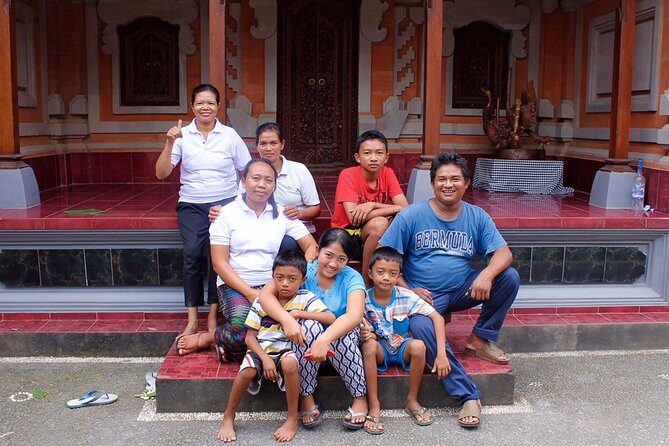
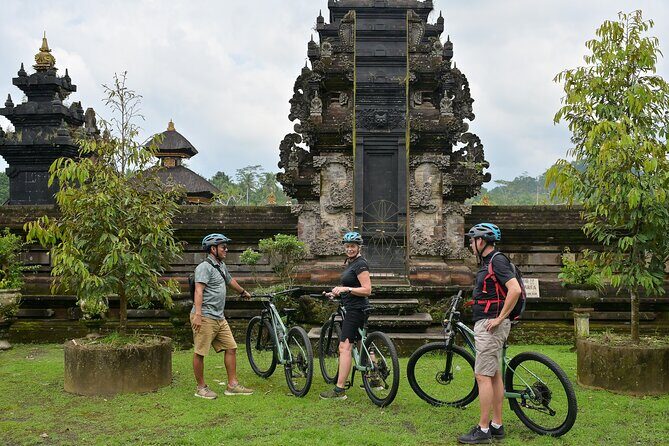
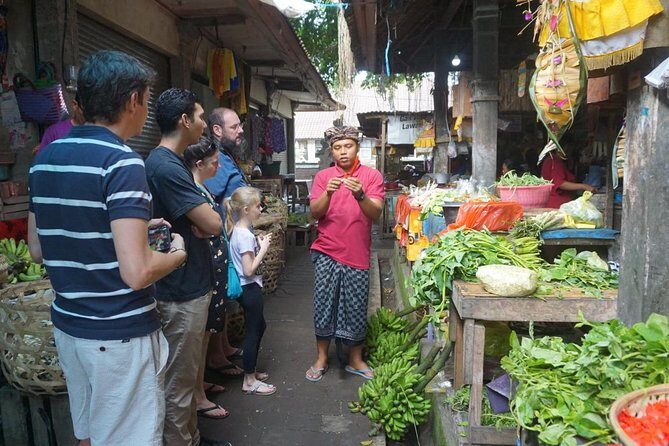
You’ll be taken to a local Balinese house (with a look at the garden) to understand how the building sits in its setting and how people live day to day. This isn’t just sightseeing. It gives you the “why” behind ingredients, daily routines, and food culture—so when the chef later talks about what goes into Balinese dishes, it feels connected instead of random.
Practical tip: since it’s an evening activity, dress comfortably for walking around a house and garden area. You don’t need anything fancy, but do plan for uneven ground.
From Farm to Flavor: Harvesting Spices You’ll Actually Use

Next comes the farm. This is where the evening starts to feel real in your hands, not just in your stomach.
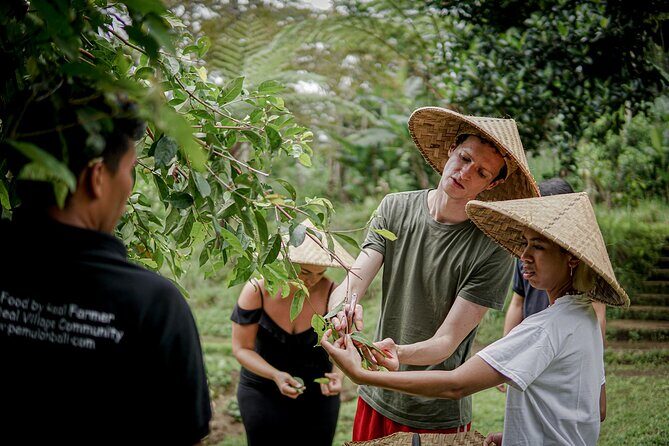
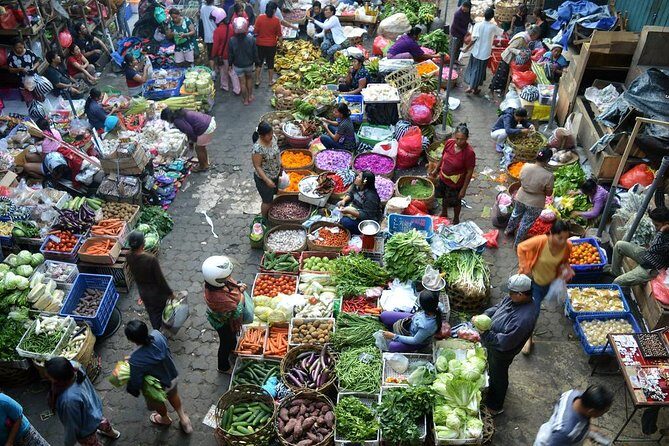
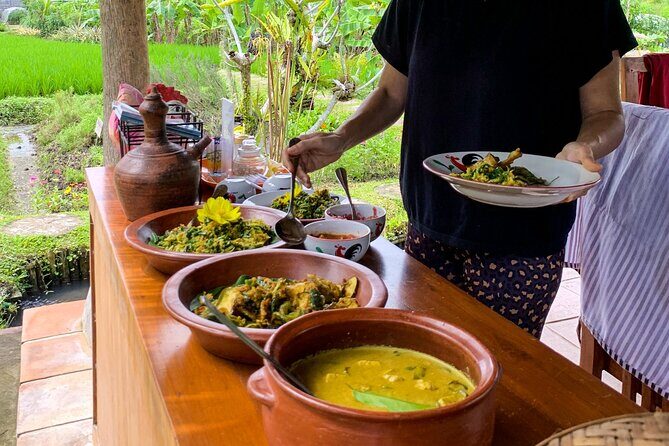
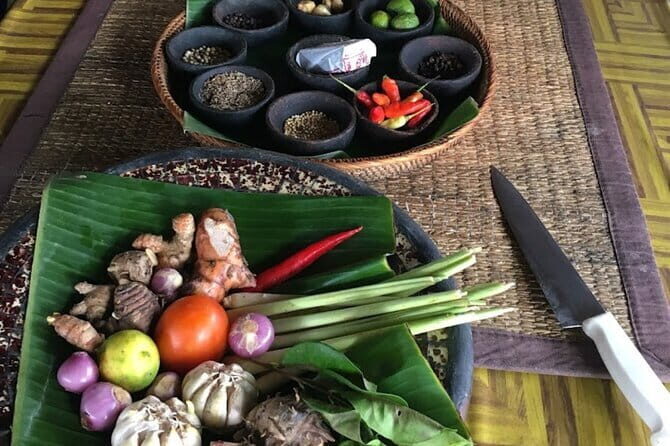
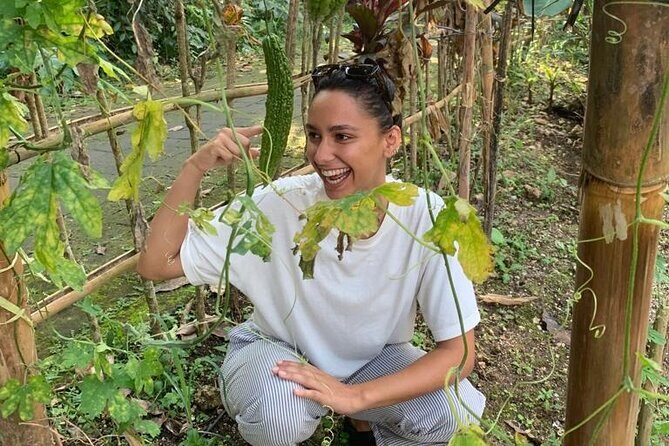
After you decide on the menu you’ll cook, you’ll explore the farm and help harvest spices that will show up in your dishes. The menu can include options like steamed fish wrapped in banana leaf, chicken meatball soup, and crepes with palm sugar and grated coconut (plus other local dishes). Even if you’re not a “foodie,” this part is surprisingly satisfying because you can see the ingredients in the same fresh state you’ll later turn into dinner.
You’ll also get an eye on how spices are used in Balinese cooking—how they’re combined, processed, and treated as the foundation of flavor. This isn’t abstract seasoning theory. It’s ingredient-to-plate work.
Possible drawback (worth planning for): farm time can take you away from shelter if the weather is unstable. Since the tour requires good weather, you’ll want to check conditions the same day.
Cooking Like Bali: Lesung, Chopping, and Techniques That Matter

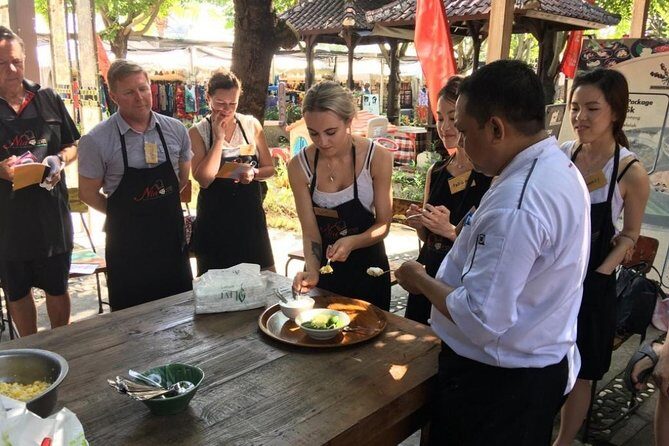
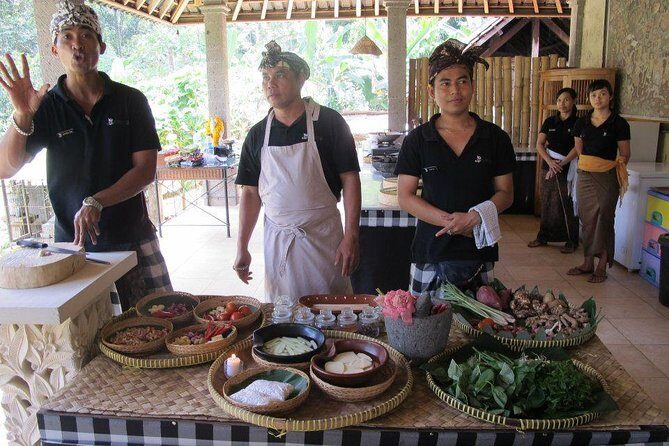
Then you get to the heart of it: the class with a Balinese chef using fresh ingredients picked during the farm stop.
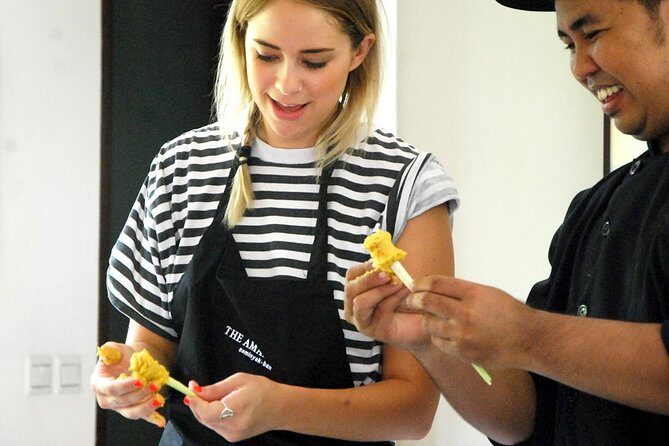
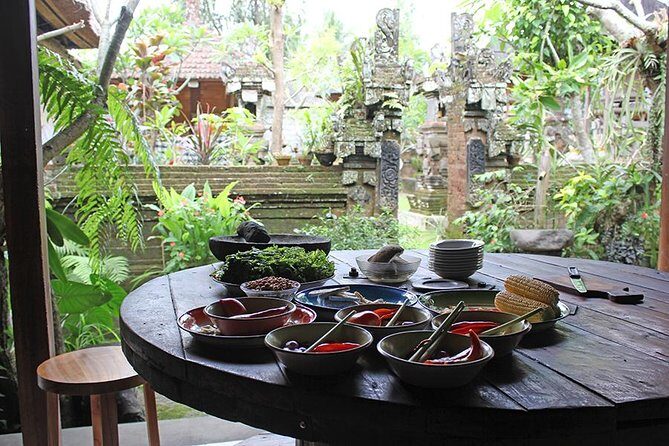
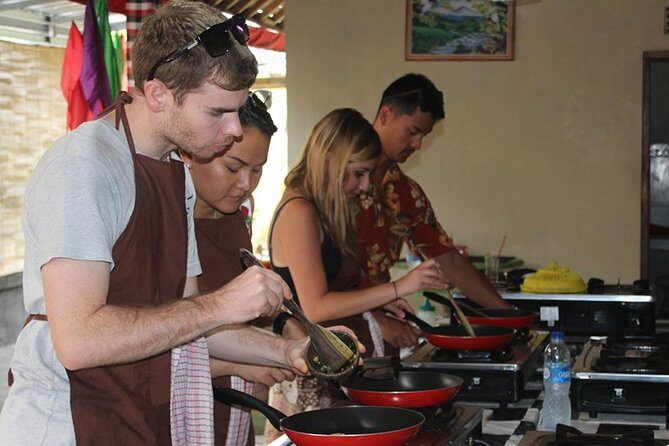
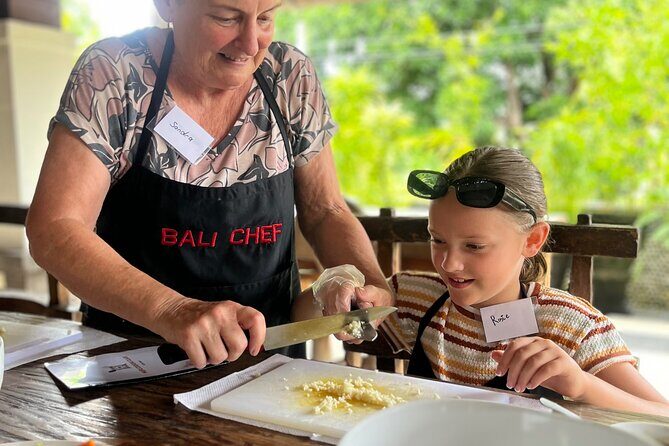
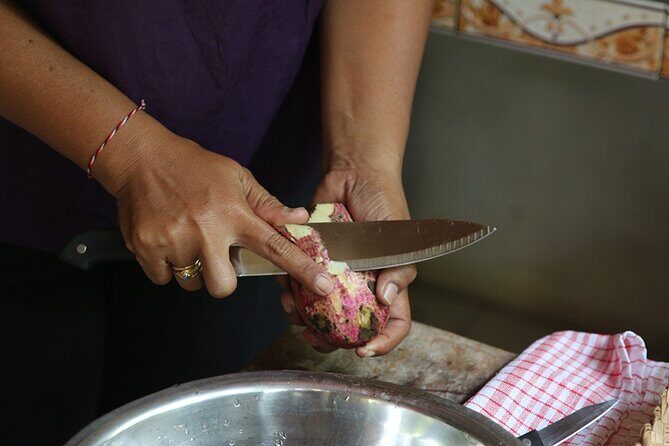
The method is part of the lesson. You’ll learn Balinese cooking techniques such as chopping and pounding spices with the Lesung. If you’ve only used bottled spice blends before, you’ll notice the difference fast. Pounding changes texture, aroma, and how spices release flavor. It’s also physical and a bit of a workout—perfect if you’ve been sitting too long in cafes around Ubud.
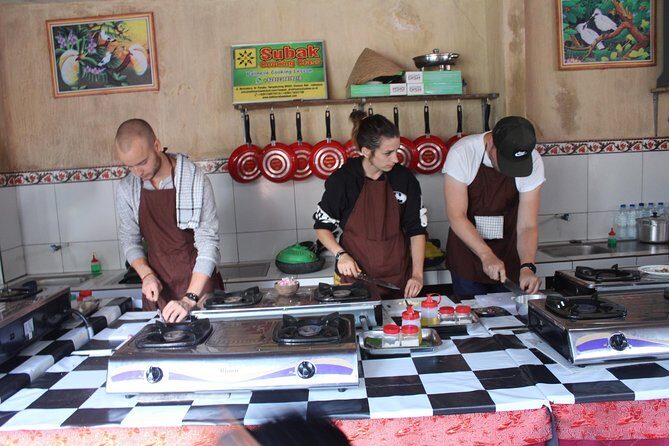
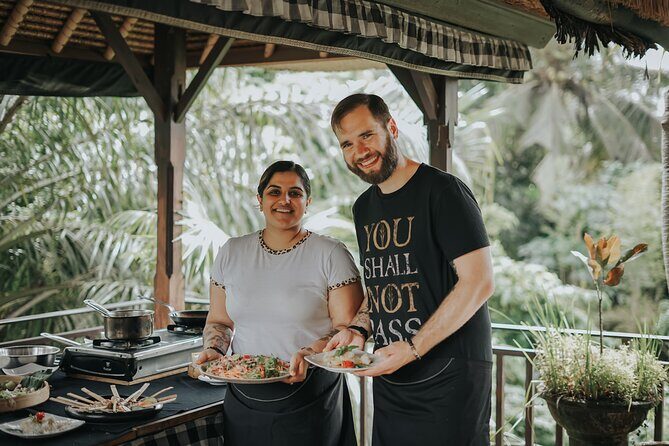
During the cooking, the chef explains how to cook your chosen menu items, including what ingredients are needed and how they come together. The class covers more than just “stir this, pour that.” You’ll get step-by-step understanding of how each dish is built.
What you’ll likely make (based on available menu choices)
You may be able to choose vegetarian or regular menus as part of the options. Dishes referenced in the experience include:
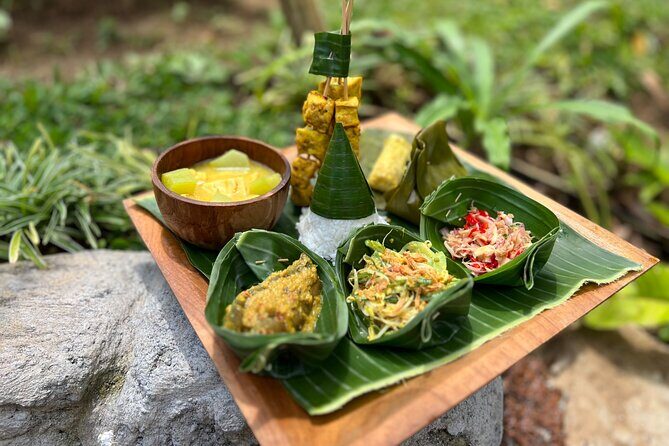
- Steamed fish wrapped with banana leaf
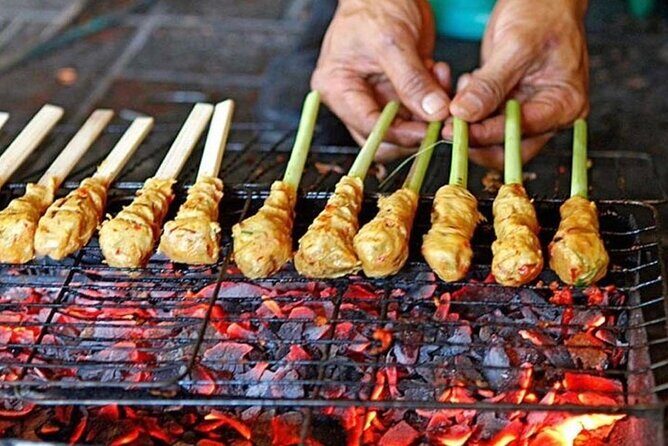
- Chicken meatball soup
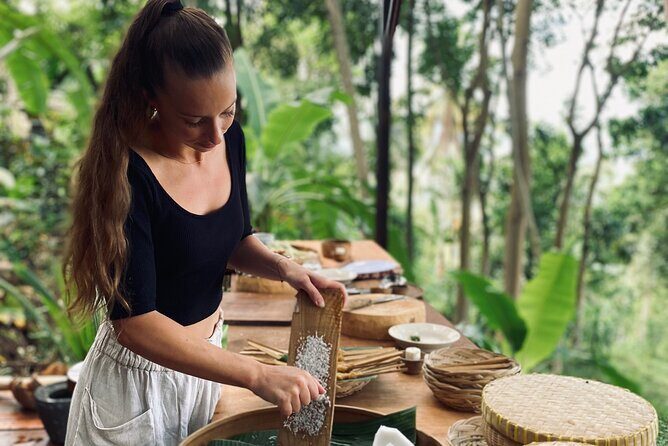
- Crepes sweetened with palm sugar and topped with grated coconut
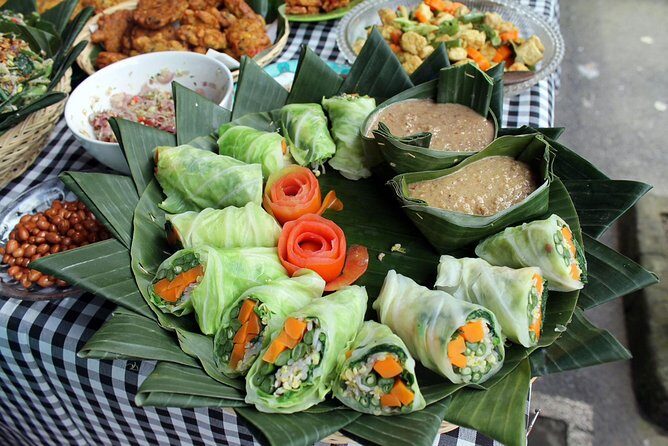
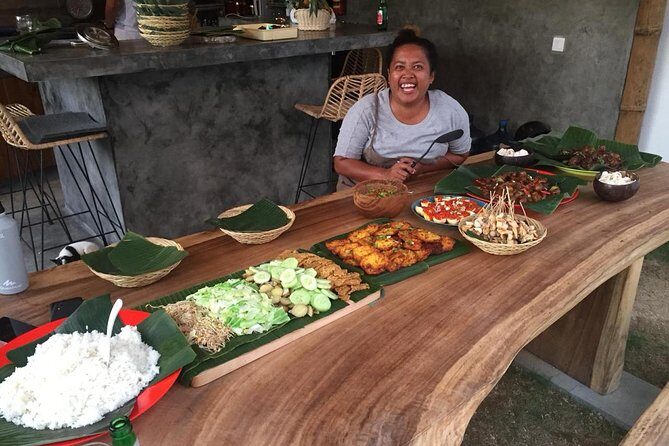
Even if your exact menu differs, the style stays consistent: fresh ingredients, clear techniques, and Balinese flavors that feel distinct from the wider Indonesian palette you might know.
Value note: cooking classes are only worth it when you leave with repeatable understanding. Here, the technique talk and the spice processing help you rebuild the logic later at home.
Ron’s Culture Lesson: More Than Recipes in a Small-Group Setting

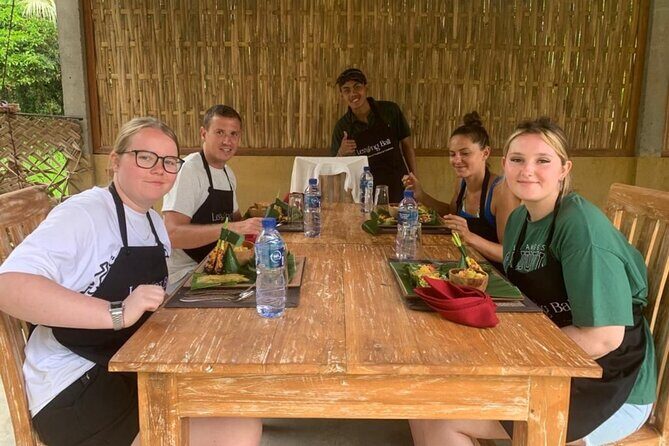
This is a small-group class, capped at 15 travelers, which changes the vibe. You’re less likely to feel like a number, and that matters when you’re learning knife skills and spice work.
A standout from the reviews is Ron. Multiple people highlight his humor and friendly hosting style, plus the way he explains Balinese living and traditions alongside the food. One review specifically mentions that before cooking starts, Ron takes time to teach a bit about Balinese life and they share a tea before getting into the dishes. That’s a smart flow: it helps you slow down and pay attention before the practical work begins.
For you, this means the evening can feel both hands-on and human. You’re not just copying steps. You’re understanding the culture behind why certain ingredients and methods show up again and again.
The Candlelit Dinner That Actually Feels Like the Point
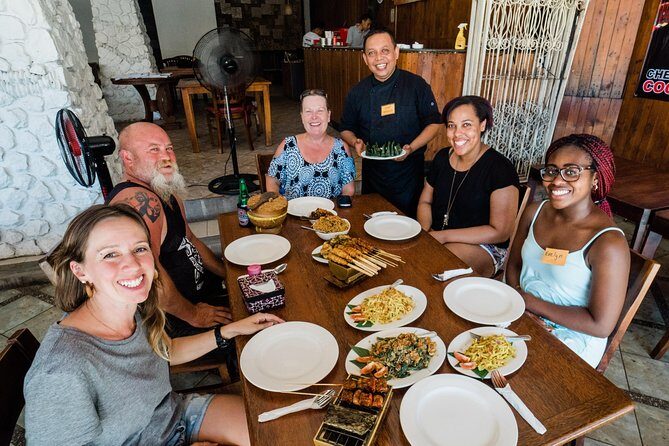
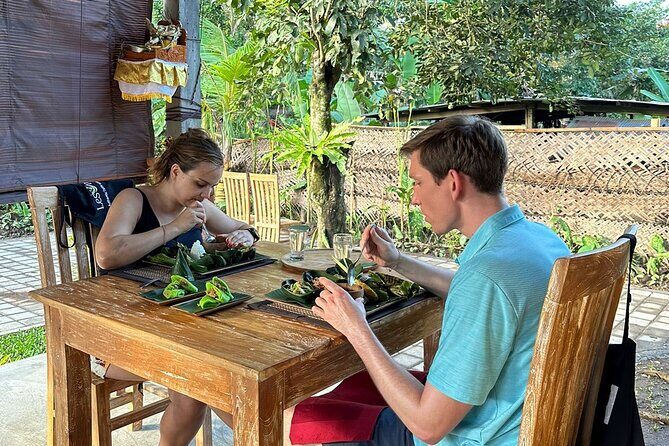
After the cooking, you don’t just get a quick bite. You sit down for a candlelight dinner, which ties the whole evening together. You’ve worked for the food, so eating it feels like a finish line, not a consolation prize.
The included drinks and food setup also helps. The experience includes:
- Mineral water
- A welcome drink and snacks
- A bottle of beer
You’ll want to like the idea of a casual, romantic dinner format. If you’re the type who wants a very active nightlife plan for Ubud, this may feel more like a “one big moment” evening than a multiple-stop night out. But for many couples, that’s exactly the draw—one memorable block of time that centers on shared cooking and then sharing a table.
Food memory tip: pay attention to what you do with the spices and banana leaf wrapping (if it’s on your menu). Those are the kinds of details you’ll remember, not just the final taste.
Price and Value: What $45.82 Really Buys You in Ubud
At $45.82 per person, this isn’t just a budget activity. It’s a package: cooking class + cultural stops + farm harvesting + a candlelit dinner, with pickup and drop-off within the Ubud area and a private car.
Here’s why that can be good value:
- You’re not paying separately for transportation, ingredients (used in the class), and the dinner.
- You get real instruction on techniques like using the Lesung and processing spices.
- The romantic dinner is included, so the food experience doesn’t stop at cooking.
On the other hand, it’s not the cheapest option if you’re already based outside Ubud or if you’re trying to keep every cost tight. The experience notes extra transportation costs for areas like Nusa Dua and Jimbaran and Uluwatu. If you’re not in central Ubud, ask early what transfer fee applies and whether it still makes sense for your budget.
Group discount note: the listing mentions group discounts, so if you’re traveling with friends, this can become even better per person.
Who This Cooking Class Is Best For (and Who Should Skip It)
This experience fits best if you want a specific mix:
- Couples looking for a romantic setup without planning a fancy restaurant night
- People who enjoy hands-on cooking and want to learn techniques, not just eat
- Anyone who likes cultural context that’s tied to daily life and food preparation
It’s also a solid choice if you’re staying in Ubud and you want an evening that uses your time well—especially with pickup included for hotels in the Ubud area.
Consider skipping if:
- You strongly prefer self-guided activities over organized instruction
- You’re sensitive to weather changes, since the tour requires good weather
- You care about bringing a photographer, because photo is not included (you’d need your own plan)
Practical Stuff to Know Before You Go
A few details will help you have a smoother evening:
- Group size: up to 15 people means it’s social, but not crowded.
- Menu options: you can choose vegetarian or regular menus during the experience.
- What’s included: private car pickup and drop-off in the Ubud area, cooking class, candlelight dinner, mineral water, welcome drink and snacks, and a bottle of beer.
- Mobile ticket: you’ll use a mobile ticket, so have it accessible on your phone.
For timing, the whole thing is about 5 hours. That’s long enough to learn and eat, but not so long that it eats your entire day. If you’re planning other activities, keep your afternoon lighter so you’re not rushing.
Should You Book This Evening Cooking Class in Ubud?
If you want an evening that blends Balinese culture, hands-on cooking, and a romantic dinner in one flow, I’d book it. The combination of farm spice harvesting, technique-focused instruction with the Lesung, and Ron’s welcoming teaching style is exactly what turns a normal activity into a memory you’ll talk about later.
I’d lean toward booking especially if:
- You’re in Ubud and pickup convenience matters
- You want a couples-friendly night that feels special without extra planning
- You’re curious about how Balinese flavors build from spices and methods
If you’re on the fence, your decision comes down to one thing: are you okay with a weather-dependent outdoor portion on a countryside-style schedule? If yes, this is a strong value for a complete food-and-culture evening.
FAQ
Where does the cooking class take place?
The class is located on the west side of Ubud, in an area with green countryside surroundings.
How long is the experience?
It lasts about 5 hours.
Is hotel pickup included?
Pickup and drop-off are included for hotels in the Ubud area.
What’s included in the price?
The experience includes private car pickup and drop-off (Ubud area), the cooking class, candlelight dinner, mineral water, welcome drink and snacks, and a bottle of beer.
Are vegetarian menus available?
Yes. There are vegetarian menu options as well as regular menus you can choose during the experience.
What dishes might we cook?
Menu choices can include steamed fish wrapped with banana leaf, chicken meatball soup, and crepes with palm sugar and grated coconut.
Is the group small?
Yes. The maximum group size is 15 travelers.
What happens if the weather is bad?
The experience requires good weather. If it’s canceled due to poor weather, you’ll be offered a different date or a full refund.
Is there a photo included?
No, photo is not included.