
Farm-to-Table Balinese Cooking Experience
Food + culture, in one tidy package.
What makes this Balinese cooking experience stand out is the market-to-kitchen flow: you start by picking ingredients with a guide, then move straight into a hands-on cooking class. I also like that the food you make ties back to organic farm produce, and you end with lunch that comes from your own work. The setting matters too—expect great views while you learn.
One thing to think about is price. At $47.31 per person it can look fair on paper, but the total you pay can feel high if you’re comparing against cheaper Bali food activities (and currency conversions can make it sting).
In This Review
- Key highlights to know before you go
- From market stalls to your chopping board
- Picking ingredients in the market (and what you’ll learn)
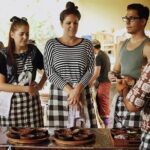
- The cooking class: farm produce, real technique, small group energy
- Views and timing: why the setting isn’t just decoration
- Visiting a Balinese family home: what to watch for
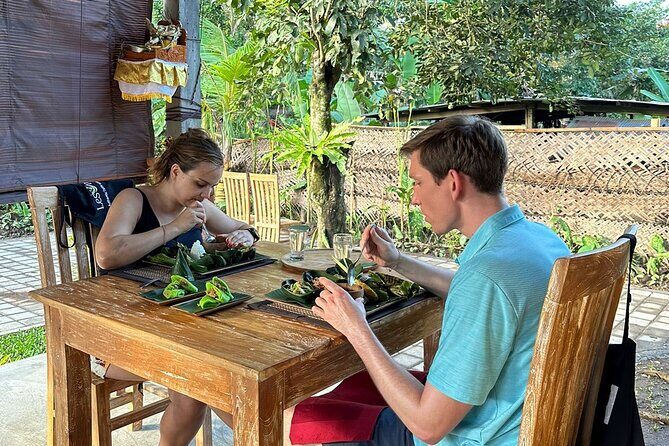
- Lunch you made: the payoff after the work
- Value check: price vs what’s actually included
- Who this fits best (and who should skip)
- Small inclusions that matter more than you think
- Should you book this farm-to-table Balinese cooking experience?
- FAQ
- How long is the Farm-to-Table Balinese Cooking Experience?
- Where does the tour take place?
- What’s included in the price?
- Is pickup offered?
- What is the maximum group size?
- Do I get a recipe?
- Is the tour dependent on weather?
- What is the cancellation policy?
Key highlights to know before you go
- Market ingredient shopping with a guide before you cook
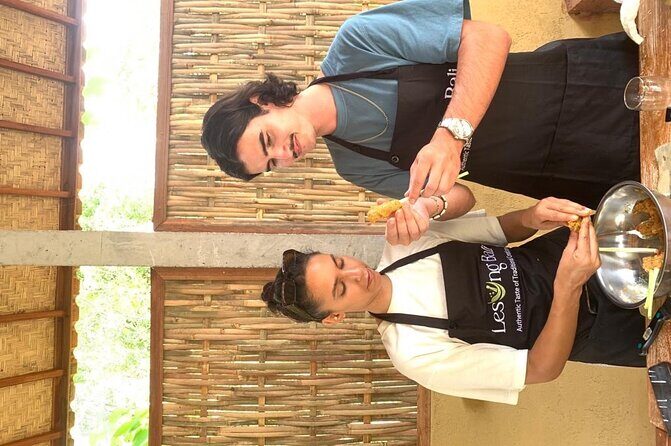
- Hands-on cooking class led by a local expert
- Organic, farm-fresh ingredients used for your meal
- Countryside views during the cooking time
- Balinese family home visit for a real-life snapshot of daily life
From market stalls to your chopping board
In Ubud, a cooking class is common. What’s less common is the full “start with ingredients, then cook, then eat” rhythm built around how Balinese daily life actually works—plus the chance to connect that meal to where the ingredients came from.
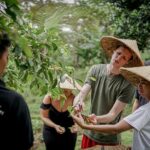
You’ll begin with a guided market tour where you choose fresh produce and other items directly from local vendors. That sets the tone. Instead of showing up at a kitchen and copying a recipe, you’re actively shaping what ends up on the table. It’s also a fast way to learn the logic behind meals here: ingredients first, technique second, and taste right at the center.
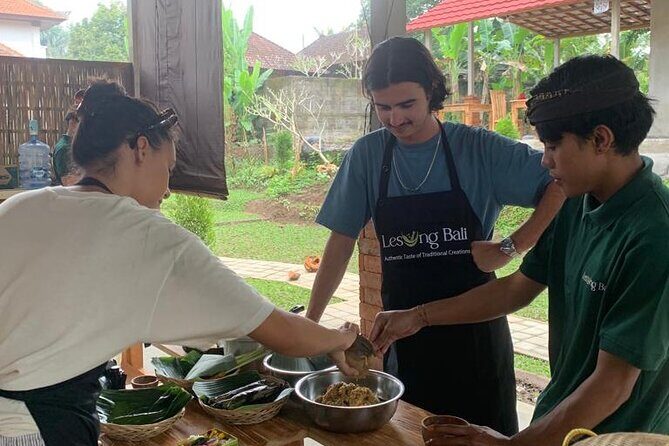
Then comes the cooking part. You’ll join a local expert for a hands-on class using farm-harvested organic ingredients. The goal isn’t just to get fed; it’s to learn how these dishes come together, step by step, with plenty of time to participate rather than watch.
Finally, you’ll add a cultural layer that goes beyond food. The experience includes a visit to a local Balinese family in their home to see daily life, not just a staged performance.
Picking ingredients in the market (and what you’ll learn)
The market segment is the anchor of the whole experience. I like this because it gives you context you don’t get from a standard cooking class.
Here’s what it means in practical terms:
- You’ll practice “choosing” instead of simply buying. That makes the lesson stick.
- You get a sense of what’s fresh and what people actually use, which helps when you’re cooking later at home.
- You’re guided through the process, so you’re less likely to end up with the wrong ingredient or miss what makes it special in Balinese cooking.
Because you’re selecting directly from vendors, you’ll see how ingredients are displayed, handled, and sold in a way that feels real. This is also where the tour’s “farm-to-table” promise starts to make sense: it’s not just marketing language. The same ingredients you pick are the ones that feed into the recipes you’ll cook.
Tip: wear comfortable shoes and bring a small bag you can keep close. Markets move fast, and you’ll appreciate not having to wrestle with your belongings while deciding what to buy.
The cooking class: farm produce, real technique, small group energy
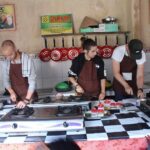
The class itself is hands-on, led by a local expert, and built around organic ingredients harvested from the farm. That matters because you’re cooking with ingredients that match the flavor profile the recipe is meant to use—so the results you get aren’t “average cooking class food.”
The group size is also a big deal: the experience caps at 15 travelers. In real terms, that usually means you’re more likely to get personal guidance, and the instructor can spot problems quickly—like when chopping is uneven or when you’re unsure about timing. It’s the difference between feeling like a spectator and feeling like you’re actually participating.
You’ll likely do the full arc of cooking tasks during the class: prepping ingredients, learning the approach for combining them, and finishing dishes the way the recipe intends. The tour description also emphasizes that you’ll be cooking traditional Balinese dishes. That’s important because it frames the day as learning a style, not just copying one meal.
One consideration: hands-on cooking can get a bit hot, and kitchens in the tropics can feel steamy. Lightweight layers and a plan for how you’ll manage hair or sweat will make the experience more comfortable.
Views and timing: why the setting isn’t just decoration
The experience isn’t only about food. While you cook, you’ll enjoy stunning views over the lush countryside. Even if you’re focused on learning, the visual break helps the whole day feel calmer and less like a factory tour.
Why this matters for you:
- It keeps the pace more relaxed. You’re not rushed from one stop to another just to check boxes.
- It gives you a sense of place. Ubud sits in a green, hilly environment, and this type of view helps you understand why farms and local ingredients are such a core part of the food culture.
Duration is listed as about 3 hours 30 minutes, which is long enough to do the market, cook, visit a family home, and eat lunch without feeling like an all-day saga. In practice, that kind of time frame is ideal if you want a meaningful cultural activity but you still want energy for Ubud’s evening options.
Visiting a Balinese family home: what to watch for
The included home visit is one of the most valuable parts of this experience—if you go in with the right expectations.
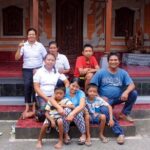
Instead of a “look, don’t touch” photo stop, the tour description says you’ll visit a local Balinese family in their home to gain insight into daily life and the island’s unique way of living. That’s the key phrase: daily life.
This can translate into a few different things, depending on the family and timing:
- A chance to see how households operate in a real setting
- A better understanding of how food, routine, and community fit together
- A quieter cultural exchange that happens through conversation and observation
Respect goes a long way here. Keep your phone put away until you’re sure it’s welcome, and follow any guidance you’re given. You’ll get more out of the visit when you treat it like a conversation rather than a scene.
Lunch you made: the payoff after the work
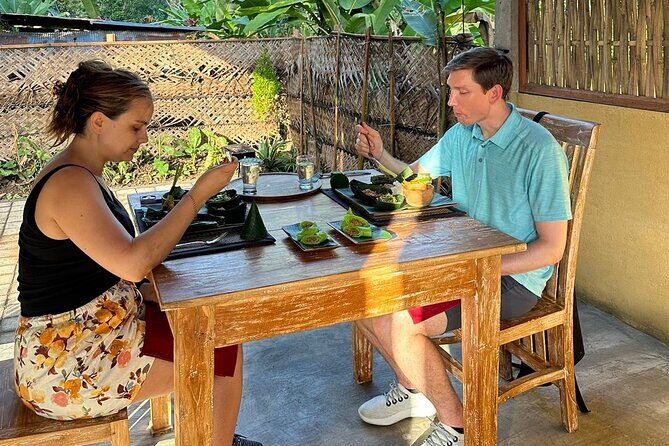
Lunch is included, and it’s the meal you prepared. That’s not just a perk; it’s part of the teaching method. When you taste the dish right after cooking it, you can connect technique to flavor immediately.
Expect lunch to be authentic to Balinese cooking since the class uses traditional dishes and organic farm ingredients. If you’re thinking ahead: this is also the best time to ask about what you should change if you try cooking again later—like ingredient substitutes or which steps matter most.
You’ll also receive bottled water, which is a thoughtful inclusion in Ubud’s heat.
Practical advice: take a moment at the start of lunch to note what tastes best to you. Later, when you look at the provided recipe PDF, your memory will help you choose what to practice first.
Value check: price vs what’s actually included
At $47.31 per person, on paper this is positioned as an accessible farm-to-table food experience. But the real value question isn’t just cost—it’s what you’re getting in that 3.5-hour window.
Here’s what you do get:
- Pickup and drop-off in the Ubud area
- A guided market tour to select ingredients
- A hands-on Balinese cooking class with a local expert
- Use of organic, farm-fresh ingredients
- A Balinese family home visit
- Lunch (plus bottled water)
- A recipe PDF
- Mobile ticket and group max 15
Now, the tricky part: some people feel the total cost is high compared with other Bali food options. One common complaint is that the amount can end up feeling steep once you factor in currency conversion and what you’re comparing it against. So if your main goal is budget-friendly eating, you’ll want to compare carefully.
My take: if you value the full package—market + cooking + family home visit + lunch—this can be good value. If you only want cooking and don’t care about the cultural add-ons, you may find cheaper classes that still teach you enough to satisfy your appetite.
Who this fits best (and who should skip)
This tour is a strong match if you:
- Want a structured food experience that starts in the market
- Like hands-on learning more than just watching
- Enjoy cultural context, especially home life and local routines
- Prefer smaller groups (up to 15 travelers)
It might not be the best fit if:
- You’re purely chasing the lowest price for a cooking class in Bali
- You want a food experience with more free time or a looser itinerary
- You’re the type who hates guided stops and structured pacing
If you’re traveling solo, it can also work well because the group is capped and the activities are interactive. Couples often like it too, especially if one person wants cooking and the other wants culture.
Small inclusions that matter more than you think
A few details quietly improve the experience:
- Pickup/drop-off in Ubud means you don’t lose energy figuring out transport.
- The recipe PDF is useful because it helps you repeat what you learned instead of forgetting after a vacation buzz.
- Bottled water is a small but welcome inclusion during cooking time.
- The group cap supports a more personal class feel.
- Free cancellation is available if plans change, though you still need good weather for the experience to run as intended.
Also, the tour includes lunch, so you’re not scrambling to find food afterward. In Ubud, that “not thinking about meals” freedom is real.
Should you book this farm-to-table Balinese cooking experience?
If you want a cooking class that feels connected to the island—market ingredients, organic farm produce, a family home visit, and lunch you made—then yes, this is worth booking. It’s built as a compact cultural day, not just a kitchen workshop.
But if you’re value-sensitive and you’re willing to trade cultural depth for lower cost, you may prefer a cheaper option that focuses only on cooking. The main decision comes down to whether you’ll actually use and appreciate everything included, especially the market shopping and the family home visit.
If you decide to go, book with the expectation of a guided, hands-on day in Ubud—then enjoy the payoff: a meal tied to where it started.
FAQ
How long is the Farm-to-Table Balinese Cooking Experience?
The duration is approximately 3 hours 30 minutes.
Where does the tour take place?
It’s located in Ubud, Indonesia.
What’s included in the price?
Lunch, bottled water, pickup & drop-off in the Ubud area, and a recipe PDF are included.
Is pickup offered?
Yes, pickup and drop-off are included for the Ubud area.
What is the maximum group size?
The experience has a maximum of 15 travelers.
Do I get a recipe?
Yes, you’ll receive a recipe in PDF format.
Is the tour dependent on weather?
Yes. The experience requires good weather. If it’s canceled due to poor weather, you’ll be offered a different date or a full refund.
What is the cancellation policy?
Free cancellation is available. You can cancel up to 24 hours in advance of the experience for a full refund.
More Tour Reviews






More Balinese Cooking Classes
More Ubud Tours
Ubud Tours: how the alternatives stack up


 ★ 5.0
★ 5.0Ubud: Monkey Forest, Jungle Swing, Rice Terrace, and Water Temple


The lists this tour appears in