Balinese Farm Cooking Class by Pemulan Bali

Balinese Farm Cooking Class by Pemulan Bali - Organic farm visit: produce, spices, and real context

Five hours of farm-to-pan cooking.

In Ubud, this class links a market visit with an organic farm and then an open-air kitchen, so you learn where ingredients come from before you start cooking. It’s a practical way to taste Balinese flavors without feeling stuck in a restaurant routine.

Two things I especially like: you pick your own produce at the farm, and you leave with recipes plus coffee and tea to keep the food part going after the class. The main catch is time—expect to spend a solid chunk of the day on the whole experience, and some sessions can be more food-heavy than others.

Key highlights at a glance

Balinese Farm Cooking Class by Pemulan Bali - Key highlights at a glance

  • Market morning in Ubud with fresh fruit and local treats
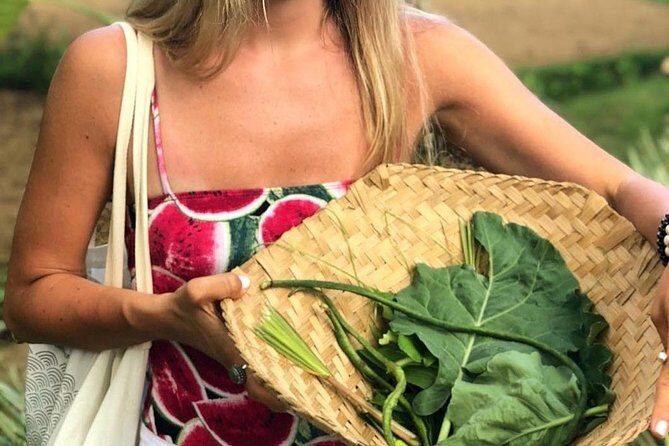
  • Pick-your-own ingredients from the farm garden
  • Open-air cooking in a calm countryside setting
  • Six Balinese dishes (with some sessions running more food-focused)
  • Coffee, tea, and recipes to take home
  • Small group size (up to 20) for a more hands-on feel

Balinese farm-to-table cooking in Ubud

Balinese Farm Cooking Class by Pemulan Bali - Balinese farm-to-table cooking in Ubud
This is a hands-on cooking class built around the real flow of food in Bali: ingredients first, then preparation, then the meal. You start in central Ubud with pickup, then move through two different “ingredient zones”—a local market and a farm—before you cook in an open-air kitchen.

What makes it work for most people is that it doesn’t treat cooking like a performance. You’re guided step by step, and you get context for why the ingredients matter. In a place like Bali, where flavors rely on fresh aromatics and spice blends, that order is a big deal.

Also, the farm setting helps. Even if you usually avoid “nature walks,” this one has a clear job: it teaches you what grows there and how people use plants and spices in daily cooking.

Ubud market stop: picking ingredients like a local

If you choose the morning class, the day begins with a trip to a traditional market in Ubud. You’re not just browsing—you’re shopping for ingredients you’ll actually cook with later. Along the way, you’ll get to sample fresh fruits and treats, which is a quick way to reset your taste buds before you start prep.

Here’s what you’ll likely find useful as a cook (even a nervous one). Markets are where you can see the ingredients in their natural forms: whole spices, fresh produce, and everyday items people rely on. That makes it easier to understand what you’re doing later in the kitchen, especially when a dish depends on aromatics like herbs, roots, or spice pastes.

If you’re short on time or prefer to be in the kitchen sooner, note that the morning market is specifically called out as part of morning classes. Evening and afternoon options may focus more on the cooking and farm portion, depending on the schedule you select.

Organic farm visit: produce, spices, and real context

Balinese Farm Cooking Class by Pemulan Bali - Organic farm visit: produce, spices, and real context
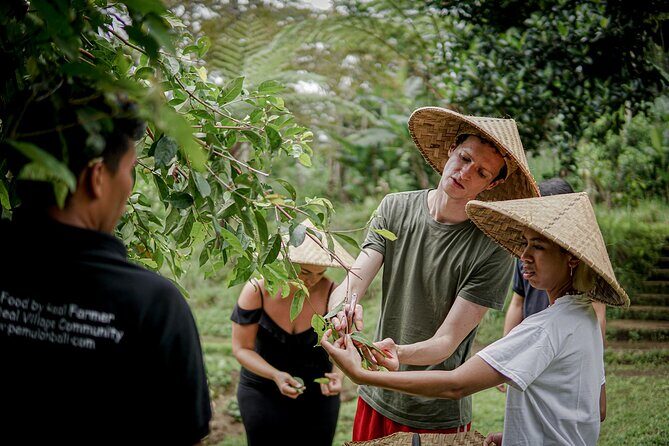
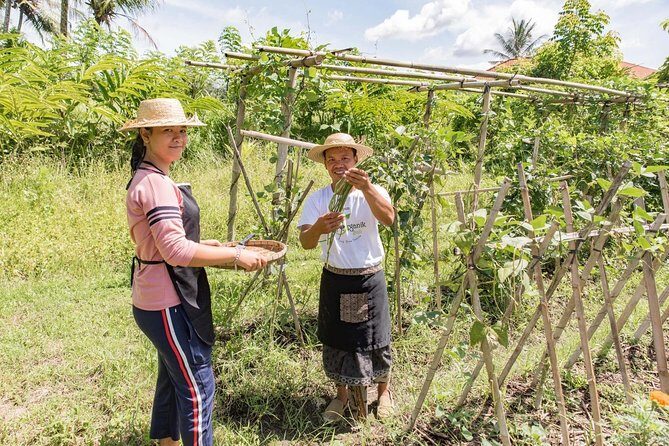
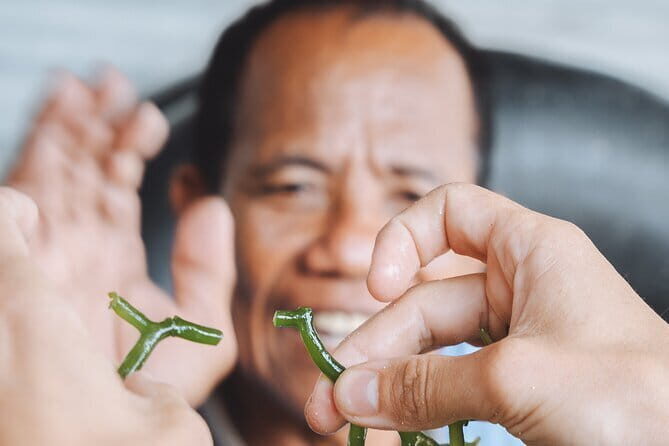
After the market, you go to the farm. The setting is described as an organic farm with a garden you can explore, plus the chance to hand-pick fresh ingredients.

This part matters more than it sounds. A market teaches you what to buy; the farm teaches you what to look for. And when you pick the produce yourself, it’s easier to remember things like:

  • which herbs smell the strongest when crushed
  • which plants are used for fresh flavor versus cooking deeper
  • how ingredient availability affects what dishes get made

You also learn about Balinese spice plants and other greenery used in daily life. The kitchen work later becomes less mysterious because you’ve already seen the raw material.

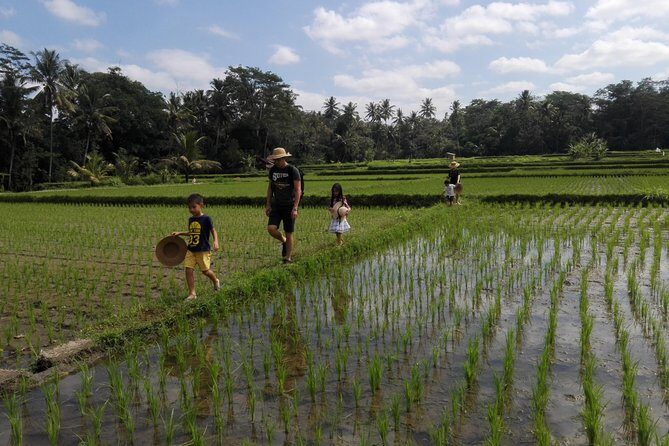
The farm is also open and scenic in a calm, countryside way. If you’re tired of Ubud crowds, this is a nice change of pace with a purpose.

Open-air kitchen time: cooking six Balinese dishes

Balinese Farm Cooking Class by Pemulan Bali - Open-air kitchen time: cooking six Balinese dishes
Next comes the open-air cooking session. You’ll work with chefs in a kitchen surrounded by countryside calm, and the goal is to prepare and enjoy six authentic Balinese dishes.

In practice, this usually means a mix of appetizers and mains, plus something sweet. One of the most satisfying details from the class experience is that you don’t just watch—you cook. That includes prep work, handling ingredients, and learning the reasoning behind technique choices.

Based on the pattern of what’s been cooked in the past, you can expect a variety—some savory plates, some heavier mains, and a dessert or sweet component. One participant described making 2 appetizers, 3 main dishes, and a community dessert, which matches the idea of a full meal rather than a single demo.

A small warning from the timing perspective: there can be different class levels. The experience you choose may affect how much food you’re making and how long you’ll be in the kitchen. Plan your day like this is the main event, not a quick add-on.

Coffee, tea, and take-home recipes (the part you’ll re-use)

Balinese Farm Cooking Class by Pemulan Bali - Coffee, tea, and take-home recipes (the part you’ll re-use)
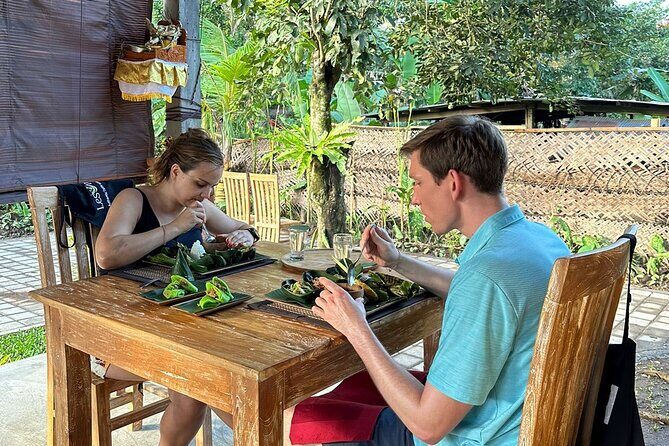
When cooking is done, you eat what you made. Tea and coffee are included, and there are recipes to take home. That last part is huge for value, because it’s what turns “a fun meal” into “I can recreate this later.”

It’s also practical. Balinese dishes often rely on fresh ingredients and spice mixes. If you want to cook at home, having the recipe steps helps you figure out substitutions and get the flavor direction right.

One more plus: the shared meal format feels social without turning the day into a party. You’ll likely be in a group setting with up to 20 people, which gives the chefs enough room to guide you while still making it easy to talk with other participants.

And yes, the class has a friendly, human feel. People have specifically highlighted warm staff energy and even a chef with a great sense of humor—exactly what you want when you’re chopping, grinding, and learning by doing.

Is $39.71 worth it? Value, group size, and what’s included

Balinese Farm Cooking Class by Pemulan Bali - Is $39.71 worth it? Value, group size, and what’s included
At $39.71 per person, this is positioned as an all-in cooking experience rather than a cooking “taster.”

For your money, you get:

  • pickup from central Ubud
  • a market visit (on morning classes)
  • a farm visit with pick-your-own produce
  • a guided cooking session for six dishes
  • coffee and tea
  • recipes to take home
  • a group size limited to 20 travelers

That bundle is the key to the price. Many cooking classes charge similarly but skip either the market ingredient lesson or the hands-on farm step. Here, you get both. You also leave with recipes, which effectively extends the value beyond the day of cooking.

If you’re the type who likes to understand why food tastes the way it does—rather than only what it tastes like—this kind of ingredient-focused structure is a better deal than most.

Picking your time slot: 07:30, 12:30, or 16:00

Balinese Farm Cooking Class by Pemulan Bali - Picking your time slot: 07:30, 12:30, or 16:00
The schedule offers three options:

  • Morning class: 07:30 AM
  • Afternoon class: 12:30 PM
  • Evening class: 16:00 PM

Your best choice depends on what you want most.

  • Choose the 07:30 AM slot if you want the Ubud market stop with fruit and local treats before the farm and cooking.
  • Choose 12:30 PM if you want to get it done before evening plans, while still having decent daylight for the farm and open-air kitchen.
  • Choose 16:00 PM if mornings feel rushed and you prefer a later start—just remember the day is still a full activity, and cooking time is real.

One practical tip: treat it as a “centerpiece experience.” It’s not a quick two-hour workshop. Even if a guide says approximate duration, you’ll want to keep your schedule roomy so you don’t feel rushed when the day runs long.

Logistics that matter: pickup, meeting point, and how long it takes

Balinese Farm Cooking Class by Pemulan Bali - Logistics that matter: pickup, meeting point, and how long it takes
Pickup is included from central Ubud, and the activity starts at a specific meeting point: Pura Dalem Puri Peliatan (with the provided map pin in the listing) in the Tebesaya/Petulu area.

The class ends back at the meeting point, so you’re not scrambling for transport at the end.

On time: the duration is listed as about 5 hours, but plan for a longer block on the ground. One common expectation is that the whole experience can stretch to a 3–4+ hour commitment depending on how the class is paced and what session level you end up in. The safe move is to clear part of your day and go with the flow.

Weather also matters. The experience requires good weather, and if it gets canceled due to poor weather, you’ll be offered a different date or a full refund.

Who this class fits best (and when to skip)

This is a great fit if you want more than a recipe card. You’ll probably enjoy it most if you like:

  • fresh ingredients and spice variety
  • cooking with guidance
  • a farm-to-plate day that feels grounded in local life
  • eating what you make in a relaxed setting

It’s also a strong choice for people who don’t want to hunt down ingredients themselves. The market and farm stops do that work for you, and the chefs handle the technique.

When might you skip it? If you’re the type who hates any schedule uncertainty, note that different class levels can shift how much food you cook and how long it feels. Also, since it relies on good weather, don’t book it if you’ve got a tight plan that can’t flex.

Finally, it’s group-based and small (max 20). If you want total privacy or a one-on-one class, you might find this less suited to you—but for most people, that group size keeps things friendly and manageable.

Should you book Pemulan Bali Farm Cooking Class?

If you want an authentic Balinese cooking day that includes real ingredient learning, I think you should seriously consider booking. The value is strong for the money because you get market + farm + cooking + recipes, not just a basic cooking session.

Book it when:

  • you’re in Ubud and you want a structured, local-food experience
  • you like hands-on learning
  • you want to leave with recipes you can actually use

Pass or reconsider if:

  • you have a very strict timetable
  • bad weather would ruin your plans and you can’t reschedule
  • you’re expecting a quick snack-sized workshop rather than a meal-focused cooking day

If your goal is to go home knowing what makes Balinese flavor tick, this class does that—one ingredient and one dish at a time.

FAQ

What location is this cooking class in?

It’s in Ubud, Indonesia.

How much does the Balinese Farm Cooking Class cost?

The price is $39.71 per person.

How long is the experience?

The duration is listed as about 5 hours (approx.).

Does the class include a market visit?

Yes, the morning class includes a market visit in Ubud.

How many dishes will I cook?

You’ll prepare and enjoy six different authentic Balinese dishes.

Are pickup and recipes included?

Yes. It includes pickup from central Ubud and includes coffee and tea plus recipes.

What time options are available?

The schedule lists: 07:30 AM (morning), 12:30 PM (afternoon), and 16:00 PM (evening).

How big are the groups?

This activity has a maximum of 20 travelers.

Is there free cancellation?

Yes, free cancellation is available. You can cancel up to 24 hours in advance for a full refund.