If you want Bali that feels lived-in, this is it. This private half-day experience takes you from central Ubud into the terraced foothills near Keliki, where Dewa and his family cook the way many locals still do—using a garden of fresh ingredients, traditional tools, and a wood-fired stove inside their walled compound.
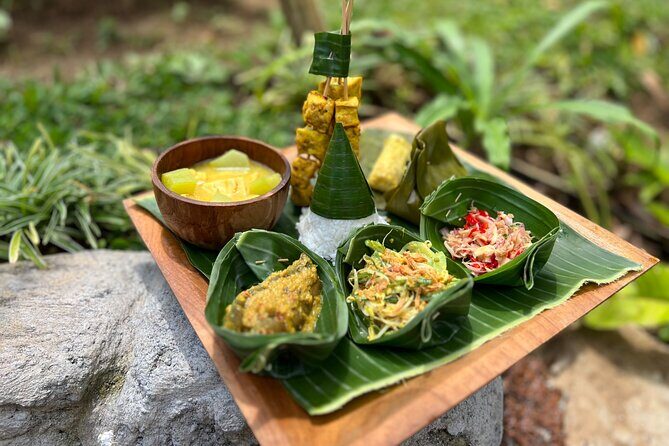
I love the family-home setting because it’s not staged like a studio class. You start with a guided look at the garden and plants, then you cook, then you eat as part of the day. I also love that you’re learning real Balinese flavors, not just copying a recipe card: expect dishes like pepes Ikan (grilled tuna in banana leaves), bumbu kuning (turmeric and coconut sauce), and bregedel (hand-ground corn fritters). One consideration: you should plan for a bit of walking and village wandering—comfortable shoes help, and the day can feel more “hands-on village visit” than “smooth classroom rhythm.”
Key Highlights Worth Planning For

- Private 2-way transfers from Ubud so you don’t have to coordinate rides or routes on your own
- Garden tour first, focused on fruit, herbs, and spice plants like galangal, cacao, and nutmeg, with medicinal talk
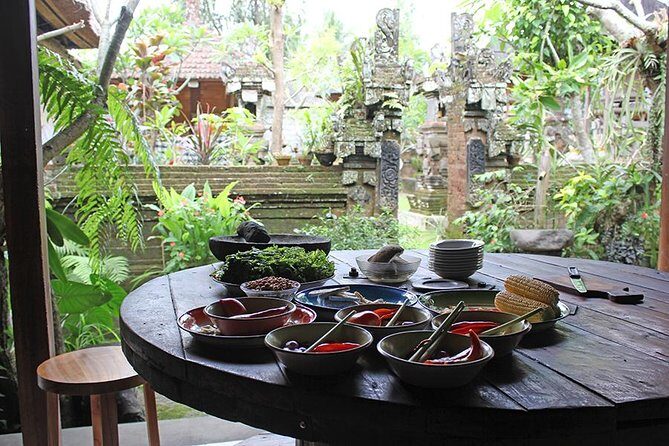
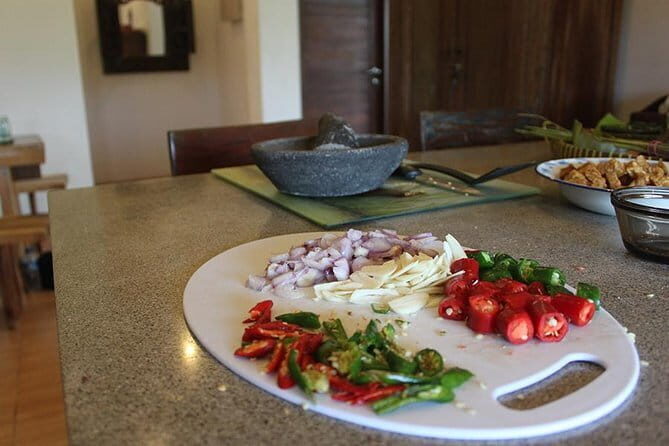
- Wood-fired stove cooking plus traditional prep tools like pestle and mortar
- Hands-on meals you eat right there in the family’s walled compound, often with beer and water
- You can take recipes home in a handwritten-style recipe book/notebook from the family experience
How This Private Cooking Day Works (And Why It Feels Different)
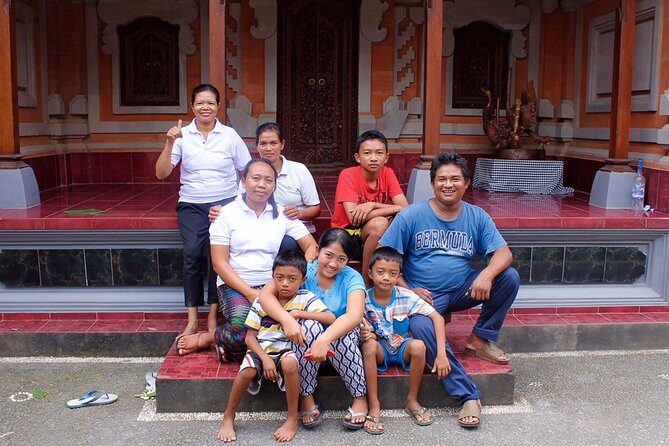
This tour is built around one simple idea: food knowledge comes from daily life. Instead of showing you a handful of dishes in a commercial kitchen, you go to Dewa’s Balinese family compound in Keliki and learn where the ingredients come from and why they’re used.
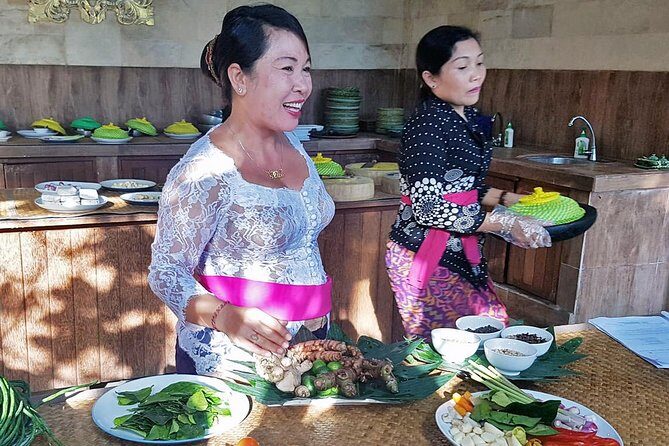
The pacing matches that. You start outside, walking through the garden and getting your hands and eyes familiar with the plants. Then you move into an open kitchen and cook over a wood-fired stove with Dewa (or another family member if he’s unavailable) and Dewa’s wife, Jero. Finally, you eat what you helped prepare, usually with local beer and water.
It’s also truly private: only your group participates. That matters because you can ask more questions, and the food explanations tend to stay personal instead of generic.
Getting From Ubud to Keliki With Private Round-Trip Transfers

One of the smartest parts of this experience is the transportation. The tour includes round-trip transfers from Ubud hotels and vacation rentals (with Dewa able to provide that only from Ubud). That means less stress on timing, less worrying about traffic, and more time for the day itself.
From what you’ll likely experience on the ground, the trip is short enough to keep the schedule comfortable, but long enough to feel the change in setting once you leave the busier Ubud area. You’ll travel through terraced foothills, and the ride sets expectations: you’re going somewhere quieter than the tourist strip.
If you’re staying outside Ubud, there’s a key difference. Dewa can’t do transportation from beyond the Ubud region. In that case, you meet directly at his home in Keliki. If you’re deciding where to stay during your trip, that’s a real factor.
Practical tip: ask yourself how you like to spend half-days. If you want zero driving and constant activity, this may feel slower. If you like moving at a human pace, it’s a good fit.
The Garden Tour: Fruit, Herbs, Spices, and the “Why” Behind It

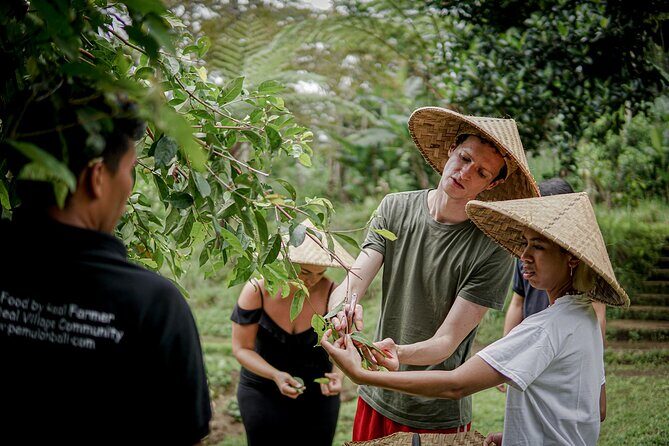
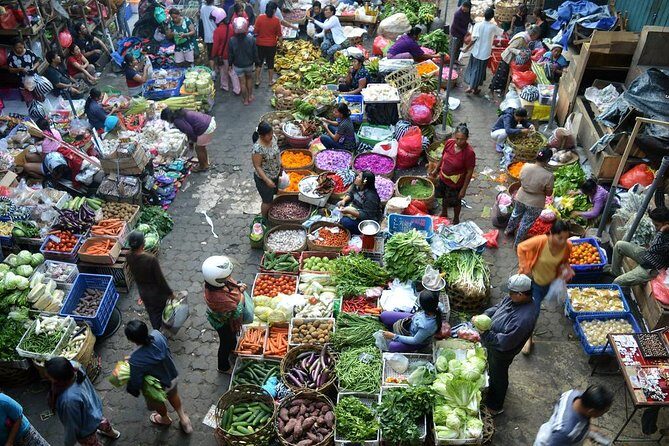
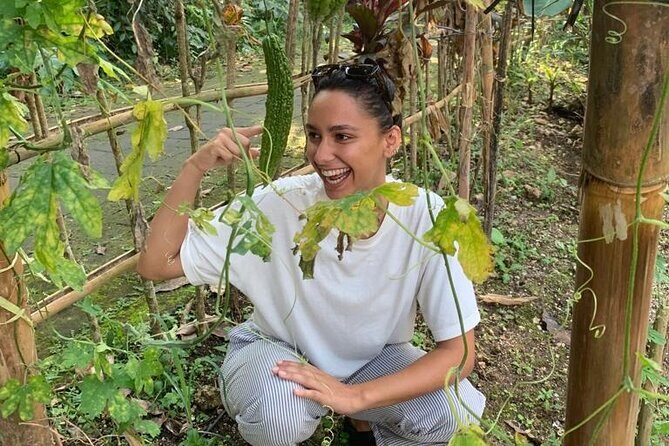
The first major step is the garden tour. This isn’t just a walk for photos. You’ll look at Balinese fruits and spice ingredients grown in the family area—plants such as galangal, cacao, and nutmeg come up, along with herbs and other ingredients used for cooking.
What I like about this part is the focus on purpose. You’ll hear about medicinal properties and traditional beliefs around plants. Even if you don’t treat it like a medical lesson, it gives you a better understanding of why certain flavors show up again and again in Balinese cuisine.
You’ll also get context for the dishes you’ll cook later. When you’ve seen the plant first, the recipe makes sense in a way that’s hard to get from a supermarket ingredient list.
For your comfort: you’ll likely do some walking. Comfortable shoes help, especially since the experience can include village paths and garden areas rather than flat, paved sidewalks the whole time.
Cooking in a Walled Compound Kitchen (Wood-Fired Stove Included)

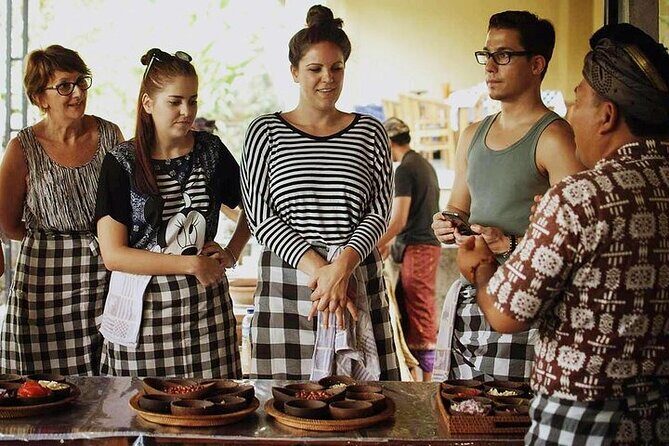
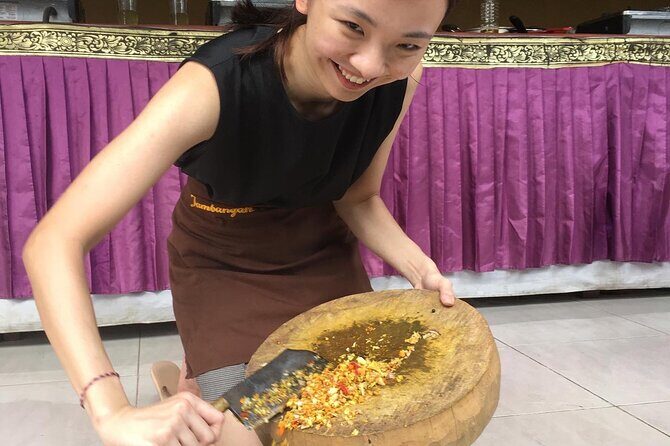
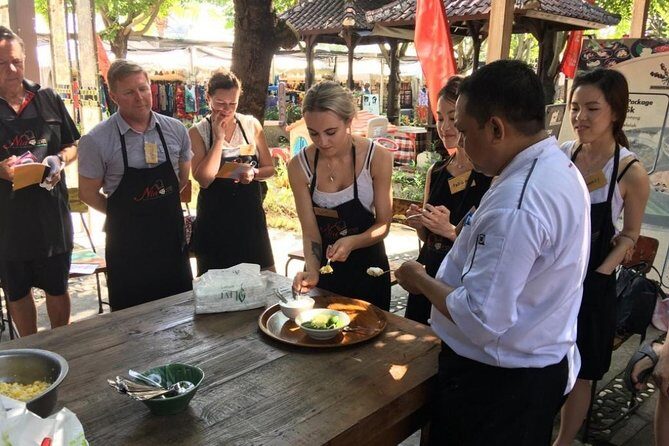
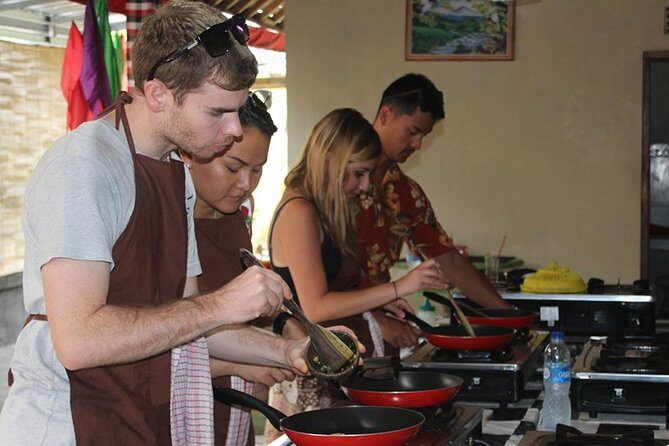
Now for the work part—hands-on cooking. You join the family in an open kitchen area and learn to cook authentic Balinese dishes over a traditional wood-fired stove. You’ll use traditional kitchen tools too, including pestle and mortar for grinding and combining aromatics.
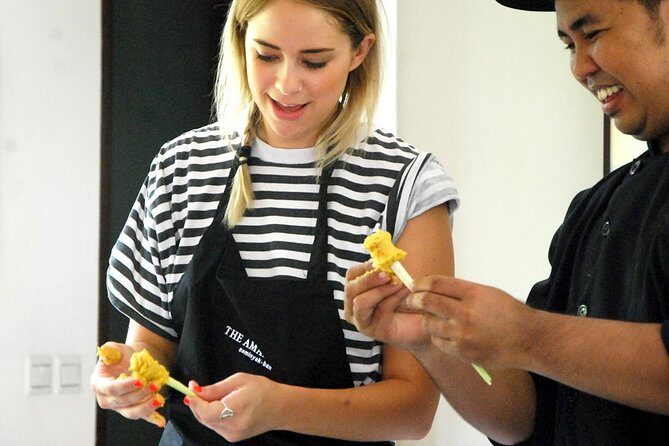
This is not marketed like a professional chef class, and that’s a good thing to know. The goal is learning from the family cooks and getting a feel for the way Balinese home cooking happens. Your role is active: chopping, grinding, mixing, and following steps while Dewa explains what matters.
Common dishes you should expect to cook include:
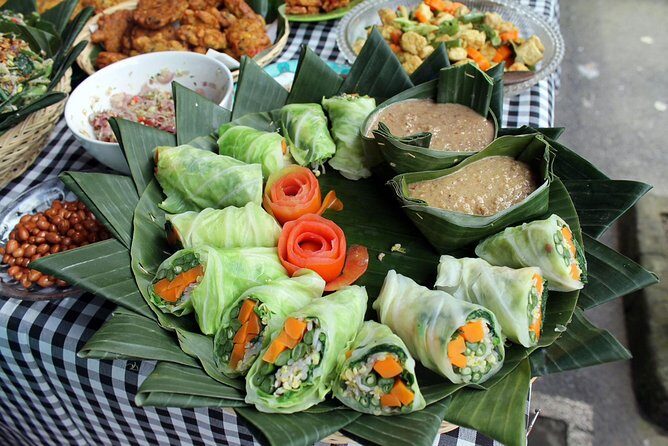
- Pepes Ikan: grilled tuna wrapped in banana leaves
- Bumbu kuning: chicken in a fresh turmeric and coconut milk sauce
- Bregedel: hand-ground corn fritters
Depending on the day and the flow of the household, you may cook several dishes in total (many experiences focus on multiple courses). The consistent thread is that you’re cooking with flavor-building ingredients at the center: aromatics, fresh herbs, and turmeric-based sauces.
One practical consideration: wood-fired cooking and traditional prep can mean less “precision measuring.” That’s part of the charm. If you’re hoping for strict timing like a baking class, temper expectations. If you want to learn technique and taste, you’ll enjoy it more.
What You Eat: Lunch/Dinner in the Family Compound

After cooking, you eat the results right there. You’ll enjoy your meal in the lush greenery setting of the family’s compound walls—exactly the place you learned inside.
I like this stage because it completes the loop. You’re not just taking home a cookbook; you’re eating the food while the context is still fresh. And based on what’s described in the experience, meals can include local beer and water.
A subtle but important detail: the cooking philosophy is usually described as traditional and health-minded, not “salty for tourists.” Some explanations emphasize food as part of wellbeing and balance. If you’re used to heavy seasoning, Balinese flavors may taste gentler at first—but you still get plenty of punch from aromatics and spice blends.
Vegetarian option: the experience says a vegetarian meal is available if you advise at booking. That’s helpful if you don’t want to guess at ingredient swaps on arrival.
The Recipe Take-Home: Notes You’ll Actually Use

One of the best value perks is that you don’t leave with only memories. You get a notebook-style recipe book and writing space, so you can record what you made and how it came together.
From the way this experience is described, the recipe book is more of a hands-on souvenir than a generic printed leaflet. In some versions, it’s presented as a handmade notebook. Either way, the intent is clear: help you recreate the dishes at home.
If you cook at home and like learning techniques, this is the part you’ll use later. If you don’t cook much, you’ll still appreciate it as a way to remember flavors and the ingredient logic behind each dish.
Price and Value: Is $69 Worth It?

At $69 per person for a private half-day experience in Ubud that includes round-trip transfers (from Ubud), a garden tour, cooking with a local host, and food plus beer and water, the value is strong—especially for a private format.
Where you’ll feel that value:
- Private guide attention in a local home rather than a group demo
- Included transport from Ubud, which adds cost and planning time on your own
- Food included after cooking, so you’re not paying restaurant prices on top
- Recipe book/notebook as a tangible take-home
Where you should be realistic:
- It’s a home-based experience, not a polished culinary school with standardized classes.
- Time is part of the experience: there’s travel plus village walking, so the day isn’t a quick in-and-out.
Bottom line: if you want a real Balinese cooking day with family context, $69 feels like a fair trade. If your main goal is a fast, strictly timed cooking lesson with minimal cultural elements, you might look for a more workshop-style option.
Who This Fits Best (And Who Might Want Another Option)

This is a great match if you:
- Want Balinese food in a home setting, not a restaurant or factory-style cooking room
- Enjoy learning about ingredients—especially spices and how they grow
- Prefer asking questions and cooking hands-on with a family host
It may be less ideal if you:
- Dislike walking paths or garden visiting
- Want a purely “classroom” experience with strict cooking measurements
- Are staying outside Ubud and don’t want to make arrangements to meet at the home in Keliki
If you’re short on time in Bali but still want something memorable beyond temples and markets, this works well because it’s a focused half-day.
Final Thoughts: Should You Book Dewa’s Balinese Cooking Class?
Yes, I’d book it if your idea of a great Ubud day includes real people, real food prep, and learning why ingredients matter. The wood-fired cooking, the garden start, and the chance to eat what you cook in a family compound are the right combination of practical skill and cultural context.
The one reason to pause is if you dislike the “village visit” side of things. If you’re okay with that pace—and you show up with comfortable shoes—this has the feel of one of the more meaningful experiences you can fit into a Bali trip.
FAQ
Is this experience private or shared with other groups?
It’s a private experience. Only your group will participate.
How long is the cooking class?
The duration is about 4 hours.
Are round-trip transfers from Ubud included?
Yes, round-trip transfers from Ubud are included. If you’re staying outside Ubud, the experience notes that there is no transportation and you’ll meet directly at the home in Keliki.
What’s included besides the cooking?
You’ll get a private garden tour and cooking class with a local host, an immersive Balinese cultural and culinary experience, and local beer (plus water). A vegetarian option is available if you advise at booking.
What dishes will we cook?
The experience describes cooking dishes such as pepes Ikan (grilled tuna in banana leaves), bumbu kuning (chicken in turmeric and coconut milk sauce), and bregedel (hand-ground corn fritters).
Is this taught like a professional cooking school?
No. It’s described as not a professional cooking class. It’s an authentic home visit to meet a family who shares Balinese culture and cuisine while cooking together.


.jpg)
.jpg)
.jpg)
.jpg)
.jpg)
.jpg)
.jpg)
.jpg)