Canggu Scooter Lessons

Canggu Scooter Lessons - How the Lesson Builds: Theory, Balance, Turns

Two hours can change how you ride in Bali. These private electric scooter lessons in Canggu are set up like a calm training ladder, with an instructor guiding you step by step. You start with basics, build balance, then move to a quieter street only when you’re ready.

I love how the coaching is patient and practical. Instructors like Agus and Gede are described as patient, clear, and willing to explain in detail, with learning paced to you, not a stopwatch. There’s also a real sense of no pressure—practice stays in a safe environment before you think about the real streets.

One heads-up: you need a valid license, and this activity requires good weather to run smoothly.

Key things to know before you learn

Canggu Scooter Lessons - Key things to know before you learn

  • Private 1-on-1 style instruction in Canggu, so you’re not sharing attention.
  • Theory first, then balance drills, then turning practice.
  • A confidence gate: you only move to a quiet village street once you’re comfortable.
  • Break time is built in, so you can reset instead of rushing.
  • You can choose the number of lessons, with an average of 2–3 sessions (about 4–6 hours) depending on you.

Finding Your Starting Spot in Canggu (Jl. Raya Dawas)

Canggu Scooter Lessons - Finding Your Starting Spot in Canggu (Jl. Raya Dawas)
Your lesson begins back at their parking lot meeting area on Jl. Raya Dawas, Tibubeneng, Kec. Kuta Utara, Kabupaten Badung, Bali 80361. That matters more than it sounds. A lot of first-time scooter stress comes from uncertainty—where to meet, what to do first, and how to start moving without fumbling.

Here, the session flow is straightforward: you show up, get oriented, and then the lesson starts on-site. Since the activity ends back at the same meeting point, you don’t have to plan extra transport afterward. It’s also a nice option if you’re staying in or near Canggu and don’t want to spend your whole day doing logistics.

One more detail I like: they use a mobile ticket, and confirmation comes at booking time. That reduces the usual last-minute scrambles that can happen when you’re learning something physical like riding.

How the Lesson Builds: Theory, Balance, Turns

Canggu Scooter Lessons - How the Lesson Builds: Theory, Balance, Turns
This is not a jump-right-onto-the-street lesson. You’ll go through a clear sequence designed to help your body learn while your brain understands what’s happening.

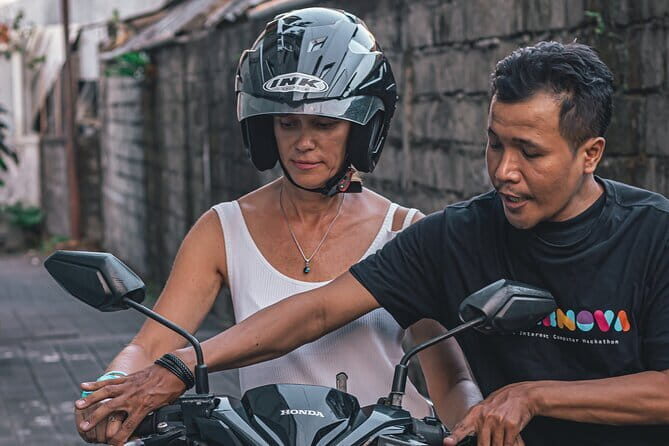
First comes the theory: they explain how everything works and the function of the scooter. You’re not just learning hand positions—you’re getting the idea behind how control and balance interact.

Next you move into the practical basics:

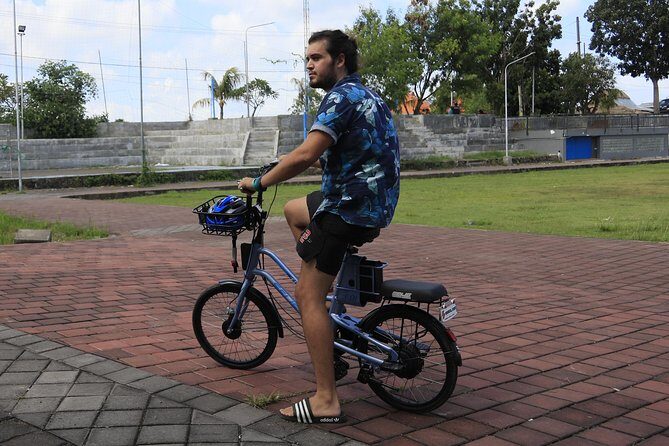
  • balancing the scooter
  • learning how to take turns

That step-by-step order is smart. Balance is the foundation. Turns are where balance gets tested, and where many beginners feel shaky. Practicing turns after balance makes the learning feel more “buildable” instead of random.

Then you hit a key point: you only continue to riding on a quiet village street when you’re completely confident. That confidence checkpoint keeps the lesson from turning into a stressful endurance test.

Quiet-Street Practice When You’re Ready

Canggu Scooter Lessons - Quiet-Street Practice When You’re Ready
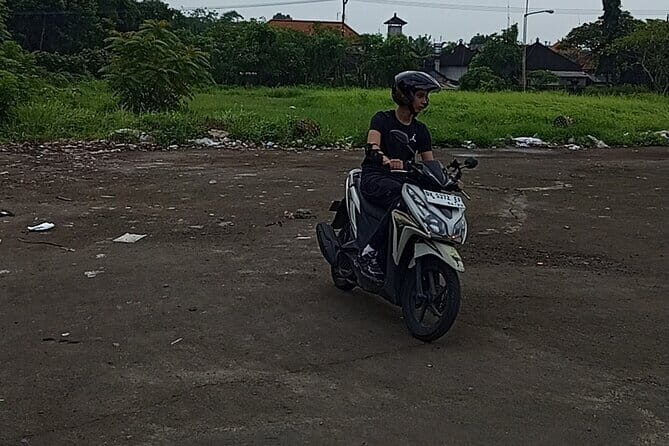
Once you’ve shown you can balance and control turning, the next phase happens on a quieter village street. The goal is simple: give you real-world movement without throwing you into chaotic traffic right away.

For a new rider, this staging does two useful things:

  1. You start getting used to the scooter in motion, not just standing and tricking out your balance.
  2. You learn how your decisions feel when you’re actually traveling forward and managing turns.

This is where the private format shines. If you need extra time to feel steady, you don’t lose your place. And because you can take breaks, you don’t have to “push through” when your confidence drops.

From what I’ve learned, the best outcome isn’t just learning to move. It’s learning to move without panic. A calmer start usually makes you safer later.

Private Coaching That Keeps You Calm (Agus, Gede, and Your Pace)

Canggu Scooter Lessons - Private Coaching That Keeps You Calm (Agus, Gede, and Your Pace)
The biggest value here is the human part of the training: an instructor in your ear. That means corrections happen immediately and you’re not guessing what went wrong.

Instructors described as patient (including Agus) are especially helpful when it’s your first time. They’ll guide you and explain things in detail. Another named instructor, Gede, is noted for taking his time and teaching the next step only after confidence kicks in. That style matters, because the wrong pacing can cause bad habits—like over-correcting when you feel off-balance.

A detail that really helps beginners: you’re given tasks and practice in a safe environment, then you improve through repetition. One of the most common first-time scooter frustrations is feeling like you’re “doing it wrong” but not knowing how to fix it. This kind of structured drill-based teaching helps you build actual technique, not just luck.

Also, there’s no pressure to learn fast. If you can only handle a few drills per session, that’s part of the plan. If you’re ready for more, you can progress. It’s learning at your pace, with support.

How Many Lessons Do You Actually Need?

Canggu Scooter Lessons - How Many Lessons Do You Actually Need?
The short answer: it depends on you. Everyone’s balance, comfort level, and learning speed are different. That’s why they don’t lock you into one fixed experience for everyone.

In practice, you’ll likely do:

  • 1 lesson if you want a quick confidence boost
  • 2 or 3 lessons if you want more freedom and stronger control

Their average is about 4–6 hours total, usually across 2–3 lessons. The key point is that they reassess after the first lesson and adjust the plan based on how you feel.

What this means for your trip planning: don’t treat the first session like the final exam. Treat it like a checkpoint. If you’re aiming to ride more comfortably during your Bali days, plan time for at least a second session.

Price and Value: What $31.34 Buys You

Canggu Scooter Lessons - Price and Value: What $31.34 Buys You
The listed price is $31.34 per person, and the duration is about 2 hours. For many people, that price feels low compared to the risk and stress of figuring out a scooter on your own.

Here’s how I think about value with this kind of skill training:

  • You’re paying for safety-by-practice, not just entertainment.
  • You’re paying for coaching feedback, which you can’t easily recreate by watching videos.
  • You’re reducing the chance you spend your vacation in fear or constantly second-guessing yourself.

If you only do one session, you’ll likely come away with basics. If you do 2–3 sessions (the common range), you get more time for repetition, confidence, and real comfort. That extra time is what tends to make the biggest difference once you’re actually near traffic.

So the smart budgeting move is to treat your first lesson as the start, not the whole story. If you end up doing more lessons, you’re still investing in a skill that can make getting around easier during your stay.

Getting Ready: License, Bicycle Experience, and Weather

Canggu Scooter Lessons - Getting Ready: License, Bicycle Experience, and Weather
Before you go, there are a few practical conditions you should take seriously.

You need a valid license

They note that travelers should have a valid license. Don’t assume you can learn first and handle paperwork later. This training is built around legal and safe expectations.

If you’re learning to drive, bicycle experience helps

They also mention a specific requirement for learning driving: scooter learning for driving requires experience riding a bicycle/bike. So if you can’t ride a bike confidently, you might need to start with bicycle practice first (they do offer bicycle lessons as a service).

Good weather is required

The experience needs good weather. If it’s canceled due to poor weather, you’ll be offered a different date or a full refund. Given scooters are all about traction and control, this one makes sense.

What you’ll need physically

They ask for moderate physical fitness. Think: you’ll be mounting, balancing, and practicing repeatedly, which can tire your legs and core even if you’re not doing anything extreme.

Extra services if you want to go further

If you’re planning a longer-term stay, they also offer:

  • to get an Indonesian driving license
  • manual motorbike lessons
  • bicycle lessons

Those options are handy if you want to build up the whole stack—bike basics first, then manual skills, then scooter driving.

One travel-planning caution

This experience is non-refundable and cannot be changed for any reason. Weather problems are the exception where you can get a different date or a full refund. So I’d book it when you have some flexibility, but not as a last-second gamble.

When Scooter Lessons Actually Make Bali Easier

Canggu Scooter Lessons - When Scooter Lessons Actually Make Bali Easier
Learning to ride a scooter isn’t just about movement—it’s about decision-making. The drills you do here train you to feel control before you’re forced to react to everything around you.

After training, you should feel more prepared for busy roads. The lesson structure supports that by building:

  • basic control (balancing)
  • directional control (turns)
  • comfort progressing to a quiet street

What you should keep in mind: even with training, you’re still entering a place where traffic patterns can feel intense. Your training helps most when you keep using the calm habits you learned—steady movements, controlled turns, and not rushing the next step.

If you go in expecting this to be one big confidence jump, you might feel disappointed. If you go in expecting a skill ladder, you’ll likely feel better fast.

Who This Works Best For (and Who Should Skip)

This is a great fit if:

  • you’re new to riding and want a structured start
  • you want a private lesson so you learn without feeling rushed
  • you’d rather build confidence on a quiet street than jump into traffic too early
  • you like clear instruction and supportive coaching

It may be less ideal if:

  • you don’t have a valid license
  • you can’t ride a bicycle at all and you want to skip the fundamentals
  • you’re trying to lock in only one short lesson and expect instant comfort on Bali streets

If you’re unsure, I’d think like this: the lesson is designed to get you safe control first. Comfort follows practice. That’s the whole point.

Should You Book Canggu Scooter Lessons?

I’d book this if your goal is practical confidence with an instructor guiding you from theory to balance to turns, then onward to a quiet street when you’re ready. The structure makes it harder to panic, and the private coaching style seems built for first-timers and repeat visitors alike.

One smart way to decide: check your schedule and plan for at least a first session, then stay flexible for a second if you want more freedom. If you come in with a valid license and (for driving) bicycle experience, you’ll get the most out of the time.

FAQ

Where is the scooter lesson meeting point?

It starts at Canggu Scooter Lessons, Jl. Raya Dawas, Tibubeneng, Kec. Kuta Utara, Kabupaten Badung, Bali 80361, Indonesia.

How long is the lesson?

The lesson duration is about 2 hours (approx.).

Is this a private activity?

Yes. It’s a private tour/activity, and only your group will participate.

Do I need a valid license?

Yes. Travelers should have a valid license.

Is bicycle experience required?

For learning driving, scooter learning requires experience riding a bicycle/bike.

What happens first during the lesson?

You start with theory about how the scooter works and what the functions do.

Do you ride right away on real streets?

You practice balancing and turning first. Only when you are completely confident do you continue on a quiet village street.

Can I take breaks during the lesson?

Yes. You can take as much break time as you need.

How many lessons will I need?

It depends on your pace and confidence after the first lesson. The average is about 4–6 hours total (2–3 lessons).

What if the weather is poor or I cancel?

The experience requires good weather. If canceled due to poor weather, you’ll be offered a different date or a full refund. Outside of weather issues, it’s non-refundable and can’t be changed for any reason.