
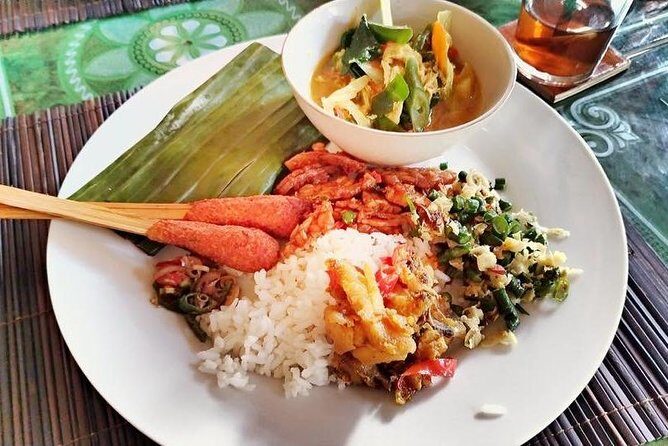
Afternoon Cooking Class & Making Bali Offering with Dinner
Cooking starts with a small offering. In this Ubud afternoon class, you’ll make a Canang Bali offering, learn the core spice paste behind lots of Balinese dishes, then cook up to nine recipes at a family home and eat them right after. I like the hands-on rhythm that keeps you moving (not standing around), and I also like that it’s built around real ingredients and real technique, not just flavor hacks. One drawback to plan for: the afternoon format does not include a market visit, so ingredient browsing is more limited than some other sessions.
The flow is friendly and practical, with a welcome drink of cold ginger tea and step-by-step guidance from the local team led by Wayan Aris. If you’re staying in the Ubud center, round-trip pickup and drop-off are included, which makes it easy to fit into your day without a logistics headache.
In This Review
- Key reasons this class is worth your time
- Afternoon cooking in Ubud: what makes it feel local
- Price and logistics: what you’re paying for at $46
- Before the stove: Canang Bali offering and the cultural setup
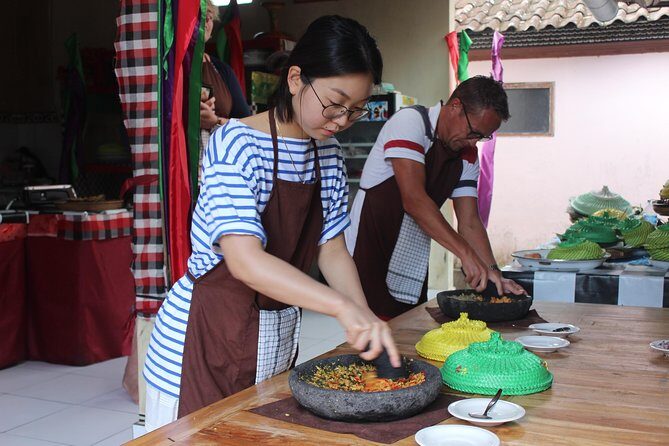
- Balinese spice paste: the real skill you’ll remember
- Cooking up to nine recipes: how the class stays hands-on
- The big family meal: eating what you cooked
- Market visit reality: what the afternoon schedule changes
- Transfers, meeting point, and how to not waste time
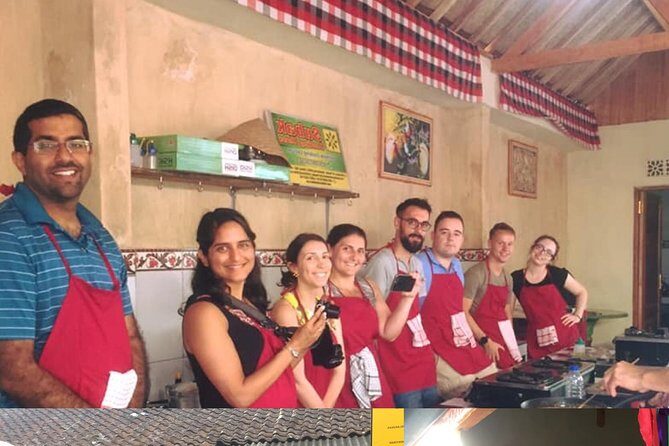
- Small group dynamics: why max 12 people matters
- Recipe PDF and taking the lesson home
- Who should book this cooking class?
- Should you book it? A quick decision guide
- FAQ
- What time does the afternoon class start in Ubud?
- About how long is the experience?
- Where is the meeting point?
- Is hotel pickup included?
- Does the afternoon session include a market visit?
- How many dishes will I cook?
- What cultural activity is included besides cooking?
- What drinks and food are included?
- Do I need cash?
- What’s the cancellation policy?
Key reasons this class is worth your time
- Canang Bali offering first, so you start with the culture before the cooking
- Spice paste training you can reuse at home for future Balinese-style cooking
- Up to nine dishes made in one afternoon, then eaten together as a family meal
- Max 12 people, so you get more attention while you cook
- Cold ginger tea + bottled/mineral water, small comforts that help the session feel smooth
- PDF recipe handout for your notes after the meal
Afternoon cooking in Ubud: what makes it feel local
This isn’t a “cook the same dish as everyone else” class. It’s set up to teach you the Bali building blocks—especially spice paste—and then let you apply that base across multiple recipes. That matters because Balinese cooking is all about layering flavor, and once you understand the paste, you’ll understand the dishes.
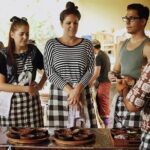
The setting also helps. You’re cooking with a local family, not in a warehouse-style studio. That family-home vibe changes the tone: people share tips, the pace feels natural, and the final meal lands like an actual dinner, not a staged tasting.
Finally, the class is designed to be social without being chaotic. You cook as a group, then sit down and enjoy what you made. The best part is that you leave with both food in your belly and a clearer sense of how the flavors work.
Price and logistics: what you’re paying for at $46
At about $46 for roughly five hours, the value comes from three things: instruction, ingredients work, and the meal. You’re not just watching. You’re cooking multiple dishes, then eating them, with water included.
Logistics are a big part of comfort in Bali, so the included transfers help. The class offers free pickup and drop-off in the Ubud center area. If you’re outside that zone, you’ll need to request pickup and likely pay additional charges. The tour also uses a mobile ticket, which keeps check-in simple.
One more practical note: they ask you to bring cash money for anything you buy, and for extra charges if you go outside the Ubud area. Even if you don’t plan to shop much, it’s smart to have some small bills.
Before the stove: Canang Bali offering and the cultural setup
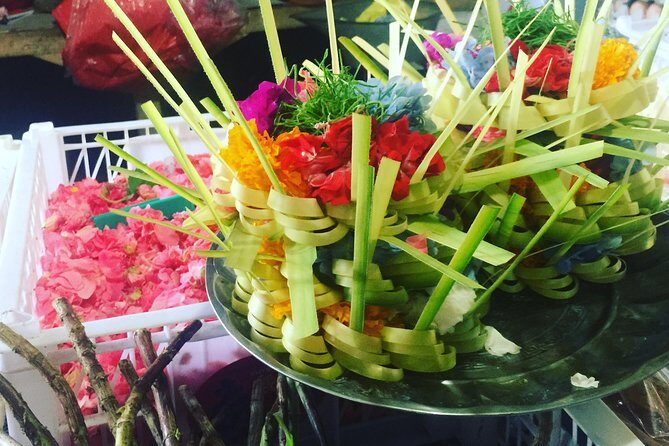
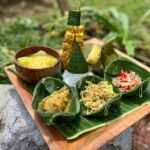
You start with something very Balinese: making a Canang Bali offering. It’s a short ritual, not a long ceremony, but it sets the tone. Instead of jumping straight to chopping, you learn that food, spirit, and daily life are connected here.
This first step is also a good pace setter. Everyone arrives and gets guided into the rhythm of the home kitchen. Even if you don’t know what you’re doing at first, you get support and clear directions. That reduces the usual “I’m behind” stress people sometimes feel in cooking classes.
And it’s not just for show. Once you’ve made the offering, you understand that the cooking isn’t isolated from culture. That context makes the spice paste lesson land better, because it’s framed as part of everyday life—not a tourist demonstration.
Balinese spice paste: the real skill you’ll remember
The star of the class is the spice paste. You learn how to make it and how to use it as a base sauce for many dishes. This is exactly the kind of skill that gives you staying power after the day ends.
If you’ve ever cooked with premade sauces at home, you know the gap can be huge. Fresh paste changes everything: aroma, heat level, depth, and texture. Here, you’re not just tasting an end result—you’re building the base yourself.
One detail that makes this class feel efficient: the core prep is handled so the session doesn’t drag. You’re still doing the cooking, but some preparation may be done ahead (like cutting or meat prep), so you spend your energy on the steps that matter most to learning.
Cooking up to nine recipes: how the class stays hands-on
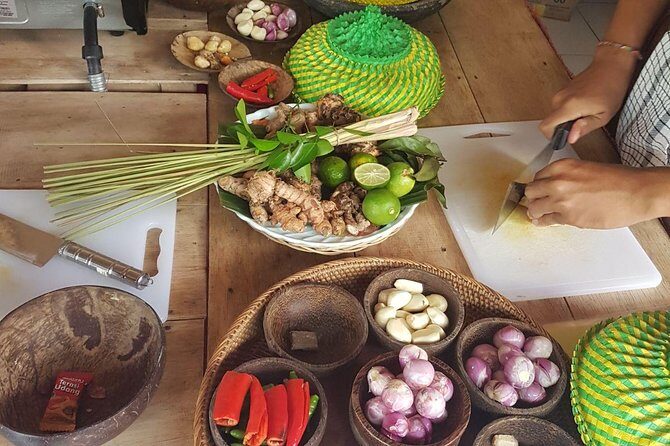
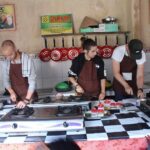
You’ll make up to nine Balinese recipes total. The class is structured so you cook one dish at a time, then sample along the way. That’s a great way to learn because you can connect taste to technique as you go.
A practical way to think about it: you’ll be building momentum. Start with paste and foundational ingredients, then move into different dishes that rely on that base. Even if two recipes look different in the pot, you’ll recognize the same flavor DNA.
Because the group is small (up to 12 people), the instructors can keep an eye on what’s happening at your station. It’s the difference between feeling like a student and feeling like you’re part of the family meal process.
Also, expect things to move. Several people note that the class can feel fast because the heavy prep is reduced, so you’re not stuck waiting around. Bring your curiosity, not your patience testing skills.
The big family meal: eating what you cooked
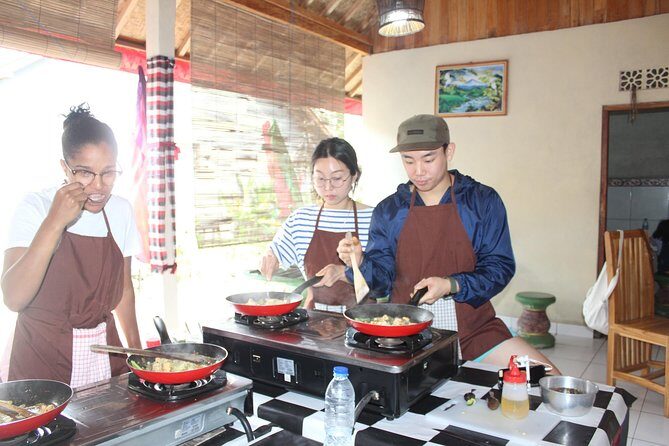
The final part is dinner (or lunch-dinner style depending on timing), served at the family house. You’ll sit down and enjoy a big meal made from the dishes you made during the session. This is one of the main reasons I think this class works so well: you don’t finish cooking and then rush out. You actually eat.
Timing matters here because you get to taste as you go earlier, then taste again at the table for the full effect. It helps you understand what the flavors do after cooking finishes, not just mid-process.
It also tends to feel calm and organized. One nice thing people often mention is that the mess and cleanup are handled by helpers in the background, so you aren’t fighting for counter space or spending the last half-hour cleaning.
And yes, food can sometimes be taken away. Some people report being able to bring food home, which is perfect if you want a real Bali dinner memory in your fridge for tomorrow night.
Market visit reality: what the afternoon schedule changes
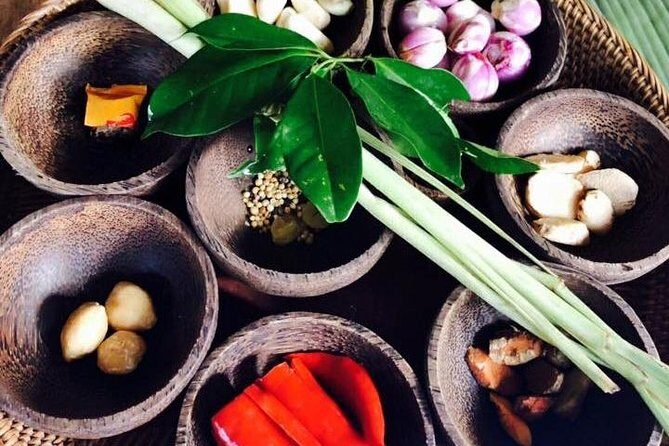
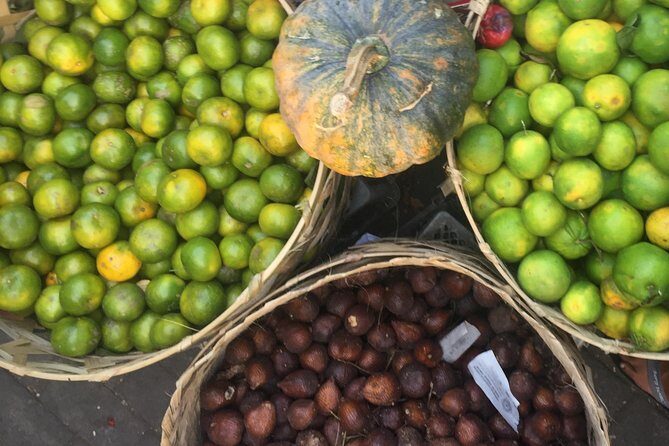
Here’s the key planning point for the afternoon class: there is no market visit. So if your dream Bali cooking day includes ingredient hunting in a market stall, you may want a different time slot or a class that explicitly includes that piece.
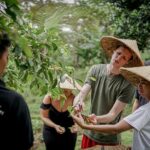
That said, you can still learn a lot about ingredients during cooking itself. Even without the market stop, you’ll handle fresh aromatics and spices, and you’ll see how they behave in paste and in cooking.
If you’re the type who loves seeing spice stalls, ask the host what ingredients they recommend paying attention to in the recipes. Since the class teaches the spice paste process, you’ll still get a solid handle on what matters, even without the shopping walk.
Transfers, meeting point, and how to not waste time
The standard start time is 2:00 pm, and the activity ends back at the meeting point area. The meeting point is listed at Ubud Palace (Jalan Raya Ubud area).
If you’re staying in Ubud center, you likely get pickup. That’s a real benefit because afternoon traffic can mess with your timing, and you don’t want to arrive breathless and late. If you’re outside Ubud center, plan ahead: pickup is not automatically arranged, and you’ll need to request it and pay additional charges.
This is also a mobile-ticket-friendly activity. You won’t need paper tickets, which makes last-minute changes easier.
Small group dynamics: why max 12 people matters
A max group size of 12 isn’t just a number. It changes how the teaching feels.
With smaller groups, you can ask what you’re doing wrong and get correction before you ruin a dish. You also get more chances to taste, compare, and check seasoning while it’s still fixable.
People also mention meeting others from different countries during dinner and chatting afterward, which makes the experience more than just cooking. It becomes a friendly break from sightseeing.
Just keep expectations realistic: you’re cooking up to nine dishes in about five hours, so there’s not a “slow travel” pace. It’s more like a well-run workshop dinner.
Recipe PDF and taking the lesson home
You’ll get a PDF copy of the nine Balinese recipes, which is genuinely useful. At home, remembering spice paste ratios and key steps is the difference between repeating the flavor and making a random spicy meal.
Bring a note-taking habit too. Even if you don’t write much, jot down what you notice: texture of the paste, how long you simmer, and how the final dish smells when it’s close to done. Those are the details that help the recipe stick.
If you can take food home when it’s offered, that’s another smart way to extend your trip. It turns one evening into an extra Bali meal later.
Who should book this cooking class?
This is a great fit if you want a practical Bali experience that’s not just looking. You’ll enjoy it most if you like doing things with your hands and learning the why behind flavor.
It’s also a good choice if:
- You want a full meal you can point to and say you made it
- You’re staying in Ubud center and want easy transport
- You want a small-group class where you can actually get questions answered
- You like cultural touches, like the Canang Bali offering, without committing to a long ceremony
If you’re mainly after market wandering, the afternoon schedule may disappoint since there’s no market stop. In that case, you might prefer a different time or a format that includes ingredient shopping.
Should you book it? A quick decision guide
Book it if you want the highest payoff for your time in Ubud: you cook up to nine dishes, learn the spice paste method, eat a real family meal, and you get a recipe PDF. With free pickup and drop-off from Ubud center, it’s also easy to manage.
Skip or adjust expectations if your top priority is market shopping. The afternoon session doesn’t include that. You’ll still learn a lot, but you won’t get the full ingredient-stall experience.
Finally, if you’re the type who wants a friendly, well-run class with enough structure to keep you on track, this one fits that style. It’s hands-on, organized, and designed to leave you feeling satisfied rather than just “educated.”
FAQ
What time does the afternoon class start in Ubud?
It starts at 2:00 pm.
About how long is the experience?
It runs for about 5 hours.
Where is the meeting point?
The meeting point is at Ubud Palace (Jl. Raya Ubud No.8, Ubud).
Is hotel pickup included?
Yes, pickup and drop-off are included for the Ubud center area. Outside Ubud, you need to request pickup and may pay additional charges.
Does the afternoon session include a market visit?
No. The afternoon class does not include a market visit.
How many dishes will I cook?
You’ll cook up to nine Balinese recipes.
What cultural activity is included besides cooking?
You’ll make a Canang Bali offering.
What drinks and food are included?
A welcome drink of cold ginger tea is included, and dinner (your meal from what you cook) plus mineral/bottled water are included.
Do I need cash?
You should bring cash for buying something, and for additional charges if you are outside the Ubud area.
What’s the cancellation policy?
Free cancellation is available up to 24 hours in advance for a full refund.
If you tell me your hotel area (still in Ubud center or farther out) and whether you care about the market stop, I can suggest the best way to plan your afternoon around this class.
More Tour Reviews






More Balinese Cooking Classes

More Ubud Tours
Ubud Tours: how the alternatives stack up


 ★ 5.0
★ 5.0Ubud: Monkey Forest, Jungle Swing, Rice Terrace, and Water Temple



The lists this tour appears in