Authentic Balinese Cooking Classes
A good cooking class should feel like local life.
This one starts in the markets and ends with you eating the dishes you made, Balinese-style. I like that you can choose a start time from morning through afternoon, so it fits real-world travel days. I also like the focus on hands-on learning: you’re at your own cooking station, not watching from the sidelines. The setting can be seriously scenic too, with people describing rain-forest and rice-field views while they cook.
Two things I’d highlight right away. First, you learn practical food skills: picking ingredients, learning local tastes, and how bargaining works in a Balinese market. Second, you cook recognizable comfort food like satay, nasi goreng, and black rice pudding, then you bring recipes home to recreate it.
One consideration: timing can matter more than you expect. One review described a late pickup and a market that was partly closed, so the market ingredient part didn’t match what was promised. If you book, I’d plan a little buffer in your day and confirm the pickup time clearly when you get your message.
In This Review
- Key Highlights (The Stuff That Makes This Worth It)
- Where This Class Happens (Bakas, Klungkung) and Why That Matters
- Price and Value: Is $65 a Good Deal?
- Getting There: Pickup Coverage and the Timing Reality
- Morning Market Bargaining: The Skill That Changes How You Cook
- Cooking Class Setup: English, Hands-On Stations, and Learning by Doing
- The Dishes You’ll Cook (and Why They’re Smart Choices)
- Eating in the Countryside: Views That Make the Meal Feel Different
- Who This Balinese Cooking Class Fits Best
- Tips to Get the Most Out of Your Day
- Should You Book Bakas Cooking Class in Jimbaran Area?
- FAQ
- Can I choose the start time for this cooking class?
- What dishes are included in the class?
- Is there a market tour?
- How big is the group?
- Does the price include pickup and drop-off?
- Is the class taught in English?
- Can I cancel for a full refund?
Key Highlights (The Stuff That Makes This Worth It)
- Market tour + bargaining: you learn what to choose and what to skip, plus how to negotiate like a local.
- Small group size (max 10): you get attention while you chop, grind, and cook.
- Hands-on cooking stations: you prepare and cook all dishes yourself in English.
- Signature dishes included: satay, nasi goreng, and black rice pudding are part of the class.
- Scenic countryside cooking: rice fields and rain-forest views show up for some days.
- Transfers from many areas: pickup coverage spans Ubud and South Bali, so you’re not piecing logistics together.
Where This Class Happens (Bakas, Klungkung) and Why That Matters
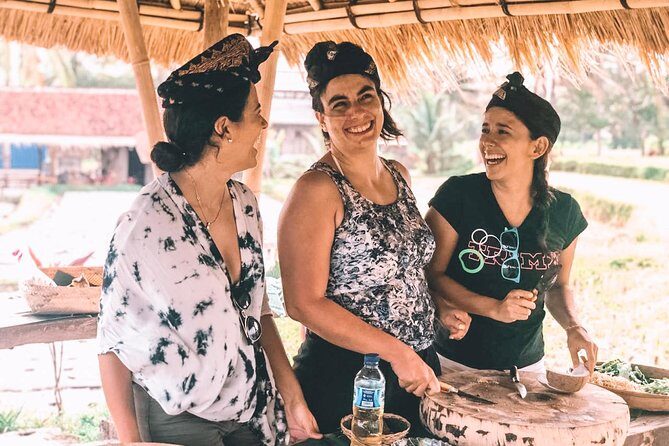
Even though many people shop and sleep around Jimbaran, the class itself takes place in Bakas, Klungkung Bali. That location shift matters because it changes the whole feel of the day. You’re not just “cooking somewhere in town.” You’re heading out into a more rural, real-life food and farming world, then coming back with skills that go beyond a single meal.
The day usually runs about 6 hours, which is a sweet spot: long enough to shop, cook multiple dishes, and sit down to eat. Short enough that you’re not losing your entire day to traffic and meal prep.
The class is conducted in English, and they provide your own tools and utensils. That’s a practical win if you’re not familiar with Balinese cooking routines. You can focus on learning techniques and flavor decisions, not on figuring out how to use a kitchen setup you’ve never seen.
Also, the format is built for interaction. Classes are limited to a maximum of 10 participants, so your chef can watch what you’re doing while you chop, grind, and stir.
Price and Value: Is $65 a Good Deal?
At $65 for roughly 6 hours with transfers and a market tour (on morning bookings), this isn’t a “cheap and cheerful” activity. It’s priced like a real experience: food education plus labor, ingredients, and time with a chef.
Here’s the value logic you should use. You’re paying for three major things:
- Guided sourcing: the market part isn’t just a stroll. It’s learning what ingredients to pick and why.
- Cooking instruction: you’re cooking multiple dishes yourself, with a chef paying attention.
- Convenience: pickup and drop-off are included from many parts of Bali, including Ubud and most South Bali areas.
If you’ve ever done a cooking class where you mostly watch, this is the opposite. The hands-on setup is what makes the time worth it, especially when you leave with recipes you can actually repeat at home.
One last value note: Bali’s best food experiences often come from learning how locals decide what to buy. That’s the part that keeps paying you back after your trip ends.
Getting There: Pickup Coverage and the Timing Reality
One of the biggest practical upsides here is round-trip transfers. Pickup is offered from places like Seminyak, Legian, Kuta, Nusa Dua, Jimbaran, Sanur, Ubud, Denpasar, and Benoa Harbor, plus addresses in those areas.
If you’re staying outside the most tourist-saturated cores, this matters. You don’t have to negotiate a driver or worry about how you’ll get to a countryside cooking spot.
Timing is where you should keep your eyes open. The experience lets you choose a start time from morning through afternoon. Opening hours run 7:00 AM to 3:00 PM. That means it’s not a single fixed departure every day.
And still, there’s a cautionary tale from one experience report: a pickup delay changed the market timing, and the market didn’t deliver as expected. I can’t predict how it goes on your day, but you can protect yourself. When you confirm your booking, get the pickup time in writing, and keep your schedule flexible if you’re connecting to something right after.
Morning Market Bargaining: The Skill That Changes How You Cook
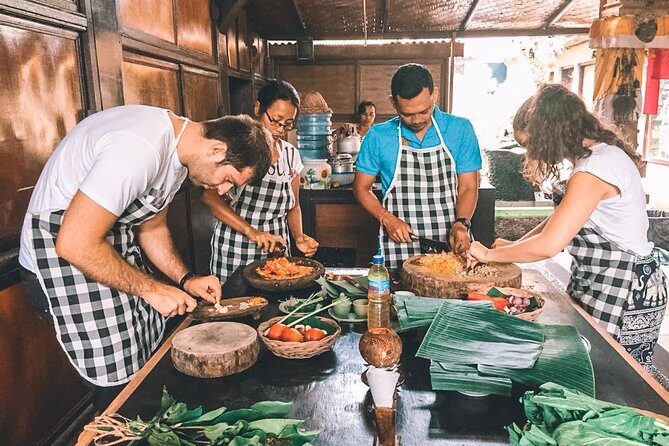
For morning starts, the class begins with a trip to a local market—and this is the heart of the experience.
The chef explains Balinese tastes and customs, including what locals use for meat, fish, and produce. You’re not just looking at colorful stalls. You’re learning how to make decisions like the person who shops every day.
Bargaining is part of the lesson. The point isn’t to turn it into a money game. It’s to understand the flow: how vendors price items, how buyers ask, and how you can politely negotiate while still choosing good quality.
You’ll also learn what to select and what to reject—basically a quick crash course in ingredient quality. That’s a huge help later when you try to recreate dishes at home and you realize the secret isn’t one magic spice. It’s the decisions you make at the start.
If you’re the type who likes to understand food culture, this market piece is where you get that. You’ll come away with a better sense of why certain flavors work, not just how to cook a recipe.
Cooking Class Setup: English, Hands-On Stations, and Learning by Doing
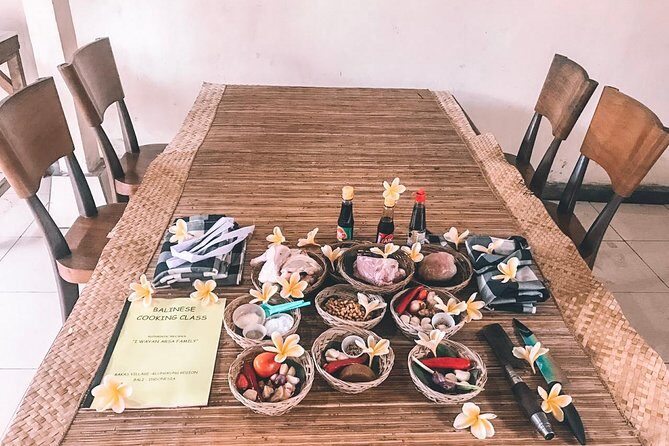
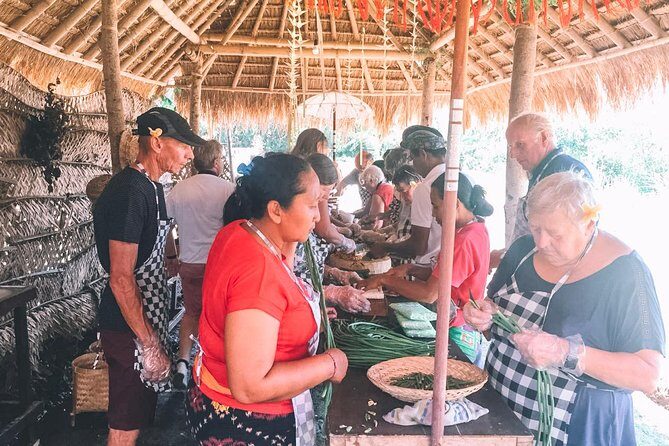
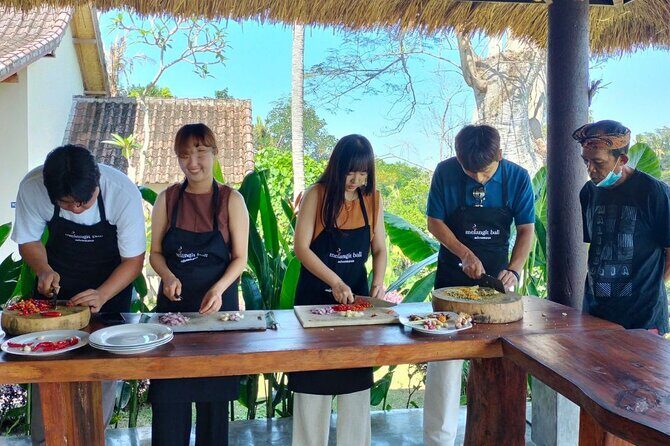
Once you’re at the cooking location, the class is completely hands on. You’ll be assigned your own cooking station and utensils, and you’ll prepare and cook the dishes yourself.
This is where a small group size pays off. With a maximum of 10 participants, you’re more likely to get direct help while your pan heats up and your chopping gets going. When you’re learning sauces, spice blends, and Balinese technique, quick feedback makes a difference.
A specific example of the teaching style shows up in how the chef talks through ingredients and methods, not just what to do. People describe the day as fun and welcoming, and one guide name that pops up clearly in feedback is Gede (often with his wife involved in pickup and early guidance).
If you like a class that gives structure but still feels relaxed, this fits. You’re not crammed into a demo kitchen. You’re cooking as a group, at your own station, and then eating together at the end.
The Dishes You’ll Cook (and Why They’re Smart Choices)

The class includes cooking several classic Balinese favorites, including:
- Satay
- Nasi goreng
- Black rice pudding
These aren’t random picks. They’re practical to cook and teach key flavor ideas.
Satay teaches you how to think about seasoning and sauce balance. It’s also a dish that translates well at home because you can apply the same flavor logic to different proteins later.
Nasi goreng is a comfort food anchor. Cooking it helps you understand how Balinese-style fried rice depends on more than just leftovers. You’ll learn the rhythm of heat, timing, and texture that makes it taste right.
Black rice pudding is the sweet finale that makes the class feel complete. It’s also a good way to learn that Balinese desserts can be about grain and richness, not only about cakes and sugar-heavy sweetness.
One more thing that adds value: you’re not just eating. You’re leaving with recipes. That’s what turns a fun meal into a real skill.
Eating in the Countryside: Views That Make the Meal Feel Different
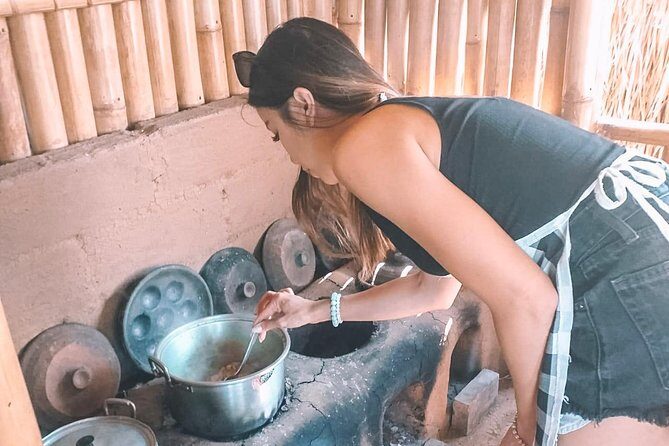
Cooking is one thing. The setting is another. Several people mention that the cooking location offers serious scenery, including rainforest views while you’re working.
Another experience report described visiting near rice fields close to the location, with explanations while they looked around. If you’re the kind of traveler who likes food plus scenery, you’ll probably appreciate this part.
Just don’t expect a theme park look. It’s more “local life” than “Instagram set.” You’ll likely feel like you’re visiting a real cooking space where people know the rhythm of the land.
And because you eat what you cook, you end up with a meal that feels earned. It’s harder to have a forgettable lunch when you spent the morning negotiating ingredients and the afternoon cooking them.
Who This Balinese Cooking Class Fits Best
This class is a strong match if:
- You want real market-to-pan learning, not just a hands-on cooking session
- You’re traveling with food curiosity and want to understand how locals choose ingredients
- You like small-group settings where a chef can check in
- You want a Bali activity that ends with something you’ll actually remember and remake at home
It’s also a good pick for couples or small friend groups who want a shared activity with easy pacing. The transfers help too, because you’re not trying to coordinate transport in unfamiliar areas.
If you’re someone with very strict timing (like catching a flight or a fixed dinner reservation right after), build buffer. The one described timing issue is rare, but it’s enough to justify being cautious.
Tips to Get the Most Out of Your Day
Here’s how to make it smoother and more fun:
- For morning starts, treat the market part like your classroom. Ask questions and watch how the chef evaluates produce.
- Come hungry. You’ll be chopping and cooking for hours, then you’ll sit down to eat what you made.
- Be ready to bargain politely. You’re learning the process, not just trying to win the lowest price.
- Plan for a relaxed pace with countryside travel. Even with transfers, you’re not in a city.
- If you get a pickup message with a time change, double-check details immediately. One delayed pickup story included a change from the expected early start.
Should You Book Bakas Cooking Class in Jimbaran Area?
If you want an authentic Balinese food day with real skill-building, I think this is worth booking. The value is in the pairing: market bargaining + hands-on cooking + recipes. That combination is what makes the class feel practical, not just entertaining.
I’d especially recommend it if you enjoy markets and want to learn how to choose ingredients with confidence. The small-group cap and English instruction also make it easier to participate fully.
My only reason to hesitate is timing. If your itinerary is extremely tight, give yourself cushion and confirm pickup details early. Other than that, this is the kind of experience that leaves you with both a great meal and a repeatable cooking plan.
FAQ
Can I choose the start time for this cooking class?
Yes. You pick the start time that works for you, with sessions available from morning through afternoon.
What dishes are included in the class?
The class includes cooking Balinese favorites such as satay, nasi goreng, and black rice pudding.
Is there a market tour?
For morning bookings, the day starts with a trip to a local market, where you learn about ingredients and bargaining.
How big is the group?
The activity has a maximum of 10 travelers, so you get individual attention.
Does the price include pickup and drop-off?
Yes. Two-way transfers are included from addresses in Ubud and much of south Bali, including areas such as Seminyak, Legian, Kuta, Nusa Dua, Jimbaran, Sanur, Denpasar, and Benoa Harbor.
Is the class taught in English?
Yes. The cooking class is conducted in English.
Can I cancel for a full refund?
Yes. You can cancel up to 24 hours in advance for a full refund, and changes less than 24 hours before the start time aren’t accepted.