
Balinese Cooking class with traditional morning market visit
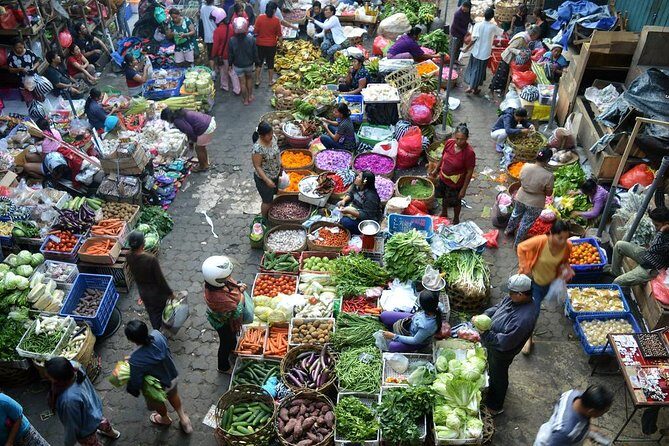
A morning market sets the tone. This Ubud cooking experience pairs a traditional fresh-food market visit with a chef-guided workshop in the jungle area, so you’re not just copying recipes—you’re learning how Balinese cooks think about ingredients. I like that it includes the full cultural “pre-game,” including making Balinese offerings (like canang) before you start cooking.
Two things I really like: the small group size (max 8) and the convenience of air-conditioned hotel pickup and transport. The one drawback to plan for is that it’s a solid half day—about 6 hours—so you’ll want a relaxed start and not a long evening commitment after.
In This Review
- Key highlights
- Ubud Morning Market, Laplapan Welcome, and Why This Format Works
- Hotel Pickup and A/C Transport: Small Detail, Big Comfort
- The Traditional Morning Market: Your Spice Education Starts Here
- Making Canang Offerings Before Cooking: The Culture Part You’ll Actually Use
- The Cooking Workshop: Small Group, Real Guidance, Multiple Dishes
- What You’ll Eat: Sit-Down Meal, Stunning Plates, and No Food Waste
- Price and Value: What $35 Buys You in Real Terms
- Who Should Book This Ubud Balinese Cooking Class
- The Best Way to Plan Your Day Around It
- Should You Book This Balinese Cooking Class in Ubud?
- FAQ
- Is hotel pickup included?
- How long is the Balinese cooking class and market visit?
- How big is the group?
- Do I learn how to make Balinese offerings?
- What’s included in the price?
- Can the class handle dietary requirements?
- What is the cancellation window for a full refund?
Key highlights
- Morning market shopping so you pick spices, herbs, and produce yourself
- Offering-making training (canang and related items) before the cooking starts
- Small group (up to 8) for real interaction, not a classroom lecture
- Chef-led, hands-on cooking with guidance as you prepare multiple dishes
- Jungle-area cooking setting in Ubud that makes the meal feel special
- Included A/C transport plus pickup for an easy, low-stress day
Ubud Morning Market, Laplapan Welcome, and Why This Format Works
This is the kind of Bali food day that makes sense. You start with shopping, then you cook with what you just chose. That order matters. When you learn why certain aromatics and spice blends show up again and again in Balinese cooking, it sticks.
After pickup, you head to a local fresh food market where you’ll select ingredients from what’s on display—vegetables, herbs, meat, and spices. Expect to smell and sample your way through the experience, because part of the point is understanding what you’re looking at. One review summed it up well: the market visit helps make unfamiliar items feel normal fast, especially when someone explains what you’re tasting.
Then you continue to a traditional village area in Laplapan. You get a warm welcome on arrival, which sets a respectful tone for the rest of the day. You’re not just being shown a production kitchen—you’re joining a living food culture.
Hotel Pickup and A/C Transport: Small Detail, Big Comfort
In Bali, the best tours are the ones that don’t waste your morning. Here, you get pickup from your hotel and air-conditioned vehicle transport is included, plus cooking class fees and taxes are covered.
Why I think this is valuable: Ubud traffic can turn a short day into a long one. A/C comfort means you arrive ready to focus on chopping, grinding, tasting, and asking questions. It also helps if you’re combining this with other activities, because you’re less likely to feel wiped out before the fun part.
One more practical note: this experience is designed for a day length of about 6 hours. If you’re a strict planner, treat it like a commitment, not a casual stroll.
The Traditional Morning Market: Your Spice Education Starts Here
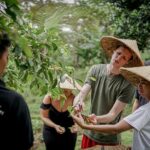
The market is the “classroom” that smells the best. You’ll choose ingredients for the cooking workshop, and that shopping time is not just browsing—it’s guided selection. In the reviews, people highlight the joy of tasting fruits, trying small unfamiliar items, and learning what’s local versus what’s more common from elsewhere.
You’ll likely notice a pattern: Balinese flavor isn’t built from one big ingredient. It’s built from layers—fresh herbs, pungent aromatics, and the right balance of spices. When you see the ingredients in real market form, you start to understand why certain combinations show up in offerings and everyday dishes alike.
A tip for getting the most out of the market stop: ask how to tell one ingredient apart from another. That’s usually where the guide turns “I saw it” into “I’ll remember it.” And if you have dietary preferences, this is the time to mention them early so the workshop plan can adjust.
Making Canang Offerings Before Cooking: The Culture Part You’ll Actually Use
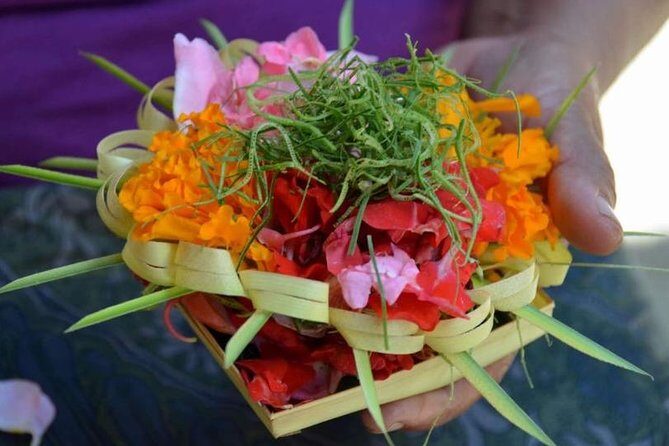
Before the cooking begins, you learn how to make Balinese canang and other related offering items. This isn’t a quick photo moment. It’s a hands-on practice in how offerings are assembled, and it connects the food you’ll cook later to the everyday spiritual rhythm of Balinese life.
Why this is worth your time: it changes how you taste. Even if you don’t follow the same traditions at home, you start to see that Balinese cooking is not only about flavor—it’s about intention and respect. One of the strongest review themes is that people left feeling they understood more than just recipes: they understood meaning.
If you’re into culture, this part is a win. If you’re food-first, it’s still useful, because it gives you context for why certain ingredients show up again and again. Reviews also mention making a votive offering basket, so the session may cover more than just basic canang construction.
The Cooking Workshop: Small Group, Real Guidance, Multiple Dishes
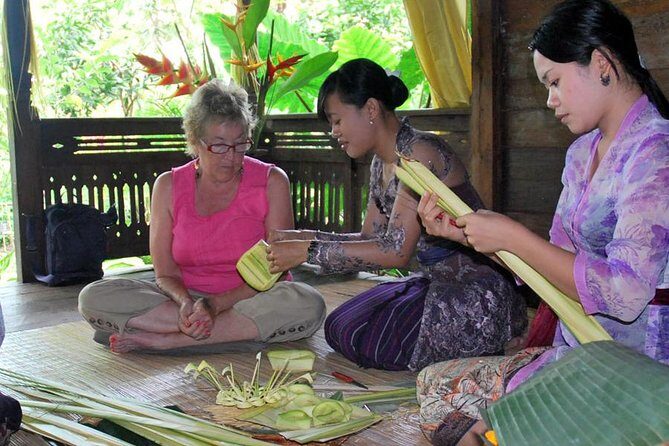
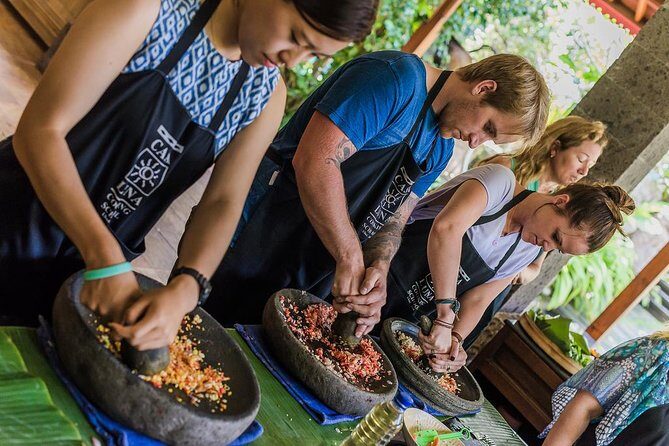
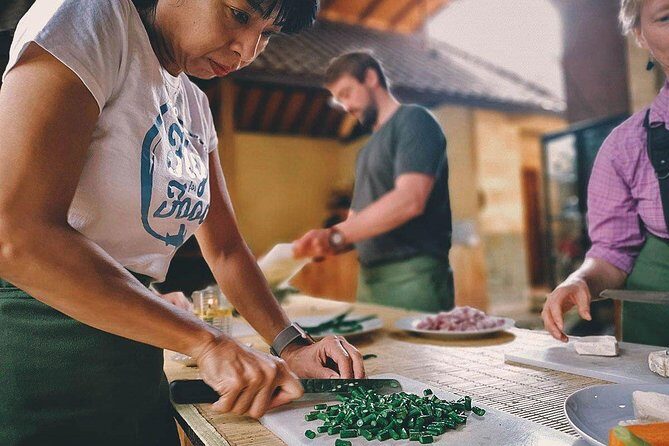
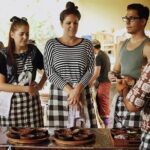
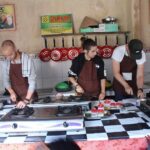
The cooking class itself is the main event: an expert chef teaches Balinese cooking secrets using traditional techniques, and you cook alongside others in a small group. With a maximum of 8 travelers, you’re not just watching. You’re doing.
Here’s what that means in practice:
- You’ll have guidance while you prep starters, main dishes, and dessert.
- You’ll work through steps rather than receiving a “watch and copy” lesson.
- You can ask questions and get feedback during the process.
Reviews repeatedly praise the teachers—especially hosts named Wayan and Dewa—for being patient, friendly, and clear. People also mention that the team adapts to dietary needs, including offering vegetarian options. That’s important. It means you’re not stuck with a watered-down version of the day.
One small consideration: in at least one review, the class was described as efficient, with some things pre-prepped to make the timeline work. That’s normal for a group cooking class. It can also be a good thing, because it keeps the workshop from rushing you through the whole learning process.
What You’ll Eat: Sit-Down Meal, Stunning Plates, and No Food Waste
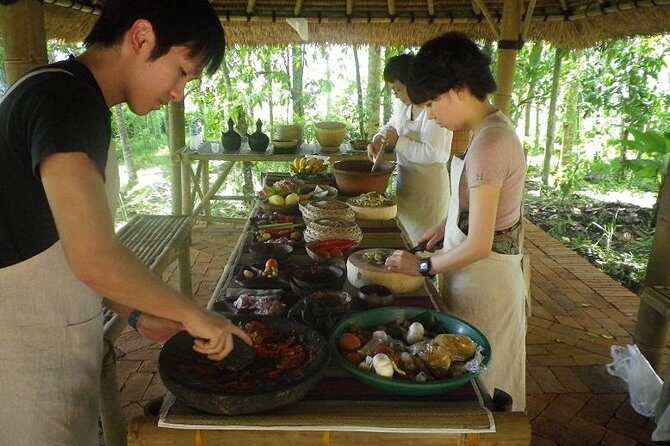
After cooking, you sit down and eat your creations. That matters more than it sounds. It’s easy to cook and then end up too busy (or too hungry) to really enjoy what you made. Here, you get the payoff meal right after.
In reviews, people mention that the final meal is generous and includes the dishes you prepared. Some describe a full set—like a multi-course spread (one review mentioned a five-course set, another referenced many dishes, including nine). Even when the exact dish count varies by group and teaching flow, the consistent message is that you’ll eat what you cook, together, as a proper sit-down meal.
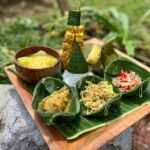
You might also notice presentation details. One review called out beautiful, stunningly arranged food. Another mentioned a welcome drink and snacks before cooking began, which helps break up the day and get everyone settled.
If you’re trying to take this experience home, ask your host for tips on the key flavor steps—usually it’s the spice timing and grinding or mixing method that makes the difference.
Price and Value: What $35 Buys You in Real Terms
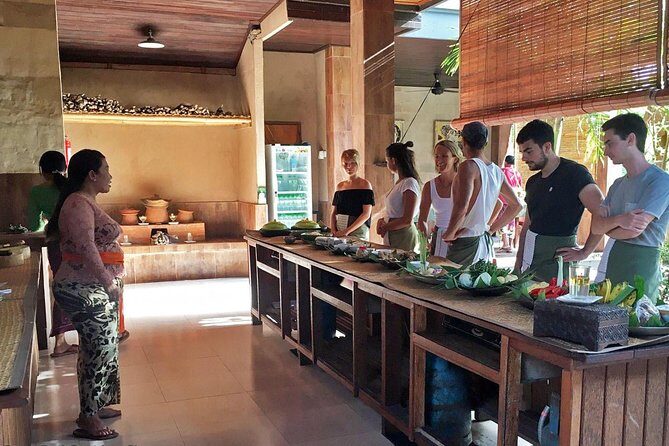
At $35 per person, this experience is priced in the “good deal” zone for Ubud. Here’s why, based on what’s included:
- Market ingredient selection (core to the whole concept)
- Workshop instruction from a local chef
- Offering-making practice (canang and related items)
- Cooking equipment
- A/C vehicle transport and included pickup
- Taxes covered
What you’re not paying for: personal expenses. That’s about it.
Is it a bargain? Not in a “cut corners” way. It’s good value because the price covers the things that normally cost extra on separate tours: transport, a guided market experience, and a proper cooking class with meals. Plus, the small group limit (8) is part of the value. It’s not just a big group tour with “line up and stir” energy.
Also, you get a cultural component that many cooking classes skip entirely: the offering workshop.
Who Should Book This Ubud Balinese Cooking Class
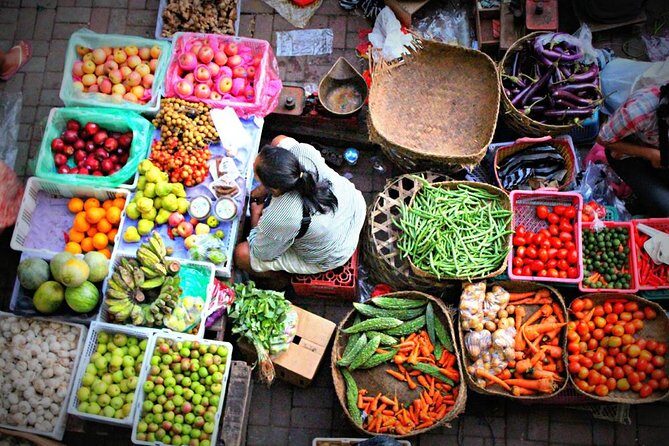
This is a strong fit if you:
- Want hands-on cooking rather than watching from the sidelines
- Like a cultural food day where you learn why ingredients matter
- Prefer small groups so you can actually ask questions
- Care about convenience (pickup and A/C transport are included)
It’s also a nice option for solo visitors who want to meet people without it feeling like a giant group. Several reviews mention enjoyment from being in the class and getting attention during both the market and cooking portions.
If you’re traveling with kids, you’ll likely appreciate the interactive style. One review specifically mentioned the guide being great with children aged 6, 8, and 9, with kids enjoying the class and learning ingredients and methods.
The Best Way to Plan Your Day Around It
Because this is about a 6-hour commitment, plan for it like an anchor activity. Do something gentle before, like coffee and a short walk, then keep your evening free for dinner after you’re done cooking.
A practical approach:
- If you care about dietary needs, communicate them early so the workshop can adjust.
- If you’re camera-happy, remember that tasting and learning come first. Take photos during breaks, not mid-step.
- Bring curiosity. If you don’t know what something is at the market, that’s the moment to ask.
Should You Book This Balinese Cooking Class in Ubud?
If you want a cooking class that feels tied to real local life—not just a themed kitchen—this one is a smart choice. The pairing of morning market shopping plus offering-making plus a chef-guided workshop is exactly what makes it memorable. You’re likely to leave with both techniques and context, not just a cookbook.
Book it if you’ll enjoy the active pace and you like small-group learning. Skip it only if you’re looking for a low-effort, passive experience. This day is meant for hands-on people.
FAQ
Is hotel pickup included?
Yes. The experience includes pickup from your hotel and air-conditioned transport to the market and workshop.
How long is the Balinese cooking class and market visit?
It runs for about 6 hours (approx.).
How big is the group?
The class has a maximum group size of 8 travelers.
Do I learn how to make Balinese offerings?
Yes. Before the cooking class, you’ll learn the process of making canang and other offering equipment.
What’s included in the price?
Included items are cooking equipment, air-conditioned vehicle, cooking class fees, and taxes.
Can the class handle dietary requirements?
The experience can adapt to dietary needs, and vegetarian options are mentioned in reviews.
What is the cancellation window for a full refund?
You can cancel up to 24 hours in advance for a full refund. If you cancel less than 24 hours before the start time, the amount paid is not refunded.
More Tour Reviews






More Balinese Cooking Classes

More Ubud Tours
Ubud Tours: how the alternatives stack up


 ★ 5.0
★ 5.0Ubud: Monkey Forest, Jungle Swing, Rice Terrace, and Water Temple




The lists this tour appears in