A great day starts with food. This Ubud cooking class takes you from a guided market stop to cooking nine Balinese classics, then eating everything you make. It is a smart way to learn flavor, not just recipes.
Two things I like a lot: you’re not stuck making one or two dishes. You cook a full set, and you leave with a take-home recipe copy. Also, the team is friendly and the vibe is relaxed, and you might cook with instructors known for step-by-step teaching like Chef Yogi.
One consideration: pickup is best if you are already in Ubud. If you’re farther out, you may need to pay extra transport, and it can mean more driving than you expect.
Key highlights you’ll feel right away

- Cook 9 dishes, not a quick demo: soup, mains, sambal, spices paste, and dessert
- Guided morning market tour: taste fruit and sweets, learn how ingredients are sold
- Rice paddies visit: see how rice is grown before you eat with white rice on the side
- Up to 14 people max: small enough for questions while cooking at your own station
- Regular or vegetarian menu options: the same structure, swapped ingredients
Why an Ubud market-to-kitchen class beats a basic cooking tour

If you’ve done a cooking class before, you might know the pattern: watch a demo, cook one dish, take a photo, go home hungry for the rest of the meal. This one is different because it’s built around Balinese cooking as a full system.
You start by learning how ingredients are chosen and used. That market time matters because Balinese dishes rely on fresh produce, spice blends, and specific textures. Then the kitchen time helps you connect the dots by making nine dishes yourself—so when you try cooking later, you understand what each element is doing.
The other win is pace. With a group that stays under 14 travelers, you’re not just standing around. You get hands-on help, and the staff and guide keep things moving without turning it into a factory line.
Meeting at Ubud Palace and the real flow of the 5-hour experience

Most people meet near Ubud Palace and the activity ends back there. From there, the day is built to feel like a mini food outing, not a long bus ride and a short kitchen session.
Plan for about 5 hours total. Within that time, you’ll do:
- pickup or group meet-up in the Ubud area (depending on your booking)
- a market visit (morning option)
- a rice paddies stop
- time at a local cooking school where you prepare and cook nine recipes
- tasting along the way, then eating your finished lunch or dinner buffet
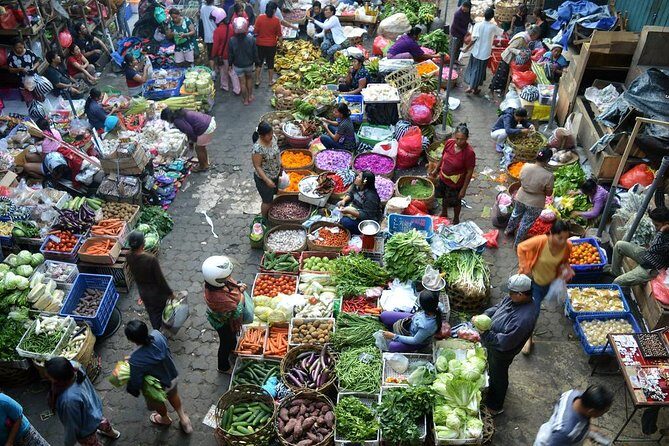
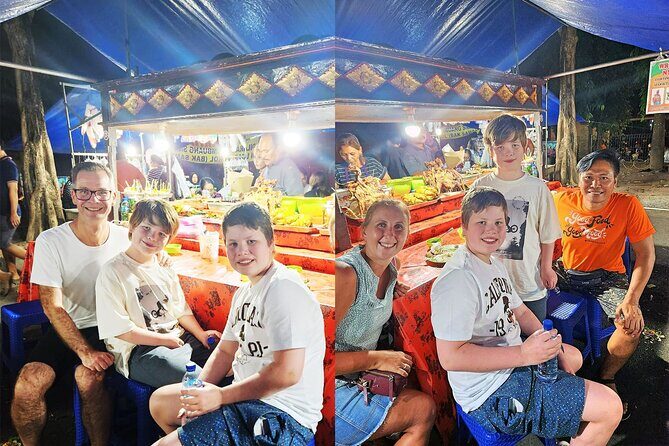
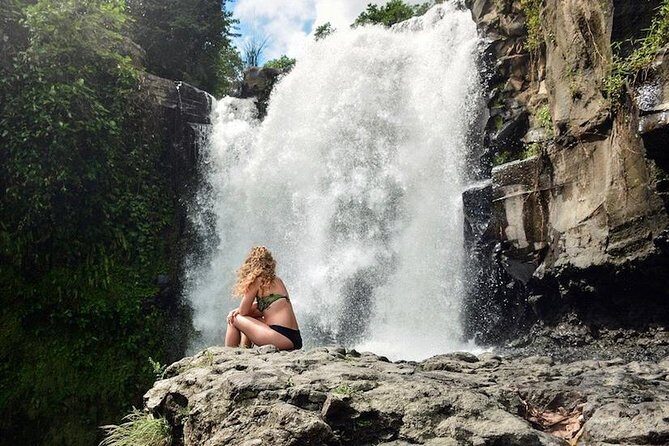
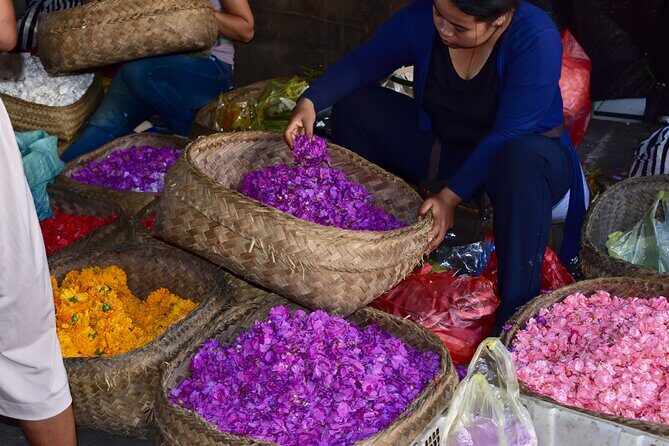
Also, you will want to bring a camera. The stops are visual, and the market is colorful in a way that reads like a real day-to-day place, not a staged attraction.
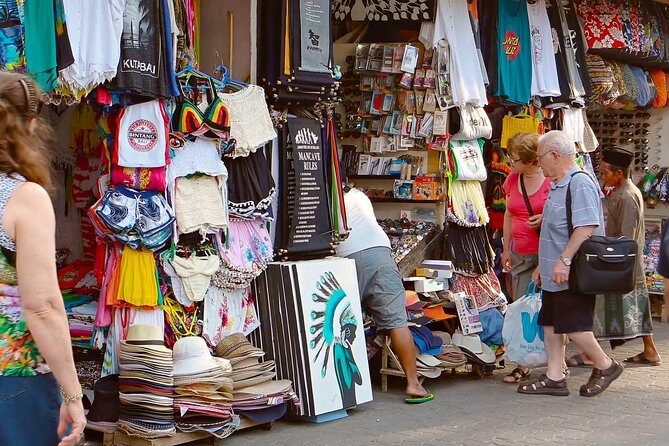
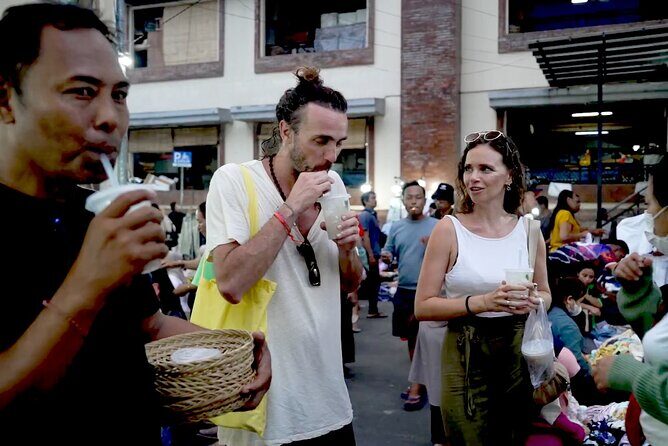
Morning Market Tour: fruit, spices, and how Balinese shopping works

Choose the morning slot and you get the market experience as part of the program, not just a quick photo stop. You’ll go with a local guide who shows you what people buy and why certain items matter in Balinese cooking.
Here’s what that adds to your class:
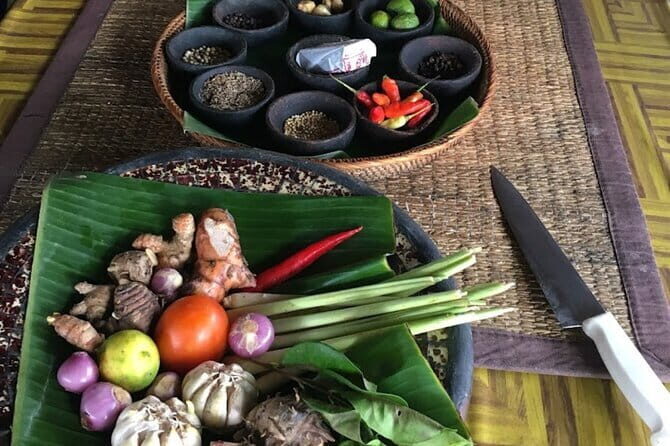
- You learn what ingredients look like when they’re fresh.
- You pick up names and uses for common items you’ll see again in the kitchen.
- You get the chance to sample foods so your brain starts mapping flavors before you cook.
It also helps you understand that Balinese cuisine isn’t only about heat. It’s about layering. You’ll see how one ingredient can play multiple roles—base, aroma, acidity, crunch, or sweetness.
If you are the type who likes to know where your food comes from, the market visit is the foundation. If you just want to eat, it’s still worth it because it sets you up to recognize the flavors you’ll be cooking later.
Rice paddies and the local house stop: why it changes how you cook

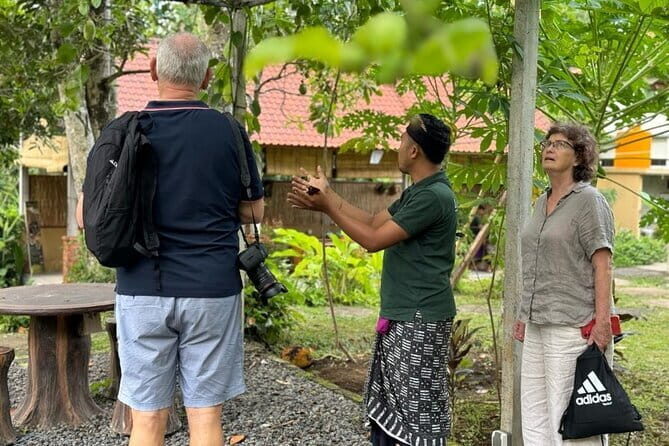
After the market, you’ll head to a rice paddies visit and a local Balinese house as part of the experience. This is not random sightseeing. It’s there to give you the context behind the meal.
Rice is the everyday partner for so many dishes in Bali, and seeing the fields helps you understand why rice shows up again and again—especially with the classic sides like white rice included with the main courses you cook.
The Balinese house stop also matters because it nudges you to view food through culture and daily life: offerings, cooking rhythms, and household roles. Even if you don’t consider yourself a culture traveler, it makes the recipes feel grounded instead of imported.
One practical note: the paddies and house visits are outdoors and can be hot. Bring water, and plan to go at a comfortable pace when the group slows down for photos.
The cooking stations: nine recipes, step-by-step help, and real hands-on work

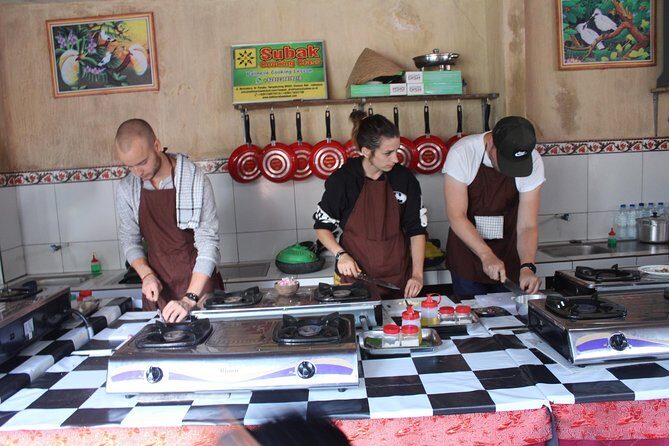
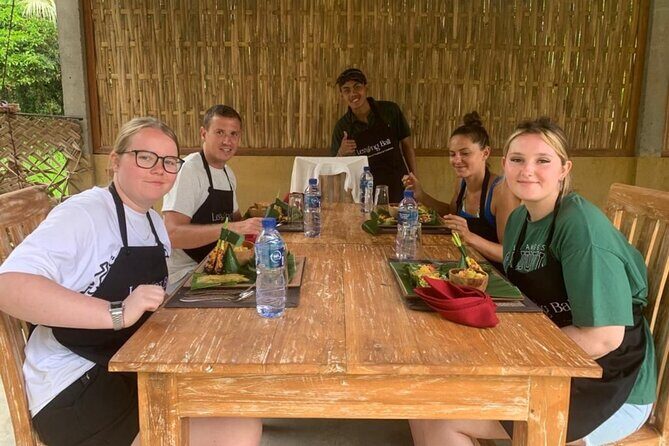
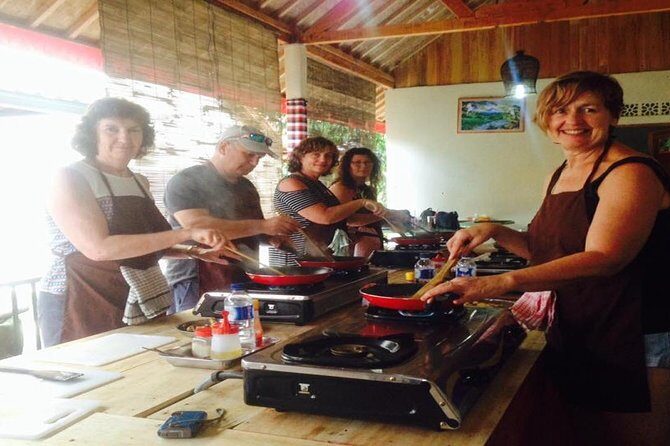
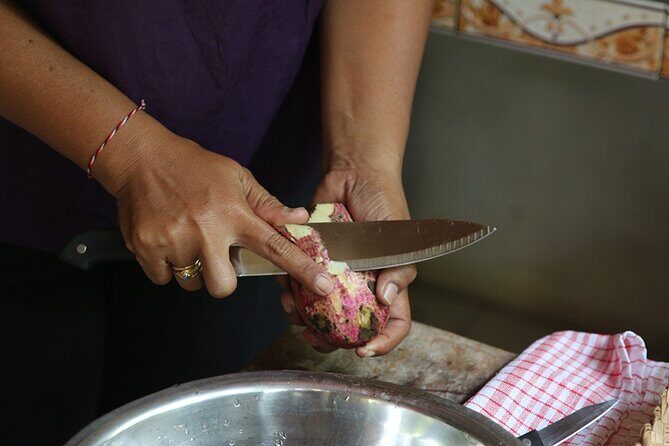
This is the heart of the tour. You’ll cook with a Balinese chef step by step, working through at least 9 Balinese recipes. You’ll have equipment and ingredients provided, including things you might not find easily at home.
A key detail: the teaching style is practical. The goal is that you can recreate the dishes later, not just survive the class meal. You also get copy recipes to take away, which is the difference between having a good day and having a reason to cook again.
The Regular menu dishes (what you cook)
You’ll prepare this set, with the main courses served with white rice:
- Sayur Bali (Balinese vegetable soup)
- Ayam santan bumbu Bali (fried chicken with coconut milk)
- Tempe manis (sweet fried tempe)
- Sate lilit Bali (chicken satay)
- Pepes Ayam (grilled/steamed chicken in banana leaf)
- Lawar Bali (mix vegetable with Balinese spices)
- Sambal Matah (raw spices with coconut oil)
- Base Gede (basic spices paste)
- Klepon cake (sweet sticky flour dessert)
Vegetarian menu swaps (same structure)
If you choose vegetarian, you’ll still follow the same recipe arc, with plant-based versions:
- Sayur Bali (Balinese vegetable soup)
- Tofu bumbu Bali (fried tofu with basic sauce)
- Tempe manis (sweet fried tempe)
- Sate tempeh (Balinese soybean cake skewers) with peanut sauce
- Pepes Tofu (grilled or steamed tofu in banana leaf)
- Lawar Bali (vegetable mix with Balinese spices)
- Sambal Matah
- Base Gede
- Klepon cake
Plus main courses served with white rice.
If you love cooking, you’ll appreciate that the set covers multiple techniques: frying, pounding or combining spice bases, handling sambal, working with banana leaf, and making dessert. This is why the class feels like more than one lesson.
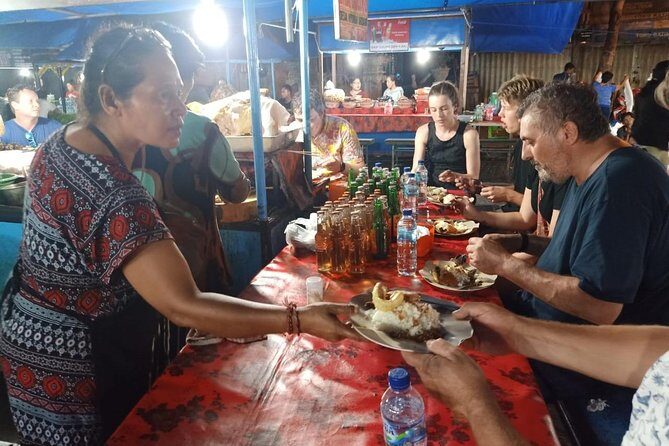
Lunch or dinner buffet: tasting as you go, then eating the finished plates

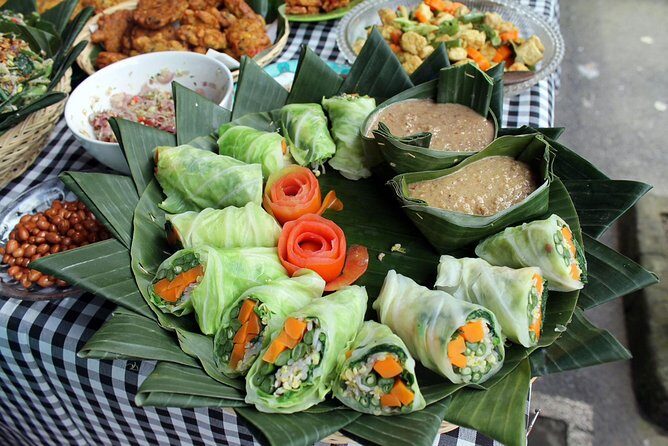
You’ll do food tasting during the process, then you eat a buffet lunch or dinner made from what you cooked.
That matters because you’re not guessing if the recipe worked. You get immediate feedback. You can also see how the different dishes relate on the plate—soup with fried items, sambal as the punch, spiced bases tying everything together, and rice as the neutral partner.
There’s also often food left over, and you can usually take it with you (pack-up is commonly requested by guests). That’s a nice bonus when you’re full but still want tomorrow’s snack.
One tip: go a little hungry. The market samples and the kitchen tasting can add up fast. If you show up with a big breakfast, you may end up fighting your way through the buffet.
What makes the staff style feel different

The team approach is part of the value here. People consistently talk about a friendly, welcoming atmosphere and an instructor who keeps things clear and fun. You may meet instructors and guides such as Wayan, Tata, Yogi, Putu, or Gus—not every name will apply to every day, but they reflect the kind of team culture the school is known for.
Practically, that means:
- you can ask questions without feeling rushed
- you get explanations in plain English
- the workstations feel organized enough to keep you cooking
Even better, this is designed for couples and families as well as solo travelers. You’ll be at your own station, so it’s not a lecture with props.
Price and logistics: is $58 a fair value for what you get?

At about $58, you’re paying for a lot of real time: market visit, paddies stop, cooking practice for nine dishes, tasting, and the meal itself. You’re also getting recipe copies and kitchen equipment.
If you price it like this, the value looks solid:
- You pay for a guided food experience with multiple stops
- You get multiple cooking lessons in one day
- You eat what you cook, with a buffet included
- You leave with recipes, not just memories
Where it can cost you extra is transportation. Pickup is included only for the Ubud area. If you’re staying outside Ubud, additional charges can apply, and the team asks that you bring cash for extra transport. If you’re planning a longer day trip from farther away, factor that into your budget and time.
Tips for booking and doing better than average in class
A few small choices can make your experience smoother.
- Pick your menu option early: choose regular or vegetarian when booking so the kitchen can prep your set.
- Bring a camera and expect photos at multiple stages: market, flower offerings in the broader local rhythm, and rice paddies viewpoints.
- Use the market stop to learn names: don’t just taste. Ask how ingredients are used in the dishes you’ll cook later.
- If you want a calmer experience, arrive rested: the class is active, and you’ll be cooking continuously through multiple recipes.
- Wear normal, comfortable clothes suited for a hot day and kitchen work. You’ll be told you need a normal uniform; it’s usually practical, not fancy.
Should you book the Balinese Ubud 9-Dish Cooking and Market Tour?
Book it if you want a real Balinese cooking day where you do the cooking, not just watch it. The combination of market + rice paddies + nine dishes is a strong fit for food lovers who like to understand ingredients before the stove.
Skip it or choose a different option if you are very sensitive to long transfers or if you’re staying far outside Ubud and don’t want extra transport costs. Also, if you expect to start completely from scratch with zero prep for ingredients, this style may feel more guided than you want—most classes like this prioritize getting you to the finished meal safely and on schedule.
If you can be flexible about timing and you come ready to cook, this one is easy to recommend.
FAQ
How long is the Ubud cooking class with 9 dishes and market tour?
It runs about 5 hours (approximately).
Where does the tour start and end?
It starts at Ubud Palace and ends back at the meeting point.
Is pickup offered?
Pickup and drop-off are included only for the Ubud area. If you stay outside Ubud, additional charges may apply.
What is the price?
The price is $58.
How many dishes will I cook?
You will prepare at least 9 Balinese recipes.
Does this experience include a market visit?
Yes. The morning option includes a local market visit with a guide.
Do I have a choice of menu?
Yes. You can choose regular or vegetarian.
What kinds of dishes are on the menu?
The regular menu includes items like Sayur Bali, Ayam santan bumbu Bali, Sate lilit Bali, Lawar Bali, Sambal Matah, and Klepon cake. The vegetarian menu swaps in tofu and tempeh versions while keeping the same overall structure.
What’s included in the price?
Included: pick up/drop off in Ubud, mineral water, kitchen equipment, recipe copy, food tasting, lunch or dinner buffet, local guide/host, market visit (morning), and rice paddies visit.
What should I bring?
Bring your booking reservation (shown on arrival), a camera, and cash for any extra transport costs if you stay outside Ubud.