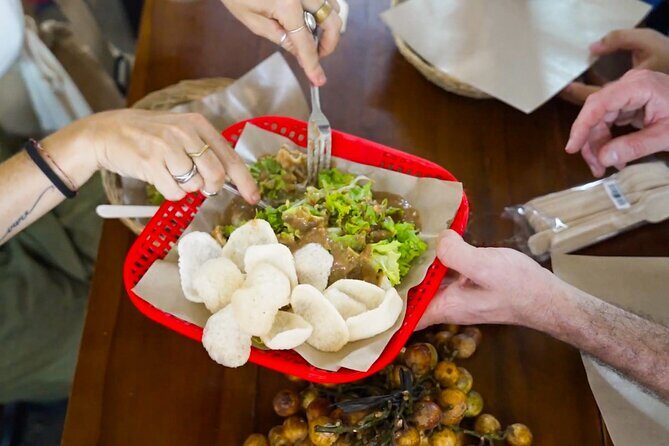
Half-Day Ubud Heritage Food Tour

Half-Day Ubud Heritage Food Tour - Countryside farming: seeing why ingredients taste the way they do

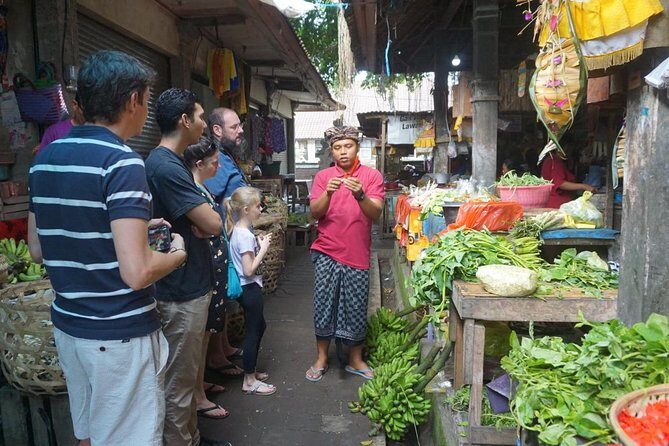
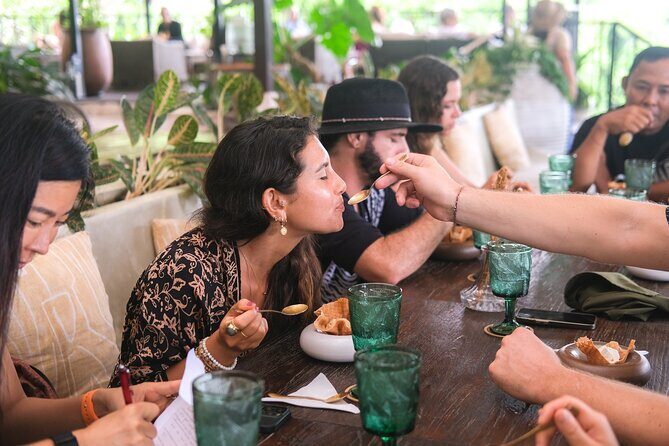
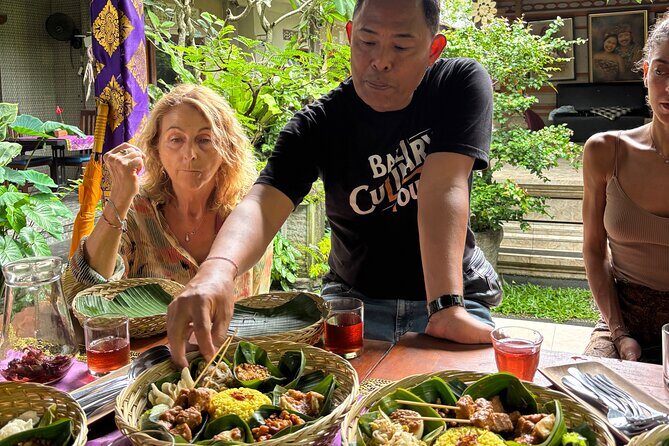
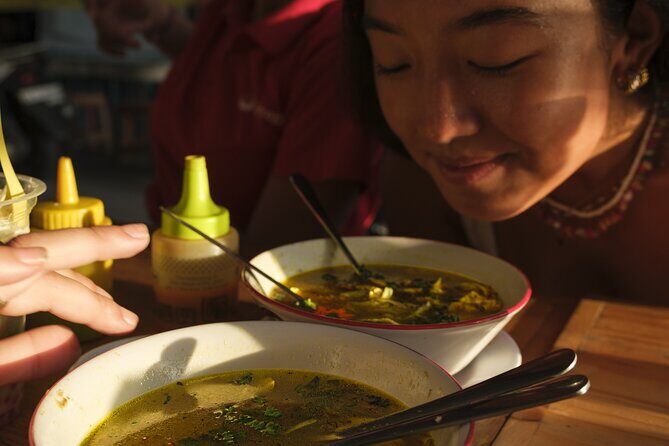
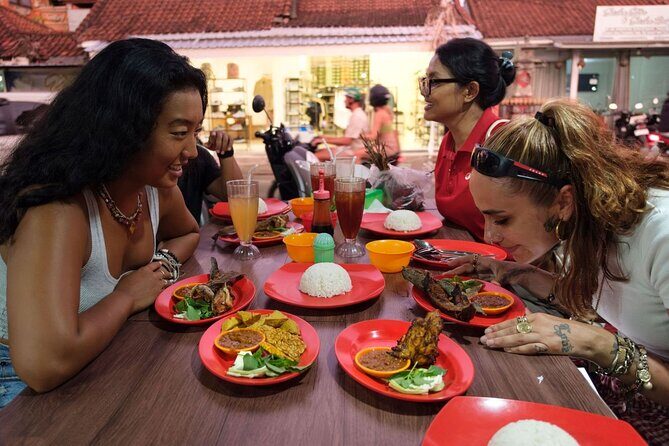
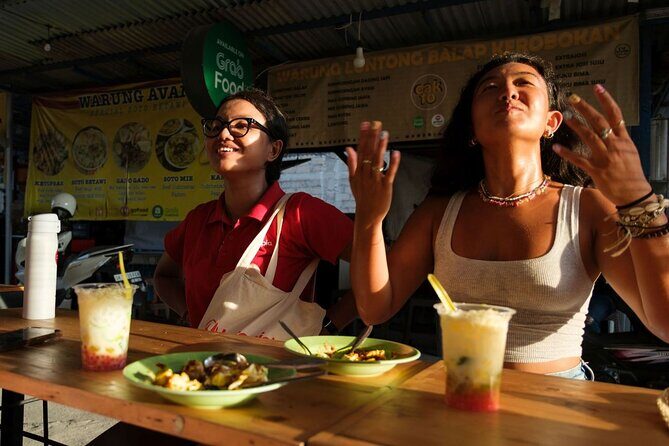
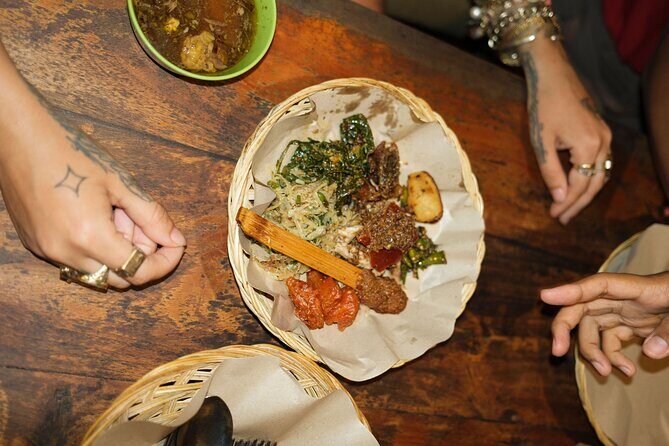
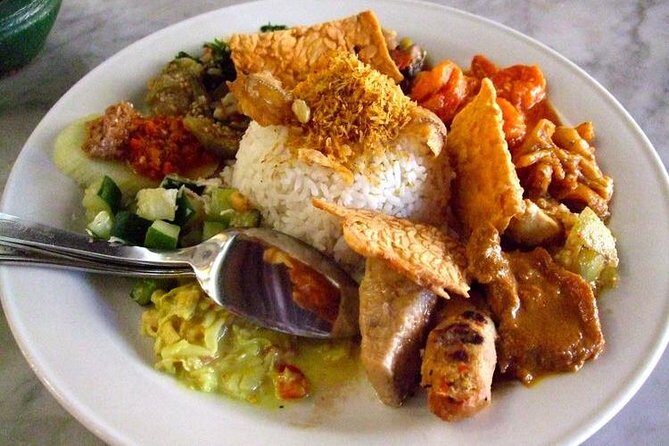
Balinese food has a story in every bite. This half-day Ubud tour follows that idea step-by-step, from a local market where spices are traded to the countryside where ingredients grow. I especially liked the 7–8 food tastings in a tight 5-hour window and the small-group pace (max 8 people), which keeps questions coming. One thing to consider: the tour is active and food-focused, so you’ll want to come hungry—and note the schedule says the 5 hours may not include any pickup time.

You start at Ubud Palace around 8:00am, which makes the whole day feel less rushed than a full-day food crawl. The guiding style is practical: you don’t just taste, you learn how Balinese Hindus connect daily cooking to tradition and offerings. If you’re hoping for a relaxed sit-down lunch with long pauses, this isn’t that kind of tour.

Key things you’ll notice fast
Half-Day Ubud Heritage Food Tour - Key things you’ll notice fast

  • Market-first learning: see how ingredients and spice flavors are discussed before they hit your plate.
  • Max 8 people: small group means more interaction with your foodie guide.
  • 7–8 tastings + meals: you should leave full, not snacky.
  • Countryside ingredient origins: the route links what you eat to where it comes from.
  • Vegan/vegetarian options: tell the team about your needs ahead of time.
  • No alcohol included: drinks are available to purchase.

From Ubud Palace meeting point to a full morning of flavor

The experience kicks off near Ubud Palace on Jl. Raya Ubud No. 8 with a start time of 8:00am. The good part of meeting here is simple: you’re starting in Ubud, not somewhere out of town that eats your morning. You’ll also end back at the same meeting point, so you don’t have to plan the last-mile logistics.

The tour runs about 5 hours total, but the timing information notes that the duration excludes pickup and drop-off time. In other words, your day may feel like it starts earlier than you expect if pickup is arranged. Also, the details you’ll see include hotel pickup/drop-off in the tour highlights, while another note lists hotel pickup/drop-off as not included—so I recommend you check your booking confirmation and follow what it says for your exact pickup arrangement.

This is a true morning food tour. It’s designed around breakfast-time energy, then moves you through the parts of Ubud where food culture is built: the market, the cooking knowledge, and the farming connection.

The market stop: where Balinese spices start making sense
Half-Day Ubud Heritage Food Tour - The market stop: where Balinese spices start making sense
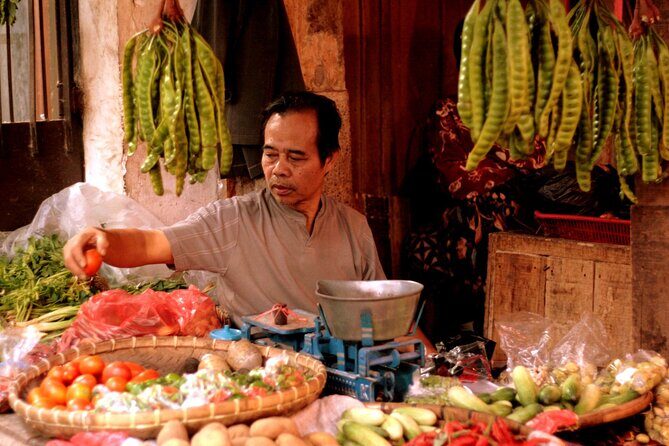
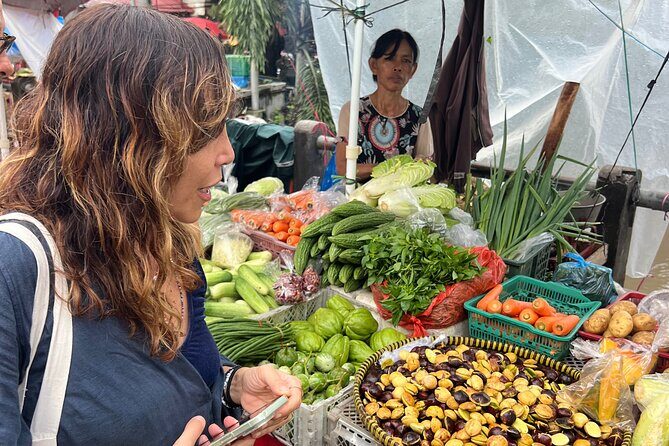
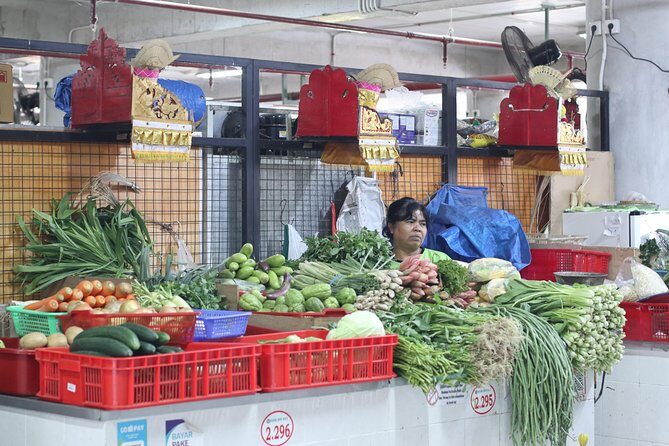
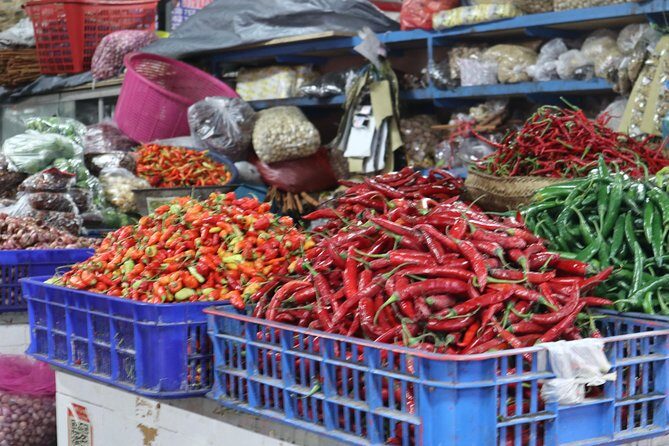
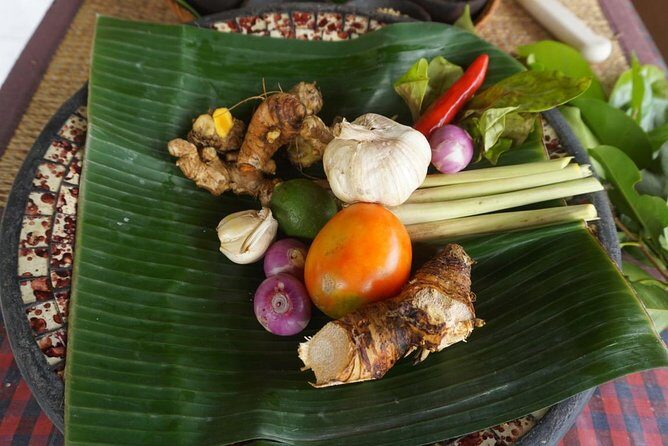
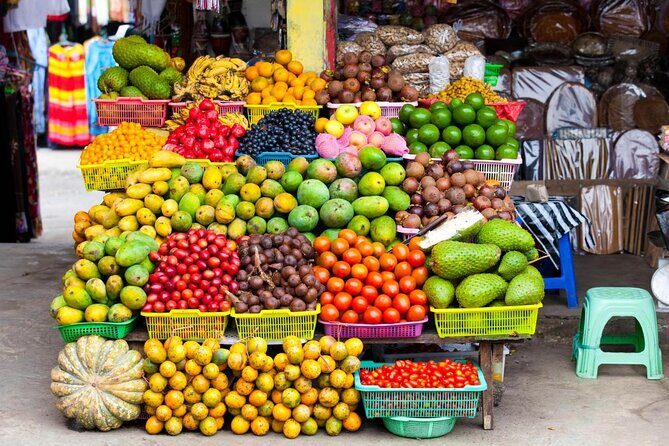
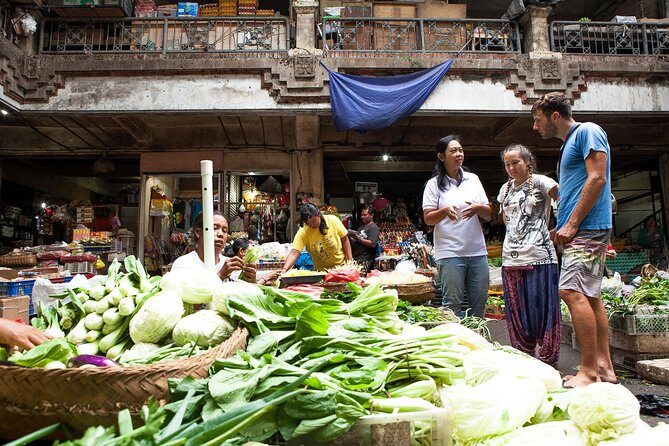
The heart of the tour is learning by tasting. You’ll head to a local market, where spices and ingredients are described in the way they’re meant to be used. This matters because Balinese cooking often relies on the link between flavor, preparation, and daily tradition—so the guide helps you understand why a dish tastes the way it does, not just what it is.

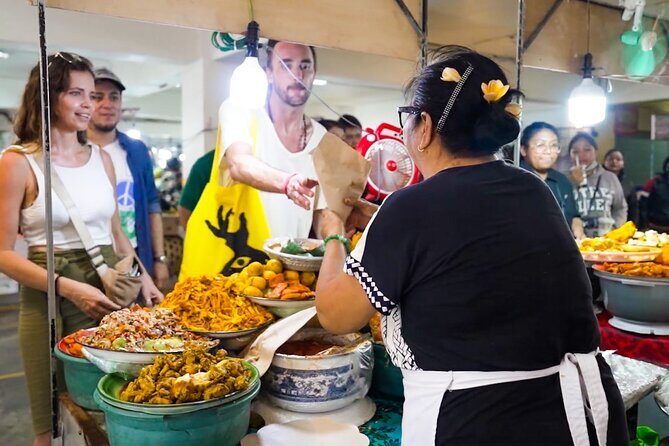
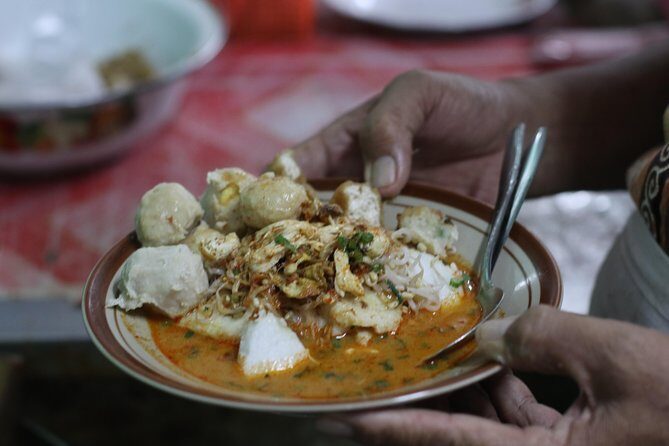
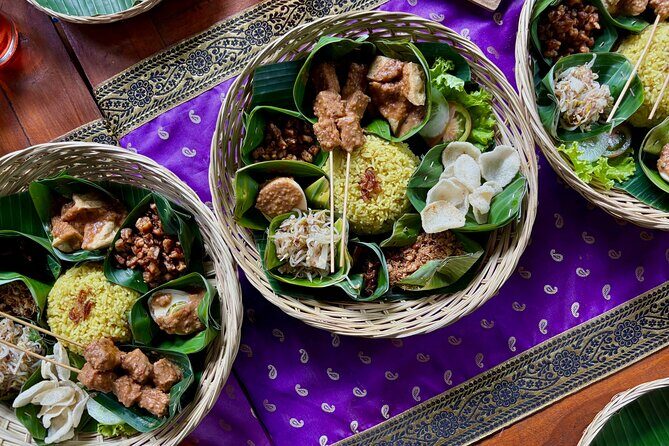
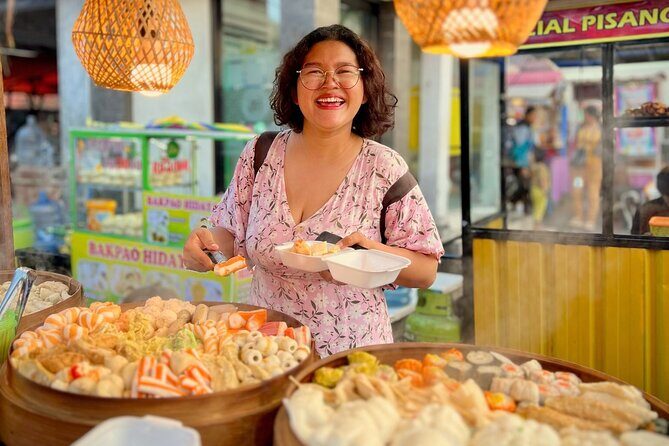
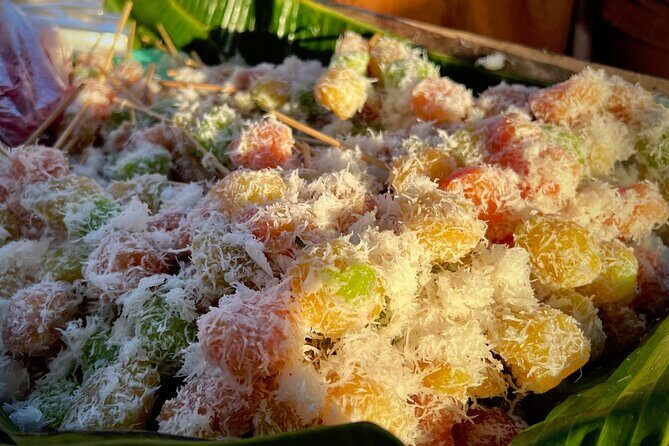
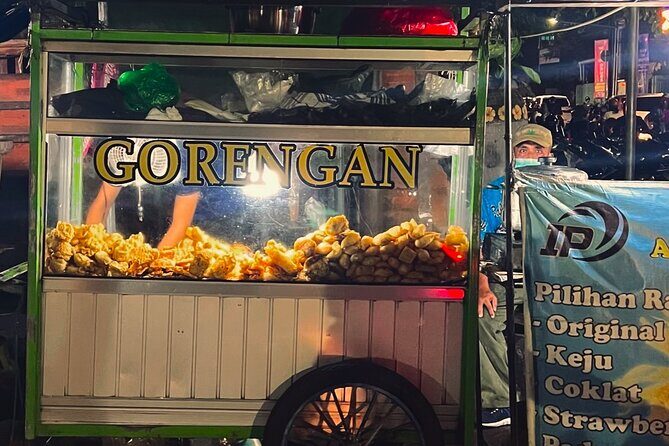
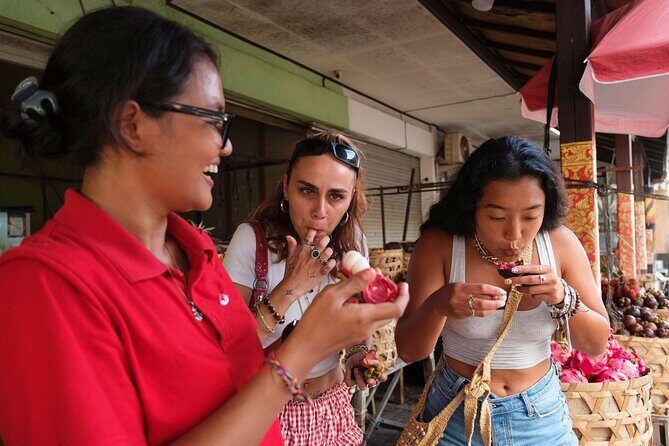
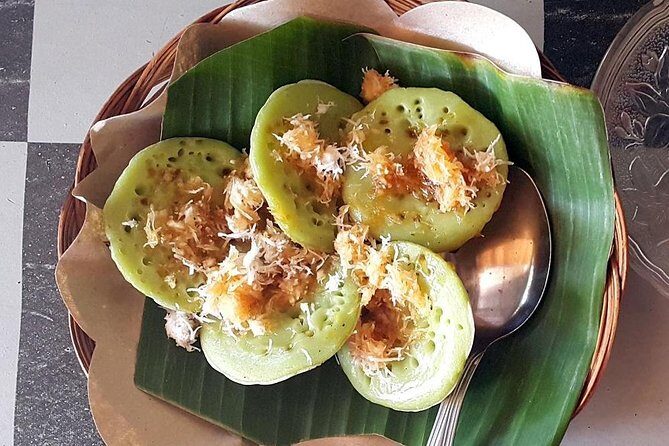
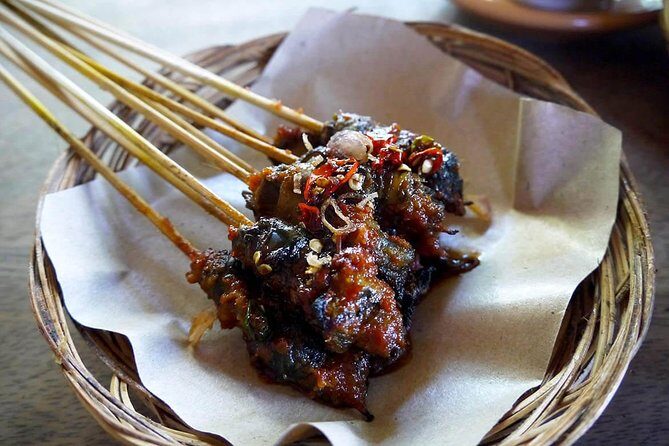
In the market, expect tastings tied to traditional dishes and the flavor logic behind them. The tour highlights mention sampling items like traditional cakes and satay, plus savory flavors such as shredded chicken and stir-fried noodles later in the morning. Even if your exact lineup shifts a bit day to day, the pattern stays the same: you’ll learn what’s traded, how it’s prepared, and why it shows up on plates in Balinese kitchens.

What I like about this approach is that the market isn’t treated like a photo stop. It’s treated like a classroom with edible examples. When you later taste something made from those ingredients, you can connect the dots—spice to preparation to plate.

A quick practical note: markets can be warm and busy, even in the morning. Wear comfortable clothes, and plan for a walking-and-standing rhythm rather than a slow stroll.

Countryside farming: seeing why ingredients taste the way they do
Half-Day Ubud Heritage Food Tour - Countryside farming: seeing why ingredients taste the way they do
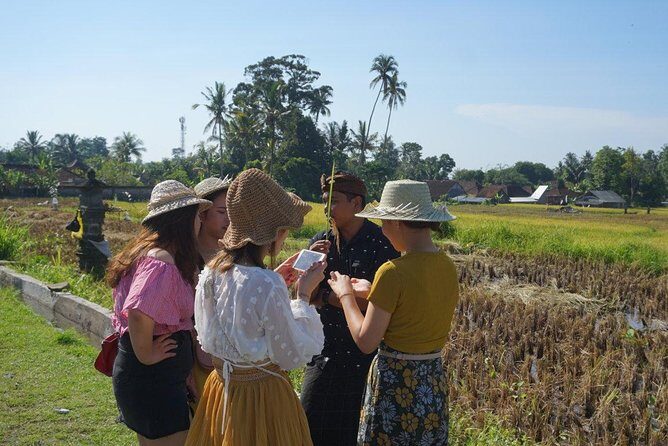
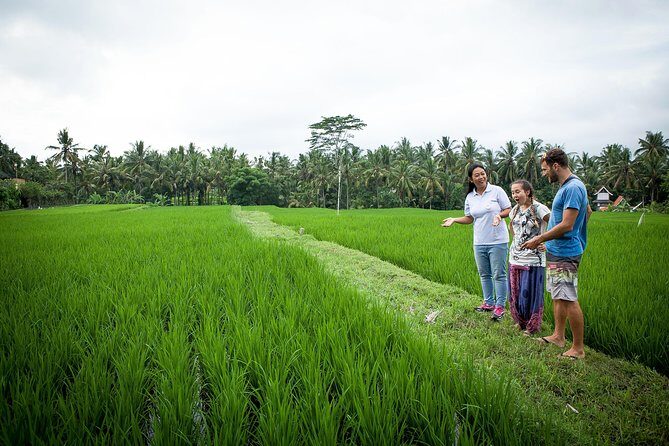
After the market, you continue toward the countryside, where you get a look at local farming and the ingredient origins behind what you’re eating. The tour also hints at panoramic views like rice paddies, which helps you understand why Ubud’s food culture feels so tied to the land.

This part works best if you pay attention to the idea, not just the scenery. Once you’ve been taught how spices and cooking methods create flavor, seeing how ingredients are grown gives you context for what you’re tasting. It turns food from a list of dishes into a system—how people farm, process, and cook with what they have.

If you’re a food lover who gets annoyed by tours that only hand you bites with no explanation, this countryside segment is a real value add. It gives your tastings a reason to exist.

That said, this is still a half-day tour. You won’t get a long farm workshop. You’ll get a look and some guidance, then you’ll move on to more food.

The food tastings: 7–8 bites that can actually satisfy

The tour includes all food tastings, with 7–8 types of foods covered in about 5 hours. It’s not a “try two things and call it a day” situation. You’ll be sampling enough that the tour description says you should leave feeling satisfied.

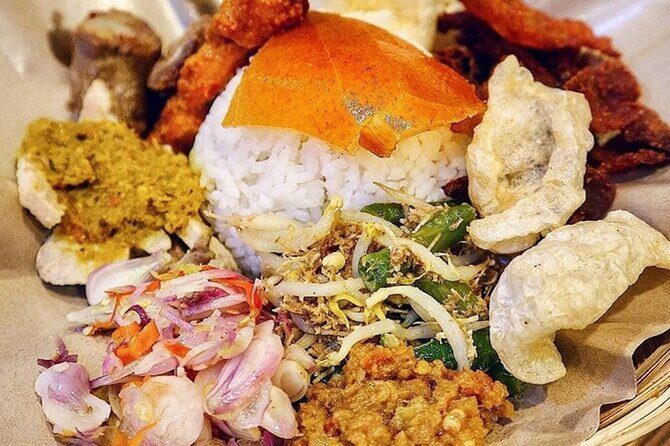
Because the tasting variety is part of the design, it’s smart to come ready to eat. The lineup you’ll likely encounter includes Balinese classics referenced in the tour details—savory shredded chicken, stir-fried noodles, traditional cakes, and satay. The point isn’t just variety; it’s that each dish connects back to ingredients and spice combinations you heard about earlier.

Also keep your expectations realistic: you’re moving between stops, tasting in portions, and learning as you go. You won’t be ordering a full meal at one restaurant, even if meals are included. Instead, think of it as a guided sampling route that adds up to a proper food experience.

If you follow a vegetarian or vegan diet, there is a vegan & vegetarian option available. Just make sure you inform the team about your food restrictions so the tasting plan can match your needs.

Your guide and group size: how the tour keeps it personal

This is built as a small-group tour capped at eight people or fewer. That limit is a big deal. With fewer people, your guide can answer questions as you taste, and it’s easier to adjust pacing if someone needs a slower moment.

The tour includes a local foodie guide, and the descriptions emphasize the idea that the guide explains the connections between spice ingredients, preparation, and how Balinese dishes are served. One of the strongest things coming through from people’s experiences is that they leave knowing the stories behind the food, not just the flavors.

Good group size also makes the logistics easier: you’re on shared transportation to visit one eating spot and another, so you’re not dealing with a complicated route across town by yourself. Still, shared transport means you’ll go when the group goes. If you hate waiting, this might test your patience, but the morning structure helps.

Price and value: what you’re really paying for at $69.75

At $69.75 per person, the value comes from what’s included, not just the headline number. For this price, you get:

  • a local foodie guide
  • enough food tastings (7–8 types) to feel like a real meal
  • meals included as part of the tasting plan
  • a guided market-to-countryside route in a small group
  • shared transportation between stops

What’s not included is also worth noting. Alcoholic drinks are not included and are available to purchase, and other expenses like shopping or additional meals are on you. There’s also a mention that hotel pickup/drop-off can be unclear between the included and not-included notes, so check your confirmation.

So is it good value? For me, the best sign is the “all food tastings included” piece combined with the small group size. You’re paying for guidance and education, plus multiple tastings that reduce your need to plan food stops on your own.

If you’re on a tight itinerary and you want to get serious about Balinese food without piecing together a market plan and restaurant route, this price is easier to justify.

Who should book this Ubud Heritage Food Tour
Half-Day Ubud Heritage Food Tour - Who should book this Ubud Heritage Food Tour
You’ll likely enjoy this if you:

  • want Balinese food with context, not just samples
  • prefer small groups and conversation with a guide
  • are in Ubud for a short time and want a focused morning activity
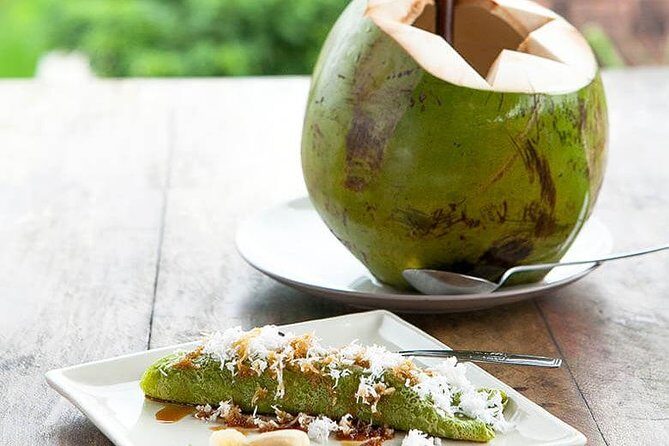
  • want to try multiple dishes like savory chicken, noodles, cakes, and satay

It’s also a good fit for people who are comfortable with walking and sampling in warm weather. You’ll be out for about half a day, and you’ll want comfortable clothing.

If you’re traveling with children, the information says children must be accompanied by an adult, and the tour notes that most travelers can participate. If you have strong dietary needs, use the “inform us for any food restriction” request before you go.

Should you book the Half-Day Ubud Heritage Food Tour?

I’d book it if your main goal is Balinese food understanding plus a satisfying amount of tasting. The combination of market learning, countryside ingredient context, and a small max 8 group makes it feel less like a generic food walk and more like a guided food lesson you can eat.

I’d think twice if you’re looking for a slow, sit-down experience or if you strongly rely on guaranteed hotel pickup. The schedule notes that the duration may exclude pickup/drop-off time, and the inclusion details conflict in the information you might see—so confirm that piece before you commit.

If you’re hungry at 8:00am and you want your Ubud morning to make sense, this tour is an excellent use of time.

FAQ

What time does the tour start?

The tour start time is 8:00am, with a meeting point near Ubud Palace.

How long is the Half-Day Ubud Heritage Food Tour?

It’s listed as about 5 hours. The duration excludes pick up and drop off time.

How big is the group?

The tour is limited to a maximum of 8 people per booking.

Is hotel pickup and drop-off included?

The tour highlights mention hotel pickup and drop-off, but the notes also list it under not included. Check your booking confirmation so you know what applies to your specific pickup arrangement.

What food is included?

The tour includes meals and 7–8 types of foods in about 5 hours, with all food tastings included. Vegan and vegetarian options are available if you inform the provider of your restrictions.

Are alcoholic drinks included?

No. Alcoholic drinks are not included, but they may be available to purchase.

Is cancellation free?

Yes, you can cancel for a full refund with free cancellation up to 24 hours before the experience’s start time.
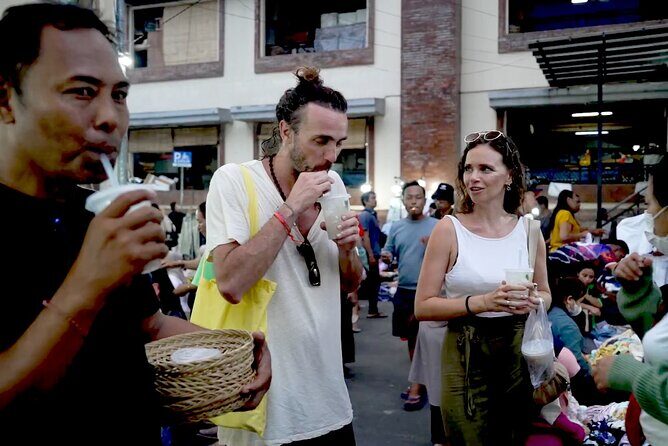

Denpasar Night Market Food Tour

Denpasar Night Market Food Tour - Stop 1: Denpasar market, the fruit opener, and fresh-cooked Balinese staples

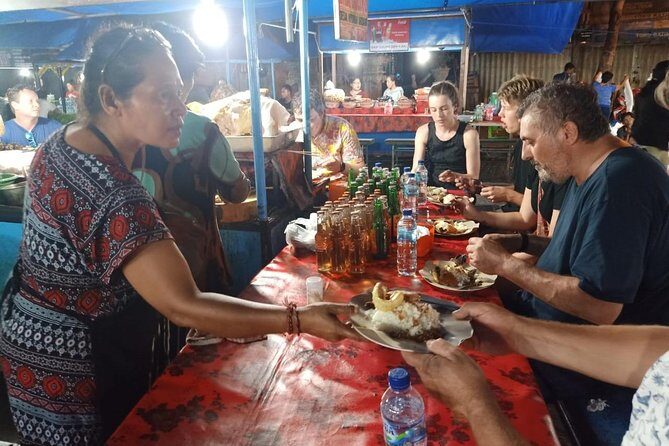
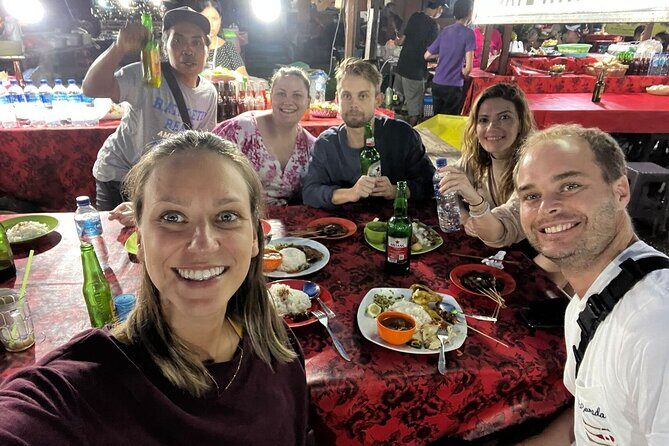
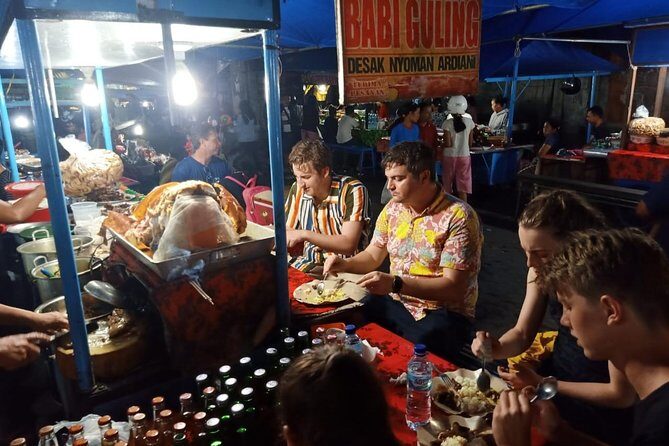
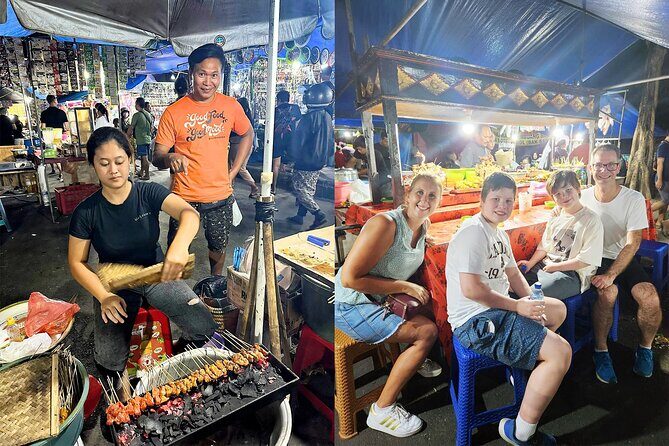
Night eats in Denpasar can change your Bali. This Denpasar night market food tour is a 3-hour walk through local flavors and daily life, starting at 5:00 pm and ending with a relaxed riverside picnic as the lights come on. You’ll sample seasonal tropical fruit, classic Balinese street food, and homemade desserts, plus learn what people actually eat and why.

Two things I really like: first, the focus on exotic fruit you may never spot outside Bali, and second, the lineup of Balinese favorites like nasi goreng, nasi campur, and dadar gulung, made fresh by market vendors. You also get a knowledgeable local guide, and the vibe stays clearly local, not staged for tourists.

One consideration: there’s no private transportation included, and the tour starts and finishes back at the meeting point in Denpasar (not at your hotel), so you’ll want an easy way to get there on time.

Quick highlights

Denpasar Night Market Food Tour - Quick highlights

  • Exotic seasonal fruit at the start, before you overload on noodles and sweets
  • Balinese classics like nasi goreng, nasi campur, and dadar gulung, prepared fresh
  • Homemade Balinese desserts to finish the tasting strong
  • Riverside picnic at a popular local hangout where people unwind together
  • Small group size with a maximum of 10 people, plus a mobile ticket
  • A souvenir included, with each traveler getting a unique take-home gift

Denpasar night market food tour: what makes it worth your time

Denpasar Night Market Food Tour - Denpasar night market food tour: what makes it worth your time
If you come to Bali expecting mostly beach days, this kind of night market tour gives you a different angle fast. It’s built around eating your way through Denpasar market culture, with a local guide helping you connect the food to everyday life.

The pacing also works. You start at 5:00 pm with fruit and market snacks, then move through main dishes and desserts, and finish with a picnic by the river. That ending matters because you get a breather after a few hours of browsing stalls and watching food get cooked right in front of you.

The group stays small, with a maximum of 10 people. That size makes it easier to ask questions, keep up with the flow of vendors, and actually hear the guide’s explanations without the tour turning into a slow moving line.

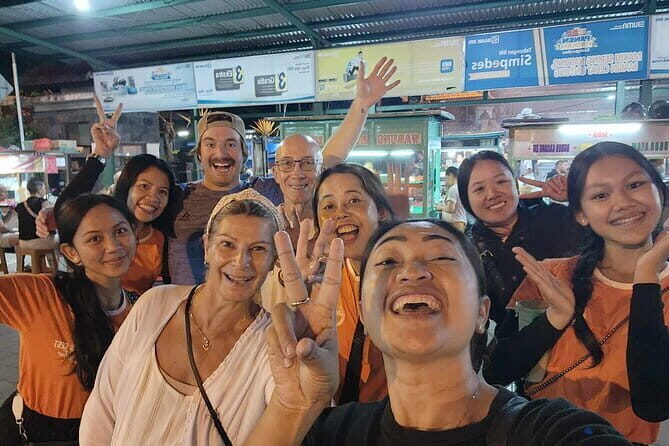
In the stories from real participants, a guide named Ayu stands out for being friendly and upbeat, and for explaining how Balinese food traditions fit into daily routines. That’s exactly what you want from a food tour: not just samples, but context.

Getting there at 5:00 pm: meeting point and logistics that matter

This tour runs about 3 hours and starts at 5:00 pm. The meeting point is KAFE JAGO, Jl. Gajah Mada No. 63, Pemecutan Kaja, Kec. Denpasar Utara, Kota Denpasar, Bali 80119, Indonesia, and the tour ends back at the meeting point.

Because private transportation isn’t included, you’ll need to arrange your own ride to Denpasar (especially if you’re staying in Seminyak). If you’re counting on a hotel pickup, plan ahead and keep some buffer time so you’re not sprinting in at 4:59 pm.

The tour also uses a mobile ticket, which is convenient if you like to travel light and keep everything on your phone. Still, I’d keep your phone charged—night tours tend to drain batteries faster than daylight plans.

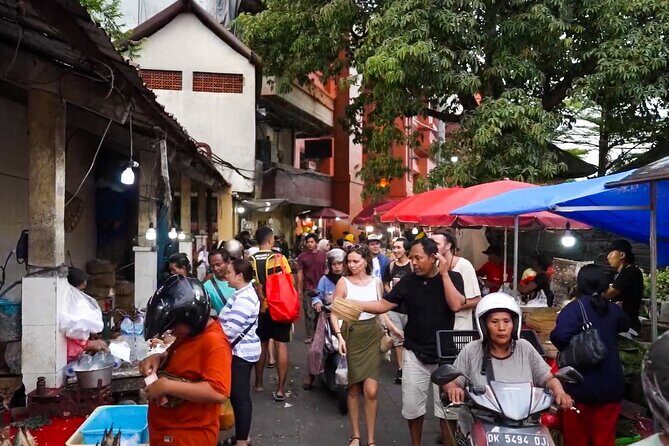
One more practical point: markets are active by nature, and this one is described as busy and running 24/7. Expect a lively crowd and lots of movement between food stops, so wear something comfortable for standing and walking.

Stop 1: Denpasar market, the fruit opener, and fresh-cooked Balinese staples

Denpasar Night Market Food Tour - Stop 1: Denpasar market, the fruit opener, and fresh-cooked Balinese staples
The tour’s first real phase is the market itself. Your guide meets you at KAFE JAGO, then you head into the market where you start tasting right away.

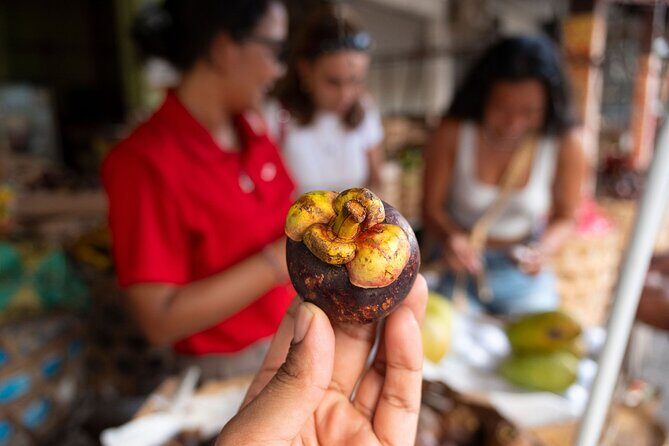
The first big win is the fruit. You’ll sample seasonal tropical fruits, including some you may have never seen before. That matters because fruit is often the easiest way to start a night market tour without getting overwhelmed. It also gives you a feel for local ingredients and flavors before the heavier dishes arrive.

Next comes the savory lineup. You’ll try local favorites such as:

  • nasi goreng
  • nasi campur
  • dadar gulung

These are all familiar names to many visitors, but what you’re really paying for here is access and order. Market vendors cook constantly, and a guide helps you navigate what’s best to try, what’s being made fresh that day, and how each dish fits Balinese eating habits.

You also get freshly prepared desserts as part of the tasting flow. The key difference with this type of tour is that food is coming from the rhythm of the market, not from a single restaurant menu. You see the production, you smell what’s cooking, and you taste what’s popular and current.

Finally, the tour isn’t just about eating. You’ll learn about Balinese food traditions and get stories about daily life. That kind of context can turn a plate of food into something you remember longer—because you understand what you’re looking at.

The dessert portion: homemade sweets that close the tasting loop

Denpasar Night Market Food Tour - The dessert portion: homemade sweets that close the tasting loop
Dessert might sound like an afterthought, but here it’s part of the design. After the savory dishes, the tour includes traditional homemade Balinese desserts, prepared daily by local vendors.

I like this structure because it keeps your energy in check. You’re not saving everything for the end only to find you’re too full—or too tired—to appreciate the last bites. By building dessert into the tasting plan, you get a proper finish.

And because the guide is talking through Balinese food traditions, you’ll likely understand what the desserts are made from and why they show up at certain times. That sort of explanation helps you taste more intentionally instead of just chasing the next sweet.

Dietary needs are worth mentioning here. One participant highlighted that the tour can be inclusive for people who avoid animal products, including plant-forward options. If you have vegan needs, don’t wait until the last minute—message the operator ahead of time so they can plan the tasting sequence around you.

The riverside picnic: the calm ending you’ll actually remember

Denpasar Night Market Food Tour - The riverside picnic: the calm ending you’ll actually remember
After the market tasting, the tour concludes with a relaxing picnic by the river. The river area is described as a beloved local hangout spot where people gather to unwind and share stories.

This is one of those travel details that sounds simple until you’re there. After walking through a busy market, you don’t just want more standing and eating. You want a pause—somewhere you can sit, breathe, and actually digest what you just ate.

Participants have described the riverside setting as especially pretty when lights are overhead, with the feeling of ending the night in a place locals genuinely use. That’s a big part of why this tour works: it doesn’t end at a loud meeting point with everyone splitting up still buzzing.

There’s also a practical benefit. The picnic format makes it easier for the group to finish together, compare notes, and let the guide wrap up explanations at a calmer pace.

And yes, there’s a takeaway. Each traveler receives a unique souvenir to take home. That turns the tour into more than just a meal—it gives you a physical memory that’s harder to lose than photos.

Price and value: is $39 for dinner and a guide a fair deal?

Denpasar Night Market Food Tour - Price and value: is $39 for dinner and a guide a fair deal?
At $39 per person, this is priced like a straightforward food tour, not a full-day tour with private transport. The value comes from what’s included and what’s not.

Included: Dinner. In practice, that means you’re not just getting a snack here and there. You’re getting a sequence of market tastings that covers fruit, mains like nasi goreng and nasi campur, plus homemade desserts, and then the riverside picnic finish.

Also important: market admission is free (so there’s no separate entrance fee stacked on top). And because the group is capped at 10 people, you’re likely paying for real guide attention rather than a big herd experience.

Not included: private transportation. That’s the one place where you should compare your own costs. If you need taxis anyway, just factor that in. If you’re staying nearby or can get to Denpasar easily, the price feels more like a bargain for a guided, multi-stop dinner.

One more value angle: the tour includes education. A good food guide saves you time and confusion, especially in a market where it’s easy to miss what’s being made fresh. When the guide can also connect food to daily life, your meal becomes a learning experience you can use on future trips.

Given how many people book ahead (on average, about 24 days in advance), it’s clearly a popular way to spend an evening without overplanning. If you want the best chance at your preferred date and group availability, don’t leave it to the last minute.

Who this tour suits best (and who may want another option)

Denpasar Night Market Food Tour - Who this tour suits best (and who may want another option)
This tour is a strong match if you:

  • want Balinese street food without figuring out vendors on your own
  • like tasting seasonal fruit and not just the same “standard” dishes
  • enjoy learning how food connects to daily life and food traditions
  • prefer small groups where you can ask questions
  • need a dinner plan that ends with a sit-down moment at the river

It’s also a great fit for people who want to go beyond the most obvious tourist lanes. The tour is built around Denpasar market life, which is exactly the kind of experience that makes Bali feel like it’s more than a postcard.

It may not be the best match if:

  • you strongly prefer hotel pickup and door-to-door convenience (because transportation is not included)
  • you’re short on time and can’t comfortably make a 5:00 pm start
  • you don’t enjoy markets and prefer quieter, controlled settings

Also, be realistic about a food tour in a market environment. You’re going to be on your feet, walking between vendors, and eating a lot. If you prefer slow sightseeing with fewer tastings, you might want something else.

Should you book this Denpasar Night Market Food Tour?

Denpasar Night Market Food Tour - Should you book this Denpasar Night Market Food Tour?
Book it if you want an evening that’s clearly about food, culture, and local rhythm, with a guide who helps you make sense of what you’re eating. The fruit start, the Balinese classics, the dessert finish, and the riverside picnic ending make a complete meal arc, not just a quick taste-and-go.

Skip it or pick a different plan if you don’t want to handle getting to the Denpasar meeting point yourself or you dislike busy market settings. And if you have dietary restrictions, contact the operator before you go so the tasting sequence can truly work for you.

If your idea of a great night in Bali includes street food, stories, and finally sitting by the river to unwind, this one is a solid bet.

FAQ

What time does the tour start?

The tour starts at 5:00 pm.

How long is the Denpasar night market food tour?

It lasts about 3 hours.

What does the tour cost?

The price is $39.00 per person.

Where do I meet the guide?

Meet at KAFE JAGO, Jl. Gajah Mada No. 63, Pemecutan Kaja, Kec. Denpasar Utara, Kota Denpasar, Bali 80119, Indonesia.

Is dinner included?

Yes. Dinner is included as part of the food tasting.

Do I get private transportation to the market?

No. Private transportation is not included, and the tour returns to the meeting point.

Can I cancel for free?

Yes, you can cancel for free up to 24 hours before the experience starts for a full refund.

Uluwatu Cliff Temple sunset Tour with Kecak Show and Sea Food Dinner at Jimbaran Beach

Uluwatu Cliff Temple sunset Tour with Kecak Show and Sea Food Dinner at Jimbaran Beach - From Kuta to Uluwatu: Private Transport, Timing, and the Traffic Reality

Sunset over Bali hits different when you’re up on a cliff. This Uluwatu Cliff Temple sunset tour strings together the ocean views, a live Kecak dance around a fire, and then a proper Jimbaran seafood barbecue on white sand. I love that the timing is built for golden-hour scenery, and I also love the no-fuss part: private, air-conditioned transport and a driver who stays with you like a guide.

One thing to keep in mind: your exact sunset moment depends on the weather, and the Kecak show timing can be tight if tickets are limited. If you’re sensitive to delays, plan your expectations around Bali traffic and the fact that the show schedule is set on-site.

Key things I’d plan around

Uluwatu Cliff Temple sunset Tour with Kecak Show and Sea Food Dinner at Jimbaran Beach - Key things I’d plan around

  • Sunset from a 90-meter cliff at Uluwatu, not a generic viewpoint
  • Live Kecak fire performance with chanting and dancers in a dramatic setting
  • Jimbaran Beach dinner on white sand, with grilled seafood and sambal
  • Private minivan from Kuta (hotel pickup only for selected hotels)
  • Sarong needed for the temple and provided free at the gate

Uluwatu Cliff Temple Sunset: The Real Reason This Tour Is Worth Your Time

Uluwatu Cliff Temple sunset Tour with Kecak Show and Sea Food Dinner at Jimbaran Beach - Uluwatu Cliff Temple Sunset: The Real Reason This Tour Is Worth Your Time
This tour is for people who want a full Bali evening without doing the logistics dance. You get a planned route—Uluwatu first, then Jimbaran—so you’re not trying to time sunset, seating, and dinner all on your own. It also helps that the tour includes the core experiences: Uluwatu Temple, the Kecak show, and dinner.

The big payoff is simple: Uluwatu’s dramatic cliff setting changes what the temple and show feel like. You’re not just seeing a performance. You’re watching it with the ocean around you as the night falls. That’s the kind of “only-here” feeling that makes the evening special.

Still, don’t treat it like a guaranteed perfect-sunset machine. The tour notes that the sunset view depends on current weather, so you may get clouds or haze. Even then, the combination of the cliff views and the fire dance usually delivers a strong evening.

From Kuta to Uluwatu: Private Transport, Timing, and the Traffic Reality

Uluwatu Cliff Temple sunset Tour with Kecak Show and Sea Food Dinner at Jimbaran Beach - From Kuta to Uluwatu: Private Transport, Timing, and the Traffic Reality
Start time is 3:30 pm, and the tour runs about 5 hours total. That start matters. Driving up to Uluwatu takes time, and you want to arrive before the show and before the crowd pressure gets intense.

You’ll ride in an air-conditioned minivan with hotel pickup and drop-off for selected hotels. If your hotel isn’t in the pickup area, you might meet at the ticket redemption point at Kecak Uluwatu, near the parking area of Uluwatu Temple:

Kecak Uluwatu, Kawasan parkir Pura Uluwatu, Jl. Uluwatu, Pecatu, Kuta Sel., Kabupaten Badung, Bali 80361, Indonesia

What I like about the setup is that your driver is also listed as a cum guide. That’s not just chauffeuring—you’ll get help navigating what to do at the temple and what to watch out for.

One practical drawback to be aware of: Bali traffic and show scheduling can affect timing. A past review included a complaint about the drive feeling rough/horrible, and another mentioned ticket availability issues at Uluwatu. So I’d keep your evening flexible in your head. This is a sunset tour, not a clockwork train schedule.

Stop 1 at Uluwatu Temple: Clifftop Views, Sarong Rules, and Monkey Awareness

Uluwatu Cliff Temple sunset Tour with Kecak Show and Sea Food Dinner at Jimbaran Beach - Stop 1 at Uluwatu Temple: Clifftop Views, Sarong Rules, and Monkey Awareness
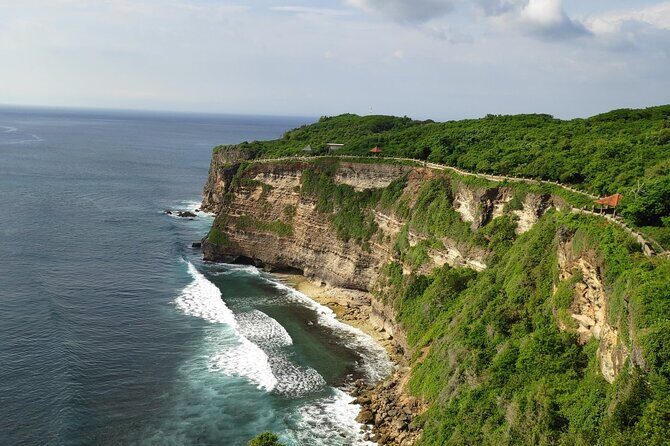
You’ll drive to Uluwatu Temple, which sits on the southern Bukit Peninsula on cliffs around 90 meters (300 feet) high. The temple dates back to the 10th century, and it’s one of the island’s revered spots. In other words, it’s not a random attraction.

But here’s the key detail: Uluwatu’s main value is the setting. The temple grounds may feel smaller or less “wow” in layout than you expect, especially if you’re comparing it to bigger temple complexes. What hits hardest is the situation—temple + ocean + cliff + dusk. That’s where your photos, your silence, and your sense of place come from.

Sarong and temple etiquette (you’ll be told, but it helps to know)

Dress code is smart casual, and you’ll need to wear a sarong to enter the temple. The tour says the sarong is free to use upon arrival in the gate area. Plan to arrive ready to follow instructions quickly. If you’re wearing shorts or thin pants, you’re fine—just expect to wrap and move on.

Watch your belongings around monkeys

The tour experience includes guidance about monkeys. If you’ve never dealt with playful wild macaques before, the short version is: keep things secure and don’t treat it like a zoo where you can wander freely with dangling snacks or loose bags.

I’d advise you to:

  • Keep your phone and bag zipped or held close
  • Avoid carrying food in open containers
  • Listen when your guide tells you where to stand and what to avoid

The Kecak Show at Uluwatu: Fire, Chanting, and What Makes It Feel Different

Uluwatu Cliff Temple sunset Tour with Kecak Show and Sea Food Dinner at Jimbaran Beach - The Kecak Show at Uluwatu: Fire, Chanting, and What Makes It Feel Different
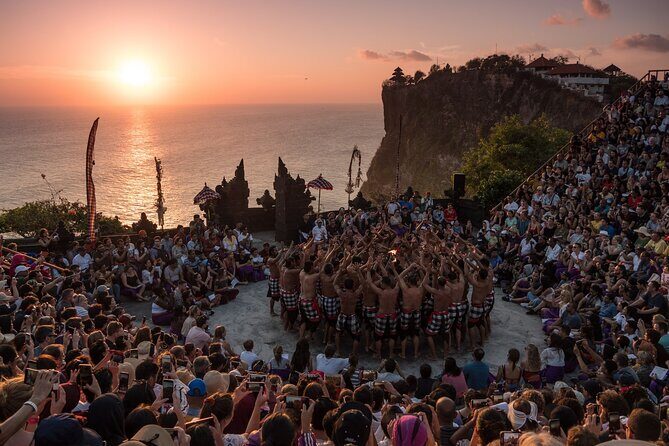
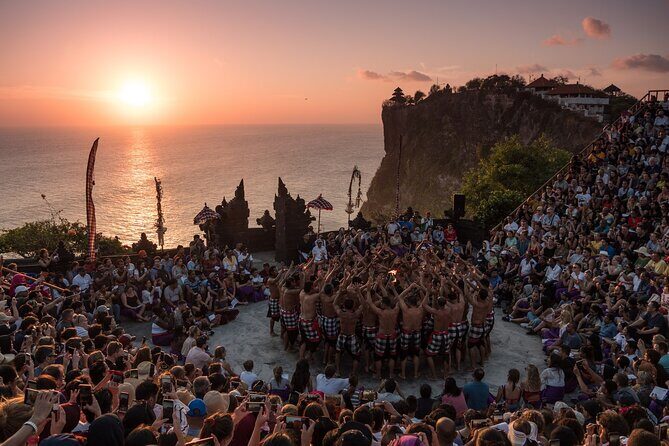
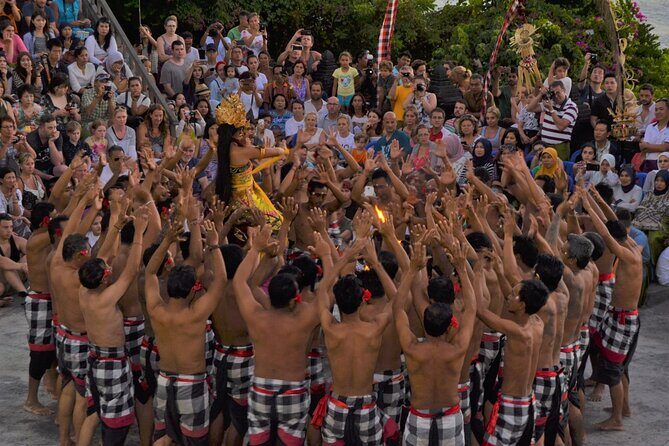
After you arrive at Uluwatu for sunset, the schedule points you toward the Kecak performance. It’s a live Balinese dance show with traditional dancing and chanting around a fire.

Kecak works because it’s both theatrical and communal. The performers don’t just “dance at you.” The chanting and the fire setting pull you into a shared rhythm. Even if you don’t know the story beforehand, you’ll feel the atmosphere as the night air cools down.

Ticket timing reality

One important consideration: the Kecak experience depends on what’s available at the venue. The tour includes tickets, but one past guest had an issue where tickets were sold out at the expected time and they had to wait for the next slot.

So if you’re booking at the last moment, don’t assume you’ll get the exact time you want. Your guide can’t control show capacity, but having realistic expectations will save stress. I’d also suggest arriving on time (3:30 pm start means actually being ready by then).

Stop 2 at Jimbaran Bay: Seafood Barbecue on White Sand

Once the dance ends, you head to Jimbaran Bay. This is where the tour shifts from cultural spectacle to pure “eat and relax” Bali.

Jimbaran is known for its beachfront dining, and your dinner is a seafood barbecue dinner on the white sand beach under the night sky. The menu is clearly specified, which makes this part easy to judge:

  • Grilled fish
  • Prawns
  • Clams
  • Squid
  • Sides: spinach, rice
  • Sauce: spicy Indonesian sambal

I like dinner that’s specified like this because it removes uncertainty. You’re not gambling on a buffet that might be half bread or a meal where “seafood” means one lonely prawn. Here, you’ve got multiple seafood items plus proper sides.

Comfort note for beach dining

Be ready for beach conditions: cooler night air, sand underfoot, and the fact that you’ll be sitting for a while. Smart casual still fits, but I’d bring a light layer if you run cold.

Also, the tour specifically notes that sunset views depend on weather, and beach dinners are obviously affected too. If it’s breezy or cloudy, it may feel less scenic—but the meal still happens as planned.

Price and Value: What You’re Getting for $61 Per Person

Uluwatu Cliff Temple sunset Tour with Kecak Show and Sea Food Dinner at Jimbaran Beach - Price and Value: What You’re Getting for $61 Per Person
At $61 per person, this tour looks like solid value if you compare it to buying things separately.

Here’s why:

  • Uluwatu Temple admission is included
  • The live Kecak show is included
  • Dinner at Jimbaran is included with multiple seafood items
  • You get private transport in an air-conditioned minivan
  • You have a driver/cum guide for the evening flow

What’s not included is also clear: alcoholic drinks, gratuities (recommended), and any extra drinks. So if you plan to drink, your final cost will rise. If you don’t, you’ll likely feel like this was a clean, controlled spend for a full evening.

If you’re a solo traveler, the minimum group size matters. The tour requires a minimum of 02 people per booking, so you may be grouped with others depending on how it’s sold, but the tour is described as private, meaning your group stays together.

Who This Tour Fits Best (and Who Might Be Frustrated)

This tour is a strong match if you want:

  • A sunset-focused evening with minimal planning
  • The classic pairing: Uluwatu cliff views + Kecak + Jimbaran dinner
  • A private setup so you’re not hopping between random ticket counters

It can be less ideal if you:

  • Need a perfectly timed schedule with no flexibility (sunset weather and show slots can shift)
  • Want the temple itself to be the star of the show (in practice, the setting is the big draw)
  • Rely on wheelchair access (the experience notes not wheelchair accessible)

If you’re traveling with older family members, this is still often workable if they’re mobile enough for temple paths, but confirm what “smart casual” and walking steps mean for your group.

Tips to Make Your Evening Smoother

A few small moves can make a big difference here:

  • Arrive ready for a sarong change quickly at the temple gate. Smart casual is fine, but plan to wrap fast.
  • Keep your phone and bag secure when you’re near macaques.
  • Bring a light layer for the evening, especially if you cool down easily after sunset.
  • If you’re trying to time your whole Bali trip around sunset photos, accept that weather can win.
  • Eat dinner like it’s your main event. This meal includes multiple seafood items plus rice and spinach, so you probably won’t need extra food after.

Should You Book This Uluwatu + Kecak + Jimbaran Tour?

I’d book it if you want a well-packaged Bali evening where the essentials are handled: transport, temple, Kecak, and dinner. The value sits in that bundle—especially if you’d otherwise be paying for tickets and a separate evening driver.

I’d think twice if you’re extremely timing-sensitive, hate any wait at show venues, or you’re expecting Uluwatu Temple to be a giant “must-see museum” type site. This is about the cliff setting and the fire dance moment, then a beachfront seafood dinner that feels like you actually left Bali for a while.

If you’re flexible and you like a classic Bali sunset night, this tour is an easy yes.

FAQ

What time does the tour start?

The tour starts at 3:30 pm.

How long is the tour?

It runs about 5 hours (approximately).

Does the tour include hotel pickup and drop-off?

Yes, hotel pickup and drop-off are included for selected hotels.

What’s included in the Jimbaran seafood dinner?

The dinner includes grilled fish, prawns, clams, and squid, served with spinach, rice, and sambal.

What do I need to wear for Uluwatu Temple?

The dress code is smart casual, and you’ll need to wear a sarong to enter the temple. The sarong is free to use when you arrive at the gate.

Is this tour wheelchair accessible?

No, it is not wheelchair accessible.

Denpasar City Food Tour (Day Tour)

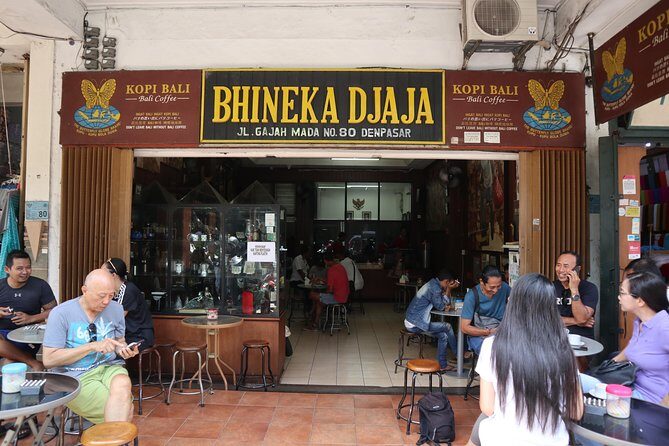
Denpasar City Food Tour (Day Tour) - Meeting at Bhineka Djaja (Kopi Bali): the coffee start that sets the tone

Denpasar can taste like real Bali. This 3-hour Denpasar City Food Tour trades the usual beachfront route for local neighborhoods, classic eateries, and heritage sites tied to how people actually live and eat in the city. I love that it’s built around 10 Indonesian and Balinese dishes (not tourist-style duplicates), with stories behind what you’re trying.

Two things I especially like are the focus on traditional places with history (not franchise meals) and how the route includes both food and city context like Puputan Badung Park and Pura Jagatnatha. One consideration: you’ll be walking in a non-touristy area, and if you’re picky about being near crowds or landmarks designed for visitors, this route might feel less polished than the popular Bali circuits.

Key things that make this food tour work

Denpasar City Food Tour (Day Tour) - Key things that make this food tour work

  • Denpasar-first focus: you spend time in the city people actually use for food, not a choreographed tourist strip
  • 10 tastings: from market curry and snacks to a final nasi campur or babi guling-style meal option
  • Halal-aware swaps: pork can be replaced with goat satay and goat curry, and there’s a halal nasi campur option
  • Heritage stops, not just meals: Puputan Square and Pura Jagatnatha add context between bites
  • Small group size: capped at 10 travelers, which keeps the pacing friendlier
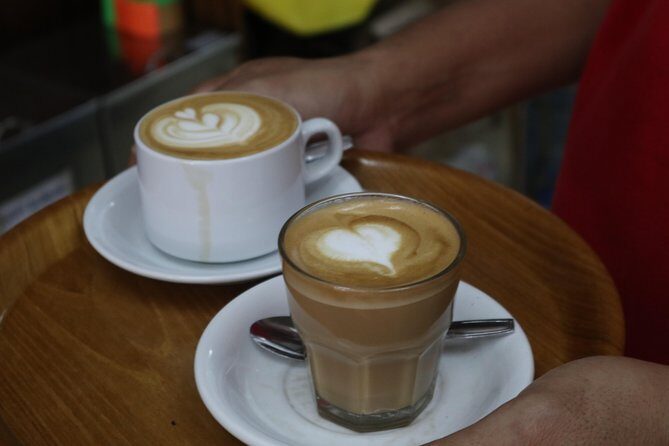
  • Coffee at Bhineka Djaja (Kopi Bali): a strong start with Balinese coffee culture built into the tour

Denpasar City Food Tour: why the city feels different

Denpasar City Food Tour (Day Tour) - Denpasar City Food Tour: why the city feels different
Most people land in Bali and assume they are already in Denpasar. They’re not. Denpasar is the capital, about 10 km from the airport, and the city doesn’t try to look like a postcard the way other parts of Bali do.

That matters because Denpasar has long-established local food choices. You’re not just eating, you’re sampling how Balinese and Indonesian food fits into everyday life, from markets to long-running shops.

I also like that the tour leans into the relaxed-versus-hustle rhythm of the city. It’s not a rushed sprint through Instagram spots. It’s more like a guided stroll where your next plate is always connected to a place and a reason.

The real shape of the 3-hour walk (and how to prepare)

This is a walking food tour, and it’s designed around feeding you enough that you don’t need a separate lunch plan afterward. The tour starts at 10:00 am and runs about 3 hours back to the meeting point.

Here’s the biggest prep tip: don’t eat breakfast. The tour includes a full sequence of tastings and drinks, plus water, so arriving hungry is what makes the stops feel satisfying instead of stuffed and rushed.

Comfort matters too. You’ll be moving between central Denpasar food stops and heritage areas, so wear shoes you can walk in for a solid stretch. If you get heat easily, plan to slow your pace when the group pauses for ordering and tasting.

Meeting at Bhineka Djaja (Kopi Bali): the coffee start that sets the tone

Denpasar City Food Tour (Day Tour) - Meeting at Bhineka Djaja (Kopi Bali): the coffee start that sets the tone
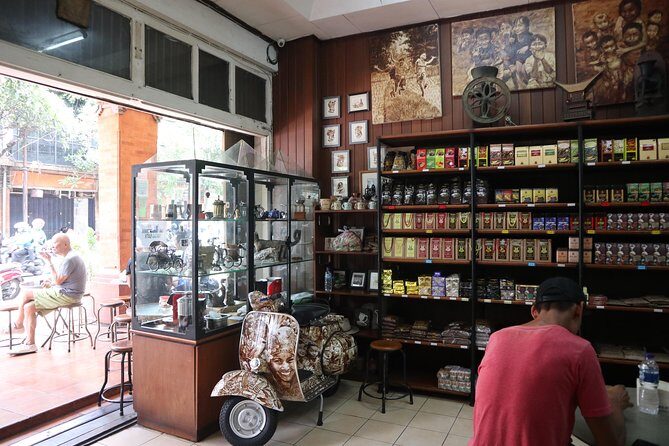
The meeting point is Bhineka Djaja (Kopi Bali) on Jl. Gajah Mada No. 80 in Denpasar North. You start right here at 10:00 am, so you can ease in before you start the food sprint.

This stop isn’t just a caffeine refill. The tour calls it the first coffee shop in Bali, which gives the coffee tasting a bit of cultural grounding. You’re learning the why, not only the taste.

If you’re a coffee person, you’ll probably appreciate how they fit coffee into the route rather than treating it as an add-on. It’s also a good moment to get your bearings, especially if you’re new to Denpasar neighborhoods.

Pasar Badung: market energy plus curry and East Bali salad

Denpasar City Food Tour (Day Tour) - Pasar Badung: market energy plus curry and East Bali salad
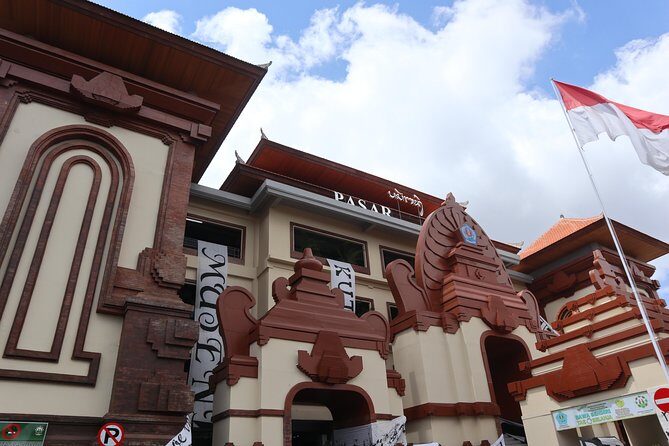
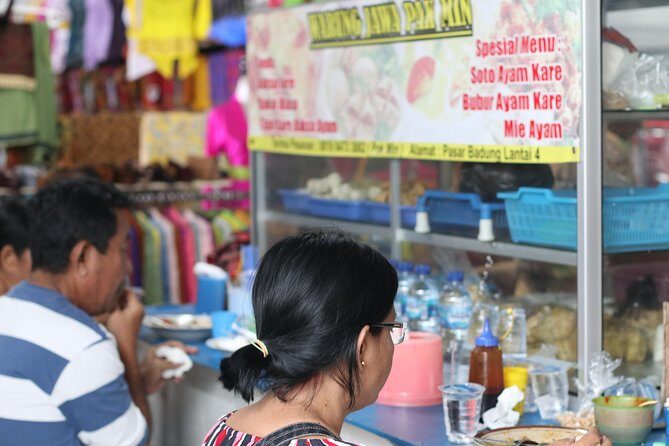
Your first major food stop is Pasar Badung, Denpasar’s traditional market area. This is where the tour really earns its local-city identity because markets are where you see cooking habits that predate today’s tourist food trends.

Expect familiar and less-familiar flavors. The tour highlights trying famous curry at the market and also east Bali salad. You also get Balinese traditional snack and drink options here, which tends to be the part of the tour where people realize they can enjoy food without it being “street snack chaos.”

A practical note: market stops can be busy and visually intense. The upside is that you taste what people actually buy and eat. The only drawback is that the setting can feel noisy, so keep your order open-minded.

Puputan Square and Puputan Badung Park: snacks with context

Denpasar City Food Tour (Day Tour) - Puputan Square and Puputan Badung Park: snacks with context
After the market, you walk toward Puputan Square and the Puputan Badung Park area. The tour is clear that you’re not just passing by landmarks—you get a little history context while you’re there.

This stop is paired with two famous snacks local people like when they visit the park. That pairing is smart. You’re not sitting through a lecture with no payoff. You get story, then you get food.

If you like understanding the setting before you eat, this is one of the best sections of the tour. It also helps break up the day so you don’t feel like it’s non-stop eating with no pauses to reset.

Pura Jagatnatha: a spiritual pause between plates

Denpasar City Food Tour (Day Tour) - Pura Jagatnatha: a spiritual pause between plates
The tour also includes Pura Jagatnatha. This is a meaningful cultural stop that gives your Denpasar experience a broader sense of place.

I like adding a religious or heritage stop when the tour already includes multiple food tastings, because it keeps the day from feeling like a food crawl only. It also helps you notice how daily life and food culture exist alongside Balinese worship and community spaces.

You should also be ready for the rules and expectations that come with temple visits. The tour data doesn’t spell out dress requirements, so I’d treat this as a standard Bali temple stop: cover appropriately, keep your movement respectful, and follow whatever guidance your guide gives you.

Satay and soup: the fork in the road for halal options

Denpasar City Food Tour (Day Tour) - Satay and soup: the fork in the road for halal options
One of the most satisfying segments is the satay-and-soup moment, where the tour offers two possible paths.

If you eat pork, you’ll try famous pork satay and then beef soup. If you’re halal, the tour offers a substitute path with goat satay and goat curry.

I appreciate this setup because it makes the tour feel designed for real dietary needs, not “we’ll just figure it out.” Still, it’s smart to confirm your preference at booking so you don’t end up waiting on substitutions mid-walk.

This is also where your appetite really shows. Satay and soup-style dishes can be filling, so by now you’ll want to pace your tastings instead of rushing everything at maximum speed.

Oldest Toko Kue and the Indonesian sweets stop

Denpasar City Food Tour (Day Tour) - Oldest Toko Kue and the Indonesian sweets stop
Later in the walk, you visit the oldest Traditional Toko Kue (Cake Shop). This is where the tour brings Indonesian dessert and snack culture into the mix, not just savory plates.

The stop includes Indonesian delicacies, and for many people this becomes a highlight because it shifts the flavor profile after all the savory market and satay dishes. It’s also an easy time to slow down and taste thoughtfully.

If you have a sweet tooth, plan to enjoy this rather than trying to beat the clock. With small-group pacing, you’ll usually have enough time to try what’s offered and ask about the differences in textures and flavors.

The finale: nasi campur (halal) or babi guling-style ending

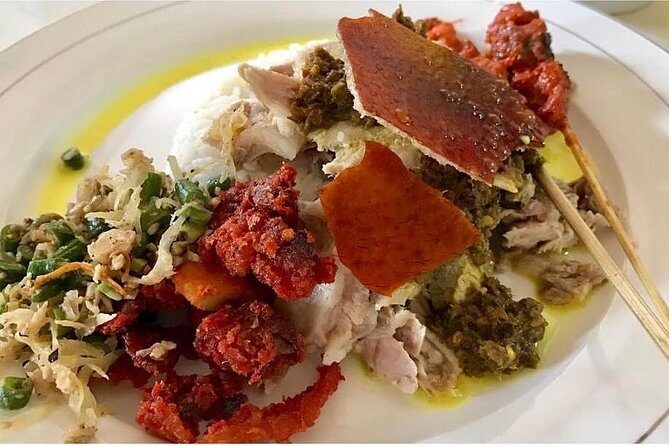
The last stop is the big finish: nasi campur as the halal option, or babi guling / suckling pig as the non-halal ending. This matters because it’s the kind of “known famous” Balinese meal that many visitors want, but the tour delivers it through a local food context rather than a tourist show.

I like the way they frame it as a final tasting rather than a generic restaurant stop. By the end of the walk, you’re not just eating a meal—you’re comparing flavors and food styles you’ve been encountering all day.

If you’re eating halal, nasi campur can still feel like a satisfying closing plate because you’ll be able to compare how the tour handled substitutions across the route. And if you’re not halal, this final dish is likely to land as the most memorable single “this is Bali” moment.

Price and value: does $100 make sense for this route?

The price is $100 for an about 3-hour small-group tour (up to 10 travelers). For that cost, you get lunch all the foods and non-alcohol drinks, coffee/tea, snacks, and bottled water.

That value is strongest if you’re the type of traveler who wants local food guidance rather than wandering and guessing. Denpasar isn’t designed mainly for food tourism, so having someone connect you to places with history and story can save you time and prevent the usual beginner mistakes.

One more practical value point: alcohol isn’t included, but it’s available for purchase where served. Since your drink inclusions are non-alcohol, you can still do the tour without budgeting for beer or cocktails.

The only value caution: at least one past customer report raised a concern about guide attendance and ticket confusion. I can’t predict how your experience will go, but it’s a smart move to message the day before, confirm the meeting point, and keep your mobile ticket details ready.

Who this tour suits best (and who should think twice)

This tour fits you well if you want authentic local eating in Denpasar and you like tours that explain the “why” behind food choices. The mix of market, heritage areas, and classic dishes makes it work for food lovers and curious cultural travelers.

You might think twice if you:

  • Need a heavily tourist-oriented environment with lots of English signage and easy navigation
  • Can’t do much walking or standing around busy market areas
  • Want a fully hands-off experience where everything feels strictly controlled like a resort excursion

It’s also best for people who can commit to the preparation rule: skip breakfast and save your appetite for the tastings.

Practical tips to get the most out of your day

Start with timing. The tour begins at 10:00 am, so get to Bhineka Djaja (Kopi Bali) a few minutes early. The meeting point is specific, and starting on time is how a tight 3-hour route stays enjoyable instead of stressful.

Choose your dietary path early. The tour offers halal swaps (goat satay/goat curry and halal nasi campur), but you should clearly communicate what you eat before you’re standing at the food counter.

Bring an open mind about portions and pacing. The tour includes 10 different food types, so your best strategy is steady bites and water between stops rather than going all-in on every dish at once.

Finally, keep your expectations aligned. This isn’t a polished resort meal experience. It’s local Denpasar, and the reward is that the food doesn’t feel like it was made for tourists.

Should you book the Denpasar City Food Tour?

I’d book it if you want an excellent shot at understanding Denpasar through food—especially if you’re traveling outside the typical Bali tourist circuits. The strongest reasons are the 10 tastings, the mix of market + heritage stops, and the halal options that don’t feel like an afterthought.

I’d be cautious if you’re the type who needs flawless logistics every time, because there has been at least one report about ticket/guide communication issues. If you book, I’d confirm your meeting details and keep your mobile ticket ready so you can protect your start time.

If you like guided local eating that goes beyond “order and leave,” this is the kind of tour that turns a simple lunch into a real Denpasar memory.

FAQ

What’s included in the Denpasar City Food Tour?

The tour includes lunch with all foods and non-alcohol drinks, plus coffee and/or tea, snacks, and bottled water. Alcoholic beverages are not included but may be available for purchase at some stops.

How many food items do I try?

You’ll try a total of 10 types of Indonesian and Balinese local food and drinks during the tour.

Is there a halal option?

Yes. For halal choices, the tour can include goat satay and goat curry instead of pork options, and it offers halal nasi campur instead of babi guling/suckling pig.

What time does the tour start and how long is it?

It starts at 10:00 am and lasts about 3 hours. The tour ends back at the meeting point.

Where do I meet the guide?

The meeting point is Bhineka Djaja (Kopi Bali), Jl. Gajah Mada No. 80, Dauh Puri Kaja, Kec. Denpasar Utara, Kota Denpasar, Bali 80111, Indonesia.

Is this tour a small group?

Yes. The maximum group size is 10 travelers.

Balinese Street Food Tour By Motorbike All You Can Eat and Drink!

Balinese Street Food Tour By Motorbike All You Can Eat and Drink! - Food stops: warungs, Bakso Sapi, and Sate Lilit

Scooter nights in Nusa Dua smell incredible. I really like the All-you-can-eat street food setup, and the Balinese women guides who talk you through family recipes and local culture as you ride. The one thing to think about first is that you’re a passenger on the guide’s motorbike, so you’ll want to feel comfortable with scooters and being on the move.

This is a smart 4-hour way to get a lot done without hunting for places yourself. With pickup and drop-off, helmets, an English-speaking guide/driver, and a max group size of 12, it’s geared for a relaxed food run that still feels like an adventure.

Key highlights at a glance

Balinese Street Food Tour By Motorbike All You Can Eat and Drink! - Key highlights at a glance

  • Local Balinese women guide the food stops, sharing stories tied to traditions and family recipes
  • Unlimited street food and drinks, including beer, pre-mixed vodka drinks, and Arrack
  • 5:00 pm start for sunset-era street sights, perfect timing for great evening photos
  • Hotel/villa pickup and drop-off keeps the logistics simple
  • Minimal walking with direct scooter rides between stops, so the evening stays easy on your legs
  • Max 12 people helps the pace stay friendly and not chaotic

Nusa Dua by scooter: why this street-food format works

Balinese Street Food Tour By Motorbike All You Can Eat and Drink! - Nusa Dua by scooter: why this street-food format works
In Nusa Dua, it’s easy to spend a whole evening walking around resorts and still miss the real street-food energy. This tour solves that with scooter transport. You don’t have to navigate traffic or guess which warungs (small local food spots) are worth your time.

Instead, you ride from stop to stop with a guide and driver who handle the route and the flow. The result is you can focus on what matters: eating, drinking, and listening while the evening scenery changes around you.

And the guides aren’t just pointing. One of the best bits from the experience is that the women guiding the tour bring a cultural angle—how foods connect to daily life, what certain dishes represent, and what family recipes taste like when they’ve been passed down for years.

The 5:00 pm timing and the sunset factor

A 5:00 pm start is a big deal. It lines up with Bali’s evening rhythm: the streets feel lively, vendors are ready, and you’re not stuck eating too early.

One of the most repeated strengths of this style of tour is the feeling of rolling through the area as light shifts. You get that sunset-era vibe while you’re on the scooter and then you transition into dinner at street stops. In plain terms: the timing helps your meals feel like part of an evening, not a quick snack break.

You’ll also see temples and landmarks along the ride. Even without a formal “temple tour,” getting those glimpses matters because it shows you Bali beyond the resort strip.

Food stops: warungs, Bakso Sapi, and Sate Lilit

Balinese Street Food Tour By Motorbike All You Can Eat and Drink! - Food stops: warungs, Bakso Sapi, and Sate Lilit
This is an all-you-can-eat tour, so the stops are designed for repeat ordering and steady sampling. You’ll visit local warungs and street food vendors that are handpicked for traditional cooking methods and authentic flavors.

Two dishes get spotlighted as examples you can expect on the route:

  • Bakso Sapi (meatball soup): a comforting, savory start that fits an evening meal well.
  • Sate Lilit (Balinese satay): a distinctly Balinese style of satay, not just the generic skewers you might expect elsewhere.

Because you’re moving between multiple vendors, you don’t get stuck with one cooking style or one flavor profile for the whole evening. You get variety by design, and you can keep eating until you’re satisfied instead of leaving hungry after a couple of bites.

What the tour pace means for you

The tour includes riding directly from stop to stop, with walking kept minimal and involving no stairs. That matters if you want the experience but don’t want to spend your limited vacation energy climbing, queueing, or doing lots of navigating on foot.

Drinks included: beer, vodka mixes, and Arrack (plus a smart note)

Balinese Street Food Tour By Motorbike All You Can Eat and Drink! - Drinks included: beer, vodka mixes, and Arrack (plus a smart note)
Yes, alcohol is included—but this is still a food tour with a practical rhythm. The drinks included are:

  • beer
  • pre-mixed vodka drinks
  • Arrack, a local Indonesian alcohol

Non-alcoholic drinks are included too, so you don’t have to build your evening around alcohol if you’d rather keep it simple.

The big advantage of having drinks included is that you’re not doing the awkward math halfway through dinner. You can order what sounds good with your meal and keep going as long as you’re enjoying it.

The responsible part is about pacing. You’ll be on a scooter tour and you’re sampling lots of food, so I’d treat alcohol as something you sip, not something you chug. Go slow, drink water too, and you’ll get the best version of the evening.

Meet the guides: local stories from Dewi and Karen

Balinese Street Food Tour By Motorbike All You Can Eat and Drink! - Meet the guides: local stories from Dewi and Karen
One of the best things about this tour is who runs it. It’s led by local Balinese women, and that shows in the way the evening is explained.

In the reviews, names like Dewi and Karen come up with praise for being fun, communicative, and clear about both food and culture. That matters because a street-food meal is more than taste—it’s also context. When your guide can explain why a dish is made a certain way, you pay attention differently. You notice ingredients, you learn what to look for, and you understand how families keep traditions alive.

This is also where the tour feels less like a checklist. The guides aren’t only focused on getting you from one stall to the next. They’re sharing stories as the night unfolds, which is part of why people call it a highlight of their holiday.

Safety and comfort: helmets, being a passenger, and minimal walking

Balinese Street Food Tour By Motorbike All You Can Eat and Drink! - Safety and comfort: helmets, being a passenger, and minimal walking
Safety is emphasized throughout, and you do get the tools to make this comfortable:

  • Motorbike and helmets are included
  • You ride on the back of your guide’s motorbike
  • Walking is minimal, with no stairs

That “passenger” setup can be a comfort upgrade if you don’t want to worry about balancing or handling the scooter yourself. The trade-off is you’ll still feel motion and traffic sounds, so it’s not the right choice if you get easily overwhelmed by street driving.

On the fitness side, you only need a moderate physical fitness level. Since walking is minimal and there are no stairs, most of the physical demand comes from staying seated and handling the short transitions at each stop.

A small but important practical note

Insurance is not included. If you don’t already have solid travel coverage, this is one place where you should double-check your policy, because you’ll be riding a motorbike.

Price and value: what $90 buys for 4 hours in Nusa Dua

Balinese Street Food Tour By Motorbike All You Can Eat and Drink! - Price and value: what $90 buys for 4 hours in Nusa Dua
At $90 per person, this isn’t a cheap snack tour. But it also isn’t overpriced when you break down what’s bundled in:

You get:

  • pickup and drop-off from your hotel/villa
  • a motorbike and helmets
  • an English-speaking guide and driver
  • a 4-hour evening of multiple street food stops
  • all-you-can-eat street food
  • all-you-can-drink options (non-alcoholic, beer, vodka mixes, Arrack)
  • a small group size (max 12)

So you’re paying for transportation, staffing, and food/drinks all in one. In practice, that can be better value than trying to DIY street food with taxis plus ordering plus translation plus transport between far-apart places.

Also, the fact that it’s commonly booked about 6 days in advance on average suggests it’s a popular slot—meaning it can sell out if you’re waiting too long.

Responsible tourism: why your dinner matters

Balinese Street Food Tour By Motorbike All You Can Eat and Drink! - Responsible tourism: why your dinner matters
This tour is positioned as supporting local businesses and promoting sustainable tourism. That’s not just marketing language here. Street food is where many local families earn income, and the tour format sends you directly to small vendors rather than only to formal restaurants with bigger overhead.

The practical benefit for you is better authenticity. You’re eating in the local setting, with guides who connect the food to daily life and tradition, not just serving dishes that feel imported.

Who should book this scooter street-food tour—and who should skip it

This is a good fit if:

  • you want street food variety without doing route planning
  • you like a guided cultural explanation alongside eating
  • you’re comfortable being a motorbike passenger for the evening
  • you want pickup and drop-off to keep your day simple
  • you’re okay with an adults-focused food-and-drinks offering, including Arrack

You might skip it if:

  • you hate scooter motion or get nervous in traffic
  • you have dietary needs that you haven’t discussed at booking (the tour can be customized, but you have to advise them)
  • you’re looking for a low-schedule walking tour instead of riding

Should you book? My decision guide

If your goal is one standout evening in Nusa Dua that mixes real street food, local stories, and scooter sightseeing, this tour is an easy yes. The biggest strengths are the combination of unlimited eating and drinking, the safe feeling described in the experience, and the way the guides like Dewi and Karen make the evening feel personal rather than rushed.

Book it if:

  • you’re happy as a motorbike passenger
  • you want lots of food options, not just a couple of tastings
  • you value a local guide’s cultural context

If you’re on the fence, consider one practical point: insurance isn’t included, so make sure your trip coverage is ready. Also, this experience requires good weather, so it may shift if conditions are poor.

FAQ

Where does this tour take place?

It runs in Nusa Dua, Indonesia.

How long is the Balinese street food tour by motorbike?

The duration is about 4 hours.

What time does the tour start?

The start time is 5:00 pm.

Do you offer hotel or villa pickup and drop-off?

Yes. Hotel/Villa pick-up and drop-off are included.

Do I drive the motorbike?

No. You ride on the back of your guide’s motorbike.

Is a helmet provided?

Yes. Motorbike + helmets are included.

What’s included for food and drinks?

The tour includes all you can eat street food and all you can drink (non-alcoholic, beer, pre-mixed vodka drinks, and Arrack).

Can the tour handle dietary restrictions?

Yes. The tour can be customized for any dietary restrictions. You need to advise at booking.

What level of walking is involved, and is it strenuous?

You should have moderate physical fitness. You’ll ride directly to each food stop, with minimal walking and no stairs.

Is there free cancellation?

Yes. You can cancel for a full refund up to 24 hours before the experience starts. It also depends on weather—if it’s canceled due to poor weather, you’ll be offered a different date or a full refund.

If you tell me your dietary needs and whether you’re comfortable riding on the back of a scooter, I can help you decide if this is the best fit for your exact trip style.

Balinese Traditional Food Cooking Class with Ubud Monkey Forest and SPA

Balinese Traditional Food Cooking Class with Ubud Monkey Forest and SPA - Sacred Monkey Forest Sanctuary at 1 pm: monkeys, trees, and calm-but-real nature

Ubud, cooked and massaged, in one day. What makes this day feel special is the whole arc: you start with ingredients in the area around Ubud, cook authentic Balinese dishes you’ll eat for lunch, then head to the Sacred Monkey Forest Sanctuary and finish with a proper 2-hour spa treatment. I especially like the small-group cooking setup and the fact that you get hotel pickup and a private driver to keep the day moving without stress.

One possible drawback to keep in mind: the cooking portion is not private, so you’ll share the class with other people, even though the rest of the day is handled privately.

Key highlights worth clocking

  • Market to rice farm context before you start cooking
  • You eat what you make after learning the recipes
  • Sacred Monkey Forest Sanctuary with long-tail macaques and culturally important trees
  • 2-hour spa reset that includes both massage and scrub
  • Private transport with punctual guidance to manage a long day smoothly
  • Max 15 travelers overall for a less crowded feel

How the morning market-and-rice prep makes your cooking class better

Balinese Traditional Food Cooking Class with Ubud Monkey Forest and SPA - How the morning market-and-rice prep makes your cooking class better
Balinese cooking isn’t just about a handful of spices. This day plan builds understanding in the morning, so the recipes land in your head fast. You’re collected from your hotel at 7:00 am, then you meet your guide and head into the local market around 8:30 am to look at ingredients in a real, practical way. This isn’t a lecture-only start. You’re seeing what people actually buy and use, which helps later when you’re trying to recreate flavors at home.

Then the plan shifts to the farming side. You meet farmers and learn how rice is grown. Even if you’ve cooked before, knowing where a core ingredient comes from changes how you think about the dish. It also makes the experience more grounded than a typical cooking class where everything starts on a kitchen table.

Why I like this format: it turns cooking into a full-sensory lesson. You’re not just measuring and watching—you’re connecting the ingredients to the island’s food system. And since bottled water is provided and transport is handled, you can focus on the food rather than the logistics.

Practical note: you’ll be up early. If you’re the type who needs a slow start, plan to go to bed on time.

Cooking Balinese recipes you can actually repeat at home

Balinese Traditional Food Cooking Class with Ubud Monkey Forest and SPA - Cooking Balinese recipes you can actually repeat at home
The cooking class is where the day’s value really shows. You’ll learn to make several menu items from authentic Balinese recipes using the ingredients you’ve been introduced to earlier. The promise here is simple: you’ll be able to taste your way through what you cook, because lunch is included, and you dine on your own culinary creations.

This matters more than it sounds. Many cooking tours end with you taking a few photos and leaving. Here, you get the payoff: you learn, you cook, and then you eat the results while the flavors are still fresh in your mind. That’s what makes a cooking class useful after you go home.

Also, the class is capped for a small-group feel. The overall experience has a maximum of 15 travelers, and even though the cooking class itself is not private, the group size helps keep the experience interactive. You should expect time for questions and personal guidance from the instructor, especially around seasoning and balancing flavors—what makes Balinese food taste like Balinese food.

What to watch for: because it’s not private, you may not get the same one-on-one attention you’d get in a fully private cooking workshop. If you want very hands-on coaching for a specific dish (or you have food constraints), you’ll want to ask about that before booking.

Sacred Monkey Forest Sanctuary at 1 pm: monkeys, trees, and calm-but-real nature

Balinese Traditional Food Cooking Class with Ubud Monkey Forest and SPA - Sacred Monkey Forest Sanctuary at 1 pm: monkeys, trees, and calm-but-real nature
After your lunch, the day shifts gears. Around 1:00 pm, you go to the Sacred Monkey Forest Sanctuary in Ubud to see the long-tail macaques—hundreds of them—living in a lush forest setting. This is not a quiet zoo vibe. It’s a real, living space where monkeys move through the area as you walk the paths.

Here’s what makes this stop interesting beyond the obvious monkeys. The forest has at least 115 species of trees, and some of those are tied to Balinese culture—sacred roles and materials used during rituals. That means you’re not only looking at animals. You’re also absorbing a layer of cultural geography, where the plants themselves matter.

The forest area is home to around 900 monkeys, so you should expect the “active” energy you’d associate with a place like this. The good news: the tour description frames it as a calm, lush forest rather than a frantic free-for-all, and your private driver helps keep your arrival and departure on track.

Timing also matters. You finish around 2:00 pm and then head to the spa, so you’re not trying to fit everything into the late afternoon rush. If you’re sensitive to crowds or noise, try to stay patient and keep your attention on your walk rather than the monkeys as spectacle.

Personal safety note (always useful in monkey areas): keep small items secured and be mindful of your hands when you stop for photos. Even a calm sanctuary can still be unpredictable.

The 2-hour spa treatment: massage plus scrub, not just a quick unwind

Balinese Traditional Food Cooking Class with Ubud Monkey Forest and SPA - The 2-hour spa treatment: massage plus scrub, not just a quick unwind
By mid-afternoon, your body will appreciate the switch to relaxation. The spa portion is scheduled right after your monkey forest visit, and it includes a 2-hour treatment:

  • 1 hour body massage
  • 1 hour body scrub

This is the kind of timing I like for Bali. Too many tours stack massage moments into a short window. Here, you get enough time for your muscles to actually loosen and for the scrub to leave you feeling refreshed rather than briefly “spa-scented.”

The treatment is guided by trained therapists, and the spa uses products made from blended natural ingredients with selected natural oils, herbs, and spices. Even if you’re not a spa connoisseur, that matters because it usually means fewer harsh surprises and a more soothing experience overall.

One more thing: the massage and scrub together make the spa feel complete. The massage addresses tension; the scrub helps with that smooth, post-treatment reset. If you’re planning a next evening out in Ubud after a day like this, this is a strong way to get your energy back.

What to consider: a body scrub can feel intense if you’re used to very gentle treatments. If you have sensitive skin, ask the therapists how they handle pressure and product choice.

Price and value: what $135 buys you in a full-day Bali plan

Balinese Traditional Food Cooking Class with Ubud Monkey Forest and SPA - Price and value: what $135 buys you in a full-day Bali plan
At $135 per person for about 10 hours, you’re paying for more than a class. You’re effectively paying for a whole-day structure: hotel pickup and drop-off, private transport, a cooking guide, market and farm visits, lunch, and the spa treatment.

Let’s break down the value in plain terms:

  • Private driver + hotel logistics: You’re not navigating transfers between a market, farming area, monkey forest, and spa on your own. That time savings is real, especially in Ubud traffic.
  • Included lunch: Food is part of the learning loop. You’re not buying lunch separately or leaving hungry after a “demo” class.
  • Spa included, 2 full hours: Many tours include a short add-on. Here you get massage and scrub, which is usually what people want when they book a spa experience.
  • Small-group cooking: Even though the cooking class isn’t private, the overall experience is limited (max 15 travelers), which supports the chance for real instruction.

Could you do these things separately for less money? Maybe, but it takes planning and coordination, and you’d still be trying to stitch together timing across multiple locations. For a lot of visitors, the value is in reducing friction: you show up, you follow a plan, and the day clicks.

Also, you’ll see the word “mobile ticket.” In practice, that typically means you won’t be juggling paper vouchers. It’s a small detail, but on a long day, anything that reduces admin is worth something.

Who should book this day, and who might want to skip it

Balinese Traditional Food Cooking Class with Ubud Monkey Forest and SPA - Who should book this day, and who might want to skip it
This experience is a great fit if you:

  • Want a hands-on Bali cooking class where you eat what you make
  • Like cultural context (market ingredients plus how rice farming feeds the island)
  • Want an outdoor stop that’s more than a viewpoint (the Sacred Monkey Forest Sanctuary is active and alive)
  • Plan to spend the rest of the day in comfort after a full morning and early afternoon

It might be less ideal if you:

  • Need a fully private cooking class (the cooking portion is not private)
  • Don’t enjoy animal-focused activities or you get stressed in areas with lots of movement
  • Prefer shorter days. This is a full 10-hour rhythm, starting at 7:00 am

One more tip: if you’re celebrating something or simply want a smoother experience, the private driver helps a lot. In one example from recent day-of service, the driver Dananjaya was noted for being on time and patiently waiting through the stops. That’s exactly the kind of reliability that makes a long itinerary feel easy.

Should you book this Bali cooking, monkeys, and spa day?

Balinese Traditional Food Cooking Class with Ubud Monkey Forest and SPA - Should you book this Bali cooking, monkeys, and spa day?
I’d book it if you want a single day that checks multiple boxes with minimal planning: learn real Balinese flavors, eat your results, see the Sacred Monkey Forest Sanctuary, and then give yourself a real spa reset. The mix is well-paced, and the inclusion of both lunch and a 2-hour massage-and-scrub treatment makes the price feel more justified than add-on-heavy tours.

I’d think twice if you’re picky about privacy for the cooking class or you really don’t want to spend time in an area with a lot of monkeys moving around. In that case, look for a fully private cooking option or a quieter add-on than the forest.

FAQ

Balinese Traditional Food Cooking Class with Ubud Monkey Forest and SPA - FAQ

What time is hotel pickup?

Pickup is scheduled for 7:00 am from your hotel in Bali.

What happens first after pickup?

You meet your guide and go to a local market around 8:30 am, then you meet farmers to learn about rice cultivation.

Is the cooking class private?

No. The cooking class is not private, but the tour and spa services are handled privately.

What is included in the spa treatment?

The spa treatment is 2 hours total: 1 hour body massage and 1 hour body scrub.

Is lunch included?

Yes. Lunch is included with the cooking class.

How does cancellation work?

You can cancel for a full refund up to 24 hours in advance of the experience start time.

How large is the group?

The experience has a maximum of 15 travelers.

Seminyak Indonesian Food Tour

Seminyak Indonesian Food Tour - Warungs, not showrooms: how the food experience feels on the ground

Seminyak can feel like all beach clubs and shopping. At 5:00 pm, this food tour swaps that mood for warung hopping and island-wide bites. The idea is simple: you get four stops and enough tastings for a full dinner, with stories that connect what you eat to Indonesia’s many cultures.

I like that it keeps the group tight, max eight people, so you actually get time to ask questions and try what the guide recommends. I also like the mix of Balinese foods plus traditional dishes from other parts of Indonesia, so you leave with a wider palate than the usual tourist sampling.

One thing to consider: quality can be uneven. There is at least one report of a guide no-show and unanswered messages, so I suggest you double-check your confirmation and keep your contact details ready the day of.

Key things to know before you go

Seminyak Indonesian Food Tour - Key things to know before you go

  • Maximum eight people means a more personal pace and less standing around
  • Four tastings across four eateries are planned to add up to a real meal
  • Balinese plus other Indonesian foods helps you understand more than just one island’s cooking
  • Motorbike ride with a helmet is included, so you are not just walking in place
  • Vegan and vegetarian options are available if you speak up when booking

Seminyak at 5 pm: a small dinner built from four tastings

This tour starts at 5:00 pm and runs about four hours (not counting any pickup and drop-off time). You meet at Warung Eropa, Jl. Petitenget No. 9D, Kerobokan Kelod, Kec. Kuta Utara, Kabupaten Badung, Bali 80361, and you end back at the meeting point. That loop matters: you are not guessing where to go next after the last bite.

If you’ve explored Seminyak before, you already know it can be tricky to find truly local food without someone steering you. This tour solves that by focusing on what locals actually eat at neighborhood spots. You will sample enough to feel like you had dinner, not just a few tastes for photos.

The guide component is the real value. Even when you find a warung that looks promising, knowing what to order, how to eat it, and what to pay attention to makes the difference between eating and understanding. This tour is built to give you both, with a local foodie buddy who speaks English.

How the four stops help you taste Bali and beyond

Seminyak Indonesian Food Tour - How the four stops help you taste Bali and beyond
The tour is designed around four different eateries, with enough variety to cover more than one style of Indonesian eating. The food mix is not limited to Bali. You start with Balinese foods, and then you add traditional dishes from other places across Indonesia. That layout is smart for two reasons.

First, it helps you notice how cooking changes from region to region. Indonesia’s geography drives a lot of the flavor differences: spice preferences, textures, and even what counts as comfort food shift as you move across the archipelago.

Second, four stops keeps you from getting food fatigue. If you try to DIY this, you might bounce between places that are convenient, not necessarily connected to each other. Here, the stops feel like a sequence: you taste, you learn what you are tasting, and then you move on to the next style before your appetite fully crashes.

Stop by stop: what each segment is really for

Because the tour is framed as Balinese plus other Indonesian traditional foods, you can think of the four stops as a guided progression, not random restaurant roulette.

Stop 1: a Balinese foundation bite

This is where you get your bearings on Balinese flavor. You’ll be tasting what locals associate with home cooking and everyday meals. The win here is that you build a baseline before the tour widens.

Stop 2: another Balinese stop with context

By the second eat, you are comparing. You will likely notice how the same island can show up differently depending on the dish type and how it is prepared. This stop is where questions pay off most: ask what makes this version Balinese.

Stop 3: a switch to foods from elsewhere in Indonesia

Now the tour broadens. The goal is to show how “Indonesian food” is not one thing. You get a taste of traditions from other islands, which makes the earlier Balinese bites feel more specific instead of generic.

Stop 4: the finish that makes it feel like dinner

By the last stop, the tour aims to leave you satisfied. If you keep expecting small snacks, you might be surprised—in a good way—because the tastings are meant to add up to a proper meal. This is also where you can slow down and enjoy: you are no longer trying to figure everything out from scratch.

Warungs, not showrooms: how the food experience feels on the ground

Seminyak Indonesian Food Tour - Warungs, not showrooms: how the food experience feels on the ground
The standout promise is authenticity through access. In Seminyak, many eateries look similar from the street. A local guide helps you sidestep the guesswork and find the warungs that make sense for what you want to learn.

One review highlighted the good variety of authentic Indonesian dishes and the chance to discover great local warungs around Seminyak. That matches what this kind of tour is best at: taking you into small, everyday places you might never pick on your own.

I like how the tour is built for learning without turning it into a lecture. You get interesting tales and facts about the foods as you snack and slurp. The point is not just trivia. It helps you understand why a dish tastes the way it does, and why it belongs in the culture that made it.

A practical tip: when a dish comes, eat slowly enough to notice the taste, not just to keep up. If your guide explains what you are tasting, jot one keyword in your head. You’ll remember it later when you see something similar elsewhere.

The included motorbike ride: fun factor with real logistics

One unusual (and fun) part of this tour is that a motorbike ride is included, and you get a helmet. That changes the tour from a simple walking food crawl into something more dynamic—like a local snack mission that moves through neighborhoods.

What you should plan for:

  • You will need to be comfortable riding as part of the experience.
  • Bring a phone-safe option. You might be handling your phone between tastings, and you do not want it to become a hassle.
  • Wear something practical. Evening starts in warm weather, and you’ll likely be stopping frequently.

If you are sensitive to traffic, or you simply prefer to stay off motorbikes, consider whether this included ride works for you. The tour is still doable in spirit, but the actual movement matters.

Price and value: is $69.75 worth it?

At $69.75 per person for about four hours, you’re paying for three things that DIY often gets wrong in Seminyak:

  1. Guidance

Finding the right warungs and knowing what to order (and what to watch for) costs time. A guide compresses that effort into a single evening.

  1. Four tastings that add up

Tastings are not always filling on food tours. Here, the tastings are explicitly planned to be more than enough to make you full, which is a big deal. You’re not paying for light bites; you’re paying for a meal experience.

  1. Small-group attention

Max eight people per booking means the guide can manage pace and questions. That kind of group size tends to improve the quality of the night because you’re not lost in a crowd.

There are also small value signals in the details: motorbike ride with helmet included, and vegan and vegetarian options available. If you can eat what fits your diet, the tour stays worth it instead of turning into an awkward workaround.

The one pricing caution

There is at least one harsh report about a no-show and communication problems. I’m not calling it a scam, but it is a red flag worth respecting. The best defense is simple: make sure you have your confirmation ready and show up at the meeting point with enough time to settle in before the official start.

Who should book this Seminyak food tour

Seminyak Indonesian Food Tour - Who should book this Seminyak food tour
This fits best if you want:

  • Authentic Indonesian food in a place where it can be hard to find on your own
  • A guided night that includes Balinese plus other island traditions
  • A group setting that stays small (up to eight)
  • A full dinner vibe without planning four separate stops yourself

It’s also a nice choice for:

  • First-time visitors who want a fast way to understand why Indonesian food tastes the way it does
  • Food lovers who like variety and don’t want to pick one restaurant and call it done
  • Travelers who want to try Balinese cooking but also learn how Indonesia’s flavors shift across islands

You might skip it if:

  • You want a mostly walking tour with no motorbike component
  • You hate any possibility of schedule uncertainty and prefer a more self-managed plan

Meeting point reality check and how to not waste your evening

Seminyak Indonesian Food Tour - Meeting point reality check and how to not waste your evening
The tour starts at 5:00 pm at Warung Eropa on Jl. Petitenget No. 9D. The end point is back at the meeting location, so the route is designed to return you safely without extra navigation.

A couple practical moves:

  • Get there early enough to locate the exact spot and settle in. If you’re meeting a group, being on time matters.
  • Keep your confirmation available offline. The tour uses a mobile ticket, and having it ready reduces stress.
  • Use the booking platform’s messaging or confirmation channel if something changes. One negative report mentioned missing guide communication, so I always treat communication as part of the experience.

Should you book this Seminyak Indonesian Food Tour?

If you want a small-group, four-stop Indonesian food dinner with Balinese plus other island traditions, this tour looks like a solid value. The strongest pitch is access: warung hopping in Seminyak with tastings planned to make a full meal.

The only reason I’d hesitate is the existence of a serious no-show complaint. If you decide to book, do it with a calm, prepared mindset: confirm details, arrive early at the Warung Eropa meeting point, and keep your ticket and messages accessible. Done right, it’s the kind of evening that makes Seminyak feel local instead of staged.

FAQ

How long is the Seminyak Indonesian Food Tour?

It lasts about 4 hours, and that duration excludes any hotel pick up and drop off time.

Where do I meet the tour?

You meet at Warung Eropa, Jl. Petitenget No. 9D, Kerobokan Kelod, Kec. Kuta Utara, Kabupaten Badung, Bali 80361. The tour ends back at the meeting point.

What time does the tour start?

The start time is 5:00 pm.

How many food stops and tastings are included?

The tour includes food tasting at 4 places. The tastings are more than enough to make you full.

How many people are in each group?

The group size is maximum 8 people per booking, with a local English-speaking foodie buddy.

Is a motorbike ride included?

Yes. A motorbike ride is included during the tour, and a helmet is provided.

Are vegan or vegetarian options available?

Yes. Vegan and vegetarian options are available.

What is not included in the price?

Alcoholic drinks are not included. Hotel pick up and drop off are also not included. Other entrance fees, meals, drinks, and shopping are not included unless otherwise stated.

When will I get confirmation after booking?

You receive confirmation at the time of booking, unless you book within 2 days of travel. In that case, confirmation is received within 48 hours, subject to availability.

What is the cancellation policy?

You can cancel for a full refund up to 24 hours before the experience starts. If you cancel less than 24 hours before, the amount paid is not refunded.

Plant Based Food Tour in Ubud

Plant Based Food Tour in Ubud - What You’ll Taste on the Plant-Based Ubud Tour

Penestanan food feels like a local secret you can actually taste. This 3-hour plant-based tour in Ubud strings together thoughtful stops in and around Sayan, mixing Indonesian flavors with global vegan favorites, plus a proper coffee tasting.

I especially like the variety of vegan styles you get in one walk: raw food, warm comfort-food plates, and even café-style drinks. I also like that the tour is built for conversation with the chefs and guide, led by Robyn and Ayu, so you’re not just eating in silence.

One thing to consider: you’re moving between stops, so wear comfortable shoes and plan for some outdoor walking in Penestanan’s lanes and field-adjacent paths.

Quick Highlights

Plant Based Food Tour in Ubud - Quick Highlights

  • Five food stops in about 3 hours, paced for sampling without rushing
  • Plant-based coffee tasting at Pourmoure Ubud (three coffee tastes plus one tea)
  • Raw food creativity at Seeds of Life, including Mexican lasagna-style flavors
  • Balinese-inspired comfort at Zest, with items like gado-gado with peanut sauce
  • Plant Bistro’s plant-based Carbonara, fully vegan and creamy

Penestanan, Five Stops, One Easy 3-Hour Route

Plant Based Food Tour in Ubud - Penestanan, Five Stops, One Easy 3-Hour Route
This tour is designed around a simple idea: you’ll leave Ubud’s main scene and spend a few hours in Penestanan, where the food feels more personal. You start at Jalan Puskesmas in Sayan at 11:00 am, and you finish at the Blanco Renaissance Museum area, where it’s easy to grab a ride or continue exploring.

The group stays small, with a maximum of 10 people. That matters. It keeps the pace friendly and makes it easier to ask questions about ingredients, kitchen tricks, and what makes plant-based cooking work in Bali’s food culture.

For timing, the full experience runs about 3 hours. That’s short enough for a lunch-day plan, but long enough that the tour doesn’t feel like a drive-by tasting.

What You’ll Taste on the Plant-Based Ubud Tour

Plant Based Food Tour in Ubud - What You’ll Taste on the Plant-Based Ubud Tour
You’re not just getting one style of vegan food. The overall menu mix leans creative and wide-ranging, with classics and playful modern dishes showing up side by side.

Across the stops, expect plant-based takes on dishes like jackfruit rendang, plant-based sushi, vegan lasagna, and mini burgers. You’ll also see refreshing sides like papaya salad and a ginger lemon spritz, plus classic Balinese flavors such as gado-gado with peanut sauce.

The tastings are portioned for a walking route, so you’ll sample more than you’ll eat. That’s usually the best approach in Ubud—especially if you’re pairing the tour with a later meal or two on your own.

Moksa Restaurant: Raw Lasagna and Tempeh Satay in a Garden Setting

Plant Based Food Tour in Ubud - Moksa Restaurant: Raw Lasagna and Tempeh Satay in a Garden Setting
Your first stop is Moksa Restaurant, positioned as a plant-based farm-to-table kind of place with a gourmet twist. This is a strong start because it sets expectations: the cooking isn’t trying to copy meat. It’s trying to build flavor from ingredients and technique.

Two menu items you should look forward to here are raw lasagna and tempeh satay. If raw food sounds intimidating, this is a helpful entry point because raw lasagna can still feel familiar—layers, sauces, and that satisfying lasagna rhythm—just without the usual bake.

Moksa’s setting is calm and garden-like, which makes the first stop feel like a reset. It’s a good moment to slow down, meet your group, and get your bearings before you head to the coffee stop.

Pourmoure Coffee Ubud: Three Tastings From Organic, Permaculture Farms

Plant Based Food Tour in Ubud - Pourmoure Coffee Ubud: Three Tastings From Organic, Permaculture Farms
At Pourmoure Coffee Ubud, the tour shifts from food textures to aroma and flavor. You’ll do three coffee tastes plus one tea, which is a smart move because it trains your palate quickly.

The coffee is described as coming from farmers using organic and permaculture coffee farming. That matters beyond the marketing line. It gives the tasting more meaning: you’re not just drinking. You’re learning how farming practices can show up as different flavor notes in the cup.

A practical tip: take small sips and pause. Coffee tasting goes fast when you’re walking and chatting. If you treat each sample like a mini flight, you’ll remember the differences later when you’re ordering on your own.

Seeds of Life and Zest: Raw Food Creativity Meets Balinese Comfort

Plant Based Food Tour in Ubud - Seeds of Life and Zest: Raw Food Creativity Meets Balinese Comfort
Seeds of Life is next, and it’s aimed at raw food lovers who want more than salad bowls. This stop leans global in style, with living-food dishes and creative plate-building. One featured item to watch for is Mexican lasagna—yes, raw-food style—so expect surprising flavor combinations.

If you’ve only seen vegan food as either healthy or trendy, Seeds of Life helps connect the dots: raw can still be playful and filling. It’s also a great place to notice how sauces do the heavy lifting, especially when heat isn’t part of the cooking process.

Then you move to Zest Restaurant, described as having Earth-Kissed Food and focusing on nourishing dishes with fresh local flavors. This is where the tour balances creativity with comfort. You’ll get Balinese favorites in a plant-based format, including gado-gado with peanut sauce.

Gado-gado is one of those dishes that usually sells the idea of plant-based cooking without needing persuasion. Peanut sauce brings saltiness, richness, and that familiar Indonesian comfort factor, while the rest of the dish keeps it varied—often a mix of vegetables and satisfying toppings.

Plant Bistro’s Carbonara and the Final Bite Factor

Plant Based Food Tour in Ubud - Plant Bistro’s Carbonara and the Final Bite Factor
Plant Bistro is the last stop, and it’s the kind of place you’ll remember for one reason: it offers a plant-based Carbonara made entirely from plant-based ingredients. Carbonara usually depends on eggs and dairy for its signature silkiness, so seeing a fully vegan version makes the tour feel immediately relevant.

This stop works well at the end of the route. By now you’ve tasted raw food, coffee, and Balinese comfort notes. Carbonara gives you a warm, creamy closer—an ending that feels like comfort rather than just sampling.

When you finish here, you’ll head toward the Blanco Renaissance Museum area. It’s a convenient finish point because you’re not stuck in a maze of alleyways with no easy exit. You can keep exploring Ubud on foot from there or switch to a ride.

Walking Pace, Group Size, and How to Make It Worth Your Time

Plant Based Food Tour in Ubud - Walking Pace, Group Size, and How to Make It Worth Your Time
A 3-hour food tour sounds easy until you remember Bali isn’t flat and straight. The route is built for walking through Penestanan paths and near rice-field scenery, so plan for uneven ground and short stretches outside.

Because the group max is 10, the walk doesn’t turn into a long parade. I like that small size because it usually means:

  • More chances to ask about ingredients and substitutions
  • Less time waiting around at busy tables
  • Better pacing between stops

You’ll also get a mobile ticket, which keeps the whole thing simple. Have your confirmation details ready on your phone at the start, and you’ll spend less time figuring things out and more time tasting.

One more practical note: I’d treat this as a dedicated food block on your day. If you try to cram it between long activities, you’ll miss the point. The best experience comes from slowing down, comparing flavors at each stop, and letting the guide’s context connect the dots.

Price in Context: Is $69 Fair for Ubud?

Plant Based Food Tour in Ubud - Price in Context: Is $69 Fair for Ubud?
At $69 per person, this tour sits in a middle zone for Ubud experiences. What makes it feel fair is what’s included in practice: multiple food stops, a guided route, and a dedicated coffee tasting with three coffees plus a tea.

If you were to recreate this day yourself, you’d likely pay restaurant minimums at each place and still miss the structure. The tour’s value comes from efficiency and flow. You get a tight sampler of different vegan approaches—raw, café classics, and Balinese comfort—without spending your whole afternoon making decisions.

Also, the tour is booked on average about 19 days in advance. That’s a hint that popular travel weeks fill up. If your dates are fixed, I’d reserve sooner rather than later, especially for small-group tours.

Who This Tour Fits Best

This is a great match if you want plant-based food in a place where it still feels tied to local culture. It’s also ideal if you don’t want a “one style fits all” vegan meal.

You’ll likely enjoy it if:

  • You’re vegetarian or vegan and want variety without hunting menus
  • You’re curious about how Balinese flavors translate to plant-based cooking
  • You like meeting people and hearing stories behind food choices

It may feel less ideal if you’re expecting a hardcore food crawl where you leave stuffed. Portions are tasting-sized, designed for a walking itinerary. You’ll come away impressed and satisfied, not defeated by food weight.

Should You Book This Plant-Based Food Tour in Ubud?

I’d book it if you want a smart, small-group route through Penestanan that actually teaches your palate. Between Robyn and Ayu’s guidance, the range of dishes (from raw formats to peanut-sauced comfort), and the focused Pourmoure coffee tasting, it’s a day that feels designed rather than random.

Book it with comfortable shoes and a relaxed lunch-or-dinner plan afterward. If that sounds like your pace, this tour is an easy win for Ubud—especially if you want vegan food that still tastes like Bali.

FAQ

How long is the Plant Based Food Tour in Ubud?

It runs for about 3 hours.

What does the tour cost?

The price is $69.00 per person.

Where do I meet the tour guide, and where does the tour end?

You meet at Jalan Puskesmas, Sayan, Kecamatan Ubud, Kabupaten Gianyar, Bali. The tour ends at the Blanco Renaissance Museum, Jalan Raya Campuhan, Sayan, Kecamatan Ubud, Kabupaten Gianyar, Bali 80571.

What time does the tour start?

The start time is 11:00 am.

How many people are in the group?

The tour has a maximum of 10 travelers.

Is the tour suitable for different dietary needs like gluten-free or vegan?

The tour can accommodate dietary needs such as vegetarian, vegan, and gluten-free. You should indicate your requirements at the time of booking.

What happens during the coffee tasting?

You get 3 coffee tastings and 1 tea at Pourmoure Coffee Ubud.

Is there free cancellation?

Yes, you can cancel for a full refund up to 24 hours before the experience starts. If you cancel less than 24 hours before, the amount paid is not refunded.

Ubud Night Traditional Market Food Tour

Ubud Night Traditional Market Food Tour - Starting at 6:00 pm: How the Night Unfolds

Night markets make Bali feel real. This 3-hour Ubud night market food tour is built around one simple idea: you get a local guide to lead the way, translate menus, and steer you to traditional Balinese eats that are easy to miss on your own.

Two things I especially liked. First, you get help deciphering menus so you can order with confidence, not guesswork. Second, the guide actively tunes the stops to your preferences, including how spicy you want it, and that can turn an average snack run into a proper Balinese dinner.

One consideration: this is street-food-adjacent, and one guest noted they felt uneasy about food handling practices (like no gloves). If you’re very cautious about cleanliness, use your instincts, eat what’s clearly cooked fresh, and keep hand sanitizer handy.

Key Things You’ll Notice

Ubud Night Traditional Market Food Tour - Key Things You’ll Notice

  • Menu translation help so you can choose dishes without struggling with another language
  • Guided night market walk where the guide explains what you’re seeing and tasting
  • Traditional Balinese focus with cuisine locally called Megibung
  • Spice preferences catered to (worth mentioning up front)
  • Small group size with a maximum of 10 people

Ubud Night Market Food Tour: What This Is Really For

Ubud Night Traditional Market Food Tour - Ubud Night Market Food Tour: What This Is Really For
This tour is for you if you want more than just eating random things off a stall. You want structure. You want a guide who can explain what’s in front of you, where it comes from, and what to order next. And you want a plan for the night that doesn’t feel like wandering with a phone flashlight.

What makes it work is the mix of practical guidance and cultural context. You’re not just being taken to places to consume food. You’re getting help reading menus, learning what the market is about, and ending with a set of local recommendations you can use afterward. If you care about getting the Balinese food experience right, this style of tour helps you do that fast.

Price and Value: $45 for Dinner-Style Sampling

At $45 per person, this is priced like a budget food tour, but it doesn’t feel budget-lite. All meals and drinks are included, and the cost also covers an air-conditioned vehicle, plus all fees and taxes. In plain terms: you’re mostly paying for guidance, time, and transportation, not for each bite.

The only catch is the minimum group rule. The tour requires at least two people. If you’re booking solo, the additional charge listed is $35 (so you’re not paying $45 for yourself alone). That matters because solo travelers may feel this becomes less of a deal unless you can pair up with a travel partner.

Also keep expectations in line with the duration: you’re on a 3-hour evening plan. That means the focus is on tastings and smart sampling, not a slow, sit-down marathon.

Starting at 6:00 pm: How the Night Unfolds

Ubud Night Traditional Market Food Tour - Starting at 6:00 pm: How the Night Unfolds
The tour starts at 6:00 pm, timed for when night markets and street food energy really kick in. If you’re used to Bali pacing—late dinners, relaxed schedules—this fits nicely. The night is long enough for several stops, but short enough that you’ll still have energy afterward.

You can also get pickup offered (and the tour includes an air-conditioned vehicle). That’s a big deal in Ubud. Traffic and distance can chew up your evening, and you don’t want to spend your best eating hours getting rerouted. Pickup helps you stay in “eat mode” from the first stop.

And yes, there’s a mobile ticket. So if your travel day is already chaotic, you won’t be stuck hunting for paper tickets.

First Stop: Traditional Balinese Cakes and a Menu Warm-Up

Ubud Night Traditional Market Food Tour - First Stop: Traditional Balinese Cakes and a Menu Warm-Up
Before you hit the market lanes, the experience starts with a traditional, Balinese-style cake. This is a smart move because it eases you into flavors before everything gets loud and chaotic.

Then the guide helps you with menu reading. This isn’t about memorizing words; it’s about knowing what you’re looking at. You can ask what’s sweet vs. savory, what’s likely spicy, and what’s a safer first choice if you’re not sure what you’ll like. It also makes your ordering feel less awkward, which matters when you’re in a busy market setting.

If you’re someone who normally skips street food because you can’t tell what it is—this part alone can change your whole night.

Walking a Famous Market: History, Culture, and What You’re Actually Eating

After the first taste, you walk around a well-known market and learn what makes it important. The tour includes cultural and historical context from a guide who knows the area’s food scene.

This portion matters because markets can look like chaos from the outside. A guided walk turns that chaos into a map:

  • You understand why stalls offer certain items
  • You know how to spot the better choices
  • You learn what’s typical vs. what’s more tourist-facing

You also get a chance to see market life beyond the usual Ubud highlights. One guest specifically pointed out getting a more real-feeling market experience outside the typical Ubud bubble, toward the Gianyar area. Even when the exact market route varies, the point stays the same: you’re aiming for local rhythm, not a photo stop.

Tackling Spice: The Guide Tunes the Food to You

Ubud Night Traditional Market Food Tour - Tackling Spice: The Guide Tunes the Food to You
Balinese food can be spicy. You probably knew that. What you might not realize is that different guides handle spice differently—some just say spicy and hope for the best.

Here, the guide asks about your preferences. One guest noted their guide asked how they liked spicy food, and you can use that to your advantage. If you want mild, say it clearly. If you want heat, say that too. It’s your dinner, not a dare.

This is also why the menu translation help is valuable. It helps you communicate quickly when you’re standing in front of a stove, not 20 minutes into the tour.

The Main Eating Phase: Local Stops for Foods and Drinks

Once the market walking is done, you go to the guide’s favorite food and drink spots. This is where you should come hungry—because the tour promises that all foods and drinks are included and you should leave satisfied.

The tour focuses on traditional Balinese cuisine, including a local concept named Megibung. Even if you’ve never heard the term before, the practical outcome is what counts: you’re eating traditional, locally valued dishes, not generic snacks pretending to be Balinese.

What you’re likely to experience during this phase:

  • a mix of hot and cold items
  • dishes that make more sense when paired with guidance
  • drink stops that fit the food you’re eating (not random sugary choices)

One guest even mentioned the guide helping with bargaining in the market. That kind of support is underrated. If you’re paying local prices and you’re not sure how to negotiate, you might end up overpaying or skipping the chance to buy something because it feels uncomfortable.

Tailored Tips for the Rest of Your Trip

Ubud Night Traditional Market Food Tour - Tailored Tips for the Rest of Your Trip
The tour also includes take-away tips for the rest of your time in Bali. This is one of those benefits that doesn’t look flashy in the booking description, but it can genuinely save you time later.

After eating your way through the local scene, you’re in a better position to ask smart questions:

  • What foods should I try next?
  • Where should I go that doesn’t feel like a tourist menu?
  • Which spots are best at night?

Guides like Wayan, Amba, and Kadek (names shared by guests) come across as the kind of people who enjoy explaining, so you’ll often leave with more than just full stomachs.

Who This Tour Suits Best (And Who Might Want to Skip)

This fits you if:

  • You want a guided night market experience rather than self-directed wandering
  • You’re curious about traditional Balinese food, especially local concepts like Megibung
  • You’d rather ask questions in real time than translate menus on the fly
  • You like small groups (up to 10)

It might not be your best match if:

  • You feel very uneasy around street-food environments and handling
  • You can’t handle spicy food even in small amounts
  • You’re looking for a long, slow meal with lots of sitting time (this is 3 hours)

Food Safety Reality Check: What to Watch for

One review flagged concerns about food handling practices, like no gloves or other safety measures. I can’t promise what you’ll see at every stop, but you should go in with awareness.

Practical approach:

  • Pick items that look cooked fresh and served hot
  • Watch how food is handled at the stall
  • Use sanitizer before eating, and try not to touch your face right after tasting
  • If something feels off, skip it. The point is to enjoy the night, not force it

If you handle street food with common sense, this kind of tour can be a great way to eat well without turning your holiday into a germ debate.

Getting the Most Out of Your Tour

Here’s how to make your 6:00 pm start work in your favor:

  • Tell your guide your spice level at the start
  • Ask what a dish is made from and what the texture is like
  • If you have dietary restrictions or allergies, mention them early (so the guide can steer you)
  • Keep a small mindset shift: this is not a single restaurant meal. It’s a curated night of tastings

And bring a normal level of street-food confidence. You don’t need to be fearless. You just need to be flexible and curious.

Should You Book This Ubud Night Market Food Tour?

I’d book it if you want a low-effort, high-guidance way to eat traditional Balinese food in Ubud at night. The value feels strong because all food and drinks are included, pickup is available, and the guide is clearly doing more than just walking you from stall to stall. The menu help and spice tailoring are especially worth it.

Skip or reconsider if food handling makes you nervous, even with fresh-cooked stalls. Also think twice if you’re traveling solo and would have to pay the extra $35 to meet the minimum. In that case, it may still be fine if you want the guided experience, but it won’t be the same bargain feeling as booking with a friend.

If your goal is a real night out where Balinese food makes sense (and tastes great), this is a solid choice.

FAQ

What time does the tour start?

The tour starts at 6:00 pm.

How long is the Ubud night market food tour?

It lasts about 3 hours.

Is pickup included?

Pickup is offered, and the tour also includes an air-conditioned vehicle.

What’s included in the price?

All meals and drinks during the tour are included, along with all fees and taxes.

Do I need to pay extra if I’m traveling alone?

Yes. The tour requires a minimum of two people. If you book one person, there is an additional charge of US$35.

How many people are in the group?

The group size is capped at a maximum of 10 travelers.

Can I get help ordering because I don’t know the language?

Yes. The tour includes menu help to help you decipher food and drink in another language.

Are there any restrictions on participation?

Most travelers can participate, and service animals are allowed.

Does the tour run in bad weather?

This experience requires good weather. If it’s canceled due to poor weather, you’ll be offered a different date or a full refund.

What is the cancellation window?

You can cancel up to 24 hours in advance for a full refund. If you cancel less than 24 hours before the start time, the amount you paid is not refunded.

Ubud Food and Cultural Tour

Ubud Food and Cultural Tour - The meeting point and the easy start you want

Ubud tastes like a story. This Ubud food tour strings together 10 dishes across six stops, then finishes with a tea master ceremony. I like that it’s not just about eating; you also learn how the local food scene mixes tradition, outside influences, and everyday creativity.

Two things I really like: the variety is real, from noodle soup to jackfruit curry, and the tour takes you into well-designed places to eat instead of treating food as a quick pit stop. One thing to keep in mind is the pace: it’s about 3 hours, and you’ll be walking between stops rather than sitting around.

Key highlights to look for

Ubud Food and Cultural Tour - Key highlights to look for

  • 10 dishes in 6 stops: a fast sampling route through Ubud’s food world
  • Tea master ceremony finale: a slower, calmer ending after all the eating
  • Food and refreshments included: you’re not constantly checking prices mid-tour
  • Small group size (max 10): easier conversation with your guide
  • Specific food hits: best noodle soup, jackfruit curry, asian fusion tacos, nasi kuning, cakes, and desserts
  • Fixed meet and end points: starts at Mudra Cafe and ends at Panda Tea Café

Why this Ubud food tour feels different from a quick meal run

Ubud Food and Cultural Tour - Why this Ubud food tour feels different from a quick meal run
A lot of food tours list a bunch of restaurants. This one feels more like a guided route with an actual arc. You start with a strong, filling base (think noodles), work your way through different styles of savory food, then close with sweets and tea.

The big value play here is that you’re getting food and refreshments included while still getting out and about in central Ubud. For $69 for about three hours, it makes sense for you if you want variety without spending time researching every place yourself.

And the tour’s size matters. With a maximum of 10 people, it’s easier to ask questions, follow along, and actually enjoy the food instead of shouting over the noise.

The meeting point and the easy start you want

Ubud Food and Cultural Tour - The meeting point and the easy start you want
The tour starts at Mudra Cafe on Jl. Goutama Sel. No.21 in Ubud (11:00 am). I’d arrive a few minutes early and get oriented in the area so you don’t start stressed. A mobile ticket is provided, so you can keep things simple on your phone.

Using the exact address (Mudra Cafe) helps a lot in Ubud, where streets can feel close but take time to cross. Once you lock in the starting spot, the rest is straightforward walking between places.

Your route ends at Panda Tea Café, not back at the beginning

The tour finishes at Panda Tea Café, Jl. Sukma Kesuma No.32, Peliatan. That’s a convenient way to close the loop: you finish with something quieter and sit-down friendly, then head back to your next plan with less hassle than retracing steps.

If you’re planning the rest of your day, it’s smart to leave some buffer after the tour ends. Not because it runs late in a dramatic way, but because tea ceremonies and sweet stops can make you want to linger for a few minutes after the official finish.

Six stops and 10 dishes: what you’ll actually taste

Ubud Food and Cultural Tour - Six stops and 10 dishes: what you’ll actually taste
This experience is built around six handpicked stops and 10 dishes, with each stop telling a small story about Ubud’s food culture. You’ll see the blend of local flavors and international influence in a way that’s easy to follow, not just a random sampling.

Here’s how the food flow comes together, in the order you’ll feel it while you’re on the move:

1) Noodle soup that sets the tone

Your first major bite is the best noodle soup in town. I like starting with something comforting and familiar in structure because it helps you judge the rest of the meal day. It’s a strong entry dish that also makes it easy to eat quickly and keep energy for the rest of the route.

A practical tip: noodle soup can be messy if you’re eating fast. Go slow on the first spoonful and you’ll be fine for the rest of the tour.

2) Jackfruit curry and the comfort-food side of Ubud

Next up is jackfruit curry, one of the highlights called out for the tour. Jackfruit brings a distinct texture and sweetness that works well in savory curries, so it’s a good example of how Bali uses local ingredients in ways that feel both comforting and different.

If you’re picky about texture, this is the stop to pay attention to. Jackfruit has a character to it, and this tour makes it one of the standout dishes rather than hiding it inside something else.

3) Asian fusion tacos with a modern twist

You’ll also taste asian fusion tacos. This is the part of the route that shows how Ubud food doesn’t live in a museum—it borrows ideas from outside and adapts them with local ingredients and tastes.

I find fusion dishes are where a good guide helps you understand what you’re seeing. Instead of just eating, you get context on why these flavors fit in Ubud’s current food scene.

4) Nasi kuning and the classic rice plate

Another stop includes nasi kuning, a rice dish that anchors the meal in something more traditional. Rice is a key part of everyday Balinese and Indonesian food life, so having it in the middle of the tour helps the overall variety feel balanced rather than scattered.

This is also a helpful checkpoint. After noodles and curry and tacos, the nasi kuning stop helps reset your palate.

5) Cakes and a dessert shop that supplies the top kitchens

For dessert, you’ll visit a dessert store where top restaurants source their sweets, and you’ll also try delicious cakes. This part of the tour is genuinely fun because you’re not just picking up a random sweet. You’re seeing how dessert supply works behind the scenes.

I like that this includes more than one dessert moment. It keeps the sweet course from feeling like a token afterthought.

6) The tea master ceremony finish

The tour ends with a tea master ceremony, and that ending style is one of the best parts of the whole experience. After eating your way through multiple dishes, the ceremony gives you a quieter rhythm and something to focus on besides tasting.

Tea ceremonies are about attention and process, and this one is designed to be a memorable finale. It’s the kind of wrap-up that helps the meal feel like more than just calories.

What the guide adds: stories you can actually use

Ubud Food and Cultural Tour - What the guide adds: stories you can actually use
The route isn’t just a food hop. You’ll learn local history, culture, and the food scene as you move from stop to stop, with each stop linked to a unique story. I like this format because it gives you a reason to pay attention beyond the flavor.

In the way the tour is described, guides also come across as friendly and kind, and the group size supports conversation. That matters because the tour is built around multiple stops, and you’ll enjoy it more if you can ask questions when something catches your interest.

Price and value: why $69 works if you eat with intention

Ubud Food and Cultural Tour - Price and value: why $69 works if you eat with intention
Let’s do the math in a realistic way. You’re paying $69 per person for about three hours and getting all food and refreshments included, spread across 10 dishes. The value comes from two things:

1) You don’t have to decide which single place is worth your money.

2) You get variety that you’d struggle to recreate in one afternoon on your own.

If you’re the kind of person who hates food planning stress, this tour can be a smart shortcut. You show up, follow the route, and eat your way through different styles without constant budgeting or decision fatigue.

If you only want one big meal and nothing else, it might feel like more food than you expected. But if you want a true sampling experience, the pricing looks fair.

Pacing and logistics you should plan around

Ubud Food and Cultural Tour - Pacing and logistics you should plan around
This tour runs about 3 hours. That’s long enough to try 10 dishes, but short enough that it doesn’t swallow your whole day.

The main “consideration” is simply movement. You’re walking between six stops, so wear comfortable shoes and keep water in mind when you’re between tastings. The tour includes refreshments, but you’ll still feel better if you’re not also dealing with sore feet.

Also, the max group size is 10. That’s small, but it’s still enough people that you shouldn’t expect a private, one-on-one experience.

Who this Ubud food and cultural tour fits best

Ubud Food and Cultural Tour - Who this Ubud food and cultural tour fits best
This is a great match if you want:

  • A guided food route through central Ubud with multiple styles of dishes
  • A mix of classic Indonesian plates and modern twists like asian fusion tacos
  • A calmer ending with a tea master ceremony
  • Enough structure that you don’t have to plan every restaurant yourself

It’s also a good fit if you travel with curiosity and enjoy learning while you eat. The cultural and food-scene context is part of the package, not an afterthought.

If you’re someone who hates walking or you only eat a very narrow set of foods, it may not be ideal because the tour does include many different dishes across stops.

Should you book the Ubud Food and Cultural Tour?

I’d book it if you want your afternoon to feel like a guided meal story: noodles to curry to rice to fusion tacos to sweets, then a tea ceremony to slow everything down. The best reason is value: food and refreshments included plus 10 dishes in a small group, so you get variety without the planning headache.

I’d skip it if you want a long, sit-and-stay kind of dining day. The pacing is built for tasting across six stops, not for lingering in one place.

If you can do short walks and you’re excited to try multiple dish types, this tour is a strong way to experience Ubud beyond just one restaurant dinner.

FAQ

What is the duration of the Ubud Food and Cultural Tour?

The tour lasts about 3 hours.

How much does the tour cost?

It costs $69.00 per person.

How many food stops and dishes are included?

The tour includes six stops and you’ll try 10 dishes.

Where does the tour start and what time?

It starts at Mudra Cafe in Ubud at 11:00 am.

Where does the tour end?

The tour ends at Panda Tea Café in Peliatan, Ubud. The operator says they can help you find transport afterward.

Is food included in the ticket price?

Yes. All food and refreshments are included in the ticket price.

Is there free cancellation?

Yes. You can cancel up to 24 hours in advance for a full refund.

Bali Must-Try Food Tour (Denpasar)

Bali Must-Try Food Tour (Denpasar) - Stop 1 at Badung Market: the fruit test (and a big appetite trigger)

Denpasar’s food scene has a quieter rhythm than the usual Bali hot spots. This tour is built for that exact vibe: you start at a major local market, then walk through nearby neighborhoods where the best bites are the ones you’d never think to hunt down.

What I like most is the small-group size (8 max) and the 11+ tastings that range from sweet and salty to drinks and mains. You also get guides such as June and Yusuf, who focus on local flavor stories rather than just handing you plates.

One thing to consider: there’s no hotel pickup, and it’s a walk-and-eat style tour that starts at 4:00 pm, so you’ll want to plan your transport and shoes.

Key things to know before you go

Bali Must-Try Food Tour (Denpasar) - Key things to know before you go

  • 11+ tastings across sweets, mains, drinks, and local snacks
  • Badung Market fruit picking as your warm-up before the neighborhood stops
  • Small group of 8 max, so you can ask questions and keep the pace comfortable
  • Professional, upbeat guides (including June and Yusuf, based on past tour feedback)
  • Good-weather dependent, since the experience runs outdoors while you walk

Denpasar food you can actually understand (not just eat)

Bali Must-Try Food Tour (Denpasar) - Denpasar food you can actually understand (not just eat)
If Bali food tours sometimes feel like a highlight reel, this one leans the other way. It’s designed around the food people in Denpasar actually buy, snack on, and serve. You’re not only tasting items; you’re also getting the why behind them—through the lens of markets, neighborhoods, and the local food culture.

Price is $49 per person for about 3 to 4 hours. For Bali, that’s in the “fair value” range, mainly because you’re not just sampling a couple bites at one stop. You’re working your way through multiple moments—market produce first, then a chain of neighborhood tastings—so your money goes toward both variety and time with a guide.

And yes: bring a big appetite. This is a “keep eating” plan, not a polite nibble.

Who this tour suits best

I’d point you here if you want:

  • A guided walk that keeps you from ordering blindly
  • Lots of small tastings (instead of one long meal)
  • An easy way to sample Balinese flavor without trying to decode menus

You might choose something else if you want lots of sit-down dining, a car-based route, or a tour that starts earlier in the day.

Meeting up and getting your bearings fast

You’ll start at a meeting point in Denpasar (Jl. Mayor Wisnu No.10 area, Dangin Puri). The tour starts at 4:00 pm. Your end point is close enough to walk from the beginning, and the guide will help you make sure you arrive safely.

There’s no hotel pickup/drop-off, so your main planning task is getting yourself to the start area. The good news: the tour is listed as being near public transportation, so it’s usually doable to reach without a private driver—especially if you’re already moving around the island in the afternoon.

Also note the format: it’s a group walk with multiple food stops. That means you’ll want comfortable shoes and a light layer. Late afternoon weather can turn quickly in Bali.

Stop 1 at Badung Market: the fruit test (and a big appetite trigger)

Bali Must-Try Food Tour (Denpasar) - Stop 1 at Badung Market: the fruit test (and a big appetite trigger)
Your tour begins in front of Badung Market in Denpasar—a major local market where you can see the food system up close. The first “tasting” isn’t exactly a dish. It’s the moment where you handpick local fruits.

That matters more than it sounds. Market fruit is where you start noticing how local taste works: sweetness that isn’t candy-sweet, textures that are new to your palate, and fruit varieties you might never have seen before. Even if you think you know fruit, the fun here is that you’re meeting local produce on its own terms.

You also get an early orientation to the area. Before you hit the neighborhood streets, you’re already warmed up with a clear sense of what you’re looking at—so the tastings later land better.

Walking the neighborhood: the sweet/salty start you’ll remember

Bali Must-Try Food Tour (Denpasar) - Walking the neighborhood: the sweet/salty start you’ll remember
After the market, you move into the surrounding neighborhood on foot. This is where the tour turns from “see food” into “taste food,” and the pacing stays relaxed enough for questions.

A key moment here is the early tasting of a unique sweet/salty dish that’s meant to be memorable. I like how this sets your taste brain up for the rest of the tour: you’re not only chasing flavor; you’re also training your palate to expect contrast—sweet against savory, soft against chewy, or something fragrant paired with a salty edge.

From there, your guide keeps the flow going with additional small stops. Each one is themed by flavor and story, which helps you connect the dots between what you’re eating and what Balinese people value in that food.

The middle stops: more than snacks, less than a full meal

Bali Must-Try Food Tour (Denpasar) - The middle stops: more than snacks, less than a full meal
The tour is built around 3 to 4 hours and includes 11+ tastings, so the middle chunk is where you feel the real “wow” factor: variety. You’re not stuck with the same style of food all night. Instead, you’ll bounce between different flavors and preparations.

The itinerary indicates multiple stops in the neighborhood after the first sweet/salty bite, with each stop bringing its own “flavor, story, and theme.” In practice, that means:

  • You’ll likely get a mix of sweets and savory plates
  • You’ll spend time learning how local ingredients and cooking styles show up across dishes
  • You’ll taste drinks as well, so the tour isn’t just about solids

This is also where a small group is a big deal. With no more than 8 people, you can actually hear explanations and keep up without feeling rushed. It’s the difference between tasting as a chore and tasting as a guided food conversation.

Finishing strong: last stop energy and a short walk back

Bali Must-Try Food Tour (Denpasar) - Finishing strong: last stop energy and a short walk back
The tour ends with one last stop before you head back toward the endpoint. Since your endpoint is listed as walking distance from the start, you’re not ending your evening in a complicated transportation puzzle.

For timing, since the tour starts at 4:00 pm, you’ll likely be eating your way through the late afternoon. That’s great if you want dinner plans that aren’t stressful. You’ll probably leave satisfied, not starving—just keep in mind you’ll have already eaten a lot, so don’t plan an immediate heavy sit-down meal afterward unless you really want to.

What makes the guide part matter (and why it’s usually the dealbreaker)

Bali Must-Try Food Tour (Denpasar) - What makes the guide part matter (and why it’s usually the dealbreaker)
Food tours rise or fall on the guide. This one is positioned with local guides who are professional and full of positive energy, and past feedback highlights two names in particular: June and Yusuf.

What you should look for in a great guide on a food tour like this is simple:

  • They can explain what you’re eating in plain terms
  • They connect flavors to culture without getting preachy
  • They help you order or taste like a local, not like a tourist

The best part of a tour like this is that you get the stories behind what you eat while you’re still in the middle of tasting it. That timing helps everything stick: you don’t just swallow bites and hope they make sense later.

How good value looks for a $49 Denpasar food tour

Bali Must-Try Food Tour (Denpasar) - How good value looks for a $49 Denpasar food tour
Let’s talk value, not just cost.

For $49, you get:

  • 11+ tastings (so you’re not paying for a single meal)
  • local drinks and refreshment
  • a guide and walking exploration across multiple stops
  • about 3 to 4 hours of activity

The hidden value is the “avoid the guessing game” part. If you’re on your own, it can be hard to know what’s worth trying, what’s safe to eat, and what’s actually local rather than generic. A guided plan saves you time and decision stress—and it increases the odds you try flavors you’d otherwise miss.

So if you like your Bali travel to feel practical and grounded in everyday food life, this price fits the experience.

Practical tips so you enjoy every stop

Here are the few things I’d do if you’re planning to maximize the fun:

  • Eat light earlier that day. This tour is a multi-stop tasting plan.
  • Bring a small appetite buffer: even if you think you’re full, the next stop might be the one you remember most.
  • Wear comfy shoes for walking between neighborhood stops.
  • Consider your water plan. You’ll have drinks during the tour, but it’s still wise to stay hydrated.
  • Go with an open mind on fruit and unfamiliar flavors. Badung Market fruit can be a surprise in the best way.

Weather and timing: small details that affect the whole night

This experience is marked as requiring good weather. That’s not just a technical note; it’s because the tour is built around walking between stops and eating outdoors at multiple points.

You start at 4:00 pm, so if you’re coming from another area, plan to arrive on time without sprinting. The tour end is walking distance from the start, so once you’re done eating, you can finish your evening without a major transport scramble.

If the tour is canceled due to poor weather, you should expect it to be rescheduled or refunded (as listed by the provider).

Should you book the Bali Must-Try Food Tour in Denpasar?

Book it if you want:

  • A small-group food walk with lots of tastings
  • Badung Market as your kickoff, including local fruit picking
  • A guided route that helps you taste Balinese food without guesswork
  • A tour format that feels like learning through eating

Skip it if you:

  • Want hotel pickup as a must-have
  • Prefer a fully seated dining experience
  • Don’t like walking after workday-style hours

For most people who enjoy street food and want a real taste of Denpasar rather than only Bali’s most famous highlights, this is a strong pick. It’s the kind of tour where you leave feeling like you understand what you ate—and why.

FAQ

How long is the Bali Must-Try Food Tour in Denpasar?

It runs about 3 to 4 hours.

Where does the tour start and when?

The tour starts at 4:00 pm at Jl. Mayor Wisnu No.10, Dangin Puri, Kec. Denpasar Tim., Kota Denpasar, Bali 80232.

How many people are in the group?

The maximum group size is 8 travelers.

What food and drinks are included?

You’ll enjoy 11+ Balinese tastings, plus various refreshment and local drinks.

What is the first stop on the tour?

You’ll begin at Badung Market in Denpasar, where you handpick local fruits.

Is hotel pickup or drop-off included?

No. Hotel pickup or drop-off is not included.

Do I need to bring a ticket?

You’ll receive a mobile ticket.

What happens if the weather is bad?

The experience requires good weather. If it’s canceled due to poor weather, you’ll be offered a different date or a full refund.

Is the tour near public transportation?

Yes, it’s listed as being near public transportation.

Is cancellation free?

Yes, free cancellation is offered up to 24 hours in advance for a full refund.

Small-Group Denpasar Night Food Tour

Small-Group Denpasar Night Food Tour - The Five Tastings: Balinese Rice Cakes, Satay, Soto, and More

Bali tastes best after dark. This Denpasar night food tour is a simple way to taste real local snacks without planning anything yourself, and it keeps things intimate with a max group of eight and five tasting stops. One drawback to consider: punctuality matters—if the operator misses the start, your evening can get stuck fast, so keep your confirmation info handy.

What I like most is the timing. Starting at 5:00 pm means you’re usually off the hottest part of the day, while the city shifts into evening food mode. You’ll also get an English-speaking Local Foodie Buddy, plus plenty of restaurant recommendations you can use after the tour.

If you eat halal or have dietary limits, this can work well. There’s a halal option, and you’re asked to share your needs when booking. Just come in with comfortable shoes, since this is a walking tour and the food is the point—alcohol isn’t included.

Key highlights worth your time

Small-Group Denpasar Night Food Tour - Key highlights worth your time

  • Small-group feel (up to 8 people) that makes asking questions easy
  • 5 tastings with dinner + snacks + bottled water included in the price
  • Denpasar market atmosphere at night, not just restaurant hopping
  • Balinese classics like rice cakes, triangle rice, satay, and soto
  • Halal option available if you book it in advance

Why Denpasar at 5 pm Feels Like Real Eating

Small-Group Denpasar Night Food Tour - Why Denpasar at 5 pm Feels Like Real Eating
Denpasar isn’t just a stopover city. It’s Bali’s capital area, and at night the food scene becomes more social and easier to enjoy. This tour leans into that by keeping you on foot and focusing on places where locals actually eat.

The main idea is smart: you avoid daytime heat and still get a “night food culture” experience. You’ll be in and around Denpasar’s busy trading district, but the tour also aims to show you food spots that aren’t aimed at tourists.

Meeting at Denpasar Cineplex and How the Route Works

You start at Denpasar Cineplex on Jalan M.H. Thamrin No.69 (Pemecutan, Denpasar). The tour begins at 5:00 pm, and it runs about 3 hours.

The walk ends at Kreneng Market (86VF+RX9, Dangin Puri Kangin, Denpasar Utara). That matters because your final stop is a real market setting rather than a random restaurant where everyone disperses. You can often use the last area to orient yourself for what’s next—dinner elsewhere, a quick snack run, or just exploring the neighborhood at a reasonable hour.

One practical note: there’s no hotel pickup or drop-off included. Plan to get yourself to the meeting point, and it helps that it’s described as near public transportation.

The Five Tastings: Balinese Rice Cakes, Satay, Soto, and More

Small-Group Denpasar Night Food Tour - The Five Tastings: Balinese Rice Cakes, Satay, Soto, and More
This is a tasting tour, not a sit-down buffet with endless plates. You’ll sample food at five places, and the included meal plan is built around Balinese and Indonesian favorites.

Here’s what you can expect to try, based on the tour’s listed foods:

Legendary Balinese rice cake and triangle rice

Balinese rice cakes are a huge part of everyday eating and temple culture, and this tour includes a couple of styles. One listed stop is Legendary Balinese Rice Cake, and another features Traditional Balinese Triangle Rice.

What to look for: rice-based snacks like these can be chewy, crispy on the outside, and often paired with rich sauces or savory fillings. If you’ve only had rice dishes abroad, this is a good chance to see how Balinese flavors use texture, not just spice.

Fried rice and classic Indonesian comfort bites

The tour description also calls out fried rice as part of what you’ll sample. In practice, fried rice on tours like this usually gives you a baseline dish that helps you understand what local ingredients and seasoning feel like in a quick bite.

You’ll also find traditional Indonesian cake on the list. These are often less about sweetness overload and more about flavor balance—think mild sweetness, coconut notes, and textures that range from soft to lightly chewy.

Iconic satay and soto

Two big winners on the list are Iconic Indonesian Satay and Soto. Satay is the skewer moment—smoky, salty-sweet, and usually served with a dipping sauce that can be peanut-based or spiced.

Soto is a different kind of comfort. It’s typically a clear or lightly seasoned soup experience that feels warm and grounding. Even if you’re not a soup person, soto can be a nice reset after snackier fried foods.

Balinese signature snack plus dessert-style sweet treats

The tour also includes Balinese Signature snack, and the overall tour overview points to sweet treats and dessert. If you’re trying to understand why Bali’s food scene feels more playful than just “spicy,” these last sweet bites help connect the dots.

Tip: if any of the food is served warm, eat it sooner rather than later. Warm snacks tend to taste better and hold their texture.

Your English-Speaking Local Foodie Buddy (and Their Restaurant Tips)

The guide role here matters. You’ll have a Local Foodie Buddy (English speaking), and the tour promises you’ll get ample restaurant recommendations.

That’s the real value for me—not just the tasting, but the “what should I try next?” list. After a tour like this, you’re usually more confident ordering because you’ve learned the dish types and what to ask for. Even simple guidance like what a local dish is and how it’s commonly served can save you from awkward guess-ordering later.

The small group size (max eight) supports this. It’s easier to ask follow-up questions and get answers tailored to your tastes—especially if you want to steer toward mild flavors or you’re curious about specific Balinese snacks.

Halal Options and How to Handle Dietary Needs

Small-Group Denpasar Night Food Tour - Halal Options and How to Handle Dietary Needs
This tour explicitly offers a halal option. If you need it, you should request it at booking time so your route and food choices can be adjusted.

You’re also asked to advise any specific dietary requirements at the time of booking. That’s the moment to mention allergies, vegetarian needs, or restrictions tied to ingredients you avoid.

One smart approach: keep your wording simple. Tell the operator what you can’t eat, and ask whether you’ll have an alternative option at the tasting stops. Because the tour includes multiple food venues, it’s better to solve the question upfront than to hope substitutions work on the fly.

What You Actually Get for $39 (and What You Don’t)

Small-Group Denpasar Night Food Tour - What You Actually Get for $39 (and What You Don’t)
At $39 for about 3 hours, this tour is priced like a focused food experience rather than a full-day excursion. Here’s what’s included:

  • Food tasting at 5 places
  • Dinner
  • Snacks
  • Bottled water
  • Local English-speaking guide
  • Small group capacity (max 8 per guide)

What’s not included: other entrance fees/expenses, optional activities, hotel accommodation, hotel pickup/drop-off, alcoholic drinks, and tips/gratuities unless otherwise stated.

Is it good value? For me, yes—because you’re not paying for transportation plus meals. You’re paying for the guide, the tasting plan, and the market/food access that would take time to figure out on your own. Also, having dinner and snacks folded in makes it easier to budget your night in Denpasar without guessing restaurant prices.

One reality check: $39 doesn’t mean you’ll leave full of everything you can imagine. You’ll get a curated set of bites. If you want a huge meal with multiple drinks, you’ll likely need to add that separately.

Comfort, Walking Pace, and Common-Sense Prep

This is described as a walking food tour, so wear comfortable clothing and relax fitting shoes. The goal is easy movement between stops, and the plan is built around going out at night rather than battling daytime heat.

Also plan your expectations around portions. Tastings are meant to be multiple stops, not one giant plate. If you’re very hungry going in, eat a lighter snack earlier (assuming your schedule allows), then let the tour do its job.

Because bottled water is included, you won’t be hunting for drinks during the tastings. Still, it’s smart to bring a small personal water bottle only if that helps you feel more comfortable—though the tour already provides bottled water.

Who Should Book This Denpasar Night Food Tour

This one fits best if you want:

  • A quick intro to Bali food beyond tourist menus
  • An evening plan that’s not stuck behind a long driver schedule
  • A small group setting where you can ask questions
  • Help choosing what to order at local eateries

It’s also a good match if you like food variety: rice cakes, triangle rice, satay, soto, cake, and sweet treats in one evening. You get a snapshot of flavors and textures without needing to research each place.

It may not fit if you hate walking, want a private tour, or expect alcohol to be included.

Should You Book This Denpasar Night Food Tour?

I’d book it if you’re excited by street-and-market food and you want a guided sampler night that lands you at a meaningful ending location like Kreneng Market. For $39, the combination of 5 tastings, dinner/snacks, and an English-speaking guide is a practical way to eat well in Denpasar without spending your evening figuring things out.

My “think twice” advice is simple: confirm details close to the start. One severe issue has been reported where the operator didn’t show up and communication failed. That’s rare in most travel experiences, but it’s serious enough that you should keep confirmation info ready and double-check the meeting point.

FAQ

What time does the Small-Group Denpasar Night Food Tour start?

It starts at 5:00 pm.

How long is the tour?

The duration is about 3 hours.

Where do I meet, and where does the tour end?

You meet at Denpasar Cineplex (Jalan M.H. Thamrin No.69, Pemecutan). The tour ends at Kreneng Market (86VF+RX9, Dangin Puri Kangin, Denpasar Utara).

How many people are in the group?

The group is limited to a maximum of 8 people per booking.

What’s included in the price?

Food tasting at 5 places, dinner, snacks, bottled water, and an English-speaking Local Foodie Buddy are included.

Is halal food available?

Yes, a halal option is available. You should advise your needs at the time of booking.

Do I need hotel pickup?

No. Hotel pickup and drop-off are not included, so you’ll need to get yourself to the meeting point.

What foods will I try?

The tour lists Balinese rice cake, traditional triangle rice, traditional Indonesian cake, satay, soto, and Balinese signature snacks, with additional Balinese specialties like fried rice and dessert mentioned in the overview.

What’s the cancellation policy?

You can cancel for a full refund up to 24 hours before the experience’s start time.
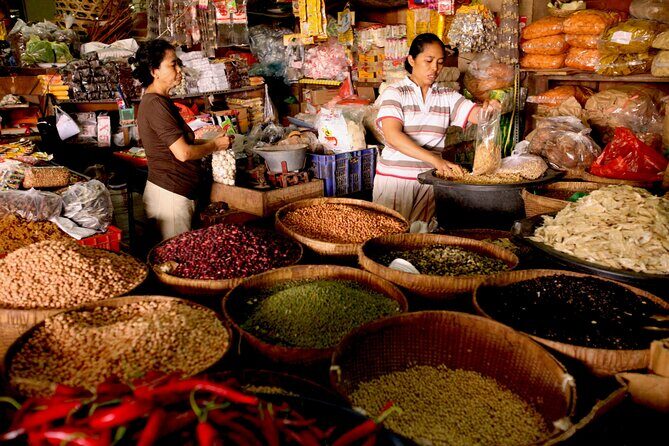
FAQ

What if I have specific dietary requirements?

You should advise any specific dietary requirements at the time of booking so the operator can plan accordingly.

Is alcohol included?

No, alcoholic drinks are not included.

Is there a mobile ticket?

A mobile ticket is included with the tour.

Taste & Explore Bali: Denpasar Street Food & Historic Sites

Taste & Explore Bali: Denpasar Street Food & Historic Sites - Puputan Square and Patung Catur Muka: History Written into the Streets

Pencil this one in for when you want Bali that is not all beaches and selfies. This Denpasar tour mixes street food with historic landmarks in a tight 3-hour loop that feels like a local evening plan. I like that it’s built around real vendors, with food prepared at the places you visit. One thing to think about: the focus is local gastronomy, including pork, so it is not a fit for everyone’s diet.

My favorite part is the way you get both flavors and context. You start at Pura Agung Jagatnatha, then hit Puputan Square and colonial-era monuments before heading into the markets. It’s also a small group thing, with up to 12 people, so you’re not stuck herding cats while trying to decide what to order.

The other reality check is simple: the tour includes tastings, not unlimited eating. You might want to budget a little extra if you’re the type who always wants one more snack after the main bites.

Key Things You’ll Enjoy on This Denpasar Tour

Taste & Explore Bali: Denpasar Street Food & Historic Sites - Key Things You’ll Enjoy on This Denpasar Tour

  • Small-group pacing (up to 12) that keeps you moving but not rushing
  • Temple + history stops that frame what you taste, not just where you eat
  • Babi Guling included, a dish tied to ceremonies rather than everyday convenience
  • Local vendors who sell the food for a living, plus support for local stalls
  • Badung night-market snacks like Jaje Bali alongside familiar comfort food
  • A final Arabica coffee stop at NADHI Heritage (hot or iced)

Denpasar After 4 PM: Street Food Meets Real Landmarks

This tour starts at 4:00 pm, which is a great time to experience Denpasar because the day’s heat eases and markets start to feel alive. You’ll be on foot for the cultural part, then you’ll shift into food-stop mode where the pace is less about sightseeing and more about making smart choices quickly.

What I like about the structure is the balance. You’re not just walking past temples while someone talks in the background. You stop, look, learn the basics, then you eat. That makes the whole evening easier to connect with, especially if Bali’s food scene feels overwhelming on your own.

Also, the tour is designed for a smaller group, with a maximum of 12 travelers. That matters more than people expect. In crowded food markets, you want enough space to ask questions and enough time to actually taste what you paid for.

Pura Agung Jagatnatha: A Sacred Start in the City’s Middle

Taste & Explore Bali: Denpasar Street Food & Historic Sites - Pura Agung Jagatnatha: A Sacred Start in the City’s Middle
Your first stop is Pura Agung Jagatnatha, Bali’s central Hindu temple in Denpasar. Even if you’re not deeply into religious architecture, you’ll feel the difference immediately. This is not a tourist-only backdrop. It’s a living sacred site with local life around it.

You’ll have about 15 minutes here, and admission is listed as free. That short window is intentional: it’s enough to get your bearings and notice details, without turning the visit into a rushed chore.

Two practical tips for this part:

  • Keep your expectations modest. This is a quick orientation stop, not a long guided temple immersion.
  • Bring patience. Sacred spaces are slower by nature than street markets. You’re there to observe and learn, not to speed-run photos.

If you enjoy travel where you can feel the culture working around you, this start sets a good tone. It also makes the later food stops feel less random, because you’ll understand why certain dishes connect to ceremonies.

Puputan Square and Patung Catur Muka: History Written into the Streets

Taste & Explore Bali: Denpasar Street Food & Historic Sites - Puputan Square and Patung Catur Muka: History Written into the Streets
Next up is the symbolic heart area: Puputan Square. This stop is about reflection, specifically around Bali’s 1906 resistance against colonial rule. It’s the kind of history marker that can sit quietly if you don’t have context, so a guided explanation helps you read what you’re seeing.

Right around here, you’ll also see Patung Catur Muka, the four-faced god statue. You’ll get time to take photos and to connect the iconography to what you’re being told. You’ll also encounter colonial-era landmarks like the Nederlandsch-Indië Sokkelklok and related monuments as part of the walking route.

You’re allotted about 15 minutes for this whole historic block. That’s enough to:

  • understand the main story points,
  • snap a few photos without blocking others,
  • and mentally switch gears from history into food.

One consideration: if you prefer pure food focus with minimal talking, you might find this part slightly heavier than you want. But if you like your street food tours to include meaning, this is a strong pairing.

Jalan Gajah Mada: Where Babi Guling and Bakso Take Center Stage

Taste & Explore Bali: Denpasar Street Food & Historic Sites - Jalan Gajah Mada: Where Babi Guling and Bakso Take Center Stage
After the history pieces, you’ll head to Jalan Gajah Mada, a heritage street lined with local shops and colonial-era buildings. This is where the tour really turns into what you came for: eating your way through Denpasar.

You’ll have about 30 minutes in this section, and the food plan is clear. Two highlights are included:

  • Babi Guling (Balinese roasted suckling pig)
  • Bakso (meatball soup)

Here’s why that matters: the tour doesn’t treat Babi Guling like a generic menu item. It’s traditionally tied to ceremonies. So tasting it on a food walk gives you a glimpse of Balinese culture in a way that feels more than just delicious.

A quick food reality check: Babi Guling often comes with crispy skin and rich flavors, and it can be quite satisfying. Bakso is usually the comforting counterweight—warm, savory, and easy to keep eating even if you’re still processing all the new sights.

If you’re sensitive to pork, you’ll need to skip this tour. And if you’re sensitive to strong flavors or you don’t like trying unfamiliar foods, I’d be cautious. The point here is authenticity, not gentle compromise.

Badung Market Night Market: Jaje Bali Snacks in the Real Food Zone

Taste & Explore Bali: Denpasar Street Food & Historic Sites - Badung Market Night Market: Jaje Bali Snacks in the Real Food Zone
Then you’ll move into Badung Market Dempasar Bali for a 30-minute street-food stretch. This is where the atmosphere does some of the work for you. You’re surrounded by local sellers, and you’re eating in the same places locals use.

The tour specifically calls out traditional Jaje Bali snacks. These are colorful, dessert-style bites, often made from ingredients like rice flour and coconut. The exact variety changes, but the idea stays the same: you’re tasting the lighter, sweeter side of Balinese street food that you might never notice if you only order big meals.

This is also where the tour’s community angle shows up. The experience is designed to support 4 to 6 local food stalls, with food prepared at the venues you visit and vendors who sell food for a living. In practice, that means your money is more likely to go straight to the people cooking and selling rather than being absorbed by a far-away middleman.

What to do during this part:

  • Don’t overthink it. Pick what’s offered and focus on small comparison bites.
  • Ask what the snack is and what it’s usually eaten with, even if your stomach is already voting for the next bite.

One practical note: markets are local environments. Expect some noise, some crowding, and the kind of tight movement that makes a small group helpful. It’s also a short stop, so you’ll want to be ready to taste quickly.

NADHI Heritage Coffee: Hot or Iced, Then You’re Done

Taste & Explore Bali: Denpasar Street Food & Historic Sites - NADHI Heritage Coffee: Hot or Iced, Then You’re Done
To finish, you’ll head to NADHI Heritage for coffee—authentic Indonesian Arabica, served either hot or iced. You get about 30 minutes here, which gives you enough time to slow down after the walking and snacking.

This stop works well as a final chapter. Street-food tours can leave you with sugar plus smoke plus spicy notes. Coffee helps reset your palate. It’s also a chance to ask follow-up questions with less pressure than in a market line.

If you’re the kind of person who likes a souvenir that isn’t clutter, coffee is a simple one. You get to taste it fresh, then you can decide if you want to buy beans later in your trip.

Price and Portion Reality: Is It Worth $45?

Taste & Explore Bali: Denpasar Street Food & Historic Sites - Price and Portion Reality: Is It Worth $45?
The price is $45 per person, and it’s listed as about a 3-hour experience with mobile ticket entry and a small group of up to 12.

For value, here’s what you’re really paying for:

  • guided walking between multiple key sights,
  • included tastings of Babi Guling and Bakso,
  • included snack sampling at a market (like Jaje Bali),
  • and an included coffee at the end.

You do not get unlimited food or extra drinks, so if you’re a heavy eater, you may still spend money during the tour. That’s not a bad thing—it’s normal in street food settings where portions vary and you may want one extra bite you didn’t plan for.

My take: at $45, this is a good deal if you want a guided route. If you’re traveling with local friends who can take you around, you might do this cheaper on your own. But most solo travelers and couples end up paying for convenience anyway, and that’s where the guide and small-group structure earn their keep.

Who This Tour Is Perfect For (And Who Should Skip It)

Taste & Explore Bali: Denpasar Street Food & Historic Sites - Who This Tour Is Perfect For (And Who Should Skip It)
This tour is a strong fit if you want:

  • authentic street food in Denpasar rather than curated restaurant stops,
  • a mix of culture and food in one evening,
  • and a small-group setup that keeps things from feeling like chaos.

It’s also especially good if you enjoy food with a story. Babi Guling isn’t served the same way everywhere, and tasting it in this context helps you understand why it matters.

Where it may not work:

  • The tour cannot cater to vegetarian, vegan, or gluten allergy/intolerance needs, since the stops are authentic local places.
  • It’s best for adults and older children. Children under 6 are not permitted.
  • If you don’t eat pork, this tour is an easy no.

If you’re flexible and you like trying new foods with guided context, you’ll likely leave happy. If your diet is restricted, you’ll spend the whole time hoping for alternatives that aren’t part of the plan.

Getting the Most Out of 3 Hours With Your Guide

This kind of tour lives or dies by the guide, because you’ll be moving fast and making quick choices at food stalls. In this experience, guides can include names like Putra, Lena, Srix, and Irfan, so you can expect the energy to be friendly and conversational.

To get more out of your evening:

  • Ask one practical question at each stop. What is this made from? How is it usually eaten? What should I notice about the flavor?
  • Try not to treat this as a checklist. If something looks great, go for it, even if it wasn’t your first guess.
  • Stay aware of timing. You’ll have short windows at each location, so be ready when your group is ready.

Also, keep the tour’s “local life” focus in mind. You’re not only consuming food—you’re learning how daily routines, market selling, and sacred sites connect in Denpasar.

Should You Book Taste & Explore Bali: Denpasar Street Food & Historic Sites?

Book it if you want a compact night in Denpasar that combines temples, history, and food you’ll remember. The included tastings are the core, and the route makes sense: you learn why certain cultural details matter, then you taste dishes that connect to those traditions.

Skip it if you can’t eat pork, need vegetarian/vegan options, or need gluten-free accommodations. Also skip it if you’re looking for a purely relaxed, long sit-down dinner tour. This is walking plus markets plus guided stops, with a realistic street-food pace.

If you fit the sweet spot, this is one of those trips that gives you more than a meal. You get a way of seeing the city. And that’s hard to beat for $45.

FAQ

What is the duration of the tour?

The tour lasts about 3 hours.

How much does the tour cost?

The price is $45.00 per person.

What time does the tour start?

It starts at 4:00 pm.

Where does the tour start and end?

It starts at Agung Jagatnatha Temple (Jl. Surapati No.7, Dangin Puri, Kec. Denpasar Tim., Kota Denpasar, Bali 80232) and ends at Nadhi Heritage at Jl. Gajah Mada No.122, Pemecutan, Kec. Denpasar Bar., Kota Denpasar, Bali 80231.

How many people are on the tour?

The tour has a maximum group size of 12 travelers.

What food and drinks are included?

You’ll taste Babi Guling and Bakso, sample traditional Jaje Bali snacks, and have Indonesian Arabica coffee (hot or iced).

Is this tour vegetarian or vegan friendly?

No. The tour cannot cater to vegetarian or vegan diets.

Is this tour suitable for gluten allergies?

No. The tour can’t accommodate gluten allergies/intolerances.

Can children join?

Children under 6 are not permitted.

Is the meeting point easy to reach without a car?

The start is described as near public transportation, which should make it easier to get to.

Bali Street Food Tour

Bali Street Food Tour - Bajra Sandhi Monument Stop: A Short History Break That Actually Helps

Food in Denpasar beats any menu. This night tour mixes a short cultural stop at the Bajra Sandhi Monument with serious eating time at Kreneng Market, where you’ll sample Balinese snacks and sweets you can’t really order from hotel kitchens. I especially like the door-to-door pickup and the fact that the food is guided, so you’re not guessing what to try.

The second thing I love is the lineup and how practical it feels once you’re there. You’ll work your way through market plates like Jaja Injin (black glutinous rice with shredded coconut) and Timus (sweet cassava cake), plus other favorites such as babi guling and bakso meatballs, with dinner included.

One consideration: the schedule is built around an afternoon-to-night start (4:00 pm) and a monument stop, so if you’re purely chasing food and hate any “non-food” detours, you may want to go in with the right expectations.

Key things to know before you go

  • Door-to-door pickup and drop-off from your hotel or port means less hassle right at the start
  • Bajra Sandhi Monument gives quick context before you eat your way through Denpasar
  • Kreneng Market cake tasting includes Jaja Injin, Timus, Laklak, Kolak, and Pisang Rai
  • Dinner is included, not just random bites that barely get you started
  • Vegetarian option available if you request it at booking
  • Private tour for your group, with a guide who can adapt to preferences

First Bite Fast: What Makes This Denpasar Street-Food Tour Worth Your Time

Bali Street Food Tour - First Bite Fast: What Makes This Denpasar Street-Food Tour Worth Your Time
This tour is set up like a good night out: pick-up happens, you get dropped back, and you’re fed. Starting at 4:00 pm is a smart move because you hit the market area at the right time for night-market energy without burning your whole day.

It also has a “local life” angle that matters. You’re not just walking past stalls and hoping something looks good. You’re guided through foods and sweets that show up in Balinese daily routines, including cakes that are usually absent from tourist-focused menus. That’s a big part of the value here: the guide turns what could be random sampling into something you actually learn from.

And because it’s private, you’re not squeezed into a mass of people moving at one speed. You can ask questions, adjust for tastes, and keep the pace comfortable.

Price and Logistics: How the $65.03 Works for You

Bali Street Food Tour - Price and Logistics: How the $65.03 Works for You
At $65.03 per person, this is not the cheapest option. But the pricing makes more sense once you see what’s included and what isn’t.

Included value

  • Dinner and food tasting
  • A driver/guide
  • Hotel pickup and drop-off
  • Private tour with transport by private vehicle

That means you’re paying for convenience and guidance, not just food. In Bali, that door-to-door transport can be the difference between a smooth evening and a stressful one—especially once traffic and parking get messy.

Not included value

  • Lunch is not included. You’ll want to eat earlier or plan a light afternoon meal before the 4:00 pm start.
  • Admission for the Bajra Sandhi Monument is not included (the tour lists that separately).
  • Souvenir photos and the optional DVD aren’t included.

Also helpful: you get a mobile ticket and confirmation at booking time. If you decide at the last minute, there’s free cancellation up to 24 hours before the start for a full refund—just enough flexibility to handle changing plans.
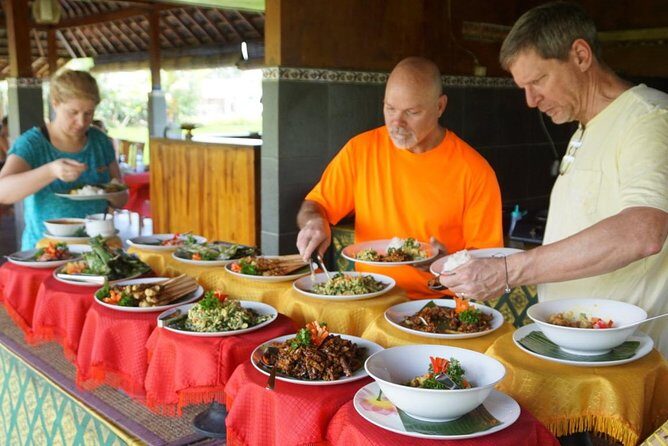
Bajra Sandhi Monument Stop: A Short History Break That Actually Helps

Bali Street Food Tour - Bajra Sandhi Monument Stop: A Short History Break That Actually Helps
Your tour begins with a visit to the Bajra Sandhi Monument. The goal isn’t a long museum marathon. It’s more like a quick orientation so the city you’re eating in feels less random.

You’ll see artifacts and displays that help you visualize Bali across different periods of history. The monument is also a clean example of how Denpasar mixes modern development with the island’s traditional roots—useful context when you later walk through a market and start noticing how old food traditions stay alive.
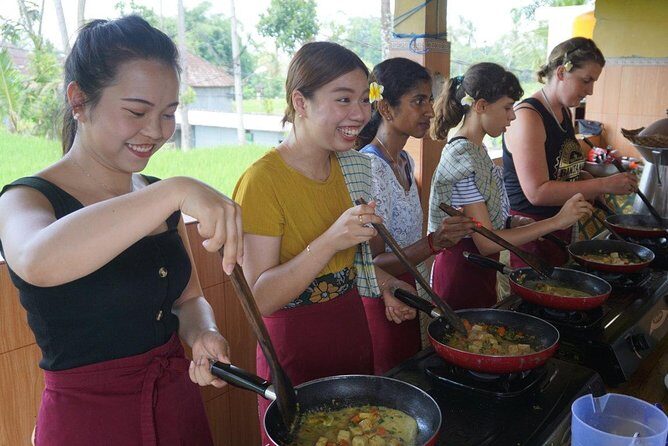
Time note: this stop runs about 1 hour, and monument admission is not included. If you’re the type who dislikes “stand and look” activities, treat it as a brief setup. Then, the real win starts after this.
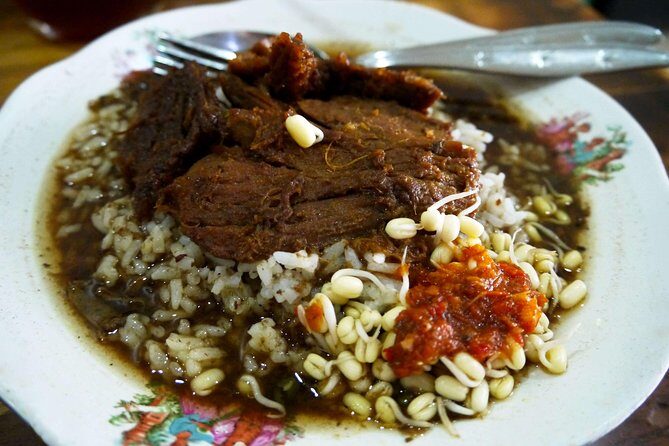
Kreneng Market Cake Crawl: The Sweets You’ll Want to Memorize

Bali Street Food Tour - Kreneng Market Cake Crawl: The Sweets You’ll Want to Memorize
After the monument, you head to Kreneng Market, and the tour shifts hard toward food. Expect about 2 hours focused on Balinese cake platters and market browsing.

Here’s what’s specifically called out for tasting:

  • Jaja Injin: glutinous black rice topped with shredded coconut
  • Timus: sweet cassava cake
  • Kolak
  • Laklak: made from flour and topped with palm sugar and grated coconut
  • Pisang Rai

What I like about this is that it’s not just “try something sweet.” These are distinct Balinese desserts with different textures and flavors, so you leave with real recall. If you’ve ever had desserts in Bali that all blurred together, this portion helps separate them.

Practical tip for first-timers: eat slowly. Market cakes can be dense, and once you start adding savory items later (like babi guling and bakso), you’ll be glad you didn’t gulp the desserts. Also, keep an eye on what’s served hot versus room-temp—some sweets are best warm.

Where the Night-Market Energy Shows Up (And Why It Matters)

Bali Street Food Tour - Where the Night-Market Energy Shows Up (And Why It Matters)
The tour is designed around a traditional market experience and a local night market vibe. Even if the exact streets and stalls vary with the night, the intent stays the same: you’ll see food happening in the real rhythm of the area, when people are out and the cooking is moving.
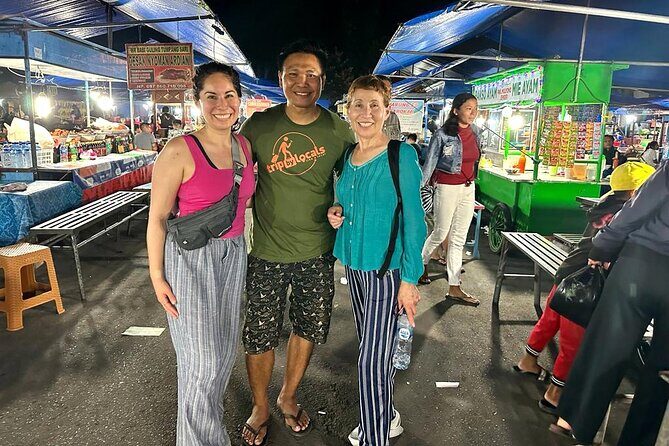
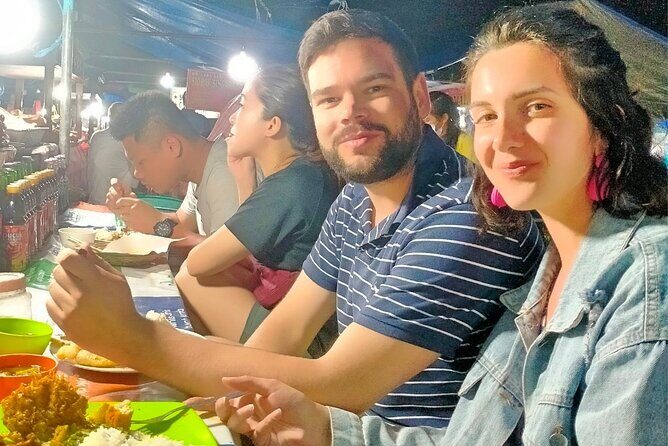
This is where the eating becomes more than a checklist. Night markets tend to reward curiosity: you’ll notice which stalls are busy, which foods people line up for, and how families order together. With a guide, you’re less likely to waste time on spots that are either underwhelming or too unfamiliar.

You’ll also get dinner as part of the plan, so you’re not left chasing your next meal after the tour ends. That included dinner is a key piece of value because it makes the tour feel like a complete plan, not an expensive snack stop.

The Food Mix: Babi Guling, Bakso, and Dessert Set-Offs

Bali Street Food Tour - The Food Mix: Babi Guling, Bakso, and Dessert Set-Offs
The tour description calls out savory standouts you’ll want on your radar:

  • babi guling (sucking pig)
  • bakso meatballs
  • Plus Balinese treats like laklak and timus

You’ll also be sampling enough variety that this becomes a real “taste map” of Denpasar-style eating. One important theme across the experience style is that the guide steers you toward foods you can’t find on typical hotel menus—so you’re not just repeating what you’d already order.

If you’re a picky eater, this is one of those tours where it can work well, because the guide can adjust choices to match preferences. And if you want a vegetarian setup, there is a vegetarian option available—but you’ll need to flag that requirement at booking.

Guide Power: Why Names Like Dede, Asta, Yanika, Gede, Adi, and Puthu Matter

Bali Street Food Tour - Guide Power: Why Names Like Dede, Asta, Yanika, Gede, Adi, and Puthu Matter
A food tour lives or dies by the guide. This one leans heavily on that human factor.

You’ll hear strong guide experiences tied to names like:

  • Dede: praised for an awesome tour and food that isn’t the normal tourist route
  • Asta: known for thoughtful food choices and guiding around the night market in a way that keeps you fed
  • Yanika: specifically noted for very strong English and explaining the full spread clearly
  • Gede: described as friendly and helpful in the market, making the night feel memorable
  • Adi: highlighted for pointing out good places and translating chef details when needed
  • Puthu: credited with giving insight into daily Bali life alongside tastings

Even if you can’t choose your guide up front, it’s a good sign that the tour has consistently strong people running it. For you, that means less guesswork, better explanations, and smoother ordering when your table is full of things you don’t recognize.

Timing and Energy: How to Plan Your Afternoon

Start time is 4:00 pm, and the full experience runs about 5 to 7 hours. That’s a long enough window to eat dinner and still have time to walk, but it’s not an all-day commitment.

Plan your day like this:

  • Eat something earlier (since lunch isn’t included)
  • Stay hydrated before pickup
  • Wear comfortable shoes for market walking

One more note: pacing can vary. Some groups report it feeling shorter than the upper end of the window when the stops go smoothly. So don’t plan anything important immediately after the tour returns—give yourself a cushion.

Who This Tour Fits Best (And Who Might Skip It)

This is a great match if you want:

  • Real Balinese food you don’t see on hotel menus
  • A guided market experience (so ordering and choices feel easier)
  • A smooth evening with private transport and door-to-door service
  • Dessert and sweets that go beyond the obvious

It may be less ideal if:

  • You hate any non-food stop and want a pure street-food-only crawl. The Bajra Sandhi Monument is part of the plan for about one hour, so you’ll need to tolerate that brief detour.

Most people can participate, and there’s a vegetarian option when you request it early.

Quick FAQ for Your Bali Street-Food Night

FAQ

What time does the tour start in Jimbaran?

The meeting time is 4:00 pm.

Is pickup from my hotel or port included?

Yes. The tour includes hotel pickup and drop-off with round-trip door-to-door transportation.

How long does the Bali Street Food Tour last?

It runs about 5 to 7 hours.

What food is included?

The tour includes dinner and food tasting.

Is lunch included?

No, lunch is not included.

Do I need to pay admission at the Bajra Sandhi Monument?

Yes. Admission for Bajra Sandhi Monument is not included.

Can the tour be vegetarian?

Yes, a vegetarian option is available. You’ll need to advise the provider at booking.

Is this a private tour?

Yes. It’s private, so it’s only your group.

Final Call: Should You Book This?

If you want a guided Denpasar night where you eat a real mix—savory classics like babi guling and bakso, plus Balinese cakes like Jaja Injin, Timus, and Laklak—this is a solid bet. The biggest value is the combination of transport + guide + dinner + market tastings, all wrapped into one plan that starts at 4:00 pm and gets you back comfortably.

Book it if you’re hungry for food you can’t easily replicate on your own. Skip it if you only want food, zero history stops, and you’re confident navigating markets without help.

Bali Food Tour: Savor Street Food and Night Market Adventures

Bali Food Tour: Savor Street Food and Night Market Adventures - Pickup in Ubud: easy if you’re central, watch it if you’re not

Eat your way through Ubud at night. This tour turns your evening into a guided loop through a Pasar Senggol night market, where you eat what locals go for, not what’s wrapped for tourists. With guides such as Putu and Nata, you get pointed at the right stalls, plus real-life explanations of what you’re seeing and tasting.

Two things I really like: first, the vegetarian welcome is clear and practical, not an afterthought. Second, the food setup is “arrive hungry” for a reason—your guide pushes you through enough tastings that you leave feeling satisfied, not snack-sad. One consideration: the flow is more guided than pick-your-own, and you’ll want to bring cash because the night market does not accept debit/credit card payments.

Key highlights you’ll feel in the moment

Bali Food Tour: Savor Street Food and Night Market Adventures - Key highlights you’ll feel in the moment

  • Night market focus (Pasar Senggol): You spend real time at the market, not just quick photo stops.
  • Vegetarian-friendly by design: You’re invited to join, and your guide can steer your choices to match your needs.
  • Tour guide is also your driver-guide: That usually means fewer confusing handoffs and less waiting around.
  • Plan for spice and surprises: Balinese sauces and soups can be intense, so go slow when you’re taking your first bite.
  • A cultural add-on is included, minus the ticket: Barong and Kris dance is part of the plan, but you’ll handle the ticket separately.
  • Small group size: The cap is 12 travelers, which keeps the night moving at a human pace.

Why Ubud’s night market route is such good value

This is the kind of Bali food tour that actually fits the word food. You’re not bouncing from one “concept” restaurant to another. Instead, you’re walking through a night market scene where the food is the main event, and your guide acts like your translation layer—language, etiquette, and what to order first.

For the price (about $35 per person), the value comes from the mix of included food and the “how” of eating street food safely and confidently. You’re also not paying extra for a bunch of add-ons during the evening: you get bottled water or beverages, plus a sit-down component with appetizers, a main course, and a sweet dessert. That turns the tour into dinner, not just a tasting crawl.

Also, the duration range (about 3 to 9 hours) matters. Even if you don’t see a long itinerary on paper, the timing gives your guide room to adjust to the night’s rhythm and the group’s pace. That’s useful in Ubud, where traffic and timing can shift.

Price and what $35 actually includes (and what it doesn’t)

Bali Food Tour: Savor Street Food and Night Market Adventures - Price and what $35 actually includes (and what it doesn’t)
Let’s break down what you’re paying for beyond the headline cost.

Included

  • Bottled water and carbonated or bottled beverages
  • Dinner with authentic Balinese flavors, including Balinese appetizers, main course, and sweet dessert
  • Pickup and drop within the Ubud area (more on that next)
  • The driver as guide for the food tour

Not included

  • Personal expenses
  • Pickup and drop if your hotel is outside Ubud
  • Barong and Kris dance ticket (the performance is in the itinerary, but the ticket is not included)

Here’s the practical takeaway: if you’re the type of person who wants someone to do the ordering and sequencing for you, the price makes sense. If you hate being guided and you want full menu control, you may feel the structure is too set. That’s the one complaint that shows up in the margins: less choice, more follow-the-guide.

Pickup in Ubud: easy if you’re central, watch it if you’re not

Bali Food Tour: Savor Street Food and Night Market Adventures - Pickup in Ubud: easy if you’re central, watch it if you’re not
This tour offers pickup, but it’s not universal across all of Bali. Pickup and drop are included within the Ubud center area. If your hotel is outside Ubud, pickup/drop is not included, and you’ll be offered an optional transportation service for an extra fee.

I’d treat that as your first decision point. If you stay in central Ubud, you’ll likely start the night with minimal hassle. If you’re on the outskirts, you’ll want to ask about the added transport cost early so it doesn’t surprise you later.

One more small planning note: the meeting start point is listed as Tripbylocals, but the actual plan is hotel pickup in the Ubud area. In practice, that usually means you’ll be met at your accommodation or a specified nearby point.

Stop-by-stop: what happens during the night market circuit

Bali Food Tour: Savor Street Food and Night Market Adventures - Stop-by-stop: what happens during the night market circuit

Stop 1: Tripbylocals pickup and a short setup

This is the “get organized fast” stage. You’ll meet your guide/driver, get your timing aligned, and get set for the food walk. Admission for this portion is included, which is mainly about getting the plan moving rather than adding extra attractions.

Stop 2: Gianyar Regency and the Pasar Senggol experience (about 2 hours)

This is the heart of the tour: a night market setting where the food is made and served in the rhythm of local life. Your guide brings you to the stalls that make sense to start with and keep going.

What I like about this format is that you’re not trapped inside one dining room. You’re walking, stopping, ordering, and learning. It’s also where the “arrive hungry” advice becomes real. You typically sample multiple items, not just one signature dish.

One important reality check: street foods can be spicy. Soup and sauces can pack heat, so don’t rush your first mouthful.

Stop 3: a short return to Tripbylocals

This portion is brief, with admission ticket included. Think of it as a transition segment—keeping the tour organized while you continue the evening’s plan.

Stop 4: Barong and Kris dance (about 1 hour, ticket not included)

After you’ve worked up an appetite and then cooled off with walking and samples, you get a cultural add-on: Barong and Kris dance. The ticket is not included, so you’ll need to plan to cover that separately.

This works best if you like a night that has both taste and culture. If you only want food and nothing more, you can treat this as optional value. But for many people, it’s a nice contrast after the market energy.

What you’ll eat: Balinese classics, plus guidance that removes guesswork

Bali Food Tour: Savor Street Food and Night Market Adventures - What you’ll eat: Balinese classics, plus guidance that removes guesswork
The tour is designed for hands-on eating: fried rice style dishes, Balinese satay, and the classic babi guling (suckling pig) appear in the plan. You’ll also see a spread of Indonesian and Balinese street food specialties, with desserts included.

A few items that come up often in the evening flow:

  • Babi guling / suckling pig at a restaurant stop, often with crispy skin
  • Satay and grilled meats
  • Indonesian-style fried rice
  • Soups and sides that can be spicy
  • Sweet dessert, including choices like Terang Bulan (a popular dessert mention in the available accounts)

What your guide does well here is sequencing. If you’ve never eaten Balinese street food at night, it’s easy to make wrong assumptions about what to try first or what will pair well. A good guide helps you avoid that. People also talk about how your guide explains ingredients and how dishes are prepared, so you can learn without turning the night into a classroom.

If lewak coffee is on your route, you may get a coffee and tea stop where the process is shown. I’d treat that as a bonus rather than a guaranteed highlight, but it’s something that has shown up as part of the experience.

Vegetarian options: genuinely welcome, not just a polite add-on

Bali Food Tour: Savor Street Food and Night Market Adventures - Vegetarian options: genuinely welcome, not just a polite add-on
The vegetarian note here is strong. The tour explicitly invites vegetarian participants, and the guide is set up to recommend dishes that match dietary needs.

In practical terms, that means you shouldn’t have to spend the night hovering around plain rice or grabbing fruit as your only safe option. The tour includes a dinner course plus market tastings, so there’s room to build a vegetarian-friendly route.

Two practical tips for vegetarians:

  • Tell your guide clearly before you start. Don’t hint.
  • Ask for guidance on spice and sauce ingredients so you don’t get surprised by flavors you’re not expecting.

If you’re traveling with a mixed group, this is one of the types of tours that can keep everyone happy without slowing the night down.

The cultural “extra”: Barong and Kris dance in plain terms

Bali Food Tour: Savor Street Food and Night Market Adventures - The cultural “extra”: Barong and Kris dance in plain terms
Barong and Kris dance is the added culture component. It’s only one hour, and the ticket isn’t included, so it’s not a huge time commitment.

In my mind, it’s a good match for this kind of food tour because it changes your tempo. Market food nights can turn into a nonstop pattern of eating and walking. A dance performance gives you a pause where you can reset your stomach and still learn something about local storytelling and symbolism.

If you’re not into performances at all, you’ll still likely enjoy the night market focus. But don’t ignore the dance if you like seeing how Bali’s traditions show up after dark.

Who this suits best (and who should skip it)

Bali Food Tour: Savor Street Food and Night Market Adventures - Who this suits best (and who should skip it)
This tour fits you if:

  • You want street food guidance more than you want restaurant menus
  • You enjoy night markets as a scene, not just a background for food
  • You’re open to spice and small surprises
  • You have dietary needs and want help choosing dishes
  • You’d rather pay for a guided loop than spend your time guessing where to eat

It may not fit you if:

  • You hate being guided and want lots of choice and self-directed ordering
  • You need card payments at every step (bring cash)
  • You’re traveling with babies or very young children, since it’s listed as unsuitable for them

One nice detail for families: kids who care about iconic local dishes tend to be happy here. The suckling pig is a big draw for families when it shows up on the schedule.

Practical tips so your night goes smoothly

Here’s how to make this night market adventure feel easy.

Bring cash. The night market doesn’t accept debit/credit cards. This is the one “surprise cost” you can prevent.

Start hungry. The tour is built around sampling and a fuller meal. If you show up already full, you’ll miss the point.

Expect spice. Some soups and sauces can be hot. Take small bites first, and drink water between tastings.

Wear shoes you can walk in. Night markets mean uneven surfaces and lots of stop-and-go movement.

Plan for your pickup location. If you’re not in Ubud center, confirm the transport option and cost in advance.

Small group helps. With a max of 12 travelers, you’re less likely to get stuck waiting while the group reorganizes.

Guides matter: names you might meet and why that’s a big deal

A food tour succeeds or fails based on your guide’s ability to read the night. You’ll likely notice the difference fast: someone who can explain what you’re eating, steer you through ordering, and keep the group moving without rushing.

The available guide names—like Putu, Nata, Nara, Tu, and others—show the tour is working with multiple locals. In real terms, that usually means you get different personalities and teaching styles, but the core job stays the same: keep you fed and keep you oriented.

Should you book this Bali night market food tour?

I’d book it if your goal is simple: eat Balinese street food the local way, with a guide handling the choices and timing. The combination of market time, included dinner courses, vegetarian welcome, and small-group size makes it a strong value at $35.

Skip it if you want a highly customizable tasting menu with lots of independent choice, or if you rely on cards and don’t want to carry cash. Also, if you’re staying outside Ubud, double-check the transport cost so the real total stays what you expect.

If you’re coming to Ubud for food and want your evening to feel like a real night out, this is one of the easier ways to do it right.

FAQ

Is this tour vegetarian-friendly?

Yes. Vegetarian participants are welcome, and your guide will recommend dishes that fit dietary needs.

Does the tour include hotel pickup?

Pickup and drop are included within the Ubud area. If your hotel is outside Ubud, pickup and drop are not included, though an optional transportation service may be available.

How long is the tour?

The duration is listed as approximately 3 to 9 hours.

What should I bring for the night market?

Bring cash for personal expenses because the night market does not accept debit/credit card payments.

Is the Barong and Kris dance ticket included?

No. The performance is in the itinerary, but the ticket is not included.

How big is the group?

The tour has a maximum of 12 travelers.