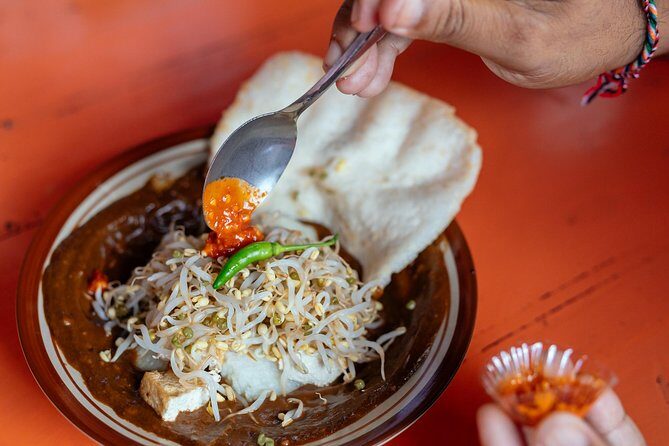
Chef Bagus makes a cooking class feel like a show. I like how this morning is built around real Balinese food skills, not just watching. You’ll start with a market ingredient hunt, cook together as a small group, and end with a lunch you helped create.
Two things I especially like: you learn how to build classic flavors step by step, including dishes like sate lilit and chicken in banana leaf. And you get the full meal on site with enough food to actually feel satisfied, not just a taste-and-go experience.
One consideration: the experience is described with a local market tour, but timing and stops can vary day to day. If the market visit matters most to you, I’d confirm the plan when you receive your confirmation.
Key highlights and what they mean for your morning
- Chef Bagus runs it with humor and energy, so you stay engaged even when chopping, grinding, and mixing.
- You cook 10 traditional Balinese dishes, with hands-on station time rather than passive participation.
- Hotel pickup and drop-off take the stress out of getting to Kuta by 8:30 am.
- A market tour is included, so you learn what ingredients to buy and why they matter.
- Lunch plus snacks and water are included, making the value easy to judge.
- Group size stays small (max 20), which helps you get questions answered while you cook.
Why Chef Bagus’s Balinese class feels worth your time
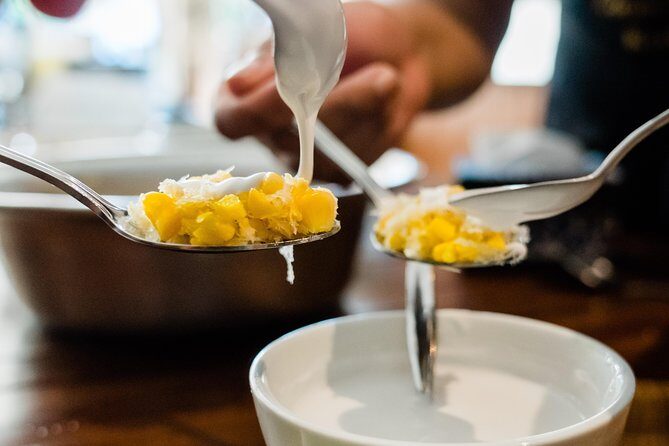
If you’re already in Kuta (or nearby), this is one of the more direct ways to understand Balinese food beyond the usual tourist menu. The structure is clear: ingredient sourcing first, cooking next, then you sit down and eat what you made. It’s a morning activity, but it doesn’t feel rushed.
Chef Bagus is a key part of the appeal. The vibe is lively, and the class is designed so you’re not stuck waiting your turn in a long line. You’ll likely be switching tasks as different parts of the meal come together, which keeps the morning moving.
Hotel pickup timing in Kuta: the part that can make or break it
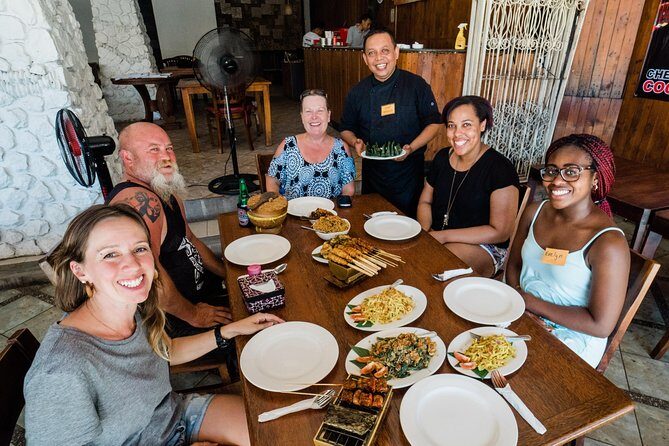
This class starts at 8:30 am, and you need to be at the restaurant by 8:15 am (especially if you do not need pickup). That early arrival window is normal here, and it’s the difference between a smooth start and a stressed scramble.
Pickup is offered from several areas, with slightly different times. In practice, plan to be ready a bit early because traffic and loading everyone can take time. The class runs about three hours, with a finish around 12:00 pm, then return drop-off about 1:00 pm.
What’s especially practical is that the core pickup coverage is meant for people staying in the main beach areas. You’ll get free pickup and drop-off if you’re in Kuta, Legian, Seminyak, or Canggu areas.
If you’re staying farther out (like Sanur, Nusa Dua, Uluwatu, or Pecatu), pickup still may be available, but you should expect an additional IDR 75,000 charge. If you’re deciding between similar classes, this added cost can change the math.
The market tour: where flavors start (and what to pay attention to)
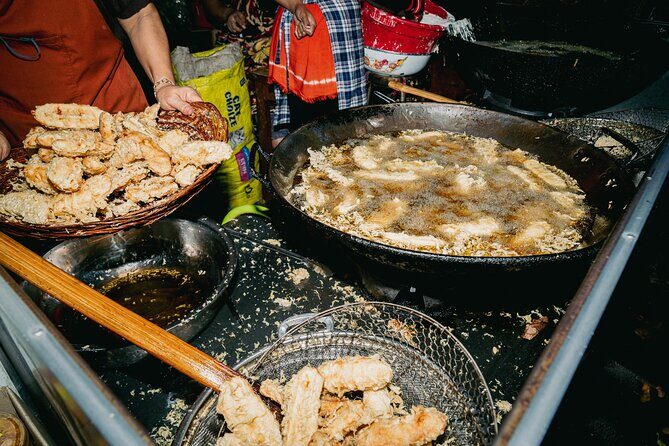
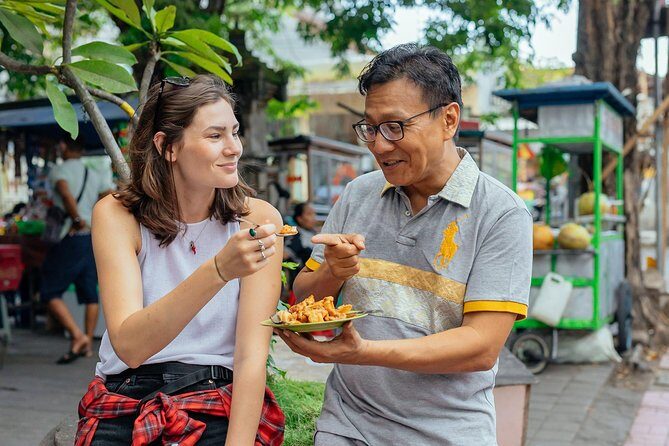
A market visit is included, and that’s one of the smarter parts of the experience. Cooking classes can turn into a kitchen demo where everything arrives prepped and labeled. Here, you’re meant to shop for the ingredients you’ll actually use, so you learn the shopping logic, not just the recipes.
During a market tour, watch for how ingredients are chosen for smell, ripeness, and freshness. Balinese cooking relies heavily on aromatics and the way flavors combine, so fresh produce and the right spices do real work in the final taste.
A practical tip: if you’re sensitive to strong smells or bright spice mixes, know that markets can be intense early in the morning. Bring a light layer and expect heat.
And because one issue has shown up in the past, double-check the market stop timing when you confirm. The class description includes it, but if you’re planning your day around the market experience, it’s smart to confirm you’ll actually stop there on your date.
Cooking with Chef Bagus: hands-on stations and shared momentum
This isn’t a sit-and-watch class. You learn by doing. The goal is that you can reproduce these Balinese dishes later, and that requires technique, not just copying a final plate.
The class teaches multiple dishes, including classics you’ve probably only seen on menus. You’ll work with ingredients and methods that are common in Balinese home cooking, such as pounding, mixing, and wrapping. The class flow is designed so you keep moving through tasks instead of getting stuck on one preparation step for hours.
Chef Bagus’s teaching style matters here. He’s described as funny and engaging, and that’s more than entertainment. Humor lowers the stress of learning hands-on cooking. When you’re laughing, you’re more likely to remember what you did and why it worked.
Group size is capped at 20, which keeps things from turning chaotic. With a smaller group, you typically get more chances to ask questions and troubleshoot mistakes early, when adjustments are still easy.
How to prep yourself before you go
Go with an appetite, but don’t arrive starving. One simple lesson: skip a heavy breakfast. You’ll be eating the lunch you cook, and you’ll want room for everything without feeling stuffed or sleepy during the final meal.
Also, if you’re bringing kids, know that children must be accompanied by an adult. It’s a real cooking session, so adult supervision matters.
The dishes you’ll make: what to look forward to
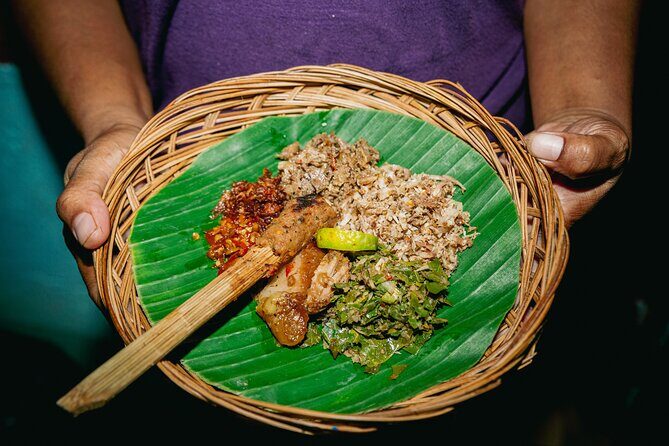
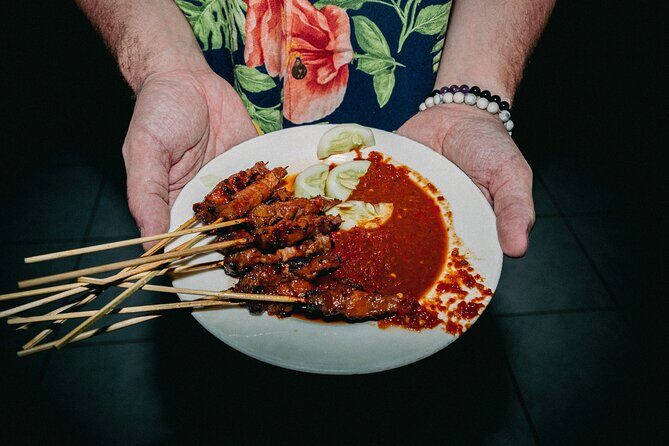
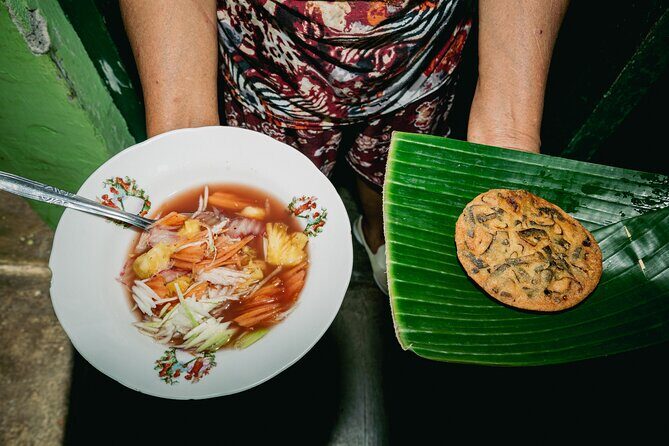
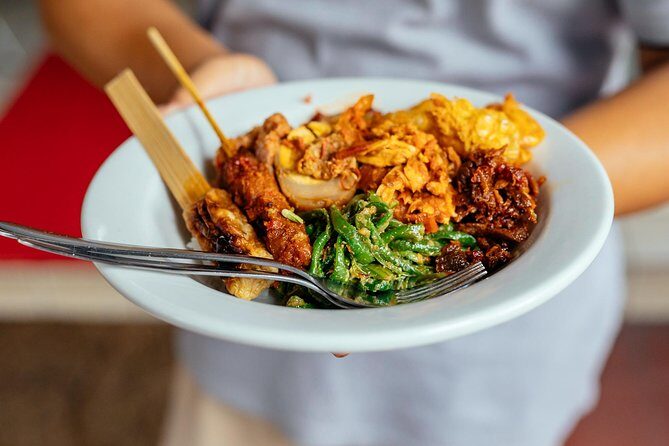
You’ll learn to prepare 10 traditional Balinese dishes. The experience also specifically calls out several dishes as part of the class mix, including sate lilit, chicken in banana leaf, peanut sauce, and green papaya salad.
Here’s why those choices are so useful.
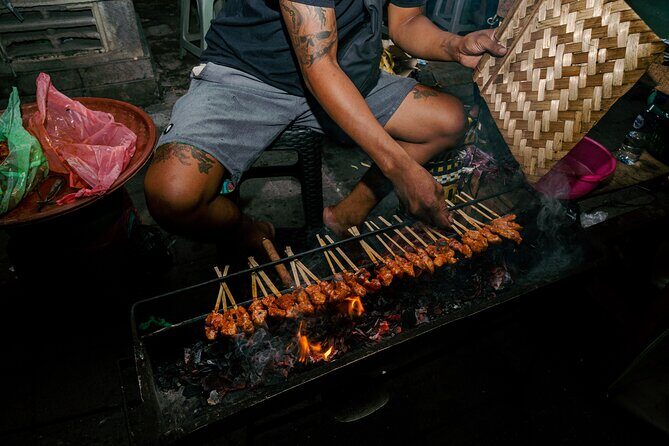
- Sate lilit: This isn’t just a generic satay lesson. It’s a Balinese-style minced satay, and the technique teaches you how to shape and season the mixture so it cooks evenly and tastes balanced.
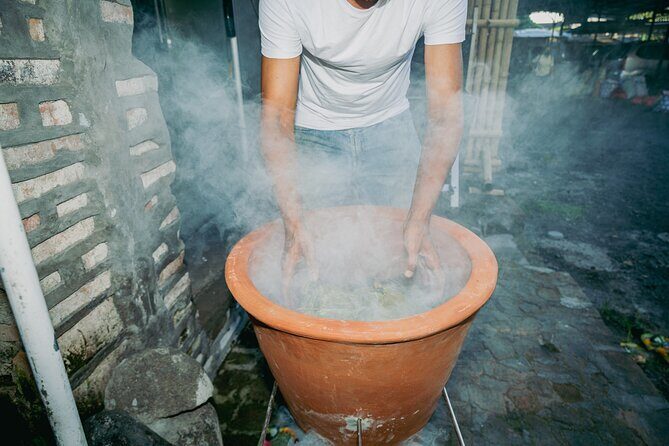
- Chicken in banana leaf: Wrapping and steaming (or cooking with the leaf) is a signature Bali move. Learning it helps you understand how aroma and moisture affect the final result.
- Peanut sauce: Peanut sauce can be tricky if you’ve only had it from restaurants. In class, you can learn the texture and flavor balance that make it work with savory dishes.
- Green papaya salad: This gives you the bright, tangy side of Balinese flavors. It also helps you practice seasoning, because salads depend on taste adjustments.
Even if you don’t eat pork or seafood, you’ll still get plenty of technique value because the class is about fundamentals: flavor layering, managing textures, and learning how to combine ingredients in the Balinese way.
Lunch, recipes, and what you take home
The meal part is a big deal here. You don’t just stand up at the end and leave with a container of something small. You sit down and enjoy the dishes you cooked with your small group, around 12:00 pm, then head back to your hotel about an hour later.
You’ll also get recipes to take home and a certificate, which is a nice touch if you like collecting proof that you learned something real. You’ll also receive a welcome drink and snacks, plus bottled water.
One more practical thing: alcohol is not included. If you’re planning to drink, the minimum drinking age is 21. This matters if you’re traveling with friends and expecting a wine or cocktail pairing at lunch.
Price and value: how $51.29 really compares
At $51.29 per person, this class can look like a fair deal if you compare it to pay-per-dish restaurant meals plus a guide. What makes the value stronger is what’s included:
- Market tour
- Hotel pickup and drop-off for key areas
- Cooking instruction
- Recipes and certificate
- Lunch, plus welcome drink, snacks, and bottled water
So you’re not just paying for a kitchen activity. You’re paying for transportation, ingredient sourcing, instruction, and a full meal. That’s why this works well as a half-day plan that keeps your Bali budget under control.
The only cost wrinkle is pickup outside the main zones (Sanur/Nusa Dua/Uluwatu/Pecatu with the extra charge). If you’re in one of those areas, double-check the final total before you lock it in.
Who this cooking class suits best
This works best if you want a hands-on morning activity while you’re based in Kuta, Legian, or Seminyak. You’ll get a lot more from it if you enjoy cooking, tasting, and learning how flavors are built.
It’s also a strong option for:
- Food lovers who want a Bali-specific lesson, not generic cooking
- Travelers who like small groups and a structured morning
- People who want something active but not physically intense
If you’re the type who hates early mornings, the 8:30 am start and 8:15 am arrival requirement may feel like a lot. But if you treat it like your daily “get up and go” plan, you’ll come back with a full belly and useful skills.
Quick FAQ before you book
FAQ
How long is the Chef Bagus cooking class?
The cooking class runs about 3 hours (it starts at 8:30 am and ends around 12:00 pm), with hotel drop-off about 1:00 pm.
Where does pickup and drop-off happen?
Free pickup and drop-off is included from the Kuta, Legian, Seminyak, and Canggu areas.
Is there an extra fee for hotels outside Kuta and nearby areas?
Yes. If your hotel is in Sanur, Nusa Dua, Uluwatu, or Pecatu, pickup has an additional charge of IDR 75,000.
What time do I need to arrive?
Plan to be at the restaurant by 8:15 am.
Do I visit a local market?
Yes. A market tour is included.
What dishes will I cook?
You’ll learn to prepare 10 traditional Balinese dishes, including items like sate lilit, chicken in banana leaf, peanut sauce, and green papaya salad.
Is lunch included?
Yes. Lunch is included, and you’ll also get a welcome drink, snacks, and bottled water.
Do I receive recipes or a certificate?
Yes. You receive recipes and a certificate.
Is alcohol included?
No. Alcoholic beverages are not included, and the minimum age to drink alcohol is 21.
Should you book Chef Bagus’s class in Kuta?
Yes, I’d book it if you want a high-value morning that combines market shopping, real cooking instruction, and a sit-down lunch. The small group size, hotel pickup in the main areas, and the mix of classic dishes make it a practical use of time in Bali.
I’d think twice only if the early start is a problem for you, or if you’re counting on the market stop as the main reason for booking. In that case, confirm the day’s flow when you get your confirmation and plan your schedule around the early arrival time.