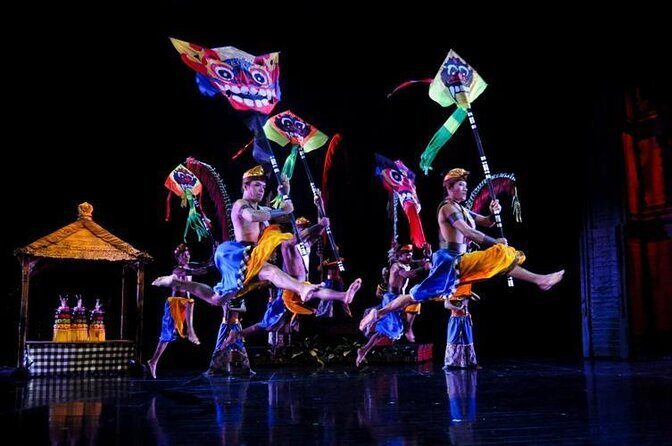
Canggu: Drag Show with Dinner

Canggu: Drag Show with Dinner - Drag show with dinner: what you’ll actually see

Bright lights, bigger laughs, and meaning.

This drag-and-dinner night at Inklusiv Warung in Seminyak/Canggu is built around fun, but it also carries real purpose: the venue supports Deaf and other minority communities through employment and social-impact events. I love the interactive vibe where performers pull you in without being disrespectful, and I love the built-in sign language moments led by Deaf staff during breaks. One possible drawback: if you want a fast, no-wait dinner experience, the weekly Friday tarot format can feel slower than you expect.

You’ll be watching drag in a setting that feels intimate, not huge and impersonal. The show starts at 8pm, runs about 2 to 3 hours, and it works as an easy, one-stop night out. Just keep your expectations flexible if you’re not into audience participation or you prefer a more laid-back pace.

Key things to know before you go

Canggu: Drag Show with Dinner - Key things to know before you go

  • Deaf-led sign language breaks happen during the night, not as an afterthought.
  • Weekly theme nights: Wednesday trivia, Friday tarot, Sunday Broadway-style theater.
  • Ticket works like a minimum spend: you can swap the ticket value into food and drinks.
  • Free drink + food/drink credit included: you’re not just paying for seats.
  • Interactive, respectful audience energy is part of the experience.
  • Tarot spots are limited on Fridays, so if it matters to you, you’ll want to register early.

Entering Inklusiv Warung in Canggu

Canggu: Drag Show with Dinner - Entering Inklusiv Warung in Canggu
This is the kind of night that works even if you’re not sure what drag shows are like in Bali. The room feels welcoming and focused on people having a good time together. You’re there for a performance, yes, but also for dinner, drinks, and small moments that give the night extra heart.

The venue is part of De Moksha Hospitality Group, and the mission is clear: Deaf and other minority communities get employment opportunities, and social-impact events are woven into what happens on stage and behind the scenes. That means you’re not just watching entertainment. You’re also supporting a team that makes the show possible.

A practical note: it’s in the Seminyak area, and it’s described as near public transportation. There’s also free WiFi, so you can plan your night without hunting for a signal.

The 8pm schedule: how the night usually flows

Plan for a simple rhythm. The show starts at 8pm (20:00) and runs until it ends, with the overall experience lasting about 2 to 3 hours. Most of the “timing magic” is that you get dinner and drinks alongside the performance, then breaks are used for interaction and sign language lessons.

If you’re coming straight after dinner plans elsewhere, don’t over-stack your evening. You’ll likely want to arrive early enough to order without stressing, because the pacing is tied to the show rather than to a restaurant lunch rush.

Also, the ticket is mobile, which makes your night-out logistics easy. It’s a good option when you don’t want a complicated checklist.

Drag show with dinner: what you’ll actually see

Canggu: Drag Show with Dinner - Drag show with dinner: what you’ll actually see
The core experience is drag performances with an emphasis on different show themes depending on the night of the week. You can expect multiple performers, songs, and plenty of crowd engagement. The tone from the reviews is very consistent: people laugh a lot, sing along, and get pulled into the moment in a way that feels welcoming.

Between performances, Deaf staff fill the breaks by teaching you sign language for free. This isn’t just a cute side activity. It becomes part of the entertainment structure, so you’re learning something while the show keeps moving.

One more thing I like about this format: the show is close enough that it feels personal. It’s not the kind of drag night where you’re stuck watching from far away while everything feels distant.

Theme nights: Wednesday trivia, Friday tarot, Sunday Broadway

This is the weekly twist that makes it worth going on the specific night you choose, not just any night.

Wednesdays: Drag Trivia Night

Wednesday is built around drag-led trivia. Winners get free cocktails, and the drag talent leads the game while also performing songs. If you like a bit of competition and you enjoy being active in the room, this is a strong pick.

Fridays: Drag Tarot Reading

Friday night adds drag tarot into the mix. Tarot reading is free, but spots are limited, so you’ll want to register your name to secure a slot. The reading happens alongside performances, which can make the night feel slower than a straight dinner-show format if you’re hungry for quick turnaround.

Sundays: Broadway focus

Sunday is theater mode, with a Broadway focus and legendary songs from best-known Broadway shows. If you love show tunes or want something that feels more like musical theater than party-style drag, this is the night to aim for.

Price and value: why this feels like more than a ticket

Yes, the ticket price is listed at $16, and it sounds simple. But the value comes from how that ticket functions at the venue.

The price of your ticket is essentially a minimum spend. In other words, you can exchange the ticket value for an equal amount of food and drinks. On top of that, the included bundle covers real spending power:

  • 1 free selected drink per person (your FDC ticket)
  • IDR 200,000 credit per person for any food and drinks

What this means for you: you’re paying for the evening, but you’re also being handed money-like value to use on dinner and drinks. If you normally spend on cocktails and a meal, this becomes a straightforward, budget-friendly night out.

You should still expect to pay extra if you order beyond the IDR 200,000 credit. The credit is a great baseline, but it won’t cover unlimited ordering.

If you’re the type who wants to keep costs tight, I’d suggest you look at it like this: the performance is the anchor, and your meal/drinks are largely funded by the ticket structure.

Deaf staff, sign language, and why this matters

The standout emotional detail here is the way Deaf staff are integrated into the show experience. During breaks, you’ll be taught some sign language for free. It’s playful and social, and it also signals that the venue is built for inclusion, not for optics.

What I like about this approach is that it’s functional. You’re learning while the night is still fun, so it doesn’t feel like a separate “lesson block.” It becomes part of the show’s rhythm.

If you’ve ever been to events where inclusion feels like marketing language, this is the opposite. You can feel that the team members are part of the show’s heartbeat, not just a supporting cast.

Food and drink: what to expect from the dinner side

Canggu: Drag Show with Dinner - Food and drink: what to expect from the dinner side
This is a drag show first, dinner second, but dinner is part of the plan. Food is described as Western and Indonesian comfort options, and the bundle credit means you’ll actually be able to order without doing mental math mid-performance.

The reviews point to food being decent to delicious, with drinks described as decently priced. The food isn’t presented as fine dining, and honestly, that’s fine. You want solid comfort food that won’t wreck your stomach before you laugh for two hours.

If you’re sensitive to noise or want maximum calm while eating, note that this is an interactive show setting. You’ll be eating in the same room where the energy builds.

Audience energy: fun, interactive, and not mean

Canggu: Drag Show with Dinner - Audience energy: fun, interactive, and not mean
Expect audience participation. The vibe described in feedback is consistently playful and respectful, with performers including people in a way that feels safe rather than pushy. High energy is part of the package, so if you prefer quiet, watch-from-the-back evenings, this might not match your style.

That said, the show is also described as intimate. The room doesn’t feel like you’re just a ticket number. You’ll likely notice how the performers read the crowd and adjust the pace.

Also, the show is presented as a place that includes everyone. Reviews mention children being included in a positive way, which tells me the staff manage the room with care.

Who this is best for (and who should think twice)

This works best for you if you want:

  • a social night out with interaction
  • a show that mixes performance with learning sign language
  • a themed evening that changes by day of week
  • a value-focused plan where your ticket also funds food and drinks

It may not be ideal if:

  • you want a quiet, sit-and-watch show with zero audience involvement
  • you’re very time-sensitive about dinner pacing (especially Fridays when tarot may slow things down)
  • you don’t enjoy lively, comedic performance styles

Making it fit your Canggu nightlife plan

In Canggu, you usually have two travel “problems”: deciding what’s worth the money, and finding something that feels different from another bar night. This solves both.

It’s a one-location plan, it starts in the evening, and the theme night means you can plan around what you’re most in the mood for. If you’re already spending a day in Seminyak/Canggu, this becomes an easy anchor for night.

If you’re also going to other nightlife spots afterward, keep it simple. Let this be the main event rather than trying to stack three loud places back-to-back.

Should you book this drag show with dinner?

I’d book it if you want a fun night that doesn’t feel shallow. You’re getting a proper performance, you’ll eat and drink with real spending value included, and the show includes Deaf staff and free sign language teaching. That mix of entertainment plus social impact is the main reason this feels worth doing.

I’d skip it (or at least rethink your expectations) if you hate audience participation or you need a tight dinner schedule. Friday tarot nights can run slower than you want, and the overall energy is meant to keep moving, not wait for perfect timing.

FAQ

Where does the Canggu drag show with dinner take place?

It takes place in the Seminyak area of Indonesia, at Inklusiv Warung.

What time does the show start?

The show starts at 8pm (20:00).

How long is the experience?

It runs for about 2 to 3 hours.

How much is the ticket?

The price is listed as $16.

What is included with the ticket?

The ticket includes entry, tarot reading on Fridays only, one free selected drink per person, and an IDR 200,000 credit per person for food and drinks.

Is tarot reading available every night?

No. Tarot reading is only available every Friday, and it’s free with limited spots.

Does the ticket credit cover food and drinks?

Yes. The ticket price is described as a minimum spend, exchangeable for an equal value of food and drinks, and you also receive an IDR 200,000 credit per person.

Is there free WiFi?

Yes, the venue offers free WiFi.

Is service animal access allowed?

Service animals are allowed.

Bali: Ubud Kecak and Fire Dance Show Tickets

Bali: Ubud Kecak and Fire Dance Show Tickets - Timing in Ubud: when the gate opens and the show actually starts

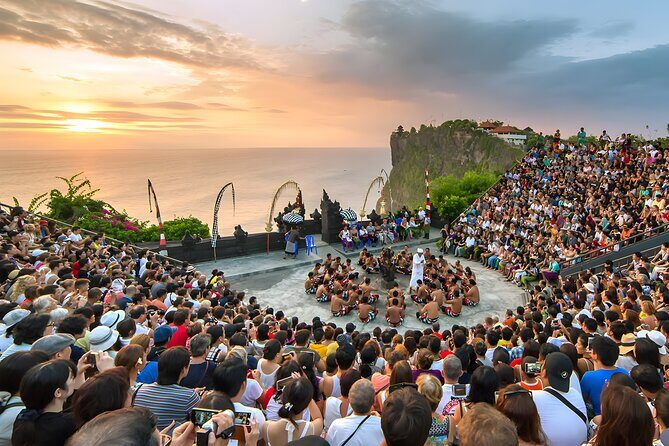
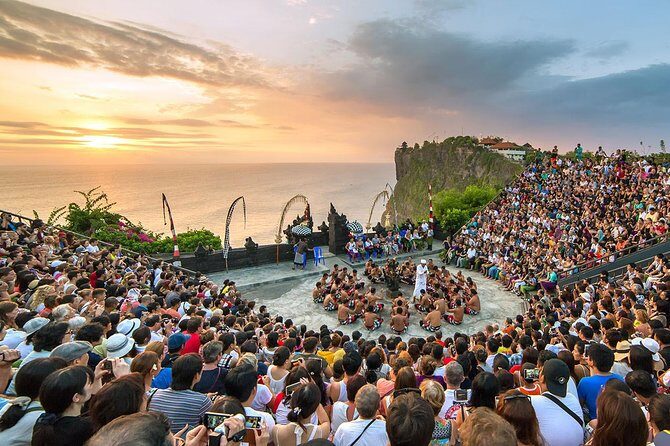
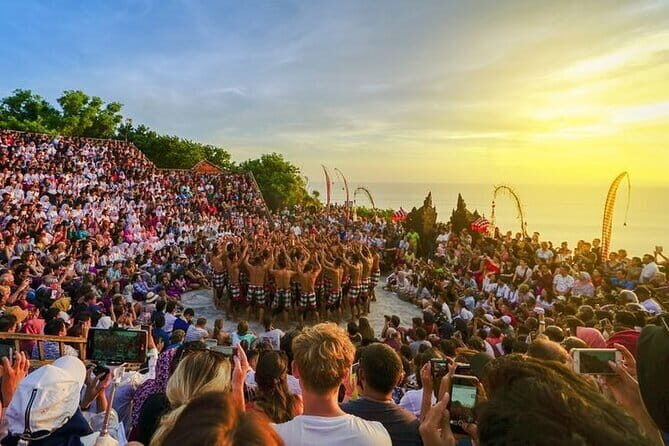
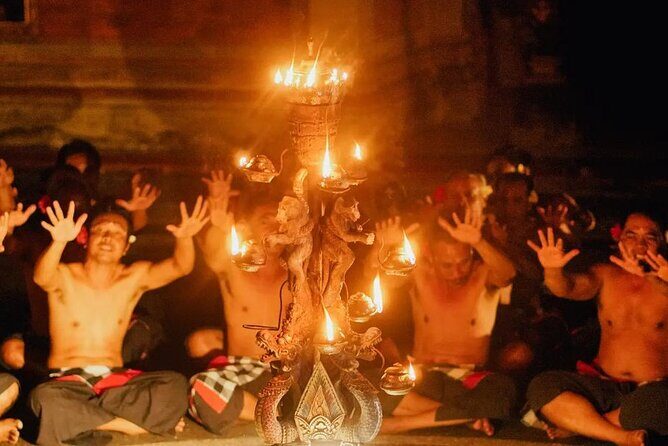
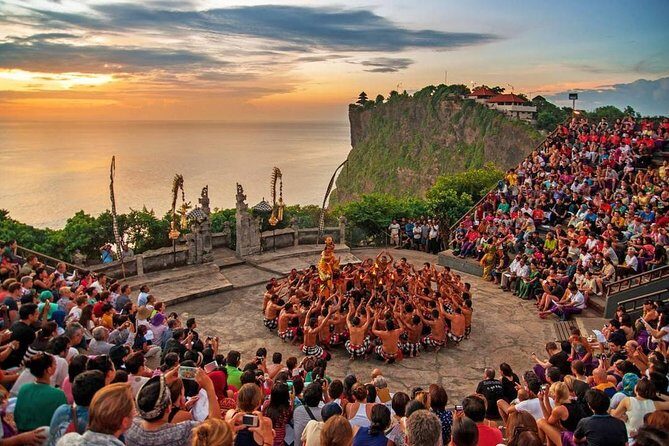
Balinese temple nights can feel like pure ritual, not staged performance. What makes the Ubud Kecak and Fire Dance special is the chanting-driven drama: the rhythm comes from voices and sounds, with no musical instruments, as the story of the Ramayana unfolds in front of you. You sit in an open-air temple setting in Ubud, and the show builds from slow, steady movement into faster intensity, with a dalang narrating the tale (including monkey chant moments). If you want a little extra guidance, I’ve seen people highlight helpers like Dews Nyoman Putra Yasa for making the story easier to follow.

My favorite part is how close and hypnotic the chanting feels—like you’re inside the rhythm rather than watching from far away. I also really love the fire finale: it’s the moment when the whole crowd locks in, even if you don’t catch every line of the story. The one drawback to plan for: seating can be a bit tough, and depending on the exact venue you choose, you may hear some traffic or nearby construction noise that pulls your attention out of the trance.

Key points before you go

Bali: Ubud Kecak and Fire Dance Show Tickets - Key points before you go

  • No-instruments Kecak: the vocal chorus creates the beat and the atmosphere
  • Ramayana storytelling with dalang narration so the plot stays on track
  • Rising tempo and trance-like performance that turns “chanting” into theater
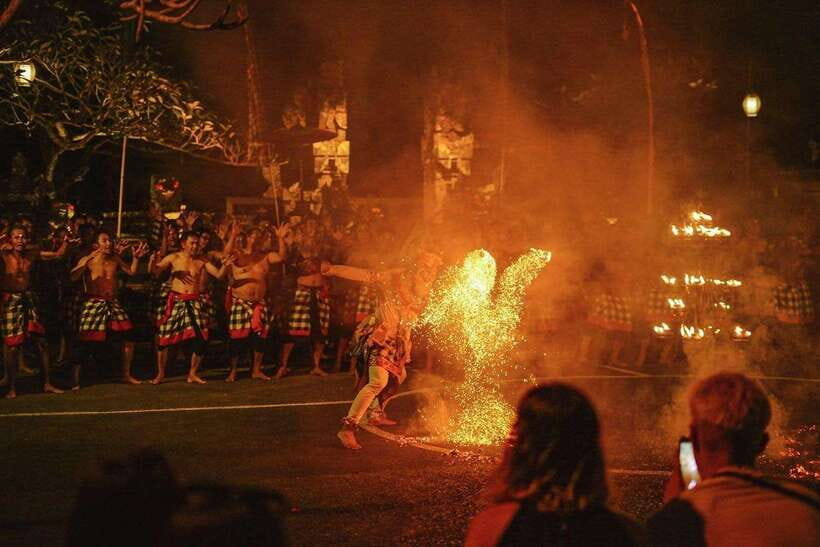
  • Fire dance finale that’s visually dramatic and crowd-stopping
  • Arrive early to snag better sightlines in a small venue
  • Outdoor timing and weather matter because it’s held at a temple in the evening

Why this Ubud show feels different than typical theater

Bali: Ubud Kecak and Fire Dance Show Tickets - Why this Ubud show feels different than typical theater
The Kecak and Fire Dance is often described as a dance show, but that doesn’t fully capture it. Yes, you get costumed performers acting out the Ramayana. But the experience runs on something stranger and more powerful: human voices creating rhythm like a living drumline.

That means two things for you, right away. First, the sound design is part of the show, not a soundtrack. Second, when the pace speeds up and the performers’ movements tighten, the whole crowd tends to react—people lean forward, whisper less, and just follow what’s happening. It’s not background entertainment.

It also helps that the staging is temple-based and open to the night air. Even if you’ve been to temples during the day, this evening format changes the mood. The show starts after dusk, and it’s timed so you’re watching dramatic movement in low light with the temple setting doing some of the work for you.

Finally, it’s one of the rare performances that can be both dramatic and family-friendly. If you’re traveling with kids, they usually handle the hour better than you’d expect because the visuals are strong and the chants keep things moving.

Timing in Ubud: when the gate opens and the show actually starts

Bali: Ubud Kecak and Fire Dance Show Tickets - Timing in Ubud: when the gate opens and the show actually starts
This is the part that saves you hassle in the real world. In Ubud, the performance happens at a chosen temple venue in the evening. The stage gate is open from 18:00 to 19:30, and the Kecak dance starts at 19:00.

Plan to arrive at least 30 minutes early. Not 10 minutes early. Early early. That gives you time to find your section, settle in, and avoid the last-minute scramble that leads to bad sightlines. People who arrive early also tend to get the breeze and better angles, which matters because the seating is outdoors and you’ll be sitting for about an hour.

One practical note: there are different venues for Kecak in Ubud (the choice matters). Double-check the venue tied to your booking option so you don’t end up showing up at the wrong temple compound.

Your first 15 minutes: ticket entry and finding your seat

Bali: Ubud Kecak and Fire Dance Show Tickets - Your first 15 minutes: ticket entry and finding your seat
Tickets include entry to the temple and the Kecak and Fire Dance show ticket. The event is set up so you can skip the ticket line, which is a nice time-saver in the evening when things get hectic.

Once you’re inside, you’ll want to do the boring but important stuff fast:

  • Find the best seat you can, especially if you care about a clear view of the center action.
  • Get any essentials (water or a small snack if refreshments are sold at that venue).
  • Use your camera setup early. Don’t wait until the chanting hits peak intensity.

From what I’ve seen, the venue experience can vary a bit. Some spots feel more “small and close,” with you feeling closer to the performers. Other spots can be slightly more exposed depending on the layout. Either way, you’ll spend the show largely stationary, so think of the seat as part of the experience—because it is.

The Kecak rhythm: what happens when there are no instruments

Bali: Ubud Kecak and Fire Dance Show Tickets - The Kecak rhythm: what happens when there are no instruments
Most shows use music like a background engine. Here, the chanting is the engine.

In the Kecak performance, the dancers move and chant rhythmically while the dalang narrates the tale. The rhythm comes from the chorus—voices and sounds working together—so you get a powerful, hypnotic effect that’s hard to replace with anything modern.

The show typically has a clear build:

  • It starts slowly, giving you a chance to get oriented.
  • Then tempo and intensity gradually rise.
  • The performers’ movements and collective chants push toward a trance-like feeling.

For your brain, that slow-to-fast structure is helpful. If you’re not fluent in the story, the pacing gives you a spine to follow. You may not catch every plot detail, but you can still feel when action ramps up and when the narrative turns.

One small “heads-up” for expectations: there’s no guarantee of super-clear English translation on-screen during every venue. Some people like having extra context for the Ramayana storyline. If you want that, a quick read about the basics beforehand can help you enjoy the narration more.

The Ramayana story on stage: dalang narration and the monkey chant

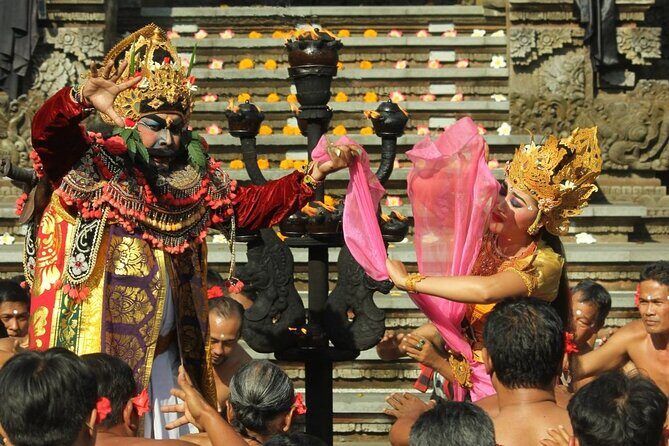
The show’s narrative core is the Ramayana, with the famous monkey chant moments playing a role in the drama. The dalang is the storyteller who narrates the tale as dancers enact the scenes.

Here’s what I’d tell you to pay attention to. Watch for how the dalang’s pacing matches the dancers. When the narration signals a shift, the movement patterns and vocal rhythm usually change too. That’s your cue that the story is turning—even if you don’t catch every word.

It’s also why this performance works for different ages. For kids, the costumes and action keep them focused. For adults, the structure of story + chant turns it into more than a simple dance routine.

The fire dance finale: why it’s the moment everyone remembers

Bali: Ubud Kecak and Fire Dance Show Tickets - The fire dance finale: why it’s the moment everyone remembers
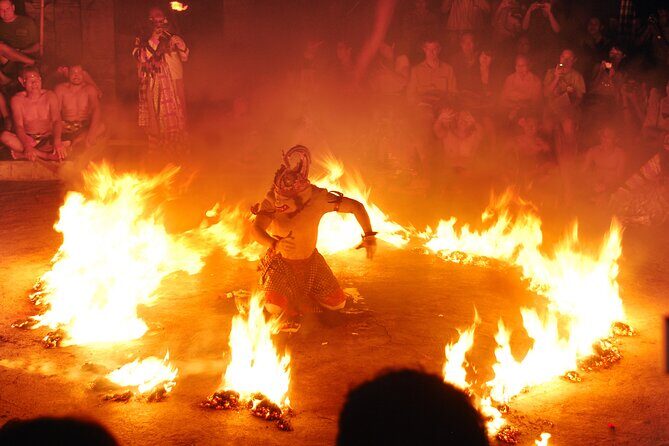
The fire portion is usually the headline image people take home. And yes, it’s impressive. But the best part is how it lands after the earlier build.

Because the Kecak rhythm ramps up first, the fire finale feels like a dramatic release. The audience attention tightens. People who came for “the fire” still end up reacting to the chanting and storytelling beforehand, because that groundwork makes the finale hit harder.

If you’re taking photos, plan ahead. Make sure your camera settings are ready and avoid flash. The goal is to let the performers do their thing without disruption. Most people find that the best shots happen when you’re already settled and not fiddling with gear at the critical moment.

Weather and comfort: the outdoor stuff you can’t ignore

Bali: Ubud Kecak and Fire Dance Show Tickets - Weather and comfort: the outdoor stuff you can’t ignore
This show is outdoors. That’s both the charm and the complication.

Rain can happen, especially during certain seasons in Bali. I’ve seen examples where the event gets adjusted with cover during bad weather, including cases where the performance moved under cover when storms hit. Still, don’t assume you’ll be dry no matter what.

What you should bring for comfort:

  • Comfortable shoes (you may be standing or walking around a bit before seating)
  • Comfortable clothes suitable for an outdoor evening
  • A light jacket or shawl, because evenings can feel cool
  • Camera (and remember flash is best avoided)
  • Insect repellent, because mosquitoes are part of outdoor Bali

Also, expect seating to be firm. Some people mention that the seats can feel tough for your bottom for a full hour. If you’re sensitive to that, bring a small cushion if your venue allows it (the activity info bans luggage/large bags, so keep anything you bring small and simple).

Venue noise and disruptions: how to protect your attention

Bali: Ubud Kecak and Fire Dance Show Tickets - Venue noise and disruptions: how to protect your attention
Not every temple compound is perfectly quiet. In Ubud, you might notice:

  • Traffic noise if the venue sits near a road
  • Construction noise if there’s work nearby
  • General evening sound from people moving around before the show settles

This doesn’t ruin the performance, but it can interrupt the mood if you’re trying to be fully “in the trance.” Your best move is to time your arrival so you’re seated early and settled before the show begins. When you’re already focused on the center action, outside noise matters less.

If you’re really noise-sensitive, choose your venue option carefully. The activity information notes there are multiple venues, so the location details attached to your option are worth checking.

Accessibility and who this show suits best

Bali: Ubud Kecak and Fire Dance Show Tickets - Accessibility and who this show suits best
This experience is listed as wheelchair accessible. Also, it’s not suitable for babies under 1 year.

If you have specific mobility needs, it’s smart to confirm venue details in advance, since while access is available, each temple setup can still vary.

Who tends to love this most:

  • Families looking for an engaging cultural performance in one hour
  • People who enjoy vocal performance and dramatic storytelling
  • Travelers who want something more local than a standard theater show

Who might not love it as much:

  • If you need a lot of explicit English explanation, you might feel the lack of translation guidance (the show relies on narration, but language support isn’t guaranteed at every venue)
  • If you’re uncomfortable sitting on firm outdoor seating, plan for extra comfort

Price and value: why $6 feels like a steal here

At about $6 per person (often referenced around that range), this show is strong value because you get:

  • Temple entry
  • A full hour performance
  • A unique format that doesn’t rely on instruments or modern staging tricks

The real value is that this is not a polished “tourist-only” production. It’s a traditional-style performance tied to Balinese Hindu storytelling, using voices and movement as the core art.

If you’re trying to balance your Bali budget, this is one of those easy wins: low cost, high entertainment, and it gives you a cultural evening that feels different from day-trip sightseeing.

Food and beverages aren’t included. Some venues may sell snacks and drinks, so you can top up before or during the waiting period. If you’re thirsty, don’t count on the show time itself being when you remember to buy water.

Practical checklist: what to bring and what to avoid

The activity info is pretty straightforward, so follow it and you’ll have a smoother night.

Bring:

  • Comfortable shoes
  • Camera
  • Comfortable clothes

Don’t bring:

  • Pets (assistance dogs allowed)
  • Luggage or large bags
  • Fireworks
  • Anything that disrupts the show (like making noise)

Before you leave your room, also double-check the start time and your venue choice. The show starts at 19:00, so arriving late means you risk worse seats and missing the slow build that makes the whole experience work.

Should you book the Ubud Kecak and Fire Dance show?

If you want an evening cultural performance that’s easy on the budget and genuinely different from Western theater, yes, I’d book it. The chanting-only rhythm is the hook, the Ramayana narration gives it structure, and the fire finale provides the big visual payoff. It’s also family-friendly in practice because the visuals and pace hold attention.

Skip it if your top priority is comfort or language support. Outdoor seating can be firm, and depending on the venue, you may deal with ambient noise. Also, if you truly need lots of English translation detail, you might feel under-supported and would be happier with something more explanatory.

If you book, arrive early, pick your venue carefully, and plan for the outdoors. Do that, and this $6 hour in Ubud has a good chance of being one of the most memorable nights of your trip.

FAQ

How long is the Ubud Kecak and Fire Dance show?

The show lasts about 1 hour.

Where does the show take place?

It’s held in the Ubud area at a temple. There are multiple venues in Ubud, and your option determines which one.

What time does the performance start?

The gate opens from 18:00 to 19:30, and the Kecak dance starts at 19:00.

Is food included with the ticket?

No. Food and beverages are not included, though some venues may offer refreshments for purchase.

Is there music with instruments during the performance?

No. The dance does not use musical instruments. The rhythm comes from the human voice chants and sounds.

Can I bring a pet or luggage?

Pets are not allowed, and you also can’t bring luggage or large bags. Assistance dogs are allowed.

Is the event wheelchair accessible?

Yes, it is listed as wheelchair accessible, though it’s still a good idea to check specific needs in advance.

If you tell me your exact travel dates and whether you prefer the closest seats or the quietest location, I can suggest how to choose the best venue option.

Bali: Ubud Palace Legong Dance Show Ticket
Bali: Ubud Palace Legong Dance Show Ticket - What makes Legong Kraton feel so precise

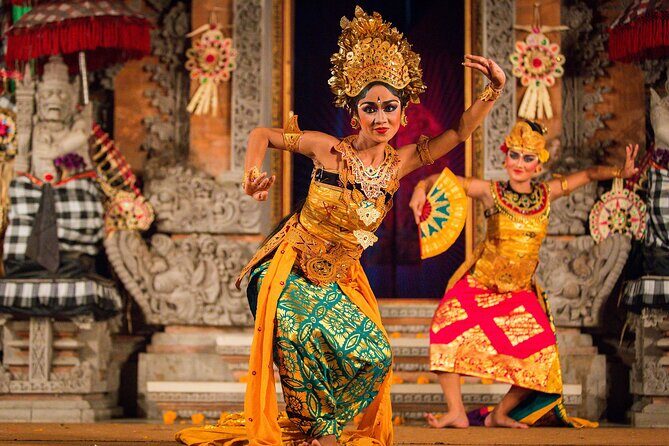
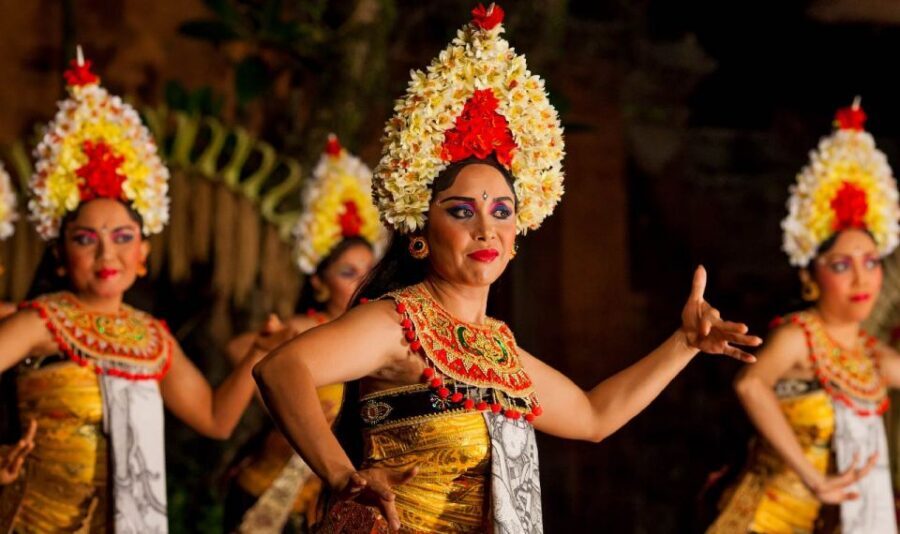
Legong at Ubud is pure wrist-and-eye magic. This Legong Kraton show is a window into Bali’s old court traditions, performed by young dancers in gold costumes while a live gamelan orchestra drives every beat. It’s staged right in Ubud, so the cultural payoff feels close to the city, not tucked away in a hard-to-reach corner.

I particularly like how the dance is built on tiny hand gestures and controlled facial expressions, so the performance reads even if you don’t know the language. I also love the value: at about $6, you’re getting a full classical-dance experience with live music and real storytelling energy.

One thing to plan around: it gets crowded fast, and filming phones can interfere with the view and mood. Seats are limited, and the best spots are earned by arriving early.

Key things to know before you go

Bali: Ubud Palace Legong Dance Show Ticket - Key things to know before you go

  • Go early for seats: arrive about 45–60 minutes before showtime if you want a clear view.
  • It’s outdoor seating: comfortable enough when weather cooperates, but it can get hot and tight.
  • Read the story aids: pamphlets help you follow who is who and what’s happening.
  • Expect crowds and phone lights: people filming is a real distraction during parts of the show.
  • Stage location may surprise you: the performance is not always on the palace main grounds.
  • Bring cash and a camera: cash is useful for on-site purchases, and photography is part of the fun.

Ubud Palace Legong Kraton: a classic Bali dance in practical terms

Bali: Ubud Palace Legong Dance Show Ticket - Ubud Palace Legong Kraton: a classic Bali dance in practical terms
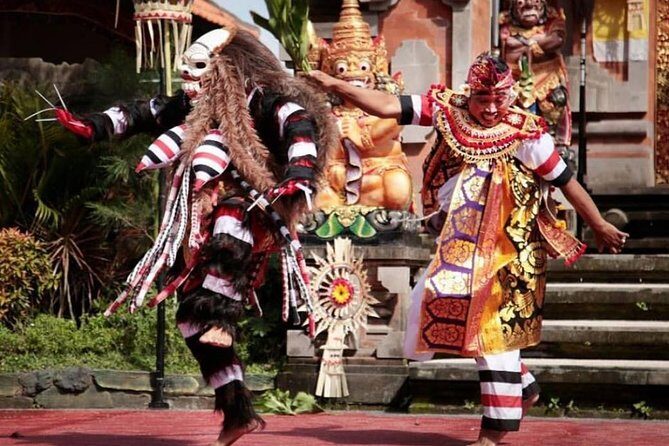
If you want one Bali night that feels distinctly Balinese (not just a generic show), Legong Kraton is a smart pick. This dance is one of Bali’s most revered classical court styles, originally performed in royal settings and shaped by court discipline and symbolism. You’ll see that formality immediately: the dancers don’t move like a casual performance. They move like they’ve trained for exact timing, exact angles, and exact expression.

This show lasts about 90 minutes, so it’s long enough to feel like a real event, not a quick photo stop. It’s also simple logistically: you go straight to the ticketing counter at Ubud Palace, get sorted, and take your place for the performance.

The other reason I think this works well for most travelers: it’s not only about steps. It’s about story. Legong is traditionally linked to a royal tale of love, conflict, and destiny, supported by the rhythm of a gamelan ensemble and the dancers’ facial work. Even if your understanding is basic, you can still track the emotions and the turning points.

What makes Legong Kraton feel so precise

Bali: Ubud Palace Legong Dance Show Ticket - What makes Legong Kraton feel so precise
Legong is famous for its delicate, controlled technique—especially the hands. Those gestures aren’t decoration. They act like punctuation in the story, letting the dancers show meaning with small movements. The choreography also includes fast, precise actions that can look effortless from the audience, even though they’re anything but.

A key visual element is the costume work: you’ll typically see young female dancers wearing elaborate gold outfits and ornate headdresses. The look matters because the dance is designed to be read from a distance—costume detail helps the characters stand out, and the bright gold intensifies how the movements register in the light.

Then there’s the gamelan. The music isn’t a background soundtrack; it’s the engine of the performance. You’ll feel the orchestra’s rhythms cue changes in the dancers’ energy and timing. If you like traditional instruments, this show delivers without needing extra context.

If you want one small homework shortcut, take it: pick up and read the story notes or pamphlets handed out on site. A few minutes of reading helps you follow who’s who and why certain scenes matter. Without it, the dance still works visually—but you’ll connect fewer dots.

Finding your seat at Ubud Palace: timing is everything

Bali: Ubud Palace Legong Dance Show Ticket - Finding your seat at Ubud Palace: timing is everything
Your ticket is valid for the selected date, and you’ll want to show up ready to stand in line without stress. Meeting point is straightforward: head directly to the ticketing counter at Ubud Palace.

Now for the real ticket hack: seating fills early. Multiple people note the venue packs up quickly, and if you arrive late, you may end up standing or watching from angles that cut off the view. A good rule is to arrive about 45–60 minutes early. If you’re picky about photos or you want a front-area sightline, go even earlier.

Also pay attention to how you get in. Some bookings can route you through a different entrance on the other side of the complex. It’s not hard, but it can be confusing if you assume there’s only one obvious path.

One more practical point: seats can be limited, and some areas may involve floor viewing. There are mats placed near the front in at least some setups, but access may require buying a drink from the vendors nearby. Plan a small budget for that if you care about sitting close.

The show itself: what happens during the 90 minutes

Once you’re seated, the pacing feels like a proper performance, not a rushed lineup. The dancers use strong facial expressions, quick eye focus, and controlled posture to communicate the story in layers. That can be especially striking if you’ve been reading or learning basic Balinese themes during your trip.

A common tip that keeps repeating for a reason: arrive early because the show starts and fills in around you. By the time the performance is underway, the crowd noise drops into a shared attention—but only if people aren’t constantly blocking lines of sight. Keep your expectations realistic: yes, you’ll see plenty of phones raised. If you’re the type who wants a quiet, focused experience, choose your seating spot strategically and be ready to mentally filter the filming.

The show is also long enough that you’ll notice fatigue if you’re standing. A few people mention the length and suggest that you can leave if you need to step out. That flexibility matters if you’re traveling with kids, or if you’re sensitive to heat.

If you go for an evening show (like the popular 7pm slot), plan your dinner timing. One schedule example puts the end around 9:15. So treat it like a real dinner-shift decision, not a casual activity.

Cost and value: is $6 really enough?

For around $6 per person, this is one of the most affordable ways to watch a serious classical performance in Bali. The value comes from three things:

  • You get live music, not canned audio.
  • You get costumed dancers with trained technique.
  • You get a full 90-minute show rather than a short “highlight reel.”

Even if the venue setup isn’t perfect, the core experience is strong: ornate costumes, intricate choreography, and the gamelan rhythms that make the dance come alive. At this price point, you’re not paying for transportation or a guide. You’re paying for access to the performance itself, and that’s exactly what you should compare it to.

One balanced note: the infrastructure isn’t always what you’d expect for comfort. Some seating areas are basic, and the venue can feel crowded or tight. If you expect theater-style comfort, adjust your mindset: think cultural event first, comfort second.

Crowds, filming, and comfort details that affect your view

This show has a big draw, and that means crowds. The most common downside is simple: people filming the entire performance can be distracting. Phone screens and raised arms can partially block the view, especially if you end up in a lower-seated or side position.

Where you sit changes what you see. Several people mention the side sections can offer better angles with fewer obstructions. Others point out the show is mostly presented toward the front, so sitting on the wrong side can make parts feel less clear.

Weather matters too. Since the performance is held outdoors, it can feel great when the air is comfortable—but it can also be hot, especially when the crowd density traps warmth. If you run warm, bring a small fan or something similar.

Toilets and food are another practical reality check. One person notes there was no toilet available, so don’t count on facilities being easy. For drinks, vendors sell refreshments inside the venue area. That’s convenient, and it also supports the small ecosystem around the show.

Where the show is staged (and why that matters)

One detail that can surprise you: the performance may not be happening on the palace main stage you picture. Some mention the show is staged on a setup across the road rather than inside the palace grounds. It still connects to the Ubud Palace experience, but your mental map may not match the physical one.

That’s why arriving early helps more than you’d think. When you have time, you can find the correct entrance, locate seating areas, and avoid wandering around when the venue is already packed.

Who should book this Legong ticket, and who might skip it

Bali: Ubud Palace Legong Dance Show Ticket - Who should book this Legong ticket, and who might skip it
I’d book this if you want:

  • A true Balinese classical dance in one focused evening block
  • Live gamelan music as part of the experience
  • A low-cost cultural activity that doesn’t require a complex itinerary

You might reconsider if:

  • You hate crowds and don’t want to deal with constant phone filming
  • You need theater-like comfort (limited seating and basic viewing are common)
  • You’re very short on time and can’t arrive early

Kids are charged at the same rate as adults, so it’s not a discounted family ticket. On the bright side, the performance is visually engaging, and the costumes and music tend to hold attention.

Should you book Ubud Palace Legong Kraton?

Bali: Ubud Palace Legong Dance Show Ticket - Should you book Ubud Palace Legong Kraton?
Yes, if you’re willing to play the seating game. For about $6, you’re getting a genuine classical performance with ornate costumes and live gamelan backing. The biggest risk is not the dance—it’s view quality and crowd distraction. If you arrive early, read the story notes, and accept the outdoor-venue reality, this is a high-value Bali night.

If you’re the type who wants comfort first, bring earplugs or choose a spot with a clean line of sight and plan a quick rest break. But for most people, this is one of the easiest ways to experience Bali’s traditional court dance style without paying tour-package prices.

FAQ

Where is the meeting point for the Legong dance ticket?

You should head directly to the ticketing counter at Ubud Palace.

How long is the Legong Kraton show?

The show runs for about 90 minutes.

Is hotel pickup or drop-off included?

No. Hotel pick-up and drop-off are not included.

What should I bring to the show?

Bring a camera and cash.

Are children charged the same as adults?

Yes. Children are charged at the same rate as adults.

Can I get a refund if my plans change?

No. The activity is non-refundable.

Is the performance held outdoors?

Yes, it’s staged on an outdoor stage, so plan for open-air conditions.