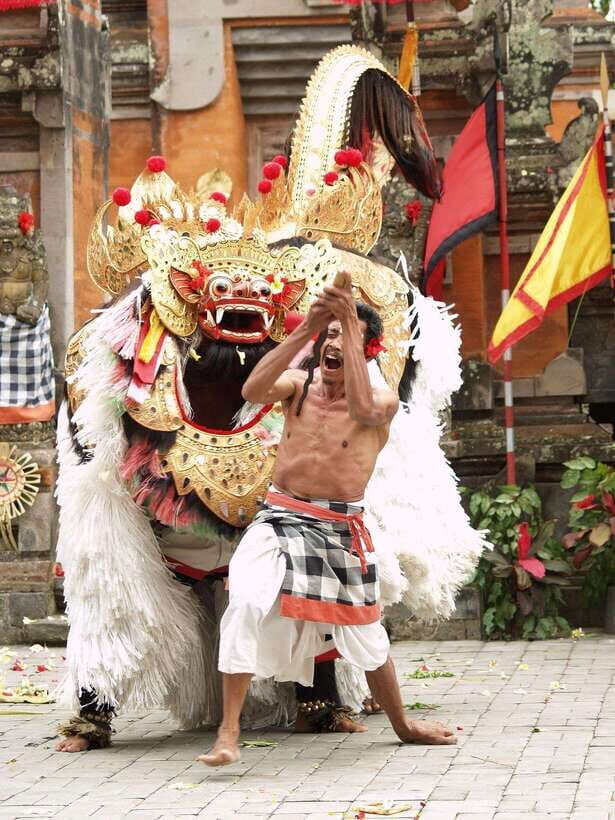
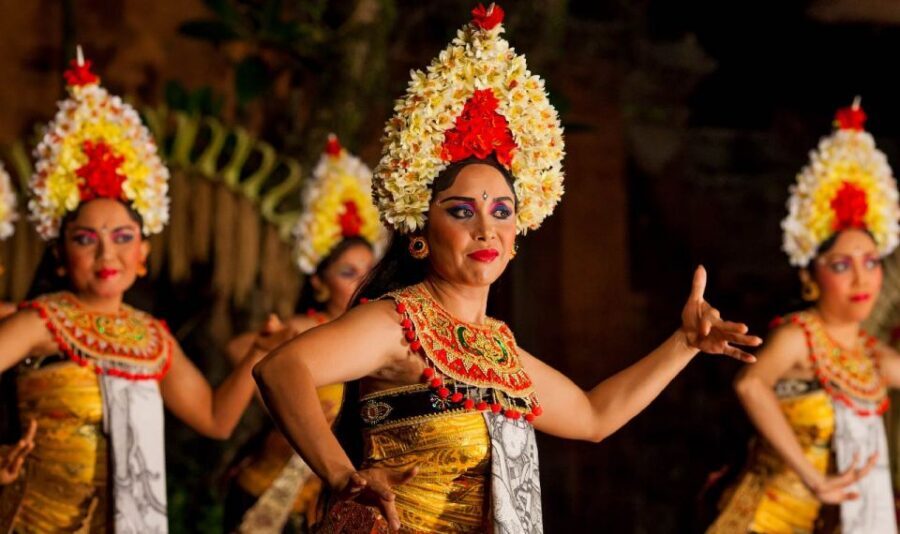
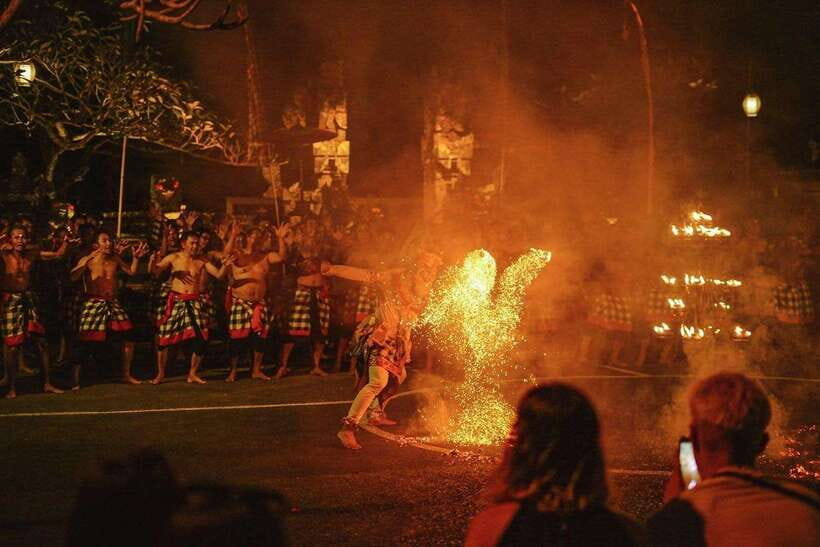
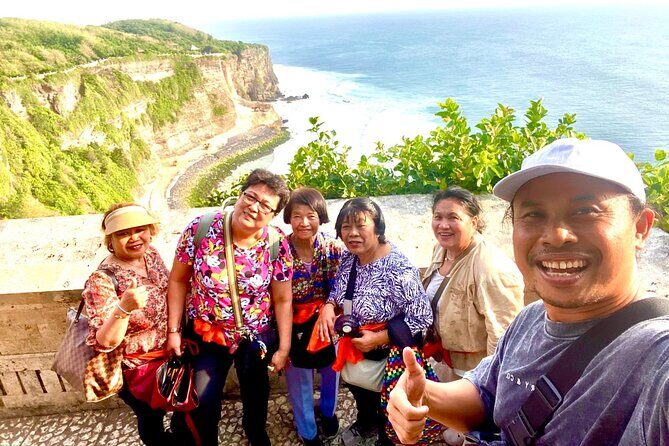
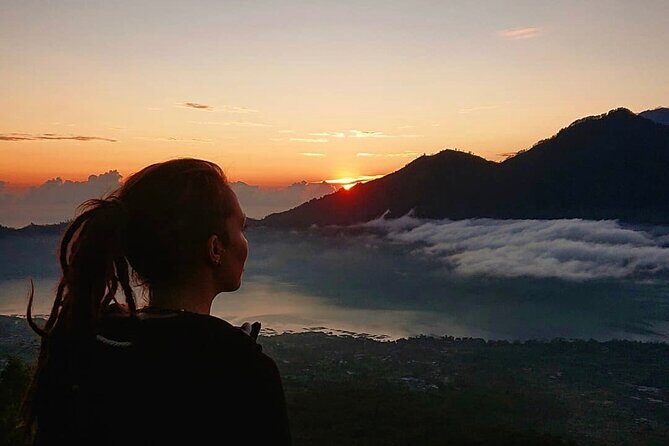
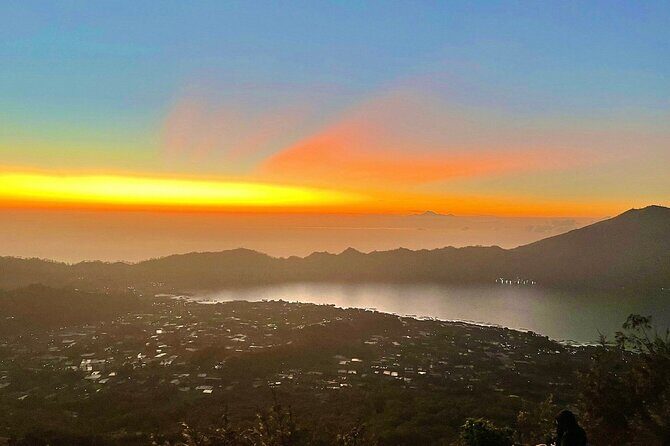
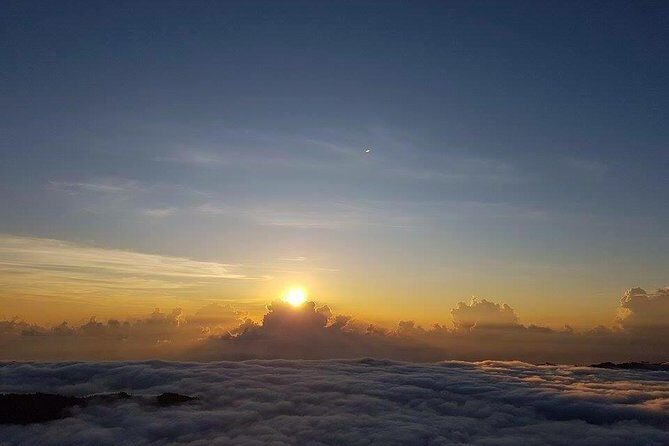
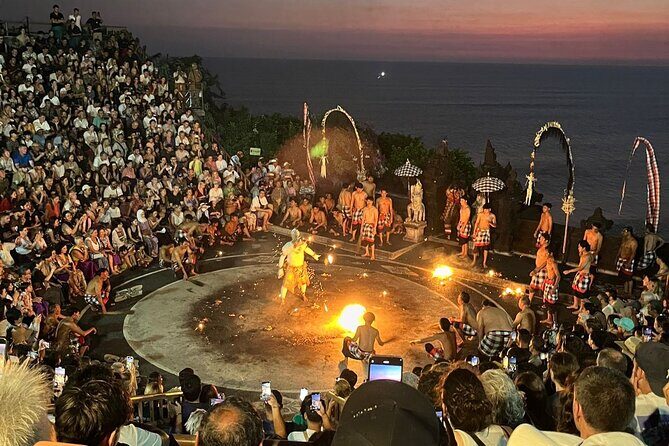
Uluwatu at sunset is hard to beat.
This all-inclusive Kecak Dance and Uluwatu Temple experience puts you at Bali’s famous clifftop venue for Balinese chanting, trance-style movements, and the late-day ocean light. I like that you get admission taken care of and you’re met by an English-speaking guide who helps with the flow so you spend less time herding yourself through crowds. The best part is the sunset timing paired with the performance slot, usually the 6pm or 7pm session. One drawback to factor in: Uluwatu gets packed, and the monkey situation is real—loose items can turn into a theft drama fast.
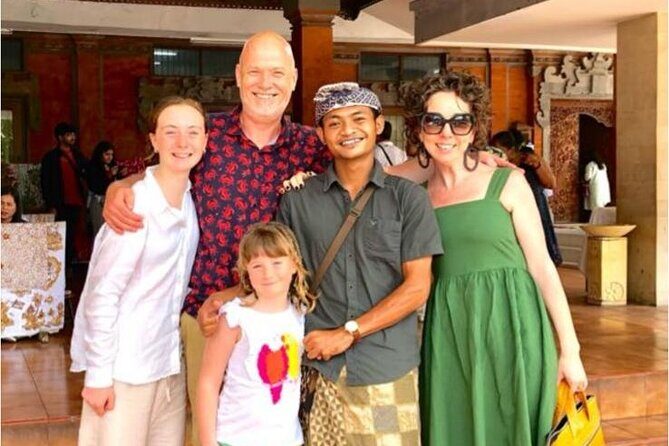
What makes this one feel different is the human layer. Guides like Bagus, Arya, Kadek, Jana, and Wayan show up ready to guide you through the temple walk, warn you about monkeys, and help with photos so you’re not stuck just staring at your phone. Still, if you’re expecting Uluwatu to look like temples outside Bali, you might feel a little underwhelmed during the walking/grounds time—this site is about setting and ritual, not matching your postcard idea of a temple.
5 Key Points You’ll Actually Care About

- Small group size (max 14) means less chaos and easier ticket/seating support.
- Two show sessions keep your schedule flexible: 6:00–7:00 or 7:00–8:00.
- Admission is included, so you’re not hunting tickets when the venue lines are at full speed.
- Guides focus on photos and crowd navigation, with monkey-warning coaching built in.
- Temple clifftop walking adds something beyond watching the show, especially for sunset timing.
Uluwatu Temple Sunset With Kecak and Fire: The Main Event

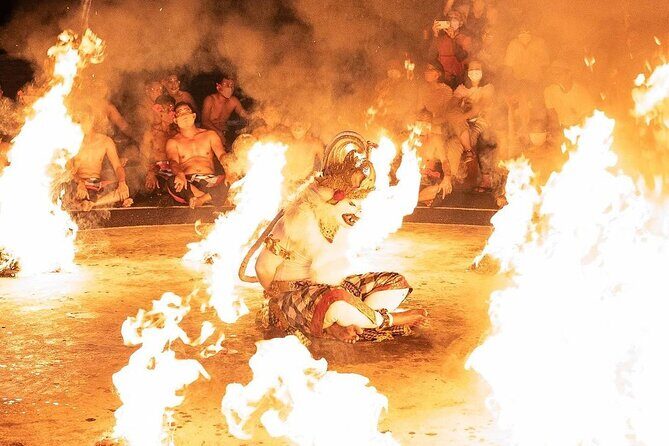
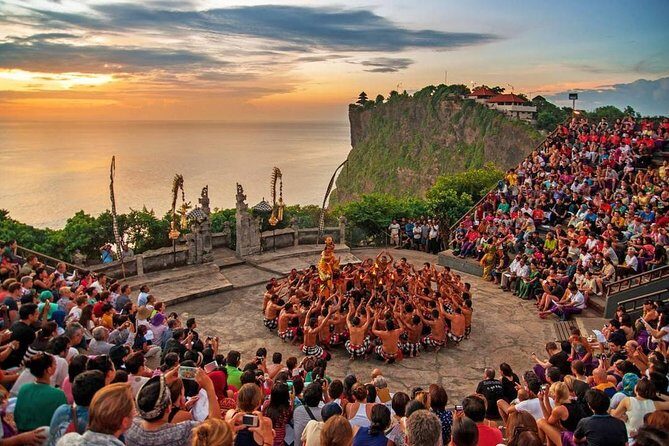
Uluwatu Temple has a built-in stage advantage. You’re not just watching a dance—you’re watching it with the Indian Ocean nearby and the dramatic cliff setting doing half the work for the atmosphere. The Kecak and Fire dance performance follows Bali’s storytelling rhythm: lots of group chanting, hypnotic movement, and then the fire element that adds heat in more ways than one.
The schedule is simple and you should pick based on your priorities:
- Early session: 18:00–19:00
- Late session: 19:00–20:00
If you’re chasing the classic sunset feeling, you’ll likely prefer the later slot. If you’d rather avoid being stuck waiting while the sun is hottest, the earlier session can feel easier on your body, especially when you’re standing around for entry and seating.
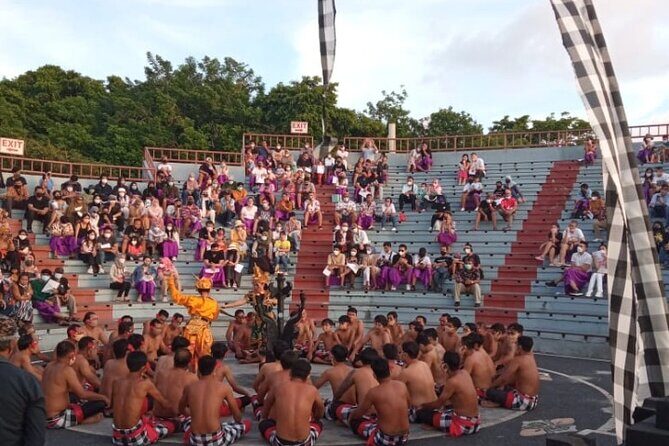
One more thing: the amphitheater can be completely full. That’s not a tour-specific issue—it’s how Uluwatu runs. The practical win with this tour is that your guide helps you move with purpose, so you spend more time waiting in the right place and less time guessing where to go next.
The Temple Walk Before the Show: Clifftop Views and Reality Checks

A big chunk of the experience happens before the Kecak performance begins. You arrive for Uluwatu Temple and get time to explore the area around the venue. This is where you notice the clifftop layout and the views that make Uluwatu famous.
I also like this part because it helps the dance feel connected. If you only show up five minutes before the performance, the setting stays abstract. With the temple walk included, you get a sense of how the space frames Balinese ritual, and you’re better prepared to appreciate what you’re seeing.
That said, calibrate your expectations. Some people expect a collection of dramatic statues or a temple complex that looks like their idea of a “major temple.” Uluwatu is different. The experience is more about the cliffside setting, the ritual setting, and the performance venue than about being a museum of recognizable features. If you’re a detail-collector, ask your guide questions while you’re walking—good guides will point out what you’re looking at.
Pickup From Seminyak and the Value of a Driver Who Gets You There
This is a 5-hour experience (about). That matters because the drive time from the Seminyak area can vary a lot with traffic. In the real world, Bali road time is not “exact.” One review mentioned about two hours with traffic, so plan to relax and accept that roads can slow you down.

Pickup is offered, and many people are collected from their hotel area. You’ll also get an English-speaking guide who can guide and coordinate—not just drop you and disappear. In the better experiences, the driver helps you get oriented quickly and keeps you on schedule so you don’t end up sprinting for the wrong seating window.
Also, small group size helps here. With a maximum of 14 travelers, the pickup and entry flow tend to feel more controlled than the mega-bus style tours. When you’re dealing with a popular venue like Uluwatu, “less group” often means fewer misunderstandings.
Guides Like Bagus, Arya, Kadek, Jana, and Wayan Make It Easier

The best part of this tour is not the dance alone—it’s how smoothly you get handled by your guide.
I’ve seen strong signals that the guides do three key things well:
- Handle tickets and entry so you avoid the worst line confusion.
- Give you monkey-smart instructions early, not at the last second.
- Help with photos by telling you where to stand and when to shoot.
Specific guide names pop up again and again in positive accounts. Bagus is repeatedly praised for helping people avoid trouble with monkeys and for keeping things organized. Arya is noted for being friendly, getting tickets, and supporting great photo moments. Kadek also gets credit for guiding people straight in and being attentive after the performance. Jana earns praise for explaining the process, being respectful, and sticking with the group so entry and exit feel manageable. Wayan is highlighted for prompt pickup, Hinduism explanations, and clear monkey warnings.
If your guide supports you like this, you’ll feel the difference immediately. You’ll spend less energy figuring out logistics and more energy enjoying the actual show.
Monkeys, Phones, and the One Rule You Should Follow

Let’s talk about the elephant—or rather the macaque—in the room. Uluwatu monkeys are aggressive in the way that makes you want to leave your stuff at home.
Your safest approach:
- Don’t bring hats and sunglasses you can’t protect.
- Keep your purse secured (and ideally across your body).
- Put your phone away immediately after you take pictures.
That last point is crucial. If your phone stays in your hand, you’re basically inviting a grab. Reviews repeatedly mention that people lose items when they pause mid-walk or keep a phone dangling while looking around.
The best guides warn you early and actively remind you throughout the temple time. If your guide is on top of it, you’ll still get photos—but you’ll do it with a plan, not a scramble.
Also, pack for the reality of waiting. The seating area can be hot while you wait for performance time. A simple umbrella for shade can help you stay comfortable while you line up and wait.
Crowd Flow and Audience Energy: What Can Go Wrong

Uluwatu is popular, and that means the crowd can be part good, part annoying. Some people love the big-energy atmosphere. Others don’t like the noise around them while they’re trying to watch a ceremonial performance.
Here’s what you can control:
- Choose your show session based on your tolerance for waiting.
- Arrive with minimal loose items so you can move freely.
- Focus on your seat zone and timing instead of watching people cut lines.
One common complaint is that the amphitheater waits and queueing can be long. That’s not unique to this tour—it’s the venue. But your guide’s job is to reduce your confusion. When things run smoothly, you’ll be guided into the process and handed a clear path to seating and exit.
There’s also the reality that the amphitheater fills up with many groups, sometimes including kids. If you’re sensitive to background noise, the best strategy is a calm, flexible mindset and a good seat location. Your guide can often help you get into position efficiently.
Price and Value: What $38.33 Buys You (and What It Doesn’t)

At $38.33 per person, you’re paying for more than a show ticket. You’re paying for an all-inclusive setup that includes admission and coordination from the Seminyak area with a small-group plan.
Here’s how to think about the value:
- If you buy only a ticket yourself, you might save a little money depending on current pricing.
- If you’re booking this, you’re buying convenience: you’re less likely to get stuck in ticket lines when the venue is at peak crowd levels.
- You’re also paying for someone to manage the “when do we go where” part, plus help with photos and monkey warnings.
That convenience is worth real money if you don’t want your evening ruined by logistics. And it’s especially useful if you’re traveling solo or with family and you want a human plan rather than a solo scavenger hunt.
What it doesn’t guarantee is that you’ll love every minute of waiting or that you’ll control how noisy the crowd is. Some experiences can feel more packed than others. But if you go in prepared—phone put away, shade in mind, and expectations tuned to a clifftop ritual site—the value usually feels solid.
How Long Is This, and Who Should Pick It?

It’s about 5 hours. That’s a good length for a one-day South Bali add-on that doesn’t swallow your whole afternoon and evening.
This fits best if you:
- Want a sunset performance slot without doing the stressful parts yourself.
- Prefer a small group and help with entry and seating.
- Like cultural shows but also want practical guidance (especially monkeys and timing).
You might want to rethink it if you:
- Hate crowds and noise intensely.
- Expect temple grounds to look like a specific type of landmark you’ve seen elsewhere.
- Want a totally “free roaming” experience with no coordination at all.
FAQ
FAQ
What time does the Kecak and Fire dance start?
You’ll attend one of two performance sessions: 18:00–19:00 or 19:00–20:00.
Is admission to Uluwatu Temple included?
Yes. The included admission ticket is part of the experience.
Do I need to buy tickets separately for the show?
No, the admission ticket is included in this all-inclusive experience, so you’re not meant to arrange it yourself on the ground.
Is pickup offered from Seminyak or nearby areas?
Pickup is offered. Some guests have been picked up from hotel areas in the region.
How long is the tour?
The duration is about 5 hours.
How big is the group?
This experience has a maximum of 14 travelers.
What should I do about monkeys at the temple?
Bring minimal loose items. Avoid loose sunglasses or hats, watch your purse, and put your phone away after taking photos because monkeys may grab items.
Does the schedule depend on weather?
Yes. The experience requires good weather. If it’s canceled due to poor weather, you’ll be offered a different date or a full refund.
Should You Book This Uluwatu Kecak and Sunset Experience?
If your goal is a well-organized Uluwatu Temple sunset with the Kecak and Fire dance, I think it’s a smart booking—especially for your first time in the area. You’re not just getting a performance. You’re getting a guided plan for the temple time, help with photos, and monkey-safety coaching that can genuinely save your evening.
Choose this confidently if you want less hassle and you’re happy to deal with crowds like they come at Uluwatu. Pick a later session if you’re chasing sunset. Bring shade basics for waiting, keep your phone secured, and trust the guide to keep you moving.