Ubud Skip the line Monkey Forest Sanctuary Ticket and Guided Tour

Ubud Skip the line Monkey Forest Sanctuary Ticket and Guided Tour - How the cave-like entrance sets the tone right away

Monkeys and temples in one tight loop. In Ubud’s Sacred Monkey Forest Sanctuary, you’ll walk shady jungle paths from a cave-like entrance to Dragon Bridges under banyan trees, with old shrines like Pura Beji along the way. I like the temple-and-trees walk and I also like the way the guide helps you read the macaques and follow the park rules.

This is a compact experience—about 1 hour—so if you’re hoping to linger and chat endlessly, you may feel rushed. Also, I’d check that your guided component is happening as expected; the sanctuary is the main event, and you’ll want the guide to add value beyond just escorting you.

Key highlights to know before you go

Ubud Skip the line Monkey Forest Sanctuary Ticket and Guided Tour - Key highlights to know before you go

  • Included admission ticket to Sacred Monkey Forest Sanctuary, plus all fees and taxes
  • Mobile ticket for easier check-in
  • Temple route you can’t really rush: cave entrance, Dragon Bridges, Pura Beji, and Pura Dalem Agung Padangtegal
  • Guide support with monkey safety, including reassurance if the macaques get too curious
  • Photo moment with macaques built into the route, with the usual reminder to follow guidelines
  • Small add-ons may be possible, like a coffee tour request (one guest paid $3)

Ubud’s Sacred Monkey Forest: what you’re really paying for

The Sacred Monkey Forest Sanctuary is one of those places where the “main attraction” is obvious, but the best parts are more subtle. Yes, you’ll see macaques doing macaque things. But the sanctuary is also about the space between the moments—jungle shade, temple architecture, and winding paths that make the visit feel like you’re moving through living, old Ubud.

For your money (it’s $18 per person), the value isn’t just the entrance. It’s the way this visit is packaged so you can cover the core sights quickly without wasting time figuring out where to go next. In a place where signs and entrances can be confusing, a guide helps you get your bearings fast and keep the walk flowing.

You’ll also get bottled water included, which sounds small until you’re sweating through the greenery. And because the route is organized, you spend less time hunting for the next landmark and more time actually seeing it.

Price and timing: the $18 equation for a one-hour walk

This tour is about 1 hour. That matters. It’s short enough to fit into a day of Ubud sightseeing, and long enough to hit the sanctuary’s key stops without feeling like you missed the best views.

At $18, it’s priced like a “do-the-main-thing” experience rather than a half-day adventure. If you want a full day in the forest with slow wandering and extra stops outside the sanctuary, this won’t be that. But if your goal is to see Sacred Monkey Forest Sanctuary highlights—temples, shaded pathways, and monkey encounters—then the time and structure make sense.

One more detail that affects your experience: the tour includes the admission ticket, all fees and taxes, and bottled water. Food and drink aren’t included, and you’ll want to plan around that. If you’re the type who likes grabbing a snack after, you’ll be glad you can do it on your schedule.

How the cave-like entrance sets the tone right away

Ubud Skip the line Monkey Forest Sanctuary Ticket and Guided Tour - How the cave-like entrance sets the tone right away
The first thing you encounter is a cave-like entrance. That opening switch—from daylight streets into a tunnel of green—changes your mindset fast. You’re no longer thinking about “a park attraction.” You’re in the sanctuary, and the walk feels more like moving through a place that has its own rules.

From there, the route heads toward one of the sanctuary’s most photogenic stretches: Dragon Bridges. These bridges run through the thick of the banyan trees, and along the way you’ll see ancient temple elements that people often link to the idea of the Tree of Life from Avatar. Even if you don’t care about pop-culture comparisons, it’s still a striking setting. The banyans give you natural framing, and the whole area looks built for photos.

If you like atmosphere—shade, sounds of birds, and that humid “Ubud is real” feel—you’ll probably enjoy this part most. It’s also where a guide’s reassurance can help, because monkeys like to show up when you least expect it.

Dragon Bridges and banyan trees: where photos happen (without chaos)

Dragon Bridges plus banyans is a combo that’s hard to beat. You’ll get that classic view of greenery and temple details. And you’ll have natural pause points—good for pictures, good for quick looks around, and good for checking where the group is headed next.

Just keep expectations grounded. This is a sanctuary with wild macaques, not a zoo with staff controlling the scene. If you see a monkey, don’t rush. Don’t reach. Keep your bag close. Follow the park instructions and you’ll reduce the chance of unwanted attention.

This is also where people often underestimate how quickly monkeys can appear. One minute you’re admiring the trees; the next a macaque is investigating someone’s sleeve or thinking about snacks. The guide’s role here is less about “performing” and more about keeping you safe and moving.

Pura Beji: the ancient bathing temple stop by the stream

After the bridge area, you’ll continue to Pura Beji, an ancient bathing temple. This isn’t just decorative scenery. It’s a real temple stop that you access by going down a flight of stairs, with a stream nearby.

That stream-side setting matters. It adds sound and coolness, and it breaks up the walk with a different kind of viewpoint—lower, calmer, and surrounded by the sanctuary’s wet-season feel. For many people, this is the moment when the visit feels more than a monkey attraction. The environment shifts from “look at the animals” to “look at the sacred space inside the jungle.”

Practically, the stairs mean you’ll want comfortable shoes with grip. You don’t need hiking boots, but slippery ground is possible in a humid forest setting.

If you’re someone who enjoys travel moments that feel respectful—old places you can slow down and take in—you might find Pura Beji a highlight.

Pura Dalem Agung Padangtegal: village funerals and more macaques

Next comes Pura Dalem Agung Padangtegal, which is dedicated to village funerals. It’s also described as another playground of the macaques, so this is where your monkey encounters are most likely to kick up.

This stop is important for two reasons. First, it gives you a deeper sense of what the sanctuary is—more than just a tourist route. Second, it’s where macaques tend to feel most active around visitors. You’ll likely see more behavior that looks like “mischief,” because that’s exactly what macaques do when they sense attention.

The route includes a photo moment: you can stop to take a selfie with a monkey. I’d treat this as a guideline-based chance to get a photo, not an invitation to treat the animal like a prop. Keep your hands and phone positions sensible, and follow what the park and guide ask you to do.

If you want the best version of this part, don’t chase monkeys. Let them approach you when it’s appropriate. Stay calm and let your guide manage spacing. That’s often the difference between a fun encounter and a stressful one.

Monkey safety in plain language: you don’t have to panic

The sanctuary is full of rules for a reason. Monkeys are wild animals. They can be curious, quick, and occasionally pushy. Your best strategy is simple: act like you’re sharing space with animals that have zero interest in your itinerary.

Here’s what works, based on how these sanctuaries operate and how guides typically coach guests:

  • Keep small valuables zipped or secured.
  • Don’t tease or grab.
  • Don’t feed unless feeding is clearly part of what you’re told.
  • Keep a little distance and let the guide direct the group.

If you do the safety basics, your odds of a smooth visit jump. A good guide makes this easier by handling the flow of where you stand and by reminding you what not to do at the exact moment you’re about to do it. That reassurance is a big part of why guided visits feel better than DIY.

The guide factor: Agus, Yogi, and why it changes everything

Even with a short tour, a good guide can make the difference between a “walk and photos” outing and a genuinely enjoyable sanctuary experience.

One guest highlighted Agus as super nice and helpful, and even reported that he could accommodate an add-on coffee tour for $3 and drive them there. That’s the kind of practical flexibility that turns a short visit into a smoother full experience.

Another piece of feedback praised a young guide for explanations and for the way he reassured people around the monkeys. That matters more than it sounds. In a place with wild animals, your comfort level changes your attention. When you feel safe and guided, you notice temples, trees, and details you might otherwise miss.

Because this tour is about 1 hour, the guide’s efficiency is part of the value. They help you cover the best stops without turning it into a scavenger hunt.

What the mobile ticket and short route mean for you

A mobile ticket is exactly what you want in places where check-in lines can slow you down. You also get confirmation at the time of booking, so you’re not scrambling for proof at the last second.

This tour is also described as being near public transportation. That’s useful if you don’t want to rely entirely on a driver for every stop in Ubud. You can fit the sanctuary visit into a larger day without overpaying for extra rides.

Finally, most travelers can participate. That’s helpful if you’re planning a day around a range of fitness levels. Still, keep in mind there are stairs to access Pura Beji and you’ll be walking through uneven, wet-feeling ground.

Weather and the jungle reality check

This experience requires good weather. That’s not just fine print. Humidity, slippery paths, and rain can change the feel of the walk quickly. If bad weather cancels it, you’ll usually be offered a different date or a full refund. The point: the sanctuary is outdoor, and rain can make it harder to enjoy calmly.

If you’re flexible, plan this for a part of your trip where you have at least one spare day. In Bali, weather can flip faster than your phone battery.

Who should book this Ubud Monkey Forest guided tour

This is a good fit if:

  • You want the key highlights of Sacred Monkey Forest Sanctuary without committing to a long outing
  • You value having someone help manage monkey safety and the flow of stops
  • You like temple scenery as much as animal encounters
  • You’re building a compact Ubud day with easy transportation options

It may be less ideal if:

  • You want a slow, hours-long wandering experience
  • You prefer fully DIY travel with no guide guidance
  • You want to combine lots of extra activities inside the forest itself (this is designed to be quick)

Should you book this tour?

If your goal is a well-paced, short visit to Ubud’s Sacred Monkey Forest Sanctuary—with an admission ticket handled, a guide to support you around macaques, and classic temple stops—you’ll likely feel the value. The $18 price works best when you treat it as a structured “hit the main sights” experience.

I’d book it if you’re comfortable following safety rules around wild monkeys and you don’t need more than about an hour. If you’re the type who likes to hang out and linger, plan to pair it with extra time either before or after so the sanctuary doesn’t feel like it rushed you.

FAQ

How long does the Monkey Forest sanctuary tour take?

The duration is about 1 hour.

Is the admission ticket included for Sacred Monkey Forest Sanctuary?

Yes, admission ticket is included.

What’s included in the $18 per person price?

The price includes all fees and taxes, admission to the sanctuary, and bottled water.

Do I receive a mobile ticket?

Yes, you’ll have a mobile ticket.

Is bottled water provided?

Yes, bottled water is included.

Can I add other activities like a coffee tour?

You can ask about add-ons. One guest reported adding a coffee tour for $3 during the experience.

What is the cancellation policy window?

You can cancel up to 24 hours in advance for a full refund.

Skip The Line Tour: Uluwatu Temple and Kecak Fire Dance Tour – Half Day

Skip The Line Tour: Uluwatu Temple and Kecak Fire Dance Tour – Half Day - Skip-the-Line at Uluwatu: What It Actually Means on the Ground

Uluwatu gets you the big Bali moment fast, before the night. I like that this half-day plan pairs the Uluwatu Temple visit with the Kecak & Fire Dance at the open-air amphitheatre, so the timing builds naturally toward sunset. I also like the practical help: an English-speaking guide, bottled water, and air-conditioned transfers with hotel pickup in Seminyak. One thing to consider: even with a skip-the-line package, you may still deal with crowd pressure around entry and the show area.

Start time is 4:00 pm, and the tour runs about 5 hours. This is a small-group setup (up to 5 travelers), which is great when you want help navigating the grounds and the monkey zones, but it also means you’ll be following the group pace. Dress code is strict here, so plan on covering shoulders, underarms, back, and knees with a sarong/scarf/sweater.

Key Things to Know Before You Go

Skip The Line Tour: Uluwatu Temple and Kecak Fire Dance Tour – Half Day - Key Things to Know Before You Go

  • 4:00 pm start means you’re aiming straight for sunset lighting and photos at the cliff edge
  • Uluwatu Temple at ~70 meters above sea level gives you dramatic views while you learn the site’s role on Bali
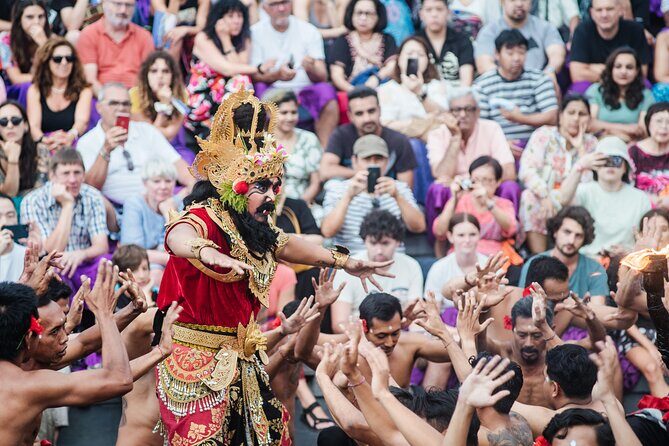
  • Kecak and Fire is a human-voice “orchestra” performance set in an outdoor amphitheatre with waves down below
  • Small group (max 5) helps you get real attention from your guide, not just a stamp on your ticket
  • Strict dress code and monkey awareness are non-negotiable on-site
  • The “skip-the-line” effect is often more about smoother entry than total freedom from crowds

Why 4:00 pm at Uluwatu Feels Like the Right Choice

Skip The Line Tour: Uluwatu Temple and Kecak Fire Dance Tour – Half Day - Why 4:00 pm at Uluwatu Feels Like the Right Choice
Timing is the whole game at Uluwatu. This tour starts at 4:00 pm, which lines up nicely with Bali’s late-afternoon light. You’ll visit the temple grounds and then move into the amphitheatre area as the sky changes. That’s when Uluwatu Temple and the Kecak & Fire Dance hit hardest: the cliffside view sharpens, the ocean noise is steady, and the show has a natural rhythm as it shifts from sunset to evening.

If you’re staying in Seminyak, the half-day format is also a relief. You’re not committing to a full day of driving and waiting. Instead, you’re getting a tight hit of temple + performance in one stretch, which is exactly how I like my Bali evenings when I still want energy for dinner after.

One more smart detail: guides often help you position for the show so you spend less time wandering. A good moment matters here, because the amphitheatre is outdoors and the best seats can go fast.

Skip-the-Line at Uluwatu: What It Actually Means on the Ground

Skip The Line Tour: Uluwatu Temple and Kecak Fire Dance Tour – Half Day - Skip-the-Line at Uluwatu: What It Actually Means on the Ground
The big promise is easier entry. In practice, this kind of tour usually helps you avoid the slowest part of ticket chaos. You’ll have your entry handled through the package, and the guide helps you move at the right times.

But don’t imagine you’ll walk in like a movie extra with zero people around. The area can still get packed, and some spots feel more like crowd flow than a clean, calm line. Expect pushing and shuffling at entry and seating. If you’re nervous around crowds, keep that in mind. This isn’t a quiet temple visit.

The upside is that a guide can reduce decision fatigue. When I’m at a place like Uluwatu, I want someone to tell me where to go next and what to ignore. The tour’s value is largely that: you follow a plan, instead of guessing your way through the busiest moments.

Uluwatu Temple: Clifftop Views Plus a Real Sense of Place

Skip The Line Tour: Uluwatu Temple and Kecak Fire Dance Tour – Half Day - Uluwatu Temple: Clifftop Views Plus a Real Sense of Place
Uluwatu Temple sits about 70 meters above sea level. That height isn’t just a trivia fact. It shapes everything you see—ocean views, cliff edges, and the feeling that you’re stepping into a spiritual site on the edge of the island.

Uluwatu is one of Bali’s key temples (the tour frames it as part of the six major temples), and it’s considered a spiritual pillar for the island. With an English-speaking guide, you’ll get the main ideas without needing to hunt for explanations yourself. Then you’re given time to wander the grounds at your own pace and take photos.

Photo tip that’s worth your attention: the temple grounds are scenic from many angles, but you’ll be competing with other people for viewpoints. Your best strategy is to treat the visit as “see, learn, then move.” Don’t spend too long at one spot early, or you’ll feel rushed later when the show crowd thickens.

Dress code matters here

The tour applies a strict dress code. Clothes that reveal shoulders, underarms, back, or knees are not accepted. Plan to bring something like a sarong, scarf, or light sweater so you can cover up quickly. This is one of those places where “I’ll figure it out later” usually turns into stress at the entrance.

Watch the monkeys

Uluwatu has monkeys around the vicinity, and the tour advises keeping an eye on your belongings. That means camera bags and phones are not things you leave hanging loose. If you’re bringing gear, keep it zipped and close, and be ready for sudden attention.

The Kecak & Fire Dance: Human-Voice Rhythm and an Ocean-Backed Backdrop

Skip The Line Tour: Uluwatu Temple and Kecak Fire Dance Tour – Half Day - The Kecak & Fire Dance: Human-Voice Rhythm and an Ocean-Backed Backdrop
The Kecak & Fire Dance is the centerpiece, and it’s unlike most performances you’ll see in Bali. The tour describes the core vibe as traditional Balinese song, dance, and storytelling, delivered through an orchestra of human voices. Think rhythmic chanting and coordinated movements that build a trance-like feel, rather than a typical band concert.

You’ll watch the performance against a dramatic backdrop: the amphitheatre setting with the sunset behind the performers and the ocean below. That combination is why so many people treat Kecak as a “Bali must” moment.

Seating can make or break your comfort

Some guides are careful about where you end up. In the past, guides have helped with getting good seats, so you can actually see the show without craning your neck. Since this is outdoors, I’d rather spend 30 seconds improving seat positioning than spend the whole show squinting.

Heat and waiting are real

This performance happens in an outdoor space, and sitting or standing before it starts can feel hot. One practical take from my perspective: wear breathable clothing under your required coverage, bring water, and accept that you might wait a bit before the chanting fully kicks in. The show itself can feel long compared to some modern performances, but the point is the ritual pacing.

About “skip-the-line” and crowd pressure

Even when ticket queues are handled, you may still feel the crowd around the amphitheatre area. It can look chaotic up close: people moving in waves, standing tight, and trying to get settled. If you don’t like that feeling, arrive mentally prepared. The guide’s role becomes even more important here.

Guides, Pickups, and the Small-Group Advantage

Skip The Line Tour: Uluwatu Temple and Kecak Fire Dance Tour – Half Day - Guides, Pickups, and the Small-Group Advantage
One of the best parts of this tour model is the match between time and attention. With a max of 5 travelers, you’re more likely to get personal guidance instead of a generic script.

You’ll typically ride in an air-conditioned vehicle with hotel pickup and drop-off if you select that option in Seminyak. You’ll also get bottled water during the trip. Insurance is included, which is a quiet comfort when you’re doing evening activities that involve some walking.

Guide quality really shows in the details. Names that have come up in the field include Kadek Oka, Eddy, Donald, Dewa, Suru, and Gede Yogi. Across different experiences, the pattern is consistent: punctual pickup, clear explanations about the temple, and help dealing with monkeys near camera gear. Some guides also use route shortcuts to reduce time stuck in Bali traffic, which can be the difference between arriving early and feeling rushed.

Why English-speaking helps (even if you’re not fluent)

You’ll have an English-speaking guide, and in most cases that makes the temple context stick. If you prefer to ask questions, this setup supports that. If you’re sensitive to language barriers, I’d say pick the small-group option if it’s available, because your guide will have more time to communicate clearly and correct misunderstandings fast.

Transportation and Timing: Getting There Without Losing the Moment

Skip The Line Tour: Uluwatu Temple and Kecak Fire Dance Tour – Half Day - Transportation and Timing: Getting There Without Losing the Moment
Uluwatu evenings live or die by arrival time. Late starts can shrink your photo opportunities and shorten temple time. That’s why hotel pickup and punctual driving are more than perks—they protect your experience.

This tour runs about 5 hours starting at 4:00 pm. That schedule usually gives you:

  • time at the temple grounds for learning and photos
  • time to settle near the amphitheatre
  • the sunset-to-night progression of the Kecak & Fire Dance

Also, since this is near public transportation, you’ll find it easier to adjust plans if you decide to meet at the temple instead of doing pickup (when that option is offered). But pickup is often the stress-reducer for evening tours.

Price and Value: Is $32 Worth It?

Skip The Line Tour: Uluwatu Temple and Kecak Fire Dance Tour – Half Day - Price and Value: Is $32 Worth It?
$32 per person can look like a bargain if you compare it to the cost of entry tickets plus an afternoon of logistics. This package usually includes:

  • entrance fees for the temple (IDR 60K)
  • entrance fees for the dance performance (IDR 150K)
  • an English-speaking guide
  • air-conditioned vehicle
  • bottled water
  • and insurance

When you add up the typical “you’re paying for convenience” category—driver, guide, and entry handled—this starts making sense for a short, high-impact outing. You’re paying so you don’t have to coordinate transportation, find the right entrances, or figure out what to do first when the area is crowded.

Where value can vary is the crowd experience. If you’re expecting a totally empty “skip,” you might feel let down. If you’re okay with some pushing and shuffling, the package often feels like it buys you smoother navigation and time efficiency.

Who This Tour Fits Best (and Who Might Not Love It)

Skip The Line Tour: Uluwatu Temple and Kecak Fire Dance Tour – Half Day - Who This Tour Fits Best (and Who Might Not Love It)
I think this tour is a smart match if you:

  • want the Uluwatu Temple + Kecak combo without planning logistics
  • care about sunset timing and a scenic evening payoff
  • like a guide to explain what you’re seeing
  • prefer a small group (max 5 travelers) over a bigger bus crowd

I’d consider skipping or adjusting expectations if you:

  • strongly dislike crowds and tight seating areas
  • are very uncomfortable around monkeys and want a more controlled setting (you’ll still be near monkey zones, and you’ll need to manage your belongings)
  • want the option to stay longer at the temple or take a slower pace, because this is a set, time-bound plan
  • expect a modern, polished performance style rather than a traditional chanting-and-storytelling format

Should You Book This Uluwatu and Kecak Half Day?

If your goal is a classic Bali sunset evening with temple views and the Kecak fire performance, I’d book this. The best reason is simple: the timing at 4:00 pm gives you the natural arc from temple light to night show, and the guide plus included entry helps you avoid a lot of friction.

My “yes” comes with two practical rules:

1) Bring the right cover-up for the dress code so you don’t get stopped.

2) Treat your phone and camera like it’s valuable cargo near monkeys.

Do those, and this half-day tour is a great value way to experience Uluwatu without turning your evening into a logistics puzzle.

FAQ

What time does the tour start?

The tour starts at 4:00 pm.

How long is the tour?

The duration is approximately 5 hours.

Is hotel pickup included?

Hotel pickup and drop-off are included if you select that option. You can also meet at the temple depending on the option chosen.

Are entrance fees for the temple and dance included?

Yes. Entrance fees are included in the package (Uluwatu Temple IDR 60K and the dance performance IDR 150K).

What is the dress code?

Dress is strict. Clothes revealing the shoulders, underarms, back, and knees are not allowed. Bring a sarong/scarf/sweater to cover up.

What should I do about monkeys?

There are monkeys in the vicinity. Keep a watchful eye on your possessions, especially items like cameras and phones.

FAQ

What happens if the weather is bad?

This experience requires good weather. If it’s canceled due to poor weather, you’ll be offered a different date or a full refund.

Is it free to cancel?

Yes, cancellation is free. You can cancel up to 24 hours in advance for a full refund.

How many people are in a group?

This tour/activity has a maximum of 5 travelers.

Skip the Line Tirta Empul Temple Entrance Ticket All Inclusive

Skip the Line Tirta Empul Temple Entrance Ticket All Inclusive - Skip-the-line entry: what you can expect and what to plan for

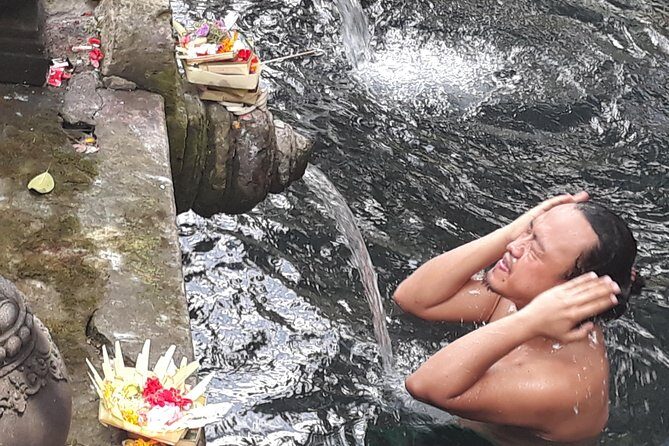
A cleansing ritual in Ubud. Tirta Empul is one of those places where your visit turns into a real Balinese Hindu moment, not just sightseeing. I like that the package pairs skip-the-line entry with a guide escort, so you spend less time guessing and more time following along. One drawback to note: the total day can run longer than the 1 to 3 hour estimate, since round-trip driving time from Ubud adds up.

I also like the practical comfort touches built in. Private transfers pick you up from your Ubud address and include bottled water, with Wi-Fi mentioned as part of the ride (with one complaint that it was not available as expected). And yes, there’s a clear cultural rule to plan around: women on their period are not allowed to enter the temple.

If you want a spiritual, structured visit with less hassle, this is a strong match. You’ll walk the temple grounds to the main area, then the guide helps you take part in the blessing at the holy water pools. For most people, it’s an easy way to do something meaningful in Bali without having to figure out the flow on your own.

Key highlights worth your attention

Skip the Line Tirta Empul Temple Entrance Ticket All Inclusive - Key highlights worth your attention

  • Guided blessing ritual: You’re escorted by an English-speaking professional and helped through the holy-water ceremony.
  • Temple route, not just entry: You go in from the first gate and work your way toward the main temple area.
  • Sarong and sash provided: You’re loaned traditional clothing and offerings for the ritual so you don’t scramble last minute.
  • Private pickup from Ubud: Direct transfer from your address reduces stress and navigation problems.
  • Small group size: Maximum of 14 travelers, which usually means a calmer experience.
  • Skip-the-line included: It’s sold as skip-the-line, though in practice the waiting may vary depending on how busy it is.

Why Tirta Empul feels more meaningful than a normal temple visit

Skip the Line Tirta Empul Temple Entrance Ticket All Inclusive - Why Tirta Empul feels more meaningful than a normal temple visit
Tirta Empul is famous for its sacred springs and the blessing ritual connected to them. What makes this experience different is that you’re not only looking around the complex, you’re learning the basic meaning of what you’re seeing as you move through the temple. The guide’s job is to explain Balinese Hindu beliefs and rituals while you follow the ceremony process.

You’ll get the key cultural context you need before you reach the holy water pools. That matters because the temple experience can feel a bit confusing if you arrive without any guidance, even if you’re curious and respectful. With a guide escort, you’re more likely to understand why certain steps happen where they do, and how the holy springs fit into the blessing.

I also like the pace this creates. Instead of trying to rush for photos or chase “must-see” spots, you can slow down where it counts: at the water blessing. The best part is that the ceremony doesn’t feel like an optional show you watch from the edges. It’s structured so you can participate in the ritual itself, with the proper items provided.

One more real-life note: Tirta Empul can be a place where crowds concentrate. The “skip-the-line” idea is meant to reduce friction at entry so your time at the actual holy-water part is what you remember.

Skip-the-line entry: what you can expect and what to plan for

Skip the Line Tirta Empul Temple Entrance Ticket All Inclusive - Skip-the-line entry: what you can expect and what to plan for
The ticket is marketed as skip-the-line. That’s a big promise for anyone who hates waiting around in the heat, especially when you’re on a tight Bali schedule. In the real world, “skip the line” can still mean you have moments of coordination, but the goal is clear: get you inside faster and moving toward the ceremony.

Here’s the tradeoff: the biggest time variable is not the entrance ticket. It’s the full loop of getting from Ubud to the temple and back. One review complaint (which is worth taking seriously) said the total trip took longer than the listed duration because the drive time and temple time together added up. So yes, plan to enjoy the blessing, but don’t treat 1 to 3 hours as a guaranteed total door-to-door window.

Also watch your expectations about chaos. At places like Tirta Empul, people flow in waves and directions can get confusing. That’s where the guide’s assistance becomes the real “skip-the-line” benefit. You’re less likely to waste time wandering or trying to work out where to go next.

If you’re the type who wants a clear path, this setup helps. If you’re the type who wants total freedom to wander without being guided, you may feel the schedule is a little structured. Either way, the best use of this tour is to arrive ready to follow instructions with an open mind.

The Tirta Empul blessing route and how the ceremony plays out

The experience centers on Tirta Empul Temple and the holy water blessing ritual. Your visit starts with the guide taking you through the temple complex, beginning at the first gate and moving toward the middle side and main temple area. The main area is referred to as utama mandala, so you’re not just drifting around; you’re guided toward the key ritual zone.

Once you reach the right area, the guide helps you with the participation steps. You’ll do the blessing ritual at the holy water, and part of what makes that workable for first-timers is that you’re given a sarong and sash to wear correctly for the temple. You’ll also have Hindu offerings included as part of the experience, so you aren’t hunting for supplies right at the entrance.

This is where an escort earns its keep. Many temple experiences are “easy to visit, hard to do well” because the meaning and timing aren’t obvious. With an English-speaking professional guiding you, you can ask questions during the process, and you’re more likely to understand the different holy springs and why the ritual unfolds the way it does. Reviews consistently highlight guides who explain the significance of the springs and the ceremony flow, with people praising how the guidance helped them feel prepared.

You’ll also have photo help as part of the overall experience. Several reviews mention drivers and guides taking lots of photos and being helpful around the temple walk and ceremony moments. Even if you’re comfortable taking photos, having someone manage the “where to stand, when to move” rhythm makes the visit smoother.

Keep one important rule in mind: women on their period are not allowed to visit the temple. It’s not a minor detail, so check your timing before you book.

Private pickup from your Ubud address (and the reality of time)

Skip the Line Tirta Empul Temple Entrance Ticket All Inclusive - Private pickup from your Ubud address (and the reality of time)
One of the biggest practical advantages here is the round-trip private transfers from your Ubud address. That means you’re not relying on public transit, trying to coordinate rideshares, or negotiating routes with strangers. You also get complimentary pickup and drop-off from the lobby hotel area, and you’re asked to provide your exact location for the service.

Your ride includes onboard Wi-Fi as listed, and it also includes bottled water. That can be a comfort win because the trip is easier when you’re not dehydrating or scrambling for a snack. That said, the inclusion can be a little messy in real life. One unhappy review said Wi-Fi in the car was not actually provided as expected. The provider response in the info you were given also points out that temple area Wi-Fi is always online 24 hours, so if Wi-Fi is a must, treat it as something to use at the temple rather than something you can count on inside the car.

What about timing? The tour is listed at 1 to 3 hours. But the drive from Ubud and the return can stretch the experience for some schedules, especially if you’re trying to hit other plans afterward. If your day is packed, leave a buffer. If you’re going to be relaxed and flexible, this tour can fit nicely because the temple part is the star.

A small group size (maximum 14 travelers) also helps reduce the “lost in the crowd” feeling. You’ll be with others, but it’s not the massive bus energy that makes ceremonies feel rushed.

What’s included, and why those items matter for first-timers

Skip the Line Tirta Empul Temple Entrance Ticket All Inclusive - What’s included, and why those items matter for first-timers
Let’s talk value in terms of friction. This tour includes more than a ticket. You get entry to Tirta Empul, guidance in English, and the ritual supplies you need to participate: sarong and sash loan, plus Hindu offerings.

Here’s why that matters. Tirta Empul is a working sacred site with rules about attire and ritual behavior. If you show up without the proper clothing or don’t know what to do with offerings, you lose time and confidence. The package removes those barriers so you can focus on the ceremony itself.

The guide escort also makes the experience more usable for visitors who don’t know how Balinese temples handle flow. Several reviews mention feeling less rushed and more able to focus on prayer and cleansing, with guides answering questions and guiding people where to go. Even if you’re comfortable traveling independently, this is the kind of place where a little structured support makes a big difference.

Also, the private transfer option is part of what you’re paying for. Ubud base-to-temple and back can be handled easily with a driver and clear timing, which is a real benefit if you don’t want to coordinate transportation on your own. Plus, you’re starting from your address, not guessing which pickup point is correct.

One more inclusion that helps: bottled water. It sounds small, but Bali heat and walking can add up fast. Having water handled for you keeps your attention on the ritual rather than on logistics.

Price value: is $29.54 per person a good deal?

Skip the Line Tirta Empul Temple Entrance Ticket All Inclusive - Price value: is $29.54 per person a good deal?
At $29.54 per person, the value comes from bundling several things that would cost you money and time separately. You’re getting:

  • Tirta Empul admission
  • Skip-the-line entry (as sold)
  • English escort and blessing ritual guidance
  • Sarong and sash loan
  • Hindu offerings
  • Round-trip private transfers from Ubud
  • Bottled water
  • Wi-Fi listed as onboard

If you were to arrange transport and buy entry separately, you’d likely spend more and still lack the “how do I do this correctly” support. That guidance is especially valuable at sacred sites, where the difference between a good visit and a frustrating one is often about understanding the flow and respecting the rules.

The main value risk is time. If your schedule is strict, you need to plan for possible extra hours beyond the 1 to 3 hour estimate. So I’d think of this as a “morning/early afternoon spiritual slot” rather than something to cram tightly into the middle of a multi-stop itinerary.

Price-wise, it looks competitive given the included private transfers and ritual participation items. It’s a strong option if you’re in Ubud and want a meaningful experience without turning your day into a logistics puzzle.

Who should book this Tirta Empul ticket package

Skip the Line Tirta Empul Temple Entrance Ticket All Inclusive - Who should book this Tirta Empul ticket package
I’d point you toward this tour if you want a more guided, participation-based temple visit. It’s a good fit for first-timers who want a clear ceremony path, people who like understanding what they’re seeing, and anyone who prefers private pickup over figuring out transport.

It’s also a solid choice if you’re the kind of traveler who appreciates help with temple navigation. Reviews highlight that some parts of the temple experience can feel chaotic, and having someone knowledgeable to guide you makes the visit feel calmer and more respectful.

You should think twice if timing is extremely tight. Between drive time from Ubud and the temple ritual itself, the experience may take longer than the headline duration. Also think twice if you fall under the temple’s restriction: women on their period are not allowed to visit.

One more “fit” detail: group size is capped at 14. That’s large enough to feel social if you want company, but small enough that you’re not in a huge crowd managed by strangers.

Should you book this Tirta Empul skip-the-line package?

Skip the Line Tirta Empul Temple Entrance Ticket All Inclusive - Should you book this Tirta Empul skip-the-line package?
If you’re doing Bali and you want one deeply cultural, spiritually focused stop, I’d book this. The combination of private transfers, English guide escort, and ritual supplies (sarong, sash, offerings) removes the most common problems at sacred sites: outfit confusion, unclear ceremony steps, and wasted time.

Just book it with realistic timing. Treat the 1 to 3 hour number as a guideline for the temple-focused portion, not a guaranteed door-to-door timeframe. If you give yourself breathing room, the experience becomes exactly what it promises: a structured way to take part in the Tirta Empul holy-water blessing ritual without turning your day into a scavenger hunt.

FAQ

What does the Tirta Empul ticket include?

It includes skip-the-line entry to Tirta Empul Temple, admission, a blessing ritual experience, Hindu offerings, and the loan of a Balinese sarong and sash. It also includes round-trip private transfers from your Ubud address, plus bottled water and Wi-Fi listed as part of the experience.

Is pickup and drop-off included?

Yes. Complimentary pickup and drop-off are offered from your lobby hotel, and you need to inform the operator of your hotel/villa/apartment location prior to the start of the tour.

How long does the experience take?

The experience is listed as approximately 1 to 3 hours.

Is the tour really skip-the-line?

It is sold as skip-the-line entry. In practice, the exact level of waiting can vary depending on how busy the temple area is.

Are there any restrictions for entry?

Women on their period are not allowed to visit the temple.

How many people are in the group?

The tour has a maximum of 14 travelers.

What’s the cancellation policy?

Free cancellation is available up to 24 hours in advance of the experience for a full refund. If you cancel less than 24 hours before the start time, the amount paid will not be refunded.