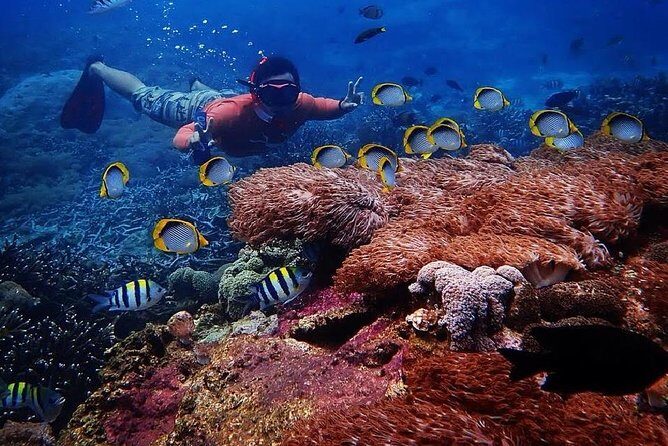
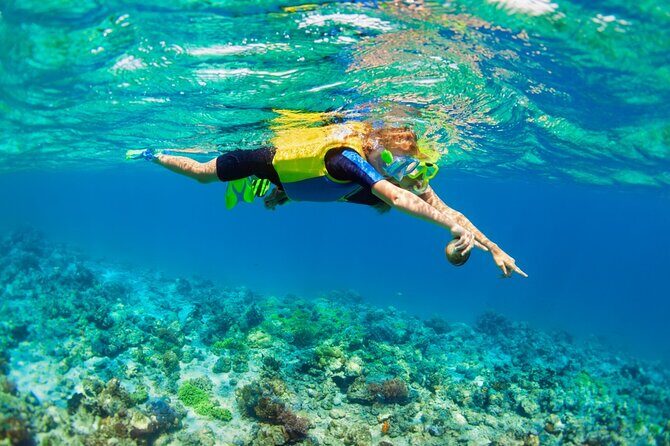
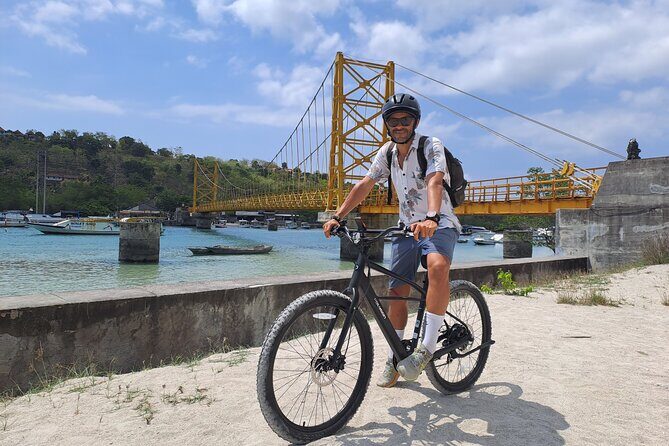
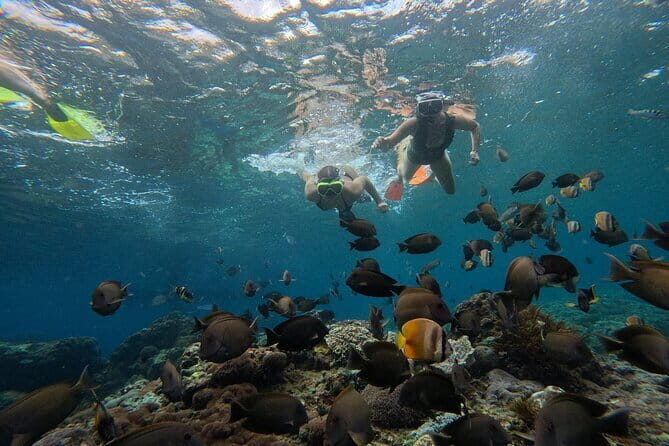
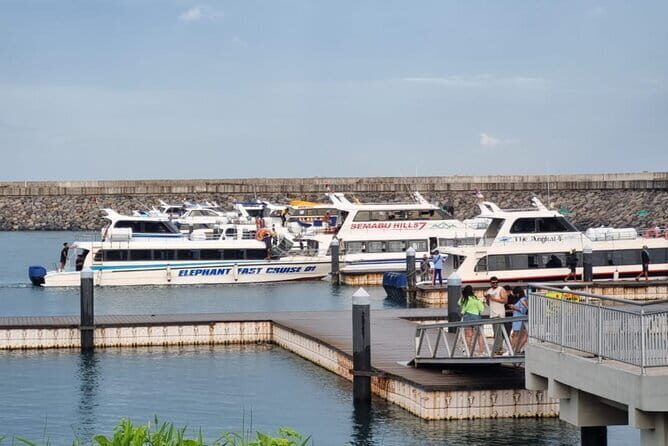
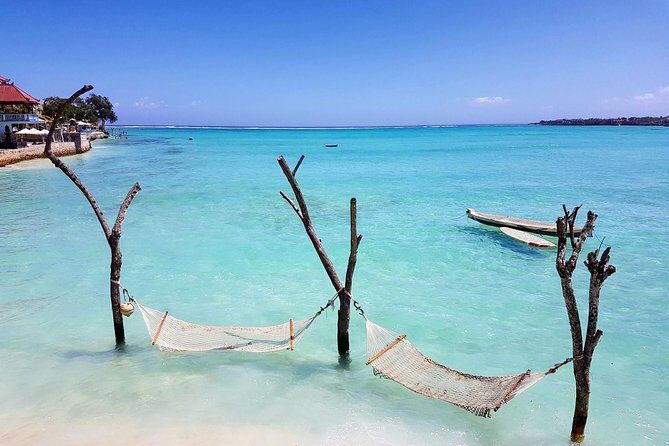
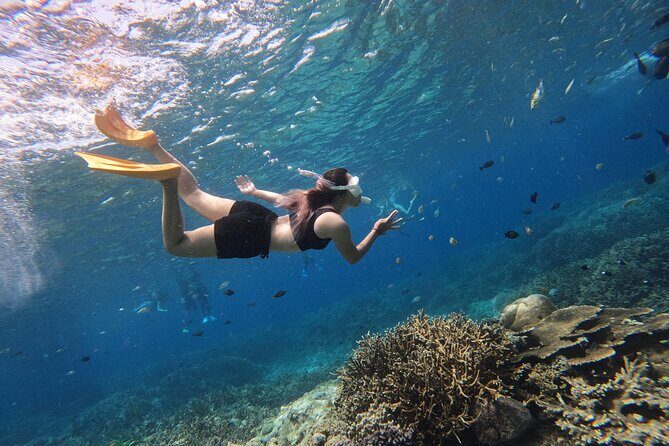
First big watery step? Good. This 2-day SSI Advanced Open Water course in Nusa Lembongan is built to take you from basic comfort to real skill under supervision, with five training sessions spread across different local sites. I like that it is less theory-heavy (the instruction style is described as more mellow than the Open Water course) and more about doing the right tasks in the water, with an instructor watching your technique closely.
My second favorite part is how the program nudges you toward practical skills you will use right away: deeper dive planning, managing the body’s changes at depth, and underwater navigation with compass plus time and visual cues. The one possible drawback is that it is physically and mentally demanding—good focus helps—and it requires you to already be Open Water certified before you can start.
Key Points You’ll Actually Care About
- 5 training sessions in 2 days: enough variety to move your skills forward without dragging it out.
- Up to 30 meters / 100 feet certification goal: you learn how to handle deeper conditions safely under instructor guidance.
- Underwater navigation with a compass: not just theory—practice using kick cycles, landmarks, and time.
- Specialty options are real choices: you pick from topics like photography, buoyancy control, fish ID, or exploring wrecks.
- Small group size (max 5): you’re less likely to get lost in the shuffle.
- Comfort-forward center setup: Wi-Fi, lockers, showers, and a place to recover between sessions.
Advanced Open Water in Lembongan: What You Get in 2 Days
This course is designed to be a step-change, not a repeat of your first certification. You already have the basics; now you refine skills, build comfort at greater depth, and learn how to plan and execute more complex underwater work with an instructor nearby.
You’ll complete five training sessions total, including one focused on deep planning and the body’s responses at depth, one centered on navigation, and three more where you can lean into what you actually care about—skills like better buoyancy, photo technique, fish identification, or wreck exploration basics (depending on what you choose and what the instructor offers from the available adventure options).
The atmosphere is intentionally less theory-crowded than the earlier Open Water course. You’ll still do some studying, but the emphasis stays on controlled practice—so you leave with muscle memory, not just notes.
Who This Course Fits Best (and Who Might Want to Wait)

You need Open Water certification first. If you just finished your first course, this one is a natural next step because it’s built for progression: more confidence, more supervision, and a clearer path to specialty training later.
You also want at least moderate physical fitness. Nothing in the info screams “athlete-only,” but you should be comfortable with basic exertion, getting in and out of the water, and concentrating while you work through new skills.
If you’re the type who learns faster by doing, you’ll probably enjoy this. And if you’re the type who worries in silence, that’s also fine—this course is staffed with certified instructors, and you’ll get direct feedback while you practice.
Deep Planning and Navigation Skills That Actually Pay Off

The course is structured around two big skill blocks, and they’re the reason most people feel a real jump after completing Advanced Open Water.
Deep Adventure Session: Plan, Then Execute
In the deeper-focused training session, you learn how to plan underwater work more carefully. The goal is to understand how depth affects you physiologically, then use that understanding to make better decisions during the session. That’s the difference between feeling “I can handle it” and knowing why and how to handle it.
You’re aiming for certification capability close to 30 meters / 100 feet, so you should be ready for the mental switch from “new depth” to “systems thinking.” It’s not about going as deep as possible—it’s about learning to stay in control.
Underwater Navigation Session: Compass Without Guessing
Your navigation session teaches compass use underwater, and it goes beyond simple direction changes. You practice using kick cycles (so you don’t drift), visual landmarks (so you can confirm your path), and time (so you can keep your route consistent even when visibility isn’t perfect).
This is the skill that changes the kind of routes you can do afterward. Once you can navigate with purpose, you stop feeling like the site is only for people who have done it a hundred times already.
Three More Specialty Options (Pick What Matches Your Mood)
You’ll also complete three additional skills areas based on your preferences. The examples provided include:
- photography
- buoyancy control
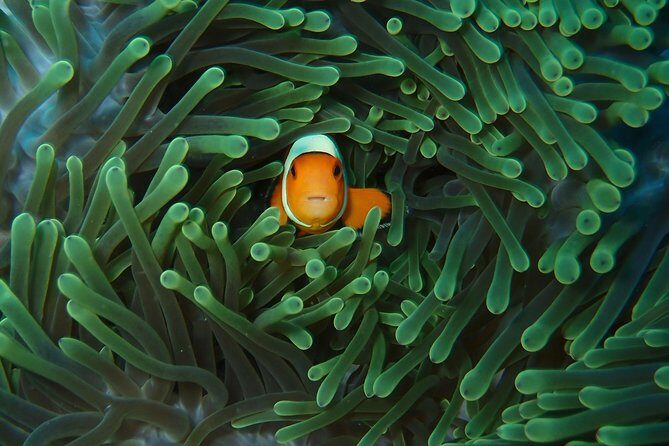
- fish identification
- exploring wrecks
I like this part because it makes the course feel personal. Instead of “here’s the curriculum, deal with it,” you get to steer toward what makes you curious.
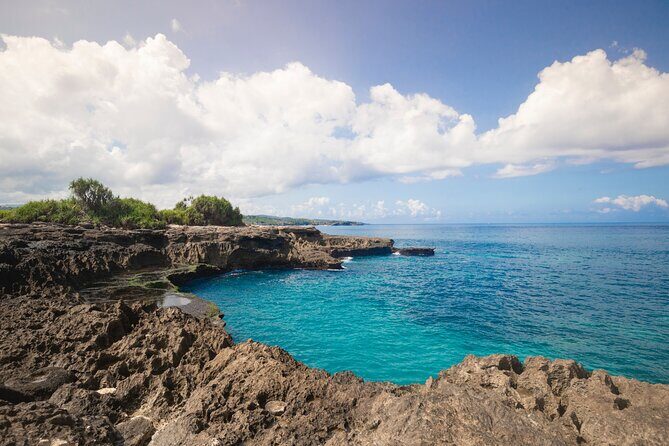
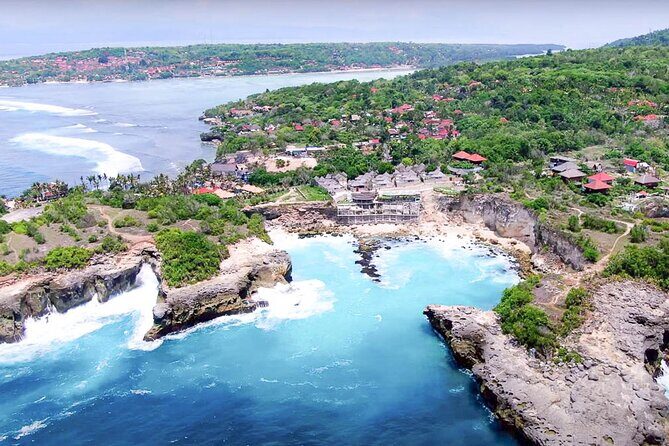
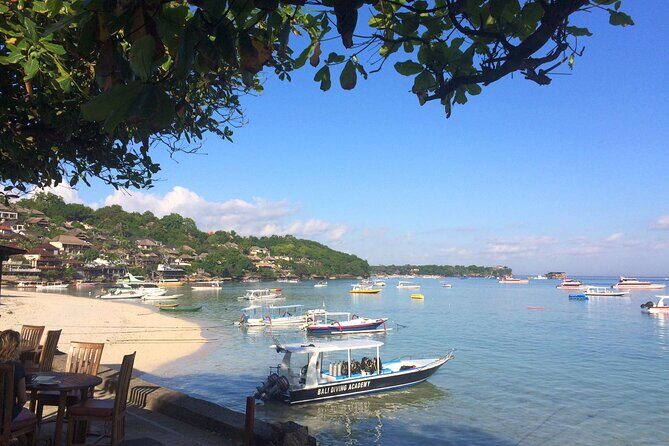
The Training Stops Around Nusa Lembongan: Why These Sites Matter

You’ll move around the island area during the two days. That matters because each site tends to feel different underwater, and you get a more realistic picture of how your skills translate across conditions.
Crystal Bay: Building Comfort in a Familiar Pattern
Crystal Bay is one of the main stops. Practically, it’s a great place to work on consistent technique and calm decision-making before you stack more skills on top.
If you’re someone who needs a couple of repetitions to settle in, this is likely to help. You’ll still be learning, but you can focus on staying relaxed and controlled.
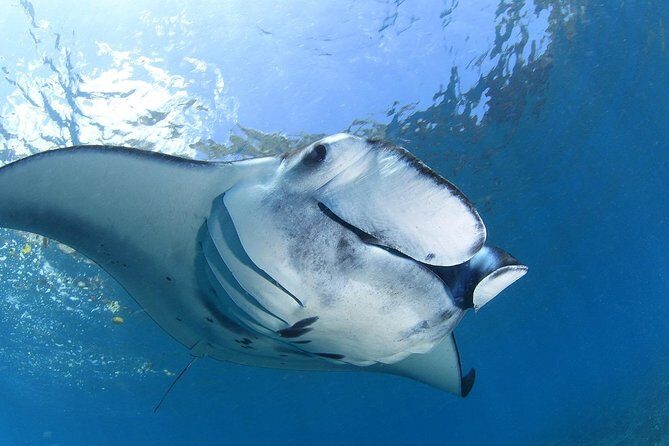
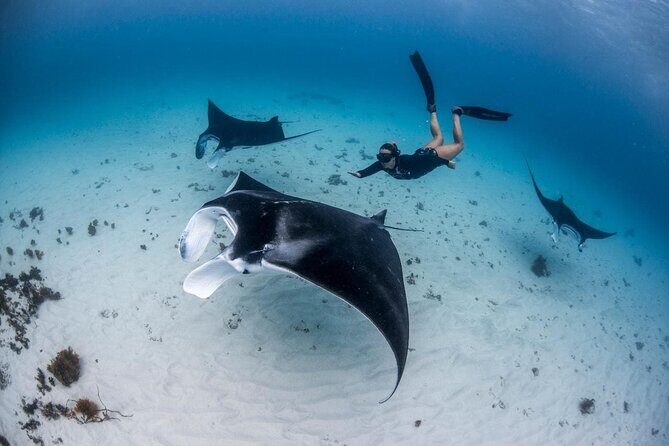
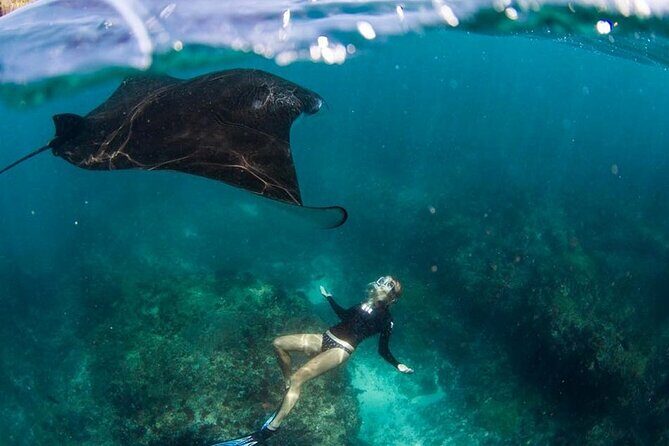
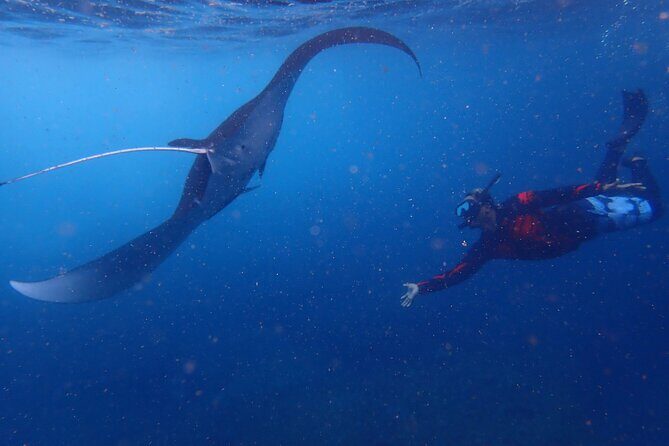
Manta Point: A Big-Name Stop With Big Expectations
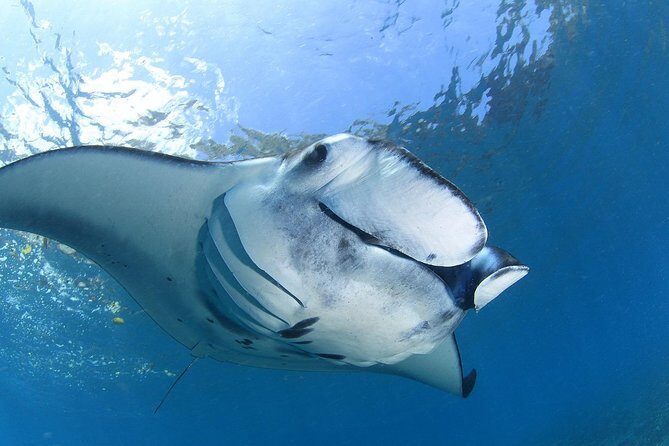
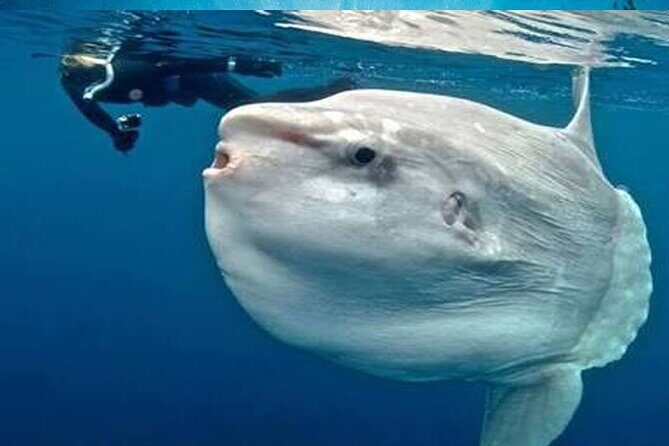
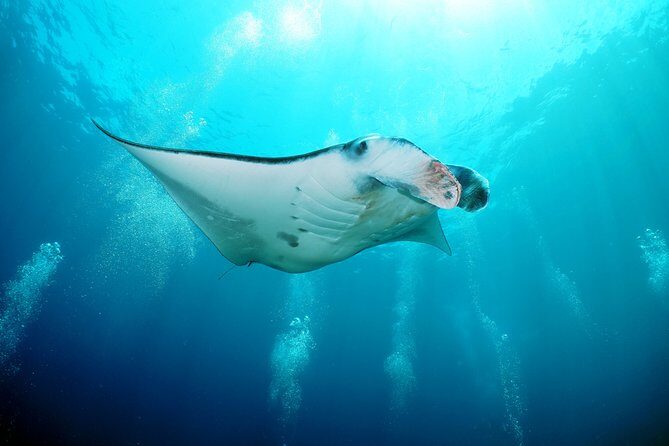
“Manta Point” is on the schedule, and the name alone sets the tone: you’re in an area people associate with larger marine life. Just keep expectations flexible—seeing a specific animal is never guaranteed.
Still, it’s a strong choice for building excitement and keeping your motivation high during the more technical training parts.
Mangrove Point: Different Underwater Feel, Different Challenges
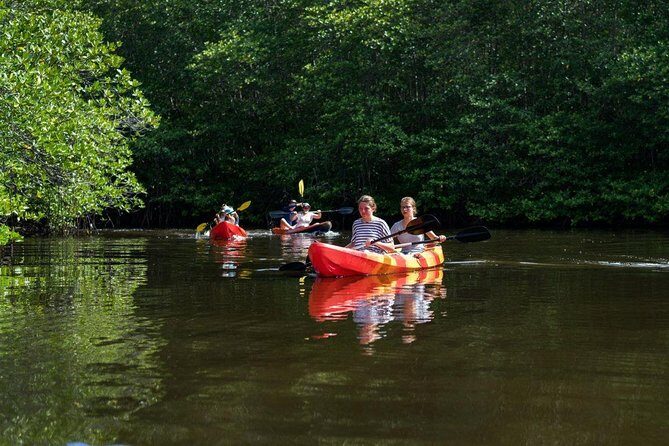
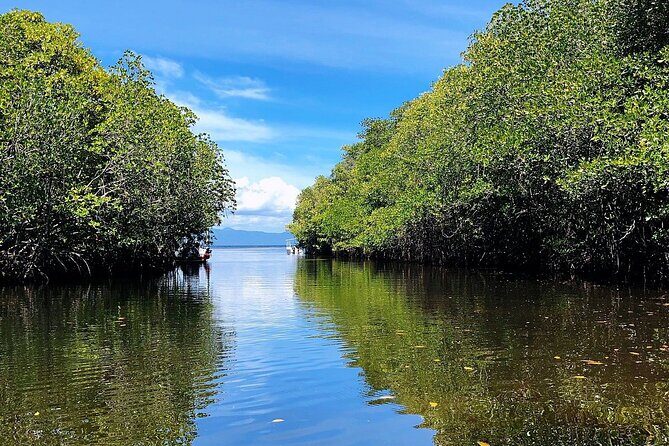
Mangrove Point at Nusa Lembongan is another scheduled stop. Mangroves often create a different underwater rhythm—think structure, changing lines of sight, and the need to stay precise with your movement.
That’s helpful for your navigation and buoyancy work, because small corrections matter when you’re close to structure or dealing with variable visibility.
Toyapakeh: A Workshop-Style Set of Sessions
Toyapakeh is included as a training location. In real terms, it’s another chance to reinforce your skills with repetition: controlled movement, steady buoyancy, and working through the tasks you practiced earlier.
This stop helps your brain connect the dots: the course isn’t just five unrelated sessions—it becomes a skill ladder.
Jungut Batu Beach: Ending Where It Feels Easy
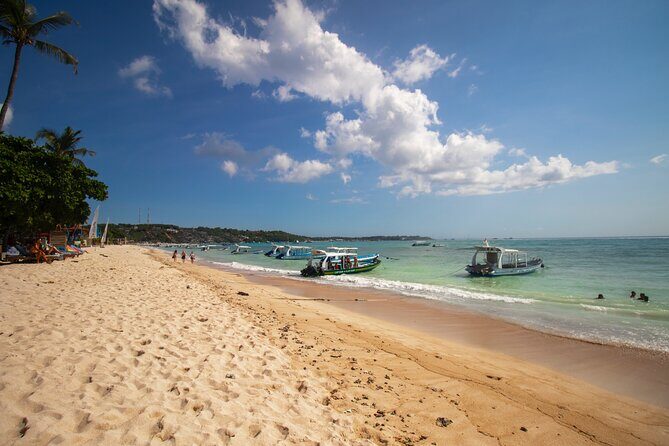
Jungut Batu Beach rounds out the set. Ending near a more central area usually helps you transition back to surface time without stress.
It’s also a good moment to reflect: did your buoyancy improve? Are your compass checks more automatic? Do you feel calmer planning your next segment?
Small Group Energy and Instructor Quality (Valentin, Kaka, Hugo, Sara, Silvère)

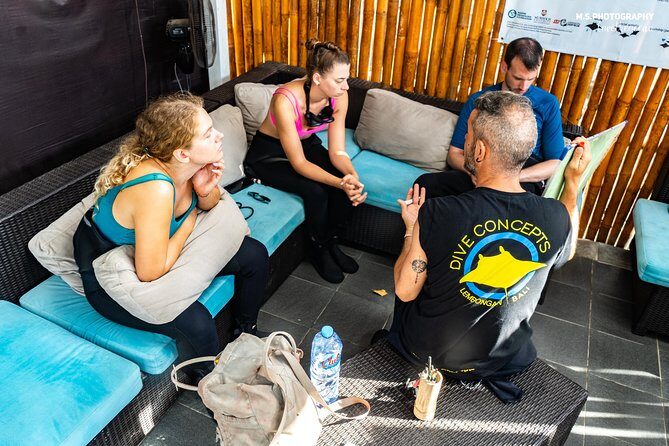
A max group size of 5 travelers is a big deal in a course like this. When the group stays small, your instructor can spend more time with you instead of splitting attention.
From the instructor names connected to the course, you get a clear pattern: people highlight professionalism and patience. Names you’ll see associated with excellent teaching include Valentin, Kaka, Hugo, Sara, and Silvère—each called out for being careful, warm, and focused on making you feel safe while you learn.
I especially like instructors who correct technique without shaming you. In a skills-forward course, you want honest feedback with a calm tone—so you actually improve instead of freezing up.
Gear Included, Comfort On-Site, and What That Means for You

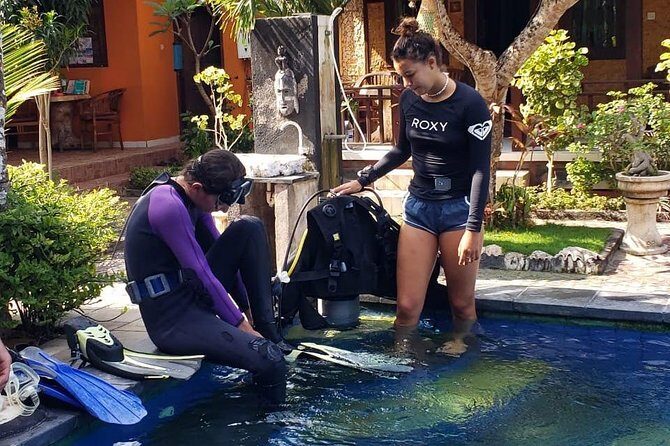
Equipment is included: masks, snorkel, fins, buoyancy control jacket, regulator, wetsuit, weight belt, and the other required instruments. That’s a real value point because rental shopping can be a hassle, and it adds hidden costs.
On-site facilities include Wi-Fi, toilet, shower, lockers, and a change room. There’s also a restaurant on site, but that’s for your own expense.
This setup matters more than people think. After a couple of concentrated underwater sessions, you want a place to rinse, change, and reset quickly. Good recovery time helps you learn better the second day.
Price Check: Is $431.28 a Good Value for a 2-Day Course?

At $431.28 per person for roughly two days, this isn’t a bargain course, but it also doesn’t feel overpriced for what’s included. You’re paying for certified instruction, structured progression to SSI Advanced Open Water outcomes, and gear you don’t have to source separately.
Because the course is only two days with five training sessions, you also avoid the cost of a long “sit and wait” schedule. In a small group model, you’re less likely to feel like you’re paying for time that isn’t getting used well.
If you’re comparing options, I’d focus on three value levers:
- how many sessions you get in the package (here, five)
- whether gear is included (it is)
- how much instructor attention you can realistically expect (the max group size helps)
Weather, Timing, and Staying Flexible Without Stress
This experience requires good weather. That’s not a small footnote—it’s how you keep the training safe and the schedule sane.
Your best approach is to plan your Bali-side days with breathing room. If the water is too rough or conditions aren’t right, the operator may offer a different date or a refund rather than pushing forward into unsafe conditions.
You’ll also be in a schedule window that runs daily from morning until evening, which generally gives room for two-day momentum. Still, you should expect that surface conditions control the exact flow more than any paper timetable.
Should You Book This Advanced Course in Nusa Lembongan?
Book it if you want a structured next step after Open Water and you care about practical skills: deeper planning, navigation with compass support, and choosing specialty topics that match your interests. The small group limit and the strong emphasis on instructor presence are the kind of factors that make a course feel worth your time and money.
Skip or postpone if you’re not ready for increased responsibility at depth. You don’t need to be athletic, but you do need focus, patience, and comfort with learning new systems quickly.
If you’re chasing one thing—better control underwater and more confident planning—this is a solid route. You’ll leave with skills you can use right away, and you’ll understand how to keep your head clear when the water gets more challenging.
FAQ
Do I need Open Water certification before I can join this course?
Yes. To qualify for the Advanced Open Water certification, you must already be Open Water certified.
What certification depth does this course prepare you for?
The course is designed to certify you to dive to depths up to 100 feet (30 meters) with SSI.
How long is the course?
It runs for 2 days (approximately).
How many training sessions are included?
You’ll complete five training sessions.
Is equipment included?
Yes. Masks, snorkel, fins, buoyancy control jacket, regulator, wetsuit, and a weight belt are provided, along with other necessary instruments.
What facilities are available at the dive center?
The center has Wi-Fi, lockers, toilets, shower access, and a change room.
Is accommodation included in the price?
No. Accommodation is not included, but dormitory and bungalows are available at the dive center.
Are digital photo or video souvenirs included?
No. Digital souvenir photos/videos are available for purchase, but they’re not included.
What’s the cancellation and weather approach?
Free cancellation is available if you cancel at least 24 hours before the experience starts for a full refund. The experience requires good weather; if it’s canceled due to poor conditions, you’ll be offered a different date or a full refund.