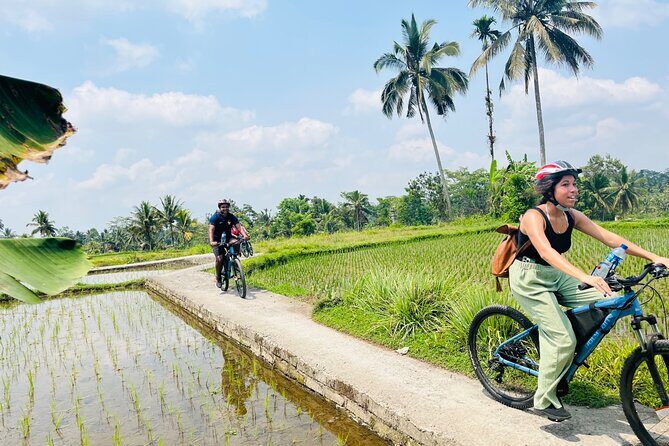
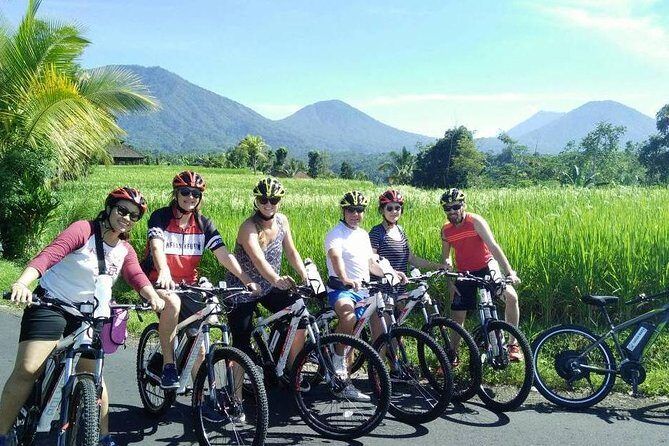
Rice fields, but with zero grind. This fat-tire electric bike tour takes you through Ubud’s countryside at an easy pace, guided by people who know how to turn narrow paths into a story. You’ll pedal when you feel like it, and let the motor do the rest on the Sok Wayah rice route.
Two things I really like about this outing are the local lunch included and the round-trip hotel transfers within Ubud. It’s also built around a simple rhythm: ride, stop for photos, learn a bit about daily life, then eat well before heading back.
One thing to keep in mind: parts of the ride can include traffic near town and tight turns on rice-field lanes, so some bike confidence helps. And even with an e-bike, uphill effort can vary depending on the exact stretch and your comfort level.
Key highlights you’ll care about

- Fat-tire stability for narrow rice paths and village lanes
- Local lunch and snacks included, so you’re not hunting food mid-ride
- Tegalalang Rice Terrace time for photos and village views
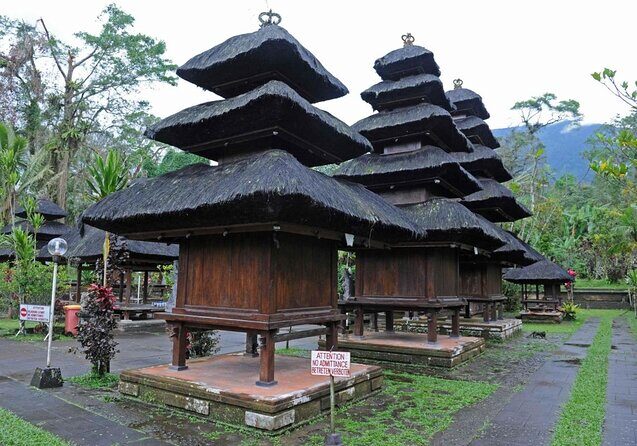
- Traditional house stop for a closer look at Balinese family life
- Small group limits (max 6 per booking, max 10 overall) for easier guiding
- Morning or afternoon departures so you can match your Ubud schedule
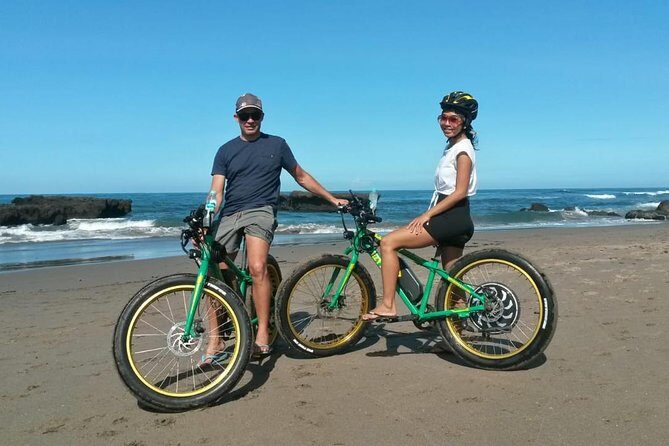
A fat-tire e-bike that actually changes how Ubud feels
.jpg)
Ubud is gorgeous, but getting to the good stuff can mean scooters, traffic stress, or hiring a driver and watching the clock. This tour handles the hard part for you: it swaps that “how do we get there” problem for a guided ride through rice country.
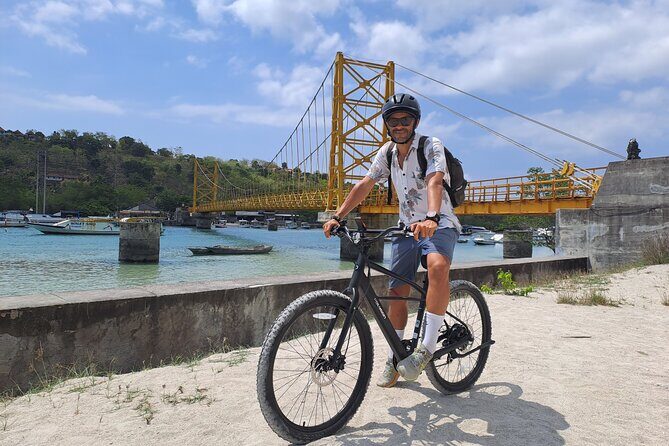
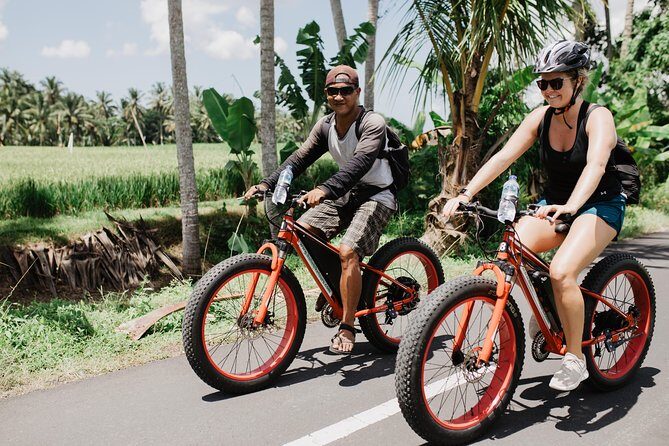
The fat-tire electric bikes matter more than they sound. Wider tires help you stay calm on uneven ground and narrow lanes, especially when the route threads through cottages, walls, and rice paddies. Then the motor makes hills less of a punishment. You still pedal for control and comfort, but you’re not stuck doing a full-on cardio workout just to reach the view.
Guides help set the tone from the start. People such as Wayan, Ketut, and Nyoman are repeatedly noted for keeping riders safe and guiding with plenty of patience, including practical tips when lanes get tight. That matters because Ubud’s roads can move fast, even if your actual rice-path time is slower and calmer.
Price and what $34 buys you in real terms
.jpg)
At $34 for about 3 hours, this is good value if you want a guided culture-and-views combo without extra costs stacking up. Here’s what’s included that normally costs money in Ubud:
- Bike rental and gear
- Local guide
- Hotel pick-up and drop-off within Ubud
- Air-conditioned vehicle
- Bottled water, snacks
- Local lunch
- A snack stop at a traditional house
- Admission Ticket Free for the experience portion
In other words, you’re not paying separately for a guide, transport, and a meal. That’s why this feels like a “one ticket, done right” activity rather than a grab-bag. It’s also a smarter use of a short visit: 3 hours is long enough to feel like you escaped the main streets, but short enough that you can still do other Ubud plans after.
Meeting point and how the ride starts in Ubud
.jpg)
The meeting point is at Puri Bebengan, Jl. Kajeng, Ubud. The tour typically begins with you getting picked up from your hotel if you’re within Ubud. After that, you meet your guide and get fitted on the bike with basic instruction.
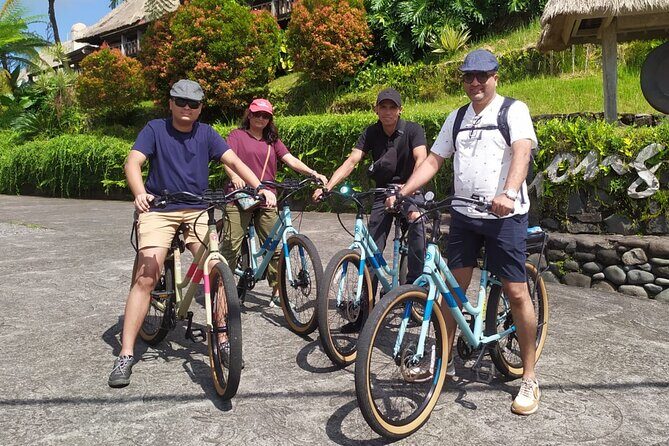
Small-group limits help here. With a maximum of 6 per booking and up to 10 travelers total, you’re less likely to feel like you’re on a mass ride where the slowest person gets punished. You also tend to get more attention at the beginning, when starting out can be the most intimidating part—especially on narrow rice-field paths.
If you’re arranging your own ride to the meeting point, it’s described as near public transportation, which is useful in Ubud where getting around can be its own mini-adventure.
How the 3-hour route flows (and why the timing works)
.jpg)
This is a classic half-day style loop: meet, gear up, ride out, stop often, then finish with food and head back.
The itinerary centers on two key ride areas:
1) the Sok Wayah paths, with cottages and rice fields, and
2) the Tegalalang Rice Terrace area for that big-photo moment.
Along the way, you’ll also get a stop at a traditional house for snacks, then finish with a meal at the company shop terrace before returning to Ubud.
The timing works because it keeps the ride from dragging. If you’re in Ubud for a few days and want one countryside activity, 3 hours is a sweet spot. It’s not so short that you mostly drive and barely cycle, and it’s not so long that you feel wrecked before dinner.
Sok Wayah rice paths: the slow magic that needs small confidence
.jpg)
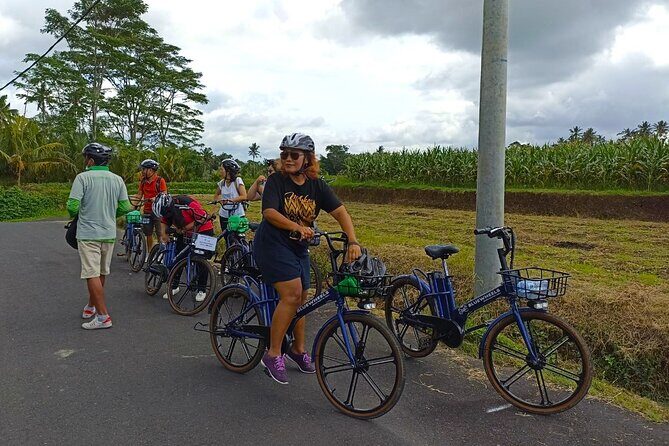
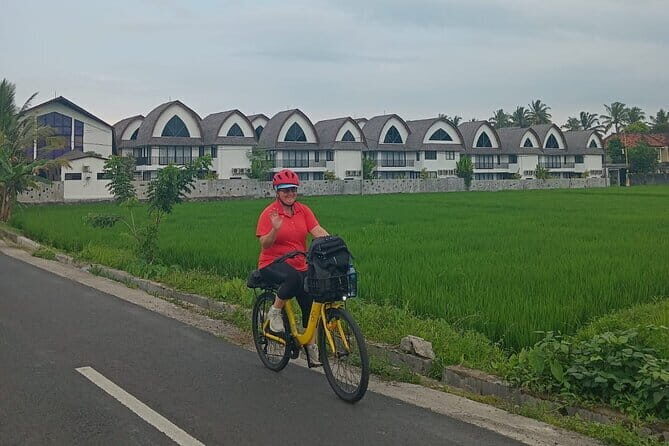
The heart of the experience is riding through the Sok Wayah rice field path, where the route snakes around lush paddies and nearby homes. This is the part that feels most “Bali” in day-to-day terms, not just postcard terms.
What you’ll likely notice fast:
- narrow lanes where you must pay attention
- photo stops that break up the ride so you can actually look
- guide narration that connects what you see to how people live
Sok Wayah is also the area where calm riding habits matter most. Even with the motor assisting, tight turns and uneven edges can feel tricky at first. One key caution: the beginning can be the hardest moment while you get used to balancing on the bike. Once you find a rhythm—slow, steady, watching the line—it gets easier.
Also, you should expect some road time. Guides supervise riding near traffic, and when a group is mixed, having experienced leads helps the ride stay orderly. If you’re the type who gets anxious around motorbikes and cars, arrive with patience and keep your focus on the guide’s pace.
Tegalalang Rice Terrace: the photo stop with built-in context
.jpg)
At Tegalalang Rice Terrace, you get a break to see the famous terracing and take pictures. The tour includes time here, plus guide storytelling that helps you understand what you’re looking at rather than just snapping and moving on.
There’s also an “admission ticket free” note for the experience portion, which is a nice bonus. You avoid that annoying moment of paying something extra at the last minute for access.
A practical tip: terraced views can tempt you into standing in one spot too long. Instead, use the stops to get a few angles, then shift position and let the guide move you along. That keeps the ride flowing and prevents you from being stuck when the group is ready to continue.
Traditional house visit: snack break plus real daily life talk
.jpg)
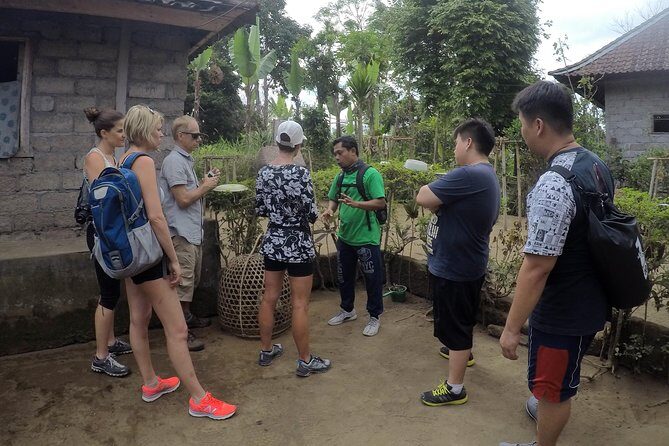
A standout part of the tour is the stop at a traditional house, paired with snacks. This is where the ride turns from scenery into people.
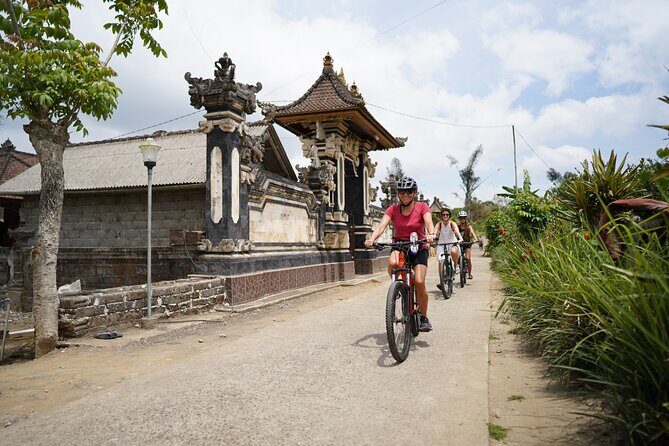
What’s valuable here is not just walking into a house—it’s the explanation. Guides talk through how a family compound works, and how neighbors and relatives share roles. This kind of stop tends to land well because it’s not abstract. You see the setting, then the guide connects it to how the household functions day to day.
It’s also a breathing moment. After time on the bike, stepping into a traditional space gives your legs a reset. Plus, it’s a chance to ask questions about daily life in Bali in a more relaxed way than on busy streets.
Lunch and the end-of-tour terrace meal
.jpg)
The tour finishes with a meal at the terrace of the company’s shop. You’ll also get local snacks and bottled water during the ride, so the timing makes sense: you’re not arriving hungry, and you’re not cycling forever before you eat.
Based on the descriptions, the food is local and served as part of the fixed plan, which reduces decision fatigue. One person specifically called out that the noodles were their best ever in Bali, which tells me this isn’t just token fuel. Even if your lunch tastes different, the structure is what makes this work: you eat after the big sights, not before, so you don’t feel like you rushed through the best parts.
After the meal, you’re taken back to your Ubud accommodation (within Ubud), wrapping up the whole experience in one smooth flow.
Safety and comfort: what to expect from the guide-led pacing
Safety is a big deal on this tour, and it shows in the way guides handle the group. Many guides named in the feedback—Wayan, Ketut, Gusti, and Suradnya Inyoman among them—are described as careful, friendly, and photo-minded while still prioritizing safety.
You’ll want to watch for a few practical moments:
- the first minutes while you learn the bike feel
- narrow rice paths where your line matters
- road segments where motorbikes and cars are present
If it rains, you might be offered help such as raincoats. That kind of backup matters in Ubud, where weather can change fast. The tour also notes that it needs good weather. If weather conditions are bad enough, you’ll be offered a different date or a full refund.
One more comfort note: the motor helps, but it isn’t a free pass. If a hill feels steep to you, use the motor modes and take your time. Even with e-bikes, riders still need to pedal for balance and control.
Who this tour fits best (and who should think twice)
This tour is designed for moderate physical fitness. “Moderate” here means you don’t need to be a cyclist, but you should be comfortable riding a bike for an extended period and handling some uneven paths.
It tends to suit:
- couples and friends who want guided countryside time
- first-timers in e-biking who want instruction and support
- people who like photos but also want a cultural stop (traditional house snack)
It may not suit you as much if:
- you dislike riding near traffic and motorbikes
- you have low comfort with narrow lanes and close turns
- you expect the motor to do all the work with zero pedaling
Also, note that some people mention an extra coffee-related stop or tasting break. If you’re not a coffee person, plan to treat it as a short diversion rather than a central event.
What to pack and how to ride smart in Ubud
For a ride like this, the goal is to stay comfortable and avoid getting stuck mid-tour. Here’s what I’d plan around based on the tour style and weather notes:
- wear breathable clothes and closed-toe shoes (you want grip on uneven lanes)
- bring a light layer for mornings or cooling breezes
- bring a small towel or wipe if you tend to get sweaty on bikes
- if rain is possible, be ready for a damp ride and pack accordingly
Most importantly: ride at the pace the guide sets. This isn’t about speed. It’s about seeing the paddies, learning a bit about life around Ubud, and staying safe on narrow paths.
Should you book this electric bike tour in Ubud?
Book it if you want a high-value Ubud experience with fat-tire e-bikes, a guided route through Sok Wayah and Tegalalang, and a real culture stop at a traditional house. The included lunch, snacks, and hotel transfers within Ubud make it feel efficient, not nickel-and-dimed.
I’d think twice if you get anxious around cars and motorbikes or if narrow paths make you nervous. In that case, you’ll still be supervised, but your comfort level matters more than with a flat, closed-course ride.
If your goal is to see more than the main streets and you like the idea of pedaling just enough to feel part of the journey, this is a solid choice for an easy half-day.
FAQ
How long is the electric bike tour?
The tour is about 3 hours.
Is lunch included in the price?
Yes. Local lunch is included in the tour price, along with snacks.
Are hotel pick-up and drop-off included?
Hotel pick-up and drop-off are included within Ubud. If you’re outside Ubud, pickup can be arranged by request.
Where does the tour start?
The start point is Puri Bebengan, Jl. Kajeng, Ubud, Bali 80571, Indonesia.
What is the physical fitness level needed?
Travelers should have a moderate physical fitness level.
How many people are in a group?
There is a maximum of 6 people per booking, and the tour has a maximum of 10 travelers.
What is the cancellation policy?
Free cancellation is available. You can cancel up to 24 hours in advance for a full refund. If it’s canceled due to poor weather, you’ll be offered a different date or a full refund.