1 Hour Mangrove Tour From Lembongan with Kayak, Paddle, or Boat

1 Hour Mangrove Tour From Lembongan with Kayak, Paddle, or Boat - The 1-hour session: what happens before and after

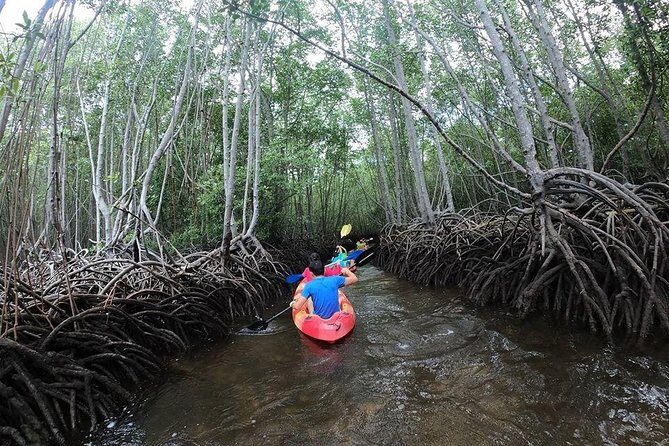
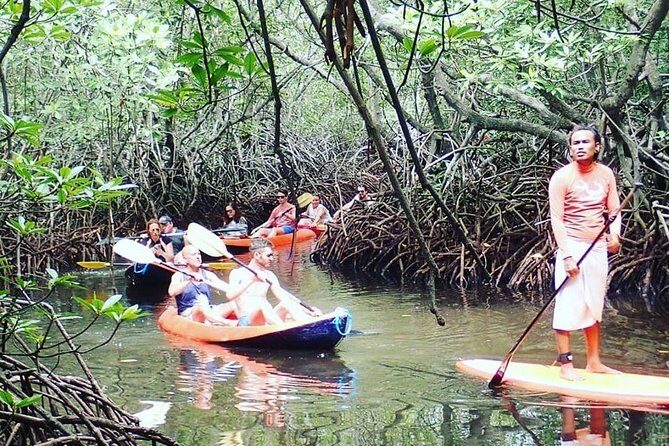
Mangroves feel different when you paddle slowly. This 1-hour kayak or SUP trip takes you into Nusa Lembongan’s mangrove ecosystem, with staff nearby for safety while you explore more independently than a big group outing. One of my favorite parts is the easy pickup and drop-off, so you do not have to rent a scooter just to try a different side of Lembongan.

You’ll also like the setup for people who just want to get on the water fast: life jackets are included, lockers are available, and a staff member keeps an eye on things while you paddle. The main catch to keep in mind is that the timing can vary a bit in practice, with some runs feeling shorter or longer than the stated 1 hour.

Key things to know before you go
1 Hour Mangrove Tour From Lembongan with Kayak, Paddle, or Boat - Key things to know before you go

  • Hotel or Yellow Bridge pickup/drop-off saves you from scooter logistics across Nusa Lembongan and Nusa Ceningan.
  • Kayak or SUP for about 1 hour gives you a focused slice of the mangroves without a half-day commitment.
  • Safety gear and supervision included, including life jackets and staff watching from nearby.
  • Wildlife spotting can be a highlight, including starfish and other small marine life you may see along the way.
  • Bottled water is not included, so plan to grab water before or after if you need it.

Mangrove paddling on Lembongan’s own schedule

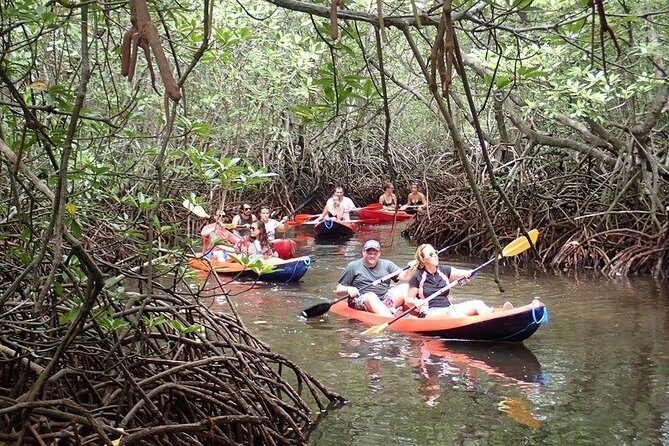
This tour is built around a simple idea: the mangroves are best experienced at human speed. When you’re in a kayak or on a stand-up paddleboard, you move quietly through the mangrove roots and shallow water channels, and the whole area feels less like scenery and more like a working ecosystem.

The time window matters here. You’re not signing up for a long day where you’re just trying to make the next transfer. Instead, you get about 1 hour on the water, which is ideal if you’re already bouncing around Nusa Lembongan and just want one “active nature” stop that fits cleanly into your day.

And yes, the mangroves are the point. Even if you only have basic familiarity with them, being down there—close enough to notice changes in the water and the way mangrove roots form natural barriers—tends to make the whole place click. One reason I like this format is that it supports your curiosity: you can pause to look, slow down, and paddle through the sections that feel interesting, without someone constantly redirecting your pace.

Pickup that saves you from scooter math
1 Hour Mangrove Tour From Lembongan with Kayak, Paddle, or Boat - Pickup that saves you from scooter math
Unless you truly love driving a scooter in traffic, the pickup part is a big deal. This experience offers two-way transfers from across Nusa Lembongan, and it can also work if you’re staying on Nusa Ceningan by meeting at the Yellow Bridge.

That means you can spend your energy on the water, not on figuring out routes, parking, or whether you’re going to arrive sweaty and stressed. It also makes it easier for couples who want to do something outdoorsy without turning the day into logistics.

You also have two ways to start:

  • You can be picked up at your hotel.
  • Or you can meet directly at Lembongan watersport at Mangrove Beach in Jungutbatu.

Either way, the tour ends back at the starting meeting point, so you’re not stranded in a random corner of the island.

One practical touch: you get a mobile ticket, which usually makes it quicker at check-in when you’re moving between activities.

The 1-hour session: what happens before and after
1 Hour Mangrove Tour From Lembongan with Kayak, Paddle, or Boat - The 1-hour session: what happens before and after
Here’s the rhythm you should expect, and how to think about it as a first-timer.

First, you arrive at the watersport base at Mangrove Beach, Jungutbatu. If you’re using the transfer, the pickup brings you there. You’ll then get access to the equipment and basic support—think quick orientation and getting you geared up rather than a long lecture.

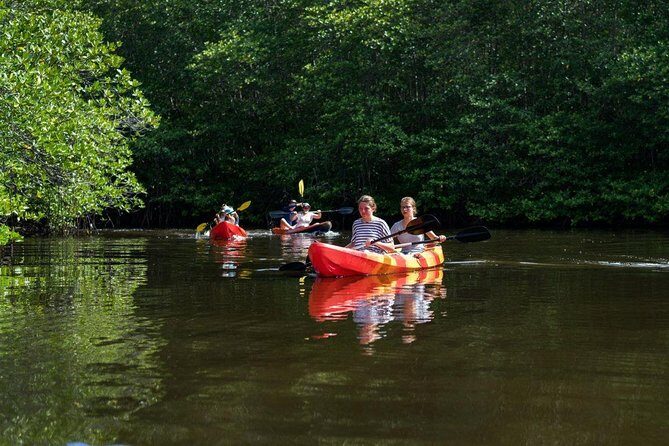
Next comes your paddle time. You’ll use a kayak or a paddleboard for the allotted period while a staff member keeps safety watch. You do not need to be a strong athlete to participate, since the activity is built for “steady paddling” rather than racing.

Then you head back to the start area and your tour ends right where you began.

Now for the reality check: the duration can shift. The tour is marketed as about 1 hour, but timing can feel different depending on conditions and route flow. Some setups have run shorter than expected, while other experiences have lasted longer than an hour. My advice is to treat the hour as a target, not a strict stopwatch promise. If you’re stacking activities on a tight schedule, leave extra buffer so the mangroves don’t derail your next stop.

Kayak vs SUP: choose your stability level

You can do this on either a kayak or an SUP. The choice comes down to balance and how you want to move.

  • Kayak: More stable for many people, especially if you want to focus on looking around. You can glide and turn without balancing in the same way as SUP.
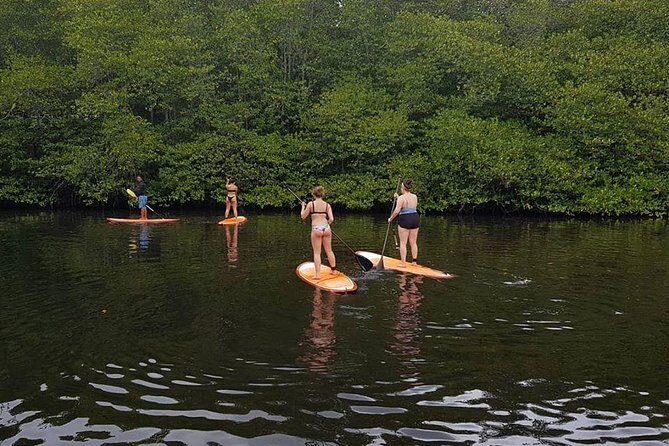
  • SUP: More “active.” You’ll likely feel more engaged from the moment you stand up. If you already paddle boards at home or have good balance, it can be a fun way to feel connected to the water.

Either option gives you the same core experience: you’re paddling through mangrove areas at slow speed while someone is there for safety.

Also, if you have a preference about visibility, here’s something to keep in mind. Some versions of the experience have used transparent boats/kayaks, which can help you spot what’s happening below. That is not guaranteed for every departure, but it’s worth asking if the operator offers a transparent option that day.

Wildlife spotting and what makes the guide matter

The mangroves are full of life, but you don’t automatically see it all at once from a distance. This is where the guide can quietly make or break the experience.

When the guide leans into it, you can get:

  • Animal-spotting tips (including starfish)
  • Explanations of how mangroves work
  • Help capturing photos and videos while you’re out

That guidance turns random paddling into something more memorable, especially for first-timers who do not yet know what to look for.

On the other hand, not every guide will explain at the same level. In some situations, the paddling still works well, but the educational side can feel lighter. If you care about learning as you go, a simple approach helps: ask a clear question right away—what should I watch for in the mangroves, and where do you usually see the most life? Guides who love the area usually respond well, and you’ll get much more out of the hour.

Safety gear, lockers, and comfort in the tropics
1 Hour Mangrove Tour From Lembongan with Kayak, Paddle, or Boat - Safety gear, lockers, and comfort in the tropics
This is one of the more reassuring parts of the package. You get life jackets and the staff keeps safety supervision nearby. You also have lockers available if you need somewhere to stash your items.

That matters because mangrove paddling is not about getting soaked or going all-in with risky behavior. It’s about moving through an active environment. Life jackets let you focus on paddling and looking around, instead of worrying about “what if.”

A few comfort notes to plan around:

  • Expect warm, humid conditions. Even if the paddle is short, you’ll feel the heat.
  • Since bottled water is not included, bring water with you or plan to buy it before you start.
  • Pack essentials only. If you do not need valuables, leave them behind. Lockers are helpful, but a lighter load still makes the start smoother.

Price and value: how $10.70 makes sense

At $10.70 per person, this is priced like a value add-on, not a premium “full day” excursion. The reason it can feel worth it is what’s bundled.

You’re getting:

  • Round-trip hotel transfer
  • Use of kayak or paddleboard
  • Life vests and locker access

When you price those pieces separately—especially transport and equipment—it usually adds up quickly. Here, the package keeps the cost low while still giving you the essentials to enjoy the mangroves safely.

It’s also short. The hour time window is the kind of commitment that fits even on busy days. You’re not paying to sit around.

The one thing to watch is extra consumables. Bottled water is not included, so build in a small budget for hydration.

Traffic on the water: a real-world consideration
1 Hour Mangrove Tour From Lembongan with Kayak, Paddle, or Boat - Traffic on the water: a real-world consideration
Mangroves are calm when you’re watching them from the edge. On the water, you may still share the area with other boats and paddlers. One practical detail from experience: there can be a fair bit of oncoming activity, depending on the day and how many departures are in the water.

What does that mean for you?

  • Plan for a bit of “keep moving” energy rather than total silence.
  • If you’re sensitive to noise or boat traffic, set your expectations for a shared paddling zone.

This doesn’t ruin the tour, but it’s better to know than to assume you’ll have the mangroves entirely to yourself.

Who this tour is for (and who should pass)

This tour is a strong fit if you want:

  • A simple active nature outing near where you’re staying
  • A short time commitment with a clear start and end
  • A way to see the mangroves without dealing with scooters and complicated transport

It can also work well for people who like wildlife, especially if you’re excited by small sightings like starfish and other marine life that often comes into focus when a guide points it out.

You might want to skip or rethink it if:

  • Your day is scheduled down to the minute and you cannot tolerate timing variation.
  • You need a very in-depth lecture about mangroves. Some guides explain a lot; others focus more on the paddle.

Should you book this 1-hour mangrove tour?

If you’re in Nusa Lembongan and want a low-stress way to paddle through mangroves, this is an easy “yes.” The transfer is the killer value, the gear is included, and the time length makes it easy to fit into a vacation rhythm.

Just go in with the right expectations:

  • Treat the hour as approximate.
  • Bring your own water since bottled water is not included.
  • Ask your guide what to watch for early on—when they engage, the wildlife and mangrove talk can turn a good paddle into a memorable one.

If that sounds like your kind of day, book it and spend the hour slowing down. The mangroves reward patience.

FAQ

How long is the mangrove tour?

The tour is listed as about 1 hour.

Do you offer hotel pickup and drop-off?

Yes. Pickup and drop-off are offered from hotels around Nusa Lembongan. If you’re staying on Nusa Ceningan, you can meet at the Yellow Bridge.

Where does the tour start?

The activity starts at Lembongan watersport, Mangrove Beach, Jungutbatu village, Nusa Lembongan.

What do I paddle during the tour?

You can use a kayak or a stand-up paddleboard (SUP) for the duration of the tour.

Is safety equipment included?

Yes. Life jackets are included, and there is staff supervision for safety.

Are lockers available?

Yes. Lockers are available if you need them.

Is bottled water included?

No. Bottled water is not included.

What happens if weather is poor?

The experience requires good weather. If it’s canceled due to poor weather, you’ll be offered a different date or a full refund.

What is the cancellation window?

You can cancel for free up to 24 hours in advance for a full refund.
2 or 3 dives in Nusa Lembongan and Penida, for certified diver (in Lembongan)

2 or 3 dives in Nusa Lembongan and Penida, for certified diver (in Lembongan) - Price and What You Actually Get for $105

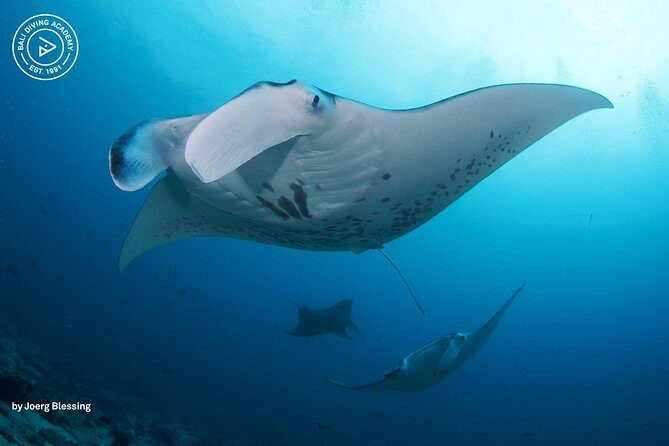
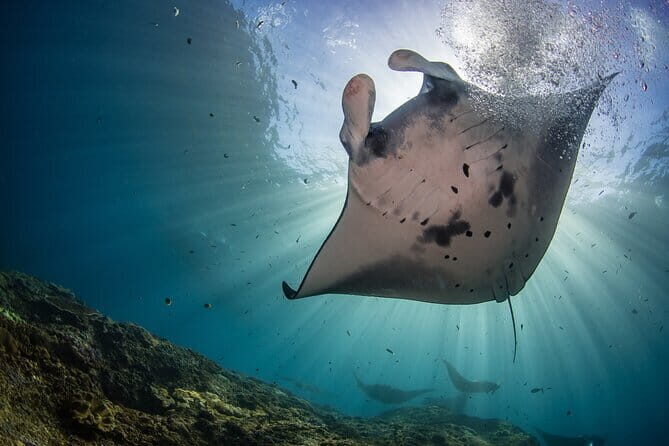
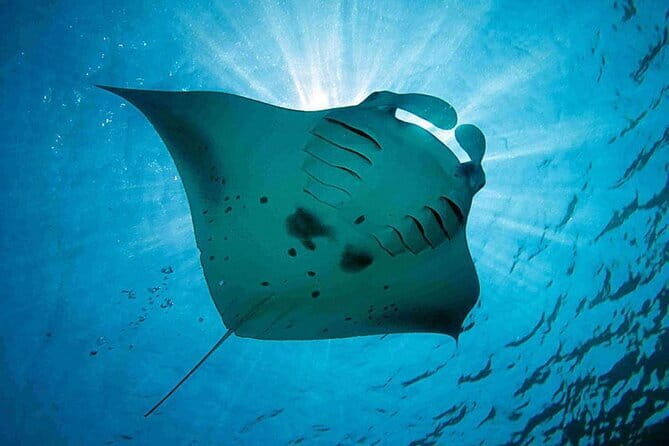
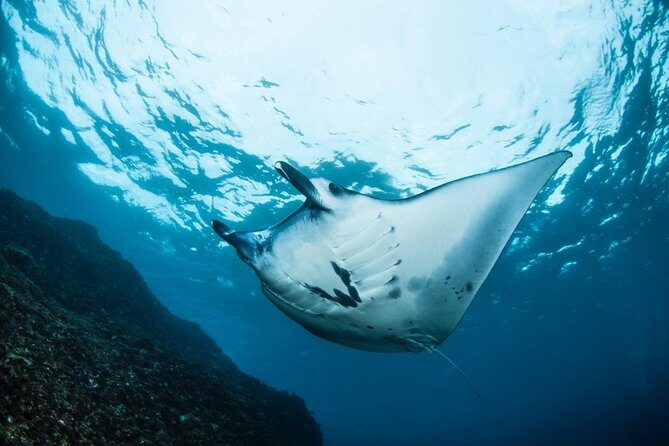
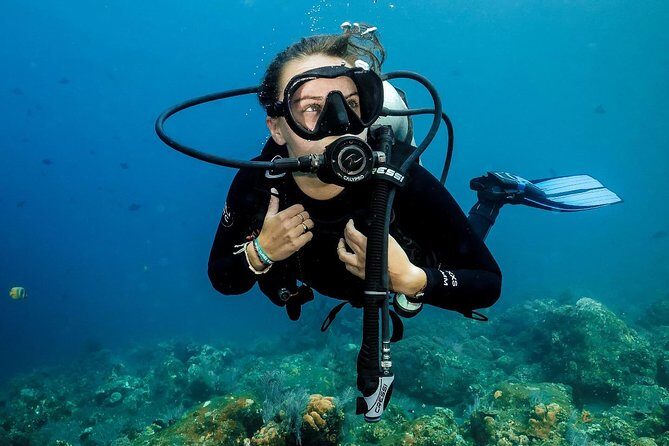
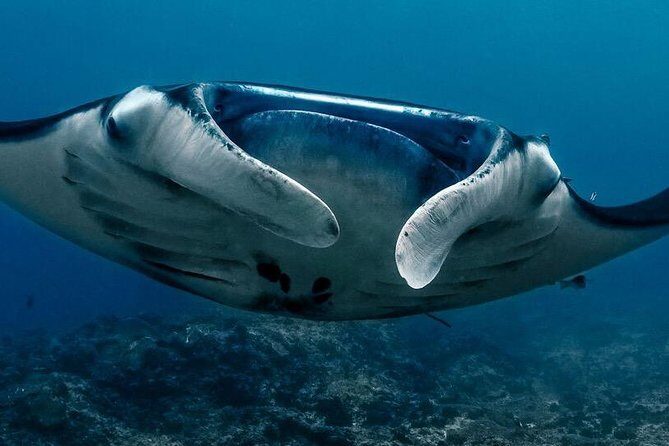
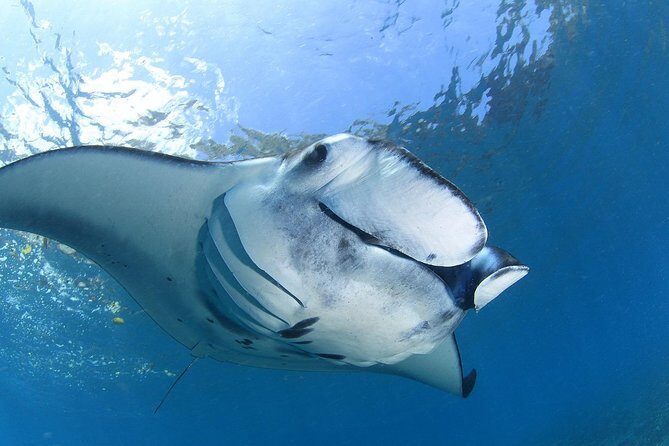
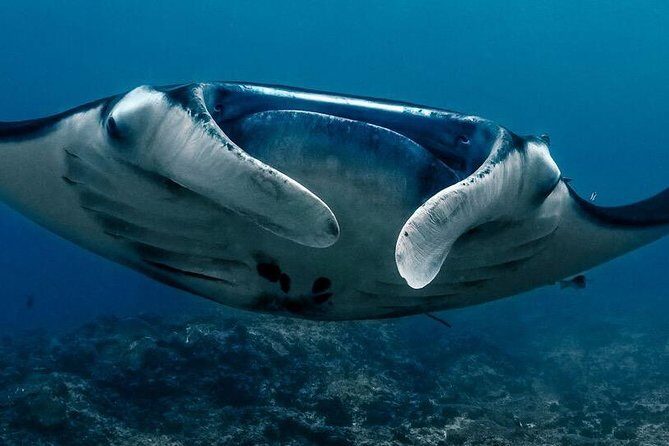
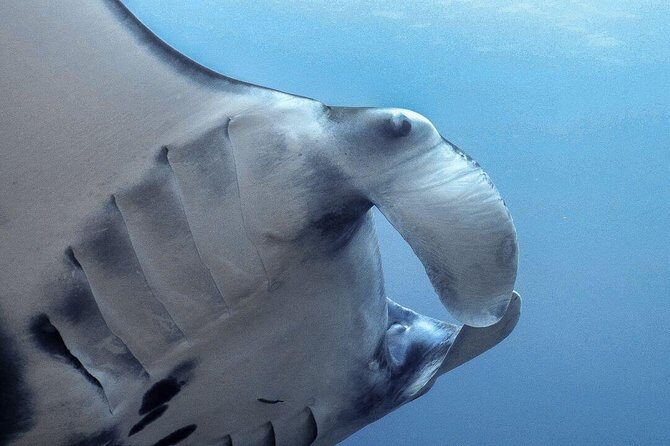
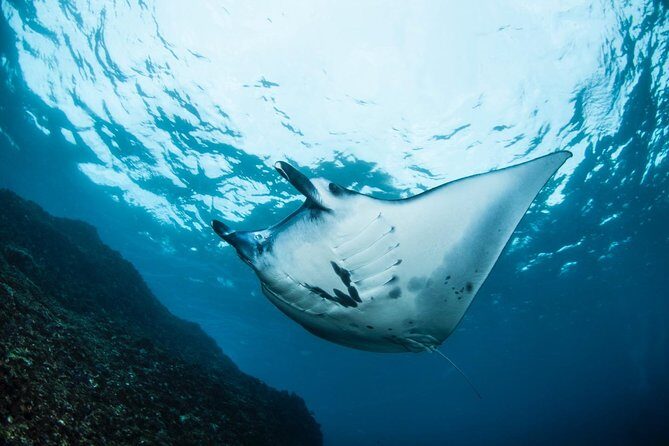
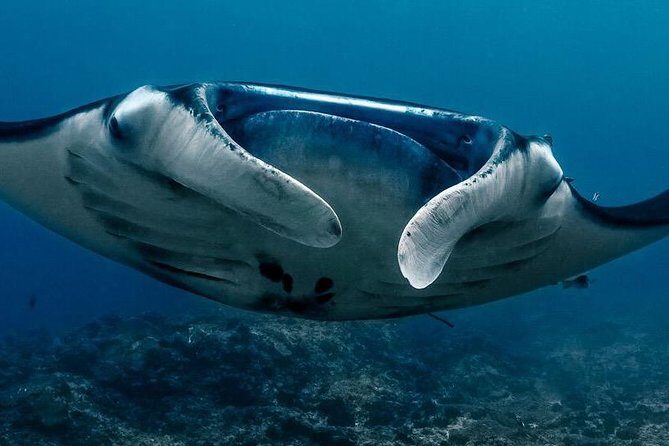
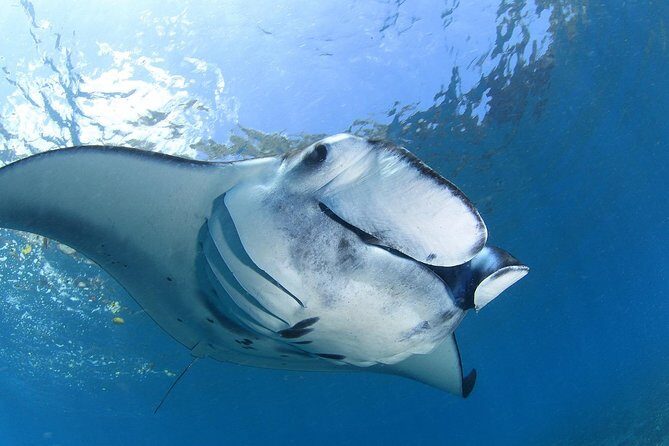
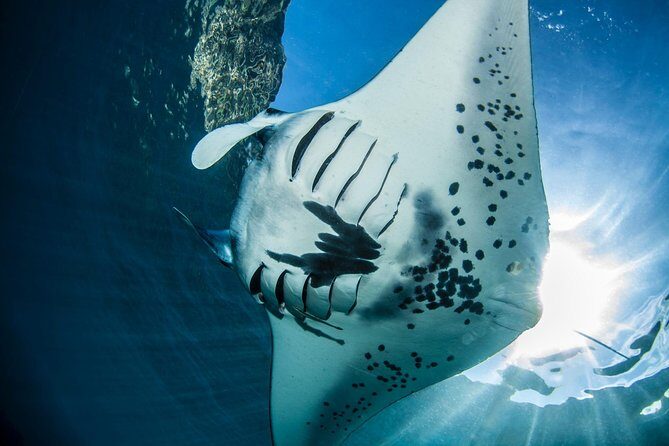
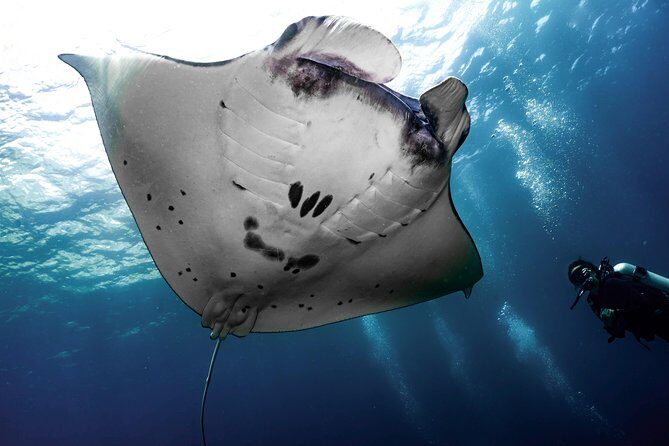
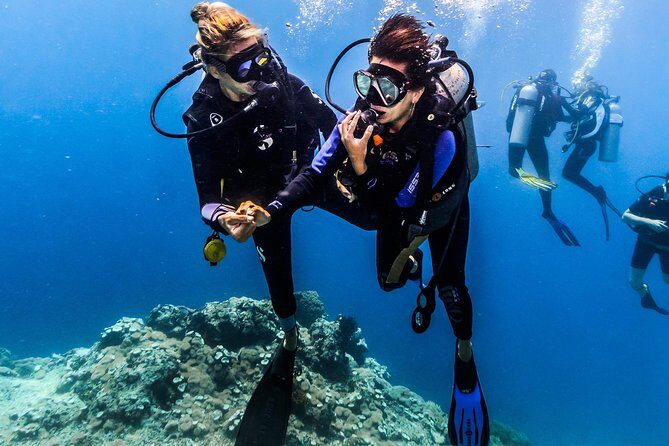
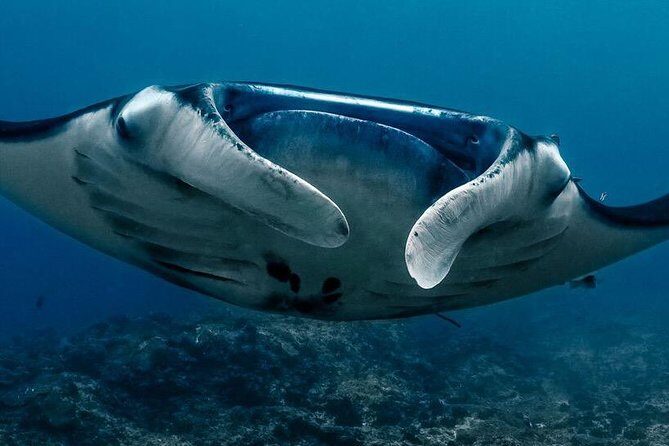
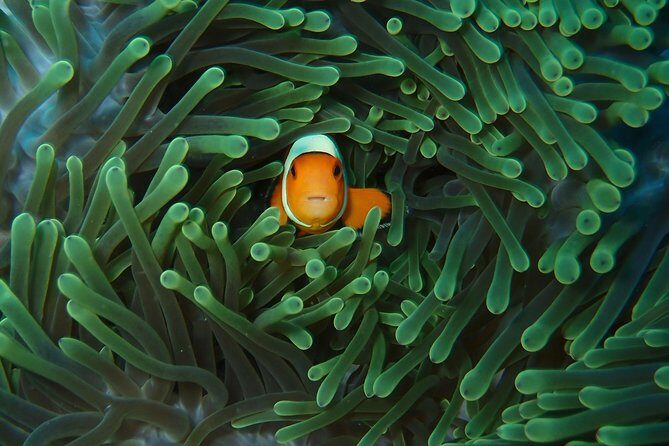
If you want to see manta rays in the wild, this Nusa Penida plan is built for it. You’ll sail from Nusa Lembongan with a small group for a 2-tank or 3-tank scuba outing off Penida sites like Manta Point (often on the route), plus Crystal Bay and Gamat Bay. Expect mantas year-round, often circling cleaning stations and doing their dramatic mating behavior when conditions line up.

I like two parts a lot: the almost guaranteed manta sightings focus, and the fact that lunch happens right on the boat during your surface interval. That saves time and keeps the day flowing without feeling like a stop-and-wait kind of tour.

One thing to consider: they cannot guarantee you’ll hit Manta Point every single day, and sea conditions can shift the schedule. It’s still a very strong chance, but it’s not a promise.

Key things to know before you book

2 or 3 dives in Nusa Lembongan and Penida, for certified diver (in Lembongan) - Key things to know before you book

  • Small group size (max 8) helps you move through the day with less crowd stress.
  • Manta Point is a frequent stop, but not guaranteed every day due to conditions.
  • 2-tank or 3-tank packages let you match your energy and experience level.
  • Lunch on the boat is included after your first underwater session, with coffee and tea.
  • Essential gear is included, with computers and GoPros available to rent.
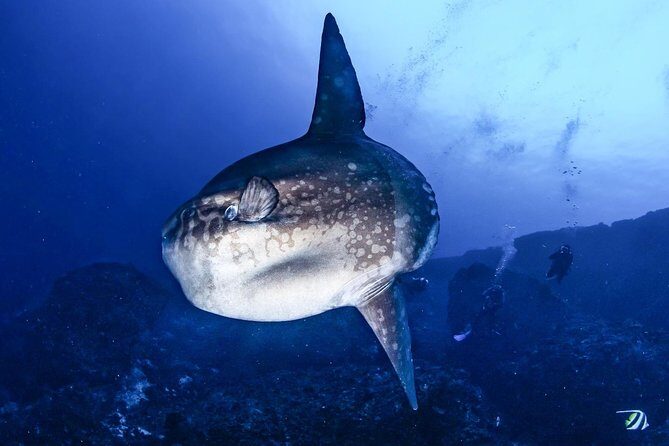
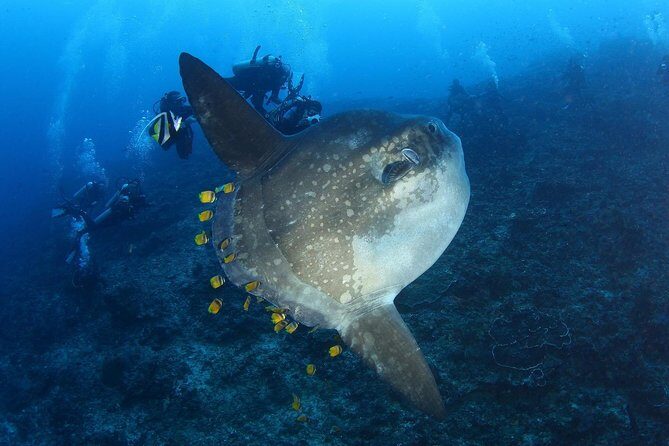
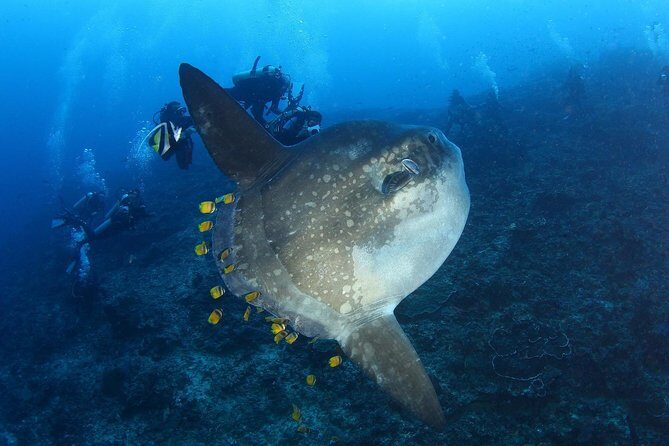
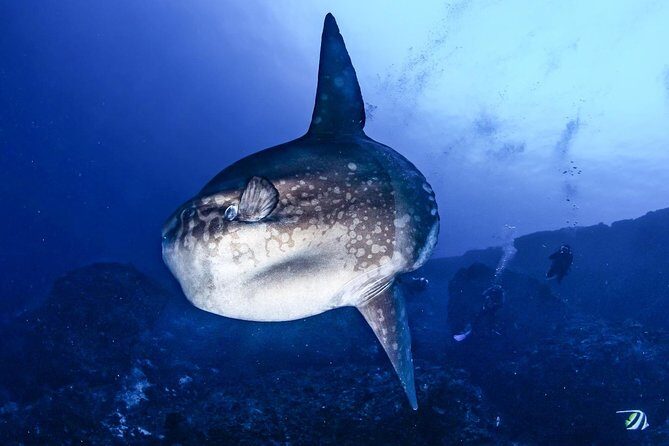
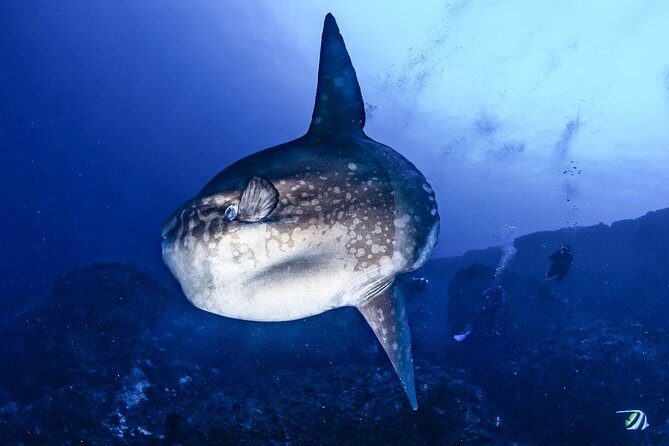
  • Mola mola season runs June to October, if conditions permit.

Manta-Ray Focus Out of Nusa Lembongan

2 or 3 dives in Nusa Lembongan and Penida, for certified diver (in Lembongan) - Manta-Ray Focus Out of Nusa Lembongan
Nusa Lembongan is the practical base for exploring Nusa Penida’s famous underwater sites. The big reason people choose this area is simple: mantas are a recurring star, and the local routes target the places mantas use for cleaning and predictable passes.

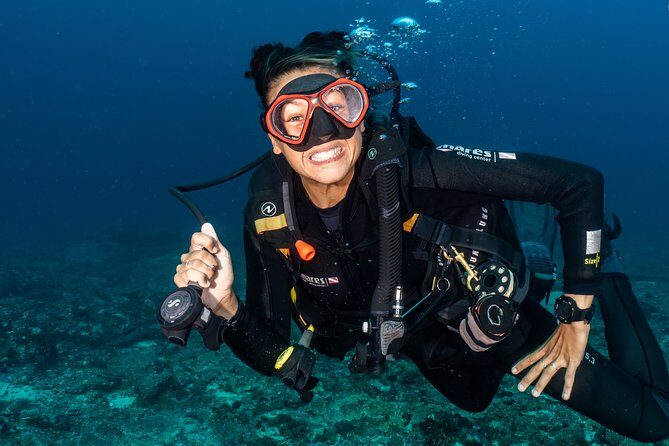
This experience is designed specifically for certified divers, with proof of certification required. That matters because the guides can plan the outing around real dive logistics, rather than slowing everything down for people who need extra coaching. If you’re already certified, you’ll spend more time where you came for it.

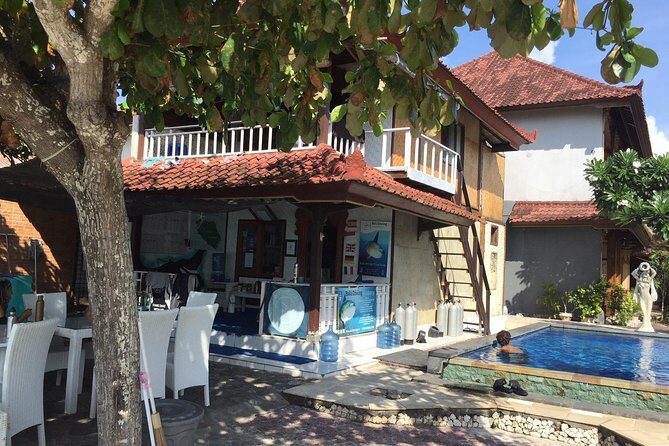
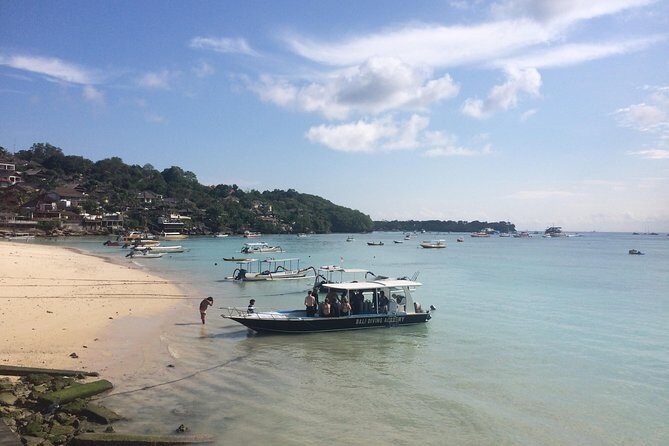
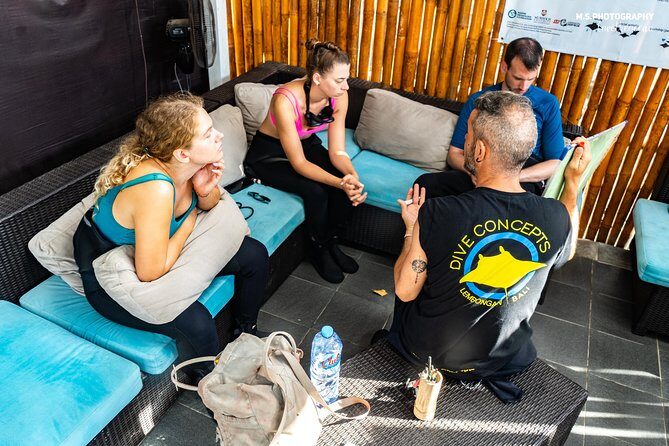
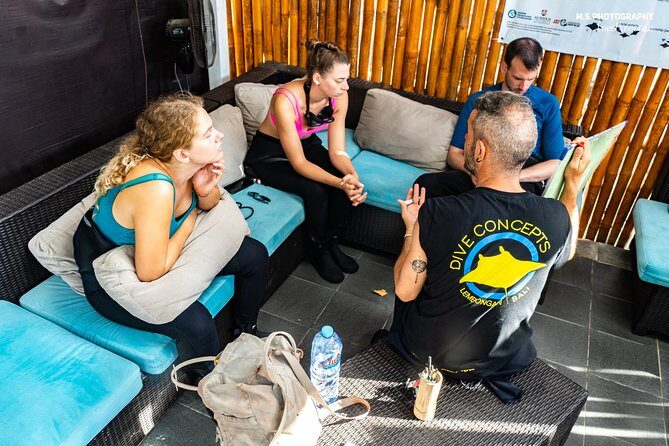
What I also like is the clear structure. You’re not guessing all day. You meet at the Bali Diving Academy Lembongan shop, you get geared up and briefed, then you’re on the boat with a set plan of sites.

Price and What You Actually Get for $105

2 or 3 dives in Nusa Lembongan and Penida, for certified diver (in Lembongan) - Price and What You Actually Get for $105
At $105 per person, the value here is less about the headline price and more about what’s bundled. The package includes:

  • all fees and taxes
  • a guide
  • lunch as a lunch box on the boat, plus coffee and tea
  • a community contribution

That combination is where the deal often shows up. Many scuba day tours separate out things like guide time, boat food, and on-site fees, and those add up fast. Here, your day is set up so you can show up, get on the boat, and get your tanks handled without chasing add-ons.

A couple cost notes to keep you from getting surprised:

  • GoPro rental is listed as not included. You can rent it if you want it.
  • A Manta Point fuel surcharge may be payable on the spot.
  • Private transportation is not included, so you’ll want to be ready to make your own way to the meeting point.

Also, the tour offers group discounts and a mobile ticket, which is useful if you’re mixing schedules with other Nusa plans.

The Schedule: When You Meet, Depart, and Return

This is a morning-first activity, with two common start windows depending on the day’s departure:

  • Meet at 7:30 am or 10:00 am at the Bali Diving Academy Lembongan shop in Jungut Batu
  • Boat departs at 8:00 am or 10:30 am
  • After your first underwater session, you’ll eat lunch on the boat during the surface interval
  • You’ll typically be back at the shop around 2:30 pm to 3:00 pm

Why this timing matters: Penida sea conditions and currents can vary. Running a structured morning plan helps the crew keep things safe and efficient, instead of waiting endlessly. The lunch timing is also smart. You’re already in the rhythm of the day, so you don’t lose half your afternoon to land transfers.

The group size is capped at 8 travelers, so it tends to feel more like a team day than a mass departure. That helps with gear set-up flow and makes the briefing easier to handle.

Stop 1: Manta Point and How to Think About the Manta Odds

2 or 3 dives in Nusa Lembongan and Penida, for certified diver (in Lembongan) - Stop 1: Manta Point and How to Think About the Manta Odds
Manta Point is the big name on this route, and it’s where the day’s hype is aimed. You’re going out with a strong goal: manta rays. The experience describes sightings as almost guaranteed, and it notes mantas are seen year-round.

What you’re likely to notice, when conditions cooperate:

  • mantas flying above cleaning stations
  • predictable behavior that makes them easier to spot
  • mating train behavior in season, when the water and timing line up

Now for the honest part. The operator states they visit Manta Point regularly, but they can’t guarantee it every day. That’s the reality of Penida: weather, currents, and scheduling decisions can move the plan.

If you have flexibility, this is where that flexibility pays off. If Manta Point isn’t possible that day, you still get other Penida sites built for good visibility and reef life. And they do welcome requests for specific sites, though they may not always fit if the sea isn’t cooperating.

What about the cost? There’s also a fuel surcharge for Manta Point that you may pay on the spot. If you want the best budgeting, assume that might come up.

Stop 2: Crystal Bay for Reef Variety and Reliable Viewing

2 or 3 dives in Nusa Lembongan and Penida, for certified diver (in Lembongan) - Stop 2: Crystal Bay for Reef Variety and Reliable Viewing
Crystal Bay is the next planned stop, and it’s a favorite style of site for many certified divers: it gives you a change of scenery from the high-profile manta zones. In the area’s broader site list, Crystal Bay often pairs well with Penida’s larger-name locations because it balances action and scenery.

Even when the mantas are the headline, I find Crystal Bay is where the day can feel “complete.” You’re not just chasing one species and counting down the minutes. Instead, you’re moving through a site that typically supports the kind of reef exploration divers enjoy between sightings.

Also, this is still part of the same tightly run day. You’ll typically be coming off your first session with lunch already handled, so your energy is usually better for the second stop.

Stop 3: Gamat Bay for a Longer Day (If You Choose 3 Tanks)

2 or 3 dives in Nusa Lembongan and Penida, for certified diver (in Lembongan) - Stop 3: Gamat Bay for a Longer Day (If You Choose 3 Tanks)
The 3-tank option adds Gamat Bay as a third stop. This is the version to pick if you can handle a longer day and you want more time underwater rather than compressing everything into a shorter outing.

Why I’d consider 3 tanks:

  • You get more total bottom time across different sites
  • You increase your odds that at least one stop hits its best conditions
  • You avoid feeling like you barely got started before you’re back on the boat

A small practical note: your exact site order can still be influenced by scheduling and sea conditions, and the operator explicitly says they may not always accommodate every requested site. But Gamat Bay is listed as the third stop in the standard flow for the package.

Lunch on the Boat: The Un-Boring Part of the Surface Interval

2 or 3 dives in Nusa Lembongan and Penida, for certified diver (in Lembongan) - Lunch on the Boat: The Un-Boring Part of the Surface Interval
The included lunch is more than just a checkbox. After your first underwater session, you’ll have lunch on the boat during the surface interval. The meal is a lunch box, with coffee and tea available.

That’s helpful because it keeps the day efficient. You’re already out at sea, so it avoids the awkward option of rushing to land, finding a meal, and trying to squeeze the second stop in before conditions change.

For planning, bring a mindset of staying on “boat time” for the middle of the day. This experience is built around that rhythm.

Gear, Computers, GoPros, and the Real Meaning of Included Equipment

2 or 3 dives in Nusa Lembongan and Penida, for certified diver (in Lembongan) - Gear, Computers, GoPros, and the Real Meaning of Included Equipment
The experience lists essential gear included, and it also says computers and GoPros are available for rent. In the non-included list, you’ll see that a full set with a dive computer is available to rent, so you can sort out what you need depending on what you already travel with.

Here’s how I’d think about it:

  • If you already have your own scuba kit and computer, you’re likely looking at rentals only for cameras.
  • If you don’t travel with a computer, rent one so you’re matching the operation’s setup and calculations.
  • If you want GoPro footage, plan on renting it rather than assuming it’s part of the standard kit.

Tip for your packing: if you care about footage, decide in advance so you’re not making that call at the counter.

The Human Touch: Guides and Small-Group Care

The guide team is one of the best reasons to choose a local operator that runs these routes often. This shop has a consistent crew across the Nusa area. Names that show up in feedback include Sybille, Yao, Yap, Andy, Sami, Ledo, Lino, Adi, Rai, Ika, KT, Ryan, Andrew, and Davide.

What those names tell me is that you’re not dealing with a factory line. The operation clearly focuses on support and comfort, including helping people with what they want and keeping groups smaller when possible.

I also like that the briefing is part of the process the moment you arrive at the shop. You meet around 7:30 or 10:00, gear up, then get the guide’s rundown before you head out. For certified divers, that brief can be the difference between a good day and a frustrating one.

Seasonal Bonus: Mola Mola (June to October, When Conditions Permit)

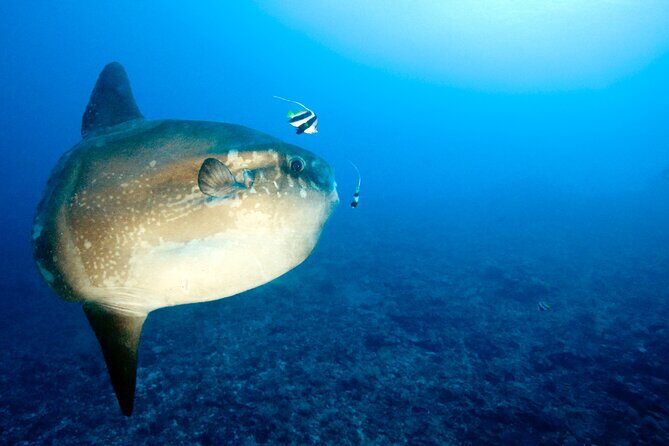
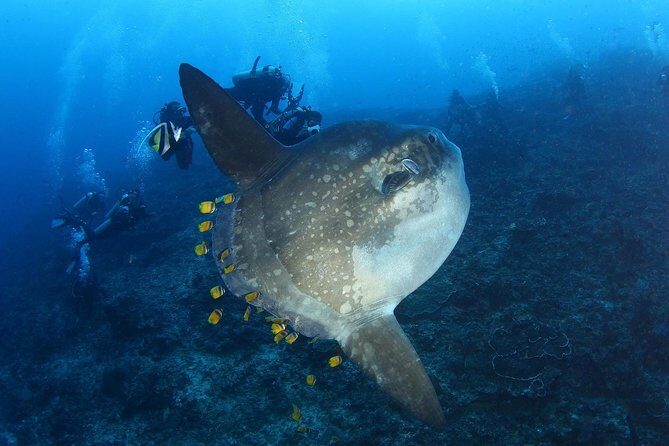
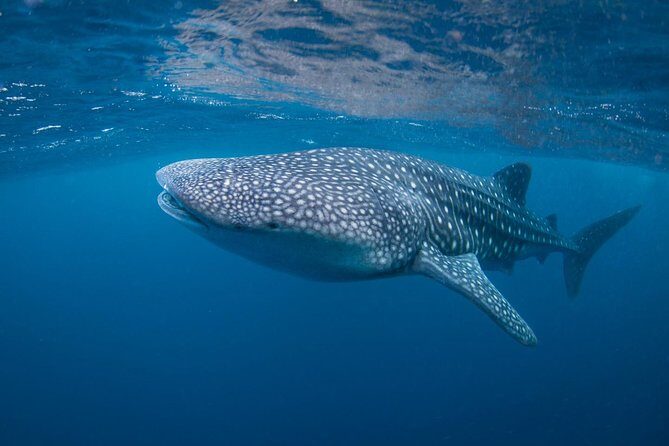
Mantas are the constant, but there’s a seasonal wildcard here: mola mola, also called sunfish. The experience notes a chance from June to October, depending on conditions.

This is the kind of add-on you can get lucky with without it becoming the pressure of the whole trip. It’s nice to know it’s on the radar, especially in the right season, because mola mola sightings are rare enough to feel special when they happen.

Who This Is Best For (and Who Should Rethink It)

This experience is listed for certified divers only. So if you’re not certified, don’t plan on using this as a learning day.

It also mentions a moderate physical fitness level. That’s a fair description for a day that includes boarding boat time, gearing up, and repeating underwater sessions.

This is a great match if:

  • you want to prioritize manta rays with a focused route
  • you already have certification and want to spend your day in the water rather than in class
  • you like small groups (up to 8) and a structured schedule
  • you’re pairing Nusa Penida with Nusa Lembongan as a base

You might want to rethink it if:

  • your schedule is so tight you can’t handle a plan shift from sea conditions
  • you specifically require Manta Point every single day (it’s stated as not guaranteed)
  • you don’t have transportation to get to the Jungut Batu meeting point (private transport isn’t included)

Should You Book This Manta-Ray Package from Lembongan?

I’d book it if manta rays are your main goal and you’re already certified. The price feels reasonable because the package includes guide time, lunch onboard, and the core support fees, and the operation is clearly organized around the Penida sites that make this region famous.

Book it with realistic expectations about Manta Point. It’s a frequent stop and sightings are described as almost guaranteed, but you should still plan mentally for the possibility of sea-driven schedule changes. If you’re booking close to your trip dates, also know that confirmation depends on availability, though confirmation is typically handled quickly when you book within about a week.

If you’re choosing between 2 and 3 tanks, I’d lean 3 tanks if you want more total time underwater and you don’t mind a longer day. Choose 2 tanks if you want a strong highlight without committing to the extra stop.

Net-net: this is a solid, purpose-built manta-focused scuba day out of Nusa Lembongan, with good inclusion value and a crew that runs the Nusa route often.

FAQ

Do I need certification to join?

Yes. This experience is for certified divers, and proof of certification is required.

How many underwater sessions are available?

You can choose either a 2-tank or 3-tank package.

What time do I meet at the shop?

You meet at either 7:30 am or 10:00 am at Bali Diving Academy Lembongan in Jungut Batu.

When does the boat depart and when do we return?

The boat departs at 8:00 am or 10:30 am, and you return to the shop around 2:30 pm to 3:00 pm.

Where does the activity start and end?

It starts at Bali Diving Academy Lembongan in Jungut Batu and ends back at the meeting point.

What’s included in the $105 price?

All fees and taxes, a guide, lunch (lunch box plus coffee and tea on the boat), and a community contribution are included.

What is not included?

Not included: GoPro rental, private transportation, and the option of renting a full set with a dive computer (if you need that). There may also be a Manta Point fuel surcharge payable on the spot.

Which sites are typically visited?

The standard stops listed are Manta Point, Crystal Bay, and Gamat Bay.

Can you guarantee Manta Point every day?

No. The operator visits Manta Point regularly, but they cannot guarantee it every day.

When is mola mola possible?

Mola mola is possible from June to October, when conditions permit.

What’s the cancellation policy?

You can cancel for a full refund up to 24 hours before the experience starts. If you cancel less than 24 hours before, the amount paid is not refunded. If the experience is canceled due to poor weather, you’ll be offered another date or a full refund.

Lembongan Electric Bike tour

Lembongan Electric Bike tour - Stop 1: Devil’s Tears, where the sea forces the show

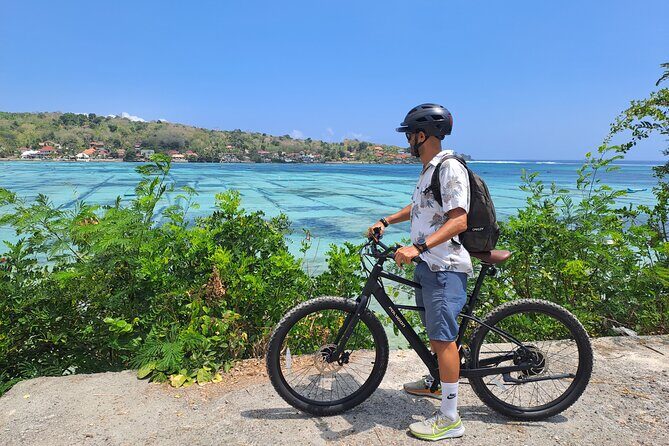
This tour is built for an easy pace and real island sights, not a rushed checklist. You get battery-assisted e-bikes, a couple of signature stops, and a mangrove boat ride that slows the whole day down.

I especially like the small group size (max 5), which keeps the ride calm and the timing flexible. I also like how the stops feel different from each other: cliff water drama, an underground house, a bridge photo moment, and then mangroves by traditional boat.

One thing to consider: e-bikes are the main ride, and at least one rider felt the seats could be more comfortable.

Key moments that make this tour work

Lembongan Electric Bike tour - Key moments that make this tour work

  • Hotel pickup and drop-off make the day smoother than DIY transport
  • Small group (up to 5) keeps the route relaxed and easy to follow
  • Devil’s Tears shows sea water pushing through cliff tunnels and creating rainbow reflections
  • Mangrove Point boat trip uses a traditional, engine-free boat for a quieter feel
  • Two islands in one go with the Yellow Bridge crossing to Nusa Ceningan
  • Included entry tickets at key stops helps you avoid last-minute budgeting

Electric biking on Nusa Lembongan: the value of a slower route

Lembongan Electric Bike tour - Electric biking on Nusa Lembongan: the value of a slower route
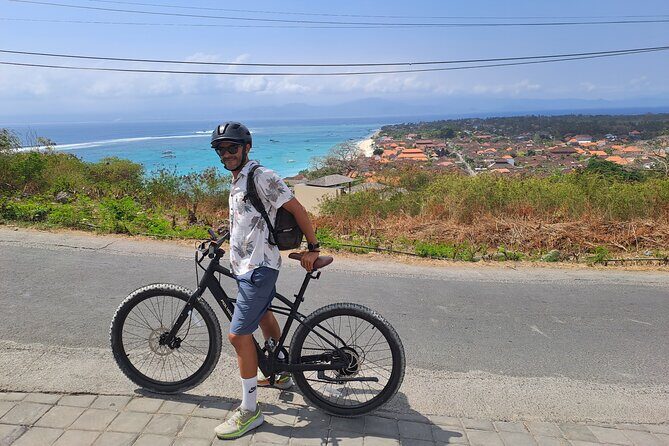
Nusa Lembongan is one of those places where the details matter. The roads can be narrow, the heat can build, and you’ll move faster on a bike than on foot, but you still want time to look around. This 3 to 4 hour electric bike tour hits that sweet spot: enough motion to see highlights, not so much that you feel shoved from stop to stop.

You’re also not trapped in a big group. With a maximum of 5 travelers, the guide can slow down for photos, pause when the scenery is good, and give clearer instructions if you’re new to e-bikes. That relaxed approach shows up in how people describe the route as easy-going and calm.

Who it’s best for

This fits best if you want:

  • a guided way to see island highlights without the stress of renting and navigating
  • a manageable ride that still feels like you explored
  • a day that includes nature, not just viewpoints

If you’re nervous about riding a scooter or you’d rather not deal with parking and traffic, the guided bike route is a smart workaround.

Your e-bike day: battery assist, short ride feel, and real guidance

The tour is built around battery-assisted e-bikes, which makes the day more comfortable than a regular bike, especially when the sun is high or hills show up. One rider mentioned about 8 km for the ride length, and that’s the kind of distance that tends to feel doable even if you haven’t biked in a while.

The other big win is instruction. People highlight guides who explain how to operate the e-bike clearly, and that matters because the best “electric bike” is the one you feel confident riding. Guides you might run into include Kadek and Toni, and both come up for friendly, helpful guidance and making the day feel easy.

A small drawback worth knowing

While the bikes are described as being in good condition, there’s at least one note that seats could be better. If you have sensitive seating or your body doesn’t love time on bike saddles, you may want to wear padded shorts and plan to take short breaks at stops.

Stop 1: Devil’s Tears, where the sea forces the show

Lembongan Electric Bike tour - Stop 1: Devil’s Tears, where the sea forces the show
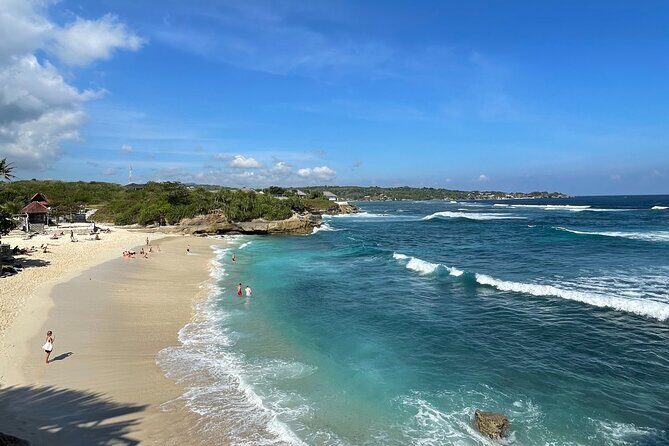
Devil’s Tears is the kind of place that looks like a natural feature until you realize it’s doing something clever. You’ll go to a cliff where sea water hits the rock face and works through tunnel systems, spraying water and making rainbow reflections when the sunlight hits. That “wow” comes from the physics of water and light, not from any manual trick.

You’ll have about 20 minutes at this stop, which is enough time to watch the action and catch a few angles. One highlight that stands out is timing: this stop is great when the light and mood shift, and some riders specifically enjoyed it at sunset.

What to do while you’re there

  • Keep an eye on where the water hits, because the spray pattern changes
  • Take your photos, then stick around a bit longer for the light shift
  • Watch for the rainbow effect when the sun lines up

Potential downside

The cliff area can be busy at certain times, so if you want quieter photos, choose your timing (morning vs afternoon section below helps).

Stop 2: Gala-Gala Underground House and a local underground space

Lembongan Electric Bike tour - Stop 2: Gala-Gala Underground House and a local underground space
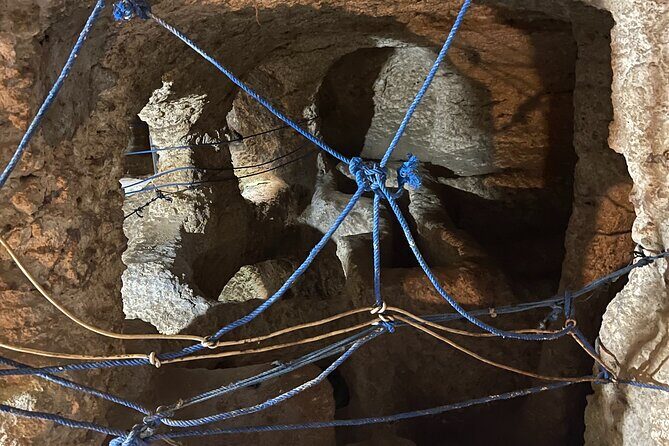
Next comes the Gala-Gala Underground House, known locally as the Gala Gala House. This isn’t just a quick photo pull-off. The point is to see an underground structure that locals connect to long-ago life in the area, giving you a look at how people used space below ground for shelter and daily living.

You get about 15 minutes here, plus admission is included. That brief window makes sense: you’re not asked to treat it like a long museum stop, and you still keep momentum for the rest of the day.

Why this stop is worth it

It gives you contrast. You start with dramatic ocean effects at Devil’s Tears, then you shift underground, and it changes how you think about the island. Even if you’re not a history museum person, it’s a stop that feels grounded in place.

Practical note

Because it’s a defined stop with entry included, dress and shoes matter. Wear something you’re comfortable walking in, and keep your pace steady so you don’t slow down the group too much.

Stop 3: Yellow Bridge, fast crossing, big photo payoff

Lembongan Electric Bike tour - Stop 3: Yellow Bridge, fast crossing, big photo payoff
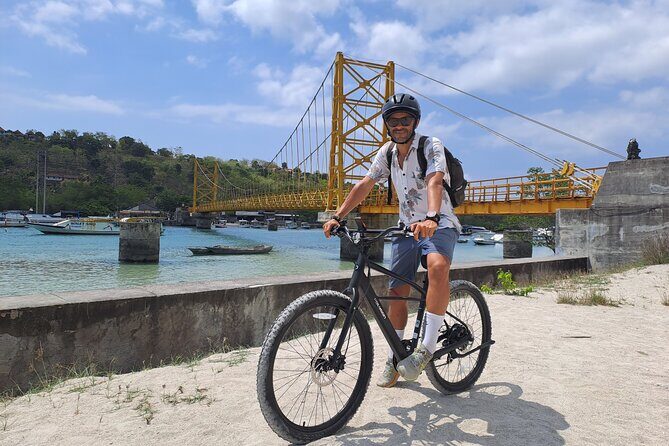
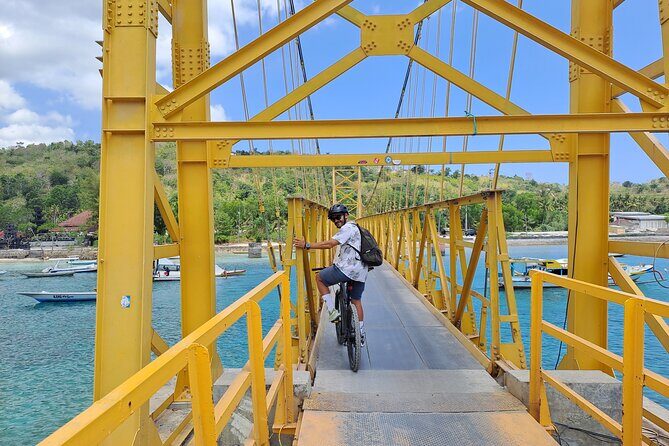
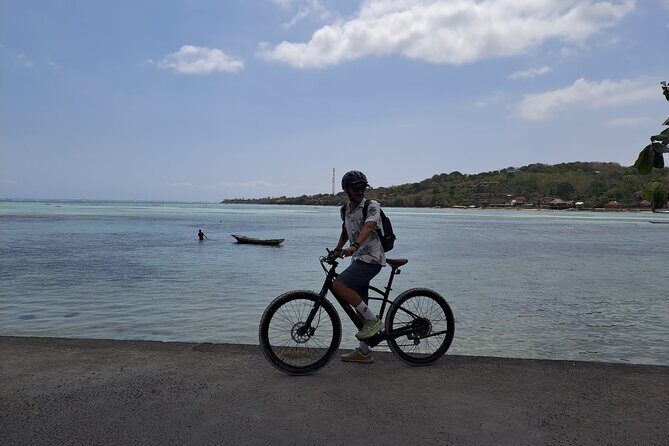
Then you reach the Yellow Bridge, the iconic bridge connecting Nusa Lembongan to Nusa Ceningan. This is a short stop, around 5 minutes, and admission here is free.

This is one of those “quick but worth it” moments. The bridge gives you an instant sense of geography—two islands, a connection, and suddenly your day feels bigger. Expect this to be the easiest photo stop of the route.

What you’ll likely like

  • Clear views both directions on the way across
  • A simple rhythm: cross, snap a few, keep rolling

The only consideration

Because it’s brief, don’t rely on it as your only photo window. You’ll want to take your best shots at Devil’s Tears and at the mangroves, too.

Stop 4: Mangrove Point by traditional boat, slow and engine-free

Lembongan Electric Bike tour - Stop 4: Mangrove Point by traditional boat, slow and engine-free
The final big highlight is the mangrove area on the east side of Lembongan. Here you switch from biking to a traditional boat driven by local people, and importantly, it’s described as without engines. That changes the feel right away: less noise, slower movement, and a better chance to notice the mangrove setting as you drift toward the sea.

This part lasts about 35 minutes, and admission is included. It’s a natural reset after the ocean cliffs and the bridge photos—almost like taking a breath before you finish the day.

What makes the mangrove stop special

Mangroves can look similar on land, but from the water you notice how the roots, channels, and shoreline work together. The lack of engine noise also helps you feel more connected to the environment rather than just passing it quickly.

One practical thing to pack mentally

Bring patience for slow sighting time. This is not a race. If you go in expecting action every minute, you’ll miss the point.

Choosing your departure: morning vs afternoon tours

Lembongan Electric Bike tour - Choosing your departure: morning vs afternoon tours
You can choose either a morning or afternoon tour. This isn’t just about avoiding the hottest hours—light matters at key stops.

  • If you’re hoping for the best Devil’s Tears atmosphere, think about the timing for sunlight reflections. That’s when the rainbow effect tends to show best.
  • If you prefer cooler riding and fewer intense glare moments, the morning option may feel more comfortable for the bike portion.

There’s no perfect answer, but picking your timing based on what you want most—cliff light drama or more comfortable bike conditions—helps you get the day you want.

Price and what you actually get for $54

Lembongan Electric Bike tour - Price and what you actually get for $54
At $54, this tour is priced like a solid midrange activity, not a bargain that cuts corners. What makes it feel like good value is the mix of included costs and guided time:

  • Hotel pickup and drop-off
  • e-bike use with battery assistance
  • Included entry tickets at Devil’s Tears and the underground house
  • Included mangrove boat trip (traditional, engine-free)
  • Yellow Bridge access is free
  • A small group size (max 5) that keeps you from feeling swallowed by a crowd

In other words, you’re paying for more than just a ride. You’re paying for transportation, guidance, and access to multiple stops without having to figure out tickets and timing yourself.

Where you might feel the price

If you’re the type who hates any formal stops and just wants to bike freely, a guided format may feel like you’re paying for structure. But if you want the island highlights in a way that stays comfortable and manageable, the price starts to make sense quickly.

Logistics you’ll notice: pickup, meeting spot, and how the day ends

The tour includes pickup offered, and it also uses a mobile ticket. The start point is listed as Sanghyang Bay Bar & Restaurant in Lembongan. The tour ends in the Lembongan mangroves area, and since pickup and drop-off are part of the experience, you’re not left stranded back at the first stop.

Practically, that means your day likely runs as one connected loop: start, highlights, boat ride, finish. It’s a simple setup if you want to avoid hopping between different booking desks.

What the guide experience feels like in real life

This is one of those tours where the guide can make or break the day. People who got great days often describe:

  • clear e-bike operation instructions
  • relaxed pacing on the routes
  • good local knowledge and friendly energy
  • taking photos or video for you if you want them

You may also appreciate the small-group vibe if you’re traveling solo. One person specifically said that the guide made the day easy and enjoyable as a solo traveler. That’s a big deal in places where renting bikes can feel intimidating.

A note on road comfort

Even with electric assist, you’ll still feel the bike posture. If you’re sensitive about sitting, consider bringing supportive shorts. And if you’re expecting a fully cushy ride, adjust expectations a bit.

A reality check: where the ride can surprise you

One downside that pops up is that there can be at least one less pleasant section on the road—something like riding past a garbage dump area. It’s not the whole tour, and you’re not meant to linger there, but it’s fair to acknowledge: the island isn’t staged for postcards.

If you go in knowing that the tour includes a working island reality between the highlights, you’ll feel more at ease and focus on what the route is doing well.

Should you book the Lembongan Electric Bike tour?

Book this if you want:

  • a guided, small-group way to see Lembongan and a taste of Ceningan
  • an easier day thanks to e-bike battery assist
  • a real nature stop with mangroves by traditional boat
  • included entry so you don’t spend time figuring out what to buy

Skip it or consider an alternative if:

  • you want a totally self-directed bike day with no structured stops
  • you’re picky about bike seat comfort and you dislike even short rides on saddles

If you want one practical rule: choose the tour time based on light for Devil’s Tears, and go into it expecting an easy ride with a few meaningful stops. For the price, that’s a lot of island for one afternoon.

FAQ

How long is the Lembongan Electric Bike tour?

It runs about 3 to 4 hours.

What’s included in the price?

Admission tickets are included for Devil’s Tears, the Gala-Gala Underground House, and the mangrove boat stop. Yellow Bridge is free. The experience also includes hotel pickup and drop-off, plus the e-bike ride with battery assistance.

Do I get to go to both Nusa Lembongan and Nusa Ceningan?

Yes. You’ll cross the Yellow Bridge, which connects Nusa Lembongan and Nusa Ceningan.

Is there a mangrove boat trip on the tour?

Yes. You’ll visit Mangrove Point and take a traditional boat driven by local people without engines.

How many people are in the group?

The tour has a maximum of 5 travelers.

What is the cancellation policy?

You can cancel for a full refund up to 24 hours before the experience starts, and cancellation is free with that timing.

Lembongan Snorkeling at Manta Bay, Crystal Bay and Mangrove

Lembongan Snorkeling at Manta Bay, Crystal Bay and Mangrove - Gear and comforts: what you get (and what to bring)

Manta rays make this trip worth it. You snorkel multiple spots around Nusa Lembongan and Nusa Penida, with a crew that helps you find marine life and gives you underwater photos and videos. I especially love that your guide captures GoPro footage so you’re not stuck juggling a phone in the water.

I also like how this tour feels built for real people, not just hard-core swimmers. You get full snorkeling gear plus a life jacket, and there’s a safety briefing before you hit the water. A max group size of 22 keeps things from feeling like a cattle call.

One thing to keep in mind: manta rays depend on what the sea gives you, and conditions can change. If you don’t spot them at Manta Bay, you’ll be taken to Manta Point to improve your odds.

Key highlights to know before you go

Lembongan Snorkeling at Manta Bay, Crystal Bay and Mangrove - Key highlights to know before you go

  • Manta Bay first, then Manta Point as a backup if mantas are hard to find
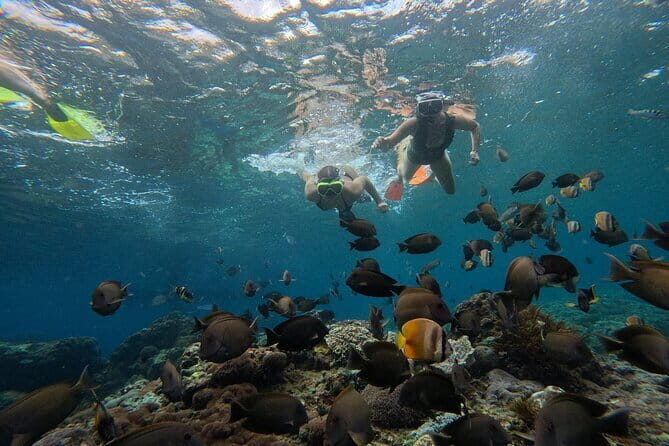
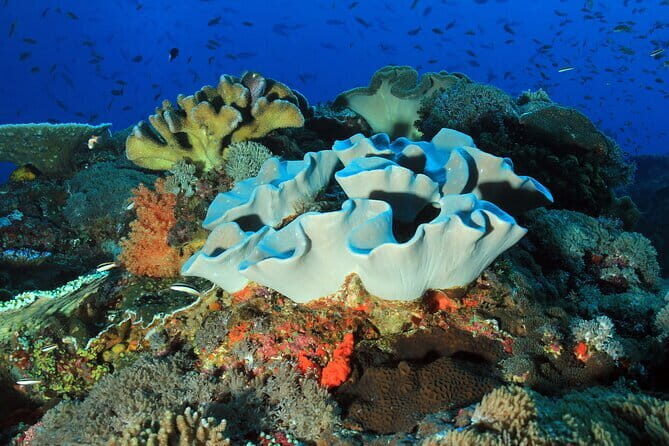
  • Crystal Bay for clear water, coral, and tropical fish
  • Mangrove Point for a calmer float with a healthy mangrove ecosystem
  • Free GoPro photos and videos from your guide, included with the tour
  • Snorkeling equipment + life jacket provided, plus a towel on board
  • Small group limit (22 people), which helps the crew manage and assist

Why this Nusa Lembongan manta-and-mangrove plan works

Lembongan Snorkeling at Manta Bay, Crystal Bay and Mangrove - Why this Nusa Lembongan manta-and-mangrove plan works
This is one of those trips that saves you time and mental load. Instead of picking one spot and hoping for the best, you get a manta-focused swim zone, then two more reefy stops that are known for colorful fish, coral, and scenery under the surface.

You’ll also like the pacing: the whole experience runs about 3 hours, starting at 8:00 am from Jungut Batu (Lembongan). That’s long enough to see real underwater variety, but not so long that you lose the energy that makes snorkeling fun.

And the value is pretty solid for the price point. At $23.53 per person, you’re paying for guided logistics, boat time, snorkeling gear, and underwater media. The tour also runs with group discounts and keeps groups to 22 max, which tends to make the crew’s attention feel more personal.

Gear and comforts: what you get (and what to bring)

Lembongan Snorkeling at Manta Bay, Crystal Bay and Mangrove - Gear and comforts: what you get (and what to bring)
You don’t need to pack the basics. The tour includes snorkeling equipment: mask, snorkel, fins, and a life jacket, plus a towel. That matters more than people think. Good fit and having a life jacket you actually understand how to use can make the whole experience feel less stressful.

You will still want to arrive with the right mindset: you’re going to be in the water more than once. Wear swimwear you’re comfortable with, and if you use any personal snorkeling extras, you’ll need to bring them yourself since the included list is pretty standard.

What’s not included is lunch and hotel transfer. If you’re staying on the island and can get yourself to the meeting point, you’ll keep the day simple. If your hotel is off the beaten path, plan to handle getting to Captain Coconut Snorkeling in Jungut Batu.

Manta Bay, then Manta Point: your real chance at the big ones

Lembongan Snorkeling at Manta Bay, Crystal Bay and Mangrove - Manta Bay, then Manta Point: your real chance at the big ones
The headline here is the manta search. Your crew starts with Manta Bay, where you may get the rare, surreal moment of swimming alongside manta rays. The goal isn’t just to be near the water. The crew is actively involved in helping you spot marine life while you’re in the water.

If manta rays aren’t visible, the captain doesn’t shrug and move on. You’ll be taken to Manta Point to increase your chances. That backup plan is a big deal. Mantas can be elusive, and the tour design accepts that by building in a second look.

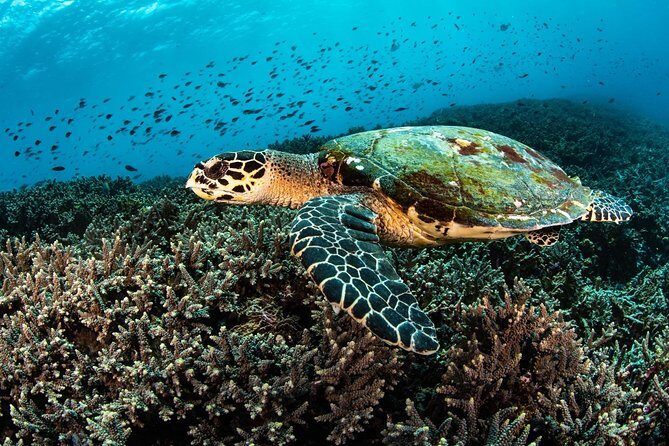
Based on what people have described, this trip can also line up other wildlife moments, like sea turtle sightings and dolphins in the distance. Those aren’t guaranteed, but the fact that the crew is watching for more than one target is part of why the whole day feels worthwhile.

Crystal Bay snorkeling: clear water and coral time

Lembongan Snorkeling at Manta Bay, Crystal Bay and Mangrove - Crystal Bay snorkeling: clear water and coral time
After the manta zone, you head to Crystal Bay in Nusa Penida. This is a classic snorkeling setup: crystal-clear waters, with coral reef structure and lots of tropical fish activity.

This stop matters because it’s your “back to basics” reef swim. If mantas are shy that day, Crystal Bay still gives you a satisfying underwater experience. Even when you’re not seeing big animals, you’ll usually get plenty to look at: reef life, colorful fish, and the way the water clarity makes everything look sharper.

The main drawback to expect at any snorkeling stop: conditions can affect how much you see. Clear water is the goal, but wind and ocean movement can change visibility. The good news is the crew is running a multi-stop plan, so even if one spot feels quieter, the others can still deliver.

Mangrove Point: calm float meets a living ecosystem

Lembongan Snorkeling at Manta Bay, Crystal Bay and Mangrove - Mangrove Point: calm float meets a living ecosystem
The final stop is Mangrove Point at Nusa Lembongan, and it’s a smart way to end. This isn’t just another reef stop. It’s known for a healthy mangrove ecosystem, plus healthy coral reefs and free-swimming fish.

What you’ll remember most is the mood. People often talk about this part as more tranquil: you can float serenely on the water while you watch what’s moving beneath you. For me, that’s the best way to finish a snorkeling day. You get a change of pace from chasing big sightings to just enjoying the underwater world doing its thing.

If you’re the type who likes nature that’s not only about the largest animals, Mangrove Point is worth it. It gives you a different kind of “wow,” where the environment itself feels special.

The crew, safety briefing, and making snorkel anxiety disappear

Lembongan Snorkeling at Manta Bay, Crystal Bay and Mangrove - The crew, safety briefing, and making snorkel anxiety disappear
This kind of tour only works when the crew is on point. Here, you get a safety briefing and the included life jacket so you’re not thrown in cold. If you’re worried about snorkeling because you’re not a strong swimmer, this is where the experience can feel surprisingly manageable. The setup is designed so you can participate without needing to be a confident water athlete.

The guide also plays an active role beyond herding people. They help you spot marine life while you’re snorkeling, and they capture underwater photos and videos using GoPro. That matters because it turns your experience into something you can actually share. You’re not just seeing cool things; you’re getting the material to relive it.

I also noticed the operator’s team uses a personal touch in their responses, with sign-offs from Ramadana. That kind of consistent, friendly communication tends to match what you want on a water activity: clear, calm, and responsive.

Photos and videos: why this inclusion is more valuable than it sounds

Lembongan Snorkeling at Manta Bay, Crystal Bay and Mangrove - Photos and videos: why this inclusion is more valuable than it sounds
The included GoPro photos and videos are a real upgrade. Most snorkeling tours either:

  • give you nothing but memories, or
  • force you to choose between snorkeling and filming.

Here, your guide handles the capture. That means you’re freer to look around, follow instructions, and actually enjoy the swim instead of worrying about your gear.

It also means your best underwater moments are more likely to be preserved. Mantas, turtle passes, and quick fish flashes aren’t the kind of thing you always manage to photograph yourself, especially while staying relaxed in the water. Having that content included is a big part of the tour’s value.

Timing and logistics that keep the day smooth

Lembongan Snorkeling at Manta Bay, Crystal Bay and Mangrove - Timing and logistics that keep the day smooth
This is scheduled to run from 8:00 am, and it ends back at the meeting point. The meeting point is Captain Coconut Snorkeling in Jungut Batu, Nusa Lembongan.

A 3-hour window is friendly. You’re not committing a whole day, and you’ll still have time to eat afterward, explore the island, or do another short activity.

Two practical notes:

  • Hotel transfer isn’t included, so you’ll want to plan how you get to Jungut Batu.
  • The experience requires good weather. If conditions are poor, it can be canceled and you’ll be offered a different date or a full refund.

Price and value: what $23.53 really buys you

At $23.53 per person, you’re buying a lot more than a basic snorkel rental.

Included value:

  • Guide and safety briefing
  • Boat time to multiple snorkeling stops
  • Snorkeling equipment (mask, snorkel, fins) and life jacket
  • Towel
  • GoPro photos and videos
  • Underwater help spotting marine life

Not included:

  • Lunch
  • Hotel transfer

So the real question isn’t just the sticker price. It’s whether you’d otherwise pay for gear, paid media, and guided planning across multiple spots. If your goal is mantas plus a couple of reef swims, this price feels fair.

The max group size of 22 helps too. Smaller groups tend to mean fewer long waits and better control in and out of the water, especially when conditions change.

Who this tour is perfect for (and who should think twice)

I’d book this if you want:

  • a real shot at manta rays with a backup plan to Manta Point
  • multiple snorkeling environments in a short window (manta zone, Crystal Bay clarity, mangrove float)
  • the convenience of all snorkeling gear included
  • underwater photos and videos without extra effort

It can also work well for people who feel nervous. The combination of a life jacket, a safety briefing, and a guide who helps you spot marine life is a strong foundation.

Think twice if you:

  • can’t handle boat movement in rougher conditions (the tour depends on weather)
  • are expecting a guaranteed manta sighting. The itinerary improves your odds, but the ocean decides.

Practical tips to get the most from your snorkel

A few small choices make a big difference on a short 3-hour outing:

  • Be on time for the 8:00 am start so you don’t rush the briefing.
  • Listen carefully during the safety talk, especially about how to move with fins and how to keep steady in the water.
  • Keep your routine simple: one calm breath at a time, slow movements, and avoid touching coral.
  • Plan to bring what you need for the surface after snorkeling, since lunch isn’t included.

And if you’re hoping for mantas, stay patient when you’re in the water. They can appear without warning, and the crew’s job is to help you spot them when they do.

Should you book this Lembongan snorkeling trip?

If your top goal is manta rays and you don’t want to gamble on just one site, I’d lean yes. The tour is built around a manta-first approach with a second location if needed, then it keeps the day rewarding with Crystal Bay and ends with the calmer Mangrove Point.

The value is strongest when you count the extras: gear included, free GoPro footage, and guided spotting. The only real downside is the usual one for wildlife snorkeling: you can do everything right and still not see mantas that day. That’s why the backup plan matters.

If the weather forecast looks good and you’re happy to DIY your way to Jungut Batu, this is a smart, efficient way to snorkel Nusa Lembongan and Nusa Penida in one go.

FAQ

How long is the snorkeling tour?

It runs for about 3 hours.

What time does the tour start?

The start time is 8:00 am.

Where do I meet the tour?

You meet at Captain Coconut Snorkeling in Jungut Batu, Nusa Lembongan.

What snorkeling spots are included?

You’ll snorkel at Manta Bay (and may go to Manta Point if mantas aren’t visible), Crystal Bay, and Mangrove Point.

Is snorkeling equipment included?

Yes. Masks, snorkels, fins, and life jackets are provided, along with a towel.

Are underwater photos and videos included?

Yes. Your guide takes GoPro photos and videos for you.

What’s not included in the price?

Lunch and hotel transfer are not included.

How big are the groups?

The tour has a maximum of 22 travelers.

What happens if weather conditions are poor?

The experience requires good weather. If it’s canceled due to poor weather, you’ll be offered a different date or a full refund.

Is there a cancellation policy?

Free cancellation is available up to 24 hours before the start time for a full refund.
7 Fun Dives in Nusa Lembongan (for certified divers) – Premium Value Package

7 Fun Dives in Nusa Lembongan (for certified divers) - Premium Value Package - The schedule reality: 3 days in town, 7 outings within 7 days

Seven underwater days, zero hassle.

This Nusa Lembongan package is built for already-certified scuba people who want great value and smooth logistics: your core gear (including wetsuit and weight belt) is handled, and round-trip transfers mean you don’t have to rent a bike just to keep the schedule. One catch: you need to complete all 7 outings within 7 days, and it’s only for certified participants (with a possible refresher if your last session was a while back).

What I like most is the practical setup at the shop—Wi‑Fi, lockers, showers, and a change room—so you can rinse, reset, and keep going. It also helps that the operation stays small, with a max of 10 people, and the guides I saw praised by name (like Freddy, Jasmine, Rayan, Rian, Ali, Baptiste, Kaka, and Sara) seem to care about clear briefings and calm support.

Key highlights you’ll actually feel

7 Fun Dives in Nusa Lembongan (for certified divers) - Premium Value Package - Key highlights you’ll actually feel

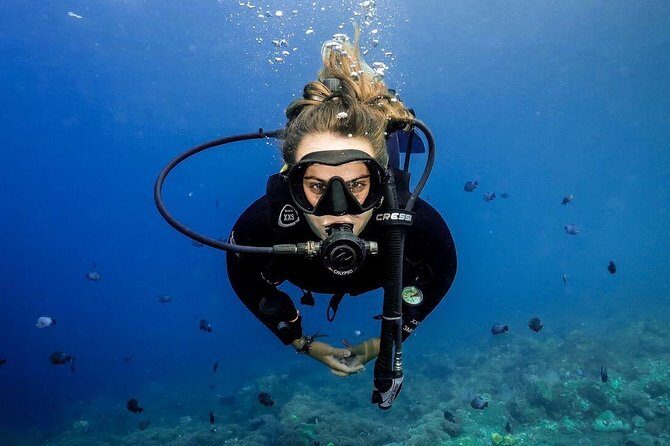
  • All the big gear basics are included: mask, snorkel, fins, buoyancy control jacket/BCD, regulator, plus other instruments.
  • Wetsuit and weight belt are included, which saves you from last-minute rental hassles.
  • 7 different local sites over a one-week window, with standout stops like Crystal Bay and Manta Point.
  • Transfers are included from your Nusa Lembongan accommodation, so you can focus on the water.
  • Comfortable on-site facilities: Wi‑Fi, toilet, shower, locker storage, and a change room.
  • Small-group feel (max 10) and lots of staff praise, from Freddy and Jasmine to Rayan and Rian.

Nusa Lembongan is a smart choice for certified scuba time

Nusa Lembongan is one of those places where the underwater world is close to where you sleep. That matters because this package is all about efficiency: you’re doing 7 planned outings across a short period, not hopping around the island all day.

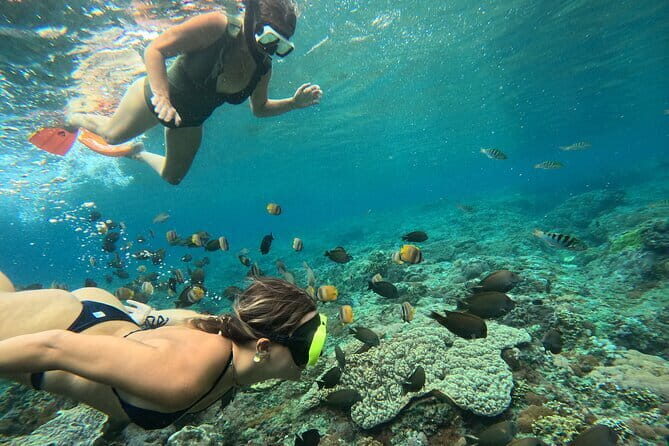
Also, the area is known for coral and marine life, and the package specifically targets the classic Lembongan favorites. You’ll spend time around spots the crew calls out as major highlights, including Crystal Bay, Manta Point, a mangrove area, plus Toyapakeh and Jungut Batu Beach. If you like seeing different “flavors” of reef and coastline instead of repeating the same type of bottom over and over, this schedule is set up to give you variety.

What’s included (and what you’ll need to plan for)

7 Fun Dives in Nusa Lembongan (for certified divers) - Premium Value Package - What’s included (and what you’ll need to plan for)
Let’s talk logistics first, because that’s where value is won or lost on packages like this.

Included: the stuff that usually costs extra

You get the essentials you need to get in the water comfortably:

  • Mask, snorkel, fins
  • Buoyancy control jacket/BCD
  • Regulator and other instruments
  • Wetsuit
  • Weight belt
  • A certified instructor/guide with you

On top of that, the shop itself provides facilities you’ll use constantly:

  • Wi‑Fi
  • Lockers
  • Toilet, shower, and change room
  • A restaurant on-site (but food is on your own tab)

Not included: the common add-ons

Two things you should mentally budget for:

  • Digital photo/video souvenirs are available for purchase, but they’re not included.
  • You also need to arrange your own accommodation unless you choose to stay at the dive shop area (dormitory and bungalows are listed as available there, but it’s not bundled into the package price).

The schedule reality: 3 days in town, 7 outings within 7 days

7 Fun Dives in Nusa Lembongan (for certified divers) - Premium Value Package - The schedule reality: 3 days in town, 7 outings within 7 days
The package is listed as approximately 3 days, but the key rule is timing inside your booking window: all 7 outings must be completed within 7 days at the center.

That means you’ll want to do two things:

  • Keep your calendar open during that week so you can book slots.
  • Plan your travel to avoid the classic problem where you’re trying to squeeze one last outing in on the day you’re leaving.

Hours are broad (open daily 8:00 AM to 8:00 PM), which gives the shop flexibility when weather or conditions shift. Still, since this is weather-dependent, you should expect that the crew may adjust timing if conditions aren’t right.

Your route through the underwater sites: what each stop gives you

7 Fun Dives in Nusa Lembongan (for certified divers) - Premium Value Package - Your route through the underwater sites: what each stop gives you
You’ll cover 7 sites total, and the package highlights several major ones. Here’s how those named stops tend to shape the experience.

Crystal Bay: a favorite starting point

Crystal Bay is one of the best-known Lembongan areas for a reason: it’s the kind of spot that fits well into a multi-outing plan because you can focus on buoyancy, marine life viewing, and enjoying the water rather than “surviving” a chaotic setup.

In a package like this, the practical win is momentum. You’ll likely get a solid briefing, gear-on, and then settle into a rhythm quickly. That matters because on a 7-outing week, you don’t want every day to feel like a brand-new learning curve.

Manta Point (Manta Bay): why this stop pulls people in

If you’re booking this plan, chances are you’re hoping for sightings. The package explicitly targets the chance to see manta rays and also mentions sunfish (Mola Mola) as possible encounters.

Manta Point is the headline stop for that ambition. Even if you don’t treat manta sightings as guaranteed, it’s still the most “on-theme” location in the schedule. The crew’s local knowledge is a big part of the value here—guides are there to help you read the water and spend time in the right places.

Mangrove Point at Nusa Lembongan: a different kind of underwater feel

Not every outing should feel the same. The itinerary includes a mangrove area stop at Nusa Lembongan, which typically changes the underwater atmosphere from open reef viewing to a more sheltered, structure-focused experience.

Even without overpromising specifics, this kind of stop is great for variety in a multi-day program. It gives your brain a break from the same visual patterns and can help you stay engaged through the week.

Toyapakeh: classic Penida-region energy

Toyapakeh appears on the list as one of the sites you’ll hit during your 7-outing run. It’s a logical choice in this region because it helps spread your week across different areas rather than clustering everything around one shoreline.

For you, that means less monotony. It also means the guide can adjust the plan day by day based on site conditions.

Jungut Batu Beach: finishing strong near the main hub

Jungut Batu Beach is included as well. This matters because it keeps you close to the main Lembongan base area where most people stay, which tends to make logistics easier when you’re stacking multiple outings in a short window.

If you like ending a day near familiar ground, this stop helps. And if you’re trying to keep your surface time comfortable between outings, being near a known hub is a real bonus.

The guides and the staff: where the reviews’ names show up

7 Fun Dives in Nusa Lembongan (for certified divers) - Premium Value Package - The guides and the staff: where the reviews’ names show up
This package earns its reputation through people, not just location.

The names you’ll hear tied to great experiences include Freddy and Jasmine, plus support praised in particular for Rayan and Rian. On top of that, other instructors mentioned with strong notes include Sara, Ali, Baptiste, and Kaka. What they have in common across the stories is the same theme: clear briefings, professional gear support, and calm guidance.

For you, that translates into a smoother day underwater. A good instructor does three things fast:

  • helps you get your gear sorted correctly without fuss
  • explains the plan clearly so you can relax
  • watches your pace and comfort instead of rushing you

If you’re doing 7 outings, small differences in how the team runs the day add up fast. This is where value shows.

Comfort on land: Wi‑Fi, lockers, shower, and a realistic flow

7 Fun Dives in Nusa Lembongan (for certified divers) - Premium Value Package - Comfort on land: Wi‑Fi, lockers, shower, and a realistic flow
A surprisingly important part of any multi-day scuba package is what happens between outings.

Here, the setup is practical:

  • Lockers help keep your stuff organized.
  • Showers and a change room help you dry off and reset.
  • Wi‑Fi is useful for checking messages, planning surface time, and staying in sync with your group and day plan.

And because the shop has a restaurant, you’re not always searching for food after you get back. You’ll pay your own meals, but the convenience is real.

Value check: is $311.68 a fair deal?

7 Fun Dives in Nusa Lembongan (for certified divers) - Premium Value Package - Value check: is $311.68 a fair deal?
At $311.68 per person, the price only makes sense if you’re getting more than just “a guide and a schedule.”

Here’s the value math you can feel:

  • You’re not paying separately for core equipment (mask, fins, BCD/BC, regulator, instruments).
  • You’re also covered for wetsuit and weight belt, which are often the annoying rental items.
  • You get round-trip transfers from your Nusa Lembongan accommodation, which removes a common hidden cost and time drain.

Could you book each piece individually? Maybe. But if you want a week where the logistics are handled and you can focus on the water, a bundled plan is often the cheapest way to avoid small “pay-as-you-go” headaches.

Also, the ability to do 7 outings within a week adds efficiency. When you’re already in the region, stacking multiple sessions tends to be a better use of travel time than doing just one or two.

Who should book this, and who should skip it

7 Fun Dives in Nusa Lembongan (for certified divers) - Premium Value Package - Who should book this, and who should skip it
This plan is best for:

  • Already-certified scuba participants who completed a session within the last year.
  • People who want local guidance and a smooth, equipment-covered week.
  • Anyone who likes classic Lembongan site variety, including the manta-focused stop and a mangrove area.

You might want to think twice if:

  • You’re not able to complete all 7 outings within 7 days.
  • Your last session was long ago and you’re not comfortable with a possible refresher session. (The info notes an additional fee might apply for refreshers if needed.)
  • You prefer fully flexible “on-demand” day schedules with no set site plan. This package is structured for a reason.

Quick practical tips before you go

Based on what the format promises, here are smart moves:

  • Bring your own swim-ready essentials and keep your gear routine simple. You’ll still wear the included wetsuit and use provided equipment, but your comfort extras matter.
  • Plan a slower pace on surface days. Stacking 7 outings is fun, but it’s still a physical week.
  • If you’re chasing manta rays and sunfish sightings, treat it as a goal, not a guarantee. The plan is built around those chances, and the crew’s local knowledge helps your odds.

FAQ

Is this package only for certified scuba participants?

Yes. It’s reserved for people already certified for scuba. If your most recent scuba session was more than a year ago, you may need a refresher session with the instructor.

What equipment is included?

The package includes mask, snorkel, fins, buoyancy control jacket (BCD), regulator and other instruments, plus a wetsuit and weight belt.

Are transfers included from Nusa Lembongan?

Yes. It includes two-way transfers from your Nusa Lembongan accommodation to the meeting point and back.

Where does the activity start?

The meeting point is Dive Concepts Lembongan in Jungutbatu, Nusa Penida area (Nusa Lembongan, Bali 80771). The activity ends back at the meeting point.

How many outings do I do?

You’ll do 7 outings total.

Do I need to finish the 7 outings within a certain time?

Yes. The 7 outings must be done in the dive center within 7 days.

What facilities are available at the shop?

The center lists Wi‑Fi, toilet, shower, lockers, and a change room, plus an on-site restaurant where meals are your expense.

Are photos or videos included?

No. Digital photo/video souvenirs are available for purchase.

What’s the maximum group size?

The activity has a maximum of 10 travelers.

Should I book this package?

If you’re already certified and you want a week in Nusa Lembongan where gear, instruction, and transfers are handled, this is an easy yes. It’s priced like a value plan, and the experience is built around real practical comfort (Wi‑Fi, lockers, showers) plus site variety across Crystal Bay, Manta Point, a mangrove area, Toyapakeh, and Jungut Batu Beach. Just be sure you can fit all 7 outings within 7 days and you’re good with the schedule being weather-aware.

5 Fun Dives in Nusa Lembongan (for certified divers) – Swim with a Mola Mola

5 Fun Dives in Nusa Lembongan (for certified divers) - Swim with a Mola Mola - What the Manta and Mola Chances Really Mean

Scuba magic happens fast here. In Nusa Lembongan, you’re set up for repeated underwater wildlife sightings—especially manta rays—with a chance at mola mola when conditions and season line up. The operator runs a tight, guided plan across major spots off Lembongan and Nusa Penida, with instructors who keep the whole experience calm and clear (I’ve seen praise for guides like Mr. Hugo and Baptiste in particular).

Two things I really like about this package: you get full kit and comfort upgrades (mask, snorkel, fins, BCD, regulator, wetsuit, weight belt), and the format is built for variety—Crystal Bay, Manta Point, a mangrove location, Toyapakeh, and Jungut Batu Beach, all within the allowed window. One possible drawback: it’s certified-diver only, and if your last water session was a long time ago, you may need a refresh session that can cost extra, plus you must complete all five sessions within 7 days.

Key Things I’d Pay Attention To Before You Book

5 Fun Dives in Nusa Lembongan (for certified divers) - Swim with a Mola Mola - Key Things I’d Pay Attention To Before You Book

  • Certified-only schedule with a small group cap of 10 people, so your instructor can actually manage buoyancy and attention.
  • Five different locations across Lembongan and Nusa Penida, not just a single repeat spot.
  • Manta-focused planning, plus in-season hopes for mola mola, with sightings dependent on timing and water conditions.
  • Comfort included: wetsuit, weight belt, and the operator’s on-site facilities like Wi-Fi, showers, lockers, and toilets.
  • Digital photos/videos cost extra, so plan on that if you want a souvenir beyond your own memory.

Getting Ready: Certified-Only Scuba Sessions in Lembongan

This package is designed for certified divers—so you’ll already know the basics: how to equalize, how to manage buoyancy, and how to follow a guide’s cues underwater. If that’s you, the experience is straightforward and a lot of fun because you’re not spending time learning systems. You’re spending time looking.

If your certification is current but you haven’t been in the water for a while, you’ll likely want to talk with the team ahead of time. The operator notes that if you did your last dive long ago, you may get a refreshment session with an instructor. That’s a good sign for safety, even if it can add cost. I’d treat it as money spent for confidence, not as a hassle.

Physically, the info calls for moderate fitness. That usually means you should be comfortable with typical tropical water conditions, getting in and out of boats, and staying steady for multiple days.

Your Five Underwater Stops: What Each Location Is Like

5 Fun Dives in Nusa Lembongan (for certified divers) - Swim with a Mola Mola - Your Five Underwater Stops: What Each Location Is Like
You’ll visit five named stops. The exact order can vary based on conditions, but here’s what you can expect from the lineup and why it matters for wildlife spotting.

Crystal Bay: A Classic Start for Marine Life

Crystal Bay is one of the more famous areas around Nusa Lembongan. The big reason it’s on the list is simple: the operator wants you in strong marine-life terrain early so the first day doesn’t feel like waiting for a highlight. If your goal is mantas and other larger wildlife, starting here is a smart move.

Practical tip: keep your gear checks tight and your breathing steady. At the beginning of a multi-session plan, small mistakes (like rushing your equalization) can snowball into stress. With this operator’s emphasis on instructor guidance, you’ll get help staying relaxed, and that makes a difference.

Manta Point: Where the Manta Hunt Gets Serious

Manta Point is the anchor stop for people who came for mantas. The area is well-known for manta rays in the region, and the package is built around that reality. If you’re someone who watches from the corner of your eye and only half looks at the guide’s briefing, train yourself now: at manta-focused sites, you’ll get more out of it if you look where you’re told and keep your position calm.

A small reality check: manta sightings aren’t guaranteed. But repeated sessions in the region help. One good sign from the reviews is that guides like Baptiste are praised for spotting marine life quickly and guiding with clarity—exactly what you want at Manta Point.

Mangrove Point at Nusa Lembongan: Different Scenery, Different Energy

This stop changes the mood. Mangrove areas tend to be more sheltered and can feel like a shift from open-water wildlife to coastal life. You’re still underwater watching, but the visuals and pacing are different than the bigger open-water manta zones.

Why include it? Because you don’t want every session to feel the same. A mangrove stop breaks up the day and gives you a chance to focus on smaller life and structure around the seafloor and edges. It’s also a good mental reset if you’re eager to do well on the next “bigger” wildlife location.

Toyapakeh: A Penida-Adjacent Option With Lots of Potential

Toyapakeh is on Nusa Penida’s side of the equation. Penida-area sites are often where you see the bigger, more dramatic ocean-wildlife action compared to just staying around Lembongan. That’s why it’s part of this five-stop package.

Practical note: Penida-side water can come with its own feel—often more current-driven than you’d expect from a calmer bay. I can’t promise the exact conditions you’ll get, but I can tell you this: follow your lead instructor’s positioning cues. If you go where you’re told and keep your buoyancy controlled, you’ll conserve energy and see more.

Jungut Batu Beach: A Comfortable Wrap-Up Point

Jungut Batu Beach is a smart final stop because it ties back to where most people base themselves on Lembongan. For your last session, that matters. After four underwater outings, you’re tired—like, real-world tired. Ending near Jungut Batu helps make the whole trip feel doable, not just intense.

Also, finishing strong with a known local access area gives you a cleaner off-ramp: you can get cleaned up at the operator’s facilities (showers, lockers, and toilets) and not lose your whole evening trying to figure out logistics.

What the Manta and Mola Chances Really Mean

5 Fun Dives in Nusa Lembongan (for certified divers) - Swim with a Mola Mola - What the Manta and Mola Chances Really Mean
The package is built around two headline animals: manta rays year-round as a major target, and mola mola (oceanic sunfish) in season. That word in season is key.

Here’s how I’d think about it:

  • Manta rays: the operator plans for mantas as a core expectation across the region’s known manta locations.
  • Mola mola: you may hope for them, but they’re seasonal. So you’re not booking a guaranteed mola encounter. You’re booking a best-effort shot during the window when sightings are more likely.

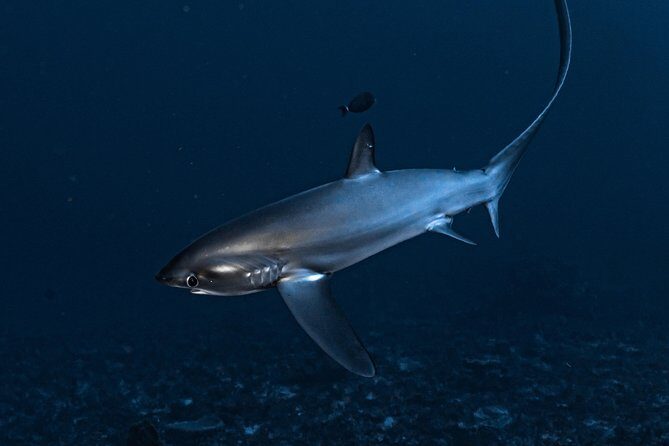
The value in doing five sessions (instead of one or two) is that it increases your odds on mantas and gives more chances to spot other big marine life—sharks, turtles, pufferfish, lionfish, and lots of reef fish, based on the kinds of animals guides are praised for spotting.

One more human factor: instructors like Ratno and Kemane are praised for calm safety and for spotting marine life quickly. That combination—plus repeated chances—makes the whole “waiting for the right moment” part of wildlife watching less stressful.

The Instructor Factor: Why Calm Guidance Pays Off

5 Fun Dives in Nusa Lembongan (for certified divers) - Swim with a Mola Mola - The Instructor Factor: Why Calm Guidance Pays Off
This is a certified package, so you’re not coming to be taught how to use scuba from scratch. What you’re buying is guidance that keeps you safe and helps you see what’s actually there.

In the reviews, multiple instructors get credit for:

  • staying relaxed and professional
  • doing clear briefings
  • spotting marine life you might miss
  • keeping buoyancy and group control manageable

Names that come up again include Mr. Hugo, Baptiste, Ratno, Kemane, Raymond, and Mika. Even if your instructor isn’t one of these people, the pattern is consistent: the operator invests in instruction style that makes wildlife spotting feel easier.

Here’s the practical payoff for you: you’ll spend less time second-guessing your position and more time doing what you came for—watching the seabed, tracking movement, and staying close to the action without rushing.

Transfers, Group Size, and Timing: What Makes the Plan Work

5 Fun Dives in Nusa Lembongan (for certified divers) - Swim with a Mola Mola - Transfers, Group Size, and Timing: What Makes the Plan Work
You’ll get transfers from around Nusa Lembongan, and the operator keeps the group small (max 10). Small groups matter more than people think. It helps with:

  • quicker roll call and equipment checks
  • better spacing underwater
  • more instructor time per person

The total duration is listed as about 2 days, but there’s also an important rule: your five sessions must be completed within 7 days at the dive center. In plain terms, that means you’re not locked into a single hard schedule with no flexibility, but you also shouldn’t plan to “drift” your underwater days across two weeks.

Also, the package includes use of the operator’s on-site facilities, and the hours are wide (open daily 8:00 AM to 8:00 PM based on the info). That helps if you want to fit everything around your time on Lembongan.

Equipment and Comfort: The Stuff That Saves You Headaches

5 Fun Dives in Nusa Lembongan (for certified divers) - Swim with a Mola Mola - Equipment and Comfort: The Stuff That Saves You Headaches
One reason this package feels like good value is that it doesn’t make you hunt for basic gear. Included equipment covers the essentials:

  • mask and snorkel
  • fins
  • buoyancy control jacket (BCD)
  • regulator and instruments
  • wetsuit and weight belt

On a multi-session trip, having consistent kit is underrated. It reduces fit problems, makes breathing feel more predictable, and keeps you from wasting energy on tiny adjustments.

On land, you also have facilities: Wi-Fi, toilet, shower, locker, and a change room. These details sound boring until you’re hot, salty, and tired after multiple sessions. Then they feel like part of the adventure, not an afterthought.

Digital photos/videos are available for an extra charge. If you’re the type who likes a video proof for friends back home, budget for it now so it doesn’t hit you later like a surprise receipt.

Price and Value: Is $256.11 a Good Deal?

5 Fun Dives in Nusa Lembongan (for certified divers) - Swim with a Mola Mola - Price and Value: Is $256.11 a Good Deal?
At $256.11 per person, you might compare this to cheaper “standard” outings. Here’s where value shows up.

You’re paying for a package that bundles:

  • a certified instructor/lead guidance for each outing
  • transfers from around Nusa Lembongan
  • five separate underwater sessions (not just one “try scuba” day)
  • full equipment and wetsuit/weights
  • access to on-site facilities (showers, lockers, and more)
  • the operator’s experience operating in the Lembongan and Penida area

If you tried to buy those pieces separately—transport, gear rental, and instructor time—the total tends to climb fast. The price also makes sense because you’re getting repeated attempts at mantas and other animals, and wildlife watching is where time and repetition actually matter.

My quick take: this is best value if you already hold certification and can complete all five sessions within the 7-day window. If you can only do one or two, the package stops being as strong a deal.

Weather and the Reality of Ocean Plans

5 Fun Dives in Nusa Lembongan (for certified divers) - Swim with a Mola Mola - Weather and the Reality of Ocean Plans
The operator states the experience requires good weather. If weather cancels it, you’ll be offered a different date or a full refund. That’s how it should work with ocean-based plans.

What that means for you on the ground: you should keep one block of flexibility in your itinerary while you’re on Lembongan. The ocean can be fickle, and when it is, the only real strategy is staying adaptable.

Who This Package Fits Best (and Who Should Skip It)

This package is a great fit if:

  • you’re already a certified diver
  • you want multiple chances at mantas and other big marine life
  • you prefer structured guidance with a calm, safety-first vibe
  • you’re comfortable completing five underwater sessions within 7 days

You might want to skip it (or pick a different option) if:

  • you’re not certified yet
  • you can’t commit to the 7-day completion window
  • you’re hoping for a guaranteed mola mola encounter, since that’s seasonal

If you’re a return diver, this plan can also be a solid way to get back into the rhythm quickly—especially if a refreshment session is available to bring you up to speed safely.

Should You Book 5 Stops for Mantas on Nusa Lembongan?

Book it if your main goal is more time in the water with guided help, not just one sightseeing outing. Five sessions in the Lembongan–Penida area is a sensible approach for wildlife lovers because mantas and other bigger animals aren’t always predictable on one day.

I’d also book if you appreciate competent instruction and clear briefings. The praise for instructors like Mr. Hugo, Baptiste, Ratno, and Kemane points to a consistent theme: safety, calm energy, and strong spotting skills—exactly what helps you see more and worry less.

Don’t book if you’re uncertain about certification timing or you can’t realistically finish all five sessions within the week. The package only works as designed when you commit to the full plan.

If you want a practical next step: check your last scuba date, plan to keep your schedule flexible for weather, and pack a swimsuit-ready mindset for showers and downtime between sessions. Then let the sea do what it does best—show up when you’re paying attention.

FAQ

Is this package only for certified scuba divers?

Yes. It’s reserved for certified divers. If you haven’t been in the water for a while, you may need a refreshment session with an instructor (an additional fee might apply).

Do I get dive equipment and a wetsuit?

Yes. Equipment is included, including mask, snorkel, fins, buoyancy control jacket, regulator, and other instruments. A wetsuit and weight belt are also included.

What underwater stops are included?

You’ll visit five locations: Crystal Bay, Manta Point, Mangrove Point at Nusa Lembongan, Toyapakeh, and Jungut Batu Beach.

Do I have to complete all five sessions within a certain time?

Yes. Your five sessions must be done in the dive center within 7 days.

Are photos or videos included?

No. Digital souvenir photos/videos are not included, but you can purchase them.

What happens if weather is bad?

The experience requires good weather. If it’s canceled due to poor weather, you’ll be offered a different date or a full refund.

Advanced Open Water Course – Advanced Certification in Lembongan (next to Bali)

Advanced Open Water Course - Advanced Certification in Lembongan (next to Bali) - The Training Stops Around Nusa Lembongan: Why These Sites Matter

First big watery step? Good. This 2-day SSI Advanced Open Water course in Nusa Lembongan is built to take you from basic comfort to real skill under supervision, with five training sessions spread across different local sites. I like that it is less theory-heavy (the instruction style is described as more mellow than the Open Water course) and more about doing the right tasks in the water, with an instructor watching your technique closely.

My second favorite part is how the program nudges you toward practical skills you will use right away: deeper dive planning, managing the body’s changes at depth, and underwater navigation with compass plus time and visual cues. The one possible drawback is that it is physically and mentally demanding—good focus helps—and it requires you to already be Open Water certified before you can start.

Key Points You’ll Actually Care About

  • 5 training sessions in 2 days: enough variety to move your skills forward without dragging it out.
  • Up to 30 meters / 100 feet certification goal: you learn how to handle deeper conditions safely under instructor guidance.
  • Underwater navigation with a compass: not just theory—practice using kick cycles, landmarks, and time.
  • Specialty options are real choices: you pick from topics like photography, buoyancy control, fish ID, or exploring wrecks.
  • Small group size (max 5): you’re less likely to get lost in the shuffle.
  • Comfort-forward center setup: Wi-Fi, lockers, showers, and a place to recover between sessions.

Advanced Open Water in Lembongan: What You Get in 2 Days

This course is designed to be a step-change, not a repeat of your first certification. You already have the basics; now you refine skills, build comfort at greater depth, and learn how to plan and execute more complex underwater work with an instructor nearby.

You’ll complete five training sessions total, including one focused on deep planning and the body’s responses at depth, one centered on navigation, and three more where you can lean into what you actually care about—skills like better buoyancy, photo technique, fish identification, or wreck exploration basics (depending on what you choose and what the instructor offers from the available adventure options).

The atmosphere is intentionally less theory-crowded than the earlier Open Water course. You’ll still do some studying, but the emphasis stays on controlled practice—so you leave with muscle memory, not just notes.

Who This Course Fits Best (and Who Might Want to Wait)

Advanced Open Water Course - Advanced Certification in Lembongan (next to Bali) - Who This Course Fits Best (and Who Might Want to Wait)
You need Open Water certification first. If you just finished your first course, this one is a natural next step because it’s built for progression: more confidence, more supervision, and a clearer path to specialty training later.

You also want at least moderate physical fitness. Nothing in the info screams “athlete-only,” but you should be comfortable with basic exertion, getting in and out of the water, and concentrating while you work through new skills.

If you’re the type who learns faster by doing, you’ll probably enjoy this. And if you’re the type who worries in silence, that’s also fine—this course is staffed with certified instructors, and you’ll get direct feedback while you practice.

Deep Planning and Navigation Skills That Actually Pay Off

Advanced Open Water Course - Advanced Certification in Lembongan (next to Bali) - Deep Planning and Navigation Skills That Actually Pay Off
The course is structured around two big skill blocks, and they’re the reason most people feel a real jump after completing Advanced Open Water.

Deep Adventure Session: Plan, Then Execute

In the deeper-focused training session, you learn how to plan underwater work more carefully. The goal is to understand how depth affects you physiologically, then use that understanding to make better decisions during the session. That’s the difference between feeling “I can handle it” and knowing why and how to handle it.

You’re aiming for certification capability close to 30 meters / 100 feet, so you should be ready for the mental switch from “new depth” to “systems thinking.” It’s not about going as deep as possible—it’s about learning to stay in control.

Underwater Navigation Session: Compass Without Guessing

Your navigation session teaches compass use underwater, and it goes beyond simple direction changes. You practice using kick cycles (so you don’t drift), visual landmarks (so you can confirm your path), and time (so you can keep your route consistent even when visibility isn’t perfect).

This is the skill that changes the kind of routes you can do afterward. Once you can navigate with purpose, you stop feeling like the site is only for people who have done it a hundred times already.

Three More Specialty Options (Pick What Matches Your Mood)

You’ll also complete three additional skills areas based on your preferences. The examples provided include:

  • photography
  • buoyancy control
  • fish identification
  • exploring wrecks

I like this part because it makes the course feel personal. Instead of “here’s the curriculum, deal with it,” you get to steer toward what makes you curious.

The Training Stops Around Nusa Lembongan: Why These Sites Matter

Advanced Open Water Course - Advanced Certification in Lembongan (next to Bali) - The Training Stops Around Nusa Lembongan: Why These Sites Matter
You’ll move around the island area during the two days. That matters because each site tends to feel different underwater, and you get a more realistic picture of how your skills translate across conditions.

Crystal Bay: Building Comfort in a Familiar Pattern

Crystal Bay is one of the main stops. Practically, it’s a great place to work on consistent technique and calm decision-making before you stack more skills on top.

If you’re someone who needs a couple of repetitions to settle in, this is likely to help. You’ll still be learning, but you can focus on staying relaxed and controlled.

Manta Point: A Big-Name Stop With Big Expectations

“Manta Point” is on the schedule, and the name alone sets the tone: you’re in an area people associate with larger marine life. Just keep expectations flexible—seeing a specific animal is never guaranteed.

Still, it’s a strong choice for building excitement and keeping your motivation high during the more technical training parts.

Mangrove Point: Different Underwater Feel, Different Challenges

Mangrove Point at Nusa Lembongan is another scheduled stop. Mangroves often create a different underwater rhythm—think structure, changing lines of sight, and the need to stay precise with your movement.

That’s helpful for your navigation and buoyancy work, because small corrections matter when you’re close to structure or dealing with variable visibility.

Toyapakeh: A Workshop-Style Set of Sessions

Toyapakeh is included as a training location. In real terms, it’s another chance to reinforce your skills with repetition: controlled movement, steady buoyancy, and working through the tasks you practiced earlier.

This stop helps your brain connect the dots: the course isn’t just five unrelated sessions—it becomes a skill ladder.

Jungut Batu Beach: Ending Where It Feels Easy

Jungut Batu Beach rounds out the set. Ending near a more central area usually helps you transition back to surface time without stress.

It’s also a good moment to reflect: did your buoyancy improve? Are your compass checks more automatic? Do you feel calmer planning your next segment?

Small Group Energy and Instructor Quality (Valentin, Kaka, Hugo, Sara, Silvère)

Advanced Open Water Course - Advanced Certification in Lembongan (next to Bali) - Small Group Energy and Instructor Quality (Valentin, Kaka, Hugo, Sara, Silvère)
A max group size of 5 travelers is a big deal in a course like this. When the group stays small, your instructor can spend more time with you instead of splitting attention.

From the instructor names connected to the course, you get a clear pattern: people highlight professionalism and patience. Names you’ll see associated with excellent teaching include Valentin, Kaka, Hugo, Sara, and Silvère—each called out for being careful, warm, and focused on making you feel safe while you learn.

I especially like instructors who correct technique without shaming you. In a skills-forward course, you want honest feedback with a calm tone—so you actually improve instead of freezing up.

Gear Included, Comfort On-Site, and What That Means for You

Advanced Open Water Course - Advanced Certification in Lembongan (next to Bali) - Gear Included, Comfort On-Site, and What That Means for You
Equipment is included: masks, snorkel, fins, buoyancy control jacket, regulator, wetsuit, weight belt, and the other required instruments. That’s a real value point because rental shopping can be a hassle, and it adds hidden costs.

On-site facilities include Wi-Fi, toilet, shower, lockers, and a change room. There’s also a restaurant on site, but that’s for your own expense.

This setup matters more than people think. After a couple of concentrated underwater sessions, you want a place to rinse, change, and reset quickly. Good recovery time helps you learn better the second day.

Price Check: Is $431.28 a Good Value for a 2-Day Course?

Advanced Open Water Course - Advanced Certification in Lembongan (next to Bali) - Price Check: Is $431.28 a Good Value for a 2-Day Course?
At $431.28 per person for roughly two days, this isn’t a bargain course, but it also doesn’t feel overpriced for what’s included. You’re paying for certified instruction, structured progression to SSI Advanced Open Water outcomes, and gear you don’t have to source separately.

Because the course is only two days with five training sessions, you also avoid the cost of a long “sit and wait” schedule. In a small group model, you’re less likely to feel like you’re paying for time that isn’t getting used well.

If you’re comparing options, I’d focus on three value levers:

  • how many sessions you get in the package (here, five)
  • whether gear is included (it is)
  • how much instructor attention you can realistically expect (the max group size helps)

Weather, Timing, and Staying Flexible Without Stress

This experience requires good weather. That’s not a small footnote—it’s how you keep the training safe and the schedule sane.

Your best approach is to plan your Bali-side days with breathing room. If the water is too rough or conditions aren’t right, the operator may offer a different date or a refund rather than pushing forward into unsafe conditions.

You’ll also be in a schedule window that runs daily from morning until evening, which generally gives room for two-day momentum. Still, you should expect that surface conditions control the exact flow more than any paper timetable.

Should You Book This Advanced Course in Nusa Lembongan?

Book it if you want a structured next step after Open Water and you care about practical skills: deeper planning, navigation with compass support, and choosing specialty topics that match your interests. The small group limit and the strong emphasis on instructor presence are the kind of factors that make a course feel worth your time and money.

Skip or postpone if you’re not ready for increased responsibility at depth. You don’t need to be athletic, but you do need focus, patience, and comfort with learning new systems quickly.

If you’re chasing one thing—better control underwater and more confident planning—this is a solid route. You’ll leave with skills you can use right away, and you’ll understand how to keep your head clear when the water gets more challenging.

FAQ

Do I need Open Water certification before I can join this course?

Yes. To qualify for the Advanced Open Water certification, you must already be Open Water certified.

What certification depth does this course prepare you for?

The course is designed to certify you to dive to depths up to 100 feet (30 meters) with SSI.

How long is the course?

It runs for 2 days (approximately).

How many training sessions are included?

You’ll complete five training sessions.

Is equipment included?

Yes. Masks, snorkel, fins, buoyancy control jacket, regulator, wetsuit, and a weight belt are provided, along with other necessary instruments.

What facilities are available at the dive center?

The center has Wi-Fi, lockers, toilets, shower access, and a change room.

Is accommodation included in the price?

No. Accommodation is not included, but dormitory and bungalows are available at the dive center.

Are digital photo or video souvenirs included?

No. Digital souvenir photos/videos are available for purchase, but they’re not included.

What’s the cancellation and weather approach?

Free cancellation is available if you cancel at least 24 hours before the experience starts for a full refund. The experience requires good weather; if it’s canceled due to poor conditions, you’ll be offered a different date or a full refund.
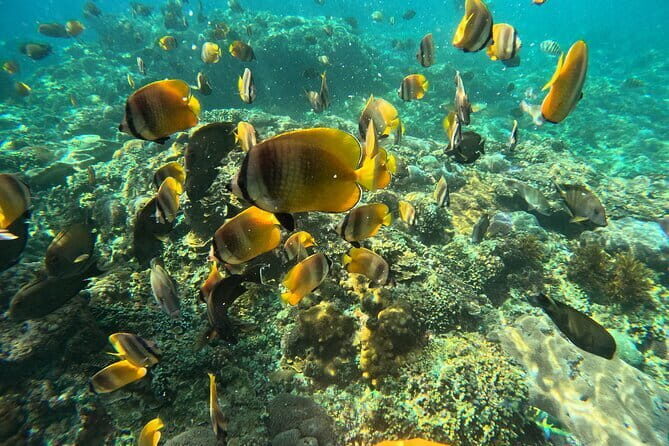
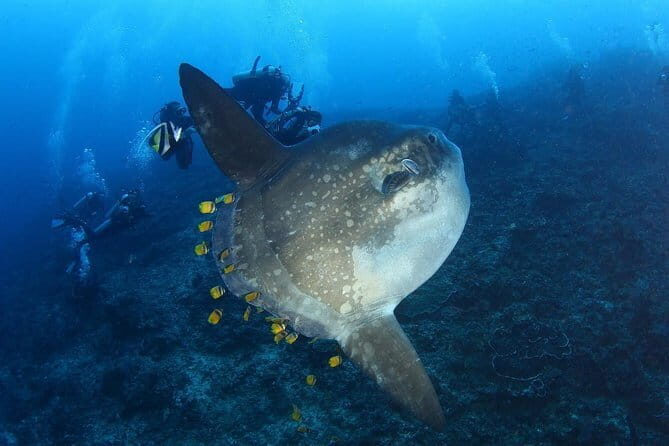
2 Days Discover Scuba Diving in Nusa Lembongan – Scuba Initiation

2 Days Discover Scuba Diving in Nusa Lembongan - Scuba Initiation - Crystal Bay and the other stops: what to expect on the water

First breath underwater changes everything fast. This 2-day intro scuba course lets you learn the basics safely on land (and in a pool) before you head into the sea with an instructor close by. I especially like the promise of manta-ray spotting at Manta Point, plus the way they keep the learning curve progressive.

One thing to plan for: there’s an extra 300,000 Rp/person fee to reach Manta Point, and some equipment may not feel brand new.

You’ll likely spend Day 1 building confidence with a short briefing and pool skills, then Day 2 doing two ocean sessions (often Manta Point and Crystal Bay). The instructors I read about are the real star here, including Sara, Hugo, Romane, Valentin, and Valentine. If you’ve ever panicked in water, this format can work because they coach you through what to do if things feel weird.

A beginner-friendly way to learn scuba in Nusa Lembongan

2 Days Discover Scuba Diving in Nusa Lembongan - Scuba Initiation - A beginner-friendly way to learn scuba in Nusa Lembongan
Nusa Lembongan is a small island setup, and this course uses that to keep things manageable. You start at the center in Jungutbatu and get everything organized around your first time underwater.

The goal is simple: you breathe with scuba gear, you move with control, and you see real marine life without having to figure out the system alone. The course limits your maximum depth to 40 feet (12 meters), which matters for first-timers. It gives you a safety framework while you focus on breathing, buoyancy, and staying calm.

I also like that this isn’t just a one-shot experience. It’s two days, so you get more than a “try it once” moment. You practice basics first, then you apply them in open water.

Your 2-day schedule: pool basics, then two ocean sessions

2 Days Discover Scuba Diving in Nusa Lembongan - Scuba Initiation - Your 2-day schedule: pool basics, then two ocean sessions
This program is organized in a clear sequence with four main steps. Day 1 is about getting your body and your brain comfortable with scuba equipment. Day 2 is where you try it for real, with supervision throughout.

Day 1: briefing + pool practice

You start with a short briefing to understand the basics. Then you do a few exercises in the pool. This is where you learn how to assemble your gear and how to move without fighting your buoyancy.

In plain terms, Day 1 is about control. You learn how to handle the equipment, breathe normally, and not let the new sensation of underwater sound turn into panic.

Day 2: Manta Point + Crystal Bay (with a rest stop)

Day 2 is built around two ocean sessions. They’re most likely at Manta Point and Crystal Bay. Between them you’ll take a short rest/refuel on the boat.

Manta Point is described as the favorite cleaning station for manta rays, typically around 3–5 meters. Crystal Bay is the second location, and it’s the one many beginners remember as the moment everything clicks.

The itinerary also lists stops at Mangrove Point, Toyapakeh, and Jungut Batu Beach. Think of these as part of your day’s routing and scenery rhythm—time on the boat, short transitions, and getting to the right spots.

The Manta Point advantage: why that fee might be worth it

Manta Point is the headline for many first-timers here. The course explicitly calls out manta rays gathering at a cleaning station around 3–5 meters. That’s close enough for many beginners to enjoy the moment without feeling far from the instructor.

But yes—there’s that extra cost. You should expect an additional 300.000 Rp/person fee to reach Manta Point. If you’re okay with spending for a better chance at mantas, this course can feel like good value. If manta rays aren’t a priority for you, you can still enjoy the Crystal Bay session without chasing that add-on.

Crystal Bay and the other stops: what to expect on the water

2 Days Discover Scuba Diving in Nusa Lembongan - Scuba Initiation - Crystal Bay and the other stops: what to expect on the water
Crystal Bay is your other listed ocean stop, and it’s paired with Manta Point as part of the two-session structure. That pairing is smart. You don’t just do one “big moment.” You get one spot that’s all about mantas, then another spot to keep your confidence building.

One practical point: the course says you’ll have an instructor close at hand, and that supervision matters most after the first few minutes underwater. This is also where the course’s beginner focus shows. You’re not left to figure out air, weight, and direction by yourself.

You’ll also pass through stops including Mangrove Point at Nusa Lembongan, Toyapakeh, and Jungut Batu Beach. Since the details given are mostly about locations rather than activities, I’d treat these as part of the travel plan and day flow. Your real attention will be on the ocean sessions.

How instructors make or break your first scuba experience

2 Days Discover Scuba Diving in Nusa Lembongan - Scuba Initiation - How instructors make or break your first scuba experience
This course earns its high marks because instruction is hands-on. Several review snippets highlight that instructors helped keep the experience calm and structured, even when someone felt nervous.

  • Sara stood out for being extremely helpful when a student felt panicked underwater.
  • Hugo was described as preparing students for unpleasant situations underwater and coaching with real confidence. One review even mentions a background of near-drowning fear, and how the instructor helped the student meet the challenge.
  • Romane was praised as a strong beginner instructor, with a protected, supportive approach.
  • Valentin and Valentine both appear in reviews tied to safety and enjoyment, including making a newbie feel safe.

That pattern matters. Scuba is physical, but it’s also emotional. The instructors here seem to focus on the moment-to-moment basics so you don’t spend the session fighting your own mind.

If you’re an anxious swimmer, don’t assume you’re out of luck. What counts is whether the instructor explains the plan clearly and stays close while you practice skills.

Gear, comfort, and the center facilities you’ll actually use

2 Days Discover Scuba Diving in Nusa Lembongan - Scuba Initiation - Gear, comfort, and the center facilities you’ll actually use
You don’t have to hunt down equipment. The course includes a lot of what beginners need right away.

Included items:

  • Wetsuit and weight belt
  • Mask, snorkel, fins
  • Buoyancy control jacket (BCD)
  • Regulator and other instruments

That setup matters because new divers often waste time fiddling. Here, you get the full kit and then you practice using it.

The center facilities are also useful if you want a simple routine: WIFI, toilet, shower, locker, and a change room. After a long day on boats and in the ocean, having a place to rinse and reset is more than comfort—it helps you recover so Day 2 feels doable.

One drawback came up in the feedback: at least one person felt the equipment showed its age. That doesn’t automatically mean the gear is unsafe, but it does mean you should speak up if anything feels off when you’re fitted.

Price and value: what you’re really paying for at $151.01

2 Days Discover Scuba Diving in Nusa Lembongan - Scuba Initiation - Price and value: what you’re really paying for at $151.01
At $151.01 per person for about 2 days, the value depends on what’s included and what might cost extra.

What’s included is the heavy part:

  • Instruction by a certified instructor
  • Gear (including core scuba items)
  • Wetsuit and weight belt
  • Pool practice + two ocean sessions
  • Center facilities (showers, changing space, lockers)

What’s not included:

  • Digital souvenir photos/videos (available to purchase)
  • Accommodation (dormitory and bungalows are available at the center, but not included in the price)
  • The 300.000 Rp/person fee to reach Manta Point

So the practical “value math” is this: you’re paying for safety coaching, time in a pool, and real water experience at beginner depth limits. If you also want photos, a place to stay, or the manta add-on, your total will rise—but the base price covers the essentials that keep first-time scuba from becoming a DIY problem.

Also note the popularity signal: this type of course is often booked in advance. If you’re traveling with limited dates, locking in early can save stress.

Best-fit for your personality and fitness level

2 Days Discover Scuba Diving in Nusa Lembongan - Scuba Initiation - Best-fit for your personality and fitness level
The course lists a minimum age of 10 years. It also asks for moderate physical fitness. That doesn’t mean you need to be an athlete. It does mean you should be comfortable with the basic effort of getting fitted, moving in the water, and handling the equipment on your body.

This is best if:

  • You want a structured way to learn scuba basics instead of winging it
  • You like the idea of practice first (pool), then applying it
  • You want a chance at manta rays at a nearby cleaning station
  • You benefit from an instructor who stays close and explains what to do

I’d think twice only if you’re unwilling to do pool practice or you strongly dislike being in a learning environment with close supervision. Most beginners do fine here, but scuba is a skills-and-calm process.

Should you book 2 Days Discover Scuba Diving in Nusa Lembongan?

2 Days Discover Scuba Diving in Nusa Lembongan - Scuba Initiation - Should you book 2 Days Discover Scuba Diving in Nusa Lembongan?
I’d book this if you want a serious first step into scuba with two days of coaching, a max depth of 12 meters, and an instructor close by. The instructor names popping up in the feedback—Sara, Hugo, Romane, Valentin, and Valentine—suggest a team that takes nervous first-timers seriously.

I’d approach with eyes open if you want to avoid add-on costs. Factor in the possible 300.000 Rp/person fee for Manta Point, and be aware that photo/video souvenirs cost extra. Also, if you’re sensitive to equipment condition, ask how your gear is maintained during your fitting.

If your dream is to breathe underwater and see mantas or a stunning coral-and-fish world at beginner comfort levels, this course gives you a realistic path. You’ll leave with skills you can build on—or at least with the confidence that the impossible feeling was trainable all along.

FAQ

How long is the experience?

It runs for 2 days (approx.).

What is the maximum depth you’ll reach?

The course limits your maximum depth to 40 feet (12 meters).

What is the minimum age to participate?

The minimum age is 10 years.

What’s included in the price?

Included are a wetsuit and weight belt, a certified instructor, center facilities (WIFI, toilet, shower, locker, change room), and scuba equipment such as mask, snorkel, fins, buoyancy control jacket, regulator, and other instruments.

Is pool practice included?

Yes. Day 1 includes a short briefing and exercises in the swimming pool.

Where will the open-water sessions take place?

Day 2 focuses on two ocean sessions, most likely Manta Point and Crystal Bay.

Is there an extra fee for Manta Point?

Yes. There is an extra 300.000 Rp/person fee to reach Manta Point.

Can I buy underwater photos or video?

Yes. Digital souvenir photos/videos are available for purchase, but they’re not included.

Is accommodation included?

No. Accommodation is not included, but dormitory and bungalow options are available at the dive center.

What happens if weather is bad?

The experience requires good weather. If it’s canceled due to poor weather, you’ll be offered a different date or a full refund.
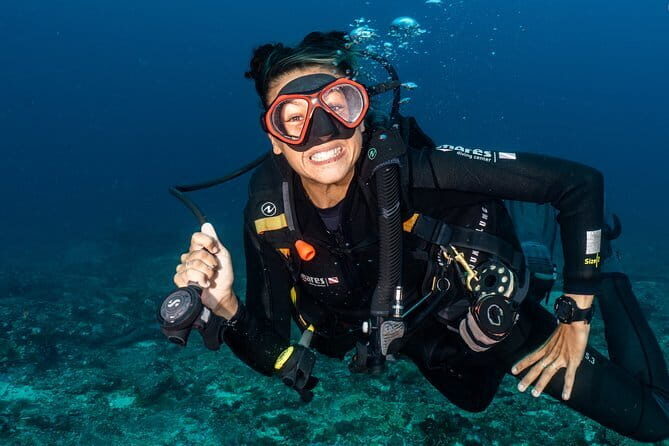
Open Water Course in Nusa Lembongan – Get Certified on remote island (next Bali)

Open Water Course in Nusa Lembongan - Get Certified on remote island (next Bali) - What you earn: SSI Open Water to 18 meters

Scuba made simple here.

This SSI Open Water course turns Nusa Lembongan into your classroom, with certified instructors guiding you through theory, skills in shallow water, and the required open-water training. I like how the teaching style shows up in the small details: clear explanations and calm handling when you feel nervous, with instructors such as Silvère and Kaka specifically praised for patience and support (and yes, that first real moment underwater can feel a bit unreal).

What really makes this course feel worthwhile is the mix of comfort and opportunity. You get a full package of gear (mask, tank, fins, and more), plus practical on-site basics like Wi‑Fi, lockers, bathrooms, and a restaurant, so you’re not juggling logistics after each session. And because the area is known for big marine life, you may get to see mantas, turtles, octopus, sharks, and lots of fish and coral—though I’d treat manta sightings as a bonus, not a guarantee.

One consideration: your plan depends on conditions. The course is weather-dependent, and in at least one experience it wasn’t possible to reach manta-focused sites, so you should book with flexibility and expect that the schedule can shift for safety.

Key things I’d notice before you book

Open Water Course in Nusa Lembongan - Get Certified on remote island (next Bali) - Key things I’d notice before you book

  • SSI Open Water certification with training designed to reach 60 feet / 18 meters
  • At least 5 shallow-water sessions plus at least 4 ocean sessions, with both skills practice and real underwater time
  • Comfortable training base: lockers, bathrooms, Wi‑Fi, and a restaurant on-site
  • Multiple local sites including Crystal Bay, Mangrove Point, Toyapakeh, and Jungut Batu Beach
  • Great instructor track record with names like Silvère, Kaka, Loïc, and Pablo showing up repeatedly

SSI Open Water on Nusa Lembongan: your course, in plain terms

Open Water Course in Nusa Lembongan - Get Certified on remote island (next Bali) - SSI Open Water on Nusa Lembongan: your course, in plain terms
This is an SSI International Open Water certification course, set on Nusa Lembongan—the island that feels like a quieter next step after Bali. You’ll learn the basics from scratch, then build real confidence through supervised exercises and multiple ocean sessions.

The format is structured in three main stages. First comes the knowledge part (the what and why). Next you practice core skills repeatedly in shallow water, typically in a beach or pool setting. Then you graduate to deeper ocean sessions where you apply those skills for real-life underwater conditions.

The good part for you is that you’re not just doing “one lesson and hope.” You get enough time in the water to actually learn buoyancy control, breathing rhythm, and basic safety procedures so your certification feels earned, not rushed.

What you earn: SSI Open Water to 18 meters

Open Water Course in Nusa Lembongan - Get Certified on remote island (next Bali) - What you earn: SSI Open Water to 18 meters
The goal of the course is SSI Open Water certification, with training that prepares you to dive (under SSI rules) to 60 feet / 18 meters. That matters because it’s not a “try scuba” experience. It’s a real certification track that can open doors to future trips where you want to go past the first-timer stage.

During the ocean portion, the course includes at least four deep-ocean sessions, plus training dives that help you practice technique and confidence-building skills under supervision. In other words, you should come away with both the certificate and the muscle memory to use it.

Also note the practical side: you’re working with a certified instructor the entire time. That doesn’t just feel reassuring—it also helps you progress faster because feedback is immediate.

Stage one: theory you’ll use, not just memorize

Before you get wet, you’ll develop the knowledge you need to understand diving basics. The course describes a theory component, then moves into hands-on training right away.

I like this sequencing. When the rules and concepts connect to what you’re about to do, it reduces the “everything is new” shock. You’re still learning a lot, but it stops feeling like random scuba facts floating in the air.

Stage two: shallow-water skills, at least five practice sessions

Open Water Course in Nusa Lembongan - Get Certified on remote island (next Bali) - Stage two: shallow-water skills, at least five practice sessions
You’ll do basic exercise training in shallow water—either a beach or a swimming pool—with at least 5 sessions. This is where you work on the fundamentals you’ll rely on underwater: controlling your breathing, using equipment correctly, and performing basic skills without panicking.

From what people describe, instructors here tend to focus on clarity and calm. That’s a big deal because the early skills phase is where most first-time students get overwhelmed—not by underwater animals, but by doing the basics while your brain is still catching up.

If you’ve already done a discovery session and want to go further, this shallow phase is the bridge. It turns first-timer confusion into repeatable control.

Stage three: open-water sessions at four Lembongan-area sites

Open Water Course in Nusa Lembongan - Get Certified on remote island (next Bali) - Stage three: open-water sessions at four Lembongan-area sites
Over the course, you’ll complete at least four ocean sessions plus the required training dives in deep waters. The itinerary lists four stops: Crystal Bay, Mangrove Point, Toyapakeh, and Jungut Batu Beach.

Here’s the practical value of rotating locations: it helps you learn how your buoyancy and comfort hold up in different underwater environments. Even when your skills don’t change, the feel of the water can. Different sites mean different routes, different visual cues, and different ways your brain needs to stay calm and organized.

What you might see depends on conditions. The overall experience highlights the chance for marine life like manta rays, turtles, octopus, sharks, and plenty of fish and coral. Just remember: if the day’s conditions don’t line up, you might not reach every hoped-for site. One experience specifically noted that it wasn’t possible to reach manta point, even though mantas are a major draw in the region.

The manta-ray promise: what to expect and how to think about it

Open Water Course in Nusa Lembongan - Get Certified on remote island (next Bali) - The manta-ray promise: what to expect and how to think about it
The standout hook is that you’ll be in an area where people genuinely expect manta-ray encounters. The course experience is marketed around that idea, and the on-water wildlife list you’ll hear includes mantas along with turtles, sharks, octopus, and coral.

But here’s the honest way to plan mentally: think of mantas as a real possibility, not a schedule item. Weather, sea conditions, and site access can affect what you can reach that day. And because you’re learning and being assessed, safety decisions always win.

The good news is that the rest of the underwater life doesn’t require perfection to be worth it. Even if mantas don’t show up, you’re still getting multiple ocean sessions and seeing coral and fish up close—plus learning how to enjoy what’s in front of you without treating it like a checklist.

Equipment included, and what that saves you

Open Water Course in Nusa Lembongan - Get Certified on remote island (next Bali) - Equipment included, and what that saves you
This course includes the scuba gear you need, from mask to tank to fins. That’s more than convenience. It reduces hassle before day one, and it means you can focus on your skills instead of guessing whether a random rental fits correctly.

The training base also has the basics you’ll appreciate between sessions: lockers for your stuff, bathrooms and shower access, and Wi‑Fi so you can send messages, upload photos, or handle work without hunting for a café every time.

There’s also a restaurant on-site, which matters when your schedule gets busy. After your brains and bodies have been “training mode” for hours, you don’t want a complicated meal quest.

Meet the instructors: calm teaching is the real upgrade

Open Water Course in Nusa Lembongan - Get Certified on remote island (next Bali) - Meet the instructors: calm teaching is the real upgrade
The course is credited to certified instructors, and names show up repeatedly with praise for how lessons land.

In particular:

  • Silvère gets called out for being thorough and making students feel safe, including one story where someone felt panicked on a first ocean session and the instructor stayed calm and patient.
  • Kaka earns praise for making learning easy and fun, including detailed explanations and GoPro photo moments.
  • Pablo is mentioned alongside Kaka for patience and clear instruction.

Why this matters to you: good instructors don’t just explain what to do. They notice when your body and breathing are off, then help you fix it. That’s the difference between “I survived the course” and “I actually learned.”

Stop-by-stop: what each location does for your training

The itinerary rotates through four places: Crystal Bay, Mangrove Point, Toyapakeh, and Jungut Batu Beach. The exact underwater features aren’t spelled out here, but the training purpose of multiple locations is clear: you practice the same core skills across different settings so the certification reflects real ability, not just one specific scenario.

Here’s how to think about each stop:

  • Crystal Bay: often associated with open-water excitement, so it’s a natural fit for practicing skills once you’re beyond the beginner comfort zone.
  • Mangrove Point: the name tells you you’re near a coastal mangrove setting, which usually means a different visual environment than reef-only areas.
  • Toyapakeh: a second distinct site helps you keep building control and awareness rather than repeating the exact same pattern every time.
  • Jungut Batu Beach: returning to a known beach area supports continuity and makes transitions easier after longer water sessions.

Bottom line: don’t expect every stop to look identical. Expect your training to feel more “real world.”

Price and value: $461.48 for a full SSI track

The price is $461.48 per person, with bookings often made around 35 days in advance (so you’ll want to plan ahead if your dates are fixed).

What makes this feel like decent value is that it’s not just instructor time. The package includes scuba equipment and access to on-site facilities like lockers, bathrooms, showers, and Wi‑Fi. It also includes the structure needed for SSI certification: shallow-water practice sessions plus at least four ocean sessions with certified supervision.

Another value factor: this is a private tour/activity, meaning your group stays together. That can reduce the stress of a mixed-skill crowd and can help instructors manage pacing.

Is it expensive? For a certification course, it’s in the range you should expect. The better question is whether you’re getting a complete learning track. With the gear included and the course structure clearly defined, you are.

Who should do this course (and who should slow down)

This course has a minimum age of 10. It also states you should have moderate physical fitness. If you can swim and you’re comfortable learning new equipment skills step-by-step, this is a strong fit.

I’d pay extra attention if:

  • you’re prone to panic in new environments (the good news: instructors here are praised for staying calm, but you should still go in prepared)
  • you expect guaranteed manta encounters (treat mantas as a bonus)
  • you’re tight on schedule (weather can affect when sessions happen)

If you’ve already done a discovery scuba session, this is a straightforward next step toward becoming certified and gaining real independence on future trips.

My booking tips: make it smoother from day one

A few practical moves can help you get the most out of your three days.

  • Plan for a weather-dependent schedule. The course requires good weather, and if it’s canceled due to poor conditions, you’ll be offered a different date or a full refund.
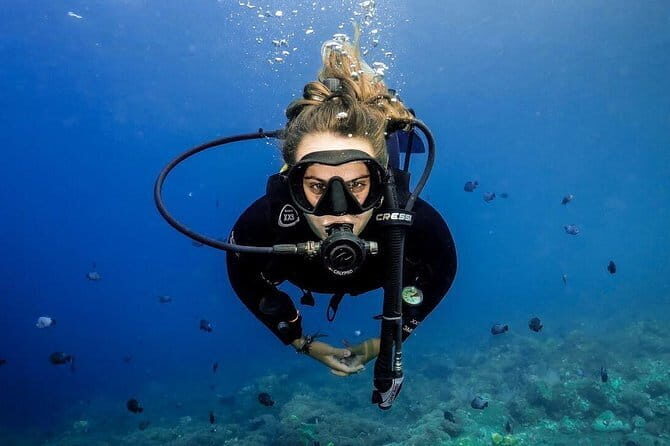
  • Budget for optional photo purchases. Digital souvenir photos/videos aren’t included, but instructors may take photos with devices like GoPro—then you can decide whether to buy the final set.
  • Decide on accommodation early. Dormitory and bungalow options are available at the dive center, but accommodation itself isn’t included in the package.
  • Bring a calm mindset. You’re learning buoyancy, breathing, and safety procedures while the ocean does ocean things. The more relaxed you are at the start, the faster you’ll progress.

Should you book this SSI Open Water course on Nusa Lembongan?

If you want real SSI certification with structured training, gear included, and a team that prioritizes safety and clear instruction, I’d say yes. The course length is long enough to actually build confidence, not just complete checkboxes. And the setting gives you a strong chance at memorable wildlife—mantas and turtles are part of the region’s draw—while you learn the skills that make those encounters enjoyable.

Only skip it (or choose dates with flexibility) if manta encounters are your sole reason for going. Even then, the underwater life and the learning process should still be worthwhile, but you’ll want to plan your expectations accordingly.

FAQ

What certification will I earn?

You’ll earn SSI International Open Water certification.

How deep is the training geared for?

The course certification is for dives to 60 feet / 18 meters.

How many ocean sessions are included?

The course includes at least four ocean sessions in the deep waters, plus additional training dives.

Do I have to practice skills in shallow water first?

Yes. You’ll do basic exercise training in shallow water with at least 5 sessions.

What scuba gear is included?

The package includes the necessary scuba equipment, including mask, tank, and fins.

Are facilities available at the training center?

Yes. The location includes Wi‑Fi, lockers, bathrooms, shower/change rooms, and a restaurant.

Is accommodation included?

No. Accommodation (dormitory and bungalows) is available at the dive center, but it’s not included in the package.

What’s the minimum age?

The minimum age is 10 years.

What if weather is bad?

The activity requires good weather. If it’s canceled due to poor weather, you’ll be offered a different date or a full refund.
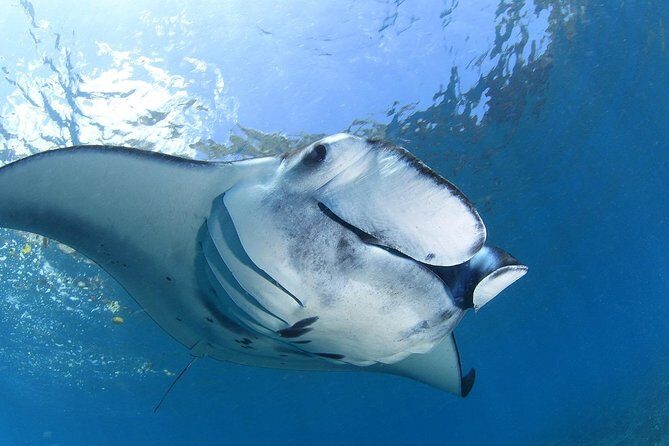
Are photo or video souvenirs included?

No. Digital souvenir photos/videos are available to purchase separately.