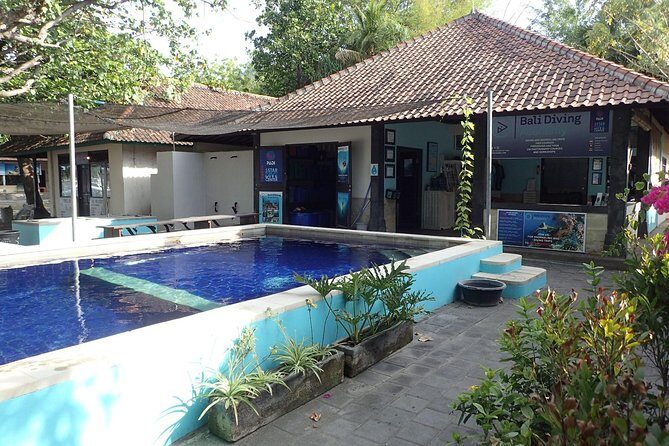
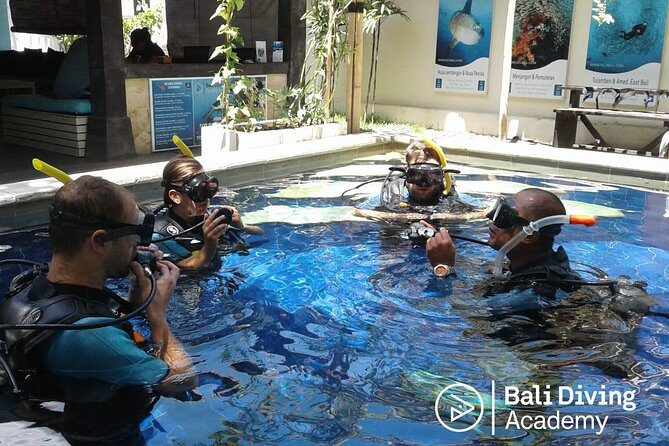
Bali Scuba Diving trip at Tulamben for Certified Diver

Bali Scuba Diving trip at Tulamben for Certified Diver - Shore-entry logistics: the practical way this keeps things calmer

A wreck you can swim beside.

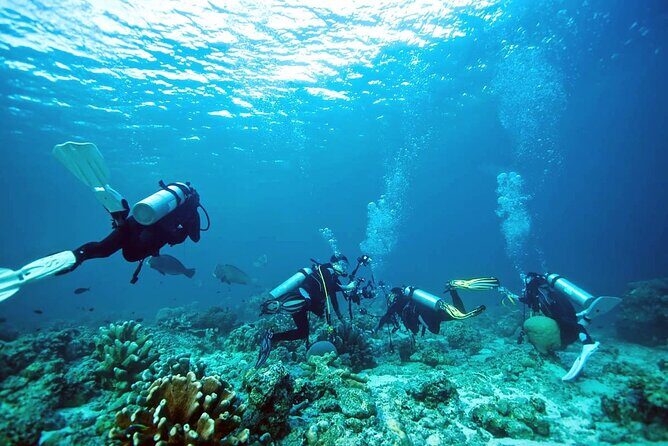
This certified scuba trip in Tulamben is built around the famous USS Liberty shipwreck, with guided underwater time on land-entry routes and plenty of marine life to watch. What I like most is the combo of shipwreck scenery plus a smooth, well-timed day—get picked up, reach East Bali, then spend the late morning underwater with an instructor right there. I also appreciate that gear, lunch, and transport are rolled into the price, so you’re not hunting down extras all morning. The one trade-off: it’s an early start with a longer drive, so plan for a slower first half of the day.

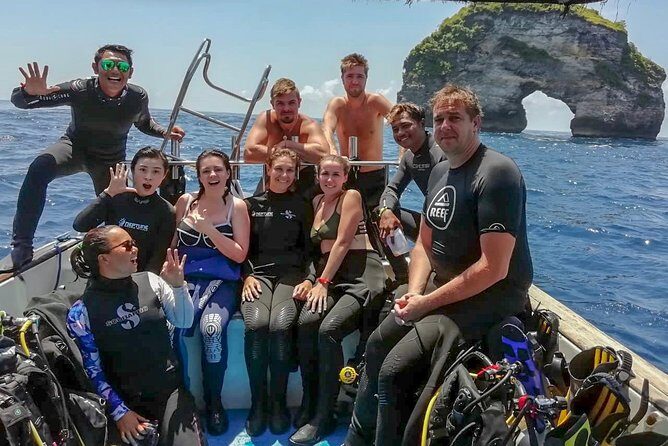
You’ll go with a small group (up to 8 total), and for certified sessions you’ll need proof of your PADI level. The program also works as a confidence builder, since the instructor keeps the pace steady and the group stays organized by skill. If you’re sensitive to schedules, know this day runs close to full length, and you’ll be back around late afternoon.

Key things to know before you book

  • USS Liberty wreck is the main stop: East Bali’s most photographed underwater landmark, set up for unforgettable viewing.
  • Two 1-tank guided underwater sessions: for certified divers only, with clear structure and an instructor guiding you the whole time.
  • Small groups (max 8): and a guide ratio that keeps you from feeling lost in the water.
  • Shore-entry setup: the sessions start from the beach, which can feel simpler than rushing to a boat.
  • Gear and meals included: BCD, regulator, booties, fins, mask, tank, and wetsuit plus lunch.
  • South Bali pickup and drop-off: from common areas like Kuta/Legian/Seminyak/Nusa Dua and Sanur.

USS Liberty shipwreck at Tulamben: why this is such a strong certified option

Bali Scuba Diving trip at Tulamben for Certified Diver - USS Liberty shipwreck at Tulamben: why this is such a strong certified option
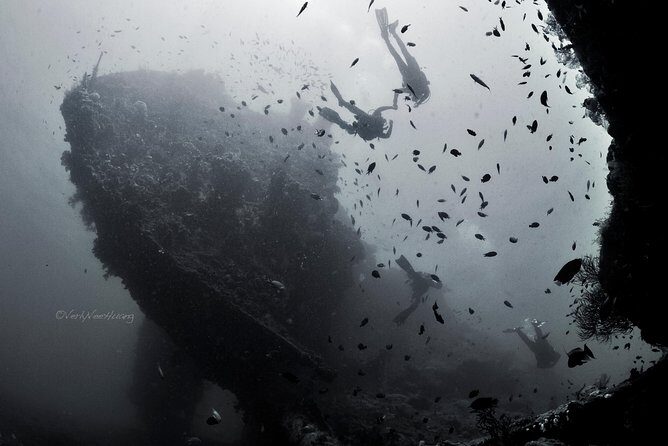
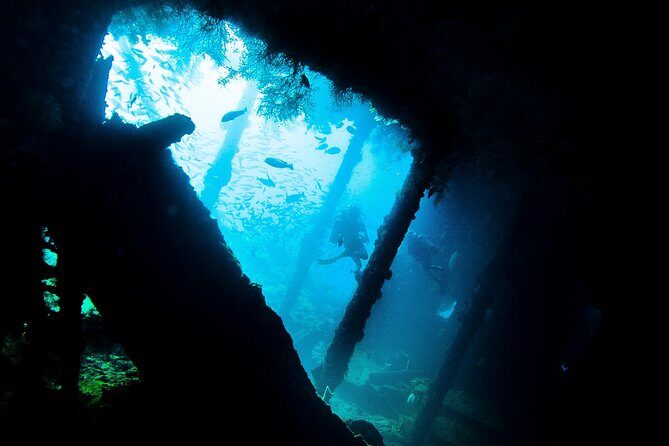
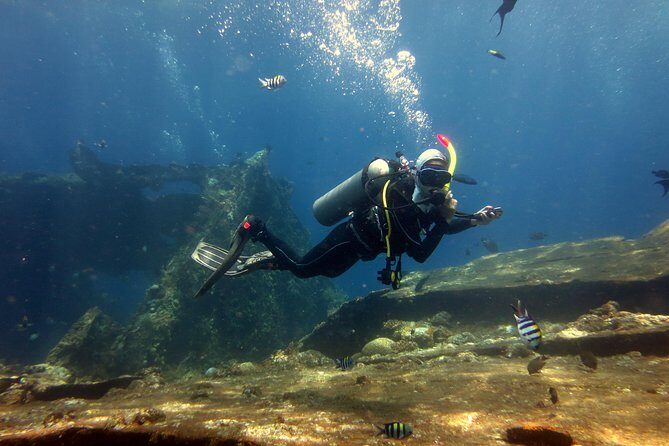
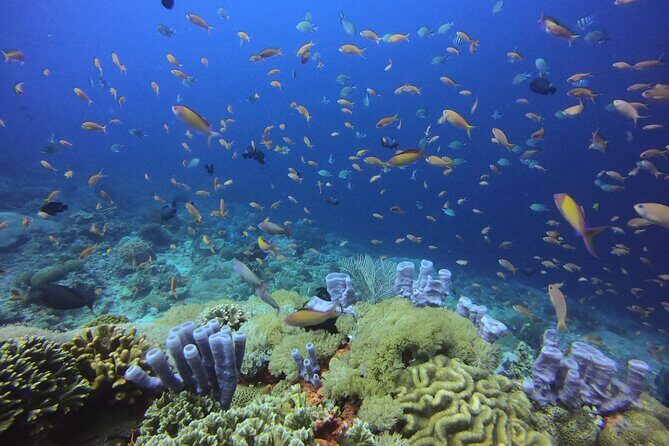
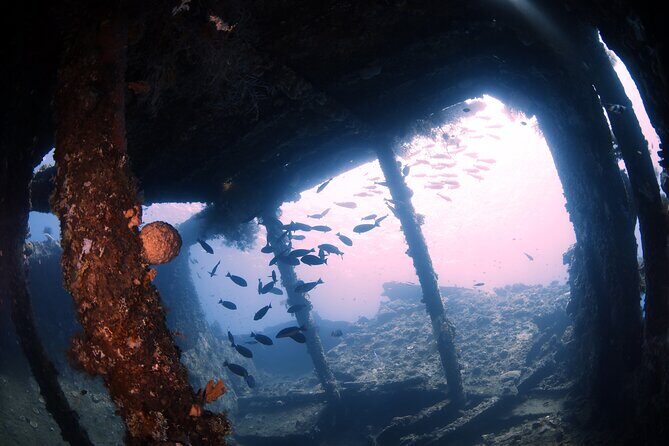
The USS Liberty wreck is the headline for a reason. The shipwreck sits off East Bali and has become a magnet for underwater photographers because it creates a clear, dramatic subject. Even if you’re not chasing photos, wrecks tend to attract fish and other sea life, and you usually get that “wow” feeling fast: you’re not just looking at rocks or a reef wall—you’re swimming around a piece of history that life has moved into.

What makes this specific trip feel practical is the way it’s designed around your certified comfort level. You’re not doing a huge schedule with lots of extra stops. Instead, the day has one core goal, so you spend your energy on controlling buoyancy, watching your surroundings, and letting the guide handle the details.

Also, Tulamben is known for shore-based access in general, and this program runs as a two-session beach entry plan. That means less time wrangling gear at open water launch points and more time actually getting ready calmly and getting on with the experience.

Certified diver timing: the day runs from early pickup to late return

This is a full day that starts early, then moves on a tight rhythm. Your pickup depends on where you’re staying:

  • If you’re in Kuta, Legian, Seminyak, Nusa Dua, or remote areas, pickup is around 7:00 AM.
  • If you’re based in Sanur, pickup is around 7:30 AM.

From there, you’re heading toward Tulamben. Travel time puts you on site in time for the first late-morning underwater session, with a typical flow like this:

  • 8:15 AM travel to Tulamben
  • 11:00 AM first underwater session at the USS Liberty
  • 12:00 PM lunch
  • 1:00 PM second underwater session at the same wreck area
  • 2:30 PM return travel
  • 5:00 PM back to accommodation

That timing matters. A lot of people book Bali scuba plans hoping to “maximize” their time in the water, but the hidden win here is the pacing. You get one solid session, fuel up with lunch, then go again—so you’re not mentally fried by the time your second water time starts.

One more detail that helps: the program includes a small refreshment stop in the morning (ice cream or tea/coffee in the office), which is the kind of thing you appreciate when you’ve already been up early.

What the two 1-tank underwater sessions are really like

Bali Scuba Diving trip at Tulamben for Certified Diver - What the two 1-tank underwater sessions are really like
For certified divers, the structure is straightforward: two 1-tank guided underwater sessions. That gives you two separate chances to see the wreck, plus time between them to refuel and reset.

The guide setup is designed so you’re not managing chaos. For certified divers, the group ratio is typically four certified divers per guide. That’s important because it means:

  • you get closer attention during key moments like equipment checks
  • you can follow instructions without constant repetition
  • the guide can manage your pacing and keep the group together

If you’re new to certified scuba, this ratio can feel especially comforting. It’s still your responsibility to stay within your training and air limits, but you’re not swimming around in a crowd.

Also, the sessions are scheduled at the same wreck site. That’s efficient for planning and it helps you build familiarity. You might find yourself recognizing landmarks on your second session, which can make the second tank feel smoother than the first.

Shore-entry logistics: the practical way this keeps things calmer

Bali Scuba Diving trip at Tulamben for Certified Diver - Shore-entry logistics: the practical way this keeps things calmer
This plan is set up as shore-entry, meaning your underwater time starts from the beach rather than from a boat launch. That can be a big deal in Bali, where weather and sea conditions can change your plans quickly.

Shore entry often works better when you want a day that feels organized and not frantic. You’re likely to:

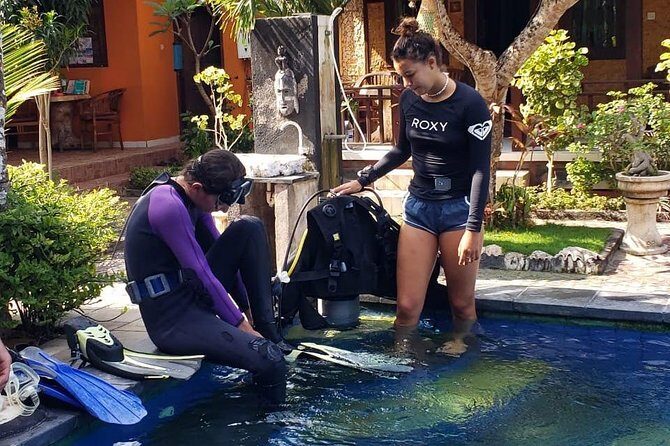
  • suit up and do final checks on land
  • manage the entry process with the guide’s instructions
  • get your bearings faster because you’re not also dealing with boat ramps, ladders, or moving platforms

That said, shore entry still asks for good basic technique. You’ll want to pay attention to your air management, your buoyancy, and the way you handle moving from wetsuit-and-gear comfort into actual water movement. If you tend to get anxious in transitions, do your calm breathing and gear checks like you practiced in training.

Bring a towel and a change of clothes. They’ll help a lot during the land-to-water-to-land rhythm, and the tour does not include a towel.

Equipment included: what you can count on, and what to double-check

Bali Scuba Diving trip at Tulamben for Certified Diver - Equipment included: what you can count on, and what to double-check
This experience includes the full standard rental kit: BCD, regulator, booties, fins, mask, tank, and wetsuit. For a certified diver, that’s the practical win—you avoid paying for gear rentals separately and you avoid the hassle of transporting your own kit across Bali.

Before you go, do a quick equipment sanity check with the staff:

  • Make sure your mask fits comfortably and seals well.
  • Confirm your fins aren’t slipping and that booties feel secure.
  • Check your regulator feels easy to breathe through while you’re still on land.

It’s also worth knowing the plan includes scuba insurance, plus an environmental fee for the reef. Those details don’t sound exciting, but they add up to fewer hassles and a smoother day.

If you use prescription lenses or have specialized gear needs, that’s not spelled out here—so it’s smart to confirm in advance. For the standard gear list, though, you’re covered.

Lunch by the water: how the break helps your second session

Bali Scuba Diving trip at Tulamben for Certified Diver - Lunch by the water: how the break helps your second session
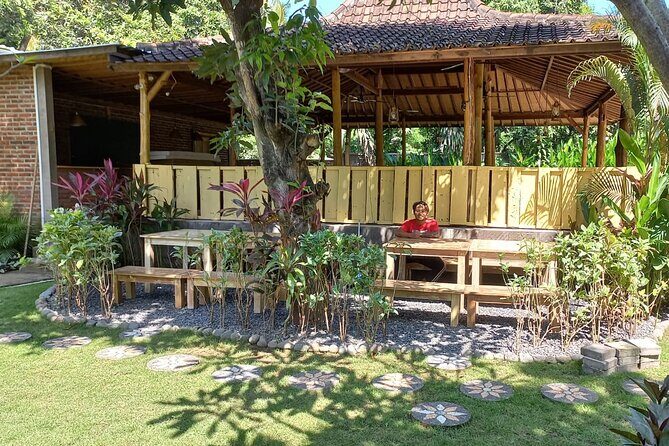
Between tanks you get lunch at a beachside restaurant around 12:00 PM. You also have mineral water included.

A good meal break is not just about calories. After the first tank, your body needs time to cool down, hydrate, and reset mentally. Eating on a schedule keeps you from rushing into the second session hungry or distracted.

There’s also a vegan and vegetarian option available if you tell the operator at booking time. If you’re eating based on dietary needs, flag it early so staff can plan the meal without stress.

And if you’re someone who likes to plan for comfort: wear something easy for the ride back. You’ll want to move from wet gear to dry clothes quickly, and then you’ll be in a shuttle back to South Bali.

The human factor: guides who keep you safe and relaxed

Bali Scuba Diving trip at Tulamben for Certified Diver - The human factor: guides who keep you safe and relaxed
For a certified scuba day, the guide’s role is more than pointing at fish. A good instructor helps you:

  • stay within safe procedures
  • keep your group organized
  • control the pace so you’re not fighting currents or panic
  • enjoy the wreck without turning it into a stressful task

The strongest praise in this style of trip tends to go to instructors who are patient and attentive. I’ve seen names like Niki and Rudi tied to that kind of calm guidance. When that’s your guide, you’re more likely to enjoy the day instead of spending it bracing for what happens next.

Also, the program’s health check requirement matters. You’ll complete a health questionnaire before participating, and some pre-existing conditions may prevent you from diving, so be honest and check with a doctor when needed.

What you can spot near the USS Liberty wreck

Bali Scuba Diving trip at Tulamben for Certified Diver - What you can spot near the USS Liberty wreck
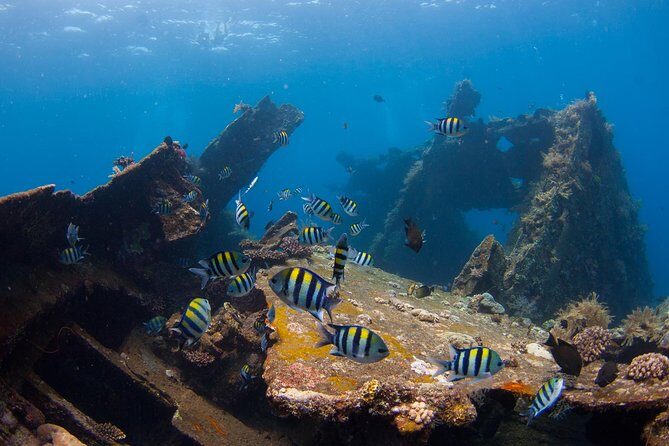
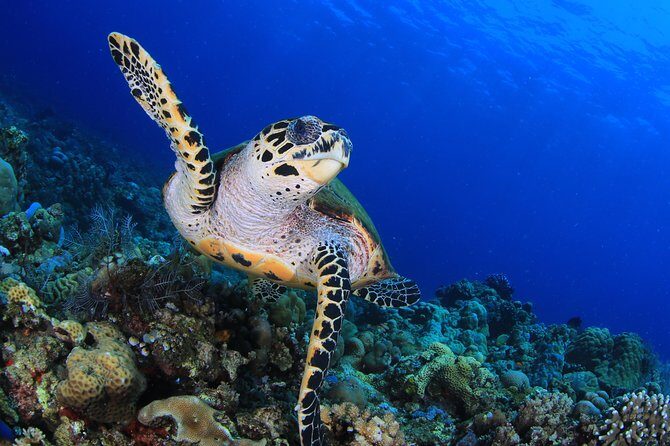
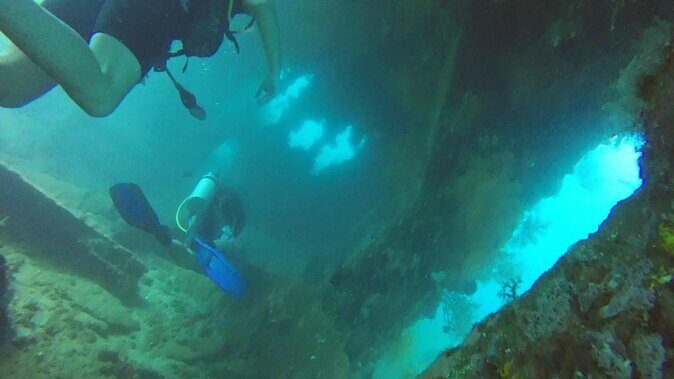
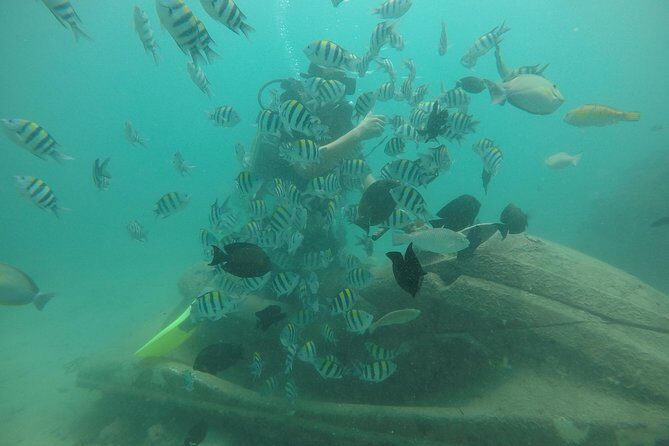
The USS Liberty wreck is famous for marine life that collects around structure. You can expect corals and lots of fish, and the wreck is especially popular with underwater photographers.

From the kind of sightings that show up often in this area, you should keep your eyes open for things like:

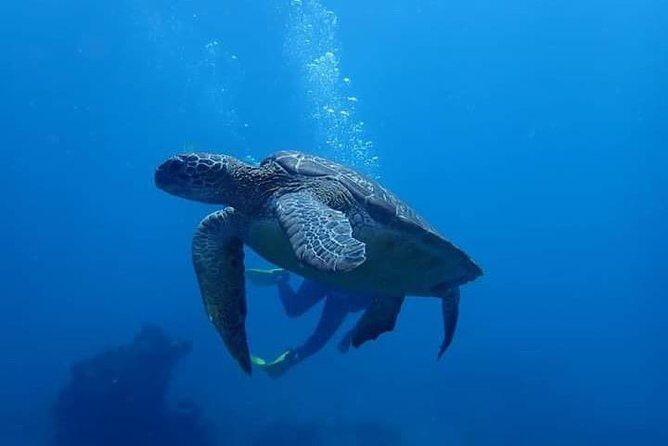
  • turtles
  • eels
  • many small schools of colorful fish

You won’t control what you see—sea life moves—but wrecks tend to reward patient watching. Slow down, glance at the wreck surfaces, and don’t rush your view just because your buddy found something. The second tank is a good time to scan again with fresh attention.

Price and value: what your $98.34 is actually paying for

Bali Scuba Diving trip at Tulamben for Certified Diver - Price and value: what your $98.34 is actually paying for
At $98.34 per person, the headline question is: what’s included versus what you’d pay elsewhere? Here’s the value angle that makes this price more believable:

Included in your cost:

  • hotel pickup and drop-off from select South Bali areas
  • experienced scuba guide
  • two 1-tank guided underwater sessions
  • shore-entry setup
  • full equipment rental (BCD, regulator, mask, fins, wetsuit, tank, and more)
  • lunch and mineral water
  • reef/environment fee (reef tax)
  • scuba insurance
  • morning refreshment at the office (ice cream or tea/coffee)

Not included:

  • towel and sunscreen

If you were to piece this together yourself—transport, tanks, equipment, guide time, and lunch—you’d usually end up paying more or spending more time coordinating. Here, you’re buying a turnkey day with the core costs baked in. That’s where the value sits.

Who this certified diver day fits best

This is a good match if you:

  • are already PADI-certified and want a structured wreck day
  • prefer a small group and a guide that can keep close tabs on you
  • like the idea of shore-entry rather than a boat day
  • want a single focal site (USS Liberty) instead of a complex multi-stop schedule

It may be less ideal if you:

  • hate early mornings or long drives
  • want lots of variety beyond one primary wreck location
  • need very specialized gear beyond the standard rental list

Minimum age is 10 years, and there’s a health questionnaire step for everyone.

Should you book this certified diver trip?

Book it if you want an efficient, guided USS Liberty wreck day with equipment and meals handled for you. The small-group setup and the clear two-session plan make it feel like a calm way to build wreck experience without a complicated itinerary. You’ll be paying for real logistics, not just tank time.

Skip it or at least double-check fit if your schedule is tight or you know you get overwhelmed by early starts and travel. Also, if you’re traveling from far away, remember that diving within 24 hours of flying is not recommended.

If you want, tell me your PADI level and where you’re staying (Kuta, Legian, Seminyak, Sanur, Nusa Dua, etc.). I can help you sanity-check the morning pickup timing so you’re not rushing.

FAQ

What certification do I need for the certified diver option?

You’ll need to provide evidence of your dive certification. The two 1-tank guided underwater sessions are for PADI-certified divers only.

How many people are in the group, and what is the guide ratio?

The tour has a maximum of 8 travelers. For certified divers, the typical ratio is four certified divers per guide.

What equipment is provided?

The tour includes rental equipment: BCD, regulator, booties, fins, mask, tank, and wetsuit.

What’s included in the price besides the underwater sessions?

Pickup and drop-off from select areas, a scuba guide, lunch, mineral water, reef/environment fees, scuba insurance, and a morning refreshment at the office (ice cream or tea/coffee) are included.

Is lunch suitable for vegetarians or vegans?

Yes. Vegan and vegetarian options are available if you advise the operator when booking.

Do I need to bring a towel or sunscreen?

You should bring a towel and sunscreen. These are not included.

What if the trip is canceled due to weather?

If cancellation happens because of poor weather, you’ll be offered an alternative date or a change to another dive spot without any surcharge.

Try Scuba Diving for Beginners with manta rays (Non – Certified)

Try Scuba Diving for Beginners with manta rays (Non - Certified) - Two Shallow Open-Water Sessions: What the Day Actually Feels Like

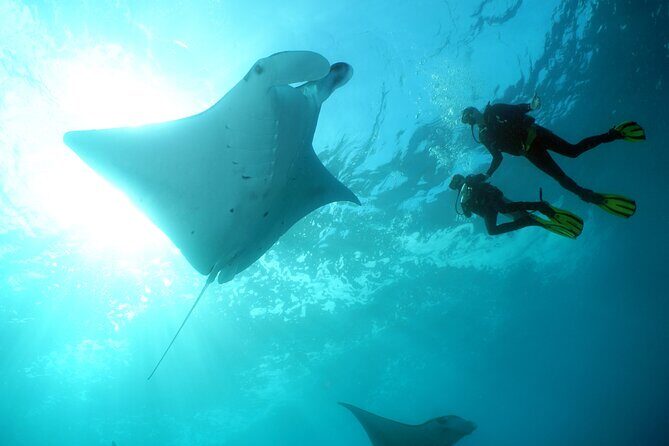
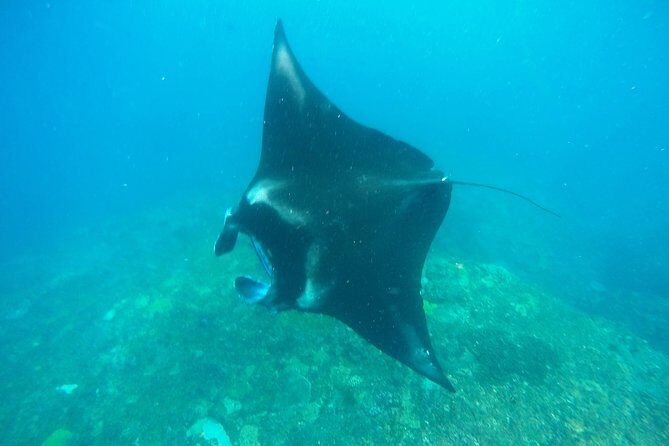
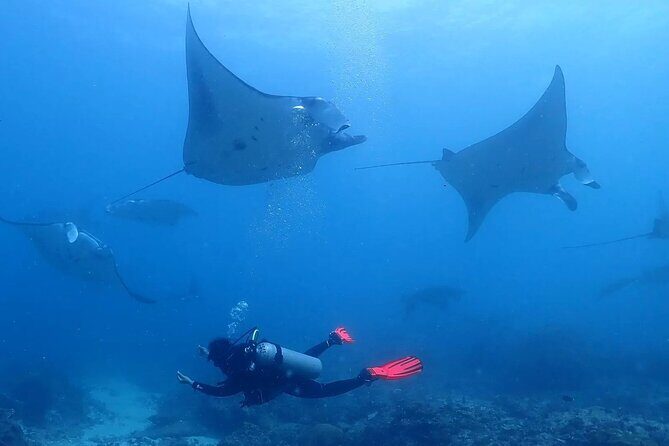
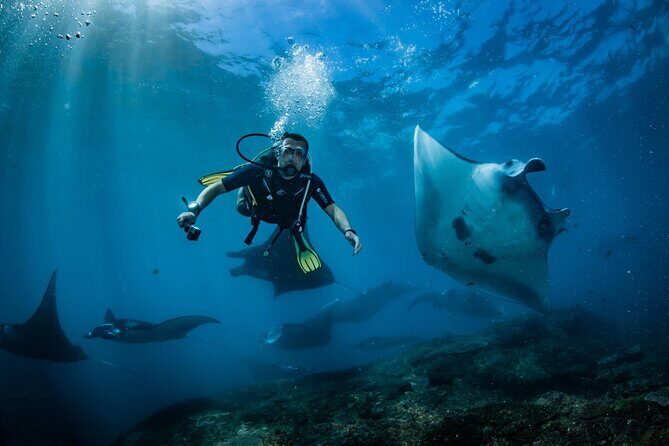
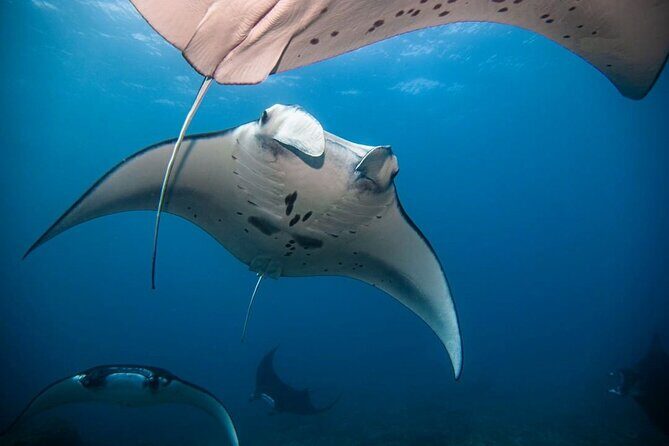
If you’ve ever wondered what it feels like to breathe underwater, this is for you. The day is built around a beginner try-scuba format: you’ll start in a pool, learn how to manage buoyancy and breathing, then head out for two shallow open-water sessions with manta rays in Nusa Penida. It’s a simple plan with a big payoff—watching manta rays glide overhead is the kind of wildlife moment you can’t fake.

I especially like the small 1:2 instructor-to-participant ratio. That kind of attention matters when you’re learning the basics and trying not to panic-scroll your brain. I also love that everything is packaged together: gear, boat, snacks, fruit, lunch, and nonalcoholic drinks, so you’re not spending the day hunting down basics. One drawback to consider: this is a non-certified program with a pool start, so you should be ready to take direction fast and speak up early if something feels off in the water.

What Makes This Try Scuba + Manta-Ray Day Worth It

Try Scuba Diving for Beginners with manta rays (Non - Certified) - What Makes This Try Scuba + Manta-Ray Day Worth It

  • Pool training first: You practice neutral buoyancy and basic comfort before you go out
  • 1:2 instructor attention: Maximum 2 participants per instructor for first-timers
  • Manta-ray focus in Nusa Penida: Your day is designed around close manta sightings
  • Gear is included: You don’t need to pack a mask or scuba equipment
  • Fuel onboard: Lunch plus nonalcoholic drinks, snacks, and fruit during the boat time
  • Small overall group: Up to 10 travelers for a calmer experience

Pool Training at Sanctum: Learning Buoyancy Before the Big Moment

Try Scuba Diving for Beginners with manta rays (Non - Certified) - Pool Training at Sanctum: Learning Buoyancy Before the Big Moment
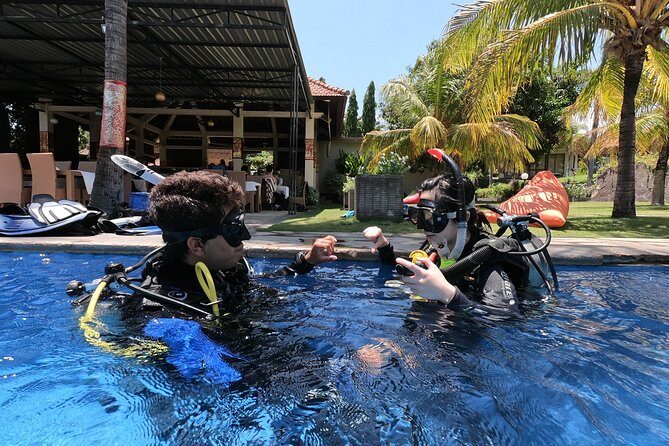
Your morning starts with a pool session—about 45 minutes—meant to turn first-time nerves into usable skills. The program is designed as a try-scuba experience for people without certification, so the goal is not to test you. It’s to get you comfortable enough that the open-water time is about seeing manta rays, not wrestling with your gear.

In that pool chunk, you’ll work on the basics that actually matter outdoors: breathing underwater and controlling your body position so you can stay steady (that neutral buoyancy goal). If you’ve tried snorkeling and thought, sure, I can do this—great. But scuba changes things fast. The pool is where you learn how your breathing rate affects your body position and how to move without flailing.

Practical tip: arrive with a calm mindset. If you’ve got a “I need to understand every step” personality, you’ll do great. If you’re the type who freezes when you feel pressure or unfamiliar gear, be honest about it immediately. You can’t fake comfort in the water.

Two Shallow Open-Water Sessions: What the Day Actually Feels Like

Try Scuba Diving for Beginners with manta rays (Non - Certified) - Two Shallow Open-Water Sessions: What the Day Actually Feels Like
After the pool practice, the schedule keeps things straightforward: you’ll head out for two shallow open-water sessions. The intent is to give you a real underwater experience with supportive guidance—not an advanced test of skills. Think of it as training plus wildlife time, with instructors right there to help you adjust.

This is the part where the 1:2 ratio becomes more than a marketing line. When you’re learning, small corrections can make everything easier: your posture, how you hold yourself, how you breathe, and how you keep your movements smooth. A smaller instructor-to-participant ratio helps you get those corrections quickly rather than waiting your turn.

What I also like about this format is the pacing. The program runs to around 2:00 pm, so the whole day is long enough to matter, but short enough that you’re not mentally drained before the most exciting part.

One consideration: you’ll need to be in good health and mental state. That’s not just legal language. If you’re anxious, tired, or feeling unwell, you’ll struggle more with the basics. This experience is best when you’re ready to learn and listen.

Nusa Penida Manta-Ray Chances: Why This Location Works for Beginners

Nusa Penida is the star here. The whole day is built around one idea: getting you into the water where manta rays are likely to be seen closely. The “likely close sightings” piece is important because the best part of the encounter isn’t just seeing a silhouette—it’s watching them glide with slow confidence and using your focus skills in a real wildlife moment.

For a beginner, that matters. When you’re learning buoyancy and breathing, you also need a reason to stay present. Manta rays give you that reason instantly. It also helps that your program is shallow-water oriented, which typically makes first-timer comfort easier than deeper, longer sessions.

Real talk: even with a planned manta experience, wildlife depends on conditions. But the structure here is clearly aimed at maximizing your odds by treating the day as a focused manta opportunity rather than a mixed itinerary. When the whole schedule is tuned to one goal, you spend less time switching gears and more time getting your eyes where they belong.

What You Don’t Have to Pack: Gear, Mask, and Boat Comfort

This experience is genuinely convenient because scuba equipment is included, and you don’t need to bring your mask. That’s a big deal on a first program. Buying or packing the wrong stuff can turn a fun learning day into a frustration marathon.

On the boat, you’re not just waiting around hungry. You’ll have lunch plus nonalcoholic drinks, with snacks and fruit included as well. They also note coffee and/or tea. For a morning start, that fuel helps you stay steady through training and reduces the chance you’ll feel wiped out during the open-water time.

Bring: swimwear and a good attitude. That’s all you really need for the essentials. If you’re the kind of person who likes to bring extra comforts, you might still want a change of clothes for later—nothing fancy, just something to slip into after you’re done.

Safety and Instructor Ratio: The Practical Meaning of 1:2

Try Scuba Diving for Beginners with manta rays (Non - Certified) - Safety and Instructor Ratio: The Practical Meaning of 1:2
The standout safety-related detail isn’t a long list of rules—it’s the small instructor ratio. With a maximum of 2 participants per instructor, you get more hands-on support. That’s what helps first-timers learn faster: corrections happen while you’re still in the moment, not after you’ve already practiced the wrong habit a few times.

This is especially useful because the program is explicitly for people without certification. In other words, you’re not expected to already know body positioning, breathing timing, and how to respond when something feels new. The structure assumes you’re learning, and the safety approach matches that.

My advice: if anything feels confusing at the pool stage, bring it up right then. The facility’s response to a bad experience also emphasizes that you should communicate concerns during the pool session so they can debrief and adjust. If you end up with a mismatched teaching vibe, you’ll usually have the best chance to fix it before open water.

Price and Value: Is $122 (1,600,000 IDR) Fair for This Program?

At $122.19 per person (also listed as 1,600,000 IDR), this isn’t a bargain “try something once” deal, but it also isn’t inflated for what’s included. Here’s why it can feel like good value:

  • You’re paying for pool training plus two shallow open-water sessions
  • Gear is included, including the scuba equipment and mask needs
  • Boat time is covered, including coffee/tea, lunch, snacks, fruit, and nonalcoholic drinks
  • You get the 1:2 instructor ratio, plus a small maximum group size

If you compare it to the cost of renting equipment on your own, paying for individual instruction, and then separately buying boat meals, the bundled structure starts to look sensible. You’re essentially paying for a day where the logistics are handled for you and the instruction is designed for beginners.

One way to think about the price: you’re buying time savings and stress reduction. For a first underwater experience, that’s not minor. When the day is built around learning and a wildlife goal, it can be worth every dollar you don’t have to spend figuring out the rest.

Who This Is Best For (and Who Might Struggle)

This program fits best if you:

  • are a first-timer or non-certified participant
  • want a controlled way to learn neutral buoyancy and breathing underwater
  • like the idea of a focused day centered on manta rays near Nusa Penida
  • prefer small groups and close guidance

You might want to rethink it if you:

  • get very anxious in water or freeze when equipment feels unfamiliar
  • can’t realistically be coached quickly at the pool stage
  • are expecting a flexible, wandering itinerary rather than a structured learning day

Also, note the health guidance: you should have moderate physical fitness and be in good health and mental state. That doesn’t mean you need to be an athlete. It means you should be able to move calmly, follow instructions, and handle being in saltwater after a training start.

The One Thing to Do Before You Go: Set Yourself Up to Learn

This kind of try-scuba experience rewards the people who can stay teachable in real time. So go in with a simple mindset:

  • Listen first, then ask questions
  • Tell your instructor if you feel uncomfortable
  • Treat the pool session as the key that unlocks the open-water part

If you’re worried you’ll be judged for being slow to learn, don’t. The program exists for beginners. The goal is comfort and control—not speed, not showmanship.

Should You Book This Try Scuba + Manta-Ray Session?

I’d book it if you want a beginner-friendly underwater day with pool training, included equipment, and a real chance of close manta ray sightings in Nusa Penida—without having to manage logistics yourself. The small 1:2 ratio is the real reason it feels safer and more pleasant for first-timers.

I wouldn’t book it if you’re already confident scuba-wise and want a certification track. This is built for non-certified participants learning basics, with the manta moment as the main attraction. It’s a great first chapter, not a replacement for formal training.

If you do book, do yourself a favor: arrive early for the pool session, communicate concerns immediately if anything feels off, and plan your day around being present. This is the kind of experience that works best when you stop multitasking and let the water teach you.

FAQ

Is this only for certified divers?

No. This is a try-scuba program designed for non-certified participants who want a shallow-water experience with instructor guidance.

How long is the experience?

It runs for about 4 hours. The day starts with a pool training session (around 45 minutes) and then continues with two shallow open-water sessions, finishing around 2:00 pm.

Where do we meet?

You meet at Sanctum Dive Center in the Nusa Penida area. The activity ends back at the same meeting point.

What time does it start?

The start time is listed as 8:30 am.

Do I need to bring a mask or scuba equipment?

No. Scuba equipment is included, and you do not need to pack your mask for this package.

What’s included for food and drinks?

You get lunch, plus nonalcoholic drinks, snacks, and fruit. Coffee and/or tea is also included.

Do I need breakfast?

No. Breakfast is not included. Lunch comes after the trip.

Is transportation included?

No. Private transportation is not included, so you’ll need to get yourself to Sanctum Dive Center.

What’s the group size and instructor support like?

Maximum group size is listed as 10 travelers, and the instructor ratio is 1:2 (maximum 2 participants per instructor).

How does cancellation work if weather is bad?

You can cancel for a full refund up to 24 hours before the experience starts. The activity requires good weather, and if it’s canceled due to poor weather, you’ll be offered a different date or a full refund.

Fun Diving Tulamben Bali – For Certified Divers

Fun Diving Tulamben Bali - For Certified Divers - The two underwater sessions: how your day is structured

This is the most practical way to see Tulamben.

The USAT Liberty WWII shipwreck sits close to shore, with the top around 5 meters and the wreck dropping to roughly 30 meters, so you get options for different comfort levels. I like that there’s an easy shore approach, calm conditions when they’re available, and plenty of life around the wreck, from corals and sea fans to barrel sponges and big-school fish.

The day is built for a smooth flow. I like the small-group feel (up to 12 people) and the steady team energy, with names like Wayan, Kai, Nyoman, Aswan, and Guna popping up in recent experiences. One drawback to plan for: it’s an early morning with about 2 hours of driving each way, and Tulamben can get bumpy at the shore when you’re getting in and out.

Key highlights you’ll care about

Fun Diving Tulamben Bali - For Certified Divers - Key highlights you’ll care about

  • USAT Liberty in shallow range: top at about 5 meters, with the wreck dropping deeper to around 30 meters
  • Two underwater sessions: two chances to explore the same wreck system without rushing
  • WWII story meets real marine life: healthy corals, sea fans, barrel sponges, plus jacks, groupers, barracuda, and stingrays
  • Small group limits: a maximum of 12 travelers keeps the day calmer and more controlled
  • Included gear and coverage: scuba equipment, towels, bottled water, air-con transport, plus insurance coverage
  • Guides who help you in the real world: support at the entry/exit matters when conditions are choppy

Seminyak to Tulamben: an early start that pays off

Fun Diving Tulamben Bali - For Certified Divers - Seminyak to Tulamben: an early start that pays off
Your morning begins with pickup around 6:30–7:00 am. Then you’re on an air-conditioned vehicle heading from Seminyak toward Tulamben, with a drive of about 2 hours each way. If you hate mornings, you’ll still get through this—just treat it like a plan, not a surprise.

Along the road, the route is part of the value. You’ll pass local villages and rice terraces, which gives you a nice “Bali land” warm-up before you go underwater. It’s not a luxury scenic cruise, but it’s a pleasant way to turn transit time into something useful.

One more timing note: lunch happens between the two underwater sessions, and you’re back around 5:00 pm at the Sanur scuba center. That means you get a full day without it turning into a 12-hour travel slog.

Why the USAT Liberty wreck is such a smart choice

The big reason people come to Tulamben is the USAT Liberty shipwreck. It’s a WWII casualty tied to torpedoes and a volcanic eruption, and it ends up sitting in shallow water—close enough to shore that it’s one of the most accessible wrecks you’re likely to find in Bali.

The depth range is what makes it practical. The top sits around 5 meters, and the wreck drops away to about 30 meters. In real terms, that’s huge: you can enjoy the structure and life near the top without feeling like you have to go straight to deep territory. At the same time, there’s enough depth on the wreck to satisfy more confident certified scuba travelers.

Also, this is set up for different comfort levels because the conditions are described as calm with good visibility when you’re there. No one can guarantee ocean behavior, but the site’s layout makes it easier than many open-water wrecks.

The two underwater sessions: how your day is structured

Fun Diving Tulamben Bali - For Certified Divers - The two underwater sessions: how your day is structured
You’ll do two underwater sessions at the USAT Liberty. That matters for two reasons. First, it reduces the pressure to cram everything into a single long water time. Second, it gives you a second shot at the wreck so you can slow down and look for animals you missed the first time.

Between the sessions, you’ll have lunch. That’s not a throwaway detail. Eating early and properly helps you stay comfortable, especially when you’ve already been awake since early morning and you’ll be managing gear, buoyancy, and cold thoughts like, Did I pack the right stuff?

Before each water time, you should expect the usual run-up: check-in, gear use, and a briefing on the wreck and conditions. The exact flow isn’t listed step-by-step, but the included equipment and small-group size strongly suggest a controlled, not-chaotic, setup.

Spotting wildlife on the wreck: a quick checklist

Fun Diving Tulamben Bali - For Certified Divers - Spotting wildlife on the wreck: a quick checklist
USAT Liberty isn’t just a pile of metal—it’s described as being festooned with life. You can expect healthy corals, sea fans, and barrel sponges on the structure. That coral coverage is a big deal: it means you’re more likely to see fish feeding and cruising rather than only looking at the wreck skeleton.

For animals you’ll specifically want to keep an eye out for, the route description calls out a resident school of jacks, plus bumphead parrotfish and bluespotted stingrays. Also watch for harlequin sweetlips, giant groupers, and giant barracuda.

Here’s the practical way to use that list: don’t hunt every species like a checklist robot. Pick one or two targets per session. If you watch the same corner of the wreck for a few minutes, fish behavior becomes easier to read, and you’ll feel less rushed.

Getting in and out of the water at Tulamben (the part that matters)

The overview highlights easy shore entry, which is a big advantage versus boats-first approaches. Shore entry usually means fewer steps, less time in transit once you’re at the coast, and more control over your own pace.

Still, consider that Tulamben can get waves. One recent experience notes big waves during the day, and the guide helped the person avoid falling when getting out. That’s the kind of real-world reminder that matters: if the sea gets rough, follow your guide’s body positioning and timing closely.

If you’re prone to feeling shaky in surge, this is where your calm, careful buoyancy and your willingness to listen really pay off. The wreck is accessible, but “accessible” doesn’t mean “effortless.”

Equipment, insurance, and the included extras that reduce stress

This tour includes use of scuba equipment, towels, and bottled water. You also get coffee and/or tea as a complimentary welcome drink when you arrive at the dive center.

The included insurance coverage is also worth caring about. It’s not the same as travel insurance, but it does signal that the operator considers safety and coverage part of the product—not an add-on you scramble to buy later.

And since pickup is included (and the vehicle is air-conditioned), you’re not doing the math on hiring a driver, finding the right pickup point, or wasting time coordinating. For a full day that starts early, those details add up quickly.

The team vibe: why the names matter on a day like this

A calm, capable team is what makes a wreck day enjoyable instead of stressful. Recent experiences specifically praise the admin staff and instructors for being patient and for going above and beyond to make sure everyone had a great time.

You’ll see names tied to memorable moments. Kai is mentioned in a context involving help during rougher conditions. Wayan shows up as an underwater guide who was easygoing and knowledgeable about the sites and what to look for. Nyoman is praised for instruction quality and patience. Aswan is described as confident and well informed, sharing information about marine life and regional dive spots. Guna appears as an instructor for training experiences, which suggests the same organization has a teaching mindset.

Even the photographer gets credit (David is named), which tells you they aren’t just focused on “go down, come up.” If you want photos or video documentation, this kind of support can make the day feel more complete.

Lunch and downtime: how to make the long day feel shorter

Lunch is included between the two underwater sessions. That’s important because you’re not just underwater—you’re also managing hydration, timing, and gear fatigue.

What you can control: arrive hungry, drink water when you can, and don’t assume you’ll feel like eating later. With a pickup around 6:30–7:00 am and a return around 5:00 pm, your body will follow the schedule whether you’re mentally ready or not.

Also, plan to bring basic personal comfort items, even if the tour provides towels and bottled water. You’re still on a full-day program, and you’ll appreciate anything that reduces friction while you wait for your next water time.

Price and value: what you’re paying for at $174.12

At $174.12 per person, you’re not just paying for access to the USAT Liberty wreck—you’re paying for the whole machine that gets you there and keeps it running. That includes pickup, air-conditioned transport, scuba gear use, towels, lunch, bottled water, welcome drinks, and insurance coverage.

The two key value drivers for me are:

1) two underwater sessions at one of the most accessible wrecks in Bali, and

2) small group size up to 12 travelers, which usually means more hands-on attention when equipment, air management, or comfort becomes a factor.

Could you find cheaper options in Bali? Possibly. But with early pickup and a structured wreck day, “cheap” often means you end up managing more yourself. Here, the inclusions reduce the number of things you have to organize at the start of the trip.

Who should book this USAT Liberty shipwreck day

This is aimed at certified scuba travelers. It’s also a good fit if you want the wreck experience without dealing with the complexity of more remote wrecks.

If you’re excited by WWII history but more interested in what lives on the wreck now, this fits. The site is described as shallow enough to enjoy structure and wildlife, with coral and sponges giving the wreck a living, not just historical, feel.

It may be less ideal if you strongly dislike early mornings or you know you struggle with shore entry in choppy water. The itinerary is straightforward, but it’s still a coastal entry day.

If you’re traveling solo, this small group setup can feel friendly rather than overwhelming. If you’re traveling with friends, it’s also easier to coordinate since the cap is 12.

Book it or skip it: my practical verdict

I’d book this if you want a wreck day that’s built around access and good odds of seeing real marine life. The USAT Liberty depth range (top around 5 meters, dropping to about 30 meters) is a clear advantage, and doing two structured underwater sessions makes the day feel complete.

I’d hesitate only if early pickup and long road time feel like a deal-breaker, or if you’re very nervous about getting in and out of the water when waves show up. In that case, you might still enjoy the wreck, but you’ll want to be realistic about conditions.

FAQ

What time does pickup happen?

Pickup is around 6:30–7:00 am.

How long is the full day?

The tour runs for about 11 hours.

How far is the drive from Seminyak to the wreck area?

The bus ride is approximately 2 hours each way.

What underwater sessions are included?

You’ll do two sessions at the USAT Liberty shipwreck.

Is lunch included?

Yes, lunch is included between the two sessions.

Is scuba equipment provided?

Yes. Use of scuba equipment is included.

Is insurance included?

Yes. Dive insurance is included.

What marine life can you expect around the USAT Liberty wreck?

The description lists jacks, bumphead parrotfish, bluespotted stingrays, harlequin sweetlips, giant groupers, and giant barracuda.

What if weather is poor?

This experience requires good weather. If it’s canceled due to poor weather, you’ll be offered a different date or a full refund.

Is free cancellation available?

Yes. You can cancel up to 24 hours in advance for a full refund.

Is there any restriction if I’m flying?

Yes. Guests with flights less than 24 hours before the activity should refrain from scuba for safety regulations.

If you want, tell me your scuba certification level and typical depth comfort, and I’ll help you decide whether the USAT Liberty range is a good match for your day.

Scuba Diving Nusa Penida Manta Point 3 dives for certified divers

Scuba Diving Nusa Penida Manta Point 3 dives for certified divers - Manta Point: the morning session built for manta chances

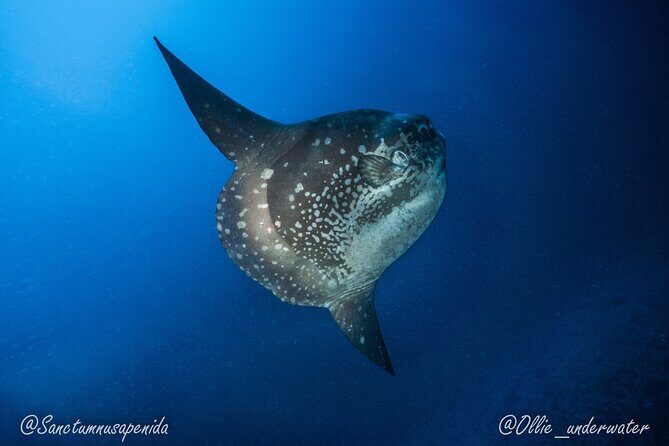
Mantas show up when you do the work. This Nusa Penida and Nusa Lembongan day is built around a small-group feel and a safety-first crew, with real chances to spot manta rays and, in season, mola-mola. I like that you’re not packed in; the guide-to-client ratio keeps the day calm and controlled. I also like the practical stuff: air-conditioned pickup, onboard Wi‑Fi, lunch, fruit, and water. One possible drawback: the schedule is early and the route by speedboat can make motion sickness a factor if you’re sensitive.

You’ll start with an underwater session at Manta Point (and often bamboo sharks), then go on to Crystal Bay or Nusa Lembongan for the second run—where drift-style diving can put you over healthier corals and where mola-mola sightings can happen. In reviews, the team gets praised by name—Branko runs things, and guides such as Robert, Alfian, Nikola, and Agus show up repeatedly in good stories about organization and care.

Key highlights that make this day worth your time

Scuba Diving Nusa Penida Manta Point 3 dives for certified divers - Key highlights that make this day worth your time

  • Max 4 certified divers per guide keeps the pace steady and the briefings useful
  • Manta Point as the anchor for manta-ray odds, plus bamboo sharks
  • Crystal Bay / Nusa Lembongan options for mola-mola (seasonal) and healthy-corals drift
  • Onboard Wi‑Fi, toilet, and towel mean less chaos during the long boat day
  • Zero Gravity Diving’s team gets name-checked (Branko, Robert, Alfian, Nikola, Agus) for professionalism

Timing and getting there: a smooth day that starts early

Scuba Diving Nusa Penida Manta Point 3 dives for certified divers - Timing and getting there: a smooth day that starts early
This outing runs about 8 hours, typically starting between 7:00 and 8:00 a.m. and finishing around 2:00 to 3:00 p.m. The early start matters here. You want calmer conditions and good site access, and the operator builds the day around that reality.

Pickup is offered from your hotel with an air-conditioned vehicle. You’ll also have Wi‑Fi onboard, which sounds small until you’re staring at the morning sky waiting for the speedboat. Meeting hours are listed as 6:30–7:30, so plan to be ready before the first call time hits.

From there, the speedboat transfer from Sanur to the southern Nusa Penida area is about 45 minutes. That’s short enough to stay upbeat, but long enough that your body will notice the boat. If you tend to feel off on water, this is the main part of the day to plan for.

Safety on the water: what the guide ratio really changes

The best part isn’t just that it’s labeled safety-focused. It’s how the day is structured. The package uses a leader-to-certified-diver ratio of one guide for a maximum of four certified divers, which is unusually hands-on for a popular, high-demand region.

In plain terms, that small group size means:

  • You get clearer pre-water instructions.
  • It’s easier to check buoyancy control and buddy spacing.
  • The group can stay tighter around the guide route, instead of doing “everybody fend for themselves” navigation.

The center is PADI-qualified, and you’ll need to complete a PADI medical form. If you answer yes to any questions, the form asks you to consult your doctor and get approval noted before you can participate. This isn’t there to slow you down. It’s there because scuba needs your health to be a green light, not a maybe.

In reviews, what stands out is the consistent theme: staff members are described as professional, organized, and safety-minded, and modern gear is mentioned. One review specifically calls out a no-nonsense approach and modern equipment, plus a setup using a van and a boat geared for the operation.

Manta Point: the morning session built for manta chances

Scuba Diving Nusa Penida Manta Point 3 dives for certified divers - Manta Point: the morning session built for manta chances
Manta Point is the headline site, and it’s scheduled as the first stop on the day. This is where you’re going for manta rays, and the description also mentions bamboo sharks as part of the underwater mix.

Why this stop works as a “first act” of the day:

  • Manta sightings are often about timing and water conditions.
  • Starting here gives you your best shot before fatigue and changing conditions set in later.

Also, a lot of the comfort of your day depends on how you handle the sea. If the speedboat ride feels choppy, your first water time still needs focus. A smaller group and steady leadership usually make that easier. You’re not trying to build confidence while juggling a large group and a crowded surface.

What to expect underwater is not something anyone can guarantee, but the intent is clear: this is a manta-focused run. If you came for mantas, this is the moment you’ll care about.

Crystal Bay or Nusa Lembongan: mola-mola odds and drift style

Scuba Diving Nusa Penida Manta Point 3 dives for certified divers - Crystal Bay or Nusa Lembongan: mola-mola odds and drift style
After Manta Point, your second session shifts based on conditions and the day’s plan. The description references Crystal Bay and Nusa Lembongan (with nearby options like Gamat Bay, Toya Pakeh, SD, PED, and Buyuk) depending on what’s working underwater.

If you go Crystal Bay

Crystal Bay is tied to the possibility of mola-mola and also giant trevallies. Mola-mola sightings are seasonal, so your experience can range from “wow” to “not today,” but this is the right target area for people planning specifically around these fish.

One review is especially memorable for odds: the writer credits the operator with seeing two mola-mola in a row. Even if your day doesn’t match that story, it’s a sign the team takes the mola-mola mission seriously and positions divers with intention.

If you go Nusa Lembongan

Nusa Lembongan is known here for drift-style exploring and for seeing healthier corals around the area. The listing also emphasizes a drift concept, which matters for how you should prepare mentally. Drift sessions reward calm control: stay relaxed, keep your buoyancy steady, and let the current do the work instead of forcing the motion.

If you’ve ever had your underwater experience ruined by over-flapping kicks, this drift approach is a good match. It tends to feel more natural when you stop trying to fight the water and instead move with it.

The boat and the in-between time: comfort wins you’ll feel later

Scuba Diving Nusa Penida Manta Point 3 dives for certified divers - The boat and the in-between time: comfort wins you’ll feel later
The operation includes an onboard marine toilet and towel use, which is the kind of practical detail you don’t notice until you’re on a long boat day. There’s also lunch, fruit, and bottled water, so you don’t start the morning hungry and you don’t end it irritated.

On the surface, the boat day can feel like a long wait. That’s exactly where Wi‑Fi onboard helps. You’ll probably use it more than you expect—checking messaging, saving maps, or just distracting yourself while the crew handles the schedule.

Boat size is also mentioned in reviews: one person notes the boat is huge and fit for purpose. If you’ve been on small boats that make you feel like you’re sitting inside a washing machine, that sort of comment is a quiet green flag.

Equipment, what’s included, and the one thing to double-check

Scuba Diving Nusa Penida Manta Point 3 dives for certified divers - Equipment, what’s included, and the one thing to double-check
Here’s the slightly annoying part: the info you were given contains conflicting hints about equipment.

  • The overview says the price excludes equipment, meaning rental charges may apply.
  • The included section says use of scuba equipment.

So what should you do? Treat this like a checklist item before you arrive. Ask for confirmation of whether your booking includes rental gear or if you’re expected to pay separately once you’re there. That one question can save you stress on day one.

The good news: reviews repeatedly mention modern equipment and well-maintained gear. So even if you need to rent, the center’s gear reputation looks strong.

Also, if you’re a first-time participant with this operator, bring your own items that keep you comfortable:

  • your own mask-fit preferences if you have them
  • motion-sickness support if you know you need it

The center can’t change the ocean, but a little preparation keeps the day pleasant.

Food and small touches: why lunch matters in the Nusa heat

Scuba Diving Nusa Penida Manta Point 3 dives for certified divers - Food and small touches: why lunch matters in the Nusa heat
This day includes lunch plus fruit and bottled water. It sounds basic, but it changes how you feel at 1:30 p.m. when you’re still processing your morning. Skipping food on these trips can turn “one more hour” into a bad memory.

Towels matter too. In humid island conditions, having a towel helps you get back to normal quickly after getting out of the water. That keeps the post-session experience from dragging.

Price and value: is $233 fair for a manta-focused day?

Scuba Diving Nusa Penida Manta Point 3 dives for certified divers - Price and value: is $233 fair for a manta-focused day?
At $233 per person, you’re paying for more than just underwater time. The value comes from the package shape:

  • hotel pickup and round-trip transport
  • speedboat access to Nusa Penida / Lembongan areas
  • guided small groups with a strict ratio (max four certified divers per leader)
  • meals and water
  • site fees and taxes
  • onboard conveniences like Wi‑Fi and a marine toilet

Where value gets tricky is the two items below:

1) Equipment inclusion is unclear in the details you have, so you should confirm whether rentals are included.

2) Your actual animal list depends on season and conditions, especially for mola-mola.

Still, for most certified divers, the biggest “real cost” on these islands is often logistics. This price bundles the planning work: you show up, get moved, get briefed, get guided, and get fed. If that’s the kind of trip you like, it’s a fair deal.

Who this is best for (and who should look elsewhere)

This works best for:

  • Certified divers who want a tightly managed group and a serious chance at mantas at Manta Point
  • Divers who care about safety and want a small ratio, not a crowded set-up
  • People who want one day that combines manta potential with a second target area that may include mola-mola or healthier-coral drift

It may be less ideal if:

  • You’re prone to motion sickness and you don’t plan for the boat ride. One review mentions seasickness, and while it doesn’t mean it’ll happen to you, it’s a heads-up to prepare.
  • You need fully predictable wildlife. This region offers fantastic chances, but it’s still nature and conditions.

If you’re traveling as a couple or small group of certified divers, you’ll likely appreciate the calmer, focused vibe. If you’re traveling solo, you’ll still be in a small group, which many independent divers prefer on day trips.

Should you book it? My practical call

Book this scuba sessions day if your goal is to do Nusa Penida for the manta-ray mission and you’re comfortable with the idea that the second session may swing between Crystal Bay (mola-mola odds) and Nusa Lembongan (drift + healthier corals).

I’d only hesitate if you:

  • can’t handle a speedboat ride and didn’t plan for it
  • haven’t confirmed equipment inclusion in your voucher/booking notes
  • need certainty on mola-mola sightings (seasonal means it can be hit or miss)

If you sort out those two points, this looks like a solid operator for a full day: small groups, safety structure, modern gear reputation, and staff who earn consistent praise by name, including Branko and guides such as Robert, Alfian, Nikola, and Agus.

FAQ

How long is the trip?

It runs about 8 hours, typically starting around 7:00–8:00 a.m. and ending around 2:00–3:00 p.m.

Where does the trip start and end?

Pickup is offered from your hotel, and the day ends with hotel drop-off.

How many underwater sessions are included?

The included details list 2 underwater sessions. The title mentions 3, so you should confirm what your exact booking includes.

Do I need to be certified?

Yes. This package is for certified divers.

What sites will I visit during the day?

You start at Manta Point on Nusa Penida, then the second session is described as being at Crystal Bay or Nusa Lembongan (with nearby options mentioned such as Gamat Bay, Toya Pakeh, SD, PED, and Buyuk).

What marine life are you targeting?

The plan focuses on manta rays at Manta Point, and there’s also a chance for mola-mola in season (plus other fish such as bamboo sharks and giant trevallies are mentioned).

What safety and medical requirements are there?

You must complete a PADI medical form. If you answer yes to any questions, you’ll need doctor approval as requested on the form.

What’s the group size and guide ratio?

Certified divers are led with a ratio of one guide for a maximum of four certified divers.

Is equipment included?

Your information includes conflicting notes. The overview says equipment is excluded, while the included section mentions scuba equipment use. Check your voucher to confirm what you’ll pay for.

What if weather is bad?

The experience requires good weather. If it’s canceled due to poor weather, you’ll be offered a different date or a full refund.

Discover Scuba Diving in Pemuteran – Diving Initiation in Bali (Menjangan Park)

Discover Scuba Diving in Pemuteran - Diving Initiation in Bali (Menjangan Park) - The 4-step flow: briefing, shallow skills, lunch break, then your second session

Starting scuba can sound intimidating, then Menjangan’s warm water makes it surprisingly doable. This guided intro course in Pemuteran is built for brand-new students: you practice control and breathing in shallow areas, then go deeper with close instructor supervision up to 12 meters. You’ll also spend time exploring Menjangan National Park, with a break and lunch on Menjangan Island before you finish with a second underwater training session.

What I like most is the clear structure for nervous beginners: it’s a progressive, step-by-step flow that doesn’t throw you in at the deep end. Second, the small group size (up to 12 people) plus hands-on coaching keeps you from feeling lost with brand-new gear.

One possible drawback to consider: you’re diving into a real learning day, so you should expect some effort and concentration, not just a casual sightseeing swim. Also, the Menjangan Park entrance fee is extra (IDR 200,000 per person), so check the total before you go.

Key points worth knowing before you book

Discover Scuba Diving in Pemuteran - Diving Initiation in Bali (Menjangan Park) - Key points worth knowing before you book

  • Warm-water instruction designed for first-timers, with a progressive learning curve
  • Close coaching during your underwater skills practice, not just a quick briefing
  • Gear is provided (including wetsuit and weight belt), so you travel lighter
  • Two underwater sessions with a rest and lunch break on Menjangan Island
  • Small group size (up to 12 travelers) for more attention from the instructor

First-timer scuba instruction in Pemuteran, with Menjangan National Park time

Discover Scuba Diving in Pemuteran - Diving Initiation in Bali (Menjangan Park) - First-timer scuba instruction in Pemuteran, with Menjangan National Park time
Pemuteran sits on Bali’s north coast, and it’s a smart base if you want clear, marine-focused water without the chaos of the bigger tourist areas. This experience is designed as a half-day course—about 7 hours—so you can fit it into a busy Bali itinerary without losing your whole day.

The big reason this works for beginners is the training style. You’re not just “doing an activity.” You’re learning how breathing underwater works, how to control your buoyancy basics, and how to move without fighting your equipment. Then you put those skills to work during two supervised underwater sessions in Menjangan National Park.

And yes, Menjangan is the draw. You’re not only learning; you’re also getting time in a protected area known for its marine life. Even if you’re anxious, the course gives you the right support early—enough confidence-building first steps that the deeper part feels like a continuation, not a shock.

The 4-step flow: briefing, shallow skills, lunch break, then your second session

Discover Scuba Diving in Pemuteran - Diving Initiation in Bali (Menjangan Park) - The 4-step flow: briefing, shallow skills, lunch break, then your second session
The course runs as four clear steps, and that structure matters. When you’re new, you don’t need surprises. You need the day to feel predictable while your body learns something unfamiliar.

First, there’s a short briefing to understand the basics of scuba safety and how the equipment functions. Then you move into a shallow area where you can stand and build confidence. This is where you practice simple breathing underwater and basic skills without worrying about depth.

Next comes your first underwater training session in Menjangan National Park, with the maximum depth listed at 12 meters. After that, you get a break and lunch on Menjangan Island. That pause is more than comfort—it helps you reset your thinking before the second session.

Finally, you return for a second underwater session in the park. By then, you usually feel less like you’re wrestling the gear and more like you’re finding a rhythm. Some instructors are known for staying right beside you, keeping things calm even if you’re the type who starts out nervous.

What you actually practice underwater (and why it helps you enjoy the day)

Discover Scuba Diving in Pemuteran - Diving Initiation in Bali (Menjangan Park) - What you actually practice underwater (and why it helps you enjoy the day)
You’ll spend time learning the practical foundations: how to breathe steadily, how to handle common moments of adjustment, and how to follow buoyancy guidelines so you don’t kick up like a panicked dolphin.

The course is set up so you can experience the sensation of breathing underwater early, after spending a short time adapting. That first taste is often the emotional turning point. Once your brain stops treating breathing like a threat, the rest becomes easier—your body starts responding more naturally, and movement feels less awkward.

You’ll also learn how to put your equipment together and how it affects comfort and control. That sounds like “admin,” but it’s actually important. If you understand your kit—mask, regulator, buoyancy control jacket, and weight belt—you’ll feel calmer when conditions or depth change during the sessions.

If you’re worried about stability, this is a good sign: the course builds skills progressively. The shallow exercises are there so you can start learning underwater fundamentals before you’re asked to manage anything more complicated.

Pemuteran to Menjangan: what each stop feels like

Discover Scuba Diving in Pemuteran - Diving Initiation in Bali (Menjangan Park) - Pemuteran to Menjangan: what each stop feels like
The day starts in Pemuteran, then you spend time near Pantai Pemuteran before heading out to Menjangan Island / Menjangan National Park for the underwater sessions.

Here’s how that usually plays out in a learning course:

  • Pemuteran base (start): You’ll get oriented and fitted with gear. This is where you’ll want to communicate any worries—mask fit, ear pressure concerns, or fear of the ocean—early, so your instructor can pace you.
  • Pantai Pemuteran (getting settled): This is typically where you transition from land routines to water routines, and where shallow confidence practice happens.
  • Menjangan Island (the “we’re doing it” moment): This is where your first underwater session happens, then lunch and a rest break. After lunch, you return for the second session in the park.

The practical benefit of this layout is psychological. You’re not rushed from training to adventure. You get time to absorb new sensations, take a break, then finish the learning day with a second try.

Equipment, wetsuit comfort, and the safety approach for first-timers

Discover Scuba Diving in Pemuteran - Diving Initiation in Bali (Menjangan Park) - Equipment, wetsuit comfort, and the safety approach for first-timers
This course includes wetsuit and weight belt, plus the core gear: mask, snorkel, fins, buoyancy control jacket, regulator, and other instruments. That’s a big value factor because buying or renting a full kit yourself can easily add cost and stress.

The wetsuit matters more than you might think. Even in warm water, a wetsuit helps you stay comfortable and can make buoyancy feel more predictable while you learn control. The weight belt also needs to be set up correctly for your body and experience level; it’s great that the kit is handled for you as part of the course.

Safety is handled through method and supervision. The structure includes shallow practice first, then gradual progression to max depth, with your instructor actively involved throughout. In practice, that means you’re not left floating around on your own trying to remember the steps.

One small consideration: you’ll be learning in a new setup with new sensations. If something goes wrong—like a missing or misplaced item—the good sign is that the team has shown flexibility in handling gear issues without turning it into a hassle. Still, you’ll want to take care of your mask and small items so the day stays smooth.

Gear-included value: price, the Menjangan park fee, and what you’re really paying for

Discover Scuba Diving in Pemuteran - Diving Initiation in Bali (Menjangan Park) - Gear-included value: price, the Menjangan park fee, and what you’re really paying for
At $110.05 per person for a roughly 7-hour intro course, the value is strongest if you factor in what’s included. You’re not paying just for “water access.” You’re paying for:

  • A certified instructor
  • Full equipment (including wetsuit and weight belt)
  • Dive center facilities like toilet, shower, locker, and change room
  • A planned day with two supervised underwater sessions
  • A rest and lunch on Menjangan Island (food costs included in the day flow, though the exact details of what’s covered aren’t spelled out beyond the fact that lunch is part of the course)

The one clear “extra” you should budget is the Menjangan Park entrance fee: IDR 200,000 per person. That’s the only fee called out specifically as not included, so plan for it.

The other value angle: the course is capped at 12 travelers, which tends to mean better attention during skill practice. And when you’re new, attention is the difference between feeling excited and feeling overwhelmed.

Finally, you can book about 43 days in advance on average—that suggests it’s a popular option. If you’re traveling in peak season or you have a tight schedule, earlier booking helps.

Lunch on Menjangan Island: a real reset between your two training sessions

Discover Scuba Diving in Pemuteran - Diving Initiation in Bali (Menjangan Park) - Lunch on Menjangan Island: a real reset between your two training sessions
It’s easy to overlook lunch in a scuba course, but the middle break is a real part of why you can finish strong. After your first session, you rest, eat, and give your brain time to process what you learned.

The day includes a restaurant or warung available at the dive center, and lunch is built into the flow while you’re on Menjangan Island. What matters for you is not just food—it’s recovery. After breathing through a regulator and adjusting to new buoyancy sensations, a break keeps you from turning the second session into a survival mode.

Also, having a pause helps if you came in anxious. You get to regroup on land, talk to your instructor, and reset your expectations. Then you go back for the second session with calmer confidence.

Who this course is best for (and who should think twice)

Discover Scuba Diving in Pemuteran - Diving Initiation in Bali (Menjangan Park) - Who this course is best for (and who should think twice)
This is a great fit if you’re:

  • Brand-new to scuba, and you want a structured introduction
  • Someone who needs an instructor staying close and clear, especially during early skills
  • A diver-at-heart who still wants safety-first training and a progressive learning curve

It’s also suitable for moderate physical fitness levels, and it has a minimum age of 10 years, which makes it a realistic family option for teens and older kids if they can follow instructions and handle the gear.

Who should think twice? If you have very specific medical limitations, you’ll want to check those with the operator before you go. The data also only states “moderate physical fitness,” so it’s not positioned as a course for mobility or endurance challenges.

Small details that make the difference: group size, photos, and what to plan for

A few practical notes can help your day go smoother:

  • Max group size is 12. That’s good for new learners because you’re less likely to get “lost in the crowd” during practice.
  • Digital souvenir photos/videos are available for purchase, but they’re not included, so decide ahead if you want that.
  • The course includes restaurant/warung availability at the dive center, but food and drink expenses are listed separately there. Lunch during the island break is part of the program, but you may still want extra snacks or drinks depending on what you like.
  • Bring along the usual travel-day mindset: you’ll change into a wetsuit, use lockers, and then head back out. Comfortable clothes for the in-between parts are a small but real comfort win.

If you’ve got your own fears, you’re not alone. The learning style is designed for progressive comfort, and the coaching is meant to keep you safe without stripping away the enjoyment.

Should you book the Pemuteran intro course in Menjangan?

My take: if you’re curious about scuba but don’t want to jump into a complicated first experience, this is a smart way to start. The strongest reasons to book are the progressive 4-step training, the gear included (including wetsuit and weight belt), and the fact you get two supervised sessions with a real break and lunch on Menjangan Island. It’s built to turn nervous curiosity into actual skills you can carry forward.

Skip it (or ask lots of questions first) if you want a purely relaxed day with zero learning effort. This is an instruction course, not just a sightseeing swim. Also remember the Menjangan park entrance fee is extra, so your total cost won’t match the headline price exactly.

If you’re traveling through Bali with a half-day window and you want a genuinely beginner-friendly start in one of the region’s most famous marine areas, this is a solid choice.

FAQ

How deep will I go on this course?

The training includes a maximum depth of 12 meters.

Is this course suitable if I’ve never done scuba before?

Yes. It’s designed for first-timers, with a progressive learning curve, shallow-water practice, and an instructor guiding you step by step.

What gear and clothing are included?

The course includes a wetsuit and weight belt, plus mask, snorkel, fins, buoyancy control jacket, regulator, and other instruments.

Is the Menjangan National Park entrance fee included?

No. The Menjangan Park entrance fee is IDR 200,000 per person and is not included.

What’s the minimum age to join?

The minimum age is 10 years.

What if weather is bad?

The experience requires good weather. If it’s canceled due to poor weather, you’ll be offered a different date or a full refund.

Try Diving in Manta Point – Nusa Penida

Try Diving in Manta Point - Nusa Penida - How the day flows: theory, pool work, then Nusa Penida sites

Manta rays are the main event here. This is a beginner-friendly Discover Scuba day trip from Bali to Nusa Penida, built around proper training before you head out for the big marine moments. If you’ve dreamed about floating with manta rays, this is one of the most direct ways to do it without needing prior certification.

I like that you get a private instructor per person, so first-timers aren’t left to figure things out on their own. I also love the structure: theory, equipment checks, and pool training before you ever splash in open water. One consideration: the experience still depends on weather and ocean conditions, and there’s a separate conservation fee (not included in the price).

Key highlights you’ll feel on day one

Try Diving in Manta Point - Nusa Penida - Key highlights you’ll feel on day one

  • Private instructor per person for comfort and safety on your first underwater day
  • Training pool + theory first, not guesswork once you reach Nusa Penida
  • Manta Point focus plus other top sites (Crystal Bay and a north drift current session)
  • Well-fed day with lunch, snacks, bottled water, and homemade donuts back at the shop
  • Seasickness support: sea sick pills were handed out on past trips

Discover Scuba in Sanur: training that makes beginners feel safe

Try Diving in Manta Point - Nusa Penida - Discover Scuba in Sanur: training that makes beginners feel safe
This outing is built for people who are new to scuba. You start with a straightforward introduction, then move into the basics: how your gear works, how breathing should feel, and how to stay in control underwater. For me, the best part is that they don’t rush you straight into open water chaos.

Neptune also runs the day with a mix of classroom-style theory and hands-on practice. You’ll do an equipment check and pool training first. Past divers picked up on the fact that the facility includes a very visible, modern training pool, so you can get comfortable fast before the sea takes over.

You don’t need scuba certification to join. The minimum age is 10, and there’s no requirement to show dive credentials. That’s a big deal if you’re coming with friends who are curious but nervous about “real dive” training.

How the day flows: theory, pool work, then Nusa Penida sites

Try Diving in Manta Point - Nusa Penida - How the day flows: theory, pool work, then Nusa Penida sites
The schedule is paced so you’re not stressed the whole day. After pickup and a morning coffee, there’s a clear setup: introductions, theory, equipment check, and a pool session. You’ll get a briefing that maps out what’s next and what to practice so you know what to expect when you’re in open water.

Around 9AM, you head out toward Nusa Penida. The trip is timed for multiple ocean sessions. Depending on the package you choose, you’ll do 2 or 3 ocean sessions across famous sites: Manta Point, Crystal Bay, and a north drift current session (one of the north options).

Then you return to the dive center around 4PM. This is where the fun touch lands: they’re known for homemade donuts back at the shop. It’s simple, but after a long saltwater day, it feels like a reward that’s actually earned.

Manta Point and Crystal Bay: what you’re really paying for

The whole pitch is straightforward: you’re going for manta rays and big marine life. Manta Point is the centerpiece, and it’s famous for that reason. If you’ve never been close to manta rays, the first time you see them glide past is the kind of moment that can reset how you think about the ocean.

Crystal Bay is another major stop on the route. Even if you’re brand new to scuba, the site selection matters because it increases your chances of seeing varied sea life and staying engaged during the day. You should still expect some downtime between sessions, but that’s normal. The payoff is what’s happening during your underwater time.

The north drift current session adds a different style of movement. Drift-style profiles generally mean you cover water with the current rather than pushing constantly with your fins. That can be great for sightseeing, but it also makes buoyancy and calm control more important. If you’re nervous, this is exactly where the private instruction matters most.

The private instructor setup: gear fit, comfort, and calm coaching

Try Diving in Manta Point - Nusa Penida - The private instructor setup: gear fit, comfort, and calm coaching
This experience is private, meaning it’s only your group. More importantly, you get a professional PADI instructor, and the training is tailored to you rather than “everyone follows along.” That matters because first-timers tend to need more time with basic skills: breathing rhythm, equalizing, and staying level.

You’ll also do setup with real attention to fit. The operator requires your height, weight, and shoe size at booking so they can assemble and adjust your gear properly. That’s not a trivia detail—it affects comfort and how stable you feel in the water.

If you’re worried about seasickness, you’ll be glad to know sea sick pills were provided on at least one past trip. That small comfort tip can mean the difference between enjoying the ride and feeling miserable before you even reach the sites.

What’s included in the $220.52 price (and what can cost extra)

At $220.52 per person, you’re not just buying the boat and hoping for the best. The price covers a lot of the expensive, annoying parts of scuba logistics.

Included highlights:

  • Hotel pickup and drop-off in select areas
  • Lunch, snacks, and bottled water
  • Professional PADI instructor
  • Scuba equipment and private pool training
  • Scuba diving insurance
  • Taxes and handling charges
  • Mobile ticket

Not included items you should plan for:

  • Conservation fee for Manta Point in Nusa Penida: IDR100,000 per person
  • Extra add-ons like GoPro rental, additional wetsuit options, hoodie vests, and similar gear choices

From a value angle, this pricing makes sense because the experience bundles the training layer (the pool + instruction) into the day. If you tried to piece that together yourself, you’d likely end up paying more in separate bookings and time.

One more practical note: the conservation fee is separate, so don’t let it surprise you at the end of the day when you’re tired. Budget a little extra.

Transportation and timing: the “9AM to 4PM” reality

This outing runs about 6 hours, with an approximate departure of 9AM and return around 4PM back to the center. Transfers are approximate and can stretch with traffic and departure timing.

Your meeting point is Neptune’s center in Sanur (Jl. Suka Merta, Sanur Kauh, Denpasar Selatan). Opening hours are listed from 7:00 AM to 3:30 PM, which lines up with early starts. If you’re arriving by your own transport, you’ll want to show up early enough to handle gear setup without feeling rushed.

Weather matters. The experience requires good weather, and if it’s canceled due to poor conditions, you’ll be offered another date or a full refund. This is normal in the Bali-to-Penida ocean world, and it’s better to plan for flexibility than to treat the day like a fixed appointment.

Who should book this (and who should think twice)

This is a great fit if:

  • You’re a beginner with no certification
  • You want structured training with a one-on-one feel
  • You care most about manta rays and seeing serious marine life without prior experience
  • You like the idea of a private group where instructors can focus on your pace

It’s also practical if you’re not traveling with tons of “dive day” gear, because scuba equipment is included and they handle the setup.

Considerations:

  • It’s not recommended for active asthma. If that applies to you, talk to a medical professional before booking.
  • The experience is focused on getting you comfortable and capable. If you already know scuba well, you might find some parts slower than an advanced plan would be. That said, a confident instructor can still make the day enjoyable.

Support for diets and needs is built in: vegetarian options are available if you tell them ahead of time, and service animals are allowed.

Safety, service, and the small touches that make it feel professional

Try Diving in Manta Point - Nusa Penida - Safety, service, and the small touches that make it feel professional
A lot of the positive energy in this experience comes from how the day is run. Past divers noted proactive communication around pickup and drop-off, plus the way the team handles first-timers with calm coaching.

I also like that training is not just technical. It’s friendly, and it’s clear they want you to succeed. One named contact in the booking process was Julian, who was described as answering questions thoroughly and responding promptly. Once on the water, instructors and buddies named Noe and Robert were singled out for being helpful and attentive, always keeping an eye on people.

There’s also a sign of consistency in their approach to comfort: sea sick pills for motion discomfort, plus a pace that doesn’t leave people feeling lost.

Finally, there’s mention of a sustainable approach in feedback. The specifics weren’t detailed in the information you provided, but it’s a good signal that the operator thinks about impact, not just spectacle.

Should you book Try Scuba in Manta Point area?

If your goal is manta rays plus a guided, beginner-safe path, I’d book it. The value isn’t just the sites—it’s the combination of proper basics, private instruction, and a day plan that’s designed to get you into the water feeling ready.

I’d hold off (or ask extra questions first) if you have active asthma, hate the idea of weather-based changes, or expect a fully hands-off experience. This is beginner-focused, which means you’ll be learning as you go—most people find that empowering, but it’s still active training.

If you want a memorable first scuba day without certification stress, this one has the right ingredients: structured training, strong site selection, and a team that seems to take comfort and coordination seriously.

FAQ

Do I need scuba certification to do this?

No. This is designed for beginners and uncertified participants. You don’t need evidence of dive certification to take part.

What underwater locations will I visit?

You’ll visit Manta Point, Crystal Bay, and one of the north drift sites. You’ll do 2 or 3 ocean sessions depending on the package you select.

Is pickup and drop-off included?

Yes, hotel pickup and drop-off are included in select areas. The exact availability depends on where you’re staying.

What are the age requirements?

The minimum age for Discover Scuba Diving is 10 years old.

What does the price include, and is there an extra fee?

The price includes equipment, instructor-led training (including private pool training), lunch, snacks, bottled water, and scuba insurance. A conservation fee for Manta Point in Nusa Penida (IDR100,000 per person) is not included.

What if weather is bad?

This experience requires good weather. If it’s canceled due to poor weather, you’ll be offered a different date or a full refund.

Nusa Penida Try Scuba Diving Program – for Non-Certified Divers

Nusa Penida Try Scuba Diving Program - for Non-Certified Divers - Pool Training First: How the Program Builds Confidence Fast

Your first underwater breath feels surprisingly doable.

This try-scuba program in Nusa Penida is built for non-certified people, with pool training first and a very small instructor ratio in open water (no more than 2 participants per instructor). I also like that the basics are taught step by step, including breathing underwater and simple underwater skills before you head out to see coral and tropical fish. The main thing to consider: you must pass a 200-meter swim and a 10-minute float in water too deep to stand in, so come ready for that physical check.

You’ll start at Pure Dive Resort at 10:30 am, get a thorough 30–40 minute briefing, practice in the training pool, then move to the beach right across the road for short transfers to the best conditions at the time. The good news is that all essential gear is included, and the day is capped at 10 travelers, so it doesn’t feel like cattle-herding.

Key things I’d underline before you book

Nusa Penida Try Scuba Diving Program - for Non-Certified Divers - Key things I’d underline before you book

  • Pool first, ocean second: you train in a purpose-built scuba pool before you go into open water.
  • Safety is tight: maximum 2 participants per instructor during the open-water part.
  • Tests you can plan for: a 200 m swim and 10-minute float are mandatory.
  • A hard limit on depth: the open-water session won’t exceed 12 meters.
  • Gear is included (mostly): standard scuba gear comes with the tour, but an underwater computer isn’t included.
  • Short, focused underwater time: your time in the water is typically 35–55 minutes depending on air use.

Entering The Day at Pure Dive Resort (10:30 am)

Nusa Penida Try Scuba Diving Program - for Non-Certified Divers - Entering The Day at Pure Dive Resort (10:30 am)
This is a half-day format that starts at Pure Dive Resort in Nusa Penida. Your schedule begins at 10:30 am, and the activity returns you back to the same meeting point. On paper, that’s simple. In practice, it’s a big deal: you spend your energy on the water skills and the reef time, not on a long day of transfers.

You’ll likely get there, check in, and then the staff moves you into the day’s rhythm: briefing, pool practice, then the open-water portion. The program also uses a mobile ticket, which is handy when you’re juggling phone maps in a place where Wi-Fi isn’t always consistent.

Because the group is limited to up to 10 travelers, you’re less likely to feel rushed during setup or briefing. That matters when you’re new and trying to focus on breathing and equipment basics without distractions.

The 30–40 Minute Briefing: What You’ll Be Taught Before Any Water Work

Before you jump into the pool, you get a detailed 30–40 minute briefing covering the experience end-to-end. The briefing is where you’ll learn what to do, what can go wrong, and how to prevent it—especially around the skills that make first-time scuba feel less mysterious.

Based on the program info, expect this briefing to cover:

  • breathing underwater
  • equalisation (how to manage pressure)
  • how your equipment should fit and function
  • safety rules for the day

I like this structure because you’re not just handed gear and told to follow along. You get the mental checklist first, then you train the actions in a controlled environment.

And the reviews back up the “calm, step-by-step” approach. People repeatedly mention patience from instructors and feeling confident because they were guided through each moment, not left to guess.

Pool Training First: How the Program Builds Confidence Fast

Nusa Penida Try Scuba Diving Program - for Non-Certified Divers - Pool Training First: How the Program Builds Confidence Fast
The pool practice is the core of why this program works for non-certified people. It’s not a token warm-up. It’s a progression.

Step 1: Mandatory swim and float tests

Before you do underwater breathing work, the program requires two tests:

  • a 200-meter swim
  • a 10-minute float in water too deep to stand in

These aren’t there to be tough for the sake of it. They’re there so the instructor can keep every participant safe and so you can build the right comfort level before you start using scuba gear.

If swimming isn’t your strong suit, don’t assume you can “power through” on the day. You’ll want to be ready for steady swimming and the ability to float without panicking.

Step 2: Breathing underwater and basic skills

After passing the tests, you move into training breathing underwater under the supervision of a certified instructor. Then you practice simple underwater skills—specifically including clearing water from your mask, plus the basic mechanics that make you feel in control.

This is where a lot of first-time people either relax… or spiral. A good instructor course-corrects early. Reviews highlight patient coaching from names like Budi (Budiana), Axel, and Denis, with the common theme that they stay close, explain calmly, and help you get comfortable with breathing rhythm.

That coaching style is not a “nice bonus.” It’s the difference between leaving the water thinking I can do this again versus leaving thinking I got lucky this time.

Safety Rules That Matter Most in Open Water

When you finally head out, the program keeps the safety framework consistent.

The key open-water points:

  • direct supervision at all times
  • a maximum of two participants per instructor
  • a maximum depth of 12 meters

That small ratio is a huge value. It means your instructor can actually watch your breathing, check your equipment comfort, and guide you through adjustments without spending all day managing a bigger group.

Also, the depth limit is a smart constraint for non-certified participants. It reduces the stress and complexity for your first reef experience while still giving you a real look at coral and fish life.

Getting to the Reef: Boats Waiting Across the Road

Right after the pool and training part, you transition to the beach area. The boats are waiting across the road, on the shore. That means less time schlepping gear and fewer “where are we going next” moments.

There’s also a short ride to the dive site, using the best conditions at the moment. While you can’t control weather, the ability to select better conditions is what often turns a good first-time day into a great one—less churn, better visibility, and a smoother experience for beginners.

What Your Underwater Time Feels Like (35–55 minutes, typically)

Your underwater session normally lasts 35–55 minutes, depending on air consumption. For first-timers, this timing is usually perfect: long enough to see coral and tropical fish clearly, but not so long that you feel mentally strained.

Because your maximum depth is capped at 12 meters, you’re not chasing extremes. You’re learning how the body behaves when you’re breathing underwater and moving at a slow, controlled pace.

A detail I appreciate: you’re not expected to “perform.” The goal is safe breathing, comfortable mask clearing, and following instructor cues. That’s why this format works as a first exposure.

Gear Included: The Stuff You Should Expect to Hold

Included in the program:

  • a full set of standard diving gear
  • all fees and taxes
  • diving insurance

Two important practical notes:

1) A dive computer isn’t included. The tour lists that the computer is not part of the package. If you personally want to track time/depth/air usage on an onboard computer, you’ll need to arrange that outside the included setup.

2) You shouldn’t need to invest in a mask for this activity. The program explicitly says you don’t need to buy a mask to do the experience, since basic gear is provided.

The “standard gear included” piece is value for your wallet and your sanity. Buying equipment for a one-time try is where beginners often lose money.

Instructors Who Keep You Calm: Names You’ll Hear in the Water

The reviews emphasize instructors who are patient and present—exactly what you want for a first underwater experience.

You’ll see strong mention of:

  • Budiana (Budi) for exceptional patience and careful instruction
  • Axel for friendly, professional support before and during the session
  • Denis for kindness, teaching useful new skills, and strong organization

One review also highlights that the relaxed pace helps with air consumption and avoiding accidental contact with the reef. That’s both practical and respectful: slow, controlled movements mean less panic, steadier breathing, and less chance of damaging coral with hands or fins.

Even if you’re nervous, these instructors are clearly trained to turn fear into focus. If you’ve been scared of what’s underneath, that matters more than any marketing line.

Price and Value: Is $120 Worth It?

At $120 per person for about 4 hours, this program sits in the “you pay to get real experience, not to complete certification” category.

Here’s what your money is buying you:

  • Professional training: briefing plus pool practice with a certified instructor
  • Real equipment support: standard scuba gear included
  • Structured safety: small open-water ratio and depth limits
  • Insurance: diving insurance included
  • Guided reef time: a supervised underwater experience with coral and fish

If you were to pay for equivalent instruction and then figure out your own gear, you’d likely spend more in both time and money. And if you’re not sure you even like scuba, this half-day try is cheaper than jumping into a full certification path that’s “time-consuming and expensive.”

So yes, I think it’s good value—especially because it’s designed specifically for non-certified people, with tests and a controlled progression that makes the experience safer.

Who Should Book This and Who Should Think Twice

This program is aimed at people who want to try scuba without having to start from scratch with certification.

You’ll be a good fit if you can:

  • swim 200 meters
  • float for 10 minutes in water too deep to stand in
  • handle moderate physical fitness
  • manage your health well (no issues with your respiratory system, sinuses, or ears)

You should think twice if you can’t meet those swim/float requirements or if you have relevant medical concerns related to breathing or pressure changes.

Also, since you’ll be in open water with a short boat transfer, bring a realistic mindset. This isn’t “just snorkel and float.” It’s scuba with breathing equipment and a learning curve. The upside is that the course is structured to make that curve manageable.

Small Details That Make or Break Your Experience

A few practical notes based on how this program is set up:

  • Start time matters: 10:30 am means you’ll want to be on time so your briefing and pool progression don’t get rushed.
  • Group size stays small: capped at 10 travelers, with 2 participants per instructor during open water. Less chaos, more attention.
  • Your gear experience is provided: standard gear is included, so you’re not juggling rentals.
  • Bring the right mindset: if you’re scared, know the training pool and safety setup are there to help you get comfortable before you go out.

One review also suggests this works well as a milestone experience—people felt they were taking a major step without being abandoned in uncertainty.

Should You Book This Try Scuba Program?

If you’re non-certified and you want a structured first underwater experience with safety front-and-center, I’d say book it. The pool tests and skills practice are the kind of preparation that reduces panic, and the small instructor ratio plus depth limit makes it feel controlled.

You should only hesitate if:

  • you can’t confidently pass the 200-meter swim and 10-minute float
  • you have health concerns that affect breathing, sinuses, or ears
  • you’re strongly dependent on having your own underwater computer (since it’s not included)

For most people, this is a smart way to find out if scuba is your thing—without committing to certification right away.

FAQ

What happens before I get into open water?

You’ll get a detailed 30–40 minute briefing, then practice in a purpose-built scuba training pool. The pool work includes mandatory tests: a 200-meter swim and a 10-minute float in water too deep to stand in, before you practice breathing underwater and simple skills.

How many participants will be with each instructor?

In open water, there’s a safety rule of no more than two participants per instructor, and you’re directly supervised at all times.

What’s the maximum depth?

The program states the maximum depth in open water will not exceed 12 meters.

Is scuba gear included, and is a computer provided?

A full set of standard diving gear is included, and a mask purchase isn’t required. An underwater computer is not included.

Do I need scuba certification already?

No. This program is specifically described as a try scuba option for non-certified divers, led by a certified instructor.

What if the weather is bad?

This experience requires good weather. If it’s canceled due to poor weather, you’ll be offered a different date or a full refund.

Discover Scuba Diving

Discover Scuba Diving - The morning flow: tea/coffee first, then skill building

This is one of those small-group setups that helps you feel ready fast. You get real instruction before you ever go in the water, and the day is paced for beginners instead of checking boxes. The plan mixes a theory rundown, a pool session, and then an open-water underwater experience in either Coral Garden or the WWII USAT Liberty Shipwreck near Tulamben.

Two things I really like: first, the group limit is tiny, max 5 total including you (so you get close attention). Second, you’re not left to figure anything out on your own—hotel pickup and drop-off are part of the package, plus you get equipment, towels, and drinks like tea or coffee.

One possible drawback: it’s designed as a short day (about 5 hours) with one main ocean session. If you want a second ocean stop, you’ll need to upgrade.

Key things worth knowing before you go

Discover Scuba Diving - Key things worth knowing before you go

  • Max group size (4 other people): more 1-on-1 coaching when skills get tricky
  • Pool practice first: you learn the moves in a controlled setting before the ocean
  • Two underwater options: Coral Garden for calmer reef time, or the WWII USAT Liberty wreck near Tulamben
  • Photos/video included: you leave with memories of your first underwater session
  • WWII wreck option for history buffs: the USAT Liberty Shipwreck is a big draw in this area
  • Friendly, organized instruction: multiple instructors are praised for professionalism and safety focus

Where Ubud fits in, and why Amed is the right base

Discover Scuba Diving - Where Ubud fits in, and why Amed is the right base
This intro program is marketed from Ubud, but the action runs from the Amed/Tulamben side of Bali. That matters because it puts you close to some of the area’s most well-known beginner-friendly underwater scenery, including reef time at Coral Garden and the USAT Liberty Shipwreck option near Tulamben.

The best part for your schedule: the day starts in the morning, with a clear structure. You begin with a welcome tea or coffee, then you move step-by-step from rules and technique to practice in the pool. Only then do you head into the ocean.

That’s the underlying theme here: you’re not rushed into water just to get a checkmark. You’re coached until you understand what you’re doing.

Small-group coaching that actually keeps you safe

The biggest quality-of-life win is the tiny group size. This is limited to no more than 4 travelers (so you’re not fighting for attention while your instructor tries to manage multiple bodies, multiple questions, and multiple skill levels).

In practical terms, that means:

  • corrections happen fast (you can adjust before your next attempt)
  • you get more time to ask about risks and technique
  • you’re watched closely during the session (especially helpful for brand-new students)

Even the way the center describes the program signals a safety-first style: rules and expectations come before pool practice, and the ocean portion follows after you’ve demonstrated basic control.

From the feedback I’m seeing in the instructors and team vibe, the staff also handles changes in plans with preparation rather than panic. If your comfort level needs adjustments, you’ll likely get that attention.

The morning flow: tea/coffee first, then skill building

Discover Scuba Diving - The morning flow: tea/coffee first, then skill building
Your day starts at 8:00 am. Before anything technical happens, there’s a welcome tea or coffee. It sounds small, but it sets the tone: calm start, then you get into the scuba rules and what to expect.

After the overview, you go straight into a pool session to get comfortable with the gear and movements. This is the part that makes the ocean session feel less like a leap and more like a continuation.

Also helpful: equipment, towels, and water are provided, plus fruits. So you’re not juggling a bunch of logistics while you’re trying to stay relaxed.

If you like a tour that feels organized—where you’re not guessing what comes next—this style works.

Pool session: where beginners get their footing

Discover Scuba Diving - Pool session: where beginners get their footing
For first-timers, the pool matters more than most people think. You’re learning control points like breathing rhythm, buoyancy basics, and how to move without panicking. In the water, there’s more sensation: temperature changes, sound changes, and you can feel a little time pressure. The pool removes a lot of that.

The program is built around that sequencing:

1) rules and basics explained

2) practice in the pool until you’re comfortable

3) one ocean session where you apply it

That’s also why this experience works well when you’re pressed for time. It’s short, but not random.

And based on instructor feedback, the team teaches with care and technical competence. Names that show up in positive feedback include Fernando, Pepan, and Zebastain P—each praised for professionalism, patience, and clear guidance. Another name connected with technical expertise is Antoine, which is a good sign that the staff isn’t winging it.

Coral Garden vs the USAT Liberty Shipwreck: choosing your underwater mood

Discover Scuba Diving - Coral Garden vs the USAT Liberty Shipwreck: choosing your underwater mood
This is one of the key decision points built into the day: your ocean session will be either:

  • Coral Garden (reef-style ocean time), or
  • the USAT Liberty Shipwreck near Tulamben (a WWII-era wreck)

You might not choose this yourself every time—ocean conditions and planning can affect it—but knowing what each option feels like helps you decide what you’re hoping for.

Coral Garden: reef time with beginner-friendly energy

If you want something focused on learning basics in open water, Coral Garden is the kind of option that typically feels more straightforward for new students. The goal is still skill and comfort, but the environment tends to suit people who want to see marine life and practice calm control.

USAT Liberty: WWII wreck atmosphere with serious wow factor

The USAT Liberty Shipwreck is a major draw in this area. A WWII-era wreck adds drama to the learning day—less like a classroom moment, more like a story you can swim through.

The tradeoff is that wreck environments can demand more attention to buoyancy, positioning, and staying aware. The good news: this program is designed specifically for beginners, and your instructor support should keep you on track.

If you’re the type who loves a big setting and doesn’t mind that it’s a little more “eventful,” the wreck option is the one to hope for.

What’s included (and why it makes a difference)

This isn’t a bare-bones taster where you show up and fend for yourself. You’re provided with:

  • equipment
  • towels
  • tea/coffee, water, and fruits
  • photos/videos from your experience

And there’s another detail that’s genuinely useful: your photos/videos are part of the package. New underwater students often feel too busy focusing on breathing and body position to grab good photos anyway. Getting images afterward means you can actually remember what you did—without doing a frantic smartphone dance underwater.

The day also includes program structure (the overview, the pool session, then the ocean). That reduces uncertainty, which helps your nerves.

How the photos fit into the value

Discover Scuba Diving - How the photos fit into the value
The fact you get photos/videos isn’t just a cute extra. It changes the experience from feeling like a one-time test into something you can share and reflect on.

If you’re booking an intro session specifically because you’re curious about scuba, you’ll want proof that you can do it. Visual memories help you judge your progress honestly—and decide if you want to continue with a course afterward.

This center’s wider coaching reputation also comes through in feedback about taking further education, including an Open Water Diver course and references to SSI.

So you can treat this day as the warm-up, not a dead end.

Price and value: what $120.94 buys you in real terms

At $120.94 per person for about 5 hours, you’re paying for:

  • instruction built for beginners
  • equipment and towels
  • drinks and fruits
  • transport via hotel pickup/drop-off
  • guided safety oversight in the pool and ocean
  • photos/videos afterward
  • a small group with max 4 other people

That’s the big value story: you’re buying coaching time and safety attention, not just access to water.

And the booking pattern matters too. On average, it’s booked about 12 days in advance, which tells me this is a popular day format. If you wait too long, you can lose the ideal time slots.

If you compare this to a DIY option, the cost isn’t just the gear—it’s the teaching and supervision. For most first-timers, that’s what keeps the experience enjoyable instead of stressful.

How to get the most out of your one ocean session

Because the program is short and structured, you’ll get more from it if you treat the day like skill practice, not sightseeing.

A few practical mindset tips:

  • Pay attention in the rules overview; it’s not filler.
  • Use the pool session to build calm habits. Don’t rush your learning.
  • In the ocean, focus on the basics your instructor gives you rather than comparing yourself to anyone else.
  • If you’re unsure about your comfort, say it early. Small groups make it easier for the instructor to adjust.

Also, keep in mind there’s an option to do a second ocean session upgrade. If you’re already thinking about getting more time in the water, ask about it during the planning window rather than assuming it’s automatic.

Who this intro session suits best

This program fits best if you:

  • are short on time and want a beginner-friendly intro day
  • want personal attention in a tiny group
  • prefer hotel pickup/drop-off so you can show up and relax
  • want a structured progression: rules → pool → ocean
  • value photos/videos so you don’t miss the memory part

It’s also a good fit if you’re drawn to the area’s signature options—reef time at Coral Garden or the big visual moment of the USAT Liberty Shipwreck.

If you’re looking for a long multi-day expedition, this isn’t it. It’s a focused start.

Quick decision: should you book this?

I’d book this if you want an organized, beginner-first day with small-group attention, pool coaching, and one guided ocean experience, plus photos to take home. It’s especially smart if you’re curious about continuing into a full certification later.

I’d think twice only if you’re hoping for multiple ocean sessions as part of the base price, because the program is built around one main open-water experience. If you want more time underwater, plan on asking about the second-session upgrade.

If you like your tours with clear steps and careful instruction, this is the kind of experience that turns first-timer nerves into a real, confident start.

FAQ

What happens first in the program?

You start with a welcome tea or coffee, then get an overview of scuba rules. After that, you do a pool session to get comfortable before the open-water ocean experience.

How big is the group?

The experience is limited to a maximum of 4 travelers. The goal is personalized attention in a very small group.

Where does the ocean session take place?

Your ocean session is either at Coral Garden or at the USAT Liberty Shipwreck in Tulamben.

What’s included in the price?

You get equipment, towels, tea/coffee, water, fruits, and photos/videos from your experience, plus instruction during the day.

Is hotel pickup and drop-off included?

Pickup is offered, and the activity includes hotel pickup and drop-off, so you don’t need to find a meeting point on your own.

Can I cancel and get a refund?

Yes. You can cancel up to 24 hours in advance for a full refund. If you cancel later than that, the amount paid is not refunded.

Certified Scuba Dive with Manta Rays (Open Water Diver minimum)

Certified Scuba Dive with Manta Rays (Open Water Diver minimum) - Two sites, two different reef vibes: Manta Point and Crystal Bay

Manta rays are the main event here. This is a two-session scuba outing on Nusa Penida built around Manta Point and Crystal Bay, with everything handled for you—gear, boat, and food—so you can focus on staying calm and watching the “giants” cruise by. I especially like the close attention from the guides and how easy the setup is once you arrive.

Small groups and included equipment are a big quality-of-day win.

The second thing I like: the day stays comfortable and organized. You meet at 8:30 am, spend roughly four hours on the water, and you’re back around 2:00 pm, with lunch plus hot drinks, snacks, and fruit included. One possible drawback is that this is aimed at certified scuba participants with good basic fitness, so if you want a very advanced, highly specialized program, you may find it a bit more relaxed than you expect.

Key things that make this outing worth your time

Certified Scuba Dive with Manta Rays (Open Water Diver minimum) - Key things that make this outing worth your time

  • Two standout Nusa Penida spots: Manta Point and Crystal Bay, both known for strong manta sightings
  • Guide attention: max 1:4 diver-to-guide ratio for hands-on support
  • All gear included: you don’t need to pack your mask or scuba equipment
  • Boat comfort basics included: lunch, hot drinks, snacks, water, and fruit
  • Early start with a tight schedule: meet 8:30 am, return by 2:00 pm for a full morning plan

Two manta-ray hotspots on Nusa Penida

If you’re chasing manta rays, Nusa Penida is where your odds usually jump. This outing takes you to two of the island’s best-known underwater locations—Manta Point and Crystal Bay—so you’re not pinning your whole day on one single site. That matters, because conditions and animal movement can be unpredictable, even when the reef is lively.

The tone of the trip is simple: show up, suit up, and let the team run the show. The goal is for you to be relaxed enough to enjoy what’s happening below the surface, without spending your mental energy on logistics. On a day like this, that’s not just convenience. It helps you breathe easier, equalize confidently, and pay attention to the mantas when they appear.

From the names and the route, you can also tell this isn’t a “fly-by” experience. You get two separate underwater sessions, which gives you a second chance to see mantas close—especially if the first stop is active but you want more time with them.

What you’ll likely see (and what affects it)

You’re going for manta rays, and the experience is built around that. In real-world accounts from people who’ve been, it’s common to see multiple mantas—sometimes close enough that it feels unreal. Still, no operator can promise exact numbers at exact distances. Water movement, tide, and how divers are positioned all influence what you notice.

Also keep in mind: manta rays don’t show up like a bus schedule. You’ll want patience during the wait. The upside is that the sites are popular for a reason—when the mantas are around, the moment can be fast and memorable.

The morning schedule: meet 8:30, water time, back by 2:00

Certified Scuba Dive with Manta Rays (Open Water Diver minimum) - The morning schedule: meet 8:30, water time, back by 2:00
This is a classic Nusa Penida morning run. You meet at 8:30 am and the boat plan starts moving from there. The itinerary window is roughly 4 hours, and you should be back by 2:00 pm.

What that means for your planning: you’re not losing an entire day to logistics. It’s a smart fit if you’re staying elsewhere in Bali and you want at least one “wow” activity that starts early and ends early enough to still enjoy the rest of your day.

A common rhythm looks like this:

  • arrive and check in at the meeting point
  • get organized on the boat (gear, briefing, hydration)
  • do the first underwater session at the first site
  • take a break with lunch and drinks
  • head to the second site and repeat the process

The details matter because manta-ray days can be calmer or more demanding depending on swell and currents. Starting early helps you avoid the worst of the day’s changes and often gives you the most stable window.

Two sites, two different reef vibes: Manta Point and Crystal Bay

Certified Scuba Dive with Manta Rays (Open Water Diver minimum) - Two sites, two different reef vibes: Manta Point and Crystal Bay

Manta Point

Manta Point is the reason many people book this outing in the first place. It’s designed for mantas as they travel through the area to feed and cruise. When mantas are present, you typically see them gliding through the water column rather than “hiding” in one corner.

The practical takeaway: you’ll want to stay neutrally buoyant and relaxed. The less you kick and thrash, the more likely you keep your visibility clear—and the more you’ll enjoy seeing mantas behaving naturally.

Crystal Bay

Then you move on to Crystal Bay for the second underwater session. Crystal Bay is often calmer and gives you a different feel from Manta Point. Even when conditions vary, a second stop is a real advantage. It improves your odds of seeing mantas again and also gives your body a second chance to settle into the rhythm of the water.

It also lets you compare sites during the day. If you’re the kind of traveler who likes to notice differences—how the current feels, what the reef looks like, how the team positions divers—that second location makes the experience feel less repetitive.

Safety and attention: the 1:4 guide ratio

This outing is built around hands-on guidance. Certified participants are supported with a 1:4 maximum ratio, meaning one guide is watching over a small set of divers at a time. On top of that, the group is kept small, with a maximum of about 10 travelers.

Why this is valuable: in manta-ray water, your attention matters. You’re trying to equalize and stay balanced, while also watching something huge and slow-moving that may show up at an angle. When a guide can actually monitor you, you’ll likely feel more confident. That confidence changes everything—especially for first-time manta sightings.

The best-case experience is that you get clear instructions, quick adjustments if you’re struggling, and a calm pace underwater. The more controlled the day feels, the more you can focus on the mantas rather than worrying about what you’re supposed to do next.

Gear and what you actually need to bring

One of the most practical parts of this booking: you don’t have to pack all the hardware. The package includes the scuba setup, and it’s explicitly set up so you don’t need to bring your mask. That alone saves you time at the airport and weight on your luggage plan.

What you do bring

You simply need to bring:

  • your scuba certification
  • swimwear
  • and a good attitude

That last one sounds fluffy, but it matters. Early mornings on a boat can be rough if you’re grumpy about the time change or the travel-day fatigue. Coming in with a good mood helps you take in the day instead of bracing for it.

If you’re new to open-water comfort

You’re required to be certified at an open-water level (so you should know basic buoyancy and finning). Still, one helpful pattern that shows up in real-world experiences is extra comfort-building before you go out. If you’ve been nervous about ocean conditions, ask the team what they’ll cover during the briefing and how they handle first-time open water expectations.

Also, if you’re used to very “serious diver” routines—tight trim, detailed site rules, highly specific briefing—this might feel more relaxed than your usual style. That’s not automatically bad; it’s just a good fit question.

Boat time: hydration, lunch, and the human part of the day

This outing keeps the above-water portion practical. You stay fueled and hydrated on the boat with lunch and drinks, plus snacks and fruit. That’s a big deal because you’re out early, you’re exerting energy, and you’ll be thinking about buoyancy and breathing for hours.

The best value here is that the boat isn’t just a mode of transport. It’s part of your recovery loop. You can eat, drink hot and cold things, and reset your body between sessions so the second underwater stop feels good instead of rushed.

And yes, mantas are the highlight, but your comfort affects your attention. If you’re underfed or dehydrated, you’ll notice it fast underwater. This kind of inclusion nudges the trip toward a more enjoyable pace.

Photos and video expectations

Some people appreciate that the guide may capture moments while you’re in the water. If that matters to you, bring the mindset of: ask what they can do on the day. The experience data mentions guides taking film, but it doesn’t spell out how delivery works. Treat it as a possible bonus, not a guaranteed service.

Value check: what you’re paying for, and why it makes sense

Certified Scuba Dive with Manta Rays (Open Water Diver minimum) - Value check: what you’re paying for, and why it makes sense
The price is listed as $103.91 per person for two underwater sessions, all inclusive. You’ll also see it quoted as 1,300,000 IDR for the two sessions, with guide, gear, boat, drinks, lunch, snacks, and fruit included.

To judge value, I look at three categories:

1) Expert handling (small ratio, guides who stay attentive)

2) All the gear + boat support (you’re not renting extra or paying separate transport)

3) A full experience window (two sessions, not one quick stop)

This package hits all three. If you were to assemble everything separately—boat, rental gear, basic food—your total would likely climb quickly. Here, the “bundle” is the point.

The other value angle: you’re paying for risk reduction in the practical sense. No gear packing scramble, a structured morning schedule, and guided support with a tight ratio. That matters when you’re already traveling and dealing with an early start.

Who this suits best (and who should think twice)

Great fit if you…

  • have open-water scuba certification
  • want the chance to see mantas at two different spots
  • like a small-group feel with attentive guidance
  • want an included food-and-drink setup so you can stay comfortable between sessions
  • enjoy early mornings when there’s a clear payoff underwater

Consider carefully if you…

  • are a very serious, highly technical diver who expects a more advanced, highly specialized briefing style
  • want strict rules on things like reef-safe practices discussed in depth (one experience raised concerns about that sort of discussion)
  • dislike mornings where you’re up early and doing an efficient half-day plan

None of these “consider carefully” points mean the outing is unsafe or low quality. It just means it’s designed as a manta-focused, friendly, guided experience—not a training program for divers who want extremely technical customization.

If you care a lot about reef impact, bring reef-safe sunscreen on your own and ask the team what they prefer. You’ll feel better having a personal plan even if the briefing is brief.

Weather and cancellations: what can change your day

This experience depends on good weather. If conditions aren’t workable, the plan can be adjusted with either another date or a refund option.

That’s the honest reality of Nusa Penida. When sea conditions are rough, visibility and safety can change quickly. The trip is structured around the assumption the day will run—so build flexibility into your Bali schedule and don’t book back-to-back activities that would leave no room for a reschedule.

Should you book this Nusa Penida manta-ray outing?

If you want a straightforward, well-supported way to chase manta rays—without wrestling gear logistics—this is a strong booking. The combination of two top sites, included scuba equipment, boat food and drinks, and a tight 1:4 guidance ratio is exactly what you want for a first or mid-level certification trip that still feels exciting and high quality.

Book it if your priority is: manta rays, calm organization, and personal attention on the water.

Skip or think twice if you’re looking for a very technical training vibe or you want very detailed pre-briefing culture on every environmental practice. In that case, message the operator ahead of time about how they handle advanced diver preferences.

FAQ

What scuba certification do I need?

You need to have your scuba certification. The minimum requirement is open-water level certification.

How long is the experience?

It runs for about 4 hours.

Where does this take place?

It takes place in Nusa Penida, Bali, with underwater sessions at Manta Point and Crystal Bay.

What time do we meet and when do we return?

You meet at 8:30 am. The schedule indicates returning back around 2:00 pm.

How many divers does each guide look after?

The maximum ratio is 1:4 during the two-session trip.

Is scuba equipment included?

Yes. The package includes scuba equipment, and you do not need to bring your mask.

What’s included in the price?

The price includes guide, gear, boat, drinks, lunch, snacks, and fruits.

What happens if the weather is poor?

The activity requires good weather. If it’s canceled due to poor weather, you’ll be offered a different date or a full refund.

USS Liberty Shipwreck Scuba Diving at Tulamben Bali

USS Liberty Shipwreck Scuba Diving at Tulamben Bali - Your first underwater session at the wreck: short swim, easy rhythm

Wreck swim with serious marine life. The USS Liberty sits just off Tulamben’s shore, and this day is built around seeing how coral turns a wartime ship into a living underwater street. You get two fully guided underwater sessions with a PADI-certified instructor, plus a Balinese beach lunch and a rinse after.

I love how the underwater guidance is explained step-by-step, with instructors who stay calm and check in often. I also like the practical value: hotel pickup and drop-off, scuba gear, lunch, and shower facilities are part of the package.

One consideration: the travel time can be long if you’re staying far from Tulamben, and the facility bathrooms may not be the kind you’d brag about.

Key things I’d circle before you go

USS Liberty Shipwreck Scuba Diving at Tulamben Bali - Key things I’d circle before you go

  • USS Liberty wreck access from shore, with a short swim to the ship (easy to manage compared with boat-only sites).
  • Two guided sessions, so you’re not rushing through the best bits in one go.
  • Marine-life payoff, from sea turtles (when you’re lucky) to small macro critters like ghost pipefish, frogfish, and pygmy seahorses.
  • Lunch and amenities included, including a Balinese meal by the beach plus coffee, tea, bottled water, and showers.
  • Smaller-group attention, with guides often running groups in tight ratios and staying close for comfort and safety.
  • Photo add-ons cost extra, so decide in advance if you want the packaged photos/video.

Why the USS Liberty wreck is such a big deal in Bali

The headline here is the USS Liberty wreck at Tulamben. The ship measures about 120 meters long, and it’s roughly 50 meters off the shore—which matters because you’re not spending your whole day commuting underwater. It’s a site that lets you get to the action fast, then focus on buoyancy, scenery, and critters instead of logistics.

The wreck also looks different depending on where you are on the structure and how the coral is growing. At this site, you’re not just staring at metal ribs. You’re looking at coral cover, fish life moving through attachments, and the kinds of nooks underwater guides point out because they host smaller residents.

This is also a wreck that suits repeat viewing. One session can feel like a straightforward orientation to the structure, while the second gives you more time for what you’ll notice only when you slow down—like the textures of coral, the darker swim-through spaces, and the tiny camouflage creatures.

And yes, you can come for the historical “wow,” but you’ll stay for the animal checklist: sea turtles (seasonal and luck-based), flashing clams, and smaller macro finds when conditions line up.

The 8:00am to 10-hour format: what your day actually looks like

USS Liberty Shipwreck Scuba Diving at Tulamben Bali - The 8:00am to 10-hour format: what your day actually looks like
Start time is 8:00am, and the whole trip runs about 10 hours from pickup to drop-off. That time block matters because scuba days are easier when you understand the rhythm: early start, then concentrated water time, then lunch and recovery, then another structured underwater session.

If you’re in Bali staying in popular areas, plan for a serious car ride to Tulamben. In plain terms: this is not a quick half-day from the center of things. The upside is that you get a full program once you arrive, not just a short taste.

Transfers are door-to-door round-trip from select hotels (tell the operator your accommodation details when booking). You’ll also get bottled water, plus shower facilities after the last session. That last part is underrated. When you’re leaving a warm beach area with wet gear, having a place to rinse off makes the day feel complete instead of sticky and rushed.

Lunch is included and served beside the beach. You can refuel without scrambling for food options or hunting for a café with seating that fits a wet-gear crowd.

Your first underwater session at the wreck: short swim, easy rhythm

USS Liberty Shipwreck Scuba Diving at Tulamben Bali - Your first underwater session at the wreck: short swim, easy rhythm
Your first stop is the USS Liberty wreck, and the format is built for comfort. The wreck is famous partly because it’s an “from-shore” style experience—so you’ll swim in quickly and start enjoying the structure without a long boat transit. One key practical benefit: you’ll spend more time observing and less time waiting.

This first session is also described as the easiest wreck experience in the area, which is useful if you want to focus on staying steady and enjoying the site rather than wrestling with currents or complex navigation. The ship being close to shore also helps the overall flow of the day—less time on logistics, more time on what you came to see.

What you should pay attention to during this first session:

  • How the coral is attached to the metal structure
  • How fish use the wreck like a feeding route
  • Where underwater guides point out safer lines and good inspection angles

Expect clear instruction before you enter the water, followed by slow pacing. Many guides keep the group tight and stay nearby, which helps if you’re still getting comfortable with weights, breathing rhythm, and buoyancy control.

Second session around the Liberty: swim-throughs and macro hunting

USS Liberty Shipwreck Scuba Diving at Tulamben Bali - Second session around the Liberty: swim-throughs and macro hunting
After lunch and a rest, you go back for the second underwater session. This one is also at the Liberty, and it’s listed at about 35 minutes. If your first session is the “get oriented and enjoy the overview” round, your second session is where you’ll likely notice more of the small stuff.

This wreck has swim-throughs—areas where you can move along and look through sections of the structure. It’s the kind of underwater scenery that rewards calm buoyancy and slow head turns, because the animals don’t always come out in a rush.

For macro lovers, the tour description calls out specific targets:

  • nude branches and coral details
  • ghost pipefish
  • frogfish
  • pygmy seahorses (seen occasionally, so keep expectations flexible)

You’re also likely to see plenty of general fish life around coral-covered areas. The overall feel is less like one big “spot the animal” moment and more like a continuous browsing experience—especially if you like drifting along and checking corners.

There’s also a note for early birds and night-session fans: a school of bumphead parrotfish may use the wreck as a kind of private hangout. If your schedule or curiosity leans night-focused, ask the operator what’s realistic based on conditions.

Lunch, showers, and the beach-side break you’ll appreciate

USS Liberty Shipwreck Scuba Diving at Tulamben Bali - Lunch, showers, and the beach-side break you’ll appreciate
One reason this day works well is the break between the two underwater sessions. After your first time in the water, you get a lunch that’s included, served beside the beach, and described as Balinese. You also get coffee and tea, plus bottled water.

This matters because scuba days can feel long if you’re just sitting around hungry. A real sit-down meal also helps with recovery between the first and second sessions.

Showers are included too. That’s a “small detail” that you’ll feel immediately when you’re packing up. It turns the day from sweaty-and-rushed into actually enjoyable travel.

Do plan for basic bathroom conditions at the dive center area. One highlight from the feedback isn’t about the water—it’s about the reality of facilities being uneven. If you’re sensitive about bathrooms, I’d go in mentally prepared and use whatever you can before gear-up.

Equipment, instructors, and the safety vibe that makes people relax

USS Liberty Shipwreck Scuba Diving at Tulamben Bali - Equipment, instructors, and the safety vibe that makes people relax
Equipment use is included, and the trip is led by a dive master/instructor team with a PADI-certified instructor mentioned in the description. The trip info also states it’s open to people with previous scuba experience only.

Here’s my practical advice: if you’re certified, even if you haven’t been in a while, this setup can be a good test trip because the structure is close to shore and the format is designed for controlled pacing. If you’re not certified, don’t assume you’ll be able to join. Confirm directly before booking.

One more detail that comes straight from the booking notes: tell the operator your foot size for the fins. It’s easy, and it prevents the annoying situation of waiting while fin fit is adjusted.

On the safety side, I like that the guidance is described as slow and patient, with instructors explaining clearly and checking often. In one account, underwater guide Ketut Harmawa was praised for being extremely professional and not rushing the process, especially when someone in the group was newer. Another account highlighted underwater guides Baron and Mister Obama for taking their time and splitting the group into smaller pairs with a steady check-in rhythm.

If you want the best experience, ask to stay with your guide during the first moments in the water. If you want more independent swimming, communicate that early too—just do it calmly so the guide can balance your freedom with group safety.

Price and value: what $109.50 really covers

USS Liberty Shipwreck Scuba Diving at Tulamben Bali - Price and value: what $109.50 really covers
The price is $109.50 per person, and the best way to judge it is by counting what you get back.

You’re getting:

  • two guided underwater sessions at Tulamben’s USS Liberty wreck
  • scuba equipment use
  • hotel pickup and drop-off from select hotels
  • lunch plus coffee and tea
  • showers and bottled water

That’s a lot packed into one day, which is why the value feels solid to many people. You’re not separately booking a boat transfer, lining up meals, or scrambling for rentals. Even the travel time is easier to handle because the door-to-door transfers reduce hassle.

What’s not included: souvenir photos (sold separately). If you’re the kind of person who buys photos, factor that into your budget. One piece of advice from feedback was to be careful with underwater camera pricing; cash suggestions like 300k for a set mentioned, and a separate quote of 500k for 200 photos/videos came up. Those numbers can vary, but the lesson is consistent: decide your max spend before the payment pitch.

Also, group discounts are mentioned. If you’re traveling with friends, you’ll usually get the best deal by booking together rather than as a last-minute single.

Where this trip shines (and where it might not)

USS Liberty Shipwreck Scuba Diving at Tulamben Bali - Where this trip shines (and where it might not)
This is a strong match if you:

  • want a famous wreck site without heavy boat time
  • like marine-life watching and want a structured guide
  • prefer a full day that includes food and rinse facilities, not just a “show up and go” plan
  • are comfortable following instructions and keeping a stable buoyancy pace

It may feel less ideal if you:

  • are staying far from Tulamben and hate long car rides (the trip notes and feedback both point to real road time)
  • get upset about basic facility standards on-site
  • want a highly flexible schedule (this is structured around two wreck sessions and lunch)

One useful tip from feedback: if your itinerary allows it, staying closer to Teluk/ Tulamben area can cut down the stress of the long transfer. If your hotel base is far away, plan snacks for the ride and treat the car time as part of the day, not a surprise.

Should you book this USS Liberty wreck day?

Book it if you want an easy-to-manage USS Liberty experience with real coaching, two structured underwater sessions, and a day plan that doesn’t leave you hungry or scrambling. The core value is simple: you get to focus on the wreck and the wildlife instead of logistics.

Skip or at least ask lots of questions first if you’re not certified for scuba yet, if you hate long transfers, or if you’re very sensitive about on-site facilities. Because this is a close-to-shore wreck day with a fixed format, it’s best for people who enjoy instruction and a calm pace.

If you do book, send your fin size, confirm your experience fit, and bring cash if you think you’ll want photos. And when you’re in the water, communicate your comfort level early. The difference between a good day and a great day is often how relaxed you feel in the first minutes.

FAQ

How long is the USS Liberty shipwreck scuba experience?

The total trip duration is about 10 hours, from pickup to drop-off.

What time does the tour start?

The start time is listed as 8:00am.

Where does the scuba experience take place?

The underwater portion is at Tulamben Bali, at the USS Liberty wreck.

Is hotel pickup and drop-off included?

Yes. Door-to-door round-trip transfers from select hotels are included.

How many underwater sessions do I get?

You get two fully guided underwater sessions at Tulamben.

Is lunch included?

Yes. Lunch is included, along with coffee, tea, bottled water, and shower facilities.

Is scuba equipment included?

Yes. Use of scuba equipment is included.

Do I need previous scuba experience?

Yes. The activity is open to people with previous diving/scuba experience only.

What should I provide when booking?

You should provide your accommodation details and note your foot size for fins at booking.

What if I have a flight soon after?

The additional info says a minimum of 24 hours before taking flight is required.

Are souvenir photos included in the price?

No. Souvenir photos are available to purchase, but they are not included.

Is cancellation free?

Free cancellation is available up to 24 hours before the experience starts for a full refund.

Introduction into diving (half day, 2 dives, no cert)

Scuba basics, without the course. This half-day try-it is a smart way to see if you like the feeling of breathing underwater, learning control skills first, then heading out over a coral garden. I like the small group size (up to 4 people) and that you get gear plus refreshments handled for you. One drawback to plan for: you have to be able to swim and pass a medical questionnaire, since ear/sinus issues, asthma, recent inner-ear surgery, and some medications can make you ineligible.

What makes this work for real life is the pacing. You start at 8:30am, fit into a guided skills flow in protected, pool-like conditions, and then do guided open-water time. If you’re nervous, you can also begin with a practice lesson in a resort pool before you go out. The whole format is built for comfort and safety, and that shows in the way instructors are described—patient, calm, and focused on fundamentals like buoyancy and how to handle your equipment.

Key Highlights Worth Knowing Up Front

Introduction into diving (half day, 2 dives, no cert) - Key Highlights Worth Knowing Up Front

  • PADI-led Discover Scuba: learn core skills and try two guided underwater sessions without committing to a full certification course
  • Max 4 people: a small, instructor-friendly group size that keeps attention on you
  • Protected water skills first: practice in pool-like conditions before you go to open water
  • Gear and snacks included: scuba gear (except swimwear) plus coffee/tea, fizzy drinks, and bottled water
  • Pickup from Amed or Tulamben hotels: no need to figure out transport on your own
  • Instructors with real patience: names like Roda, Coco, Sasa, and Pierre come up for calm coaching and clear explanations

Amed’s Shallow Reefs Make a First-Time-Friendly Setting

Introduction into diving (half day, 2 dives, no cert) - Amed’s Shallow Reefs Make a First-Time-Friendly Setting
Amed is one of those places where the underwater experience is easier to say yes to. The plan here is built around shallow reefs and a coral garden vibe, not something wild or technical. That matters because your first goal is comfort: getting used to breathing through the regulator, feeling how your body moves with the water, and learning to stay relaxed instead of fighting your gear.

This setup also fits the way the training is described. You practice in protected bay conditions first, then you move to a guided open-water experience on shallow reefs. For a lot of people, that order is the difference between feeling overwhelmed and feeling in control. You’re not thrown out cold.

If you’re traveling to Ubud, keep in mind this experience is tied to Amed/Tulamben pickup. If you’re staying in Ubud proper, you might need extra planning for getting to the Amed/Tulamben side before the day starts.

Meeting at 8:30am: Transfers, Mobile Ticket, and Group Size

Introduction into diving (half day, 2 dives, no cert) - Meeting at 8:30am: Transfers, Mobile Ticket, and Group Size
The day starts at 8:30am, and it’s designed to be straightforward. If your hotel is in the Amed or Tulamben area, you get two-way transfers, so you’re not coordinating a car or guessing local timing. You’ll also receive a mobile ticket, which makes check-in easier the morning of.

Group size is capped at 4 travelers, with a maximum of 4 total in the activity. That’s not a random marketing number. In this kind of setup—where you’re learning breathing, buoyancy, and how to work with your equipment—fewer people means more eyes on you. It also tends to keep the briefing from turning into a lecture marathon.

What you should watch for: the experience is listed as not recommended for certain health situations. That’s not a scare tactic. It’s because the medical limits are real, and you’re expected to complete a medical questionnaire to confirm you’re medically fit.

The Half-Day Flow: Skills First, Then Two Guided Underwater Sessions

Introduction into diving (half day, 2 dives, no cert) - The Half-Day Flow: Skills First, Then Two Guided Underwater Sessions
Think of the schedule as a three-step arc: learn, practice, and then go out twice.

First, you’ll get fitted with scuba gear. The gear is included, but swimwear is not. Plan to wear or bring that with you, because without it the whole day gets annoying fast.

Next comes the skills work. You practice basic scuba techniques in protected bay conditions with pool-like water conditions. This is where you learn how to breathe underwater, how to manage your regulator, and how to handle simple movements without panicking. For many first-timers, the biggest win is that you’re working through fear before you deal with waves, wind, and real open-water scale.

Then you do the guided open-water experience on shallow reefs. After that first open-water session, the format is set up so you can continue with a second underwater session if you enjoyed the first one. The experience is clear that this is the recommended path: if you like it, do both.

If You’re Nervous, Use the Pool Option

If you get anxious when imagining open water, there’s an option that can make a big difference: you can start with a practice lesson in a resort pool to feel more comfortable before you go into the ocean. That’s a common need, and it’s good that this operator explicitly builds in that flexibility rather than insisting you go straight into open water.

Instructors You Can Trust: What I’d Look For in Roda, Coco, Sasa, and Pierre

Introduction into diving (half day, 2 dives, no cert) - Instructors You Can Trust: What I’d Look For in Roda, Coco, Sasa, and Pierre
The most convincing part of this experience is the way the instructors are described—patient, organized, and clear. Names that show up again and again include Roda, Coco, Sasa, and Pierre. Different people highlight different strengths, but the pattern is consistent: they explain what you’re doing, they keep the pace calm, and they focus on skills that let you relax.

For example, one instructor—Roda—gets credit for professional, kind support across a first-timer format. Coco is praised for being patient and careful while explaining the basics and then guiding the first time out. Sasa is noted for making new divers feel safe and guided through the experience step-by-step.

Pierre stands out for a skills-first mindset. In at least one full beginner story, he’s described as doing a comprehensive briefing and aiming to help people handle buoyancy quickly so they can enjoy the underwater time. That matters, because buoyancy control is usually where people stop feeling “watched” by the instructor and start feeling independent underwater.

One practical tip you can take from how these instructors work: during your briefing, don’t mentally multitask. You’ll learn faster if you treat the briefing like part of the training, not background noise.

What the $121 Price Buys: Value That’s More Than Just the Sessions

Introduction into diving (half day, 2 dives, no cert) - What the $121 Price Buys: Value That’s More Than Just the Sessions
At $121 for an about-half-day experience (roughly 5 hours), you’re paying for a structured first-timer path, not just a ticket to equipment and water.

Here’s what’s included in a way that can actually save you money and effort:

  • 2-way transfers from hotels in the Amed/Tulamben area
  • PADI instructor guidance
  • All scuba equipment you need (except swimwear)
  • Snacks and refreshments, including fizzy drinks, coffee, tea, and bottled water

For many people, the biggest value is the coaching. A first-time underwater session is where errors are easiest—wrong breathing habits, struggling with buoyancy, forgetting equipment steps. Paying for a focused instructor and a small group size is the difference between a “fun moment” and a “I understand what’s happening” moment.

Also, this is built for testing the waters. If you later decide you want full certification, you’re starting from a place of actual experience rather than guesses. That can make the next step less intimidating and more efficient.

Where It Can Go Wrong: Medical Limits and Weather Reality

Introduction into diving (half day, 2 dives, no cert) - Where It Can Go Wrong: Medical Limits and Weather Reality
This experience comes with clear prerequisites:

  • Minimum age is 10 years
  • You must be able to swim
  • You must be medically fit for diving, and you’ll fill out a medical questionnaire

It’s not recommended if you take prescribed medications, and it lists conditions and concerns like diabetes, ear or sinus problems, lung injuries, inner surgeries in the last 12 months, asthma, and allergies (and several other conditions). If any of that applies, it’s worth checking carefully before you book. The point is to avoid putting you in a situation that the team can’t support safely.

Weather also matters. The experience requires good weather, and if it’s canceled due to poor conditions, you’ll be offered another date or a full refund. That’s common for open-water work, and it’s best to keep your schedule flexible on the day you plan to go.

After You Try It: How to Plan Your Next Step in Amed

Introduction into diving (half day, 2 dives, no cert) - After You Try It: How to Plan Your Next Step in Amed
If your goal is to test whether scuba fits your life, this experience is designed for that decision. But if you end up loving it, the operator behind the experience also runs follow-on options for continuing underwater time and training.

A key detail: small groups and site choice matter. In other packages with this same team, the operation keeps groups to 2 people (max 3) and allows more choice after a check dive—options like reef, deep reef, macro, wreck, wall, drift, and cavern have been mentioned in their guidance style. That means if you want variety—big structures one day, small critters another—there’s room to build a repeatable routine.

For brand-new divers, some stories also mention going on to Open Water certification through the same community of instructors. One reason that helps: the instructors already know how you handled the first day, so the progression is less awkward.

Should You Book This Intro Scuba Experience in Amed?

Introduction into diving (half day, 2 dives, no cert) - Should You Book This Intro Scuba Experience in Amed?
Book it if you:

  • Want to learn basic skills with a PADI instructor without paying for a full certification course
  • Like the idea of up to 4 people so you get real attention
  • Are comfortable being in the water and can pass the medical questionnaire
  • Are staying in the Amed/Tulamben area so pickup and transfers are included

Skip it or reconsider if you:

  • Have any of the listed medical risk factors (ear/sinus issues, asthma, recent inner surgery, etc.) or take prescribed medications that could affect eligibility
  • Are not able to swim
  • Need something that happens fully in controlled conditions only (pool options exist, but open-water time is still part of the main format)

If you’re on the fence about scuba, this is one of the cleanest ways to try it: short, guided, equipment provided, and paced for first-timers.

FAQ

Is this a full scuba certification course?

No. This is a Discover Scuba Diving experience designed to teach basic skills and let you try scuba with a PADI instructor without completing a full course.

How many times will I go underwater?

You’ll learn basic skills and enjoy two guided open-water sessions. A second session can be done after the first one if you liked it.

What time does the experience start?

The start time is 8:30am.

How long does it take?

It’s listed as about 5 hours (about a half day).

Where do pickup and drop-off happen?

Pickup and drop-off are available from hotels in the Amed or Tulamben area.

What’s the minimum age and swim requirement?

The minimum age is 10 years, and participants must be able to swim.

Is swimwear included?

No. Scuba gear is included, but swimwear is not.

Do I need to be medically fit to participate?

Yes. You’re required to fill out a medical questionnaire, and the activity is not recommended for people with certain conditions (like ear or sinus problems, asthma, recent inner surgeries, lung injuries) or for those taking prescribed medications.

What if I’m scared of open water?

If you’re a bit scared, the team can start with a practice lesson in a resort pool to help you feel more comfortable before going into the ocean.

What if the weather is bad?

This experience requires good weather. If it’s canceled due to poor weather, you’ll be offered a different date or a full refund.

When will I receive confirmation after booking?

Confirmation is received within 48 hours of booking, subject to availability.

Bali Diving Day Trip-Manta Point/Tulamben Shipwreck-Fun Dive

Bali Diving Day Trip-Manta Point/Tulamben Shipwreck-Fun Dive - Sanur Check-In: Paperwork, Gear Rental, and Getting Set Up

Two wreck visits in one packed day. The big draw is the USAT Liberty shipwreck near Tulamben, plus the way the day is built for true first-timers. You get guided underwater sessions focused on basics like breathing through your regulator and feeling that simple weightless floating.

I especially like the small group ratio and the fact that you’re not tossed in with experts. You also get a lot for the money because gear rental, lunch, entry fees, tanks, and even transfers around Seminyak/Sanur/Kuta are part of the package. One thing to plan around: it’s an early start and a long day, and you’ll want the full 18-hour recovery window after your underwater sessions if you have a flight or hiking later.

Key Things I’d Pencil Into Your Day

Bali Diving Day Trip-Manta Point/Tulamben Shipwreck-Fun Dive - Key Things I’d Pencil Into Your Day

  • USAT Liberty wreck near Tulamben: coral growth and fish moving through portholes
  • Beginner setup: structured coaching aimed at first-time scuba students
  • Small groups: maximum 6 travelers, with an instructor-to-student ratio up to 3:1
  • Full package comfort: gear rental, air tanks, weight belts, lunch, and water included
  • Weather matters: the operator requires good conditions, with date changes or refunds if canceled for weather

From Seminyak Pickup to Tulamben’s Shore: How the Day Really Flows

Bali Diving Day Trip-Manta Point/Tulamben Shipwreck-Fun Dive - From Seminyak Pickup to Tulamben’s Shore: How the Day Really Flows
This is a classic “morning goes fast” Bali outing. Pickup starts around 7:00–7:30 AM, and you’ll be headed toward Sanur first to check in, sort paperwork, and get your gear set. Then the real travel begins: it’s about a 2.5-hour drive to Tulamben. That length matters, because it turns the day into a single purpose outing—you’re not sightseeing all over the island. You’re going for one thing, and you’ll feel it once you settle into the early start.

Once Tulamben is reached, you’ll do shore-based underwater sessions. Shore entry is often the most beginner-friendly setup because it keeps things straightforward compared with more complex boat entries. Your return timing is also clearly planned: you’re back around 4:00 PM in Sanur, then transferred to your accommodation.

If you’re the type who needs lots of flexibility later in the day, be aware: there’s not much “winging it” time here. This day is built like a schedule, not a free-form adventure.

Sanur Check-In: Paperwork, Gear Rental, and Getting Set Up

Bali Diving Day Trip-Manta Point/Tulamben Shipwreck-Fun Dive - Sanur Check-In: Paperwork, Gear Rental, and Getting Set Up
Before you touch the water, the day takes you through the basics: meeting the dive leader, handling paperwork, and then getting fitted with the right equipment. What I like is that the package spells out gear clearly, so there’s less guessing and less friction.

You’re provided with:

  • BCD, regulator, mask
  • wetsuit, boots, fins
  • plus weight belt and air tanks

That list is your clue that the operator wants you to arrive and focus on learning, not chasing equipment. You can treat the morning like training time. You’ll also have a place to ask questions before you’re underwater, which is a big deal if you’re nervous. The reviews you can’t see here still line up with this theme: first-timers feel safe because the process is explained step-by-step.

A practical tip from the schedule itself: because you’re doing paperwork and getting fitted right away in Sanur, you’ll want to arrive on time for pickup. Show up late and the whole day compresses.

USAT Liberty Shipwreck: What You’ll Actually See Underwater

The star of the day is the USAT Liberty wreck off the Tulamben coast. It’s famous for being one of the world’s most accessible wreck dives/scuba sites—which matters because accessibility is what makes wreck exploring realistic for beginners.

Here’s what the package promises you’ll experience at the wreck:

  • coral growing on the shipwreck
  • fish swimming through the portholes

That combination is the sweet spot for first-timers. You’re not just looking at a dead piece of metal. You’re seeing life take over. Coral growth means the wreck is functioning like a home, and the portholes give you frames to look into without needing fancy navigation skills.

The day also highlights the personal sensations you’ll be learning to manage: breathing underwater through your regulator and feeling weightlessness during your scuba experience. For many beginners, that’s the real payoff. It’s one thing to watch ocean life on a beach. It’s another to control your buoyancy, move slowly, and float there while fish pass by.

If you’re thinking, OK, but what if I’m worried about being awkward? That’s the reason the package is built for beginners with a small ratio. You’re not expected to perform. You’re expected to learn safely.

Two Shore Sessions at Tulamben: Why Small Ratios Matter

Your day includes two guided underwater sessions at the Tulamben shipwreck area. The operator also states a small guiding ratio: maximum 3:1, and the overview describes at most two divers per instructor depending on experience level. Either way, the key word is control—small groups let the instructor keep an eye on you.

For me, that’s the biggest value in this package. It’s not just that you get a wreck. It’s that you get a controlled learning environment. If you’ve never used scuba gear before, the first minutes underwater can feel like a new sport. With fewer students per guide, you get more attention when something feels off.

The operator specifically designs this as a beginner package, so you’re also more likely to be guided on what to do if you feel uncertain—how to breathe, how to stay calm, and how to keep your body position stable. And that’s where the “weightlessness” experience becomes enjoyable instead of scary.

Padangbai and Nusa Penida Are Mentioned—So Verify Your Exact Route

One quirk (and it’s not your fault) is that the materials list multiple locations beyond Tulamben—Padangbai and Nusa Penida appear in the included details as additional guided sessions. But your day timing description focuses on Tulamben with 2 shore sessions and a return to Sanur by 4:00 PM.

So here’s how I’d handle it if I were booking:

  • Treat Tulamben as the confirmed center of the day
  • Ask the operator which sites are on your exact ticket for that 9-hour schedule

Why does this matter? Because each location comes with its own extras. For example, the materials list a Nusa Penida conservation marine fee (IDR 100,000 per person per day) that isn’t included. If your day includes Nusa Penida, budget for that. If it doesn’t, you won’t want to pay it unnecessarily.

Also, the tour title mentions Manta Point, but the provided highlights focus on the USAT Liberty wreck experience. So I wouldn’t treat manta sightings as guaranteed. If mantas are a “must,” ask before you book what visibility and encounter style typically looks like for that day.

Lunch, Water, Transfers, and the Real Meaning of “Value”

At $95 for about 9 hours, this package is priced like a “serious intro day,” not a casual add-on. And the value comes from what’s bundled in.

What’s included:

  • free transfers around Sanur, Kuta, and Seminyak
  • lunch plus snack and drinking water
  • gear rental (BCD/regulator/mask/wetsuit/boots/fins)
  • weight belt, air tanks
  • entry tickets and porter/charges on site
  • guided underwater sessions (with the Tulamben wreck being the headline)

What’s not included:

  • DAN short-term underwater insurance (not included)
  • underwater camera rental (IDR 500,000/day with an ID)
  • extra transfers if you’re coming from Ubud/Uluwatu/Canggu (optional USD 15 per vehicle)
  • a private 1:1 guide option (IDR 950,000 per person per day)
  • Nitrox tanks (IDR 60,000 per tank, only for nitrox-certified divers)
  • Nusa Penida marine fee (IDR 100,000 per person per day)

Here’s the value math in plain terms: you’re not paying separately for tanks, entry fees, guide time, and the basic equipment. That’s the stuff that usually adds up fast for first-timers. If you’re new, you’ll appreciate that the logistics are mostly handled for you: pickup, gear, lunch, and the guided structure.

One more money note: the underwater camera is optional but priced at IDR 500,000/day. If photos matter, it’s one of the easiest add-ons to plan for ahead of time.

Timing and Aftercare: The 18-Hour Rule You Should Not Ignore

Bali Diving Day Trip-Manta Point/Tulamben Shipwreck-Fun Dive - Timing and Aftercare: The 18-Hour Rule You Should Not Ignore
This day ends around 4:00 PM, but the bigger issue is what comes after. The materials are very clear about rest time: if you have a flight or any hiking activity after your underwater sessions, you need 18 hours minimum of rest.

They also suggest that if you’re planning a flight or hike, aim for 8:00 AM or later the next day. That’s not “nice to have.” It’s a safety and comfort planning window.

Also remember: the experience requires good weather. If conditions are poor and the operator cancels, you’ll be offered a different date or a full refund. That means your schedule isn’t locked in no matter what—weather drives the final call.

So, if your travel day is tight, build in buffer time. A relaxed plan beats squeezing this into the same day as a flight.

Who Should Book This and Who Might Want Something Else

This is a great fit for:

  • first-time scuba students who want simple, coached learning
  • people who want to see a famous wreck without complicated skills
  • anyone who prefers small groups and extra attention over “figure it out” experiences

It may not fit as well if:

  • you’re trying to squeeze an outing into a travel schedule with a flight or long hike soon after (because of the 18-hour rest requirement)
  • you strongly want a strict private setup right away (the 1:1 option costs extra)
  • you need maximum flexibility late in the day—this is an early-to-return schedule

Should You Book This USAT Liberty Beginner Day Trip?

If your goal is a safe, structured first scuba experience with a real wreck highlight, this package earns its spot. The value is in the bundled gear, tanks, guided structure, and the USAT Liberty focus with coral and fish around the portholes. The small-group ratio is the part you’ll feel most—because beginners don’t just need equipment. They need calm, close guidance.

Book it if:

  • you can handle an early start and a long day
  • you’re planning your next day with the 18-hour rest window in mind
  • you want a wreck experience designed for first-timers

Don’t book it if:

  • you have a tight travel timeline right after and can’t give yourself rest
  • you’re expecting the itinerary details (like Manta Point, Padangbai, or Nusa Penida) to be identical to every departure. In that case, ask what your ticket includes before you pay.

FAQ

What shipwreck is the main focus of this day trip?

The package is centered on the USAT Liberty shipwreck near Tulamben.

How many guided underwater sessions are included at Tulamben?

The schedule description for the day includes two guided shore sessions at the Tulamben shipwreck.

Do you include transfers from Seminyak?

Yes. Transfers are free around Sanur, Kuta, and Seminyak. If you need pickup from Ubud, Uluwatu, or Canggu, there’s an optional extra cost of USD 15 per vehicle.

What scuba equipment is provided?

You get rental equipment including BCD, regulator, mask, wetsuit, boots, and fins, plus a weight belt and air tanks.

Are underwater cameras available to rent?

Yes. Underwater camera rental is available for IDR 500,000/day with an ID.

What group size and guide ratio should I expect?

The tour is capped at 6 travelers. Guidance is offered at a small ratio, with a maximum of 3:1 depending on experience level, and the overview also notes at most two divers per instructor.

What happens if the weather is bad?

The experience requires good weather. If it’s canceled due to poor weather, you’ll be offered a different date or a full refund.

Tulamben Diving USS Liberty Shipwreck Scuba Dive

The USS Liberty still looks unreal.

This Tulamben day trip takes you to a WWII transport ship resting off the coast, where the wreck is covered in coral and busy with fish life. You’ll also hit the nearby Coral Garden, with its own mix of corals and critters, and each site gets about 30–40 minutes underwater time.

I especially like how the package is built for real people: you get scuba equipment and a guide without surprise add-ons for the core experience. I also like the private setup, so the long drive from Ubud feels more manageable, and you’re not squeezed into a cattle-car group.

One thing to weigh: this is a shore-based experience with rocky entry and exit, so wear proper footwear and expect it to be a little more physical than a smooth beach platform. If you’re coming from far away, the day is long for a reason, so plan it when you truly want this specific site.

Key things I’d focus on before you book

Tulamben Diving USS Liberty Shipwreck Scuba Dive - Key things I’d focus on before you book

  • USS Liberty Wreck details: coral-covered structure and a huge fish habitat, with guide-led spot tracking
  • Two-site plan: Coral Garden for colorful reef life, plus the wreck for WWII atmosphere
  • Beginner support: coaching for comfort and control, including time spent in the shallow first
  • Shore entry reality: rocky descent can be rough on bare feet; water shoes help a lot
  • Time on the water: about 30–40 minutes exploration per site, not rushed button-pressing
  • Photos cost extra: multiple reviews mention separate pricing, often paid in cash

USS Liberty Wreck: why this site pulls you in

Tulamben Diving USS Liberty Shipwreck Scuba Dive - USS Liberty Wreck: why this site pulls you in
The USS Liberty Wreck in Tulamben is one of Bali’s most famous underwater destinations for a reason: it isn’t just a metal shape. It’s now a living reef. The wreck is fully covered with corals, and the guide points out the fish community built around the structure.

From the operator’s description and what people emphasized in their experience, you’re not just staring at a ship. You’re watching a whole neighborhood of marine life. Expect lots of smaller reef fish and critters, plus the larger “wow” animals your guide will try to help you spot. One of the most specific mentions I like is the list of fish types you may see—snappers and critters such as frogfish, ribbon eels, and scorpionfish—because it tells you this is meant to be an active, eyes-on experience, not a slow drift with nothing happening.

Another big reason the wreck works well for different skill levels: it’s close enough to shore that you’re not spending your time on a boat ride. Several reviews highlighted that you avoid the extra transport hassle, even though you still go out deep enough for the full wreck experience.

Coral Garden vs USAT Ship Wreck: what each stop feels like

Tulamben Diving USS Liberty Shipwreck Scuba Dive - Coral Garden vs USAT Ship Wreck: what each stop feels like
Your plan pairs two very different underwater stops, and that balance is smart.

Coral Garden: the reef side of Tulamben

Coral Garden is the “reef life” chapter of the day. You’ll see multiple coral types and plenty of fish. Reviewers mentioned everything from clownfish-type sightings (including Nemo-style fish) around soft corals to encounters with reef critters like frogfish. One person even pointed out underwater statues near the site, which adds a strange, memorable angle: this isn’t just nature; it’s also part of a human-designed underwater zone.

Since you only have 30–40 minutes there, I’d treat Coral Garden as the place to slow down and learn the basics of buoyancy and scanning. This site is built for enjoying movement and color while you get used to the environment.

USAT Ship Wreck: the WWII centerpiece

Then you move to the shipwreck. The USAT Liberty wreck is the star: a WWII transport ship with coral growth covering its surfaces. The practical value of doing this as the second stop is that you’re usually more comfortable by then. You’ve warmed up on reef life, and you can spend attention on the wreck itself.

In multiple accounts, people describe the wreck as breathtaking—especially because it’s not bare metal. It’s textured by coral, surrounded by fish, and sometimes punctuated by larger creatures like turtles and even an octopus. One reviewer mentioned seeing a turtle inside the wreck area, and another described an impressive turtle interaction during their session.

The long Ubud-to-Tulamben drive: how to make it painless

Tulamben Diving USS Liberty Shipwreck Scuba Dive - The long Ubud-to-Tulamben drive: how to make it painless
Even if you start in Ubud, you’re going to spend serious time in a car. The tour duration is listed as about 10 hours, and one review mentioned a drive around 2 hours 15 minutes one way. That matches what you should expect: Tulamben isn’t a quick hop.

The good news is that this tour is private, and reviews frequently call out drivers who were on time and pleasant. Names that popped up include Bawa, Riko, Sept a, Nova, John, and Nova again as a driver in one case. One person even said the driver was informative throughout the ride, which matters because the drive is long enough that you want it to feel like part of the day, not a punishment.

Practical tip: if you get motion sick, bring your usual remedy. One reviewer said an erratic driving style made them feel sick. That doesn’t mean it’s universal, but it’s an easy thing to plan around.

Beginner-friendly coaching: what you should actually expect in the water

Tulamben Diving USS Liberty Shipwreck Scuba Dive - Beginner-friendly coaching: what you should actually expect in the water
This package is described as suitable for certified divers and beginners, and the reviews back up the idea that instructors focus on comfort and control. As a beginner, your biggest fear usually isn’t the ocean—it’s the feeling of being rushed. Here, people repeatedly emphasized patience.

You can also expect a structured flow. One review described the instructor refreshing dive hand signals before entry. Another said the instructor didn’t rush: they waited until the diver felt ready in the shallow area before going deeper. That sequence is exactly what you want when your brain is still learning to breathe calmly while you move underwater.

Look for the human part, too. Several names came up in reviews, like Ketut, Katut, Sakha Arri, and Oles/Oleg as friendly, attentive guides who stayed close. One reviewer even said the guide was effectively holding onto them when needed because fear was part of the equation. That kind of support is priceless if you’re anxious, because it converts unknown time into manageable steps.

The other thing you’ll appreciate is the mix of group experience. One review mentioned a small group with brand new divers and certified divers together, and the team still made sure everyone had a good time. That tells you the operator isn’t just reading off a checklist; they adjust pacing to match the people in the water.

Shore entry at Tulamben: the part people forget to prepare for

Tulamben Diving USS Liberty Shipwreck Scuba Dive - Shore entry at Tulamben: the part people forget to prepare for
Here’s the real-world consideration: this isn’t a smooth platform-and-step-in setup. Reviews specifically mention that it’s shore-based and includes large rocks and pebbles on the way to and from the water.

That means:

  • Your feet matter. Wear proper water shoes if you have them.
  • Expect a bit of scrambling. One person warned that entering and exiting can be extremely challenging and that they didn’t think they could do it alone.
  • Plan your “energy budget.” Save strength for the underwater work, not for fighting slippery rocks.

If you’re not used to rocky shore logistics, give yourself a little extra time on the beach and don’t rush the descent. A nervous slip on the way down is the kind of problem you can prevent.

Guide quality: the names, the style, and why it matters

Tulamben Diving USS Liberty Shipwreck Scuba Dive - Guide quality: the names, the style, and why it matters
I care about one thing more than gear: who you trust when you’re under pressure. In the reviews, the guides were repeatedly described as attentive, patient, and safety-focused.

Specific guide names that showed up include:

  • Katut (helpful and friendly)
  • Ketut (made a beginner feel at ease)
  • Sakha Arri (easy to talk to, knowledgeable about fish and the wreck)
  • Oles/Oleg (professional and guided with steady attention)
  • Jan/John (mentioned as a supportive driver alongside a good guide)
  • Plus multiple instructors praised for holding close underwater and checking comfort constantly

What stands out isn’t just that people were “nice.” It’s the practical behaviors:

  • explaining hand signals ahead of time
  • staying near you during key moments
  • adjusting pacing when you look unsure
  • helping you manage buoyancy and navigation so you can actually enjoy what’s around you

Also, safety shows up directly in reviews. One person said important safety was covered, and another said they felt comfortable the entire time.

What equipment and timing get you (and what can still feel tight)

Tulamben Diving USS Liberty Shipwreck Scuba Dive - What equipment and timing get you (and what can still feel tight)
The price includes diving equipment and a guide, and the schedule is built around two underwater sessions. Each spot is allotted about 30–40 minutes of exploration time.

That timing sounds short until you’ve done it once and realize why. You’re paying with effort and attention, not just minutes. You need time to:

  • get into a comfortable routine with breathing
  • control buoyancy
  • scan for fish and critters without panicking
  • exit safely

Because you’re doing two sites, the operator is likely pacing the day to keep you from running out of energy. Reviews support that it feels structured rather than chaotic.

One pacing note: a reviewer recommended eating breakfast or a snack before you go, because lunch was served after the diving. That’s useful advice. If you’re prone to getting hungry, you’ll feel better starting the day with some fuel.

Lunch in the middle of a big day

Tulamben Diving USS Liberty Shipwreck Scuba Dive - Lunch in the middle of a big day
Lunch is included as an Indonesian meal, and reviewers described it as flavorful and satisfying. One person mentioned fried rice with egg, described as delicious. Another said the food was tasty and cooked to order.

The main value here is simple: after hours of travel and underwater work, you’ll want something warm and filling. And since lunch comes after the underwater sessions, eating lightly before pickup can make the day feel smoother.

Price and value: why $64 can work (if you want exactly this day)

At $64 per person, this two-site package is priced to feel like a “get it done” value, especially since it includes:

  • scuba equipment
  • a guide
  • an Indonesian lunch
  • and transportation via hotel pickup/transfers when selected

The practical reason it’s good value is that the day hits the two most famous Tulamben underwater experiences in one go. You’re paying for a full day of someone else solving logistics: transport, equipment, and guide-led site management.

Still, value depends on you:

  • If you’re a beginner who wants coaching, paying for a structured two-site day can save you from piecing together rentals and local guides on your own.
  • If you’re already an experienced diver and want longer bottom times, the schedule might feel short.

The best match is someone who wants the USS Liberty moment without adding extra overnight planning in Amed or Tulamben.

Photos, videos, and other extras: how to avoid surprise cash costs

This is where people sometimes feel blindsided.

Multiple reviews say photos and videos are extra, often at prices around IDR 400k–500k paid in cash. Another review mentioned higher pricing and also additional merchandise like t-shirts, plus pressure felt around purchases. That doesn’t mean the same experience happens every time, but it does mean you should plan your stance before you arrive.

My advice: ask the price for photo/video packages upfront and decide in advance if you want them. If you do want them, bring cash and don’t leave it to the moment when you’re tired and still buzzing from the wreck.

Also note: one review asked for clearer photo/video pricing because they felt the listing didn’t reflect the real cash cost at checkout. If you care about transparency, treat this as a must-ask item.

Small disappointments that are worth knowing about

Even with a 4.9 rating and 97% recommending it, a few issues show up in reviews:

  • Rocky shore entry/exit is the big physical drawback, already discussed.
  • Equipment age: one person said the scuba suit felt a bit old.
  • Water conditions: one reviewer said visibility was cloudier than usual, which can happen with weather and water movement.
  • Transport comfort: one review mentioned a driver who was erratic and caused nausea.
  • Gear wear: one person complained that swimwear seemed torn and uncomfortable to walk with—another reason water shoes and checking your gear on arrival matter.

I don’t see these as dealbreakers for most people, but I do see them as “manage expectations” points. The wreck itself is the main event; the shore logistics and human details are what separate great days from frustrating ones.

Who should book this USS Liberty wreck package?

I’d point you to this tour if:

  • you want the USS Liberty underwater experience without staying overnight elsewhere
  • you’re a beginner or returning diver who wants patient coaching
  • you like a structured day with two sites and enough underwater time to enjoy both reef life and the wreck
  • you value a private setup so the drive doesn’t feel like a chore

I’d think twice if:

  • you know rocky shore entry is a problem for your body or balance
  • you’re extremely sensitive to motion during long car rides
  • you want lots of extra time underwater beyond two scheduled sessions
  • you dislike photo/video upsells and won’t plan ahead for cash costs

Should you book this tour or skip it?

If your dream Bali day includes seeing the USS Liberty Wreck with coral growing over the WWII metal, then booking makes sense. You’re getting two major Tulamben sites in one day, with equipment and a guide included, plus lunch to keep you from crashing after the long travel.

I’d book with two conditions: bring water shoes, and set your photo budget in advance. Do those two things and you’ll spend your energy on what matters—fish, coral, and the surreal feeling of swimming beside a ship that’s been underwater for decades.

FAQ

Where does the tour pick you up?

Pickup is offered. The tour description says 2-way hotel transfers from Ubud and much of South Bali are available if you select that option. One review notes their ticket said without hotel transfer, so double-check your ticket.

Is this experience suitable for beginners?

Yes. The package is described as suitable for beginners and certified divers, and several reviews highlight patient coaching and support for nervous first-timers.

What’s included in the $64 per person price?

The package includes diving equipment, a guide, Indonesian lunch, and two underwater sessions at the Coral Garden and USAT Ship Wreck. Hotel transfers are included only if your option/ticket includes them.

How long do you explore each underwater site?

You get about 30 to 40 minutes exploration time at each spot.

Is it a private tour?

Yes. It’s listed as private, meaning only your group participates.

What if weather is bad?

This experience requires good weather. If it’s canceled due to poor weather, you’ll be offered a different date or a full refund.

Scuba Diving in Nusa Penida – Manta Point

Scuba Diving in Nusa Penida - Manta Point - Manta Point: why people plan their whole day around this site

Manta rays are the main show here. I love how this trip is designed around Manta Point for close-up ocean sunfish and manta rays, and I also love the small-group structure (up to 3 certified divers per instructor). The main trade-off is simple: this is for certified people only, with minimum Open Water required.

You’ll also like how practical it feels. I like that morning tea, snacks, lunch, towels, and bottled water are included, and you’re not stuck figuring out gear logistics. A key consideration: the day runs on a tight schedule and can shift a bit with water and sea conditions, so it helps to stay flexible.

Finally, the setup matters. I like the careful prep—equipment fitting and a briefing, with a pool refresher if needed—because it sets you up to enjoy the water time. Just remember the conservation fee of 100,000 IDR per person is not included, and they require your height, weight, and shoe size for proper gear fit.

Key things I’d circle before you book

Scuba Diving in Nusa Penida - Manta Point - Key things I’d circle before you book

  • Manta Point-focused route with a real shot at seeing manta rays close up
  • Up to 3 divers per instructor, so you get hands-on attention
  • Meals and towels included, which makes the day feel more like a package than a hassle
  • Two or three underwater sessions with different return times (about 2PM vs 4PM)
  • Surface intervals built in (45–60 minutes), plus bottom times that run about 45–60 minutes

Sanur to Nusa Penida: the fast boat ride and long day rhythm

This is an early start out of Sanur, then a long, satisfying day on the water. You typically leave the scuba base around 8:30–9:00 AM, depending on your pickup and final check-in, and you’re back around 2:00 PM for 2 underwater sessions or about 4:00 PM for 3.

The speedboat runs about 45 minutes from Sanur to Nusa Penida. That matters because you’ll feel it—especially if you’re sensitive to motion—so it’s worth taking the seasickness support offered at the start if you’re even a little unsure. The day is structured so you can relax between sites rather than constantly “hustling” your way around.

Also note how much time you spend on the boat. You’re not doing a quick hop and swim; you’re committing to a full day with surface intervals planned at about 45–60 minutes. It’s more comfortable if you pack your own calm mindset: bring water bottle awareness, sun protection, and the expectation that the boat time is part of the experience.

Gear fit and prep at the Sanur scuba base (this is where comfort starts)

Scuba Diving in Nusa Penida - Manta Point - Gear fit and prep at the Sanur scuba base (this is where comfort starts)
Before you hit open water, the day begins with a proper routine: equipment fitting and checks, then a briefing. If you haven’t been in the water lately—or if your instructor thinks you’ll benefit—they can run a pool refresher session first.

I like this because it’s not just paperwork. You’re getting your gear dialed in (including fit), and you’re hearing site expectations and safety reminders before you’re out there with current and real depth. It’s also why they ask for your stats ahead of time.

They require all passenger heights, weights, and even shoe sizes for equipment setup. That sounds fussy, but it’s exactly what helps you avoid that annoying “gear feels wrong” problem once you’re in the water.

One more practical detail: they provide towels and they handle the gear, so you’re not trying to travel with scuba essentials. If you do bring extra equipment, they list additional items like dive computers and other add-ons as not included, so you can confirm what you want to use before you go.

Manta Point: why people plan their whole day around this site

Scuba Diving in Nusa Penida - Manta Point - Manta Point: why people plan their whole day around this site
Manta Point is the star of the show. The whole itinerary is built to maximize your chance of going to the famous area where manta rays often feed and cruise in view.

This is the kind of site where group control really matters. Your day runs with a small ratio—maximum 3 certified divers to 1 instructor—so you’re not competing with a huge crowd for attention, hand signals, and guidance. In a place like this, that calmer structure helps you stay relaxed, follow instructions, and actually enjoy the water time.

What you’re looking for:

  • manta rays (often in numbers when conditions line up)
  • ocean sunfish (mola mola are also possible, though sightings can’t be guaranteed)

A reality check you should keep in mind: sightings depend on day and conditions. I’ve seen enough divers share outcomes like missing mantas on a particular trip to know you shouldn’t treat it as a guaranteed ticket. But the way the tour is organized—timing, instructor attention, and the focus on Manta Point—gives you a strong shot.

Kelingking Beach and Crystal Bay: what you’re doing between the headline animals

Scuba Diving in Nusa Penida - Manta Point - Kelingking Beach and Crystal Bay: what you’re doing between the headline animals
You’re not just sitting around waiting for the mantas. The itinerary includes stops that balance big-animal moments with reef and marine-life variety.

Kelingking Beach stop: this is part of the transfer and site rhythm once you’re on Nusa Penida. It gives the day a sense of place—these cliffs are dramatic above water—then you move on so the underwater sessions fit the plan. Even when conditions or timing tweak the order, you still get real time in the water rather than “just a boat ride.”

Crystal Bay stop: this is another highlight built for seeing marine life in a more reef-like setting. Think schools of fish and coral scenery, the kind of stuff that makes your logs feel full even if the mantas are slower or fewer.

Here’s what I like about the way the day is paced: it’s not a “one-and-done” experience. You’re set up for multiple underwater sessions, and the surface intervals (45–60 minutes) give you enough time to catch your breath, snack, and reset.

Timing details that affect comfort: return time, intervals, and bottom time

Scuba Diving in Nusa Penida - Manta Point - Timing details that affect comfort: return time, intervals, and bottom time
The schedule is pretty clear once you choose 2 vs 3 underwater sessions. The return time is approximately 2:00 PM after 2 sessions, or about 4:00 PM after 3 sessions.

Most people choose 3 because it gives you more chances at the best sites in the day. One important booking consideration: if you select 2 sessions, sometimes they can’t always keep the early 2:00 PM return. In those cases, you may need an upgrade to 3 sessions to preserve timing.

Bottom time is typically 45–60 minutes, depending on each diver’s air consumption. Surface intervals are scheduled for 45–60 minutes. Practically, that means you shouldn’t plan on staying totally “on edge” the whole day. You’ll have repeated breaks where you can eat, hydrate, and regain comfort.

If you’re prone to getting cold, keep it in mind that Nusa Penida boat days can feel chilly once you’re wet and exposed, especially on breezy crossings. The itinerary includes towels and snacks, which helps a lot, but your body will still feel the water temperature.

Food, comfort, and the small touches that make the day feel smooth

This trip is unusually good on “stuff that matters” because meals are included. You get morning tea and snacks, plus lunch and bottled water. Towels are provided too, which sounds minor until you’re trying to stay warm and comfortable after a session.

From past experiences with well-run Bali operators, the best ones understand that divers get a salt-mouth, snack-desire moment between sessions. This one has that covered. There are also touches like fruit after early water time and coconut-water style refreshment between sessions, which can feel like someone finally thought about the human part of the day.

Lunch is included, and vegetarian options are available if you request them at booking. Dietary needs should be communicated ahead of time, so you’re not stuck with “hope you like what’s left.”

Facilities matter too when you’re out in the morning and gone until mid-afternoon. Divers often appreciate clean bathrooms and shower areas at the base, and this operation aims to keep the pre- and post-water flow easy.

Price and value: is $175 really fair for this format?

Scuba Diving in Nusa Penida - Manta Point - Price and value: is $175 really fair for this format?
At $175 per person, the headline question is whether you’re paying for “the mantas” only, or for real logistics and included services. Here’s how I’d size it up:

Included in the price:

  • Sanur-area hotel pickup and drop-off in select zones
  • boat charter
  • scuba equipment use
  • professional guide and insurance
  • snacks, morning tea, lunch, bottled water
  • towels

Not included:

  • a conservation fee of 100,000 IDR per person
  • extra items like your own dive computers, extra wetsuits/hoodies, or extra tanks if you want them

For a full day with boat transport, insured organization, and all gear handled, it’s strong value—especially compared with trying to piece together separate transportation + gear rental + guides. The only reason you might feel sticker shock is if you’re already local, already own everything, and planned to book shorter, independent sessions.

My practical take: if you want close manta odds and you don’t want to manage the details yourself, $175 lands in the “worth it” zone.

Who this trip fits best (and who should skip it)

This is made for certified divers only. Minimum Open Water Diver certification is mandatory, and the operator also sets equal experience levels for the group. That matters for safety and comfort, because it keeps expectations aligned underwater.

Minimum age is 10 years old. If you’re older but rusty, the pool refresher option can help you regain confidence before the open water portion.

It’s not recommended if you have active asthma. It’s also not recommended for people with recent surgeries or special medication. If any of those apply, check with a medical professional before you plan your trip—and ask your provider if they have any specific restrictions.

If you’re traveling with someone and want a structured day, this is a good choice because your group ratio is small and the whole day is planned around your time in the water rather than wandering around.

Should you book the Nusa Penida Manta Point day with Neptune Scuba?

Yes, if your priority is a tightly organized day built around manta-ray country and you’re certified with comfortable skills. The small instructor ratio, meal-and-towel convenience, and the focus on Manta Point make it a strong option for value and real-world ease.

I’d think twice if:

  • you’re not certified yet (this isn’t an intro format)
  • you’re extremely sensitive to boat motion and don’t want to take seasickness support
  • you’re hoping for a guaranteed manta encounter regardless of conditions (no operator can promise that)

If you want the “I did the best-odds version of this day” feeling, this itinerary is built for you.

FAQ

Do I need scuba certification to join this tour?

Yes. You need a minimum Open Water Diver certification to participate.

How many underwater sessions are offered, and when do you return?

You can do 2 or 3 underwater sessions. The tour returns around 2:00 PM after 2 sessions, or about 4:00 PM after 3 sessions.

How long is the speedboat ride to Nusa Penida?

The speedboat ride from Sanur to Nusa Penida is about 45 minutes.

What’s included in the $175 price?

The price includes hotel pickup and drop-off in select areas, boat charter, professional guide, scuba equipment use, scuba insurance, lunch, snacks, bottled water, and towels, plus taxes and handling charges.

Is there an extra fee I should budget for?

Yes. A conservation fee of 100,000 IDR per person is not included.

What happens if the weather is bad?

The experience requires good weather. If it’s canceled due to poor weather, you’ll be offered a different date or a full refund.

2 Days Discover Scuba Diving in Nusa Lembongan – Scuba Initiation
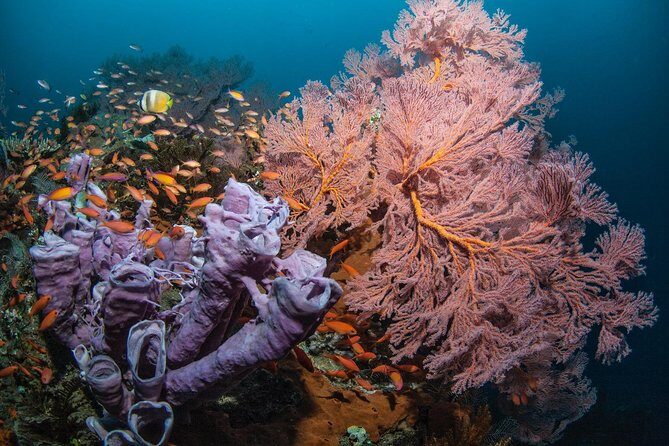
2 Days Discover Scuba Diving in Nusa Lembongan - Scuba Initiation - Crystal Bay and the other stops: what to expect on the water

First breath underwater changes everything fast. This 2-day intro scuba course lets you learn the basics safely on land (and in a pool) before you head into the sea with an instructor close by. I especially like the promise of manta-ray spotting at Manta Point, plus the way they keep the learning curve progressive.

One thing to plan for: there’s an extra 300,000 Rp/person fee to reach Manta Point, and some equipment may not feel brand new.

You’ll likely spend Day 1 building confidence with a short briefing and pool skills, then Day 2 doing two ocean sessions (often Manta Point and Crystal Bay). The instructors I read about are the real star here, including Sara, Hugo, Romane, Valentin, and Valentine. If you’ve ever panicked in water, this format can work because they coach you through what to do if things feel weird.

A beginner-friendly way to learn scuba in Nusa Lembongan

2 Days Discover Scuba Diving in Nusa Lembongan - Scuba Initiation - A beginner-friendly way to learn scuba in Nusa Lembongan
Nusa Lembongan is a small island setup, and this course uses that to keep things manageable. You start at the center in Jungutbatu and get everything organized around your first time underwater.

The goal is simple: you breathe with scuba gear, you move with control, and you see real marine life without having to figure out the system alone. The course limits your maximum depth to 40 feet (12 meters), which matters for first-timers. It gives you a safety framework while you focus on breathing, buoyancy, and staying calm.

I also like that this isn’t just a one-shot experience. It’s two days, so you get more than a “try it once” moment. You practice basics first, then you apply them in open water.

Your 2-day schedule: pool basics, then two ocean sessions

2 Days Discover Scuba Diving in Nusa Lembongan - Scuba Initiation - Your 2-day schedule: pool basics, then two ocean sessions
This program is organized in a clear sequence with four main steps. Day 1 is about getting your body and your brain comfortable with scuba equipment. Day 2 is where you try it for real, with supervision throughout.

Day 1: briefing + pool practice

You start with a short briefing to understand the basics. Then you do a few exercises in the pool. This is where you learn how to assemble your gear and how to move without fighting your buoyancy.

In plain terms, Day 1 is about control. You learn how to handle the equipment, breathe normally, and not let the new sensation of underwater sound turn into panic.

Day 2: Manta Point + Crystal Bay (with a rest stop)

Day 2 is built around two ocean sessions. They’re most likely at Manta Point and Crystal Bay. Between them you’ll take a short rest/refuel on the boat.

Manta Point is described as the favorite cleaning station for manta rays, typically around 3–5 meters. Crystal Bay is the second location, and it’s the one many beginners remember as the moment everything clicks.

The itinerary also lists stops at Mangrove Point, Toyapakeh, and Jungut Batu Beach. Think of these as part of your day’s routing and scenery rhythm—time on the boat, short transitions, and getting to the right spots.

The Manta Point advantage: why that fee might be worth it

Manta Point is the headline for many first-timers here. The course explicitly calls out manta rays gathering at a cleaning station around 3–5 meters. That’s close enough for many beginners to enjoy the moment without feeling far from the instructor.

But yes—there’s that extra cost. You should expect an additional 300.000 Rp/person fee to reach Manta Point. If you’re okay with spending for a better chance at mantas, this course can feel like good value. If manta rays aren’t a priority for you, you can still enjoy the Crystal Bay session without chasing that add-on.

Crystal Bay and the other stops: what to expect on the water

2 Days Discover Scuba Diving in Nusa Lembongan - Scuba Initiation - Crystal Bay and the other stops: what to expect on the water
Crystal Bay is your other listed ocean stop, and it’s paired with Manta Point as part of the two-session structure. That pairing is smart. You don’t just do one “big moment.” You get one spot that’s all about mantas, then another spot to keep your confidence building.

One practical point: the course says you’ll have an instructor close at hand, and that supervision matters most after the first few minutes underwater. This is also where the course’s beginner focus shows. You’re not left to figure out air, weight, and direction by yourself.

You’ll also pass through stops including Mangrove Point at Nusa Lembongan, Toyapakeh, and Jungut Batu Beach. Since the details given are mostly about locations rather than activities, I’d treat these as part of the travel plan and day flow. Your real attention will be on the ocean sessions.

How instructors make or break your first scuba experience

2 Days Discover Scuba Diving in Nusa Lembongan - Scuba Initiation - How instructors make or break your first scuba experience
This course earns its high marks because instruction is hands-on. Several review snippets highlight that instructors helped keep the experience calm and structured, even when someone felt nervous.

  • Sara stood out for being extremely helpful when a student felt panicked underwater.
  • Hugo was described as preparing students for unpleasant situations underwater and coaching with real confidence. One review even mentions a background of near-drowning fear, and how the instructor helped the student meet the challenge.
  • Romane was praised as a strong beginner instructor, with a protected, supportive approach.
  • Valentin and Valentine both appear in reviews tied to safety and enjoyment, including making a newbie feel safe.

That pattern matters. Scuba is physical, but it’s also emotional. The instructors here seem to focus on the moment-to-moment basics so you don’t spend the session fighting your own mind.

If you’re an anxious swimmer, don’t assume you’re out of luck. What counts is whether the instructor explains the plan clearly and stays close while you practice skills.

Gear, comfort, and the center facilities you’ll actually use

2 Days Discover Scuba Diving in Nusa Lembongan - Scuba Initiation - Gear, comfort, and the center facilities you’ll actually use
You don’t have to hunt down equipment. The course includes a lot of what beginners need right away.

Included items:

  • Wetsuit and weight belt
  • Mask, snorkel, fins
  • Buoyancy control jacket (BCD)
  • Regulator and other instruments

That setup matters because new divers often waste time fiddling. Here, you get the full kit and then you practice using it.

The center facilities are also useful if you want a simple routine: WIFI, toilet, shower, locker, and a change room. After a long day on boats and in the ocean, having a place to rinse and reset is more than comfort—it helps you recover so Day 2 feels doable.

One drawback came up in the feedback: at least one person felt the equipment showed its age. That doesn’t automatically mean the gear is unsafe, but it does mean you should speak up if anything feels off when you’re fitted.

Price and value: what you’re really paying for at $151.01

2 Days Discover Scuba Diving in Nusa Lembongan - Scuba Initiation - Price and value: what you’re really paying for at $151.01
At $151.01 per person for about 2 days, the value depends on what’s included and what might cost extra.

What’s included is the heavy part:

  • Instruction by a certified instructor
  • Gear (including core scuba items)
  • Wetsuit and weight belt
  • Pool practice + two ocean sessions
  • Center facilities (showers, changing space, lockers)

What’s not included:

  • Digital souvenir photos/videos (available to purchase)
  • Accommodation (dormitory and bungalows are available at the center, but not included in the price)
  • The 300.000 Rp/person fee to reach Manta Point

So the practical “value math” is this: you’re paying for safety coaching, time in a pool, and real water experience at beginner depth limits. If you also want photos, a place to stay, or the manta add-on, your total will rise—but the base price covers the essentials that keep first-time scuba from becoming a DIY problem.

Also note the popularity signal: this type of course is often booked in advance. If you’re traveling with limited dates, locking in early can save stress.

Best-fit for your personality and fitness level

2 Days Discover Scuba Diving in Nusa Lembongan - Scuba Initiation - Best-fit for your personality and fitness level
The course lists a minimum age of 10 years. It also asks for moderate physical fitness. That doesn’t mean you need to be an athlete. It does mean you should be comfortable with the basic effort of getting fitted, moving in the water, and handling the equipment on your body.

This is best if:

  • You want a structured way to learn scuba basics instead of winging it
  • You like the idea of practice first (pool), then applying it
  • You want a chance at manta rays at a nearby cleaning station
  • You benefit from an instructor who stays close and explains what to do

I’d think twice only if you’re unwilling to do pool practice or you strongly dislike being in a learning environment with close supervision. Most beginners do fine here, but scuba is a skills-and-calm process.

Should you book 2 Days Discover Scuba Diving in Nusa Lembongan?

2 Days Discover Scuba Diving in Nusa Lembongan - Scuba Initiation - Should you book 2 Days Discover Scuba Diving in Nusa Lembongan?
I’d book this if you want a serious first step into scuba with two days of coaching, a max depth of 12 meters, and an instructor close by. The instructor names popping up in the feedback—Sara, Hugo, Romane, Valentin, and Valentine—suggest a team that takes nervous first-timers seriously.

I’d approach with eyes open if you want to avoid add-on costs. Factor in the possible 300.000 Rp/person fee for Manta Point, and be aware that photo/video souvenirs cost extra. Also, if you’re sensitive to equipment condition, ask how your gear is maintained during your fitting.

If your dream is to breathe underwater and see mantas or a stunning coral-and-fish world at beginner comfort levels, this course gives you a realistic path. You’ll leave with skills you can build on—or at least with the confidence that the impossible feeling was trainable all along.

FAQ

How long is the experience?

It runs for 2 days (approx.).

What is the maximum depth you’ll reach?

The course limits your maximum depth to 40 feet (12 meters).

What is the minimum age to participate?

The minimum age is 10 years.

What’s included in the price?

Included are a wetsuit and weight belt, a certified instructor, center facilities (WIFI, toilet, shower, locker, change room), and scuba equipment such as mask, snorkel, fins, buoyancy control jacket, regulator, and other instruments.

Is pool practice included?

Yes. Day 1 includes a short briefing and exercises in the swimming pool.

Where will the open-water sessions take place?

Day 2 focuses on two ocean sessions, most likely Manta Point and Crystal Bay.

Is there an extra fee for Manta Point?

Yes. There is an extra 300.000 Rp/person fee to reach Manta Point.

Can I buy underwater photos or video?

Yes. Digital souvenir photos/videos are available for purchase, but they’re not included.

Is accommodation included?

No. Accommodation is not included, but dormitory and bungalow options are available at the dive center.

What happens if weather is bad?

The experience requires good weather. If it’s canceled due to poor weather, you’ll be offered a different date or a full refund.