
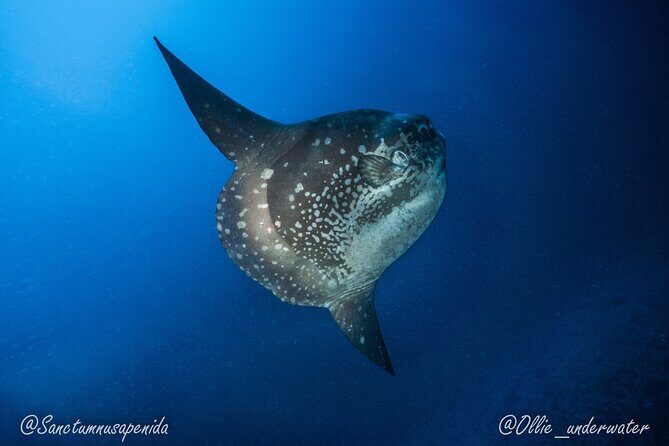
Try Scuba Diving for Beginners with manta rays (Non – Certified)
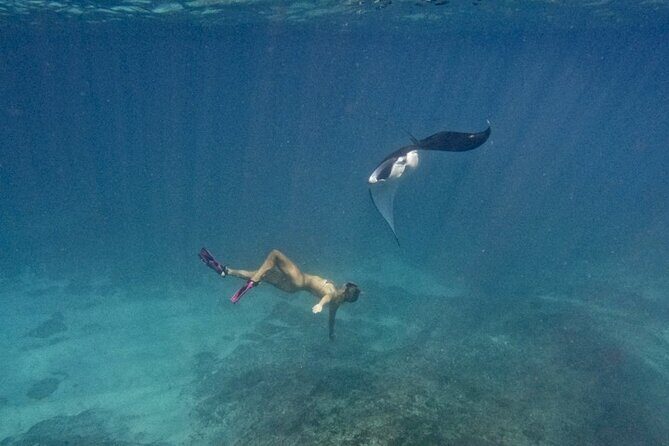
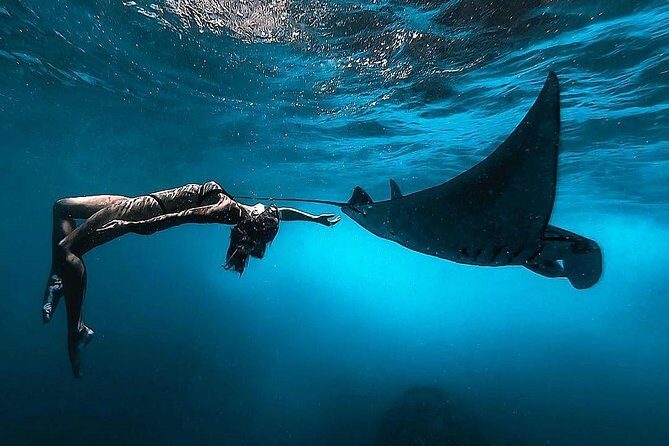
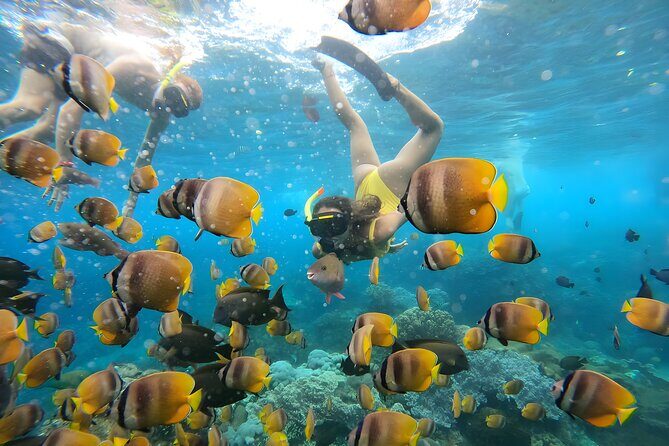
If you’ve ever wondered what it feels like to breathe underwater, this is for you. The day is built around a beginner try-scuba format: you’ll start in a pool, learn how to manage buoyancy and breathing, then head out for two shallow open-water sessions with manta rays in Nusa Penida. It’s a simple plan with a big payoff—watching manta rays glide overhead is the kind of wildlife moment you can’t fake.
I especially like the small 1:2 instructor-to-participant ratio. That kind of attention matters when you’re learning the basics and trying not to panic-scroll your brain. I also love that everything is packaged together: gear, boat, snacks, fruit, lunch, and nonalcoholic drinks, so you’re not spending the day hunting down basics. One drawback to consider: this is a non-certified program with a pool start, so you should be ready to take direction fast and speak up early if something feels off in the water.
In This Review
- What Makes This Try Scuba + Manta-Ray Day Worth It
- Pool Training at Sanctum: Learning Buoyancy Before the Big Moment
- Two Shallow Open-Water Sessions: What the Day Actually Feels Like
- Nusa Penida Manta-Ray Chances: Why This Location Works for Beginners
- What You Don’t Have to Pack: Gear, Mask, and Boat Comfort
- Safety and Instructor Ratio: The Practical Meaning of 1:2
- Price and Value: Is $122 (1,600,000 IDR) Fair for This Program?
- Who This Is Best For (and Who Might Struggle)
- The One Thing to Do Before You Go: Set Yourself Up to Learn
- Should You Book This Try Scuba + Manta-Ray Session?
- FAQ
- Is this only for certified divers?
- How long is the experience?
- Where do we meet?
- What time does it start?
- Do I need to bring a mask or scuba equipment?
- What’s included for food and drinks?
- Do I need breakfast?
- Is transportation included?
- What’s the group size and instructor support like?
- How does cancellation work if weather is bad?
What Makes This Try Scuba + Manta-Ray Day Worth It
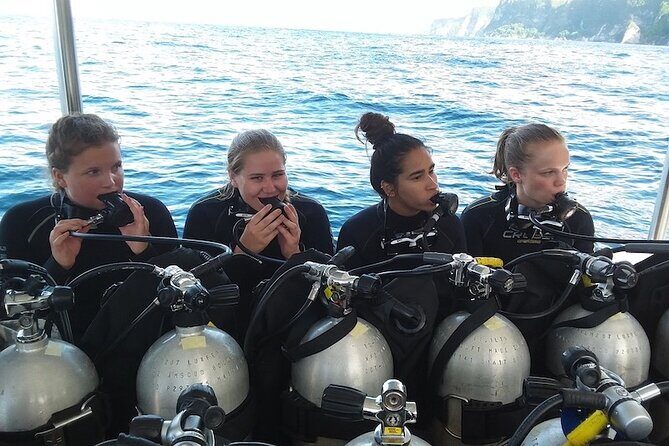
- Pool training first: You practice neutral buoyancy and basic comfort before you go out
- 1:2 instructor attention: Maximum 2 participants per instructor for first-timers
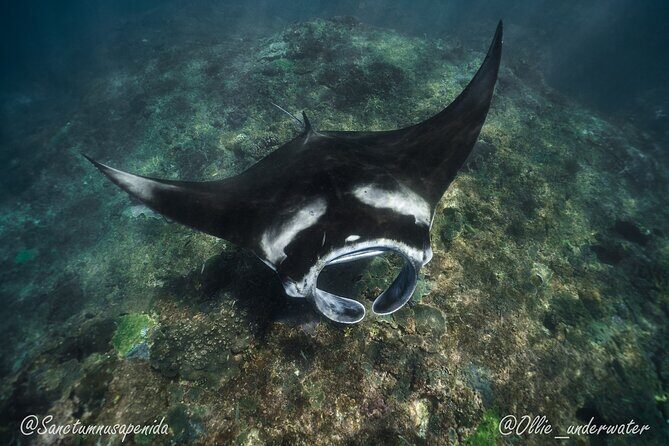
- Manta-ray focus in Nusa Penida: Your day is designed around close manta sightings
- Gear is included: You don’t need to pack a mask or scuba equipment
- Fuel onboard: Lunch plus nonalcoholic drinks, snacks, and fruit during the boat time
- Small overall group: Up to 10 travelers for a calmer experience
Pool Training at Sanctum: Learning Buoyancy Before the Big Moment
Your morning starts with a pool session—about 45 minutes—meant to turn first-time nerves into usable skills. The program is designed as a try-scuba experience for people without certification, so the goal is not to test you. It’s to get you comfortable enough that the open-water time is about seeing manta rays, not wrestling with your gear.
In that pool chunk, you’ll work on the basics that actually matter outdoors: breathing underwater and controlling your body position so you can stay steady (that neutral buoyancy goal). If you’ve tried snorkeling and thought, sure, I can do this—great. But scuba changes things fast. The pool is where you learn how your breathing rate affects your body position and how to move without flailing.
Practical tip: arrive with a calm mindset. If you’ve got a “I need to understand every step” personality, you’ll do great. If you’re the type who freezes when you feel pressure or unfamiliar gear, be honest about it immediately. You can’t fake comfort in the water.
Two Shallow Open-Water Sessions: What the Day Actually Feels Like
After the pool practice, the schedule keeps things straightforward: you’ll head out for two shallow open-water sessions. The intent is to give you a real underwater experience with supportive guidance—not an advanced test of skills. Think of it as training plus wildlife time, with instructors right there to help you adjust.
This is the part where the 1:2 ratio becomes more than a marketing line. When you’re learning, small corrections can make everything easier: your posture, how you hold yourself, how you breathe, and how you keep your movements smooth. A smaller instructor-to-participant ratio helps you get those corrections quickly rather than waiting your turn.
What I also like about this format is the pacing. The program runs to around 2:00 pm, so the whole day is long enough to matter, but short enough that you’re not mentally drained before the most exciting part.
One consideration: you’ll need to be in good health and mental state. That’s not just legal language. If you’re anxious, tired, or feeling unwell, you’ll struggle more with the basics. This experience is best when you’re ready to learn and listen.
Nusa Penida Manta-Ray Chances: Why This Location Works for Beginners
Nusa Penida is the star here. The whole day is built around one idea: getting you into the water where manta rays are likely to be seen closely. The “likely close sightings” piece is important because the best part of the encounter isn’t just seeing a silhouette—it’s watching them glide with slow confidence and using your focus skills in a real wildlife moment.
For a beginner, that matters. When you’re learning buoyancy and breathing, you also need a reason to stay present. Manta rays give you that reason instantly. It also helps that your program is shallow-water oriented, which typically makes first-timer comfort easier than deeper, longer sessions.
Real talk: even with a planned manta experience, wildlife depends on conditions. But the structure here is clearly aimed at maximizing your odds by treating the day as a focused manta opportunity rather than a mixed itinerary. When the whole schedule is tuned to one goal, you spend less time switching gears and more time getting your eyes where they belong.
What You Don’t Have to Pack: Gear, Mask, and Boat Comfort
This experience is genuinely convenient because scuba equipment is included, and you don’t need to bring your mask. That’s a big deal on a first program. Buying or packing the wrong stuff can turn a fun learning day into a frustration marathon.
On the boat, you’re not just waiting around hungry. You’ll have lunch plus nonalcoholic drinks, with snacks and fruit included as well. They also note coffee and/or tea. For a morning start, that fuel helps you stay steady through training and reduces the chance you’ll feel wiped out during the open-water time.
Bring: swimwear and a good attitude. That’s all you really need for the essentials. If you’re the kind of person who likes to bring extra comforts, you might still want a change of clothes for later—nothing fancy, just something to slip into after you’re done.
Safety and Instructor Ratio: The Practical Meaning of 1:2
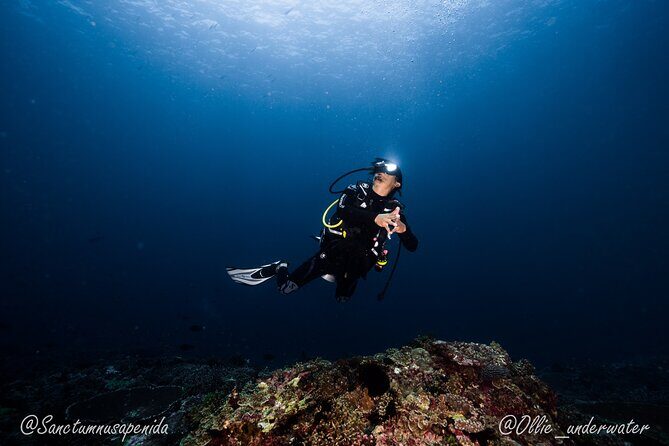
The standout safety-related detail isn’t a long list of rules—it’s the small instructor ratio. With a maximum of 2 participants per instructor, you get more hands-on support. That’s what helps first-timers learn faster: corrections happen while you’re still in the moment, not after you’ve already practiced the wrong habit a few times.
This is especially useful because the program is explicitly for people without certification. In other words, you’re not expected to already know body positioning, breathing timing, and how to respond when something feels new. The structure assumes you’re learning, and the safety approach matches that.
My advice: if anything feels confusing at the pool stage, bring it up right then. The facility’s response to a bad experience also emphasizes that you should communicate concerns during the pool session so they can debrief and adjust. If you end up with a mismatched teaching vibe, you’ll usually have the best chance to fix it before open water.
Price and Value: Is $122 (1,600,000 IDR) Fair for This Program?
At $122.19 per person (also listed as 1,600,000 IDR), this isn’t a bargain “try something once” deal, but it also isn’t inflated for what’s included. Here’s why it can feel like good value:
- You’re paying for pool training plus two shallow open-water sessions
- Gear is included, including the scuba equipment and mask needs
- Boat time is covered, including coffee/tea, lunch, snacks, fruit, and nonalcoholic drinks
- You get the 1:2 instructor ratio, plus a small maximum group size
If you compare it to the cost of renting equipment on your own, paying for individual instruction, and then separately buying boat meals, the bundled structure starts to look sensible. You’re essentially paying for a day where the logistics are handled for you and the instruction is designed for beginners.
One way to think about the price: you’re buying time savings and stress reduction. For a first underwater experience, that’s not minor. When the day is built around learning and a wildlife goal, it can be worth every dollar you don’t have to spend figuring out the rest.
Who This Is Best For (and Who Might Struggle)
This program fits best if you:
- are a first-timer or non-certified participant
- want a controlled way to learn neutral buoyancy and breathing underwater
- like the idea of a focused day centered on manta rays near Nusa Penida
- prefer small groups and close guidance
You might want to rethink it if you:
- get very anxious in water or freeze when equipment feels unfamiliar
- can’t realistically be coached quickly at the pool stage
- are expecting a flexible, wandering itinerary rather than a structured learning day
Also, note the health guidance: you should have moderate physical fitness and be in good health and mental state. That doesn’t mean you need to be an athlete. It means you should be able to move calmly, follow instructions, and handle being in saltwater after a training start.
The One Thing to Do Before You Go: Set Yourself Up to Learn
This kind of try-scuba experience rewards the people who can stay teachable in real time. So go in with a simple mindset:
- Listen first, then ask questions
- Tell your instructor if you feel uncomfortable
- Treat the pool session as the key that unlocks the open-water part
If you’re worried you’ll be judged for being slow to learn, don’t. The program exists for beginners. The goal is comfort and control—not speed, not showmanship.
Should You Book This Try Scuba + Manta-Ray Session?
I’d book it if you want a beginner-friendly underwater day with pool training, included equipment, and a real chance of close manta ray sightings in Nusa Penida—without having to manage logistics yourself. The small 1:2 ratio is the real reason it feels safer and more pleasant for first-timers.
I wouldn’t book it if you’re already confident scuba-wise and want a certification track. This is built for non-certified participants learning basics, with the manta moment as the main attraction. It’s a great first chapter, not a replacement for formal training.
If you do book, do yourself a favor: arrive early for the pool session, communicate concerns immediately if anything feels off, and plan your day around being present. This is the kind of experience that works best when you stop multitasking and let the water teach you.
FAQ
Is this only for certified divers?
No. This is a try-scuba program designed for non-certified participants who want a shallow-water experience with instructor guidance.
How long is the experience?
It runs for about 4 hours. The day starts with a pool training session (around 45 minutes) and then continues with two shallow open-water sessions, finishing around 2:00 pm.
Where do we meet?
You meet at Sanctum Dive Center in the Nusa Penida area. The activity ends back at the same meeting point.
What time does it start?
The start time is listed as 8:30 am.
Do I need to bring a mask or scuba equipment?
No. Scuba equipment is included, and you do not need to pack your mask for this package.
What’s included for food and drinks?
You get lunch, plus nonalcoholic drinks, snacks, and fruit. Coffee and/or tea is also included.
Do I need breakfast?
No. Breakfast is not included. Lunch comes after the trip.
Is transportation included?
No. Private transportation is not included, so you’ll need to get yourself to Sanctum Dive Center.
What’s the group size and instructor support like?
Maximum group size is listed as 10 travelers, and the instructor ratio is 1:2 (maximum 2 participants per instructor).
How does cancellation work if weather is bad?
You can cancel for a full refund up to 24 hours before the experience starts. The activity requires good weather, and if it’s canceled due to poor weather, you’ll be offered a different date or a full refund.
More Tour Reviews
- ️Nusa Penida by Private Boat – Snorkeling 4 spots, Swim with Mantas + Land Tour
★ 5.0 · 6,424 reviews
More Manta Ray Snorkeling Tours

More Nusa Penida Tours
- ️Nusa Penida by Private Boat – Snorkeling 4 spots, Swim with Mantas + Land Tour
★ 5.0 · 6,424 reviews
Nusa Penida Tours: how the alternatives stack up
 ★ 5.0
★ 5.0Nusa Penida day trip: boat, 4 snorkeling, Manta rays & Land tour
The lists this tour appears in