Try Diving in Nusa Lembongan – Penida. For beginners (with 2 ocean dives)
Scuba skills start with confidence. This beginner-friendly course in Nusa Lembongan and Nusa Penida is built for first-timers, with pool practice and two guided ocean sessions close to your instructor. It’s also timed to some of Bali’s best underwater chances, from manta rays to Mola Mola season.
Two things I really like: the small group size (max 8), which keeps you from feeling lost in the shuffle, and the fact that you don’t have to pack your own kit because it’s provided. The lesson also focuses on the basics that matter—breathing underwater and neutral buoyancy—instead of just hoping you figure it out.
One thing to keep in mind: this experience depends on good weather. If conditions aren’t right, you’ll need to be flexible with dates, and that can affect your overall Bali island schedule.
In This Review
- Key highlights at a glance
- Beginner Scuba on Nusa Lembongan and Penida: the real draw
- The 8:00 a.m. start: paperwork, gear, and pool practice
- Two guided ocean sessions (plus a long reset)
- Boat comfort: lunch box, water, and hot drinks
- Where you go underwater: manta chances and coral reefs
- Mola Mola and manta rays: season vs. certainty
- Price and value: does $125 make sense for a beginner course?
- Instructor attention: what you gain and what to watch for
- Who should book this course (and who should think twice)
- Tips for a smoother first day underwater
- Should you book it?
- FAQ
- FAQ
- What’s the duration of the experience?
- Where does the experience start?
- What time does it start?
- Is this course for beginners?
- What happens before going into the ocean?
- How many ocean sessions are included?
- Is gear included?
- Is lunch included?
- How big is the group?
- What’s the cancellation situation?
Key highlights at a glance
- Max 8 people so you get real attention during skills practice
- Pool session first, then two guided ocean sessions for absolute beginners
- Gear provided plus a simple day plan built around clear timing
- Lunch box on the boat with water and hot drinks during the surface interval
- 12 possible underwater areas around Lembongan and Penida, including popular bays and Toya Pakeh
- Manta rays year-round, with Mola Mola most likely July–October (not guaranteed)
Beginner Scuba on Nusa Lembongan and Penida: the real draw
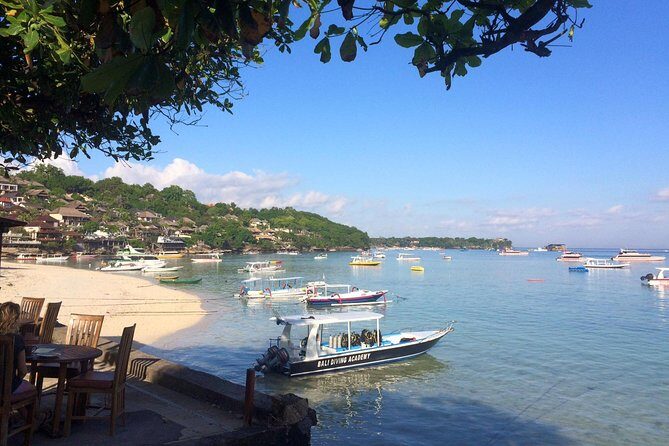
This isn’t a try-to-keep-up-type experience. The goal is to get you breathing underwater and controlling your body position so you’re not fighting your gear or panicking when things feel new. You start in a pool session to learn the core motions, then you move into the open water with an experienced instructor close at hand.
I also like that the operator emphasizes safety with a stated 100-percent safety record. Is that a guarantee of perfection? No. But it usually means they take training seriously: check gear, coach calmly, and keep the group tight so nothing gets overlooked.
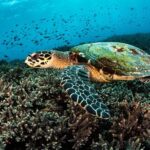
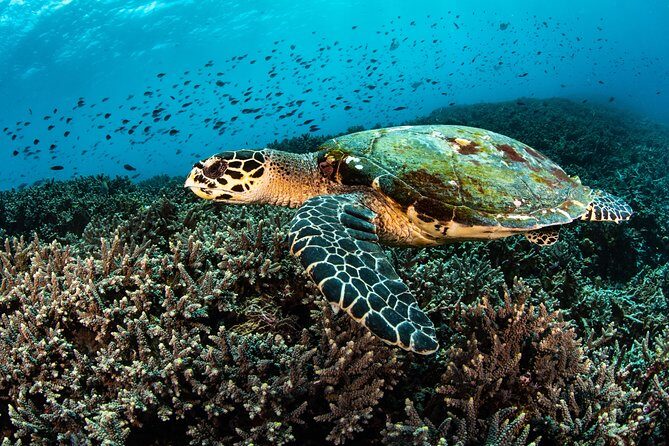
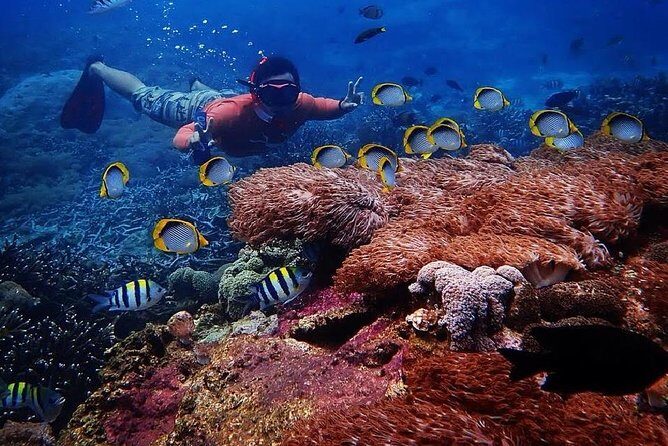
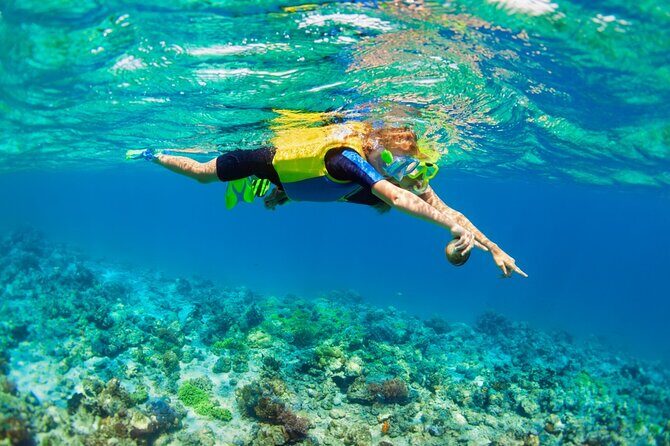
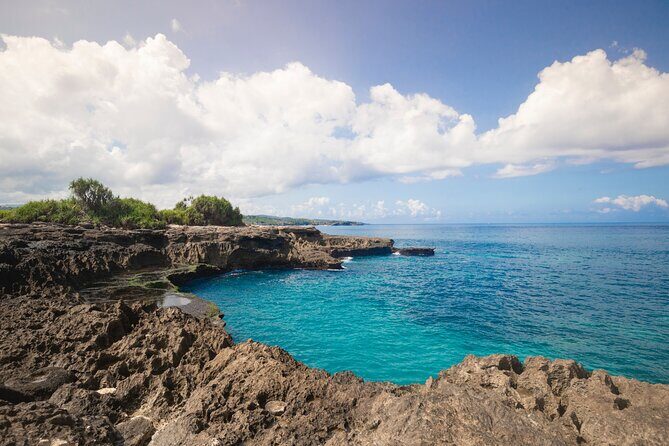
And yes, the scenery is a big reason people come here. Nusa Lembongan and Nusa Penida sit right in the zone divers chase for ocean life. You can expect clear water chances and colorful coral reefs, plus the possibility of mantas and turtles when conditions line up.
The 8:00 a.m. start: paperwork, gear, and pool practice
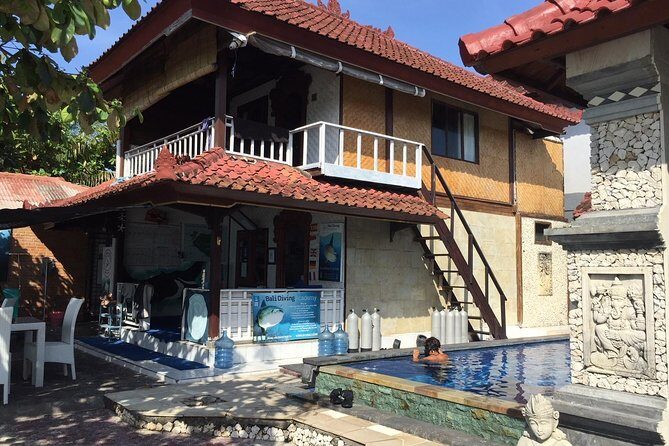
Your day begins at 8:00 a.m. at the scuba meeting point in Jungut Batu. Expect a bit of paperwork and then gear fitting. This matters more than it sounds, because with a first course you want your equipment to feel right before you ever get near the water’s surface.
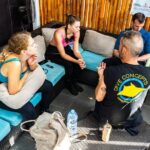
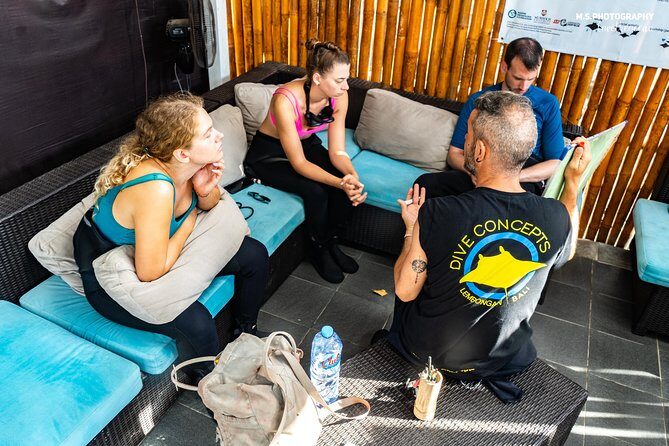
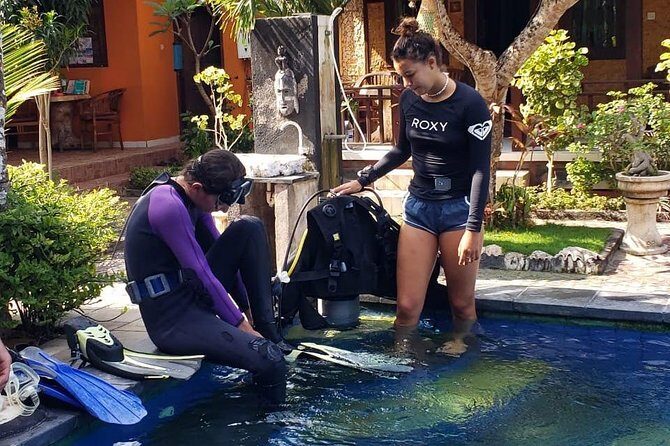
Then comes the pool session. This is where you learn to breathe through the regulator without it feeling like a strange new trick. You also work on buoyancy basics, which is the difference between cruising comfortably and constantly kicking for survival.
Because the course is designed for absolute beginners, you shouldn’t need prior underwater experience. You just need the willingness to practice the steps slowly and follow instructions. If you’re naturally cautious, that can actually help—this setup gives you room to learn first, then apply those skills outdoors.
Two guided ocean sessions (plus a long reset)
The schedule is structured and easy to follow. At about 10:00 a.m., you start the first guided ocean session. Your instructor stays near you, and the pace is built around learning and control, not a race to see what’s far away.
After the first session, there’s an hour surface interval. This is a big quality-of-life part of the day. You get tea, coffee, and a choice of lunch box, which helps you recharge before the second session. For first-timers, that pause can make the difference between feeling tense and feeling ready.
Then you head into the second guided ocean session. By this point, you’ve already done the basics once, so your confidence usually improves. The goal is that you can focus more on watching the underwater world and less on managing your breathing or staying stable.
You return to the meeting point between 3:00 and 3:30 p.m., which is plenty of time to get back, shower, and still have evening plans on the islands.
Boat comfort: lunch box, water, and hot drinks
A lot of beginner courses forget that you’re spending the day on a boat too. This one doesn’t. They keep you fueled and hydrated with a lunch box, plus water and hot drinks during the surface interval.
That might not sound “touristy,” but it’s practical. Underwater confidence is easier when you’re not running on low energy. If you’re prone to feeling cold or lightheaded, the hot drinks and food help you settle in.
Also, because gear is provided, you spend less time juggling logistics and more time focusing on the training. That’s a win for your stress levels, especially when it’s your first day in scuba equipment.
Where you go underwater: manta chances and coral reefs
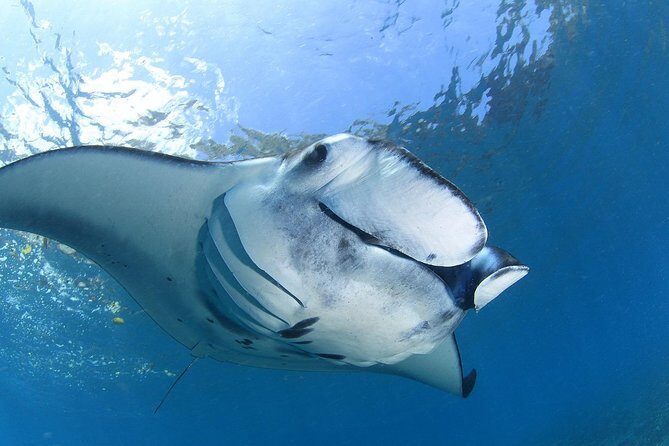
Around Lembongan and Penida, you’ll have access to a set of popular underwater areas—up to 12 different options. The exact choice depends on conditions, but the names people recognize include Manta Bay, Crystal Bay, Gamat Bay, Toya Pakeh, and Sental.
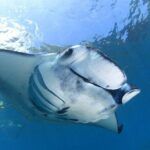
What I like about this approach is that it’s reality-based. Manta rays are possible throughout the year, but sightings depend on the day’s weather and the specific area you visit. That means you’re not being promised a guaranteed highlight—you’re being taken to good places with a legitimate shot.
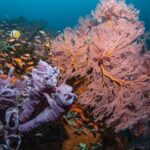
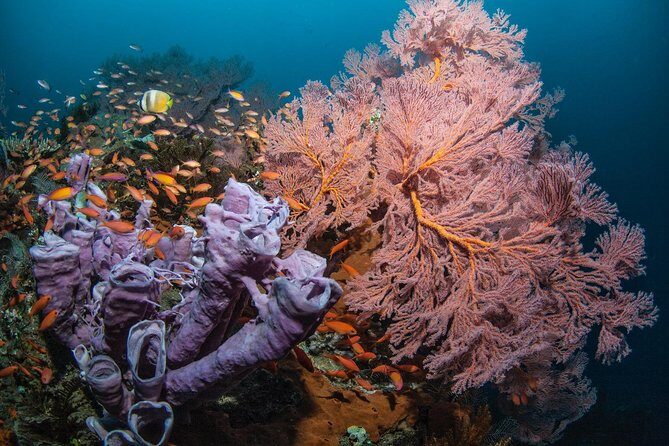
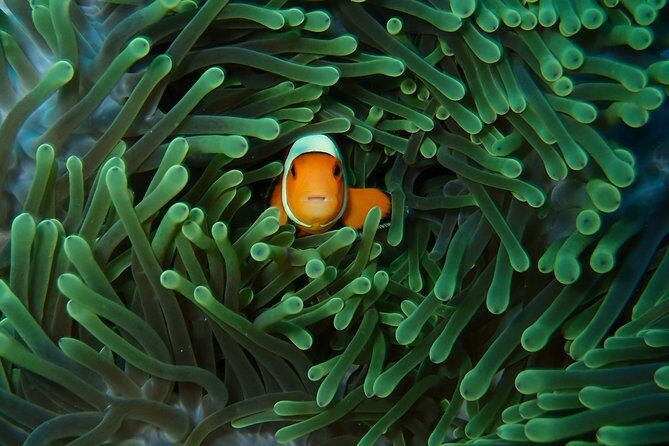
You’ll also spend time around healthy coral reefs. Even if you don’t get a manta, good visibility and reef life make the experience feel like more than a training exercise.
If you’re the type who worries about “will I actually see anything?”—this is one of the better courses to choose. The region has a strong track record for ocean life, and the route is built around sites known for it.
Mola Mola and manta rays: season vs. certainty
Here’s the honest breakdown I’d use for planning: Mola Mola sightings have their best odds in July–October. That doesn’t mean you’ll see one every day, but those months are when the probability goes up.
For manta rays, the information is more flexible. They can show up all year, but again, it depends on dive site and daily conditions. In other words, you should be excited—but don’t build your entire trip around one animal.
I also like that the course is presented as responsible and safety-first. In the best days, you’re not just chasing a checklist of sightings—you’re also learning how to move carefully so you don’t cause trouble for coral or sea life.
Price and value: does $125 make sense for a beginner course?
At $125 per person, the price lands in the “fair deal” category because this package isn’t just a single ocean session. You’re getting:
- a pool session for first-time skills
- two guided ocean sessions
- equipment provided, so you’re not paying extra or hunting gear
- lunch on the boat, plus water and hot drinks
- a small group capped at 8 travelers
If you’ve tried booking beginner scuba anywhere else, you know costs can climb fast once you add rentals, guides, boat time, and basic meals. Here, the day is packaged and organized, which keeps the total cost straightforward.
If you’re weighing value, focus on what you’re really buying: time with an instructor and structured practice. That’s what reduces stress and increases the odds you’ll leave feeling proud, not rattled.
Instructor attention: what you gain and what to watch for
In a course like this, instructor style matters. The strongest moments of the experience come when your instructor is calm, engaged, and focused on you—not just on finishing the schedule.
The positive feedback I’ve taken from real-world experiences here points to instructors who are passionate and who want you to have a great time while minimizing harm to marine life. When that works, you feel like you’re learning faster and staying relaxed.
That said, one concern you should consider: if you’re struggling with confidence early, you may need patience. I’ve seen how quickly a tense first few minutes can affect the whole day when someone’s teaching approach isn’t as supportive as you need. If you’re nervous, say it early and ask for slow coaching. Clear communication helps instructors adjust their pace.
Who should book this course (and who should think twice)
This course is built for absolute beginners. If you’ve never done scuba before, this is exactly the right kind of entry point: pool practice first, then supervised ocean sessions with your instructor close.
You should also have moderate physical fitness, since you’ll be getting in and out of the water and doing basic movements while wearing gear. No athlete training required, but you do need to be comfortable with a full day.
I wouldn’t choose this if you’re uncomfortable with learning new breathing patterns and following lots of instruction. You don’t need to be fearless, but you do need to be coachable.
If your dream trip includes manta rays and the chance at Mola Molas in July–October, this is a smart pairing for the islands. Just plan your expectations around probabilities, not promises.
Tips for a smoother first day underwater
You can’t control the weather, and you can’t control wildlife schedules. But you can control your readiness, and that’s the secret to enjoying a first scuba course.
- Arrive ready to focus. The day starts at 8:00 a.m., and it’s a full schedule.
- Treat the pool session like the main event, not a warm-up. Those skills carry directly into your ocean sessions.
- During training, ask for confirmation if something feels off. Small adjustments matter a lot early on.
- Expect the hour surface interval to reset you. Use that time to eat, drink, and cool down your brain.
- Bring your best attitude about visibility and animal sightings. Mantas are possible year-round; Mola Mola are best July–October—but neither is guaranteed.
Should you book it?
I’d book this if you want a structured beginner program on Nusa Lembongan and Nusa Penida with gear and lunch included, plus small-group attention and a pool-to-ocean teaching plan. At $125, the value feels solid because you’re not just buying boat time—you’re buying real practice time and guidance.
I’d think twice if you’re extremely weather-dependent in your travel plans, since the experience requires good conditions and may be rescheduled. Also, if you know you freeze easily under pressure, make sure you communicate your comfort level early so the instructor can adapt.
If you want a first scuba day that feels like training with a side of real ocean life, this is a strong option.
FAQ
FAQ
What’s the duration of the experience?
It runs about 8 hours.
Where does the experience start?
It starts in Jungut Batu, on Nusa Lembongan (in the Nusa Penida district area), at the meeting point listed for the scuba academy.
What time does it start?
Start time is 8:00 a.m.
Is this course for beginners?
Yes. It’s designed for absolute beginners and doesn’t require prior skill.
What happens before going into the ocean?
You do a pool session to learn basic scuba skills first.
How many ocean sessions are included?
You get two ocean sessions, both guided by an experienced instructor.
Is gear included?
Yes. You don’t need to pack your kit because everything you need is provided.
Is lunch included?
Yes. A local lunch is provided on the boat, and there are tea and coffee options during the surface interval.
How big is the group?
The maximum group size is 8 travelers.
What’s the cancellation situation?
You can cancel for a full refund up to 24 hours before the experience starts. The experience also depends on good weather, and if it’s canceled due to poor conditions, you’ll be offered another date or a full refund.