
Scuba made simple here.
This SSI Open Water course turns Nusa Lembongan into your classroom, with certified instructors guiding you through theory, skills in shallow water, and the required open-water training. I like how the teaching style shows up in the small details: clear explanations and calm handling when you feel nervous, with instructors such as Silvère and Kaka specifically praised for patience and support (and yes, that first real moment underwater can feel a bit unreal).
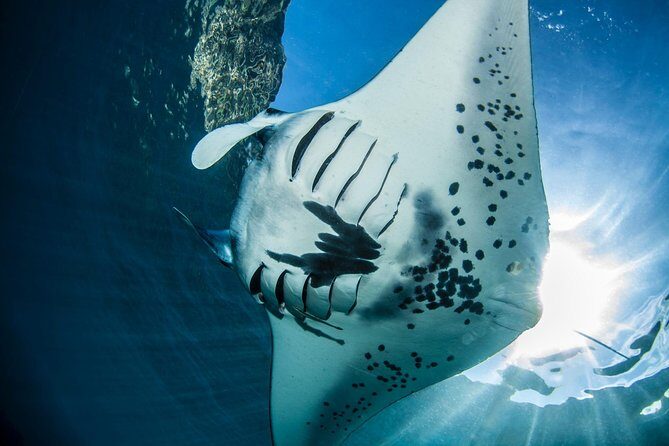
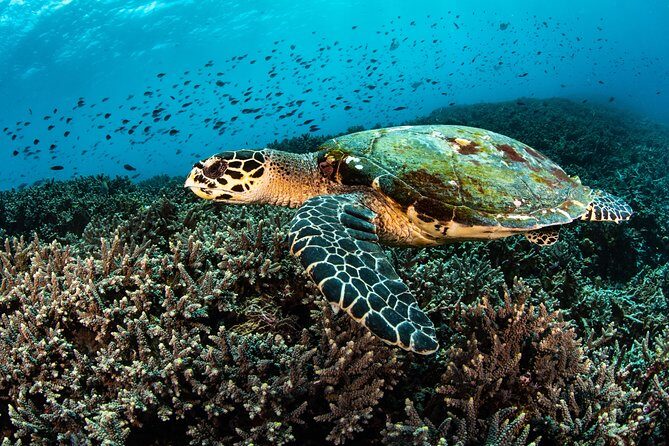
What really makes this course feel worthwhile is the mix of comfort and opportunity. You get a full package of gear (mask, tank, fins, and more), plus practical on-site basics like Wi‑Fi, lockers, bathrooms, and a restaurant, so you’re not juggling logistics after each session. And because the area is known for big marine life, you may get to see mantas, turtles, octopus, sharks, and lots of fish and coral—though I’d treat manta sightings as a bonus, not a guarantee.
One consideration: your plan depends on conditions. The course is weather-dependent, and in at least one experience it wasn’t possible to reach manta-focused sites, so you should book with flexibility and expect that the schedule can shift for safety.
Key things I’d notice before you book
- SSI Open Water certification with training designed to reach 60 feet / 18 meters
- At least 5 shallow-water sessions plus at least 4 ocean sessions, with both skills practice and real underwater time
- Comfortable training base: lockers, bathrooms, Wi‑Fi, and a restaurant on-site
- Multiple local sites including Crystal Bay, Mangrove Point, Toyapakeh, and Jungut Batu Beach
- Great instructor track record with names like Silvère, Kaka, Loïc, and Pablo showing up repeatedly
SSI Open Water on Nusa Lembongan: your course, in plain terms
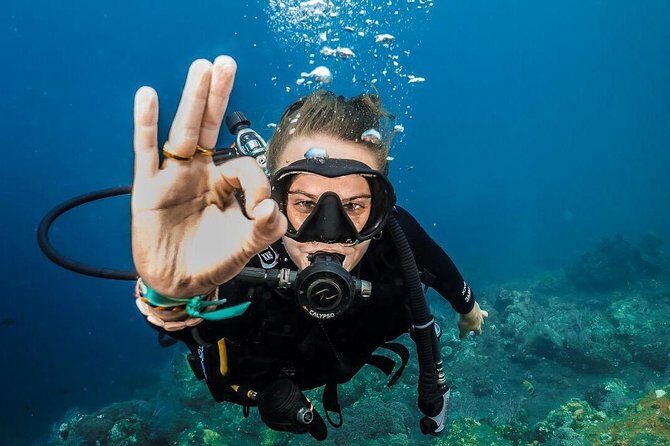
This is an SSI International Open Water certification course, set on Nusa Lembongan—the island that feels like a quieter next step after Bali. You’ll learn the basics from scratch, then build real confidence through supervised exercises and multiple ocean sessions.
The format is structured in three main stages. First comes the knowledge part (the what and why). Next you practice core skills repeatedly in shallow water, typically in a beach or pool setting. Then you graduate to deeper ocean sessions where you apply those skills for real-life underwater conditions.
The good part for you is that you’re not just doing “one lesson and hope.” You get enough time in the water to actually learn buoyancy control, breathing rhythm, and basic safety procedures so your certification feels earned, not rushed.
What you earn: SSI Open Water to 18 meters
The goal of the course is SSI Open Water certification, with training that prepares you to dive (under SSI rules) to 60 feet / 18 meters. That matters because it’s not a “try scuba” experience. It’s a real certification track that can open doors to future trips where you want to go past the first-timer stage.
During the ocean portion, the course includes at least four deep-ocean sessions, plus training dives that help you practice technique and confidence-building skills under supervision. In other words, you should come away with both the certificate and the muscle memory to use it.
Also note the practical side: you’re working with a certified instructor the entire time. That doesn’t just feel reassuring—it also helps you progress faster because feedback is immediate.
Stage one: theory you’ll use, not just memorize
Before you get wet, you’ll develop the knowledge you need to understand diving basics. The course describes a theory component, then moves into hands-on training right away.
I like this sequencing. When the rules and concepts connect to what you’re about to do, it reduces the “everything is new” shock. You’re still learning a lot, but it stops feeling like random scuba facts floating in the air.
Stage two: shallow-water skills, at least five practice sessions
You’ll do basic exercise training in shallow water—either a beach or a swimming pool—with at least 5 sessions. This is where you work on the fundamentals you’ll rely on underwater: controlling your breathing, using equipment correctly, and performing basic skills without panicking.
From what people describe, instructors here tend to focus on clarity and calm. That’s a big deal because the early skills phase is where most first-time students get overwhelmed—not by underwater animals, but by doing the basics while your brain is still catching up.
If you’ve already done a discovery session and want to go further, this shallow phase is the bridge. It turns first-timer confusion into repeatable control.
Stage three: open-water sessions at four Lembongan-area sites
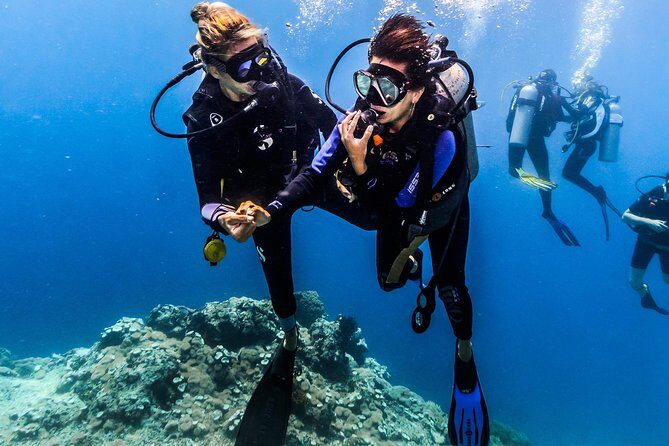
Over the course, you’ll complete at least four ocean sessions plus the required training dives in deep waters. The itinerary lists four stops: Crystal Bay, Mangrove Point, Toyapakeh, and Jungut Batu Beach.
Here’s the practical value of rotating locations: it helps you learn how your buoyancy and comfort hold up in different underwater environments. Even when your skills don’t change, the feel of the water can. Different sites mean different routes, different visual cues, and different ways your brain needs to stay calm and organized.
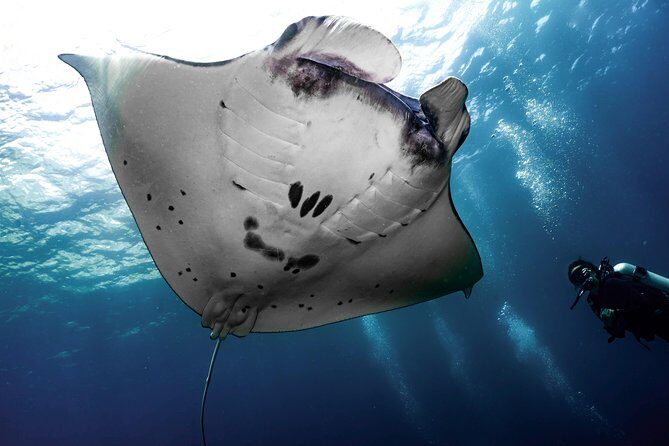
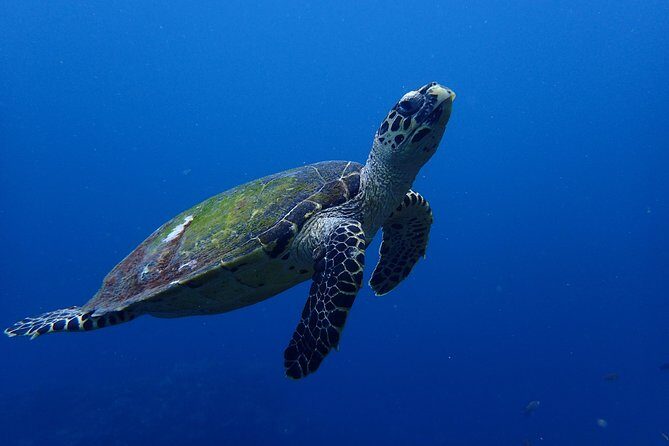
What you might see depends on conditions. The overall experience highlights the chance for marine life like manta rays, turtles, octopus, sharks, and plenty of fish and coral. Just remember: if the day’s conditions don’t line up, you might not reach every hoped-for site. One experience specifically noted that it wasn’t possible to reach manta point, even though mantas are a major draw in the region.
The manta-ray promise: what to expect and how to think about it
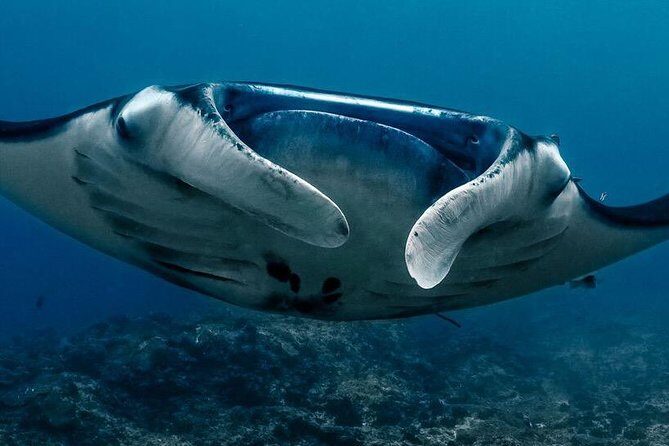
The standout hook is that you’ll be in an area where people genuinely expect manta-ray encounters. The course experience is marketed around that idea, and the on-water wildlife list you’ll hear includes mantas along with turtles, sharks, octopus, and coral.
But here’s the honest way to plan mentally: think of mantas as a real possibility, not a schedule item. Weather, sea conditions, and site access can affect what you can reach that day. And because you’re learning and being assessed, safety decisions always win.
The good news is that the rest of the underwater life doesn’t require perfection to be worth it. Even if mantas don’t show up, you’re still getting multiple ocean sessions and seeing coral and fish up close—plus learning how to enjoy what’s in front of you without treating it like a checklist.
Equipment included, and what that saves you
This course includes the scuba gear you need, from mask to tank to fins. That’s more than convenience. It reduces hassle before day one, and it means you can focus on your skills instead of guessing whether a random rental fits correctly.
The training base also has the basics you’ll appreciate between sessions: lockers for your stuff, bathrooms and shower access, and Wi‑Fi so you can send messages, upload photos, or handle work without hunting for a café every time.
There’s also a restaurant on-site, which matters when your schedule gets busy. After your brains and bodies have been “training mode” for hours, you don’t want a complicated meal quest.
Meet the instructors: calm teaching is the real upgrade
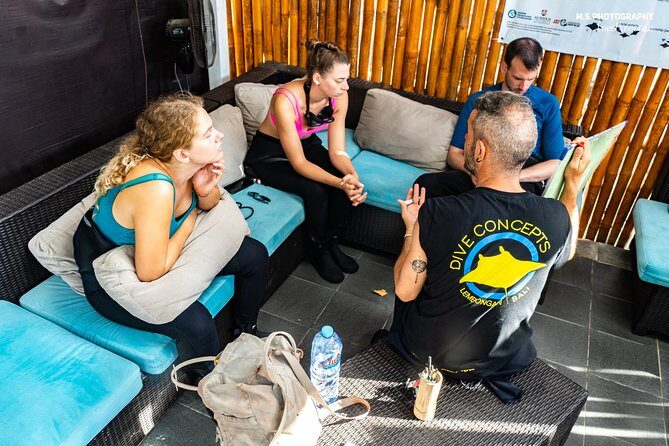
The course is credited to certified instructors, and names show up repeatedly with praise for how lessons land.
In particular:
- Silvère gets called out for being thorough and making students feel safe, including one story where someone felt panicked on a first ocean session and the instructor stayed calm and patient.
- Kaka earns praise for making learning easy and fun, including detailed explanations and GoPro photo moments.
- Pablo is mentioned alongside Kaka for patience and clear instruction.
Why this matters to you: good instructors don’t just explain what to do. They notice when your body and breathing are off, then help you fix it. That’s the difference between “I survived the course” and “I actually learned.”
Stop-by-stop: what each location does for your training
The itinerary rotates through four places: Crystal Bay, Mangrove Point, Toyapakeh, and Jungut Batu Beach. The exact underwater features aren’t spelled out here, but the training purpose of multiple locations is clear: you practice the same core skills across different settings so the certification reflects real ability, not just one specific scenario.
Here’s how to think about each stop:
- Crystal Bay: often associated with open-water excitement, so it’s a natural fit for practicing skills once you’re beyond the beginner comfort zone.
- Mangrove Point: the name tells you you’re near a coastal mangrove setting, which usually means a different visual environment than reef-only areas.
- Toyapakeh: a second distinct site helps you keep building control and awareness rather than repeating the exact same pattern every time.
- Jungut Batu Beach: returning to a known beach area supports continuity and makes transitions easier after longer water sessions.
Bottom line: don’t expect every stop to look identical. Expect your training to feel more “real world.”
Price and value: $461.48 for a full SSI track
The price is $461.48 per person, with bookings often made around 35 days in advance (so you’ll want to plan ahead if your dates are fixed).
What makes this feel like decent value is that it’s not just instructor time. The package includes scuba equipment and access to on-site facilities like lockers, bathrooms, showers, and Wi‑Fi. It also includes the structure needed for SSI certification: shallow-water practice sessions plus at least four ocean sessions with certified supervision.
Another value factor: this is a private tour/activity, meaning your group stays together. That can reduce the stress of a mixed-skill crowd and can help instructors manage pacing.
Is it expensive? For a certification course, it’s in the range you should expect. The better question is whether you’re getting a complete learning track. With the gear included and the course structure clearly defined, you are.
Who should do this course (and who should slow down)
This course has a minimum age of 10. It also states you should have moderate physical fitness. If you can swim and you’re comfortable learning new equipment skills step-by-step, this is a strong fit.
I’d pay extra attention if:
- you’re prone to panic in new environments (the good news: instructors here are praised for staying calm, but you should still go in prepared)
- you expect guaranteed manta encounters (treat mantas as a bonus)
- you’re tight on schedule (weather can affect when sessions happen)
If you’ve already done a discovery scuba session, this is a straightforward next step toward becoming certified and gaining real independence on future trips.
My booking tips: make it smoother from day one
A few practical moves can help you get the most out of your three days.
- Plan for a weather-dependent schedule. The course requires good weather, and if it’s canceled due to poor conditions, you’ll be offered a different date or a full refund.
- Budget for optional photo purchases. Digital souvenir photos/videos aren’t included, but instructors may take photos with devices like GoPro—then you can decide whether to buy the final set.
- Decide on accommodation early. Dormitory and bungalow options are available at the dive center, but accommodation itself isn’t included in the package.
- Bring a calm mindset. You’re learning buoyancy, breathing, and safety procedures while the ocean does ocean things. The more relaxed you are at the start, the faster you’ll progress.
Should you book this SSI Open Water course on Nusa Lembongan?
If you want real SSI certification with structured training, gear included, and a team that prioritizes safety and clear instruction, I’d say yes. The course length is long enough to actually build confidence, not just complete checkboxes. And the setting gives you a strong chance at memorable wildlife—mantas and turtles are part of the region’s draw—while you learn the skills that make those encounters enjoyable.
Only skip it (or choose dates with flexibility) if manta encounters are your sole reason for going. Even then, the underwater life and the learning process should still be worthwhile, but you’ll want to plan your expectations accordingly.
FAQ
What certification will I earn?
You’ll earn SSI International Open Water certification.
How deep is the training geared for?
The course certification is for dives to 60 feet / 18 meters.
How many ocean sessions are included?
The course includes at least four ocean sessions in the deep waters, plus additional training dives.
Do I have to practice skills in shallow water first?
Yes. You’ll do basic exercise training in shallow water with at least 5 sessions.
What scuba gear is included?
The package includes the necessary scuba equipment, including mask, tank, and fins.
Are facilities available at the training center?
Yes. The location includes Wi‑Fi, lockers, bathrooms, shower/change rooms, and a restaurant.
Is accommodation included?
No. Accommodation (dormitory and bungalows) is available at the dive center, but it’s not included in the package.
What’s the minimum age?
The minimum age is 10 years.
What if weather is bad?
The activity requires good weather. If it’s canceled due to poor weather, you’ll be offered a different date or a full refund.
Are photo or video souvenirs included?
No. Digital souvenir photos/videos are available to purchase separately.