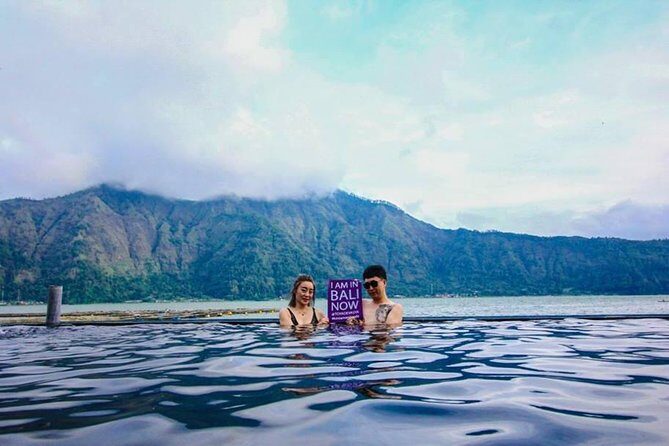
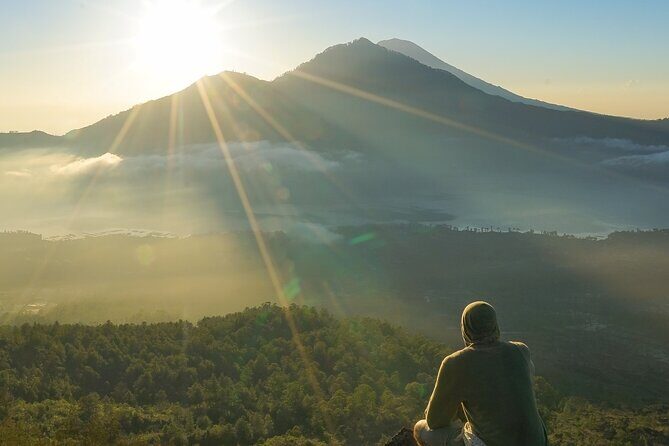
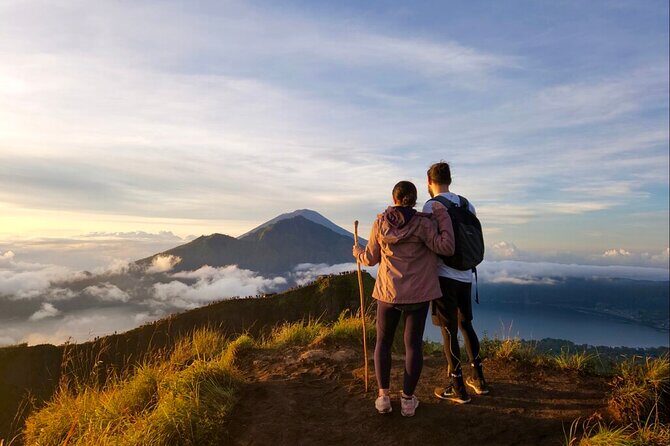
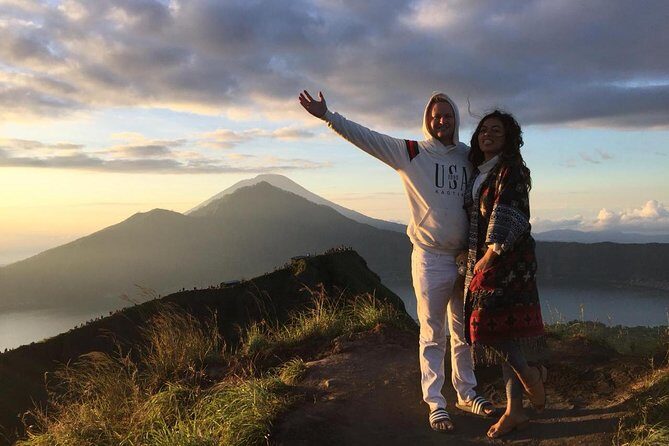
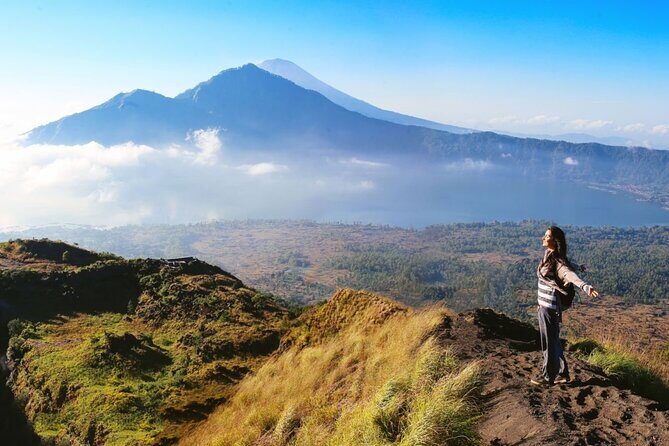
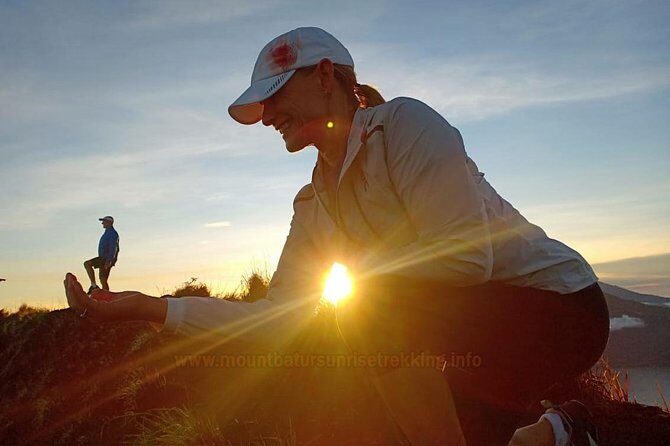
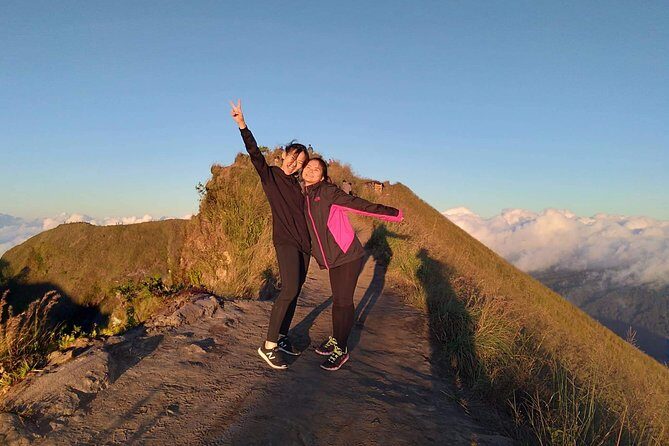
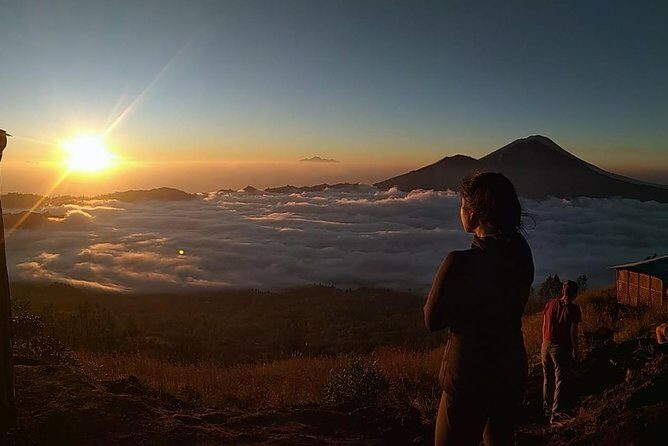
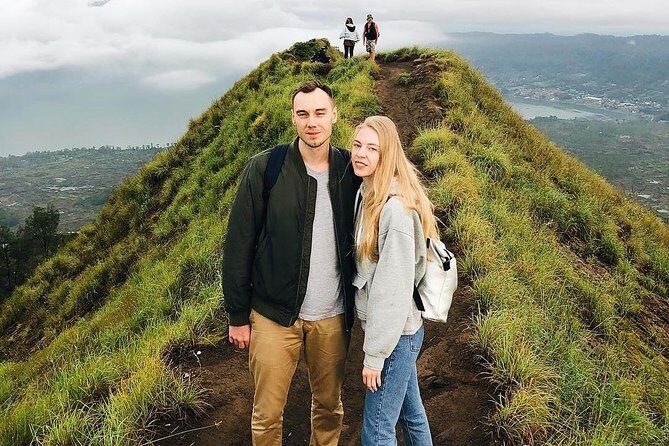
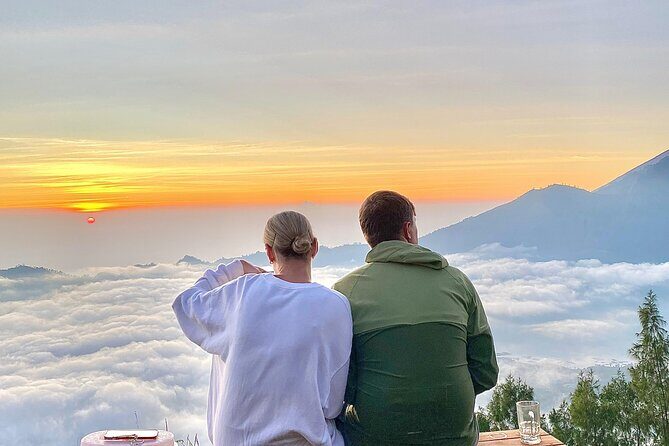
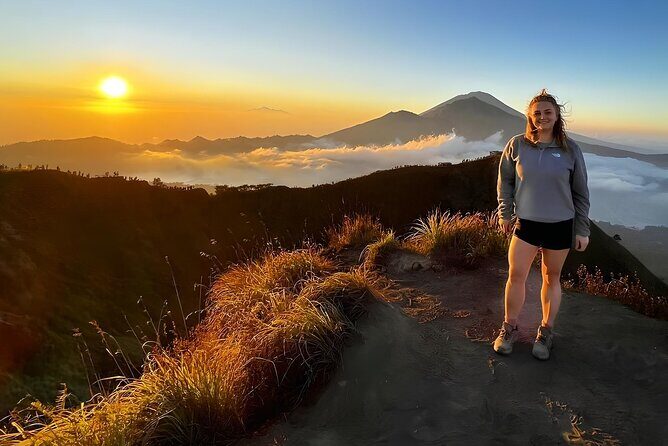
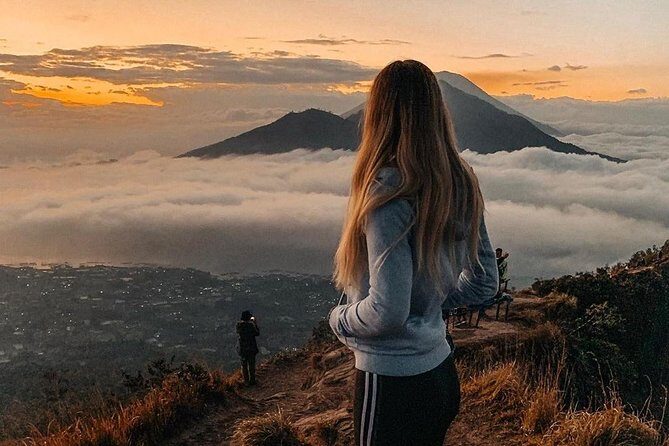
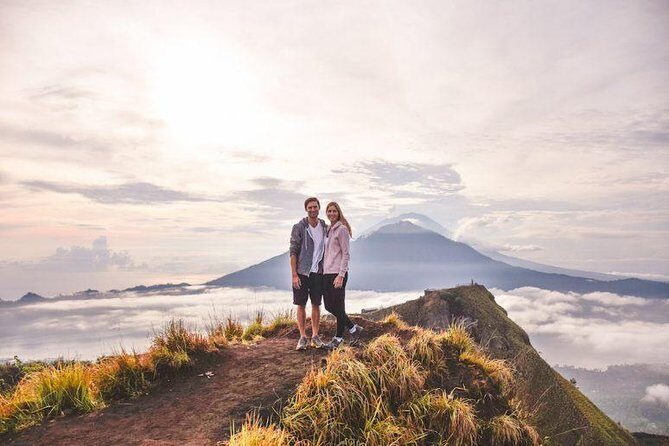
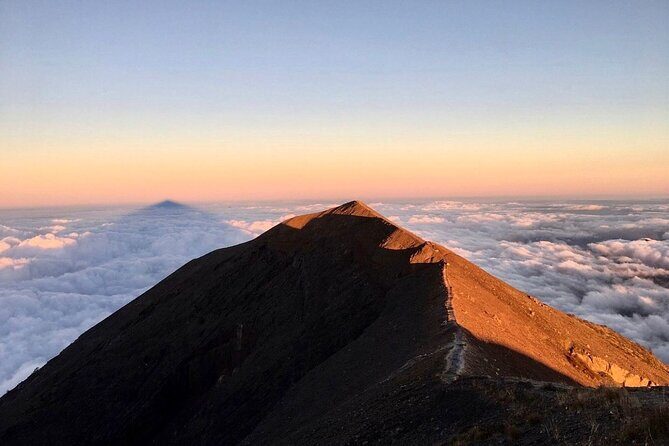
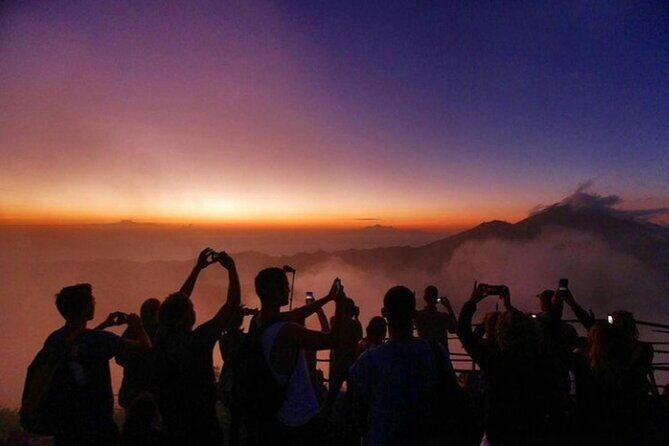
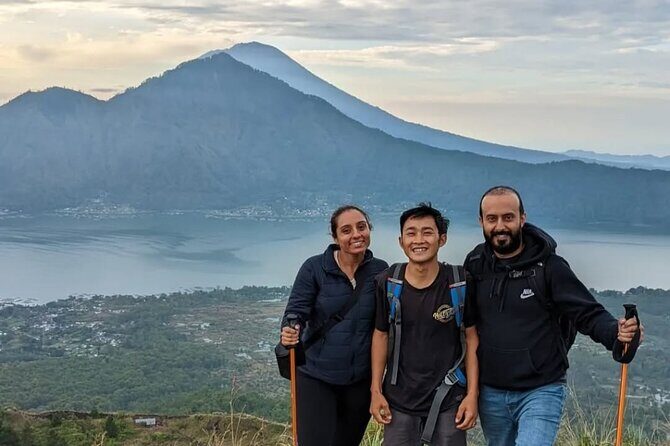
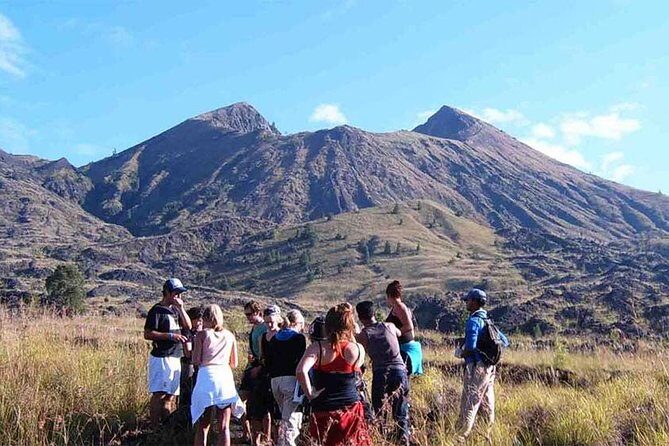
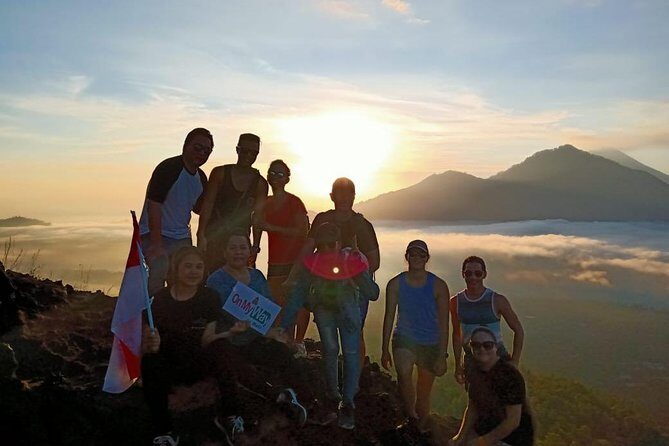
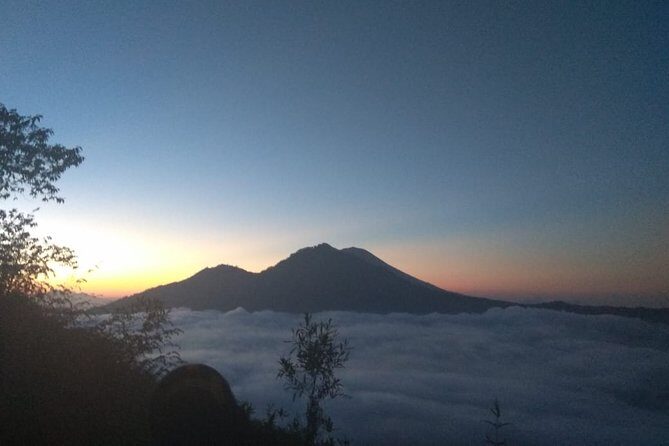
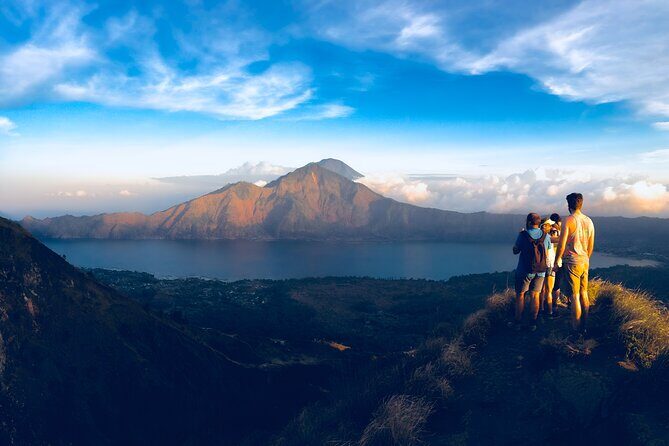
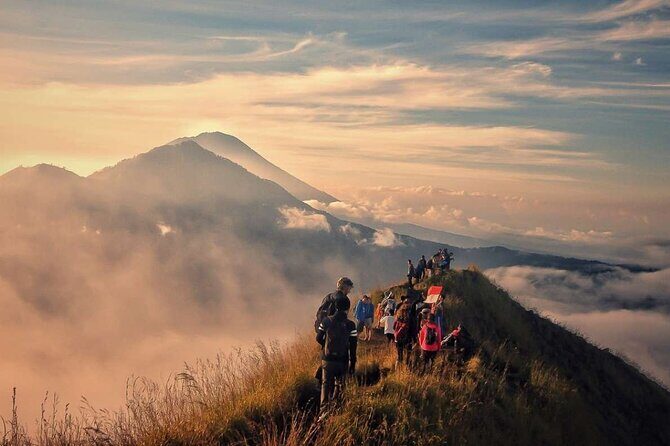
Sunrise here starts in the dark. Mt. Agung is Bali’s highest and most sacred volcano, so the whole day feels like a real ritual: you climb through the night and watch the sky open over Bali and Lombok. I love the private guide attention on steep, rocky ground, and I love that you’re aiming for crater-rim sunrise views. One big consideration: it gets cold and windy up high, and the tour provides rain protection but not warm layers.
This is also a value-packed day: you’re not just hiking. You’re getting transfers from multiple areas, trekking poles, flashlights, and a simple climb fuel plan (tea/coffee plus bread, hardboiled egg, fruit, biscuits, and water). The downside is that the hike is genuinely hard, and the long day can feel even longer if you’re not used to steep ascents.
If you like a challenge, this is the kind of Bali adventure you’ll remember for its effort and its view.
Key takeaways before you go

- A private guide for a steep, dark climb through the night, with safety and pacing in mind
- Crater-rim sunrise over Bali and beyond, with views toward Lombok and Mt. Rinjani
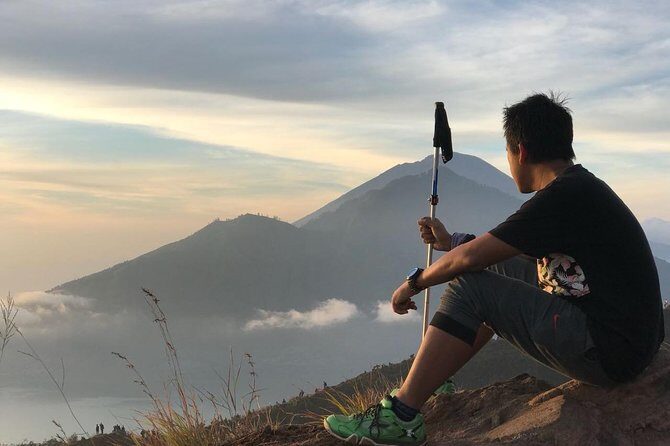
- Trek gear included: hiking poles, flashlight, and raincoat (but not warm clothes)
- Food is built for the climb: bread, hardboiled egg, fruit, tea/coffee, biscuits, and water
- Besakih temple area fits into the route if you take the Besakih approach
Mt. Agung Sunrise Trek: Why This Volcano Feels Like a Big Deal
Mount Agung sits at 9,944 feet (3,031 meters), and it’s described as Bali’s highest and most sacred peak. That matters because this isn’t a casual morning stroll. The “through-the-night” format, the early start, and the sunrise goal all add up to a climb with real weight.
The views are part of the point. You’re reaching the crater rim area for sunrise, and the tour is set up so you can see the island spread out below—and look toward Lombok’s Mt. Rinjani as the light comes up. It’s the kind of payoff you earn slowly.
Price and What You’re Really Paying For ($55 Value Check)

At $55 per person, this trek is priced like a budget-friendly adventure considering what’s included. You get a private driver and guide, trekking poles, flashlight, raincoat, and the climb fuel (breakfast items plus tea/coffee and water during the hike). You also get transfers from a wide range of bases: south Bali, Ubud, Amed, Lovina, and Candidasa.
The value catch is what’s not included. You’ll need to bring warm layers and proper footwear yourself—warm jacket and shoes are listed as not included. If you show up in thin clothes or slip-on shoes, you’ll feel it fast, especially on the windy summit area and on the slippery descent.
Getting Picked Up: Transfers Cover a Lot of Bali

This tour is built around convenience. Pickup and drop-off are offered from south Bali, Ubud, Amed, Lovina, and Candidasa. That’s helpful because it means you don’t have to figure out transport late at night, and you can focus on your gear and your legs.
There’s also a clear meeting point: Pura Pengubengan Besakih (Rendang, Karangasem Regency). The activity ends back at the meeting point, which makes sense for a route that starts in the Besakih area and returns there after the sunrise and descent.
The Night Climb Plan: Flashlights, Darkness, and Steep Work
Expect a start in the dark. The hike begins at night with flashlights provided, and the trekking path is illuminated by your lights rather than anything ambient. One useful detail: the first part can feel easier, then the route turns steeper and more demanding as you go.
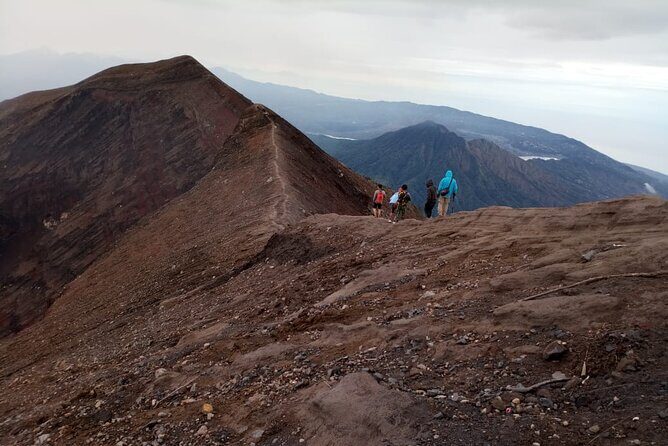
The climb is challenging in a very specific way. It’s not just “uphill.” It’s the kind of trail where footing gets tricky—rocky sections, narrow paths, and a constant effort to keep moving safely in the dark. That’s also why the included trekking poles matter; they reduce stress on your knees on long, steep sections.
Fire stops and warmth breaks
As you climb, you’ll likely have breaks along the way. Some guides build a fire stop using sticks from the forest area so you can warm up before continuing. If you get an earlier arrival near sunrise time, you may also spend more time waiting at the summit area, so pack your patience along with your layers.
Where Besakih Fits In: The Mother Temple Route and Temple Views
This route can include time around Besakih. You may pass the mother of temple area if you take the trek path via Besakih Temple, and Besakih is specifically called out as the biggest Hindu temple in Bali (Pura Besakih).
Besakih is also described as having a beautiful viewpoint from the top of the temple area. From there, you can see a wide panorama that reaches toward the ocean. In practical terms, this is a nice contrast to the physical grind of the mountain: you get a cultural sight moment on a day that otherwise lives in the cold, dark, and rocky climb.
What’s Included for the Climb (So You Can Pack Smarter)

Here’s the stuff the tour provides, which changes what you can leave at home:
- Breakfast and climb snacks: bread, hardboiled egg, seasonal fruits, some biscuits
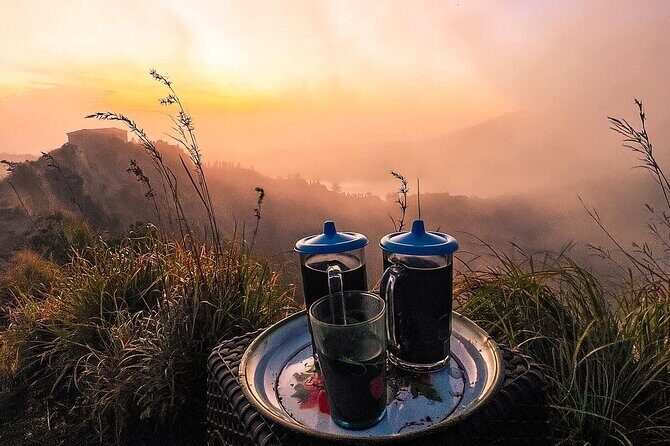
- Tea or coffee, plus water during the hike
- Flashlight, hiking poles, and a raincoat
This is a workable set-up for a long day, but it’s still basic food, not a full meal plan. You’ll get enough to keep going, but you should still consider your own extras if you’re the type who snacks constantly on tough ascents.
Summit Timing: Sunrise Views and the Reality of Waiting

The goal is to reach the summit rim area in time for sunrise, then enjoy the first light. The tour is scheduled as a 12 to 16 hour day, so it’s normal that the day feels long even when everything runs smoothly.
One thing to be ready for: timing can create waiting. If you arrive early, you may sit in the cold at the top until sunrise. If you arrive right on time, you may spend less time waiting, but you still need to be mentally prepared for wind and low temperatures while you watch the sky change color.
When the sun finally comes up, the reward is the panoramic view—Bali below, and views toward Lombok and the three peaks associated with Mt. Rinjani.
The Descent: The Part That Can Feel Tougher

The return hike is often where people get surprised. Going down can be harder on your body even if you’re less out of breath. The descent is described as slippery in wet conditions, with loose rocks and mud in forest sections. Some people even note that the trail looks much more narrow and sketchy in daylight compared to what you imagine in the dark.
Practical takeaway: you need shoes with real grip. The tour doesn’t provide footwear, and it’s smart to treat that as a safety item, not a comfort item. A few people mention wearing runners and regretting it on the way down, especially on slippery rock and fine sand.
What to Pack: Warmth, Shoes, and Water (Non-Negotiables)
The tour includes a raincoat, but it does not include warm layers or warm jacket. That’s crucial. Higher elevations can be freezing and windy, and even if the climb starts humid, temperature can drop as you get closer to the crater rim.
Use these packing tips because they’re repeated for a reason:
- Bring layers: warm top, hat, gloves if you run cold
- Bring hiking shoes with grip; avoid sandals and anything that slips
- Plan for lots of water. People recommend bringing at least 3 liters per person
- A headlamp can be a smart backup since the hike starts in darkness
Also consider personal pace. If you’re someone who stops for photos, breath work, or extra warming breaks, build in time so you don’t feel rushed when the cold hits.
Fitness Level: Who Should Go, and Who Should Rethink It
The tour states a moderate physical fitness level, but Mt. Agung is still a steep volcano trek with nighttime climbing. “Moderate” here means you don’t need to be a mountaineer, but you do need to be comfortable with long uphill effort and a careful descent.
It also says it’s not recommended for menstruation period travelers. If you’re deciding based on that guidance, respect it—this is a long day with cold exposure and constant movement.
This is a great match for you if:
- you hike regularly
- you handle steep, rocky trails
- you’re okay with being cold early in the morning for sunrise payoff
This is a mismatch if:
- you want an easy sunrise activity
- you struggle with steep footing or slipping risk
- you can’t walk for hours on rough trails
Guide and Driver Quality: What Good Feels Like on This Trek
A private guide can make or break this kind of hike. In the best cases, your guide keeps you safe, manages the pace, and handles warm-up breaks thoughtfully. People specifically praise guides who are calm, attentive, and experienced with the mountain’s conditions.
You might also be assigned guides and drivers whose names come up often, like Darta (mentioned for calm confidence and safety-focused support), plus drivers such as Ketut Bude and Rodih (mentioned for timely pickup and careful driving). You can’t count on a particular name, but you can count on the fact that experienced guides often know how to keep the climb manageable and safe.
When the climb turns scary near the top, a good guide helps you breathe, reassures you, and adjusts plans if needed—sometimes even offering a sit-break to wait for the sunrise from a safer spot rather than forcing the full summit push.
Should You Book This Mt. Agung Sunrise Private Trek?
Book it if you want a real challenge, you’re ready for cold and steep footing, and you care about earning sunrise views from a sacred volcano at Bali’s highest point. At $55, the included gear and transfers make it a strong deal—as long as you bring the missing essentials (warm layers and proper shoes).
Skip it (or consider a different style of sunrise trip) if you want something comfortable, you don’t hike much, or you’re not prepared for slippery descent conditions. Also take the guide instruction about menstruation period travelers seriously, since this tour involves long hours and cold exposure.
If you do go, plan for a long day: start prepared, drink water, move slowly on the descent, and treat sunrise as the payoff you train for all night.
FAQ
How long is the Mount Agung sunrise trekking day?
The experience runs about 12 to 16 hours, depending on timing and conditions.
Where do they pick me up for this tour?
Pickup and drop-off are offered in south Bali, Ubud, Amed, Lovina, and Candidasa.
Where is the meeting point?
The meeting point is Pura Pengubengan Besakih in Rendang, Karangasem Regency, Bali.
Is this a private tour?
Yes. It’s listed as private, so only your group participates.
What gear is included for the hike?
You get trekking poles, a flashlight, and a raincoat.
What food and drinks are included?
The tour includes water during the hike, plus breakfast items like bread, hardboiled egg, seasonal fruits, some biscuits, and tea or coffee.
What should I bring since some items are not included?
Warm jacket and shoes are not included, along with other personal needs. You should also plan for cold conditions since the hike is at night and sunrise timing can involve waiting.
What is the typical start time?
The hike begins in the dark, around midnight, using the flashlights provided.


.jpg)
.jpg)
.jpg)
.jpg)
.jpg)
.jpg)
.jpg)
.jpg)