Mount Batur Sunrise Trekking Tour – Uluwatu area
Bali wakes up brutally early. That’s the whole point of this Mount Batur sunrise trek: you’re up for Kintamani sunrise on the summit, then you keep moving through the crater area with a guide from the Mt. Batur trekking association. I love the way the plan builds toward first light, and I also love the full crater walk, not just a quick photo stop.
One thing to consider: this is a long, dark, early-morning effort. The tour asks for strong physical fitness, and it’s not recommended for kids under 12 or for elderlies, so it helps to be honest with yourself before signing up.
If you like your Bali experiences a bit more active than beaching, you’ll probably enjoy this. And if you end up with Rodrigo from Own My Way to Bali, expect a guide who talks through the area in a way that makes the hike feel more than just steps and views.
In This Review
- Key things I’d bookmark before you go
- Why Mount Batur sunrise from Kintamani is worth the alarm
- The early pickup and Toyabungkah start (1:40 to 3:45 AM)
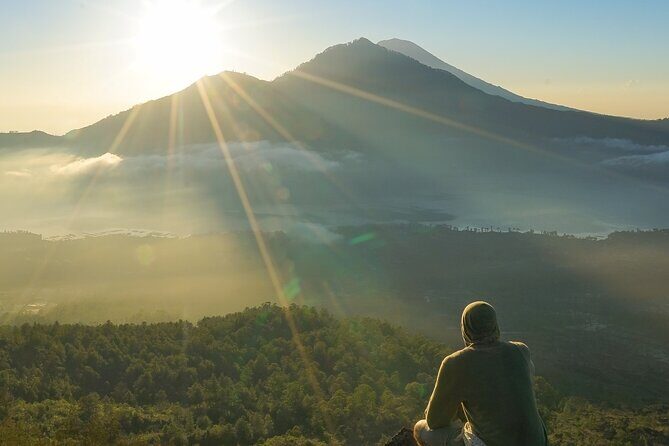
- Summit at 6:15 AM: where sunrise becomes the whole event
- The crater walk after sunrise: more than photos
- Descent back to Toyabungkah and the ride to coffee
- The coffee plantation stop: included, but use it wisely
- Getting back to your day: return around late morning
- Price and value: about $61 for a full sunrise-to-crater effort
- Fitness and who this trek suits best
- Tips to make the sunrise trek feel manageable
- Should you book this Mt. Batur sunrise tour from the Uluwatu area?
- FAQ
- What time does pickup usually happen?
- When do we reach the Mount Batur sunrise point?
- How long is the tour?
- What’s included in the price?
- What is not included?
- Is this tour suitable for kids or elderly travelers?
- What happens if weather is poor?
Key things I’d bookmark before you go
- You arrive at the starting village in the dark and use included flashlights to begin the climb
- Summit timing is built around sunrise, with arrival at about 6:15 AM
- You’re not rushing: after sunrise you continue around the crater area
- Small group size (max 10) makes the pace feel more human
- Coffee plantation stop is part of the route, with coffee and/or tea and bottled water included
- The tour runs on tight timing, so double-check pickup details
Why Mount Batur sunrise from Kintamani is worth the alarm
This trek is one of those Bali experiences that feels simple on paper and intense in real life. You’re heading out before most of the island is even thinking about breakfast. But that early push matters, because it’s the only way to catch the kind of sunrise you can’t fake later in the day.
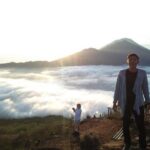
From the mountain route, you’ll be in the Kintamani area looking toward broad views that change as the sky lightens. The guide approach is also practical: you’re not wandering alone. You’re following people tied to the Mt. Batur trekking association, which is a big deal when you’re climbing in low visibility and dealing with uneven volcanic terrain.
Also, this isn’t marketed like a full-day “wander around” plan. It’s structured: climb for sunrise, walk the crater route afterward, then come down and get warmed up with coffee and/or tea. That pacing gives you both payoff moments: the sunrise and the longer crater experience.
The early pickup and Toyabungkah start (1:40 to 3:45 AM)
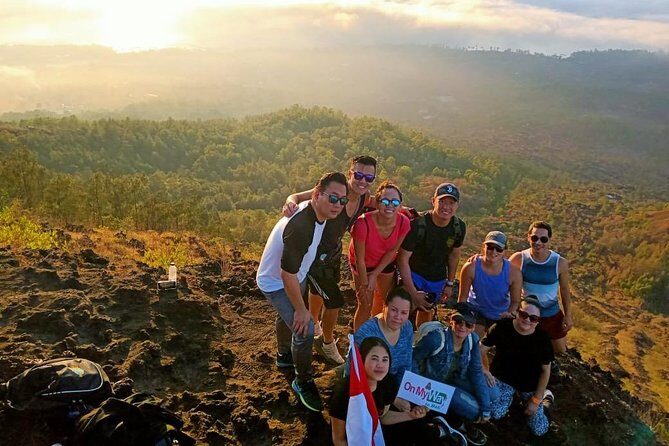
Your day begins with pickup from Kuta. The schedule lists pickup at about 1:40–2:30 AM depending on where your hotel is. Translation: you’ll need to be ready in the dark, and you should plan on having nothing complicated the night before.
After pickup, you head to Toyabungkah village and plan to arrive there around 3:45 AM. This is where the included flash lights matter. It’s not just a nice-to-have. Starting in the early hours means footing is slower, and having the right light helps you avoid that panicky stumble feeling.
One practical tip: wear layers you can actually move in. Early morning air can feel sharper at elevation, and you don’t want to be stuck either freezing or sweating buckets with no way to adjust.
Summit at 6:15 AM: where sunrise becomes the whole event
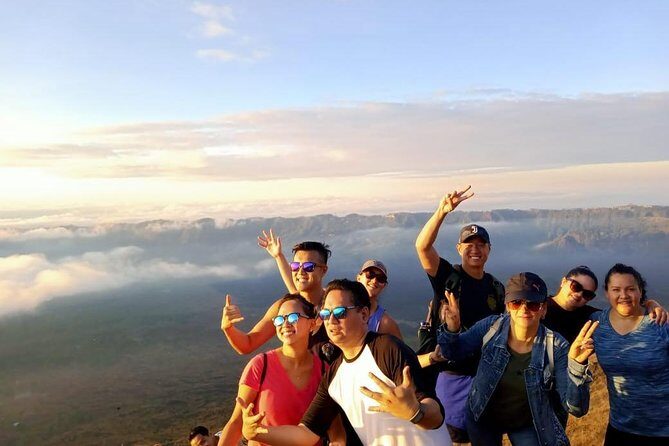
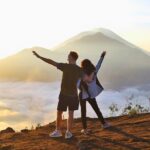
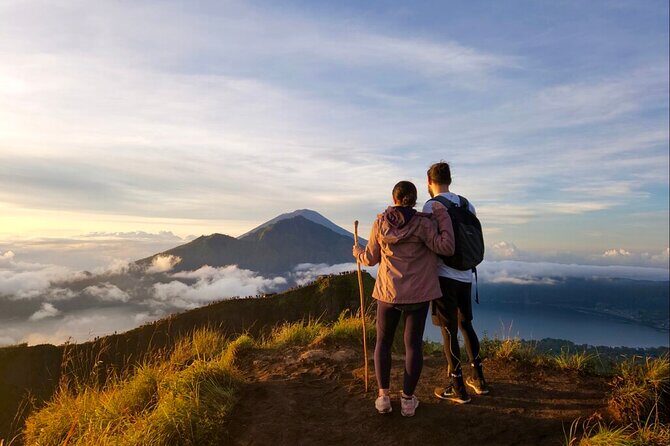
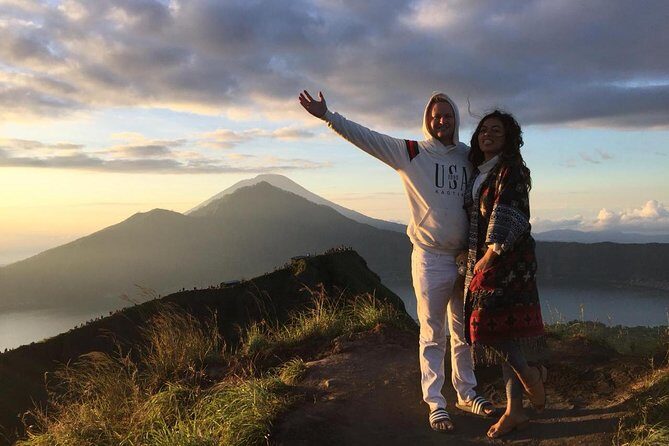
You’re aiming to reach the summit area around 6:15 AM, which lines up with the sunrise window in Bali’s dry-season rhythm. Then you’re set for that first-light moment before the day turns into normal daytime sightseeing.
What I like about how this tour is structured is that you’re not just “arrive, take photos, go.” The plan gives you time on the sunrise point around 6:15–7:00 AM before you transition into the crater walk.
You’ll also notice why the guide association matters here. Sunrise climbs often happen in a crowd of early-morning groups. If your guide is working with an association, you’re more likely to get a route that’s organized and paced for safety, especially when you’re moving close to steep volcanic edges.
The crater walk after sunrise: more than photos
Once sunrise happens, you don’t sprint away. You continue trekking around the entire crater area, starting around 7:00 AM. The next key timing shift is around 8:00 AM, when you begin your descent back toward Toyabungkah.
That crater-walk piece is a major part of the value. A lot of sunrise tours stop at a view and then call it a day. Here, the trek keeps going, which means you get more time actually experiencing the mountain terrain and the crater route, not just collecting one scenic moment.
It’s also the part of the day that helps the tour feel “real.” The summit is one highlight. The crater route is where you feel like you earned it—slowly, step by step, watching the light change and the volcanic shape coming into view.
The drawback is obvious: you’ll still be walking after sunrise, and that’s when fatigue can sneak in. If you tend to overestimate your energy at altitude, pace yourself early. Take small breaks when the guide pauses, and don’t treat rest stops like you’re behind.
Descent back to Toyabungkah and the ride to coffee
Your descent starts around 8:00 AM and you’re scheduled to arrive back at Toyabungkah village around 9:00 AM. From there, you board the car.
This is a nice reset. You get off the mountain while you still have time in the morning, and you’re not forced to rush straight into the next activity without a breather. The air-conditioned vehicle helps here, because by now you’ll likely be warm from climbing.
Then, around 10:00 AM, you get a stop at a Balinese coffee plantation. The timing suggests this is part of the original route, not an optional add-on you have to hunt down. You’ll also have coffee and/or tea included, plus bottled water.
A practical note: plantation stops can be informative, but they can also come with sales energy. If you’re not interested in buying anything, you can still enjoy the break and the explanation—just keep a mental boundary about what you’re willing to spend.
The coffee plantation stop: included, but use it wisely
The plan includes an admission ticket for the plantation stop and sets aside about two hours. That’s enough time to taste something, learn a bit about how coffee is processed, and catch your breath before heading back.
From the tour’s included items, you’re covered for drinks (coffee and/or tea) and water, so you shouldn’t arrive needing to spend extra just to stay comfortable.
If you’re someone who likes culture through food, this is a decent add-on. If you’re not, treat it as recovery time. Either way, it’s part of the tour flow that gets you back to the hotel later.
Getting back to your day: return around late morning
The route leaves the coffee plantation around 11:30 AM and heads back to your hotel. In other words, you’ll still be done while the rest of Bali is shifting into late-morning mode.
The tour summary says about 7 hours, but the practical reality is the early pickup time and a late-morning return shape the day more than a typical half-day activity. Plan your evening afterward like a person who just climbed a volcano early. You’ll sleep better for it, though.
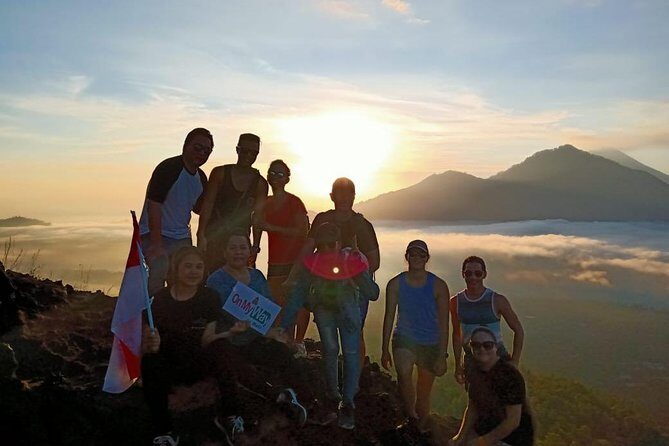
Also, the group size maximum is 10 travelers. Smaller groups usually mean less waiting. It can make the trek feel easier to manage, and it helps the guide keep an eye on everyone’s pace in the dark and on the uneven terrain.
Price and value: about $61 for a full sunrise-to-crater effort
At about $61.54 per person, this is priced like a budget-friendly sunrise trek, especially because several essentials are included:
- Air-conditioned vehicle
- Flash lights
- Coffee and/or tea
- Bottled water
- Admission ticket for the plantation stop
So what are you really paying for? You’re paying for the early-morning organization: transportation timing, guided climbing structure, and the included gear to handle pre-dawn visibility. You’re also paying for the fact that the experience doesn’t end at sunrise. The crater walk keeps you active and extends the “I did the real thing” feeling.
What’s not included is also clear: personal expenses and donations. That’s normal for tours like this, but it’s worth budgeting a little for snacks or small purchases if you want them.
For the value side, I’d say this is a good deal if you’re ready for the early start and you want the crater walk. If your ideal Bali day is more slow and scenic, you might decide the effort isn’t worth it.
Fitness and who this trek suits best
This tour explicitly calls for strong physical fitness. It’s also not recommended for kids under 12 or for elderlies.
So who is it for?
- People who can handle a steep, uneven hike in early morning low light
- Anyone who wants a sunrise view plus a longer crater route
- Travelers who prefer small groups (max 10) and guided structure over solo improvising
Who should think twice?
- Anyone who struggles with climbing for an hour or more, especially in the dark
- People who get injured easily on uneven surfaces
- Families seeking a kid-friendly outing (since it’s not recommended under 12)
- Elderly travelers who may not do well with early starts and demanding terrain
The tour is built for movement. That’s the main trade-off.
Tips to make the sunrise trek feel manageable
You can’t change the early wake-up. But you can change how prepared you feel.
- Wear shoes with good grip. Volcanic paths can be slick in spots.
- Bring a light layer system. You’ll be warm from hiking, then cool down during pauses.
- Use the flash lights properly. Don’t tuck them away too early; dark starts matter.
- Pace your breathing early, especially between the early start and summit approach.
- If you get pickup time dependent on hotel location, confirm your exact pickup plan before the night ends. Sunrise tours are timing-critical.
And one more practical idea: eat something the night before that doesn’t mess with your stomach. You’ll be active early, and you want your body to feel steady.
Should you book this Mt. Batur sunrise tour from the Uluwatu area?
If you want a guided Mount Batur sunrise experience that includes the crater walk, plus a coffee stop on the way back, this tour looks like strong value for the money. The small group size and the included flash lights and transport help make it feel organized, not chaotic.
I would only skip it if you’re not comfortable with early-morning effort. The climb is demanding by nature, and the tour’s own guidance says it needs strong fitness. If you like active travel and you can handle the alarm clock, it’s the kind of Bali morning that stays with you.
FAQ
What time does pickup usually happen?
Pickup is scheduled for about 1:40–2:30 AM depending on where your hotel is located.
When do we reach the Mount Batur sunrise point?
The plan has you arriving at the summit around 6:15 AM at the sunrise point.
How long is the tour?
It’s listed as approximately 7 hours, with an early pickup and return to your hotel in the late morning.
What’s included in the price?
The tour includes an air-conditioned vehicle, flash lights, coffee and/or tea, and bottled water. It also includes an admission ticket for the coffee plantation stop.
What is not included?
Personal expenses and donations are not included.
Is this tour suitable for kids or elderly travelers?
It is not recommended for kids under 12 years old or for elderlies. You should have strong physical fitness.
What happens if weather is poor?
This experience requires good weather. If it’s canceled due to poor weather, you’ll be offered a different date or a full refund. Cancellation due to other reasons is non-refundable and cannot be changed.