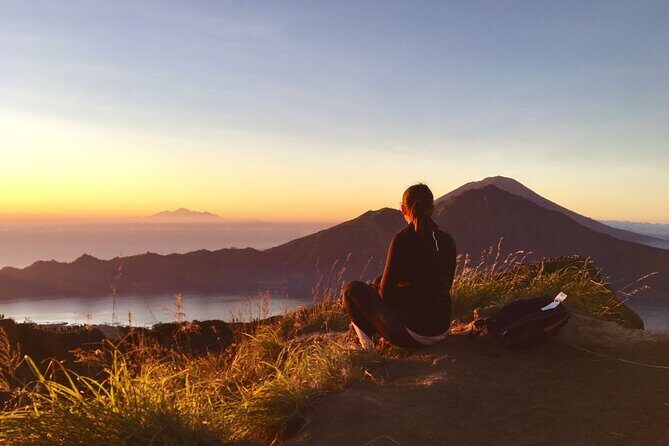
Mount Batur Sunrise Trekking & Hot Spring

Mount Batur Sunrise Trekking & Hot Spring - The climb: stars, steep sections, and keeping your footing

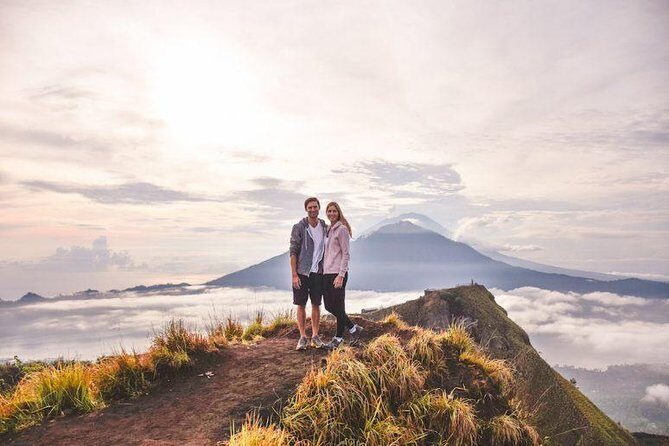
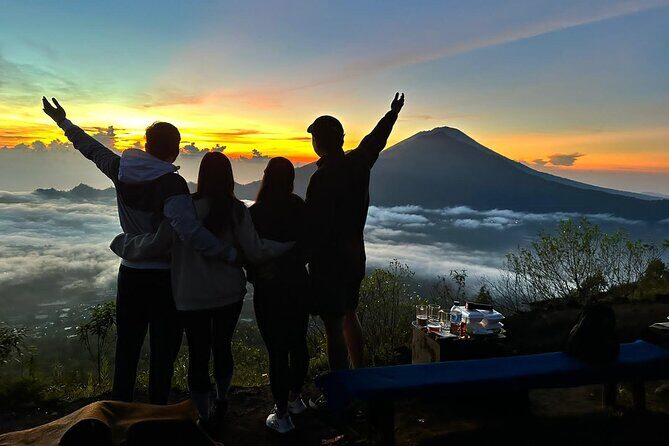
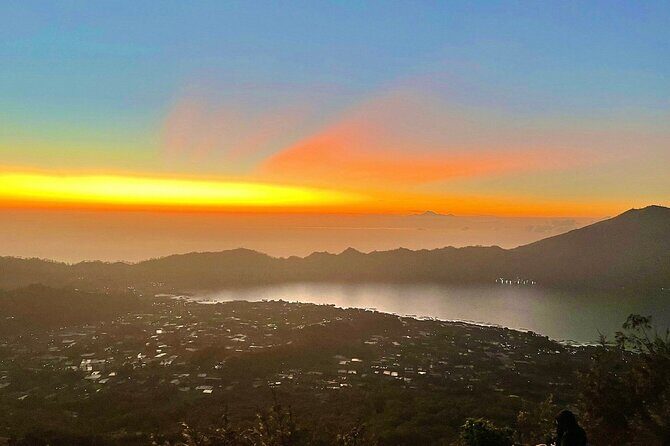
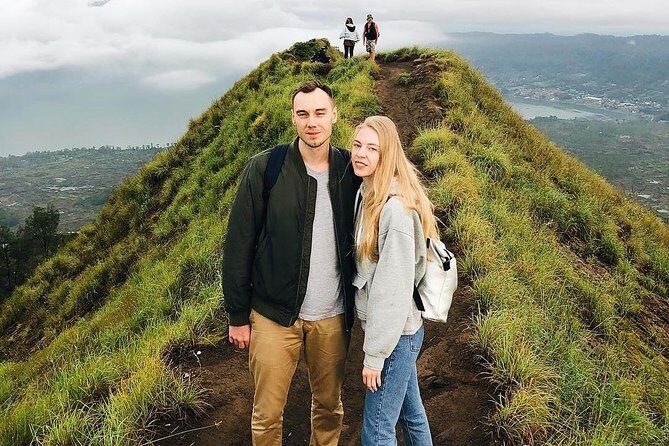
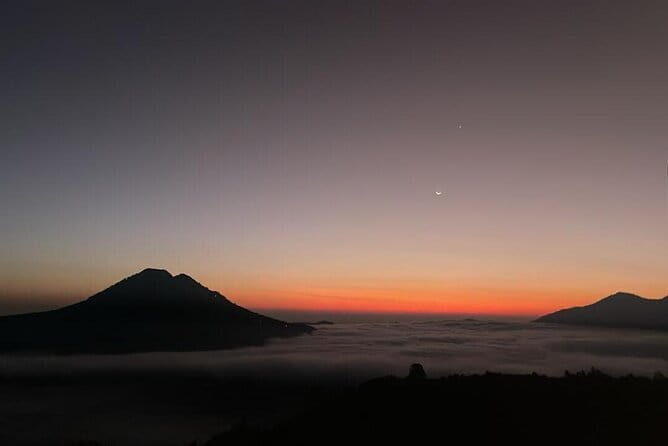
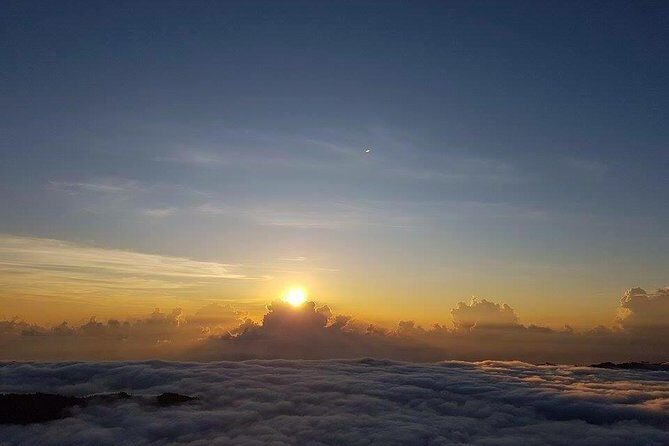
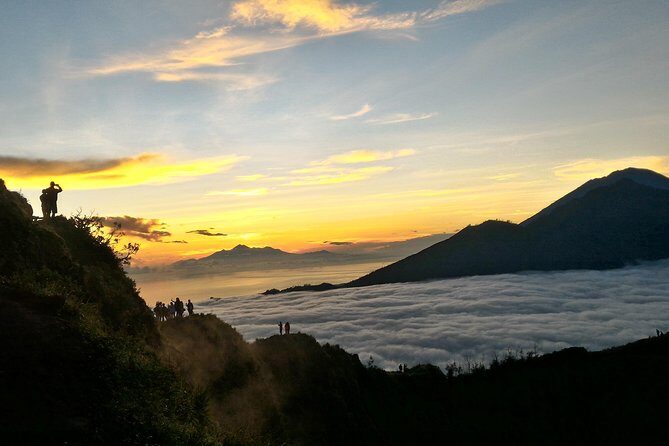
Sunrise on Batur feels like a reset. This private climb is built around one big moment: reaching the crater rim in time to watch the sky wake up. Then you’ll refuel with breakfast cooked in volcanic steam and finish with a soak in hot springs near Lake Batur.

I really like two things about this tour. First, you get a private, English-speaking guide and a group that stays manageable (no mixing, no herd energy). Second, the breakfast is simple but fun: eggs and bananas cooked on volcanic heat, plus drinks to get you going again.

One thing to consider is that it’s an early start and the hike is no walk in the park. If it’s rainy or cloudy, sunrise photos can be less dramatic, but you can still enjoy the climb and the hot spring reset.

Key things you’ll notice right away

Mount Batur Sunrise Trekking & Hot Spring - Key things you’ll notice right away

  • Private guide for your group: clearer pace, more attention, and an easier time asking questions at every step.
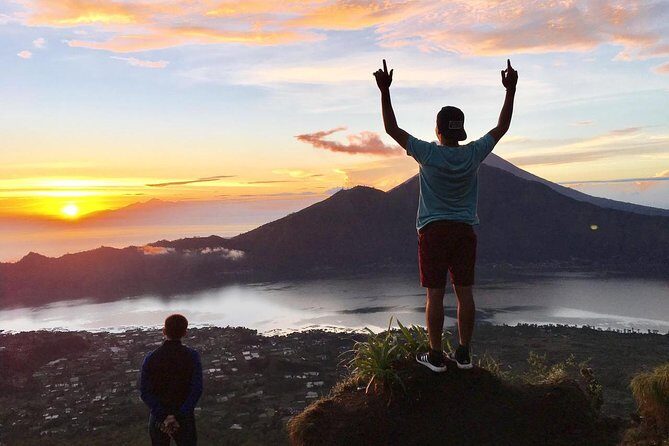
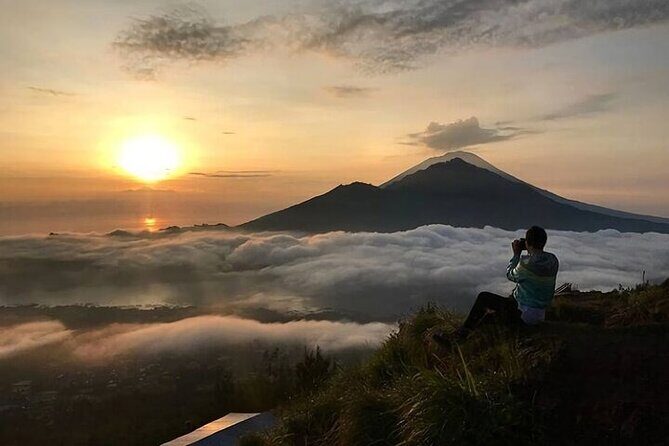
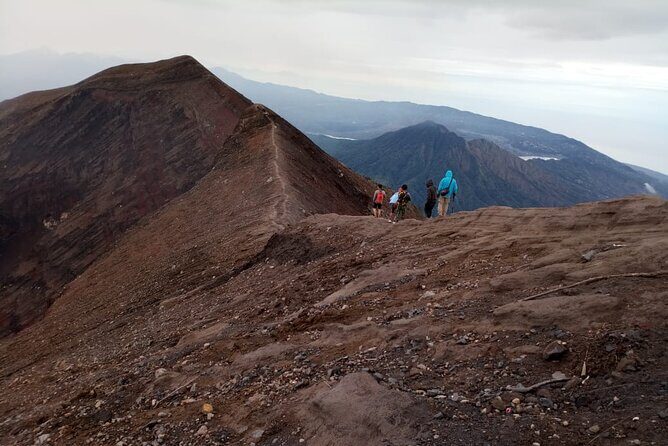
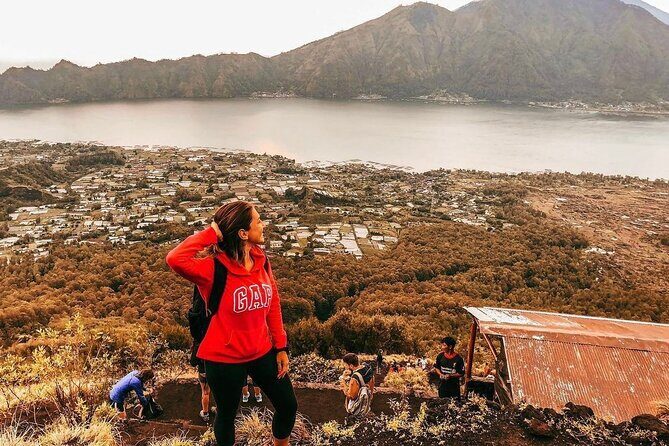
  • Crater-rim sunrise timing: you’re aiming for the best vantage point when the light hits.
  • Volcanic-steam breakfast: eggs and bananas cooked using live steam at the top.
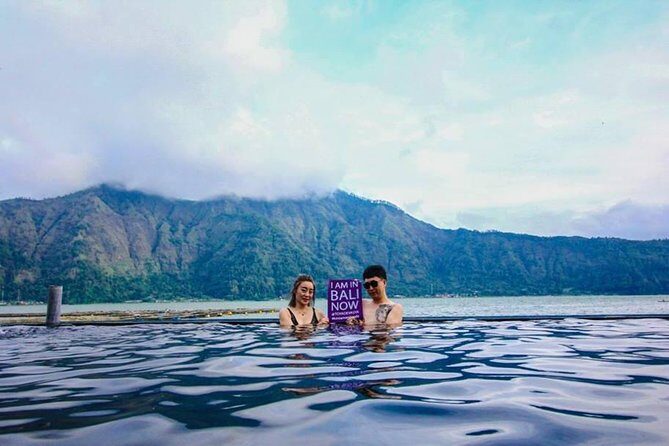
  • Toya Devasya Hot Spring stop: a muscle-soothing soak after the descent with views back to the volcano.
  • Door-to-door pickup from Kuta: driver meets you first, then you switch to the trek guide at the base.

Why a private Mt Batur sunrise trek works so well

Mt Batur is an active volcano, and it’s also part of the UNESCO Global Geopark Network. That mix matters. You’re not just hiking for views. You’re on a living, working volcano landscape where timing, route choices, and safe footing make a big difference.

With a private setup, you’re not waiting around for other people to catch up, and you’re not stuck with a one-size-fits-all pace. The guide can steer you toward the photo spot, then give you space if you’d rather just watch the light come up and breathe. From the guide names I’ve seen people talk about—Phutu, Putu Adi, and Dede—the consistent theme is how well they keep you informed and comfortable during the pre-dawn climb.

The biggest “value” of private here is mental. Sunrise treks can feel intense when you’re tired and cold. A good guide helps you feel safe and organized without turning the experience into a lecture.

Getting from Kuta to the volcano: transfers and the 10-hour rhythm

Mount Batur Sunrise Trekking & Hot Spring - Getting from Kuta to the volcano: transfers and the 10-hour rhythm
This tour runs about 10 hours, which is a full day but not an entire day at warp speed. You’ll get pickup from your hotel in the Kuta area, then you’ll be taken to the base of Mount Batur. Once you arrive, you meet your English-speaking guide, who gives you a quick overview and answers questions before the climb.

Two practical things to remember:

  • You’ll start bright and early, before sunrise, so plan for a real wake-up call.
  • Your day is scheduled around the mountain’s timing, not around your own pace or breakfast cravings at home.

Also, this is set up as a private tour/activity, meaning it’s only your group participating. That usually helps with comfort and flow, especially on a trail where you don’t want to feel crowded.

The climb: stars, steep sections, and keeping your footing

Mount Batur Sunrise Trekking & Hot Spring - The climb: stars, steep sections, and keeping your footing
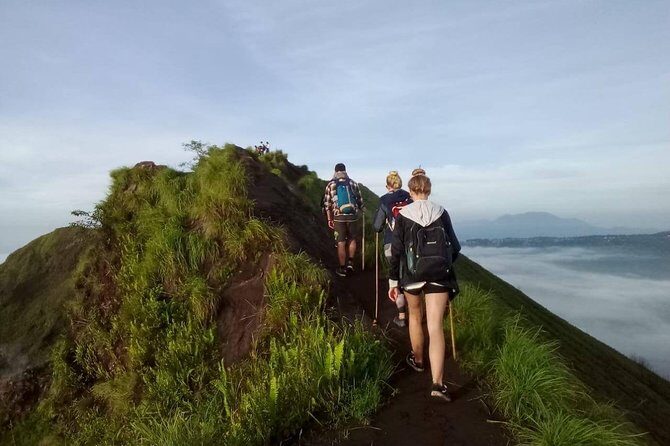
You start ascending under a blanket of stars. That detail sounds romantic, and it is—but it also means you’ll be moving in low light. Bring the mindset of a hike that asks you to pay attention, not a casual stroll.

Mount Batur requires at least moderate physical fitness. The climb is challenging enough that the guide matters. A private guide can slow down when you need it, encourage you when you’re lagging, and help you keep energy for the summit area.

What I’d watch for on a trek like this is how the guide reads the group. The best guides don’t just rush. They explain what’s ahead, point out the big moments, and help you manage breath and footing so you’re not wrecked before sunrise.

Weather can change the whole vibe. One group shared that it was raining when they reached the top—meaning the view wasn’t as clear as they expected. Still, the hike and the hot spring follow-up can make the day feel complete even when the sunrise doesn’t look perfect.

Summit timing: the crater rim and that first real light

Mount Batur Sunrise Trekking & Hot Spring - Summit timing: the crater rim and that first real light
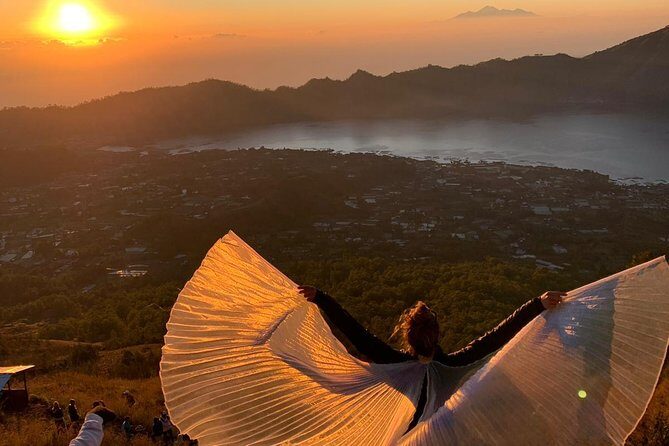
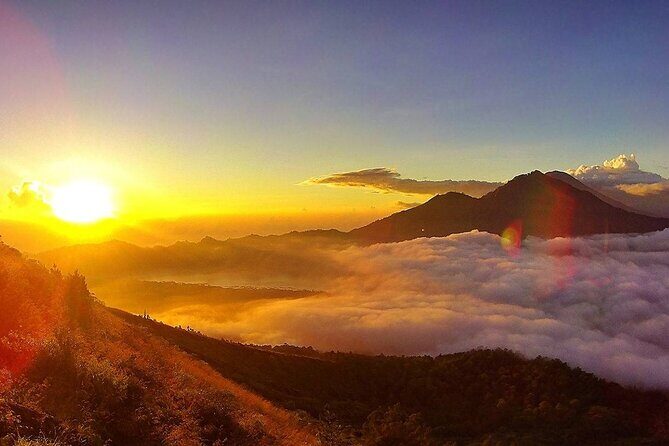
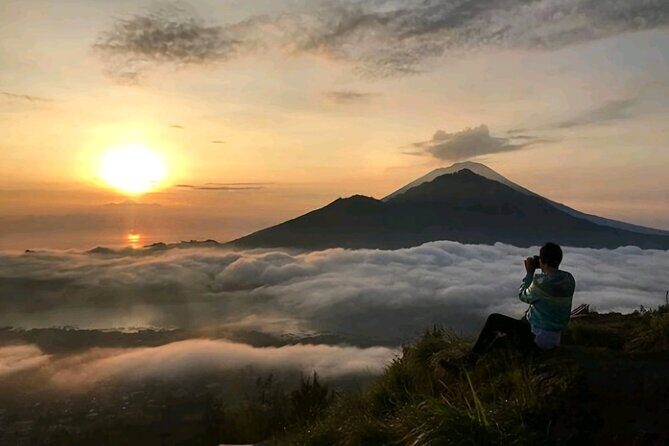
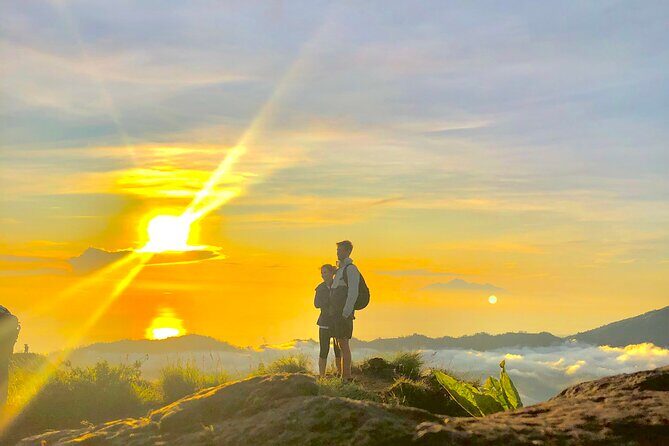
When you reach the top, you’re there for the main event: sunrise from the crater rim. Your guide will help you find the best vantage point for photos, but you’re also encouraged to just sit and enjoy it.

This is where the private part pays off again. If you’re early and ready, you’ll get to your spot without wrestling a crowd. If you need a minute—because dawn air can be sharp or your legs are busy—your guide can adjust so you don’t feel rushed.

One practical tip: sunrise views depend on clouds and visibility. You can still have a meaningful moment even in less-than-ideal weather, but if you’re the type who wants that crisp, wide-open horizon, you’ll be happier checking the local conditions right before the climb (as much as you realistically can).

Volcanic-steam breakfast: eggs, bananas, and drinks that actually help

Mount Batur Sunrise Trekking & Hot Spring - Volcanic-steam breakfast: eggs, bananas, and drinks that actually help
At the top, you’ll be given a meal and beverages to regain energy for the rest of the trek around the crater and the descent. The breakfast itself is a highlight: eggs and bananas cooked using hot live steam from the volcano.

I like that this isn’t a fancy “tour snack.” It’s food that matches the place. You’re literally eating something cooked by the geothermal force you just walked toward. It’s also practical. After a steep climb in the cold hours, you need calories and warmth, not just a photo-op.

Because it’s cooked in volcanic steam, treat it as hot food right away. Don’t burn yourself trying to be a hero; get your footing first, then eat.

After sunrise: the crater area walk and the descent

After the sunrise moment and your breakfast, the itinerary continues around the crater and then back down. This part is where pacing matters again. Early morning climbs can trick you into feeling fine at first, then hitting fatigue later on the way down.

A private guide helps here by keeping you moving safely. You’ll want to stay present on your steps, especially during the descent, because going down can be just as tiring as going up—even if it feels easier.

If you’re someone who likes to take your time, this is one of the better places to do it. The terrain can be uneven, and your energy is already spent. Slow down, watch your footing, and let the guide handle the timing rather than pushing yourself.

Toya Devasya Hot Spring: muscle reset with views toward Batur

Mount Batur Sunrise Trekking & Hot Spring - Toya Devasya Hot Spring: muscle reset with views toward Batur
After the trek, you soak at Toya Devasya Hot Spring. This is a true recovery moment. The tour is built to help your tired muscles unclench after the climb, and the setting adds extra value.

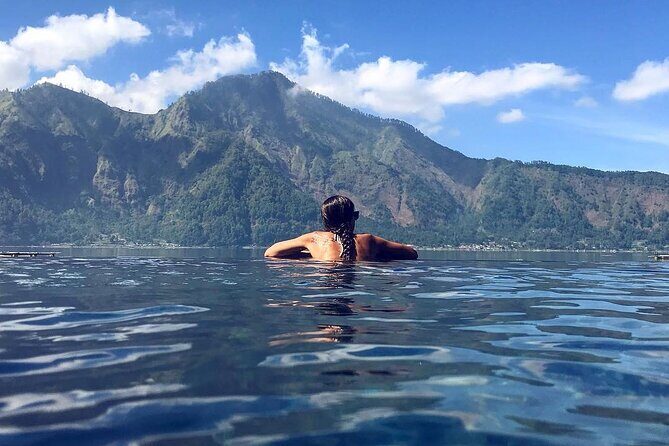
One of the best parts is that you get views of Mount Batur while you soak. That matters because the day’s theme comes full circle: you climb toward the volcano for sunrise, then you come back down and watch it again from the comfort of the hot water.

The hot springs stop is included as part of the experience, along with the entrance fees. You still should come prepared with the basics you’ll want for any soak—things like swimwear and a way to change after (not listed as included in the info I have), plus a small towel if you prefer your own.

Also, remember this is a full-day schedule. If you plan to do other Bali activities the same evening, give yourself enough buffer so the hot soak doesn’t turn into a nap.

Optional add-ons: coffee plantations and what to ask your guide

A couple of groups I’ve seen describe extra time with their guide around other local stops, including a coffee plantation. That isn’t listed as a guaranteed included item in the core description, so I’d treat it as something that might happen depending on timing, route choices, and your guide’s plan.

If a coffee stop matters to you, ask early, during the briefing at the base. A good guide will tell you clearly if it fits your schedule and how it affects your return timing.

Price and value: what $63 really covers

At about $63 for roughly a 10-hour day, the value is strong when you look at what’s included:

  • Pickup and drop-off from your hotel area in Kuta
  • Entrance fees and parking fees
  • A guide (including bottled water during the hike)
  • Breakfast cooked at the top on volcanic steam
  • The hot springs stop (Toya Devasya)

What’s not included is lunch and dinner. So you’ll want to plan food for later in the day and not assume you’ll be fed again after breakfast.

Here’s how I’d think about the cost in plain terms: you’re paying for early-morning logistics plus a guided hike plus geothermal breakfast plus entry into the hot springs. That’s a lot to pack into one day, and it’s usually where budget tours either cut quality or cut parts of the experience. In this case, the included items are the main things people actually remember.

Who should book this sunrise trek (and who might skip it)

This is a great fit if:

  • You want a real sunrise experience from a volcanic viewpoint
  • You prefer a private guide and a smaller, calmer feel
  • You like being active in the morning and doing recovery in the afternoon
  • You’re traveling solo or as a couple and want the guide to keep the day feeling organized

It may not be the best match if:

  • You don’t handle early starts well
  • You have low mobility or you struggle with moderate fitness hikes
  • You expect sunrise to be guaranteed on every weather day (it isn’t)

One extra note from the tone of the experiences shared: people have felt comfortable and safe with guides who communicate clearly, especially on the early parts of the day. If that matters to you, this private format is usually a good sign.

Should you book this Mt Batur Sunrise Trek + Hot Spring?

I’d book it if you want your Bali trip to include one of the island’s most dramatic “morning-to-recovery” combos. The tour’s structure makes sense: wake early, climb with a guide, get a volcanic-steam breakfast, then soak and cool down with views back to Batur.

It’s also a good choice for value because a lot is included: transfers, entry, the summit breakfast, and the hot springs. The main trade-offs are the early start and the fact that weather can soften the sunrise visuals.

If you’re on the fence, I’d decide based on two questions: Can you handle a moderate hike at dawn? And are you okay with the idea that your sunrise might be partly cloudy? If you say yes, this is the kind of day that tends to feel worth it long after you’re back in bed.

FAQ

What time of day does this tour run?

It’s an early morning sunrise trek. The full experience is about 10 hours, so you’ll start before sunrise and finish after the hot springs.

Do I get hotel pickup and drop-off?

Yes. You’ll be picked up from your hotel (in the Kuta area) and taken to the base of Mount Batur, then dropped back after the hot springs.

Is the tour private?

Yes. This is a private tour/activity, so only your group participates.

What breakfast is included?

Breakfast is included and is cooked at the top using hot live volcanic steam. It includes eggs and bananas.

Which hot spring stop is included?

The tour includes a stop at Toya Devasya Hot Spring.

Is bottled water included?

Yes. Bottled water is included, and you’ll get it from your hiking guide.

Can I cancel and get a full refund?

Yes. You can cancel for a full refund if you cancel up to 24 hours in advance. If you cancel less than 24 hours before the start time, the amount paid is not refunded.

Ijen Crater Private Guided Trekking Tour From Bali

Ijen Crater Private Guided Trekking Tour From Bali - East Java Rest Stop: Dinner and a Real Chance to Regroup

Java’s Ijen Crater is all drama. This private overnight tour turns a tricky long journey into a managed, door-to-door trip focused on Kawah Ijen blue fire at night. I like the private guide and included trekking gear that keeps you from scrambling for the basics, and I also like the built-in comfort stops (meals plus a simple room to rest). The main drawback is the tradeoff for convenience: it’s a long 20 to 23 hour day, and your rest room may be basic (one review noted a room without a fan).

You’ll start in Bali in the early afternoon, cross by ferry to Java, sleep briefly before the hike, and return next day—so you get the full experience without dealing with public transport headaches. One more consideration: the tour depends on good weather, since conditions matter for trekking.

Key things I’d circle before you book

Ijen Crater Private Guided Trekking Tour From Bali - Key things I’d circle before you book

  • Door-to-door pickup and drop-off in Bali (many tourist areas covered), so you don’t have to coordinate buses or taxis.
  • All trekking essentials included: flashlight, poles, mask, and gloves—less packing, less stress.
  • Ferry ride plus Java-side timing handled for you, including an air-conditioned waiting area at Gilimanuk.
  • Dinner and breakfast included, plus a simple room to rest after crossing to Java.
  • Your guide manages Ijen paperwork on-site, including registration steps and insurance validation stamps.
  • Blue fire viewing is the focus, with a guided trek designed around it.

Blue Fire at Kawah Ijen: Why This Overnight Works

Ijen Crater Private Guided Trekking Tour From Bali - Blue Fire at Kawah Ijen: Why This Overnight Works
The reason people make the trip to Ijen is the sight of the blue fire over the sulfur landscape. It’s a signature moment in Indonesia, and it’s also the kind of thing that’s hard to do casually. You’re not just walking for views in daylight—you’re trekking in cold, early hours with conditions that demand the right gear and timing.

What makes this tour appealing is that it’s built around the experience, not around logistics. You leave Bali around lunchtime, sleep on the Java side, and come back the next day. That structure matters because the blue fire moment depends on night conditions and enough time to hike without feeling rushed or lost.

I also like that this is a private setup. Even when there are group discounts, your group stays together, and you’re not stuck waiting for strangers to figure out meeting points or equipment.

The one caution I’d flag: the experience requires moderate physical fitness. This isn’t a flat stroll, and the real-world factors—steep sections, dark footing, and the sheer length of the day—can catch you off guard if you’re not used to trekking.

From Seminyak to Gilimanuk: The Easy Start That Sets the Tone

Your day begins with a hotel pickup. The meeting time is 2:00 pm, and the tour is designed to serve a wide range of Bali tourist areas. If you’re staying in Seminyak, this is one of the easiest ways to start the Ijen journey because you don’t have to build the route yourself.

The first big move is getting to Pelabuhan Gilimanuk. Then you get the crossing to Java on the Selat Bali route: Gilimanuk to Ketapang in about 30 minutes. One small detail that helps with comfort is that you can sit and relax in an air-conditioned room at the port.

That ferry segment does two useful things for you:

  1. It gets you to Java fast enough to still have a practical overnight plan.
  2. It prevents the common DIY problem where your “schedule” turns into guesswork.

After the crossing, you arrive at Ketapang Harbour and continue to a rest-area hotel in east Java. This is where the tour earns its keep. You get a place to reset instead of dragging yourself straight into a night trek with no buffer.

East Java Rest Stop: Dinner and a Real Chance to Regroup

Ijen Crater Private Guided Trekking Tour From Bali - East Java Rest Stop: Dinner and a Real Chance to Regroup
Your next named stop is Bumi Perkemahan Paltuding, which is where you prepare for departure toward the Ijen trekking start point at Paltuding. This matters because it acts like a staging area. You’re not just traveling—you’re switching gears from ferry day mode to trekking night mode.

You also get dinner here. The meal is described as Indonesian food plus fresh tropical fruit. That’s not a minor detail. When you’re heading toward a long night hike, having food arranged for you (instead of hoping you’ll find something at the right time) reduces stress fast.

There’s also a practical point: this is the phase where the guide helps set expectations for the hike. In the field, that kind of reassurance is valuable. One review specifically praised a guide (Kadek Moyo) for setting expectations early and answering questions all the way through, which is exactly what you want before you commit to a 6-hour trekking window at Kawah Ijen.

If you’re the type who likes a clear plan and a smooth handoff between stages, this pacing is one of the better features of the tour.

The Kawah Ijen Trek: Gear, Paperwork, and Keeping You Safe

Ijen Crater Private Guided Trekking Tour From Bali - The Kawah Ijen Trek: Gear, Paperwork, and Keeping You Safe
The main trekking stop is Kawah Ijen Volcano, and the time shown for this segment is about 6 hours. That’s a serious chunk of walking, especially at night with variable terrain.

Here’s what I consider the biggest win: the tour supplies the essentials you actually need for this hike. You’ll have:

  • flashlight
  • poles
  • mask
  • gloves
  • plus a guide

That’s worth more than it sounds. If you’re missing one item—often it’s the mask or the right gloves—you end up trying to improvise in a place where conditions are not forgiving.

Another key detail: your guide handles the registration steps on-site. The tour describes the guide arranging things like ticket and passenger registration, local guide verification, and an insurance stamp for validation. That’s the kind of behind-the-scenes work you don’t want to manage after a long travel day.

On the route, the night focus is the blue fire and the sulfur landscape. You’re not just walking for exercise; the trek is built around reaching the right viewing experience. This is also where having a guide who knows the process pays off—especially if you’re juggling dark conditions, pacing, and safety.

One review note to keep in mind: the experience is described as a pretty good workout. If you don’t hike much at home, treat this as training for your legs and your pacing strategy. Take it steady. You’ll enjoy it more if you don’t try to power-walk your way through.

Timings, Pace, and What a 20 to 23 Hour Day Means

This tour runs about 20 to 23 hours total. That’s not a typo. It’s essentially an overnight plan with travel, rest, dinner, a night hike, and next-day return.

Here’s how to mentally prepare:

  • You start at 2:00 pm in Bali.
  • You cross to Java and then stage for the trek.
  • You hike through the main Kawah Ijen window (about 6 hours).
  • You return by ferry to Bali and get dropped back at your requested hotel or the origin meeting point.

The best way to make this feel manageable is to plan for fatigue. You won’t be spending the next day sightseeing—you’ll likely want a quiet landing back in Bali. If you’re the type who hates wasting time, this tour might feel like a long haul. If you want the blue fire and don’t want to scramble on your own, it’s a sensible trade.

Also: your room is “simple.” In one review, the room was noted as having no fan. That doesn’t ruin the trip, but it’s a useful reality check. If you’re sensitive to heat or humidity, think about packing light breathable layers.

Price and Value: Is $129 Fair for Ijen?

Ijen Crater Private Guided Trekking Tour From Bali - Price and Value: Is $129 Fair for Ijen?
At $129 per person, this tour isn’t cheap in the way budget day trips are cheap. But it’s also not overpriced for what you’re getting.

You’re paying for:

  • door-to-door pickup and drop-off in Bali
  • the ferry crossing with a managed schedule
  • a Java-side rest stop and a simple place to recover
  • dinner and breakfast
  • a private guide
  • trekking gear (flashlight, poles, mask, gloves)
  • help with on-site registration steps at Kawah Ijen

If you tried to DIY this, the cost could be similar once you add reliable transport, proper gear, and the time you lose figuring out the order of operations. The biggest “value” isn’t the money—it’s the reduction in decision fatigue. With Ijen, missing a timing window or not having the gear is how good plans turn into unpleasant ones.

One more note: it’s often booked about 9 days in advance on average. That’s a sign people treat Ijen like a real commitment, not a last-minute whim. I’d follow that logic: lock it in once you’ve picked your dates.

The Human Touch: Guides Who Actually Make It Feel Smooth

Ijen Crater Private Guided Trekking Tour From Bali - The Human Touch: Guides Who Actually Make It Feel Smooth
Private tours live or die by the guide. The experience here gets consistently positive mentions for the people doing the work.

I saw multiple guide names tied to great service: Kadek Moyo and Sudi were praised for being awesome throughout and for answering questions early. Eka was noted for giving cultural and Hinduism context while helping with pickup from Denpasar and getting the group through the trip smoothly.

I also saw Wayan Kele mentioned alongside Kadek Moyo, with credit for looking after you the whole time. When a trek is long and conditions matter, that “looking after” part is not fluffy. It’s pacing, gear support, and making sure you understand what’s next.

If your guide asks about your comfort level, listens to your questions, and handles the paperwork steps without drama, you’ll feel more confident in the dark. That confidence changes how enjoyable the blue fire actually becomes.

Practical Comfort Notes You’ll Be Glad You Heard

A few reality checks based on the tour details:

  • Bring layers. You’re trekking at night, and even if it’s warm in Bali, mountain conditions can feel colder once you start moving in the dark.
  • Trust the provided gear, but pack for personal comfort. You’ll have the key items, but you might still want your own small essentials (like a water plan and basic personal items), since this tour includes meals but not extra amenities described in detail.
  • Rest rooms are simple. One review flagged a room without a fan. It’s still a place to rest, but don’t expect hotel-level comfort.
  • The tour depends on weather. The experience states that it requires good weather. If conditions aren’t right, the tour can be canceled and you’ll be offered another date or a full refund.

Also, because this is a private tour, you’re not sharing the experience with a random crowd. That’s good for pacing and comfort, but it also means your whole group should be honest about fitness needs.

Who Should Book This Overnight Ijen Trek from Bali?

This is a strong fit if you:

  • want the blue fire experience without wrestling with public transport
  • prefer private, door-to-door handling (pickup, ferry timing, return drop-off)
  • like a guided plan where gear and key logistics are handled
  • can handle a long day with moderate trekking fitness

It’s also a good choice if you’re visiting Bali and want a memorable nature-based night experience that doesn’t require a multi-day itinerary.

If you hate long travel days, this may feel like too much. You’re choosing intensity in exchange for a smoother route to a once-in-a-lifetime sight.

Should You Book This Ijen Crater Private Guided Trekking Tour?

I’d book it if your priority is seeing the blue fire and you want a guided overnight structure that handles ferry logistics, trekking gear, meals, and on-site registration steps. At $129, the value is in the full package, not just the hike.

I’d think twice if you’re very sensitive to basic lodging or you’re not comfortable with a 20 to 23 hour itinerary and a night trek that includes a workout-level hike. Also, if your travel dates are tight and weather could disrupt plans, you should weigh that risk.

Overall, this is the kind of tour that makes a hard trip feel doable—and that’s exactly what you want when the payoff is Kawah Ijen’s blue fire.

FAQ

What time does the tour start?

The start time is 2:00 pm. Your day is planned around leaving Bali in the afternoon and reaching Java for the overnight trek.

How long is the Ijen crater overnight trek?

The total duration is listed as 20 to 23 hours. It includes ferry travel, rest time, the trek, and returning to Bali the next day.

Is hotel pickup and drop-off included?

Yes. The tour offers pickup and drop-off to hotels in a wide range of Bali tourist areas, with return to your hotel or the origin meeting point.

Do I get trekking gear?

Yes. Trekking essentials included are flashlight, poles, mask, and gloves, plus a guide.

Are ferry tickets included?

Yes. The itinerary includes an exclusive ferry ride from Gilimanuk to Ketapang (about 30 minutes) with the ticket included.

What happens after the ferry ride?

After arriving in Ketapang Harbour, you continue to a first rest area hotel in east Java, where you’ll prepare for the departure toward the trekking start point.

Is dinner and breakfast included?

Yes. You get dinner before the trek preparation stage and breakfast as part of the overnight plan.

What fitness level is required?

The tour notes a moderate physical fitness level. The trek is described as a workout, so basic trekking stamina helps.

What if weather is bad?

The experience requires good weather. If it’s canceled due to poor weather, you’ll be offered a different date or a full refund.

Is cancellation refundable?

Yes. There is free cancellation up to 24 hours in advance for a full refund, with no refund if you cancel less than 24 hours before the start time.

Munduk: Tamblingan jungle trek, waterfall, Ulun Danu temple

Munduk: Tamblingan jungle trek, waterfall, Ulun Danu temple - Getting There and Staying On Schedule: Pickup, Timing, and Comfort

Rainforest mornings in Bali are a treat. This Munduk day tour strings together the big natural hits: a Tamblingan jungle trek, the Banyumala Twin Waterfalls, and the iconic Pura Ulun Danu Beratan temple by Lake Bratan, often wrapped in mist.

I really like two things here. First, the pacing fits people with moderate physical fitness needs, with clear time blocks for the hikes. Second, the human touch matters: a driver named OKA (reported as a top highlight) brings coffee-farmer knowledge and points out local plants and even the sort of flora-and-fauna details you usually miss on your own.

One possible drawback: the day is long. It runs about 8 hours starting at 8:00am, so plan for walking time on jungle paths (plus the early start).

Key Highlights You’ll Actually Feel

Munduk: Tamblingan jungle trek, waterfall, Ulun Danu temple - Key Highlights You’ll Actually Feel

  • Tamblingan trek among century-old, moss-covered trees in the highlands
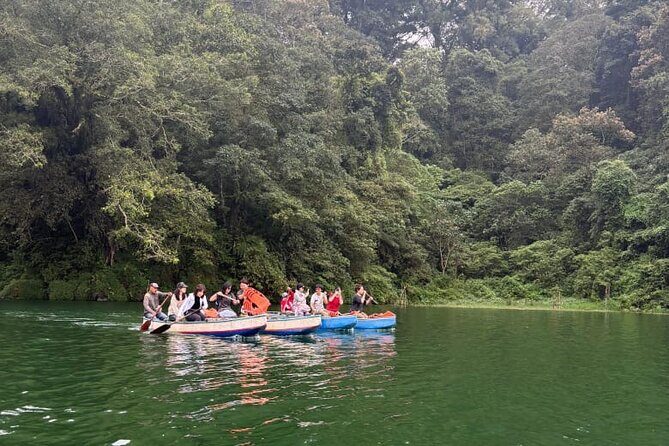
  • Traditional pirogue ride across Buyan and Tamblingan lakes for a calmer contrast
  • Banyumala Twin Waterfalls walk through ferns and tropical plants
  • Pura Ulun Danu Beratan (Lake Bratan), a misty, postcard-temple stop
  • Lunch plus coffee/tea included, and you get a plantation tasting
  • Pickup + A/C vehicle, with entrance fees handled and tickets via mobile

Munduk’s Highlands Day Plan From Ubud: What You’re Really Buying

Munduk: Tamblingan jungle trek, waterfall, Ulun Danu temple - Munduk’s Highlands Day Plan From Ubud: What You’re Really Buying
Ubud is busy in a way the Munduk highlands aren’t. This tour is built for that contrast. You start the day up in the mountains, trade traffic noise for rainforest sounds, then end with a temple view over Lake Bratan. It’s a classic Bali combo: nature + culture + food.

At $102.37 per person, the value comes from how much is packed into one handoff. You’re not paying separately for guides, entrance fees, and the main transport leg. You also get lunch and coffee/tea included, which turns a “just sightseeing” day into something closer to a full outing. The tour is commonly booked about 21 days in advance, which usually means it’s popular for people who want an organized highland day without juggling tickets and stops.

One thing to watch: this is a “see a lot” day. If you hate schedules, this might feel like a checklist. If you like movement and variety, it’s a solid way to spend one day in Bali’s cooler interior.

Getting There and Staying On Schedule: Pickup, Timing, and Comfort

Munduk: Tamblingan jungle trek, waterfall, Ulun Danu temple - Getting There and Staying On Schedule: Pickup, Timing, and Comfort
The day starts at 8:00am from Coco Supermarket in Ubud, and the activity ends back at that meeting point. Pickup is offered, and transport is done in an air-conditioned vehicle, which is a big deal once you’re coming back from higher, cooler areas into warmer stretches of the island.

The itinerary is about 8 hours total, and the guide keeps the stops flowing:

  • a multi-hour trek at Tamblingan,
  • a waterfall hike,
  • then the temple visit,
  • plus lunch and a coffee plantation tasting squeezed in between.

Because you’re walking on natural paths, expect uneven ground. The tour notes you should have moderate physical fitness, so if you’re comfortable with a couple of jungle walks and you take it slow, you’ll be fine. Bring shoes with grip. Bring water if you usually drink a lot. And if you get cold easily, consider a light layer—highland mornings can feel cooler even in the tropics.

Tamblingan Lake: The Jungle Trek With Century-Old Trees

Stop 1 focuses on the Tamblingan Lake area with a trek through dense rainforest. The best part of this section is the setting: you’ll see century-old trees and the moss-covered look that makes the jungle feel older than the rest of the island. This is the kind of place where the air feels different under the canopy.

You also get a break from straight hiking thanks to the tour’s lake component. The day’s overview includes a traditional pirogue crossing across the calm waters of Buyan and Tamblingan. That matters, because it gives your legs time to recover while you still get scenery. Think of it as a “reset” inside a single day.

What I like about starting here:

  • you’re fresh early, so the forest trek feels manageable,
  • the boat portion adds variety instead of repeating the same kind of walking,
  • and the whole area is known for misty, atmospheric views, which can make even short temple glimpses feel cinematic.

Possible drawback: if you don’t enjoy guided walking through thick greenery, you may feel the trek is the main event of the day. It’s not just a quick photo stop.

Banyumala Twin Waterfalls: The Walk Through Ferns to the Payoff

Stop 2 is the Banyumala Twin Waterfalls section. The hike takes about 1 hour 30 minutes and follows a winding jungle path with ferns and tropical plants along the way. This is a good length: long enough to feel like you traveled somewhere, short enough that you won’t be totally cooked before the temple stop.

When you reach the falls, the big win is the contrast. After mossy forest and lake air, you get sound, cool mist, and that strong waterfall visual. It’s also a natural place for your guide to point out details in the plants and the way the area works.

My practical advice:

  • go slow on the trail. Wet jungle ground can be slippery,
  • plan to spend a little time at the viewpoints rather than rushing through,
  • and bring something to protect your phone/camera if you’re nervous about mist.

Entrance fees for this stop are included, so you won’t waste time figuring out tickets on the spot.

Coffee Plantation + Lunch: Where the Tour Starts Feeding You

One of the reasons this trip stands out is that it doesn’t treat food as an afterthought. Lunch is included, described as local specialties, which means you get something more meaningful than a quick snack between hikes.

Then there’s the coffee plantation stop. You’ll taste different coffee varieties, and coffee/tea are included. What makes this more than a tourist stop is the way the guide’s knowledge comes through. One of the strongest highlights from the experience is a driver named OKA, described as a legit coffee farmer who knows local flora and fauna and can explain agricultural details in a way that feels real, not scripted.

If coffee tasting is your thing, this will feel like a bonus. If coffee isn’t your obsession, the plantation stop still works because it breaks up the day after walking and before the temple.

Pura Ulun Danu Beratan: Temple Views Over Lake Bratan

Munduk: Tamblingan jungle trek, waterfall, Ulun Danu temple - Pura Ulun Danu Beratan: Temple Views Over Lake Bratan
Stop 3 is Ulun Danu Bratan Temple—Pura Ulun Danu Beratan—on the shores of Lake Bratan. This stop lasts about 1 hour, which is enough time to see the main areas, watch for the misty-weather vibe the temple is known for, and take photos without feeling rushed into the next activity.

Why this temple works well at the end of the day:

  • it’s a calmer rhythm after hikes,
  • the setting by the lake makes the scenery feel cooler and more atmospheric,
  • and the mist factor can dramatically change what you see from one moment to the next.

A quick consideration: if weather is extremely foggy, you may have reduced visibility. That doesn’t make the temple less interesting; it just changes how far your view goes.

Price and Value: Is $102.37 a Good Deal for This Schedule?

For $102.37 per person, you’re paying for organization plus multiple “included” cost items. Based on the tour details, your money covers:

  • an English-speaking guide,
  • entrance fees for the stops,
  • lunch and coffee/tea,
  • an air-conditioned vehicle (plus pickup option),
  • and a mobile ticket.

That’s a lot of small expenses bundled together. It’s not just the headline attractions; it’s also that you don’t have to plan access and timings between rainforest trek, waterfall hike, and temple visit.

The other value piece is the experience quality people highlight—especially the guidance. OKA is specifically mentioned as amazing, and the way he connects coffee farming with plants and local nature makes the day feel taught rather than simply transported.

One more value note: the tour is listed as a private tour/activity for your group only. Even though it’s “private,” it’s still offered as a group-discount style product, so if you’re traveling with others and can share the ride costs, you’ll likely feel the price even better.

Who This Tour Fits Best (and Who Should Skip It)

You’ll love this tour if you want a single day that mixes:

  • highland rainforest trekking (Tamblingan),
  • a proper waterfall destination (Banyumala Twin Waterfalls),
  • a signature Bali temple by water (Ulun Danu Beratan),
  • and stops that include food and coffee tasting.

It’s a great choice for first-timers to Bali’s interior who feel overwhelmed by planning. It also works for people who like an “active but guided” day. If you prefer museum-style pacing, or you get cranky when a schedule is tight, you may want a slower route.

It’s also worth noting the tour asks for moderate physical fitness. If you’re unsure, you can still go at a careful pace, but the nature parts are the core of the experience.

Should You Book Munduk: Tamblingan, Banyumala, and Ulun Danu Beratan?

I’d book it if you want one organized day to hit Bali’s cooler highland highlights without dealing with logistics. The combination is strong: rainforest + lakes + waterfall + temple, and you’re not leaving the day hungry or thirsty thanks to lunch and coffee/tea.

Skip it if you:

  • hate long travel days (it’s about 8 hours),
  • want zero walking,
  • or prefer only one major “big thing” instead of a full circuit.

If you do book, I’d aim to reserve ahead since it’s often booked around three weeks in advance. And if you’re picky about comfort, wear grippy shoes and dress in layers so you can handle the shift between jungle shade and open viewpoints.

FAQ

Where does this tour start in Ubud?

It starts at Coco Supermarket on Jalan Raya Pengosekan, Ubud, Bali.

What time does the tour start?

The start time is 8:00am.

How long is the tour?

The duration is approximately 8 hours.

Is pickup available?

Yes, pickup is offered.

What’s included in the price?

Lunch, an air-conditioned vehicle, entrance fees, an English-speaking guide, and coffee and/or tea are included.

What ticketing do I need?

A mobile ticket is provided.

Is this a private tour?

Yes. It’s listed as a private tour/activity, with only your group participating.

What fitness level is required?

The tour indicates you should have a moderate physical fitness level.

Can I cancel for a full refund?

Yes. You can cancel up to 24 hours in advance for a full refund. Any cancellation closer than that is not refunded, based on local time.

Mount Batur sunrise trekking

Mount Batur Sunrise Trekking - Bayung Gede Village camp: breakfast and a plan before the climb

That pre-dawn climb has a buzz. Mount Batur sunrise trekking from Ubud is a classic Bali early-morning plan: a guide handles the route and timing, and you just show up ready to walk in the dark. I like the round-trip hotel pickup (less hassle, more sleep preserved), and I also like that you get a flashlight and a boxed breakfast so you’re not scrambling at the last minute. One drawback to keep in mind: the experience is often great, but the drive quality can vary with the driver, so you’ll want to take the road portion seriously.

This trip is built around one simple goal: reaching the top for sunrise on an active volcano. Mount Batur is sacred in Hindu belief, and the morning setting in Bali makes the whole thing feel more meaningful than just chasing a photo.

Key Highlights to Look For

Mount Batur sunrise trekking - Key Highlights to Look For

  • Hotel pickup and air-conditioned vehicle from Ubud for a smooth start
  • Flashlight and dawn timing so you can hike safely before sunrise
  • Breakfast box plus bottled water to keep energy steady on the climb
  • A guided ascent (with guides describing the volcano as you go)
  • Group format up to 31 people with support from your guide and group

Where Mount Batur Fits Into Bali (Beyond the Sunrise Photo)

Mount Batur sits in Bali’s Kintamani District, near Batur village, and it’s more than a scenic viewpoint. It’s an active volcano, and it’s treated as sacred in Hindu belief. That matters on this kind of sunrise trek because people aren’t just viewing a mountain; they’re stepping into a place with local meaning.

The trip also gives you altitude context right away: Mount Batur rises to a little over 1,717 meters above sea level. Even if you’ve hiked in other countries, this height plus a pre-dawn start means you’ll feel the cold more than you expect. Bring your warm layers plan (and read the packing notes below), because the climb is short but the timing is early.

If you’re doing Bali on a tight schedule, this is a strong choice. You’re getting the sunrise moment, a guided volcano intro, and a return to your hotel in roughly 9 hours total.

Ubud to Kintamani: The Drive That Sets Your Pace

Mount Batur sunrise trekking - Ubud to Kintamani: The Drive That Sets Your Pace
Your day starts with pickup from your hotel in the Ubud area, then an air-conditioned ride toward the trekking area. On the way, a guide typically fills you in on what you’ll be seeing and answers questions as the morning unfolds. I like this setup because it turns the long early drive into part of the experience, not just transportation.

The hike itself takes about 1.5 to 2 hours to reach the top, so the drive matters for your energy. If you arrive feeling rushed or hungry, you’ll feel it on the slope. With hotel pickup, you’re less likely to cut it too close and more likely to keep your pace steady.

One thing to note from real-world experience: the road portion seems to rely heavily on the driver. In at least one case, the driving was described as erratic on the nearly 2-hour drive to the destination. That doesn’t automatically mean your driver will be the same, but it is a fair reminder: the hiking may be the headline, yet the vehicle ride can influence how calm your morning feels.

The Climb to the Summit: Flashlight, Timing, and Your Own Rhythm

Mount Batur sunrise trekking - The Climb to the Summit: Flashlight, Timing, and Your Own Rhythm
Once you start hiking, the focus gets simple: keep moving, keep steady, and follow your guide. This is not a long multi-day trek. It’s an early climb designed to reach sunrise while the mountain is still quiet.

The included gear makes a practical difference. You get a flashlight for the dark stretch at dawn, which helps you see your footing. That’s important because even when the path is manageable, low light can make everything feel steeper than it is. The guide also keeps the group moving, and you’ll likely be walking in a cluster—partly for safety and partly so everyone hits the sunrise window.

Group trekking has one big advantage: you’re not alone trying to read the route. With a group up to 31 people, you’ll move at a pace that works for most people, and the guide can adjust as the line stretches out.

Here’s another detail I think you’ll appreciate: in some groups, there may be two guides, one toward the front and one toward the back. That style of setup helps slower hikers avoid getting left behind. It’s a comfort factor if you know you won’t be fast at altitude.

What to wear (and what not to count on)

The tour includes a flashlight, but it does not include a jacket. So don’t plan on borrowing warmth at the last second. For Bali, it’s tempting to travel light, but pre-sunrise temps at elevation can feel sharp.

A good rule: wear layers you can adjust, and bring something warm for the summit waiting time. The hike is relatively short, but sunrise viewing tends to involve standing still, and that’s when the temperature can bite.

Sunrise on an Active Volcano: What You’re Actually Waiting For

The whole event hinges on summit timing. You’ll trek up, reach the top, and then settle in for sunrise views. Mount Batur is active, so the mountain has that raw, dramatic energy you just don’t get from a regular viewpoint.

Also, because Mount Batur is sacred in Hindu belief, the morning can feel more intentional than a straight sightseeing stop. The early hour, the groups arriving quietly, and the shared focus on dawn all combine into something that feels culturally grounded, not only touristy.

When the sunrise hits, you’re not just looking at sky color. You’re seeing a volcano that’s still living and changing. That active-volcano context makes the views feel more powerful, and it’s also a good reason to treat the hike as guided and structured. This isn’t the time to wander off to chase a personal photo angle.

The Breakfast Box Moment (Yes, It Matters)

Mount Batur sunrise trekking - The Breakfast Box Moment (Yes, It Matters)
After the summit and sunrise viewing, the tour shifts into fuel and recovery. You’ll get a breakfast box, plus bottled water included in the package. This is one of those small inclusions that makes a big difference, because you’ll likely hike in the cold with energy low and then stand around for dawn.

One specific detail from a recent group: the breakfast included a banana sandwich. Even if yours differs, you can count on the “boxed breakfast” concept to be there, aimed at keeping you steady after the climb.

You may also notice that extra drinks can be available for purchase at the top. That lines up with how people sometimes extend the morning once they’re done hiking. But you shouldn’t rely on buying extras if the included water is already part of the plan.

Back Down and Back to Your Hotel: Finishing Smoothly

After you’ve completed the trek, your return is handled. The tour includes the drive back to your hotel, which is a huge practical win. With a morning this early, you don’t want to start figuring out transport while you’re half-awake and still processing sunrise.

Your full day is about 9 hours, which usually means you’re done before most people even start their vacation lunch plans. That makes it easier to fit this into a Ubud itinerary that also includes temples, cooking classes, or an afternoon spa.

Price and Value: What $55 Buys You in Bali

Mount Batur sunrise trekking - Price and Value: What $55 Buys You in Bali
At $55 per person, this isn’t the cheapest option on Bali, but it’s also not priced like a private tour. The value comes from what’s included, not from the headline cost.

You’re paying for:

  • Round-trip hotel transfers (so you’re not managing an early-morning ride)
  • A guide to keep timing tight and explain what you’re seeing
  • Flashlight for the dawn stretch
  • Breakfast box and bottled water
  • All fees and taxes
  • An air-conditioned vehicle

If you tried to DIY this, you’d likely spend time coordinating transport, and you’d still need a reliable way to hike safely in the dark. When you add up the cost of a guide, transport logistics, and basic supplies, the package starts to make sense.

The main “cost” isn’t money. It’s time and early wake-up energy. You’ll want to be okay with that.

Group Size and Group Experience: The Good and the Risk

This is a group tour with a maximum of 31 travelers. That size is big enough to feel social, but small enough that a guide can still manage the flow if everyone follows instructions.

The best part of group format here is support: you get a structured climb, and in some departures you may even get two-guide coverage (front and back). That is especially helpful if you move slower or want to take photos without feeling like you’re falling behind.

The main risk isn’t the hike. It’s the vehicle experience. One review flagged an awful driver and erratic driving on the long approach drive. That suggests your comfort level may depend on the specific driver assigned. If you’re sensitive to rough driving, keep that in mind, and try to focus on the fact that the trek and summit can still be excellent even when the road ride isn’t.

Who Should Book This Mount Batur Sunrise Trek?

I’d book this if you want a sunrise activity that’s:

  • Simple to organize (pickup and guide handled)
  • Short but memorable (1.5–2 hour ascent, sunrise payoff)
  • Reasonably priced for what you get (transfers, guide, flashlight, breakfast)

It’s also a good fit if you like structured mornings. You won’t be stuck guessing route logistics or sunrise timing.

I’d think twice if you hate early mornings or if you know you’ll struggle in cold conditions without a jacket. Since a jacket isn’t included, you’ll need to bring your warmth.

Should You Book Mount Batur Sunrise Trekking?

Yes, you should book it if you want the classic Mount Batur sunrise experience with real structure: pickup from Ubud, a guided climb, flashlight support, and a breakfast box waiting for you after the hard part. The value at $55 is strongest when you compare it to DIY logistics.

Just go in with eyes open: the hiking can be amazing and the guides can be very good, but the drive experience can be uneven depending on the driver. If you show up prepared with warm layers and a calm attitude, this is the kind of Bali morning that pays off fast.

FAQ

How long is the Mount Batur sunrise trek?

The hike to the top takes about 1.5 to 2 hours, and the full tour runs for approximately 9 hours.

Is hotel pickup included from Ubud?

Yes. Round-trip transfers are provided from your hotel, and the tour includes an air-conditioned vehicle.

Do I get a flashlight for the early trek?

Yes. A flashlight is included to help you during the dawn portion of the hike.

Is breakfast included?

Yes. You receive a breakfast box, and it comes with bottled water included.

Is a jacket provided?

No. A jacket isn’t included, so you should bring warm outerwear for the early morning conditions.

What is the cancellation deadline?

You can cancel for a full refund up to 24 hours before the experience’s start time.

All Inclusive Private Mount Batur Sunrise Trekking And Natural Hot Springs

All Inclusive Private Mount Batur Sunrise Trekking And Natural Hot Springs - From Trailhead to Summit Crater: Getting There Before the Light

Sunrise on Mount Batur starts before your alarm. This private tour from Kuta gets you moving early, so you can watch the crater light up, then slip into natural hot springs at Toya Devasya. I like how the day is built around sunrise timing instead of guesswork.

I really love the hotel pickup and drop-off, because you don’t lose time figuring out transport at 2–3 AM. And the private format means your guide can help set a pace that fits your group.

The only real drawback is the early wake-up and the physical demand. You’ll want moderate fitness for the hike and you’ll need trekking shoes (plus a swimsuit for the soak).

Key things that make this day work

All Inclusive Private Mount Batur Sunrise Trekking And Natural Hot Springs - Key things that make this day work

  • Kuta pickup timed for a pre-sunrise start, with the hike beginning in the early hours
  • Summit crater arrival around 6:15 AM so you can catch the sunrise view
  • Toya Devasya natural hot springs included for a proper post-hike reset
  • Local guidance on the route, with drivers and guides like Arta, Anton, Eka, and Eko mentioned for being friendly and helpful
  • Coffee plantation stop around 11:30 AM, a relaxed break before you head back

Kuta Pickup 2–3 AM and the March Toward Mount Batur

All Inclusive Private Mount Batur Sunrise Trekking And Natural Hot Springs - Kuta Pickup 2–3 AM and the March Toward Mount Batur
This is an early-day plan, not a casual morning out. Your pickup is scheduled for about 2:00–3:00 AM, depending on where you’re staying in Kuta, and the climb portion starts around 4:00 AM.

Why I think this timing is smart: you’re not hiking to “eventually” see something. You’re moving with sunrise in mind, so you arrive at the top with enough time to watch the view come alive. If you hate mornings, this might not be your vibe. If you’re okay with a few hours of sleep sacrificed for an unforgettable sky shift, it’s worth it.

Also note the day runs roughly 12 hours total, so plan your evening accordingly. This is the kind of tour that makes the rest of your day feel slower in a good way.

From Trailhead to Summit Crater: Getting There Before the Light

All Inclusive Private Mount Batur Sunrise Trekking And Natural Hot Springs - From Trailhead to Summit Crater: Getting There Before the Light
Once the trek begins, you’re heading toward Mount Batur for the sunrise experience. The planned route has you arriving at the summit crater around 6:15 AM, which is when you witness the sunrise and the big dramatic morning view.

You’ll want to treat this as a real hike, even if it’s short. The tour specifically calls for moderate physical fitness, which is a good heads-up to take seriously. If you’re used to walking, you’ll likely be fine with steady pacing. If stairs are hard for you, you might want to rethink it.

What to bring matters more here than on an easy sightseeing loop:

  • trekking shoes (slip-resistant helps)
  • a camera (you’ll want sunrise photos)
  • a swimsuit for later hot springs
  • warm layers if you run cold early in the morning (since it’s very early)

One underrated part of doing Mount Batur with a guide is navigation and morale. People have highlighted local guides such as Eka and Eko for being extremely helpful and keeping things smooth on the path—especially when you’re climbing in the dark and trying not to trip over loose terrain.

Descent to Toya Bungkah and the Toya Devasya Hot Springs Soak

After the sunrise moment, the plan shifts to recovery mode. You start descending around 8:00 AM, then arrive in Toya Bungkah Village around 9:00 AM as the finish point for the hike portion.

Here’s where the day turns from effort to reward. Around 9:10 AM, you relax and take a bath at Toya Devasya natural hot springs. This is the part that makes the early start feel justified. Instead of going straight back to your hotel exhausted, you get a built-in reset.

A couple practical tips:

  • Bring your swimsuit and get it on fast. The hot springs are the priority after the hike.
  • Have a plan for changing in a way that feels comfortable for you.
  • Expect the soak to be relaxing but not magically erasing the need to rest. You’ll still feel like you climbed a volcano.

The best value here is the sequencing. You don’t have to make hot-springs arrangements later, and you’re not stuck searching for transportation right after your trek. The guide and driver logistics handle that handoff.

The Coffee Plantation Pause at 11:30 AM

All Inclusive Private Mount Batur Sunrise Trekking And Natural Hot Springs - The Coffee Plantation Pause at 11:30 AM
After your soak, the day includes a stop at a Balinese coffee plantation around 11:30 AM. This is a good buffer between the hot springs and your return to Kuta.

You shouldn’t think of it as a full meal stop. Lunch isn’t included, so if you’re hungry (you will be), be ready to sort out food on your own after this portion. The coffee stop is more about a cultural and scenic pause than a guaranteed stomach-filler.

In a day like this, that timing also helps. You’re not rushing back immediately after the springs, and you get a chance to walk around a bit, regroup your energy, and get your body back to normal before the longer drive.

Private at Your Pace: How Pickup, Driver, and Local Guide Fit Together

All Inclusive Private Mount Batur Sunrise Trekking And Natural Hot Springs - Private at Your Pace: How Pickup, Driver, and Local Guide Fit Together
This is a private tour, meaning only your group participates. That changes the whole feel of a sunrise hike. You’re not trying to match someone else’s pace, and you’re not stuck waiting at confusing points while a bigger group shuffles along.

You also get two layers of support:

  • an English-speaking driver for transport and logistics
  • a local guide for the hike and on-the-ground help

In the real world, that support shows up in the details. People have specifically mentioned drivers like Arta and Anton as friendly and professional, and guides like Eka or Eko as extra helpful on the climb and descent. That matters because the early hours aren’t the time to be figuring things out solo.

I also like that the day is structured for convenience. Hotel pickup and drop-off are included, and the tour handles the movement from Kuta to the Mount Batur area and then to Toya Devasya afterward. When the day starts at 2–3 AM, convenience isn’t a luxury—it’s the difference between a smooth experience and a stressful one.

Price and Value: What You’re Getting for $30

All Inclusive Private Mount Batur Sunrise Trekking And Natural Hot Springs - Price and Value: What You’re Getting for $30
At $30 per person, this tour is priced like a budget-friendly way to pack in three major experiences: a Mount Batur sunrise trek, natural hot springs at Toya Devasya, and a coffee plantation stop.

Here’s what makes the value feel real:

  • pickup and return to your hotel (big cost saver)
  • all entrance tickets included
  • English-speaking driver and local guide included
  • the tour is private, not shared with strangers

What lowers the “all inclusive” part of the label: lunch isn’t included. That’s the main cost you’ll still need to budget. If you’re the type who hates buying food with minimal time, plan ahead. Bring a snack if that fits your style, or be ready to buy a meal separately once the official stops are done.

One more factor: this is popular enough that it’s often booked around 39 days in advance on average. That’s a sign to lock in your date earlier if your schedule is tight. Sunrise tours have limited wiggle room because of timing and weather.

Weather, Sunrise, and Planning for What Can Go Wrong

All Inclusive Private Mount Batur Sunrise Trekking And Natural Hot Springs - Weather, Sunrise, and Planning for What Can Go Wrong
This experience requires good weather. If conditions are poor and the tour is canceled for that reason, you’ll be offered a different date or a full refund.

That’s the practical reality of sunrise trekking. Even when everything else is perfect, clouds and fog can change the sunrise experience. The itinerary is timed—summit crater arrival is planned around 6:15 AM—but the sky still makes the final call.

The good news is that the operator builds in flexibility through their weather policy and also allows free cancellation up to 24 hours before the experience start time for a full refund. If your schedule is flexible, that reduces risk.

If you’re planning other activities around this day, treat it like your “anchor” tour. Keep the rest of your schedule light before and after, just in case you need to adjust for weather changes.

Should you book this Mount Batur sunrise trek and hot springs day?

All Inclusive Private Mount Batur Sunrise Trekking And Natural Hot Springs - Should you book this Mount Batur sunrise trek and hot springs day?
Yes, I’d book it if you want a very efficient Bali morning that turns effort into a reward. This is a strong match if you:

  • can handle a very early pickup and a moderate hike
  • want sunrise at Mount Batur, not a late-morning version
  • like the idea of soaking in natural hot springs at Toya Devasya right after the trek
  • prefer a private setup with pickup, guidance, and transport handled

Hold off or consider another option if:

  • you’re not comfortable with early starts or moderate physical activity
  • you expect lunch to be included in the price
  • you’d rather sleep in and trade sunrise for a slower day

If you want one standout morning in Bali that feels purposeful, this hits the mark. Just be ready for the alarm, wear the shoes, and keep your swimsuit handy. The day is short on downtime, but it’s long on payoff.

FAQ

What time does pickup happen in Kuta?

Pickup is scheduled for about 2:00–3:00 AM, depending on your hotel location.

When does the trek to Mount Batur begin?

The plan starts trekking around 4:00 AM.

What time do we reach the summit crater for sunrise?

You arrive at the summit crater around 6:15 AM to witness the view and sunrise.

Where does the hike end?

The hike portion finishes with arrival at Toya Bungkah Village around 9:00 AM.

Is natural hot springs included, and what time?

Yes. You can relax and bathe in the natural hot springs at Toya Devasya starting around 9:10 AM.

Is lunch included in the tour price?

No, lunch is not included.

Is this tour private or shared with other people?

It’s private. Only your group participates.

What kind of fitness level do I need?

The tour is for people with moderate physical fitness.

What should I bring?

Bring trekking shoes for the hike and a swimsuit for the hot springs. You’ll also want to bring a camera for sunrise shots.

What if the weather is bad?

This experience requires good weather. If it’s canceled due to poor weather, you’ll be offered a different date or a full refund.

What is the cancellation policy?

You can cancel for a full refund up to 24 hours before the experience start time. If you cancel less than 24 hours before, the amount paid is not refunded.

Small-Group Sekumpul Waterfall Jungle Trek with Lunch

Small-Group Sekumpul Waterfall Jungle Trek with Lunch - Rainforest walking through rice fields, plantations, and local villages

Sekumpul starts with an early alarm. This full-day small-group jungle trek to Bali’s famous Sekumpul Waterfall is all about real rainforest walking, not just a drive-by. I love the mix of hot-spring time and the chance to slow down with local village life. One thing to keep in mind: your day runs early and tight, so if rain pops up or the driver is late, the schedule can feel a bit touchy.

What makes this trip special is the way it strings together places that usually stay separate in Bali plans: rainforest paths, rice paddies and plantations, a traditional rope crossing, then a swim area where the water is warm. You also get a temple stop at Hulundanu Temple near Lake Batur on the way back.

This is an easy-to-moderate hike for most people with average fitness. The walk to Sekumpul is about 2km, but it’s in humid jungle terrain—so good shoes matter. If you bring the right gear, you’ll finish the day feeling like you actually did something in Bali, not just checked boxes.

Key highlights you’ll feel in your legs and your mind

Small-Group Sekumpul Waterfall Jungle Trek with Lunch - Key highlights you’ll feel in your legs and your mind

  • Small group size (max 10) keeps the trek more relaxed and personal
  • Sekumpul Waterfall’s seven cascades give you a dramatic, full-sight payoff
  • Traditional rope bridge makes the route feel local and very real
  • Natural hot springs give you warm-water recovery time before you head back
  • Coffee, clove, and rice areas break up the hike with constant scenery and context

Sekumpul Waterfall: why this hike beats a quick stop

Small-Group Sekumpul Waterfall Jungle Trek with Lunch - Sekumpul Waterfall: why this hike beats a quick stop
Sekumpul Waterfall is famous for a reason. It’s often described as Bali’s tallest waterfall, and once you see it in person, you understand the hype fast. Instead of one neat drop, you’re looking at multiple cascades—a set of falls that spill down from a tree-lined cliff and spread across the view like the jungle is doing the show.

The best part is that the approach isn’t just paved viewpoints. You hike through the rainforest first, so when you finally reach the falls, it feels earned. Even the rope bridge crossing adds a little drama to the day. It’s not a huge technical challenge, but it makes you aware you’re in the middle of a working landscape, not a theme park trail.

Practical note: near-water areas can get slippery. You don’t want to fight your footing the whole time. If you treat shoes as part of the plan—not an afterthought—you’ll enjoy the waterfall more.

The 5:00 am start and the long day math (about 12 hours)

This tour begins at 5:00 am, with hotel pickup before sunrise and an early drive toward the Sekumpul area (you meet your guide and group after traveling). Expect a full day: the total time is around 12 hours.

That early start is the trade-off for a calmer waterfall experience. In Bali, the difference between early and late can be huge, especially around popular sights.

Here’s the consideration I’d plan for: early-morning logistics can get complicated. One past experience included a late pickup and a driver who wasn’t fully familiar with the day’s flow, which threw off timing. That doesn’t mean it will happen to you, but it does mean you should take control of your morning.

My advice:

  • When confirmation comes, double-check your pickup time and what vehicle you should be expecting.
  • Pack your essentials the night before, since waking up early plus scrambling is how trips turn annoying fast.
  • If there’s rain in the forecast, mentally prepare for the day to adjust. Jungle rain can slow things down, especially near water.

Rainforest walking through rice fields, plantations, and local villages

Small-Group Sekumpul Waterfall Jungle Trek with Lunch - Rainforest walking through rice fields, plantations, and local villages
The hike part is about 2km to reach Sekumpul, starting after you meet up with your guide and have breakfast. It’s described as easy to moderate. That’s a helpful range. It tells you you’re not signing up for a hardcore expedition, but you are signing up for real walking in humidity.

Along the way, you’ll pass through scenery that shows how Bali grows food and earns money:

  • rice paddies
  • coffee plantations
  • clove plantations
  • coconut groves

This isn’t just scenery for photos. Your guide explains what’s being grown and harvested, so you start seeing the island as agriculture first. It changes the way you look at the jungle. Every wet green patch stops feeling random and starts feeling purposeful.

A cultural bonus is the village portion. You stop to chat with villagers and learn about Balinese culture and traditions while you’re still in walking mode. There’s also time to sip refreshing coconut juice. That’s the kind of detail that makes a “hike day” feel like a human day.

One more practical point: jungle trekking paths can be uneven. Even if the distance is short, your pace will depend on footing and the pace of the group.

Reaching the falls: what it feels like near the seven cascades

Once you arrive at Sekumpul, you get time to take in the view and understand the structure of the waterfall. The falls drop in a cluster—seven cascades—so you’re not looking for one perfect frame. Instead, you’ll naturally shift positions as you watch different sections of the falls.

You’ll also cross a river using a traditional rope bridge. That bridge is one of those moments that makes the day feel authentically local. It’s not about thrills for thrills’ sake; it’s how you continue the route through the terrain.

Then you head down toward the water where bathing is part of the plan. If you’re thinking this is a quick splash-and-go photo moment, adjust your expectations. The hot-spring area is meant for relaxing.

Natural hot springs: the best recovery stop after slippery steps

The hot springs stop is one of the strongest reasons to pick this tour format instead of a DIY day. After walking through jungle terrain and reaching the waterfall, warm water is the perfect reset for your body.

You’ll have time to bathe in the natural hot springs. That’s why the gear list matters: bring a swimsuit and towel. Sunscreen also matters even if you’re in the shade. Water glare and exposed sections can burn you faster than you expect.

I also like that the hot springs stop breaks the day into two moods. You go from rainforest effort to warm-water downtime. Then you’re ready again for the rest of the trek and the afternoon cultural stop.

Culture stops and lunch: where the day tastes like Bali

After the waterfall and hot springs, you keep walking through villages. This is where you get more than just views. Your guide talks about Balinese culture and traditions, and you may get special, personal moments.

One standout experience described being welcomed into the guide’s home and helping prepare traditional Balinese food. If your guide offers something similar during your day, treat it like a gift—ask questions, follow along, and keep it respectful. These are the moments that don’t show up in standard sightseeing.

Food is included too. At the end of the hike, you sit down for an Indonesian buffet lunch. The meal is part of the value here because it removes one of the hardest parts of jungle days: finding reliable food you can eat without wasting time.

You’ll also have bottle mineral water plus tea or coffee, along with coconut fruits and a snack. These small inclusions matter because a long day with hiking is when you start feeling hungry or sluggish fast.

Hulundanu Temple by Lake Batur: the calm afternoon contrast

After lunch, the tour shifts away from jungle and toward a quieter cultural stop: Hulundanu Temple on the banks of Lake Batur. You’ll get to visit the temple in the afternoon and then start the return journey.

This stop works well as a contrast. The morning is wet, green, and active. The afternoon is more reflective and slower, especially near a lake setting where the air can feel different than the inland jungle.

If you like your days to have a pace change—active morning, cultural reset, then travel home—this temple stop makes the schedule feel more complete.

Price and value: is $102 fair for what you get?

At around $102 for about 12 hours, the price makes sense because this isn’t just a ticket to a waterfall. You’re paying for several things that usually cost extra if you arrange them yourself:

  • hotel pickup and return
  • round-trip transportation in an air-conditioned vehicle (often a Toyota Innova/Avanza, Suzuki APV, or a mini-bus)
  • a local guide
  • breakfast, plus lunch
  • water plus tea or coffee
  • extra snack items like coconut fruits

The small-group cap—10 people—is also part of the value. Smaller groups generally mean less waiting, more flexibility, and a better chance of getting real conversation with your guide rather than walking in a moving crowd.

The one way this can feel like a bad value is if your day gets derailed (rain, timing issues, or if the guide/driver pacing doesn’t match the itinerary). I can’t predict your weather, but I can tell you how to protect your experience: go in expecting the jungle to be unpredictable, and keep your attitude flexible.

Comfort tips that make the hike enjoyable, not annoying

The tour is recommended for comfortable shoes, and I agree. You’re walking on uneven jungle terrain, and you’ll be near water. Choose shoes you can trust.

Bring what they ask for, because it’s not just a standard checklist:

  • swimsuit and towel (for hot springs)
  • sunscreen (sun can hit fast even during early starts)
  • sunglasses and hat (help with glare and heat)
  • comfortable shoes with good grip

Also, keep your day light. You’ll be in a full-day rhythm—walking, river crossing, bathing, then lunch and a temple visit. If you overpack, you’ll start dropping things mentally and feeling tired sooner.

Finally, be ready for humid conditions. Even when the hike is short, it takes energy.

Who should book this Sekumpul jungle trek

This one fits best if you:

  • want an active day without going full endurance mode
  • like cultural stops and village conversation, not just sightseeing photos
  • want a smaller group experience limited to 10 people
  • don’t mind an early start and a long day clock

Age range is listed from 7 to 65, and the hike is easy to moderate. If you have mobility limitations or you struggle with uneven surfaces, consider whether you can comfortably handle wet, slippery areas near the waterfall and hot springs.

It also helps if you enjoy learning. The route includes plantations and rice areas, and your guide explains what’s grown and how it’s harvested.

Should you book it? My take

I’d book this tour if you want Sekumpul Waterfall with context and time to actually enjoy the place. The hot springs stop is a major perk. The rope bridge and waterfall approach make it feel like a real day in the jungle, not a quick roadside viewing.

I’d hesitate only if you know you’re sensitive to tight schedules, because the day begins at 5:00 am and weather can affect timing. If you’re the type who gets stressed when pickups run late, build in a calm buffer mindset.

If you want value that includes transport, guide time, and meals, this is a strong option. You’re paying for a guided day that stitches together waterfalls, culture, and a real swim.

If that sounds like your Bali style, go for it.

FAQ

How long is the Sekumpul Waterfall jungle trek?

It’s approximately 12 hours.

What time does the tour start?

The start time is 5:00 am.

What is the maximum group size?

The tour is limited to a maximum of 10 participants.

What’s included in the tour price?

It includes breakfast, an Indonesian buffet lunch, bottle mineral water, and tea or coffee, plus coconut fruits and a snack. You also get round-trip transport in an air-conditioned vehicle with a professional driver and a local guide.

Can I swim in the hot springs, and what should I bring?

You can bathe in the natural hot springs. Bring a swimsuit, towel, sunscreen, sunglasses, and a hat.

How difficult is the hike?

The hike is described as easy to moderate and suitable for participants with average fitness.

Is free cancellation available?

Yes, you can cancel for free up to 24 hours in advance for a full refund.

Batur Volcano Trekking And Hot Spring Private Guided Tour

Batur Volcano Trekking And Hot Spring Private Guided Tour - Tampaksiring Tea Time and Traditional Healing Herbs

2am comes fast on this Bali hike. The big draw is timing: you’re up for Mount Batur at sunrise, with a local licensed guide and safety-focused hiking gear. I especially like that you start from the usual car-park trailhead, so the climb feels straightforward, even if the mountain doesn’t exactly care about your schedule. The main drawback is the physical grind: if you don’t exercise regularly, the steep sections can force lots of stops, and the downhill can feel brutal.

What makes it more than a standard volcano trek is the payoff. You get to unwind at the Batur natural hot spring on the lake side with towel, locker, a changing area, and even a welcome drink included. That blend of effort and recovery is a smart way to spend your day, especially if you want the sunrise views without turning the whole morning into one long punishment.

Finally, the private format matters. You’re picked up from your hotel lobby and dropped back afterward in an air-conditioned vehicle, and guides like Putu, Moyo, and Kadek (Kadek Moyo) have a reputation for being patient and keeping you on track at your pace.

Key highlights at a glance

  • 2:00am start designed for sunrise timing on Mount Batur
  • Private group tour with a friendly licensed local trekking guide
  • Hike from the regular car-park trail start, giving you a clear route to the crater views
  • Natural hot spring included for 1 hour, with towel, locker, changing room, and a welcome drink
  • Tampaksiring tea time + herbs lesson in a real village setting, admission free
  • Air-conditioned pickup and drop-off to keep the logistics low-stress

2:00am Pickup and Sunrise Timing That Actually Works

Batur Volcano Trekking And Hot Spring Private Guided Tour - 2:00am Pickup and Sunrise Timing That Actually Works
This tour starts at 2:00am, and yes, that’s early. But the whole point of Mount Batur is the sky, the light, and the crater views before the day crowds the mountain. If you’re even a little on board with sunrise, you’ll likely find this schedule worth it.

The route begins from the regular trekking start area near the car park, which is helpful for your brain. You know where the climb begins and you’re not guessing around town for how to reach a trailhead at 3:30 in the morning. Plus, hotel pickup and return drop-off remove a lot of the usual Bali stress.

One practical note: sunrise hikes in general depend heavily on weather. If conditions aren’t good, the tour can be adjusted, and you’ll be offered a different date or a full refund, so don’t treat the calendar like it’s guaranteed.

Climbing Mount Batur from the Car Park: What the Trek Feels Like

You’ll spend about 4 hours on the Mount Batur portion, starting directly from the lower volcano area where most people begin. The climb is uphill and exposed enough that you’ll feel it in your legs, even if you’re fast. The guides aim to keep you moving safely, with hiking safety and equipment included.

Here’s what to expect based on real pacing on this route: if you don’t exercise regularly, you should plan for frequent breaks. One traveler described stopping every couple of minutes on the way up, and honestly, that’s not a failure—just smart pacing. The top is the reward, and your job is to get there without burning out halfway.

Also plan for the downhill. Even if you feel okay at the summit, the descent can be exhausting because the slope is steep. Your knees will notice. The guide team is there to manage the hike as a group, and patience is part of the package—Kadek and his team are specifically mentioned for waiting until everyone finished the loop.

The crater views are the headline, but the “in-between” matters too. The climb gives you that moment-by-moment shift: from darkness and cool air to the first glow over the ridges. If you’re sensitive to cold mornings, dress in layers.

Batur Natural Hot Spring on the Lake Side: The Included Reset

Batur Volcano Trekking And Hot Spring Private Guided Tour - Batur Natural Hot Spring on the Lake Side: The Included Reset
The hot spring stop runs about 1 hour, and it’s not just a token photo stop. This soak is positioned on the side of Batur Lake, which helps you feel like you’re transitioning from “climb mode” to “relax mode.” After a steep hike, you’ll likely appreciate the change of pace more than you expect.

What I like here is the built-in comfort. You get a towel, locker access, and a changing room, plus a welcome drink included. That matters because it lowers friction: you don’t have to figure out what you’ll do with your wet clothes or where to store small items during the break.

This is the part of the experience that makes it feel complete. Without the hot spring, Mount Batur sunrise can feel like pure effort. With it, you get a clear rhythm: climb, arrive, recover, and head back with your legs happier than they would be after an all-hike morning.

Tampaksiring Tea Time and Traditional Healing Herbs

Batur Volcano Trekking And Hot Spring Private Guided Tour - Tampaksiring Tea Time and Traditional Healing Herbs
After the hike and soak, you’ll stop in Tampaksiring for about 1 hour. This is a village-style break built around tea time and learning about traditional healing herbs. It’s a nice contrast to the volcano—less physical, more about how locals think about plants and wellness.

One of the advantages of this stop is the pacing. You’re not going straight from sore legs into another intense activity. Instead, you get a calm hour to slow down, refuel, and reset your attention for the return drive.

It’s also marked as admission-free, which helps the value of the overall package. The goal here isn’t luxury; it’s a glimpse at daily Balinese village life and a short education piece you can take home and actually remember.

Private Guided Format with AC Pickup and Real Local Names

Batur Volcano Trekking And Hot Spring Private Guided Tour - Private Guided Format with AC Pickup and Real Local Names
This is a private tour, meaning only your group participates. That changes the experience in subtle but meaningful ways. You can set a more realistic pace, ask questions, and you’re not trying to match a random crowd at 2:00am.

The company running the experience is Seminyak Tour Driver Bali, and the important part for you is the practical logistics: pickup from your hotel lobby and drop-back afterward via a modern air-conditioned vehicle. After a morning that starts before normal human routines, that comfort on the way back feels like part of the value, not an extra.

The guide experience seems consistently positive. Putu is named in one review tied to airport pickup and getting travelers to Ubud to catch sunrise. Moyo is mentioned for being polite and friendly. Kadek (and Kadek Moyo) is praised for patience and waiting for the full loop to be completed.

Even if your guide isn’t one of these names, the pattern is clear: the best part of a sunrise climb is someone who keeps the group safe and moving without rushing. That’s what you want when your legs are tired and the light is changing fast.

Who This Tour Fits Best (and Who Should Rethink It)

Batur Volcano Trekking And Hot Spring Private Guided Tour - Who This Tour Fits Best (and Who Should Rethink It)
This activity asks for moderate physical fitness. That doesn’t mean you need to be an athlete. It does mean you should be comfortable walking uphill for stretches and handling a steep descent.

If you don’t exercise regularly, don’t automatically skip it. Just go in with the right expectations. Expect to pause. Plan for the climb to be harder than the photos suggest. And know that it can still be worth it—one traveler described the views as incredible even with a struggle up and an exhausting steep downhill.

If your knees hate steep stairs or you’re dealing with a recent injury, this might not be your best Bali morning. The itinerary doesn’t include an easy alternative; you’ll be climbing and descending on a volcano trail.

Weather is another factor. The experience requires good weather, and if it’s canceled due to poor conditions, you’ll be offered a different date or a full refund. So build in a little flexibility if you can.

What to Pack for a Sunrise Trek Plus Hot Spring

Batur Volcano Trekking And Hot Spring Private Guided Tour - What to Pack for a Sunrise Trek Plus Hot Spring
The tour includes hiking safety and equipment from the guide team, but you’ll still want to show up prepared. The early start and the temperature change from night to morning can be dramatic.

Bring:

  • Comfortable hiking shoes with grip for steep descents
  • Layers for cold pre-sunrise air (you’ll likely warm up while climbing)
  • A small day bag for essentials so you’re not juggling items mid-hike
  • Swimwear or something you can change in and out of easily (the hot spring has changing rooms)

If you’ve got trekking poles, you may find them helpful for the downhill, but the tour data doesn’t confirm pole use one way or the other. Still, a careful descent is mostly about foot placement and control, not speed.

Also, remember that the hot spring stop includes a towel and locker access, so you don’t need to overpack for that part.

Price and Value: Is $78.34 a Fair Deal?

Batur Volcano Trekking And Hot Spring Private Guided Tour - Price and Value: Is $78.34 a Fair Deal?
At $78.34 per person for an 8-hour experience, the value depends on what you’d otherwise pay and how much you value low-stress logistics. Here’s why this pricing can feel fair:

1) You get sunrise timing plus a guide. A licensed local trekking guide and safety-focused hiking support isn’t just a nice-to-have at 2:00am.

2) Key admissions are included for Mount Batur and the hot spring.

3) The hot spring stop isn’t a bare-bones soak. You’re covered with towel, locker, changing room, and a welcome drink, and you get a full hour there.

4) Hotel pickup and drop-off in an air-conditioned vehicle reduce the hassle and cost of arranging transport yourself.

There’s also a practical sign that people plan ahead: this tour is booked on average about 172 days in advance. That suggests it’s a popular slot in Bali schedules, likely because sunrise climbs are limited by weather and timing.

Could you do it cheaper on your own? Maybe. But cheaper often comes with bigger tradeoffs: less reliable sunrise timing, more logistics, and more uncertainty around safe pacing. For many people, that’s not worth the savings.

Should You Book the Batur Sunrise Trek Plus Hot Spring?

Batur Volcano Trekking And Hot Spring Private Guided Tour - Should You Book the Batur Sunrise Trek Plus Hot Spring?
Book this tour if you want a true sunrise volcano experience with a guide, and you like the idea of a recovery reward built into the schedule. It’s a great fit for couples and small groups who don’t want to wrestle with transport or trail decisions at dawn. I’d also recommend it if you enjoy learning a bit about Balinese life beyond the view—Tampaksiring’s tea time and herbs education is a solid breather.

Pass or choose carefully if you know you’ll struggle with steep uphill and steep downhill walking. The tour assumes moderate fitness, and the mountain doesn’t soften just because you booked a private tour. Also be ready for early morning realities: sleep and cold can be the toughest parts.

If you can handle a challenging but manageable hike, the mix of crater sunrise views and an included natural hot spring reset is exactly the kind of Bali day that feels memorable instead of exhausting.

FAQ

What time does the tour start?

The tour starts at 2:00am to help you catch sunrise.

How long is the Batur volcano and hot spring private tour?

It lasts about 8 hours.

Is this tour private?

Yes. It’s a private tour/activity, and only your group will participate.

What’s included at the natural hot spring?

At the hot spring you get time to swim and relax for about 1 hour, and the included items are a towel, locker, change room, and a welcome drink.

Are admission tickets included?

Admission tickets are included for Mount Batur and for the natural hot spring. Tampaksiring’s tea time stop is listed as admission free.

Do I need a moderate fitness level?

Yes. The tour notes that travelers should have moderate physical fitness.

What if the weather is poor?

The experience requires good weather. If it’s canceled due to poor weather, you’ll be offered a different date or a full refund.

If you tell me your travel dates and fitness level (and whether you’re prone to knee pain downhill), I can help you decide if this exact sunrise timing is a good match.

Mount Batur Trekking Admission Ticket with Local Guide

Mount Batur Trekking Admission Ticket with Local Guide - Price and What Your $32 Actually Buys

That 3:30AM start changes everything. You’ll join a local guide for a moonlight climb up Mount Batur to catch sunrise views over Bali, then refuel with breakfast at the top. The one real drawback: it’s a steep early hike, so you’ll want to be comfortable with uphill walking.

I like how practical this trek feels. The price includes a stick and flashlight, plus mineral water and breakfast, so you can travel lighter and focus on the climb. The main logistics snag is that hotel transfer isn’t included, so you’ll need to get yourself to the meeting point on time.

Key Highlights You’ll Actually Care About

Mount Batur Trekking Admission Ticket with Local Guide - Key Highlights You’ll Actually Care About

  • 3:30AM meeting time for a proper sunrise schedule
  • Moonlight climb with a flashlight and walking stick included
  • Breakfast at the top after you reach the viewpoint
  • Crater walking time, not just a quick stop for photos
  • Crossing black sand and a lava hill as part of the route
  • Free cancellation up to 24 hours (and weather-related rescheduling if needed)

Timing and the 3:30AM Reality Check

Mount Batur Trekking Admission Ticket with Local Guide - Timing and the 3:30AM Reality Check
This trek lives and dies by timing. You meet at 3:30AM, then you start climbing in the dark so you can be in position for sunrise. If you’re the type who hates alarms, consider that the climb starts before most of Bali is fully awake.

The good news is that the schedule is built around sunrise viewing, not a slow sightseeing rhythm. That means less waiting around and more actual time moving, breathing in cooler pre-day air, and adjusting to the terrain with your guide.

Also, plan to keep your morning simple. You’ll want to arrive early enough to meet your guide and get set, because once the dark climb begins, there’s no time for delays.

Price and What Your $32 Actually Buys

Mount Batur Trekking Admission Ticket with Local Guide - Price and What Your $32 Actually Buys
At $32 per person, this trek is priced like a focused, guided sunrise experience rather than an all-day tour. The value isn’t just the viewpoint. You’re paying for a trained local guide, admission to Mount Batur, and key extras that would cost you separately.

Here’s what’s included:

  • Breakfast
  • Stick
  • Flashlight
  • Local guide
  • Mineral water

What’s not included:

  • Hotel transfer

So the deal works best if you can reach the meeting area without paying for private pickup. Since the meeting point is near public transportation, you may be able to handle it with minimal extra cost.

And booking timing matters too: it’s common to reserve about 5 days in advance so you can lock in your preferred date.

Meeting at Volcano Side Bali: Stop 1 Before the Climb

Mount Batur Trekking Admission Ticket with Local Guide - Meeting at Volcano Side Bali: Stop 1 Before the Climb
The trek starts with a quick meet-up at Volcano Side Bali at 3:30AM. This is where you’ll connect with your local guide and get the day organized. There’s also a short 15-minute window tied to the admission element.

This step might look minor, but it’s one of the reasons the morning runs smoother. Instead of showing up and trying to figure out logistics while you’re already tired and cold, you get your bearings fast, swap any quick questions with your guide, and fall into pace.

If you’re relying on transit, give yourself a buffer. The trek’s success depends on starting on time, and the schedule assumes you’ll be there when the meeting begins.

The Moonlight Climb to Mount Batur: What the Dark Hike Feels Like

Once you’re at the slope of Mount Batur, the climb turns into the main event. You’re going up at night with your flashlight, guided by someone who knows how to keep the route moving and manageable.

The pace is where a good guide matters. One standout theme from past experiences is how supportive the guides can be—taking breaks without making you feel like you’re holding anyone up. If you need a breather on steep sections, this kind of guided sunrise trek is built for it.

Since this is a moonlight climb, you’ll also spend more time paying attention to footing than scenery at first. That can sound boring, but it’s actually calming. You focus on step-by-step movement, and then the world opens up at the top.

Sunrise at the Highest Viewpoint: The Moment You Came For

Mount Batur Trekking Admission Ticket with Local Guide - Sunrise at the Highest Viewpoint: The Moment You Came For
After you reach the top viewpoint, the payoff arrives fast. This is when you’re watching the sunrise over Bali from the volcano. The early hours suddenly feel worth it, because you’re not just looking at the sky—you’re seeing it from a volcanic world with views stretching out around the island.

Right after arriving, you’ll have breakfast. Eating after the climb is more than a perk. It helps you reset your energy, especially if you’ve been moving in cold dark air and waiting for the light.

Then you’ll take in the sunrise and the surrounding scenery before heading deeper into the crater area. The order matters: you get the big moment first, then you transition into more hands-on exploration.

Crater Walking and the Lava–Black Sand Section

This trek includes time to do more than stop at a viewpoint. After breakfast and sunrise viewing, you’ll have time to walk around the crater area. That crater walk is where you start seeing the volcano as a place with textures and shapes, not just a single photo angle.

From there, the route includes crossing a hill of lava and black sand before returning down. This is one of the most distinctive parts of the experience because it’s grounded in real volcanic terrain under your feet.

Two practical notes if you want to enjoy this section:

  • Take it slow and let your guide set safe footing.
  • Expect the ground to feel different than normal trails, especially on black sand.

It’s not just dramatic scenery. It’s also a chance to feel the volcano’s scale in a very physical way—your legs work, and your senses wake up.

Local Guide Energy: Why This Trek Feels Personal

Mount Batur Trekking Admission Ticket with Local Guide - Local Guide Energy: Why This Trek Feels Personal
A big part of why this trek earns strong marks is the human factor. The guides aren’t just pointing out a route; they’re managing the experience from the first 3:30AM handshake to the safe return.

Some mornings run smoother because the guide keeps the group comfortable—encouraging breaks and moving without rushing. That matters on Mount Batur because the climb isn’t about speed. It’s about stamina, steady steps, and handling the dark.

There’s also a social side that you might enjoy. In past experiences tied to this provider, people have connected with their guide and even shared light conversation while keeping the trek moving.

And at least one experience included a driver named Putu, described as fun with good planning. That kind of competent, friendly coordination helps if you’re trying to make the most of a very early morning.

How to Know If This Trek Fits You

This is listed as something most travelers can participate in, but you should still be honest about fitness. Even if you’re not an athlete, you’ll be climbing early in the morning and then walking around the crater.

The best match is:

  • You want sunrise and you can handle early wake-ups
  • You like guided outdoor time more than sitting in a vehicle
  • You enjoy physically exploring a site, not just taking quick photos

If you hate hills, struggle on steep steps, or need frequent rest breaks, you’ll still have a chance—but you should plan for a slower pace and go in with patience. The good guides are the ones who help you keep moving without pressure.

Getting There Without a Hotel Transfer

No hotel transfer is the one cost you may need to add depending on where you’re staying. The good part is that the meeting area is noted as being near public transportation, so you aren’t necessarily locked into expensive pickup.

Before booking, check your location against the meeting area and how you’ll arrive by early morning. This is especially important with a 3:30AM start. If you’re staying far out, you might feel the extra effort.

If you’re already in or near Ubud and familiar with local transit options, this becomes much simpler—and the $32 price starts to look very reasonable for what you get.

Weather Matters on Mount Batur

This experience requires good weather. If it can’t run due to poor conditions, you’ll be offered a different date or a full refund.

That’s not just fine print—it’s central to how enjoyable the sunrise will be. Fog, heavy cloud, or rain can turn the sunrise into a letdown, and volcanic terrain is less fun when the ground is slick.

When you book, be realistic. Sunrise treks are “worth it” most of the time, but weather can be unpredictable. Your best strategy is to travel with flexibility and be ready to shift dates if needed.

Should You Book This Mount Batur Trek?

I’d book it if you want a structured sunrise hike with a real local guide and included essentials that make the dark climb easier. At $32, you’re getting admission, breakfast, and gear (flashlight and stick), which is strong value if you can handle the meeting point on your own.

I’d think twice if:

  • You need easy, flat walking, because this trek is steep and active
  • You rely on hotel pickup and don’t want to figure out morning transport
  • You’re very sensitive to early wake-ups

For most people who can do uphill walking at dawn, this is a high-reward experience: sunrise from the volcano, crater time, and the lava-and-black-sand walk that makes it feel like you truly visited the place.

FAQ

What time do I need to meet the guide?

You meet at 3:30AM.

How long is the Mount Batur trekking experience?

The duration is listed as about 2 hours.

How much does the tour cost?

The price is $32.00 per person.

What is included in the ticket?

The package includes breakfast, a stick, a flashlight, a local guide, and mineral water.

What is not included?

Hotel transfer is not included.

Will I get a mobile ticket?

Yes, this is a mobile ticket. Confirmation is also received at booking.

What happens if weather is bad or I need to cancel?

The experience requires good weather. If it’s canceled due to poor weather, you’ll be offered a different date or a full refund. You can cancel for a full refund up to 24 hours before the experience’s start time.

Are service animals allowed and can most people join?

Service animals are allowed, and the experience notes that most travelers can participate.

Mount Batur Sunset Trekking

Mount Batur Sunset Trekking - The Hike: Setting Your Own Rhythm Up an Active Volcano

Golden light on Bali starts with a climb.

This Mt. Batur Sunset Trekking experience is built for the big moment when the volcano top fills with glow. You get hotel pickup and drop-off so you skip the stress of meeting points, and you climb with a professional guide who can explain what you’re seeing as you pass through villages, temples, and traditional farm areas. In the operator feedback I read, Ayun and his team were repeatedly praised for keeping the outing smooth and friendly.

I also love the practical extras packed into the tour price: trekking poles, torches, and a first-aid kit, plus coffee/tea and snacks like banana and eggs cooked in volcanic steam. The hike is private, so you set the rhythm instead of getting pulled along. One consideration: this kind of volcano trek depends heavily on weather, and the climb time can feel tougher if you’re not used to uneven ground and early starts or evening conditions.

Key Points You’ll Care About

Mount Batur Sunset Trekking - Key Points You’ll Care About

  • Private pace on Mt. Batur: you’re not stuck waiting for a big group.
  • Pickup included from Ubud: fewer logistics headaches means more time for the climb.
  • Volcanic-steam snacks plus coffee/tea: a fun, edible reward after the grind.
  • Torches and poles provided: helpful for darker paths and steep footing.
  • Guide-led storytelling: you’ll get context on volcano history and the local area.
  • Kintamani-area ticket included: your summit view comes with regional access.

Mount Batur Trekking From Ubud: How Your Day Actually Works

Ubud is your base, but Mt. Batur feels like a totally different world the moment you start heading out. This tour is designed for a long-ish day (about 8 hours) that blends driving, a hike portion, and time at the viewpoint window.

If you’re planning your Bali trip around one standout outdoor moment, this is a strong choice. It’s a volcano hike with built-in structure: guide, gear, tickets, and food. That matters because it lowers the “what if something goes wrong” feeling that can come with DIY sunrise or sunset plans.

The Pickup and Private Car Advantage in Real Life

Mount Batur Sunset Trekking - The Pickup and Private Car Advantage in Real Life
The best part of this setup is that you’re not figuring anything out while your legs are waking up. Pickup and drop-off are included, and the tour uses a private air-conditioned car, so you can keep your routine simple: you get collected, then you come back to your hotel afterward.

That also gives you flexibility. With a private experience, your timing is more under control than it is on larger group schedules. One practical detail: the starting point is listed at Viceroy Bali in Petulu, but in practice you should expect hotel pickup to handle the meet-up for you.

The Hike: Setting Your Own Rhythm Up an Active Volcano

Mount Batur Sunset Trekking - The Hike: Setting Your Own Rhythm Up an Active Volcano
The core of the experience is the ascent. You’ll be accompanied by a professional hiking guide who talks about the history of the volcano while you move. That kind of context turns the climb from just exercise into a story you can follow step by step.

On this private hike, you can move at your own pace. That sounds like marketing, but it’s genuinely important on Mt. Batur because you’re dealing with steep sections, uneven footing, and changing surfaces. A private format also means fewer pauses for the slowest or fastest people, so your energy stays steadier.

The hike section is about 2 hours on the Mount Batur side, and you’ll also be passing through villages, temples, and traditional farm areas during the route. Even if the physical effort is the main event, those human-scale surroundings help break up the climb visually.

Off-road fun, and why it matters

In the feedback I saw, people specifically highlighted that the off-road parts were fun. Even if you’re mainly there for the summit view, the ride style can be a big part of the experience. Off-road travel tends to make the journey feel more adventurous, and it often shortens the mental distance between Ubud and the volcano.

The Summit Moment: Coffee, Snacks, and Volcanic Steam

Mt. Batur is all about timing, and the tour is structured around catching the light from the top. Whether your booking lands in the pre-day or evening window, the goal is the same: get up before the view gets washed out or crowded.

Once you reach the summit area, you’re not just standing there hungry. The tour includes coffee and/or tea and snacks with a standout item: banana or eggs cooked in volcanic steam. This is one of those things that feels like a small detail until you’re actually eating it, then it becomes part of why the day is memorable.

The snack setup also helps your legs. After a steep climb, it’s easier to enjoy the viewpoint when you’re not also trying to figure out where food is nearby. Since lunch or dinner isn’t included as a default, this included summit-time fuel is a real value add.

Villages, Temples, and Traditional Farms: The Human Side of the Climb

Mount Batur Sunset Trekking - Villages, Temples, and Traditional Farms: The Human Side of the Climb
A lot of volcano hikes focus only on the top. This one includes time on the route where you pass through villages, temples, and traditional farm areas. That matters because it helps you see the geography as lived-in, not just scenic.

The guide’s role is key here. You’re not just walking past places; you’re hearing how the area fits together, and you’re getting the volcano context alongside everyday local life. That pairing is what can make the hike feel more than a photo stop.

If you enjoy travel that connects nature and culture, you’ll likely appreciate this route structure more than a purely point-to-point climb.

Kintamani Area Ticket: Why It’s More Than a Viewpoint Pass

Your tickets include entrance to the Mount Batur area and entrance ticket to the Kintamani area. Translation: you’re not only hiking on a mountain trail and then leaving. You’re getting access that ties the outing to the broader region.

Kintamani is known for volcanic terrain and sweeping views, so the ticket helps you feel like you experienced the place rather than just climbed through it. It also supports a smoother schedule because the experience doesn’t rely on you figuring out ticketing once you’re already in the area.

Price and Value: What $29.75 Really Buys You

At $29.75 per person, the big question is what’s included that you would otherwise pay for. Here’s what the tour covers in practical terms:

  • Private air-conditioned car
  • Private driver and tour guide
  • Trekking poles, torches, and first-aid kits
  • Coffee and/or tea
  • Snacks, including banana or eggs cooked in volcanic steam and fresh fruit
  • Entrance ticket(s) for Mount Batur and the Kintamani area

That package is the value. You’re paying for transport, a guide-led experience, and gear that you’d otherwise need to rent or buy. For a volcano hike, trekking poles and torches are not optional luxuries if conditions are dim or the path is uneven.

What’s not included is also clear: soda/pop, alcoholic beverages, dinner, and lunch unless specified. So plan your meal strategy. If you get picked up for a long day, you’ll want to have something ready for after the hike, since you’re not guaranteed a full sit-down food plan.

Private Format and Group Details: Comfort Without the Crowd Pressure

Mount Batur Sunset Trekking - Private Format and Group Details: Comfort Without the Crowd Pressure
This is described as a private tour/activity where only your group participates. That’s a meaningful difference from the typical group sunrise hike vibe.

You’ll still be sharing the environment with other hikers at the mountain, because Mt. Batur is popular. But private pacing helps you avoid the internal crowding of a big bus tour rhythm. In the feedback, people also liked that the evening hike can be less crowded than the morning climb, which makes waiting around at the viewpoint feel more relaxed.

If you hate feeling rushed or boxed into someone else’s tempo, private format is a real advantage.

What to Expect at Each Phase of the Day

Even though the itinerary is short on paper, the day has multiple moving parts. Here’s the realistic flow:

1) Pickup from the Ubud area

You’ll start at or near the listed meet point in Petulu, but hotel pickup is part of the deal. Expect the day to begin early or late depending on whether you booked the sunset-style schedule.

2) Drive out with a guide/driver

You’re going by private air-conditioned car, which helps because the hike itself is where you want your attention.

3) Hike on Mt. Batur (around 2 hours)

This is where you follow the professional guide. You’ll learn about volcano history, and you’ll pass through villages, temples, and traditional farm areas along the way. Trekking poles and torches are part of the kit you’re given.

4) Summit-time refreshments and snacks

Coffee/tea and included snacks come at the time you’re there for the view. The volcanic-steam eggs or banana are a highlight and a fun way to mark the moment.

5) Return to Ubud for drop-off

After the viewpoint window, you head back, and the private car handles the last-mile logistics.

Who This Mt. Batur Trek Is Best For

This is a good match if you want a volcano experience without DIY stress. It’s also better than average if you care about the “story” side of travel, since the guide includes volcano history and route context.

You’ll likely be comfortable here if you’re generally active. The tour notes that most travelers can participate, and one feedback highlight described the evening trek as moderately challenging with a walk time around an hour and a half to reach the view. That points to a hike that’s doable, but not a casual stroll.

This may not be ideal if you:

  • hate early starts or late-night timing
  • dislike uneven, steep terrain
  • expect a full meal plan included (dinner and lunch are not default)

Sunset vs Sunrise on Mt. Batur: Choose the Daylight That Fits You

The tour name centers on sunset trekking, while the standard description leans toward sunrise. The practical takeaway is that you should focus on the lighting window you’re booking and how you like crowds.

Based on the feedback pattern I saw, evening climbs can feel calmer because there are often fewer people compared with early morning departures. If you prefer a more relaxed viewpoint time for photos and a slower hang, evening can be the better fit.

If you love the classic first-light feeling, then the sunrise-style timing will match your vibe. Either way, the summit experience is the same volcano, the same kind of climb, and the same included snacks and drinks waiting for you.

Tips to Make the Most of Your Volcano Morning or Evening

You won’t get a do-it-yourself “figure it out” experience here, and that’s good. Still, you can set yourself up for comfort:

  • Wear sturdy shoes with good grip for steep, uneven ground.
  • Bring layers. Even in Bali, volcano hikes can feel cooler depending on the time window.
  • Use the provided trekking poles. If you’ve never used poles before, take them—your knees will thank you on the descent.

And don’t forget the simplest advice: go slow early. Private pacing is part of the point, so use it to protect your energy for the summit view.

Should You Book This Mt. Batur Sunset Trek?

I’d book this if you want Mt. Batur but you’d rather not manage the tricky parts yourself. The value is strongest in what’s included: private transport, guide support, poles/torches, tickets, and summit-time snacks. At this price, you’re essentially paying for the complete package rather than piecing it together in Bali.

I’d pause if your main goal is a relaxed, low-effort hike or if you’re depending on weather that’s unpredictable for your travel dates. Since the experience requires good weather, you should be ready to adjust.

If you like guided context, appreciate a private pace, and want a memorable volcanic-steam snack at the top, this is a very solid way to do Mt. Batur from Ubud.

FAQ

How long is the Mount Batur sunset trekking experience?

The duration is approximately 8 hours.

Is hotel pickup and drop-off included?

Yes. The tour includes pickup and drop-off, so you don’t need to handle meeting point navigation yourself.

Is the hike private?

Yes. It’s a private tour/activity, and only your group participates.

What trekking gear and safety items are provided?

You’ll receive trekking poles, torches, and a first-aid kit.

What food and drinks are included?

Coffee and/or tea are included, along with snacks and fresh fruit selections. Banana or eggs cooked in volcanic steam are also included.

Are entrance tickets included?

Yes. Entrance tickets to Mount Batur and the Kintamani area are included.

What happens if the weather isn’t good?

This experience requires good weather. If it’s canceled due to poor weather, you’ll be offered a different date or a full refund.

Tenganan Village Rice Field Trekking Tour

Tenganan Village Rice Field Trekking Tour - The rice-terrace walk: bamboo bridges, Mount Agung, and subak

Rice fields meet a real village day.

This trip threads together Kastala rice terraces, the traditional village of Tenganan, and a cool-down at Virgin Beach. You’ll walk for hours through terraced paddies, stop for local explanations, cross a bamboo natural bridge, and even get to see the base area linked to Mount Agung.

I really like two parts: the included comforts that keep you going (bottled water, a cool towel, and round-trip hotel transport), and the guide-led focus on how farmers manage water via subak. When you’re lucky with the guide and driver, it can also feel like you’re getting extra context for what you see, including Hinduism and Bali life.

One thing to consider: this is a moderate hike. It can feel reasonably hard depending on conditions, and you’ll want proper shoes and pants, not flip-flops and good intentions.

Key highlights you’ll care about

Tenganan Village Rice Field Trekking Tour - Key highlights you’ll care about

  • Kastala to Tenganan rice terraces: a proper East Bali walking route, not just a photo stop
  • Subak water management lessons: you learn how irrigation and farming tie to community life
  • Bamboo natural bridge + Mount Agung area: two memorable stops that add variety to the trek
  • Virgin Beach swim break: time to cool off after the hike
  • Max 10 people: small group energy for a day that can be long but not chaotic
  • Guides with strong English: name-checked guides like Arya, Toto, and Kota get praise for clarity and safety

Kastala to Tenganan: Why this East Bali hike feels different

Tenganan Village Rice Field Trekking Tour - Kastala to Tenganan: Why this East Bali hike feels different
This isn’t a hike where you spend most of the day walking through the same view. The route is built around shifting scenery and small moments that make East Bali agriculture feel human, not staged.

You start from Kastala Village and walk toward Tenganan Village, one of the oldest traditional villages in the region. Along the way, you’ll cross terraced rice paddies that look sculpted, then pause for cultural and practical context. That mix matters. When you know what you’re seeing—like why water is shared and scheduled—you’ll notice details that you would normally miss, like how irrigation lines and fields are arranged.

The trek also includes natural highlights that break up the rhythm: a bamboo natural bridge and a stop near the Mount Agung area (you’ll visit the bottom area as described). These add real “walk factor,” so the day doesn’t feel like endless steps between two points.

I also like that the tour doesn’t treat village life as a drive-by. You get time at Tenganan, plus a post-trek reset with water and a cool towel before moving on to the beach.

Hotel pickup, drivers, and the small-group pace

This day trip is built around an air-conditioned car pickup from Candidasa or South Bali hotels. That’s a big deal in Bali, where midday heat can drain you before the walking even starts.

The group size is capped at 10 people. That keeps the experience easier to manage with a guide on a trail path—especially when you need safety guidance or a quick rest stop. It also helps you actually hear the explanations. With larger buses, you end up guessing what someone meant when they pointed.

You may get different guide-driver combinations, but the strongest praise in the experience comes from the way guides communicate. Arya is specifically praised for very good English and safe driving, plus informative explanations about Hinduism and Bali life. Kota is praised for showing vegetation along the route and helping with safe movement. Toto also gets credit for making the walk feel like a mix of culture, views, and nature, with the pacing described as not too strenuous in the dry season.

Also, the tour covers entrance fees and government taxes, and it includes bottled water. That’s practical. It means you’re less likely to get hit with surprise costs mid-day, while you’re already focused on walking and photos.

The rice-terrace walk: bamboo bridges, Mount Agung, and subak

Tenganan Village Rice Field Trekking Tour - The rice-terrace walk: bamboo bridges, Mount Agung, and subak
The heart of this tour is the trek from Kastala to Tenganan, described as about a 4-hour hike through East Bali’s terraced rice fields. In the best conditions, this is the kind of route where your camera stays busy, but your legs stay busy too—in a satisfying way.

Here’s what stands out along the way:

Bamboo natural bridge

You’ll cross a natural bridge made of bamboo. It’s not just a thrill photo. It’s a change of scenery and a clear waypoint that marks progress along the hike.

Mount Agung area stop

You’ll visit the bottom of the famous volcano Mount Agung. Even if you don’t get a dramatic summit view from every angle, the stop adds context and variety. It also helps the walk feel purposeful rather than purely scenic.

Subak and water management

You’ll learn about traditional farming methods, including subak, which is an important system of water management. This is one of those terms that can stay abstract if nobody explains it. In practice, it’s about how farmers share and control water for rice fields, and how that connects to community organization. Once you hear the idea, you’ll start spotting the water logic behind the terraces.

Rest stops and cultural pauses

There are rest stops along the route, and you may sip local palm wine during one of the breaks. The palm wine part isn’t for everyone, but it’s a classic Bali touch—small, local, and tied to the stop itself, not dropped randomly in the middle of the walk.

Practical reality check: the path can be uneven. Even when the hike is described as reasonably hard rather than brutal, you’ll want grip and ankle support. Comfortable hiking shoes matter more than you’d think.

Village rhythm: Tenganan time, donations, and why the guide matters

Getting to Tenganan is one of the emotional payoff moments of the day. After hours of walking through terraces, you arrive at a place where village life is part of the landscape of the experience.

Once you reach your destination, you get a bottle of water and a cool towel. Then there’s time to freshen up before you transition toward Virgin Beach. That buffer time is genuinely helpful. A lot of day trips rush you from one stop to the next. Here, you get a breather.

One detail that’s worth noting: a review mentions a donation requested at the start and end of the walk. The tour information says entrance fees and government taxes are covered, so you may still be responsible only for that separate donation element. If you see a spot to give a small amount, treat it as part of respectful village etiquette.

This is where having a good guide matters. People praised Kota and Arya for explaining what you’re seeing and helping with safety. If you’re the type who likes to understand rather than just photograph, you’ll appreciate the way the guide points out vegetation and connects farming life to Bali’s broader cultural framework.

Also, Tenganan is not just a walking stop. It’s a traditional village, so you’ll want to move at a respectful pace and follow any guidance from your guide. Modesty in clothing helps too, especially as you transition from hiking gear to village spaces.

Virgin Beach swim break: how the day cools down

After the trek and village time, you’ll walk to Virgin Beach for free time. This is the payoff for tired legs, the kind of break where you stop thinking about steps and start thinking about cooling off.

The tour explicitly includes time to swim, plus you can relax on a sun bed. That’s a rare win on a hike day trip. Many rice-terrace tours end with more driving and less recovery. Here, you get a chance to rinse off and reset.

Timing-wise, this works because you’ve already done the hardest part of your day. The day starts with the A/C pickup, transitions into the 4-hour hike, then comes the village arrival and refreshments, and finally the beach window. It’s a smart rhythm: effort first, reward after.

If you’re going in the dry season, one review says the walk felt not too strenuous. Even then, humidity and sun add up. Virgin Beach time gives you a real chance to recover, not just take a quick photo.

What’s included (and what’s not) for about $41

The price listed is $41.03 per person for an 8-hour day (approx.). For Bali, that can be good value if you care about the full package: transport, guided trekking, and the key comforts that prevent the day from turning into a suffer-fest.

What you get:

  • Hotel pickup and drop-off via air-conditioned car (from Candidasa or South Bali hotels)
  • Driver/guide and a local guide
  • Bottled water
  • Fresh cool towel
  • All government tax
  • Entrance fees included (as stated)
  • Drinking water and walking stick provided during the hike (as described)

What’s not included:

  • Lunch

That last point changes how you plan your budget. Bring a little cash or plan to buy food near the beach, because your day trip doesn’t include lunch. If you’re prone to getting grumpy when you’re hungry, eat something light before pickup or budget for a meal after the beach.

Also, group discounts are mentioned, and the tour is limited to 10 people. That’s another reason the price can make sense: you’re not paying a private-car price for a full day, and you’re not stuck in a giant group either.

Who should book this rice terrace trek, and who should skip it

This tour suits you if you want:

  • Real walking through East Bali rice fields, not just a short viewpoint stop
  • Cultural context tied to what you see, especially around farming and subak
  • A day that includes both inland scenery and a beach reset

It may not be ideal if:

  • You dislike uneven trails. The hike is described as moderate physical fitness, and at least one review calls the walk reasonably hard.
  • You need a guaranteed relaxed pace. It’s a full day and includes a trek plus a village stop plus beach time.
  • You won’t handle heat well. You’ll have A/C transport, but you’re still outdoors for parts of the trek and beach.

Kids can come, but children must be accompanied by an adult, and the hike still needs comfort on uneven ground. If you’re bringing young kids, plan around the fact that the walk is described as moderate-to-challenging for some people.

If you care most about beaches and want zero hiking, pick something else. But if you like the idea of combining terraces, village life, and a swim break, this tour fits well.

Should you book this Tenganan rice field tour?

Book it if you want a straightforward, guided day with strong value: pickup, a real rice-terrace hike, village time, and Virgin Beach cooling off, all in about 8 hours. The small group size and the praise for guides like Arya, Toto, and Kota point to an experience where communication and safety get attention.

Skip it if your idea of Bali is mostly “sit, sip, and stay cool.” The tour includes a hike that can feel hard for some, and lunch isn’t covered—so you’ll need to plan food.

If you’re ready for a meaningful walk with cultural context and a beach payoff, this is an easy yes.

FAQ

How long does the tour take?

The tour is approximately 8 hours. The guided rice field hike is about 4 hours.

Where do you get picked up?

Pickup is available from hotels in Candidasa or South Bali in an air-conditioned car.

What is the main hike route?

You’ll hike through East Bali rice terraces from Kastala Village to Tenganan Village.

Is lunch included?

No. Lunch is not included, so you’ll need to plan for food separately.

What’s included in the price?

The tour includes bottled water, a driver/guide and local guide, hotel pickup and drop-off, a fresh cool towel, and all government tax.

How many people are in the group?

The tour has a maximum of 10 travelers.

What should I bring for the trek?

Wear comfortable hiking shoes and pants, and bring a camera. You’ll also have a walking stick provided.

Is the hike suitable for kids?

Children must be accompanied by an adult, and the tour is described as having a moderate physical fitness level.

What if the weather isn’t good?

This experience requires good weather. If it’s canceled due to poor weather, you’ll be offered a different date or a full refund.

Do I get time to swim?

Yes. You’ll have free time at Virgin Beach to swim or relax on a sun bed.

Is it possible I’ll be asked for a donation?

One review notes a donation was required at the start and end of the walk. If that comes up during the visit, follow your guide’s direction.

Mount Batur Sunrise Trek and Ayung River White Water Rafting Tour

Mount Batur Sunrise Trek and Ayung River White Water Rafting Tour - Mount Batur sunrise trek: what the climb is really like

Two adrenaline hits, one Bali sunrise. This full-day combo pairs a Mount Batur sunrise trek to a sacred summit with Ayung River rafting, so you’re moving from misty mountain views to proper splash-zone fun in the same morning. You’ll also get the sanity-saving part: hotel pickup and drop-off, plus food handled.

What I love most is the way the hike is led for real humans. Our guide-style approach (friendly, patient, and willing to let people go slowly) makes the climb feel more doable, and the top-side break with breakfast (and coffee) is a nice reward after the effort. It’s not just sightseeing; it’s fuel for the next big push.

One thing to consider: the ascent is rocky, not a gentle stroll, and it can be chilly around 12–15°C when you’re waiting for sunrise. If you show up in flimsy clothes, you’ll feel it.

Key highlights to know before you go

  • Pre-dawn sunrise timing makes the morning magical, but it also means early wake-up discipline
  • Rocky climb with a slow-pace option helps you keep moving without rushing
  • Top-side breakfast and hot coffee-style comfort keeps you steady before the rafting rush
  • Ayung River rapids = guaranteed wet fun (bring a plan for what you’ll protect)
  • Private group format means your guide can pace and explain things better for your crew

Two big thrills in one packed Bali day

Mount Batur Sunrise Trek and Ayung River White Water Rafting Tour - Two big thrills in one packed Bali day
This tour is built for people who don’t want to choose. You get a Mount Batur sunrise trek for the iconic early views, then you jump straight into Ayung River white-water rafting while your energy is still high (and after you’ve eaten). At the price point (around $76.28 per person), the value comes from the fact that a lot of the common extras—transport, meals, and tickets—are already handled.

The other practical win: logistics don’t eat your day. Hotel pickup and drop-off are included, and the day is structured so you’re not coordinating between multiple operators. That matters on Bali, where traffic and timing can turn simple plans into a headache.

Pre-dawn pickup: why timing matters on Bali mornings

Mount Batur Sunrise Trek and Ayung River White Water Rafting Tour - Pre-dawn pickup: why timing matters on Bali mornings
The trek starts in that very early window—opening hours run from 1:30 AM to 4:00 PM, and sunrise treks typically mean you’re up before the rest of the island. You’ll want to be ready for pickup from Seminyak, and you’ll be traveling in an air-conditioned minivan.

Here’s the reality check: when you start pre-dawn, your day has two modes—sleepy effort and then fast adrenaline. If you’re the type who needs a lot of time to wake up, plan to drink water early (bottled water is included) and eat when breakfast is served, not later when you’re already tired.

Mount Batur sunrise trek: what the climb is really like

Mount Batur Sunrise Trek and Ayung River White Water Rafting Tour - Mount Batur sunrise trek: what the climb is really like
Mount Batur sits at about 1,717 meters (9,066 feet). That altitude isn’t extreme by world standards, but it’s enough to make the trek feel like work—especially because it’s dark or pre-sunrise when you’re climbing.

The key thing: the hike is not a paved uphill walk. You’ll be climbing a rocky side of the mountain. It can feel harder than you expect at the beginning. The good news from real-world experience: the climb can be managed, even if you’re not in peak shape, as long as you go at a steady pace and listen to your guide.

What you should aim for:

  • Moderate physical fitness is required. If you can walk for a while and handle uneven ground, you’ll likely be fine.
  • Wear shoes with grip. Rocky footing plus early-morning footing is not the time for smooth sandals.
  • Accept that you might be sweating at the start. That’s normal. The reward comes later.

The summit wait: cold air, big views, and maybe monkeys

Once you reach the top area, the vibe shifts. One of the best details from people who’ve done this is the temperature difference: it can be around 12–15°C when you’re waiting for sunrise. You start warm and sweaty, then you cool down quickly—so your body goes from effort mode to wind-chill mode.

This is where your packing choices matter more than your hiking mood. If you want to be comfortable while you wait, think in layers—jeans were specifically called out as a good idea.

Also, keep your eyes up and around: you may get a surprise visit from monkeys living up there. They’re part of the summit environment, so stay alert and avoid doing anything silly like feeding them.

And yes—the sunrise views are the point. People describe them as amazing, and the whole early climb feels worth it when the sky opens up and the mountain energy clicks into place.

Breakfast up top: the fuel that keeps the rafting fun going

You’ll refuel with breakfast after the hike. There’s also a mention of coffee up top being a standout part of the experience, and it makes sense: once you’ve worked that hard, a warm drink (or at least something hot alongside your meal) helps your body recover and makes waiting more pleasant.

This meal isn’t just a nice touch. It sets you up for the second half of the day, because rafting is active and physical. If you skip breakfast or eat too late, you’ll feel it when you’re concentrating on safety, balance, and holding on through rapids.

Then comes lunch. Lunch is included too, which is a big deal for value—white-water days can otherwise mean expensive food stops that break your budget.

Ayung River white-water rafting: wet, wild, and controlled

Mount Batur Sunrise Trek and Ayung River White Water Rafting Tour - Ayung River white-water rafting: wet, wild, and controlled
After the trek and a meal break, the tour shifts you into adrenaline mode with rafting on the Ayung River. This is described as a white-water excursion where you get wet and have real fun in the rapids.

What’s worth knowing: rafting isn’t a passive activity. You’ll be in a group boat working together through fast sections, turns, and splashes. The feeling is fast, loud, and physical. If you like action and don’t mind getting wet, you’ll have a great time.

Practical reality you should plan for:

  • Protect your phone and camera. You’ll want a plan for water exposure.
  • Bring a change of clothes if you can. Your body will thank you after.
  • Don’t expect a gentle float. The point here is the rapids.

Private tour pacing: why your guide matters on both activities

Mount Batur Sunrise Trek and Ayung River White Water Rafting Tour - Private tour pacing: why your guide matters on both activities
This is a private tour for only your group, with a local driver/guide. That changes the feel. Instead of rushing everyone, your guide can adjust pace—especially on the rocky climb where group stamina varies a lot.

The feedback on guides tends to be positive: friendly, patient, and willing to let people hike slowly. That’s not a small thing. Sunrise treks are stressful when you feel behind. Having guidance that supports a slower pace makes the experience less about endurance and more about enjoying the moment.

Price and value: what $76.28 really covers

At about $76.28 per person, this tour is strong value if you’d otherwise pay separately for transport, tickets, and meals.

What’s included:

  • Hotel pickup and drop-off
  • Air-conditioned minivan transport
  • Breakfast and lunch
  • Bottled water
  • Fuel surcharge
  • Local driver/guide
  • An admission ticket component is included for the Mount Batur portion

What’s not included:

  • Alcoholic drinks (available to purchase)
  • Souvenirs (available to purchase)

That inclusion list is the money-saving part. Many Bali day trips quietly add up once you factor in food and transfers. Here, you’re paying once and showing up.

Still, do the budget sanity check: bring spending money for drinks and any souvenirs you want.

What to pack so the day feels easy (not miserable)

Your biggest risks in this combo day are temperature changes, rocks, and water. Solve those and the rest is smooth sailing.

For the Mount Batur sunrise trek:

  • Warm layers for the summit wait (it can be chilly around 12–15°C)
  • Jeans or long pants if you run cold while waiting
  • Grippy hiking shoes for rocky ground
  • A light layer to manage the sweaty start

For the rafting portion:

  • A way to protect your phone/ID (dry bag or sealed pouch)
  • Something you can change into afterward

If you’re traveling with a camera: bring a small towel or cloth. Mist and splash happen.

Who should book this Mount Batur + Ayung rafting combo

I’d book this if you:

  • Want two iconic Bali experiences in one day
  • Can handle a rocky climb and early start
  • Like action activities more than just sitting and sightseeing
  • Appreciate guides who keep the group moving at a workable pace

I’d think twice if you:

  • Have mobility issues that don’t mix well with uneven, rocky footing
  • Hate getting cold while waiting (bring layers)
  • Prefer calm activities over true white-water energy

This is especially good for small groups who want privacy and guidance, not a crowded shuffle.

Should you book it?

Yes—if you’re the type who enjoys earning a sunrise view and then riding the energy right into rafting. The best reason to book is value with structure: transfers, meals, water, and the main activities are rolled into one day, so you’re not piecing it together on your own.

If you’re worried about the early cold or the rocky climb, don’t cancel your enthusiasm—just plan smart. Bring warm layers for the summit wait, wear grippy shoes, and set expectations that the hike is work, not a flat walk. Do that, and this becomes the kind of Bali day you’ll remember for both the view and the adrenaline.

FAQ

What is the tour duration?

The tour is approximately 12 hours.

How much does it cost?

The price is $76.28 per person.

Where does the tour operate from?

The location is listed as Seminyak, Indonesia, with hotel pickup offered.

Is hotel pickup and drop-off included?

Yes. Hotel pickup and drop-off are included.

What activities are included in the day?

You’ll do a Mount Batur sunrise trek and then go white-water rafting on the Ayung River.

Is the tour private?

Yes. It’s a private tour/activity, and only your group participates. A minimum of 2 people is required per booking.

What’s included in the price?

It includes a local driver/guide, air-conditioned minivan transport, hotel pickup and drop-off, breakfast and lunch, bottled water, and a fuel surcharge.

What is not included?

Alcoholic drinks and souvenirs are not included (they’re available to purchase).

What should my fitness level be?

The tour notes that travelers should have a moderate physical fitness level.

What is the cancellation policy?

This experience is non-refundable and cannot be changed for any reason. If you cancel, the amount you paid will not be refunded.

Jungle Trekking at Mt. Batukaru, scenic Waterfall & village life

Jungle Trekking at Mt. Batukaru, scenic Waterfall & village life - The Morning Drive: Countryside Views Before You Enter the Forest

Some places in Bali feel made for photos.

This one feels made for people and plants. I love how the day mixes sacred rainforest trekking with real village stops, guided by a local ranger who teaches you how to read the jungle—birds, plants, monkey calls, and simple survival-style know-how. Two big wins for me: the small-group size (max 8) keeps it personal, and the day ends with thoughtful recovery time—a short massage plus shower access at the Balikaru Experience Center.

There is one consideration: the hike includes a moderate fitness requirement and uses narrow jungle paths, so if you have knee issues or hate uneven ground, you’ll want to plan carefully. Also, it runs best in good weather since it requires it to operate as described.

Key Highlights You’ll Actually Feel

Jungle Trekking at Mt. Batukaru, scenic Waterfall & village life - Key Highlights You’ll Actually Feel

  • Local ranger-led rainforest trekking on Mount Batukaru (about 2 hours)
  • Luhur Batukaru Temple at the start, a calm spiritual pause in misty forest air
  • Balikaru village lunch (Nasi Campur Tumpeng) in a family-run garden warung
  • Balikaru Farm visit with animals and stingless Trigona bees
  • Pengempu Waterfall + hot spring as a satisfying cool-down after the hike
  • Massage and shower option to help you reset before you head back

Why Mt. Batukaru Feels Different Than the Usual Bali Day

Jungle Trekking at Mt. Batukaru, scenic Waterfall & village life - Why Mt. Batukaru Feels Different Than the Usual Bali Day
Bali has plenty of good tours. This one leans into a quieter kind of Bali—one where the jungle is the main event, not an accessory. You start early, get driven through countryside, then gradually trade pavement for footpaths.

What makes it work is the pacing and the people. You’re not just walking; you’re learning how to notice. A local ranger and your English-speaking guide help you spot what’s around you—so the rainforest feels like a place you can understand, not just pass through.

And because the group is small, the day doesn’t feel rushed. It’s still active (and wet-season jungle can be muddy), but it feels like a guided conversation with nature and local culture.

The Morning Drive: Countryside Views Before You Enter the Forest

Jungle Trekking at Mt. Batukaru, scenic Waterfall & village life - The Morning Drive: Countryside Views Before You Enter the Forest
You’ll start around 7:00 am with pickup offered from the Sanur area, then ride through Bali’s interior. This is one of those drives that’s worth paying attention to: rice terraces, small villages, and farmers working in the fields.

Why I like this part: it gets your eyes ready for what’s coming. You begin by seeing the landscape (literally rice systems and irrigation) that makes rural Bali tick. Then you head toward the mountain and the air starts to feel different.

If you’re the type who gets impatient in transit, don’t be. This drive is part of the story. It sets expectations for temples, terraces, and a slower rhythm.

Luhur Batukaru Temple: A Sacred Start With Mountain Mist

Jungle Trekking at Mt. Batukaru, scenic Waterfall & village life - Luhur Batukaru Temple: A Sacred Start With Mountain Mist
At Pura Luhur Batukaru, you step into one of Bali’s most sacred mountain temples. You’ll have time there to slow down—about 30 minutes—while you see how locals visit for blessings before the day’s mountain and forest time.

This stop matters because it changes the tone. The jungle trek doesn’t feel like a random hike anymore. It feels like a respectful visit to a living place with spiritual meaning.

Practical tip: dress and behave with the temple in mind. Wear something comfortable but not overly bare for a sacred site.

Entering the Jungle: Ranger-Style Mt. Batukaru Trek (About 2 Hours)

Jungle Trekking at Mt. Batukaru, scenic Waterfall & village life - Entering the Jungle: Ranger-Style Mt. Batukaru Trek (About 2 Hours)
This is the heart of the tour: rainforest trekking around 2 hours on Mount Batukaru. You’ll follow narrow jungle paths under tall trees and giant ferns with a local ranger plus your guides.

The best part isn’t just the green. It’s the guidance. The ranger’s focus is on what you can observe:

  • how to identify birds and plants
  • listening for monkey calls
  • basic jungle survival-style tips (practical stuff, not scary stuff)
  • learning what the forest is doing around you

Even if you’re not a “nature person,” this approach usually lands. It turns the hike into an activity you can participate in, instead of a long walk where you count steps and hope it ends.

Group size also helps here. With up to 8 people, you’re not lost in a stampede. You can actually hear explanations and ask questions.

What about walking difficulty?

You’ll need moderate physical fitness. The paths are narrow and uneven. You don’t need to be an athlete, but you do need solid shoes and a steady pace.

The tour recommends well-worn trekking or sports shoes. If you request it, you can get rubber boots on site. Rain ponchos are offered if it’s wet.

The Coffee Break: A Pause in the Forest, Not a Retail Stop

Jungle Trekking at Mt. Batukaru, scenic Waterfall & village life - The Coffee Break: A Pause in the Forest, Not a Retail Stop
Between the walking segments, there’s a coffee break at a hidden place in the rainforest. This isn’t positioned like a sales stop. It’s a real breather—water, coffee, and a moment to let your body cool down before you continue.

You’ll see it as part of the “listen to the jungle” style of the day. After learning bird calls and plant names, it’s nice to sit and watch for a minute.

Balikaru Village Life: Lunch at Warung.Balikaru (Nasi Campur Tumpeng)

Jungle Trekking at Mt. Batukaru, scenic Waterfall & village life - Balikaru Village Life: Lunch at Warung.Balikaru (Nasi Campur Tumpeng)
After the hike, you’ll head toward Balikaru, a family community surrounded by tropical greenery. There’s time for a short walk and a look at a garden with more than forty species of plants, herbs, and spices.

Then lunch at Warung.Balikaru—a family-run restaurant with garden views. The meal is described as Nasi Campur Tumpeng, served with local vegetables and traditional Balinese flavors.

Why I think this lunch is a big deal: it’s not just food. It’s part of the village rhythm you came for. You’re re-fueled in a place that’s tied to the day’s learning, including herbs and plant knowledge from earlier.

If you care about dietary needs, this tour says it can accommodate vegetarian and other requests if you indicate them during booking.

Balikaru Experience Center: Shower + Rest When You Need It

Jungle Trekking at Mt. Batukaru, scenic Waterfall & village life - Balikaru Experience Center: Shower + Rest When You Need It
At the Balikaru Experience Center, the tour includes a rest stop and shower option, with towels provided. This is the kind of practical detail that makes a jungle day feel manageable.

It also changes how you pack. You can bring a change of clothes and not worry about being stuck sweaty for the ride back. That matters when you’re mixing jungle + waterfall + hot spring.

Balikaru Farm and Stingless Bees: Animals, Plants, and Traditional Methods

Jungle Trekking at Mt. Batukaru, scenic Waterfall & village life - Balikaru Farm and Stingless Bees: Animals, Plants, and Traditional Methods
Next up is the Balikaru Farm visit. You’ll learn about how villagers cultivate rice, cocoa, coffee, and tropical fruits using traditional and sustainable methods.

You’ll also see animals and stingless Trigona bees. This is the kind of stop I like because it’s specific. Bees aren’t a generic “farm” label here—they’re part of the farm experience you actually go see.

If you’re traveling with kids, this farm segment often works well because it’s hands-on and visual. If you’re traveling solo or as a couple, it still helps break up the day after hiking.

Rice Terraces on the Way: Subak Irrigation Views

On the return side of the day, you’ll pause during the drive and get photo time with views of rice terraces, tied to the traditional irrigation system called subak.

This isn’t a full rice-terrace tour. It’s more like a gentle reminder of how the mountain water connects to daily life in Bali. It also gives your legs a chance to recover before the final water stops.

Pengempu Waterfall and the Hot Spring: Cool Down for the Body

Before you head back, you visit Pengempu Waterfall. You’ll take a short walk through tropical vegetation to reach the falls, where you can enjoy a serene stop before the long drive back.

Then there’s the hot spring visit as part of the same late-day recovery theme. You’re basically doing the classic nature loop in reverse: hike, learn, eat, then soften your muscles in warm water and cool air.

This combo makes the end feel complete. Many trekking days end after lunch. Here, you still get to feel the mountain’s energy.

Guides Matter: What You Can Expect With English Support

The tour includes an English-speaking guide, and you’ll also have an additional local experienced trekking guide. There’s a surcharge if you choose another language, but English is covered.

From real day-to-day experience, the guide quality is usually the difference between a walk and a story. One guide name you might encounter is Komang, praised for friendliness and helpful English. Another name that shows up in the experience is Dika, tied to an excellent guide-led day.

Even beyond names, the key is that the jungle teaching is coming from people who live with this forest and know how to translate it into something you can notice fast.

Price and Value: Why $117 Can Make Sense (If You Want the Real Day)

At $117 per person, this isn’t the cheapest Bali tour. But you’re paying for a specific mix of things you don’t always get together:

  • Two hours of ranger-led jungle trekking
  • Temple time at Luhur Batukaru
  • Homemade lunch at Warung.Balikaru
  • Coffee break during the trek
  • Massage after trekking
  • Shower/rest access
  • Hot spring + waterfall stops
  • A small group limit (max 8), which often means more attention during the hike

If you’re the kind of traveler who likes seeing a place through local eyes—forest knowledge, village life, and practical recovery—this pricing can feel fair. If you only want a quick highlight checklist and don’t care about learning, you may find other tours more cost-friendly.

Who This Tour Is Best For

This is a great fit if:

  • you want jungle trekking with real guidance, not just a guided walk
  • you like mixing spiritual sites with nature
  • you enjoy village food and farm-to-table kind of context
  • you prefer small groups and a more personal day

It might not be your best match if:

  • you dislike uneven trails or you’re dealing with mobility limitations
  • you want a mostly relaxing day with minimal walking

Should You Book Jungle Trekking at Mt. Batukaru?

I’d book it if you want Bali beyond the beach-and-temple combo. The Mt. Batukaru trek plus Balikaru village life gives you a fuller view of how people live with the mountain—spiritually, practically, and day to day.

On the other hand, if you’re mostly chasing a short photo stop and you don’t want to work for it with a moderate hike, look for a lighter option.

FAQ

Is pickup included for this tour?

Yes, pickup is offered, and the tour starts at 7:00 am.

How long is the Jungle Trekking at Mt. Batukaru experience?

The duration is about 10 hours.

What fitness level do I need?

The tour recommends travelers have moderate physical fitness for the trek.

What’s included with the price?

The package includes an air-conditioned vehicle, an English-speaking guide (other languages have a surcharge), an additional local trekking guide, around 2 hours of rainforest trekking, coffee break, entrance fees, rest stop and shower option at Balikaru experience centre, homemade lunch at Warung Balikaru, a 15-minute massage, a visit to Balikaru farm with animals and stingless Trigona bees, plus the hot spring and a visit to Pengempu Waterfall.

Are dietary needs accommodated?

Yes. Vegetarian options are available, and other dietary needs can be accommodated if you indicate them at booking.

What should I wear or bring for the trek?

The tour recommends well-worn trekking or sports shoes and possibly a change of clothes. Rubber boots can be provided on request, and rain ponchos are offered if needed. A shower is available at the Balikaru Experience Center, with towels provided.

Is there an option for shower and rest during the day?

Yes. The Balikaru Experience Center includes a rest stop and shower option, and towels are provided.

What happens if weather is bad?

The tour requires good weather. If it’s canceled due to poor weather, you’ll be offered a different date or a full refund.

Mount Batur Trekking by 4wd Jeep

Mount Batur Trekking by 4wd Jeep - The 4WD Jeep Ride: Fast, Fun, and Worth Paying For

Mount Batur wakes up before you do. This private-style tour pairs a quick 4WD Jeep climb with an early summit hike, so you’re actually watching sunrise instead of just racing to a viewpoint. Then you move through the crater area, eat warm food cooked on volcanic steam, and end with a restorative soak at a natural hot spring.

I love the way the Jeep cuts down the grind. You start with a short, bumpy ride (about 20 minutes) before switching to a 40-minute walk to the real summit, which makes the hike feel doable for a lot more people than a full uphill start.

I also really like the food timing and setting. Breakfast is served with volcanic-steam cooking (think banana sandwiches, plus hot tea, eggs, and bananas boiled on steam around sunrise time), then you keep trekking around the crater and finish with the natural hot spring soak.

One thing to consider: early mornings are real mornings here. If you’re sensitive to schedule changes, be aware that punctuality can vary with the vehicle part of the day, and you’ll want to keep your expectations flexible when darkness and pickup timing are involved.

Key highlights at a glance

  • 4WD Jeep + short summit hike: fast access, then a manageable climb (about 40 minutes)
  • Sunrise at the real summit: hot drinks and egg-and-banana breakfast timing included
  • Crater walking time: you continue around the whole crater area after sunrise
  • Natural hot spring stop: a long soak to reset your legs
  • Private guide and vehicle (max 4 per jeep): easier pacing and a more personal experience

Mount Batur Sunrise With a 4WD Jeep: What Makes This Day Work

Mount Batur Trekking by 4wd Jeep - Mount Batur Sunrise With a 4WD Jeep: What Makes This Day Work
Mount Batur is one of those Bali experiences that’s mostly about timing. The sunrise window is short, the lighting is dramatic, and the path gets busy when the sun finally shows up. This tour is built around beating the clock without turning your morning into a full-on endurance test.

The big idea is simple: you use a 4WD Jeep to get most of the hard distance out of the way, then you walk the final stretch to the “real summit” at sunrise. From there, the day keeps moving—crater exploring, breakfast, and a relaxing hot spring—so you don’t just do one scenic photo moment and call it a day.

For me, the value is in how many different parts you get in about six hours. You’re not only paying for a sunrise view. You’re also paying for guide support, safety briefings, warm food at the right moment, and the hot spring payoff afterward.

Your Morning Schedule: The Exact Flow From Pickup to Return

Mount Batur Trekking by 4wd Jeep - Your Morning Schedule: The Exact Flow From Pickup to Return
This is a before-dawn tour, and the timeline matters because each stop depends on daylight.

Pickup starts around 02:30–03:30, depending on where you’re staying. You’ll arrive at the starting point for a quick intro and safety briefing with an English-speaking guide. Then you head up by Jeep for about 20 minutes until you reach the mid-volcano area.

Next comes the walking portion. Plan on about 40 minutes up to the actual summit. When you reach the top around 06:15, the tour shifts into sunrise-mode: you get spectacular views, plus warm drinks and a breakfast setup timed to the sunrise.

After sunrise and breakfast, you continue trekking around the entire crater. The schedule brings you back to the finish point around 08:00, then you take time to relax at the Batur Natural Hot Spring (about a couple of hours in the plan). Later, there’s an optional coffee plantation stop around 10:30, and you return to your hotel between 11:30 and 12:30.

Two practical notes for you:

  • Dress like it’s cold at altitude. The summit hike is early, and you’ll be standing around for sunrise.
  • Build your day around warmth and hydration. You’ll get water and food, but your body still needs layers.

The 4WD Jeep Ride: Fast, Fun, and Worth Paying For

Mount Batur Trekking by 4wd Jeep - The 4WD Jeep Ride: Fast, Fun, and Worth Paying For
The Jeep segment is short on purpose: about 20 minutes. That matters because it’s not a long, slow “tour drive” before you even start hiking. It’s more like a quick transfer that reduces the total effort while still giving you that wild-volcano ride feeling.

You’ll be in a Jeep with a small group. The plan notes a maximum of 4 people per jeep, which tends to make things easier for your guide and helps with pacing and photo stops. The guide and driver are also part of the experience, since they’re coordinating the early movement and keeping you on track toward sunrise.

One caution: early pickup times can be tricky on Bali roads, and one past experience included a late driver and a period of radio silence before things were clarified. I’d treat that as a reminder to stay mentally flexible before dawn, especially if you’re the type who needs tight timing.

The Summit Hike: Short Time, Real Focus

Mount Batur Trekking by 4wd Jeep - The Summit Hike: Short Time, Real Focus
Once you’re off the Jeep, you’ll switch to walking up toward the summit. The plan lists about 40 minutes to the “real summit.” That’s a key selling point: the hike is short enough for many people with moderate fitness, but it’s still uphill, and it’s still at a time when your body is waking up.

You’ll want:

  • Long pants and something warm on top (the tour suggests a warm jacket)
  • Trekking or sport shoes with grip
  • A quick way to manage layers as your body heats up during the climb

The tour also frames this as a private experience, so your guide can usually guide your pacing. It’s not a “race to the top” vibe. It’s more like: find steady footing, stop for sunrise setup, and keep moving with enough energy for the crater walk later.

Sunrise Views + Steam-Cooked Breakfast: The Best Timing Trick

This is why the tour starts so early. Reaching the summit at sunrise isn’t just for photos—it changes the whole feel of the mountain.

At around 06:15, you’ll have the views, and the day becomes a warm reset point. You’ll get refreshments like hot tea and eggs, plus bananas boiled by volcanic steam. Breakfast includes banana sandwiches (often described as banana sandwiches/banana sandwiches cooking by steam), and the whole setup is meant to be eaten around the sunrise moment.

What I like about this arrangement is that it turns waiting into something productive. Instead of just standing in cold air holding a camera, you have a reason to pause, look around, and then eat something warm that’s tied to the volcano itself.

For your planning: bring your warm layer even if you feel fine at pickup. Your body will heat up on the climb, but the summit wait can feel chilly.

Crater Trekking: More Than a Quick Walk-Off Photo Stop

Mount Batur Trekking by 4wd Jeep - Crater Trekking: More Than a Quick Walk-Off Photo Stop
After sunrise breakfast, the tour continues. You don’t just hit the summit and leave. You trek around the entire crater next.

That crater time is where the experience stops being only “a view.” You get closer to the volcanic setting, you move through the terrain at walking speed, and the guide can explain what you’re seeing as you go.

This part can also be where you feel the day’s total effort. The schedule suggests you reach the finish point around 08:00, which means you’re stacking crater exploration after the summit climb. If you have stiff knees or you’re not great with uneven ground, you’ll appreciate having a private guide who can help with pacing and footing.

If you’re the kind of traveler who likes to actually walk through a place—not just look at it—this crater section is a major reason this tour gets repeated praise.

Natural Hot Spring Soak at Lake Batur Area

Mount Batur Trekking by 4wd Jeep - Natural Hot Spring Soak at Lake Batur Area
By the time you reach the Batur Natural Hot Spring, your legs will probably feel like they worked. That’s exactly the point. The day includes a “long soak” here, and it fits well after the crater walking.

This hot spring also comes with scenery context. The plan includes a chance to enjoy a photographic panorama of Lake Batur from a different angle when you’re at the village area (Toyabungkah). In other words, your relaxation isn’t trapped behind a single steaming pool wall.

What to expect practically:

  • Bring a change of clothes (it’s specifically suggested)
  • Expect time for a proper soak, not a quick rinse
  • If you’re sensitive to heat, go slow at first and take breaks

This is also where the tone of the tour shifts from sunrise-adventure to calmer Bali mountain time.

Coffee Plantation Stop: Optional, but a Nice Ending

Around 10:30, the tour includes a coffee plantation visit as an optional stop. If you like learning about how coffee is grown and processed in Bali, it’s a friendly add-on after the hot spring.

If you’re mainly in this for volcano views and hiking, you can mentally treat this as a bonus. The core experience is sunrise + summit + crater + hot spring, and the coffee stop is a secondary chapter.

Who This Tour Fits Best (And Who Might Want Something Else)

This works especially well if you want:

  • A shorter hike than many full-mountain routes
  • Sunrise timing without spending hours just getting to the summit
  • A private guide/driver setup so the pace stays comfortable
  • A full-day arc that ends with a soak, not another hard activity

It’s also a good choice if you’re traveling as a small group. The tour is designed for a maximum of 4 people per jeep, and the experience is private for your group.

Consider another option if:

  • You need a very rigid schedule and you get anxious when pickups run late in the dark
  • You’re looking for a “no walking at all” day (there is still a 40-minute climb and crater trekking)
  • You want a longer, more wilderness-style hike (this is intentionally structured to be time-efficient)

Price and Value: Is $78 Fair for What You Get?

At $78, this isn’t a budget throwaway, but it’s also not priced like a luxury expedition. The value comes from the bundle: Jeep transport, a private English-speaking trekking guide, breakfast cooked with volcanic steam elements, a lunch, mineral water, and hotel pickup/drop-off.

Here’s how I’d think about value for your money:

  • You’re paying for sunrise access and the coordination needed to reach the summit at the right time.
  • You’re paying for food that’s not just a snack stop—it’s timed to the sunrise moment.
  • You’re paying for crater exploring plus hot spring downtime, so you’re not only “buying a view.”

The one variable is reliability around early pickup timing. Most of the time, the tour is described as well organized and on time, but at least one experience showed a late driver and communication gaps before resolution. If you’re booking, keep your morning flexible and be ready to follow the guide’s updates.

Service Style: Private Guide, Small Group, Real Human Touch

The tour consistently leans on guide support. You get an English-speaking guide for the trek, and a driver who handles the Jeep portion.

Specific guide names show up in past experiences: Putu has been mentioned in a family-friendly context (including help for a young child climbing), and a guide called Kadek appears in a separate mountain-stay context. Another driver named Nata has been credited for being friendly, and Andy appears in the context of a well-organized day.

Names matter because they often signal the difference between a tour that runs on autopilot and one that has a person thinking about your experience. With this format, you’re more likely to get help with pacing, questions, and practical trekking advice.

What to Bring and Wear (This Is Where Most People Get It Wrong)

I’d treat your packing like part of the hike, because sunrise mountains in Bali do not run on vibes.

Bring:

  • A change of clothes (hot spring time)
  • Warm jacket and long pants
  • Camera and a small backpack
  • Sunglasses, hat, and sunscreen
  • Water and snacks aren’t listed as required beyond what’s provided, but staying hydrated is always smart

Wear:

  • Comfortable clothing plus a warm layer
  • Trekking shoes or sport shoes with grip

And physically: the tour calls for moderate fitness. That usually means you should be comfortable walking uphill for short stretches and stepping on uneven ground.

Quick Reality Check: Timing, Temperature, and Footing

Sunrise tours can feel like a magic trick. You set alarms, drive in darkness, climb on uneven paths, then suddenly it’s bright and beautiful. The trade-off is that you need to show up prepared for cold and for the physical effort of walking.

My practical take:

  • Your sunrise experience will be better if you’re dressed for temperature swings.
  • Your comfort on the crater walk will depend on shoe grip and steady footing.
  • Your day will feel smoother if you plan to relax at the hot spring without rushing.

Should You Book Mount Batur by 4WD Jeep?

If you want a sunrise Mount Batur day that’s organized, warm, and not dominated by hours of steep uphill walking, this is a strong match. The combination of Jeep access, summit timing, crater trekking, breakfast cooked around volcanic steam, and a natural hot spring soak is a full package for a reasonable price.

I’d book it if:

  • You’re excited about sunrise and want to be there when the light hits.
  • You prefer a shorter hike to the summit plus a guided crater walk.
  • You like having food and recovery built into the schedule.

I’d think twice if:

  • You’re extremely schedule-sensitive and hate any chance of early delays.
  • You’re expecting a fully effortless walk. There is still climbing and crater walking.

If you go, go prepared: warm layers, solid shoes, and a little flexibility before dawn. That’s the difference between a good volcano morning and a great one.

FAQ

What time is pickup for the Mount Batur tour?

Pickup typically starts between 02:30 and 03:30 from your hotel, depending on your location.

How long is the tour?

The tour is about 6 hours (approx.), with the day running from early morning through late morning.

Is this tour private?

Yes. It’s a private tour/activity, and your group will participate only with you. The Jeep is noted as maximum 4 people per jeep.

What does the tour include?

It includes hotel pickup and drop-off, a private English-speaking trekking guide and 4WD jeep driver, bottle mineral water, breakfast, and lunch.

Do you watch sunrise from the summit?

Yes. The schedule is built around reaching the summit so you can watch sunrise, with hot drinks and eggs and bananas prepared around that time.

What should I wear and bring for the early morning hike?

Bring warm clothing like a warm jacket and long pants, plus a change of clothes for the hot spring. Wear trekking or sport shoes, and consider sunglasses, a hat, and sunscreen.

Can I cancel for free?

Yes, you can cancel for a full refund up to 24 hours before the experience’s start time.

All Include: Mount Batur Sunrise Trekking Natural Hot Springs

All Include: Mount Batur Sunrise Trekking Natural Hot Springs - Hotel pickup at 2:00 AM: the part that makes or breaks your day

Mount Batur at dawn is special in a way that’s hard to fake. This tour strings together the classic Bali sunrise hike with a few smart extras: volcanic heat cooking for your breakfast, a coffee plantation stop, and a soak at Toya Devasya Hot Spring Waterpark after the climb.

Two things I’d strongly highlight: the early-morning guide support (names like Sanjaya and Ketut Adi show up in recent experiences as friendly, informative, and photo-ready), and the chance to cook eggs and bananas using the heat of the volcano. One trade-off is real: this is an early wake-up and the hike can be hard on the legs, especially if you’re not used to steep, dark trails.

Key things to know before you go

All Include: Mount Batur Sunrise Trekking Natural Hot Springs - Key things to know before you go

  • Door-to-door pickup from areas including Seminyak, Kuta, Legian, Nusa Dua, Sanur, and Ubud (start time around 2:00 AM)
  • Eggs and bananas cooked in volcanic heat, not just a scenic stop
  • English-speaking trekking guides who help with pace and explanations on the way up
  • Toya Devasya natural hot springs right after the descent to recover fast
  • Coffee plantation visit later in the morning, so you get both sunrise and local flavor

How this Mount Batur package turns a sunrise into a full morning

All Include: Mount Batur Sunrise Trekking Natural Hot Springs - How this Mount Batur package turns a sunrise into a full morning
Mount Batur sunrise is the headline. The other pieces are what make this tour feel worth the effort. Instead of only sprinting to a summit view and back, you get a planned flow that keeps you moving toward something: trek, summit, descent, soak, then coffee.

The timing is also built for the experience. You’re picked up in the pre-dawn window (around 2:00–3:00 AM depending on hotel location), start trekking at about 4:00 AM, and reach the summit area around 6:15 AM. That’s the sweet spot when the sky can shift from dark to glowing without the day already fully cooking you.

Also, it’s structured like a “one company handles it all” day: hotel pickup and drop, entrance tickets, mineral water, and an English-speaking mountain guide. The only big missing piece is lunch, so you’ll want to plan around that.

Hotel pickup at 2:00 AM: the part that makes or breaks your day

All Include: Mount Batur Sunrise Trekking Natural Hot Springs - Hotel pickup at 2:00 AM: the part that makes or breaks your day
This tour’s day really begins before most of Bali is awake. Expect pickup in the range of 2:00–3:00 AM, then you’re on the road toward the mountain. The exact pickup time depends on where your hotel is.

In recent experiences, drivers have been punctual and welcoming. People describe being met by drivers who are chatty, friendly, and efficient—so you start the day feeling taken care of instead of stressed about transport. In at least one case, a 4×4 jeep was used for part of the journey, which can make the rougher road feel more manageable.

Practical tip: treat this like a night hike, not a breakfast trip. Bring a warm layer. Even if Bali is hot later, the pre-sunrise start can feel cold once you’re walking in the dark.

Trekking at 4:00 AM: steep effort, good guidance

All Include: Mount Batur Sunrise Trekking Natural Hot Springs - Trekking at 4:00 AM: steep effort, good guidance
You begin trekking around 4:00 AM. That means the first part of your climb is mostly about rhythm: your feet finding the trail, you adjusting to the altitude, and your guide keeping the group moving at a pace that makes sense.

This isn’t a flat stroll. The route is steep enough that your legs will notice fast. The good news is that you’re not doing it alone. The tour includes an experienced Mount trekking guide who speaks English and helps with what to expect as you go.

If it rains, don’t assume the day automatically falls apart. One recent experience mentioned heavy rain, with the team still handling the situation well. Still, use common sense: pack for wet conditions and slow down where the trail is slippery.

What I like about this kind of guided sunrise trek is that you don’t have to invent your own plan at 5 AM. Your guide handles the timing and the route flow, and you can focus on not rushing too hard too early.

Summit crater and sunrise at 6:15 AM: the payoff moment

Around 6:15 AM, you arrive at the summit crater area for the view and sunrise. This is the main event, and it’s also why the whole day is scheduled so early.

What makes this moment work is contrast. You’re moving from dark and cool air into a sky that changes fast, with volcanic terrain in front of you. Even if you’ve seen sunrise photos before, there’s something about watching it unfold while you’re standing there that photos can’t fully capture.

This is also where your guide’s experience matters. People have highlighted guides who are informative and help you get great photos. If you want pictures, this is the time to ask your guide to help you position and time them.

The volcanic-sand breakfast: eggs and bananas you actually cook

A big reason people enjoy this tour is the breakfast format. You’re not just handed food. You get a chance to cook your own eggs and bananas in hot volcanic sand.

It’s a simple idea, but it’s memorable. You watch your food cook using geothermal heat, and you get a real sense of the volcano’s power beyond just scenery. It’s also energy you earn. After climbing into the sunrise, hot, freshly cooked food feels like fuel instead of a snack.

One thing to keep in mind: you might not finish breakfast instantly. The morning schedule is stacked—summit, then descent timing, then the soak and coffee stop—so eat when your food is ready rather than waiting to explore too long.

Descent to Toya Bungkah Village by 8:00 AM: when your legs start bargaining

All Include: Mount Batur Sunrise Trekking Natural Hot Springs - Descent to Toya Bungkah Village by 8:00 AM: when your legs start bargaining
After the summit experience, you begin your descent around 8:00 AM and aim for Toya Bungkah Village by about 9:00 AM. For many people, this is the hardest part physically—not because it’s as steep as the climb, but because going down uses different muscles and can feel tough on knees.

If you’re sensitive on the way down, wear shoes with decent grip and take your time on uneven steps. Your guide can also help with pacing. The goal here is not speed. It’s arriving with enough energy to enjoy the next stop.

Toya Devasya hot springs at 9:10 AM: recovery with geothermal heat

Here’s where the tour earns points. About 9:10 AM, you relax with a bath at Toya Devasya Natural Hot Spring Waterpark. The soak is timed well: you’ve already done the hike, you’ve cooled off enough to feel comfortable, and your body is ready for warmth.

Hot springs after a steep morning is a practical kind of joy. You’re not just relaxing—you’re trying to recover so your afternoon doesn’t feel wrecked. Even if you’re not a spa person, the heat can make a noticeable difference in how your legs feel.

This stop also helps the day feel balanced. Sunrise treks can feel dramatic and intense. The hot springs turn the volume down.

The 11:30 AM coffee plantation stop: local flavor with a calmer pace

Around 11:30 AM, you stop at a Balinese coffee plantation. This is the “slower” segment of the morning, so it fits nicely after both the hike and the soak.

I like this order. After sunrise and hot springs, you’re ready to walk a bit, look around, and learn without feeling like you’re sprinting between activities. Your guide and the plantation visit give you context for how coffee fits into daily life and local agriculture.

If you’re a coffee person, you’ll probably enjoy spending this time tasting and learning at a relaxed pace. If you’re not, it’s still a nice cultural counterpoint to the volcano focus.

Transfers back by 2:00 PM: a full-day workout that still ends at a reasonable hour

You return to your hotel with an estimated arrival around 2:00 PM. That’s important. A lot of sunrise tours expand into an all-day marathon. This one is roughly 10 hours, which is long, yes, but not unreasonable.

The drop-off is part of the package, so you’re not stuck figuring out how to get home while tired. You’ll likely feel the early start, but the schedule is tight enough that you don’t waste the day waiting around.

Price and value: why $30 can work if you want the whole package

The price is listed at $30.00 per person, and that’s a big part of what makes this tour attractive. At that level, you’re paying for a full chain of value: hotel pickup/drop, an English-speaking guide, mineral water, entrance tickets, breakfast, the hot springs entry, and the coffee plantation stop.

The trade-off is what’s not included: lunch. You’ll need to budget for that on your own. Also, you should treat this as a “do-your-part” day: wear the right shoes, keep warm early, and accept that the hike is physically challenging.

So is it worth it? If you want the Mount Batur sunrise, plus the hot springs payoff, plus breakfast and coffee in one organized morning, then yes, the math tends to work. If you only care about sunrise views and you’re already planning separate transport, it might feel like extra.

What to bring (and the small cash details that save headaches)

This kind of sunrise day is all about gear that makes the morning easier.

I’d bring:

  • A warm layer for the early start, plus something you can adjust as you heat up
  • Good grip shoes for rocky steps
  • A flashlight or headlamp (you’ll be walking in pre-dawn darkness)
  • Basic rain protection (if weather turns)

One practical tip from recent experiences: bring some cash for small purchases like toilets, which were mentioned as costing around 5,000. The same tip also noted that if you want a blanket and tea, having cash helps.

Even if you’re not sure you’ll use those extras, having a bit of cash is a low-effort insurance policy.

Who this fits best (and who should think twice)

This tour is for people who want a classic Bali sunrise experience with the rest of the morning built in. You’ll likely enjoy it most if you:

  • like early starts when the payoff is scenic
  • want a guided trek rather than self-planning
  • care about recovery, thanks to the hot springs stop
  • want breakfast included, especially the hands-on volcanic cooking

The main consideration is the hike. The package notes that most people can participate, but the mountain sunrise trek is still hard on the legs. If you have mobility limits or knee problems, consider your comfort level carefully.

Weather matters too. The experience requires good weather, and if it’s canceled due to poor conditions, you should expect a different date or your money back.

Should you book this Mount Batur sunrise with hot springs?

If you want sunrise at Mount Batur plus the fun extras—volcanic eggs and bananas, a coffee plantation visit, and hot springs recovery—this is a strong deal at the listed price. The schedule is tight, the team setup is built around pickup and timing, and the hot springs stop is the right kind of reward after effort.

I’d book if you’re ready for an early start and you’ll take the hike seriously (good shoes, warm layers, slow pace on the descent). I’d think twice only if you know steep hiking will be a struggle for you, or if you can’t do very early pickup and a mostly standing, walking day.

FAQ

What time does the tour start?

The start time is 2:00 AM, with hotel pickup usually in the 2:00–3:00 AM range depending on where you’re staying.

How long is the Mount Batur Sunrise Trek and hot springs day?

It’s about 10 hours (approx.), with return to your hotel around 2:00 PM.

What’s included in the breakfast?

Breakfast is included, with an option where you cook eggs and bananas in hot volcanic conditions.

What hot springs do we visit?

After the descent, you relax at Toya Devasya Natural Hot Spring Waterpark. This happens around 9:10 AM.

Do they pick you up from Seminyak hotels?

Yes. Pickup and drop-off are offered from hotels in Ubud, Kuta, Legian, Seminyak, Nusa Dua, and Sanur.

Is lunch included?

No. Lunch is not included.

What if the weather is bad?

This experience requires good weather. If it’s canceled due to poor weather, you’ll be offered a different date or a full refund.

Do I need cash for anything?

It’s a good idea to bring some cash. One tip from recent experiences: toilets were around 5,000, and people who wanted a blanket and tea found it helpful to have cash on hand.

Private Mt. Batur Sunrise Trekking

Private Mt. Batur Sunrise Trekking - The 3–4 am trek and what the climb actually feels like

Sunrise on Mount Batur feels like a reset button. This private trip is built around the Mt. Batur sunrise experience, then rolls into warm hot spring recovery and a few very “Bali” stops like coffee tasting and rice terraces.

I especially like how organized it feels for an early-morning outing. You’ll have a guide presence from the driver side to the mountain side, and the reviews highlight Sudi as a friendly, chatty helper who makes the whole morning easier to handle. I also like that Toya Bungkah Natural Hot Springs is part of the plan, with pools at different temperatures and views toward Lake Batur.
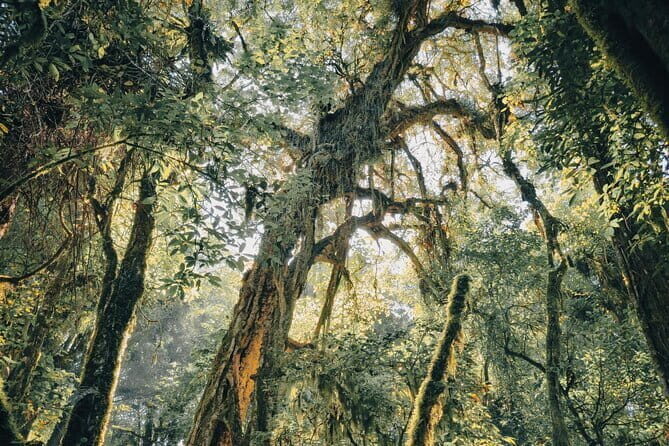
One drawback to plan for: this is an honest 3-4 am wake-up and a trek that can take a couple of hours up. It’s meant for moderate physical fitness, and the tour does not include a camera.

Key things to know before you go

Private Mt. Batur Sunrise Trekking - Key things to know before you go

  • Private means only your group: no mixing with strangers.
  • Flashlight and stick included: helpful for the dark climb.
  • Toya Bungkah hot springs right after: pools at different temperatures over Lake Batur.
  • Coffee and herbal tea tasting: learn how luwak coffee is made, then sample.
  • Tegalalang rice terrace stop: classic Bali scenery break.
  • Early start is real: the trek begins around 3–4 am.

Mount Batur sunrise from Ubud: why this combo works

Private Mt. Batur Sunrise Trekking - Mount Batur sunrise from Ubud: why this combo works
Bali does sunrise well, but Mount Batur is a special kind of early. You’re not just watching light hit the horizon. You’re climbing into the caldera area before most of the island is awake, then stepping straight into a nature-and-warmth day.

What I like about this setup is the pacing. After the trek, you get relief at Toya Bungkah Natural Hot Springs, with multiple pools so you can match the temperature to how your legs feel. After that, you shift to slower, more sensory stops: coffee and tea tasting, then a scenic break at Tegalalang Rice Terrace.

This is also a smart value format. For one set price per person, you get private transportation plus the key “big ticket” activities: the sunrise hike area, hot spring time, and the coffee/tea learning and tasting component. You are also covered with practical inclusions like breakfast, bottled water, and basic trekking support (stick and flashlight).

The 3–4 am trek and what the climb actually feels like

Private Mt. Batur Sunrise Trekking - The 3–4 am trek and what the climb actually feels like
The Mount Batur sunrise part typically starts around 3–4 am. From there, you’re looking at about 2–3 hours to reach the top, with the climb described as challenging. That’s not a scare tactic. It’s just the truth of a volcano sunrise trek: you’ll be working, not strolling.

The payoff is the panorama of the caldera area from the peak, timed for sunrise. If you’ve done other Bali early trips, you’ll notice the difference here. This one is physically structured around getting to the top in the right window, so the whole day feels like it has a center.

A practical tip: pack for a long morning even if you feel fine at pickup. Dark start hours plus a climb means your energy can dip. The tour does include breakfast, but you’ll still want to think like a hiker: steady pace, small steps, and don’t sprint to “beat the crowd,” because there isn’t really a crowd to beat on a private setup.

Gear, breakfast, and the guide vibe that makes or breaks mornings

Morning hikes are won or lost on small logistics. This tour checks a few of the boxes that matter when it’s still dark: you get a stick for balance and a flashlight for visibility. Parking fees are covered too, which keeps the morning smoother once you’re out of town and headed toward the volcano area.

Breakfast is included, along with bottled water. That’s a big deal because you’re leaving early, and you don’t want to start the climb thinking about where your next bite will come from. Plan to eat what you can and keep it simple.

On the guide side, Sudi’s name comes up repeatedly in the experience tone. The reviews paint him as talkative and friendly, with the kind of relaxed guidance that turns a hard schedule into a fun conversation. If your mountain guide also leans helpful and hands-on, you’ll feel more confident with each step—especially when the ground is uneven and the timing matters.
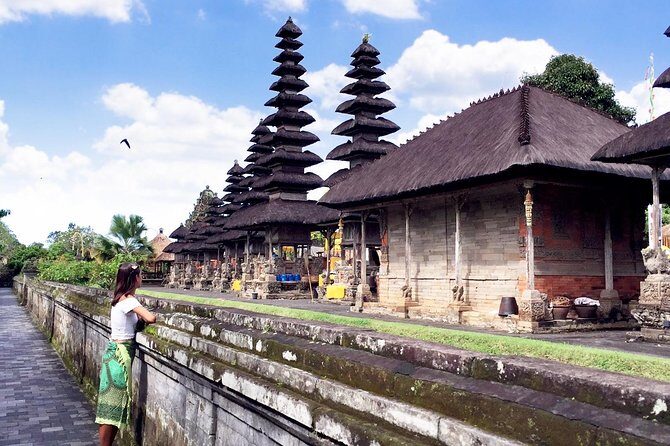
Toya Bungkah Natural Hot Springs: recovery with choices

Private Mt. Batur Sunrise Trekking - Toya Bungkah Natural Hot Springs: recovery with choices
After the hike, you move into Toya Bungkah Hot Spring, which sits near the climbing area. The best part here is that the hot spring experience isn’t one-size-fits-all. You can choose pools with different temperatures, so you can go gentle on sore spots or go hotter if you’re ready to loosen up.

You’ll also get useful comfort features: changing rooms, plus restaurants and spa services on site. That matters because sunrise treks can leave you hungry and a bit drained. Even if you keep it casual, having the option to grab food and reset your body makes the day feel complete instead of abruptly ending after the climb.

One detail that’s nice in the mental picture: the hot spring area overlooks Lake Batur. It’s not just “soak and go.” You also get an outdoor view while you recover, which makes the time feel like part of the experience rather than a rushed stop.

Abian Kusuma Sari Agrowisata: luwak coffee and herbal tea learning

Private Mt. Batur Sunrise Trekking - Abian Kusuma Sari Agrowisata: luwak coffee and herbal tea learning
Bali coffee culture can sound like a marketing story until you see how it’s explained. In this tour, you get a coffee plantation style stop at Abian Kusuma Sari Agrowisata, built around the process of making luwak coffee.

Here’s the core idea: luwak coffee is made from coffee beans that have been digested by civets. The experience is designed so you learn the journey from bean to cup, then taste different types of coffee and tea. The tour also includes herbal teas described as beneficial, so you’ll hear that angle too.

A small “expect this” note: tasting experiences work best when you go in curious, not picky. You’re not just buying a souvenir drink. You’re sampling as the story gets explained, which makes it feel more like a cultural stop than a quick shop.

Tegalalang Rice Terrace: a calm payoff after the hard part

Private Mt. Batur Sunrise Trekking - Tegalalang Rice Terrace: a calm payoff after the hard part
Once the early work is done, Tegalalang Rice Terrace is a great second-act stop. The rice terrace area gives you a slower rhythm after the climb and hot spring reset, and it’s an easy way to keep the day feeling distinctly Bali.

What you should do here is simple: take a breath and look at the pattern. Terraces are built around water management, elevation, and local farming practices. Even if you’re not a deep agriculture nerd, the visual logic helps you feel like you’re seeing how the island sustains itself, not just visiting a highlight.

Drawback-wise, rice terrace stops can become photo-focused. If you enjoy photos, great. If you don’t, treat it like a viewpoint break and focus on walking slowly and noticing the views and paths rather than trying to “win” the perfect shot.
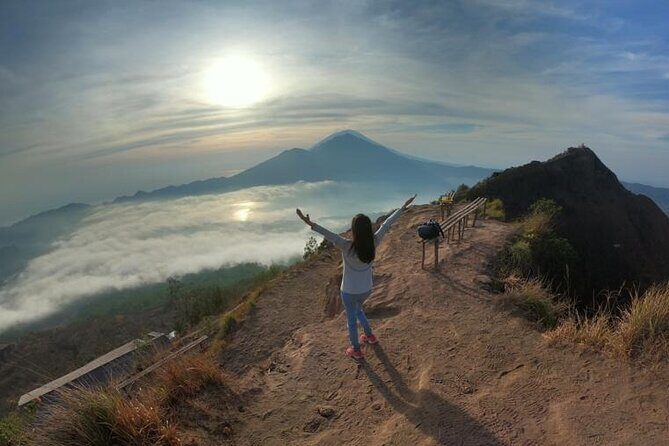
Price and logistics: what you’re really paying for

Private Mt. Batur Sunrise Trekking - Price and logistics: what you’re really paying for
At $21.28 per person, the value here comes from what’s bundled. You’re not just paying for the climb. You’re also paying for private transportation, parking fees, the ticket access item (ticket masuk), breakfast, bottled water, a stick, and a flashlight.

For a sunrise experience, this is where costs can quietly explode in other formats—separate transport, separate entry fees, and add-ons. Here, you get one package structure, which helps you budget without playing guess-the-extra-cost.

Two more practical notes:

  • The tour offers pickup, which reduces the stress of arranging your own ride at 3–4 am.
  • It’s private, meaning only your group participates. That matters because a small group tends to move with more flexibility, especially if your guide is pacing for comfort.

Also: mobile ticket is mentioned, so you should be ready to show it on your phone. The tour does not include a camera, so if you care about photos (and you’ll probably want them for the sunrise), bring your own or plan to use your phone.

Who should book this private Mount Batur sunrise tour

Private Mt. Batur Sunrise Trekking - Who should book this private Mount Batur sunrise tour
This is a strong fit if you want an organized sunrise day and prefer not to figure things out in the dark. It’s also ideal if you like variety: volcano views, hot spring recovery, a coffee/tea learning component, and a scenic rice terrace break in one go.

You’ll likely enjoy it most if:

  • you’re okay with an early start around 3–4 am
  • you have moderate physical fitness for a challenging 2–3 hour climb
  • you like guided structure, especially when timing matters for sunrise

You might want to think twice if you want an ultra-easy hike. The climb is described as challenging, and this isn’t positioned as a gentle walk. You’re investing in the experience because it’s work first, views second, hot spring third.
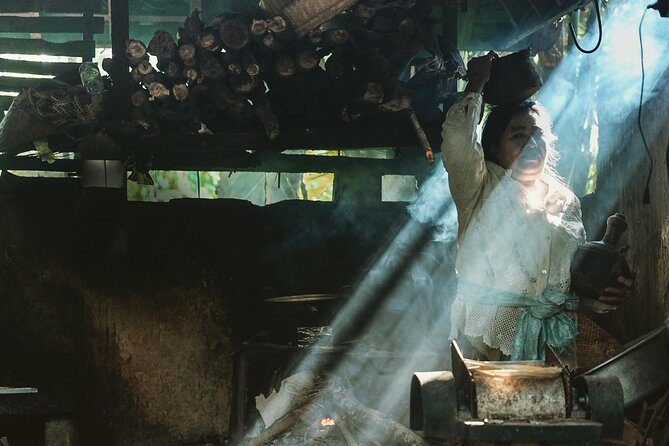
Should you book this private Mt. Batur sunrise experience?
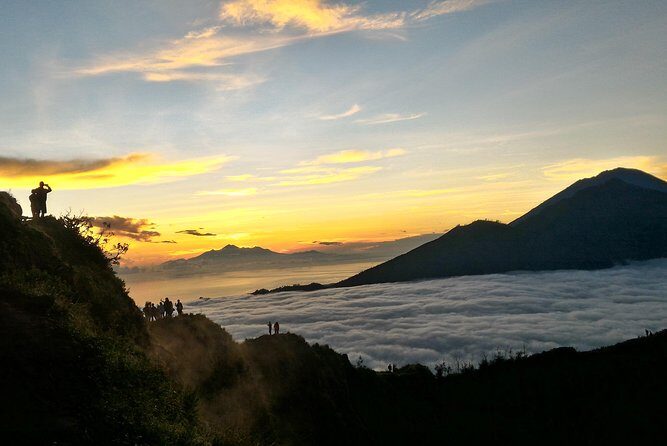
If you’re chasing a true sunrise moment and you want the day handled end-to-end, I’d lean yes. The package value is strong for what you get: private transport, sunrise hike support (stick and flashlight), breakfast and water, then recovery at Toya Bungkah Hot Spring, plus the coffee and tea learning and the Tegalalang scenery stop.

My main “decision check” for you is fitness and timing. If you can handle a challenging early climb starting around 3–4 am, this trip looks like a great way to see Mount Batur without turning your day into logistics.

FAQ

What is the meeting point for the tour?

The start meeting point is Volcano Side Bali Banjar, Jl. Serongga Jl. Bukit Catu No.Ds, Songan A, Kec. Kintamani, Kabupaten Bangli, Bali 80614, Indonesia. The tour ends back at this same meeting point.

How long does the experience last?

The duration is approximately 9 hours.

When does the Mount Batur trek start?

The trek usually starts in the morning around 3–4 am.

How long does it take to reach the top of Mount Batur?

The climb is challenging and takes around 2–3 hours to reach the top.

What stops are included besides the sunrise hike?

The tour includes Toya Bungkah Hot Spring, Abian Kusuma Sari Agrowisata, and Tegalalang Rice Terrace, along with the Mount Batur sunrise trek.

Is pickup included?

Yes, pickup is offered, and the tour includes private transportation.

What’s included for the hike and morning needs?

Included items are stick, flashlight, breakfast, and bottled water, plus ticket entrance (ticket masuk) and parking fees.

Is this a private tour?

Yes. It’s listed as private, so only your group participates.

Is a camera included?

No. A camera is not included.

Is free cancellation available?

Yes. You can cancel for free up to 24 hours in advance for a full refund.

If you tell me your travel dates and whether you’re hiking-fit or just “strong legs but cautious,” I can help you sanity-check whether the 3–4 am climb timing matches your style.