
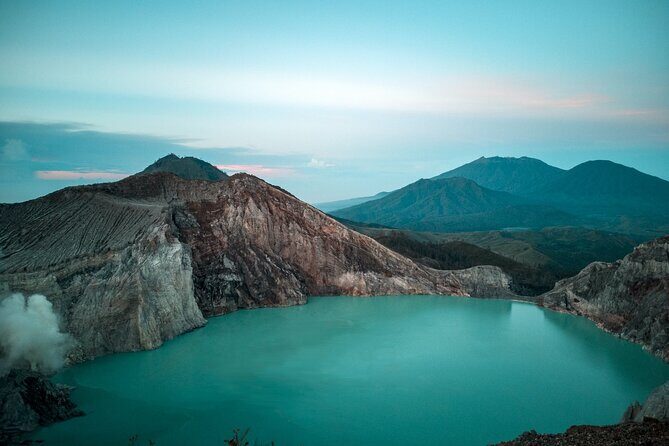
Mount Ijen Crater Trekking Tour from Bali
Blue flames at dawn are rare. This Mt Ijen trek is a long, night-before kind of trip that turns a distant volcano into something you can actually stand next to, in the dark. You’ll cross from Bali to East Java by ferry, hike to the crater before sunrise, and (weather permitting) chase the famous blue fire glow plus crater views at first light.
I really like that this is built for small groups, with a local guide on the mountain. You also get real-world support: safety guidance before you start, plus gear like a flashlight and a gas mask so you can focus on the trail. The main trade-off is simple: this is tough, overnight hiking with a long transfer day from Bali, so it’s not for everyone.
One more thing to plan around: depending on the group, you may have an extra wait before you roll out as everyone is collected and organized. If you show up early in the pickups and keep your expectations realistic, the rest of the experience feels focused on the crater, not the paperwork.
In This Review
- Key things you’ll notice on this Mt Ijen trek
- Bali to East Java, then straight onto the night hike
- Why the midnight timing matters
- The trek rhythm: 3 km to the summit in 1–2 hours
- Where the real effort shows up: the crater descent
- Gear and dress code that actually matter at Ijen
- Health basics you should take seriously
- Sulfur miners on the route: human scale, heavy work
- How this changes the way you view the volcano
- Blue fire at Mt Ijen: when it happens, and what to do with your photos
- Photo advice that fits what the tour gives you
- Breakfast, acid lake views, and why the crater viewpoint is the payoff
- The crater rules affect your viewpoint planning
- The descent, the return ferry, and the last meal on the trip
- Value check: is this worth about $153.85?
- Who should book this Ijen trek from Bali (and who should skip)
- Don’t book if you fall into these risk categories
- Quick practical tips before you go
- Should you book this Mt Ijen trek from Bali?
- FAQ
- What time does the tour start?
- How long is the Mount Ijen tour from Bali?
- Where does the tour pick up from in Bali?
- How many travelers are on the tour?
- What meals are included?
- What equipment do I receive for the trek?
- What should I wear and bring for Ijen?
- Are there age or health restrictions?
- How close can I get to the crater?
- Is the blue fire guaranteed?
Key things you’ll notice on this Mt Ijen trek
- Overnight Bali-to-Java ferry timing gets you to Ijen for pre-dawn, not late in the day
- Max 10 travelers keeps the mountain experience more personal
- Safety briefing + flashlight + gas mask helps you handle low light and hazardous conditions
- Sulfur miners close-up as you pass them on the route
- Weather affects the blue fire and your best photo moments inside the crater
Bali to East Java, then straight onto the night hike
This tour starts in South Bali with a hotel pickup in the late afternoon, with a 5:00 pm start time. You’ll head to Gilimanuk Harbor in West Bali, then cross the sea by ferry to East Java. The ferry route is a big part of the experience because it sets up the timing: you arrive around midnight and get moving quickly enough to reach the summit before dawn.
Once you land in East Java, you won’t spend the night doing sightseeing. The plan is functional: a direct transfer to the trekking start point, then a safety briefing and equipment handed out for the climb. That means you’re trading comfort for altitude, darkness, and the best shot at seeing the crater activity when it’s at its most dramatic.
Why the midnight timing matters
Reaching Ijen pre-dawn is what turns the trip from a normal hike into a once-in-a-lifetime volcano moment. You’ll be on the upper path when the sky is still dark and visibility is changing fast. If you’re hoping for the blue fire effect, timing and weather both matter, and this schedule is designed around that reality.
There’s one more reason the overnight format works: you’re not wasting daylight. By the time you’re finished, you’re back on the return ferry by late morning, with a lunch stop on the Bali side of the journey.
The trek rhythm: 3 km to the summit in 1–2 hours
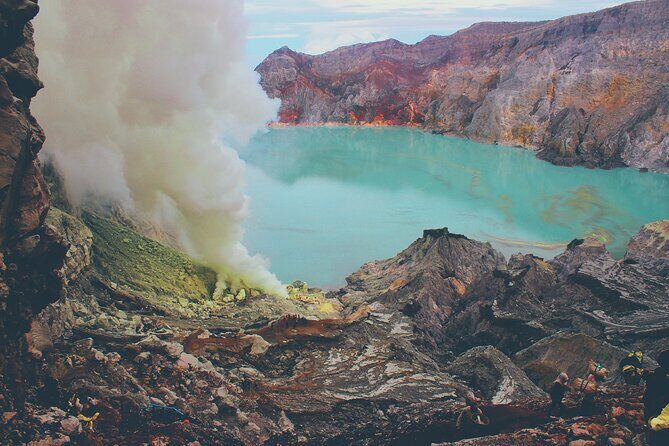
The climb itself is described as an approximate 1-mile (3-km) trek to the summit, taking about 1 to 2 hours depending on pace and conditions. It’s a mix of uphill and flatter sections, so it doesn’t feel like a single steep wall the whole time—but you’re hiking at night, with fatigue stacking up from the travel day.
What helps is that the tour isn’t pretending this is easy. You’ll get a briefing before you start, and you’ll have gear that makes the environment more manageable. A flashlight helps you keep your footing when the trail turns dark. The gas mask is there for a reason: conditions around the crater area are not like a normal viewpoint walk.
Where the real effort shows up: the crater descent
Ascending is only half the story. The descent into the crater area is often the more draining part, because you’re going down into harsher conditions with your energy already spent from the overnight schedule. Even if your legs handle the climb fine, you still need good control on the way down and when you’re moving near crater viewpoints.
The tour also emphasizes limits inside the crater area (more on rules below), which can keep people from wandering and make your route feel more structured. Still, bring the right mindset: this is a climb with endurance, not a casual stroll.
Gear and dress code that actually matter at Ijen
You’re recommended to wear long pants, sports shoes, a sweater (or similar layer), gloves, and a hat. The temperature can feel sharp during pre-dawn trekking, and the gas mask plus low light means you’ll want comfort and warmth. If you show up in thin clothing, you’ll feel it fast.
The crater rules are specific. You’ll need sport wear and hiking shoes, and you’ll follow mask/jacket/glove expectations. You’re also asked to carry your own medicine, and you’ll be kept to a maximum distance of 500 meters from the crater. That 500-meter limit matters for safety and access control, so it’s worth planning your photos and viewpoints with that restriction in mind.
You should also know what you’re not allowed to do:
- No throwing out rubbish or seed
- No throwing cigarette, and no doing fireplace activities
Health basics you should take seriously
This experience is not recommended for people with heart complaints, asthma, or other serious medical conditions. It’s also not meant for children aged 15 and under, with a minimum age of 16 years.
One unusual but important detail: you may be asked for a health certificate from a doctor, valid up to 3 days from the Ijen tour date. If you don’t have it, the provider says they may bring you to the nearest doctor. If you have any condition that affects breathing or exertion, talk with a clinician before you commit.
Sulfur miners on the route: human scale, heavy work
One of the most memorable parts is the chance to see sulfur miners up close on the trek. On the route, you may interact with workers carrying blocks of yellow sulfur weighing about 60–80 kg (132–176 pounds). They often transport the load using bamboo pole baskets across their shoulders.
This section of the experience is powerful because it’s not staged. You’re moving along with people who have done this work for years, often without safety equipment by the traditional mining methods described for the area. You’ll see how the whole system runs on stamina, balance, and routine in a harsh environment.
How this changes the way you view the volcano
Many volcano trips focus only on the view. Here, the crater is also an active workplace. That makes the blue fire moment feel even more intense because you’re standing in the same zone where people earn livelihoods day after day, navigating dangerous conditions while doing manual labor.
It’s also a reminder to take the tour’s safety instructions seriously. If you keep your pace, stay with the group, and follow the guide’s directions, you’ll get the most from the experience without adding stress to the team.
Blue fire at Mt Ijen: when it happens, and what to do with your photos
The headline moment is the natural phenomenon often called the blue fire of Mt Ijen. Your arrival at the summit is timed for before dawn, and the tour notes that seeing the blue fire depends on weather conditions.
Because it’s weather-dependent, don’t plan your day like it’s guaranteed. If the sky is clear enough and conditions cooperate, you’ll be able to witness the glow while it’s dark and the crater is active. If not, you’ll still get the atmosphere of the crater at first light and the mining scene—just without the same signature effect.
Photo advice that fits what the tour gives you
Bring your camera, and be ready for low light. The tour provides a flashlight, but your best images will likely come once you reach the crater viewing area. Once sunrise starts to build, you’ll get a change in contrast that helps reveal details inside the crater.
The tour also includes a return down and a later closer look with “fantastic photo ops” of the crater from the viewpoint. That means you’re not stuck only with the summit moment. Plan to take photos in batches: stop, breathe, shoot, then keep moving.
Breakfast, acid lake views, and why the crater viewpoint is the payoff
After reaching the summit area before dawn, you’ll stop for a light breakfast on the mountaintop. It’s not a big feast, but it does two important things: it helps your body reset after the climb and it gives you a clear moment to take in what you’ve come all this way to see.
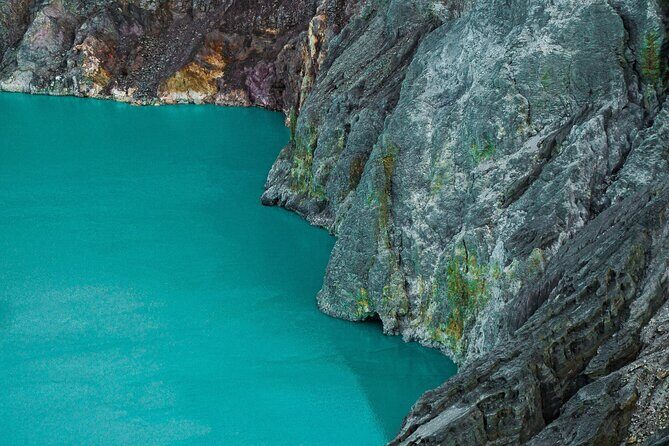
Then the tour shifts to the crater experience. You’ll go down with guidance for a closer look and viewpoint photos of Ijen Crater, described as Java’s largest acid lake. Even without blue fire, the crater interior is visually intense—wide, steep, and atmospheric. The guide’s role here is about timing and keeping you within the rules.
The crater rules affect your viewpoint planning
Because you’ll be limited to 500 meters from the crater, you’ll want to think like a photographer and a hiker. Don’t assume you can walk freely for the perfect angle. Instead, follow your guide’s instructions and use your time at the viewpoint to get the shots you want.
Also, keep an eye on your gear and comfort: jacket and gloves are recommended, and you’ll want to keep your hands warm when you’re stopped in cold pre-sunrise air.
The descent, the return ferry, and the last meal on the trip
After the summit and crater viewpoints, you’ll begin the descent. This is when stamina really becomes your limiting factor. You’ll need to pace yourself, watch your footing, and keep close to the group so your energy doesn’t run out before the route ends.
After the descent, you’re transferred to Banyuwangi Harbor for the late morning ferry back to Bali. The tour then ends with a lunch at a local restaurant before your hotel drop-off in the afternoon.
In practical terms, the day is long but it’s built to end with food and a clear finish line. You’re not left stranded without a plan once you come off the mountain.
Value check: is this worth about $153.85?
At about $153.85 per person, you’re paying for more than access to a volcano trail. You’re paying for a full overnight operation: hotel pickup and drop-off, ferry transport from Bali to East Java and back, guided trekking at Ijen, a driver who also acts as a cum guide from Bali to Banyuwangi, and included meals (light breakfast plus lunch).
You’ll also have the practical safety layer of equipment (flashlight and gas mask) and a structured schedule that pushes you into the pre-dawn window. If you were to try this independently, the time and logistics would be the real cost: getting to the harbor, managing night transport, and coordinating timing for the summit.
There are a couple of reasons it may not feel like value to everyone. If you’re not comfortable with long travel and physical strain, the trip can feel like more effort than reward. Also, if blue fire is weather-cancelled, you may feel you paid for a moment that didn’t fully deliver. Still, even when the blue fire is faint or absent, the miners and crater views are part of what you’re buying.
Who should book this Ijen trek from Bali (and who should skip)
This is best for people who are fit enough for an overnight hike and who don’t mind a long travel day. You should be comfortable walking in the dark and handling a cold start, then descending after a strenuous climb.
It’s a strong match if you care about:
- seeing the blue fire if conditions allow
- meeting sulfur miners and understanding the human side of the crater
- getting crater viewpoints on a tight schedule designed for sunrise
Don’t book if you fall into these risk categories
Skip if you have heart complaints, asthma, or other serious medical conditions. Also skip if you’re under the minimum age requirement, or if you’re dealing with limited mobility or low stamina.
If you’re someone who struggles with overnight effort, consider a different kind of volcano day trip. Ijen is extreme in the way it asks your body to work, not just in the way it looks.
Quick practical tips before you go
- Start the day with a realistic fitness level. The schedule is long and the climb plus descent is the core challenge.
- Pack warm layers even if you think you won’t need them. Pre-dawn air can be sharp.
- Follow crater rules closely, especially the 500-meter limit and no-smoking/no-fire type restrictions.
- Don’t count on a perfect blue fire. Weather can change what you see, even with the best timing.
Should you book this Mt Ijen trek from Bali?
If you want the Ijen experience in one package—ferry transfer, pre-dawn timing, a guided trek, and crater viewpoints—this tour format makes sense. The small-group size and the inclusion of safety support and basic meals keep it from feeling chaotic.
But if your number one goal is the blue fire and you’re not physically ready for an overnight climb, think twice. The volcano is incredible, yes, but it isn’t built for comfort. For the right fit—someone sturdy, prepared, and respectful of the environment—this is a memorable way to see Mt Ijen without getting lost in complicated logistics.
FAQ
What time does the tour start?
The tour start time is 5:00 pm, with hotel pickup in the late afternoon from South Bali areas listed for the tour.
How long is the Mount Ijen tour from Bali?
It runs for approximately 23 hours.
Where does the tour pick up from in Bali?
Pickups are available from selected hotels in Kuta, Legian, Seminyak, Jimbaran, and Nusa Dua.
How many travelers are on the tour?
The tour has a maximum of 10 travelers.
What meals are included?
A light breakfast and lunch are included. Dinner is not included.
What equipment do I receive for the trek?
You’ll receive a safety briefing and equipment including a flashlight and a gas mask.
What should I wear and bring for Ijen?
Wear long pants and hiking/sports shoes, plus a sweater layer, gloves, and a hat. A mask and jacket are part of the crater clothing expectations, and you should bring your own medicine.
Are there age or health restrictions?
Minimum age is 16. It is not recommended for children aged 15 and under. It is also not recommended for participants with heart complaints, asthma, or other serious medical conditions.
How close can I get to the crater?
You must stay within a maximum of 500 meters from the crater.
Is the blue fire guaranteed?
No. The blue fire depends on weather conditions. The tour also notes that Mount Ijen is closed on the first Friday of the month for cleaning.
More Tours

More Tour Reviews

More Kuta Tours
Kuta Tours: how the alternatives stack up
 ★ 5.0
★ 5.0Nusa Penida day trip: boat, 4 snorkeling, Manta rays & Land tour


The lists this tour appears in