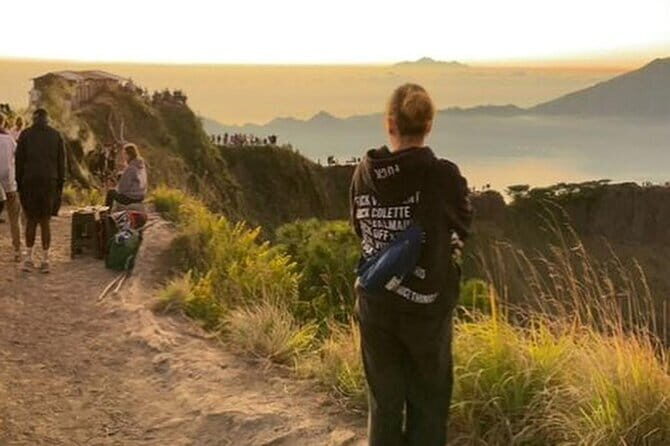
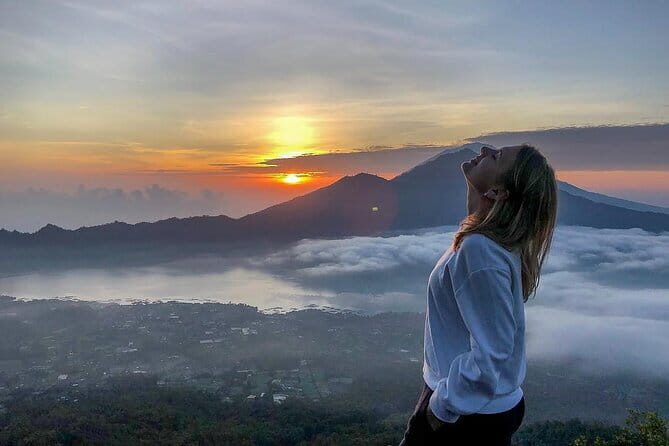
Mount Batur Trekking Admission Ticket

Mount Batur Trekking Admission Ticket - Timing That Matters: 3:30am Basecamp to Summit Morning

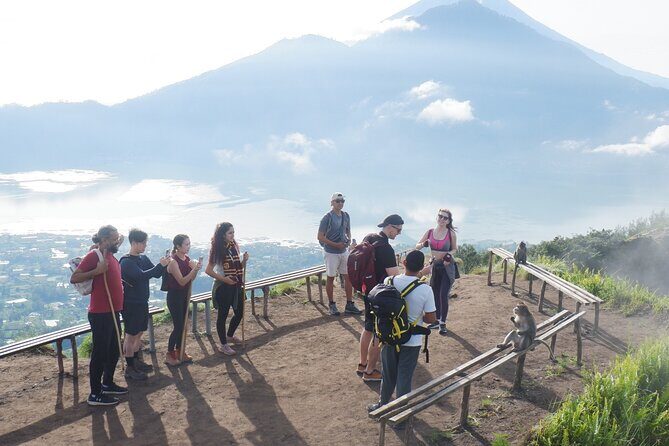
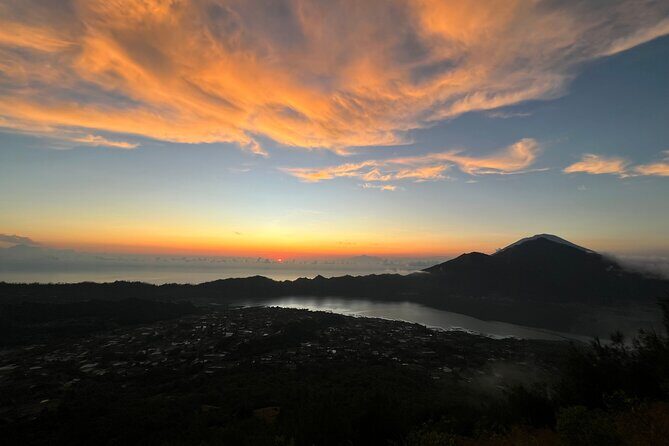
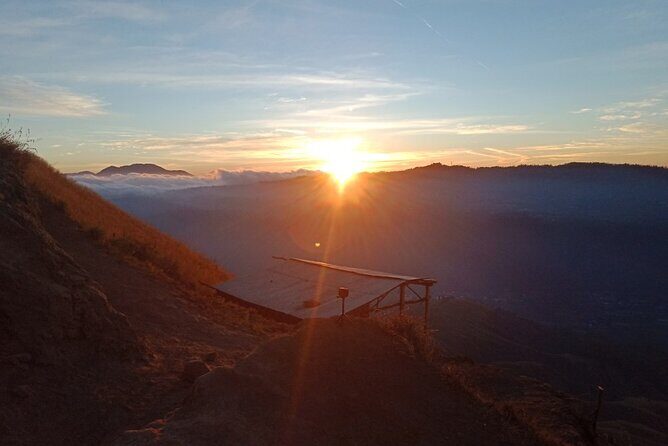
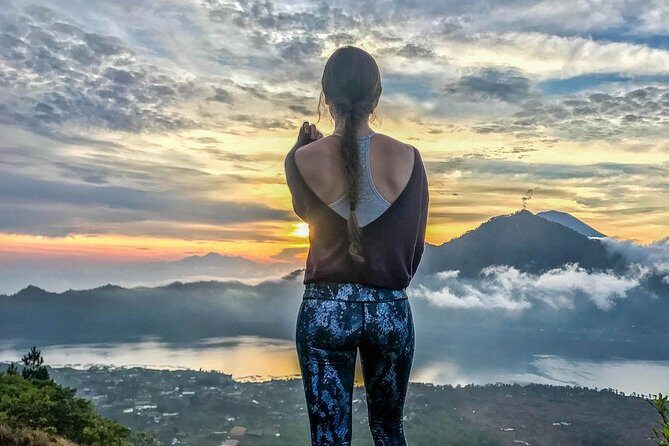
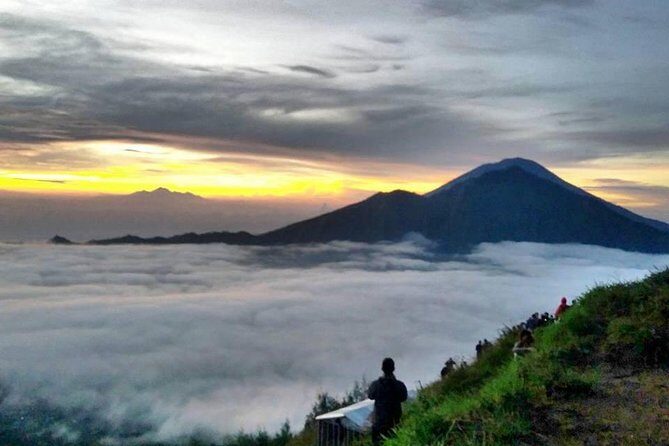
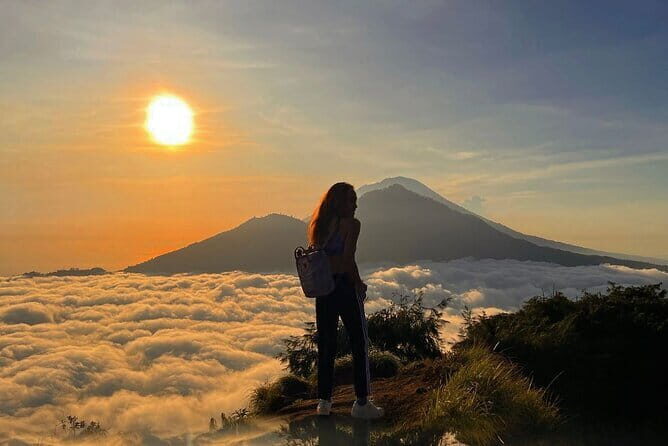
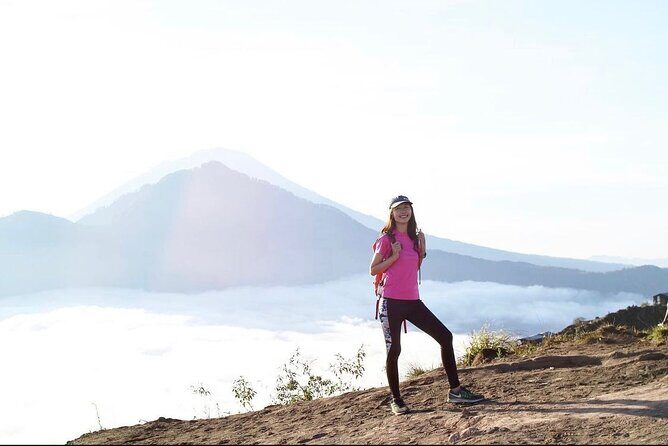
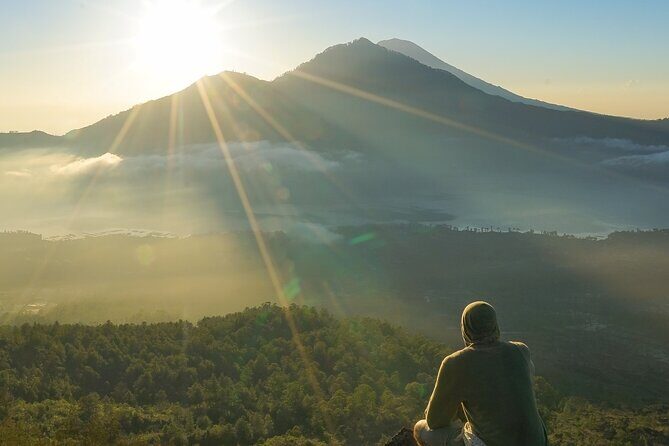
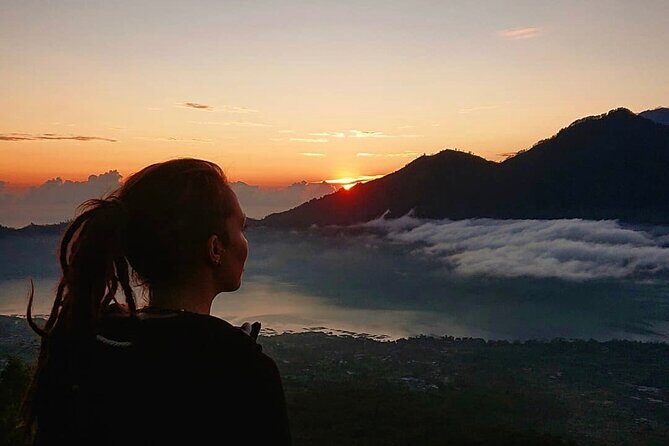
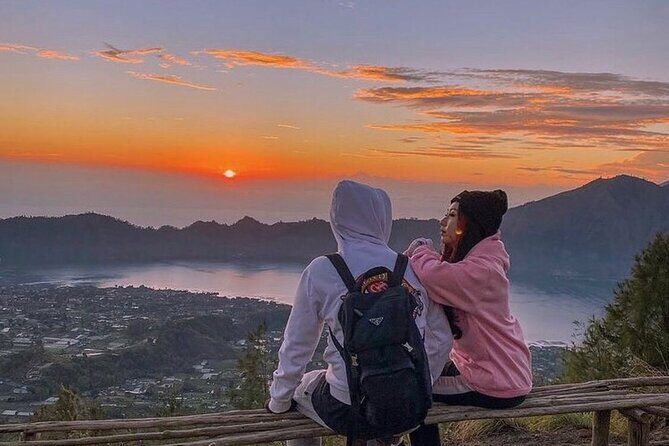
Mt. Batur is one of Bali’s best early mornings. You’ll climb in the dark to catch sunrise from the volcano summit, then refuel with included breakfast, coffee or tea, and bottled water. I especially like that you go with a licensed local guide and get breakfast included right when you need it most. The main drawback is simple: this is a steep, long hike and the start is very early.

You’re also not stuck in a huge crowd. The group size is capped at 4 travelers, and you’ll receive a mobile ticket plus trekking equipment at the briefing. One more consideration: the experience depends on good weather, so plan some flexibility in your Bali schedule.

Key Things You’ll Notice on This Mt. Batur Sunrise Trek

Mount Batur Trekking Admission Ticket - Key Things You’ll Notice on This Mt. Batur Sunrise Trek

  • Very early start: arrive at the basecamp start point at 3:30am
  • Small group: maximum of 4 travelers, so it feels controlled and personal
  • Licensed local guide: you’re trekking with a local pro (and you’ll get a proper briefing)
  • Included fuel and water: breakfast, coffee/tea, and bottled water are part of the ticket
  • Insurance included: you’re covered for the activity
  • Optional add-ons: you can include hotel transfers and an extra jeep tour

Why Mt. Batur Sunrise Is a Very Specific Kind of Bali Morning

Mount Batur Trekking Admission Ticket - Why Mt. Batur Sunrise Is a Very Specific Kind of Bali Morning
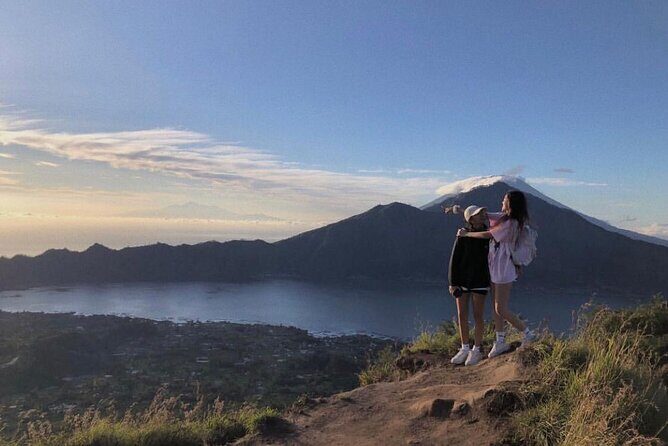
Mt. Batur is in north east Bali, above the Kintamani area. It sits inside one of the world’s most impressive calderas, measuring about 13.8 km by 10 km, with a lake inside the larger volcanic basin. What makes it feel special is that you’re not just climbing a hill—you’re moving through a giant volcanic bowl that rises roughly 700 m above the surrounding terrain.

Geology nerds will enjoy this part: Batur is a main cone with three summit craters, plus a smaller parasitic cone called Butus on the southwest slope. And the whole area is recognized as the Batur Global Geopark by UNESCO for both natural scenery and cultural significance.

If you like travel that’s active but still well organized, this fits. You get the sunrise payoff without having to piece together permits, a guide, and basic supplies on your own. And because the group is small, the mood tends to be calm rather than chaotic.

Timing That Matters: 3:30am Basecamp to Summit Morning

Mount Batur Trekking Admission Ticket - Timing That Matters: 3:30am Basecamp to Summit Morning
Here’s the deal with Mt. Batur: you’re not waking up for a sunset. You’re waking up for the actual moment the day turns. The schedule is built around meeting at the Batur basecamp start point at 3:30am, then getting a briefing and trekking equipment before you move.

At 3:45am, you meet your guide and receive equipment plus instructions. At 4:00am, the hike begins. From there, you’re on the mountain for about 5 hours total, with breakfast served while you’re watching sunrise from the summit.

If you’re staying in South Bali, you can add hotel transfers, but expect that pickup may be even earlier than the basecamp meet time. One write-up described a hotel pickup happening around 2:30am, which makes sense because you still need time to reach the start point and check in.

The practical takeaway: treat this as a half-day adventure with an all-night feel. Set expectations for early mornings, and don’t schedule anything tight right after—because you’ll be hungry, tired, and possibly a little foot-sore.

Licensed Guide, Trekking Equipment, and Included Insurance

Mount Batur Trekking Admission Ticket - Licensed Guide, Trekking Equipment, and Included Insurance
I like tours that take the uncertainty out of an adventure. This one gives you a licensed local trekking guide, and that matters on a volcano trek where timing and pacing are everything. Before you start, you’ll get a briefing and trekking equipment at the basecamp.

What you also get in the ticket price is more substantial than you might expect for a short tour:

  • Breakfast at sunrise
  • Coffee and/or tea
  • Bottled water
  • Insurance

That insurance line is worth noticing because it signals the activity is being run as a real guided trek, not just a casual walk.

What’s not included is also clear: hotel transfer (optional), guide tips, and personal expenses. If you’re traveling on a budget, you’ll want to keep tips in mind so you’re not caught short at the end.

The Trek Itself: Steep, Long, and Totally About Pacing

Mount Batur Trekking Admission Ticket - The Trek Itself: Steep, Long, and Totally About Pacing
This hike isn’t marketed as a gentle stroll, and you shouldn’t treat it like one. The experience is described as requiring moderate physical fitness, and the general impression is that it’s steep and long. If your hiking style is slow-and-steady, you’ll likely be comfortable. If you want a flat, easy walk, you’ll feel it fast.

The route is designed for summit timing. You’ll climb from basecamp toward the top so you arrive in position for sunrise. Once you’ve had your summit morning, you’ll head back down to finish at the same meeting point.

Why pacing matters here:

  • You’re hiking in the dark and still need good footing.
  • A steep climb is where people blow energy too early.
  • A guide can help you manage stops and breath without turning the trek into a slog.

The volcano setting adds real texture. You’re not just hiking beside a view—you’re trekking through an area defined by caldera walls and volcanic features, including multiple summit craters in the main cone and the parasitic cone Butus in the southwest. Even if you don’t memorize the geography, you’ll feel like you’re moving through a specific, dramatic environment.

Sunrise Breakfast: The Part You Actually Remember

Mount Batur Trekking Admission Ticket - Sunrise Breakfast: The Part You Actually Remember
Most volcano treks have a climb and then a view. This one adds a second payoff: a proper breakfast at sunrise, with coffee and/or tea and bottled water included.

That timing is the sweet spot. Climbing early is tiring, and breakfast right at the moment the sky turns gives you a reset. It also changes the vibe of the summit from rush-rush-rush to pause-and-enjoy.

One practical thought: eat before you get too full of adrenaline. If you tend to forget your stomach during hard effort, you’ll be glad the tour plans the meal right into the experience.

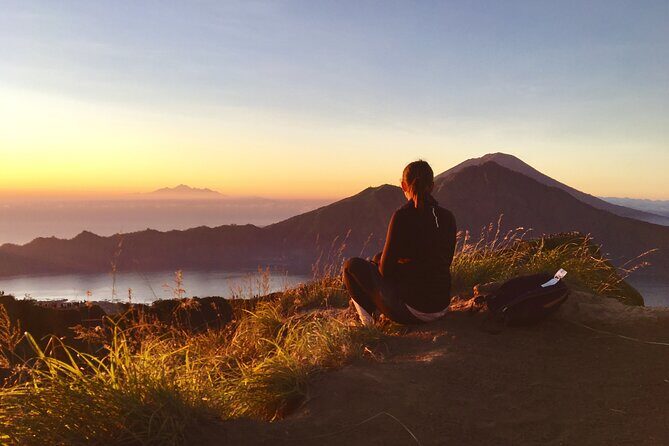
And yes, the view is the point. You’re on the summit of Mt. Batur inside a UNESCO-recognized geopark, looking over a volcanic caldera setting that’s large enough to feel like a landscape by itself.

Getting Back Down: What to Expect After the Summit

Mount Batur Trekking Admission Ticket - Getting Back Down: What to Expect After the Summit
After sunrise and breakfast, you’ll return down the mountain. The total duration is listed at about 5 hours, so this isn’t an all-day marathon, but it still means you’ll spend a lot of that time on your feet.

The descent is often harder than people expect, because your legs work differently going downhill. If you’re prone to shin or knee discomfort, keep your pace smooth and let your guide set the rhythm.

A helpful detail: the experience ends back at the meeting point, so you’re not dealing with extra transfers unless you added them. You can then decide what to do with the rest of your morning based on how you feel.

Optional Hotel Transfers and Jeep Tour: Pay for Ease or Keep It Active

Mount Batur Trekking Admission Ticket - Optional Hotel Transfers and Jeep Tour: Pay for Ease or Keep It Active
You can add hotel transfers, and you can also add on an additional jeep tour. These are the two main ways you can tune the experience to your energy level and where you’re staying.

Transfers tend to be worth it when:

  • your hotel is in South Bali and you don’t want to figure out the early arrival timing
  • you prefer fewer moving parts before sunrise

The jeep add-on can be a good option if you want more of the scenic experience without extending the trek time. But if you like the full walking experience and want the most active version, you can skip extras and keep it simple.

Either way, don’t forget that guide tips and personal expenses are not included, so build a little buffer into your budget.

Price and Value: Is $57.90 a Good Deal?

Mount Batur Trekking Admission Ticket - Price and Value: Is $57.90 a Good Deal?
At $57.90 per person, this is priced like a structured, guided sunrise trek that includes more than just the climb. The ticket includes the licensed guide, trekking equipment, breakfast, coffee/tea, bottled water, and insurance.

Here’s how I think about value on trips like this:

  • If you had to buy food and basic supplies separately, the included breakfast and drinks reduce your total out-of-pocket cost.
  • If you had to find a reliable guide yourself, the guide and insurance included becomes part of what you’re paying for.
  • The small group size (up to 4 travelers) helps you get a better experience without the stress of being lost in a crowd.

Then there are the trade-offs. You still need to handle early-morning effort, and the hike isn’t easy for everyone. Also, hotel transfers and tips can add to your final cost if you choose them.

Still, for a sunrise trek with meals and insurance bundled into the price, the value looks fair—especially if you want the day start organized for you.

Who This Mt. Batur Trek Suits Best

This is best for you if:

  • you’re willing to get up very early and start at the basecamp around 3:30am
  • you can handle a steep, long trek with moderate fitness
  • you like guided experiences that include food, water, and safety coverage
  • you want a smaller group feel, not a mass tour

It’s less ideal if you want a relaxed morning, dislike steep climbs, or have limited mobility. If you’re unsure about fitness level, treat the moderate requirement as real—not as a suggestion.

It also fits photographers and view-chasers, since sunrise is the whole point. And if you enjoy volcanos and geoparks, Mt. Batur’s UNESCO recognition and caldera setting make the experience feel grounded in more than just scenery.

Quick Expectations: Weather and Comfort Tips That Matter

The experience needs good weather. If it’s canceled due to poor weather, you’ll be offered a different date or a full refund. That’s a key point because sunrise quality depends on conditions, and the operator is clearly prioritizing safe timing.

Comfort-wise, you can plan like this:

  • Wear proper hiking shoes and clothing you can move in.
  • Bring a calm attitude for early hours and steady hiking pace.
  • Expect that you’ll need energy and that the tour provides breakfast for the payoff.

Also, remember that the meeting point is at Songan A, Bangli Regency area, and the start point is specifically listed. If you’re not adding transfers, you’ll want to ensure you can get there on time.

Should You Book This Mt. Batur Sunrise Trek?

Book it if you want a guided sunrise volcano hike with breakfast included, a licensed local guide, small-group comfort, and insurance baked into the price. The $57.90 cost makes more sense when you compare it to paying separately for food, guidance, and safety coverage.

Skip it if you know you won’t handle a steep, long climb, or if your schedule can’t handle the extreme early start. Sunrise hikes also mean weather matters, so if you’re tightly booked and can’t flex, you might want a backup plan.

In short: this is a classic Bali bucket-list morning done with real structure. If your body is up for the climb and you’re excited about the sunrise payoff, it’s a smart way to spend a half day in Kintamani’s volcanic world.

FAQ

What time do I need to arrive for Mt. Batur sunrise trekking?

You need to arrive at the Batur basecamp start point at 3:30am.

How long is the trek?

The total duration is about 5 hours.

How much does the Mount Batur trekking admission ticket cost?

The price is $57.90 per person.

What does the ticket include?

It includes breakfast, coffee and/or tea, a licensed local trekking guide, bottled water, and insurance.

What’s the meeting point for the tour?

The meeting point is listed at 6P3QQ99X+2C7Q99X+2C7 Songan A, Bangli Regency, Bali, Indonesia.

Can I add hotel transfers or a jeep tour?

Yes. You can add hotel transfers and also add an additional jeep tour.

Is free cancellation available?

Yes. You can cancel up to 24 hours in advance for a full refund. If canceled less than 24 hours before the experience start time, the amount paid is not refunded. If the experience is canceled due to poor weather, you’ll be offered a different date or a full refund.

Mount Batur Sunrise Trekking Option

Mount Batur Sunrise Trekking Option - The dark climb: flashlight, trekking poles, and smart pacing

Mount Batur at sunrise beats most Bali beaches. This guided volcano hike is timed for a calm, dark climb, then an eye-filling sunrise over the crater and lake views. I love that the tour builds in a full payoff: summit timing plus an included breakfast with volcanic-steam egg. The only real drawback is practical: you’ll need to bring your own jacket and trekking shoes, because early-morning weather can feel chilly.

What makes this one work is the human part. I’ve seen this trip run with guides like Eko, who’s focused on helping you stay steady in the dark and explaining the mountain and Bali culture along the way. There’s also a recurring pattern of strong service from the team, including names like Jero and Made showing up in other hikers’ notes—so if your guide is on-point, the whole experience feels smoother.

Still, be honest about the effort. The hike is described as moderate, but the start is around 3:45 am and you’re climbing at night. If you’re not feeling steady on your feet, or you’re not comfortable with early starts, you’ll feel it more than you’d like.

Key highlights that actually matter

Mount Batur Sunrise Trekking Option - Key highlights that actually matter

  • 3:45 am launch from Mount Batur with a flashlight-style summit climb and trekking poles
  • Included breakfast: hot tea/coffee, banana sandwich, hard-boiled egg cooked in volcanic steam, seasonal fruits, chocolate
  • Stars view on the ascent during the dark portion of the trek
  • Easy “pass-by” scenic stops at Kintamani Highland and Kintamani Plateau (about 10 minutes each)
  • Coffee tasting at Satria Agrowisata (most tastings are free; Luwak costs 50K)
  • Private setup for your group with an air-conditioned vehicle and pickup options

Mount Batur at 3:45 am: why the alarm is part of the deal

Mount Batur Sunrise Trekking Option - Mount Batur at 3:45 am: why the alarm is part of the deal
You’re signing up for an early-morning mission. The hike begins at the base of Mount Batur around 3:45 am, and the goal is to reach the summit area before sunrise shifts the sky. That timing is the whole point: the colors build slowly, and the crater views look totally different than daytime views.
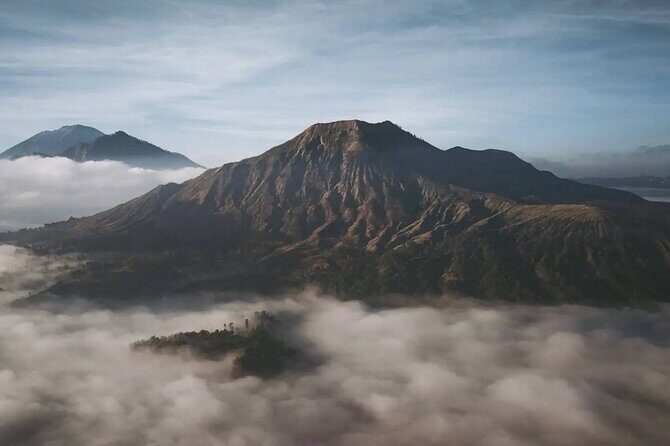
Here’s why I like this schedule. You’re not fighting midday heat or crowds. You’re also watching the sun come up over a landscape that feels dramatic even before you reach the top. The night climb also gives you the chance to see a sky packed with stars—exactly the kind of moment that makes the early start feel worth it.

One more practical note: sunrise in the mountains can feel cooler than you expect. The tour lists items like jacket as something to bring, so I’d plan to dress in layers and treat comfort as part of the strategy.

The dark climb: flashlight, trekking poles, and smart pacing

Mount Batur Sunrise Trekking Option - The dark climb: flashlight, trekking poles, and smart pacing
The ascent happens in the dark, which means you’re walking by headlamp/flashlight guidance and dealing with uneven ground. That’s why the tour includes trekking equipment. It also specifically mentions flashlight and hiking poles for the summit portion, which is a big deal for stability when visibility is low.

The climb is described as about 2 hours or less to reach the summit. That shorter time window matters because you don’t want to feel like you’re suffering for half your life before anything good happens. You’ll likely get small breaks during the hike, which helps you keep a steady rhythm instead of burning out too early.

You don’t need to be an athlete, but you do need a basic comfort with steep steps. The tour frames it as moderate fitness. If you’ve got knee issues or you hate uneven footing, consider that before you book. Also, the tour is not recommended for travelers on menstruation period, so if that applies to you, skip this one.

Summit sunrise plus breakfast: the payoff is built in

Mount Batur Sunrise Trekking Option - Summit sunrise plus breakfast: the payoff is built in
Reaching the top is only half the story. The other half is the breakfast, served while you’re watching sunrise change the colors of the sky. This is where the value shows.

Breakfast is listed as included, and it’s not a token snack. Expect hot tea or coffee, a banana sandwich, a hard-boiled egg cooked in volcanic steam, plus seasonal fruits and chocolate. That volcanic-steam egg is the kind of detail that feels both practical and memorable because it’s tied to the setting, not just the menu.

I also like how the guide angle shows up here. In other people’s experiences with guides like Eko, they didn’t just bark directions; they helped explain what you’re seeing and connected it to Bali’s culture and Mount Batur’s background. If your guide takes time to talk, the summit feels less like a rush-through and more like a story you can stand inside for a few minutes.

One caution: mornings can shift fast. If you’re planning photos, remember you’ll be wearing a jacket and maybe gloves. Bring your camera if you want it, but the tour says camera isn’t included, so plan on having your own gear and protecting it from early-morning chill.

Kintamani Highland and Plateau: quick views that don’t eat your day
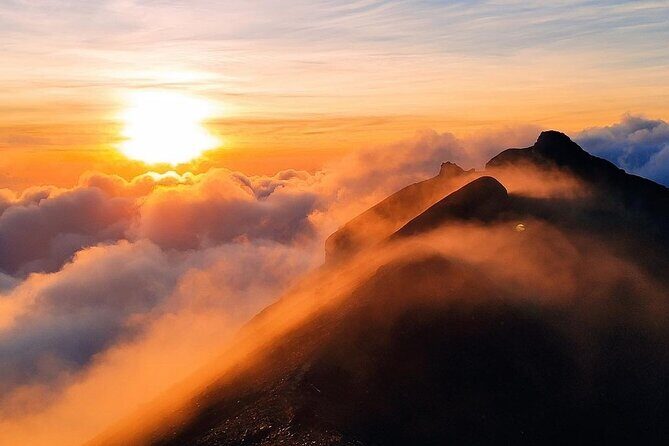
Mount Batur Sunrise Trekking Option - Kintamani Highland and Plateau: quick views that don’t eat your day
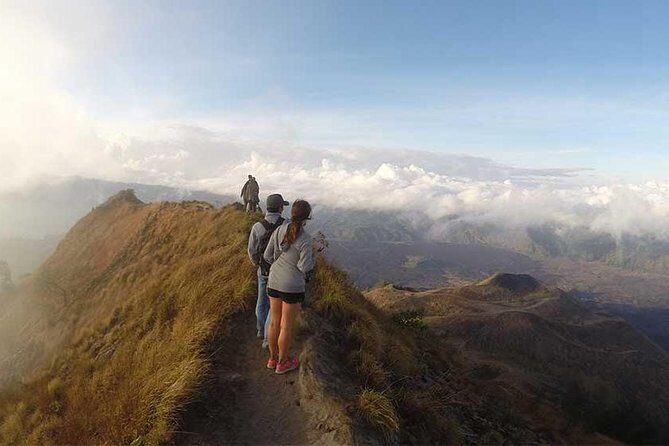
After the climb, the itinerary doesn’t pretend you’ll be up for a big sightseeing marathon. Instead, you get short scenic stops where you can breathe, look around, and take a few photos.

The tour mentions passing Kintamani Highland and Kintamani Plateau, with a 10-minute stop at each. It also notes these are essentially the same area—so you’re not losing time to a repeat. You’re getting a “step out, stretch, glance, move on” rhythm after the physical effort.

What makes this smart for your energy is that it respects the fact you just did a night hike. These breaks can help you reset, and they can be useful if you want to see the bigger map of the region—then get back on the road.

If you love deep sightseeing, you might wish these stops were longer. But for a sunrise hike day, this pacing is usually the difference between a fun day and a grumpy one.

Satria Agrowisata coffee tasting: a calm 45 minutes (with one paid upgrade)

Mount Batur Sunrise Trekking Option - Satria Agrowisata coffee tasting: a calm 45 minutes (with one paid upgrade)
If you’re a coffee person, the Satria Agrowisata stop is one of the easiest “yes” moments in the whole day. You visit a coffee plantation and do a tasting session.

The tour format is simple: you learn about coffee and herbs, then taste multiple types. It also makes the pricing clear—one Luwak coffee costs 50K, while the rest of the tasting is free. If you’re curious, that paid upgrade can be fun. If you’re not into it, you can skip that one and still get the value from the rest of the session.

This stop also works because it’s not physically demanding. After the trek, you’ll appreciate sitting down, sipping something warm, and letting your legs recover a bit before the return trip.

The return route: Tirta Empul and possible Tegalalang passing views
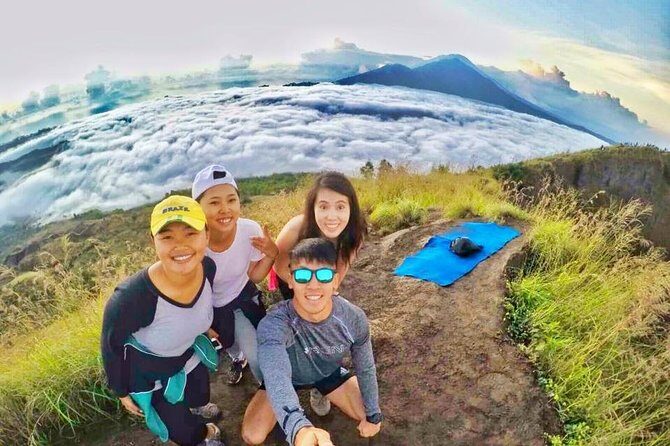
Mount Batur Sunrise Trekking Option - The return route: Tirta Empul and possible Tegalalang passing views
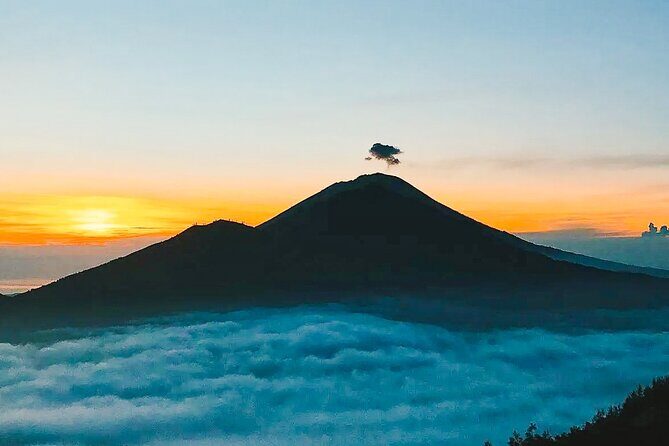
On the way back, the tour includes time to pass Tirta Empul, a well-known water temple area. It’s listed as a pass-by during the return, so treat it as a sighting rather than a guaranteed full visit.

There’s also a conditional pass: if the route goes through Tegalalang, you’ll pass the Tegalalang Rice Terrace as well. Again, think of it as a “look from the road and enjoy the views” moment, not a structured time on-site.

I like having these scenic passes because they add variety without turning your recovery day into a second tour. If you want temples or terraces more deeply, you’d plan those as separate activities. But as a bonus view on the way back, it’s a nice touch.

Pickup, duration, and what you truly get for $59.94

Mount Batur Sunrise Trekking Option - Pickup, duration, and what you truly get for $59.94
This is priced at $59.94 per person, and the value is strongest when you compare it to what’s included. You get:

  • Air-conditioned vehicle
  • Trekking equipment and entrance fees
  • Breakfast (details above)
  • A guided sunrise trek experience designed around the early start

The biggest “cost you control” isn’t the tour price—it’s what you bring. The tour lists jacket, sunblock, and trekking shoes as not included. It also mentions camera isn’t included. So if you show up without proper footwear, you’re likely to feel it on the hike.

Pickup is offered, and it depends on where you’re staying. The info lists Seminyak as the location, with pickup from Amed, Tulamben, Lovina, and Balian Beach available for an added $10 extra per person. Other areas may be possible, but those are the explicit ones given.

Duration is listed as 8 to 10 hours total. That’s normal for a sunrise trek day in Bali, but it’s still a long stretch. Plan the rest of your day lightly. This is not the time to stack a dinner reservation and a late-night activity right after.

Who should book this sunrise trek (and who should skip it)

Mount Batur Sunrise Trekking Option - Who should book this sunrise trek (and who should skip it)
This experience fits best if you want your Bali day to include a real physical challenge and a big visual payoff. I’d especially recommend it if you:

  • Like early starts when the world feels quiet
  • Want the stars + sunrise combo, not just a generic “scenery stop”
  • Appreciate a guide who helps you understand what you’re looking at
  • Prefer a full set of included basics like breakfast and equipment

It may not be a fit if you:

  • Hate steep uneven terrain
  • Don’t want to bring a jacket and trekking shoes
  • Need to avoid this activity during menstruation period (it’s stated as not recommended)
  • Are hoping for long temple-style sightseeing blocks during the day (many points are pass-by or short stops)

Also, the tour notes it’s private for your group. That can be a big plus if you want a calmer experience rather than constant crowd motion. Still, even in private mode, you’ll be moving at the trek pace.

Should you book Mount Batur Sunrise Trekking?

I think you should book it if you want one standout Bali morning that feels earned. The combination of dark climb + stars + included summit breakfast is the kind of package that doesn’t depend on luck. It’s also a solid value at $59.94, especially since equipment and entrance fees are included and the food is more than a cookie-and-water situation.

Skip it if you’re not comfortable with a 3:45 am start and a moderate hike on uneven ground. And if you’re expecting a long, temple-and-terrace tour afterward, set your expectations for what the itinerary really is: mostly sunrise, then short scenic stops, plus a coffee plantation break.

If you do book, plan your kit like you’re actually going hiking: jacket + trekking shoes + sun protection. That’s the difference between tough but fun… and tough and miserable.

FAQ

What time does the trek start?

The hike begins around 3:45 am at the base of Mount Batur.

How long is the Mount Batur hike to the summit?

The tour says the climb takes 2 hours or less to reach the summit, with opportunities to take breaks on the way up.

Is breakfast included?

Yes. Breakfast is included and includes hot tea or coffee, banana sandwich, a hard-boiled egg cooked in volcanic steam, seasonal fruits, and chocolate.

What trekking items are included?

The tour includes trekking equipment, plus it mentions flashlight and hiking poles for the dark summit climb.

What should I bring myself?

You should bring a jacket, sunblock, and trekking shoes. The tour also suggests a spare t-shirt, hat, and gloves if available.

Is pickup included?

Pickup is offered, but it depends on your area. Pickup from Amed, Tulamben, Lovina, and Balian Beach costs an extra $10 per person.

How long is the full tour day?

The total duration is about 8 to 10 hours.

What stops happen after the trek?

After the hike, you pass Kintamani Highland and Kintamani Plateau with short stops (around 10 minutes each), then visit Satria Agrowisata (about 45 minutes).

Is Luwak coffee included?

Luwak coffee is not fully included as a free tasting item. The tour states one Luwak coffee costs 50K, while other tastings are free.

Is the tour private?

Yes. It’s described as private for your group, meaning only your group participates.

What fitness level is required?

The tour recommends moderate physical fitness. It’s also stated as not recommended for travelers on menstruation period.

Mount Batur Sunrise Sharing Hike With Breakfast

Mount Batur Sunrise Sharing Hike With Breakfast - The trek to the crater: what the guided climb actually feels like

Waking up before sunrise is the point here.

This Mount Batur sunrise hike with breakfast is built around a very early start, a guided climb to the summit crater, and that dramatic first light over Bali. I especially like the included egg breakfast cooked in volcanic steam, and the door-to-door comfort that keeps the day from turning into a taxi scavenger hunt. One drawback to keep in mind: you’re getting picked up in the dark, so if early mornings aren’t your thing, your motivation will need to be.

The guide team is the other big win. Guides from the Bali Kadek Private Tour Driver group, including people named Bagus, Wyan, and Cadek in past experiences, are praised for being friendly and for helping with practical tips along the way. The pace is active and you’ll be climbing in pre-dawn conditions, so bring a warm layer and plan for a workout, not a stroll.

Key things to know before you go

Mount Batur Sunrise Sharing Hike With Breakfast - Key things to know before you go

  • Door-to-door pickup from your hotel area, with a stated Ubud pickup around 02.45 (and earlier for other areas).
  • Summit timing: you reach the crater viewing area around 06.15 for the sunrise moment.
  • Breakfast included with refreshments described as eggs boiled in volcanic steam.
  • Coffee plantation stop after the hike before heading back to your hotel.
  • Vegetarian option available if you request it at booking.

Mount Batur sunrise timing: how the 2 a.m. pickup works

Mount Batur Sunrise Sharing Hike With Breakfast - Mount Batur sunrise timing: how the 2 a.m. pickup works
This tour is designed around one thing: sunrise at Mount Batur. Expect a very early pickup—about 01.30 from your hotel area is listed, with Ubud pickups specifically noted as 02.45. That means you’ll go from hotel sleep to mountain trek fast, with no time to “wake up gradually.”

This schedule is exactly why the experience feels special. The mountain is quiet before most of Bali wakes up, and you’re climbing while the air is cool and the views are still forming. If you’re prone to scrambling for logistics, this kind of structured timing is a real stress reducer.

One practical tip: wear layers. Even if Bali feels warm later in the day, pre-sunrise at elevation can feel chilly, and you’ll be out in the early morning air for hours.

The trek to the crater: what the guided climb actually feels like

Mount Batur Sunrise Sharing Hike With Breakfast - The trek to the crater: what the guided climb actually feels like
You arrive at the starting point roughly around 03.45, then get an introduction and a safety briefing from an experienced hiking guide. The program notes that the hiking guides are associated with Mount Batur trekking guides, which matters because this route is about timing and footing as much as it is about views.

At 04.00, you begin the climb. The big thing here is that you’re not hiking alone. You’re moving with a guide who can keep the group together and manage the stops, so you can focus on your pace instead of navigation.

The first major payoff is the crater viewpoint at around 06.15. That’s when you’re set up to watch the sunrise and see the volcanic scenery in full light. If you’ve ever arrived somewhere after the best part is already gone, you’ll appreciate how tightly this timing is built.

Eggs in volcanic steam: the breakfast moment you’ll remember

Right when you reach the summit crater area, the program describes enjoying refreshments—eggs boiled in volcanic steam. That’s not a generic breakfast add-on. It’s a very Batur detail: you’re literally eating something prepared using the heat of the volcano.

If you’re curious about how that works, this is the moment where you can watch the steam action and then taste it. It’s simple food, but the setting makes it memorable.

This also helps you understand why the tour includes breakfast in the first place. You’re high up and active early, so having something included keeps the day from turning into “hunt for snacks during a hike.”

After the sunrise: the full crater walk and return timing

Mount Batur Sunrise Sharing Hike With Breakfast - After the sunrise: the full crater walk and return timing
Sunrise happens around 06.15, then the itinerary continues with time to trek onward around the crater. Around 07.00, you continue trekking around the entire crater and toward the finishing point.

Then you reach the finish point around 09.00 and board the car. That means your main climb is concentrated in the morning, with the rest of the day shifting into sightseeing and return travel.

This pacing can be a plus if you like a clear split between effort and downtime. You get the hard part done early, and you’re back on the road before midday chaos sets in.

Ubud culture and nature adds: terraces, waterfall, coffee, and kecak

Mount Batur Sunrise Sharing Hike With Breakfast - Ubud culture and nature adds: terraces, waterfall, coffee, and kecak
This experience is based in the Ubud area, and the wider program overview is all about mixing nature sights with Balinese culture. Along with the Mount Batur highlight, you’re set up to visit places like Tegalalang Rice Terrace and Tegenungan Waterfall, plus a coffee plantation stop.

The coffee part is clearly built into the Mount Batur day. The itinerary calls out a balinese coffee plantation stop around 10.00, which gives you a mid-morning break after the hike. You also get to see coffee being grown and sample the finished product, which is a nice change from just looking at scenery.

Then there’s the cultural layer: the overview includes watching a traditional kecak fire dance performance in Batubulan, noted as an own-expense add-on. If you choose to add it, plan for it as a separate cost and a separate time commitment after your morning return.

What I like about pairing these sights on one day is flow. The rice terraces and waterfall give you classic Ubud scenery after the volcanic drama. The coffee stop adds something interactive. And the kecak performance brings in an evening-style cultural feel, even if it’s tacked on at your own expense.

Guides, drivers, and door-to-door transfers that reduce friction

Mount Batur Sunrise Sharing Hike With Breakfast - Guides, drivers, and door-to-door transfers that reduce friction
The tour is described as private guiding and transfers with door-to-door round-trip pickup and drop-off. That matters in Bali more than people expect. When you’re doing a dawn trek, the wrong pickup time or a slow connection can ruin the sunrise window.

In past experiences with the Bali Kadek Private Tour Driver team, guides have been praised for friendliness and for being helpful beyond just driving. People name guides like Bagus and Wyan and mention practical touches like helping as a photographer and sharing interesting stories about local life.

Also note the program says the hike may be operated by a multi-lingual guide. If you’re traveling with someone who needs clearer communication, that’s a helpful checkbox.

One more logistics detail: you’ll have transport by private vehicle, plus parking fees and all fees and taxes are listed as included. That reduces the number of places you need to pull out your wallet during the day.

Price and value: is $30 a good deal here?

Mount Batur Sunrise Sharing Hike With Breakfast - Price and value: is $30 a good deal here?
At $30 for an about 10-hour day, this is priced to feel “reasonable” for what’s included: early pickup, a guided crater sunrise hike, and breakfast included. The value gets better when you compare it to doing sunrise logistics on your own.

The included items matter:

  • hotel pickup and drop-off
  • private vehicle transport
  • parking and fees covered
  • breakfast included

The one thing you should watch is how entrance fees and add-ons are handled for the non-hike portion. The overall concept includes places like rice terraces, waterfall, and possibly kecak. Your cost experience will depend on what’s included versus what you pay separately.

So here’s my practical advice: confirm what’s covered for your exact day and ask specifically about any paid stops outside the hike. That one step keeps you from feeling blindsided later.

What to pack and how to get ready for a pre-dawn hike

Mount Batur Sunrise Sharing Hike With Breakfast - What to pack and how to get ready for a pre-dawn hike
The tour is active, and the timing is early enough that your body will notice the morning cold before your brain fully wakes up. Bring a warm layer you can peel off if the climb warms you up.

Comfortable shoes matter. The trek involves moving on the mountain route, and the safety briefing is there for a reason—this isn’t the type of walk you want to do in slick sandals.

Also, consider your energy strategy. You’ll be fed with the included breakfast described as eggs cooked in volcanic steam, but you’ll still want to pace yourself from the start time at 04.00. Going out too fast early is a good way to arrive tired when you want to enjoy the crater views.

If you need a vegetarian option, it’s available if you request it during booking. Service animals are also noted as allowed, so if that applies, it’s worth mentioning when you confirm.

Who this sunrise hike is best for (and who should think twice)

This tour is a good fit if you want a single guided day that delivers both sunrise drama and Ubud sightseeing. It’s also ideal if you’d rather pay for smoother logistics than spend your morning managing transportation.

Most travelers can participate, and it’s set up for a typical visitor day. If you’re traveling with kids, keep in mind that children must be accompanied by an adult.

Think twice if:

  • you hate waking up very early
  • you’re expecting a slow, casual walk
  • you prefer doing cultural shows only if everything is fully included in the base price

If you’re okay with an early start and you like guided structure, you’ll probably find this is a smart way to experience Mount Batur without the logistical headache.

Should you book this Mount Batur sunrise hike?

I’d book it if you want sunrise at Mount Batur with breakfast included, clear timing, and door-to-door transfers from Ubud. The best parts are the early climb to the crater, the sunrise at the viewing point around 06.15, and that memorable egg-and-steam breakfast.

Skip the tour (or at least double-check expectations) if your ideal Bali day is late starts and zero effort. Also, confirm what’s included for the Ubud add-ons so the day stays fun instead of turning into a cost question mid-trip.

If you like planning around a clear goal—sunrise, views, and then sightseeing—this format works well.

FAQ

What time does pickup happen from Ubud?

Pickup timing is listed as 01.30 depending on where you stay, and if your hotel is in Ubud, pickup time is stated as 02.45.

What time do you reach the Mount Batur summit crater for sunrise?

The itinerary notes arrival at the summit crater around 06.15 for the sunrise view.

Is breakfast included?

Yes. Breakfast is included, and the program describes refreshments at the summit crater as eggs boiled in volcanic steam.

Is the tour private?

It’s described as a private tour/activity, with only your group participating. It also uses a sharing-hike program name, so expect a guided group rhythm on the mountain while still having your group’s arrangements.

Does the tour include coffee?

Yes. There’s a stop at a Balinese coffee plantation around 10.00, where you can see coffee being grown and sample the finished product.

Can I request a vegetarian breakfast?

A vegetarian option is available. You need to advise at the time of booking.

Are children allowed?

Yes, but children must be accompanied by an adult.

Munduk Twin Lake Jungle Trek with Sacred Forest Temples&Canoeing

Munduk Twin Lake Jungle Trek with Sacred Forest Temples&Canoeing - Twin Lake Start: Buyan and Tamblingan Views Right Away

Munduk has a way of slowing you down fast. This 2.5-hour combo takes you from the Twin Lakes area into rainforest trails, with an Ulun Danu temple stop, then finishes on a traditional canoe across calm water. I especially like the way it mixes quiet nature sounds with a proper spiritual pause, not just a quick photo moment.

Two things I really value here: the included canoe time on Lake Tamblingan (serene and simple), and the human touch from the team—guides and drivers like Putra and Kadek were praised for caring attention and smart navigation. One consideration: this experience needs good weather, and the tour is non-refundable, so plan like it’s a real outdoors day.

Why Munduk’s Twin Lakes + Jungle Trail Feels Like a Reset

Munduk Twin Lake Jungle Trek with Sacred Forest Temples&Canoeing - Why Munduk’s Twin Lakes + Jungle Trail Feels Like a Reset
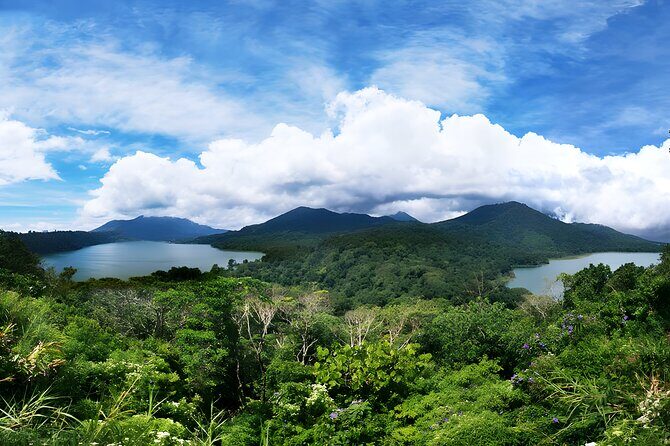
Munduk sits in Bali’s cooler highlands, and that shows in the air. You start with big-lake views, then walk into rainforest where the pace drops and the soundscape changes fast—birds overhead, leaves brushing past, and fewer distractions than you’ll get closer to the coast.

What makes this outing work is the flow. You’re not doing one “thing” for hours. You get short scenic walking, a longer stretch through the tropical forest, and then a finish that’s all calm water and breathing room. If you like experiences that feel like a sequence (walk → spiritual stop → forest → lake), this hits that rhythm well.

Also, the tour is private for your group. That matters more than people think. You’re not dodging other groups at the temple or feeling rushed at the water’s edge. It’s built for your pace.

Your Time Plan: From Twin Lakes to Canoe in About 2.5 Hours

Munduk Twin Lake Jungle Trek with Sacred Forest Temples&Canoeing - Your Time Plan: From Twin Lakes to Canoe in About 2.5 Hours
The schedule is straightforward and realistic: about 30 minutes of walking around the lakes area before you go into the rainforest section, then roughly 1.5 hours trekking, and finally the canoe crossing. Total time is listed at around 2 hours 30 minutes.

In plain terms, that means you’ll be moving for a good chunk, but it won’t turn into a full-day hike. You can treat it like a “stretch your legs and see something special” slot—especially useful if your Bali days feel overloaded.

A small but meaningful bonus: a walking stick is included. It won’t magically turn mud into marble, but in forest terrain it can help your balance and confidence.

Twin Lake Start: Buyan and Tamblingan Views Right Away

Munduk Twin Lake Jungle Trek with Sacred Forest Temples&Canoeing - Twin Lake Start: Buyan and Tamblingan Views Right Away
Your day begins near Lake Buyan and Lake Tamblingan in the Munduk highlands. Even before you hit deep jungle, you get a taste of why people keep coming back here: cool air, dramatic water views, and that sense of being above the busier parts of the island.

From the starting point, you’ll walk for about 30 minutes through lush surroundings. This isn’t a sprint. It’s more of a warm-up that also helps you settle into the rhythm of the place. If you’re prone to rushing on tours, this first stretch is helpful—it gives you time to adjust before the longer trek begins.

Ulun Danu Temple Stop: A Spiritual Moment in the Trees

Along the way, you visit an ancient Hindu temple called Ulun Danu. It’s described as being peaceful in nature, and that’s the key. This stop isn’t just “see a building.” It’s more about witnessing how faith fits into the daily landscape and forest setting.

Practically, expect the temple to be a slower, standing-and-looking moment. It’s a good time to pause, take a breath, and shift gears from hiking mode into observation mode.

One practical note: temple areas can be uneven. You’ll be in walking shoes most likely, and the terrain around forest temples can be slick if it’s humid or recently rained.

The Rainforest Trek: 1.5 Hours of Real Nature Sounds

Munduk Twin Lake Jungle Trek with Sacred Forest Temples&Canoeing - The Rainforest Trek: 1.5 Hours of Real Nature Sounds
The heart of the experience is the rainforest trekking section, about 1.5 hours. This is where the tour delivers the kind of Bali that feels quieter and more original than the typical day-trip circuit.

You’ll walk through tropical rainforest trails under towering trees, with exotic plants and ongoing bird calls. The point isn’t that the trail is difficult—it’s that it’s alive. You’re traveling through an ecosystem, not just following a route.

Why I think this part is worth your time: it’s long enough for your brain to relax. After the trek, you don’t feel like you’ve “checked a box.” You feel like you’ve had a real walk in real air.

Arriving at Lake Tamblingan: Where the Pace Finally Drops

Munduk Twin Lake Jungle Trek with Sacred Forest Temples&Canoeing - Arriving at Lake Tamblingan: Where the Pace Finally Drops
Once you leave the jungle area, you reach the edge of Lake Tamblingan. That transition matters. The forest can keep your senses busy—sweaty effort, foot placement, looking up. Coming out to a calm lake brings a different kind of focus: horizon lines, light on water, and the quiet sound of being off land.

At this point in the tour, you’re basically switching from active movement to slow appreciation. It’s a nice design.

Canoeing on a Traditional Wooden Canoe: Calm Water, Big Views

Munduk Twin Lake Jungle Trek with Sacred Forest Temples&Canoeing - Canoeing on a Traditional Wooden Canoe: Calm Water, Big Views
The final act is a canoe ride across the lake waters. You board a traditional wooden canoe and cross calmly, taking in panoramic views while the trip stays unhurried.

This is the part that feels easiest to love. No loud music. No constant steering. Just you, the water, and the scenery doing its job. It’s a good payoff after trekking, because you’re not “rewarded” with another stop that demands energy—you’re rewarded with stillness.

Included in the price: canoing, plus bottled water and coffee and/or tea. That combination is small, but it’s a real comfort after a walk in cool highland air.

Transport and Team Support: Private Pickup That Matters

Munduk Twin Lake Jungle Trek with Sacred Forest Temples&Canoeing - Transport and Team Support: Private Pickup That Matters
The experience includes private transportation and pickup is offered. That reduces friction a lot, especially if you’re basing yourself in Ubud or nearby areas and want less time figuring out logistics.

One detail worth noting from feedback: the route can include coffee plantations and rice fields on the way in. That kind of scenery change is a nice prelude, and it also makes the trip feel less like a transfer and more like part of the experience.

It’s private for your group, and you’ll travel with a local guide. In at least some cases, people have specifically praised the driver Putra and guide Kadek for navigation and knowledgeable, caring help. Even if your team ends up different, the overall idea is consistent: someone competent is handling the route and guiding you through the stops.

What You’re Paying for: Value at $23.40 (And What’s Extra)

Munduk Twin Lake Jungle Trek with Sacred Forest Temples&Canoeing - What You’re Paying for: Value at $23.40 (And What’s Extra)
At $23.40 per person, this can look like a small price tag. The value comes from what’s bundled.

Included:

  • Local guide
  • Entrance fees (including admission and government fees)
  • Private transportation and pickup
  • Walking stick
  • Bottled water
  • Coffee and/or tea
  • Canoeing

Not included: other personal expenses.

Here’s the practical way to think about it. Many Bali “adventure” days charge you for the guide, then charge again for entrances, then charge again for the canoe or transport. This one packs a lot into the stated price, so it’s easier to budget and not get surprised at the end.

Who This Trek + Canoe Combo Fits Best

This works well if you want a nature day that’s still structured. You’ll get a clear route, a guide, and set timing, plus a finale that doesn’t require extra effort.

It’s also a good match if:

  • You like rainforest walks but don’t want an all-day hike
  • You want a temple visit that’s tied to the environment
  • You’d enjoy a quiet canoe crossing as a decompression moment
  • You’re traveling with a group who prefers private pacing

Most travelers can participate, but it’s still a trek. If you have mobility limitations or you know you struggle with uneven ground, plan to take it slow and use the walking stick.

Weather and the Non-Refund Reality

Because it’s outdoors—trekking trails and a lake ride—good weather is required. The experience notes that if it’s canceled due to poor weather, you’ll be offered a different date or a full refund.

Also, the experience is non-refundable and cannot be changed for any reason. So treat this booking like a “ready when conditions are right” plan. If your schedule is flexible, you’ll feel more comfortable booking.

Should You Book Munduk Twin Lake Jungle Trek + Canoeing?

Yes, if you want a Bali day that mixes three things in one: rainforest walking, an Ulun Danu temple stop, and an actually calm canoe finish. For the money, the bundling is strong—guide, entrances, transport, walking support, and canoe time are all part of the deal.

I’d say skip or think twice if you’re booking a tight window with uncertain weather, or if you hate trekking on uneven trails. In that case, the canoe payoff might not be worth the risk of cancellation.

If you’re the type who enjoys quiet nature and doesn’t need a busy itinerary to feel entertained, this is a solid choice.

FAQ

How long is the Munduk Twin Lake Jungle Trek with canoeing?

The duration is approximately 2 hours 30 minutes.

Where does the tour take place?

It takes place in Munduk, near Ubud, Indonesia, around Lake Buyan and Lake Tamblingan.

Is pickup included?

Pickup is offered, and private transportation is included.

What’s included in the price?

The price includes bottled water, coffee and/or tea, entrance fees, government fees, private transportation, a local guide, a walking stick, and canoeing.

Is this a private tour or a shared group?

This is a private tour/activity. Only your group participates.

What is the meeting point?

The start point is listed at bali munduk jungle adventure, Jl. Munduk – Wanagiri, Banyuatis, Wanagiri, Kec. Banjar, Kabupaten Buleleng, Bali 81161, Indonesia. The activity ends back at the meeting point.

What should I know about weather?

This experience requires good weather. If it’s canceled due to poor weather, you’ll be offered a different date or a full refund.

Can I get a refund if I cancel?

No. This experience is non-refundable and cannot be changed for any reason.

If you want, tell me your hotel area (Ubud, Canggu, Kuta, etc.) and your group’s fitness level, and I’ll suggest the best time of day to book this so the weather risk and walking feel more comfortable.

Bali: Mount Batur Trekking for Best Sunrise Adventure

Bali: Mount Batur Trekking for Best Sunrise Adventure - Getting to the start: pickup, timing, and keeping the day smooth

Mount Batur sunrise has a way of resetting your brain. This trek is built around one big moment: climbing to the summit before the sky fully wakes up, then watching light spill across Lake Batur and the volcanic caldera. The vibe is practical and real—black lava under your boots, starlight above, and a guide keeping you moving.

I especially like the small-group feel (up to 10 people) and the fact you’re not guessing what to do. You get an English trekking guide to lead you through mixed terrain, from gentler sections to steeper slopes, so you can focus on the climb and not on navigation. One consideration: this is a night trek to a high spot, so if you’re not comfortable with early mornings and uphill walking, it’ll feel tough.

Key highlights at a glance

Bali: Mount Batur Trekking for Best Sunrise Adventure - Key highlights at a glance

  • Sunrise summit reward: reach the top in time to watch sunrise over Lake Batur and the caldera
  • Night hike support: flashlight included, guided climb through darker conditions
  • Varied terrain: from easier path segments to steeper slopes
  • Black lava scenery: you’ll actually walk across volcanic ground on the way up
  • Simple fuel included: bread and steamed boiled eggs, plus mineral water

Mount Batur Sunrise: the short climb with a huge visual payoff

Bali: Mount Batur Trekking for Best Sunrise Adventure - Mount Batur Sunrise: the short climb with a huge visual payoff
Mount Batur sits in Bali’s Kintamani area, and this trek is all about altitude and timing. You climb to about 1,717 meters above sea level in roughly 3 hours. That means you’re not doing a multi-day expedition. It’s a push, then a payoff.

What makes this sunrise trek worth it is how quickly the reward shows up. The hike is early, you’re walking under starlight before dawn, and then the sky changes while you’re standing on the summit. The view is framed by Lake Batur and the volcanic caldera, with wide panoramas looking out over the surrounding mountains.

Also, the scenery is not all “pretty postcard” the whole time. You’ll spend real time on the black lava-covered mountainside, which makes the summit moment feel earned rather than handed to you. It’s a reminder that Bali’s beauty includes the raw, volcanic side too.

Getting to the start: pickup, timing, and keeping the day smooth

Bali: Mount Batur Trekking for Best Sunrise Adventure - Getting to the start: pickup, timing, and keeping the day smooth
This experience runs about 8 hours total, and it starts early. The driver picks you up in the early morning and heads you straight toward the trail starting point. You’ll begin with guidance from your trekking guide before the walk really gets going.

That early start matters more than you might think. Sunrise tours live or die by timing. If you’re late, you miss the best light. If you’re early, you have time to settle in, get your footing, and be ready when the sky does its job.

I also like that the logistics keep things simple: the tour ends back at the meeting point, so you’re not left figuring out your next move while you’re tired and a little mesmerized by the view.

One more practical note: the meeting point is in the Mount Batur area, specifically listed near South Batur, Kintamani (Bangli Regency). That’s helpful because you can plan around a clear location rather than a vague pickup point.

The night trek under starlight: what you’ll feel on the climb

The hike begins in dark conditions. You’ll go along the trekking trail under starlight and a still-dark sky. This is where the included flashlight becomes more than a nice extra. On a volcanic mountain at night, visibility is everything for footing and confidence.

The route itself uses varied terrain. You’ll pass through gentle sections, then hit steeper slopes. That “mix” is common on Mount Batur treks, and it’s one reason the experience feels like a real ascent rather than a flat walk with dramatic scenery waiting at the end.

And yes, it can be tiring. But there’s a rhythm to it when you’re not alone. The guide helps set pace, and the group format (maximum 10 travelers) keeps you from feeling like you’re lost in a crowd. You’re close enough for help when needed, but not so packed that moving becomes chaotic.

A tip based on the way people describe the experience: the climb tends to feel most manageable when you treat it like a steady effort, not a sprint. Your reward is later, and sunrise doesn’t care how fast you started.

Summit views at 1,717 meters: Lake Batur, caldera drama, and photos

Once you reach the summit, the whole trip clicks into place. You’re greeted by sunrise—brightening the scene while you’re already above the volcanic bowl. From here you get views of Lake Batur, the caldera, and the surrounding panoramas.

This is also where the trek earns its reputation. Standing on volcanic ground while sunrise lights up the broader region feels different from just watching a viewpoint from a parking lot. You’re literally above the caldera’s interior, so your perspective is steep and expansive.

The guide also plays a role here. You’re accompanied by a trekking guide who’s ready to capture your moments at the top, so you’re not constantly juggling your phone and your balance on uneven ground. That’s a small thing, but it makes sunrise less stressful and more enjoyable.

One more consideration: sunrise views depend on weather. Clear skies make the difference between “nice” and “wow.” If conditions are poor, the operator says you’ll be offered a different date or a full refund. That’s important because you’re paying for an early-morning visibility event, not just exercise.

The breakfast stop: bread, steamed eggs, and a sensible reset

Bali: Mount Batur Trekking for Best Sunrise Adventure - The breakfast stop: bread, steamed eggs, and a sensible reset
The tour includes a light breakfast at the summit area during the sunrise experience. You’ll get bread plus steamed boiled eggs, along with a bottle of mineral water per person.

This is not a full brunch spread. But that’s kind of the point. A heavy meal right after a steep climb can feel wrong. A small, simple breakfast is easier to eat when you’re chilled, tired, and still watching the sky change.

It also helps the moment last longer. Sunrise treks can feel like: walk, arrive, look, leave. With breakfast included, you get a bit more time to slow down, eat something basic, and actually absorb what you’re seeing. And if you’re the type who wants a calm, not-rushed sunrise, this structure fits.

Gear and comfort: what’s included and what you may want to request

Bali: Mount Batur Trekking for Best Sunrise Adventure - Gear and comfort: what’s included and what you may want to request
Here’s what you’ll receive as part of the experience:

  • Flashlight
  • English trekking guide
  • Light breakfast: bread and steamed boiled eggs
  • Mineral water: 1 bottle per person

One item is optional: trekking sticks are not included, but they’re available on request. If you know you like extra support on steep or uneven ground, this is the time to ask. It’s also helpful if you expect knee strain on the descent.

You don’t need to overthink gear based on the provided info. The tour is designed around the basics it supplies (especially the flashlight). Still, you should be realistic about early-morning walking and bringing whatever you need to be comfortable enough to keep moving.

Group size and guiding style: small numbers, steadier pacing

Bali: Mount Batur Trekking for Best Sunrise Adventure - Group size and guiding style: small numbers, steadier pacing
This experience caps at 10 travelers. That number changes the whole feeling. With a smaller group, you get:

  • less waiting around
  • fewer bottlenecks on narrower or steeper sections
  • more attention from the guide if someone needs extra pace or encouragement

The guide is also there to set expectations. The climb starts with guidance before the trek proper, and the guide accompanies you throughout. People who’ve done this type of Mt Batur trek often highlight how helpful the guiding is when the route and timing matter. You’re not just paying for views—you’re paying for getting to the right place at the right moment.

One review specifically praised excellent drivers and described the overall trip as flawless and helpful. While that may extend beyond the trek itself, it aligns with what you want on a long day: someone handling the logistics so the sunrise part stays the focus.

Price check: is $35 good value for this kind of sunrise?

Bali: Mount Batur Trekking for Best Sunrise Adventure - Price check: is $35 good value for this kind of sunrise?
The price is $35 per person for an experience that runs about 8 hours and includes a guide, flashlight, breakfast, and water. For a sunrise climb at altitude, that’s fairly strong value—especially because so much of the “hard work” is already handled. You’re not paying extra for a guide to lead you to the summit, and you’re not paying for basics like the flashlight and a small meal.

Where value becomes real is what you don’t have to manage yourself:

  • You’re picked up early and directed to the start.
  • The guide handles pacing and route guidance through varied terrain.
  • You get a simple breakfast after the hard part.
  • Your time isn’t split across multiple activities just to make the day feel full.

The one caution on value is weather dependency. Because sunrise is the main event, cloudy or poor conditions can ruin the payoff. The good news is the operator states that if the experience is canceled due to poor weather, you’ll be offered a different date or a full refund.

Who this trek fits best (and who should think twice)

This trek is a great match if you want:

  • a short but serious workout
  • sunrise views over Lake Batur and the caldera
  • guided support through night conditions
  • an experience that stays efficiently planned (ending back at the meeting point)

You might think twice if:

  • you dislike very early mornings and dark, uphill walking
  • you need a fully low-stress experience with no steep parts
  • you’re sensitive to the idea of volcanic terrain and uneven footing

If you’re in Ubud and want one standout Bali experience that feels authentic and not just a quick sightseeing stop, Mount Batur sunrise does the job. It’s memorable because it’s physical, timed, and outdoors—without requiring an entire day of complicated planning.

Should you book this Mt Batur sunrise trek?

If you’re choosing between sleepy sunrise plans and an actual adventure, I’d book this one. The included English guide, flashlight, and small-group size make the climb feel supported rather than chaotic. The summit reward—Lake Batur and the caldera in sunrise light—fits the price, especially since breakfast and water are part of the deal.

Book it if clear skies are in your forecast and you’re willing to handle early hours. And if weather doesn’t cooperate, the plan includes either a new date or a refund, which keeps you from feeling stuck.

In short: if you want a real sunrise experience on Bali’s volcanic stage, this is a solid pick.

FAQ

How long is the Mount Batur sunrise trek experience?

The total experience time is about 8 hours. The climb to the summit takes about 3 hours.

What altitude will we reach?

You’ll climb to an altitude of about 1,717 meters above sea level.

What’s included in the tour price?

It includes an English trekking guide, flashlight, light breakfast (bread and steamed boiled eggs), and mineral water (1 bottle per person).

Do I need to bring trekking sticks?

Trekking sticks are not included, but they are available on request.

How many people are in the group?

The tour has a maximum of 10 travelers.

What happens if weather is bad?

This experience requires good weather. If it’s canceled due to poor weather, you’ll be offered a different date or a full refund.

Mount Batur Sunrise Trekking With Hot Springs

Mount Batur Sunrise Trekking With Hot Springs - Volcanic Steam Breakfast: The Part That Feels Like Bali

Sunrise on Mt Batur is worth the early groan. This sunrise trek strings together a challenging climb, a volcanic-steam breakfast, and a soak in natural hot springs, all with hotel transfers to keep the logistics painless. The one catch: you’ll start very early and you do need moderate fitness for the climb and footing.

I like how the tour builds in altitude and payoff, landing you around 1,717 meters for the sunrise viewpoint before cooling off in the hot springs. And from the guide names you may meet—Raka, Alex, Luh Ayu, Nik, and Kaca—the emphasis seems to be clear communication and steady help on the route, even when conditions feel slow or slippery.

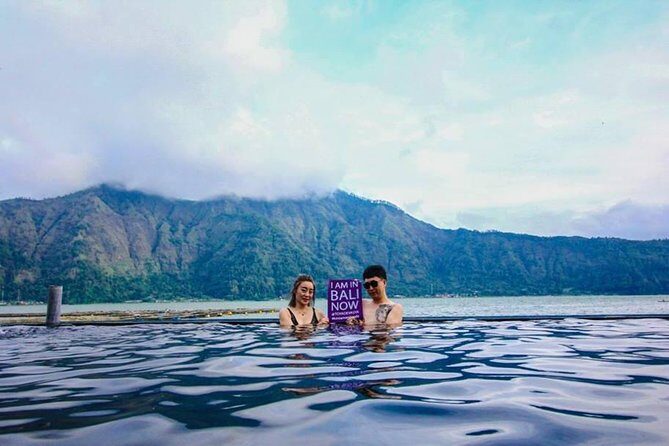
Key highlights

  • Small-group vibe (max 10 travelers) makes the pace feel human on an early, steep hike
  • Volcanic steam breakfast ties the meal to the mountain instead of just adding a snack stop
  • Hot springs facilities included with a towel, change room, and lockers if you select that option
  • Pickup from Kuta/Seminyak/Canggu/Sanur/Ubud saves you from figuring out early-morning transport
  • Trekking gear provided (flashlight and trekking poles) reduces what you need to pack

The Sunrise Climb From Mt Batur’s Starting Point

Mount Batur Sunrise Trekking With Hot Springs - The Sunrise Climb From Mt Batur’s Starting Point
This is an early-morning Mt Batur trek that runs about 8 hours from start to finish, built around catching the sunrise from the top. The idea is simple: you get hauled from your area, hike while it’s still dark or just turning light, then you earn the view.

The “simple” part matters because Bali sunrise hikes can turn into a chaotic scavenger hunt if transport isn’t handled well. Here, you get hotel pickup and drop-off across a wide area—Kuta, Seminyak, Canggu, Sanur, and Ubud—so you’re not stuck trying to organize a ride while everyone else is already heading out.

Once you arrive at the trailhead, you’ll switch into trekking mode. You’re not hiking an easy museum trail. Expect a steady climb with steps that can feel uneven, plus changing traction as you go from cool darkness into warmer sunrise light. Having a guide along the way isn’t just “nice”—it helps you keep moving at the right rhythm instead of sprinting at the start and paying for it later.

Why the altitude and timing are the whole point

The trek targets a viewpoint at about 1,717 meters. That altitude plus the sunrise timing is what gives Mt Batur its drama: the mountain is close enough to feel real, but high enough that the world below looks different.

Also, sunrise weather can change fast. Clouds can roll in and fog can reduce visibility, and you’ll want to be ready for that reality. The good news is you’re going up with a guide who knows the route and can keep you focused on the plan.

The Trek Up: Pace, Poles, and Staying Steady

Mount Batur Sunrise Trekking With Hot Springs - The Trek Up: Pace, Poles, and Staying Steady
I like that this tour is aimed at people with moderate physical fitness, not “athlete only” energy. Moderate doesn’t mean effortless. It means you should be comfortable walking uphill for a while, not just a quick stroll.

The tour includes trekking equipment, specifically a flashlight and trekking poles. That’s practical. On a sunrise hike, darkness and loose footing make poles feel like a cheat code. Even if you’re in decent shape, poles reduce strain on your knees on the way down.

Also, the guide support seems to be a strong part of the overall value. Names like Raka and Kaca come up repeatedly alongside comments about helpful route guidance and rest breaks when needed. That matters because Mt Batur isn’t a straight-line grind—you’ll want micro-pauses to catch your breath, adjust footing, and keep your energy for the last part.

What to watch for on the trail

Because the climb is early, you can feel chilly at the start, even if Bali is warm later. Wear layers you can manage as your body heats up. Your biggest comfort wins will come from footwear with grip and breathable clothing you won’t mind getting a little dusty.

If you’re worried about pace, treat it like a climb you manage, not a race you survive. You’ll enjoy it more if you go slow early and keep your legs fresh for the summit views.

Volcanic Steam Breakfast: The Part That Feels Like Bali

Mount Batur Sunrise Trekking With Hot Springs - Volcanic Steam Breakfast: The Part That Feels Like Bali
This tour pairs the hike with breakfast, and it’s not just served to you at a table. The meal is cooked with volcanic steam, which turns food into part of the mountain story.

You’ll get a picnic-style breakfast while enjoying the view. That combination—warm food, cold mountain air, and sunrise light across the horizon—lands as one of those moments that you remember long after the hike. It also helps you reset mentally. After the hardest push, you switch from “climbing” to “enjoying,” and the day stops feeling purely physical.

Breakfast logistics you’ll appreciate

Breakfast is included, and you’re also given bottled water, which helps on a hike like this where you don’t want to hunt down supplies mid-trail. If you’re the type who always forgets water, this is a relief.

One caution: volcanic steam cooking means the food is hot and the setting is outdoors. Bring patience and eat at the pace you need. If you’re sensitive to heat, keep your expectations simple: warm, satisfying, and best eaten carefully.

Descending and Heading to Natural Hot Springs

Mount Batur Sunrise Trekking With Hot Springs - Descending and Heading to Natural Hot Springs
After sunrise and breakfast, the focus shifts from peak views to recovery. The descent is when your body starts asking questions, especially your knees and calves. This is where trekking poles pay off again.

Then comes the reward you actually want to feel: natural hot springs. The tour includes a hot spring ticket, plus facilities like a towel and a change room. There’s also mention of lockers if that option is selected, which is useful if you don’t want to carry your belongings around soaking areas.

What the hot springs add to the day

This is the “chill” half of the morning. I like that the soak isn’t an optional add-on you have to figure out after the hike. It’s baked in, so you can plan your energy accordingly.

The soak also gives you a clean break. You’re done with the hard part, your legs feel human again, and you can look back at what you climbed without that immediate exhaustion fog.

Practical tip: if you tend to get cold easily, bring a dry layer for the ride afterward. Hot springs feel amazing, but you don’t want to sit in damp clothes for the rest of the trip.

Pickup From Seminyak and Beyond: Logistics Without the Headache

Mount Batur Sunrise Trekking With Hot Springs - Pickup From Seminyak and Beyond: Logistics Without the Headache
The pickup zone is broad: Kuta, Seminyak, Canggu, Sanur, and Ubud. That is a big deal for Bali, where distance and traffic can mess up a tight schedule. It also means you don’t need to start bargaining for rides when it’s still dark and everyone is half-asleep.

This tour is capped at 10 travelers, which tends to make pickup and transfers feel more controlled than big-van tours. A smaller group usually means less waiting, fewer distractions, and a smoother rhythm at the meeting points.

Drivers and guide communication

From the names tied to this experience—Gede, Ajixx, Arjana, and Nata—the recurring theme is straightforward service and good communication. That’s exactly what you want when roads feel uneven and the route needs to run on time.

Even if you don’t know the trail or don’t speak much, you’ll benefit from a team that helps you keep track of what’s next.

Price and Value: What $45.64 Really Buys

Mount Batur Sunrise Trekking With Hot Springs - Price and Value: What $45.64 Really Buys
At $45.64 per person, this can feel either like a bargain or a splurge depending on what you’re comparing it to. Here’s the value math that makes it make sense.

You’re getting:

  • Hotel pickup and drop-off from multiple areas
  • Entrance to Mount Batur and Kintamani
  • An experienced trekking guide
  • Trekking equipment (flashlight and poles)
  • Breakfast
  • Bottled water
  • Hot spring ticket and facilities (towel and change room; lockers if selected)

If you try to price those separately—especially the guide, entrances, and hot springs—you’ll usually find the total climbs fast. The tour price also reflects the fact that Mt Batur sunrise hikes require timing, staffing, and early starts that small operators can’t always run cheaply.

Is it perfect value for everyone? Not necessarily. If you’re already set up with your own gear, your own transport, and you’re comfortable navigating without a guide, you might find cheaper DIY options. But for most people, the included guide + entrances + hot springs combo is the sweet spot.

Booking timing: plan ahead a bit

This is typically booked about 16 days in advance on average. That’s a good sign of demand, and it also suggests you shouldn’t wait until the last minute if you want a spot during popular periods.

Who This Tour Is Best For (and Who Should Skip the Sunrise Hike)

Mount Batur Sunrise Trekking With Hot Springs - Who This Tour Is Best For (and Who Should Skip the Sunrise Hike)
This is a strong fit for you if you want:

  • A real volcano sunrise with a structured climb
  • A clear package that includes breakfast and hot springs
  • A manageable group size (max 10 travelers)
  • Help on the trail with guide support that aims to keep you safe and steady

You might want to rethink it if you:

  • Struggle with steep, uneven uphill walking even at a moderate fitness level
  • Get uncomfortable when the day starts very early
  • Hate outdoor meals and warm surprises in a windy, mountain setting

Small group advantage for non-runners

If you’re not a fast hiker, this tour’s pace support is likely to make it easier to enjoy. The guide names that come up—Raka, Alex, Luh Ayu, Nik, and Kaca—are associated with friendly help, route support, and rest breaks, which is exactly what keeps a sunrise trek from turning into suffering.

What to Pack and How to Make the Climb Feel Easier

Mount Batur Sunrise Trekking With Hot Springs - What to Pack and How to Make the Climb Feel Easier
Even with flashlight and poles provided, you’ll enjoy the day more with smart basics.

Bring:

  • Comfortable, grippy shoes for rocky footing
  • Layers (cool at the start, warmer after you get moving)
  • A small bag you’re okay with getting a little dusty

And here’s the mindset tweak: sunrise hikes are about patience. You’re building your day around the summit view, not finishing fast.

If you want the hot springs to feel extra good, also plan for a change of clothes that isn’t damp. The tour includes a change room, which helps, but you still want to feel comfortable afterward.

Should You Book This Mt Batur Sunrise Trek With Hot Springs?

Mount Batur Sunrise Trekking With Hot Springs - Should You Book This Mt Batur Sunrise Trek With Hot Springs?
I’d book it if you want a straightforward Bali day that mixes morning effort and afternoon recovery, and you’d rather pay for a complete package than assemble one yourself. The included items—guide, entrances, trekking equipment, breakfast, and hot springs—make the $45.64 price feel more reasonable than it looks at first glance.

Book it especially if you’re staying around Seminyak/Canggu/Sanur and don’t want to solve early-morning transport. The pickup coverage is strong, and the smaller group size helps the whole morning feel more controlled.

Skip it if you know you can’t handle steep uphill walking before sunrise, or if you’d rather spend your money on something less physically demanding.

If you’re on the fence, remember the tradeoff: you’ll lose some sleep and gain a sunrise and hot springs reset that’s hard to replicate on your own. For many people, that trade feels exactly right.

FAQ

How long is the Mt Batur sunrise trekking tour?

The duration is listed at about 8 hours.

What areas are pickup and drop-off offered from?

Pickup and drop-off are offered from Kuta, Seminyak, Canggu, Sanur, and Ubud.

What is included in the tour price?

The package includes hotel pickup and drop-off, entrance to Mount Batur and Kintamani, an experienced trekking guide, bottled water, breakfast, trekking equipment (flash light and trekking pole), and hot spring facilities (including a towel and change room; lockers if that option is selected).

Is breakfast included, and what kind is it?

Yes. Breakfast is included, and it’s provided while you enjoy the view.

Do I need to bring trekking poles or a flashlight?

No. The tour includes trekking equipment, including a flashlight and trekking poles.

Are hot springs included, and what facilities come with the ticket?

Yes, the hot spring ticket is included, along with facilities such as a towel and change room. Lockers are available if you select that option.

What fitness level do I need?

The tour is recommended for people with moderate physical fitness.

How big is the group?

The tour has a maximum of 10 travelers.

When will I get confirmation?

You’ll receive confirmation at the time of booking.

Mount Ijen Crater Trekking Tour from Bali

Mount Ijen Crater Trekking Tour from Bali - Gear and dress code that actually matter at Ijen

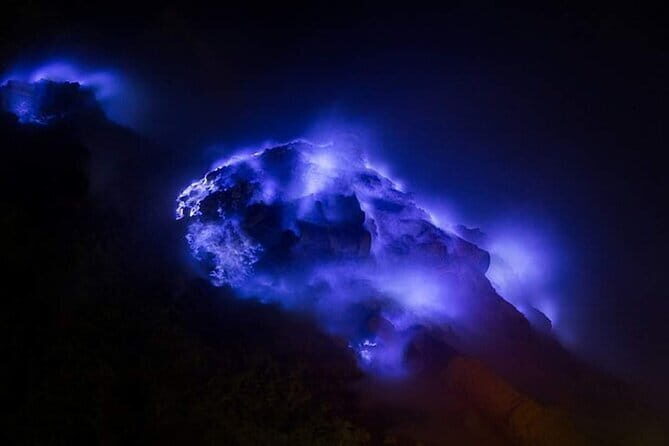
Blue flames at dawn are rare. This Mt Ijen trek is a long, night-before kind of trip that turns a distant volcano into something you can actually stand next to, in the dark. You’ll cross from Bali to East Java by ferry, hike to the crater before sunrise, and (weather permitting) chase the famous blue fire glow plus crater views at first light.

I really like that this is built for small groups, with a local guide on the mountain. You also get real-world support: safety guidance before you start, plus gear like a flashlight and a gas mask so you can focus on the trail. The main trade-off is simple: this is tough, overnight hiking with a long transfer day from Bali, so it’s not for everyone.

One more thing to plan around: depending on the group, you may have an extra wait before you roll out as everyone is collected and organized. If you show up early in the pickups and keep your expectations realistic, the rest of the experience feels focused on the crater, not the paperwork.

Key things you’ll notice on this Mt Ijen trek

Mount Ijen Crater Trekking Tour from Bali - Key things you’ll notice on this Mt Ijen trek

  • Overnight Bali-to-Java ferry timing gets you to Ijen for pre-dawn, not late in the day
  • Max 10 travelers keeps the mountain experience more personal
  • Safety briefing + flashlight + gas mask helps you handle low light and hazardous conditions
  • Sulfur miners close-up as you pass them on the route
  • Weather affects the blue fire and your best photo moments inside the crater

Bali to East Java, then straight onto the night hike

This tour starts in South Bali with a hotel pickup in the late afternoon, with a 5:00 pm start time. You’ll head to Gilimanuk Harbor in West Bali, then cross the sea by ferry to East Java. The ferry route is a big part of the experience because it sets up the timing: you arrive around midnight and get moving quickly enough to reach the summit before dawn.

Once you land in East Java, you won’t spend the night doing sightseeing. The plan is functional: a direct transfer to the trekking start point, then a safety briefing and equipment handed out for the climb. That means you’re trading comfort for altitude, darkness, and the best shot at seeing the crater activity when it’s at its most dramatic.

Why the midnight timing matters

Reaching Ijen pre-dawn is what turns the trip from a normal hike into a once-in-a-lifetime volcano moment. You’ll be on the upper path when the sky is still dark and visibility is changing fast. If you’re hoping for the blue fire effect, timing and weather both matter, and this schedule is designed around that reality.

There’s one more reason the overnight format works: you’re not wasting daylight. By the time you’re finished, you’re back on the return ferry by late morning, with a lunch stop on the Bali side of the journey.

The trek rhythm: 3 km to the summit in 1–2 hours

Mount Ijen Crater Trekking Tour from Bali - The trek rhythm: 3 km to the summit in 1–2 hours
The climb itself is described as an approximate 1-mile (3-km) trek to the summit, taking about 1 to 2 hours depending on pace and conditions. It’s a mix of uphill and flatter sections, so it doesn’t feel like a single steep wall the whole time—but you’re hiking at night, with fatigue stacking up from the travel day.

What helps is that the tour isn’t pretending this is easy. You’ll get a briefing before you start, and you’ll have gear that makes the environment more manageable. A flashlight helps you keep your footing when the trail turns dark. The gas mask is there for a reason: conditions around the crater area are not like a normal viewpoint walk.

Where the real effort shows up: the crater descent

Ascending is only half the story. The descent into the crater area is often the more draining part, because you’re going down into harsher conditions with your energy already spent from the overnight schedule. Even if your legs handle the climb fine, you still need good control on the way down and when you’re moving near crater viewpoints.

The tour also emphasizes limits inside the crater area (more on rules below), which can keep people from wandering and make your route feel more structured. Still, bring the right mindset: this is a climb with endurance, not a casual stroll.

Gear and dress code that actually matter at Ijen

Mount Ijen Crater Trekking Tour from Bali - Gear and dress code that actually matter at Ijen
You’re recommended to wear long pants, sports shoes, a sweater (or similar layer), gloves, and a hat. The temperature can feel sharp during pre-dawn trekking, and the gas mask plus low light means you’ll want comfort and warmth. If you show up in thin clothing, you’ll feel it fast.

The crater rules are specific. You’ll need sport wear and hiking shoes, and you’ll follow mask/jacket/glove expectations. You’re also asked to carry your own medicine, and you’ll be kept to a maximum distance of 500 meters from the crater. That 500-meter limit matters for safety and access control, so it’s worth planning your photos and viewpoints with that restriction in mind.

You should also know what you’re not allowed to do:

  • No throwing out rubbish or seed
  • No throwing cigarette, and no doing fireplace activities

Health basics you should take seriously

This experience is not recommended for people with heart complaints, asthma, or other serious medical conditions. It’s also not meant for children aged 15 and under, with a minimum age of 16 years.

One unusual but important detail: you may be asked for a health certificate from a doctor, valid up to 3 days from the Ijen tour date. If you don’t have it, the provider says they may bring you to the nearest doctor. If you have any condition that affects breathing or exertion, talk with a clinician before you commit.

Sulfur miners on the route: human scale, heavy work

One of the most memorable parts is the chance to see sulfur miners up close on the trek. On the route, you may interact with workers carrying blocks of yellow sulfur weighing about 60–80 kg (132–176 pounds). They often transport the load using bamboo pole baskets across their shoulders.

This section of the experience is powerful because it’s not staged. You’re moving along with people who have done this work for years, often without safety equipment by the traditional mining methods described for the area. You’ll see how the whole system runs on stamina, balance, and routine in a harsh environment.

How this changes the way you view the volcano

Many volcano trips focus only on the view. Here, the crater is also an active workplace. That makes the blue fire moment feel even more intense because you’re standing in the same zone where people earn livelihoods day after day, navigating dangerous conditions while doing manual labor.

It’s also a reminder to take the tour’s safety instructions seriously. If you keep your pace, stay with the group, and follow the guide’s directions, you’ll get the most from the experience without adding stress to the team.

Blue fire at Mt Ijen: when it happens, and what to do with your photos

The headline moment is the natural phenomenon often called the blue fire of Mt Ijen. Your arrival at the summit is timed for before dawn, and the tour notes that seeing the blue fire depends on weather conditions.

Because it’s weather-dependent, don’t plan your day like it’s guaranteed. If the sky is clear enough and conditions cooperate, you’ll be able to witness the glow while it’s dark and the crater is active. If not, you’ll still get the atmosphere of the crater at first light and the mining scene—just without the same signature effect.

Photo advice that fits what the tour gives you

Bring your camera, and be ready for low light. The tour provides a flashlight, but your best images will likely come once you reach the crater viewing area. Once sunrise starts to build, you’ll get a change in contrast that helps reveal details inside the crater.

The tour also includes a return down and a later closer look with “fantastic photo ops” of the crater from the viewpoint. That means you’re not stuck only with the summit moment. Plan to take photos in batches: stop, breathe, shoot, then keep moving.

Breakfast, acid lake views, and why the crater viewpoint is the payoff

After reaching the summit area before dawn, you’ll stop for a light breakfast on the mountaintop. It’s not a big feast, but it does two important things: it helps your body reset after the climb and it gives you a clear moment to take in what you’ve come all this way to see.

Then the tour shifts to the crater experience. You’ll go down with guidance for a closer look and viewpoint photos of Ijen Crater, described as Java’s largest acid lake. Even without blue fire, the crater interior is visually intense—wide, steep, and atmospheric. The guide’s role here is about timing and keeping you within the rules.

The crater rules affect your viewpoint planning

Because you’ll be limited to 500 meters from the crater, you’ll want to think like a photographer and a hiker. Don’t assume you can walk freely for the perfect angle. Instead, follow your guide’s instructions and use your time at the viewpoint to get the shots you want.

Also, keep an eye on your gear and comfort: jacket and gloves are recommended, and you’ll want to keep your hands warm when you’re stopped in cold pre-sunrise air.

The descent, the return ferry, and the last meal on the trip

After the summit and crater viewpoints, you’ll begin the descent. This is when stamina really becomes your limiting factor. You’ll need to pace yourself, watch your footing, and keep close to the group so your energy doesn’t run out before the route ends.

After the descent, you’re transferred to Banyuwangi Harbor for the late morning ferry back to Bali. The tour then ends with a lunch at a local restaurant before your hotel drop-off in the afternoon.

In practical terms, the day is long but it’s built to end with food and a clear finish line. You’re not left stranded without a plan once you come off the mountain.

Value check: is this worth about $153.85?

At about $153.85 per person, you’re paying for more than access to a volcano trail. You’re paying for a full overnight operation: hotel pickup and drop-off, ferry transport from Bali to East Java and back, guided trekking at Ijen, a driver who also acts as a cum guide from Bali to Banyuwangi, and included meals (light breakfast plus lunch).

You’ll also have the practical safety layer of equipment (flashlight and gas mask) and a structured schedule that pushes you into the pre-dawn window. If you were to try this independently, the time and logistics would be the real cost: getting to the harbor, managing night transport, and coordinating timing for the summit.

There are a couple of reasons it may not feel like value to everyone. If you’re not comfortable with long travel and physical strain, the trip can feel like more effort than reward. Also, if blue fire is weather-cancelled, you may feel you paid for a moment that didn’t fully deliver. Still, even when the blue fire is faint or absent, the miners and crater views are part of what you’re buying.

Who should book this Ijen trek from Bali (and who should skip)

This is best for people who are fit enough for an overnight hike and who don’t mind a long travel day. You should be comfortable walking in the dark and handling a cold start, then descending after a strenuous climb.

It’s a strong match if you care about:

  • seeing the blue fire if conditions allow
  • meeting sulfur miners and understanding the human side of the crater
  • getting crater viewpoints on a tight schedule designed for sunrise

Don’t book if you fall into these risk categories

Skip if you have heart complaints, asthma, or other serious medical conditions. Also skip if you’re under the minimum age requirement, or if you’re dealing with limited mobility or low stamina.

If you’re someone who struggles with overnight effort, consider a different kind of volcano day trip. Ijen is extreme in the way it asks your body to work, not just in the way it looks.

Quick practical tips before you go

  • Start the day with a realistic fitness level. The schedule is long and the climb plus descent is the core challenge.
  • Pack warm layers even if you think you won’t need them. Pre-dawn air can be sharp.
  • Follow crater rules closely, especially the 500-meter limit and no-smoking/no-fire type restrictions.
  • Don’t count on a perfect blue fire. Weather can change what you see, even with the best timing.

Should you book this Mt Ijen trek from Bali?

If you want the Ijen experience in one package—ferry transfer, pre-dawn timing, a guided trek, and crater viewpoints—this tour format makes sense. The small-group size and the inclusion of safety support and basic meals keep it from feeling chaotic.

But if your number one goal is the blue fire and you’re not physically ready for an overnight climb, think twice. The volcano is incredible, yes, but it isn’t built for comfort. For the right fit—someone sturdy, prepared, and respectful of the environment—this is a memorable way to see Mt Ijen without getting lost in complicated logistics.

FAQ

What time does the tour start?

The tour start time is 5:00 pm, with hotel pickup in the late afternoon from South Bali areas listed for the tour.

How long is the Mount Ijen tour from Bali?

It runs for approximately 23 hours.

Where does the tour pick up from in Bali?

Pickups are available from selected hotels in Kuta, Legian, Seminyak, Jimbaran, and Nusa Dua.

How many travelers are on the tour?

The tour has a maximum of 10 travelers.

What meals are included?

A light breakfast and lunch are included. Dinner is not included.

What equipment do I receive for the trek?

You’ll receive a safety briefing and equipment including a flashlight and a gas mask.

What should I wear and bring for Ijen?

Wear long pants and hiking/sports shoes, plus a sweater layer, gloves, and a hat. A mask and jacket are part of the crater clothing expectations, and you should bring your own medicine.

Are there age or health restrictions?

Minimum age is 16. It is not recommended for children aged 15 and under. It is also not recommended for participants with heart complaints, asthma, or other serious medical conditions.

How close can I get to the crater?

You must stay within a maximum of 500 meters from the crater.

Is the blue fire guaranteed?

No. The blue fire depends on weather conditions. The tour also notes that Mount Ijen is closed on the first Friday of the month for cleaning.

Batur Volcano Trekking

Batur Volcano Trekking - The 1–2 a.m. pickup and the climb rhythm you should expect

Sunrise on Batur hits different. It’s one of those Bali experiences where the clock matters as much as the views—an early 4 a.m. climb toward the caldera and the lake below. I like that the tour is set up for photographers and early birds, with flashlights at the start and time to actually watch the sun rise, not just rush past it.

After you earn the morning, you get a proper recovery stop. The Batur Natural Hot Springs are heated naturally by the volcano, so your legs get a soak instead of sitting dry in a car. The only real catch is time: you can’t stay in the hot springs longer than 2 hours, so come ready to relax, not linger forever.

This is also a workout. Even if some parts feel manageable, the route is steep and rocky, and you need strong physical fitness to enjoy it. If you hate cold mornings or uneven ground, this is the wrong “casual stroll” to pick.

Key things I’d plan around

Batur Volcano Trekking - Key things I’d plan around

  • A pre-dawn start (pickup window around 1:00–2:00 a.m.) so you’re in position for sunrise
  • Flashlights + briefing at the base to help you begin safely and move efficiently
  • Time on top for sunrise and photos with views over the caldera and lake
  • Natural hot springs with a temperature range (30–50°C) depending on pool location
  • A hard stop at 2 hours in the hot springs, so pace your relaxation
  • Warm clothing needed because mornings can feel brutally windy at altitude

Why Mount Batur’s sunrise climb feels like a reset

Batur Volcano Trekking - Why Mount Batur’s sunrise climb feels like a reset
Mount Batur (Gunung Batur) sits on Bali’s northeastern side and is very much alive—it’s an active volcano. The summit is about 1,717 meters, and inside the caldera you get layered volcanic formations and craters that make the whole view feel otherworldly. That’s part of the draw: this is not just a pretty hill. It’s a real volcanic place doing real volcanic stuff.

The sunrise angle is what makes Batur special. Up there, you’re looking out over the caldera and the lake that sit below, often wrapped in morning mist. If you’ve ever wanted that “everything starts fresh” feeling, the timing is built into the plan. It’s also why the location is popular for big moments like proposals—because the setting is dramatic even before you see a single selfie.

And yes, it’s popular for a reason—but it’s also practical. A sunrise hike gives you daylight sightseeing for the rest of the day. You’re back to your hotel after the climb and soak, which means you don’t waste an entire day staring at a screen while Bali sits outside your window.

The 1–2 a.m. pickup and the climb rhythm you should expect

Batur Volcano Trekking - The 1–2 a.m. pickup and the climb rhythm you should expect
Your day starts well before breakfast. The schedule lists an opening window of about 1:00 a.m. to 2:00 a.m., which is your cue that pickup happens extremely early. Then the climb begins from the base around 4 a.m., so you’re moving in the cold dark long before the sky does its dramatic light show.

Once you reach the base, you’ll meet your group and the instructor, get a short briefing, and receive flashlights. That matters because you’re climbing in early morning low light, and the route is rocky and steep. In plain terms: you want your footing to be solid, and you want to avoid arriving on top exhausted and freezing.

The plan also includes several stops on the way up. That’s not just comfort—it’s smart pacing. At altitude and in cool air, it’s easy to burn out if you go too fast. Stopping helps you keep a steady rhythm so you still have energy for the sunrise moment.

The trek time is roughly built into a total 10–12 hours day, including transfer, the climb, and the hot springs. Some parts may feel short because you’re focused on the climb, and then suddenly the whole morning clicks into place once you reach the top.

Stop 1: Reaching the summit for sunrise (and why the mist matters)

Batur Volcano Trekking - Stop 1: Reaching the summit for sunrise (and why the mist matters)
The main event is the ascent to the volcano’s rim for sunrise. You start from the base, climb to the summit area around 1,717 meters, and you’re aiming to arrive in time to watch the sun crest over Bali.

When you get there, you’re rewarded with views over the caldera and the mountain lake below. The morning mist can make the scenery feel layered—like clouds are part of the geography. That’s a big reason people love Batur: you aren’t just seeing one view. You’re watching changing light bounce across volcanic terrain.

You’ll also get light snacks and mineral water at the top. I appreciate this because it helps you avoid the classic mistake of doing a cold, early workout on an empty stomach. Keep in mind the snacks are light. The tour guidance also suggests bringing high-carb fuel for the climb, which is exactly the kind of detail that makes the whole morning feel smoother.

Then comes the part you actually paid for: time at the summit to enjoy the sunrise and take photos. You’ll have enough time to settle in, watch the sky shift, and frame shots without feeling like a tour machine is herding you away.

A quick practical note: wind at sunrise can feel sharp. Even if the hike warms you up, the top can chill you fast. Bring warm layers that you’re comfortable hiking in (or layers you can put on quickly when you stop).

Stop 2: Batur Natural Hot Springs after the hike

Batur Volcano Trekking - Stop 2: Batur Natural Hot Springs after the hike
After the trek, you head to the hot springs to recover. This is where the day shifts gears—from intense walking to slow soaking.

The hot springs are heated naturally by Batur volcano. The water temperature ranges from about 30 to 50°C, depending on the pool and conditions. The pool farther from the entrance is the hottest, while the pool closest to the entrance (near the area of the Italian restaurant) is the coldest. If you want the classic deep-relax soak, aim for the hotter area rather than the first pool you see.

One of the best parts here is the pacing. Your hike is rocky and steep, so your legs usually feel it. A hot soak helps you feel human again. The towel is included, and there’s a storage locker, which makes it easier to keep your stuff together without lugging wet gear around.

Time is the one constraint. You can’t stay in the hot springs for more than 2 hours. That’s not a problem if you use the time wisely: arrive, get your first soak, and then decide if you want another round. Don’t plan on turning it into a half-day wellness spa.

Also note what’s not included: drinks aren’t listed as included. If you tend to get thirsty when you soak, bring a water plan for before or after the springs.

Price and inclusions for a $39 sunrise combo

Batur Volcano Trekking - Price and inclusions for a $39 sunrise combo
Let’s talk value, because $39 for a whole volcano sunrise experience plus hot springs is the kind of deal that gets people’s attention.

What you get for that price includes:

  • Air-conditioned vehicle / private transportation
  • Snacks on top, plus mineral water at the summit area
  • Flashlight
  • Towel
  • Storage locker
  • Hot springs admission ticket
  • Admission ticket included for the overall experience parts listed

When you add it up, the inclusions help you avoid extra spending on the essentials. The hot springs ticket alone can feel like the “recovery pay-off,” and snacks at altitude matter more than you’d think—because you’re burning energy before the sun warms up.

What’s not included is also important:

  • Breakfast
  • Drinks
  • Transfer from remote areas (pickup is offered, but the fine print can matter if you’re far outside Seminyak)

So the smart move is to plan your morning meal accordingly. Since breakfast isn’t included, eat before pickup if you can, or arrange something near your hotel the night before—because once the day starts at 1–2 a.m., you’re not exactly wandering to a bakery for scrambled eggs.

Another value detail: the tour offers group discounts and a mobile ticket, which tends to make budgeting easier if you’re traveling with friends or booking multiple people.

What to wear and bring so the hike stays fun

Batur Volcano Trekking - What to wear and bring so the hike stays fun
This is where most people either thrive or suffer. The tour guidance is pretty clear: comfortable shoes, warm layers, and a few extras that make a huge difference.

Wear and pack like this:

  • Comfortable trekking boots or sneakers with good grip
  • Warm clothes: a jacket or hoodie and pants
  • A change t-shirt (after the climb and hot springs, you’ll be glad)
  • Hat or hood for wind and cold
  • Water (hydration matters even in cooler weather)
  • Raincoat if it’s rainy season
  • High-carb snack during the climb (extra fuel helps you keep pace)
  • Blanket optional (helpful if you get cold waiting for sunrise)

A small reality check: the hike involves steep, rocky sections. It’s not advertised as a gentle walk. If you show up in thin flip-flops or slick shoes, you’re choosing discomfort.

Also, bring a mindset that matches the terrain. Your goal isn’t to speed-run the mountain. Your goal is to get to the top steady, warm enough, and ready to enjoy the view without feeling wrecked.

Who should book this, and who should skip it

Batur Volcano Trekking - Who should book this, and who should skip it
This tour is best for people who like early starts and don’t mind a workout. The experience clearly says travelers should have strong physical fitness, and that matches what you’d expect from a steep, rocky volcano climb at dawn.

It’s also ideal if you:

  • Want sunrise views over the caldera and the lake
  • Like having structured time for photos (not just a quick stop)
  • Enjoy guided logistics that handle transfers and tickets
  • Appreciate a hot springs recovery right after

You might want to skip it if:

  • You’re a true beginner with limited hiking stamina
  • You don’t handle cold mornings well
  • Your comfort zone is flat, paved walking

One more fun detail: on the hike, people sometimes spot wildlife like wild monkeys. That’s a bonus if you’re a curious observer—but keep your gear secure and don’t treat them like park attractions.

Weather, sunrise, and the reality of planning around the sky

Batur Volcano Trekking - Weather, sunrise, and the reality of planning around the sky
This is a sunrise tour, so weather matters. The experience requires good weather. If conditions are poor, the tour can be canceled, and you’ll be offered another date or a full refund. That’s important because Batur’s value is tied directly to visibility and safe footing in those conditions.

Wind is also part of the story. Even when the hike warms your body, sunrise can feel cold up high. If you get chilly easily, treat clothing as equipment, not optional comfort.

Timing-wise, remember the day is long but efficient. You start early, climb, watch sunrise, snack, then go straight into the hot springs. It’s a full schedule, but it’s built so you don’t lose the whole day to logistics.

Should you book Batur Volcano Trekking with MyBaliTrips?

If you want a classic Bali morning with a real payoff, I think this is a strong pick. The price is attractive for what you get, especially with hot springs admission, snacks on top, and the flashlight + gear support that helps you handle the early climb.

Book it if you’re ready for a steep, rocky ascent, and if you’ll dress for cold wind. The whole experience makes sense when you accept that this is active travel with a sunrise goal, not a casual stroll.

Hold off if you want an easy, flexible day or you’re worried about fitness. This isn’t about being fearless. It’s about being comfortable enough to keep going uphill when it’s cold and dark.

If you fit the sweet spot—curious, active, and okay with early mornings—Mount Batur plus natural hot springs is exactly the kind of Bali experience that feels worth the alarm clock.

FAQ

What time does the Mount Batur trek start?

Climbing starts at about 4 a.m. from the base area so you can reach the top for sunrise.

What time is pickup scheduled?

Pickup meeting/opening hours are listed as 1:00 a.m. to 2:00 a.m., meaning you’ll be picked up very early.

What’s included in the tour price?

Included items are air-conditioned vehicle/private transportation, snacks on the top, flashlight, towel, storage locker, and a ticket to the hot springs.

Is breakfast included?

No. Breakfast is not included.

How long can I stay at the hot springs?

You can’t stay more than 2 hours in the hot springs.

What should I wear or bring for the sunrise hike?

Bring comfortable trekking shoes, warm clothing (jacket/hoodie and pants), a change of t-shirt, hat or hood, water, and in rainy season a raincoat. A high-carb snack during the climb is also recommended.

Is the hike suitable for beginners?

The experience requires strong physical fitness, and the route is steep and rocky, so it’s not a great match for true beginners.

Jatiluwih full day e-bike cycling with lunch & trekking program

Jatiluwih full day e-bike cycling with lunch & trekking program - What the ride feels like: jungle, bamboo, villages, and rice-farm details

Two wheels and rice terraces. Perfect mix.

This full-day e-bike and trek program turns Jatiluwih into a morning-and-afternoon story: you ride from Batukaru Temple through jungle and bamboo, then hit the UNESCO rice terraces, followed by a countryside lunch and a later trek that gets you away from the main foot traffic. I especially like how the electric bike keeps the pace comfortable, even when the roads get a bit bumpy. I also love lunch in the rice fields at Green Cafe. One drawback to consider: the afternoon trekking is real walking on uneven paths, so you’ll want good shoes and some patience with climbs.

What makes it feel worth the day is the balance of effort and reward. You’re not just sightseeing—you’re moving through working farmland with local guides, and the max group size of 12 helps keep it from turning into a rush-and-vanish parade. It runs about 7 hours total, with pickup available in the Ubud area and a 10:00 am start.

Key highlights to know before you go

Jatiluwih full day e-bike cycling with lunch & trekking program - Key highlights to know before you go

  • Electric mountain bikes for UNESCO Jatiluwih: less strain, more time for photos and questions
  • Batukaru Temple to the rice terraces: start in a cooler, greener zone before the views open up
  • Green Cafe lunch in the fields: a traditional Balinese meal served where you can actually see the rice
  • 2 to 2.5 hours of post-lunch trekking: a quieter follow-up when many groups are already done
  • Local guide energy: guides from the area share how farming and village life work
  • Small group cap of 12: more breathing room on both the ride and the trek

Jatiluwih by e-bike: from Batukaru Temple to UNESCO rice terraces

Jatiluwih full day e-bike cycling with lunch & trekking program - Jatiluwih by e-bike: from Batukaru Temple to UNESCO rice terraces
The day starts with a simple idea: use an electric bike to do the fun parts of the route without paying for it with exhaustion. You’ll head out from Batukaru Temple, then roll onto small, quiet roads toward Jatiluwih in the valley of four extinct volcanoes. That mix matters. Early on, you’re still in the calmer, greener stretch where the air feels different from the busier rice-terrace zones.

Once you reach the Jatiluwih area, the terrain becomes a working showcase. You cycle through dense jungle patches, a giant bamboo forest, small streams, and stretches where farmers are actively tending rice. This is not the kind of UNESCO spot where you just point at scenery from a viewpoint. You ride through it, so the terraces don’t feel like a distant postcard—they feel like a place people live and farm every day.

You’ll also get a big confidence boost from the equipment. The bikes are electric mountain bikes, and the experience is designed for people who want to travel actively but don’t want to muscle every hill. Even if you’re not a cyclist, the bike assistance helps you stay in the moment.

What the ride feels like: jungle, bamboo, villages, and rice-farm details

Jatiluwih full day e-bike cycling with lunch & trekking program - What the ride feels like: jungle, bamboo, villages, and rice-farm details
The cycling portion is about 2 hours, and it’s structured to keep the day flowing. The route doesn’t just jump between attractions. It layers environments so you’re constantly changing what you’re looking at: jungle shade, bamboo textures, village life along the way, and then the open terraces when you get closer to Jatiluwih.

Here’s what I think you’ll notice most once you’re rolling:

  • You move like a local: small roads and gentle turns make the ride feel human-scale, not like a big bus tour.
  • The bamboo forest adds a cool reset: even on a warm Bali day, shaded bamboo sections help you catch your breath.
  • Rice farming is the main character: you’ll see farmers working traditional practices, which makes the terraces feel more grounded.

A small but important practical point: you’ll get a helmet and you’ll likely get a quick rundown on the e-bike controls before you start. The goal is easy handling. The bike support is there to smooth out the effort, so you can focus on the route and the sights instead of checking your legs every few minutes.

One consideration: the paths and roads can involve uneven edges and typical rural bike-riding moments. You don’t need to be an athlete, but you should pay attention and wear shoes with decent grip.

Green Cafe lunch in the rice fields: traditional, simple, and well-timed

Jatiluwih full day e-bike cycling with lunch & trekking program - Green Cafe lunch in the rice fields: traditional, simple, and well-timed
Lunch is a highlight for a reason: it’s served in the rice fields, not in some distant building where the view is only a promise. At Green Cafe, you’ll get a traditional Balinese nasi combo, and you’ll also have coffee or tea along with water included.

Timing helps too. You ride in the morning when the rice terraces look their clearest, then lunch gives you a real reset before the trek. That means your legs aren’t totally fried, and your head is in the right place for walking after eating.

What I like about this setup is that it supports the whole point of doing the day this way. The lunch stops you from turning the trip into a pure activity schedule. You sit, you eat, and you can watch the farmland around you.

Alcohol is not included, but you can purchase it. So if you want a cold drink after the ride, it’s your call—but you won’t feel forced into anything.

The 2 to 2.5 hour trek: off-path rice terraces and a river route

Jatiluwih full day e-bike cycling with lunch & trekking program - The 2 to 2.5 hour trek: off-path rice terraces and a river route
After lunch, you switch gears from cycling to walking. The trek runs 2 to 2.5 hours, and it’s aimed at getting you away from the most crowded viewing spots. The goal is to walk through rice fields and then head down through more natural terrain toward a river.

This is the part of the day where the experience turns from scenic to personal. When you’re trekking, you notice the textures: irrigation edges, narrow trails, and the way the terraces change as you go lower. And because this part is scheduled after lunch, the timing often means you’re not competing with the biggest wave of foot traffic.

One useful thing to keep in mind: the trek is described as going off the beaten path, which usually means uneven ground and fewer built-up surfaces. Bring shoes you can trust. You don’t need hiking boots, but you do need traction and comfort.

If you enjoy nature and you like walking when the route feels more local than touristy, this afternoon segment is why the day works.

Guides and group size: why a small team changes the day

Jatiluwih full day e-bike cycling with lunch & trekking program - Guides and group size: why a small team changes the day
The guides on this kind of tour can make or break the experience, and here that’s not just talk. The cycling guides are local to the area, and they can answer questions about what you’re seeing—rice farming, village life, and how the terraces function in everyday terms.

On top of that, the group size is capped at 12 travelers. That sounds like a small detail until you’re on a narrow trail or waiting at a roadside moment. Smaller groups generally mean fewer stops that drag, less waiting, and more space for questions. It also makes it easier to keep a steady pace on both the e-bike ride and the trek.

I also like that the tour includes travel insurance. You’re not going to plan for every bump, but having that safety net makes the day feel more relaxed.

Price and value: what you get for $88

At $88 per person, you’re paying for more than just a bike and a ticket. The value comes from the package nature of it: hotel pickup and drop-off, a private-feeling small-group experience, the e-bike use, helmet, a local guide, lunch, trekking time, bottled water and beverages, and transport by air-conditioned minivan. Insurance is included too.

Let’s put it in practical terms. If you tried to build this yourself in Ubud, you’d likely pay separately for a guide, a bike rental, transportation across the area, and a meal spot that actually fits the schedule. Here, the day is designed so your food and walking happen at the right time, instead of you guessing and losing time.

A small extra note: admission and fees are handled, and site access is part of what’s included. That removes one more stress point on the day when you’d rather just ride and walk.

What to wear and bring for a smooth day

You’ll have a cycling morning and a walking afternoon, so dress for both.

I’d plan around three things:

  • Comfortable shoes with grip for trekking
  • Comfortable clothes you can move in during the ride
  • Sun protection since you’ll be outside much of the day

Sunscreen is explicitly advised, and it’s smart. You’ll also want to hydrate—bottled water and beverages are included, but you’ll still sweat during the bike ride and walk.

If you’re tall, good news: the tour asks for guests to be at least 150 cm, because there aren’t small bikes available. If you’re shorter, you may not fit their equipment.

Who this e-bike and trek day fits best

This is a strong choice if you want:

  • A fun, active Bali day that doesn’t require advanced fitness
  • More than just a viewpoint stop (you ride through rice terraces and then trek)
  • A day with local guidance and practical pacing

You might want to skip it (or at least rethink timing and shoes) if:

  • You hate uneven trails or you’re not comfortable walking for 2 to 2.5 hours
  • You want a fully relaxed, sit-down sightseeing schedule only

For most people, though, it’s a great middle path: you get movement and nature without turning the day into an all-out workout.

Should you book this Jatiluwih e-bike and trekking tour?

If your ideal Bali day includes rice terraces, local food, and a quieter walk away from the main crowds, I’d say yes. The combination of electric cycling + a later trek is the secret sauce: the bike makes the UNESCO portion feel doable, then the trek gives you that deeper, feet-on-the-ground feeling that’s hard to get from a short car stop.

Book it if you’re excited to see Jatiluwih as a working place—rice farmers, bamboo groves, village roads—not just a photo backdrop. And if you pick comfortable shoes and show up ready for a real (but manageable) walk, this one tends to feel like a full-day win.

FAQ

How long is the full-day experience?

It runs about 7 hours total, including the morning e-bike ride, lunch, and an afternoon trekking segment.

What time does the tour start?

The start time is 10:00 am.

Is hotel pickup and drop-off included?

Yes. Hotel pickup and drop-off are included.

What’s included for lunch?

Lunch is a traditional Balinese nasi combo at Green Cafe. It includes water and coffee or tea.

Do I need experience riding an e-bike?

No experience is required. The bikes are easy to use electric mountain bikes, and you’ll have helmets provided.

Can I cancel and get a refund?

Free cancellation is available. You can cancel up to 24 hours in advance for a full refund. If you cancel less than 24 hours before the start time, the amount paid is not refunded.

Bali Mount Batur Sunrise Hike and Natural Hot Spring

Bali Mount Batur Sunrise Hike and Natural Hot Spring - Summit crater to Toya Bungkah: the descent and finish

Sunrise at Mt. Batur is a real wow-moment. This day trip strings together three classic Bali highlights: a pre-dawn climb to the summit area, a mountain meal before you head back down, and a soak in natural hot springs afterward. I especially like that you get a private hiking guide who sets a pace that fits your group, not a one-size-fits-all march. One possible drawback: you’re up early, with hotel pickup in the 2:00–3:00 AM window, and the hike calls for moderate fitness.

What makes this experience feel “worth it” is the logistics. You skip the hassle of coordinating a small-hours drive and just follow a tight schedule with two-way transfers from places like Ubud, Kuta, Nusa Dua, Seminyak, and Legian. Then you get a calm landing after the climb: hot springs time, plus a stop at a Balinese coffee plantation to round out the morning.

Because sunrise hiking depends on conditions, you should expect weather to matter. The tour notes that it needs good weather, and if it’s canceled for poor conditions, you’ll be offered another date or a refund.

Key highlights you’ll actually care about

  • Private guide, private group so you move at your pace
  • Sunrise timing that gets you to the summit crater area before the light
  • Simple breakfast on the mountain instead of a boxed meal
  • Natural hot spring soak to ease your legs after the descent
  • Two-way hotel transfers from several Bali areas
  • Coffee plantation stop for a slower cultural add-on

Mt. Batur sunrise: the early-morning rhythm

Bali Mount Batur Sunrise Hike and Natural Hot Spring - Mt. Batur sunrise: the early-morning rhythm
This is a sunrise hike, which means the day starts long before breakfast. Pickup usually lands between 2:00 and 3:00 AM, depending on where your hotel is. Then you head out toward Mt. Batur with enough time to start the trek around 4:00 AM.

The payoff comes when you reach the summit crater area at about 6:15 AM. That’s the sweet spot: you’re in position for the views as the sky changes, and you’re not just arriving after the best light is already gone. Sunrise on Batur has that special mix of scale and atmosphere—wide sky, volcanic terrain, and often a dramatic glow across the horizon.

Here’s what I’d plan for mentally: you’re climbing in the dark and cold of early morning, then suddenly the world opens up. It can feel like two different trips in one—effort first, magic after.

Private guide pace: why it matters on a volcano

Mt. Batur isn’t a “just show up and walk” hike. The experience is built around a private local guide, and that’s the key detail for getting the best experience.

In practice, a private guide helps with three things:

  • Pacing: You don’t have to force speed you don’t have. One review mentioned a guide (Eka) setting a comfortable pace for the hiker, with the group taking about three hours to reach the top. That’s exactly the kind of flexibility you want on steep terrain.
  • Spotting points along the way: The guides are also there to help you experience the climb, not just survive it. Eka, for example, is described as sharing facts and taking frequent photos during the hike.
  • Confidence and navigation: Volcano routes can feel intimidating if you’re unfamiliar with the path. Having Abdi or Komang as the guide (names that came up in feedback) gives you a sense of direction and safety, especially in low light.

And yes, photo help is a real value here. Sunrise hikes reward good angles, but doing it yourself while keeping steady footing is a chore. Having a guide like Eka who takes photos for you means you’re free to focus on the moment and not the camera gymnastics.

Breakfast on the mountain: simple, practical fuel

Bali Mount Batur Sunrise Hike and Natural Hot Spring - Breakfast on the mountain: simple, practical fuel
After you’ve climbed and before you settle into the next phase, the tour includes breakfast. Importantly, it’s described as a simple meal on the mountain rather than a breakfast box.

That detail matters more than you might think. When you’re exerting yourself early in the day, you don’t want food that feels like an afterthought. A basic hot or satisfying meal at the right time can help you descend with better energy and less grumpiness. (Also: you’re carrying less food than you would if you tried to DIY this from your hotel breakfast table.)

If you tend to get hungry at altitude or during intense early starts, this is a smart inclusion.

Summit crater to Toya Bungkah: the descent and finish

Bali Mount Batur Sunrise Hike and Natural Hot Spring - Summit crater to Toya Bungkah: the descent and finish
You don’t just sprint up and call it a win. After the sunrise viewing, the plan continues with a descent starting around 8:00 AM. The route heads down toward Toya Bungkah Village, arriving as your finish point at roughly 9:00 AM.

This is where the hike becomes different. Going down can be harder than it sounds, especially if your knees get grumpy. A private guide helps you step carefully and stay balanced, and the route gives you a break from the steepness after the view time.

By the time you reach Toya Bungkah, you’re transitioning from “climb mode” to “recovery mode.” And that transition is part of why the overall schedule works: you’re not stuck waiting around for hours with tired legs.

Natural hot springs soak: recovery time that feels earned

Bali Mount Batur Sunrise Hike and Natural Hot Spring - Natural hot springs soak: recovery time that feels earned
Around 10:00 AM, you take a bath in a natural hot spring. This is one of those inclusions that turns a hike into a full experience rather than a workout you forget five minutes later.

Also worth noting: the overview describes the hot springs as lakeside. Whether you’re looking at water or simply enjoying the calming setting, this part gives you a mental reset. The heat is the reward for the climb, and it’s timed well enough that you’re usually ready for it—legs tired, breath slower, mood improving.

Practical tip from real-world logic: if you tend to get cold easily in early mornings, you’ll probably appreciate that hot springs feel like a full-body transition, not just a quick dip.

Coffee plantation stop: a calmer Bali add-on

Bali Mount Batur Sunrise Hike and Natural Hot Spring - Coffee plantation stop: a calmer Bali add-on
After hot springs, the plan includes a stop at a Balinese coffee plantation around 11:30 AM. This is a nice shift from volcanic terrain to something slower and more cultural.

Since the exact format (like tastings or demonstrations) isn’t spelled out in the available details, treat it as a general plantation visit rather than a guaranteed tasting experience. What you can expect is time to look around and learn in a guided setting, then move on before the day gets too long.

This stop is valuable because it changes the emotional tone of the trip. You start with effort and sunrise awe, then recover with heat, then finish with a softer, indoor/outdoor cultural pause.

Transfers and timing: built for people who hate chaos

The tour includes two-way hotel transfers from Ubud, Kuta, Nusa Dua, Seminyak, and Legian, and it uses an air-conditioned vehicle. That reduces a lot of the headaches people run into when doing sunrise activities independently—early departures, finding drivers who understand the route, and dealing with first-light traffic.

The schedule also stays structured. After the coffee plantation stop, you return and arrive back at your hotel by about 2:00 PM. That’s a big deal if you still want energy for the rest of your Bali day. You’re not spending the afternoon stuck in transit.

And because the experience is private, it’s usually less chaotic than a big group sunrise operation. One important note from the tour details: it’s a private tour/activity, and only your group participates.

Price and value: what $23 buys you in Bali

Bali Mount Batur Sunrise Hike and Natural Hot Spring - Price and value: what $23 buys you in Bali
At $23 per person, this is priced like a “solid deal” rather than a premium splurge. You’re paying for the major cost drivers: very early logistics, local guide time, and transport.

Here’s what’s included:

  • Air-conditioned vehicle
  • Breakfast
  • Entrance ticket
  • Private transportation
  • Local guide

Lunch is not included, so you’ll want to plan for that separately, especially since you’re moving fast through the morning. Still, the included breakfast plus hot springs makes the day feel complete without needing another paid meal right away.

In value terms, I think this price makes sense if you want:

  • a guided sunrise hike (not the hassle of DIY navigation),
  • hotel pickup and drop-off,
  • and a recovery soak plus a cultural stop.

If you’re traveling on a tight schedule and you don’t want to spend extra time arranging drivers or dealing with uncertain timing, this bundle-style format is exactly what you’re paying for.

Who should book this Mt. Batur sunrise package

This tour fits best if you:

  • want a signature Bali sunrise experience with guidance,
  • prefer private pacing rather than getting swept along,
  • like having built-in recovery time (hot springs),
  • and want to add one more cultural stop without taking an extra half-day.

It may be less ideal if you:

  • don’t handle very early starts well,
  • have trouble with steep uneven paths,
  • or you’re looking for a leisurely “walk and admire” day. This is a moderate fitness hike.

A few smart ways to get more from the day

I’d treat Mt. Batur as a timing-focused outing. The magic is at 6:15 AM and right after. So if you’re the kind of person who loves to linger for photos, it helps to work with your guide on where to spend that time during the sunrise window.

Also, think of hot springs as part of the plan, not an optional bonus. Your best recovery tends to happen when you move straight from the descent into the soak, which is how the schedule is built.

Finally, if you care about photo moments, this is one of the better hikes for that because guides like Eka are described as taking frequent photos during the climb. If that’s important to you, let your guide know early in the experience so you can plan the best angles around the route.

Should you book Mount Batur sunrise plus hot springs?

Yes, I’d book it if you want the full Mt. Batur experience with less stress. The combination of private guide, well-timed sunrise viewing, a breakfast on the mountain, and a natural hot spring soak makes the day feel structured and satisfying. And the included transfers are a big win for anyone staying in Kuta, Seminyak, Legian, Nusa Dua, or Ubud who doesn’t want to coordinate an ultra-early drive.

I’d skip or reconsider if you’re sensitive to early mornings or if steep, uneven hiking is hard for you. In that case, sunrise hikes can feel like more suffering than joy.

FAQ

What time is hotel pickup for the Mt. Batur sunrise hike?

Pickup is typically between 2:00 and 3:00 AM, depending on your hotel location.

What happens during the sunrise portion of the tour?

The hike begins around 4:00 AM, and you reach the summit crater area around 6:15 AM to watch the sunrise and view.

Is breakfast included?

Yes. The tour includes breakfast, described as a simple meal on the mountain.

Does the tour include hot springs?

Yes. You’ll take a bath in a natural hot spring around 10:00 AM.

Is this a private tour?

Yes. It’s private, and only your group participates.

What if the weather is bad?

The experience requires good weather. If it’s canceled due to poor weather, you’ll be offered a different date or a full refund.

Mount Batur Sunrise Trekking & White Water Rafting ( Private – All Inclusive )

Mount Batur Sunrise Trekking & White Water Rafting ( Private - All Inclusive ) - The Mount Batur sunrise trek: steep steps, real views

Waking up in the dark pays off. This full-day Bali combo is built around a Mount Batur sunrise hike, then a guided run of Telaga Waja white-water rapids, all with hotel pickup and meals. I love how it turns a huge, early start into something structured and safe. My other favorite part is the payoff: sunrise views over Lake Batur and Mount Rinjani, plus breakfast at the top. The main drawback is the steep night climb, so you need solid basic fitness and good shoes.

You’ll cool off mid-day with class 2–3 rapids, with a paddling lesson and safety briefing before you hit the water. It’s not just adrenaline, either; the river ride includes scenery like rice fields, rain forest, waterfalls, and even carved rock along the gorge. One consideration: it’s a long day, about 15 hours, so plan for fatigue and bring the right layers.

Even the small details help: flashlights for the hike, hot tea or coffee and drinking water, and an English-speaking guide (not random chaos). You’ll be working with a local operator listed as Putu Bali Driver, using a private air-conditioned vehicle for pickup and drop-off across much of southern and central Bali. Ages 12 to 65 are listed as suitable, and the hike is geared for moderate fitness.

Key highlights worth your attention

Mount Batur Sunrise Trekking & White Water Rafting ( Private - All Inclusive ) - Key highlights worth your attention

  • Mount Batur at sunrise: steep night climb, then breakfast and sunrise views over Lake Batur and Mount Rinjani
  • Practical pacing: you’re briefed for both the hike and rafting before you’re on your own
  • Telaga Waja rapids (class 2–3): guided run with a paddling lesson and safety talk first
  • Scenery beyond the water: rice fields, rain forest, waterfalls, and carved cliff faces along the route
  • Coffee plantation tastings: you get samples of Balinese tea and coffee on the way back
  • Hotel-to-hotel convenience: pickup and drop-off in Uluwatu, Canggu, Nusa Dua, Kuta, Legian, Seminyak, Sanur, and Ubud

Leaving Ubud behind at 1:30am

Mount Batur Sunrise Trekking & White Water Rafting ( Private - All Inclusive ) - Leaving Ubud behind at 1:30am
This is the kind of tour that starts earlier than your body thinks is reasonable. Your pickup timing is set for a 1:30am start, and you’ll likely be driving in the dark first. The upside is simple: Mount Batur’s sunrise is time-sensitive, and this schedule is built to get you there before the light show starts.

Once you’re picked up, you rest in the van for a bit, then meet your trekking guide for an overview and safety briefing. That briefing matters more than people think, because the early part of the hike is all about rhythm—placing your feet well, staying steady in low light, and not sprinting out of the gate.

Also: you’re not just hiking for views. You’re hiking so you can eat breakfast at the summit and watch the sunrise. That makes the sacrifice feel more worth it, even if you’re still half-asleep.

The Mount Batur sunrise trek: steep steps, real views

Mount Batur Sunrise Trekking & White Water Rafting ( Private - All Inclusive ) - The Mount Batur sunrise trek: steep steps, real views
Your trek begins in the early morning hours with flashlights in hand. Expect a steep climb to the summit—Mount Batur sits around 5,633 feet (1,717 meters) above sea level. That elevation plus the early cold is why this hike feels like more than just a walk in the park.

As you get closer to the summit, you’ll earn your pause. At the top, breakfast is part of the plan. Then comes the main event: sunrise, with views that include Lake Batur and Mount Rinjani (on clear mornings, these are the big-picture landmarks you came for).

There’s also an optional add-on at the summit area: you can take an extra walk around the crater and lava flows. If you like geologic sights—textures, rock shapes, and the whole volcanic “how did this happen?” feeling—this extra loop can be a great way to stretch your legs after breakfast.

What can go wrong (and how to prevent it)

The most common “problem” here isn’t danger—it’s discomfort. A steep hike at night is tiring. If you show up in squishy footwear, you’ll feel it in your ankles. If you don’t bring a wind layer, you’ll feel it in your torso. The tour specifically suggests good walking shoes, a windbreaker, sunglasses, and sunscreen, which tells you the conditions can shift fast at altitude.

If you hate rough starts, consider this your reality check: you’re choosing the early start on purpose. Done right, the hike is the warm-up act for an unforgettable sunrise.

After the summit: the Kintamani highlands + Lake Batur stop

Once you finish climbing down from Mount Batur, you ride in the van again to the next scenic stretch. The route includes stops in Kintamani Highlands and Lake Batur, so you’re not just rushing from point to point after the sunrise.

This part of the day is valuable because it shifts you from physical effort back to “take it in” mode. Even if you’ve already seen Lake Batur from higher up, the mid-day viewpoints are easier on your breathing and let you enjoy the shapes of the valley.

A downside: because the tour is packed, you may feel like you’re still on a schedule even while you’re sightseeing. Don’t treat this as a slow travel day. Treat it as a tight, guided circuit that squeezes in major highlights.

Telaga Waja rafting: class 2–3 rapids with a paddling lesson

Mount Batur Sunrise Trekking & White Water Rafting ( Private - All Inclusive ) - Telaga Waja rafting: class 2–3 rapids with a paddling lesson
Sometime before mid-day, you move to the rafting site. You’ll get a paddling lesson and a safety briefing from your rafting guide, and you’ll head out on the water shortly after. That sequence is exactly what you want. Even if you’ve never rafted before, you’re not thrown in blind.

The rafting itself is listed as class 2 and 3 rapids. Translation: expect some real moving water and playful jolts, but it’s not described as extreme white-water. It’s a sweet spot for most active adults and older teens who want something thrilling without it turning into a survival test.

The gorge scenery makes the trip

Here’s what makes the rafting more than a checklist activity. Along the riverbanks, you’ll see rice fields, rain forest, towering waterfalls, and cliffs with carvings etched into the rock. That mix matters because rafting can turn into pure focus on balance and timing. Having scenery like this gives you mental breaks and makes it feel like you’re riding through a real Balinese environment—not just training for turbulence.

After the splashy fun, you’re back in the van and heading toward your hotel, which keeps this feeling like a true day tour instead of a half-day adventure that spirals into more logistics.

Coffee plantation tastings: tea, coffee, and a quick local flavor pause

Mount Batur Sunrise Trekking & White Water Rafting ( Private - All Inclusive ) - Coffee plantation tastings: tea, coffee, and a quick local flavor pause
On the way back, you stop at a coffee plantation for tastings of locally grown tea and coffee. You’ll get samples—this is less about buying a souvenir and more about understanding what “local coffee/tea” means in Bali.

I like this stop because it’s not trying too hard. It gives you something warm, aromatic, and different after the cold night climb and the mid-day water chaos. It also breaks up the drive so you don’t finish the tour feeling like a passenger in a single long tunnel of roads.

And yes, it’s still part of the value package: tastings are included.

Meals and included essentials that actually help

Mount Batur Sunrise Trekking & White Water Rafting ( Private - All Inclusive ) - Meals and included essentials that actually help
This tour includes a few food and drink points that make a big difference when your day starts at 1:30am.

  • Breakfast is eaten at the summit of Mount Batur.
  • Lunch is included after the rafting, with Indonesian or international fare.
  • During the hike, you’ll have drinking water plus hot tea or coffee.

That’s practical support, not a random token meal. When you’re climbing in the dark and likely wearing layers, you need warmth and fuel, and the tour design gives you that.

One more included touch: the tour provides flashlights, so you’re not trying to find your phone light source in a wind-chilled pre-dawn lineup.

What’s not included? Souvenir photos are available to purchase, but you won’t get them automatically. If you’re hoping for a guaranteed photo package, plan for extra spending.

Price and value: what $95.11 covers (and why it feels fair)

Mount Batur Sunrise Trekking & White Water Rafting ( Private - All Inclusive ) - Price and value: what $95.11 covers (and why it feels fair)
At about $95.11 per person, this is priced like a serious activity day, not a cheap add-on. Here’s the value math that matters to you:

You’re paying for private hotel pickup and drop-off across multiple areas, a guided night hike with safety briefing and flashlights, summit breakfast, a guided rafting session with instruction and safety briefing, plus lunch, plus coffee/tea tastings. Transportation is part of the package too.

Could you do Mount Batur and rafting separately cheaper? Maybe, if you’re great at booking and assembling times that line up perfectly. But most people aren’t. This tour is built to reduce that stress by combining everything into one schedule, one set of guides, and one full-day flow.

The “cost” side is time and energy. You’re committing to about 15 hours, and you’re trading sleep for sunrise. If you’re the kind of person who wants a relaxed, late start day, this won’t feel like a bargain. If you’re okay with early mornings and want the biggest Bali hits in one go, the price starts to make sense fast.

Who this tour fits best (and who should skip it)

Mount Batur Sunrise Trekking & White Water Rafting ( Private - All Inclusive ) - Who this tour fits best (and who should skip it)
This is a strong match if you:

  • want a sunrise highlight instead of a daytime hike
  • like guided outdoor activities with clear briefings
  • want both land views and water thrills in one day
  • prefer hotel pickup and drop-off over navigating on your own

The tour is listed as suitable for ages 12–65 and calls for moderate physical fitness. If your hiking tolerance is low, the steep night climb is the part you’ll feel most. If you can walk steadily, handle stairs, and don’t mind cold early air, you should be fine.

I’d also say this is ideal for first-timers to rafting. The tour includes a paddling lesson and safety briefing, which makes the experience feel less intimidating.

Should you book this Mount Batur + Telaga Waja private day?

Book it if you want a full-throttle Bali day that stacks two major experiences—Mount Batur sunrise and Telaga Waja class 2–3 rafting—with real structure. The combination of early summit breakfast, guided safety briefings, and included meals is exactly what makes this more than a rushed grab-and-go tour.

Skip it if you hate early starts, dislike steep hikes, or want a slow travel pace. This is an active day with a fixed rhythm. When you match that rhythm, you get the payoff: sunrise views over Lake Batur and Mount Rinjani, then a fun gorge ride through rapid water and dramatic scenery.

FAQ

What time does the tour start?

The start time is 1:30am, with early pickup from your accommodation.

How long is the full-day tour?

It’s listed as approximately 15 hours.

Is this a private tour?

Yes. It’s described as a private tour/activity, and only your group will participate.

How difficult is the Mount Batur hike?

You should expect a steep climb to the summit. The tour is recommended for travelers with moderate physical fitness.

What happens at the summit of Mount Batur?

You’ll eat breakfast at the top and watch the sunrise, with views of Lake Batur and Mount Rinjani. You also have the option to take an additional walk around the crater and lava flows.

What level of rafting is included on Telaga Waja?

The rafting is listed as class 2–3 rapids.

What meals are included in the tour?

Breakfast is included at the summit, and lunch is included after the rafting. The lunch can be Indonesian or international fare.

Is tea and coffee included?

Yes. You stop at a coffee plantation for samples of locally grown Balinese tea and coffee.

What’s the cancellation policy?

You can cancel for a full refund if you cancel at least 24 hours in advance of the experience start time.

Bali Jungle Trekking in Beautiful Rainforest

Bali Jungle Trekking in Beautiful Rainforest - Tamblingan Lake: the first hour of cool plateau air

Getting out of the traffic is half the fun. This private jungle trek around Tamblingan and Buyan Lakes trades chaotic beach-town energy for cooler plateau air, a guided walk, and that quiet feeling you only get when you step off the main routes. You also get a built-in way to explore the lakes afterward, not just a hike and a sprint back to the car.

What I really like is that you travel as a private group with your own guide and driver. No awkward crowd management. No waiting for the slowest person in the group.

Second, I like the combination of trek + canoe + lunch. It’s not just exercise; you’re set up for a proper day with a calm lake moment and a buffet meal waiting at the end. The one drawback to think about is weather. This kind of rainforest itinerary needs good conditions, and the tour may shift if it rains.

Key points to know before you book

Bali Jungle Trekking in Beautiful Rainforest - Key points to know before you book

  • Private comfort with pickup: hotel or villa pickup and drop-off from many South Bali areas, in an air-conditioned vehicle
  • On-track jungle guidance: your own trekking guide helps you stay safe and not wander off path
  • Tamblingan and Buyan lakes, in sequence: two 1-hour lake stops with admission included
  • Traditional dugout canoe included: after the trek, you explore the lake by canoe
  • Lunch is part of the price: buffet lunch included, with a vegetarian option if you plan ahead
  • Driver quality matters: one past guest praised driver Nengah Mintayasa for being on time and making the lake ride enjoyable

A private jungle reset near Tamblingan and Buyan

This is a North Bali style outing, but it’s organized in a way that works even if you’re staying in Seminyak or farther south. You get picked up in an air-conditioned vehicle and you don’t have to deal with figuring out routes on your own. Then the day shifts into something slower and more nature-focused.

The heart of it is the jungle trek near Tamblingan Lake, followed by time at Buyan Lake, which sits right next door. They’re often thought of as Bali’s twin lakes because they share the same highland plateau feel—hills, cooler air, and long stretches where the only sounds are birds and leaves.

Because it’s a private tour, it also feels flexible. Your guide can pace the walk for your group and keep you from drifting into time-wasting stops. That matters in Bali, where “quick sightseeing” can quietly turn into a long day.

What the 7–8 hour day actually includes

Bali Jungle Trekking in Beautiful Rainforest - What the 7–8 hour day actually includes
The timing is built for a full half-day to full-day rhythm: you’re looking at about 7 to 8 hours total. That makes it a good choice when you want to escape beach traffic but still get something tangible out of the day.

A typical flow looks like this:

  • Start with lake scenery at Tamblingan Lake (about 1 hour)
  • Move on to Buyan Lake (about 1 hour)
  • Travel through a string of recognizable stops along the route—famous hills, a waterfall, a gate, a temple, and a botanical garden
  • Finish with canoe time on the lake using the traditional dugout style
  • Eat a lunch buffet after the trek

Because the exact moment of canoe and some road-side sights can shift with pacing and conditions, I’d plan for the day to feel “structured but not rushed.” In other words, you’ll be moving, but you won’t be doing a mile-long sprint between photo stops.

Tamblingan Lake: the first hour of cool plateau air

Bali Jungle Trekking in Beautiful Rainforest - Tamblingan Lake: the first hour of cool plateau air
Tamblingan Lake is the first stop, and that first hour sets the mood. It’s in the plateau area—so even though you’re in Bali, the air around the lake tends to feel cooler than lowland coastal zones. You’re also surrounded by green hills, and the scenery tends to look less like postcard Bali and more like the real working geography of the island.

This stop includes admission, so you’re not scrambling for tickets at the last minute. The main value here is the pacing: you see the lake early, before the day gets too hot or busy.

Potential drawback: if you’re expecting a big “activity” like swimming or a long guided boardwalk, the schedule doesn’t promise that. It’s more about viewing and walking around the area with time to take photos and soak in the atmosphere.

Buyan Lake: twin-lake vibes with a quieter feel

Bali Jungle Trekking in Beautiful Rainforest - Buyan Lake: twin-lake vibes with a quieter feel
Right next door, Buyan Lake is the second lake stop, also about 1 hour with admission included. This is the one people often refer to as the twin lake. Like Tamblingan, it sits in a cooler plateau setting, with hills wrapping around the water.

This stop is where the day feels most scenic without feeling exhausting. You’ve already done some trekking energy earlier in the flow, so Buyan works like a breather that still keeps you outdoors.

One practical consideration: because you’re in a highland rainforest zone, you’ll want to treat footwear and footing seriously. The tour is guided, but slick paths can still happen. Smart casual dress is listed, so aim for something that looks fine but doesn’t mind humidity and uneven ground.

The route stops: famous hills, a waterfall, a gate, and more

Between the core lake areas, you’ll pass a set of well-known sights on the way: famous hills, a waterfall, a gate, a temple, and a botanical garden.

Why this matters: these are the kinds of stops that turn a trek into a full Bali day. Otherwise, a jungle hike can feel like a one-track experience. The route adds variety, so you’re not only looking at leaves and water—you’re also seeing the island’s visual mix of nature and culture.

What I’d watch for is time and attention. Some of these stops are likely quick passing moments. That’s normal for an 7–8 hour program, but it means you should keep your expectations realistic: you’re likely getting the scene and a walk-by, not a long deep immersion at every spot.

If you’re the type who loves stopping for photos, it’s worth bringing a camera you can access quickly. Sunscreen is suggested too, even in rainforest—Bali sun can be sneaky.

The dugout canoe ride you’ll actually remember

After the trek, you head out on the lake by traditional dugout canoe, and this is one of the most memorable parts of the day. The value is simple: you get a slower perspective on the same scenery you saw from land.

From a comfort standpoint, this is also a nice change of pace. You’re done with the climb and the uneven ground, and now you’re floating while taking in the surroundings.

One note: the canoe portion depends on conditions and timing. The tour emphasizes it runs in good weather overall, so keep in mind that rainy conditions can change how things unfold. If the day is rainy, your best move is to stay flexible and let the guide call the timing.

Lunch buffet after the trek (plus a vegetarian option)

Food after hiking is not a side quest—it’s part of the tour’s design. You get a lunch buffet after the trek, and that’s a big value point because it prevents you from hunting for a meal in a busy area later.

Vegetarian travelers have an option too. If that’s you, mention it at booking so the team can plan your meal. When a tour offers that detail upfront, it usually means fewer headaches later.

What you should expect from the meal: it’s buffet-style, so you can eat what you like without waiting for a set dish. That makes it easier if your group has different appetites after walking.

Pickup and drop-off without the south Bali stress

Bali Jungle Trekking in Beautiful Rainforest - Pickup and drop-off without the south Bali stress
The tour base may be listed around Seminyak, but the real win is how they handle logistics. You can get hotel/villa pickup and drop-off from a long list of South Bali and nearby areas, including Seminyak, Canggu, Kuta, Legian, Tuban, Sanur, Nusa Dua, Denpasar, Jimbaran, Pecatu, Tanjung Benoa, Kerobokan, and Ubud.

Why this matters: Bali traffic can drain a day fast. Getting picked up in an organized way helps you keep the day for nature rather than road stress.

You also travel in an air-conditioned vehicle, which is a practical comfort upgrade after time outdoors. Even if you love the tropical air, you’ll appreciate the cool-down on the drive.

The guide factor: staying safe and on-track

A jungle trek without a guide is how you end up taking the wrong turn and losing an hour. Here, you get a professional trekking guide who keeps you on track safely through the rainforest terrain.

This is the kind of detail that pays off in real time. With a guide, you spend your energy walking and looking—not troubleshooting your route.

I also like that the driver and guide setup is described as professional, including English speaking support. One previous guest specifically praised driver Nengah Mintayasa for being on time and making the ride enjoyable, including the lake canoe experience. That’s the kind of calm professionalism you want on a long day.

Price and value: what $80 buys you

At $80 per person, the key question isn’t just the number. It’s what’s included that would otherwise cost you time or money.

Here’s what you’re getting in the package:

  • Private tour means only your group is in the vehicle
  • Air-conditioned vehicle
  • Professional English speaking driver
  • Professional trekking guide
  • Tamblingan and Buyan admission included
  • Traditional dugout canoe
  • Lunch buffet
  • Tax and services
  • Hotel/villa pickup and drop-off

If you tried to DIY this, you’d likely pay for transportation and admissions anyway—and you’d still need someone to guide the trek. The private setup also matters because it keeps the day from getting dragged by other people’s pacing.

Group discounts are mentioned too. If you’re traveling with friends and can book together, it’s worth asking how the discount applies at the time you book.

Who should book this jungle trek

This trek is a great fit if you want:

  • A break from crowds and traffic, especially if you’re staying along Bali’s southern coast
  • A private guided nature day rather than a crowded tour bus day
  • A mix of lake scenery, jungle walking, and a canoe ride

It may be less ideal if you’re only interested in temples, shopping, or city sights. This one is nature-first, with culture glimpses along the route.

There are also clear age limits: minimum age 5 years, maximum age 60 years. Children must be accompanied by an adult, and most people can participate as long as they’re comfortable with trekking in a rainforest setting.

Small practical tips that make the day smoother

  • Dress smart casual but prioritize shoes that can handle uneven, damp ground.
  • Bring sunscreen and a camera. Rainforest areas still get sun breaks.
  • Expect a full day. If you’re planning another activity the same evening, keep it light.
  • If you’re sensitive to weather changes, remember the tour requires good weather and may be offered a different date or refunded if canceled due to poor conditions.

Should you book this Bali Jungle Trek?

If you’re craving an authentic nature day without logistics stress, I’d book it. The strongest case is the combination: private guide for the trek, two lake stops, canoe time, and lunch, all wrapped into pickup and drop-off from your hotel area.

Skip it if you want lots of free time to roam on your own, or if you’re traveling outside the stated age range. Also think twice if weather is unpredictable for your travel window—this experience depends on good conditions.

For most people who want a calmer side of Bali beyond the coast, this is a practical, value-heavy day that actually feels like getting away from it all.

FAQ

How long is the Bali Jungle Trek near Tamblingan Lake?

The tour runs about 7 to 8 hours.

Where does the tour take place?

It’s offered around Seminyak, Indonesia, with the trek and lake area near Tamblingan Lake and Buyan Lake.

How much does it cost?

The price is $80.00 per person.

Is this a private tour?

Yes. It’s a private tour, meaning only your group participates, and your vehicle is not shared with other participants.

What’s included in the tour price?

Included are air-conditioned vehicle, a professional English speaking driver, a professional trekking guide, canoe for exploring the lake, lunch buffet, tax and services, and hotel/villa pickup and drop-off.

Is canoeing included?

Yes. A canoe to explore the lake is included as part of the experience.

What food do you get after the trek?

You’ll have a lunch buffet after your trek. A vegetarian option is available if you request it at booking.

What are the main stops during the day?

You’ll visit Tamblingan Lake (about 1 hour) and Buyan Lake (about 1 hour), plus you’ll pass several sights along the route such as hills, a waterfall, a gate, a temple, and a botanical garden.

What should I wear and bring?

Dress code is smart casual. Bring sunscreen and a camera.

Are there age limits?

Yes. The minimum age is 5 years, and the maximum age is 60 years. Children must be accompanied by an adult. Most travelers can participate, but it’s best to follow the stated limits.

Bali Most Scenic Waterfalls Trekking

Bali Most Scenic Waterfalls Trekking - What the Trek Is Like: Sticks, Swimming, and Smart Footwear

North Bali’s waterfall trail is pure pay-off. This 8-hour trek from Ubud (with pickup options from Kuta and nearby areas) takes you into Wanagiri hills to chase views that feel a long way from the main tourist roads. You get a local guide, the chance to swim when conditions allow, and the kind of day that mixes jungle paths with classic Bali photo stops.

Two things I really like about this experience are the private pacing (your party sets the tempo, and you’re not forced into a rigid group line) and the way the day is built around real scenery breaks, not just checkpoints. You’ll also have lunch and refreshments included, plus coffee or tea, which matters after hours of walking in humid air.

One drawback to plan for: two big sights on the route have separate entry tickets, and the tour is weather-dependent. If rain shuts down the trail, you’ll need to be flexible with timing.

Key Highlights You Should Actually Care About

Bali Most Scenic Waterfalls Trekking - Key Highlights You Should Actually Care About

  • Up to seven waterfalls in one day along a northern Bali hiking route
  • Private tour for your party, so you can slow down for photos and swimming stops
  • Guide-assisted water time, including the chance to swim and jump into the water
  • Scenic breaks built in: lakes, rice terraces, and key viewpoints
  • Lunch by the lakes plus bottled water, coffee or tea, and refreshments
  • Extra ticket costs for Ulun Danu Bratan Temple and Bali Handara Gate

North Bali’s Wanagiri Waterfalls: Why This Trek Feels Special

Bali Most Scenic Waterfalls Trekking - North Bali’s Wanagiri Waterfalls: Why This Trek Feels Special
Bali has plenty of waterfall tours. What makes this one worth a close look is the geography and the pacing. You’re not just bouncing from one photo spot to another. You’re actually walking through the mountainous jungle around Wanagiri Hills, where the views open up in stages and the waterfalls show up as part of the hike, not just a destination marker.

I like how the day includes the best kind of variety for a long outing: temple and gate viewpoints, quiet water stops at the lakes, rice terraces, and then the waterfall section where you’ll likely pause often—because you’ll want to. The tour is also set up so you can move at your own pace, which is a big deal on uneven paths where everyone’s speed is different.

The best part for me is the sense of getting away from the standard Bali day-trip rhythm. This route is focused on secluded-feeling northern scenery, and the waterfalls are the payoff you work toward.

Pickup and Timing: How the 8 Hours Work From Ubud (and Kuta)

This tour is designed around convenience. You can get hotel transfers included from Kuta, Ubud, and around those areas. That takes the stress out of figuring out transportation for a full day trek.

The schedule is listed at about 8 hours. In practical terms, that usually means: a decent amount of driving, multiple short sightseeing stops, then a longer walking block for the waterfall circuit. Since this is private, you’re not stuck waiting for other parties to catch up, which helps you keep momentum.

One small caution I learned the hard way in general with Bali excursions: confirm your pickup details before you get comfortable. One service issue that’s come up for past booking groups is a late driver with poor communication at the start of the tour. You can’t control traffic or car trouble, but you can protect yourself—make sure you have the booking reference, and message them again the day of your tour so your pickup timing is crystal clear.

What the Trek Is Like: Sticks, Swimming, and Smart Footwear

Bali Most Scenic Waterfalls Trekking - What the Trek Is Like: Sticks, Swimming, and Smart Footwear
This is a walking trek through forest and hills. You’ll be given walking sticks, which are genuinely helpful when the ground is uneven, muddy, or slick near water. I also like that bottled water is included—small thing, but it matters when you’re out for most of the day.

The tour description also includes a fun, high-attention perk: you can try to swim and even jump into the water, assisted by your guide/local expert. That’s not the kind of thing you can do on every waterfall stop, and it’s part of why guides matter here: they help you pick safe spots and keep the day from turning into chaos.

What you should bring and plan around:

  • Swimsuit if you want the water time (don’t assume you’ll buy one on the fly)
  • Quick-dry clothes so you’re not hiking around soaked in the afternoon
  • Water-friendly shoes or trail shoes with grip for slippery sections
  • Something simple to protect your phone (you’ll be around waterfalls and splashes)

Also, the tour requires good weather. If conditions are poor, you’ll be offered a different date or a full refund. That’s not just fine print—it’s because steep and wet jungle paths can change fast.

The Day’s Scenic Route: Temple, Gate, Hills, Lakes, and Rice Terrace

Bali Most Scenic Waterfalls Trekking - The Day’s Scenic Route: Temple, Gate, Hills, Lakes, and Rice Terrace
Your waterfall trek day is built like a scenic road trip plus a hike—so you’ll get multiple “oh wow” moments before you even reach the water stages.

Ulun Danu Bratan Temple (Ticket Not Included)

This stop is listed as Ulun Danu Beratan Temple (often referred to as Bratan). It’s a classic landmark in the Bali lake area, and it works as a calmer start before the day turns more physical.

Plan for the entry cost: IDR 75k per person is not included. If you want to keep the day smooth, bring cash for these extras in advance.

A tip: even if you’re not a temple super-fan, this stop gives you a sense of place. It’s one of those moments that tells you you’re truly in the lake-and-hills part of Bali, not just chasing waterfalls.

Bali Handara Gate of Heavens (Ticket Not Included)

Next is Bali Handara Gate of Heavens, another highly photo-driven spot on many northern routes. It’s fun, fast, and usually a great break from hiking.

Entry is IDR 40k per person and not included. Don’t underestimate the value of paying this before you’re sweaty and hungry; it helps keep your timeline under control.

Wanagiri Hills and the Wanagiri Village Area

After the scenic viewpoints, you’ll move into the hills around Wanagiri Hills and the Wanagiri village area. This is where the day starts to feel more adventurous. Expect viewpoints, jungle scenery, and the kind of hilly terrain that makes waterfall treks in this region feel like an actual outing.

This section is also part of why the tour stays interesting. You’re not just walking from waterfall to waterfall. You’re traveling through changing views in northern Bali.

Buyan Lake and Tamblingan Lake

The route includes Buyan Lake and Tamblingan Lake. I love lake stops on a hiking day because they break up the intensity and give you places to pause and breathe. Even short stops here help you reset for the waterfall section.

Ambengan Rice Terrace

Then comes Ambengan Rice Terrace. Rice terraces are a great visual change from forests and water. They also help you get a feeling for how people shape the land in this part of Bali.

This stop tends to land well because it’s not rushed like some roadside photo moments. You get a different kind of scenery, and it helps the day feel more like northern Bali than a single-theme tour.

Seven Waterfalls on One Trek: From Pucak Manik to Spa Waterfall

Bali Most Scenic Waterfalls Trekking - Seven Waterfalls on One Trek: From Pucak Manik to Spa Waterfall
The headline here is the waterfall circuit: the experience is described as visiting up to seven different waterfalls during the trek.

Here’s how I think about these stops as a practical traveler: each waterfall is a chance to adjust your expectations. Some are best for quick views and photos. Others are perfect for water time, if the guide says it’s safe and the footing looks solid.

Pucak Manik Waterfall

Pucak Manik Waterfall is listed as one of the stops. This is a good early waterfall to set the tone for the rest of your hike. If you’re planning to swim, it’s often better to do it when you first get into the waterfall rhythm, rather than waiting until you’re tired later in the day.

Cemara Waterfall

Next is Cemara Waterfall. This kind of stop is usually where you appreciate the guide-led pacing. The difference between rushing through and lingering is huge when the path and spray can be slippery.

Canging Waterfall

Canging Waterfall keeps the circuit moving. For me, the magic of doing several waterfalls in one day is that you start to notice how each one feels different—sound, mist, sunlight, and how the water lands.

Bidadari / Angels Waterfall

Bidadari/Angels Waterfall is one of the more named stops on this route list. It’s the kind of place where you’ll likely pause for photos, but also where you might feel the reward of the earlier walking.

Campuhan Waterfall

Campuhan Waterfall adds variety again. At this point in the day, your legs are warmed up, so you can enjoy the changing terrain instead of just focusing on getting through.

Celos Waterfall

Celos Waterfall is another step in the trail sequence. I like keeping a low bar for each stop: see it, take a few photos, enjoy the moment, then move on. Trying to treat every waterfall as the final one often leads to disappointment.

Spa Waterfall

Finally, Spa Waterfall closes the waterfall arc. The last waterfall is often the best place to feel proud of the day—this is where the hike stops being a chore and becomes a story you can’t wait to tell.

One more practical note: since the tour includes the chance to swim and jump with assistance, follow the guide’s lead. If they’re cautious, it’s for a reason: footing, water flow, and slippery rocks near waterfalls can change fast.

Lunch by the Lakes: Included Food That Makes the Day Work

Bali Most Scenic Waterfalls Trekking - Lunch by the Lakes: Included Food That Makes the Day Work
You’re not left to hunt for food. Lunch and refreshments are included, plus coffee or tea. The end of the activity includes local food lunch by the lakes.

That last part is important. After a trek, a meal with a scenic view is more than a perk. It’s a reset button that helps you enjoy the day instead of counting down the hours until dinner.

Food on a day like this usually tastes better for one simple reason: you earned it. You’ll be ready for something filling, and you’ll have less stress about what to eat and where.

Price Check: Is $35 Good Value for a Full Waterfall Trek?

Bali Most Scenic Waterfalls Trekking - Price Check: Is $35 Good Value for a Full Waterfall Trek?
Let’s talk money plainly.

The tour price is listed at $35 for an 8-hour private experience with pickup included (Kuta, Ubud, and nearby areas), plus private transportation, lunch, bottled water, walking sticks, and coffee or tea. It also includes all fees and taxes.

For Bali, that’s solid value if you’ll actually use the included services. In many waterfall days, you end up paying extra for guide time, transport, and food. Here, those pieces are already bundled.

The one big variable is what’s not included:

  • Ulun Danu Beratan Temple: IDR 75k per person
  • Bali Handara Gate of Heavens: IDR 40k per person
  • Foot massage (optional): IDR 300k per person

So the true cost depends on whether you plan to enter those paid sights. If you do, make sure you set aside cash in advance. Also consider that the tour is private, which usually costs more per person than shared-group options. The tradeoff is you get your pacing and fewer timeline headaches.

My take: if you want a guide-led day that mixes scenery, walking, and waterfalls—with lunch already handled—this price is a fair deal. If you only care about one waterfall and hate paying extra for entries, you might feel nicked by the add-ons.

Who Should Book This Trek (and Who Might Prefer Something Else)

Bali Most Scenic Waterfalls Trekking - Who Should Book This Trek (and Who Might Prefer Something Else)
This tour is described as suitable for most travelers, and it includes walking sticks and guide assistance for the water time. That suggests the route is meant to be doable for many people, as long as you’re okay with a real hiking day.

This is a great fit if:

  • You want north Bali scenery, not only the most crowded spots
  • You like the idea of up to seven waterfalls
  • You want private pacing so you can linger or move faster as you choose
  • You’ll use the included meal and transport

You might think twice if:

  • You hate walking and prefer purely vehicle-based sightseeing
  • You don’t want to consider extra ticket costs for temple and gate stops
  • You’re traveling during a period with frequent rain and don’t like weather-based schedule changes

The tour’s best moments tend to happen when you’re willing to slow down. A waterfall trek isn’t just a checklist. It’s a day you spend with your senses turned on: sound of water, mist, jungle shade, and the feeling of reaching a new spot after the path.

Should You Book Bali Most Scenic Waterfalls Trekking?

I’d recommend it to you if your dream Bali day includes walking with a guide, chasing multiple waterfalls in northern Bali, and finishing with a proper included meal. The mix of Wanagiri hills, lake scenery, rice terraces, and the seven-waterfall trek gives you more than a single-theme outing.

Before you book, do two things:

  • Plan for the separate entry fees if you want to visit the temple and the Handara gate
  • Build in a little buffer for a weather-dependent day, and confirm pickup details clearly to avoid any start-of-day communication hiccups

If that sounds like your kind of travel day, this is a strong value way to see a quieter side of Bali.

FAQ

Where does this Bali waterfalls trekking tour take place?

It takes place in Ubud, Indonesia, with pickup available from Kuta, Ubud, and around those areas.

How long is the tour?

The tour lasts about 8 hours.

Is this a private tour?

Yes. It’s private, meaning only your group participates.

What is included in the price?

Included are bottled water, walking sticks, private transportation, lunch, coffee and/or tea, and all fees and taxes.

What extra tickets should I expect to pay?

Ulun Danu Beratan Lake Ticket IDR 75k per person and Bali Handara Gate Ticket IDR 40k per person are not included.

Can I swim or jump into the waterfalls?

You can try to swim and jump into the water, assisted by the guide/local expert, during the activity.

What happens if the weather is bad?

The tour requires good weather. If it’s canceled due to poor weather, you’ll be offered a different date or a full refund.

Mount Batur Sunrise Trekking with Natural Hot Spring

Mount Batur Sunrise Trekking with Natural Hot Spring - Summit sunrise at the crater: the payoff you came for

Early mornings can be worth it.

This Mt. Batur sunrise trek is built around one big reward: reaching the summit for first light, then warming up in natural hot springs. I like that the morning includes fun, sensory touches like eggs and bananas cooked in volcanic steam, not just a serious hike and then a shrug. One thing to consider: the day starts brutally early, with pickup around 2–3 a.m., so this isn’t a casual sleep-in plan.

Two things I really appreciate here.

First, it’s a private guide setup, so your pace and timing work for your group instead of feeling rushed. Second, the breakfast is part of the experience, with food cooked in volcanic steam right after the climb. Even the early drive has personality; one recent rider highlighted a driver named Widi for a friendly, smooth 2 a.m. pickup.

Still, be honest about effort.

You’re hiking at night/early pre-dawn, and it can feel tough even for motivated walkers (especially if you’re not used to steep steps). If you hate cold mornings or steep climbs, you’ll likely feel it more than you want.

Key highlights that matter on Mt. Batur

Mount Batur Sunrise Trekking with Natural Hot Spring - Key highlights that matter on Mt. Batur

  • Private pace with a local guide (no need to shuffle with strangers)
  • Summit sunrise timing with arrival at the crater area around 6:15 a.m.
  • Volcanic steam breakfast with eggs and bananas
  • Natural hot spring soak right after you finish the descent
  • Coffee plantation stop later in the morning before heading back

The Mt. Batur sunrise schedule that actually works

Mount Batur Sunrise Trekking with Natural Hot Spring - The Mt. Batur sunrise schedule that actually works
The whole day is timed like a clock. You’re picked up from your hotel area between 2:00 and 3:00 a.m. (timing depends on where you’re staying), then you get moving toward Mt. Batur well before sunrise. The trek itself starts around 4:00 a.m., which means you’ll be hiking in the dark or very low light, using headlamps and the steady rhythm of the climb.

The reason this matters is simple: sunrise hikes live or die by timing. Get to the summit too late and you miss the whole point. Get there too early and you’re waiting around while your group cools down and loses energy. Here, the plan aims to get you to the summit crater area around 6:15 a.m. so you can enjoy sunrise without turning it into a long, uncomfortable wait.

Expect roughly a 10-hour total day, with return arrival around 2:00 p.m. That’s a full commitment, but it’s also realistic: it’s a sunrise activity plus a relaxing finish, not just a long walk and then you’re on your own.

What the climb feels like (and how to prepare for it)

Mount Batur is not a casual stroll. You’ll be climbing in early morning conditions—dark, cool air, and uneven footing. The climb time can vary with your pace, but one rider noted the hike feeling about 1.5–2 hours for their group. With a private guide, you can slow down, take short breaks, and keep it controlled.

Practical advice:

  • Wear grippy footwear. The ground can be rocky and uneven.
  • Bring layers. Sunrise can feel warmer after you’re moving, but mornings are cold at the start.
  • Go easy on the first 20 minutes. Many people sprint out of excitement and then pay for it on the steep section.

Also note the wording about guidance: you can’t climb Mt. Batur without a guide. That’s not just bureaucracy—it’s part of keeping the hike safe and organized in that early-dark window. The tour solves it by bundling the guide into the package, so you don’t spend time trying to arrange logistics while you should be getting sleep.

Summit sunrise at the crater: the payoff you came for

Mount Batur Sunrise Trekking with Natural Hot Spring - Summit sunrise at the crater: the payoff you came for
The tour brings you to the summit crater area at about 6:15 a.m.. This is when you’re there for the dramatic part: watching sunrise over Bali from a volcanic viewpoint. Even if you’ve seen sunrise pictures before, the live version has a different feeling. Light hits the scene in stages, and the air seems sharper right after the sun breaks.

What I like about this format is that it doesn’t treat sunrise like a quick photo stop. You arrive at a time that makes the experience feel paced—hike, arrive, witness the view and sunrise, then begin your descent.

Downside to know: summit viewing can involve standing still in cool temps. Even with a good sunrise, you may want to be ready for a bit of shivering before you get moving again. If you’re the type who gets cold fast, pack like you’re going to be outside longer than you think.

Volcanic steam breakfast: unusual, simple, and fun

Mount Batur Sunrise Trekking with Natural Hot Spring - Volcanic steam breakfast: unusual, simple, and fun
Right after the sunrise moment, the day shifts from big views to a very practical reward: food cooked in volcanic steam. The breakfast is included, and it’s part of the experience rather than a random snack you grab later.

You’ll cook eggs and bananas in the volcanic steam as part of the morning routine. It’s a goofy sentence, in the best way, and it makes the tour feel more “Bali” than “check the box.” Also, the breakfast timing works because you’re fed before the descent and before the hot spring soak.

A small reality check: this is a simple breakfast, not a buffet brunch. If you’re a big eater, you’ll probably want to plan for lunch afterward since lunch isn’t included.

Toya Bungkah descent and natural hot spring time

Mount Batur Sunrise Trekking with Natural Hot Spring - Toya Bungkah descent and natural hot spring time
After sunrise and summit viewing, you start descending around 8:00 a.m. You’ll reach Toya Bungkah Village around 9:00 a.m., which is your finish point for the walking portion of the day.

Then comes the payoff for tired legs: you relax and take a bath at the natural hot spring starting around 9:10 a.m.. This is one of the best parts of the whole plan because it turns “I’m sore” into “ahhh” quickly. Instead of heading straight back to the car, you get a proper recovery window.

What to keep in mind:

  • Natural hot springs can be warm and soothing, but not everyone loves the smell or feel. If you’re sensitive, just know it’s part of the natural setup.
  • Expect some time here before the next stop, so don’t rush your soak. The best results happen when you actually let your muscles chill.

Coffee plantation stop: what it adds to your day

At 11:30 a.m., the tour stops at a Balinese coffee plantation. This gives you a cultural and food-adjacent break between the hot spring and your return ride.

The key value here is pacing. You’ve already done the physical highlight (sunrise) and the recovery highlight (hot spring). The coffee stop gives your brain something to do while the day winds down. Just keep expectations practical: you’re not doing a long museum tour. It’s a short add-on that helps balance the morning’s intensity.

Pickup, transfers, and the value of a private package

This is where the $19 price starts making sense. You’re not just paying for a guide and a sunrise climb. You’re also getting:

  • Two-way private transfers from many hotel areas in Ubud and south Bali
  • A local guide
  • All entrance tickets included
  • Breakfast and the natural hot spring included

For many people, the hardest part of a sunrise activity isn’t the mountain. It’s the logistics: getting to the trailhead, coordinating a guide, and timing everything so you’re not stuck figuring it out at 2 a.m. This tour is built to remove that stress.

One more practical note: it’s a private tour/activity, meaning only your group participates. That’s a big deal on a steep, time-sensitive hike. You won’t feel like you’re stuck behind someone slow, and your guide can shape the pace around your group.

If you’re staying outside the listed hotel zones (the tour mentions many hotels in Ubud and south Bali), you’ll want to confirm whether pickup is available where you are. Otherwise, the tour may not be as convenient.

Who this Mt. Batur sunrise trek is best for

Mount Batur Sunrise Trekking with Natural Hot Spring - Who this Mt. Batur sunrise trek is best for
This tour fits best if you want an organized, all-in-one sunrise day in Bali. I’d especially recommend it for:

  • Couples or small groups who prefer private pacing over joining a crowd
  • People who want sunrise plus recovery (hot spring) without extra planning
  • Travelers who like hands-on experiences, like food cooked in volcanic steam

It’s less ideal if:

  • You hate very early mornings or steep night hikes
  • You’re expecting a long, gourmet meal and lots of free time at the end (lunch isn’t included, and the day is structured)

Also, the tour notes that most travelers can participate, which is a good sign—but “most” doesn’t mean “no effort.” You still need to be comfortable walking uphill before sunrise.

Should you book this Mt. Batur Sunrise Trekking with Natural Hot Spring?

Yes—if your main goal is a smooth, guided Mt. Batur sunrise morning with the key add-ons handled for you. The combination of private guide, volcanic steam breakfast, and the natural hot spring soak turns the day into more than just a hike. It’s also priced in a way that feels fair given the transfers, entrances, and included activities.

Before you book, take one honest moment: can you handle a 2–3 a.m. pickup and a steep pre-dawn climb? If the answer is yes, you’ll likely love how the day flows—from crater sunrise to warm recovery—without you chasing details.

FAQ

What time is pickup for the Mt. Batur sunrise trek?

Pickup is typically between 2:00 and 3:00 a.m., depending on where your hotel is located.

When do you start hiking, and when do you reach the summit?

You begin the trek around 4:00 a.m., and you arrive at the summit crater around 6:15 a.m. for sunrise.

Is breakfast included, and what do you eat?

Yes. Breakfast is included and is cooked using volcanic steam, featuring eggs and bananas.

Do you get access to the natural hot spring?

Yes. After arriving at Toya Bungkah Village, you relax and take a bath at the natural hot spring.

Is lunch included in the price?

No. Lunch is not included.

Do you need a guide to climb Mount Batur?

Yes. It isn’t possible to climb Mt. Batur without a guide, so this tour includes a local guide.

What happens if the weather is poor or I need to cancel?

The experience requires good weather. If it’s canceled due to poor weather, you’ll be offered a different date or a full refund. You can cancel for a full refund up to 24 hours in advance of the experience’s start time.

Bali Rainforest Hiking With Canoeing And Waterfall Adventure

Bali Rainforest Hiking With Canoeing And Waterfall Adventure - Rainforest hiking: what you gain beyond exercise

Four wild nature stops in one day. This rainforest hike in the Tamblingan area is built around big scenery: you start at Twin Lake View where you can see Tamblingan and Buyan lakes together, then the day rolls into trekking, canoe time, the Ulun Danu Tamblingan Temple, and a Banyumala waterfall choice.

I really like the way this tour treats the guide as the main event. Names like Dharma, Komang, and Eddy show up in real feedback for a reason: you get practical, on-the-ground explanations of Balinese culture and what you’re actually walking past. I also like the food rhythm, with Balinese coffee and snacks during the canoe transition plus a proper Balinese lunch after the water stop.

One thing to plan for: this is active. It’s a good match for moderate physical fitness, because there’s trekking on uneven ground and canoeing as part of the flow.

Key highlights you’ll feel fast

Bali Rainforest Hiking With Canoeing And Waterfall Adventure - Key highlights you’ll feel fast

  • Small group pace (max 15 travelers): less waiting, more time to ask questions and stop for photos.
  • Twin Lake View photo start: Tamblingan and Buyan lakes in one frame before you start walking.
  • Trek-to-canoe transition: after trekking, a canoe team picks you up with snacks and coffee.
  • Ulun Danu Tamblingan Temple viewpoint: a calm, scenic pause that breaks up the action.
  • Banyumala Waterfall choice: you can pick which waterfall you want to visit in the Banyumala/Banyuwana area.
  • Safety basics included: life jacket and a medical box are part of the package.

Twin Lake View to trekking: how the day sets the tone

Bali Rainforest Hiking With Canoeing And Waterfall Adventure - Twin Lake View to trekking: how the day sets the tone
The best tours don’t start with a lecture. They start with a view and a plan. Here, your day kicks off at the Twin Lake View area (Titik Pandang Danau Kembar Wanagiri, Sukasada, Pancasari Sukasada, Gobleg, Kec. Banjar, Kabupaten Buleleng, Bali 81118). If you’re coming from Ubud, you’ll likely appreciate the fact that the drive is handled for you with an air-conditioned vehicle and pickup availability.

Before you even put on your shoes, you get a quick briefing and a chance to take photos with Tamblingan Lake and Buyan Lake in the same sightline. That matters, because the rest of the day is a sequence of moving parts—trekking, canoeing, temples, waterfall time—so it helps to get your bearings early.

This is also one of those moments where the guide can shape the whole experience. When the day starts with a clear rundown of what you’ll do next, you tend to enjoy the actual activity more and stress less about timing. With a group capped at 15, it’s usually easier to keep that pace without herding people.

Rainforest hiking: what you gain beyond exercise

Bali Rainforest Hiking With Canoeing And Waterfall Adventure - Rainforest hiking: what you gain beyond exercise
The trekking part is the heart of the morning. You head from the meeting point down toward the trekking area, with your trekking guide accompanying you along the way. The focus is on seeing the rainforest up close, not just checking a box.

What you’ll get out of the hike is the slow attention. Guides like Dharma have a reputation for pointing out what’s around you and tying it back to Balinese life and local culture. That sort of narration changes a rainforest walk from scenery into understanding. You’ll also be moving through different types of vegetation, so it doesn’t feel like one long, identical stretch.

A practical note: trekking down can be harder on your knees than trekking up, especially if the ground is slick. The tour calls for moderate physical fitness, so you don’t need to be an athlete. But you should be comfortable with uneven footing and being on your feet for part of the route.

If you’re traveling with kids or teens, the bigger issue is not stamina alone. It’s how they handle steady walking on natural ground. Families can enjoy this day, but it’s still an active outing, so choose this only if everyone can manage the trek portion without constant stops.

The canoe pickup: why the snack and coffee moment is smart

Bali Rainforest Hiking With Canoeing And Waterfall Adventure - The canoe pickup: why the snack and coffee moment is smart
After the trek, the tour shifts gears. The canoe team picks you up, and there’s a pause built into the transition. You can enjoy traditional Balinese coffee and snacks while you reset before the next activity.

I like this structure because it keeps the day from feeling like a straight sprint. You’ve been walking in a humid, shaded environment, then you switch to canoe time. That “small break” can be the difference between a fun day and a day where everyone starts getting cranky.

Canoeing also changes your viewpoint. Instead of watching the jungle through leaves and ground-level angles, you get a smoother, water-based perspective. The tour includes a life jacket and a medical box, which is a reassuring safety baseline when you’re doing water activity as part of a larger day.

You should still dress like you’re heading into nature, not a show. Wear clothing that you don’t mind getting a little dusty, and bring layers if you tend to run cold. The tour includes bottled water, which helps a lot once you’re past the initial coffee-and-snack moment.

Ulun Danu Tamblingan Temple: a calm stop with real atmosphere

Bali Rainforest Hiking With Canoeing And Waterfall Adventure - Ulun Danu Tamblingan Temple: a calm stop with real atmosphere
Then you arrive at Ulun Danu Tamblingan Temple. This is one of those places where the day’s energy drops. Even if you’re not a temple expert, you’ll feel why it’s part of the route. It gives you a scenic reset before the final push toward the waterfall.

The tour gives you time to enjoy the view at the temple, not just a quick photo sprint. That matters because you’re coming from trekking and canoeing. A calm stop keeps the experience balanced, and it also lets you observe without rushing.

From a cultural perspective, the guides in this region tend to explain what you’re seeing in context. Feedback highlights guides such as Dharma for teaching Balinese culture and tradition in an approachable way. So this isn’t just a scenic detour—it’s usually where the day turns from physical adventure into cultural understanding.

Banyumala/Banyuwana waterfall choice: how to think about it

Bali Rainforest Hiking With Canoeing And Waterfall Adventure - Banyumala/Banyuwana waterfall choice: how to think about it
After the temple stop, you move to the Banyumala waterfall area. Here’s a nice detail: you have the option to choose the waterfall that you want to visit at Banyuwana Waterfall (spelling varies in descriptions, but it’s the same Banyumala/Banyuwana region).

That choice can be useful in real life. Different waterfalls can match different comfort levels with walking, stairs, spray, and time at the site. If one option looks too intense for your group, you can often pick another. The tour stays flexible enough to support that.

What I like is that the day doesn’t force one single waterfall as a hard requirement. It gives you a little agency. Also, because the tour is structured in a loop from lakes to temple to water, the waterfall stop feels like a payoff instead of a random last-minute add-on.

The day ends with a rest and lunch after the water activity, so you’re not just racing to the waterfall and then leaving immediately. You can take photos, linger, and settle back into the calm side of the day.

Lunch after the action: where the value really shows

Bali Rainforest Hiking With Canoeing And Waterfall Adventure - Lunch after the action: where the value really shows
Lunch is included, and it’s described as an authentic Balinese lunch. The tour also says they can accommodate dietary restrictions like vegetarian, vegan, and gluten-free. If you have specific needs, you’ll want to note them during booking so the kitchen can plan.

One thing I’d watch for is expectations. This is not a fancy, plated restaurant lunch where you’re guaranteed a long seated service. It’s more like a local meal as part of the tour rhythm. That can actually be a win. When food is chosen to match the setting, you tend to get something more real than a generic tourist buffet.

You’ll also have access to bottled water. Add in the coffee and snacks earlier, and the tour takes care of a big chunk of your day’s fuel.

If you’re someone who likes taking photos, you’ll probably enjoy the day’s timing. There are scenic moments before you start and again at the temple. Then lunch gives you a place to rest before heading back to the meeting point.

Price and value: $68 for a whole active day

Bali Rainforest Hiking With Canoeing And Waterfall Adventure - Price and value: $68 for a whole active day
At $68 for about 4.5 hours, this is priced like an activity package rather than a single attraction. What makes it feel like value is that you’re not paying only for a guide. You’re paying for the combined day: air-conditioned transportation, trekking support, canoe activity with life jackets, and meals (coffee/snack plus lunch).

The included items list matters:

  • Air-conditioned vehicle
  • Life jacket and medical box
  • All fees and taxes
  • Traditional Balinese coffee and/or tea
  • Snacks
  • Bottled water
  • Lunch with dietary accommodations

And the only clear things not included are tipping and personal expenses. If you’re trying to keep your Bali spending under control, this kind of “food + gear + guided activity” bundle usually works better than buying everything separately.

Also, the group limit of 15 helps the experience stay manageable. Smaller groups can make a day like this feel less chaotic, even if you’re sharing the route with other people.

What to expect with timing and group energy

Bali Rainforest Hiking With Canoeing And Waterfall Adventure - What to expect with timing and group energy
Because the tour runs roughly 4 hours 30 minutes, you’re not in for an all-day slog. You should still expect a real outdoor schedule: walking, canoeing, temple time, then the waterfall stop and lunch.

The group energy can make or break a hike. Here, capped group size and guided pacing help. Pickup is offered, and the tour returns you back to the meeting point at the end, so you aren’t left figuring out transport once you’re tired.

One more practical point: the tour is near public transportation, and service animals are allowed. If you’re coordinating with a travel partner who uses mobility support or you’re traveling with a companion animal, that’s useful information to have ahead of time.

Who should book this tour (and who should consider a calmer option)

This is a good fit if you want a single day that includes nature, culture, and water without needing multiple bookings. It’s especially appealing if you like learning from guides who focus on how people live and why places matter.

It’s also a decent choice for families with children if they can handle moderate trekking. One useful clue from feedback: a group with sons aged 14 and 15 had a positive experience with the trekking, canoeing, and lunch. That suggests the day can work for older kids who can manage outdoor time.

It may be less ideal if your idea of a vacation is mostly sitting and scenic overlooks. There’s active walking and canoeing here. If your fitness is low or you don’t enjoy uneven ground, you might feel more comfortable choosing a lighter tour and saving the rainforest hike for a day when you’re feeling fresh.

Final verdict: should you book Bali Rainforest Hiking with Canoeing and Waterfall?

If you want a day that feels like Bali beyond rice-field postcards, this hits a smart mix. The day starts with big lake views, then you get rainforest trekking with guide-led explanation, a canoe segment with Balinese coffee and snacks, a temple viewpoint at Ulun Danu Tamblingan Temple, and then a Banyumala waterfall stop with a choice built in. The included lunch and bottled water keep you going without extra stops.

Book this if:

  • You like active, guided nature time
  • You want temple context, not just photos
  • You value included meals and basic safety gear

Skip it (or consider something gentler) if:

  • You’re not comfortable with moderate trekking
  • You prefer minimal walking and no canoe component

Overall, this tour makes sense for people who want a packed but well-paced half-day—where food, scenery, and local storytelling are built into the schedule instead of added on at the end.

FAQ

Where does the tour start?

The tour starts at Titik Pandang Danau Kembar Wanagiri Sukasada Pancasari Sukasada, Gobleg, Kec. Banjar, Kabupaten Buleleng, Bali 81118, Indonesia.

How long is the Bali Rainforest Hiking With Canoeing And Waterfall Adventure tour?

It lasts about 4 hours 30 minutes (approx.).

What food and drinks are included?

You get traditional Balinese coffee and/or tea, snacks, bottled water, and an authentic Balinese lunch.

Can the lunch accommodate dietary restrictions?

Yes. The tour says they can accommodate dietary restrictions such as vegetarian, vegan, and gluten-free. You should indicate your needs at booking.

What fitness level do I need?

The tour is for travelers with a moderate physical fitness level.

Is free cancellation available?

Yes. Free cancellation is available up to 24 hours in advance for a full refund. Canceling less than 24 hours before the start time is not refunded.