
The Majestic Mount Ijen Sunrise Trekking From Bali
Mount Ijen hits you fast.
This overnight plan is all about the dramatic stuff: a dark climb under the stars, blue flames from sulfur gases, and a sunrise over the crater lake. You’re also watching real work in action as you pass traditional sulfur miners on the route. It’s a single-day adventure in practice, but it feels like a whole story because you’re up in the middle of the night.
I like two things a lot. First, you get door-to-door private transportation plus an English-speaking guide who stays with you the whole time. Second, the trip includes the key gear—a gas mask and flashlight—so you aren’t hunting for essentials at the last minute.
One drawback to consider: the hike is still a hike. It’s meant for people with moderate physical fitness, and if you have high blood pressure or worry about altitude sickness, this is not the time to tough it out.
In This Review
- Key things that make this Mount Ijen trek worth your time
- Blue Fire in the Dark: What Your Midnight Start Sets Up
- Door-to-Door From Bali: Getting There Without the Logistical Headache
- The guide names you might run into
- Gear and Safety: Why Gas Mask + Flashlight Changes the Experience
- Reaching the Crater: The Trek’s Pace, the Dark, and What You’ll See
- Blue Fire and Sunrise Photos: How to Get the Shot Without Losing Your Breath
- Down the Volcano: Descent, Miner Life, and the Light Refreshment
- Food and Comfort: What’s Included vs What You’ll Need to Plan
- Price and Value: Is $134 a Good Deal for Ijen From Bali?
- Who Should Book (and Who Should Skip This One)
- Book It or Pass: My Decision Guide
- FAQ
- How much does the Mount Ijen sunrise trekking from Bali cost?
- How long is the tour?
- What time does the trekking start?
- What’s included for safety and hiking?
- Are meals included?
- Is there any optional extra cost during the trip?
Key things that make this Mount Ijen trek worth your time
- Private, guided route with an English-speaking guide all the way—plus personal attention from the start.
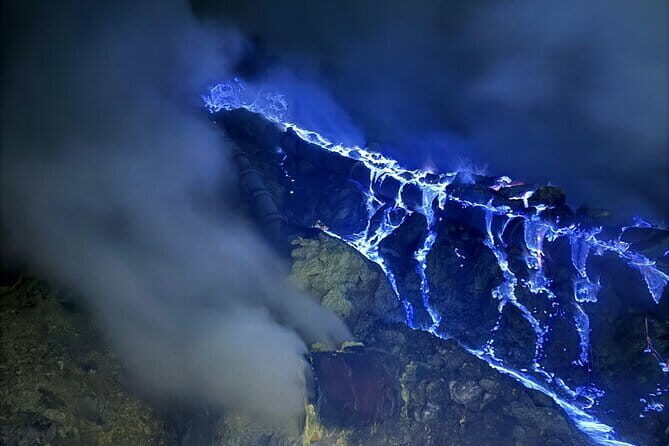
- Blue fire viewing at the right moment, when you’ll hike up just after midnight and return for sunrise.
- Safety basics included (gas mask and flashlight), which matters a lot at Ijen.
- Door-to-door Bali pickup with included ferry ticket, parking, and highway access fees.
- You see sulfur miners up close during their daily routine, not just the postcard crater.
- Optional trolley taxi exists at Ijen for an extra fee if you want help with parts of the route.
Blue Fire in the Dark: What Your Midnight Start Sets Up
The Mount Ijen experience starts when most people are still asleep: the hike begins just after midnight. That timing isn’t random. It’s built for visibility and for catching the famous blue fire phenomenon when conditions line up.
The climb itself is described as a 1.5–2 hour trek. Expect uneven ground and a slow, steady rhythm. This isn’t a sit-back-and-take-photos walk. You’ll be moving in the dark, which is exactly why the tour includes flashlights and why a guide’s presence makes such a difference.
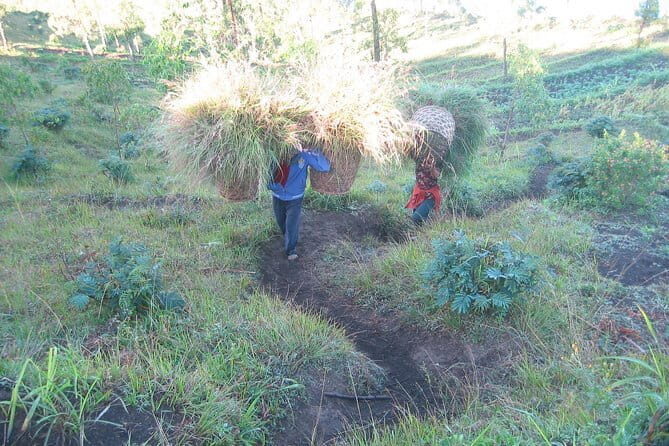
What I find especially smart about this approach is that it’s not just about the top. Along the way, you pass the daily rhythm of traditional sulfur miners—people doing real, hard work while you’re bundled up with your headlamp and staying quiet enough to watch. That human scale is what turns “a volcano trip” into a more meaningful night.
Door-to-Door From Bali: Getting There Without the Logistical Headache
This is listed as a private overnight tour from Bali, and that “private” piece is the main value. You’re not assembling a plan with multiple tickets and confusing transfers. You get hotel pick up & drop-off and private transportation with an air-conditioned vehicle.
The important bit for cost and convenience: some big travel items are already handled. You get a ferry ticket, plus free parking fees and free highway entrance fee. You’re also traveling under the watch of your guide, which is great when you’re tired, it’s late, and signage is not exactly your friend.
Depending on where you start in Bali, you might feel the travel time, especially if you’re coming from farther out areas. One review noted the drive from Uluwatu to Ijen and back the next morning was hard, but still “super organized” and worth it. That matches the reality: you’re trading comfort and planning time for the chance to see Ijen at the right hour.
The guide names you might run into
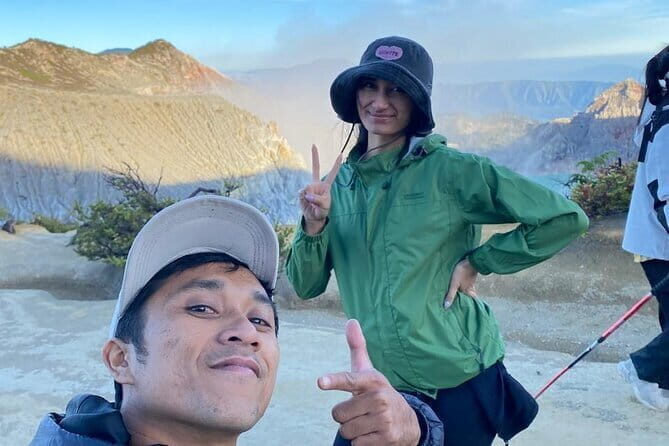
Several guides get praised by name. You could be guided by Nunu, Mufi, Mufidah, or assisted by a driver like Putu—and in the stories, the common thread is that they guide you through the hardest parts and help with photos.
Gear and Safety: Why Gas Mask + Flashlight Changes the Experience
At Ijen, you’re close to sulfur gases. The tour includes the essentials: a gas mask and a flashlight. That matters more than it sounds. You don’t want to arrive and discover that the equipment you expected to have is missing—or that you’re borrowing something unsafe or wrong.
Your guide provides the safety equipment and accompanies you through the night climb. That’s practical peace of mind. You also get light structure: what to do, when to move, and when to stop for views.
A quick reality check: even with equipment, this is still physically demanding and environment-heavy. If you have concerns about altitude sickness or high blood pressure, treat that seriously and follow your doctor’s guidance. The tour specifically notes these conditions as not recommended.
Reaching the Crater: The Trek’s Pace, the Dark, and What You’ll See
You start walking under the stars and keep going until you reach the crater area. The tour flow is simple: climb, pause for the moment, then take in the sunrise and crater views before heading back down.
Because the trek lasts around 1.5–2 hours, the pace is key. You’ll want to keep moving steadily and not burn your energy early. In the dark, footing is everything—this is where a guide helps you avoid thinking you can power through.
Along the route, the experience is not only scenic. You’re also learning by observation. The miners you see aren’t performers. They’re working in a place that demands gear, endurance, and routine. You’ll likely spend at least a little time just looking at how everything operates at human scale compared with the huge volcanic setting.
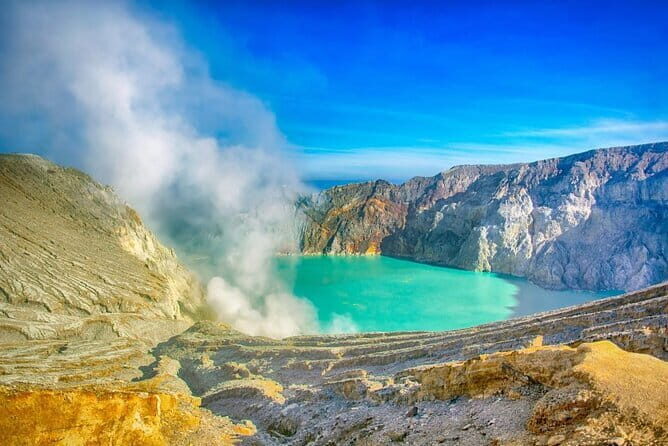
When you reach the crater, the prize is the rare blue fire. You’re watching sulfuric gases burst from the earth and ignite into that otherworldly blue glow. The tour also sets expectations for a sunrise over the turquoise acidic crater lake—one of the reasons the timing matters so much.
Blue Fire and Sunrise Photos: How to Get the Shot Without Losing Your Breath
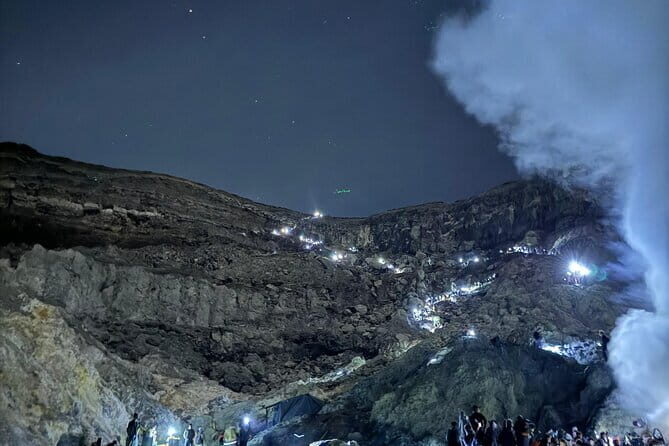
If you care about photos, this is one of the most photo-worthy sunrise treks in Indonesia. The tour is built around the combination: blue fire in the darker hours, then sunrise as the crater lake takes on its color.
The hard part isn’t the photography concept. It’s the human physics: you’re hiking while cold, tired, and focused. So you’ll want a strategy:
- Keep your camera accessible without stopping your breathing.
- Use short bursts for photos, then return to moving or waiting.
- Don’t panic if the light changes fast. Sunrise at a volcano is not a slow sunrise.
One consideration from a real-world story: a guide and driver got big praise, but the person noted they couldn’t see the blue flames because of crowding. That’s the sort of thing you should mentally plan around. You may not be alone out there. Go early, follow your guide’s position cues, and be ready to accept that the view can be affected by the number of people.
Still, the overall impression is that the timing works. The trek is synchronized so you arrive for the key moment, not after it.
Down the Volcano: Descent, Miner Life, and the Light Refreshment
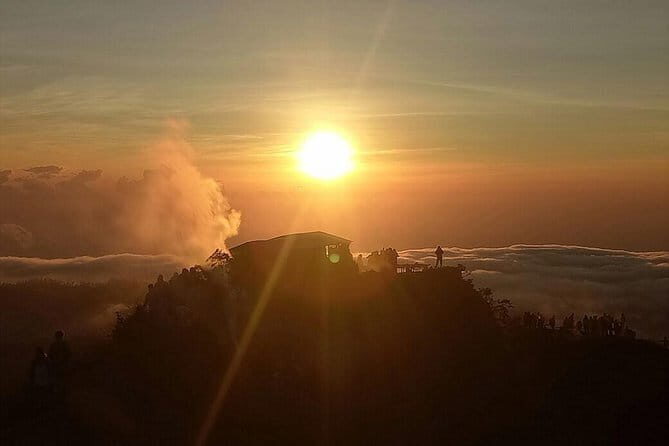
After the blue fire moment and the sunrise views, you’re on the way back. The tour design includes descending back toward the base and then enjoying a light refreshment.
That “light refreshment” detail is small but meaningful. You’re coming off a cold, physical stretch. Even if it’s not a full meal (more on food below), a little recovery matters when your body is ready to be done.
And you’ll likely process what you saw during the descent. It’s easier to understand the work you witnessed when you’re not straining to reach the top anymore. You get a better sense of the crater space, the route flow, and how miners and visitors share the same geography.
Food and Comfort: What’s Included vs What You’ll Need to Plan
Here’s the simple math on meals:
- Not included: lunch and dinner
- Included: a light refreshment on return
That means you should plan around getting fed outside the trekking window. Since the day is structured around an overnight schedule and sunrise, your main meals may not align neatly with a normal travel day. If you’re the type who gets grumpy when you’re hungry, bring snacks you can rely on.
On the comfort side, you do have air-conditioned vehicle transport, which helps a lot after you’re back and chilled out from the hike. Don’t expect the night to be a hotel sleep situation—this is an adventure pacing you, not the other way around.
Price and Value: Is $134 a Good Deal for Ijen From Bali?
At $134 per person, this isn’t the cheapest way to do Ijen, but it also isn’t priced like a luxury “skip the effort” tour. It’s priced as a practical shortcut that bundles the hard parts.
What you’re paying for includes:
- Private door-to-door transportation
- English-speaking guide who stays with you
- Gas mask and flashlight
- Ferry ticket
- Free parking and highway entrance fees
If you try to DIY this, you’d likely spend time and money figuring out transport, timing, and gear. Even if you lower your cash cost, the uncertainty can be brutal when you’re leaving at night and trying to catch a specific sunrise window.
Also, the tour is supported by strong performance signals: 4.9 rating with 17 reviews, and 100% recommended. That doesn’t mean every trip is perfect, but it does suggest the operations—timing, guide quality, and coordination—are doing their job.
Who Should Book (and Who Should Skip This One)
This tour calls for moderate physical fitness. If you’re comfortable hiking for around two hours in the dark and you can handle cold night air, you’ll likely be fine.
It’s also a good fit if you want:
- Private, guided attention
- A structured way to reach Ijen without juggling transport yourself
- The blue fire and sunrise combination, plus real miner life along the route
Skip or reconsider if you:
- Have high blood pressure (the tour lists this as a concern)
- Are dealing with altitude sickness risk
- Have a baby under 3 years (not suitable)
If you’re unsure, make your decision based on your health and your willingness to hike early in the morning. Volcano treks don’t negotiate.
Book It or Pass: My Decision Guide
You should book if your priority is the full package: blue fire + sunrise + guided safety gear + door-to-door logistics. This tour is built for people who want the moment to happen on schedule and don’t want to fight the travel puzzle after midnight.
You might pass if you’re very sensitive to physical strain or you know you’ll struggle with the conditions that come with an early hike. Also, if you absolutely need a guaranteed uncrowded blue fire view, realize that crowding can affect what you see.
If you’re choosing between comfort and “just do it fast,” this one leans toward the efficient, organized version of Ijen—especially because the ride, ferry, and key equipment are already handled.
One last practical tip: pack smart for the night. You’ll be in cold conditions and you’ll want your hands and energy ready for the climb and for quick photo stops.
FAQ
How much does the Mount Ijen sunrise trekking from Bali cost?
It costs $134.00 per person.
How long is the tour?
The duration is 1 day (approx.), with an overnight-style schedule that includes a midnight start.
What time does the trekking start?
The hike begins just after midnight.
What’s included for safety and hiking?
You’ll get equipment required for the activity, including a gas mask and flashlight. You’ll also have an English-speaking guide and hotel pickup and drop-off.
Are meals included?
Lunch and dinner are not included. The experience does include a light refreshment when you return.
Is there any optional extra cost during the trip?
Yes. The trolley taxi service at Ijen requires an additional fee of USD 50 to USD 80.
More Hiking & Trekking Tours


More Tour Reviews

More Ubud Tours
Ubud Tours: how the alternatives stack up
 ★ 5.0
★ 5.0Ubud: Monkey Forest, Jungle Swing, Rice Terrace, and Water Temple
The lists this tour appears in