

Review · Bali Waterfalls Tours
Munduk Twin Lake Jungle Hike, Ulun Danu Temple, & Waterfall
Bali gets quiet in Munduk. This small-group route takes you into the northern mountains for a rainforest trek, a traditional canoe crossing on Tamblingan Lake toward the Ulun Danu Temple area, and a swim-stop at Banyumala Twin Waterfalls. I love the laid-back pace with a maximum of 8 people, and I like that you get photo time at the Twin Lake View point without feeling boxed in by tour crowds.
One thing to plan for: this is a moderate hike. You’ll be walking forest paths and reaching the waterfall viewpoints (and a swim is part of the point), so bring a steady, sensible attitude rather than expecting a flat stroll.
In This Review
- Key things I’d circle on your map
- Munduk’s Twin Lakes and Banyumala Waterfalls: Why This Day Feels Different
- Getting There: Twin Lake View Meeting Point and a Maximum of 8
- Rainforest Jungle Hike to the Lake: Walking Poles, Birds, and Real Plant Spotting
- Canoe Across Tamblingan Lake to the Temple: The 30-Minute Reset
- Banyumala Twin Waterfalls: Swim Time, Two Views, and Step-By-Step Reality
- Coffee, Snacks, and Optional Lunch: How They Fit the Pace
- Price and Value for a 5-Hour Small-Group North Bali Day
- Who This Tour Suits Best (and Who Might Want a Different Plan)
- Should You Book This Munduk Jungle Hike, Canoe, Temple, and Waterfall Day?
- FAQ
- What is the duration of the Munduk Twin Lake Jungle Hike and waterfalls tour?
- How many people are in a group?
- Where does the tour start?
- Is pickup available?
- What activities are included in the route?
- Do you swim at the waterfalls?
- What’s included with the tour?
- Is lunch included?
- What physical fitness level do you need?
- What happens if the weather is bad?
Key things I’d circle on your map
- Twin Lake View at Wanagiri: a top photo spot in North Bali, with time to slow down
- Traditional canoe across Tamblingan Lake (~30 minutes): calm water time, not a rushed transfer
- Rainforest trekking with guide talk: tree and bird spotting as you walk
- Banyumala Twin Waterfalls swim: two waterfall views, plus actual time in the water
- Small group (max 8): more attention from guides like Puta, Kari, and Oka
Munduk’s Twin Lakes and Banyumala Waterfalls: Why This Day Feels Different
If you want Bali that doesn’t revolve around the same few blocks of traffic and souvenir shops, Munduk delivers. This day is built around nature in the northern highlands: cool air, forest noise, lake stillness, then the sudden sparkle of waterfalls.
What I like most is how the tour uses variety to keep your energy steady. You don’t just hike for hours and call it a day. You walk through rainforest, you cross the lake by traditional canoe for about 30 minutes, and you end with a swim at Banyumala Twin Waterfalls. That rhythm matters. It breaks up the physical effort and also breaks up your photos, because each stop has a different feel.
It also helps that the guides take the job personally. In the stories shared by the people who went, the team names come up again and again. Deta is described as patient and flexible with stops during the drive, and he even played Taylor Swift to set a friendly tone. On the guiding side, Puta, Kari, and Oka are singled out for knowing the local land and focusing on forest details and culture talk. That makes the day feel guided, not just transported.
Getting There: Twin Lake View Meeting Point and a Maximum of 8
This tour starts and ends back at the same meeting point: Titik Pandang Danau Kembar Wanagiri, Sukasada/Pancasari area (near Gobleg, Banjar, Buleleng). The spot is one of the most famous places for photos in North Bali, so expect a scenic arrival rather than a bland parking-lot start.
You’ll also be in a small group, with a maximum of 8 travelers. For me, that’s the sweet spot. It’s big enough that the day feels social, but small enough that the guide can actually manage the pacing on uneven ground and talk about what you’re seeing without shouting over dozens of people.
Pickup is available, but it’s tied to an upgrade. If you’re staying farther from the meeting point, that upgrade can be worth it because it removes a big chunk of stress. There’s also a mobile ticket, which makes the whole thing simpler once you’re on your trip schedule.
Rainforest Jungle Hike to the Lake: Walking Poles, Birds, and Real Plant Spotting
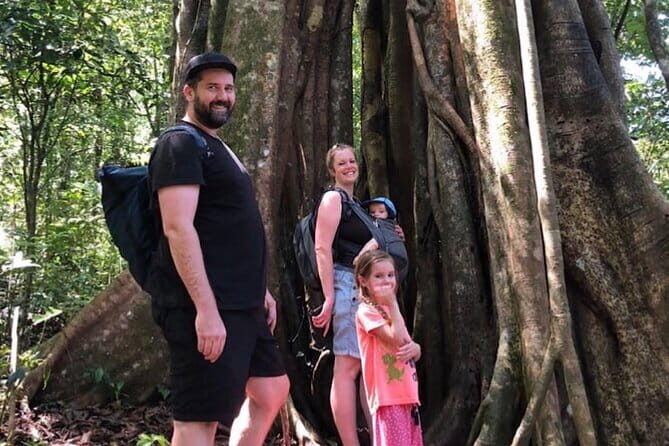
The day begins with a trek through the rainforest around the Munduk area, specifically in the mountain region north of Bali. It’s not described as a hardcore grind, but it is a real hike. You’ll be moving through natural paths where you can feel the humidity and hear the birds doing what birds do.
One detail I really appreciate here: the tour provides walking sticks. That sounds small until you’re on a sloped trail and you want your knees to feel like they did not sign up for a punishment routine. It also helps when the ground changes underfoot after rain.
The guide focus is part of the value. Instead of treating the hike like scenery-only, the guides point out different types of trees along the route and talk about bird calls you might notice but wouldn’t identify on your own. In the shared experiences, Oka is mentioned for explaining forest plants and even what not to touch. That’s practical. It keeps your attention on your surroundings, and it helps you avoid the common mistake of grabbing at leaves or stepping into areas that are better left alone.
During the trek, you’ll also get a feel for why this area is often calmer than the more famous Bali circuits. You’re not just watching nature; you’re inside it.
Canoe Across Tamblingan Lake to the Temple: The 30-Minute Reset
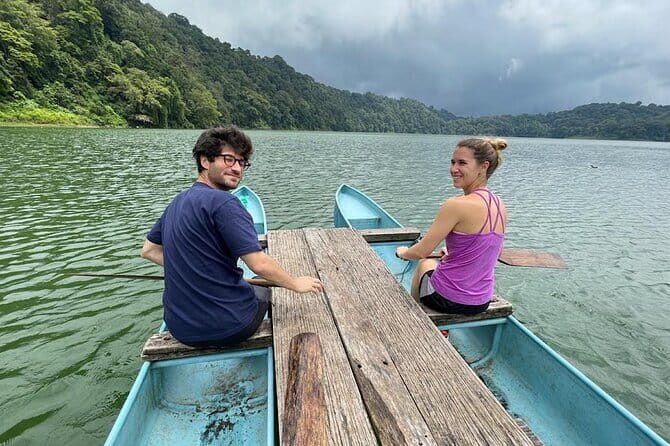
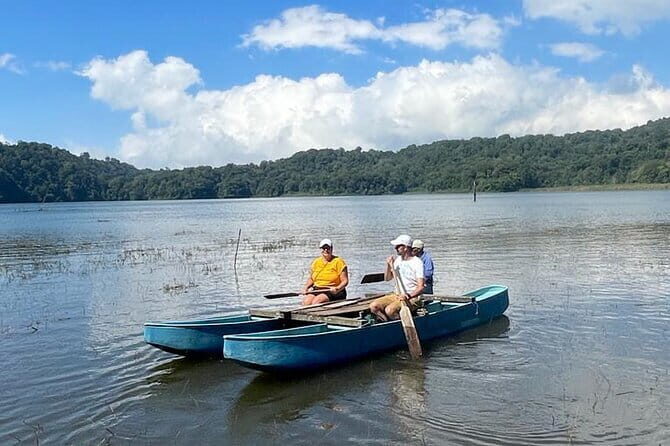
Then comes one of the most relaxing parts of the day: a traditional canoe crossing across Tamblingan Lake for about 30 minutes. This is the mid-day mental reset. The hike asks for focus. The canoe gives you breathing room.
Tamblingan Lake itself sits in a volcanic setting formed by caldera eruptions centuries ago. What that means for your experience is sensory: cooler air, forest around the water, and a rural-feeling shoreline that doesn’t scream tourist infrastructure. The tour’s description also frames Tamblingan as part of the twin-lake system beyond Buyan and Tamblingan, which helps you understand why this place feels naturally connected and not staged.
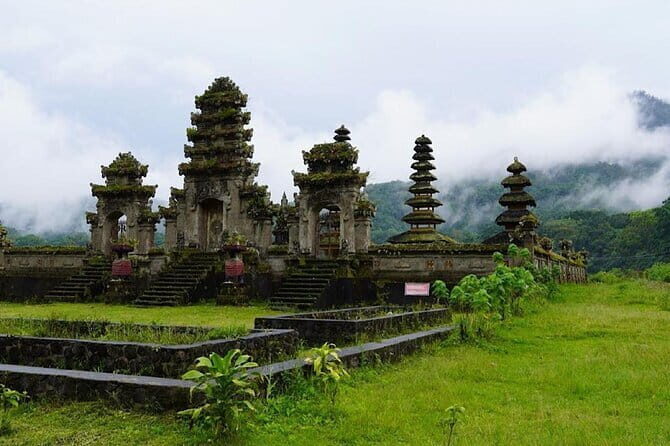
The canoe time is also where the day shifts from walking-based to water-based. You’re crossing the lake, and along the way you head toward the temple area tied to Ulun Danu. This portion is valuable because it shows you a different side of Bali spirituality: not just temples as photo backdrops, but temples as part of the landscape and daily rhythm around water.
And yes, there’s a comfort factor built in. Coffee and/or tea and snacks are included, and some guides share coffee and small bites during the canoe portion. That turns the crossing from a straight transit into a real break.
Banyumala Twin Waterfalls: Swim Time, Two Views, and Step-By-Step Reality
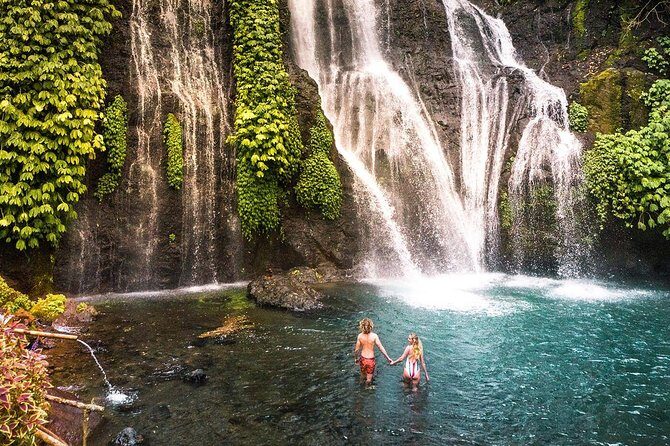
After the lake, the focus becomes the waterfalls: Banyumala Twin Waterfalls. The route is described as reaching “hidden” waterfalls with real nature and bird noise in the background. That matters, because the soundscape is part of why waterfalls can feel more powerful here than at the easiest-to-reach tourist sites.
There are two different waterfall views, and you can swim in the waterfalls while enjoying both. If you’re the kind of traveler who likes to actually do something rather than just point your camera and move on, this ending is the payoff.
Still, a practical heads-up: your comfort will depend on conditions and your own comfort in water. The tour is weather-dependent, and if rain has changed the flow, your footing and swim conditions can shift. Keep your expectations flexible. I’d also plan to bring or at least have a plan for how you’ll handle wet clothes afterward, since the day ends back at the meeting point rather than with a full rinse-and-change facility.
The waterfall portion is also where the walking payoff shows up. You’re not just dropping into a viewing platform. You reach the falls through paths and then enjoy the experience at close range.
Coffee, Snacks, and Optional Lunch: How They Fit the Pace
This tour is not built like a marathon with constant downtime. It’s built like a long, guided walk that stays enjoyable.
Included along the way are snacks (sticky rice) and bottled water, plus coffee and/or tea. These small items matter because they keep you from turning snack breaks into hunger emergencies later. Sticky rice is a steady choice on an active day, and water is non-negotiable once you’ve been walking in humid conditions.
There’s also mention of lunch break at a local restaurant, labeled optional. That’s helpful because it lets you decide what kind of day you want. If you want to keep the whole thing simple, you can treat the included snacks as your fuel and then choose whether a sit-down meal feels worth it for you.
The overall effect: you stay in the rhythm of walking, canoeing, and swimming rather than constantly recalculating energy.
Price and Value for a 5-Hour Small-Group North Bali Day
The price is $42.77 per person for an experience that runs about 5 hours. That’s not a budget token, but it also isn’t a luxury-day price. So where does the value come from?
First, you’re paying for logistics and guidance across multiple environments: rainforest trek, canoe crossing, waterfall time, and a temple area stop. Second, you’re paying for the included extras that many DIY trips end up spending extra money on anyway, like walking sticks, bottled water, snacks (sticky rice), and coffee or tea.
Third, you’re paying for a guide who’s actually explaining what you’re seeing. Names like Puta, Kari, and Oka show up in the experiences shared, and the common thread is knowledge tied to what’s right around you: trees, birds, and local culture talk. That’s the difference between taking photos and learning how to read the place.
Last, the small group size (max 8) gives you a sense of attention. That usually makes the day feel smoother, especially on slopes and when people want to stop for photos.
If you’re already planning to travel around Ubud, this can work well as a one-day nature escape. If you hate hikes, it’s not the best match. If you like being active but still want a guided, social day, it’s strong value.
Who This Tour Suits Best (and Who Might Want a Different Plan)
This works best if you want North Bali nature without the big-tour shuffle. If you enjoy jungle walks, don’t mind getting a bit sweaty, and want a real canoe experience rather than a quick boat ride, you’ll likely love the format.
It’s also a good fit if you want cultural context without sitting through a lecture. The day includes a temple area tied to Ulun Danu as part of the lake journey, and guides like Oka are described as sharing Balinese culture alongside the environment.
I’d take a second look if any of these are you:
- You need a completely flat, low-steps walk. This is moderate and includes reaching waterfall areas.
- You’re not interested in swimming. The waterfall experience includes swim time as an option, and the day ends with water-based fun.
- You’re traveling when rain is likely. The experience requires good weather, and poor weather can change plans.
Should You Book This Munduk Jungle Hike, Canoe, Temple, and Waterfall Day?
I’d book it if you want a day that feels like you left the crowded parts of Bali behind and replaced them with rainforest sound, lake quiet, and waterfall water. The small group size, the traditional canoe crossing, and the fact that you end with a real chance to swim are the three reasons this works.
I’d hesitate if you want an ultra-easy walk or if you’re extremely weather-sensitive. The good news is that the tour is designed as a focused route in one region, so you’re not bouncing across the island all day.
If you do book: bring shoes you trust on wet ground, plan a swim mindset if you want to go in, and wear clothes you don’t mind getting damp. And if you’re lucky enough to get a guide like Kari, Puta, or Oka, lean into the plant and bird talk. That’s where the day turns from pretty to memorable.
FAQ
What is the duration of the Munduk Twin Lake Jungle Hike and waterfalls tour?
The tour runs about 5 hours.
How many people are in a group?
This activity has a maximum of 8 travelers.
Where does the tour start?
The meeting point is Titik Pandang Danau Kembar Wanagiri, Sukasada/Pancasari area (Buleleng, Bali). The tour also ends back at the meeting point.
Is pickup available?
Pickup is offered, and an upgrade can add pickup and drop-off from addresses around Bali.
What activities are included in the route?
You’ll do a rainforest jungle trek, cross Tamblingan Lake by traditional canoe for about 30 minutes, and visit a temple area associated with the Ulun Danu stop. The day also includes Banyumala Twin Waterfalls.
Do you swim at the waterfalls?
Yes, you can swim in Banyumala Twin Waterfalls during the visit.
What’s included with the tour?
Included items are walking sticks, coffee and/or tea, snacks (sticky rice), and bottled water, plus all fees and taxes.
Is lunch included?
A lunch break at a local restaurant is listed as optional.
What physical fitness level do you need?
The tour is suitable for travelers with moderate physical fitness level.
What happens if the weather is bad?
The experience requires good weather. If it’s canceled due to poor weather, you’ll be offered a different date or a full refund.
More Bali Waterfalls Tours



More Beratan Temple Tours



More Ubud Tours





Bali Waterfalls Tours: how the alternatives stack up
 ★ 5.0
★ 5.0Best of Bali Waterfalls: Tibumana, Tukad Cepung and Tegenungan

The lists this tour appears in