
Ubud Night Traditional Market Food Tour
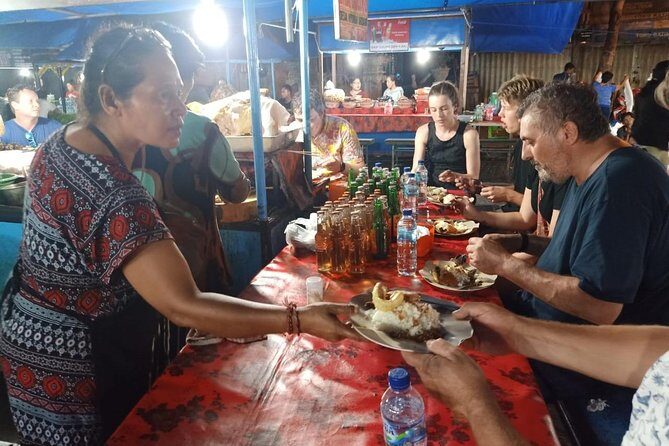
Night markets make Bali feel real. This 3-hour Ubud night market food tour is built around one simple idea: you get a local guide to lead the way, translate menus, and steer you to traditional Balinese eats that are easy to miss on your own.
Two things I especially liked. First, you get help deciphering menus so you can order with confidence, not guesswork. Second, the guide actively tunes the stops to your preferences, including how spicy you want it, and that can turn an average snack run into a proper Balinese dinner.
One consideration: this is street-food-adjacent, and one guest noted they felt uneasy about food handling practices (like no gloves). If you’re very cautious about cleanliness, use your instincts, eat what’s clearly cooked fresh, and keep hand sanitizer handy.
In This Review
- Key Things You’ll Notice
- Ubud Night Market Food Tour: What This Is Really For
- Price and Value: $45 for Dinner-Style Sampling
- Starting at 6:00 pm: How the Night Unfolds
- First Stop: Traditional Balinese Cakes and a Menu Warm-Up
- Walking a Famous Market: History, Culture, and What You’re Actually Eating
- Tackling Spice: The Guide Tunes the Food to You
- The Main Eating Phase: Local Stops for Foods and Drinks
- Tailored Tips for the Rest of Your Trip
- Who This Tour Suits Best (And Who Might Want to Skip)
- Food Safety Reality Check: What to Watch for
- Getting the Most Out of Your Tour
- Should You Book This Ubud Night Market Food Tour?
- FAQ
- What time does the tour start?
- How long is the Ubud night market food tour?
- Is pickup included?
- What’s included in the price?
- Do I need to pay extra if I’m traveling alone?
- How many people are in the group?
- Can I get help ordering because I don’t know the language?
- Are there any restrictions on participation?
- Does the tour run in bad weather?
- What is the cancellation window?
Key Things You’ll Notice
- Menu translation help so you can choose dishes without struggling with another language
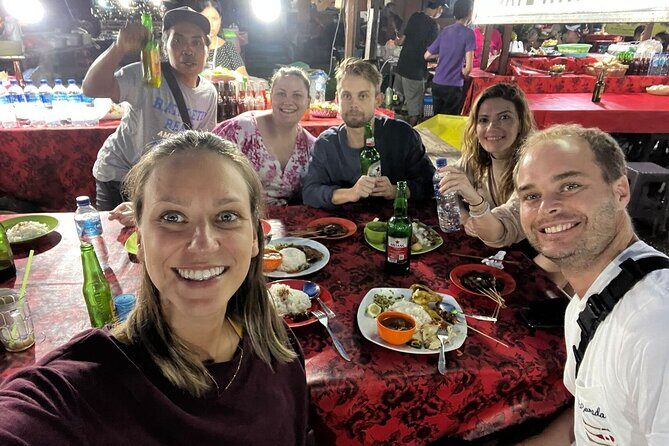
- Guided night market walk where the guide explains what you’re seeing and tasting
- Traditional Balinese focus with cuisine locally called Megibung
- Spice preferences catered to (worth mentioning up front)
- Small group size with a maximum of 10 people
Ubud Night Market Food Tour: What This Is Really For
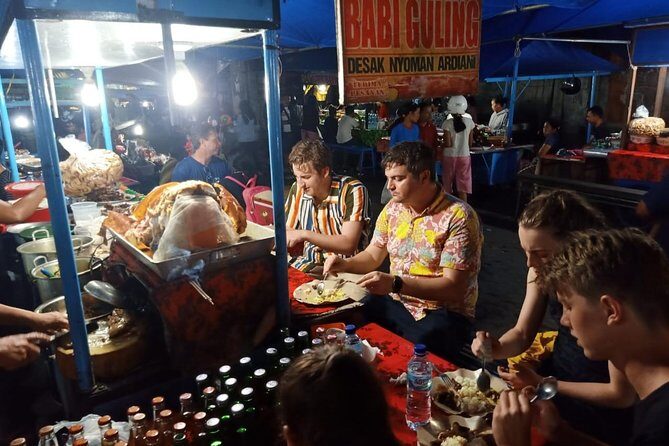
This tour is for you if you want more than just eating random things off a stall. You want structure. You want a guide who can explain what’s in front of you, where it comes from, and what to order next. And you want a plan for the night that doesn’t feel like wandering with a phone flashlight.
What makes it work is the mix of practical guidance and cultural context. You’re not just being taken to places to consume food. You’re getting help reading menus, learning what the market is about, and ending with a set of local recommendations you can use afterward. If you care about getting the Balinese food experience right, this style of tour helps you do that fast.
Price and Value: $45 for Dinner-Style Sampling
At $45 per person, this is priced like a budget food tour, but it doesn’t feel budget-lite. All meals and drinks are included, and the cost also covers an air-conditioned vehicle, plus all fees and taxes. In plain terms: you’re mostly paying for guidance, time, and transportation, not for each bite.
The only catch is the minimum group rule. The tour requires at least two people. If you’re booking solo, the additional charge listed is $35 (so you’re not paying $45 for yourself alone). That matters because solo travelers may feel this becomes less of a deal unless you can pair up with a travel partner.
Also keep expectations in line with the duration: you’re on a 3-hour evening plan. That means the focus is on tastings and smart sampling, not a slow, sit-down marathon.
Starting at 6:00 pm: How the Night Unfolds
The tour starts at 6:00 pm, timed for when night markets and street food energy really kick in. If you’re used to Bali pacing—late dinners, relaxed schedules—this fits nicely. The night is long enough for several stops, but short enough that you’ll still have energy afterward.
You can also get pickup offered (and the tour includes an air-conditioned vehicle). That’s a big deal in Ubud. Traffic and distance can chew up your evening, and you don’t want to spend your best eating hours getting rerouted. Pickup helps you stay in “eat mode” from the first stop.
And yes, there’s a mobile ticket. So if your travel day is already chaotic, you won’t be stuck hunting for paper tickets.
First Stop: Traditional Balinese Cakes and a Menu Warm-Up
Before you hit the market lanes, the experience starts with a traditional, Balinese-style cake. This is a smart move because it eases you into flavors before everything gets loud and chaotic.
Then the guide helps you with menu reading. This isn’t about memorizing words; it’s about knowing what you’re looking at. You can ask what’s sweet vs. savory, what’s likely spicy, and what’s a safer first choice if you’re not sure what you’ll like. It also makes your ordering feel less awkward, which matters when you’re in a busy market setting.
If you’re someone who normally skips street food because you can’t tell what it is—this part alone can change your whole night.
Walking a Famous Market: History, Culture, and What You’re Actually Eating
After the first taste, you walk around a well-known market and learn what makes it important. The tour includes cultural and historical context from a guide who knows the area’s food scene.
This portion matters because markets can look like chaos from the outside. A guided walk turns that chaos into a map:
- You understand why stalls offer certain items
- You know how to spot the better choices
- You learn what’s typical vs. what’s more tourist-facing
You also get a chance to see market life beyond the usual Ubud highlights. One guest specifically pointed out getting a more real-feeling market experience outside the typical Ubud bubble, toward the Gianyar area. Even when the exact market route varies, the point stays the same: you’re aiming for local rhythm, not a photo stop.
Tackling Spice: The Guide Tunes the Food to You
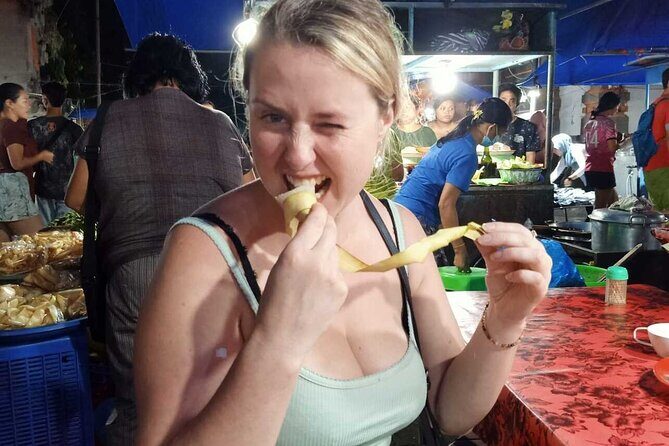
Balinese food can be spicy. You probably knew that. What you might not realize is that different guides handle spice differently—some just say spicy and hope for the best.
Here, the guide asks about your preferences. One guest noted their guide asked how they liked spicy food, and you can use that to your advantage. If you want mild, say it clearly. If you want heat, say that too. It’s your dinner, not a dare.
This is also why the menu translation help is valuable. It helps you communicate quickly when you’re standing in front of a stove, not 20 minutes into the tour.
The Main Eating Phase: Local Stops for Foods and Drinks
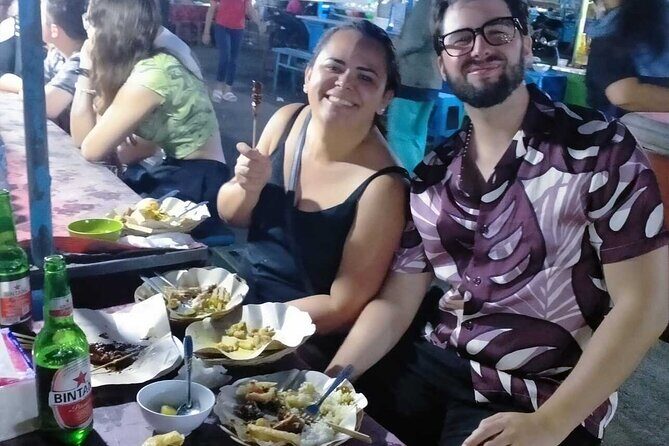
Once the market walking is done, you go to the guide’s favorite food and drink spots. This is where you should come hungry—because the tour promises that all foods and drinks are included and you should leave satisfied.
The tour focuses on traditional Balinese cuisine, including a local concept named Megibung. Even if you’ve never heard the term before, the practical outcome is what counts: you’re eating traditional, locally valued dishes, not generic snacks pretending to be Balinese.
What you’re likely to experience during this phase:
- a mix of hot and cold items
- dishes that make more sense when paired with guidance
- drink stops that fit the food you’re eating (not random sugary choices)
One guest even mentioned the guide helping with bargaining in the market. That kind of support is underrated. If you’re paying local prices and you’re not sure how to negotiate, you might end up overpaying or skipping the chance to buy something because it feels uncomfortable.
Tailored Tips for the Rest of Your Trip
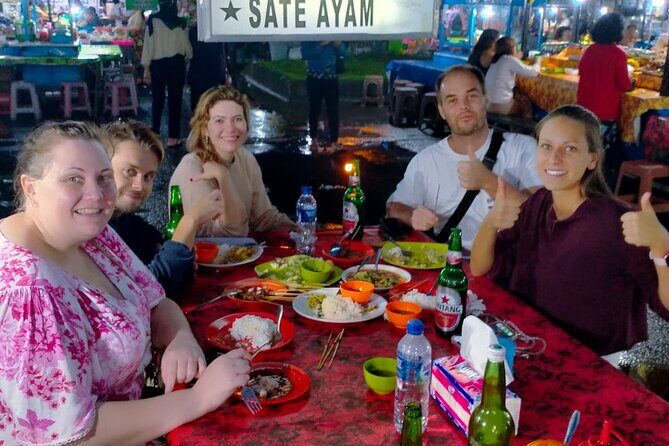
The tour also includes take-away tips for the rest of your time in Bali. This is one of those benefits that doesn’t look flashy in the booking description, but it can genuinely save you time later.
After eating your way through the local scene, you’re in a better position to ask smart questions:
- What foods should I try next?
- Where should I go that doesn’t feel like a tourist menu?
- Which spots are best at night?
Guides like Wayan, Amba, and Kadek (names shared by guests) come across as the kind of people who enjoy explaining, so you’ll often leave with more than just full stomachs.
Who This Tour Suits Best (And Who Might Want to Skip)
This fits you if:
- You want a guided night market experience rather than self-directed wandering
- You’re curious about traditional Balinese food, especially local concepts like Megibung
- You’d rather ask questions in real time than translate menus on the fly
- You like small groups (up to 10)
It might not be your best match if:
- You feel very uneasy around street-food environments and handling
- You can’t handle spicy food even in small amounts
- You’re looking for a long, slow meal with lots of sitting time (this is 3 hours)
Food Safety Reality Check: What to Watch for
One review flagged concerns about food handling practices, like no gloves or other safety measures. I can’t promise what you’ll see at every stop, but you should go in with awareness.
Practical approach:
- Pick items that look cooked fresh and served hot
- Watch how food is handled at the stall
- Use sanitizer before eating, and try not to touch your face right after tasting
- If something feels off, skip it. The point is to enjoy the night, not force it
If you handle street food with common sense, this kind of tour can be a great way to eat well without turning your holiday into a germ debate.
Getting the Most Out of Your Tour
Here’s how to make your 6:00 pm start work in your favor:
- Tell your guide your spice level at the start
- Ask what a dish is made from and what the texture is like
- If you have dietary restrictions or allergies, mention them early (so the guide can steer you)
- Keep a small mindset shift: this is not a single restaurant meal. It’s a curated night of tastings
And bring a normal level of street-food confidence. You don’t need to be fearless. You just need to be flexible and curious.
Should You Book This Ubud Night Market Food Tour?
I’d book it if you want a low-effort, high-guidance way to eat traditional Balinese food in Ubud at night. The value feels strong because all food and drinks are included, pickup is available, and the guide is clearly doing more than just walking you from stall to stall. The menu help and spice tailoring are especially worth it.
Skip or reconsider if food handling makes you nervous, even with fresh-cooked stalls. Also think twice if you’re traveling solo and would have to pay the extra $35 to meet the minimum. In that case, it may still be fine if you want the guided experience, but it won’t be the same bargain feeling as booking with a friend.
If your goal is a real night out where Balinese food makes sense (and tastes great), this is a solid choice.
FAQ
What time does the tour start?
The tour starts at 6:00 pm.
How long is the Ubud night market food tour?
It lasts about 3 hours.
Is pickup included?
Pickup is offered, and the tour also includes an air-conditioned vehicle.
What’s included in the price?
All meals and drinks during the tour are included, along with all fees and taxes.
Do I need to pay extra if I’m traveling alone?
Yes. The tour requires a minimum of two people. If you book one person, there is an additional charge of US$35.
How many people are in the group?
The group size is capped at a maximum of 10 travelers.
Can I get help ordering because I don’t know the language?
Yes. The tour includes menu help to help you decipher food and drink in another language.
Are there any restrictions on participation?
Most travelers can participate, and service animals are allowed.
Does the tour run in bad weather?
This experience requires good weather. If it’s canceled due to poor weather, you’ll be offered a different date or a full refund.
What is the cancellation window?
You can cancel up to 24 hours in advance for a full refund. If you cancel less than 24 hours before the start time, the amount you paid is not refunded.
More Tours





More Tour Reviews



More Ubud Tours
Ubud Tours: how the alternatives stack up


 ★ 5.0
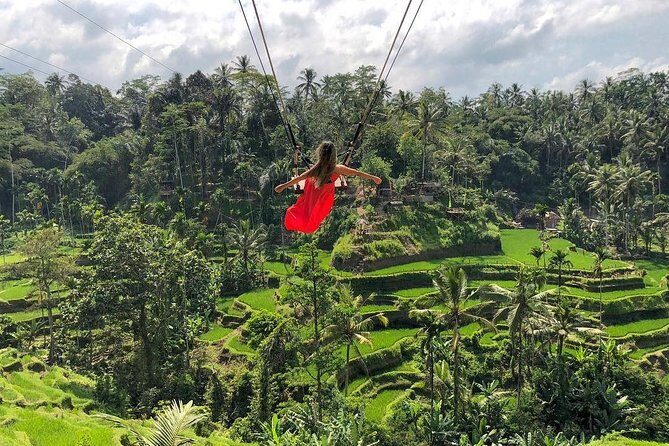
★ 5.0Ubud: Monkey Forest, Jungle Swing, Rice Terrace, and Water Temple





The lists this tour appears in