Bali travel guide — beaches, food, culture, and where to stay across the island
Bali · HISTORICAL TOURS
Top 15 Historical Tours in Bali
20 tours · ★★★★★★★★★★4.8 average · from $20
Bali rewards people who book ahead. These 15 historical tours are the proof: loved by travellers, priced clearly and easy to slot into an island itinerary.
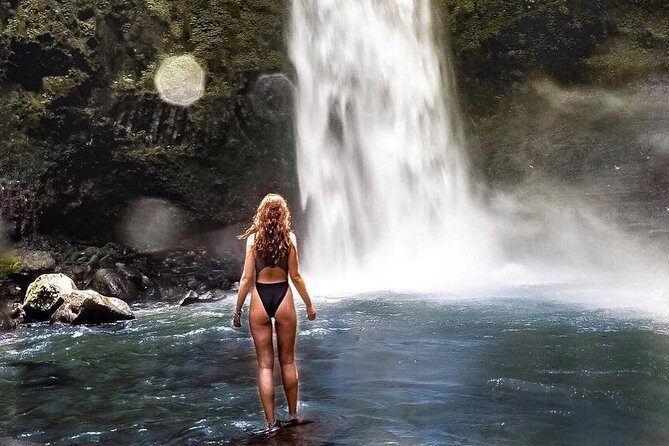
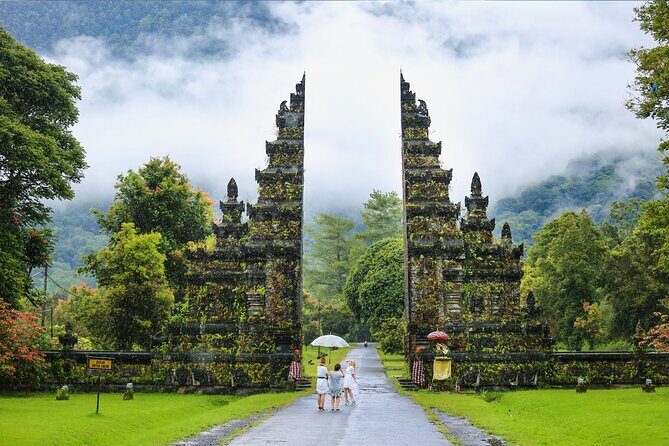
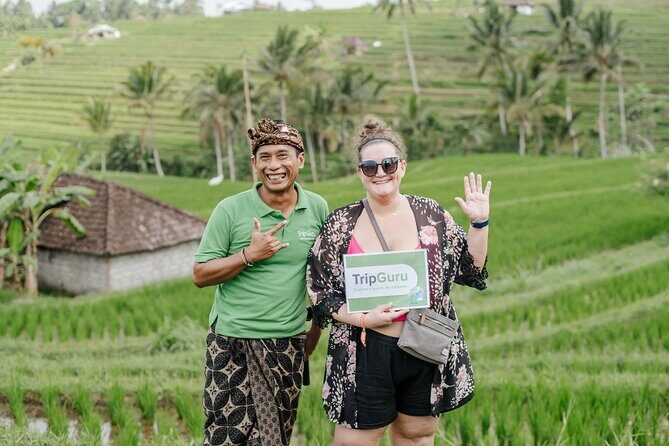
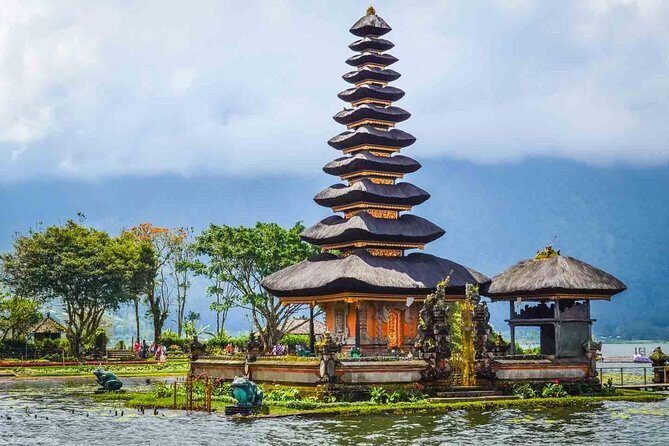
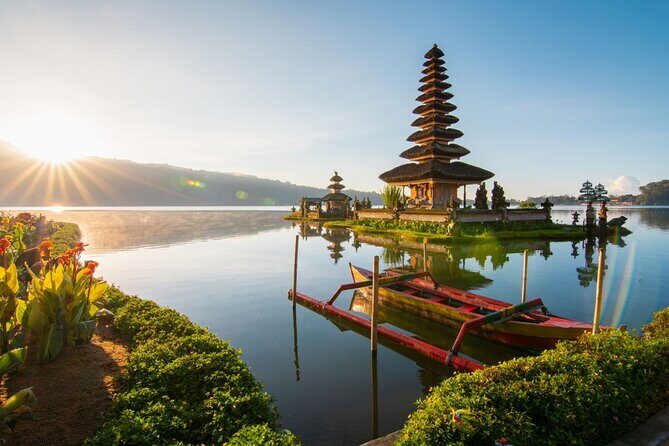
Private Bali UNESCO day tour linking Jatiluwih rice terraces and Ulun Danu Bratan, plus Handara, Wanagiri views, Nungnung waterfall.
“If you don’t have enough time to visit Bali, choosing this tour is a must. Our guide from forevervacation tour, Mr Mega Yasa brought us to the places highlighted in this tour. You will get to the rice terraces, the waterfall, temple and the lake.”
Private Bali temple day trip from Ubud featuring Ulun Danu Beratan, Taman Ayun, Tanah Lot, plus Jatiluwih rice views, with optional tickets.
“Excellent trip, the driver was very friendly and provide a lot of informations about the two places we visit and he help us building memories by taking beautiful photos with us. Thank you! Great experience for us.”
Private Bali UNESCO sites day: temples, rice terraces, lake views, Tanah Lot sunset. Pickup and ticket included. 10–12 hrs.
“The best tour and tour guide in Bali. The day was perfect from start to finish. Thanks Adnyana! We will definitely be back. Highly recommend this business and tour guide.”
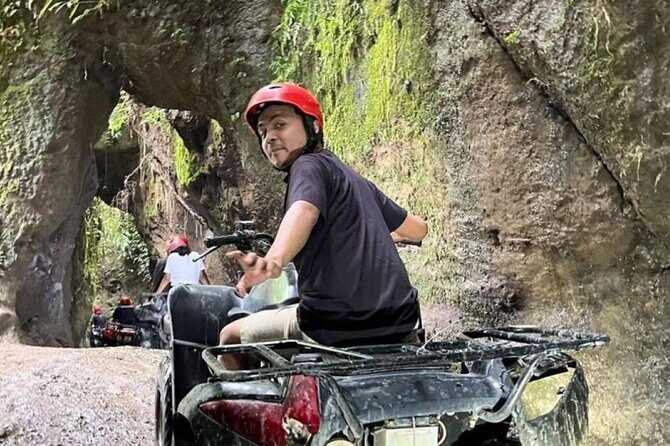
Ubud ATV Kuber quad ride through a historic tunnel, scenic waterfalls and jungle river splash, with lunch and pickup included.
“Awesome time on the tracks, ride was so incredible, the scenes were stunning and the transport from ketut was perfect would 100% recommend for people travelling to Bali.”
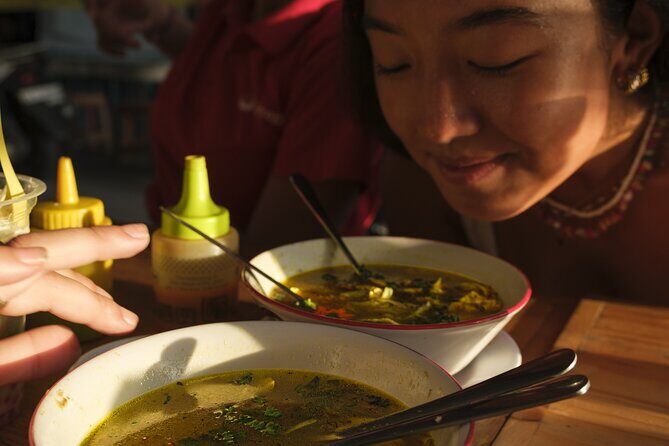
Sample Denpasar night-market snacks and heritage sights on a small 3-hour walk: Babi Guling, Bakso, Jaje Bali, and coffee.
“Superb walk, small taxi ride at the end with insights into Balinese life as well as the food! So good to be providing trade to this street vendors, markets and restaurants.”
A small-group Bali day trip hitting iconic temples, UNESCO rice terraces, and a sea-sunset finale, with pickup and an English guide.
“Great way to get a good understanding of the American war and how smart the VC & NLF were, plus a brilliant experience of learning about Vietnam its culture and people. Our guide Lam was exceptional, knowledgable and fun. Thank you.”
Private Ubud tour to Ulun Danu Beratan, twin lakes, Banyumala waterfalls, Jatiluwih rice terraces, and Taman Ayun with pickup.
“If you ever have the Chance to experience a Tour with Dewa dont hesitate to do it! He is honestly the best Guide you could wish for - authentic, humble, funny and so spontaneous. We were in rainy season in Bali and spent a whole day wit”
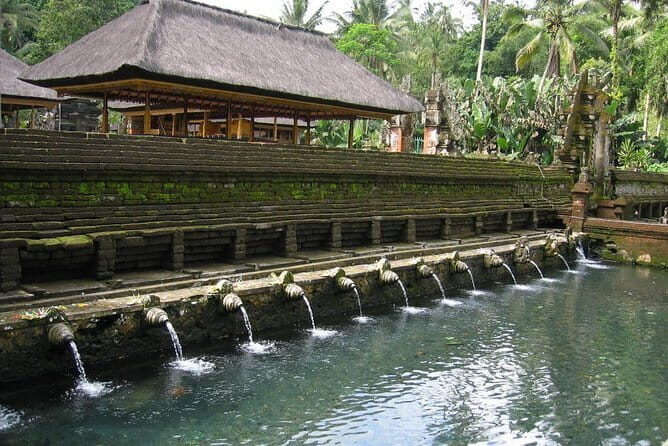
Private full-day Ubud cultural tour with batik and craft villages, Tirta Empul, Tegenungan Waterfall, Tegalalang rice terraces, and coffee tastings.
“We had booked this trip for 13 people. We walked to the pick up location and we were there on time. The operator never turned up we waited for 45mins and after Viator trying to contact them they confirmed they also couldn’t get in touch with them. The tour operator al”
Taste 10 dishes across six stops in Ubud, ending with a tea master ceremony. Includes food, drinks, and a 3-hour walk.
“this tour was amazing! we learned so much about Bali. The restaurants were carefully chosen. We loved the variety of food at each stop! Our guides were so knowledgable and kind! It was like we were eating out with friends! We highly recommend this tour!”
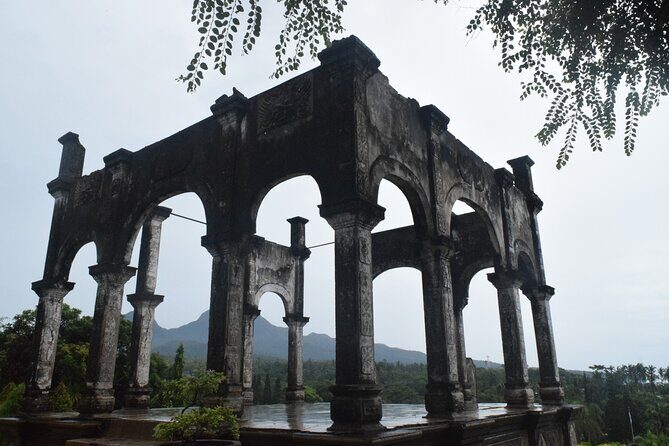
Private Bali heritage tour: Tanah Lot, Taman Ayun, Tirta Empul, Mt Batur caldera views, art villages, coffee stop, and hotel pickup.
“Yogi - our guide was amazing! He had excellent knowledge of the sites, took us everywhere we wanted and tailored our tour to our interests. Would recommend to anyone who wants a private tour with a lovely guide! Thanks again xx”
Private 8-hour UNESCO Bali day tour from Seminyak: Taman Ayun, Ulun Danu Bratan, Jatiluwih rice terraces, and Tanah Lot. Pickup included.
“This tour was the highlight of the trip. Very last minute decision but still accommodated our booking. Our guide Putu was polite and friendly and gave us some brilliant information on the sites we visited. He adjusted our schedule to what we preferred. Do not feel rushed and pushed through. Definitely recommend Putu to anyone.”