BALI ATV Kuber Through Historic Tunnel and Scenic Waterfalls

BALI ATV Kuber Through Historic Tunnel and Scenic Waterfalls - The Historic Tunnel Ride: Cool Air Inside a Jungle Day

Two hours can feel like a whole day here. Bali ATV Kuber mixes muddy jungle trails with a ride through a historic tunnel, then keeps going toward roaring water and an end-of-ride splash. I like how the day is set up for control and confidence, with instructors walking you through handling before you push the throttle.

I also like the practical package extras that save you hassle: changing rooms, toilet facilities, boots, helmet, and a locker. If you want the ride to come with food, you’ll get lunch with egg sandwiches. The one drawback is simple: expect to come back dirty and a bit wet, since this is an off-road, jungle route.

Highlights of Bali ATV Kuber

  • Historic tunnel segment that shifts from warm jungle to cool, damp air fast
  • Professional ATV instructors who teach controls and check safety during the ride
  • Waterfall-focused trail with big scenery moments along the way
  • Included gear: boots, helmet, locker, plus changing room and toilets
  • Lunch with egg sandwiches so you’re not searching for food mid-adventure
  • Private transportation + welcome drink, which makes the day feel smoother

Two Hours of Dirt, Tunnel Air, and Big Water in Ubud

BALI ATV Kuber Through Historic Tunnel and Scenic Waterfalls - Two Hours of Dirt, Tunnel Air, and Big Water in Ubud
This is the kind of tour that feels built for people who want action without the long, slow travel day. You start in the Ubud area, then head toward the Payangan–Gianyar side where the route turns off paved roads and onto thick jungle tracks.

What makes Bali ATV Kuber more interesting than a basic quad ride is the pacing. You’re not only chasing speed. The route is designed as a sequence: muddy trails, a historic tunnel ride with that cool-and-damp atmosphere, and then scenic waterfall moments before the day ends back at the start point.

And yes, it’s adrenaline, but the vibe stays grounded. You’re issued the basics, briefed on how to handle the bike, and guided through the route with clear checkpoints. From the reviews, drivers like Wayan and Ketut get called out for staying attentive throughout, which matters when you’re navigating slippery ground and tighter paths.

The overall timing is about 2 hours for the activity, so you can fit it into a busy Bali schedule without surrendering your entire day.

Kuber BALI ADVENTURE: Gear Up and Start Off-Road Proper

Your day begins at Kuber BALI ADVENTURE Br Bayad, Jl. Bayad, Melinggih Kelod, Kec. Payangan, Kabupaten Gianyar, Bali 80572. The good news for planning: this tour ends back at the meeting point, so you don’t worry about extra transfers after you’re tired and muddy.

At base camp, you get the warm welcome, plus a welcome drink on arrival. Then comes the part that actually makes the ride easier: you use the changing room and toilet facilities and get set up with boots, a helmet, and a locker. That combo sounds basic, but it’s a huge quality-of-life upgrade if you show up from a hotel with your own shoes and a bag you don’t want to ruin.

Another practical detail: the tour includes insurance. You’re still responsible for your own safety, but it’s one less uncertainty hanging over the start line.

If you’re picky about comfort, bring clothes you can live with getting splattered. The tour style is off-road jungle, and the finish includes a splash through a jungle river, so the “clean clothes” plan usually fails.

Safety Briefing and Learning the ATV Controls Before You Go

BALI ATV Kuber Through Historic Tunnel and Scenic Waterfalls - Safety Briefing and Learning the ATV Controls Before You Go
Before you head out, you’ll get a detailed safety briefing and learn how the quad works. This is where the tour earns its high rating. The most helpful part is that you’re not left to guess. In the reviews, guides and leaders are praised for being professional and for checking on passengers during the ride.

You can expect instruction that focuses on handling and control. That matters because ATV riding isn’t just about speed. In muddy sections and around uneven ground, the way you start, turn, and brake is what keeps you stable.

This is also where names you might hear in feedback come in. Oka is repeatedly praised for being punctual and knowledgeable, and Teja shows up in reviews as the kind of leader who keeps things moving while staying friendly. Either way, the goal is the same: you should understand how to drive before the trail gets busy.

One small reality check: most travelers can participate, but this is still off-road riding. If you have mobility issues or strong concerns about balance, you’ll want to consider carefully and ask how the experience matches your comfort level.

The Historic Tunnel Ride: Cool Air Inside a Jungle Day

BALI ATV Kuber Through Historic Tunnel and Scenic Waterfalls - The Historic Tunnel Ride: Cool Air Inside a Jungle Day
Then the route does something smart: it gives you a tunnel early enough that you feel the contrast. You’ll ride through a historic tunnel, described as cool and damp. That’s not just scenery. It changes how the trail feels and how your eyes adjust—suddenly you’re dealing with different lighting and a more enclosed atmosphere.

The best part of this segment is the mental shift. A lot of quad rides become one long blur of dirt. The tunnel breaks it into chapters. You go from bright jungle tones to damp tunnel air, then back out toward open ground where your speed and visibility come back.

Practically, this is also a good moment to focus on technique. The ground can feel different in and around tunnels, and you’ll likely want to keep movements smooth and controlled.

If you’re the type who likes photos, this is one of the spots where you’ll actually get variety. Tunnel light gives you a completely different look than open-air waterfall shots.

Muddy Jungle Trails and the Waterfall Moments

BALI ATV Kuber Through Historic Tunnel and Scenic Waterfalls - Muddy Jungle Trails and the Waterfall Moments
After the tunnel, the tour leans into jungle trail variety. Expect a mix of challenging and enjoyable paths. That’s important because it means the ride isn’t only gentle and straight-line. You’ll get stretches where skill helps, especially when traction drops.

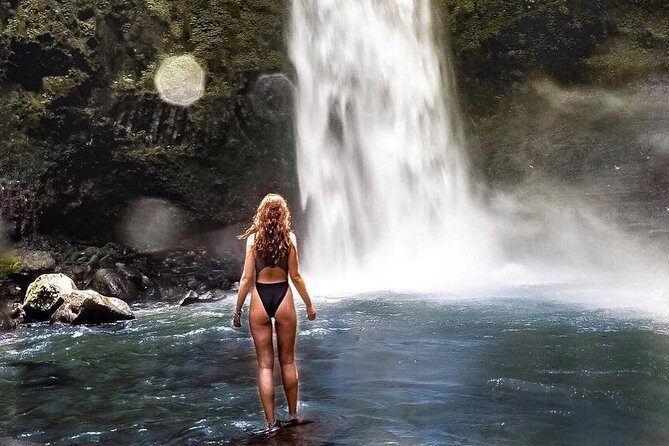
Then come the scenic waterfall areas. The description calls out a roaring waterfall, and that’s the kind of moment you’ll remember even if the trail is muddy and loud. Waterfalls add drama instantly. You’re not just riding through green. You’re riding toward a sound, then arriving at a view that feels like a reward.

From reviews, the best experiences emphasize guides who keep everyone together and manage safety without turning it into a slow crawl. Wayan is singled out for periodic check-ins, and Ketut is praised for being attentive throughout. That style matters here because waterfall stops and rough trail sections can tempt people to rush.

One more note: the route includes underground cave-like sections in some feedback. The tour data specifically highlights the historic tunnel, but cave-like passages show up in how people describe the route, so if you love varied terrain, you’re likely to get it.

Ending With a Fresh Jungle River Splash

BALI ATV Kuber Through Historic Tunnel and Scenic Waterfalls - Ending With a Fresh Jungle River Splash
The ride doesn’t just stop at the final viewpoint. It aims to end with a splash through a fresh jungle river. That’s the kind of detail that turns a good adrenaline activity into a full memory.

It also explains why the one drawback is real: you’ll probably leave looking like you attacked the world with a mud mixer. Even if you stay careful, ATV tracks throw splash. And if the day is wet, expect more of it.

The good side is that the splash finish is part of the tour’s identity. This isn’t a polished, dry experience designed to keep you clean. It’s built to feel like you drove into Bali’s wilder side.

Tip for your bag: plan your valuables like this is a day that gets messy. Keep your phone in a waterproof layer if you have one, and don’t pack the kind of camera gear that hates water.

Lunch and the Included Extras That Make the Value Work

BALI ATV Kuber Through Historic Tunnel and Scenic Waterfalls - Lunch and the Included Extras That Make the Value Work
Let’s talk value, because the price is where this tour gets interesting. At $33.84 per person, you’re not just paying for the quad. You’re getting a bundle that helps the day actually run smoothly.

Here’s what’s included:

  • Private transportation
  • Welcome drink
  • Professional ATV instructor
  • Changing room and toilet facilities
  • Boots, helmet, and locker
  • Lunch with egg sandwiches
  • Insurance
  • All fees and taxes

That’s a real mix of “comfort” and “safety,” not just activity time. Many cheaper ATV options make you handle gear and food yourself. Here, lunch and essentials are handled for you, which can easily add up in practical cost once you’re in Bali.

Also, the private transportation piece matters more than it sounds. Reviews mention punctual, friendly pickup from drivers like Teja and Ketut, and one review notes the drive from a hotel in the Ubud area can be about 1.5 hours. If your transportation is smooth, the day starts on a good note instead of feeling like an endurance test.

Pickup Drivers and Group Size: What Your Day Feels Like

BALI ATV Kuber Through Historic Tunnel and Scenic Waterfalls - Pickup Drivers and Group Size: What Your Day Feels Like
The tour includes pickup, and the activity itself runs with a maximum of 30 travelers. In a place like Bali, that size can be comfortable, especially if your leader keeps a tight rhythm and doesn’t leave people dangling behind.

In feedback, the people who show up as standouts are the drivers and leaders. Dwi is praised for keeping the day smooth and for handling little extras like towels and a coffee stop. Teja is described as fast and cheerful, with lunch ready when it’s time to eat. Oka is called punctual and friendly.

You won’t always get the same person, but you can use this pattern to set your expectation: the experience is managed by a team that’s used to the route and the crowd, not a one-off ride.

If you’re sensitive to group dynamics, go in with a simple mindset: stay near your group, follow instructions, and you’ll spend less energy watching others and more time enjoying the ride itself.

Is the White Water Rafting Part Included?

BALI ATV Kuber Through Historic Tunnel and Scenic Waterfalls - Is the White Water Rafting Part Included?
The tour description frames this as an ATV adventure plus a river rafting component. But in the listed inclusions, the items clearly support ATV essentials (gear, instructor, lunch, insurance), and rafting gear or rafting fees are not explicitly listed in the provided details.

So here’s how I’d handle it: when you book, confirm exactly what’s covered for rafting as part of your specific package. Ask if rafting is included in your price, and if so, what’s included (equipment, safety briefing, and whether it uses the same pickup and timing).

This way you avoid the most common disappointment: thinking you’re buying a full combo day, only to find the additional activity is optional or varies by day.

Who Should Book This ATV Kuber Ride (and Who Might Pass)

This fits best if you want:

  • A guided off-road quad ride that teaches controls
  • A real change of scenery, with a historic tunnel and waterfall moments
  • Value for the money, thanks to included gear, insurance, and lunch
  • A day that’s long on action but short enough to stay flexible

It may be less ideal if:

  • You strongly dislike getting muddy or wet
  • You need a totally dry, low-mess activity
  • You’re expecting a guaranteed ATV-and-rafting combo without confirming what’s included

If you’re traveling with friends and want one shared adventure that feels different from temple tours and beach days, this is a solid choice. It also works well as a “reset day” after a few days of sightseeing, because the body gets moving and the focus is simple: ride, breathe jungle air, and chase the next turn.

Should You Book Bali ATV Kuber Through the Tunnel and Waterfalls?

I’d book it if you want a straightforward adventure with strong practical support. The included gear, lunch with egg sandwiches, insurance, and changing-room setup mean you can show up without turning the day into logistics.

The biggest reason to say yes is the route design idea: historic tunnel + waterfall focus + jungle river splash. That combo breaks up the ride into memorable beats instead of a single track loop.

If you’re on the fence, do this one thing before you pay: confirm the rafting details if that’s part of your “must-do” plan. Then you’ll know whether you’re getting a true combo day or a focused ATV experience.

FAQ

Where is the meeting point, and where do we end?

The tour starts at Kuber BALI ADVENTURE Br Bayad, Jl. Bayad, Melinggih Kelod, Kec. Payangan, Kabupaten Gianyar, Bali 80572, Indonesia. The activity ends back at the meeting point.

Is hotel pickup included?

Yes. Private transportation and pickup are offered.

How long is the ATV Kuber experience?

The duration is listed as approximately 2 hours.

What’s included in the price?

The price includes private transportation, welcome drink on arrival, professional ATV ride instructor, changing room and toilet facilities, boots/helmet/locker, lunch with egg sandwiches, insurance, and all fees and taxes.

Do I need to bring my own helmet or boots?

No. Boots, helmet, and a locker are included.

Is lunch provided?

Yes. Lunch with egg sandwiches is included.

How big are the groups?

The tour has a maximum of 30 travelers.

Is there a cancellation policy?

Yes, free cancellation is offered. You can cancel up to 24 hours in advance for a full refund, and cancellation changes less than 24 hours before the start time are not refunded.


Private Tour: Bali UNESCO World Heritage Sites

Private Tour: Bali UNESCO World Heritage Sites - The Route Order Works: Temples Morning, Lakes Midday, Tanah Lot Sunset

One Bali day, six big highlights. This private route hits major cultural and scenic stops across the island, with pickup and admission tickets included so you can spend less time on logistics and more time looking up. One caution: it’s a long day, and weather can change the feel of the mountain-view stops.

The best part is the human one. Guides such as Adnyana, Angga, Gilang, Dew, and Dewa Putu are praised for punctual welcomes, clear explanations, and a calm, not-too-fast pace, even when the day runs long. patient pace is a big deal on a 10–12 hour itinerary.

Key Things That Make This Bali UNESCO Tour Worth Your Day

Private Tour: Bali UNESCO World Heritage Sites - Key Things That Make This Bali UNESCO Tour Worth Your Day

  • Pickup + included entry tickets keep the schedule smooth and the budget predictable.
  • A real mix of places: temple gardens, a photo gate, twin-lake viewpoints, rice terraces, and a sea sunset.
  • Multiple guide names show up repeatedly (Adnyana, Angga, Gilang, Dew, Wayan/Dewa Putu), with consistent praise for friendliness and patience.
  • Plenty of time at the big hitters like Ulun Danu Bratan, Jatiluwih rice terraces, and Tanah Lot (so you’re not just stopping for selfies).
  • Weather-ready mindset: if clouds or rain ruin a vista, you may still get something scenic instead (like a coffee-plantation style detour).

Price and Logistics: How $65 Stays Fair for a 10–12 Hour Route

Private Tour: Bali UNESCO World Heritage Sites - Price and Logistics: How $65 Stays Fair for a 10–12 Hour Route
At $65 for a private, full-day outing, the value comes from what’s bundled. You’re not just buying transport; the tour lists admission tickets included for every stop it calls out, and pickup is offered. That matters because Bali day trips can quietly get expensive once you add entrances.

You’re also paying for time. The schedule runs roughly 10 to 12 hours, starting early (7:00 am meeting time). That early start helps you hit morning temple time, then move toward the mountains and lake area, and finally land at Tanah Lot for late-afternoon light. It’s a lot of moving parts, but the pacing is the point: you spend the day at the sites, not in endless admin.

One practical tip: because it’s private, you avoid the classic group-trip headache of feeling squeezed. You can ask questions, linger where you care, and keep the same guide voice throughout the day instead of switching at each location.

The Route Order Works: Temples Morning, Lakes Midday, Tanah Lot Sunset

Private Tour: Bali UNESCO World Heritage Sites - The Route Order Works: Temples Morning, Lakes Midday, Tanah Lot Sunset
This itinerary is built like a “Bali greatest hits” checklist that also respects geography. You start with Taman Ayun in the morning, then swing to a famous photo gate at Handara, head up toward Wanagiri Hidden Hills for twin-lake views, and continue to Ulun Danu Bratan. After that, you move through Jatiluwih rice terraces and finish at Tanah Lot, timed for late day.

That flow is useful because Bali’s road time is real. If you tried to DIY this with separate taxi lines and ticket lines, it could turn into a “where did the day go” situation. Here, the transport and site stops are already stitched together into a single day plan.

Be ready for one thing: even when the tour keeps you moving, the day still feels long. You’ll likely be in the car on and off throughout the day, and you’ll want water, snacks, and the right kind of footwear (more on that later). If you’re coming off a late night, plan a calmer evening the day before.

Taman Ayun Temple: A Calm Garden Temple Start That Sets the Mood

Private Tour: Bali UNESCO World Heritage Sites - Taman Ayun Temple: A Calm Garden Temple Start That Sets the Mood
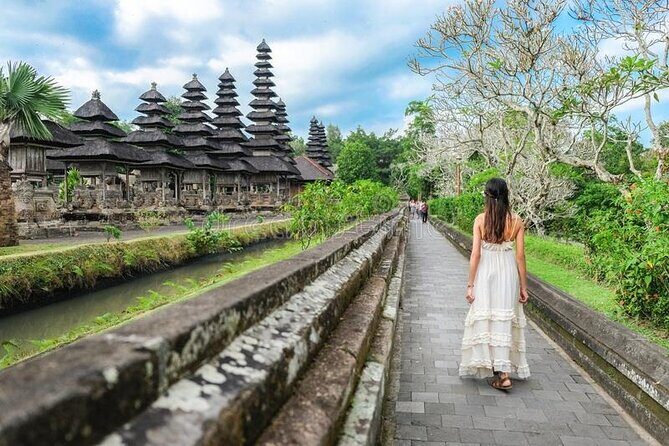
Taman Ayun is where the tour begins, with about 1 hour on-site and tickets included. This is a temple complex in a garden setting, so the experience starts slower than some other “grab and go” religious stops. You’re meant to walk, look, and absorb the Balinese architectural feel—layered structures, water features, and pathways that encourage a slow drift.

What I like about starting here is simple: it tunes you into the island’s style early. Instead of jumping straight to the “most photographed” locations, you start with a quieter cultural scene. It’s also a good spot to reset your body before the day starts climbing toward lakes and viewpoints.

Drawback? It’s not the place for rushing. If you’re the type who needs nonstop motion, you might find one hour a little too relaxed. But if you enjoy architecture and garden-temple atmosphere, it’s a smart first stop.

Handara Iconic Gate: Fast Photo Time With Mountain Backdrop Energy

Private Tour: Bali UNESCO World Heritage Sites - Handara Iconic Gate: Fast Photo Time With Mountain Backdrop Energy
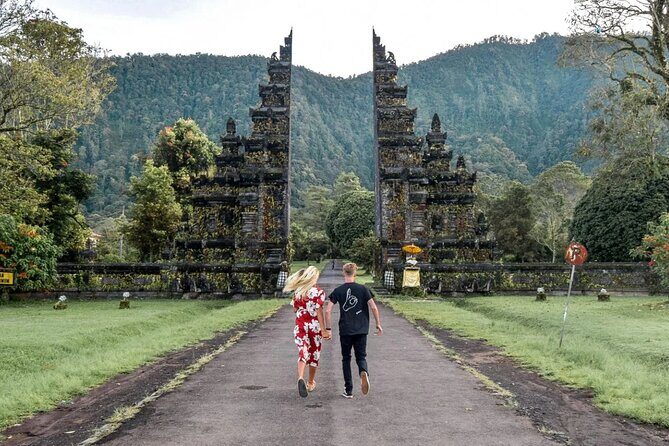
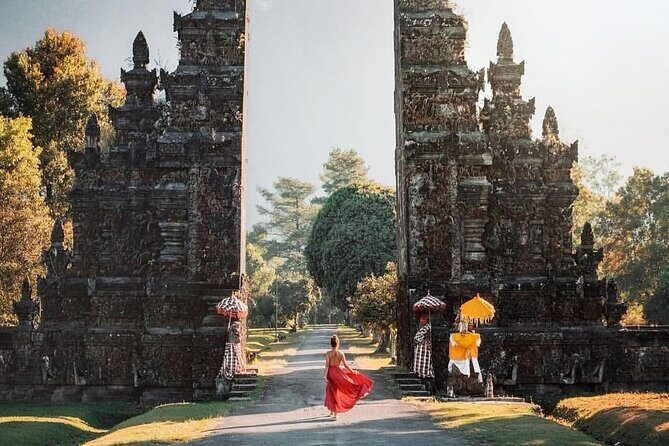
Handara Iconic Gate is short—about 30 minutes, and tickets are included. This is the stop people recognize instantly. You’re basically walking into a framed view with mountains and green surroundings behind it, built for photos.

The key is how you use the time. Don’t wait until the last minute to take your shots. Take one quick wide photo, then try a couple of angles, then give yourself 10 minutes to just stand and watch the light shift.

A consideration: weather can matter. Clouds and rain can soften the background and make the entire “gate + mountains” look less dramatic. In one described day, poor weather made the gate and nearby views less worthwhile, and the plan shifted to something else scenic instead (a coffee plantation style stop). So keep your expectations flexible here: the gate is the idea, but the weather decides the vibe.

Wanagiri Hidden Hills: Twin Lakes Views That Feel Worth the Climb

Private Tour: Bali UNESCO World Heritage Sites - Wanagiri Hidden Hills: Twin Lakes Views That Feel Worth the Climb
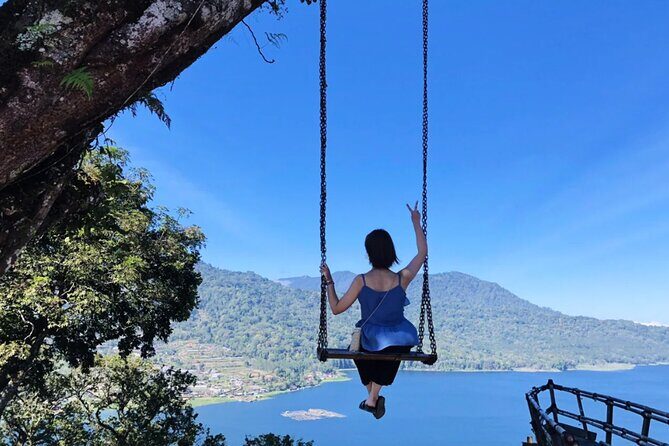
Wanagiri Hidden Hills gets about 45 minutes. This is a viewpoint stop where you’re up high, with panoramic views of Bali’s twin lakes, Buyan and Tamblingan. Expect mountain air, open views, and the kind of horizon you can stare at while your brain finally slows down.

This is also the stop where your day’s weather shows its hand the most. If skies clear, you’ll likely enjoy the stillness and the wide framing of the lake shapes. If it’s cloudy or rainy, the view can become hazy. The tour seems to handle this situation with flexibility, since at least one day included a switch away from the least rewarding parts of the route when weather didn’t cooperate.

How to make the most of it: bring a jacket if you tend to get cold easily at viewpoints, and keep your phone/camera ready. The best moment can be brief when clouds shift.

Ulun Danu Bratan Temple: A Lake-Edge Temple You’ll Want to Sit With

Private Tour: Bali UNESCO World Heritage Sites - Ulun Danu Bratan Temple: A Lake-Edge Temple You’ll Want to Sit With
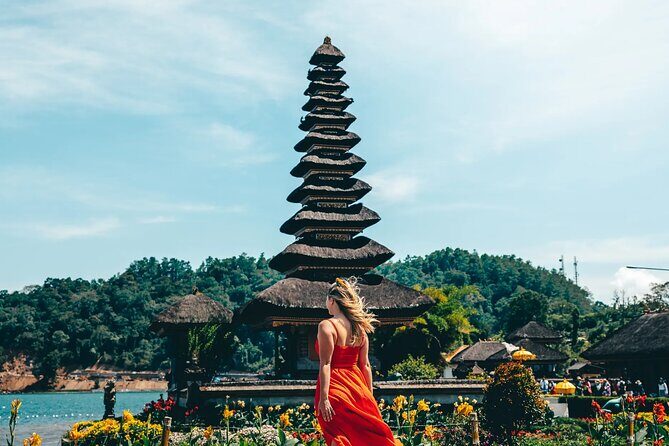
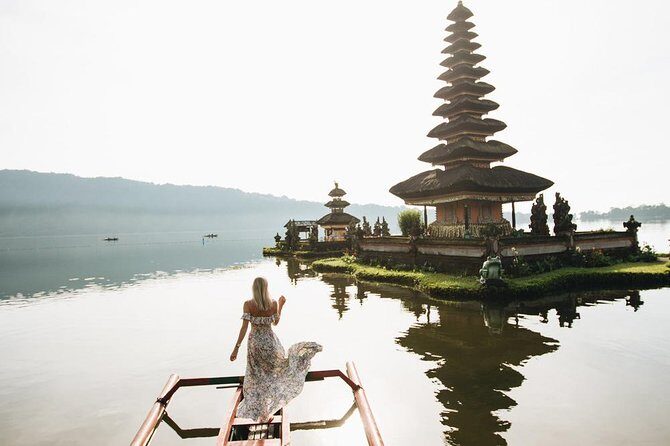
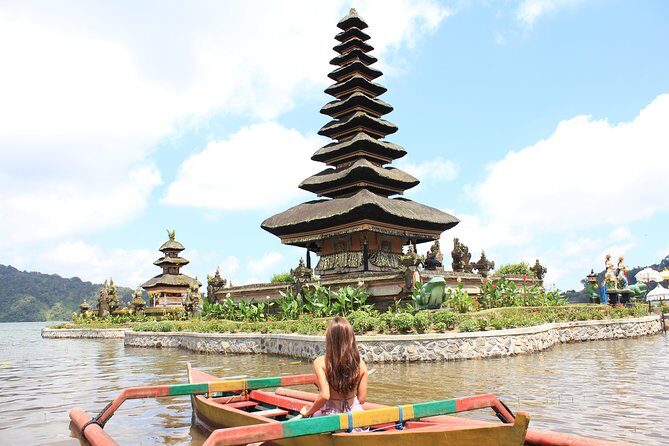
Ulun Danu Bratan Temple takes about 1 hour, and tickets are included. This is a water temple on the shores of Lake Bratan, and the experience leans toward tranquility rather than action. The architecture fits the setting, and the lake gives the place a natural framing.

One of the practical advantages of this stop is the time. One hour isn’t just enough to take photos; it gives you room to walk the grounds, watch the water, and actually understand why people slow down here.

Potential drawback: it’s still a temple stop, so plan for modest walking and basic dress expectations. Also, if the wind is strong near the lake, it can make the air feel cooler than you expect. A light layer helps.

Jatiluwih Rice Terraces: Walk the Farming System, Not Just the View

Private Tour: Bali UNESCO World Heritage Sites - Jatiluwih Rice Terraces: Walk the Farming System, Not Just the View
Jatiluwih Rice Terraces is about 1 hour, with admission included. This is where the tour shifts from “sightseeing stops” to “working landscape.” You’ll walk narrow pathways through terraced paddies, seeing how water management supports rice farming.

The reason this stop matters is that it turns a pretty view into a story about how people live with the land. You’re not just looking at steps of green. You’re seeing the system that keeps the terraces going—how irrigation and farming patterns connect.

One note from a real experience: sometimes you don’t go super close to every edge because of safety considerations. That’s normal. The goal is to let you see and walk without taking risks on slippery or steep spots.

What to wear: shoes with solid grip and socks you don’t mind getting dusty. These paths can be uneven. If it rained earlier, go with the shoe you trust most.

Tanah Lot Temple at Golden Hour: Sea Temple Drama for the Late Day

Private Tour: Bali UNESCO World Heritage Sites - Tanah Lot Temple at Golden Hour: Sea Temple Drama for the Late Day
Tanah Lot Temple is the final major stop, with about 1 hour 30 minutes, and tickets included. This is a sea temple perched on a rocky outcrop along Bali’s southwestern coast. The timing is a big part of the magic: you arrive late afternoon for sunset light, so the temple and rocks catch warm color as the day goes down.

This stop is often the “wow” ending because it mixes culture with dramatic coastline scenery. You get a sense of the temple’s relationship to the sea—less “quiet garden,” more “ceremony at the edge of the water.”

A consideration: sunset light is sometimes unpredictable. If clouds roll in, it can still be beautiful, but you might not get the full golden-hour payoff. If weather shifts earlier in the day, don’t assume Tanah Lot will always look exactly like the postcard version. Still, the setting itself is impressive even without perfect skies.

Guides Make It Feel Private, Not Just Rent-a-Car

Even though it’s a private tour, the guide is the difference between a checklist and a day that feels like it has meaning. In the experiences shared, guides like Adnyana, Angga, Gilang, Dew, and Dewa Putu/Wayan are repeatedly described as punctual, kind, and patient—someone who can explain what you’re seeing without cutting you off.

You’ll notice it at the small moments:

  • When someone points out what to look for at each temple
  • When your questions get real answers, not a one-sentence shrug
  • When the group timing works because the guide keeps everyone comfortable and unhurried

One practical advantage: English quality gets mentioned in at least one account, so if you care about understanding the why behind the temples and terraces, you’re more likely to get it with the right guide.

What You Should Bring and How to Dress for This Temple + Terrace Day

This itinerary mixes temples, photo stops, viewpoint walking, rice terraces, and a sea sunset. That means your outfit should do more than look cute.

Bring:

  • A light layer (viewpoints and lake areas can feel cooler)
  • Shoes with grip for walking paths at Jatiluwih
  • A small towel or wipes if you get sweaty or muddy on the terrace paths
  • Water and a snack if you’re the kind of person who gets hungry between long drives

Dress basics:

  • You’ll be entering religious sites, so plan for respectful clothing that covers appropriately.
  • Have a plan for rain: a compact poncho or waterproof jacket can save the day if clouds roll in at Handara or Wanagiri.

If you get rain, here’s the mindset that works: treat it as a different visual style, and be open to schedule adjustments. One described day turned a weather problem into a different stop (a coffee plantation style visit), which can still be enjoyable if you go with the flow.

Who Should Book This Private Bali UNESCO World Heritage Sites Tour

This tour fits you best if you want:

  • A single-day plan that ties together multiple Bali icons without constant decision-making
  • A mix of religious sites and farming-focused places
  • A private experience where your time isn’t shared with strangers
  • Included entry tickets that reduce surprise costs

It’s also a strong option if you’re the type who likes asking questions and getting local context, because the guide component shows up clearly in the praise for this route.

Who might reconsider?

  • If you hate long days and prefer slow travel with lots of downtime, the 10–12 hour rhythm can feel like a sprint even when it’s unhurried at the sites.
  • If you only care about one specific area (say, only rice terraces or only temples), you might feel pulled in too many directions.

Should You Book It?

I’d book this private Bali UNESCO World Heritage Sites tour if you want an efficient, well-timed day that combines temples, rice terraces, lake views, and a sea sunset with admission tickets already handled. The biggest strength is the structure: pickup, included tickets, and site-by-site timing that makes sense geographically.

Skip or reconsider if you’re extremely weather-sensitive or you’re traveling with a group that needs lots of downtime between stops. In Bali, weather changes plans, and this route hits multiple outdoor viewpoints—so flexibility is part of the deal.

If you’re ready for a full day and you like seeing a lot of Bali without doing the hard planning yourself, this is the kind of tour that can leave you with photos, stories, and a clearer sense of how the island works.

FAQ

What time does the tour start?

The meeting time is listed as 7:00 am.

How long is the tour?

The duration is 10 to 12 hours (approx.).

Is pickup included?

Yes, pickup is offered.

Are admission tickets included?

Yes. The tour notes admission ticket included for each listed stop.

Is this tour private?

Yes. It’s a private tour/activity, meaning only your group participates.

What’s the cancellation policy?

You can cancel for a full refund if you cancel up to 24 hours in advance of the experience start time. If you cancel less than 24 hours before, the amount paid is not refunded.

Ulun Danu Beratan Temple – Tanah Lot Temple Tour by UNESCO World Heritage

A great temple day needs smart routing. This one strings together three of Bali’s most famous temple moments, then adds a rice-terrace stop so the day feels more rounded than just stop-and-snap. You’ll learn the basics of Balinese religion and temple tradition while moving with hassle-free hotel transfers in an organized private setup.

What I like most is the pace and the guidance. The tour leans on a private guide experience, so you can ask questions and get explanations as you go, and you’re not stuck listening through a busload of noise. The second big win is the mix: Ulun Danu Beratan’s lakeside setting, Taman Ayun’s UNESCO World Heritage temple grounds, and Tanah Lot’s dramatic rock-coast silhouette, followed by Jatiluwih’s rice-terrace views.

One thing to consider: it’s a long travel day, roughly 8 to 10 hours, so plan for a lot of time in the car and expect early starts depending on where your hotel is in Ubud or south Bali. If you’re the type who hates schedule pressure, bring patience and a good snack plan.

Key Points Before You Go

Ulun Danu Beratan Temple - Tanah Lot Temple Tour by UNESCO World Heritage - Key Points Before You Go

  • Private group experience means only your party rides along, with time to ask questions
  • Pickup is built in from hotels in Ubud and much of south Bali, which saves real hassle
  • Three major temples in one day: Ulun Danu Beratan, Taman Ayun, and Tanah Lot
  • UNESCO World Heritage temple stop at Taman Ayun (listed in 2002)
  • Jatiluwih rice-terrace viewpoint adds a non-temple highlight and photo-friendly scenery
  • Transport-only or ticket upgrade options give you control over how you pay

A Temple Circuit That Makes Bali’s Beliefs Easy to See

Ulun Danu Beratan Temple - Tanah Lot Temple Tour by UNESCO World Heritage - A Temple Circuit That Makes Bali’s Beliefs Easy to See
This is the kind of Bali day trip that works because the temples are spaced like a story. You start at Ulun Danu Beratan, then go to Taman Ayun (the UNESCO stop), and finish with Tanah Lot where the sea-rock setting turns every photo into a postcard. Between each place, you get time to regroup rather than racing through one site after another.

What makes it interesting is how the day is framed around Balinese life and worship, not just architecture. The tour is designed to help you understand spiritual beliefs and traditions while you’re standing in front of the shrines, altars, and temple compounds. That context matters. Without it, temple stops can feel like a checklist. With it, you tend to notice the patterns in how people behave and what they’re paying attention to.

I also like that the experience is structured as a true day, with stop times listed for each location. That means you can plan your energy: around an hour for Ulun Danu Beratan, about two hours for Taman Ayun, roughly two hours at Tanah Lot, and about an hour for Jatiluwih. You still see a lot, but you’re not constantly wondering if you’re about to be rushed.

What You Really Get for $22: Pickup, Transport, and Ticket Options

Ulun Danu Beratan Temple - Tanah Lot Temple Tour by UNESCO World Heritage - What You Really Get for $22: Pickup, Transport, and Ticket Options
At $22 per person, the value is mainly about logistics. Bali traffic and driving times can eat your day fast, especially when you want to hit multiple sites outside your immediate area. This tour bundles direct transport from your hotel into the schedule and keeps the day moving.

You’ve also got a payment choice that can help you stay in control:

  • You can opt for transport-only, or
  • Upgrade to include tickets, depending on what you prefer.

The itinerary lists admission as ticket-free at each stop, but the key practical point is this: you should still confirm exactly what’s covered under your chosen option at booking. That way you avoid that annoying moment of figuring out what you’re expected to pay onsite.

One more value signal: the tour offers mobile tickets and has a strong track record of people booking recently. For you, that usually translates into fewer day-of surprises and a smoother start.

The Day at Ulun Danu Beratan Temple: A Lakeside Stop in Bedugul

Ulun Danu Beratan Temple - Tanah Lot Temple Tour by UNESCO World Heritage - The Day at Ulun Danu Beratan Temple: A Lakeside Stop in Bedugul
Your first temple stop is Ulun Danu Beratan, a well-known lakeside temple in Bali’s north highlands. It sits on the lake of Beratan, and the location in the Bedugul regency matters because it changes the whole mood of the visit. Even before you arrive, you’ll feel that shift from hot-city Bali to a cooler, more scenic highland setting.

Expect about 1 hour here. That’s a good window for two reasons:

  1. It gives you time to slow down and look around rather than just walking the main area once.
  2. It keeps your day from collapsing into an endless sequence of temples with zero recovery time.

Practical note: because this stop is set on a lake area and in higher terrain, it can feel different from the coastal feel of Tanah Lot later. Plan for temperature swings and bring a light layer if you get cold easily.

This is also a smart first stop psychologically. If you start at a visually iconic, scenic temple, the rest of the day feels easier. Even people who are temple-fatigued later often say the lakeside atmosphere is a standout.

Taman Ayun Royal Temple and UNESCO Status: Walking the Grounds

Ulun Danu Beratan Temple - Tanah Lot Temple Tour by UNESCO World Heritage - Taman Ayun Royal Temple and UNESCO Status: Walking the Grounds
Next up is Taman Ayun Temple, a royal temple connected to the Mengwi regency. The tour notes it was built by the former King of Mengwi regency in 1634 AD, and it is part of the UNESCO World Heritage list (2002). That UNESCO label isn’t just trivia. It usually means the site is especially valued and maintained, and it’s worth paying attention to how the space is used.

You’ll spend around 2 hours at Taman Ayun, which is a comfortable amount of time for a place with compound-style layouts. Two hours lets you do more than the quickest loop, and it gives you time to stop, look, and take photos without turning it into a chore.

This stop also tends to benefit from a good guide. In the Bali temple world, understanding the basic religious logic behind what you’re seeing can turn an information-heavy afternoon into something memorable. Guides with names like Bawa and Nyoman Bawa have been praised for explaining what you’re looking at and keeping the flow respectful and calm.

One drawback to note: the day is temple-focused, so if you’re hoping for a lot of free time to wander independently, you might find yourself following the schedule fairly closely. That’s not a bad thing here, but it’s good to know what you’re signing up for.

Tanah Lot at Rock-Edge Views: Timing Your Visit for Photos

Ulun Danu Beratan Temple - Tanah Lot Temple Tour by UNESCO World Heritage - Tanah Lot at Rock-Edge Views: Timing Your Visit for Photos
Finally, you reach Tanah Lot Temple, one of Bali’s most photographed temple locations. It’s described as an iconic temple for Balinese Hindus, placed on a large rock off the coast. That setting does most of the work for your photos: the temple and the sea-rock silhouette create a natural frame.

Plan for about 2 hours at Tanah Lot. That’s enough to:

  • walk around the main viewing areas,
  • get your photos without feeling rushed, and
  • still enjoy the atmosphere without treating it like a timed checkpoint.

One practical consideration: Tanah Lot is a coastal stop, which can mean wind and changing light. If your photos matter to you, wear shoes you can trust on uneven ground and be ready to adjust your angle. A patient guide helps here, and several guides on this route are praised for being careful, polite, and willing to work around your photo needs, including drivers named Ricky and Agus.

If you’re the type who likes a big finale, this is the right end-of-day choice. The temple’s rock-coast drama gives you a stronger closing memory than a more inland site.

Jatiluwih Rice Terraces: Green Views and the Rice-Making Process

Ulun Danu Beratan Temple - Tanah Lot Temple Tour by UNESCO World Heritage - Jatiluwih Rice Terraces: Green Views and the Rice-Making Process
After the temples, the itinerary shifts to Jatiluwih Green Land, where the focus is the rice terraces. This stop is shorter, about 1 hour, but it’s not a throwaway. Rice-terrace views help break up the day so you don’t end up with four temples blurring together.

What I like about this add-on is that it links scenery to daily life. The tour description specifically points to seeing the rice terrace and learning about the process of making rice on Bali. Even if you only catch a quick explanation, it changes how you look at the fields. You stop thinking only in terms of photos and start thinking in terms of work, timing, and tradition.

If you’re a photographer, Jatiluwih is a strong late-day option because terraces give layered depth. If you’re traveling with people who don’t love temples as much, this is often the stop that wins them over.

Guides and Private-Group Comfort: When Names Like Bawa and Ricky Matter

Ulun Danu Beratan Temple - Tanah Lot Temple Tour by UNESCO World Heritage - Guides and Private-Group Comfort: When Names Like Bawa and Ricky Matter
This tour is private, meaning only your group participates. That sounds like marketing until you think about how it affects your day. With a private setup, your guide can adjust the pace and focus on what matters to you, whether that’s asking questions or finding a safer, better viewing spot for photos.

The strongest praise in the provided feedback points to guide quality. People talk about guides being professional and patient, answering questions well, and taking time to help with photos. Specific guide names show up repeatedly, including Wira, Bawa, Yuda, Madu, Ricky, and Agus, plus Nyoman Bawa. When you see that pattern, it suggests the tour’s real strength is not just the itinerary, but the human side of it.

Also, one practical perk mentioned is flexibility. One experience notes that a guide was understanding and flexible when you’ve already seen some of the sites, which is the kind of thing that can save your day if you’re on a tight schedule in Bali.

Just remember: private guide time is still time inside a fixed route. You can often adjust a bit, but you shouldn’t expect the day to turn into a full custom plan unless you confirm that upfront.

Practical Tips for a Smooth 8 to 10 Hour Temple Day

Ulun Danu Beratan Temple - Tanah Lot Temple Tour by UNESCO World Heritage - Practical Tips for a Smooth 8 to 10 Hour Temple Day
Here’s how I’d make this day trip feel easier before you even leave your hotel.

Start with the right mindset. You’re doing a full temple circuit across different parts of Bali, with a total duration listed as 8 to 10 hours. That includes driving, time on site, and breaks that keep you from feeling fried by mid-afternoon.

Plan for site etiquette. The tour is centered on Balinese religious spaces, so dress and behavior matter. If you’re unsure, ask your guide. A good guide will guide you toward what fits the moment while keeping things respectful.

Bring the basics for comfort. Since you’ll be out for most of the day, pack sun protection, water, and comfortable shoes. Coastal and highland locations mean conditions can change, so don’t rely on only one outfit layer.

Use the guide’s photo help. Several named guides are praised for taking beautiful photos with guests. If that matters to you, tell your guide early. They can often point you toward angles and timing that make the shots look natural, not forced.

Think about your energy order. The day starts with Ulun Danu Beratan, moves to Taman Ayun, then ends with Tanah Lot. If you’re sensitive to motion sickness or fatigue, mention it in advance so the driver can manage the pace in a way that feels comfortable.

Should You Book This UNESCO World Heritage Temple Tour?

I think this is a solid booking if you want a single day that covers the big Bali temple hits with a guided explanation, plus a rice-terrace stop that adds variety.

Book it if:

  • You want pickup and transport handled for you from Ubud or south Bali
  • You like structured routes with enough time at each stop
  • You’d rather have a private guide than deal with a crowded group
  • You care about learning the meaning behind what you see at Balinese Hindu temples

Skip or reconsider if:

  • You hate long driving days and would rather pick fewer sites
  • You prefer very open-ended wandering with no schedule at all
  • You’re extremely weather-sensitive and can’t handle highland-to-coast changes

If you’re on the fence, I’d choose based on your travel style: this tour fits well when you want value through smart routing and you appreciate explanations that connect temples to daily Balinese belief and tradition.

FAQ

Is pickup included for this Bali temple tour?

Yes. The tour includes pickup from hotels in Ubud and much of south Bali, aiming to make transfers hassle-free.

How long is the tour from start to finish?

The duration is listed as 8 to 10 hours (approximately).

What temples and sights are included in the route?

You’ll visit Ulun Danu Beratan Temple, Taman Ayun Temple, and Tanah Lot Temple, plus a stop at Jatiluwih Green Land for rice-terrace views.

Is this a private tour or a shared group?

It’s private, meaning only your group participates.

Does the tour include admission tickets?

You can choose a transport-only package or upgrade to include tickets. The itinerary also lists admission as ticket-free for the stops.

Is there a mobile ticket?

Yes, the tour features mobile ticket access.

How much does it cost?

The price is $22.00 per person.

Can most travelers join this experience?

The tour notes that most travelers can participate.

Is free cancellation available?

Yes. You can cancel up to 24 hours in advance for a full refund.

Bali Unesco World Heritage Sites Tour (Private & All-Inclusive)

Bali Unesco World Heritage Sites Tour (Private & All-Inclusive) - Stop 1: Ulun Danu Bratan Temple by the lake

Bali feels like a moving postcard today. This private, all-inclusive day strings together two UNESCO stars—Jatiluwih and Ulun Danu Bratan Temple—plus big photo stops like Handara Iconic Gate and Wanagiri Hidden Hills. I especially like the private 2-way transfers from many Ubud and south Bali hotels, which means less stress and more daylight for sightseeing. The only real drawback is the schedule is packed for a full 8 to 10 hours, so you’ll want comfortable shoes and patience for road time.

What makes it easier is the everyday stuff taken care of: lunch is included, and there’s onboard Wi-Fi so you’re not stuck paying roaming charges just to check maps or post photos. It’s also run as a private tour/activity, so you’re not sharing the van with strangers who do not care about your sunset plans.

Key things that make this Bali UNESCO tour work

Bali Unesco World Heritage Sites Tour (Private & All-Inclusive) - Key things that make this Bali UNESCO tour work

  • Two UNESCO World Heritage sites on one route: Jatiluwih rice terraces and Ulun Danu Bratan Temple
  • Photo stops built into the day: Handara Iconic Gate and Wanagiri Hidden Hills
  • Comfort-forward logistics with private 2-way hotel transfers from many Ubud and south Bali areas
  • Onboard Wi-Fi so you can stay connected without roaming drama
  • Ticketed admissions included at each main stop
  • A mix of culture and scenery: temple views, lake vibes, rice terraces, and Nungnung Waterfall

How the day stays balanced: culture plus scenic “wow”

This tour is designed around variety. You start with a temple setting that feels calm and slightly cinematic, then pivot into nature viewpoints and the rice terraces that made Bali’s subak farming system UNESCO-famous.

You’ll also notice the route isn’t just “go to the famous place and leave.” Each stop gives you time to actually look, take pictures, and breathe a bit—especially at Ulun Danu Bratan Temple and Jatiluwih. And if you’re the type who likes to understand what you’re seeing, guides such as Yasa (including Mega Yasa) and Gusde are known for sharing helpful cultural and nature context while also giving practical photo tips.

The pacing is still busy, though. Expect a long day with multiple check-ins and travel between sites.

Pickup and travel time: the value of going private

Bali Unesco World Heritage Sites Tour (Private & All-Inclusive) - Pickup and travel time: the value of going private
The biggest practical win is the private, door-to-door approach. You get private 2-way transfers from many Ubud and south Bali hotels, which is a big deal in Bali where traffic can turn “a short drive” into a long wait.

This matters because your itinerary is spread across areas with different vibes—Bedugul lake country, then toward the rice terraces plateau, then scenic viewpoints and waterfalls. A shared shuttle can add waiting time and force a less convenient order of stops. Going private helps you keep the schedule smoother and the day feeling more like a planned outing than a series of rushed transfers.

Bring a light layer too. The Bedugul plateau area is described as cool-weather territory, and you’ll likely feel it once the road climbs.

Stop 1: Ulun Danu Bratan Temple by the lake

Bali Unesco World Heritage Sites Tour (Private & All-Inclusive) - Stop 1: Ulun Danu Bratan Temple by the lake
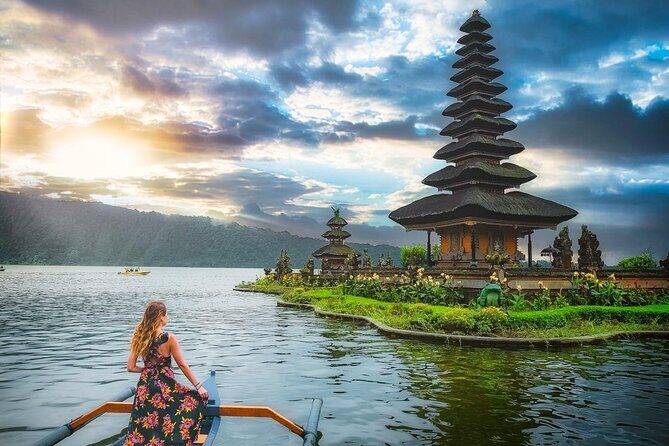
Ulun Danu Bratan Temple sits at the edge of Baratan Lake in the Bedugul area. The setting is dedicated to the goddess of the lake, and the vibe is serene—more “slow looking” than “quick photo and run.”

This is a good first major stop because the architecture and the lake backdrop set the tone. You get a full hour here, which is enough time to do the basics: look around the temple area, take your photos, and then step back to enjoy the view for a few minutes when the light hits the water.

Practical note: temple visit comfort depends on what you wear. Stick to modest basics, and you’ll avoid hassle and spend more time focusing on the views.

Stop 2: Wanagiri Hidden Hills and the lake-country lookout

Bali Unesco World Heritage Sites Tour (Private & All-Inclusive) - Stop 2: Wanagiri Hidden Hills and the lake-country lookout
Next up is Wanagiri Hidden Hills, with a landscape that’s all about layered viewpoints. The area is described as a plateau with green hills around Bali Tamblingan Lake, sitting near Buyan Lake, with cool-weather surroundings.

You’ll get about an hour here, and this is where the day shifts from sacred quiet to “lookouts and angles.” This stop is ideal if you like panoramic photos or if you’re traveling with someone who wants to take their time choosing angles. It’s also a good pause before the waterfall, because the views help reset your brain.

One drawback to know: viewpoints can get crowded during peak times, and the terrain is outdoors. Wear shoes with good grip, and expect you might do a bit of walking for the best angles.

Stop 3: Nungnung Waterfall and the short hike feeling

Bali Unesco World Heritage Sites Tour (Private & All-Inclusive) - Stop 3: Nungnung Waterfall and the short hike feeling
Nungnung Waterfall is located in the village of the same name, closer to south Bali, and it’s around 900m above sea level. The drive from Kuta is described as roughly 90 minutes to two hours, depending on conditions.

The experience here is built around a short hike to get to the waterfall. That’s a great trade for a day like this: after temple and viewpoints, you get a more physical change of pace. Also, waterfalls tend to reward patience—if the timing works and the air is humid, the atmosphere feels extra “real,” not just scenery you pass by.

The only consideration is comfort and footing again. You’ll want shoes you trust on uneven ground. If you’re sensitive to heat or humidity, plan for hydration even though the day includes lunch.

Stop 4: Jatiluwih Rice Terrace (Kubu Terrace Jatiluwih Official)

Bali Unesco World Heritage Sites Tour (Private & All-Inclusive) - Stop 4: Jatiluwih Rice Terrace (Kubu Terrace Jatiluwih Official)
This is the UNESCO moment that ties everything together. Jatiluwih Rice Terrace is described as countryside on a plateau with a mountain as a backdrop. The rice terraces unfold from the foot of the mountain upward, which is the kind of view that makes you stop talking for a second and just look.

This part of Bali’s UNESCO listing connects to the subak farming system—traditional water management and farming practices that support the terraces. In plain terms: you’re not just seeing pretty farms. You’re seeing how the landscape is maintained and why it matters.

You’ll have about an hour here, which is enough for:

  • one main viewpoint route,
  • a few stops for photos,
  • and a slow moment to understand the scale.

If you’re a photo person, this is where a good guide really helps. People like Agus and Buddy are noted for knowing photo spots and even getting great shots with just a cellphone. If you can, bring your phone camera fully charged and consider a small power bank—this is a long day.

Stop 5: Handara Iconic Gate for the famous framing

Bali Unesco World Heritage Sites Tour (Private & All-Inclusive) - Stop 5: Handara Iconic Gate for the famous framing
Handara Iconic Gate is the tour’s iconic photo stop at Handara Golf & Resort. Expect the visit to feel more like a dedicated viewpoint/photo moment than a long wander.

You get about an hour, so don’t just sprint to the gate. Walk around your framing options, check the light, and take a few shots that include the environment—not only the gate. The gate is famous for a reason, but the best photos often include the hills and sky around it.

The drawback: this is a very popular spot. If you’re easygoing, you’ll enjoy it. If you hate crowds, you may feel the wait or slow flow more than at quieter sites.

The in-between scenic passes: Ubud and Bedugul drive-by highlights

Bali Unesco World Heritage Sites Tour (Private & All-Inclusive) - The in-between scenic passes: Ubud and Bedugul drive-by highlights
The itinerary also includes several passes that give you extra context and scenery without turning the day into a second tour. You may pass:

  • Ubud Royal Palace
  • Monkey Forest
  • A lake in Ubud
  • An infinity lake in Bedugul
  • Several temples in Ubud
  • Bali Swing on the way

And depending on your hotel area, you might pass:

  • Canggu Beachwalk if you’re staying in Canggu
  • Kuta Beachwalk if your hotel is in Kuta

These drive-by stops are not long visits, so think of them as “quick look, then back to the plan.” They’re still useful because they help you understand where you are and what Bali looks like in transit—especially when the day is otherwise focused on specific UNESCO and nature stops.

Lunch, tickets, and onboard Wi-Fi: the practical inclusions

This tour includes lunch, and admission tickets are included for the main listed stops. That’s part of what makes the price feel more reasonable than it might at first glance: you’re paying for a coordinated full-day outing, not just transportation.

The onboard Wi-Fi is a small luxury that adds up on a long travel day. It helps you:

  • keep your maps updated,
  • message home without buying extra data,
  • and share photos while the day is still fresh in your head.

Also, the tour includes a mobile ticket. That reduces the paper shuffle and makes your day smoother.

Price and value: $117 for a full UNESCO-sight day

At $117 per person, you’re paying for a private, all-inclusive structure: private transfers, lunch, admission tickets, and onboard Wi-Fi. For an 8 to 10 hour day with multiple major stops, the value comes from removing the usual friction—waiting, ticket lines (where applicable), and extra planning.

Where this price tends to make the most sense is when:

  • you’re staying in Ubud or south Bali and want door-to-door convenience,
  • you want UNESCO sites plus major scenic photo stops in one day,
  • you’d rather not rent a scooter and coordinate multiple locations yourself.

If you’re traveling super budget and can handle DIY logistics, you might spend less on paper. But the real question is your time and stress level. This day is designed to be straightforward.

Who will love it most (and who might want a different plan)

I think this tour is a strong match for couples, small groups, and first-timers who want the best “Bali in one day” selection without piecing together logistics.

You’ll likely enjoy it most if:

  • you care about UNESCO context and want to understand what you’re seeing,
  • you like photos but don’t want to spend the entire day chasing angles,
  • you’d rather ride comfortably than navigate on your own.

Who might hesitate? If you hate long drives or prefer slow travel with fewer stops, the schedule may feel intense. Since the day is 8 to 10 hours with multiple locations, it’s best for people who can roll with a full itinerary.

Tips that help you get the most from the day

  • Wear shoes you trust for outdoor walkways and the waterfall area.
  • Keep a light layer for Bedugul’s cooler conditions.
  • Charge your phone and bring a small power bank for long photo sessions.
  • If you’re picky about photos, arrive with patience at popular spots like Handara Iconic Gate.
  • Use the Wi-Fi to keep your bearings and share as you go, not after you get home.

Should you book the Bali UNESCO World Heritage Sites Tour?

If you want an efficient, private day that hits Jatiluwih rice terraces and Ulun Danu Bratan Temple, plus standout scenic stops like Wanagiri Hidden Hills and Nungnung Waterfall, I’d say this tour is a solid yes. The $117 price feels more fair once you factor in private transfers, lunch, ticketed admissions, and onboard Wi-Fi.

I’d book it especially if you’re short on time and staying in Ubud or south Bali. You’ll get a lot of Bali variety in a single day without turning your trip into a logistics project.

FAQ

What UNESCO sites does this tour include?

You’ll visit Jatiluwih Rice Terraces and Ulun Danu Bratan Temple as part of Bali’s UNESCO listing.

How long is the tour?

The tour runs about 8 to 10 hours.

Does the tour include hotel pickup and drop-off?

Yes. Private 2-way transfers are offered from many Ubud and south Bali hotels, and the van passes by locations like Canggu Beachwalk or Kuta Beachwalk depending on where your hotel is.

Is Wi-Fi included during the trip?

Yes. There is onboard Wi-Fi included.

Are admission tickets included?

Yes. Admission tickets are included for each of the main listed stops.

Is lunch included?

Yes, lunch is included.

Is this tour private?

Yes. It’s a private tour/activity, meaning only your group participates.

Is there free cancellation?

Yes. Free cancellation is available, and you can cancel up to 24 hours in advance for a full refund.

What is the mobile ticket option?

The tour includes mobile ticket access.

Crafting Heritage Batik Painting Workshops

Crafting Heritage Batik Painting Workshops - The 3-Hour Process: Sketch, Wax, Dye, and Wash-Back to Color

Turn wax into art in 3 hours.

This Ubud-area batik class is a mellow, hands-on way to understand how Indonesian fabric art works, not just admire it. You’ll sketch a motif, draw with hot wax, then dye so the pattern appears when the wax is washed off.

I especially like the patient teaching and the calm studio vibe. In classes led by instructors such as Dika and Agong, you get step-by-step guidance without feeling rushed, even if you’re not an art person.

One consideration: batik is harder than it looks. Expect you’ll need patience, and the best results come from accepting happy accidents rather than chasing perfection.

Key things I’d put on your radar

  • Hot-wax resist batik in real time, so you see exactly how the pattern locks in
  • A relaxed studio setting in a family compound, outside the busiest Ubud lanes
  • Choice in how you work: solo creativity or closer tutor support
  • Included materials plus snacks and drinks, making the $29 feel fair
  • Take-home souvenir you made yourself, not a mass-produced print

Why Hot-Wax Resist Batik Feels Like Real Craft, Not a Souvenir Line

Crafting Heritage Batik Painting Workshops - Why Hot-Wax Resist Batik Feels Like Real Craft, Not a Souvenir Line
Batik is one of those traditions that sounds simple until you try it. The core idea is wax-resist: you cover parts of your fabric with hot wax, apply dye to the whole piece, and then wash the wax out so the waxed areas keep their original color.

That process is why this workshop is more than a hands-on activity. You learn a repeatable method that artists in Bali and across Indonesia use to make meaning—motifs, patterns, and symbolism—through careful steps rather than random luck.

And because you’re doing it step by step, the “wow” moment isn’t just in the finished piece. It’s in watching how your choices turn into outcomes: where your wax goes, what you choose to dye, and how your design changes as you work.

Five Arts Studio Near Ubud: A Peaceful Family-Compound Setting

Crafting Heritage Batik Painting Workshops - Five Arts Studio Near Ubud: A Peaceful Family-Compound Setting
The class takes place at Five Arts Studio in Keliki (near Tegallalang), tucked into a family home compound. That matters. You’re not stuck in a commercial workshop surrounded by loud sales energy, and you’re not just “touring” the craft—you’re working inside the environment where art-making fits into daily life.

The studio setup is casual and comfortable, and it’s run by a master artist with a team that clearly wants you to succeed. Based on what people highlight, the atmosphere feels calm and supportive, even when you mess up a bit (because you will, if you’re human).

Also, you’re in a smaller setting: the group size is capped at 30 travelers. That’s large enough for a fun shared vibe, but small enough that you’re not lost in a crowd.

The 3-Hour Process: Sketch, Wax, Dye, and Wash-Back to Color

Crafting Heritage Batik Painting Workshops - The 3-Hour Process: Sketch, Wax, Dye, and Wash-Back to Color
Plan for an activity that runs about 3 hours. The schedule is built around the batik steps, so you’re not just watching someone else do the work.

Here’s the heart of what you do:

  • You sketch out your design, using a chosen motif as a starting point
  • You draw the design onto the fabric using hot wax
  • You apply dye so it only takes to areas you didn’t wax
  • Later, you wash off the wax, which leaves the outline and protected zones in the original color

You’ll likely notice how much the design phase affects everything after. When your lines and choices are clear, the wax-resist effect looks crisp. When your design is loose, you get softer edges. Neither is “wrong,” but the wax step rewards focus.

Most people end up learning quickly that batik isn’t about being fast. It’s about being steady. If you get frustrated—like when wax lands somewhere you didn’t plan—good instruction helps you pivot instead of shutting down.

Working Solo vs Getting Closer Tutor Support

One of the best things about this class is that you get a choice in your learning style. You can work more independently, or you can stay closer to the tutor as you go.

That flexibility is useful because batik skill-building has two parts:

1) the technical part (wax and dye control)

2) the creative part (motifs, personal touches, how bold you make your pattern)

In many sessions, instructors encourage you to bring your own ideas or motif, while also offering helpful suggestions and stencil options. People also note that teachers talk you through the process clearly—so you’re not stuck guessing what comes next.

In at least some classes, you can get real one-on-one help, which makes a difference if you’re nervous about doing it “wrong.” And if you’re traveling with kids, the teaching style is set up to keep them moving through the steps too.

What’s Included in the $29 Value (and What You’ll Likely Spend Extra)

Crafting Heritage Batik Painting Workshops - What’s Included in the $29 Value (and What You’ll Likely Spend Extra)
At $29 per person, the value comes from the materials and structure. The class includes the supplies you need to make an original batik piece, plus snacks, coffee and/or tea, and mineral water.

That’s a lot for a 3-hour activity, especially in Bali where you can sometimes pay similar money for classes that don’t include much beyond a quick demo. Here, you leave with a finished souvenir that reflects your choices.

What’s not included:

  • Lunch is available to order locally
  • Alcohol can be purchased, but it’s not part of the price

So if you’re trying to keep the day simple, plan on breakfast or a light meal beforehand and then decide on lunch after the workshop. If you want to stay flexible, ordering local food on-site is an easy plan.

Getting There: Keliki Start Point and a Low-Stress, No-Fuss Finish

Crafting Heritage Batik Painting Workshops - Getting There: Keliki Start Point and a Low-Stress, No-Fuss Finish
You’ll start at Five Arts Studio, Jl. Raya Keliki, Keliki, Kec. Tegallalang, Kabupaten Gianyar, Bali 80561. The activity ends back at the same meeting point, so you’re not stuck figuring out transportation at the end.

Timing-wise, this fits well as a “creative block” in your day. It’s long enough to feel satisfying and educational, but short enough that you can still hit other Ubud-area sights afterward if you want.

A practical note from the way the workshop is described: the studio is in a family compound. You should dress for hands-on crafting and be ready to move around a bit. The activity lists a strong physical fitness level, so if you have mobility limitations, it’s smart to check what the walking and seating options look like before you go.

Who This Batik Workshop Is Best For (and Who Might Want Another Plan)

Crafting Heritage Batik Painting Workshops - Who This Batik Workshop Is Best For (and Who Might Want Another Plan)
This is a great fit for:

  • beginners who want to try a traditional craft without feeling judged
  • travelers who want a handmade souvenir with real technique behind it
  • families looking for a structured activity that still feels relaxed
  • art-minded people who like learning how the method works, not just buying the output

You might want to reconsider if:

  • you hate careful, slow tasks and want instant results
  • you need an activity where everything is low effort and zero concentration
  • you’re looking for a fast photo-op instead of a real craft session

The upside is that the teaching style is built around helping you succeed. People specifically praise how patient the team is and how they guide you through mistakes rather than treating them like failures.

So, Should You Book This Ubud Batik Class?

Crafting Heritage Batik Painting Workshops - So, Should You Book This Ubud Batik Class?
Yes—if you want a meaningful Bali craft experience that still feels easygoing. For the price, you’re paying for real instruction, all the materials, and the chance to take home an original piece you actually made.

Book it if you like being hands-on and you can give yourself permission to not be perfect on step one. Batik rewards patience, and this workshop is designed to help you get there without stress.

FAQ

Crafting Heritage Batik Painting Workshops - FAQ

FAQ

How long is the Crafting Heritage Batik Painting Workshop?

It lasts about 3 hours.

Where is the workshop located?

It starts at Five Arts Studio, Jl. Raya Keliki, Keliki, Kec. Tegallalang, Kabupaten Gianyar, Bali 80561, Indonesia.

What is the price per person?

The price is $29.00 per person.

What is included in the workshop?

Snacks, coffee and/or tea, mineral water, and the materials you need to make your own original batik are included.

Is lunch included?

No. Lunch is available to order local food.

Is alcohol included?

No. Alcohol is available to purchase.

Can I work independently or with the tutor?

Yes. You can choose to work independently or work more closely with the tutor.

How big is the group?

The maximum group size is 30 travelers.

What is the cancellation policy?

Free cancellation is available up to 24 hours in advance for a full refund. If you cancel within 24 hours of the start time, you don’t get a refund.

If you want, tell me your travel month and whether you’re going with kids or as a solo traveler, and I’ll suggest the best time of day to schedule this class around Ubud traffic.